1/3
A Profile in Windows
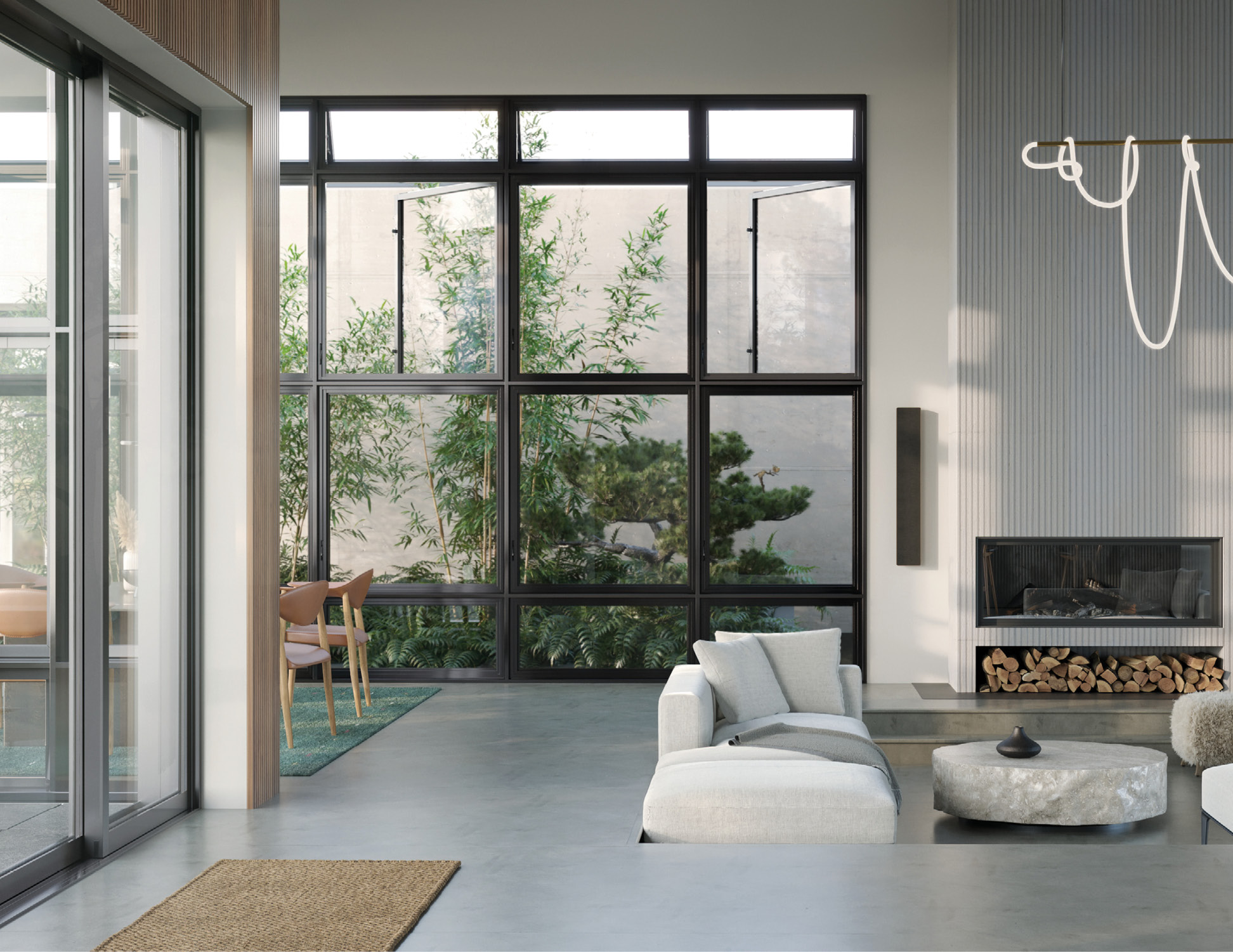
Windows serve multiple critical functions in a home, including providing views, protecting from elements, maintaining interior comfort, and significantly contributing to a home's design aesthetic. Homeowners prioritize windows that meet their expectations for type, performance, and design.
The U.S. market is largely dominated by double-hung windows, considered the "workhorse" due to their design flexibility, ease of interaction, ventilation capabilities, and cleaning convenience. Single-hung windows are often chosen for new construction due to their lower price point, except in design-build projects. For replacements, homeowners typically opt for double-hung products, with casement windows being a popular choice for areas like over the kitchen sink. Most replacement decisions involve matching existing window types, although some may switch to fixed windows or consider ergonomic and accessibility factors.
Window design trends are cyclical, with older styles frequently re-emerging. Color remains a key element in window design, offered through co-extrusion, lamination, or paint. Home design largely dictates window types; double-hung and single-hung windows are associated with traditional styles, while casements, awnings, and gliders lean towards contemporary aesthetics. Larger direct-glaze and picture windows are gaining popularity across all market segments. Manufacturers must also address varying performance requirements, such as structural and thermal specifications, across different regions to provide tailored solutions.
Fixed windows, including direct-glaze and picture windows, are generally the most energy-efficient but do not allow for ventilation. Among operating windows, casement and awning types tend to outperform hung windows and gliders in efficiency. Every window type has specific characteristics that can be optimized for efficiency and comfort.
European tilt-and-turn windows are increasingly popular in the U.S. market, driven by their high energy efficiency. Their compression sealing and multi-point locking mechanisms offer superior performance. Increased awareness has led to competitive pricing from eastern European manufacturers, opening the market further despite challenges associated with long supply chains. This has prompted some U.S. manufacturers to adopt tilt-and-turn designs, benefiting customers with shorter lead times and improved service. Deceuninck, for instance, Americanized its European Revolution product into the RevolutionXL and offers the Elegant platform with ThermoFibra technology for enhanced thermal performance.
Despite growing awareness, tilt-and-turn windows remain a niche product, representing a small but expanding share of the overall market. Their appeal is often stronger in the commercial sector due to price and functionality. For residential applications, challenges include interference with interior window treatments due to inward opening, differences in North American wall depth compared to European standards, and complications with insect screens.
Manufacturing processes for windows continue to evolve with investments in new equipment and automation to improve efficiency and safety. Automation primarily aims to enhance worker safety, especially with the increasing size of windows and doors, and to streamline processes through technology and data. The fundamental steps of cutting, welding, and cleaning window profiles remain consistent, with variability stemming from aesthetic requirements, performance values, and the need for different stations to process raw materials into finished products. Manufacturers often train staff across different production lines to ensure flexibility and maintain quality. Tilt-and-turn windows are relatively easy to manufacture due to their three main components (frame, sash, glazing bead) and hardware designed for self-location, minimizing errors. The size of tilt-and-turn windows is primarily limited by hardware functionality and weight capacity, considering factors like double or triple glazing and glass packages. Automated hardware presents another opportunity for tilt-and-turn products, as their mechanism for tilting and opening is simpler to automate compared to hung or slider windows.
#WindowDesign #DoubleHungWindows #TiltAndTurnWindows #WindowManufacturing #EnergyEfficiency #HomeAesthetics #BuildingMaterials #MarketTrends #Automation #WindowDesign #DoubleHungWindows #TiltAndTurnWindows #WindowManufacturing #EnergyEfficiency #HomeAesthetics #BuildingMaterials #MarketTrends #Automation
0 comment in total
 No comments yet
You may also like

Here's How to Make Your Windows Installation More Private

How to Install or Remove Optional Features in Windows 11

How to declutter, quiet down, and take the AI out of Windows 11 25H2
A Minimal Window Frame that Combines Elegance and Functionality

Clear Choice Windows

Windows Dynamic Lighting

High-Tech Windows

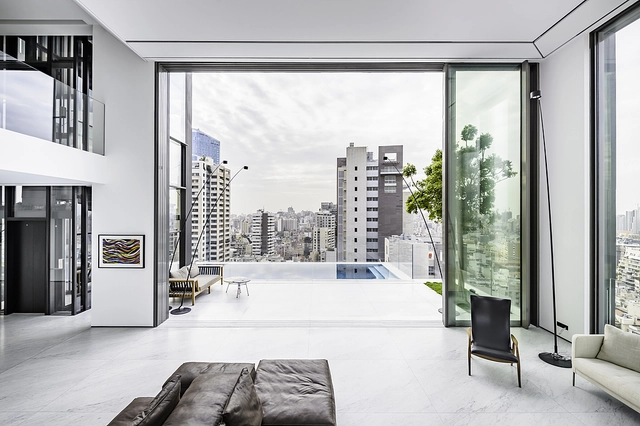
Sliding Window – Invisible Frame from Vitrocsa
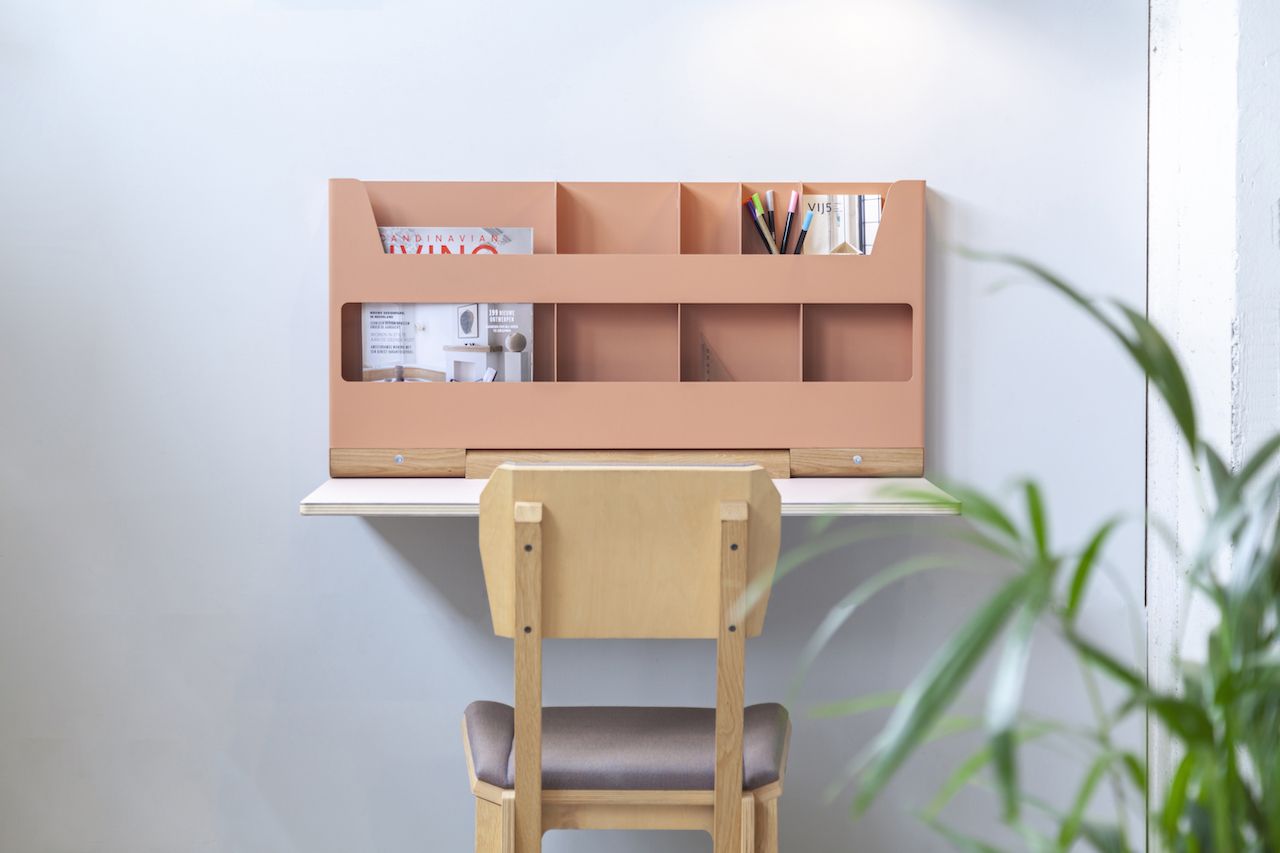
Flip: The Fold-Away Workstation Inspired by Laptops