1/11
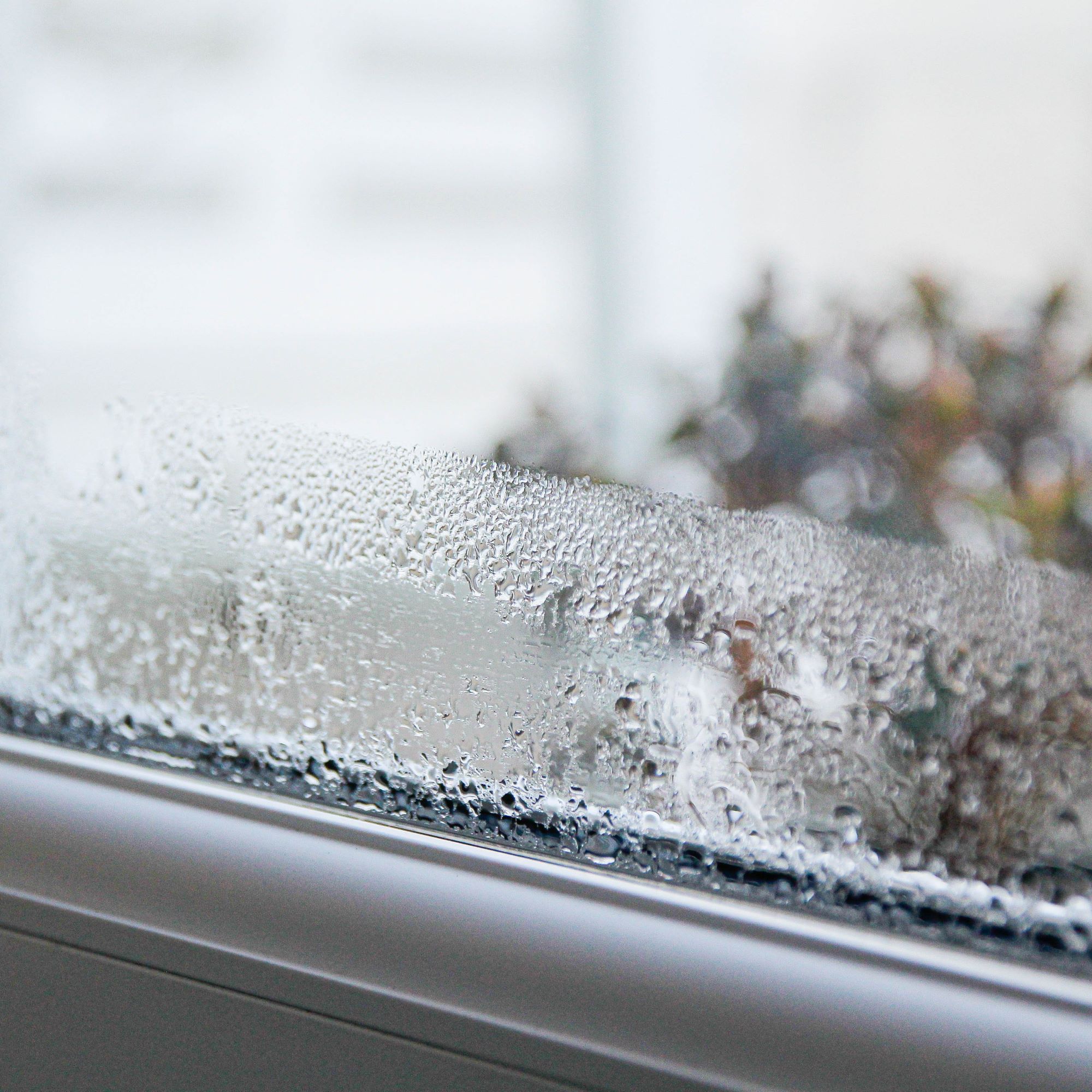
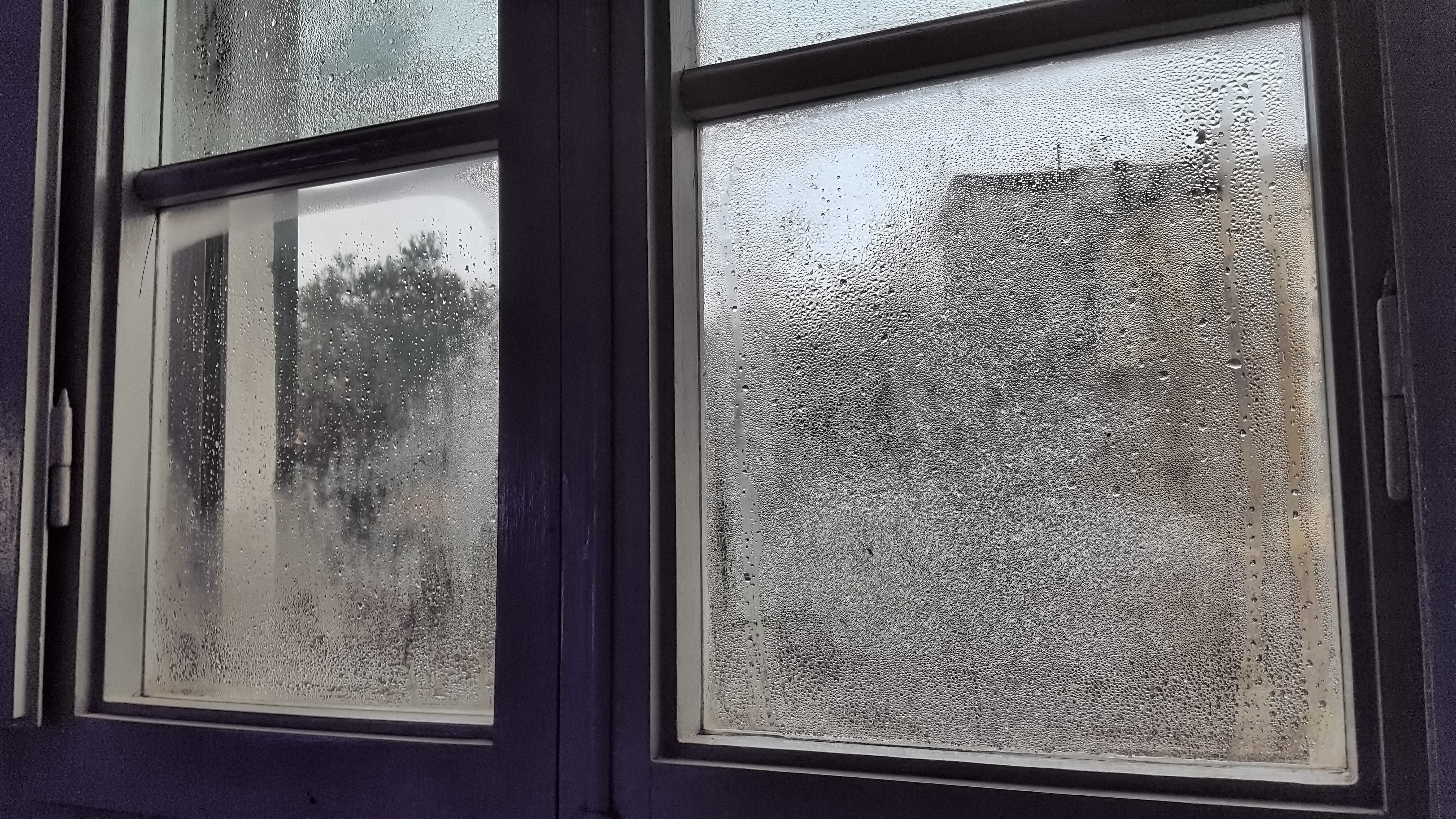
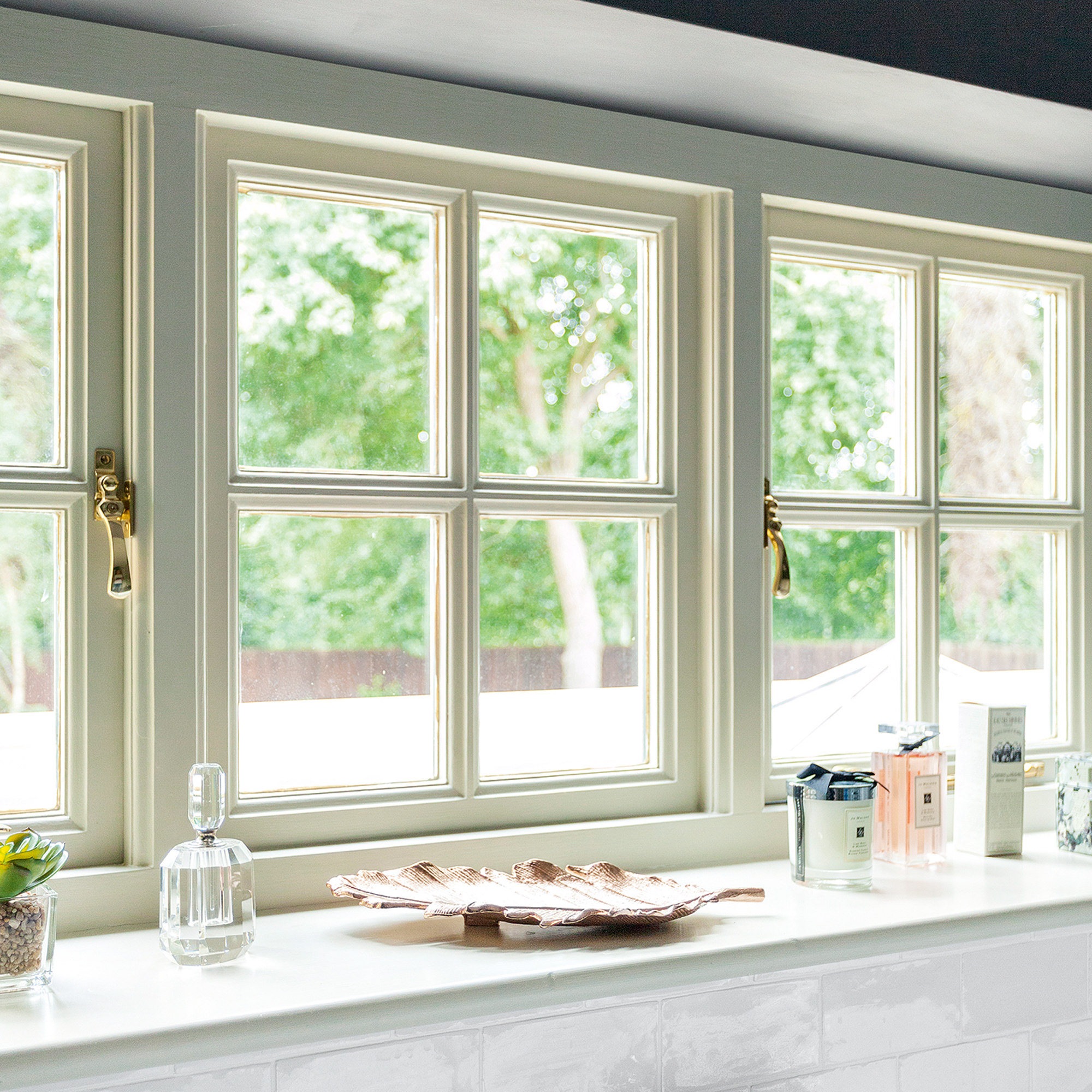
The 4 simple tricks that stopped condensation from forming on my bedroom windows – I no longer have to wipe my windows down every morning
This article details four effective strategies employed by the author, Jenny McFarlane, to significantly reduce condensation on her bedroom windows, addressing a common household issue. The core of these solutions revolves around managing indoor humidity and temperature, and improving airflow.
The first and most impactful trick involves using a dehumidifier overnight. The author explains that bedrooms can become surprisingly humid due to moisture exhaled during sleep. By running a quiet dehumidifier, such as the DryZone dehumidifier and air purifier, she noticed a substantial reduction in window misting. The device also reportedly leaves the room feeling fresher and less stuffy. The recommended placement for the dehumidifier is across from or diagonally opposite the window to maximize its effectiveness. Several top dehumidifier picks are mentioned, including the MeacoDry Arete Two, SmartAir Dry Zone, and Pro Breeze 30L High Capacity Smart Dehumidifier, highlighting their features and current prices.
The second strategy is to ensure brief but consistent ventilation by opening windows for about 10 minutes every morning. This practice, though seemingly counterintuitive in cold weather, allows humid air to escape before it can condense on cold window panes. The author suggests opening the window just a sliver, emphasizing that a full opening is not necessary. This quick ventilation is described as effective in clearing out stagnant overnight air.
Moving furniture slightly away from exterior walls constitutes the third trick. The author discovered that placing furniture, particularly beds and chests of drawers, flush against outside walls could trap cold, still, and humid air. This trapped air creates ideal conditions for damp patches and mold growth. By repositioning furniture approximately 5cm away from external walls, airflow is improved, preventing cold spots and moisture buildup. This simple adjustment helps to keep the surrounding areas drier.
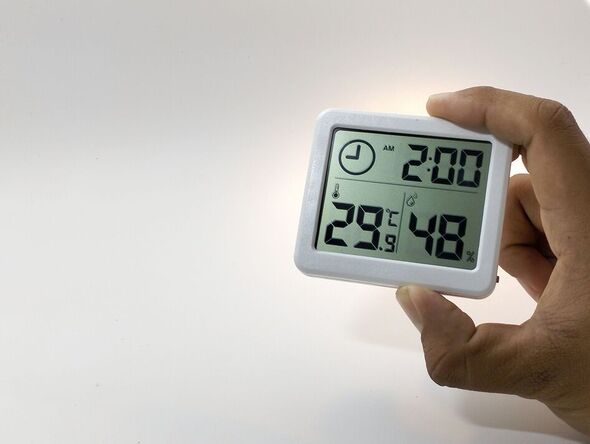
Finally, maintaining a steady room temperature is identified as the fourth key measure. The author previously turned off heating completely overnight to save energy, but this led to sudden temperature drops that exacerbated condensation. She now advocates for keeping the thermostat at a consistent, lower level, around 18 degrees Celsius. This prevents windows from becoming excessively cold, thereby reducing the surface area for moisture to condense. The use of a thermostatic timer, such as the Hive thermostat, is recommended for better control over the heating system.
The article concludes by stating that adopting these simple changes has transformed the author's bedroom environment, making the air fresher and walls drier, with significantly less need for daily window wiping. It emphasizes that proactive moisture management is considerably easier than addressing damp and mold issues after they have developed.
#HomeMaintenance #CondensationPrevention #Dehumidifier #IndoorAirQuality #Ventilation #TemperatureControl #HomeImprovement #EnergySaving #MouldPrevention #HomeMaintenance #CondensationPrevention #Dehumidifier #IndoorAirQuality #Ventilation #TemperatureControl #HomeImprovement #EnergySaving #MouldPrevention
0 comment in total
 No comments yet
You may also like

This is the only thing keeping my windows condensation-free

This $8 hack to keep the cold out works almost as well as double glazing

5 easy DIY tricks to draft-proof sunrooms for winter


Winterize Those Drafty Windows Now (Save Money on Heating Bills Later)
Eight top tips to banish condensation this winter - starting with sleeping with your curtains open


The $54 Frost Fix That Stops Drafty Windows – and Looks Great
Prep for Winter Weather with These 8 Window Insulation Kits


5 Best Window Draft Stoppers


Stop Bedroom Damp with This 84-Cent Natural Home Fix

How to Seal Drafty Windows (and Instantly Lower Your Heating Bill)


How to stop damp in a bedroom - 10 foolproof ways to keep mould at bay
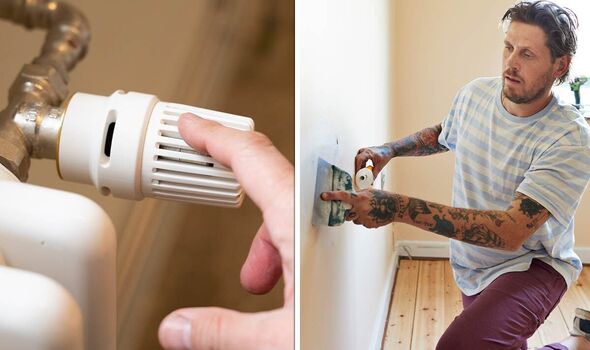
How to 'warm up' cold walls and 'protect' your home from condensation and mould growth
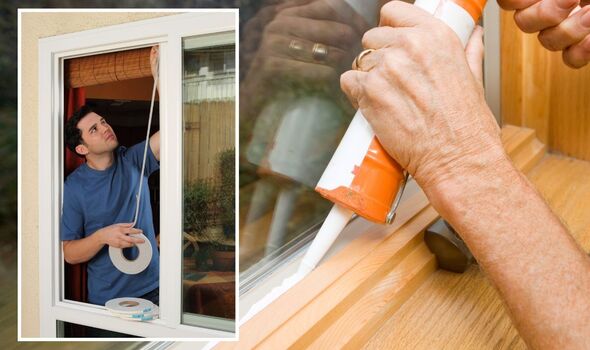
Four ‘simple’ DIY methods to draught-proof windows for under £5 - keep the cold air out

How to draught proof a window - easy ways to keep heat inside your home this winter
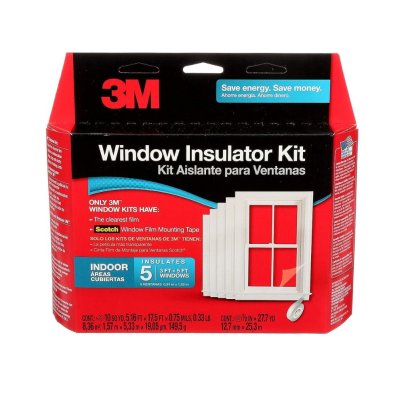
Surprisingly, Our Favorite Window Insulation Isn’t the Thickest


6 bedroom storage mistakes that could be causing mould – and what to do instead
5 effective ways to stop condensation gathering on your bathroom mirror

8 budget fixes for drafty windows — including a $2.99 beauty product I use every single day


Do thermal curtains keep heat out in the summer? Experts reveal whether these window dressings are worth buying
7 Things Your Windows Are Trying to Tell You