5 Things You Should Never Use to Clean Vinyl Plank Flooring, Cleaning Pros Say
Maintaining the pristine condition of vinyl plank flooring requires specific cleaning practices, as improper methods can lead to discoloration, surface damage, and reduced longevity. While vinyl plank flooring offers a durable and aesthetically pleasing alternative to traditional hardwood, its unique composition necessitates a careful approach to cleaning. This guide, informed by cleaning experts Robin Murphy, president of Maid Brigade, and Vanessa Terra Bossart, CEO of GreenTerra Cleaning Service, outlines five categories of cleaning agents and tools to avoid when caring for vinyl plank floors.
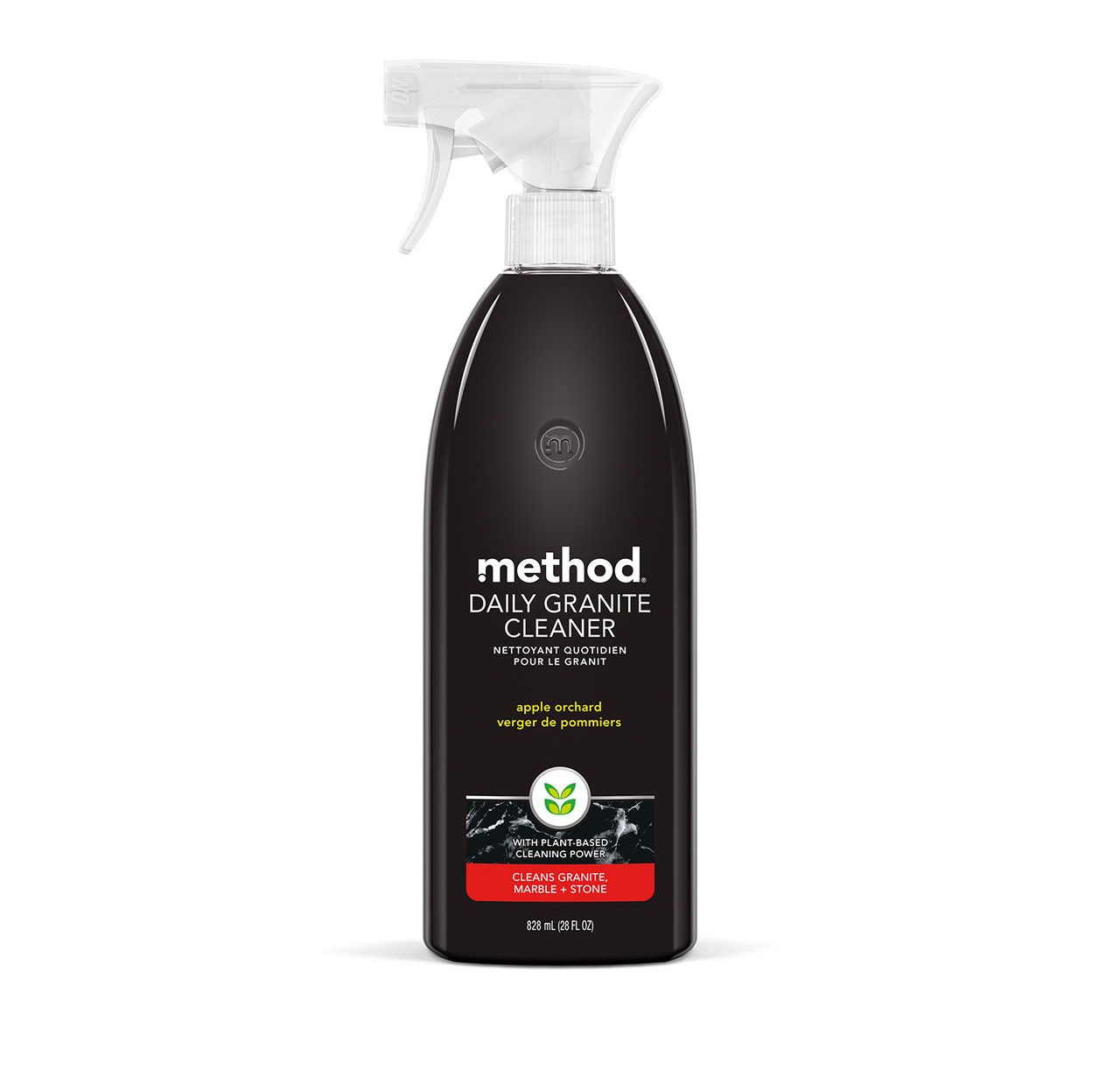
First, ammonia- and bleach-based cleaners, despite their effectiveness on other surfaces, are too harsh for vinyl. Products like Mr. Clean's All-Purpose Cleaner and Clorox Clean Up can degrade the protective layer of vinyl, resulting in discoloration, fading, and structural damage to the floor. These chemical formulations are designed for more robust surfaces and can strip the finish that protects vinyl planks.
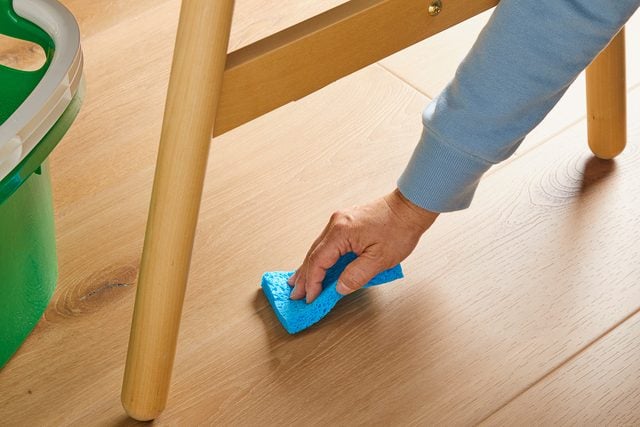
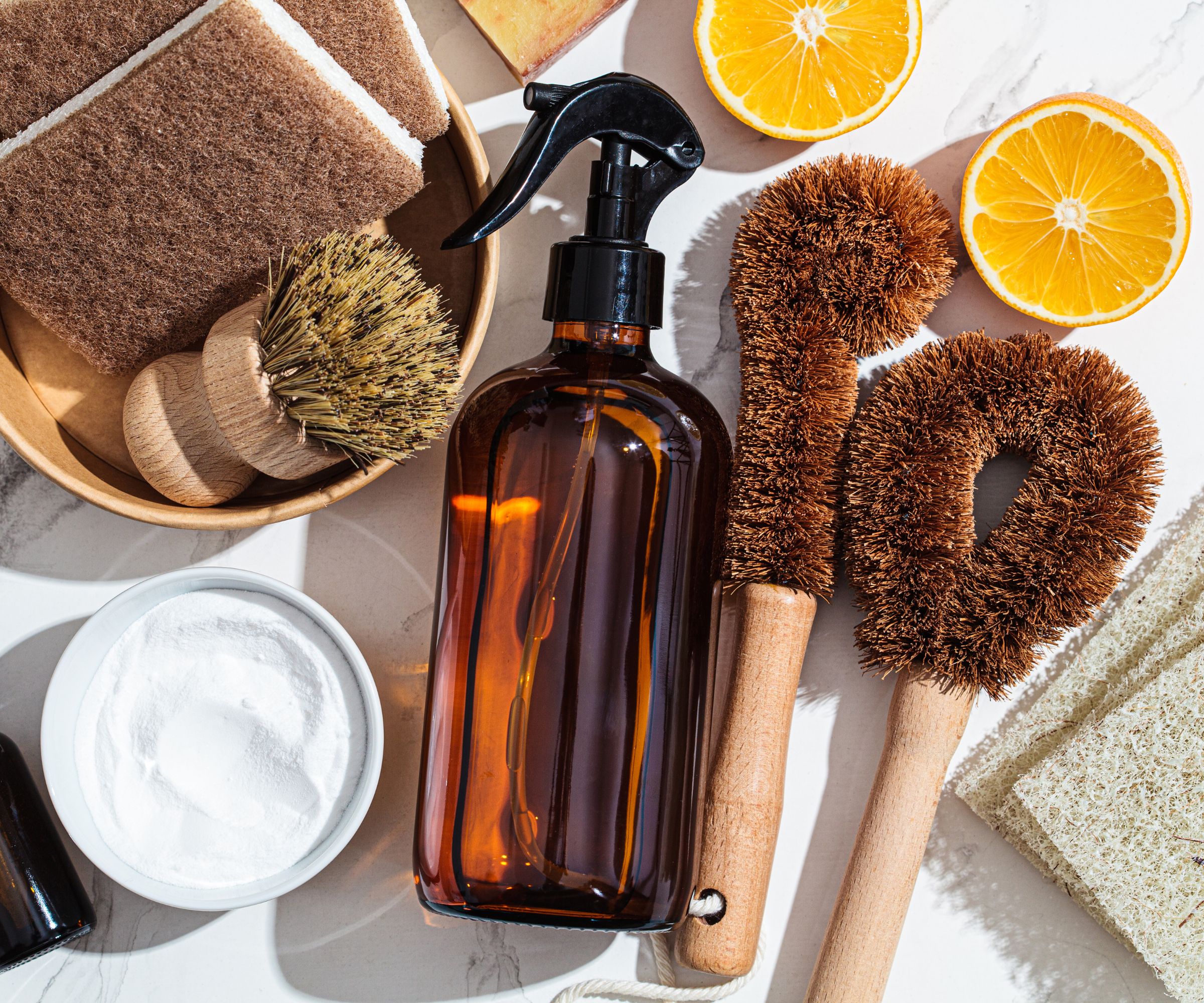
Second, abrasive scrubs and powders pose a significant risk to vinyl plank flooring. Items such as scouring pads, gritty cleaning pastes, scrubbing bubbles, foams, and even magic erasers can inflict tiny scratches on the surface, compromising its appearance and durability. These abrasives physically damage the protective layer, making the floor more susceptible to wear and tear. For stubborn spots, a small amount of rubbing alcohol on a microfiber cloth is recommended as a safer alternative, but moderation is key to prevent any adverse effects.
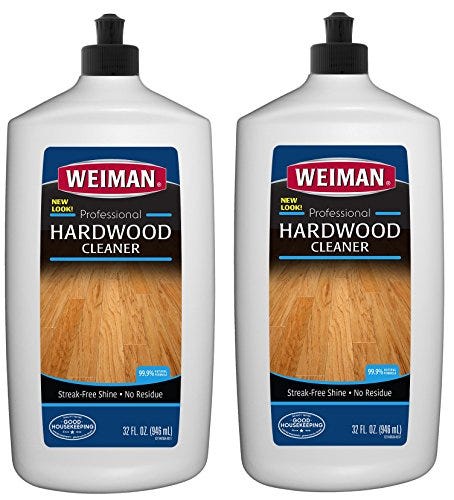
Third, cleaners formulated for hardwood floors are unsuitable for vinyl plank flooring. Hardwood cleaners often contain oils that, when applied to vinyl, create a cloudy, sticky residue. This residue not only detracts from the floor's appearance but also attracts dirt, making subsequent cleaning more difficult and potentially leading to a slippery surface. Popular hardwood cleaners like Pine Sol and Bona Hardwood Floor Polish should be avoided. Citrus oils, while pleasant-smelling, are similarly problematic due to their acidity, which can degrade the vinyl's surface layer and cause dullness.
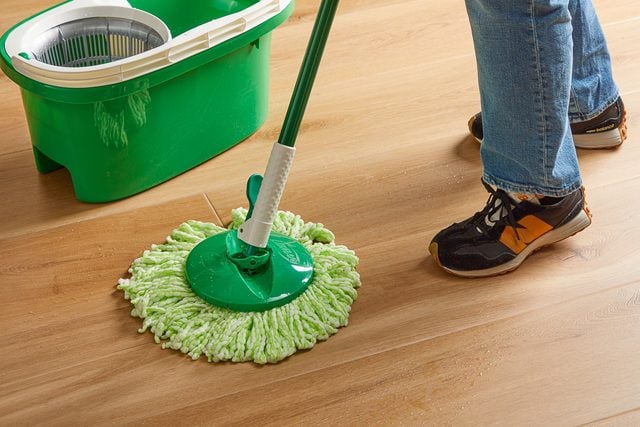
Fourth, steaming or wet mops are detrimental to vinyl plank flooring. The extreme heat generated by steam mops can weaken the adhesive holding the planks together, leading to warping or separation. While steam cleaning might feel like a deep clean, its long-term effects can cause significant damage. Excessive moisture from overly wet mopping is also harmful, as water can seep into the seams and edges of the planks, causing damage. Instead, a damp mop followed by immediate drying is advised. A mild dish soap solution mixed with warm water and a few drops of tea tree oil is a safe and effective alternative to steam cleaning.
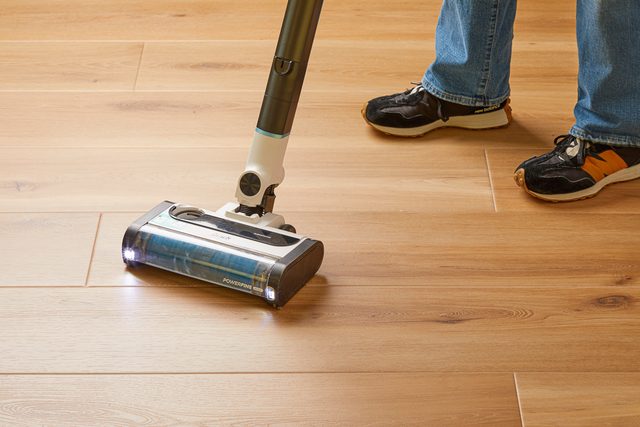
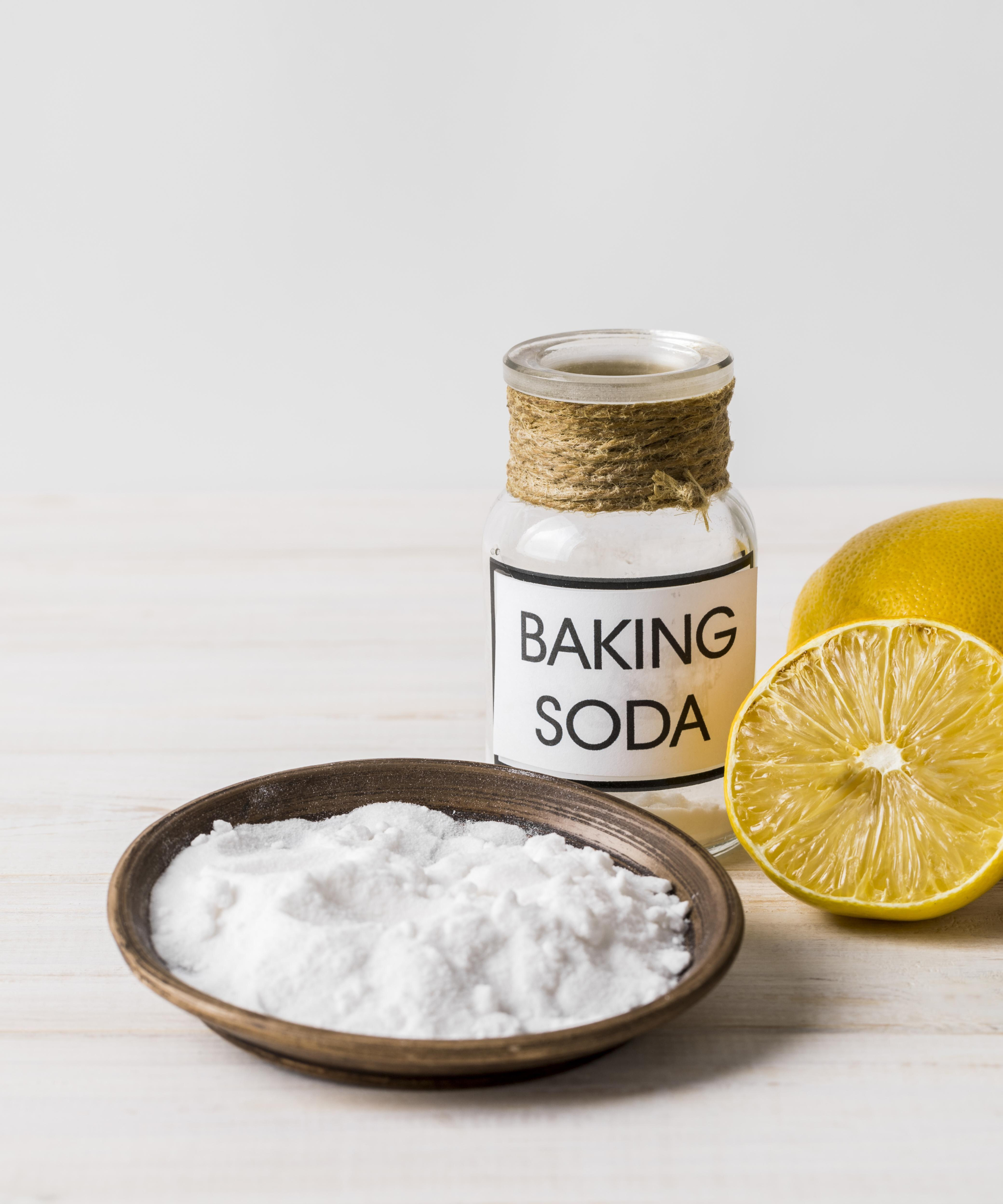
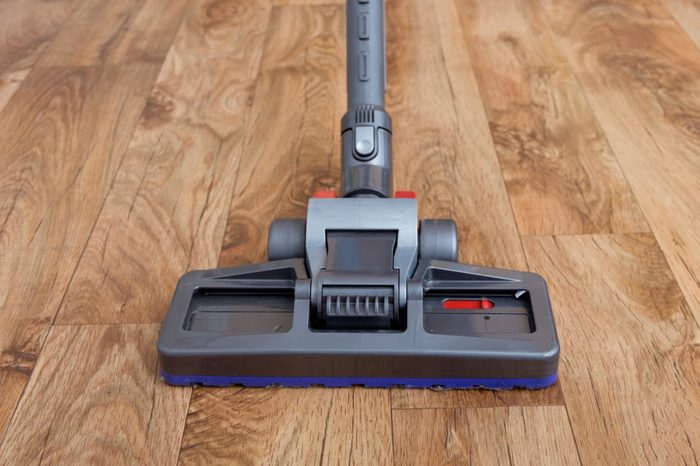
Finally, certain natural ingredients, often perceived as gentle alternatives, can also harm vinyl floors. Vinegar, due to its acidic nature, can break down the protective layer of vinyl, leading to a loss of shine, discoloration, and material weakening if used frequently or in high concentrations. Lemon juice shares similar acidic properties and should be avoided. Even seemingly innocuous substances like baking soda, when used in excess, can scuff vinyl surfaces, and Castile soap can leave behind a sticky residue that attracts grime. For routine cleaning, a simple approach involving regular vacuuming or sweeping, combined with water-based cleaners specifically labeled as safe for vinyl floors, is the most effective and safest method to maintain their integrity and appearance.
#VinylFlooring #FloorCare #CleaningTips #HomeMaintenance #CleaningProducts #FloorCleaning #HouseholdCleaning #VinylFlooring #FloorCare #CleaningTips #HomeMaintenance #CleaningProducts #FloorCleaning #HouseholdCleaning
0 comment in total
 No comments yet
You may also like
How To Clean Vinyl Plank Flooring Like a Pro

8 Things You Should Never Clean with a Swiffer

8 items to never clean with bleach – according to cleaning professionals

6 Things You Should Never Clean With All-Purpose Cleaner
The One Way You Should NEVER Clean Laminate Floors

5 things you should never clean with baking soda – according to professionals
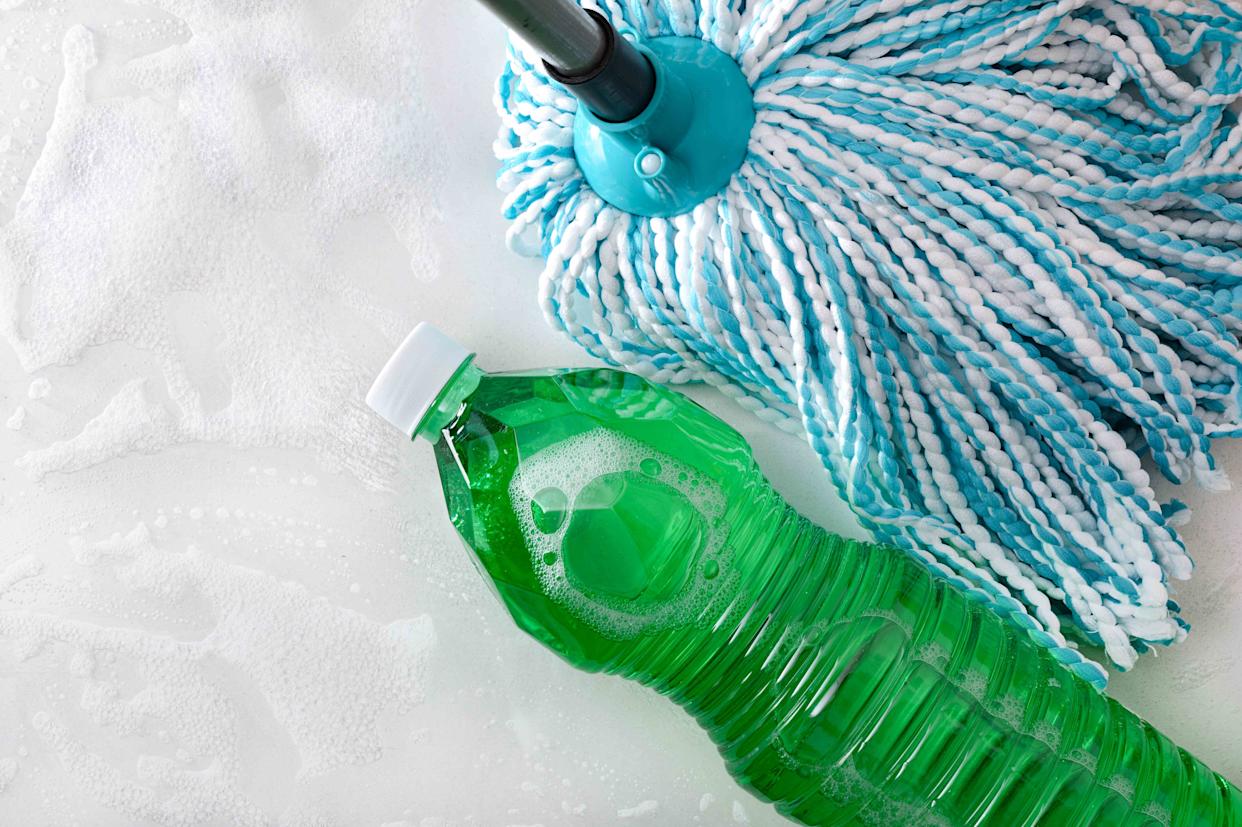
6 Things You Should Never Clean With All-Purpose Cleaner

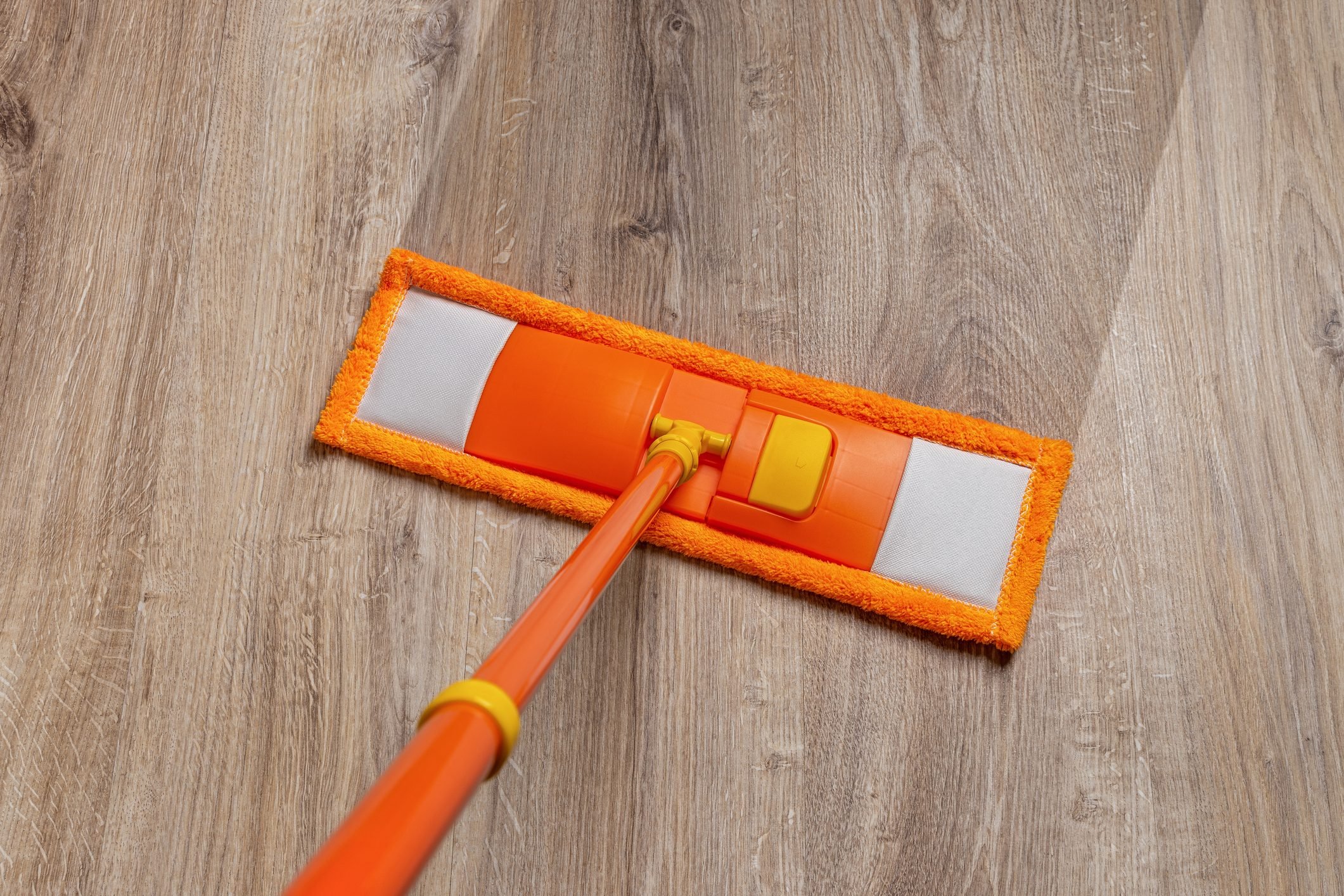
How to Clean Every Type of Floor Quickly and Easily
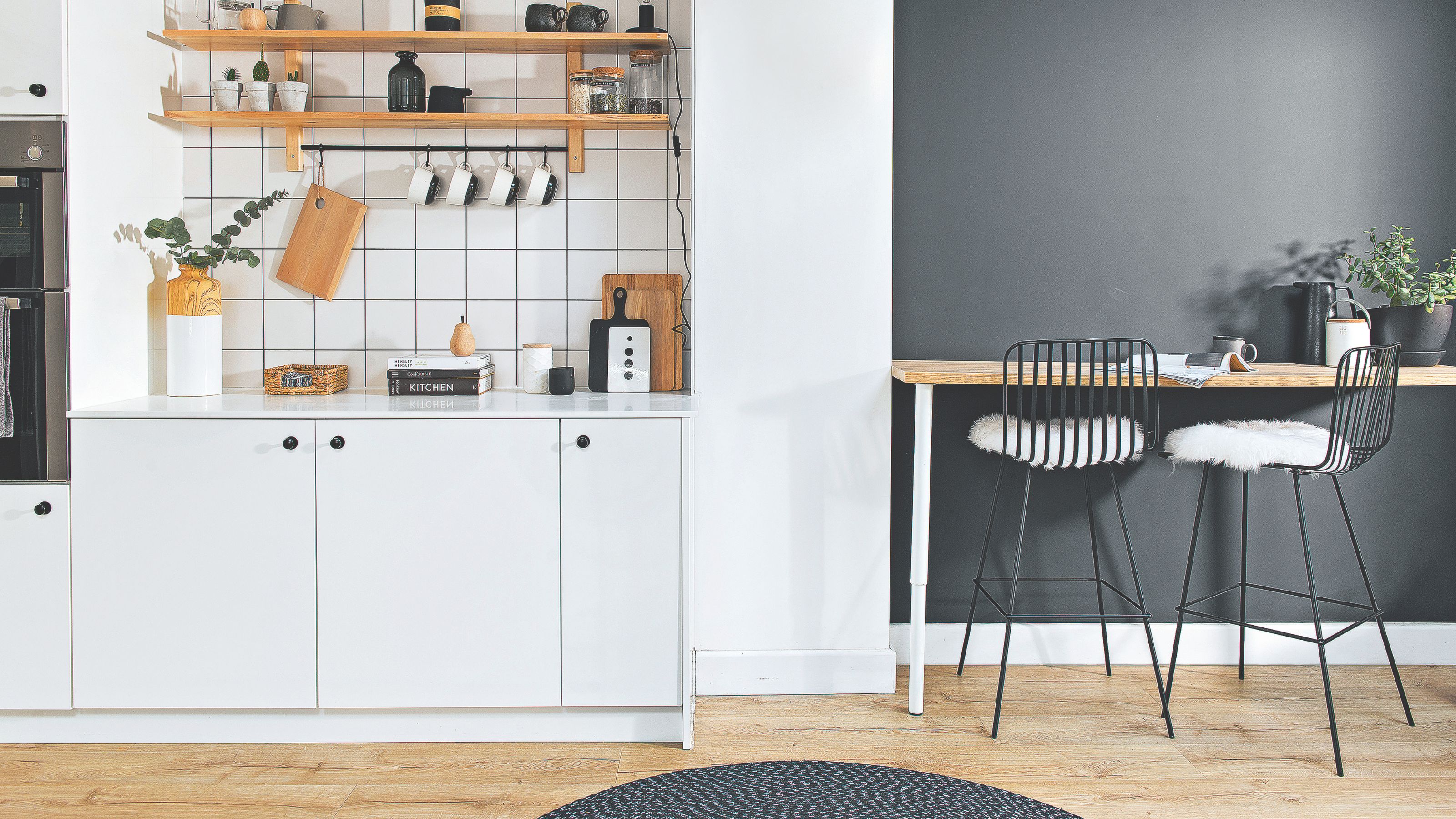
Best ways to clean vinyl flooring - the dos and don’ts to consider if you have vinyl in your home
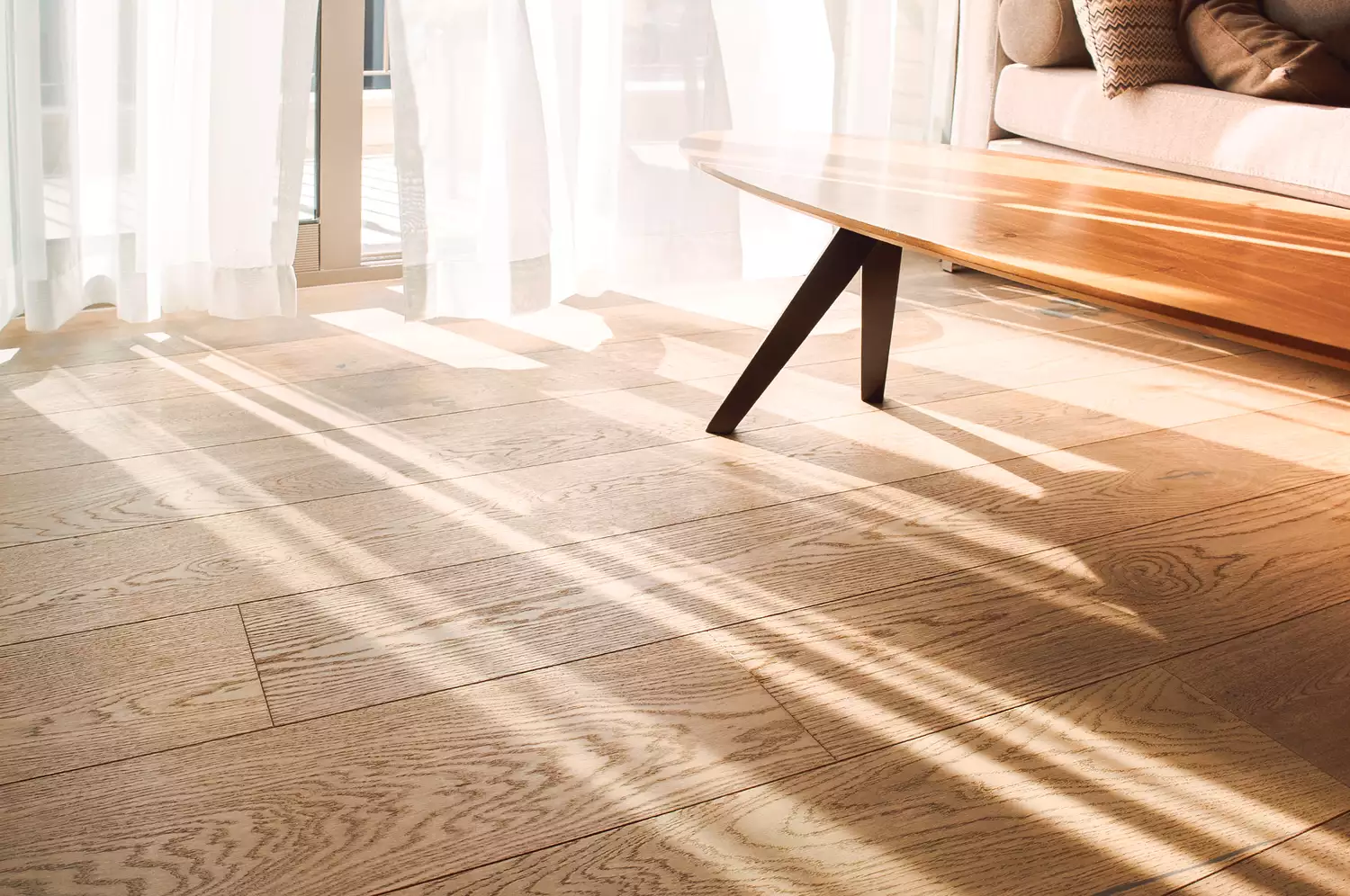
The Right Way to Clean Vinyl Plank Flooring

5 Common Sofa Cleaning Mistakes You Might Be Making


5 flooring mistakes to avoid – according to architects and interior designers
6 Things You Should Never Use to Clean Wood Floors (Unless You Want to Ruin Them)
6 Vacuum cleaner mistakes to avoid – and why they aren’t cleaning your home
The Best Mops for Vinyl Floors, Tested and Reviewed


5 cleaning myths that will damage your countertops – and what to do instead
5 surfaces you shouldn't use a steam cleaner on
13 Things You Should Never Clean with Windex
You're cleaning your bathroom floor wrong, experts warn – here's how to get it right
How To Clean Luxury Vinyl Plank (LVP) Flooring