1/2
How To Clean Luxury Vinyl Plank (LVP) Flooring
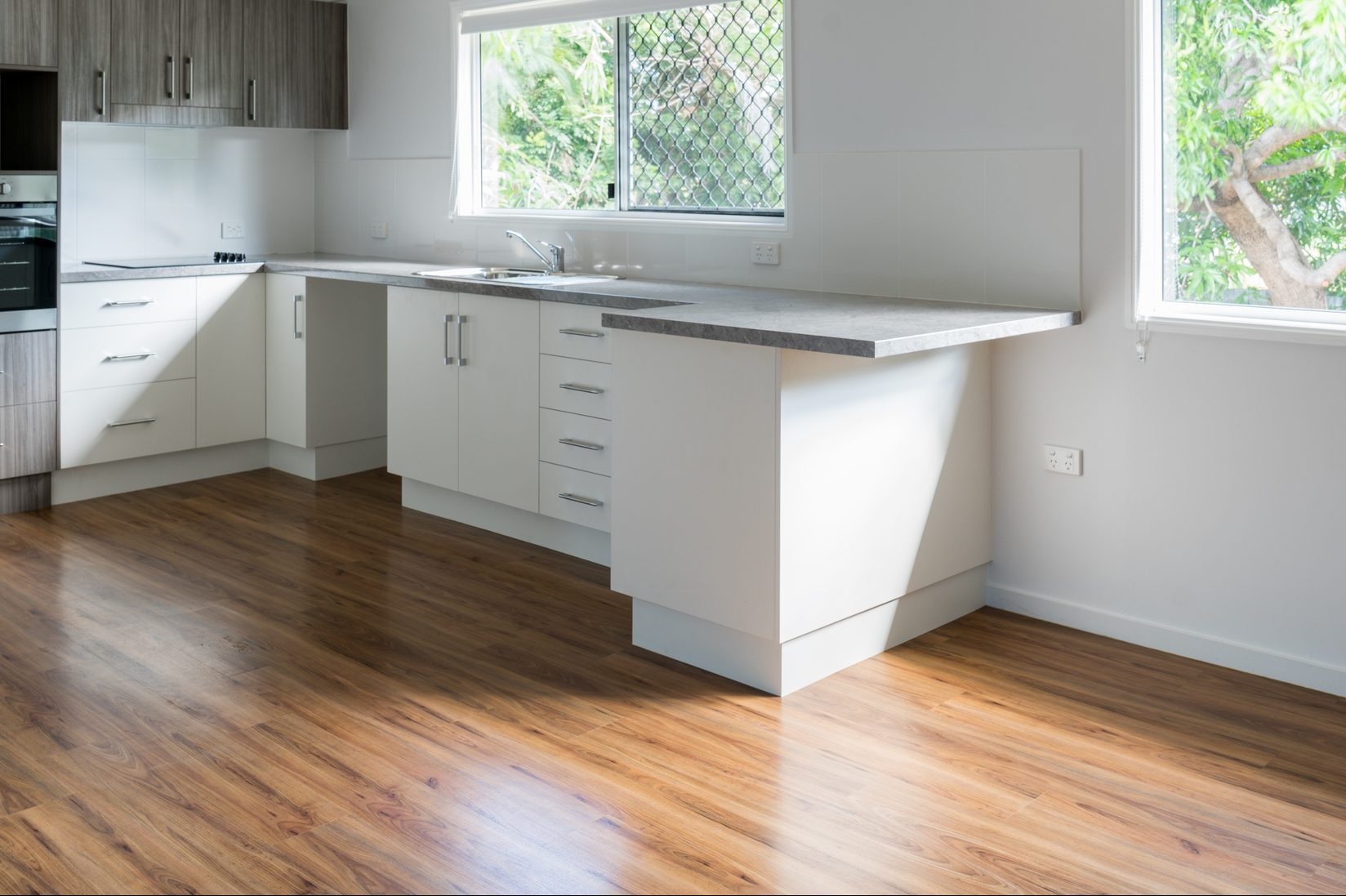
Luxury Vinyl Plank (LVP) flooring is a popular and durable option for homeowners, but it requires specific cleaning methods to prevent cosmetic or permanent damage. The article, featuring insights from professional house cleaning experts Alessandro Gazzo of Emily’s Maids and Alex Varela of Dallas Maids of Frisco, outlines the best practices for maintaining LVP floors.
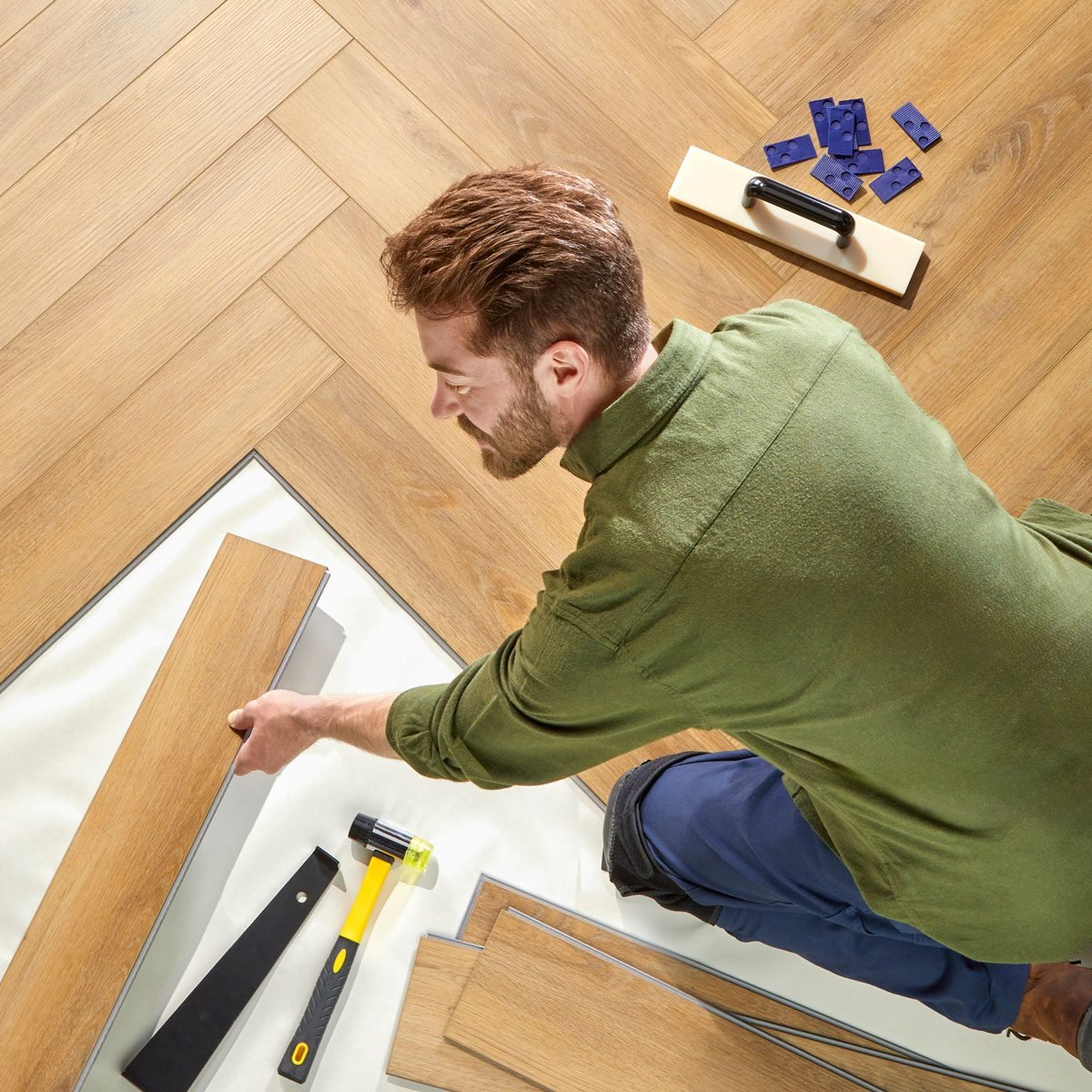
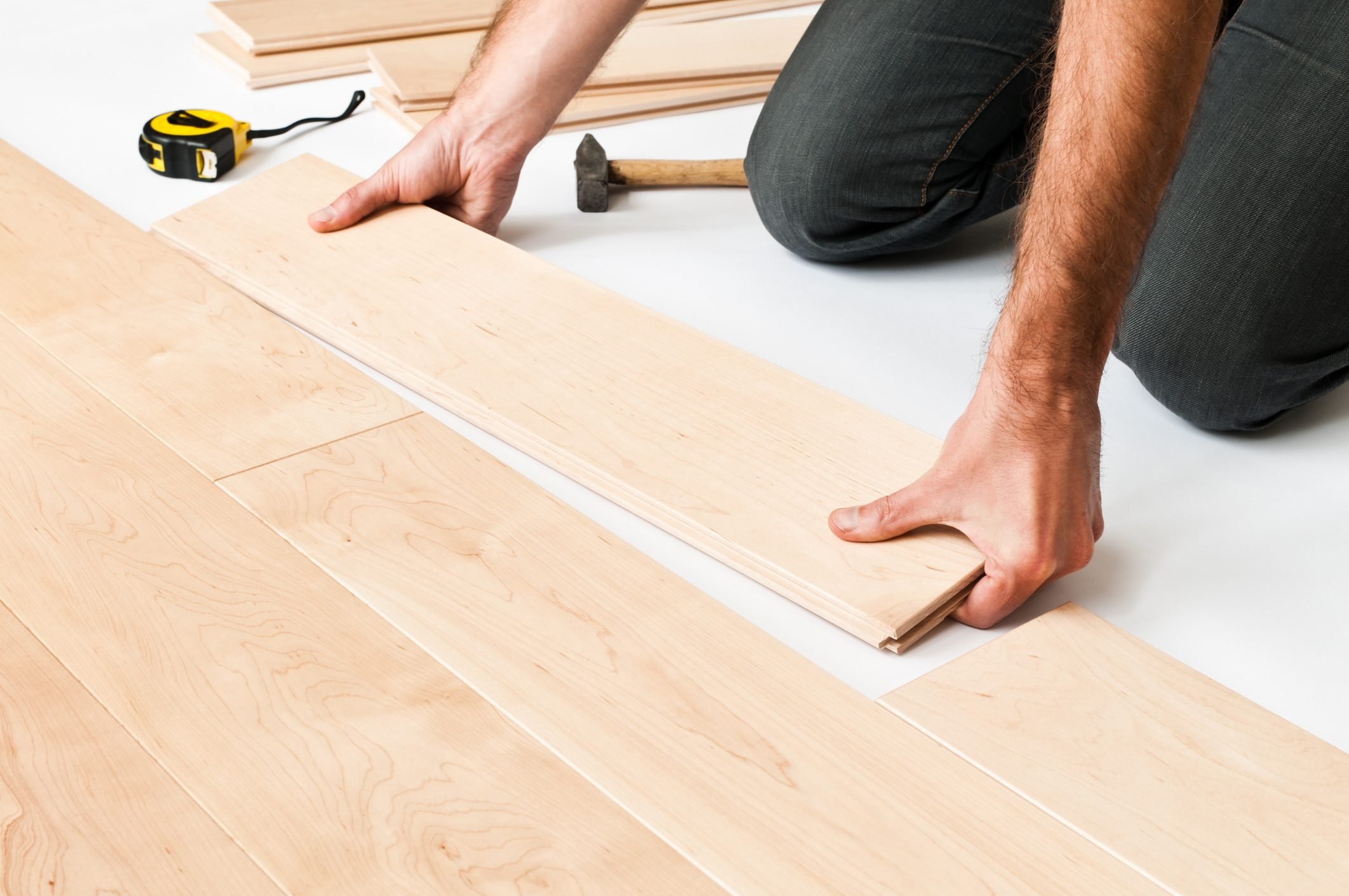
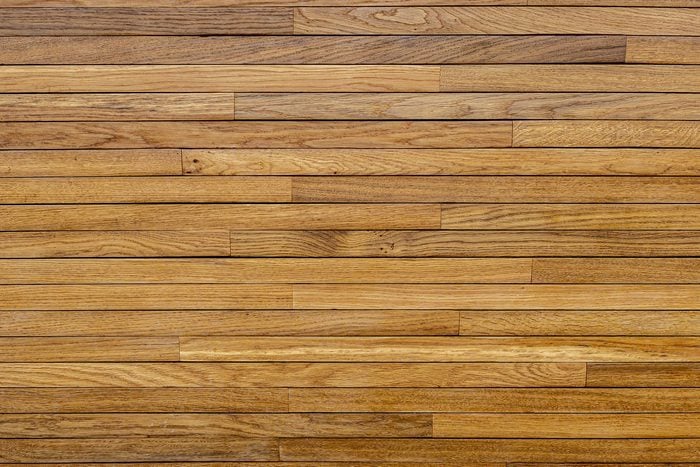
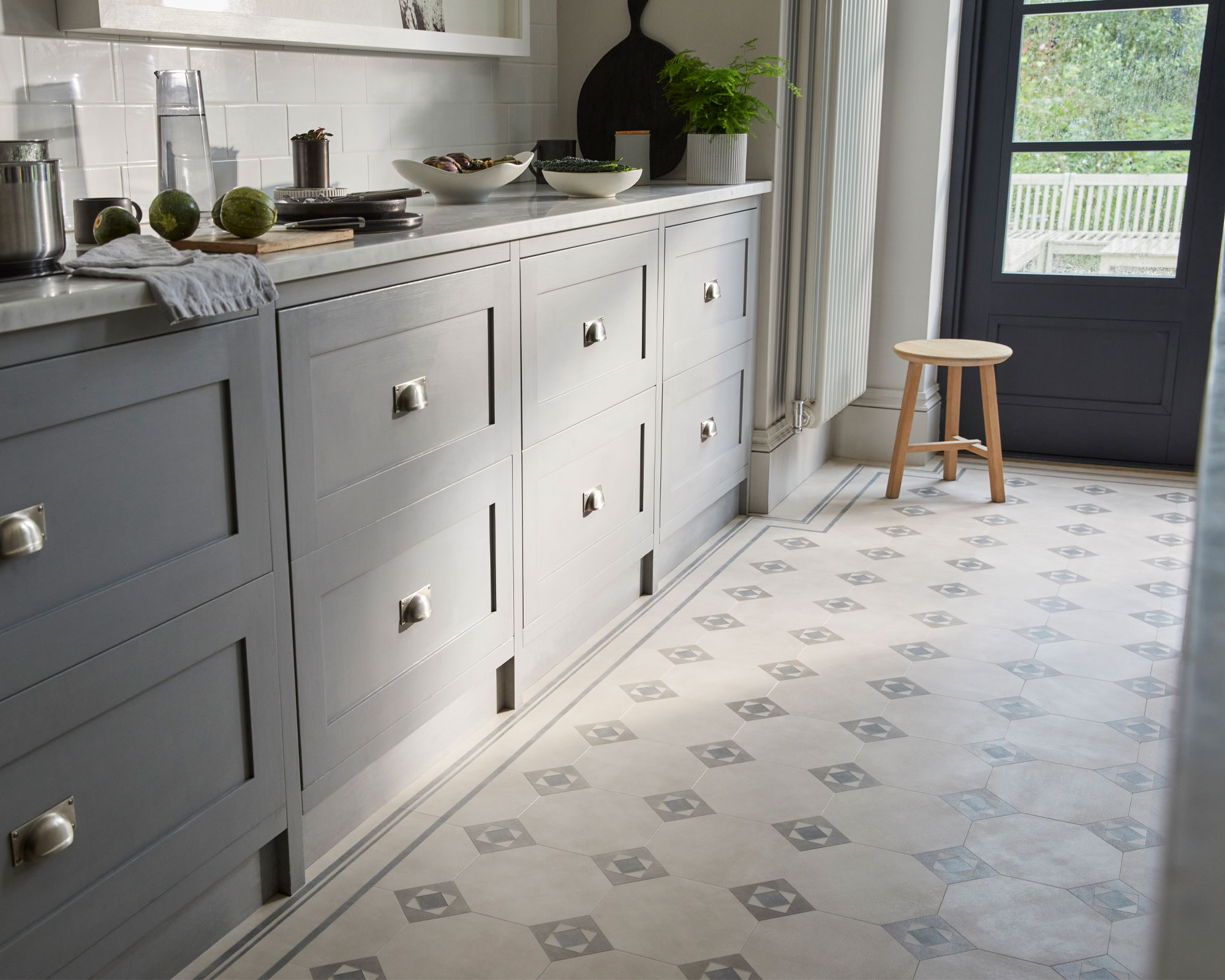
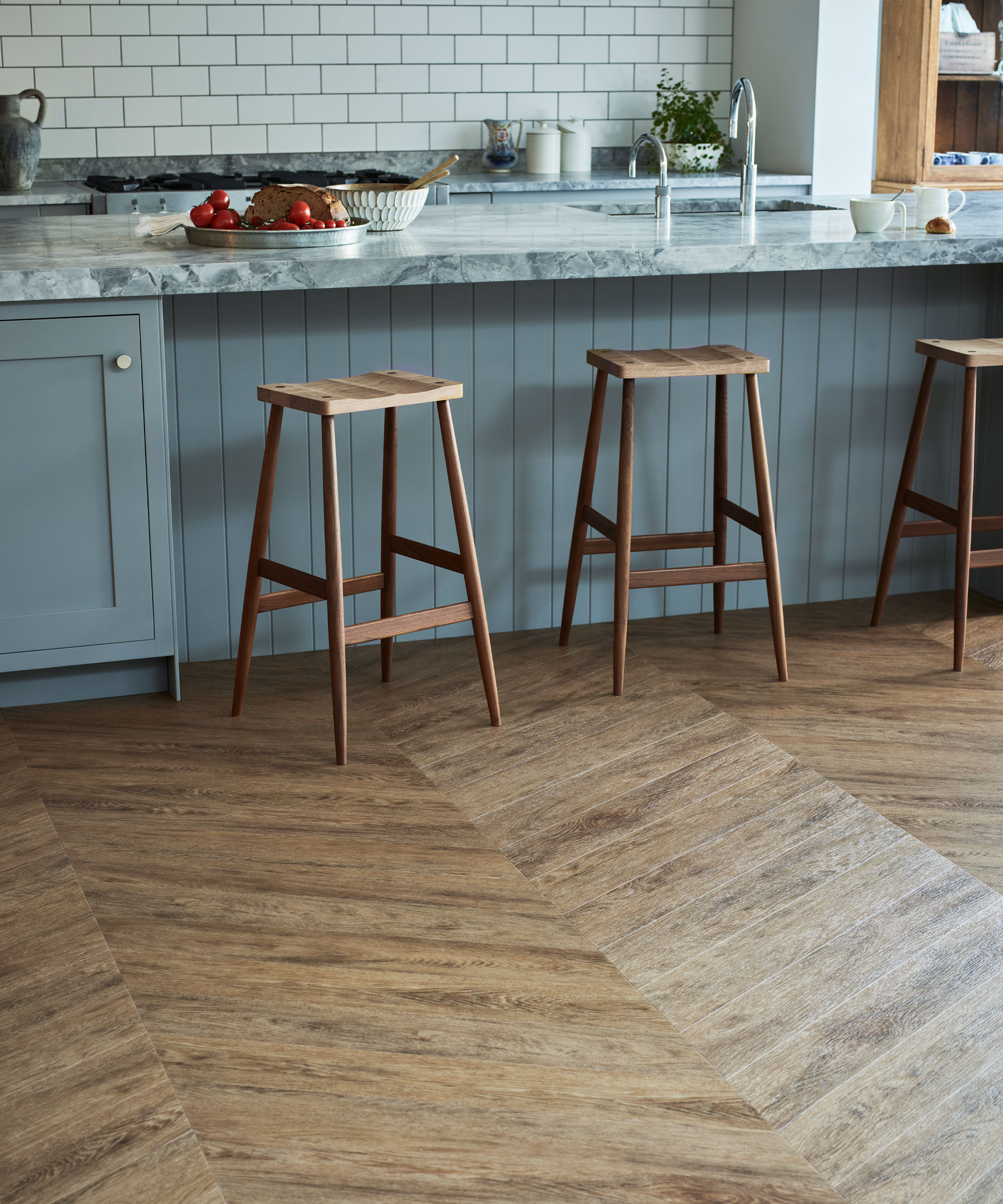
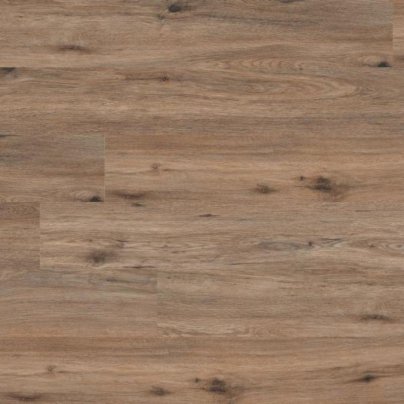
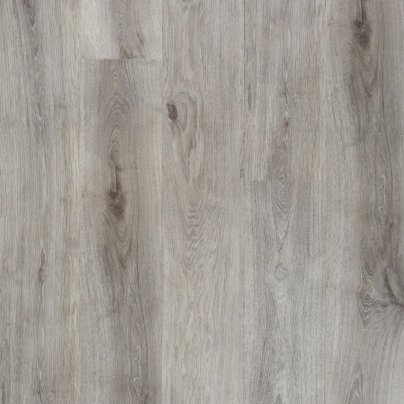
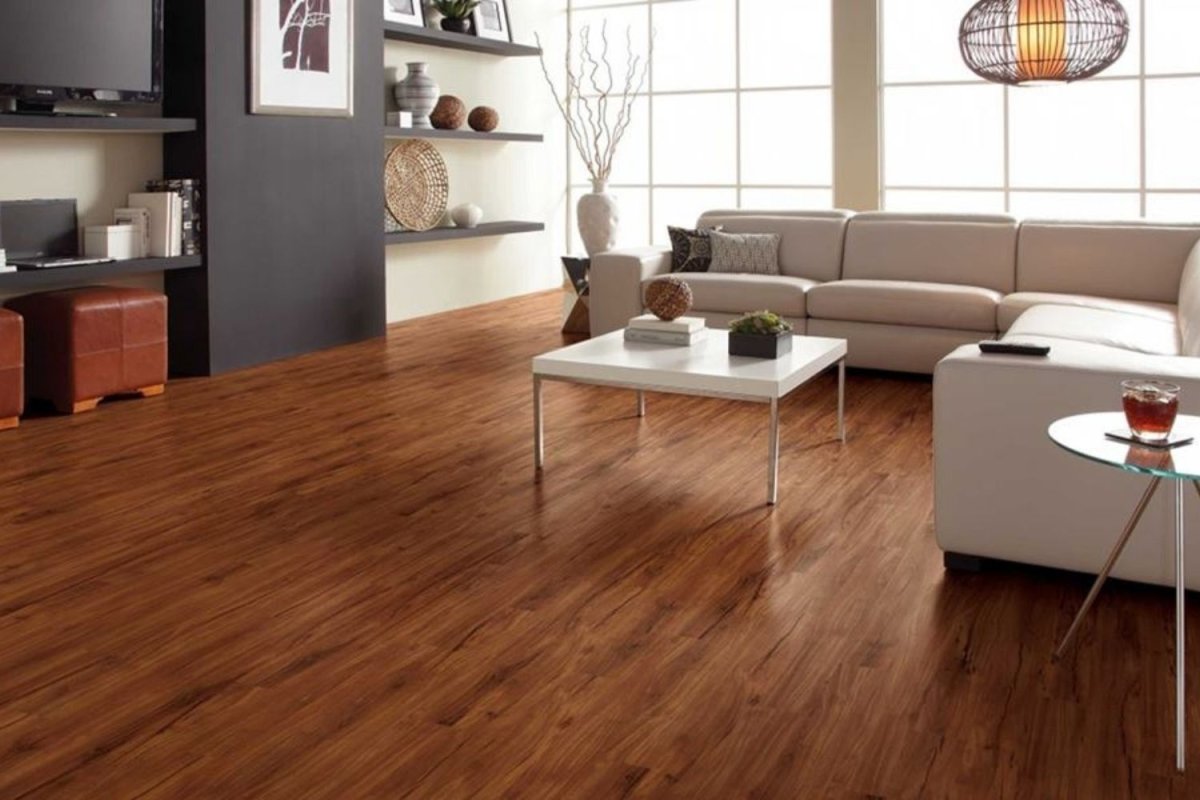
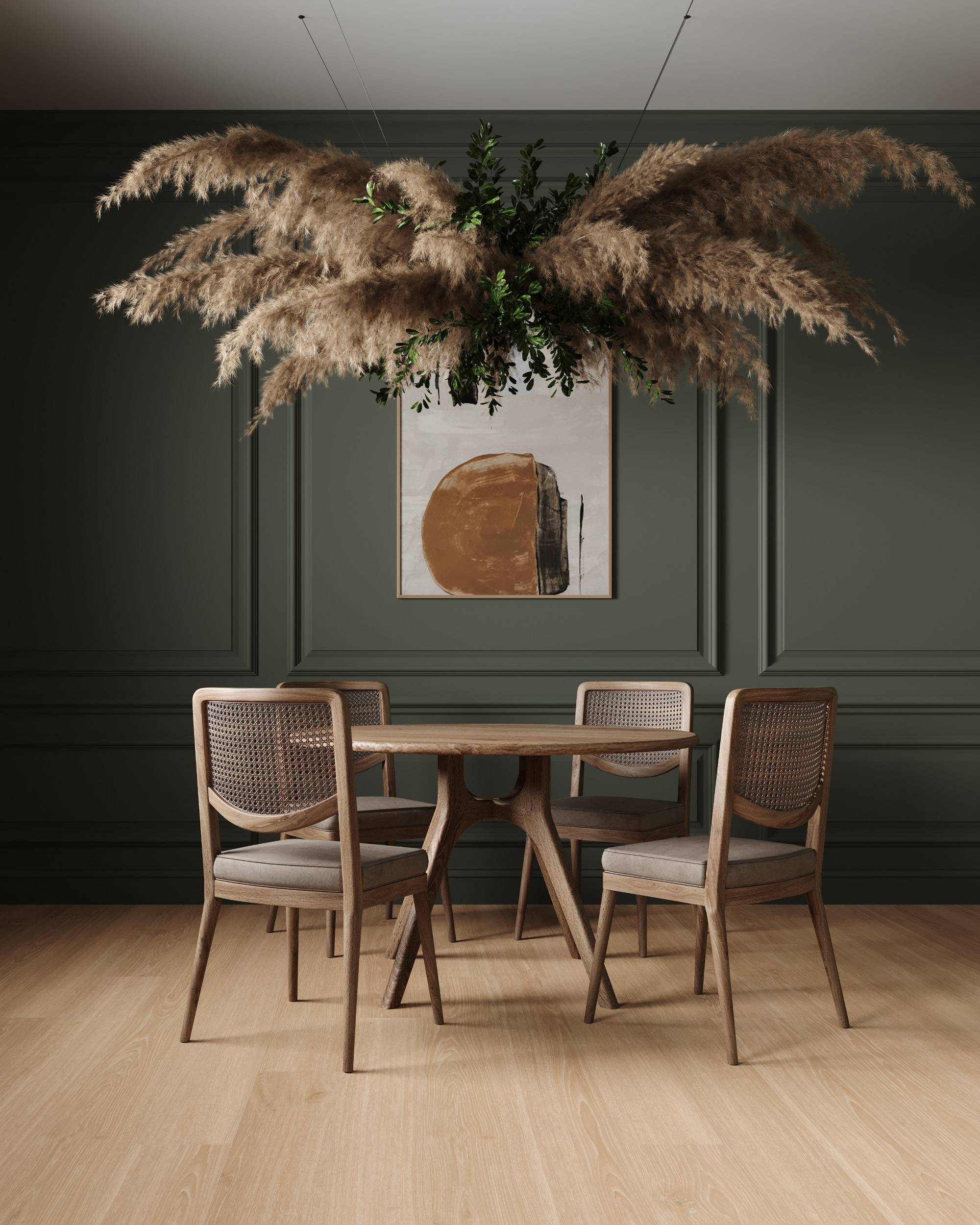
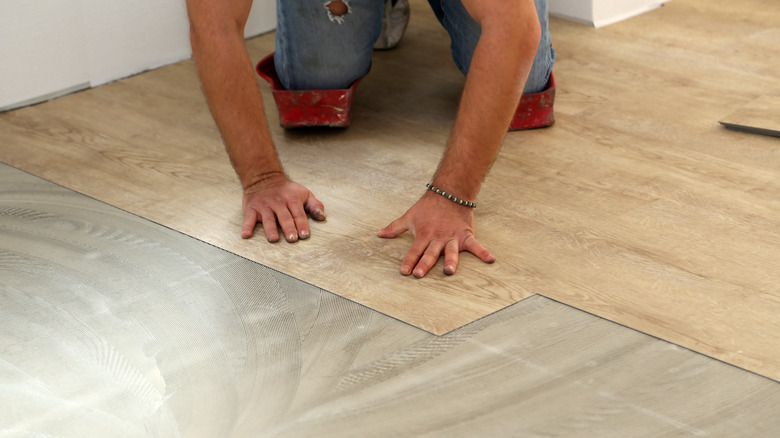
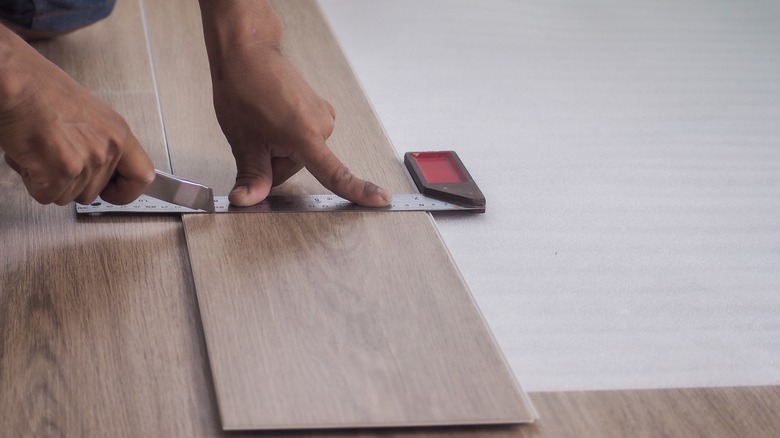
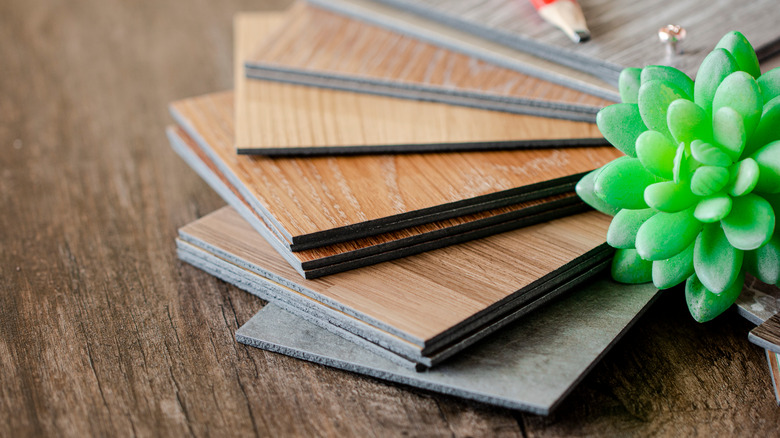
LVP flooring is constructed from compressed layers of vinyl, often designed to mimic the appearance and texture of natural hardwood. Its multi-layered composition enhances durability and comfort compared to standard flexible sheet vinyl. A key advantage of LVP over laminate flooring is its vinyl core, which is resistant to moisture damage, unlike laminate's wood particle core.
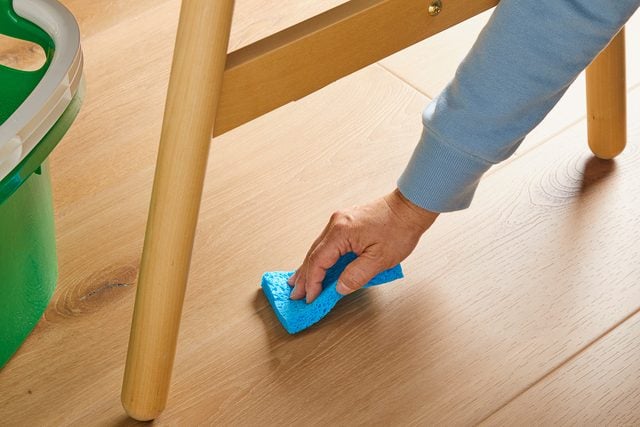
Cleaning LVP flooring shares similarities with cleaning other plank flooring types such as natural hardwood, engineered hardwood, and laminate. A critical consideration is the presence of seams between planks, which can allow standing water to seep through and potentially damage the subfloor. Therefore, minimizing liquid use during mopping is essential. Additionally, LVP, much like other plank flooring, needs frequent vacuuming or sweeping to prevent dirt and grime from scratching its surface. Unlike natural hardwood, LVP cannot be sanded or refinished, meaning scratches are permanent.
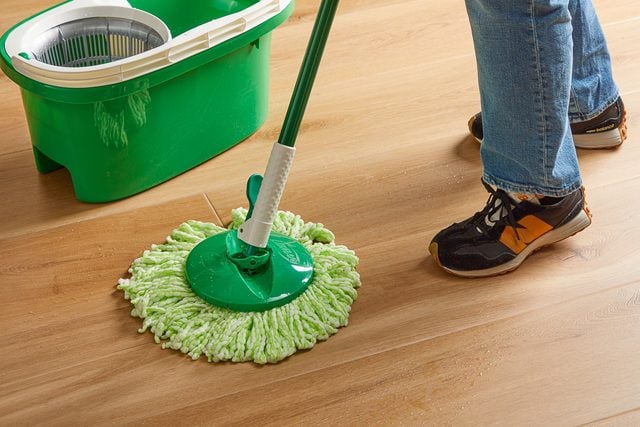
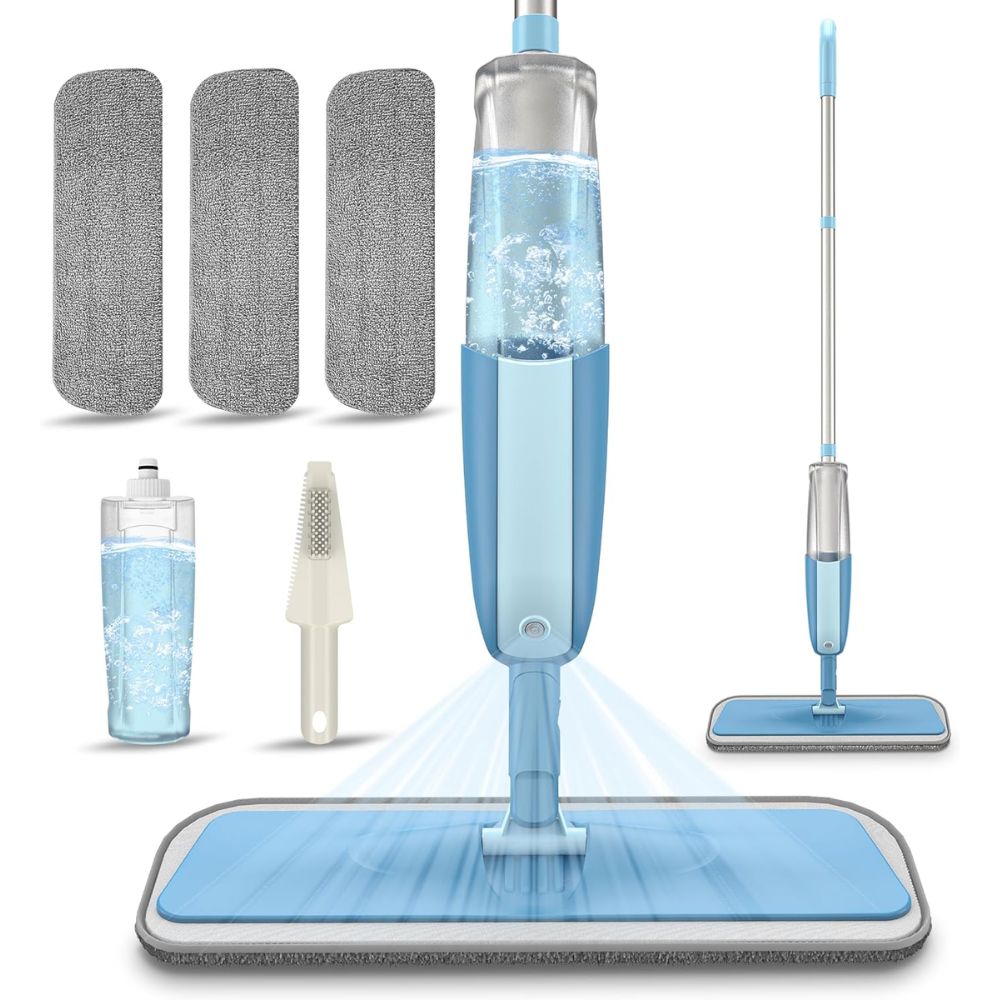
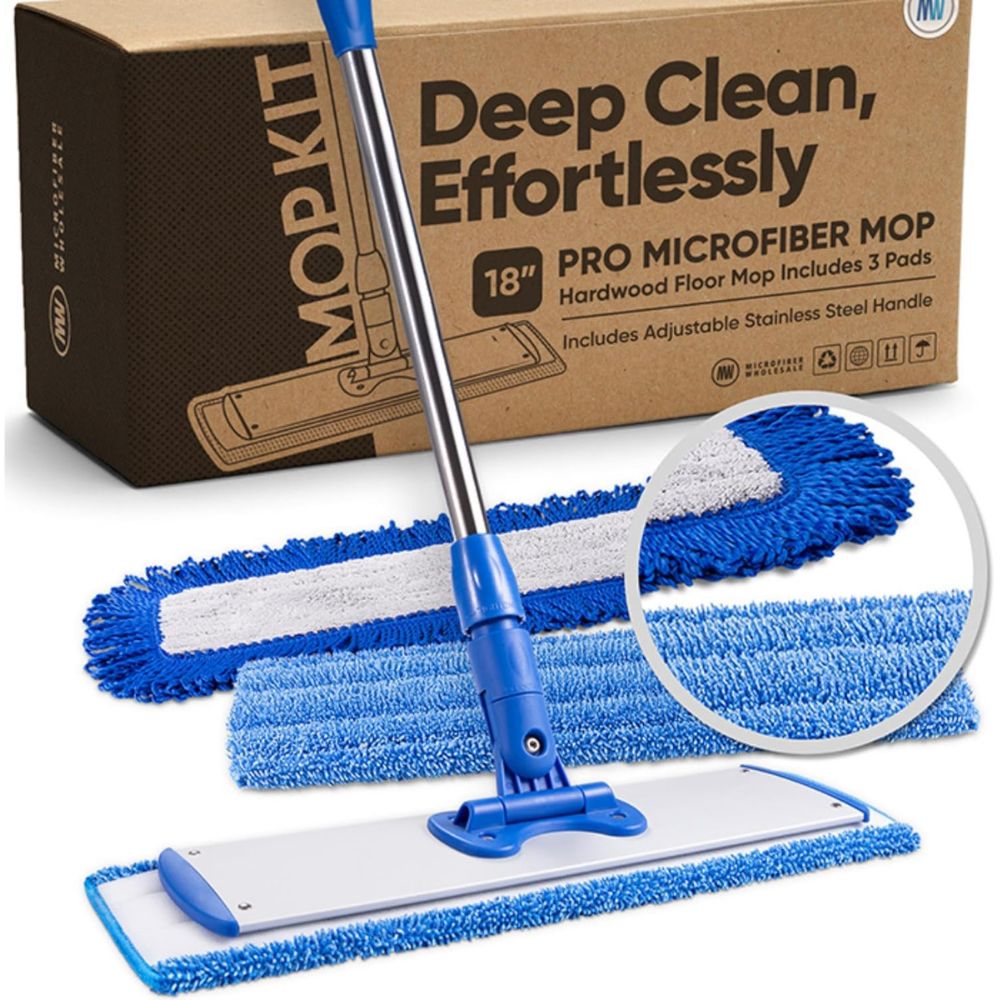
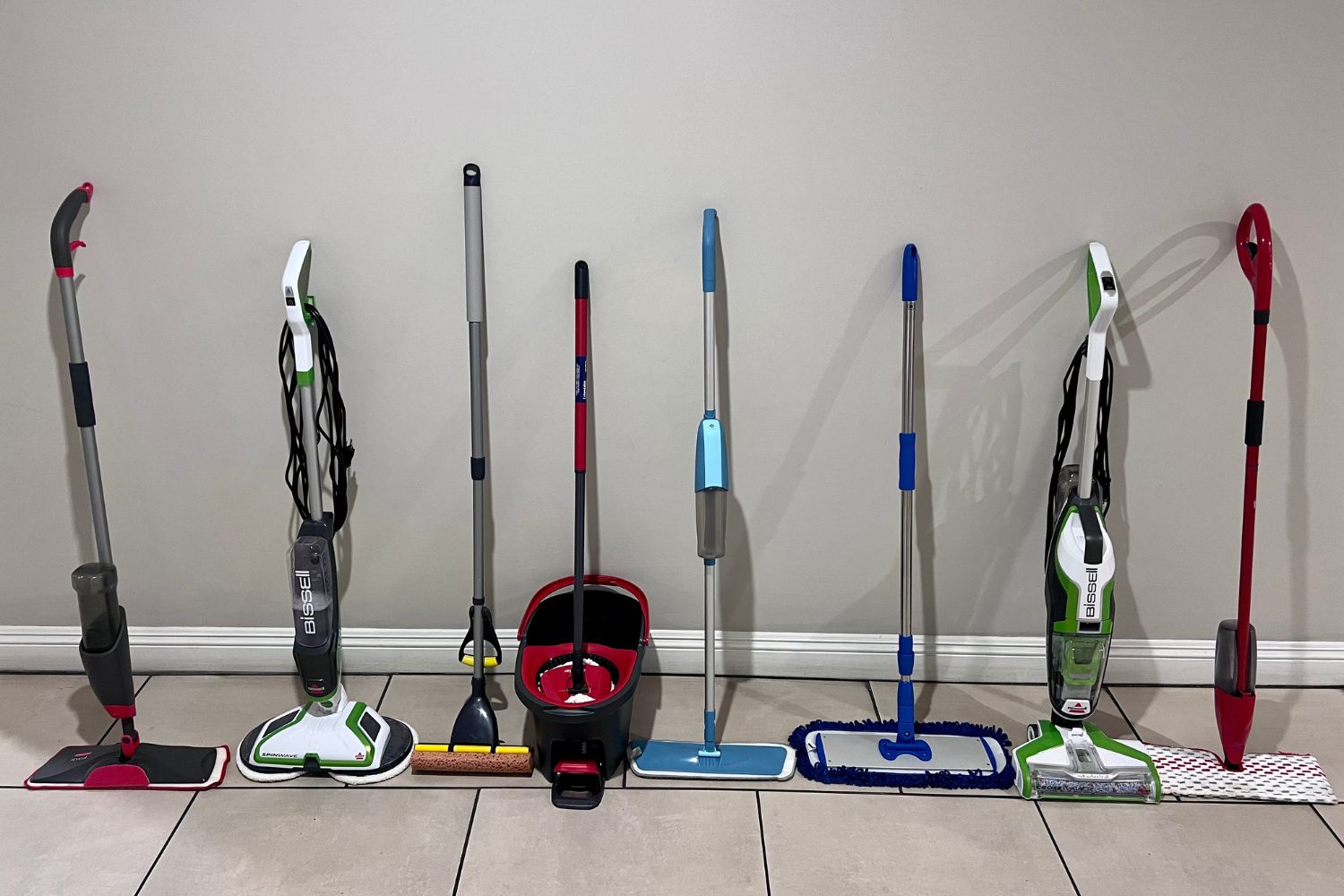
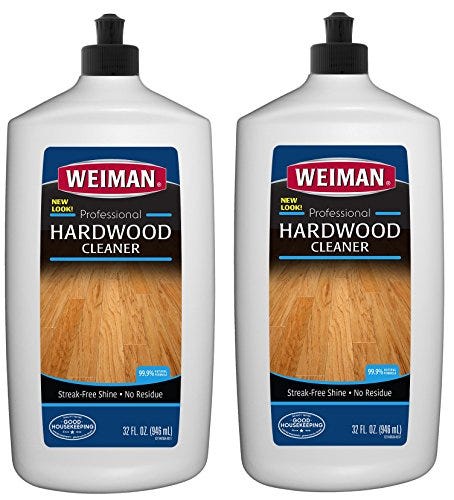
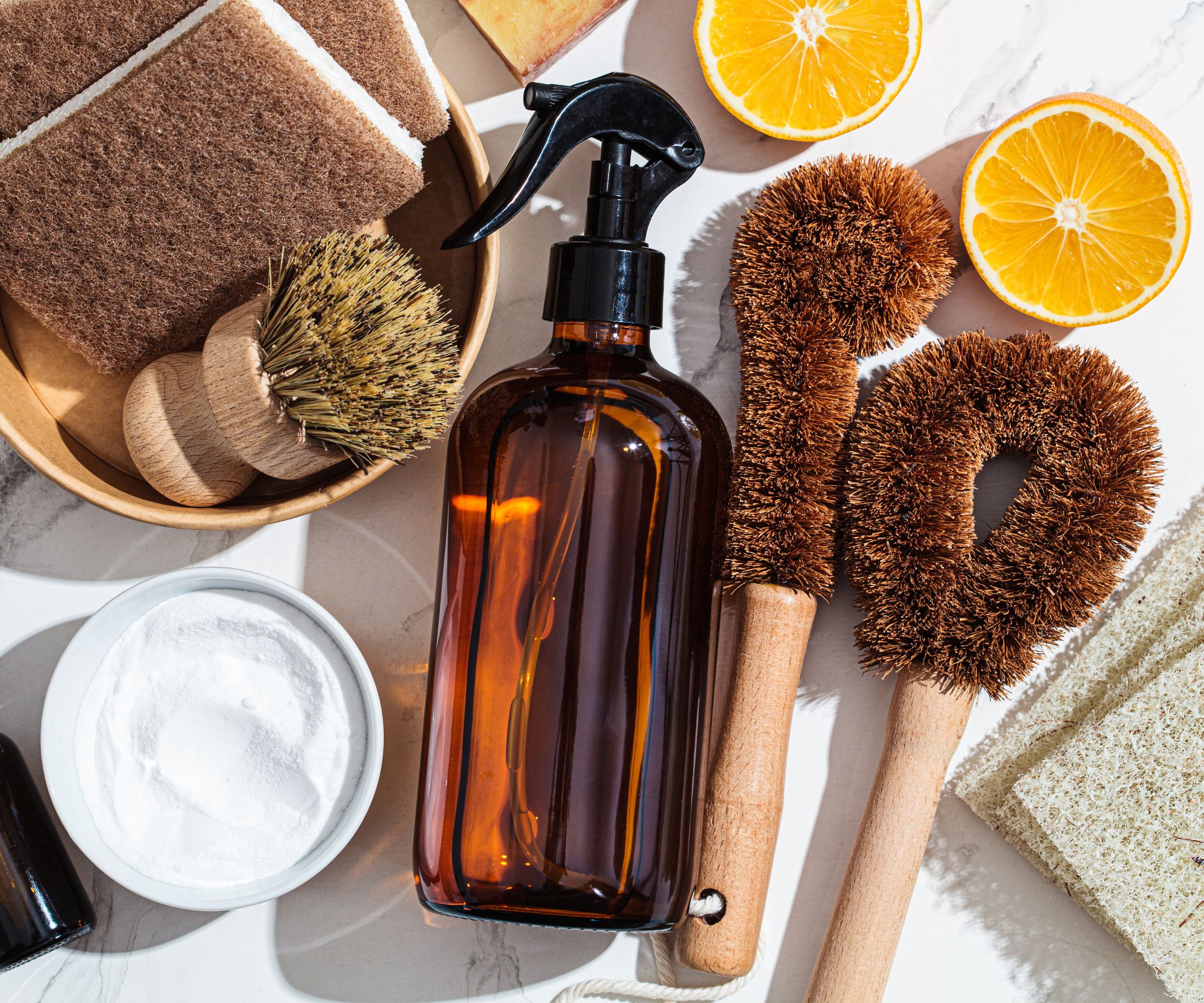
The experts recommend a few basic items for effective LVP cleaning. A standard bristle broom and dustpan are necessary for sweeping away loose dirt and debris, with an angled broom head being particularly useful for corners. For mopping, a microfiber mop is preferred over string mops, which can apply excessive water. The article specifically mentions an O-Cedar mop with a bucket wringer for regulating water application. For cleaning solutions, a mixture of white or apple cider vinegar is advised. Vinegar's acidity helps remove dirt and grime without leaving a soapy residue, with apple cider vinegar offering an added fragrance. Alternatively, a pH-neutral floor cleaner, such as a Bona product, is recommended to avoid streaks and protect the vinyl from ammonia-based damage.
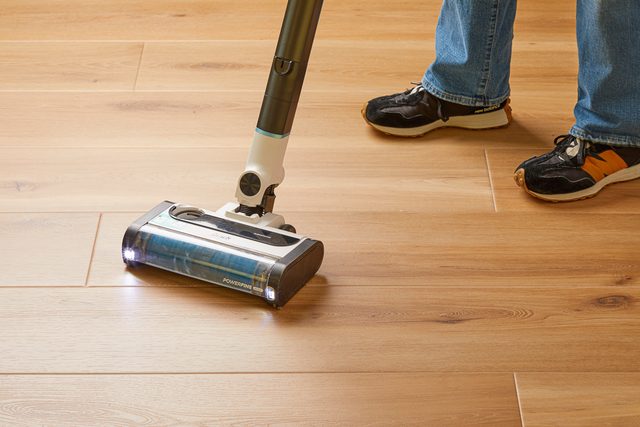
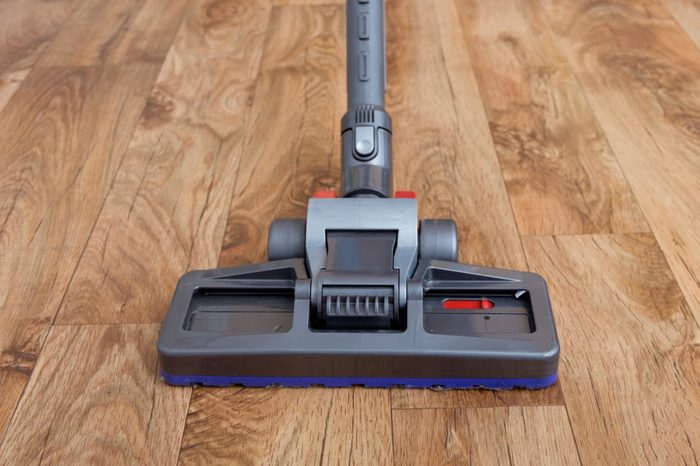
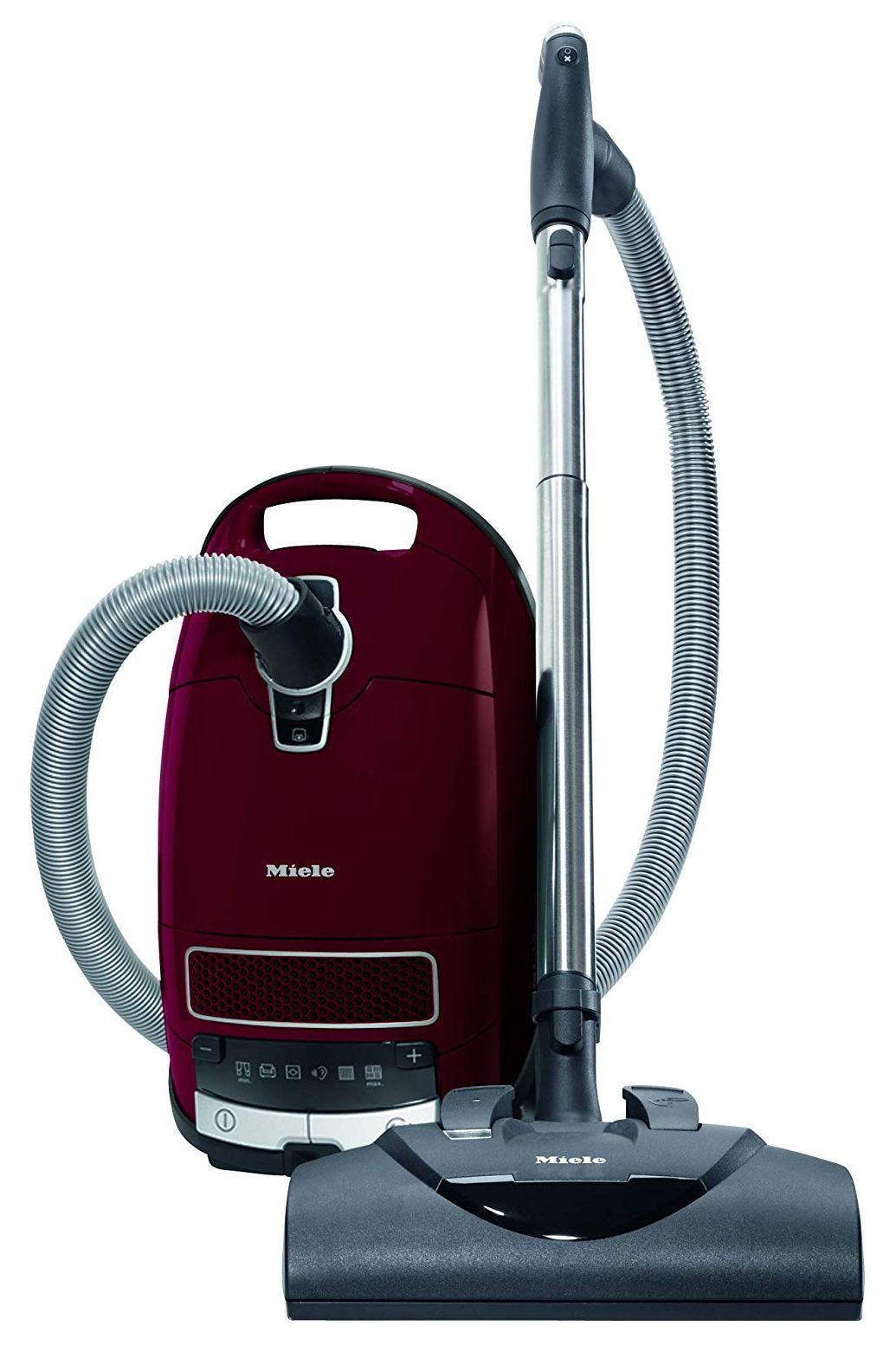
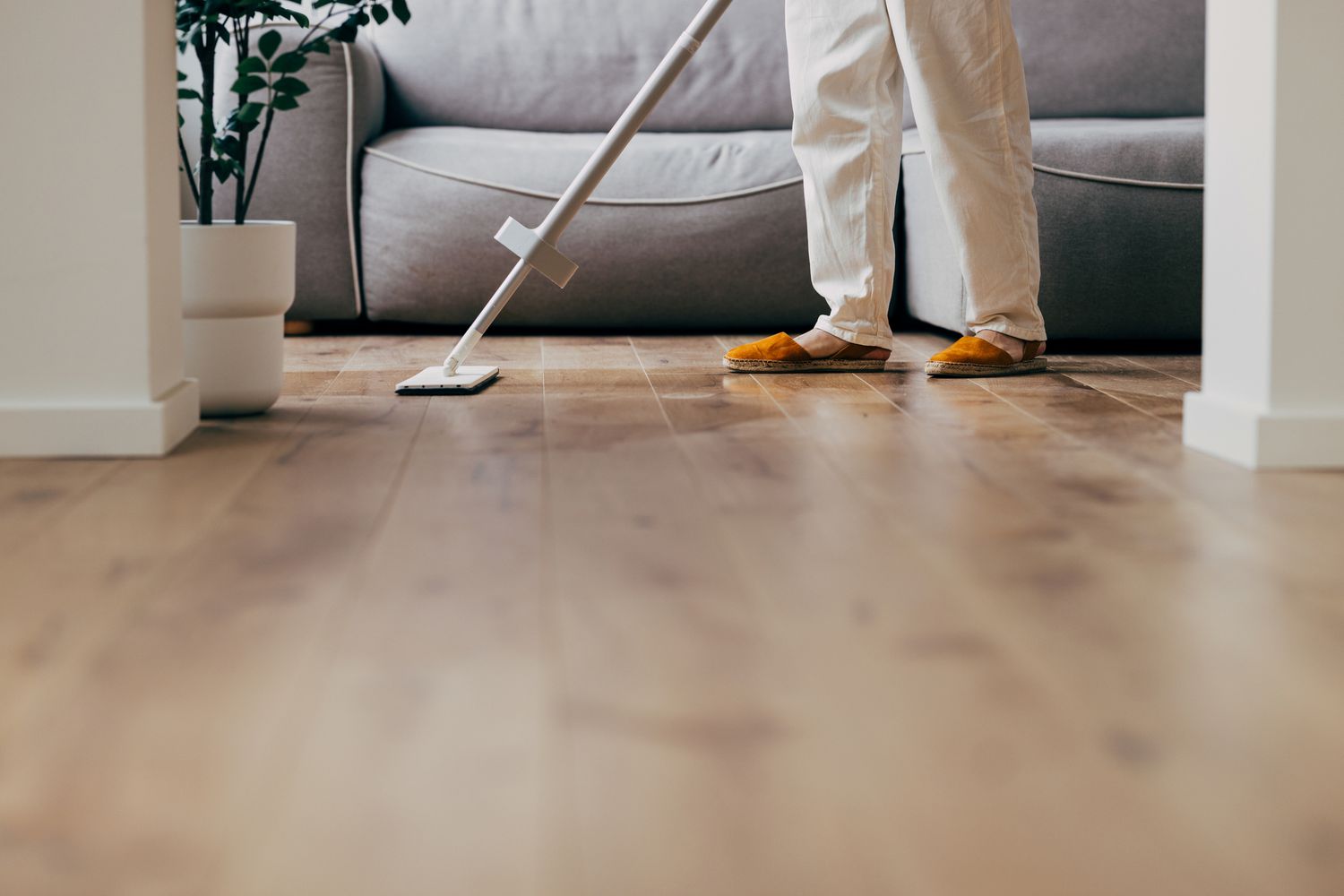
The cleaning process involves several steps: first, sweep thoroughly with a broom or use a vacuum with a “bare floor” setting to remove abrasive particles. Next, prepare a cleaning solution by combining 1/2-cup each of apple cider vinegar and a pH-neutral floor cleaner with a gallon of warm water. When mopping, use the microfiber mop with the cleaning solution, ensuring only enough liquid is applied to clean without leaving excess moisture. Varela suggests opening windows to accelerate drying. The recommended mopping technique involves starting from the furthest corner and working forward, then moving slightly to the side and backward, overlapping the previous path to ensure comprehensive cleaning.
Cleaning frequency depends on household activity, including foot traffic, cooking, and the presence of pets. Regular sweeping is crucial. Mannington, a prominent LVP manufacturer, suggests sweeping at least once a week, while Gazzo recommends every other day. Mopping frequency should be weekly for homes with pets or children, and at least twice a month for those without.
#LuxuryVinylPlank #LVPFlooring #FloorCleaning #HomeMaintenance #CleaningTips #DIYCleaning #MicrofiberMop #VinegarCleaning #pHNeutralCleaner #LuxuryVinylPlank #LVPFlooring #FloorCleaning #HomeMaintenance #CleaningTips #DIYCleaning #MicrofiberMop #VinegarCleaning #pHNeutralCleaner
0 comment in total
 No comments yet
You may also like
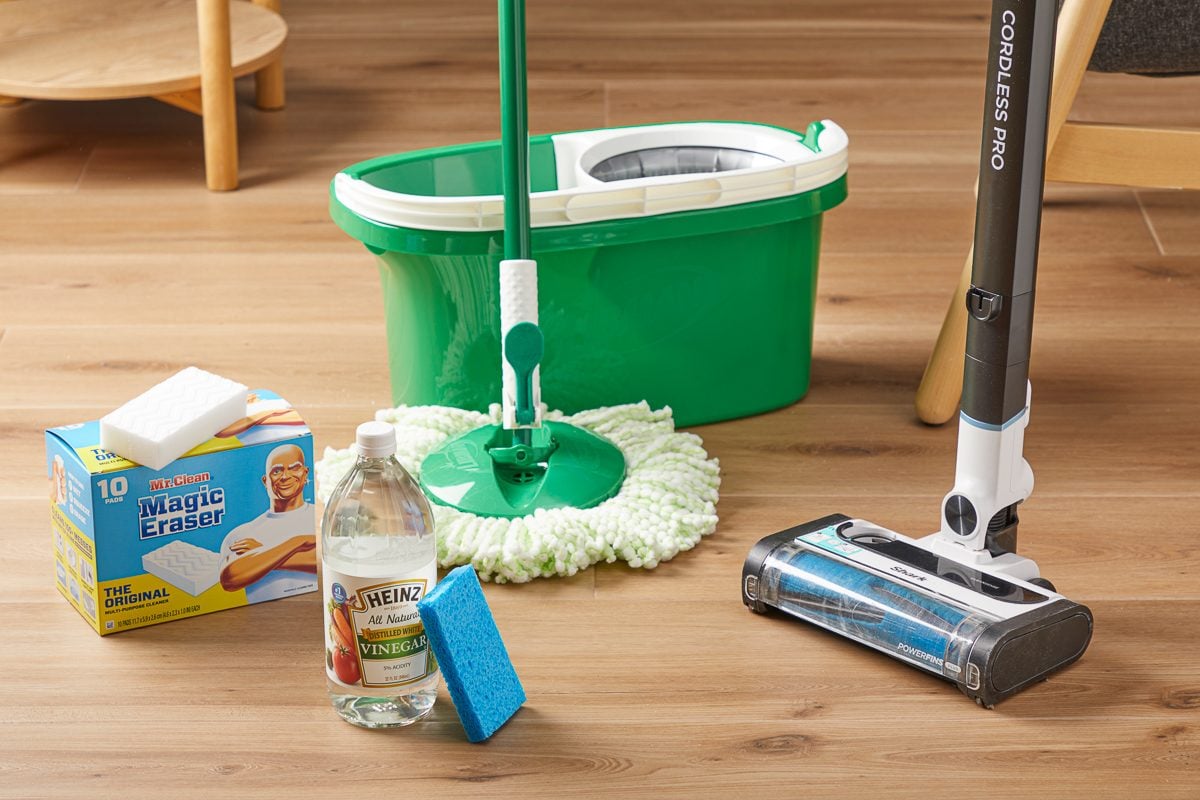
How To Clean Vinyl Plank Flooring Like a Pro
Walk This Way: New trends in vinyl flooring
The Best Vinyl Plank Flooring for Your Home

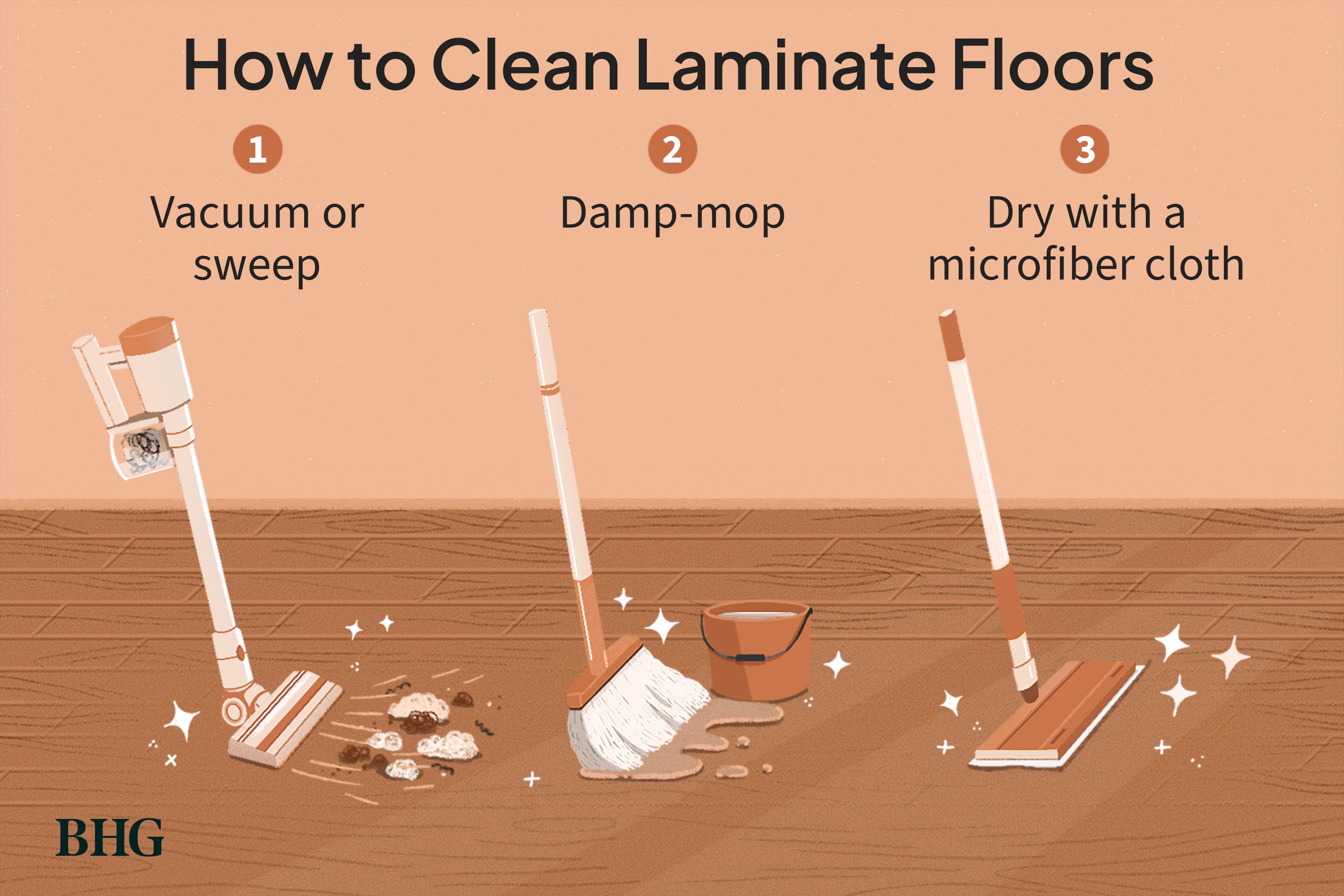
How to Clean Laminate Floors to Protect Their Shiny Finish

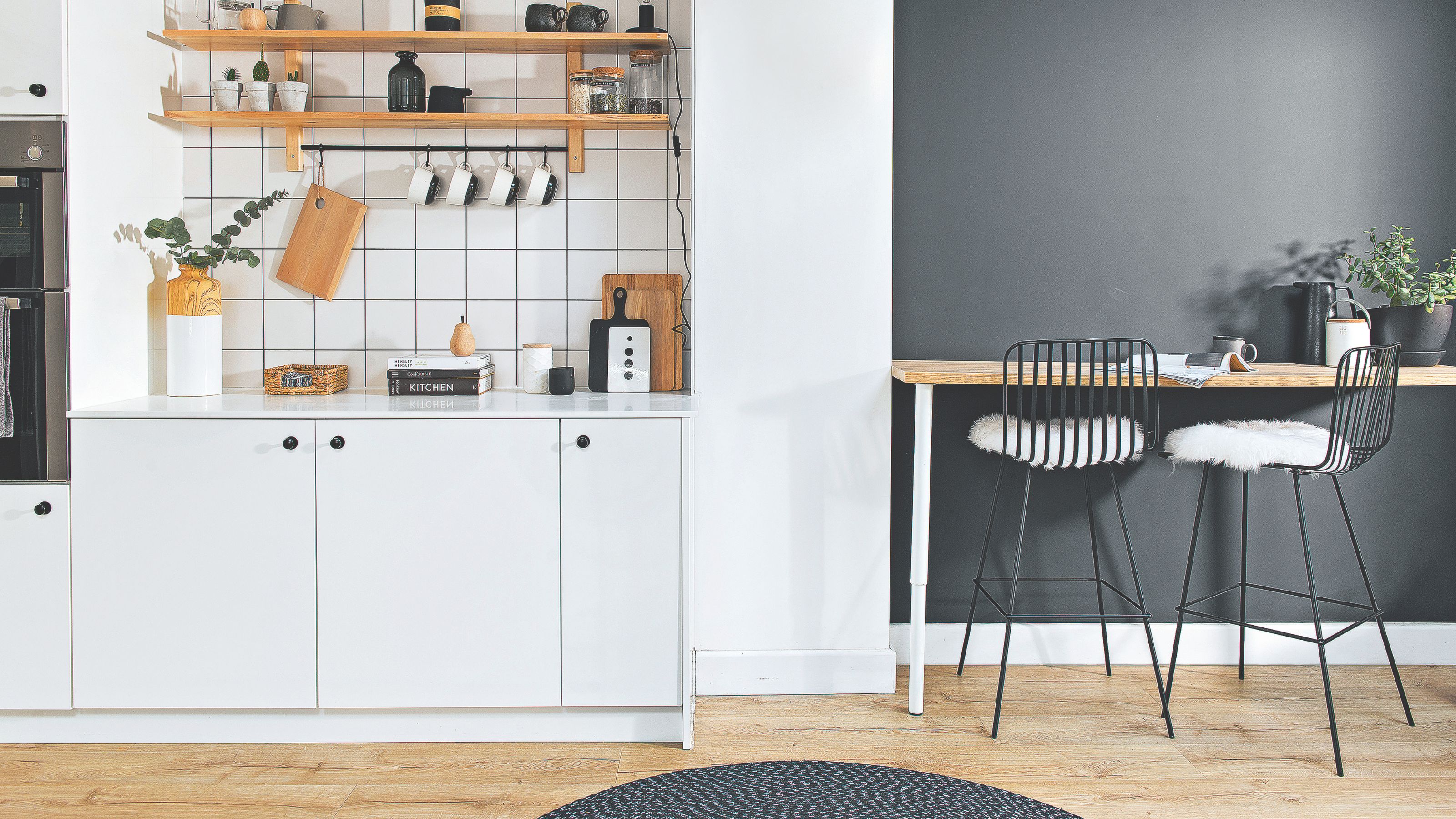
Best ways to clean vinyl flooring - the dos and don’ts to consider if you have vinyl in your home
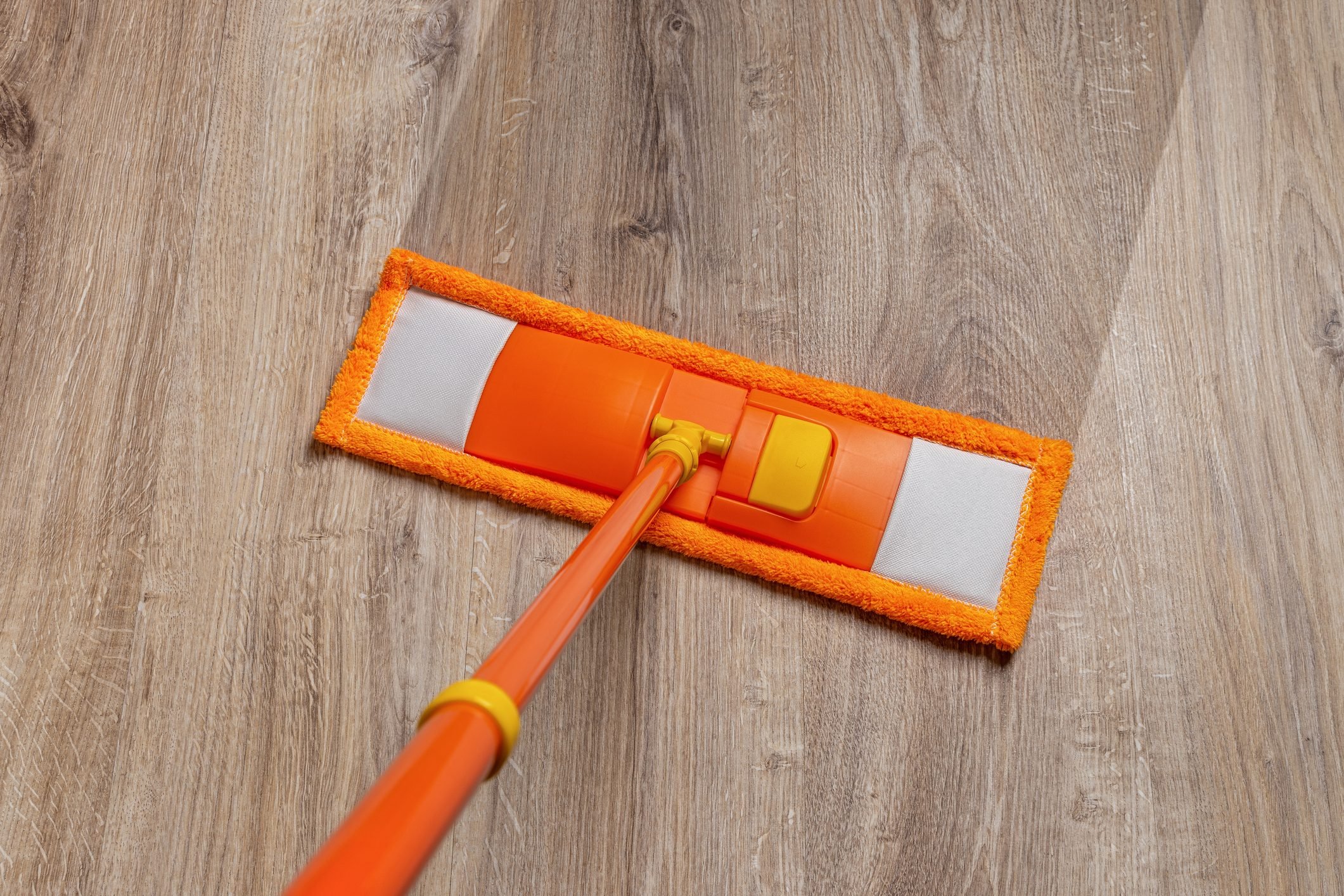
How to Clean Every Type of Floor Quickly and Easily

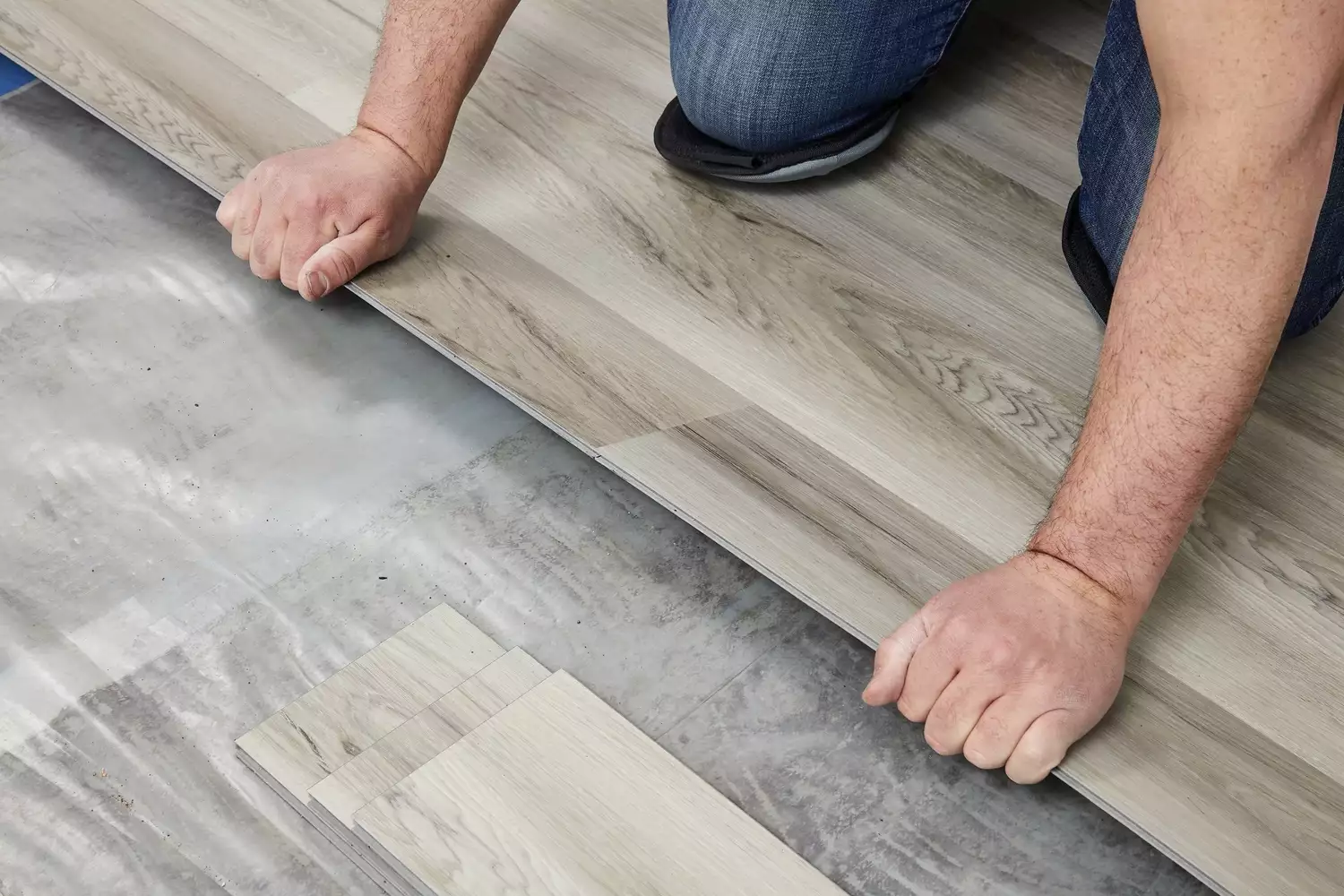
Pros and Cons of Vinyl Plank Flooring

What’s the best flooring for a dog-friendly home? Experts reveal the one material they would always pick
Home Flooring Installation and Repair
5 Things You Should Never Use to Clean Vinyl Plank Flooring, Cleaning Pros Say
Flooret Flooring Review: Direct-to-Consumer Floors That Are Worth the Hype

The Best Vinyl Plank Flooring Brands
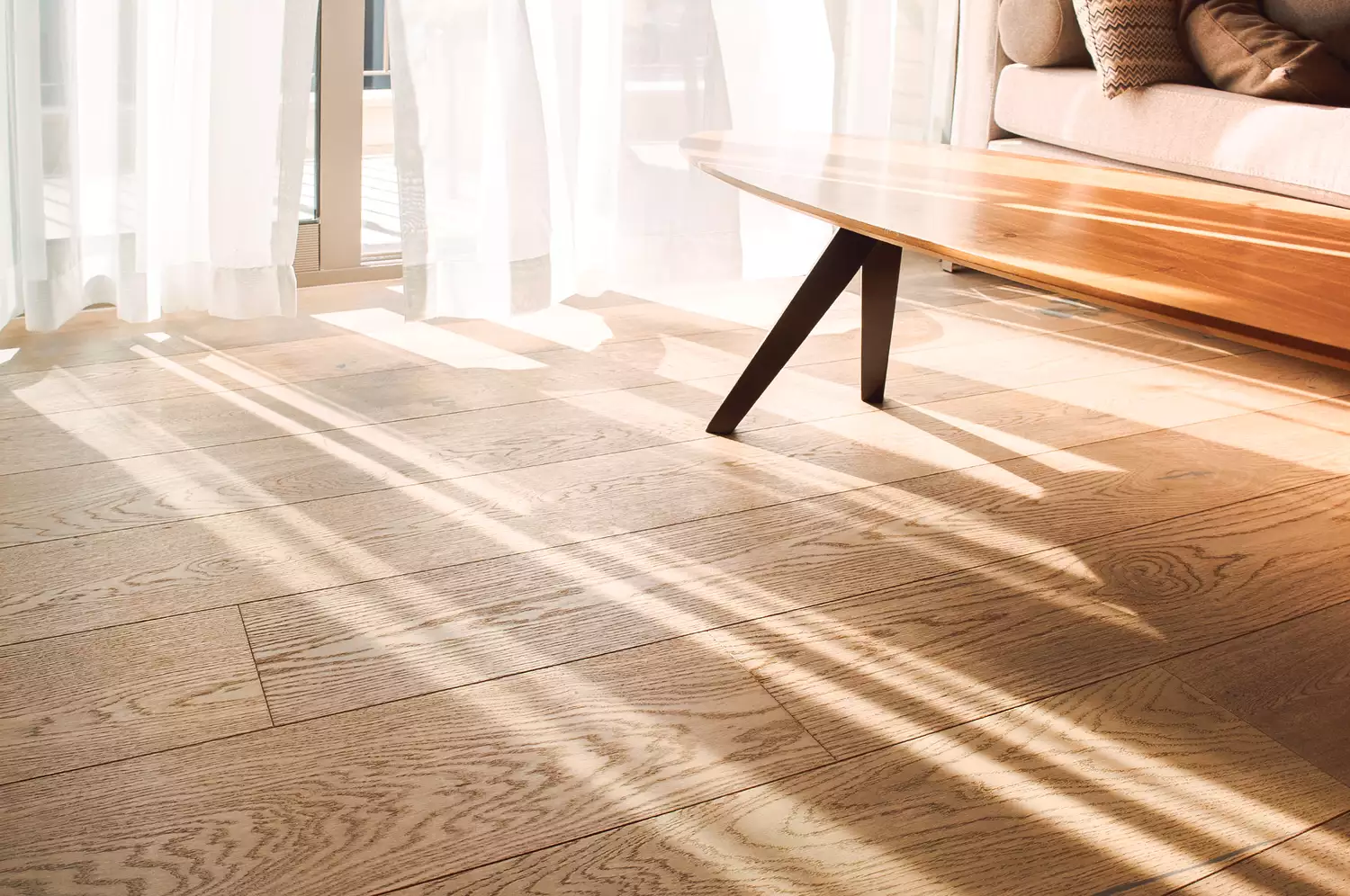
The Right Way to Clean Vinyl Plank Flooring
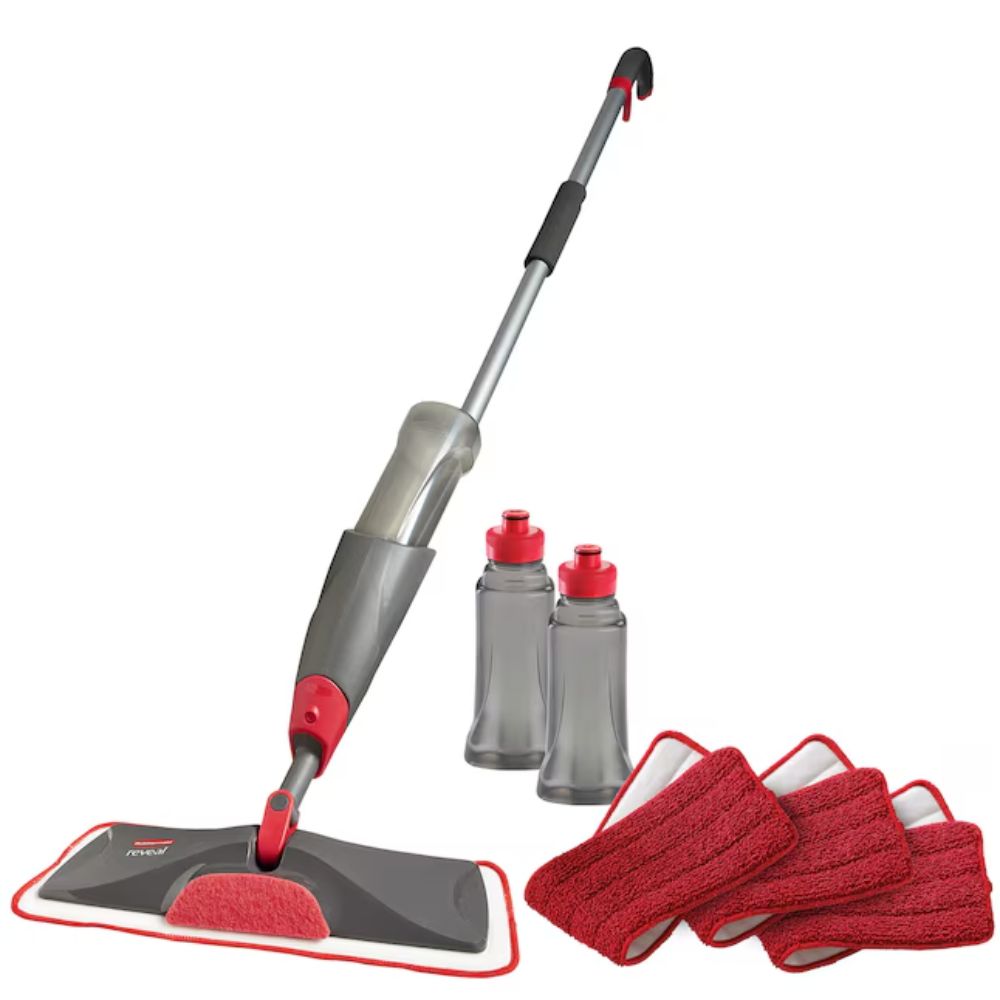
The Best Mops for Vinyl Floors, Tested and Reviewed
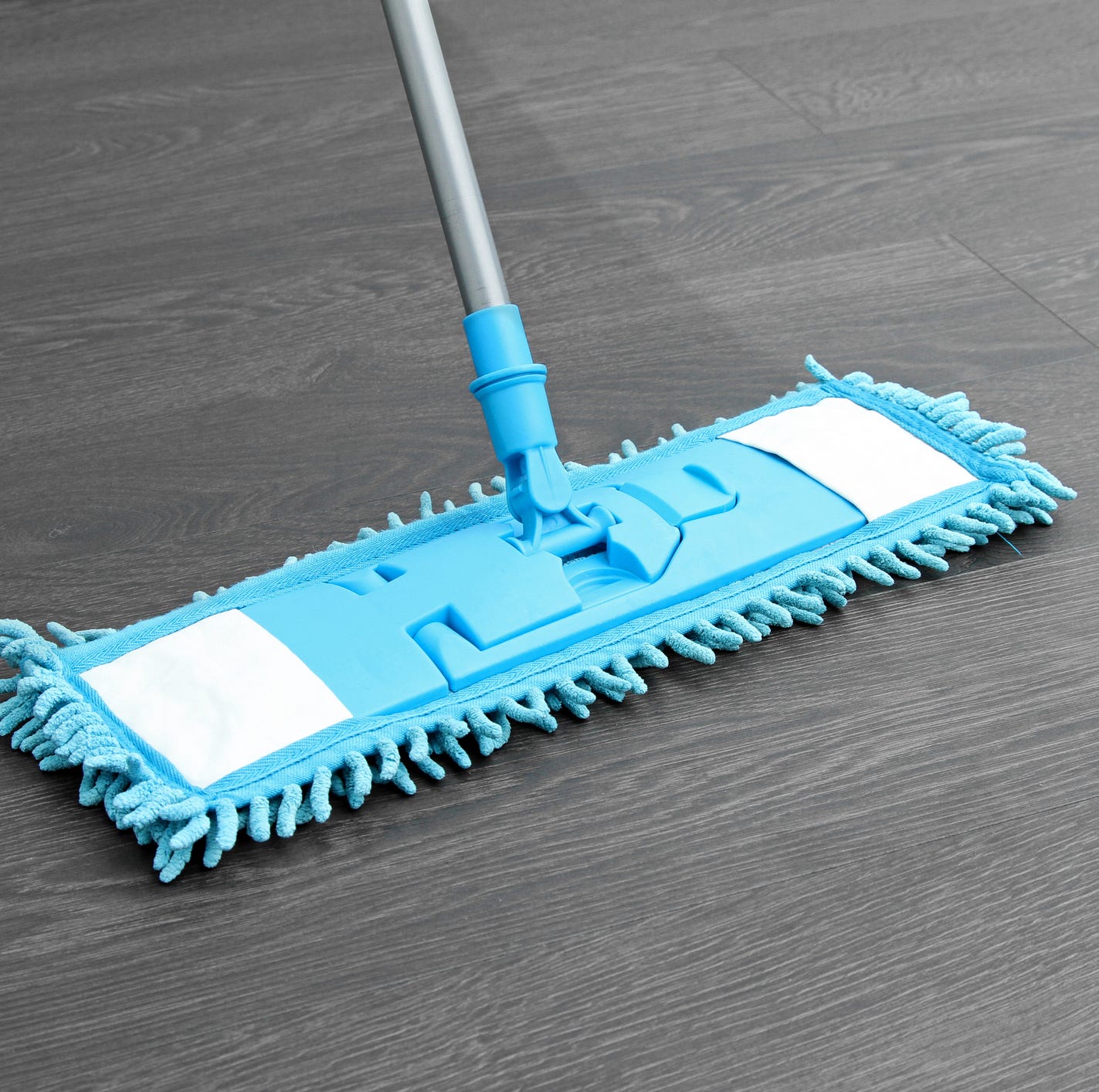
The One Way You Should NEVER Clean Laminate Floors

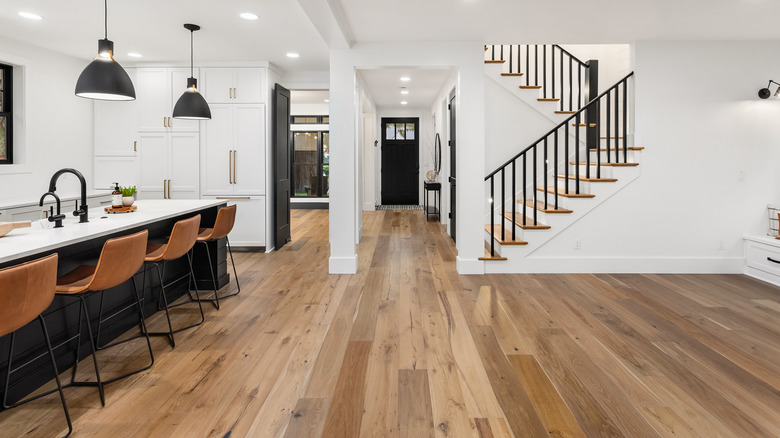
Our Flooring Expert On The Better Investment: Luxury Vinyl Plank Or Engineered Hardwood?
The Best Vinyl Plank Flooring Options, Tested by Home Experts
Vinyl kitchen flooring ideas – 17 practical, easy to clean floors that emulate luxury materials

How to clean laminate floors for extra shine – and what to avoid to protect the floor's surface for years
5 reasons to specify luxury vinyl flooring