1/6
Best ways to clean vinyl flooring - the dos and don’ts to consider if you have vinyl in your home
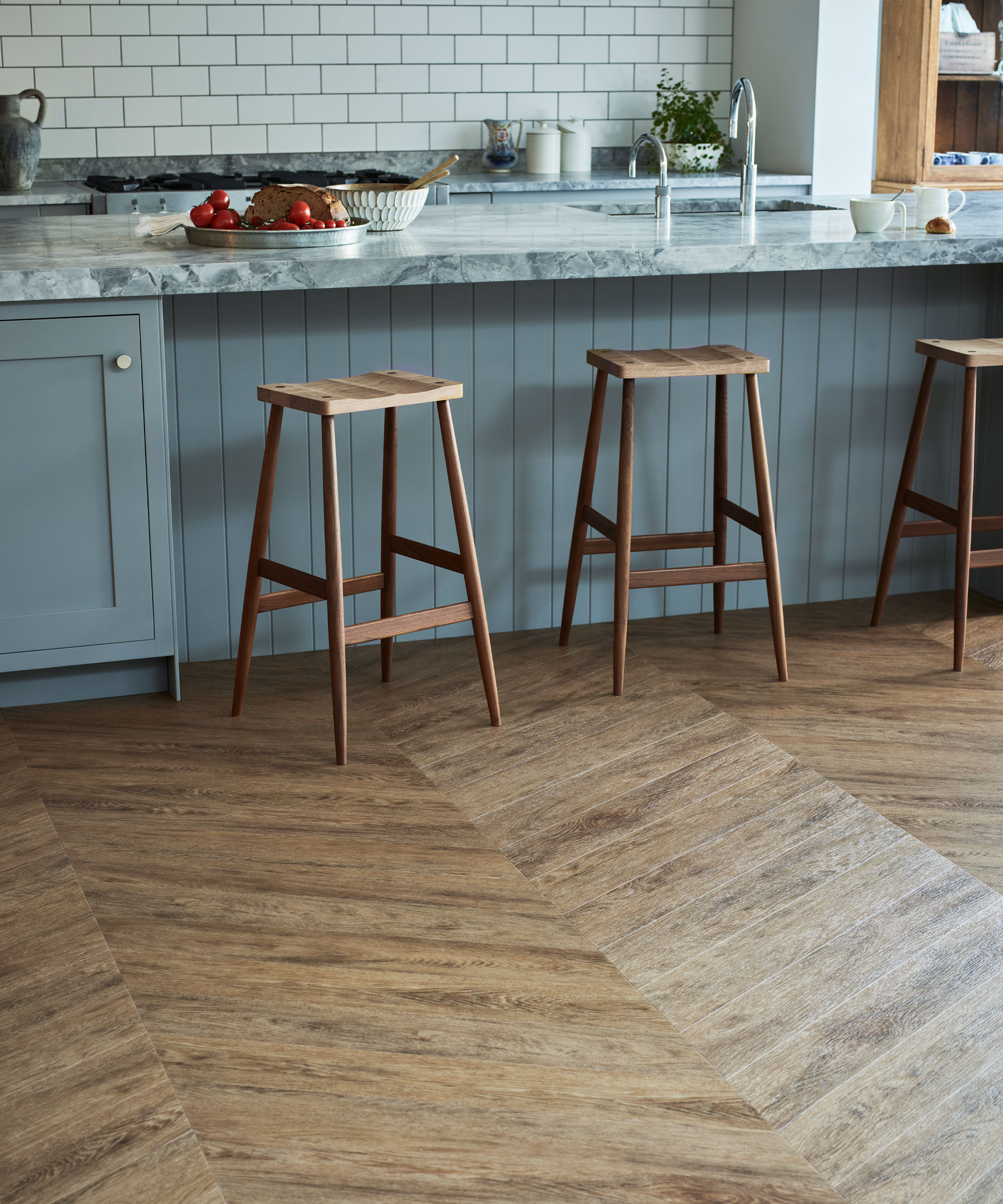
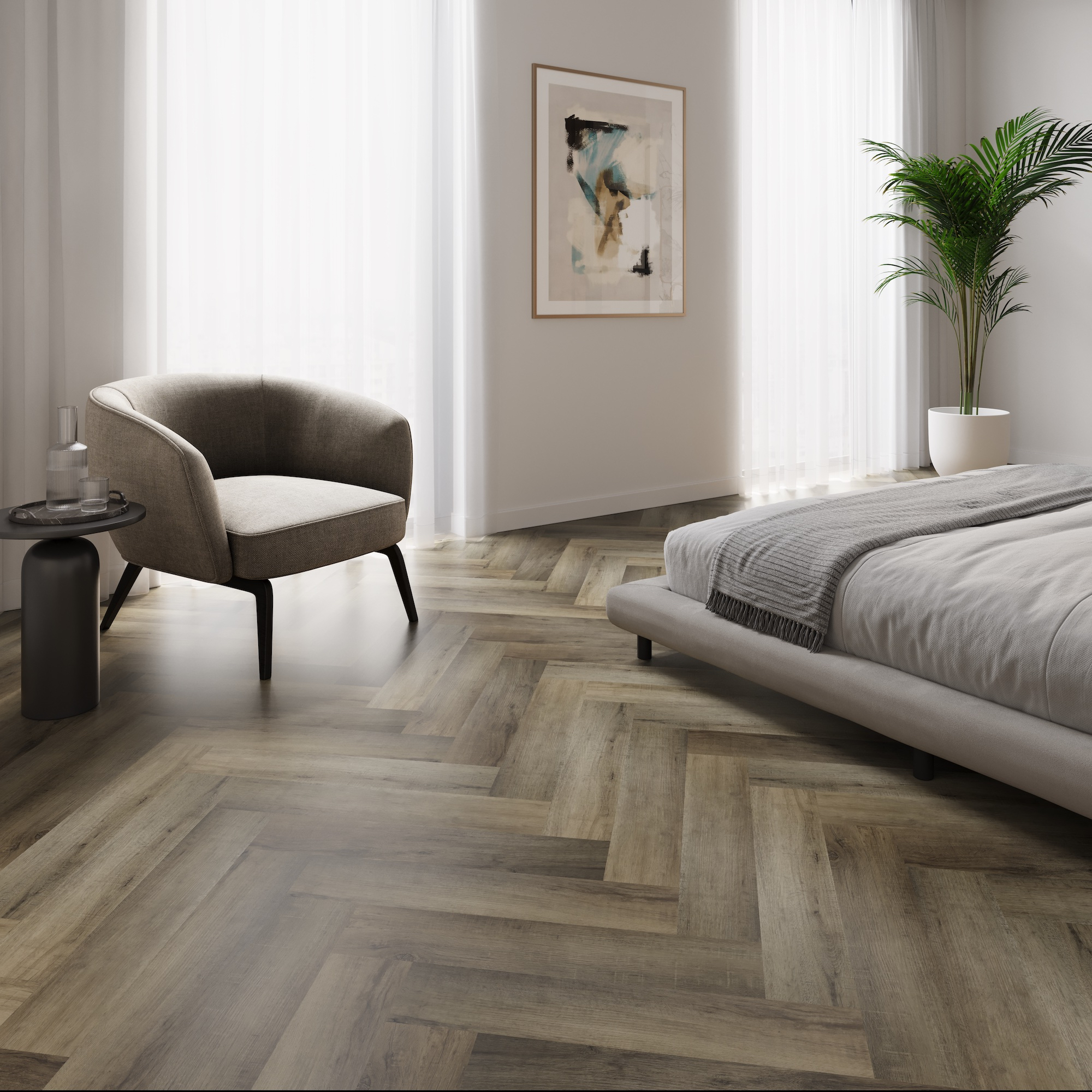
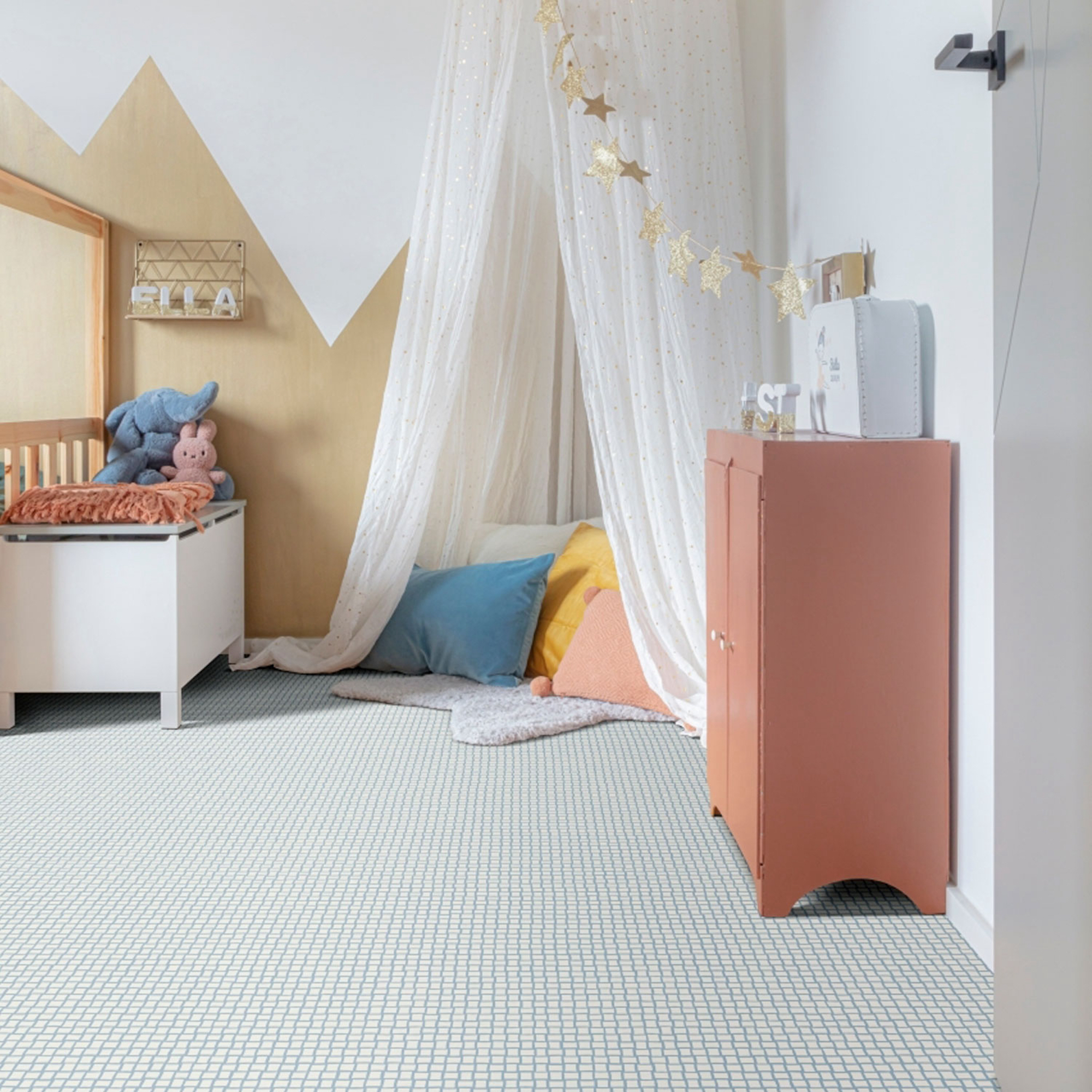
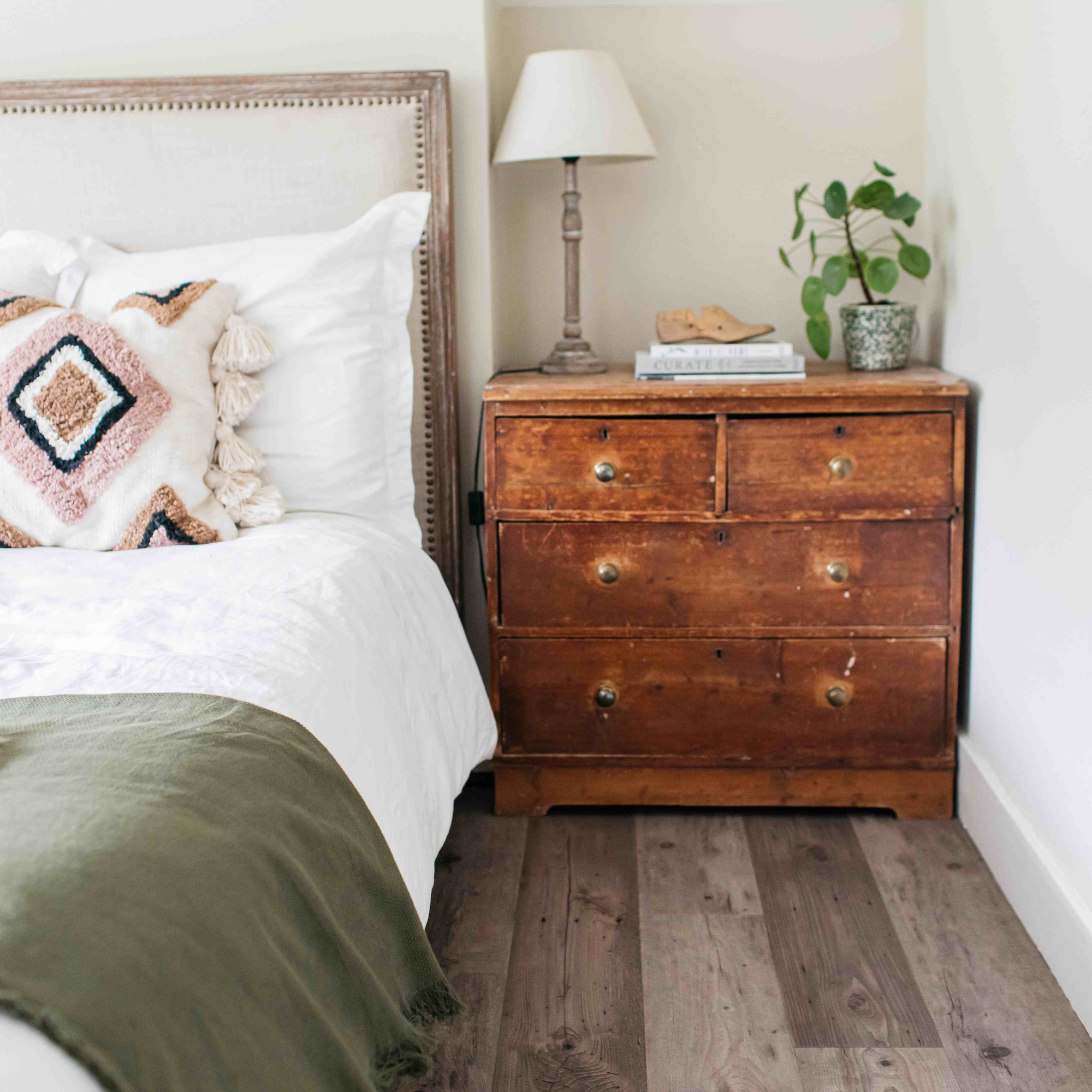
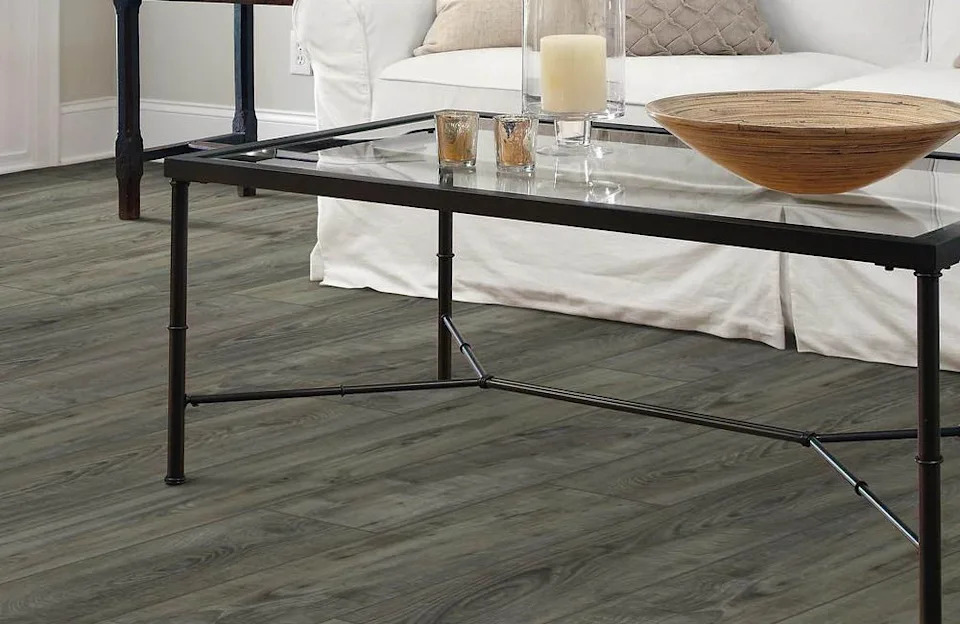
Maintaining the cleanliness and longevity of vinyl flooring requires specific cleaning methods and product considerations. Vinyl is a popular choice for its attractiveness, durability, and ease of installation, but proper care, including regular cleaning, is essential.
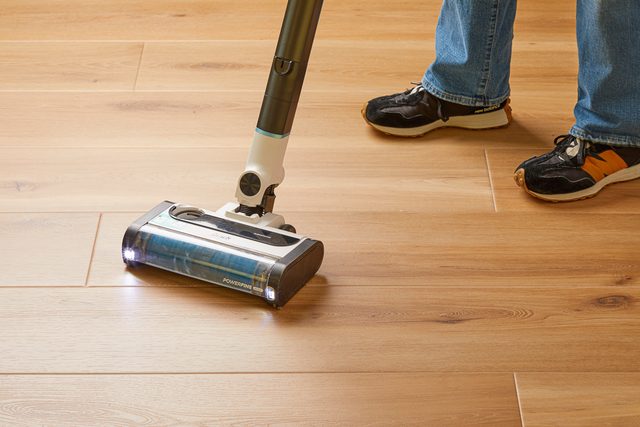
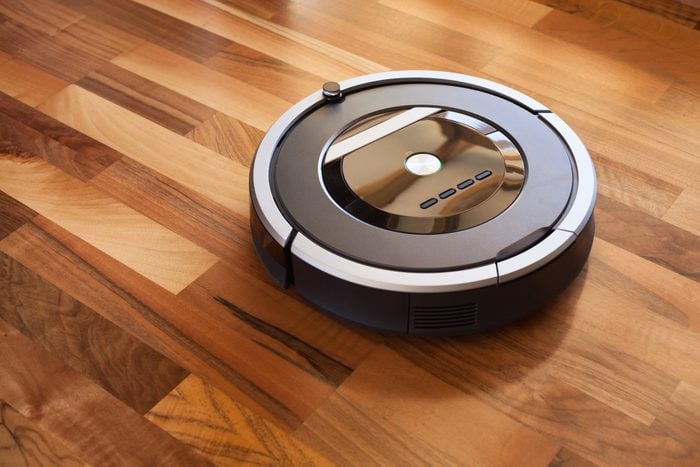
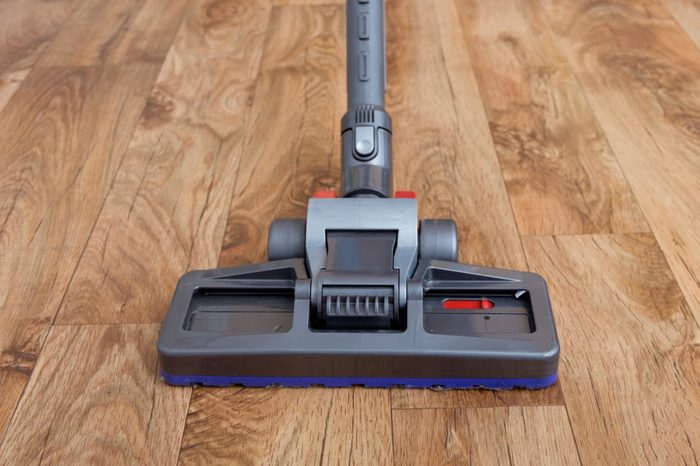
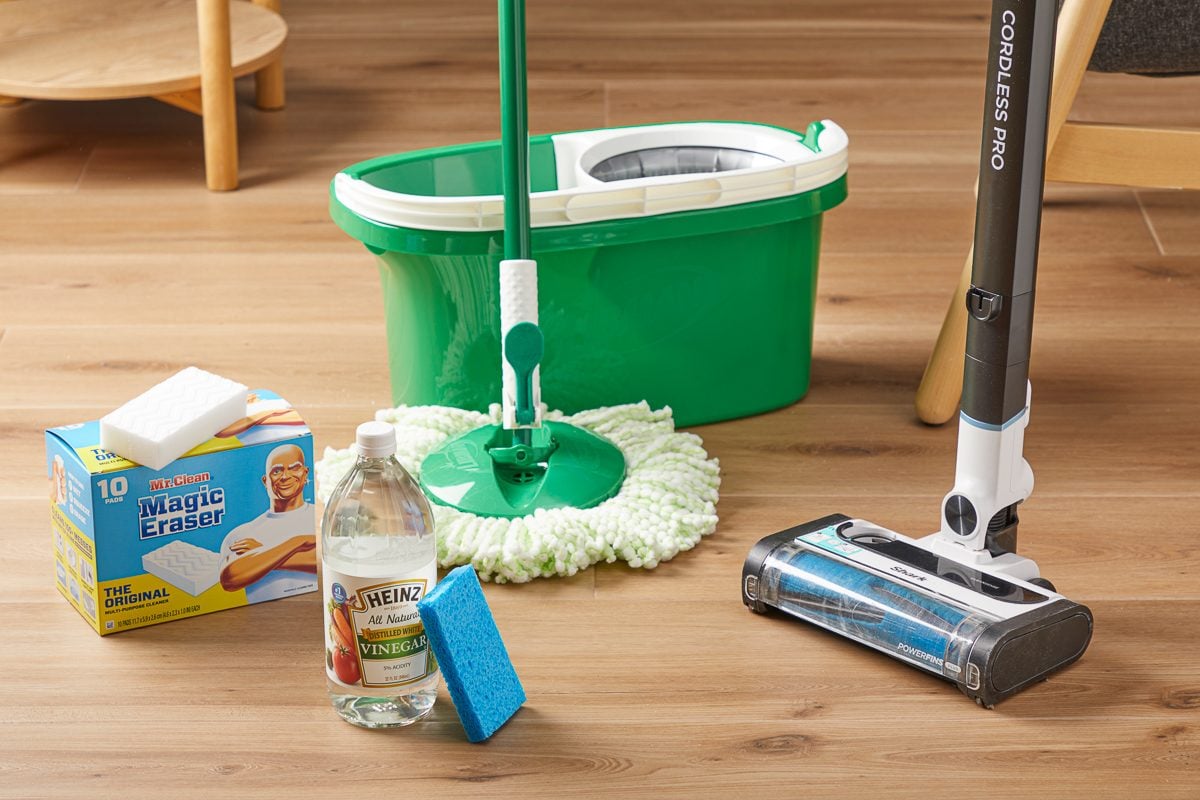
The cleaning process should begin with vacuuming to remove dust and debris. This initial step is crucial for all flooring types, including vinyl, to prevent interference with subsequent cleaning stages. Using a vacuum cleaner with a hard floor cleaning head is recommended to avoid scratches. For example, the Shark Detect Pro Cordless Vacuum Cleaner IW1511UK is highlighted as an effective option for hard floors.
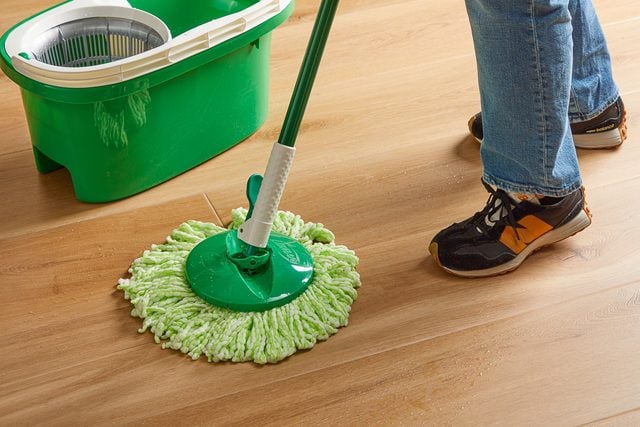
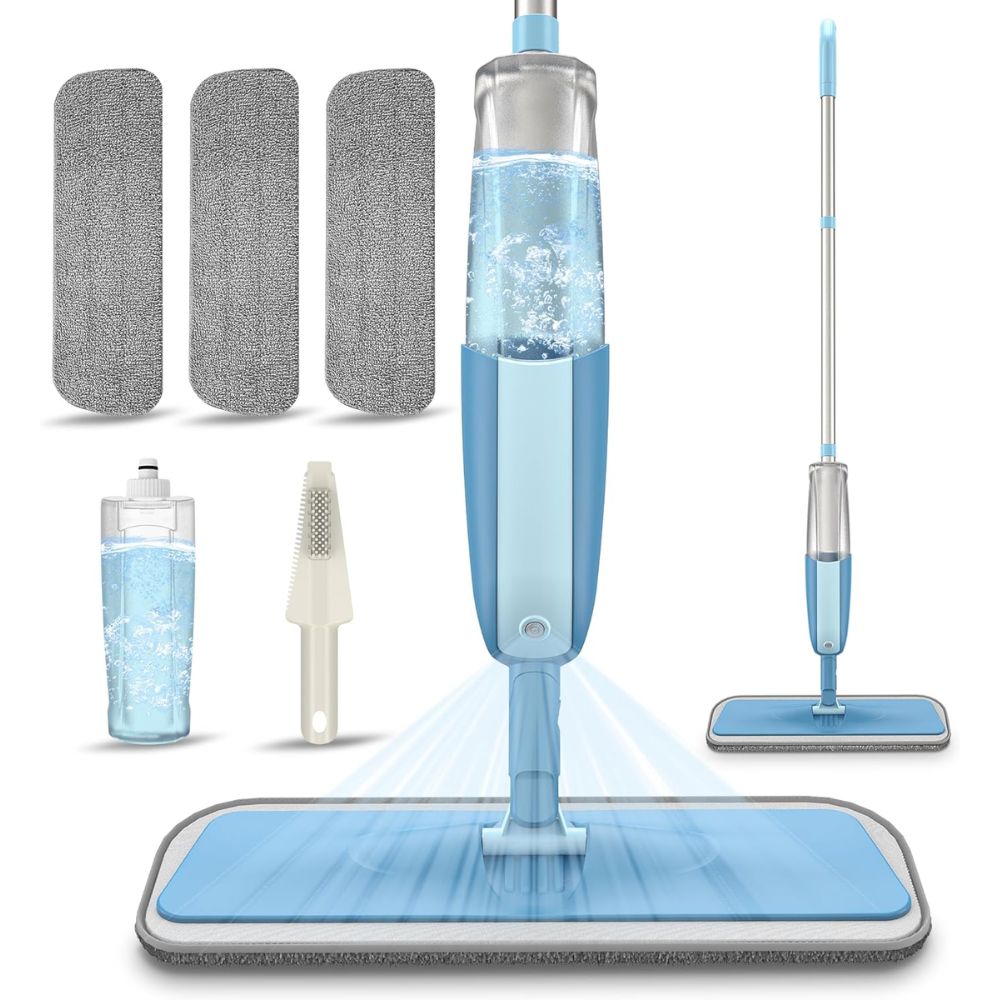
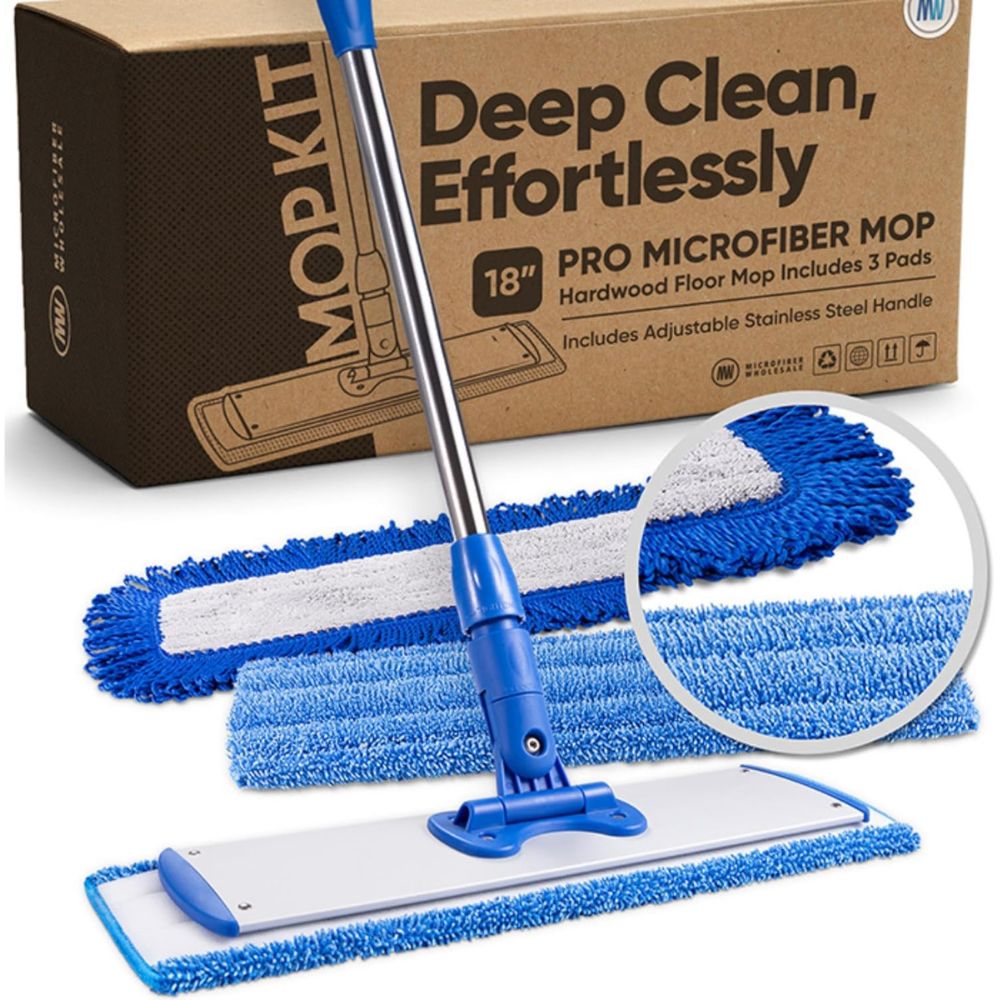
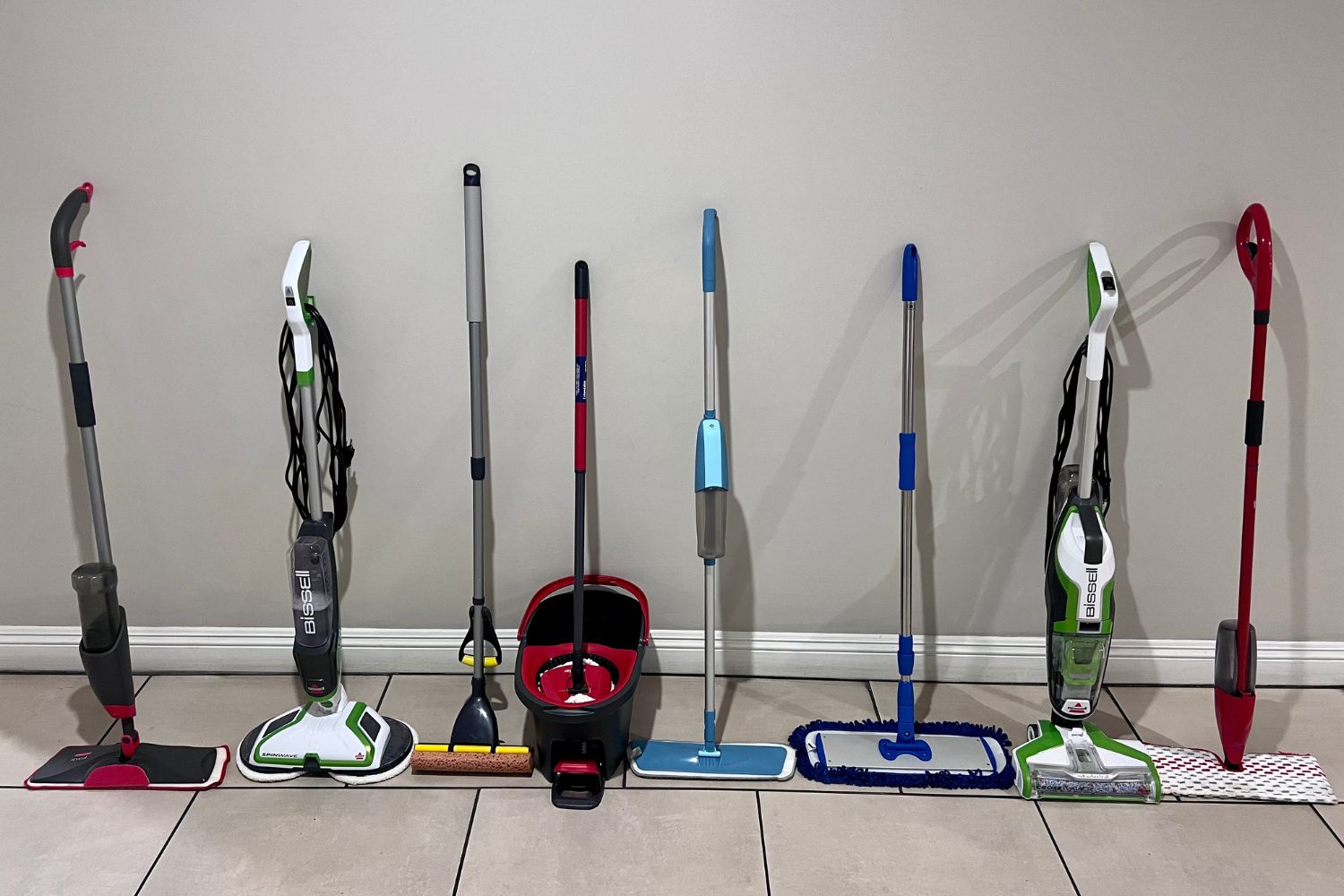
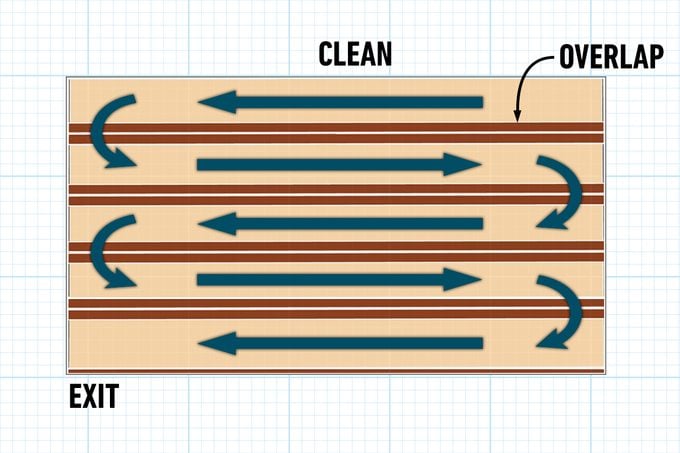
Following vacuuming, mopping is necessary for sanitization and reaching smaller crevices. A mild detergent mixed with water is effective, with an experiment showing this method can reduce bacteria on vinyl floors by 97%. A specific mopping technique is advised: start from the room's edges, working towards the middle in a figure-of-eight motion, rinsing the mop head when dirty. It is vital to dry the floor completely with a soft towel to prevent moisture from seeping into cracks and seams, which could cause curling, bumps, or trip hazards. The Vileda Easy Wring and Clean Turbo Microfibre Mop and Bucket Set is suggested for its efficiency in wringing out excess water.
To restore shine and enhance cleanliness, a solution of white vinegar and water can be used after mopping. This mixture has been shown to cut germs on vinyl by 94% and is a cost-effective, chemical-reduced alternative that leaves no smudges. However, rinsing with clean water and drying the floor thoroughly after using vinegar is necessary to remove any residue.
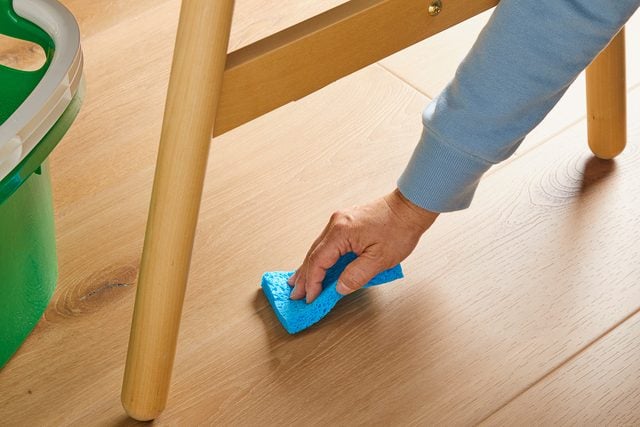
For tougher, ingrained stains, bicarbonate of soda mixed with warm water can be applied sparingly. Over-reliance on this method is cautioned against, as it can damage the vinyl's protective layer, leading to a cloudy appearance. Alternatively, rubbing alcohol with a soft-bristle brush can target stubborn marks like ink or lipstick, provided brushing is gentle to prevent scratches.
Consistent repetition of this cleaning routine is key to maintaining vinyl flooring. High-traffic areas may require daily cleaning, while less-frequented spaces might need it every few days. The article emphasizes cleaning floors last in any household routine, as dust and debris from other surfaces will eventually settle. It also advises against using harsh chemical cleaners, advocating for natural products and checking product suitability for vinyl to prevent damage and ensure the floor remains in optimal condition.
Vinyl flooring can be damaged by prolonged exposure to moisture and sunlight, strong chemical cleaners, excessive dust buildup, fabric conditioner, and heavy furniture. Steam mops should be avoided entirely on vinyl floors due to the excessive heat and moisture, which can cause warping, bubbling, and promote mold or mildew growth, leading to irreparable damage. Instead, a vacuum cleaner followed by a non-steam mop is the recommended cleaning approach.
#VinylFlooring #HomeCleaning #FloorCare #DIYHomeMaintenance #CleaningTips #HouseholdHacks #EcoFriendlyCleaning #FlooringDurability #VinylFlooring #HomeCleaning #FloorCare #DIYHomeMaintenance #CleaningTips #HouseholdHacks #EcoFriendlyCleaning #FlooringDurability
0 comment in total
 No comments yet
You may also like
How To Clean Vinyl Plank Flooring Like a Pro

Home Flooring Installation and Repair
The Best Vinyl Plank Flooring Brands
Forget Hardwood: HGTV's Erin And Ben Napier Have A Better Idea For Your Floors

The Best Vinyl Plank Flooring for Your Home

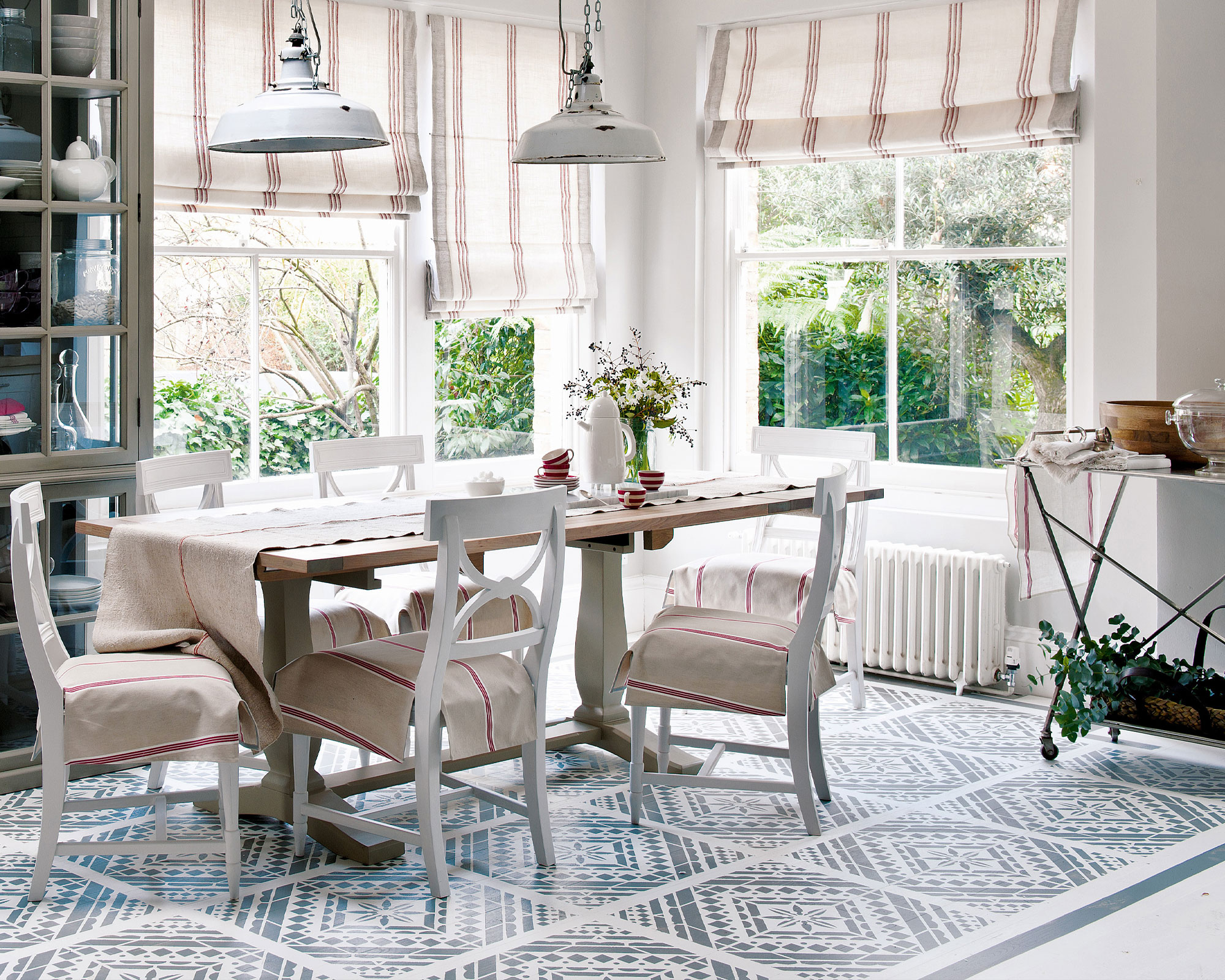
Vinyl kitchen flooring ideas – 17 practical, easy to clean floors that emulate luxury materials

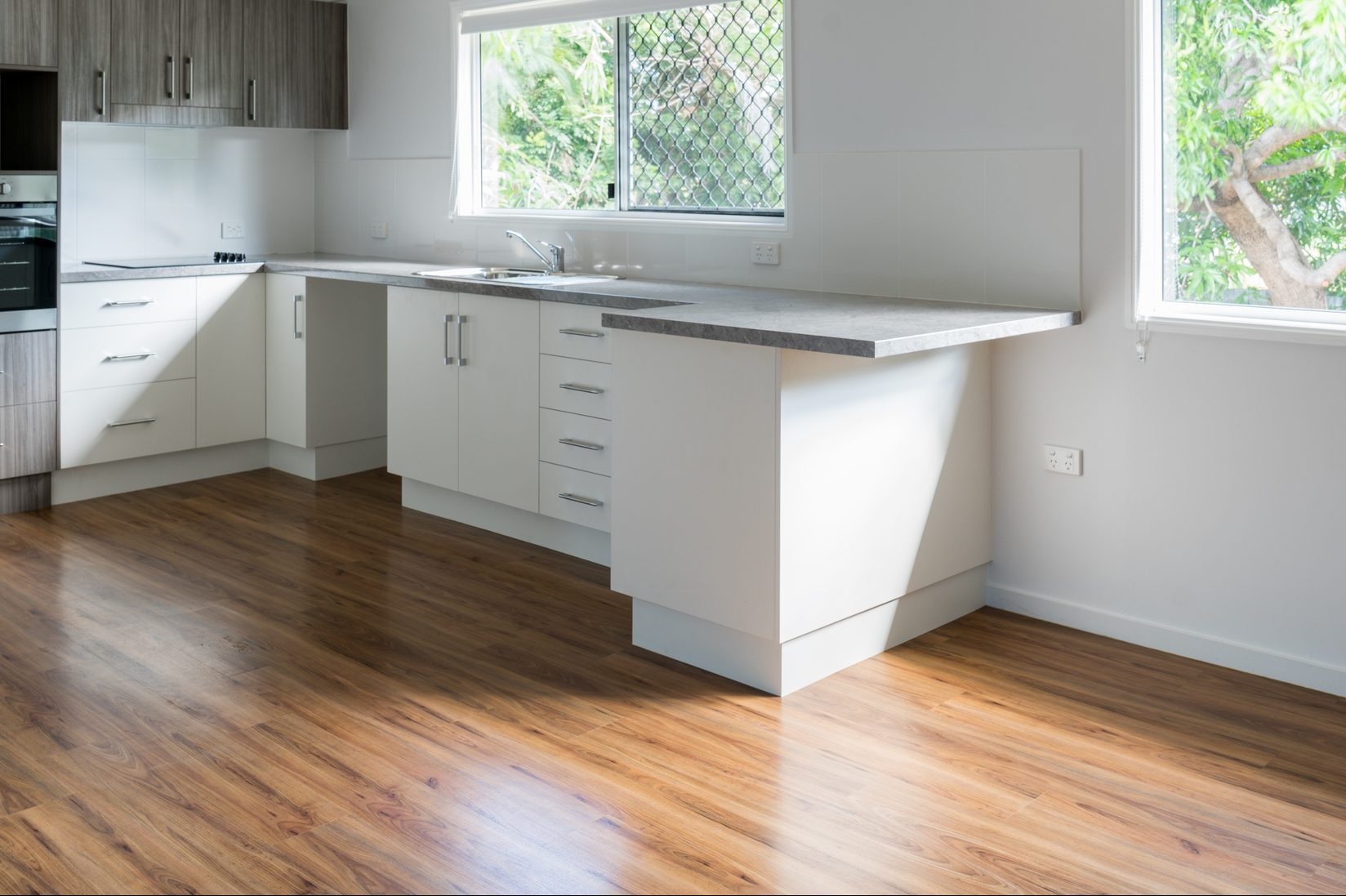
How To Clean Luxury Vinyl Plank (LVP) Flooring
Walk This Way: New trends in vinyl flooring
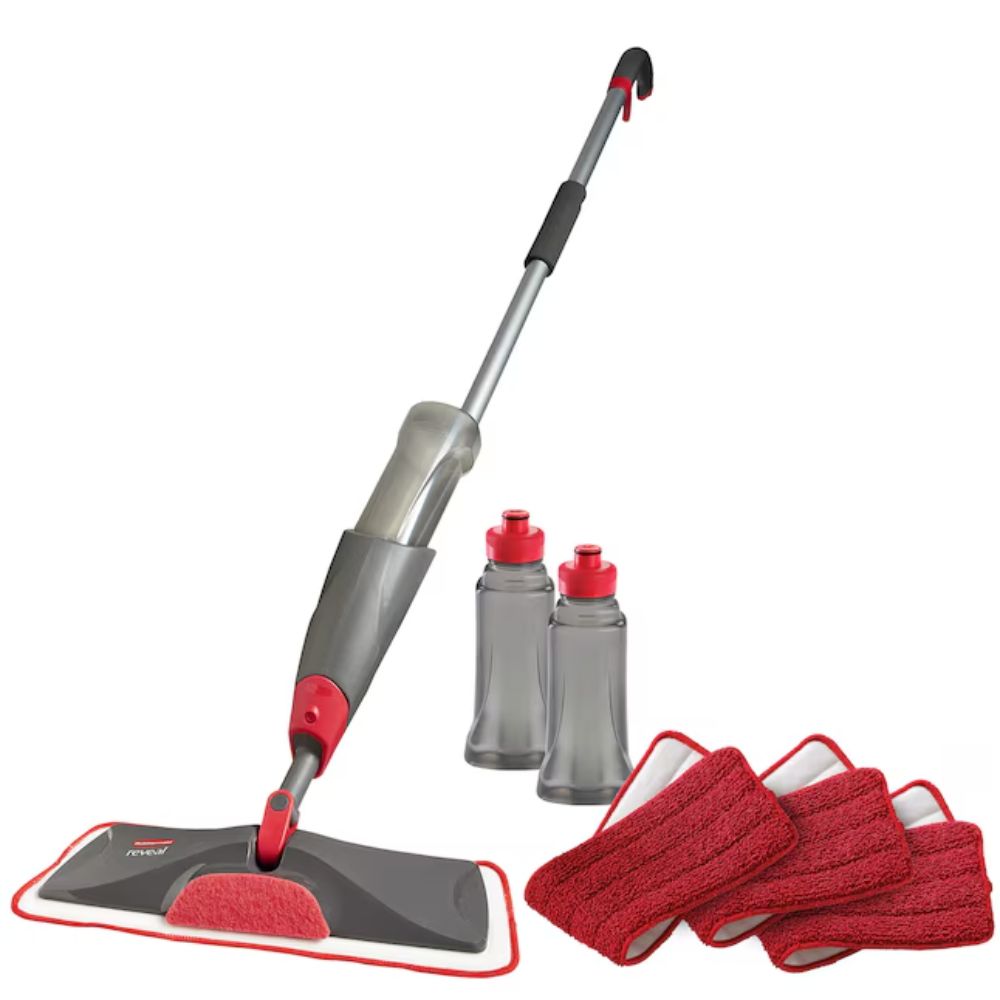
The Best Mops for Vinyl Floors, Tested and Reviewed
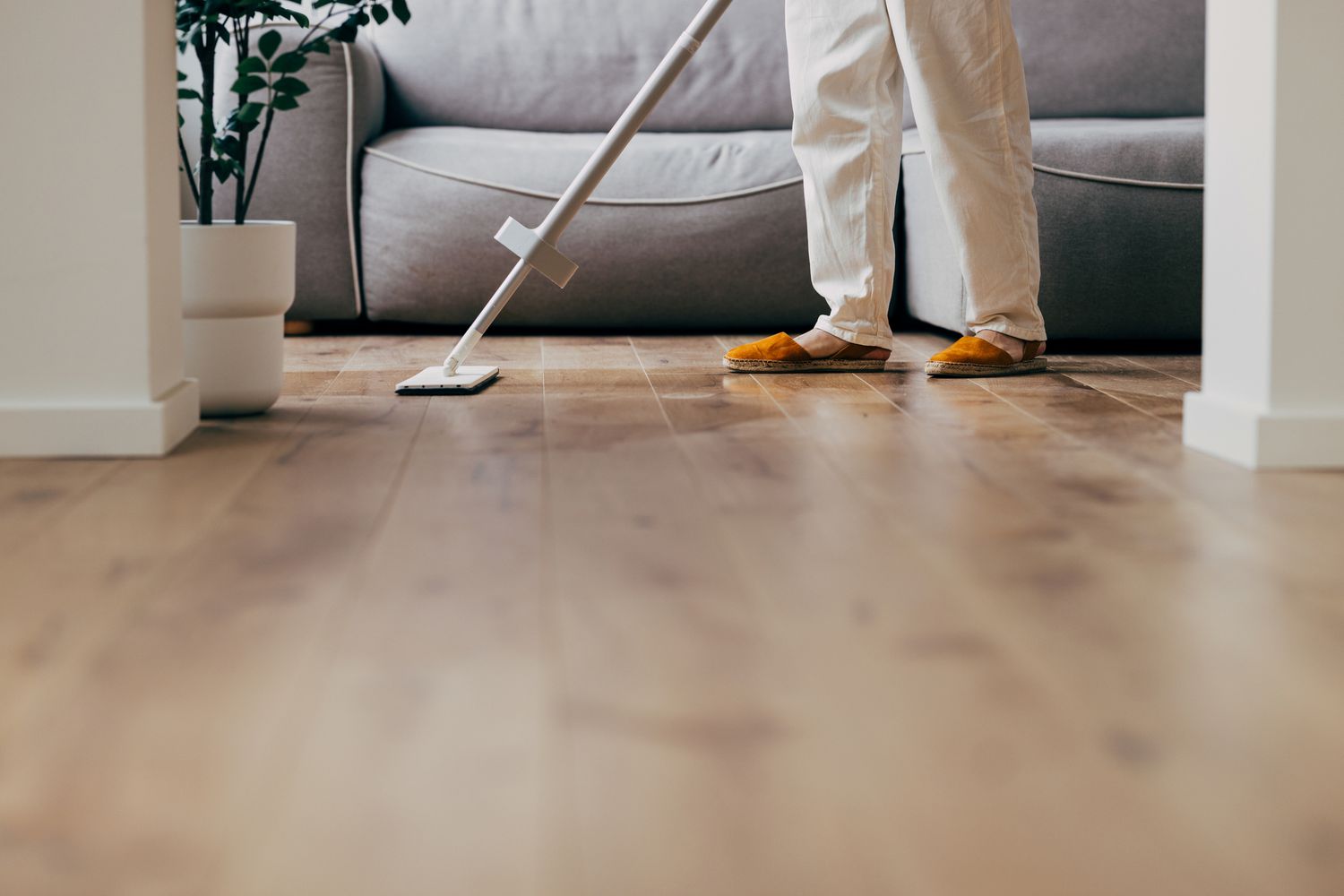
5 Things You Should Never Use to Clean Vinyl Plank Flooring, Cleaning Pros Say

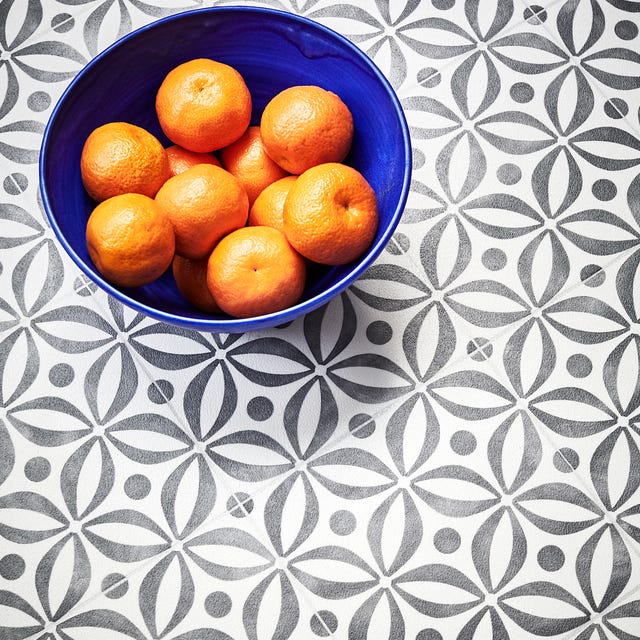
Stylish new vinyl flooring from the Carpetright x House Beautiful collection

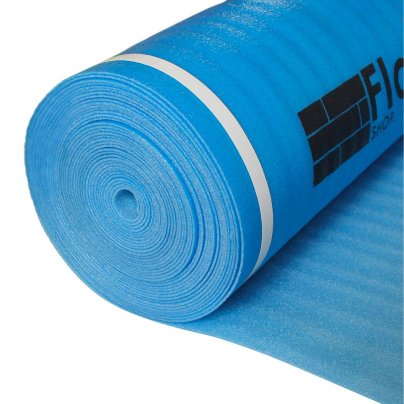
The Best Underlayments for Vinyl Plank Flooring

The Right Way to Clean Vinyl Plank Flooring
10 vinyl flooring ideas for bedrooms that will persuade you to ditch the carpet for easy-to-care for vinyl
How to Clean Every Type of Floor Quickly and Easily

Vinyl bathroom flooring ideas – 10 ways to use the new flooring trend about to take over tiles

The Best Vinyl Plank Flooring Options, Tested by Home Experts

The Best Vinyl Siding Cleaners for the Home, Tested
You Don’t Have to Demo Your Old Floors to Get New Ones

Pros and Cons of Vinyl Plank Flooring