1/14
The Best Underlayments for Vinyl Plank Flooring
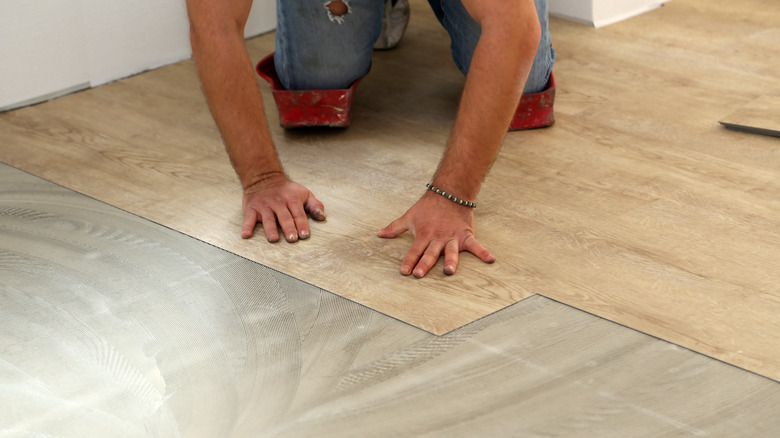
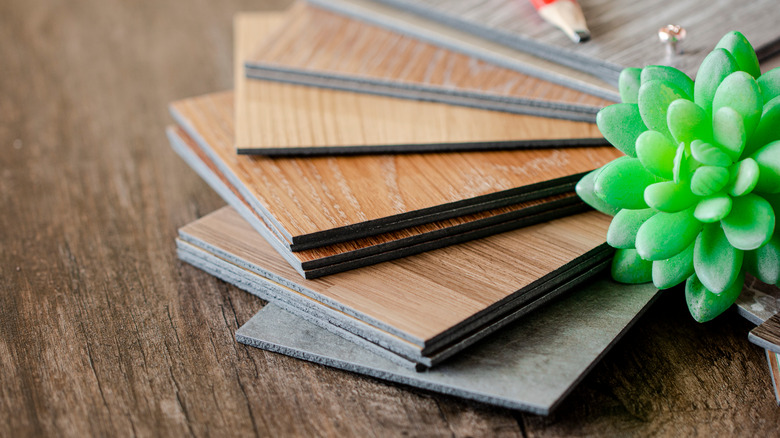
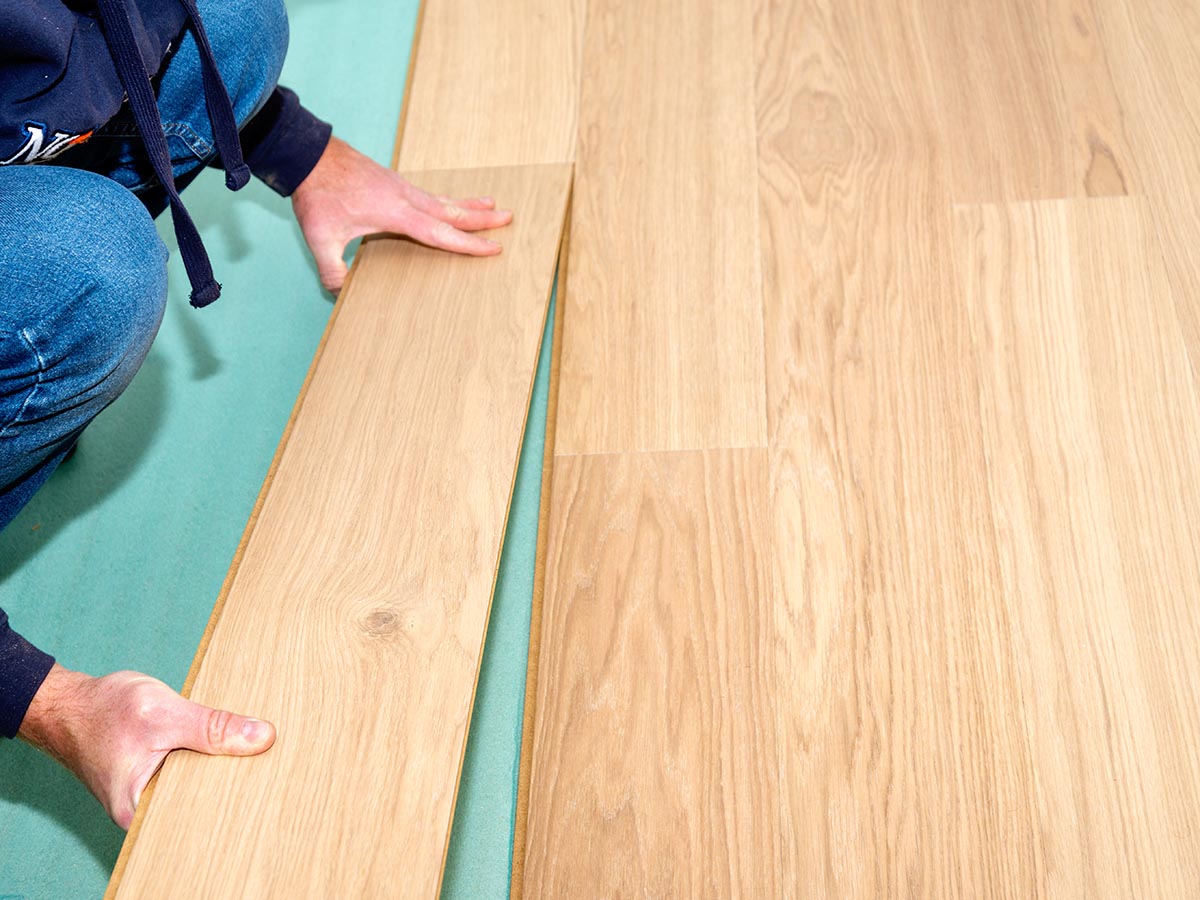
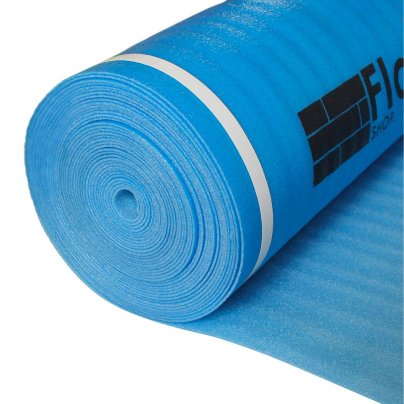
Vinyl plank flooring is a popular choice for its affordability, durability, and water resistance, often mimicking the appearance of solid wood. However, the underlayment beneath it is equally crucial for optimal performance. This guide comprehensively reviews various underlayment options for vinyl plank flooring, detailing their features, benefits, and ideal applications. The Floorlot Laminate Flooring Underlayment is highlighted as the top overall choice due to its integrated moisture barrier, thermal insulation, and sound control capabilities. All featured products were rigorously evaluated for effectiveness and reliability.
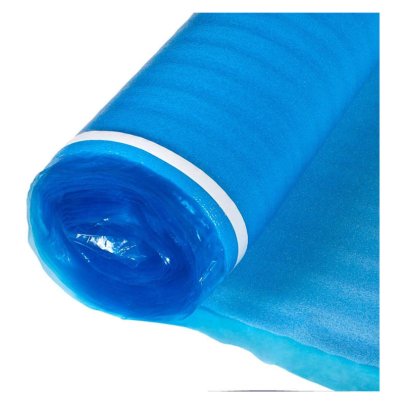
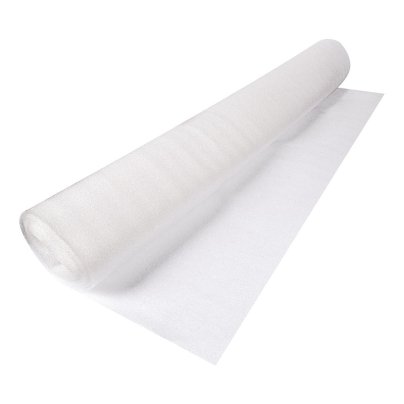
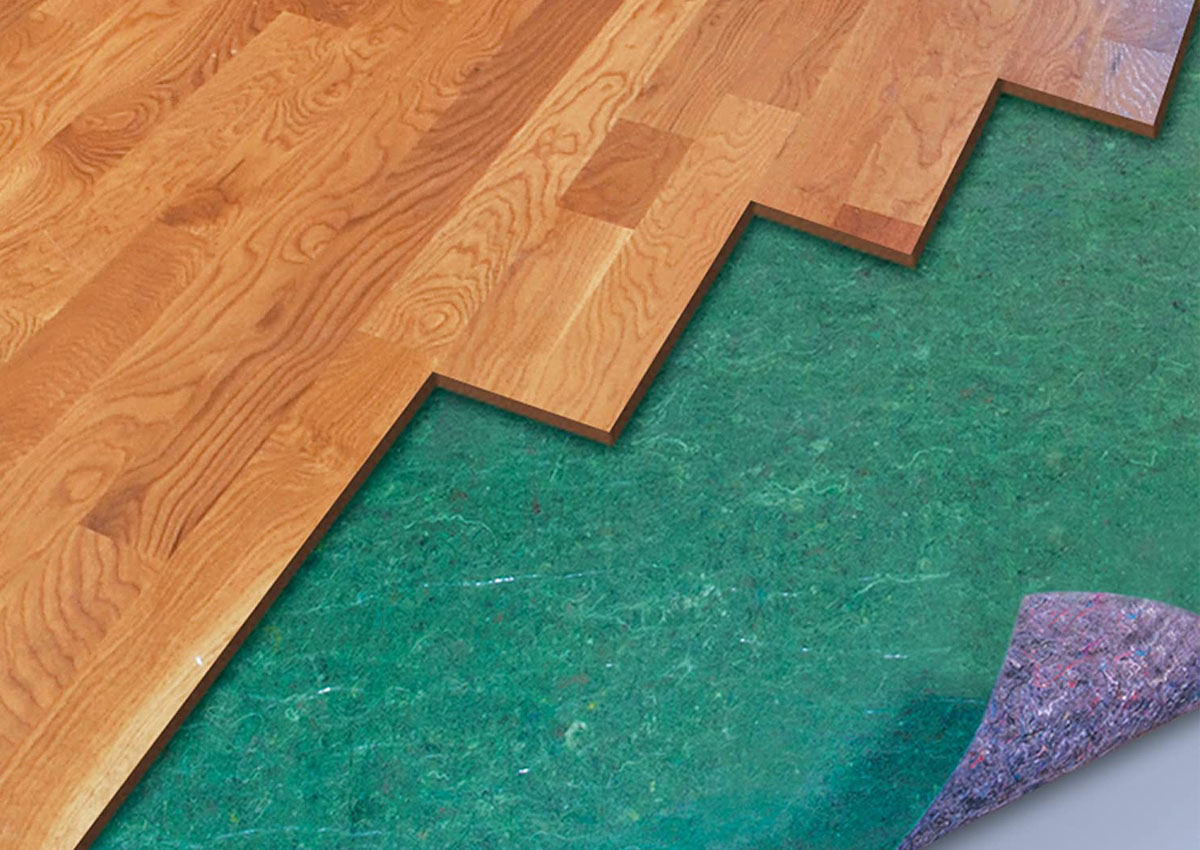
The article provides a detailed breakdown of factors to consider when selecting an underlayment, including material, subfloor type, and flooring type. Common underlayment materials discussed are foam, felt, cork, particleboard, plywood, and rubber, each with distinct advantages. Foam is noted for being inexpensive and effective, especially for wooden subfloors, though not ideal for high-moisture areas. Felt excels in sound insulation and is eco-friendly due to its recycled fiber composition. Cork offers superior sound insulation and is beneficial for allergy sufferers due to its resistance to mold and mildew. Particleboard and plywood are budget-friendly but vary in moisture resistance, with plywood being more durable. Rubber provides excellent moisture protection, sound insulation, and thermal insulation.
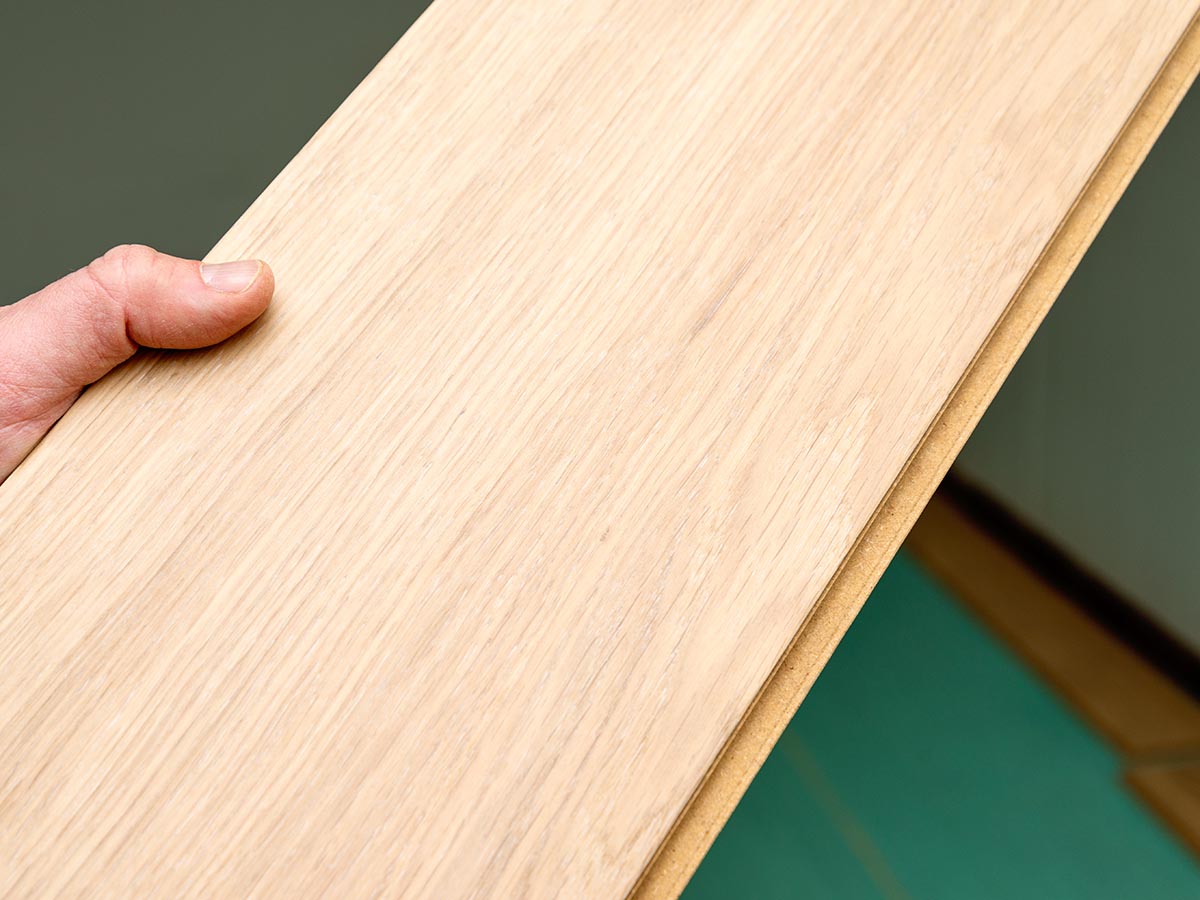
Subfloor compatibility is another critical consideration. Concrete subfloors, being hard, necessitate soft underlayments like foam, felt, or cork that also offer heat insulation and moisture regulation. Wood subfloors effectively manage temperature and moisture but require felt underlayments for sound absorption. For existing floors, rigid underlayments are recommended to correct unevenness. The type of vinyl plank flooring—rigid or flexible—also influences underlayment selection. Rigid engineered vinyl plank (EVP) flooring, including stone-plastic composite (SPC), wood-plastic composite (WPC), and pure vinyl, has varying underlayment needs based on its core composition and inherent comfort levels. Flexible peel-and-stick vinyl planks, typically used for temporary or budget-conscious solutions, also benefit from appropriate underlayment to enhance durability and performance.
Moisture and vapor protection are paramount, even with waterproof vinyl planks, as moisture from the subfloor can cause warping. Therefore, a vapor barrier underlayment or a moisture barrier underlayment is often essential, particularly in damp environments like basements. Some underlayments incorporate antimicrobial properties to prevent mold and mildew growth. The thickness of underlayments, typically ranging from 1 to 6 millimeters, is also discussed, emphasizing that modern manufacturing allows thinner materials to offer significant comfort and insulation. Thermal and sound insulation are key benefits; underlayments prevent cold floors, reduce heating costs, and minimize noise transmission, especially on upper floors. R-value, IIC (Impact Insulation Class), and STC (Sound Transmission Class) ratings are explained as indicators of insulation performance.
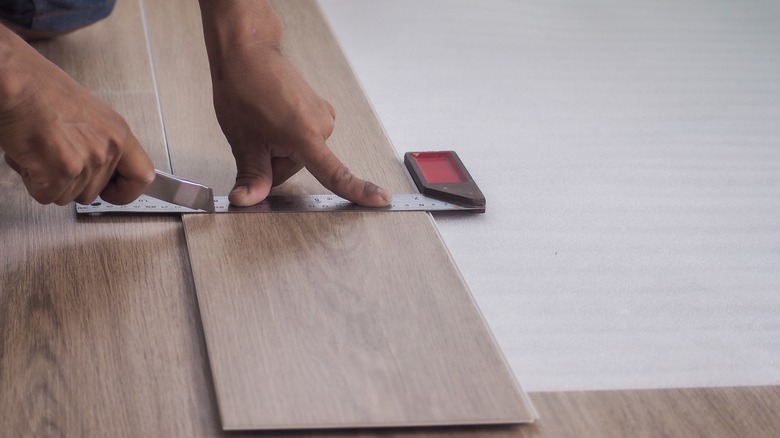
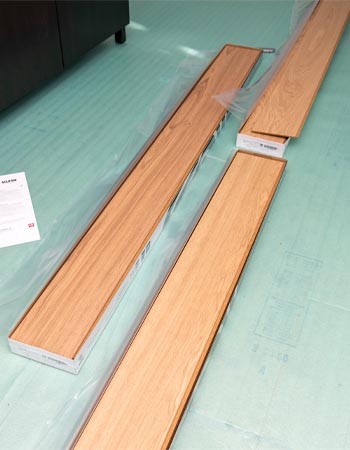
Installation tips are also provided, stressing the importance of following manufacturer instructions, thoroughly cleaning the subfloor, laying out the underlayment from wall to wall, ensuring no gaps, and using adhesive to connect pieces. Frequently asked questions address the purpose of underlayment, the necessity of underlayment for vinyl plank flooring (and the potential impact on warranties), the use of vapor barriers, ideal subfloor thickness, and specific requirements for concrete subfloors.
#VinylPlankFlooring #Underlayment #HomeImprovement #FlooringInstallation #MoistureBarrier #SoundInsulation #ThermalInsulation #DIYHome #ProductReview #VinylPlankFlooring #Underlayment #HomeImprovement #FlooringInstallation #MoistureBarrier #SoundInsulation #ThermalInsulation #DIYHome #ProductReview
0 comment in total
 No comments yet
You may also like
The Best Laminate Underlayment for Flooring

Walk This Way: New trends in vinyl flooring

5 Best Types of Flooring for Your Basement in 2022


The Top 3 Worst Vinyl Flooring Brands To Avoid (And Better Options To Consider)
The Best Vinyl Plank Flooring Options, Tested by Home Experts

Vinyl Plank Floor Brands That Look The Most Like Real Wood
I Tested 12 Vinyl Plank Floor Samples—This Pick Deserves a Spot in Your Home

The Best Mops for Vinyl Floors, Tested and Reviewed

The Best Vinyl Plank Flooring for Your Home
Handyman Hints: Installation method is key to avoiding creaks and squeaks in your vinyl flooring

How To Clean Vinyl Plank Flooring Like a Pro
4mm Click Interlock Stone Plastic Composite Rigid Vinyl Plank Virgin Material SPC Vinyl Flooring
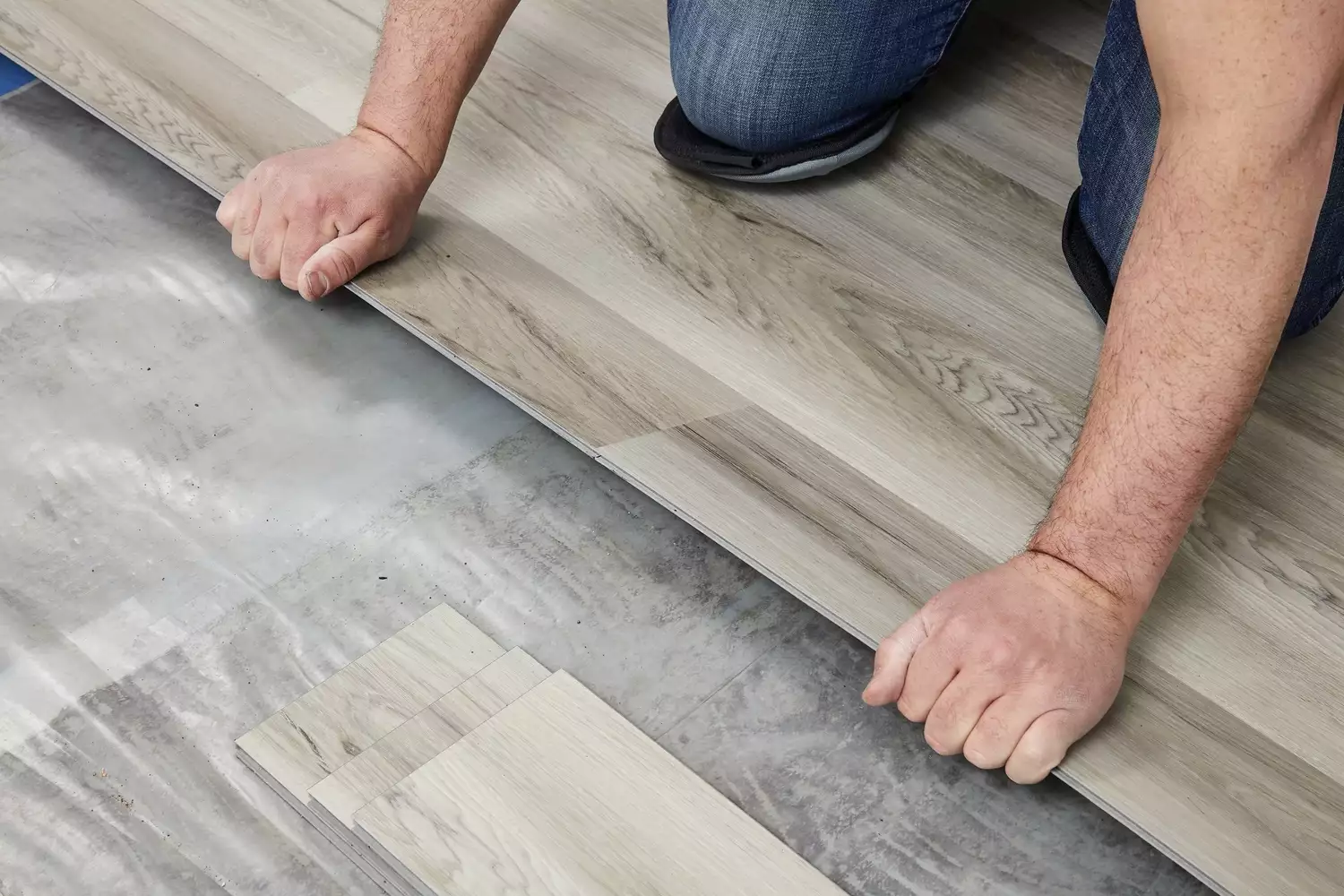
Pros and Cons of Vinyl Plank Flooring

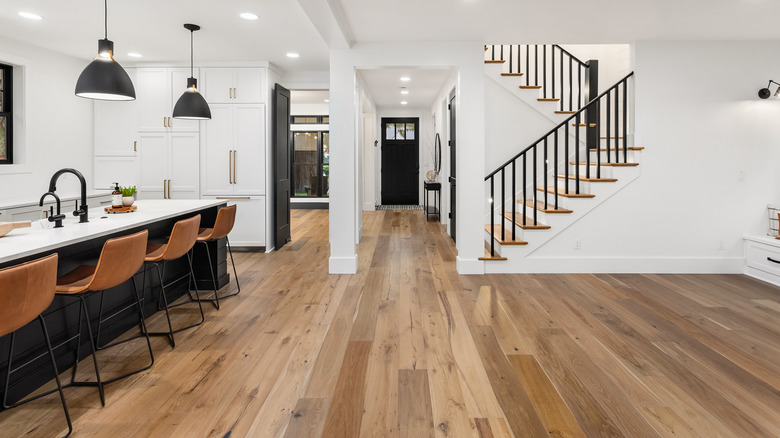
Our Flooring Expert On The Better Investment: Luxury Vinyl Plank Or Engineered Hardwood?

Vinyl Allura tiles mimic the look of a reclaimed gym floor

10 vinyl flooring ideas for bedrooms that will persuade you to ditch the carpet for easy-to-care for vinyl

The Best Vinyl Plank Flooring Brands

Atrafloor Debuts Patterned Vinyl Flooring

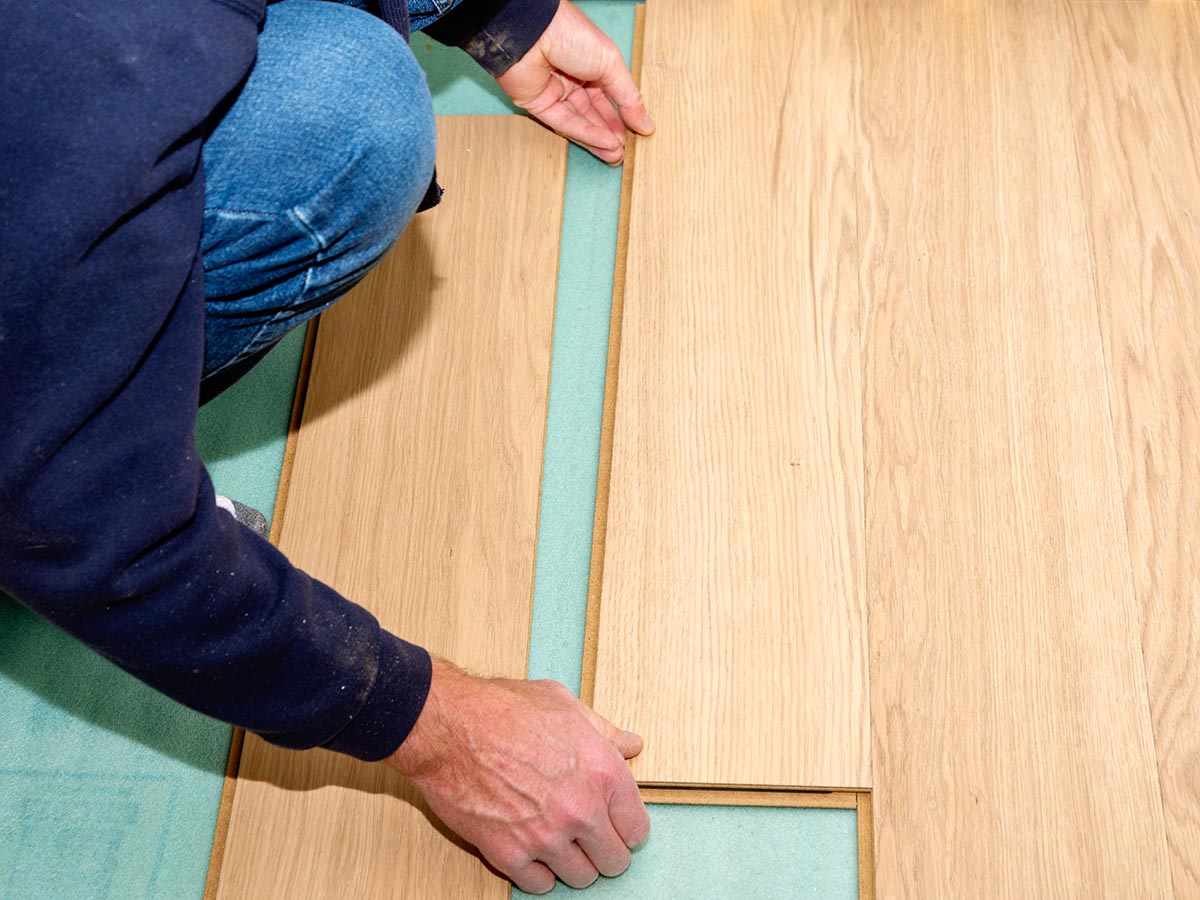
Flooret Flooring Review: Direct-to-Consumer Floors That Are Worth the Hype
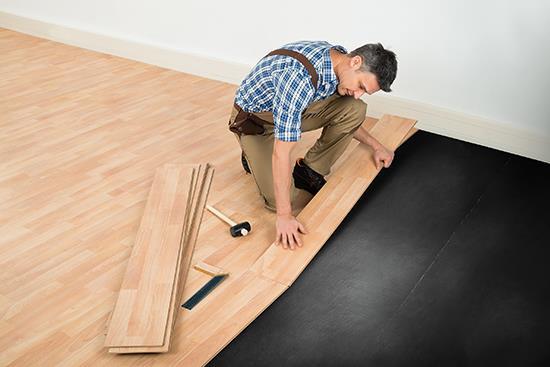
Floor Prep and Underlayments: Critical flooring performance attributes reside below the surface - Jan 2021