1/11
The Best Laminate Underlayment for Flooring
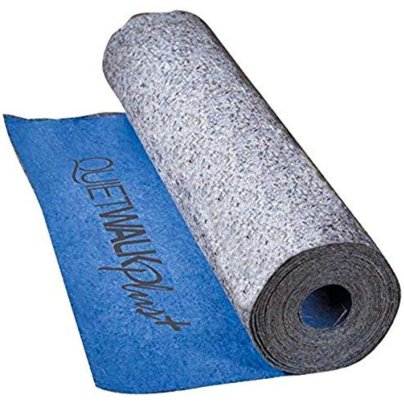
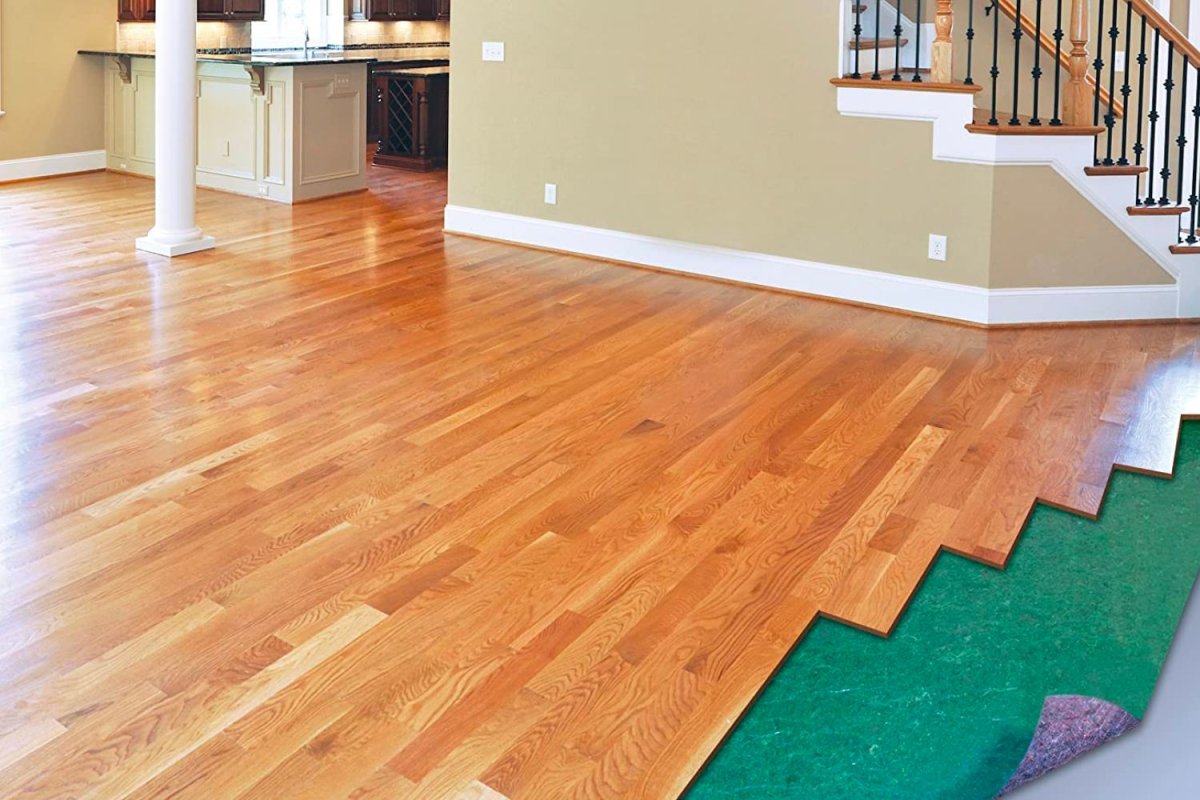
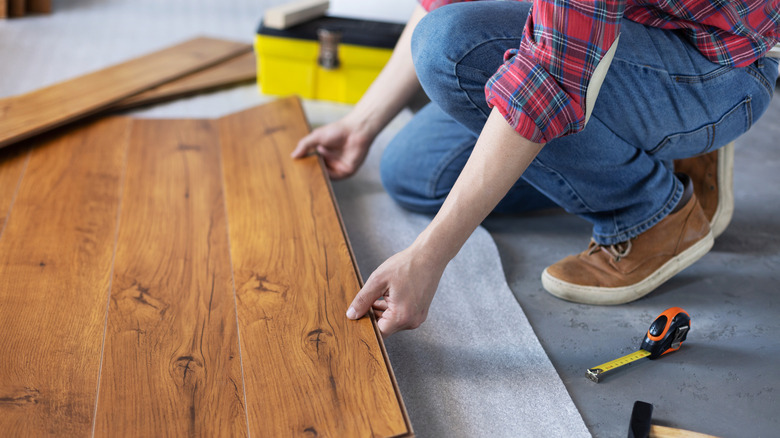
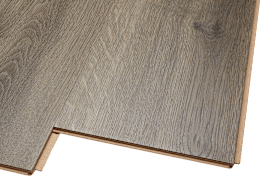
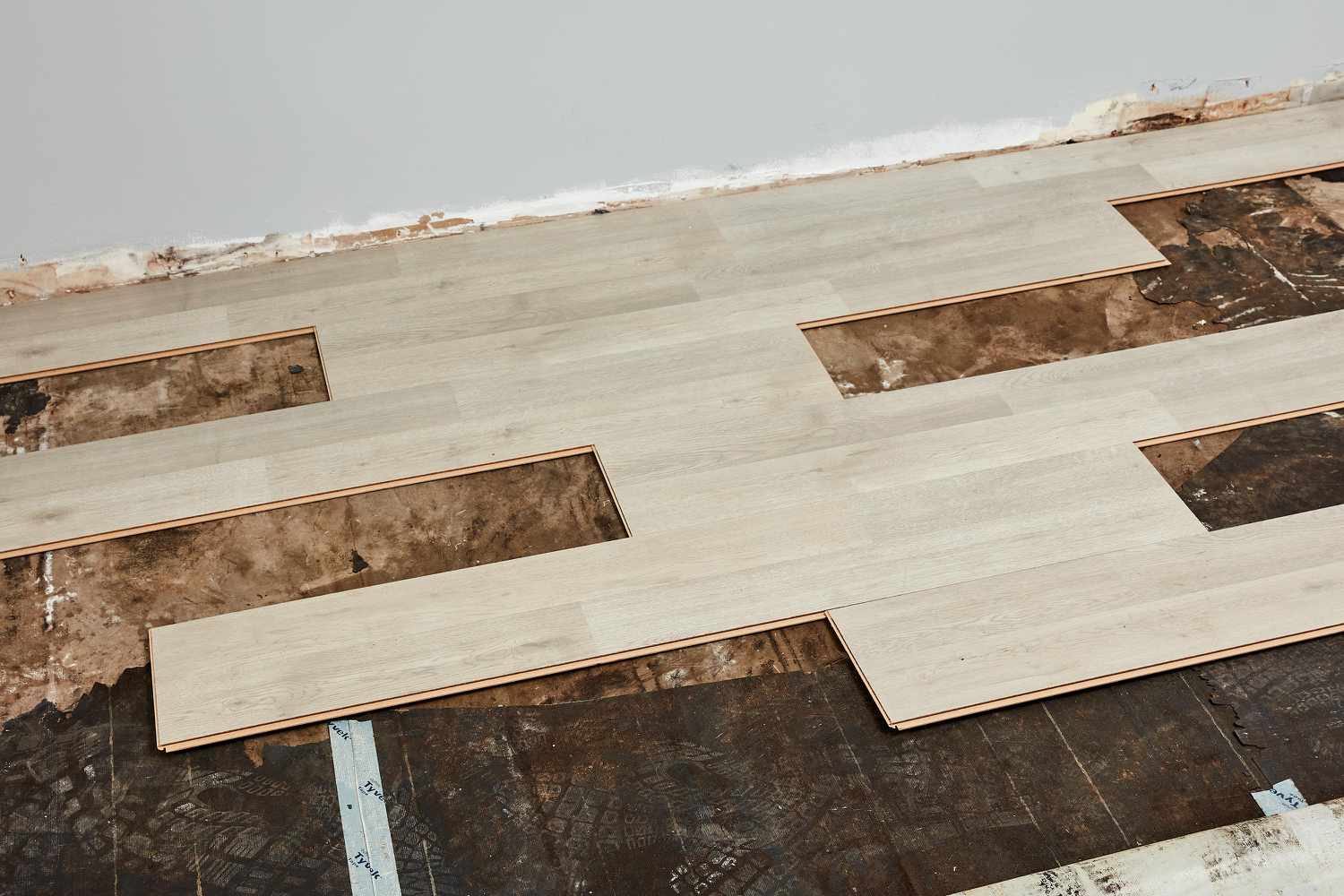
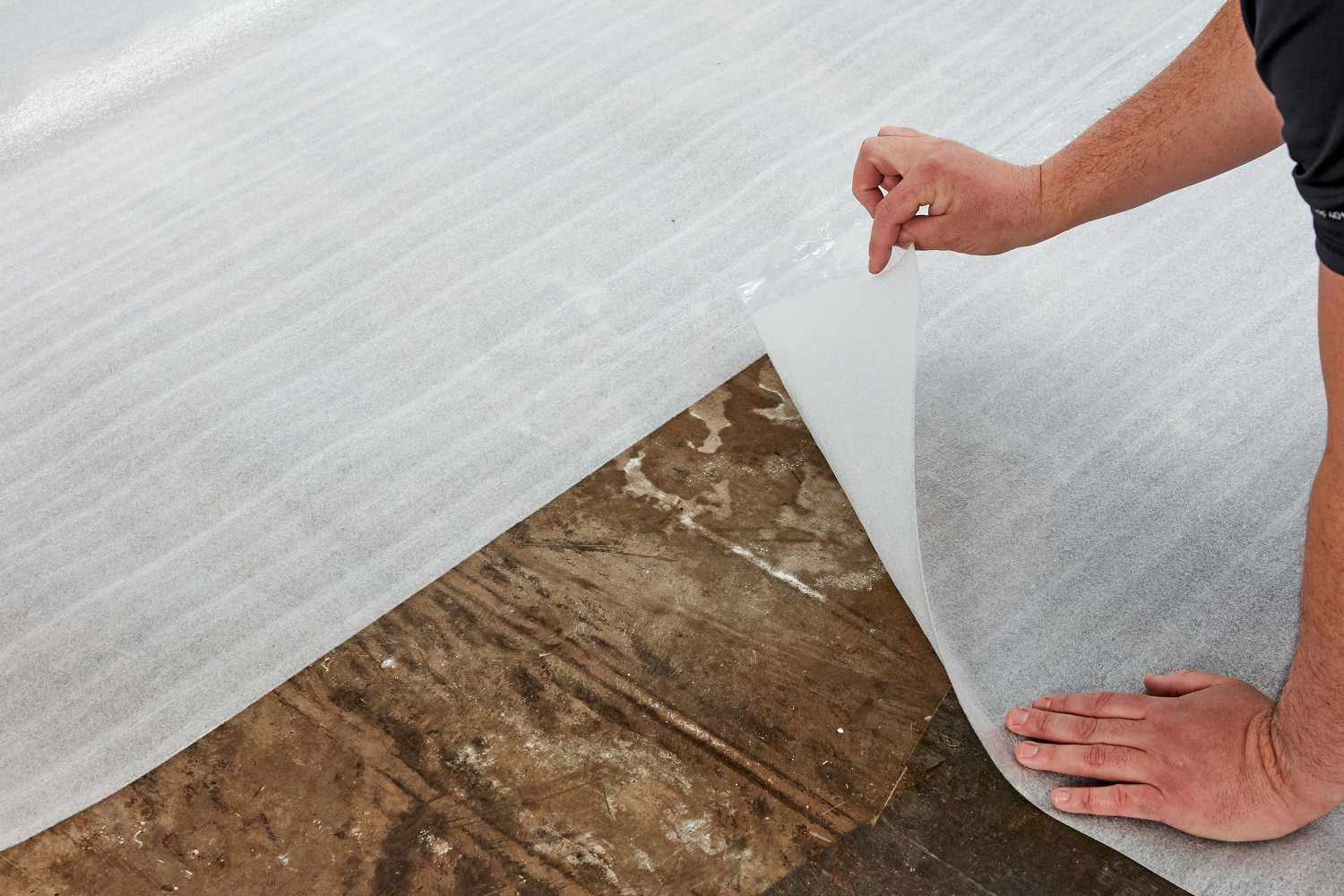
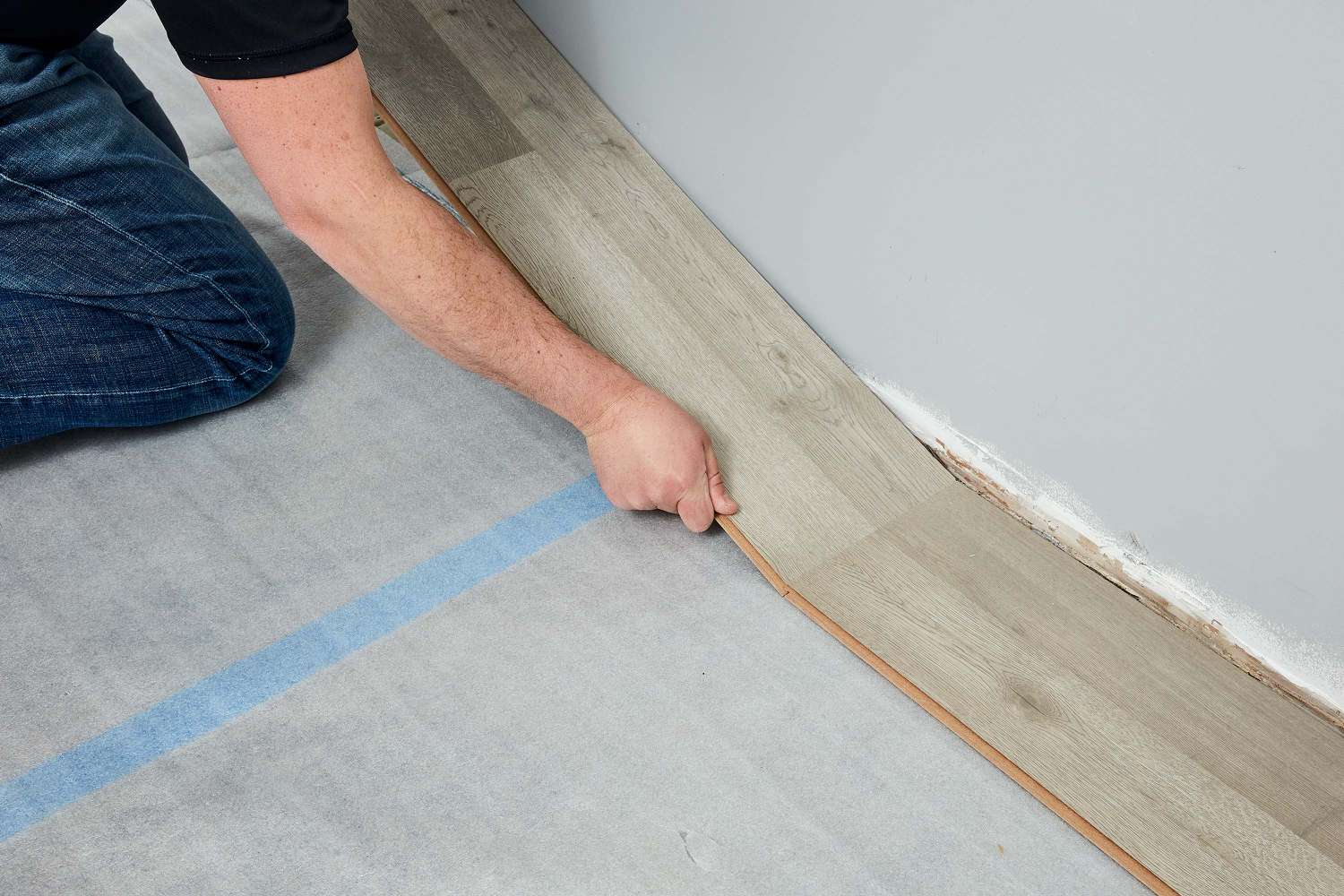
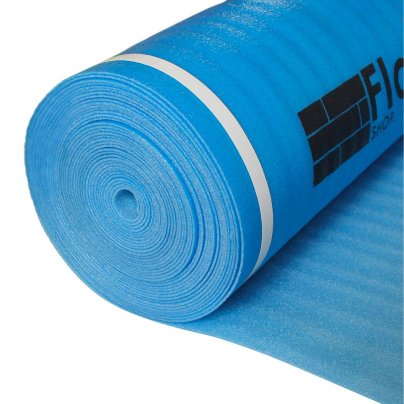
Laminate flooring installation relies heavily on the quality of the underlayment, which provides crucial support, cushioning, and protection against moisture. This guide details various types of laminate underlayment, factors to consider when choosing one, and reviews top products in the market. Underlayment generally consists of a felt layer for cushioning and a vapor barrier to prevent moisture and mold. It often includes adhesive tape for secure, gap-free connections between strips.
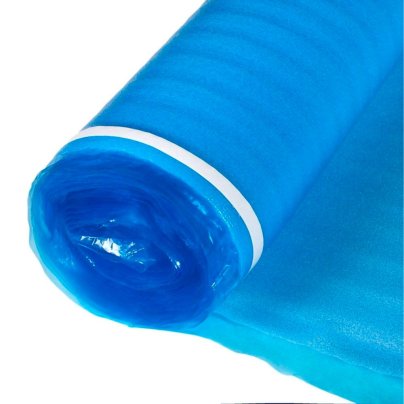
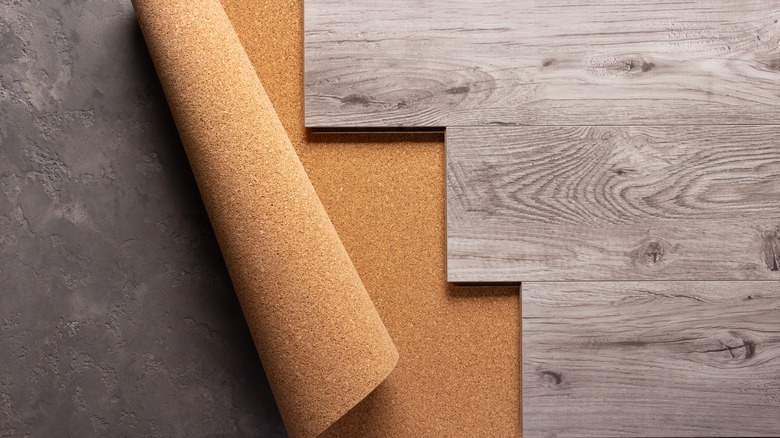
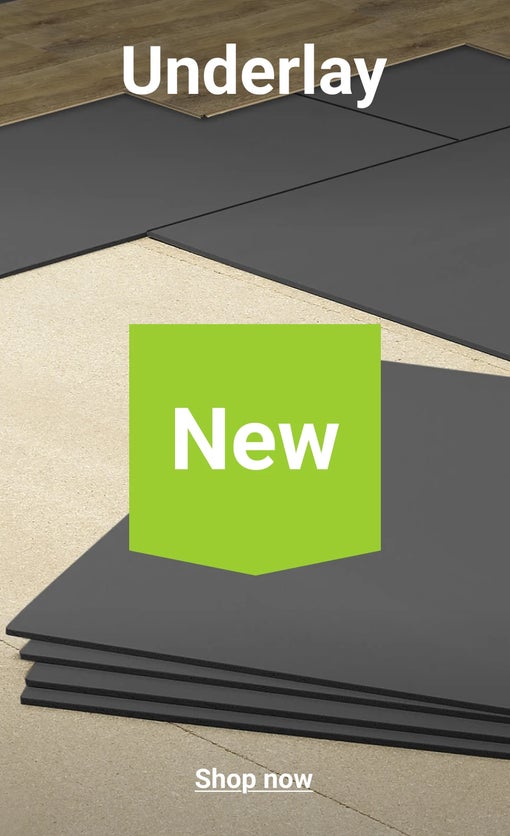
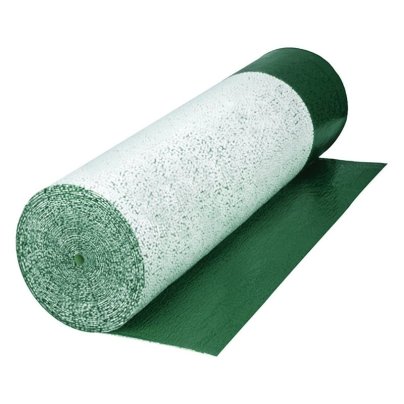
Key considerations for selecting laminate underlayment include the type of subfloor, thermal rating (R-value), thickness, and sound absorption qualities. There are three main types of underlayment: standard foam, combination, and cork. Standard foam underlayment, a thin foam layer, cushions the flooring and reduces noise, but lacks a vapor barrier, making it suitable for plywood and oriented strand board (OSB) subfloors. Combination underlayment adds a vapor barrier to foam, allowing it to be used with concrete, OSB, and plywood subfloors. Cork underlayment is a premium option known for its noise reduction, natural antimicrobial properties, and excellent insulation, though it is more expensive.
The type of subfloor significantly influences the underlayment choice. Concrete subfloors necessitate a vapor barrier to prevent moisture accumulation and mold growth. For upper floors in homes or apartments, underlayment with good sound buffering is essential to minimize noise transfer to lower levels. Thermal ratings, measured by R-value, indicate an underlayment's insulation capabilities; a higher R-value means better insulation, contributing to warmer floors in winter and reduced heat loss or gain. Most underlayments have an R-value of 2 or 3.
Underlayment thickness is critical. While a thicker underlayment might seem to offer more cushioning, excessive thickness can cause laminate flooring to flex too much, leading to seam separation. Conversely, an underlayment that is too thin can result in noisy and hard flooring. Felt laminate underlayment should typically be between 2mm and 3mm thick, while cork underlayment, being firmer, needs to be around 6mm to provide adequate cushioning and support. Sound absorption is another vital feature, especially for laminate flooring which can be noisy. A good underlayment acts as a buffer to prevent creaking sounds. Many underlayments come with Sound Transmission Class (STC) and Impact Insulation Class (IIC) ratings. STC measures the ability to block airborne noise, while IIC measures the ability to block impact noise like footsteps. Underlayments designed for sound reduction can raise STC and IIC ratings into the 60s.
The article highlights several top laminate underlayment products. Roberts First Step Premium Underlayment is noted for its multi-layered protection, airflow design to prevent mold, 2mm thickness for correcting subfloor imperfections, and effective sound barrier, covering 630 square feet per roll. BestLaminate Blue Vapor 3-In-1 Flooring Underlayment offers a budget-friendly option with a built-in vapor barrier, suitable for various subfloors, though its 2mm thickness provides limited sound insulation. Roberts Serenity Foam Underlayment is a standard foam choice for wood subfloors or with an added vapor barrier for concrete, priced affordably but lacking adhesive strips. Floorlot GoldMax Premium Flooring Underlayment, a 3mm combination type, offers comfort, insulation, and excellent sound absorption with easy installation features. QEP Natural Cork Underlayment Roll, at 6mm thick, excels in sound cushioning (STC rating of 61) and thermal insulation, suitable for various floor types. Lastly, Roberts Super Felt Underlayment provides superior sound damping (STC rating of 66) and insulation with a 3mm thickness and built-in moisture barrier, making it ideal for noise-sensitive environments.
#LaminateFlooring #Underlayment #HomeImprovement #DIYProjects #FlooringInstallation #SoundAbsorption #MoistureBarrier #ThermalInsulation #HomeMaintenance #LaminateFlooring #Underlayment #HomeImprovement #DIYProjects #FlooringInstallation #SoundAbsorption #MoistureBarrier #ThermalInsulation #HomeMaintenance
0 comment in total
 No comments yet
You may also like
The Best Underlayments for Vinyl Plank Flooring

All Flooring | Wood, Vinyl & Laminate Flooring

5 Best Types of Flooring for Your Basement in 2022

The Best Flooring for Laundry Rooms (Plus 3 to Skip)

Our Home Experts Found the Best Laminate Flooring Options on the Market

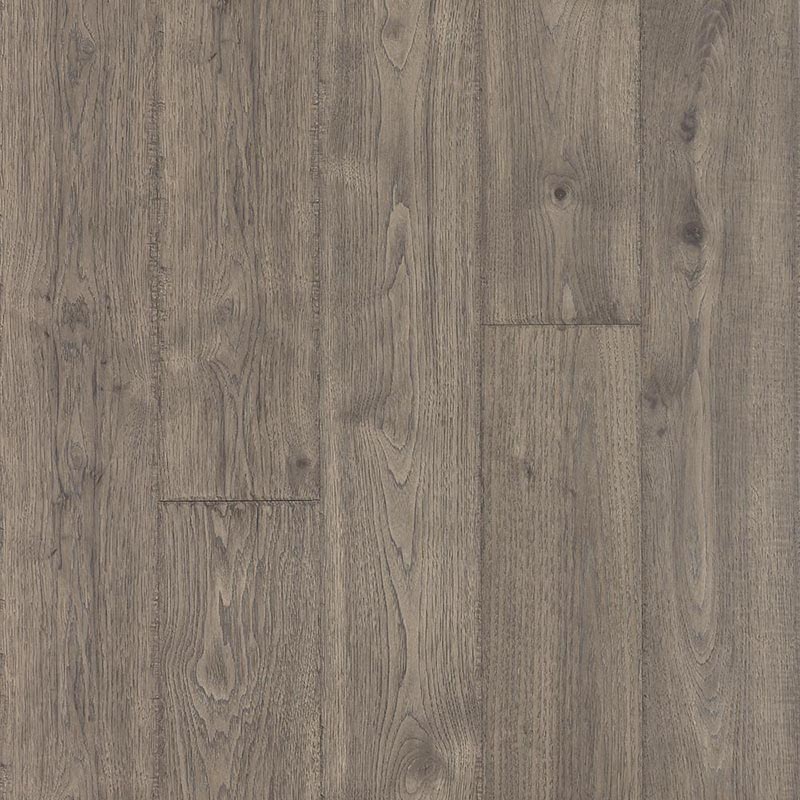
The 9 Best Laminate Flooring Options, Vetted
This One Flooring Trend Is Set To Rule Homes In 2026 (For A Good Reason)

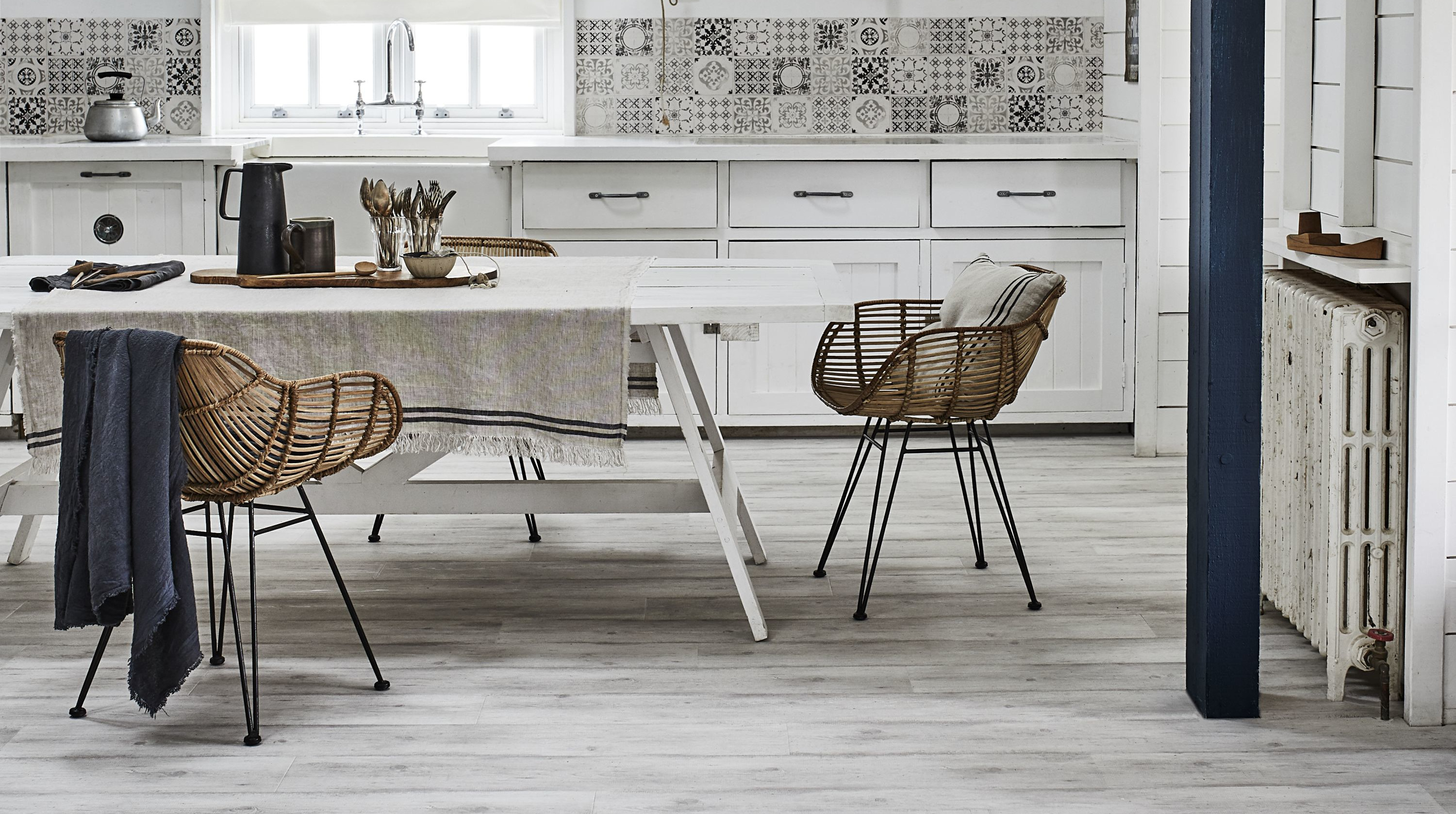
Laminate kitchen flooring ideas – expert advice and beautiful inspiration for this affordable flooring


Laminate Flooring
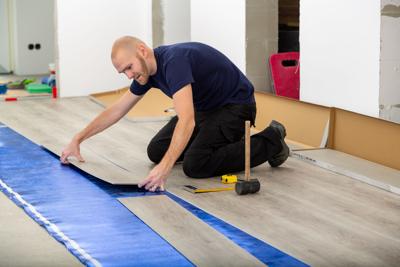
New options in flooring

Flooring
Learn How to Install Laminate Flooring Yourself

Floor Prep and Underlayments: Critical flooring performance attributes reside below the surface - Jan 2021


8 Basement Flooring Ideas to Elevate Your Subterranean Space

Best Flooring of 2025
LL Flooring Review: Our Thoughts on Quality, Install and Features
The Easiest Way To Install Laminate Flooring, According To An Expert
LL Flooring Boasts Hundreds of Flooring Choices—But Is It a Good Option for Homeowners?

Set the Stage With These Flooring Options

How to Install a Subfloor