1/6
Enhancing Climate Sustainability through Biophilic Design
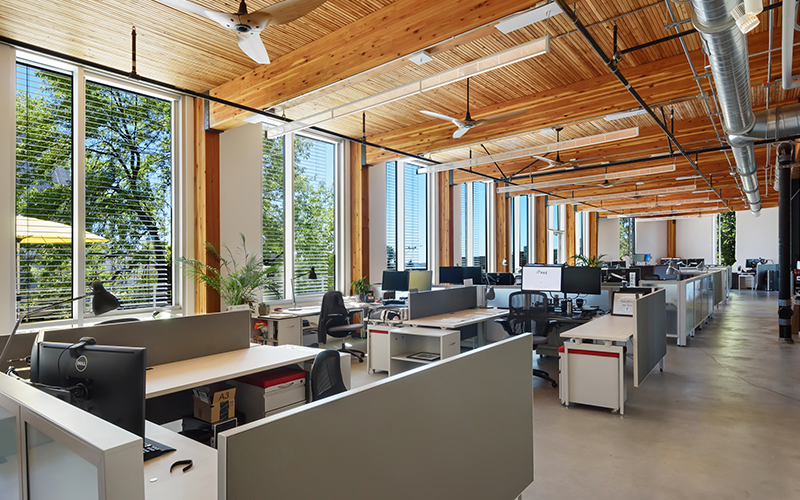
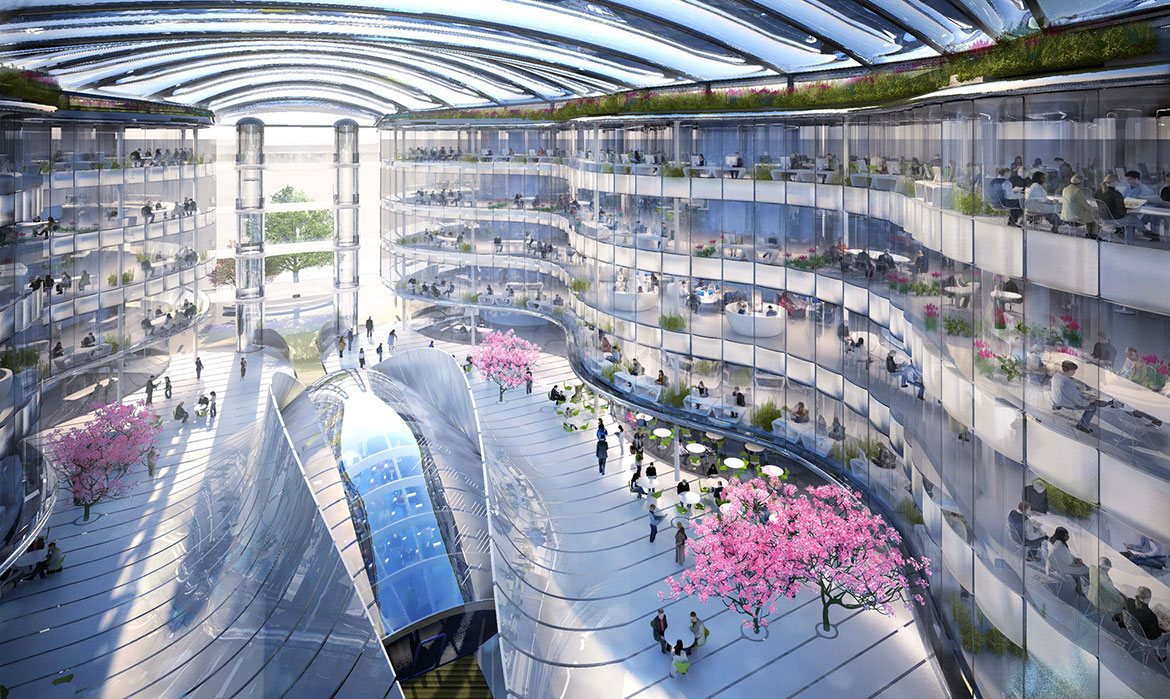
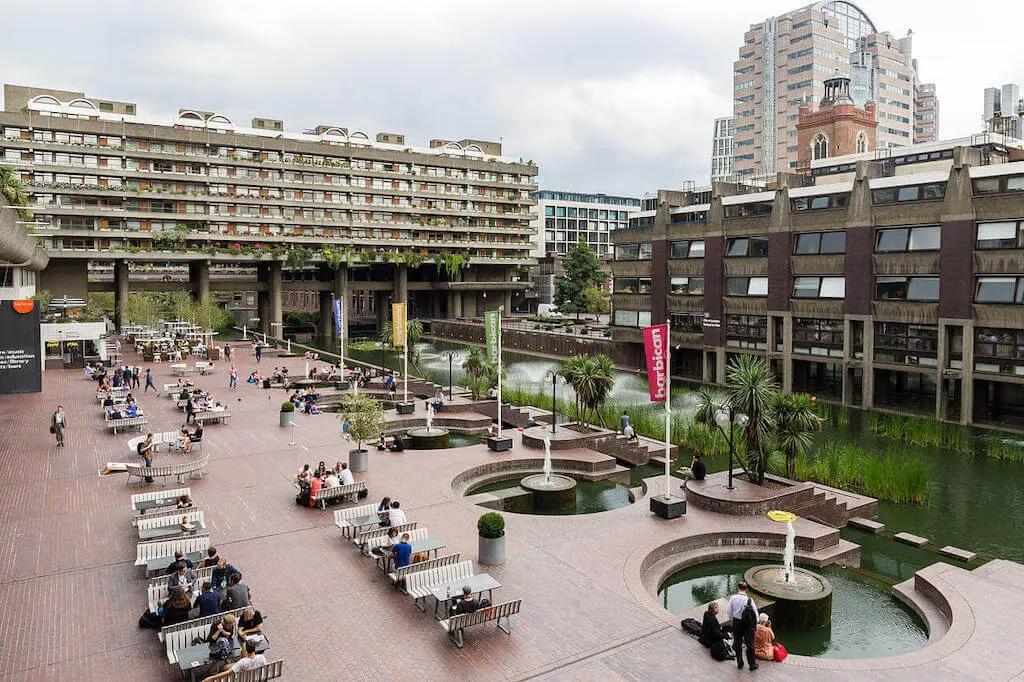
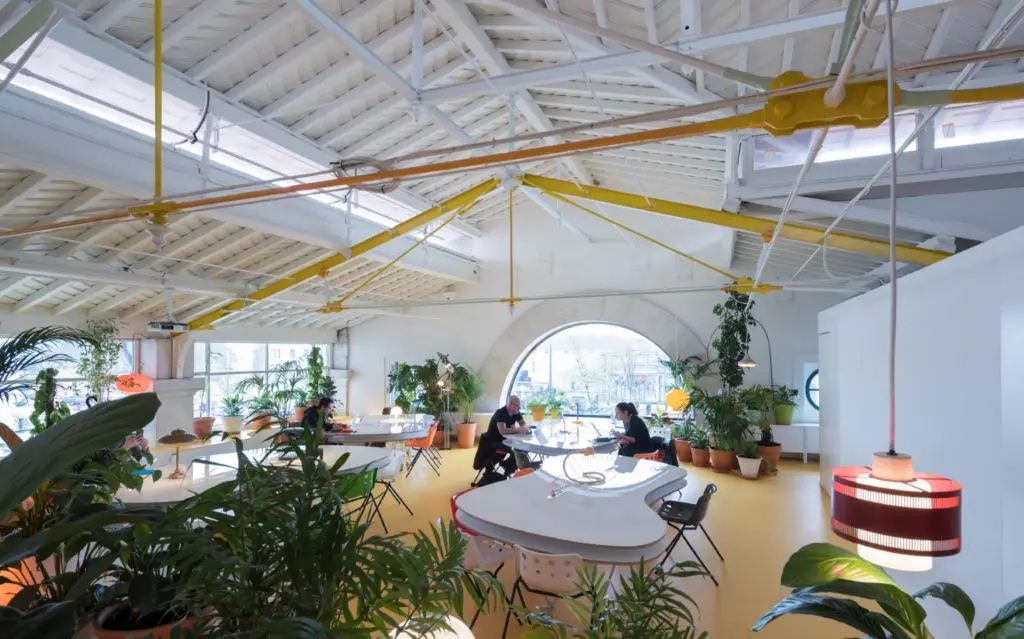
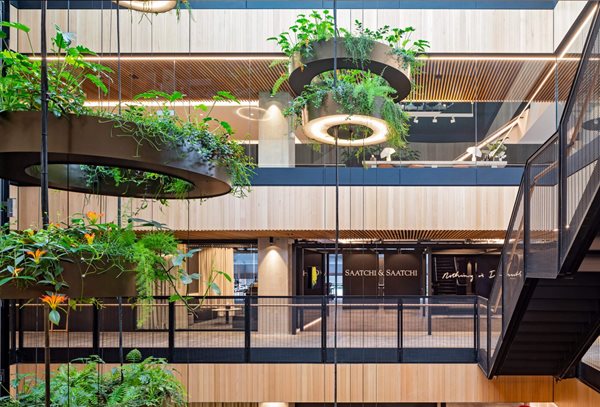
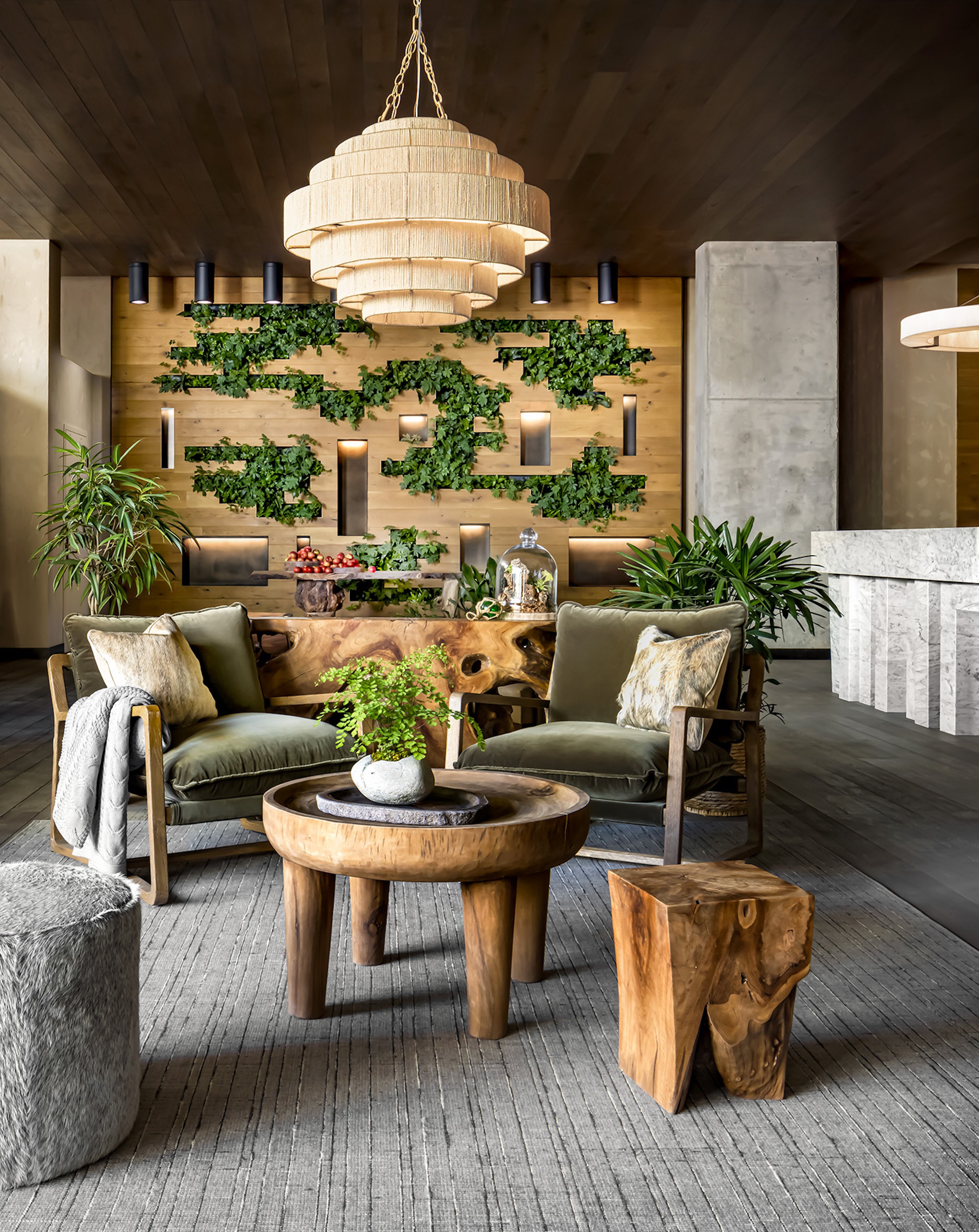
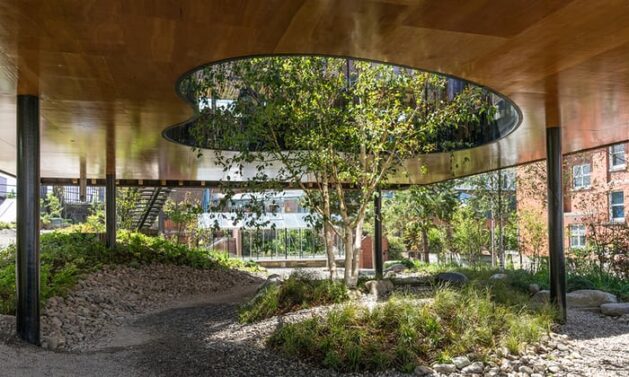
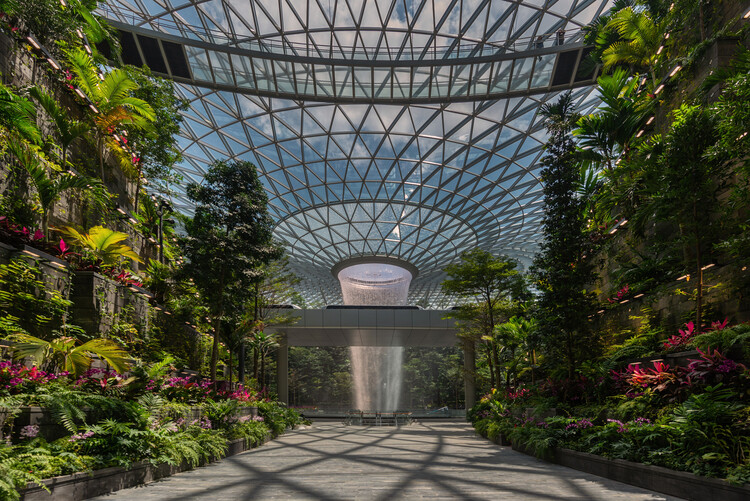
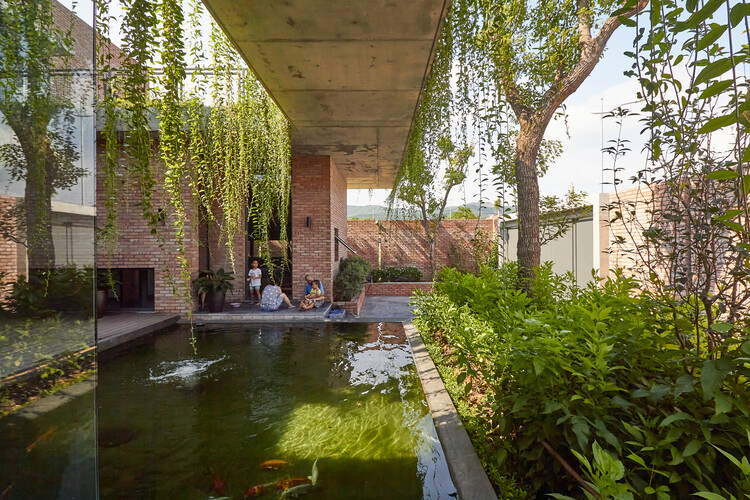
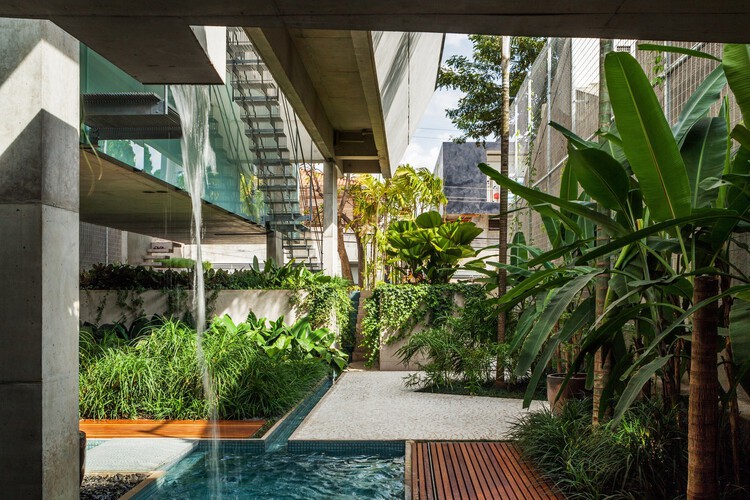
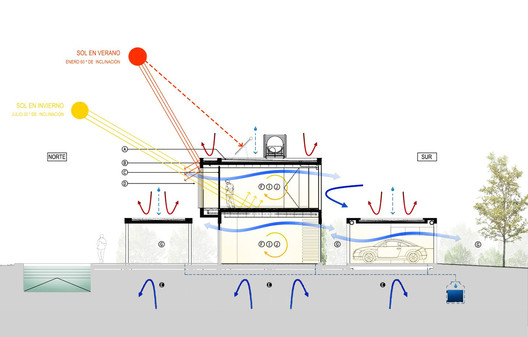
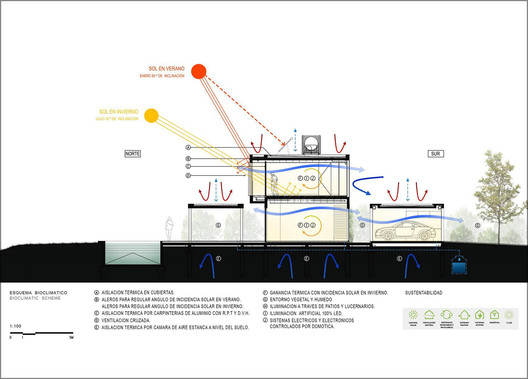
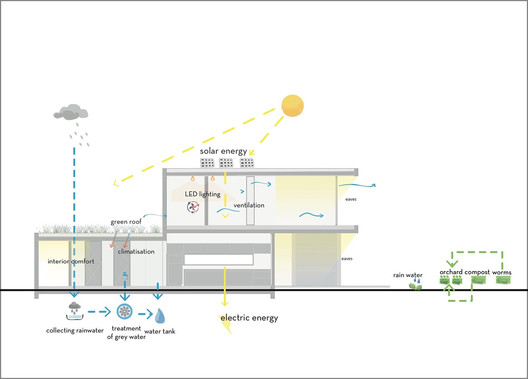
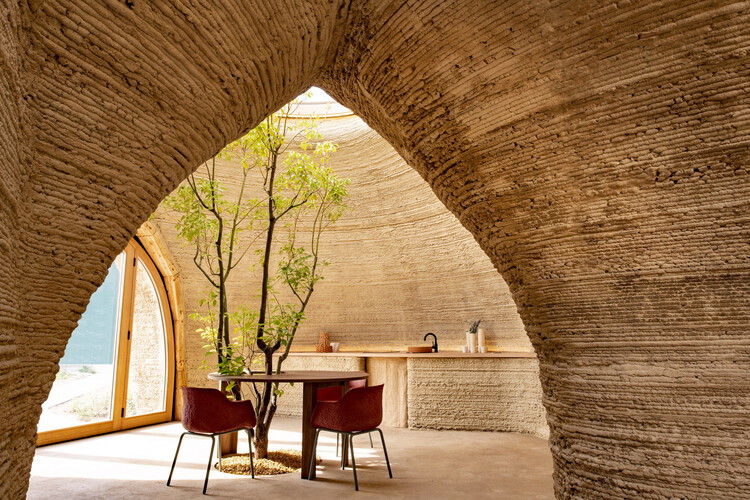
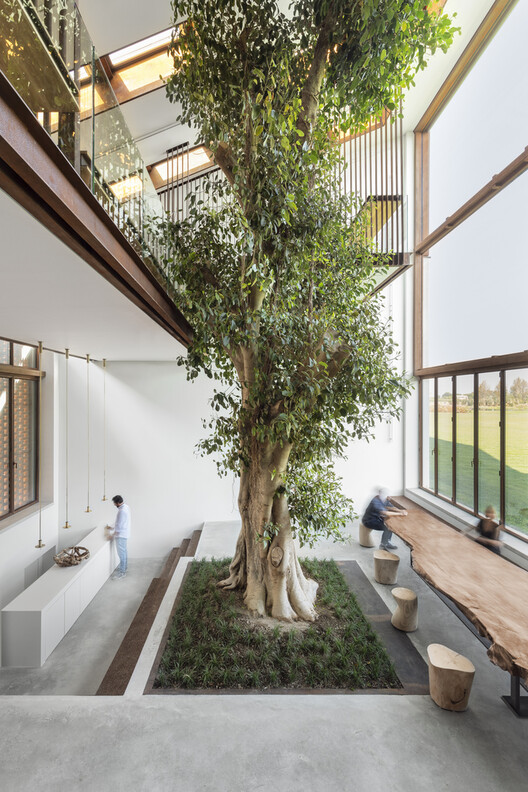
Biophilic design is an approach that integrates natural elements into the built environment to address climate change impacts and promote human well-being and ecological balance. This design philosophy recognizes the inherent human connection to nature and leverages it to create sustainable spaces. It offers several strategies to enhance energy efficiency in buildings, such as optimizing natural lighting through strategic placement of windows, skylights, and lightwells, thereby reducing the need for artificial lighting. Additionally, incorporating natural ventilation systems and utilizing passive design techniques like shading devices and building orientation helps minimize reliance on mechanical cooling and heating, leading to lower energy consumption and reduced greenhouse gas emissions.
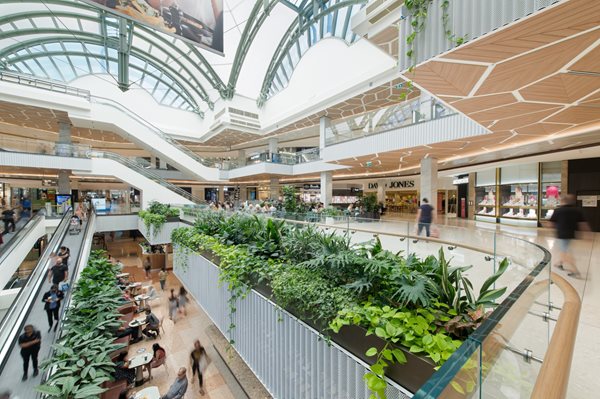
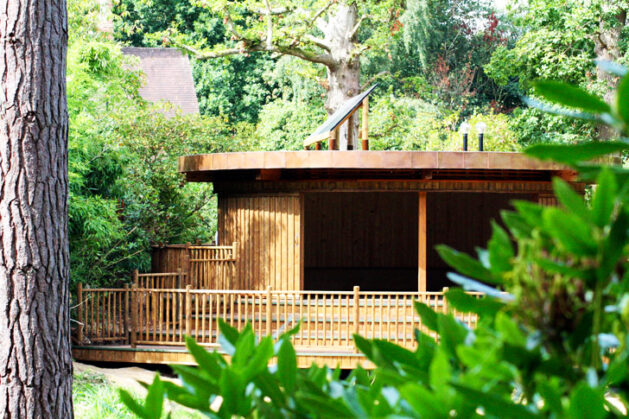
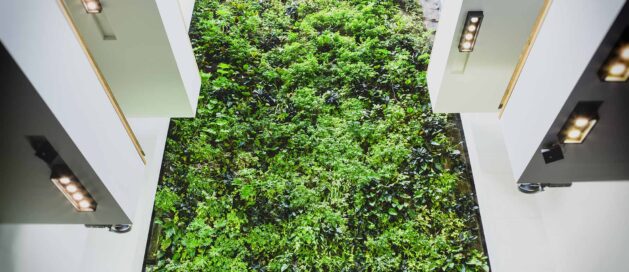
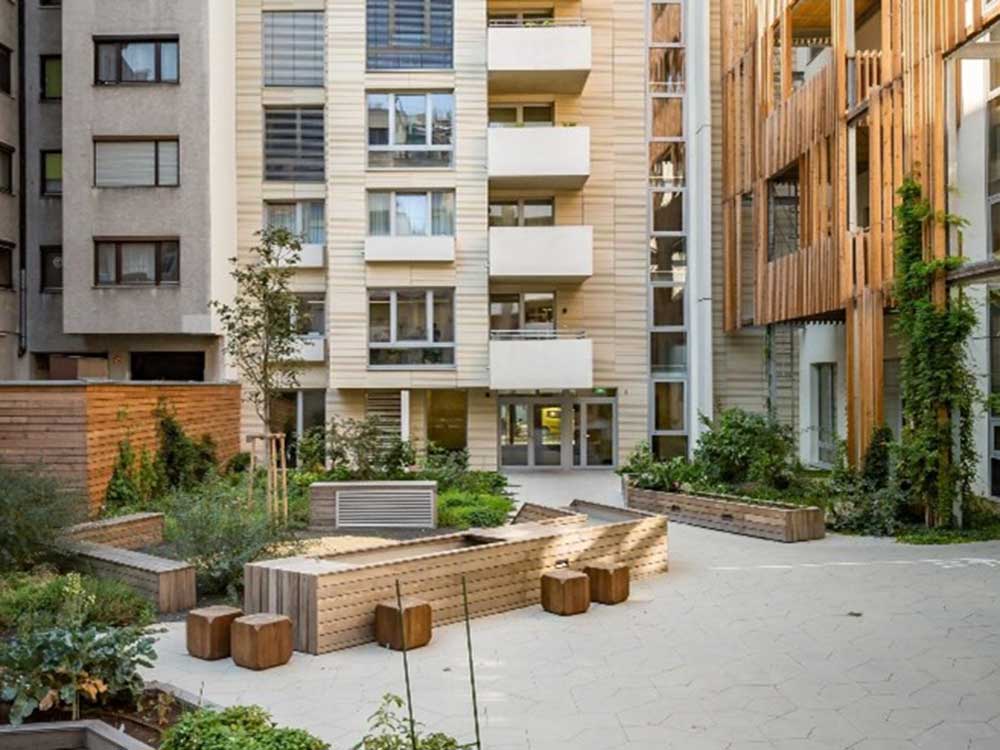
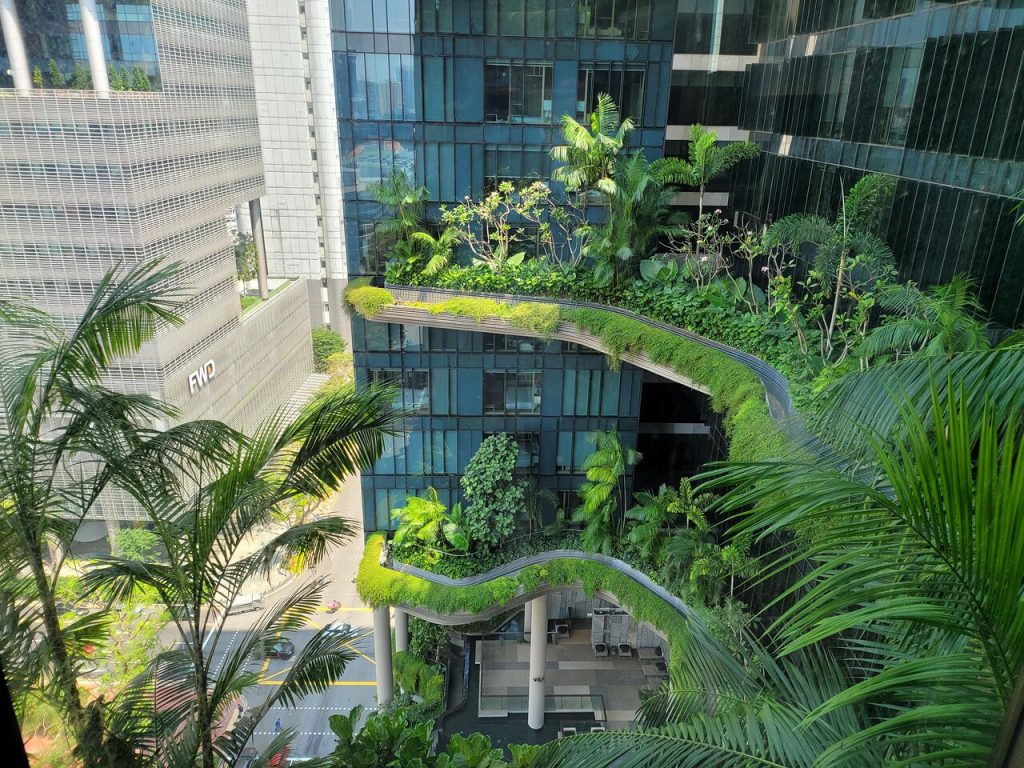
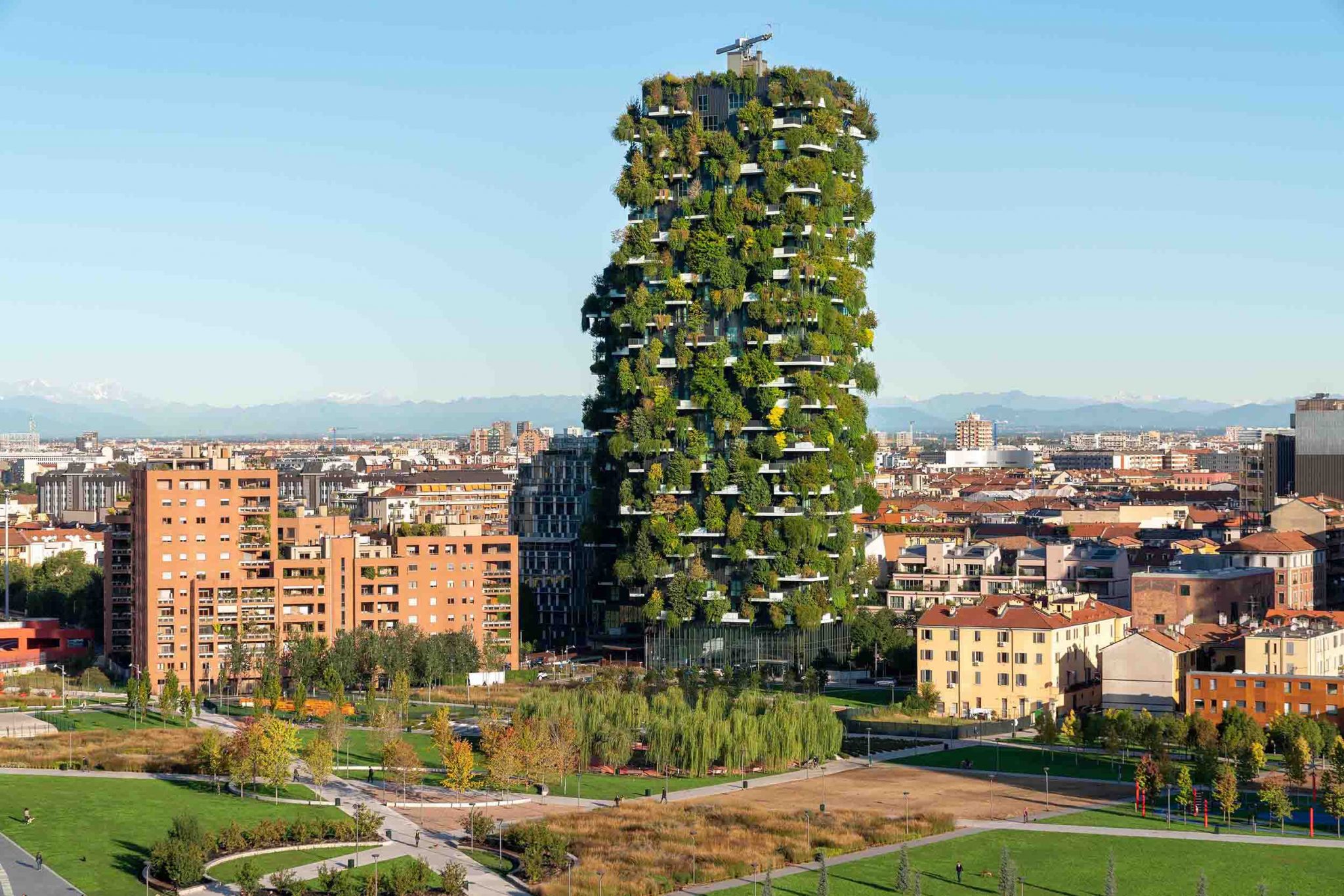
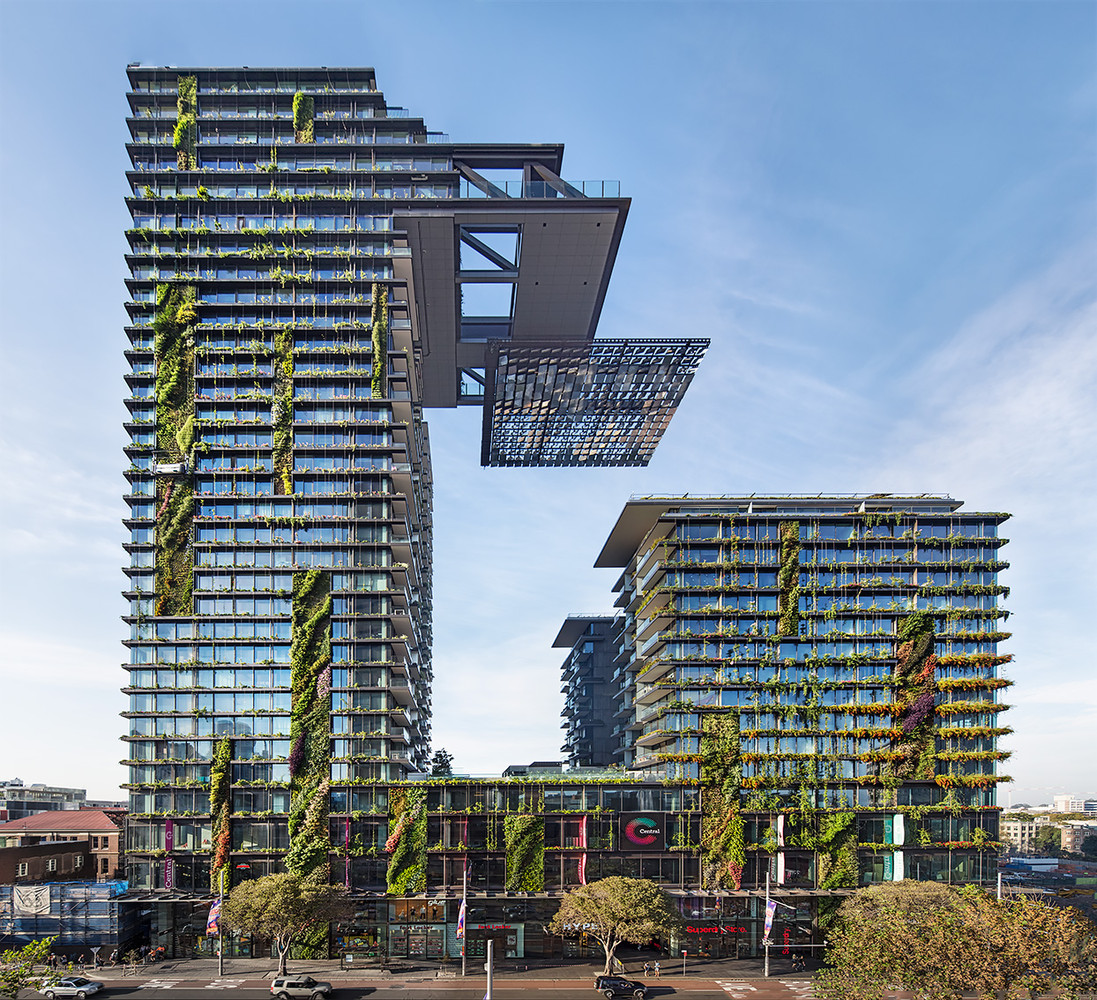
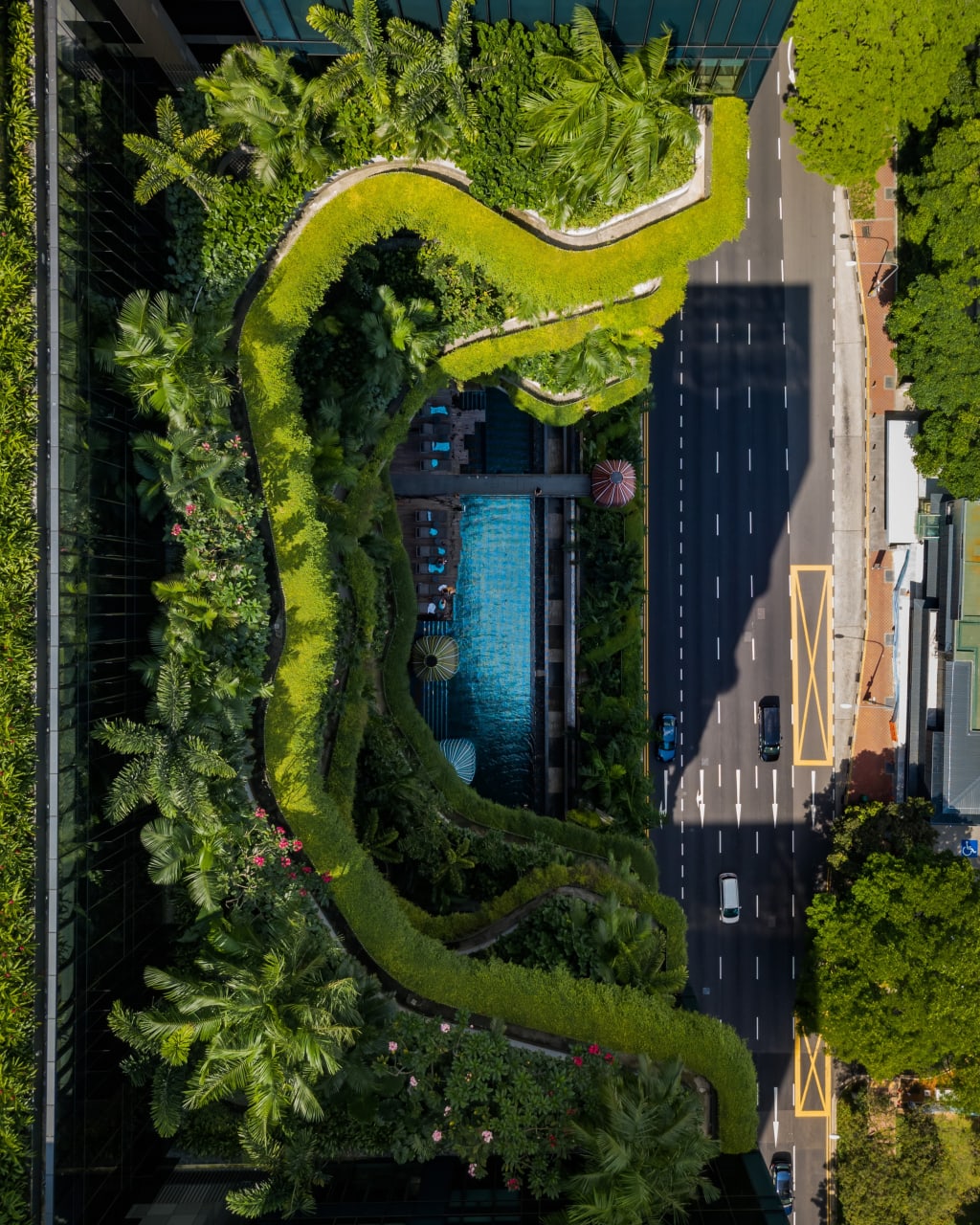
A significant aspect of biophilic design is its contribution to carbon sequestration. By integrating extensive green spaces, vertical gardens, and urban forests, it increases the capacity of urban areas to absorb carbon dioxide (CO2) from the atmosphere. Plants capture CO2 through photosynthesis and store it as biomass, effectively reducing its concentration and mitigating climate change. This not only offsets carbon emissions but also enhances the aesthetic and ecological value of urban environments. Furthermore, the use of sustainably sourced timber in construction materials can lock carbon within the built environment, aiding in long-term carbon storage.
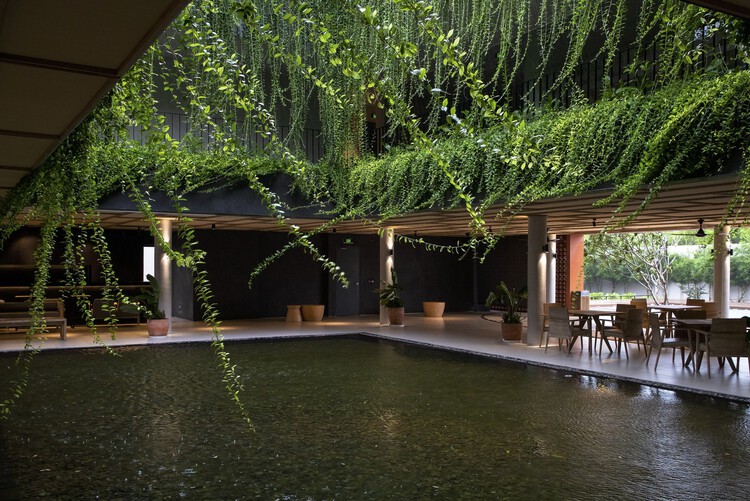
Biophilic design also provides sustainable alternatives for natural stormwater management, which is crucial given the increasing frequency and intensity of rainfall events due to climate change. Features such as rain gardens, bioswales, and permeable surfaces help capture, store, and filter rainwater, reducing the strain on traditional drainage systems. This approach prevents flooding, replenishes groundwater supplies, and promotes water resilience. By minimizing stormwater runoff and preventing water pollution, biophilic design supports ecosystem health and strengthens climate resilience.
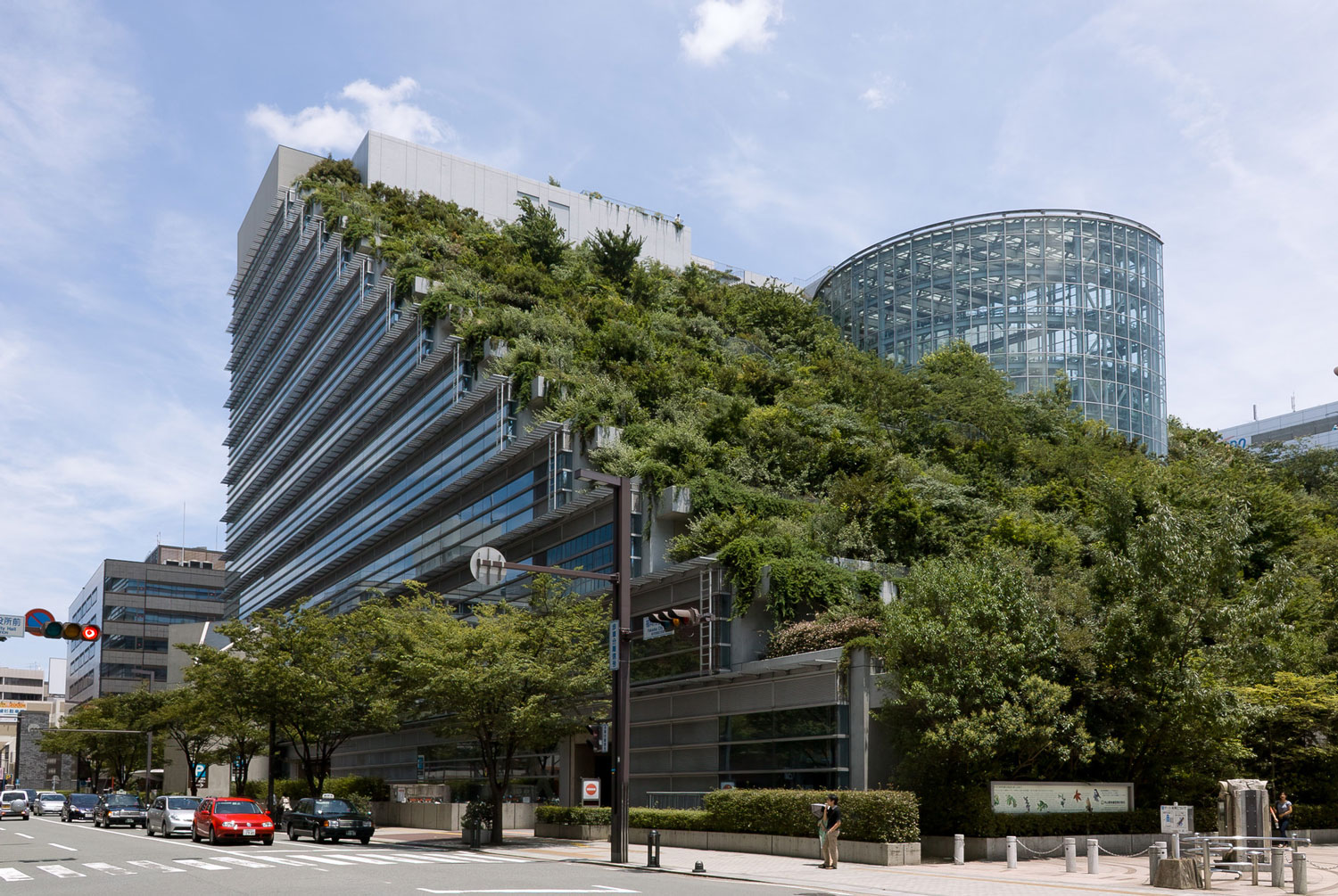
The approach is instrumental in mitigating the urban heat island effect, a phenomenon where urban areas experience elevated temperatures due to concrete and asphalt. By incorporating green spaces like parks, green roofs, and street trees, biophilic design creates natural cooling mechanisms. Vegetation provides shade, cools the air through evapotranspiration, and reduces surface temperatures, thereby ameliorating the heat island effect. The resulting cooler microclimates enhance comfort for urban dwellers and reduce energy demand for cooling, leading to a substantial reduction in carbon emissions.
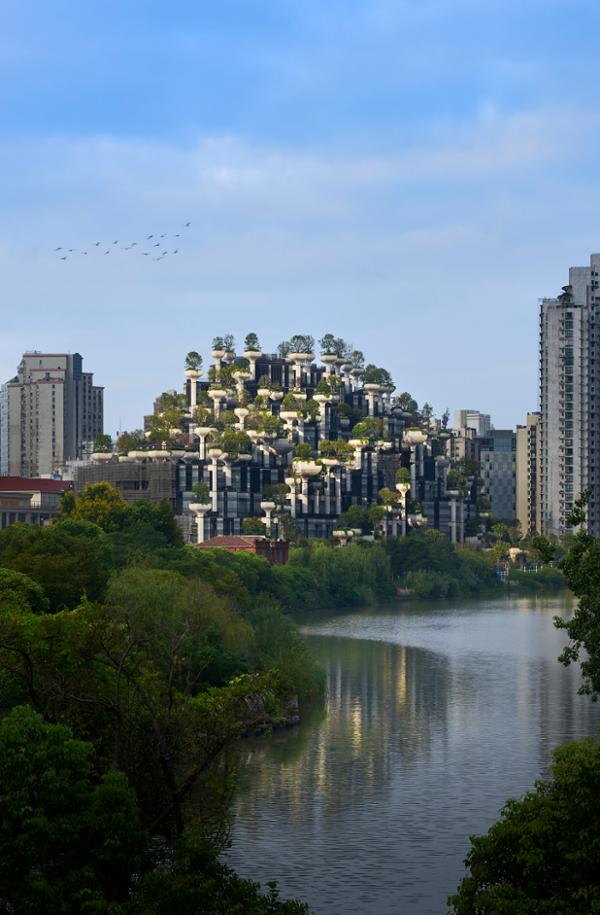
Finally, biophilic design contributes to biodiversity conservation in urban settings, which is essential for climate sustainability. By integrating native vegetation, creating habitat features, and preserving green spaces, it supports wildlife and enhances ecological balance. Urban biodiversity provides vital ecosystem services such as pollination, pest control, and air purification, all of which are crucial for climate resilience. Diverse ecosystems are more resilient to the impacts of climate change, ensuring the long-term sustainability of urban environments. By preserving and promoting biodiversity through biophilic design, a harmonious coexistence between humans and nature is fostered, moving towards a resilient and sustainable future where human needs are met while maintaining a deep connection with the natural world.
#BiophilicDesign #ClimateSustainability #EnergyEfficiency #CarbonSequestration #StormwaterManagement #UrbanHeatIsland #BiodiversityConservation #SustainableArchitecture #UrbanPlanning #BiophilicDesign #ClimateSustainability #EnergyEfficiency #CarbonSequestration #StormwaterManagement #UrbanHeatIsland #BiodiversityConservation #SustainableArchitecture #UrbanPlanning
0 تعليق إجمالاً
 لا توجد تعليقات بعد
قد تعجبك أيضًا

Welcome to the Great Indoors

Sustainable Buildings: Pioneering a Green Revolution in Urban Design

Why biophilic design is more than just a trend

Biophilic facades in sustainable building design
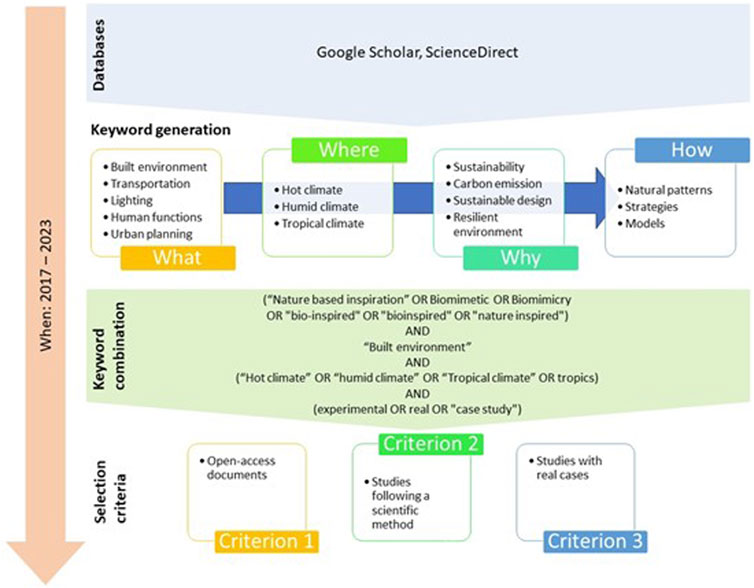
How bio-inspired solutions have influenced the built environment design in hot and humid climates
From Fringe Idea to Mainstream Imperative: The Future of Design Depends on Biomimicry

Is Biophilic Design the New Paradigm?
Top 10 Examples of Most Sustainable Architecture in 2025

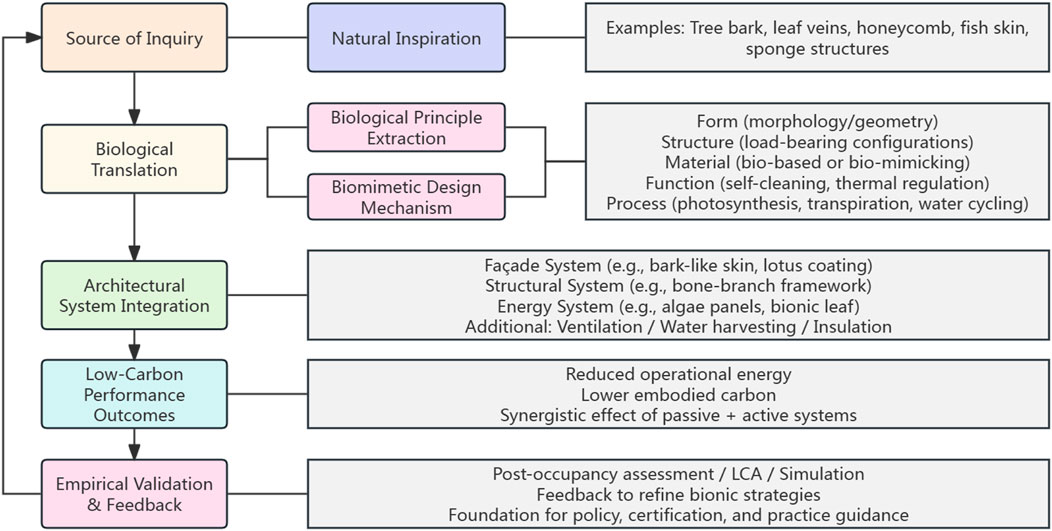
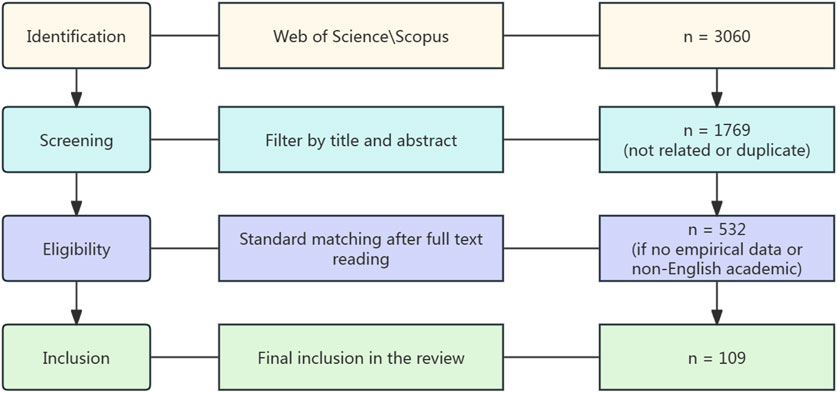
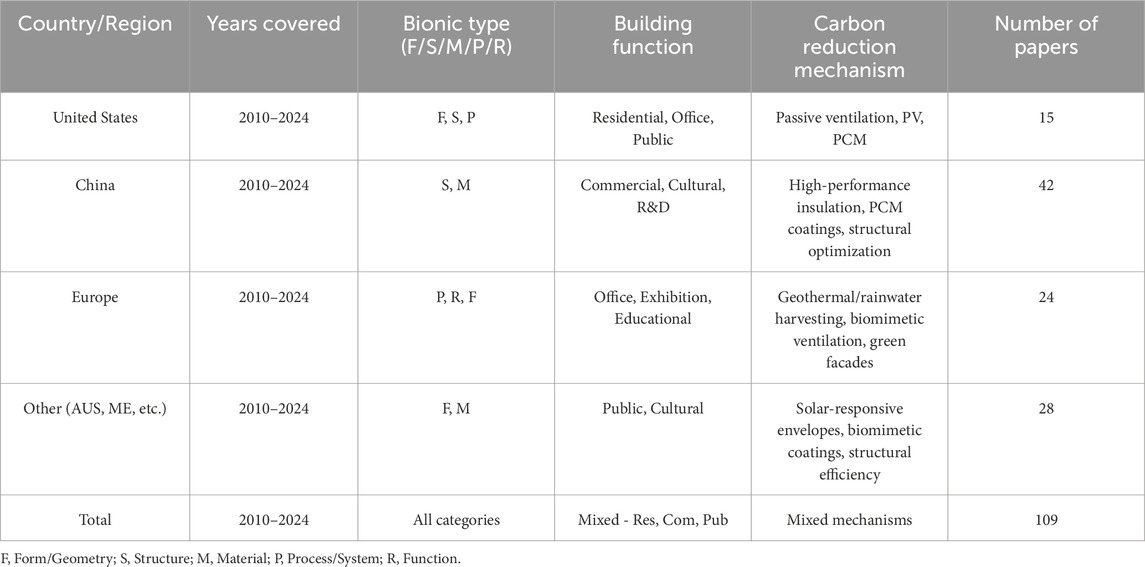
Application of bionic architecture in low-carbon design: a systematic review from nature inspiration to architectural practice
Why Biophilic Design in the Home is Booming in an Age of Climate Crisis
Designing with nature: Why Biophilic Design?

Architecture and design features and interviews | CLADglobal.com - Embracing nature

Well-Being Through Biophilic Interiors

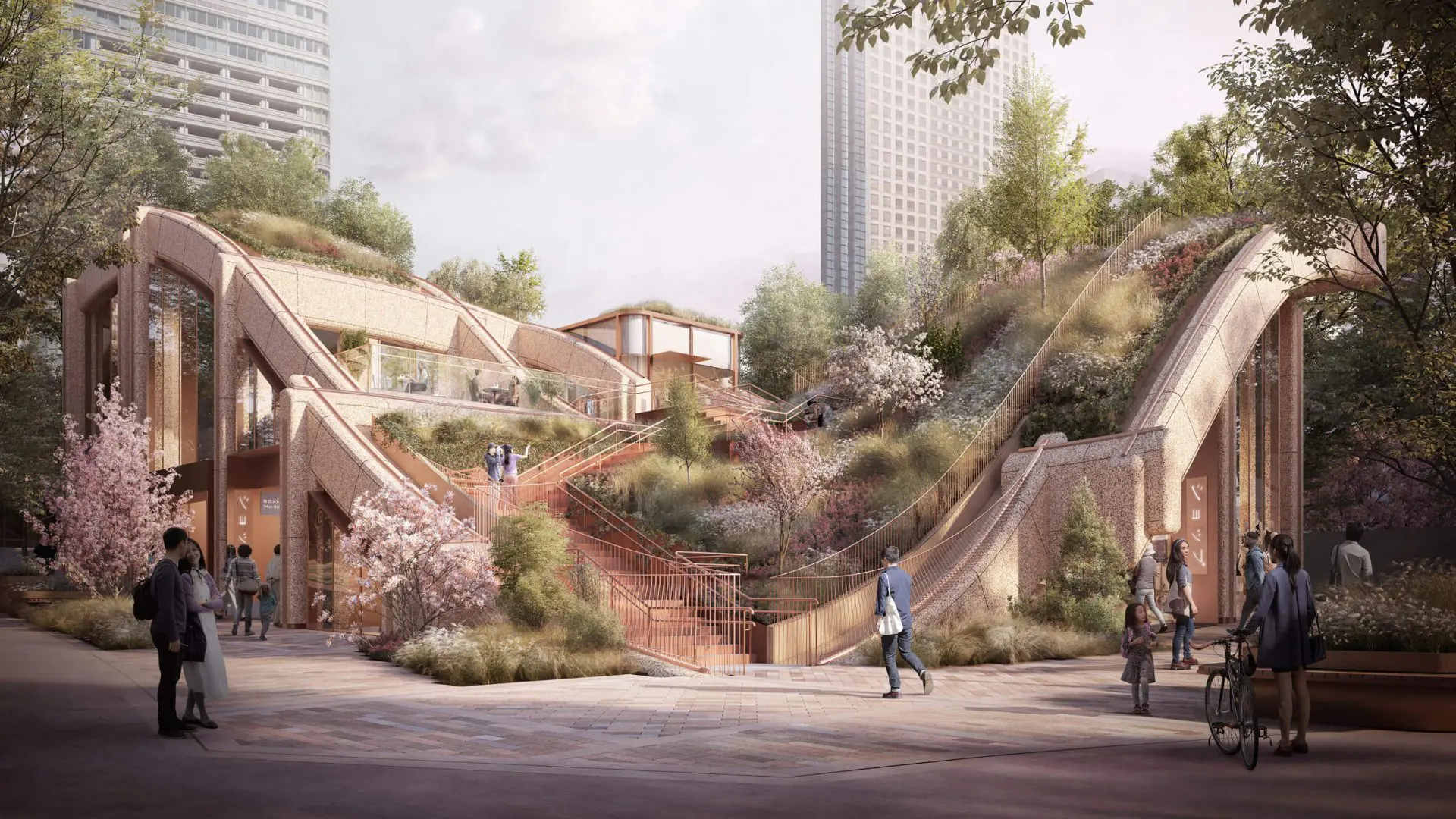
Biophilic architecture: 11 projects where nature meets concrete

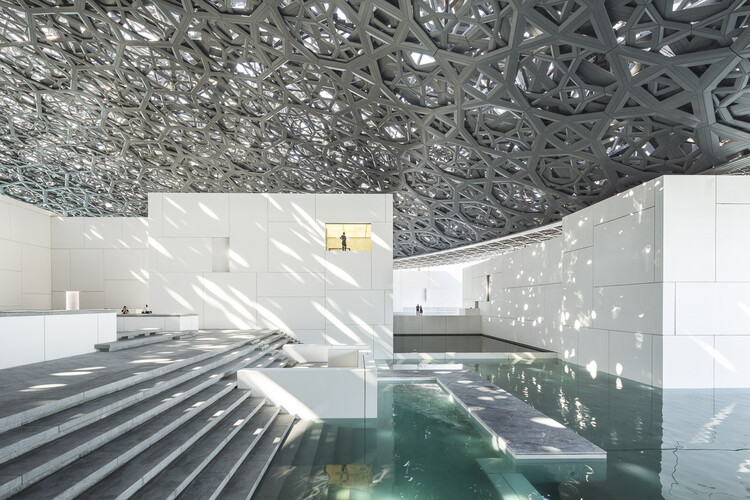
Water in Interior Design: 18 Projects that Include Water Fixtures in their Spaces

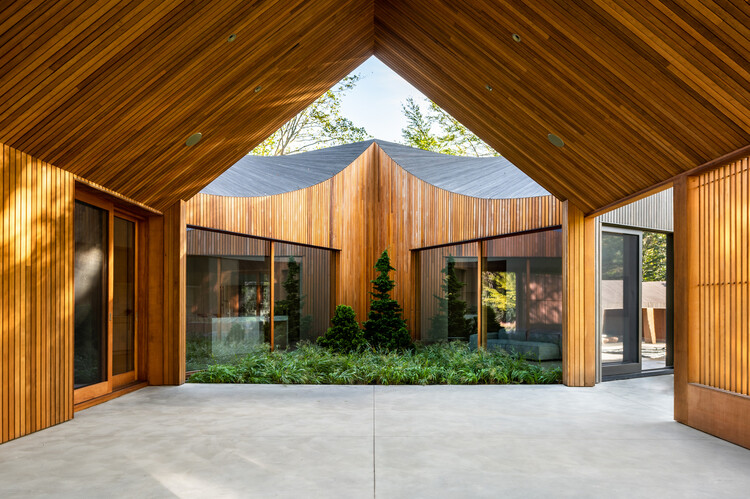
Biophilic Interiors: 21 Projects that Blend Architecture with Nature


What mirrored ants, vivid blue butterflies and Monstera house plants can teach us about designing buildings

20 Nature-Loving Homes Where Biophilia Thrives

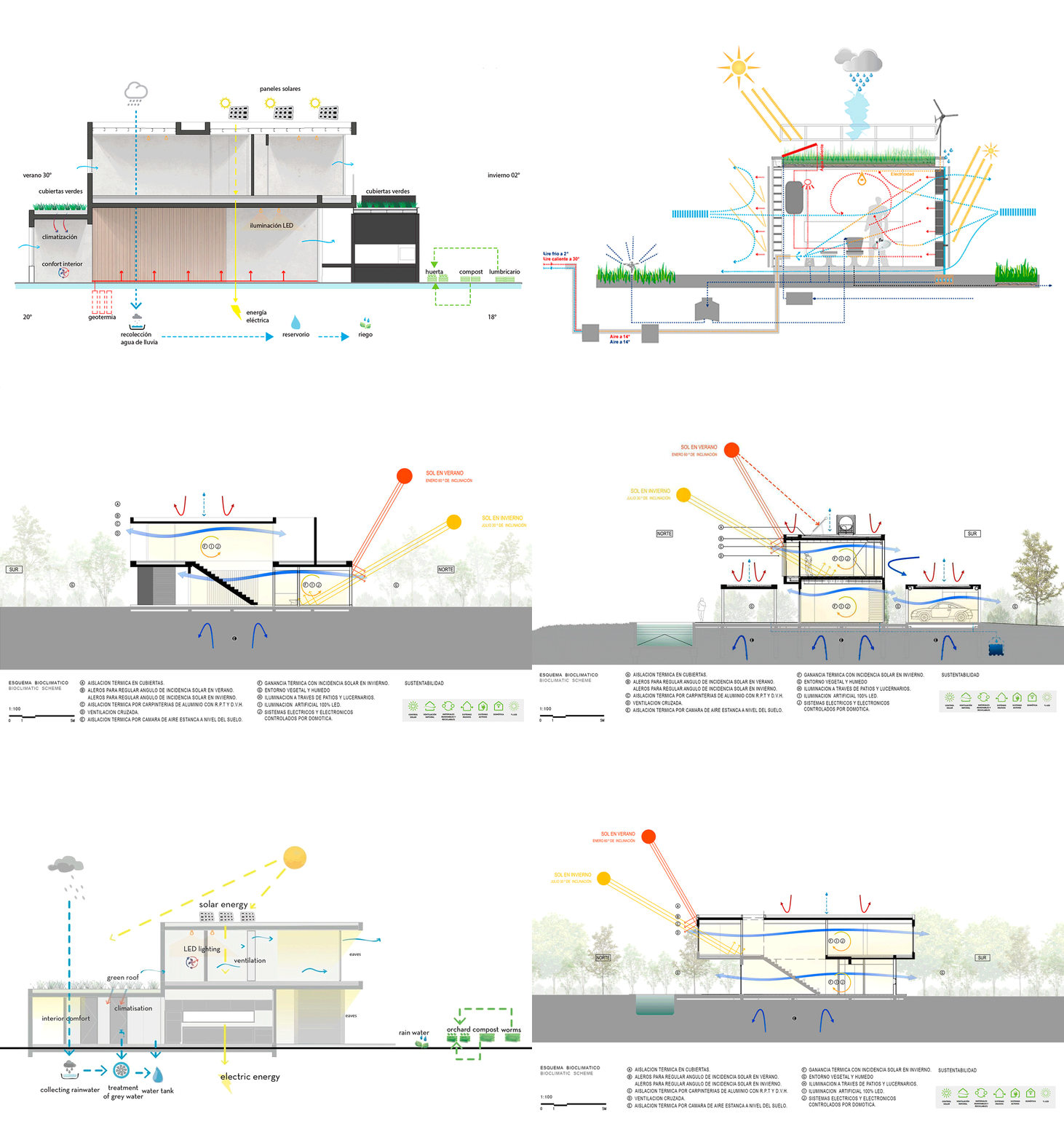
Bio-climatic Fixtures in Buenos Aires' Houses as Seen In Floor Plans and Layout
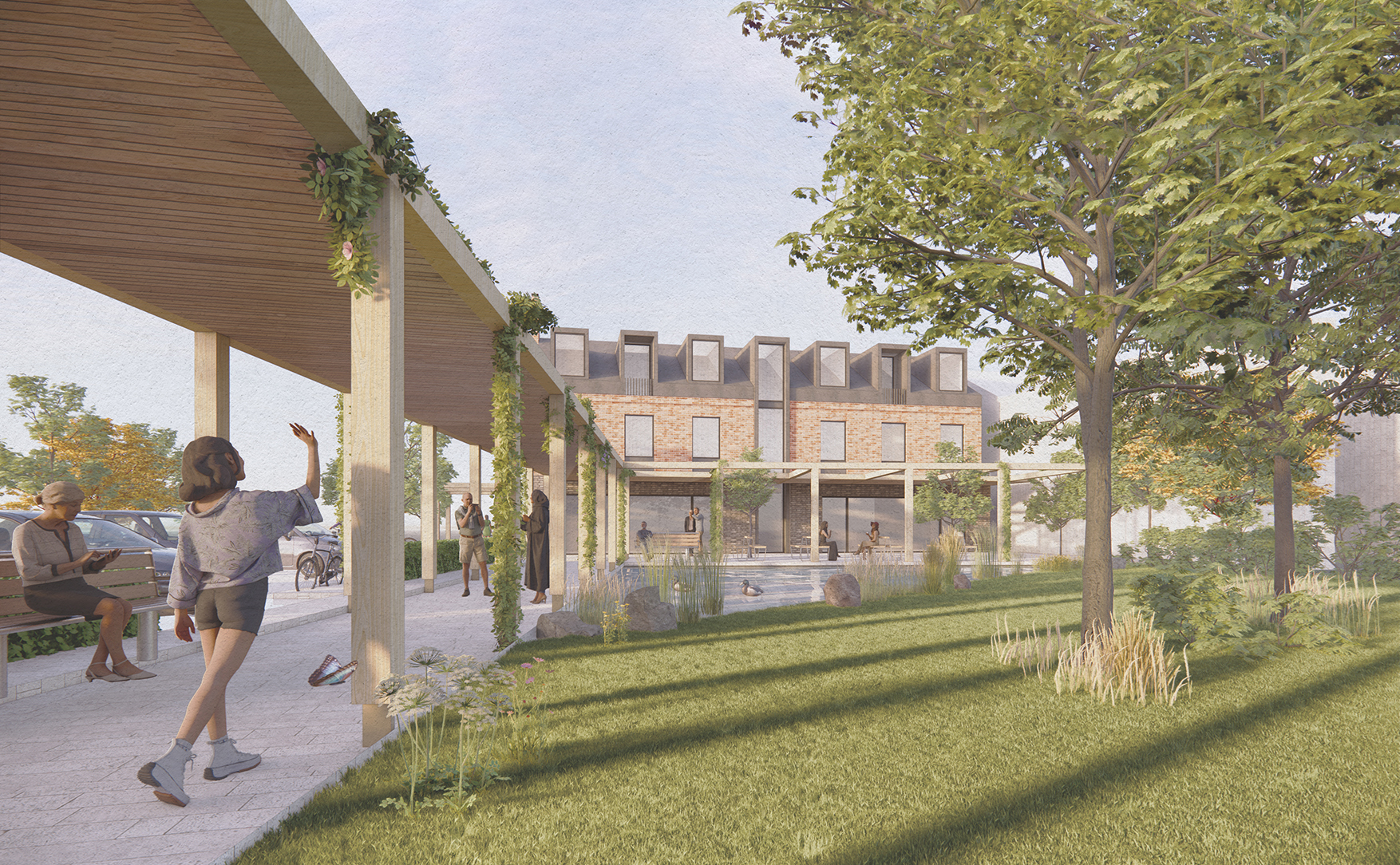
Thinking the Biophilic Way: Five Ways to Interact with Nature in Design