
1/4
Welcome to the Great Indoors
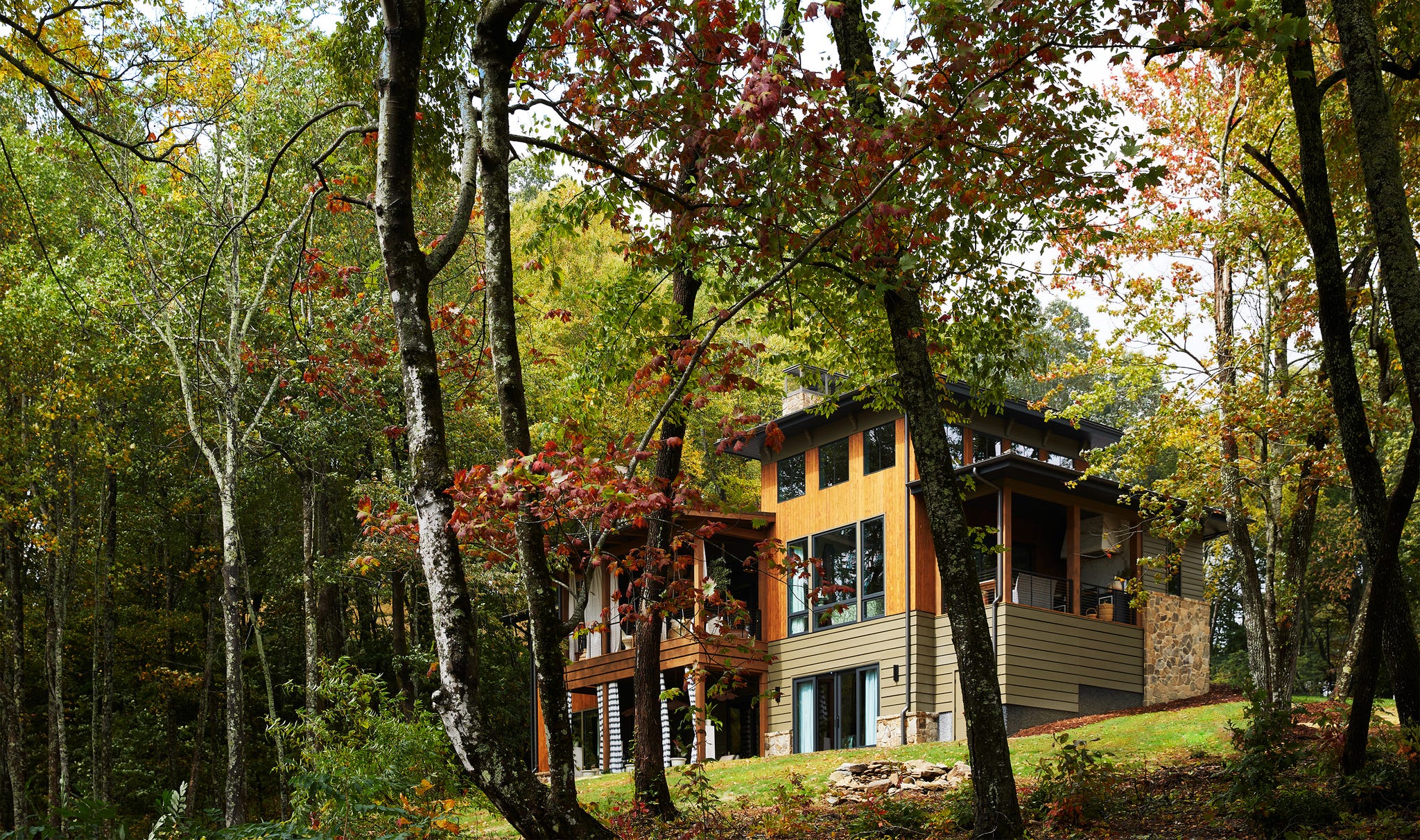
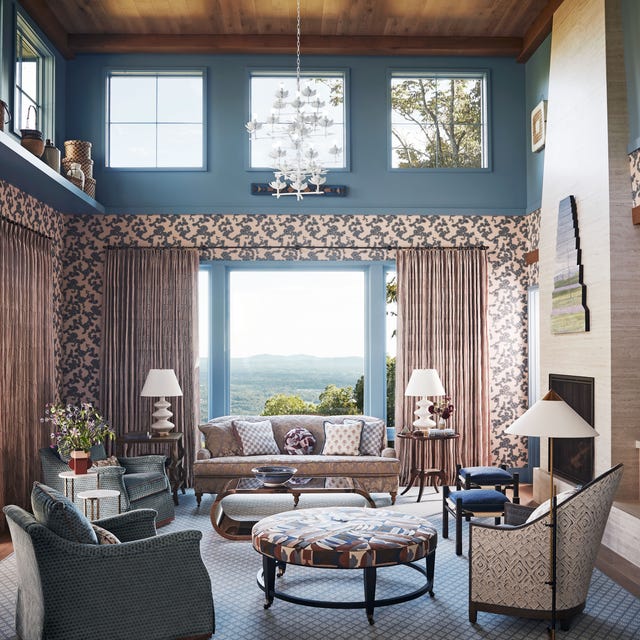
The article explores the concept of biophilic design, which integrates elements of nature into indoor spaces to enhance human well-being and resilience, especially in the face of climate change. It highlights that modern lifestyles, characterized by increased urbanization, indoor work, and unequal access to green spaces, lead Americans to spend a significant majority of their time indoors. This disconnect from nature has detrimental effects on physical and mental health, with research indicating that exposure to natural environments can reduce stress and improve overall well-being. Furthermore, climate change events, such as wildfires and extreme temperatures, are making outdoor spaces increasingly inaccessible, underscoring the importance of bringing nature indoors.
The piece introduces Erin Rovalo, an expert in biomimicry from the International Living Future Institute, who advocates for creating indoor environments that evoke the beauty and serenity of natural settings. Rovalo's childhood experience in a cedar forest illustrates the profound impact nature can have on an individual's sense of wonder and imagination. The article explains how natural elements can activate the parasympathetic nervous system, inducing a state of calm and relaxation, contrasting with the chronic fight-or-flight response triggered by modern stressors. Even subtle natural cues, like the movement of grass in the wind or the play of shadows, can offer restorative benefits.
Biophilic design is rooted in the biophilia hypothesis, proposed by Edward O. Wilson, which posits an innate human tendency to connect with nature. Renee Christensen, from the International WELL Building Institute, defines biophilia as the "love of life." The article details three categories of biophilic design experiences, as outlined by Bill Browning and Jenifer Seal-Carmer: "Nature in the space" involves direct exposure to natural elements like plants and sunlight; "Natural analogues" are indirect experiences through natural materials and sounds; and "Nature of the space" refers to design elements such as unimpeded views and sheltered spaces that mimic natural refuges.
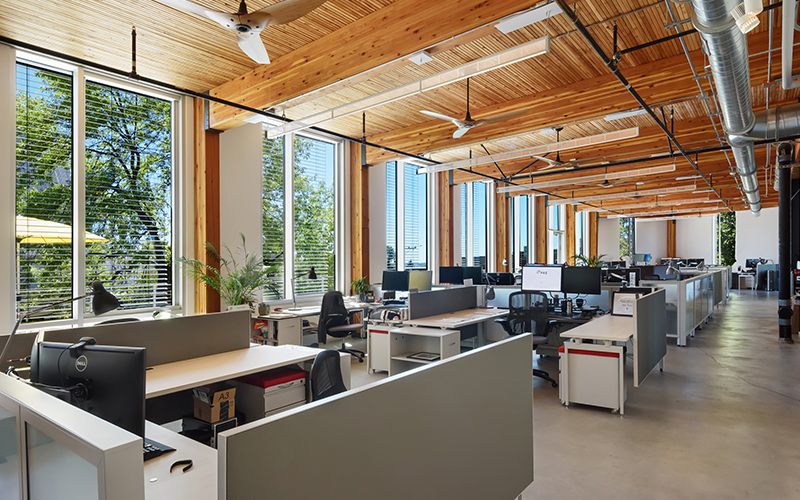
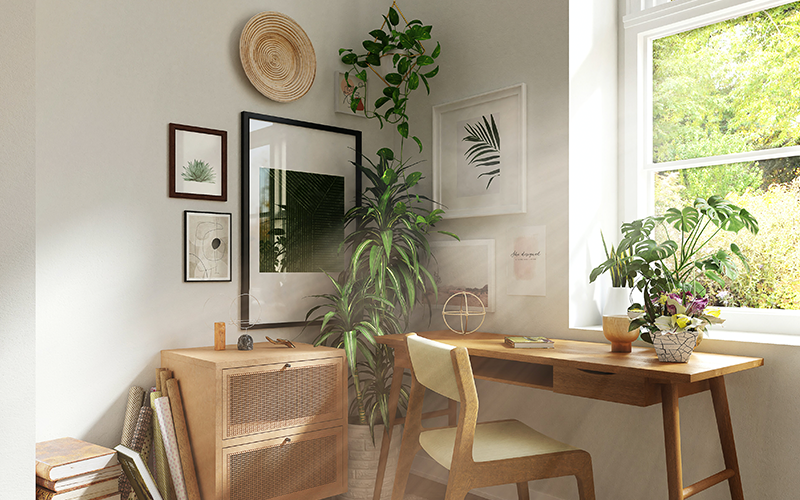
These design principles often align with sustainable building practices, such as LEED certification, by promoting natural light, views, and organic building materials. Examples like Seattle's Bullitt Center and Denver's Lakehouse condominium demonstrate successful implementation of biophilic design, incorporating features like ample natural light, natural materials, and lush greenery to create healthier and more productive environments. The article emphasizes that biophilic design is not exclusive to high-end projects; affordable housing initiatives, such as Thessalonica Court in the Bronx, are also integrating these elements to provide safe and supportive living spaces, often collaborating with organizations like Enterprise Green Communities and the International Living Future Institute. Many biophilic elements, such as houseplants, nature sounds, or small fountains, are affordable and accessible to anyone.
As external environments become more challenging due to climate change, biophilic design offers a pathway to healing and resilience, providing refuge and promoting well-being. Experts like Bill Browning of Terrapin Bright Green highlight the therapeutic potential of nature-mimicking interiors for individuals affected by disasters. The movement aims to make biophilic design accessible to all, with organizations providing frameworks and incentives for affordable housing sectors. Ultimately, the article underscores the critical need to integrate nature into human environments, asserting that access to nature is a fundamental human right.
#BiophilicDesign #ClimateResilience #SustainableArchitecture #MentalHealth #UrbanPlanning #GreenBuilding #NatureConnection #IndoorEnvironment #Wellbeing #BiophilicDesign #ClimateResilience #SustainableArchitecture #MentalHealth #UrbanPlanning #GreenBuilding #NatureConnection #IndoorEnvironment #Wellbeing
0 comment in total
 No comments yet
You may also like
Inside and out

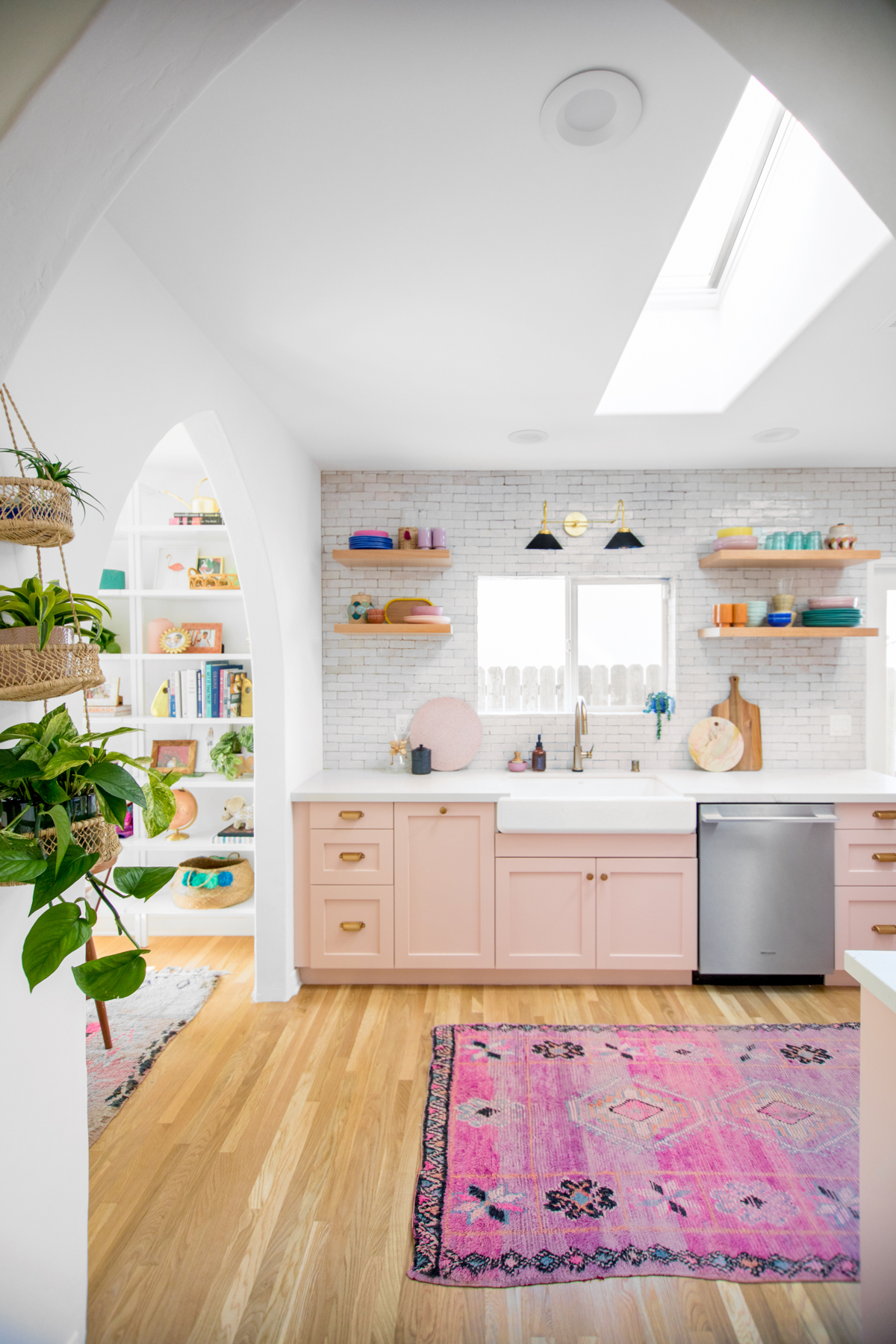
The Mindwelling: Our Kitchen Reveal!

Backyard Makeover Reveal and Tour

Doorway to heaven

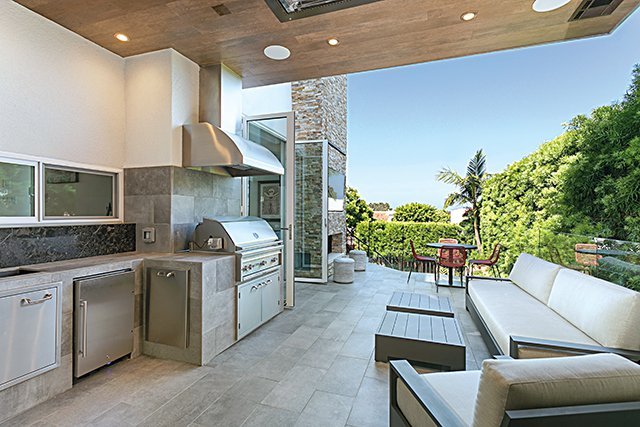
Inside Out

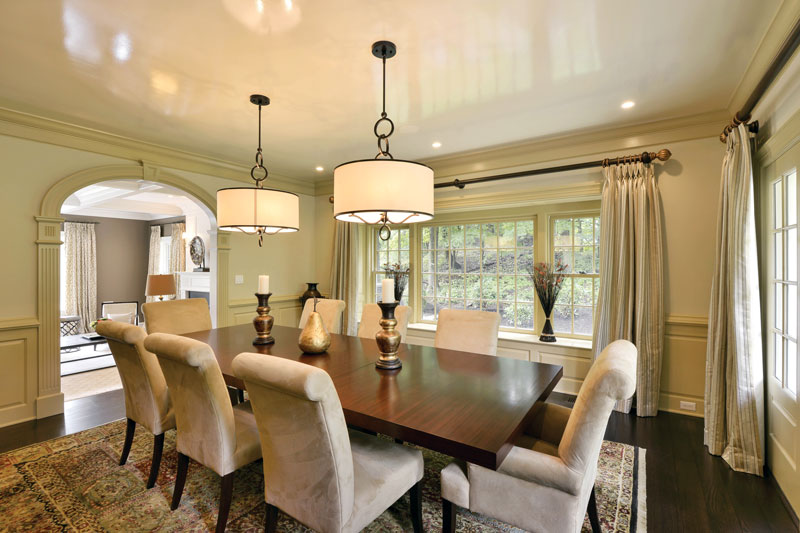
Entry Halls

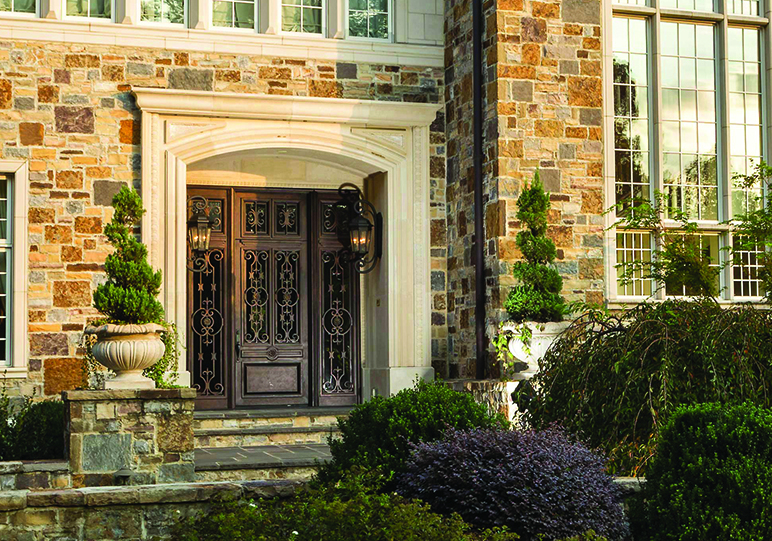
A Grand Entrance with Clark Hall Doors
Beautiful on the Inside and Out

Welcome home: Grandmillennial style
At Home: The Door


Welcome to the Great Indoors


Grand Views
Inside Out | An Entrance Hall That Really Cooks
Sliding Into Home | Home and Garden | Life

Spring: It's time to move the indoors out

Motif Home Gallery Springs Forward

Inside Our Seventh Annual Whole Home

Inside a Home That's Not Afraid of the Dark

Welcome to fantasy kitchen island
Deephaven Patio