
Well-Being Through Biophilic Interiors
In the Middle East, where extreme weather conditions such as blazing sun and arid landscapes are prevalent, architects and interior designers face a significant challenge: creating spaces that nurture the human spirit while enduring harsh climates. Biophilic design, a philosophy focused on connecting occupants with nature, presents a vital opportunity and responsibility in this context, urging a re-evaluation of interior spaces beyond mere aesthetics to encompass health, comfort, and psychological well-being.
Biophilic design in temperate regions typically emphasizes large operable windows, abundant greenery, and access to fresh air. However, in the Middle East, buildings are designed to keep heat out, minimize direct sunlight, and heavily rely on mechanical cooling. This creates a paradox, as designers must find ways to invite nature indoors while shielding occupants from its extreme elements. The solution involves interpreting biophilia beyond literal greenery, focusing instead on sensory and symbolic connections to nature that can thrive indoors, especially in urban Middle Eastern environments where natural landscapes are scarce and indoor living is dominant due to climate constraints.
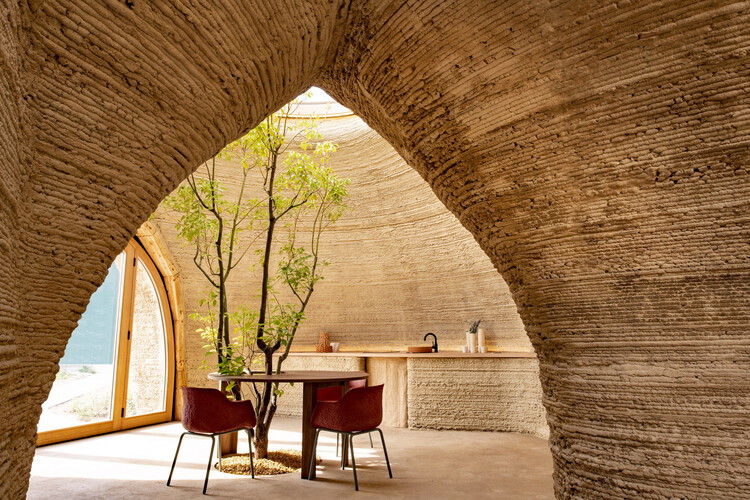
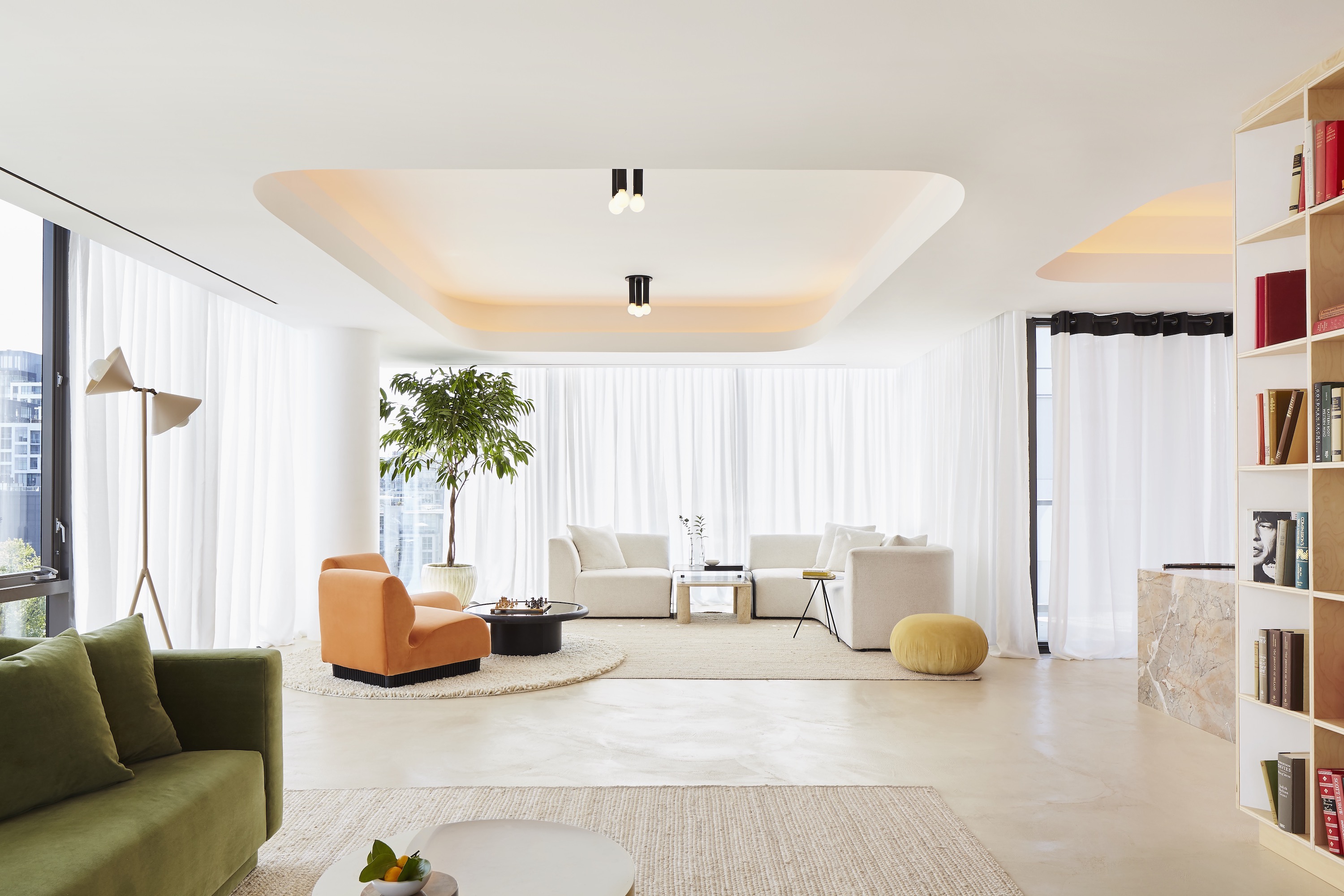
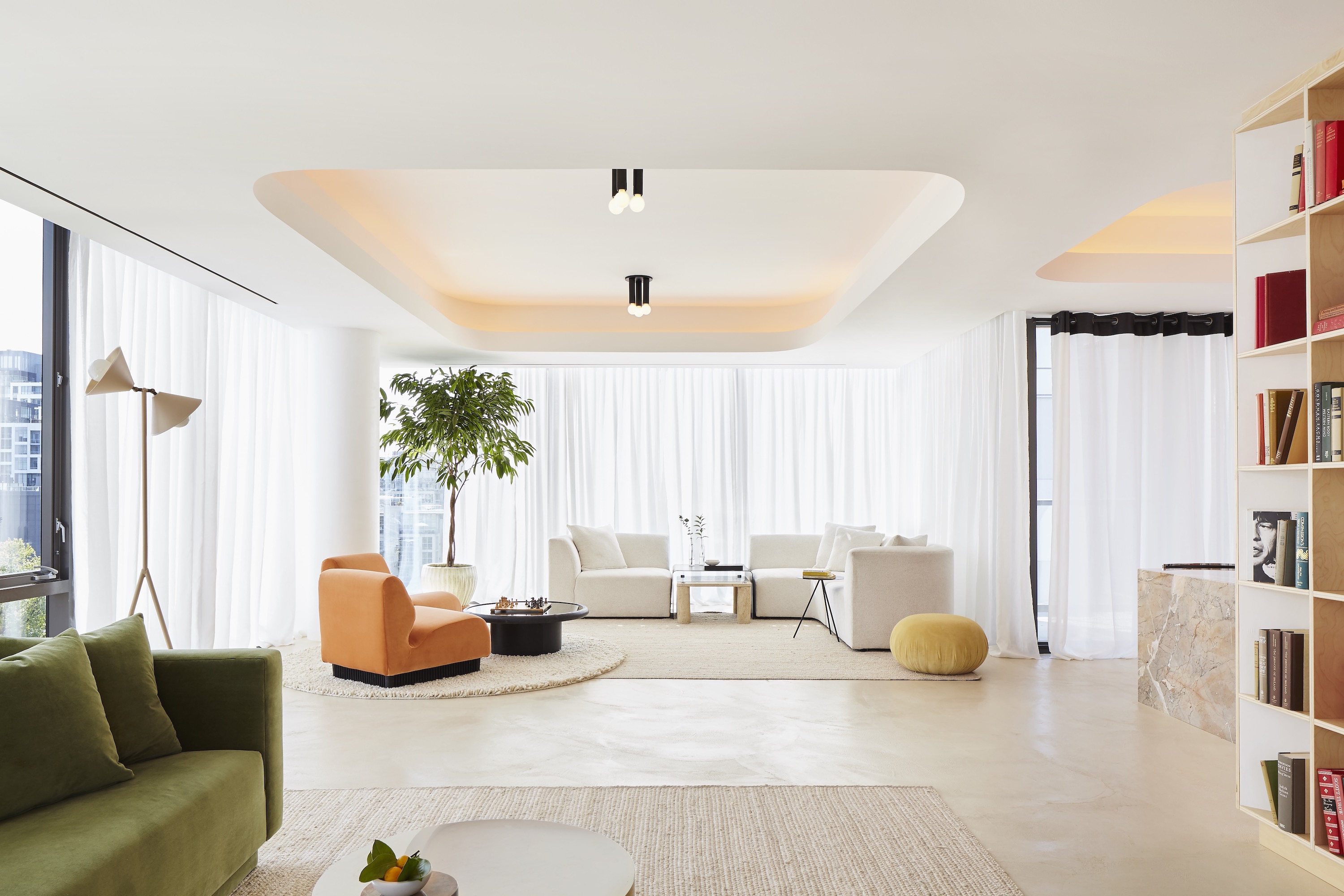
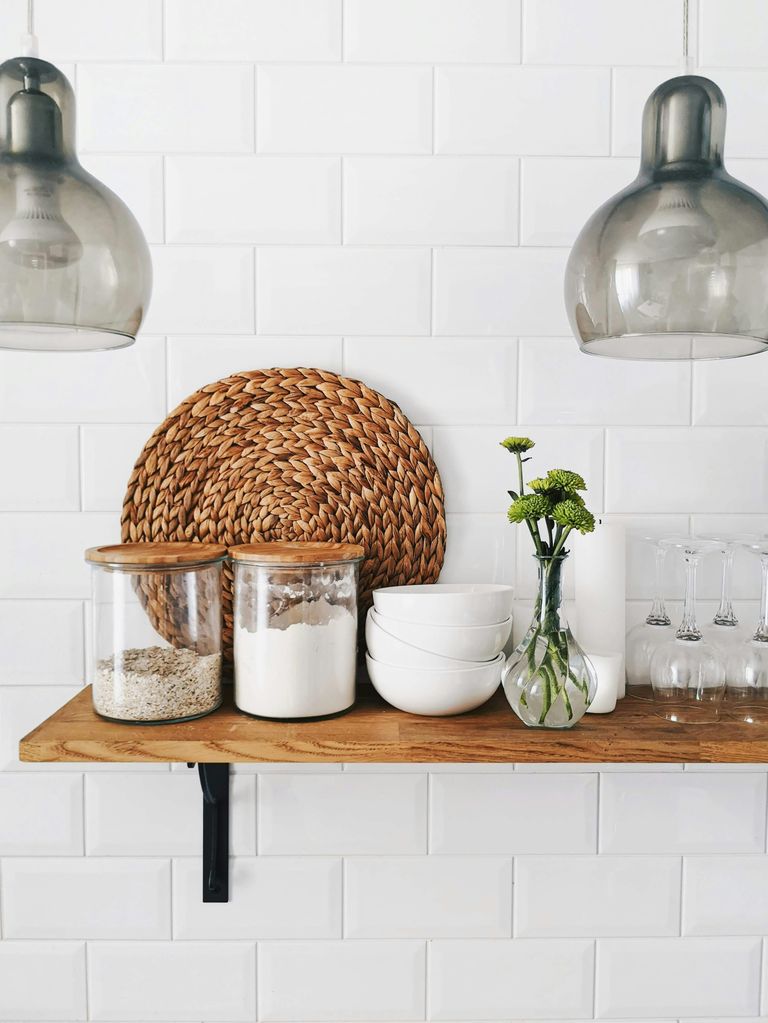
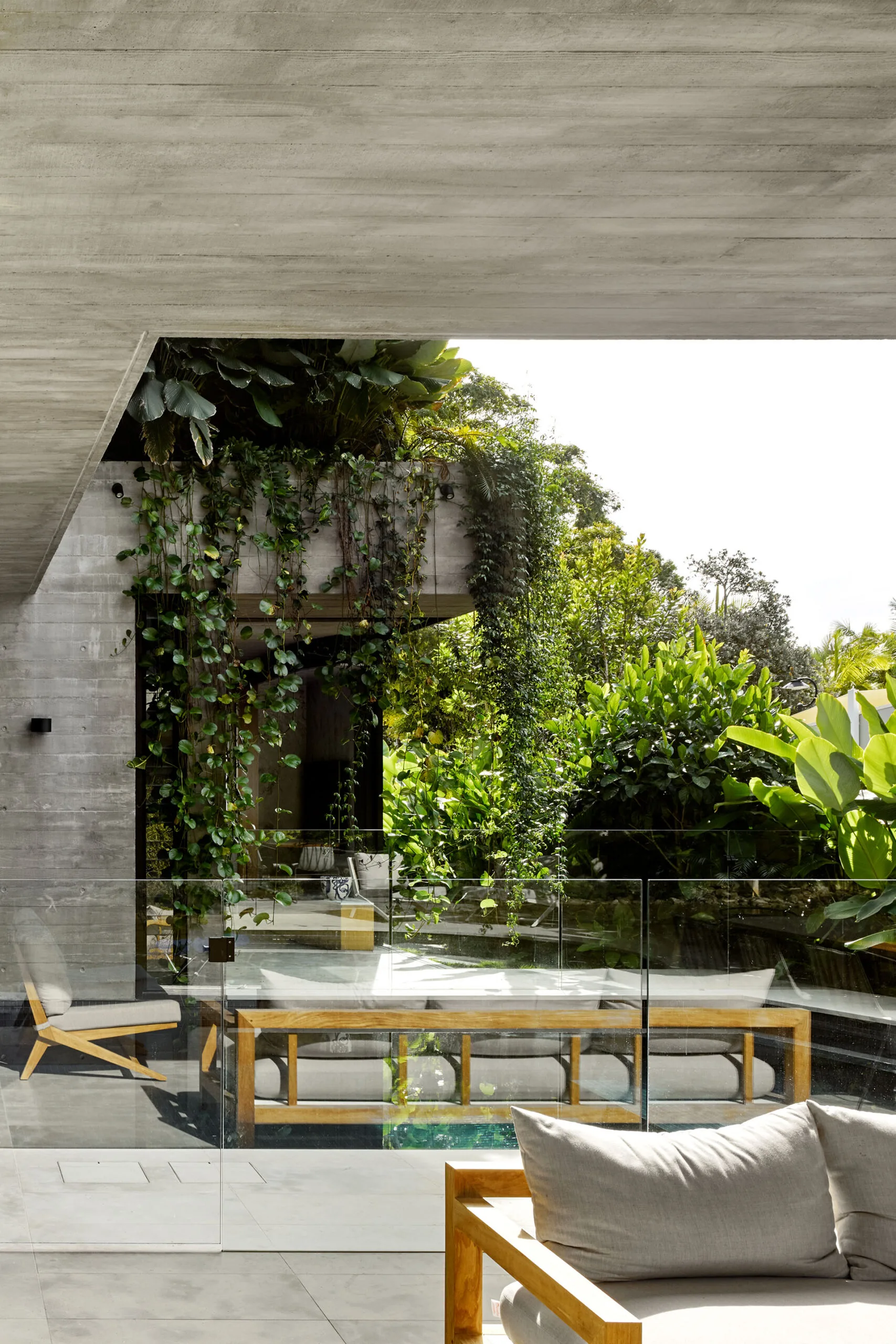
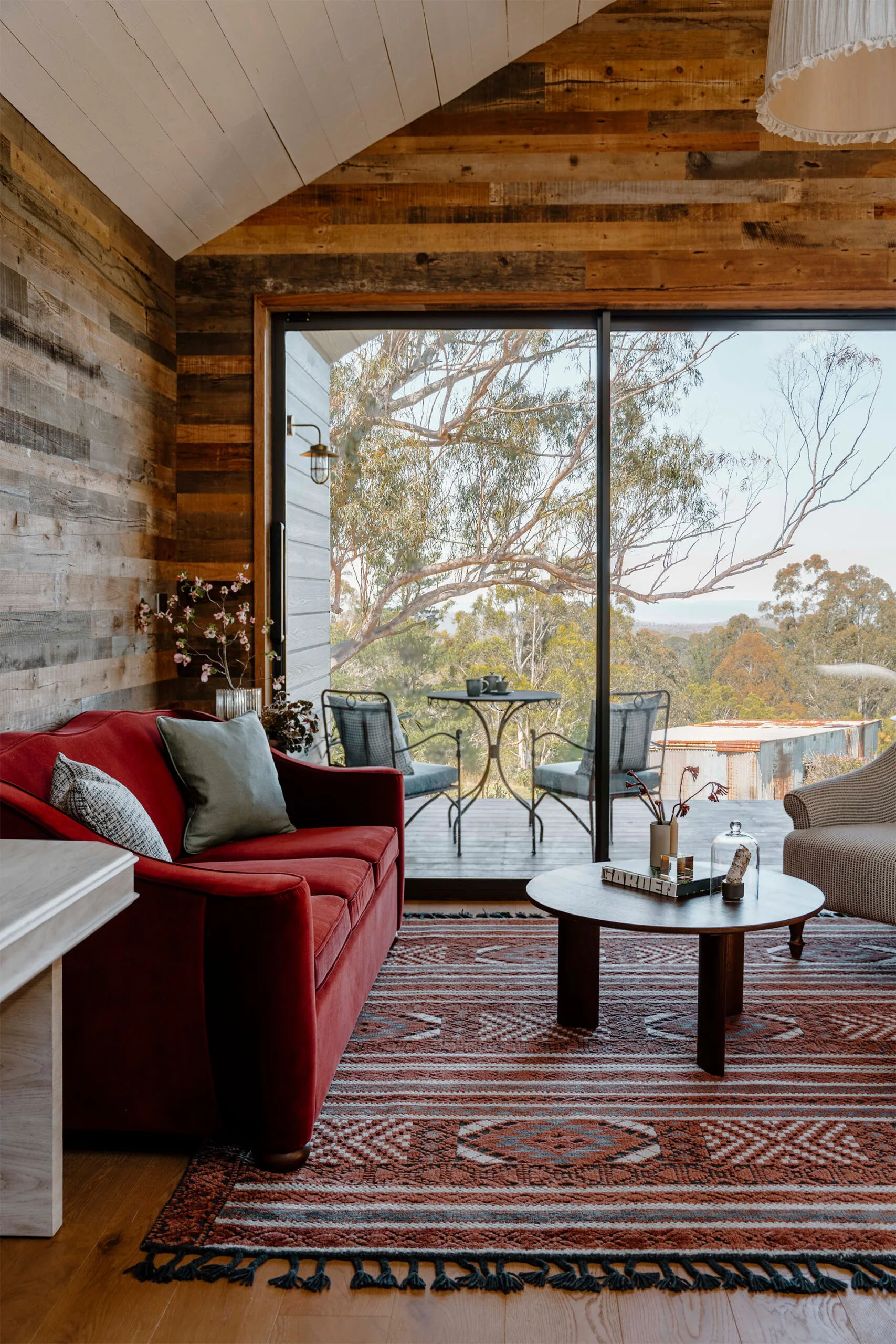
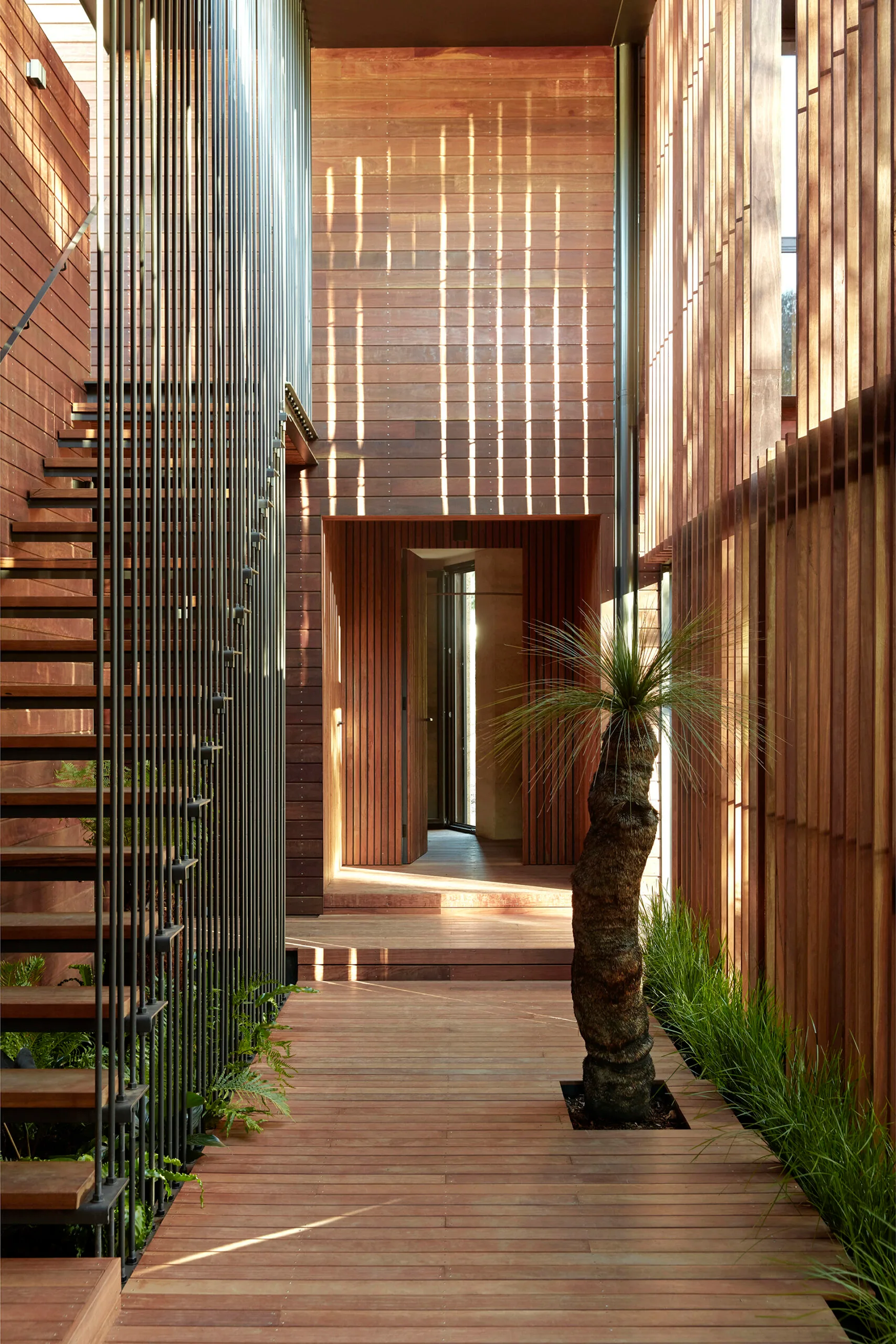
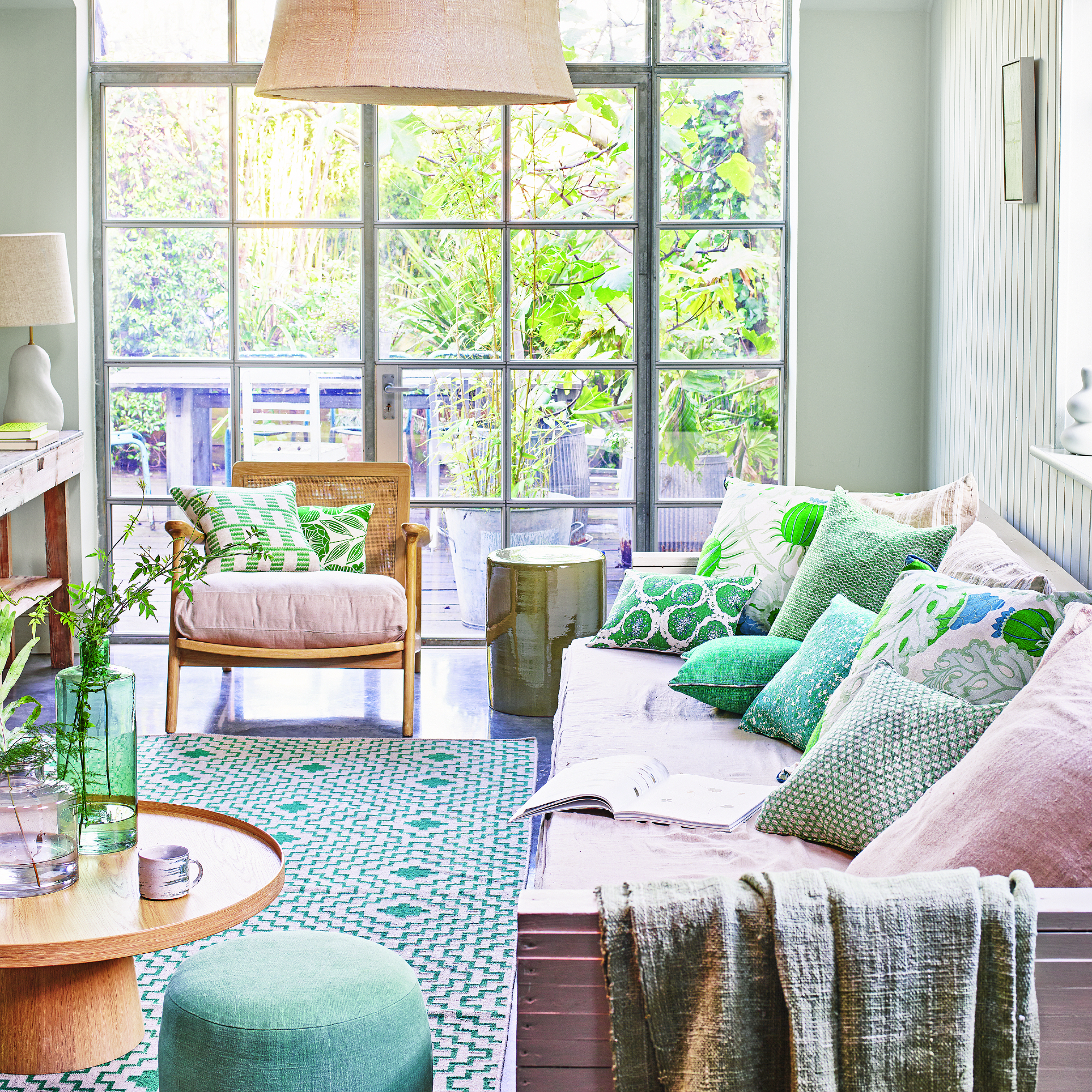
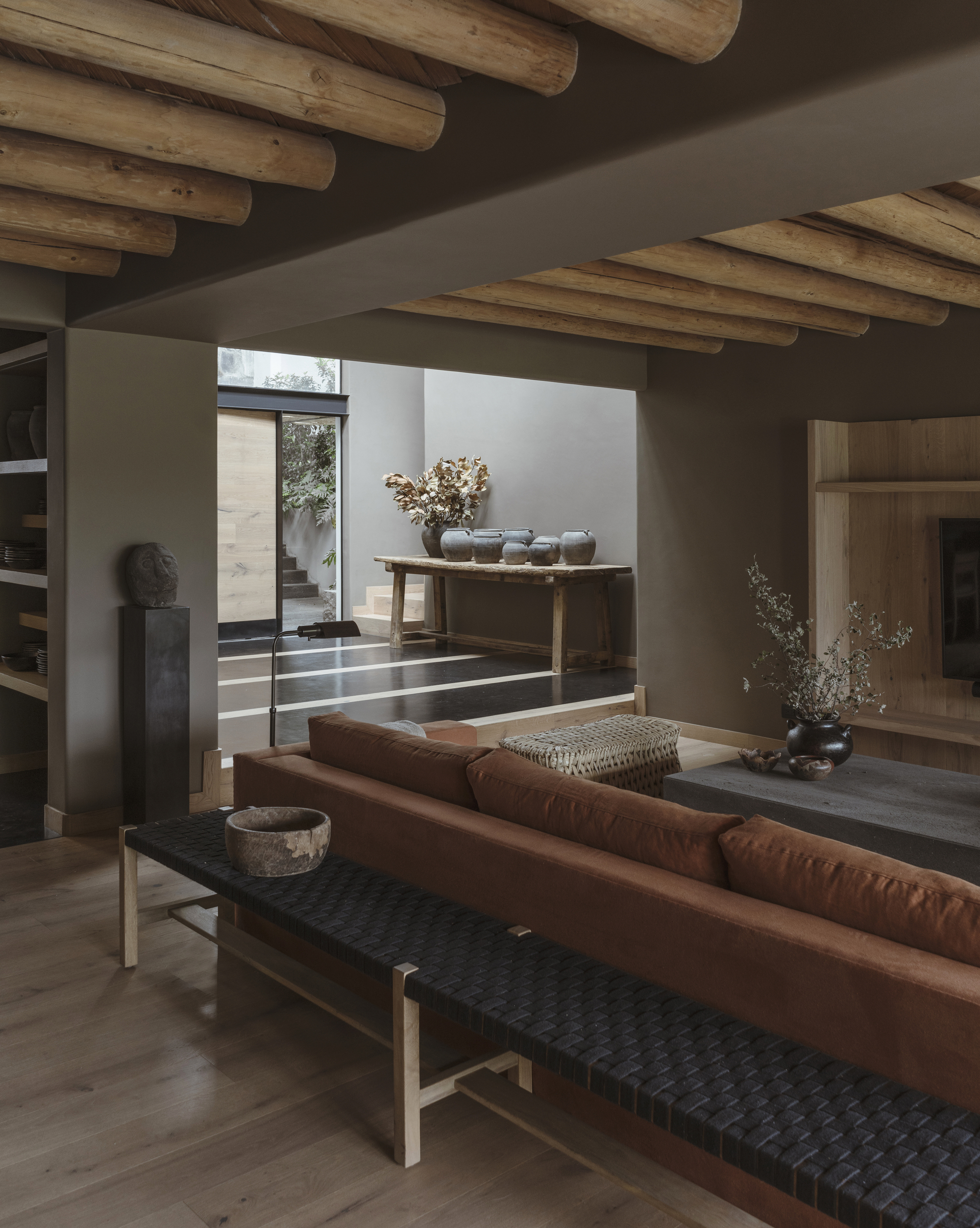
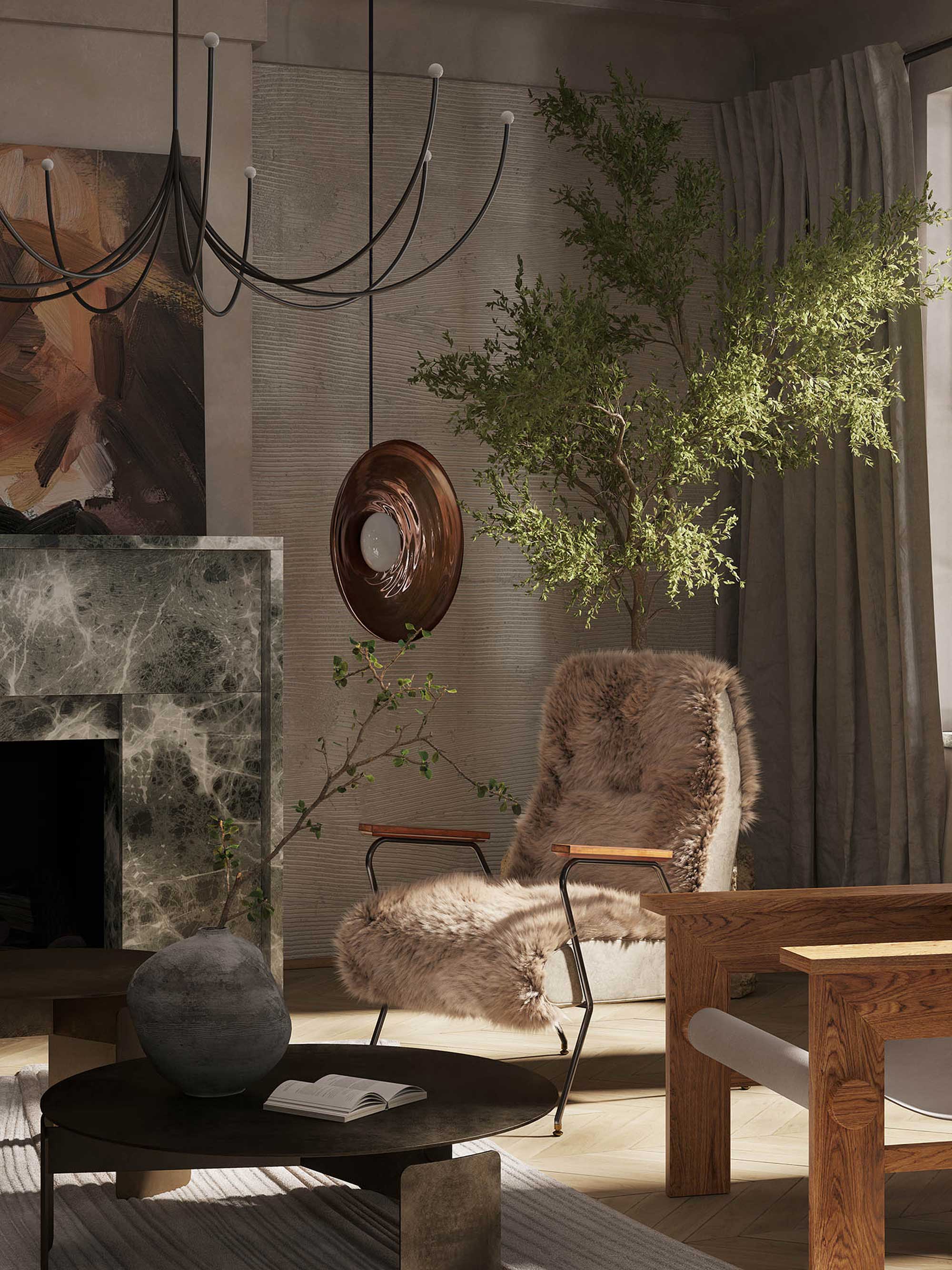
Effective implementation of biophilic principles in hot, dry climates requires a multi-sensory approach. Visual cues like organic forms, earthy textures, and locally sourced natural materials can mimic nature's patterns and tranquility. Materials such as rammed earth, natural stone, and wood detailing can foster a deep sense of place while remaining climate-appropriate and culturally relevant. Thermal comfort is crucial; thus, materials that moderate indoor temperatures, like thick adobe-style walls or lime plasters, are essential. Traditional regional elements such as shading systems, mashrabiya screens, and courtyard layouts can provide passive cooling and create dynamic shadow patterns, blending function with a poetic connection to nature.
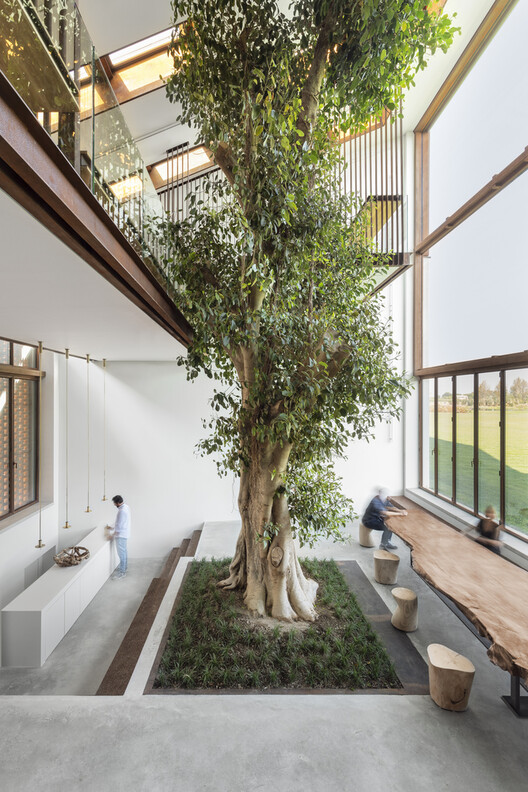
Controlled daylighting is paramount in a region where intense sun can be detrimental. Instead of large, unshaded openings, designers can use narrow slits, skylights with deep wells, or light-diffusing materials to introduce soft, indirect light, simulating the dappled light found under trees. This satisfies the innate human desire for natural light without compromising comfort. Dynamic lighting systems that emulate the natural progression of daylight can also support circadian rhythms and emotional well-being, with circadian-tuned LED lighting offering a practical biophilic solution for windowless or sun-restricted interiors.
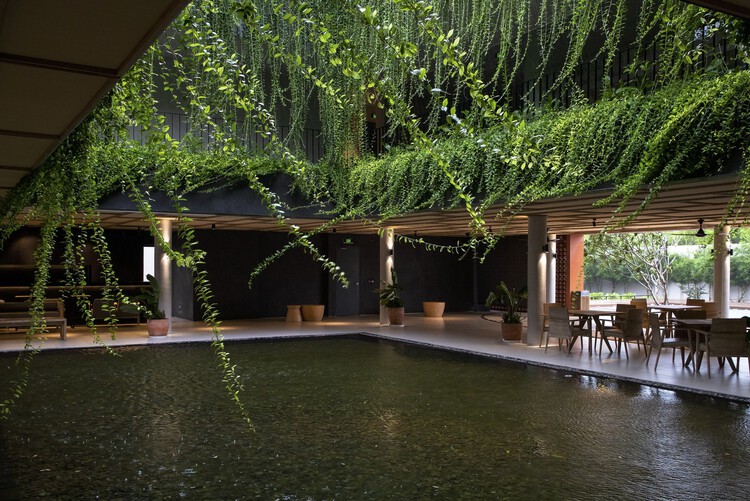
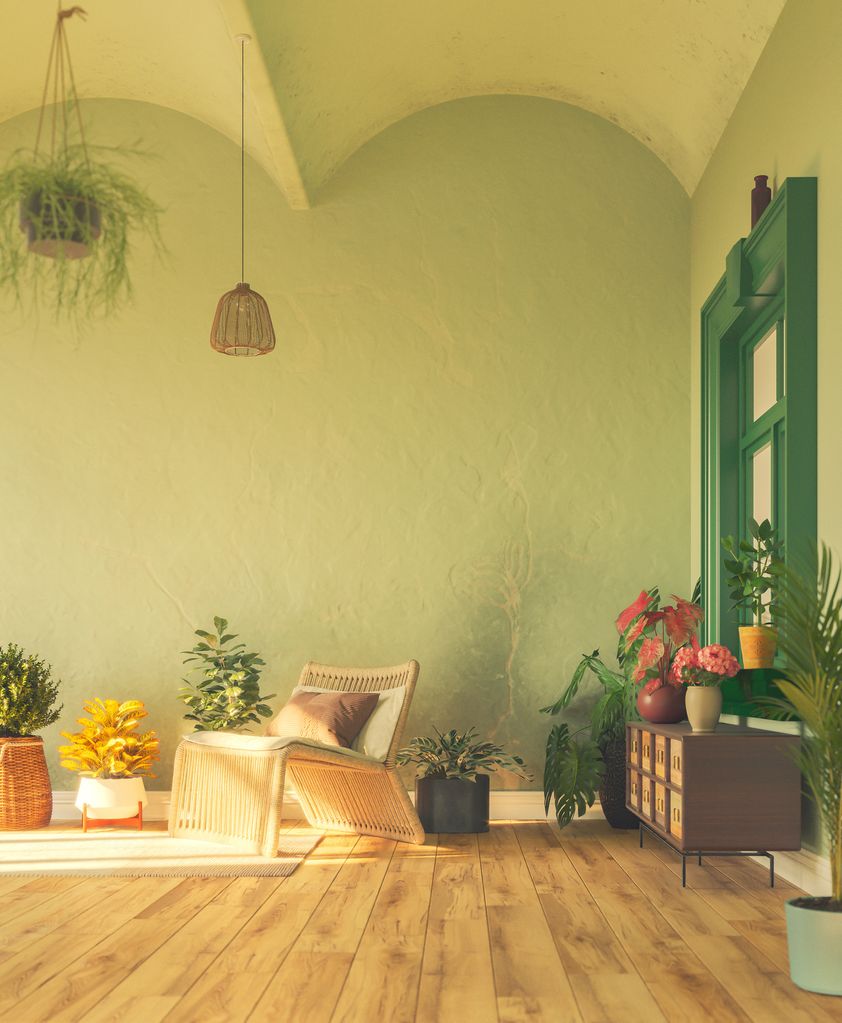
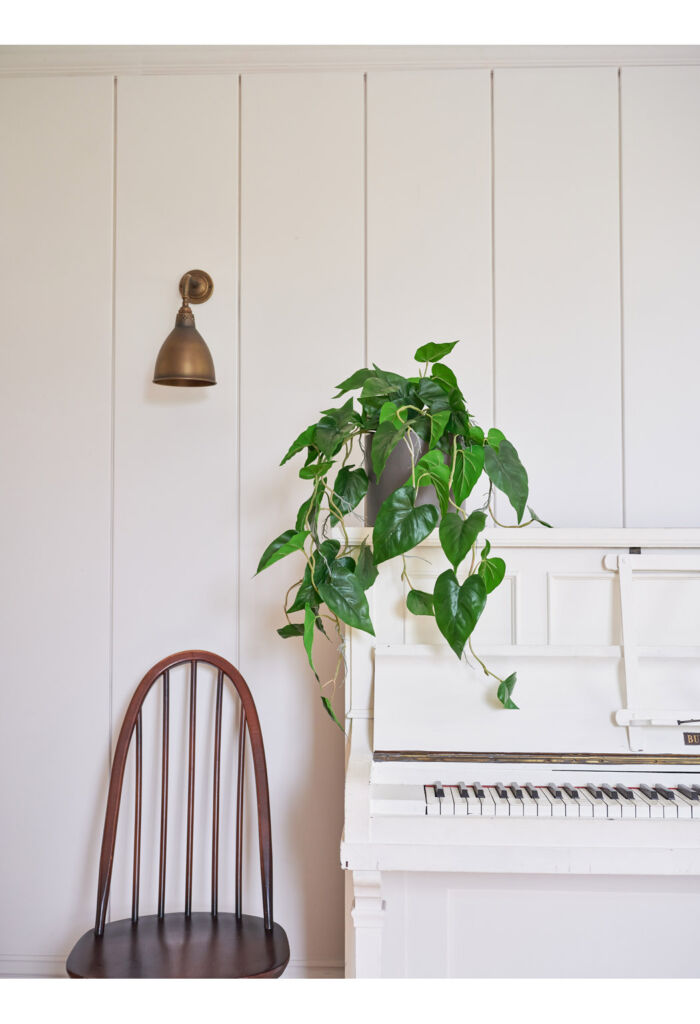
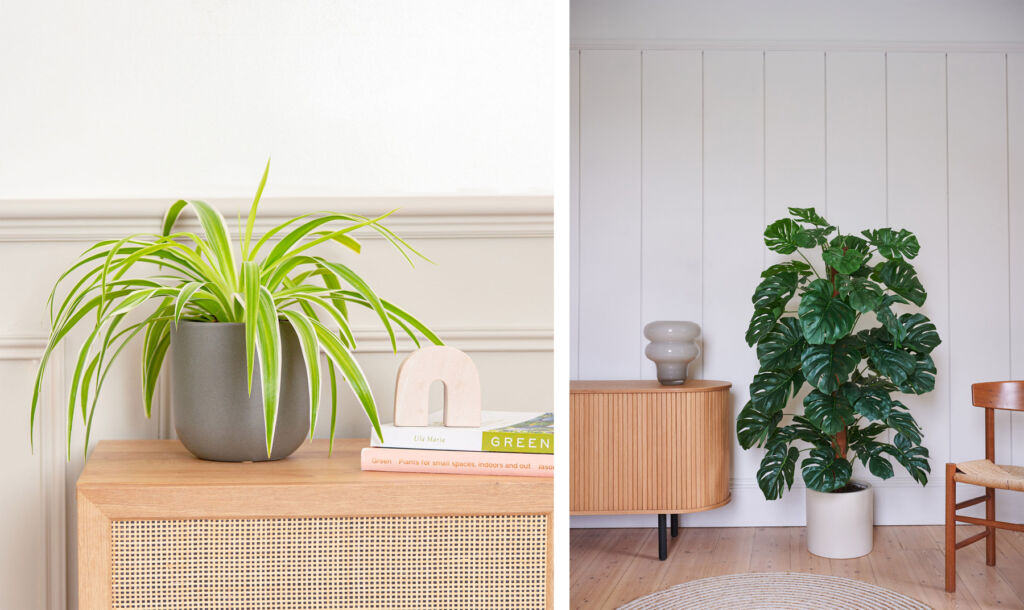
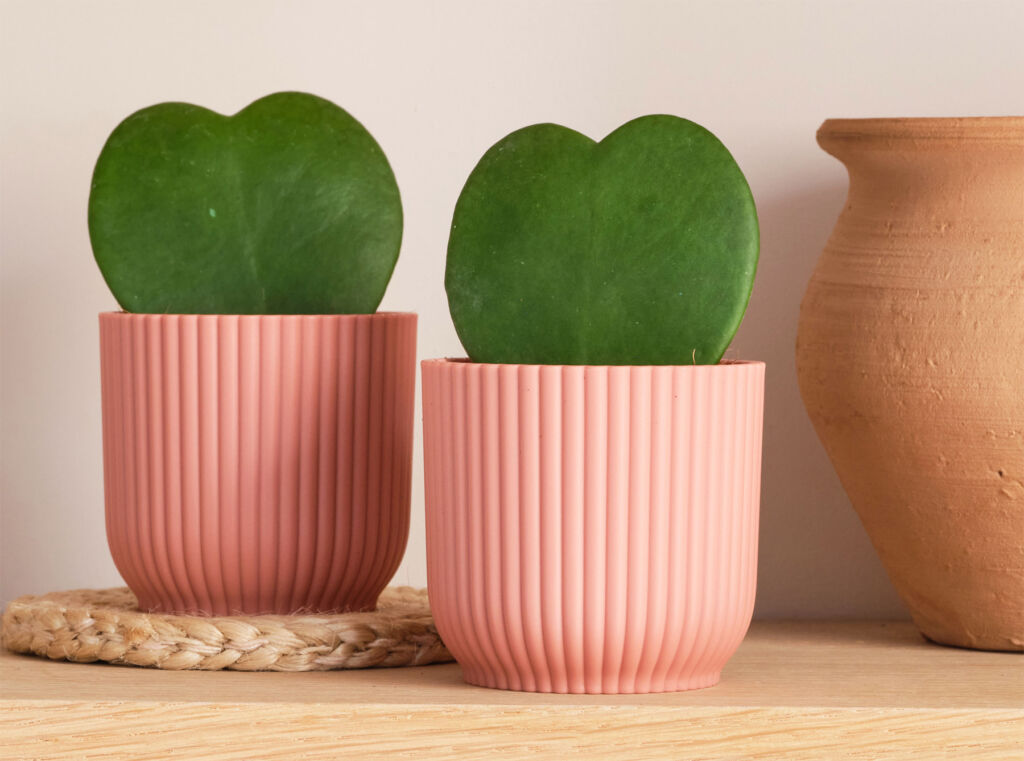
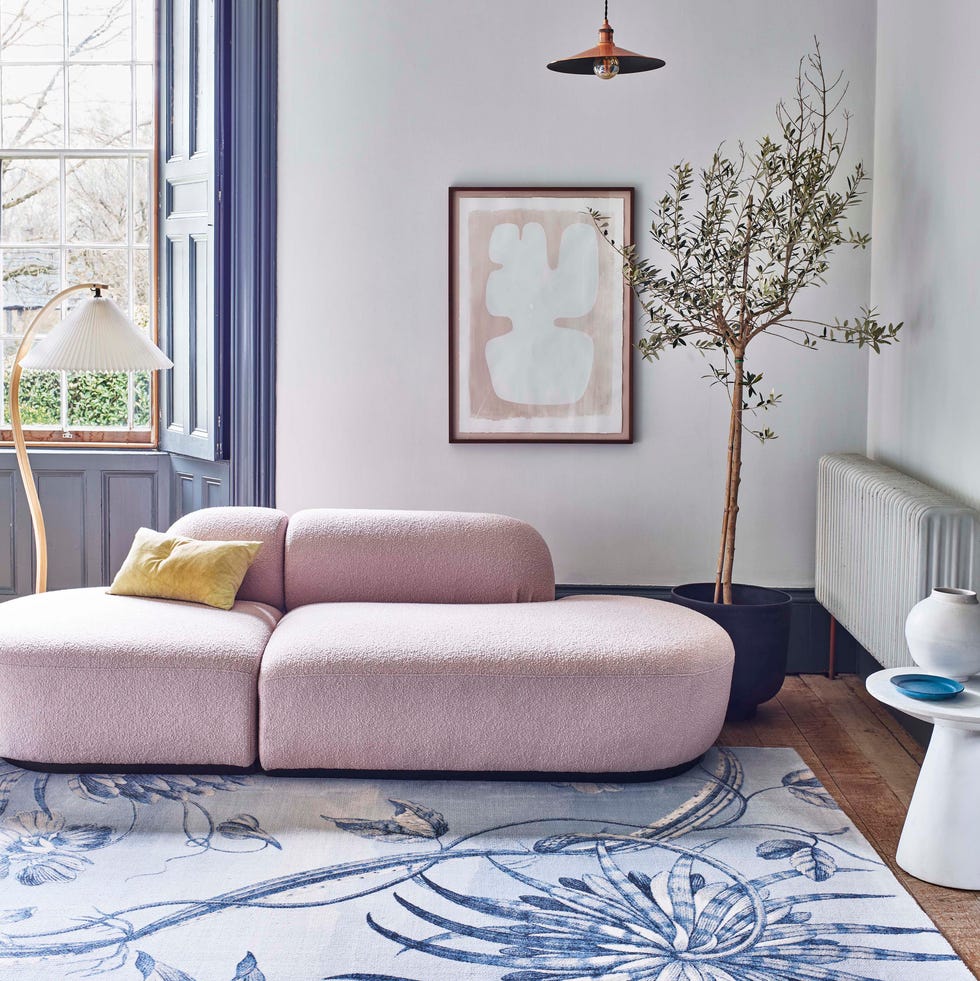
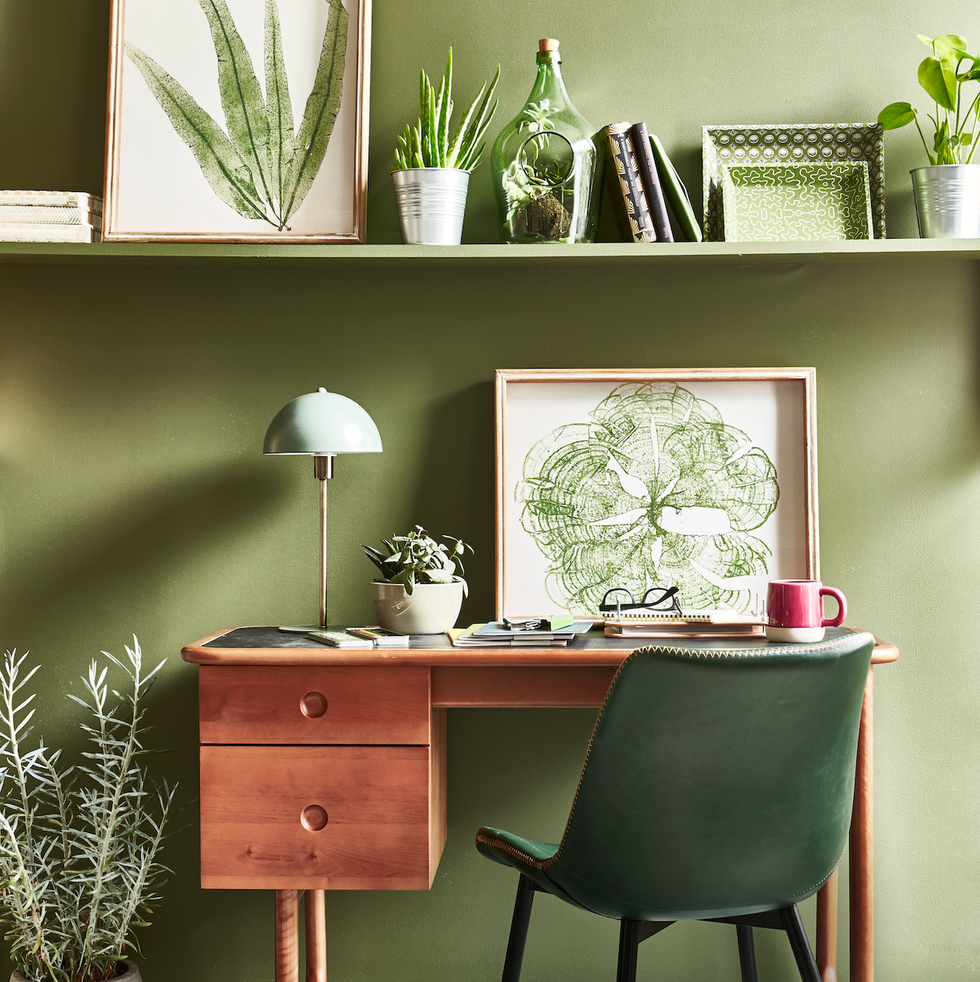
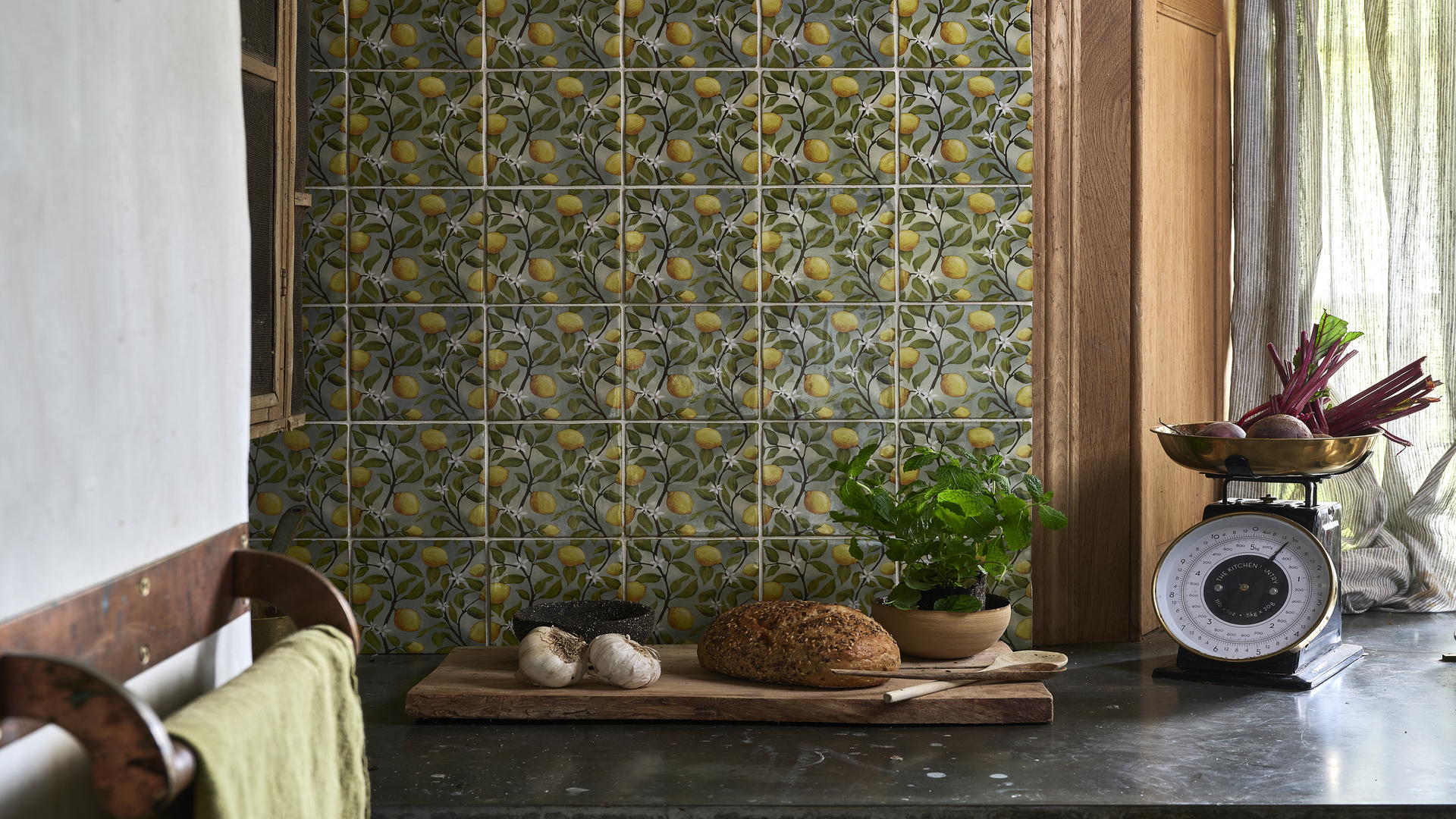
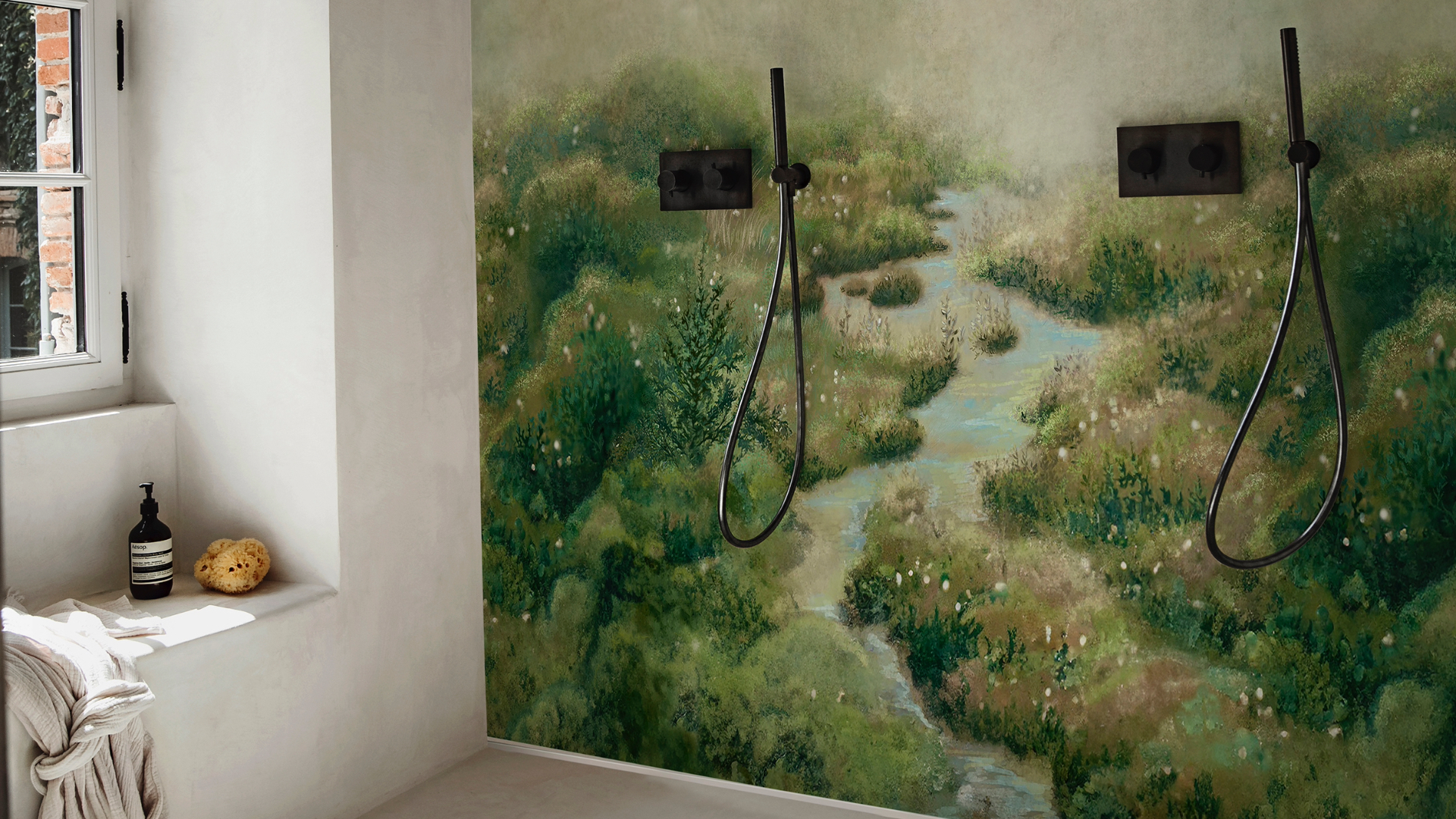
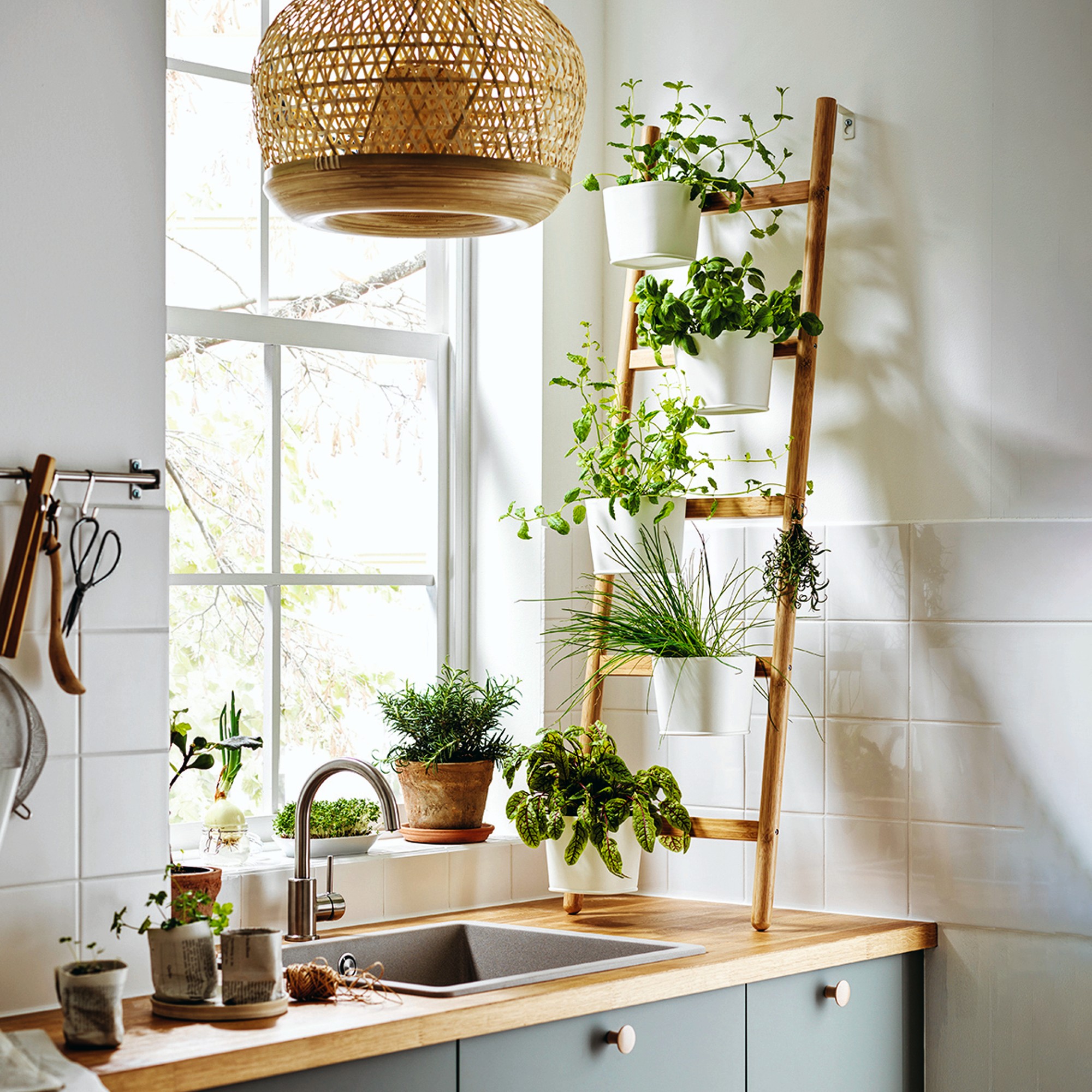
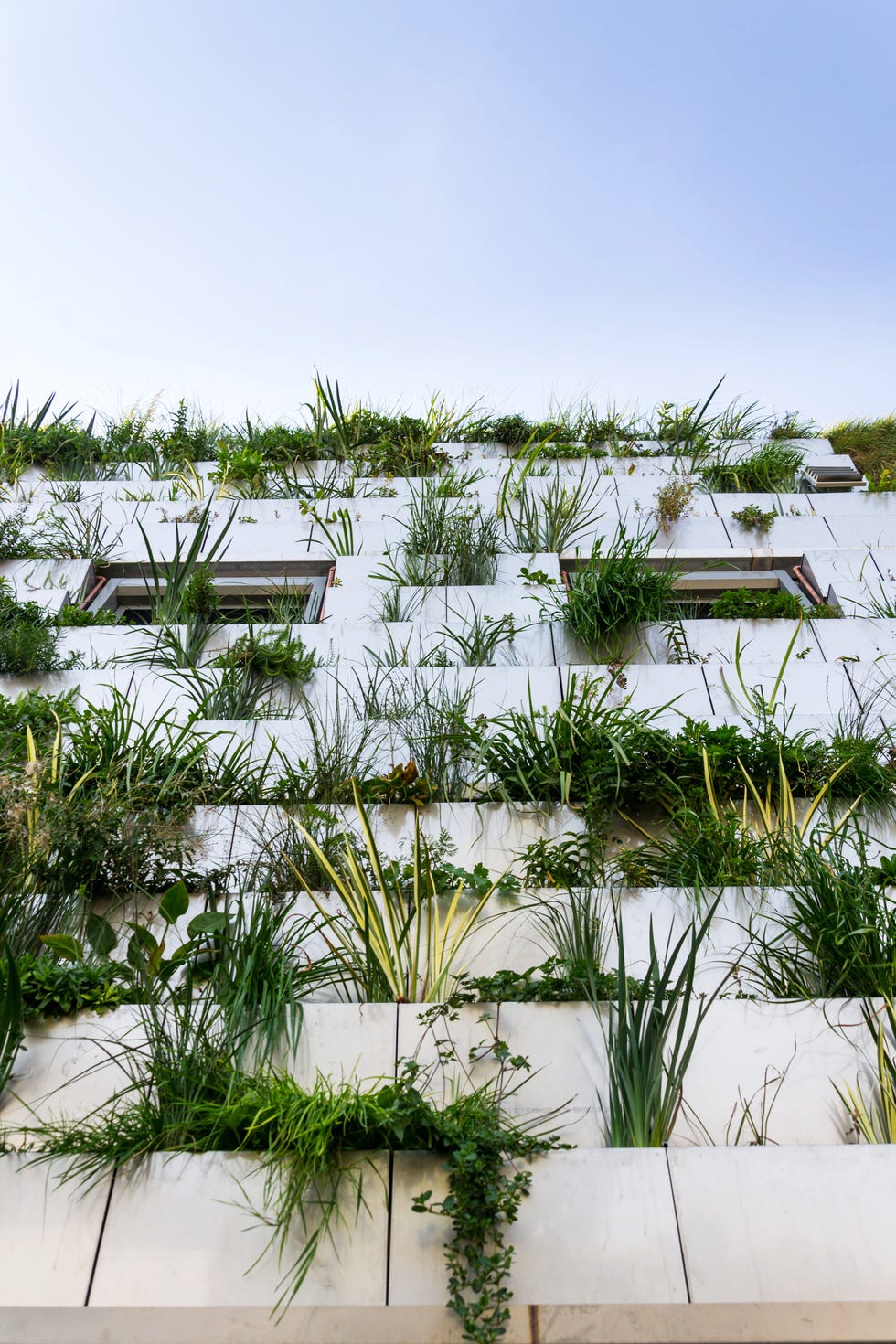
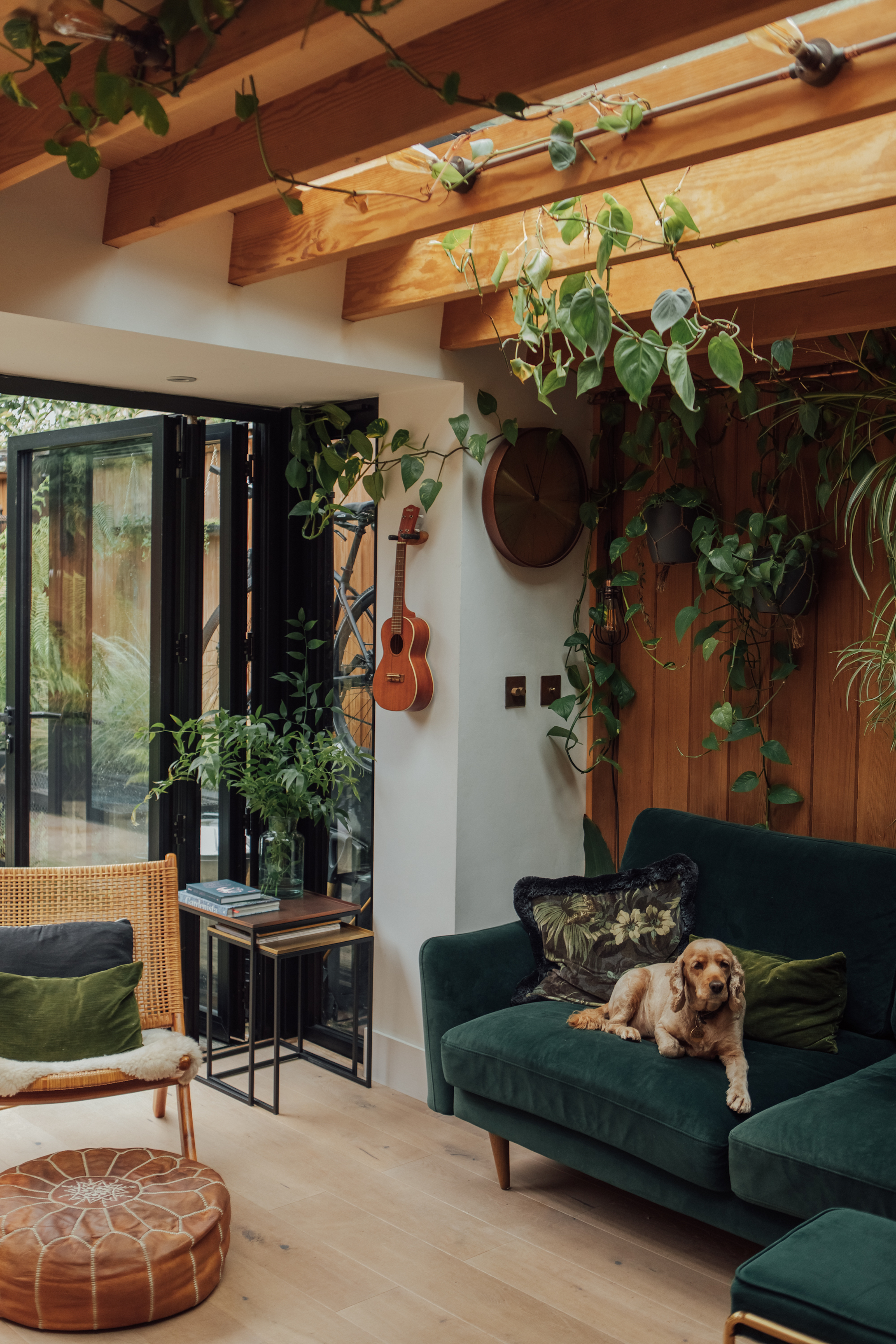
While plants are fundamental to biophilic design, maintaining them in Middle Eastern interiors requires careful consideration. Native or drought-tolerant plants like succulents, olive trees, or palms are more sustainable. High-end residences and commercial spaces increasingly feature green walls with integrated irrigation and smart systems. However, simpler additions like potted herbs or vertical gardens near kitchen areas are equally effective. When live plants are not feasible, artistic representations of nature, such as nature-inspired artwork, water features, or digital projections of natural landscapes, can still offer restorative benefits, prioritizing variety, authenticity, and engagement.
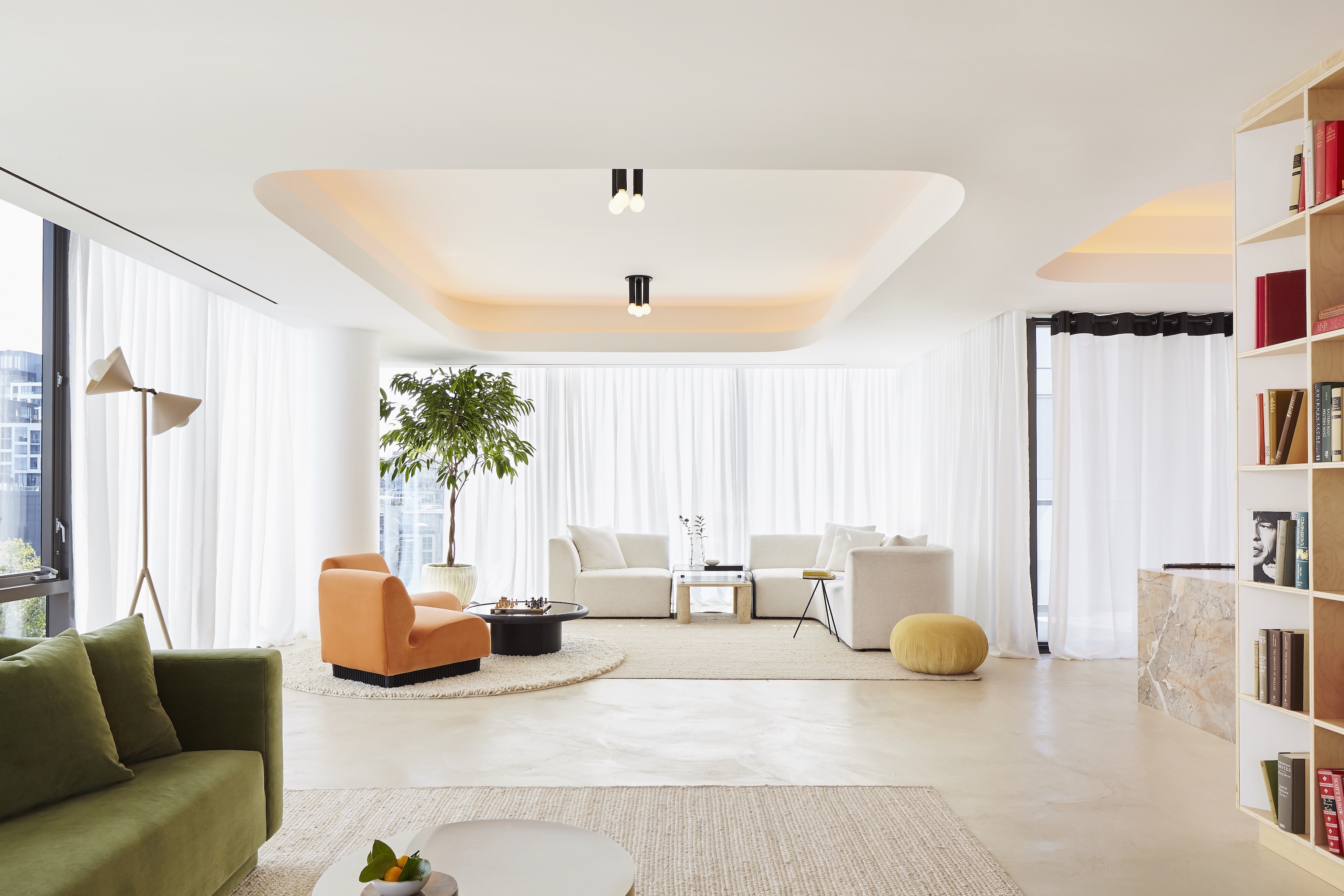
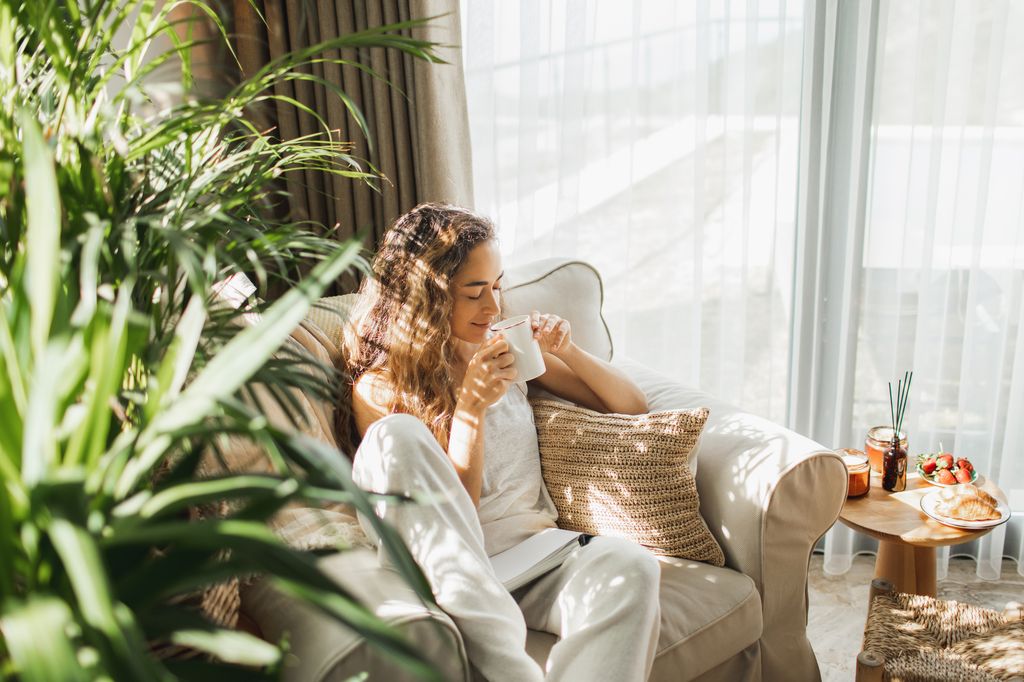
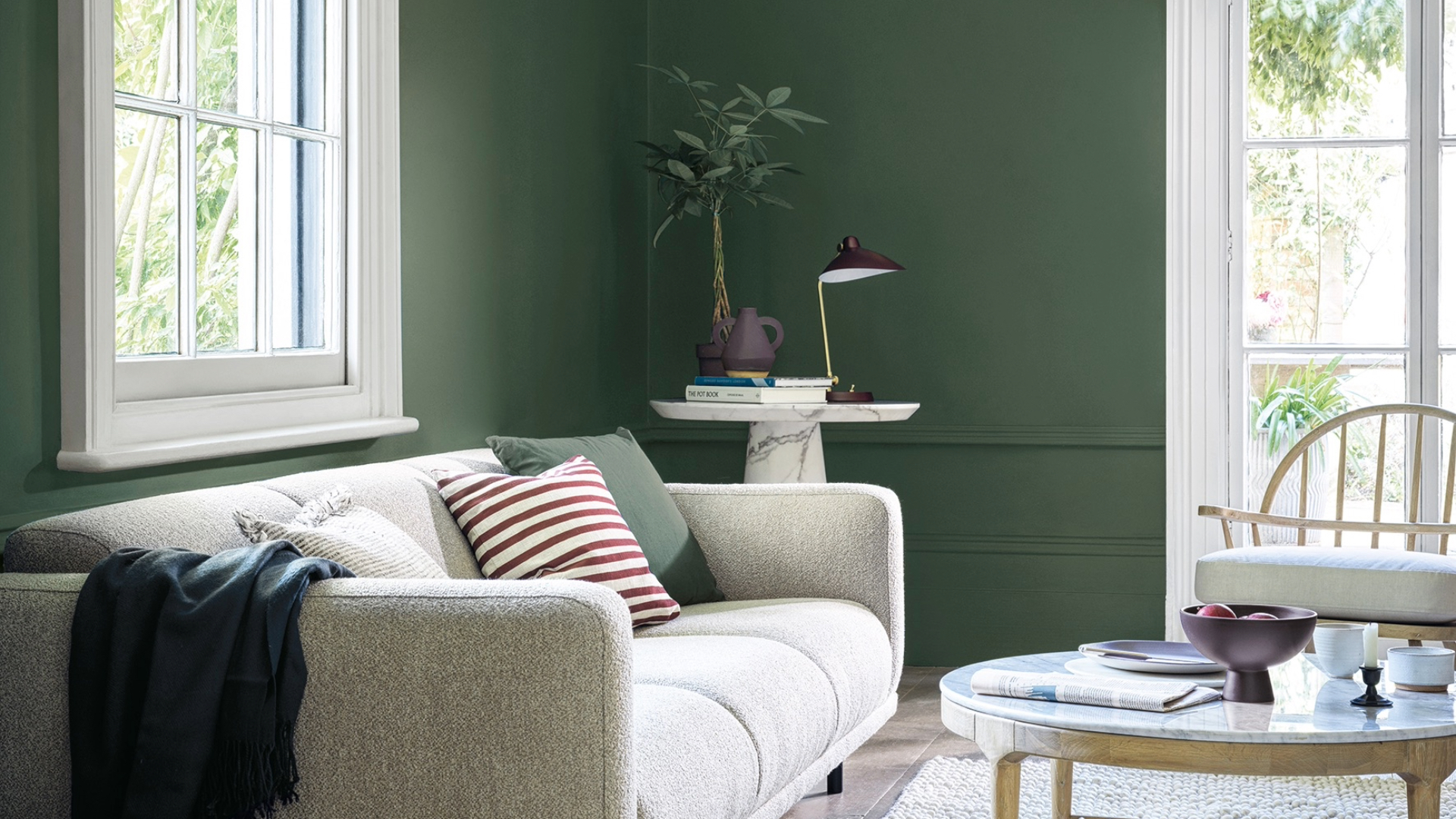
In bustling cities like Dubai, Riyadh, and Doha, interior spaces must act as sanctuaries. Research indicates that biophilic interiors can reduce stress, enhance creativity, and improve sleep quality, making them a necessity for urban residents in the Middle East. Designing spaces with psychological comfort in mind—using calming color palettes, creating zones for retreat, incorporating layered lighting, and ensuring acoustic softness—supports mental well-being. Both residential and hospitality designs are shifting towards more introspective, meditative interiors that prioritize emotional restoration alongside physical comfort.
Biophilic design in the Middle East must evolve from a mere trend into a localized, climate-responsive design ethos. This involves not just importing greenery or mimicking Western models, but rather rediscovering and reinterpreting ancient regional principles—such as shaded courtyards, breezeways, and water features—through the lens of contemporary science and well-being. As climate resilience becomes a global imperative, the Middle East has an opportunity to lead by example, creating biophilic interiors that honor nature while protecting people from its extremes, resulting in spaces that are beautiful, sustainable, healing, meaningful, and profoundly human.
#BiophilicDesign #InteriorDesign #MiddleEastArchitecture #SustainableDesign #WellBeing #ClimateResponsiveDesign #ArchitecturalInnovation #ThermalComfort #BiophilicDesign #InteriorDesign #MiddleEastArchitecture #SustainableDesign #WellBeing #ClimateResponsiveDesign #ArchitecturalInnovation #ThermalComfort
0 comment in total
 No comments yet
You may also like
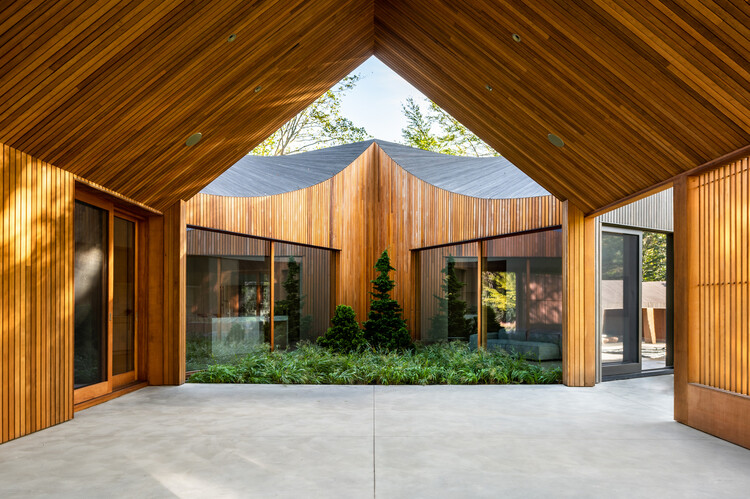
Biophilic Interiors: 21 Projects that Blend Architecture with Nature

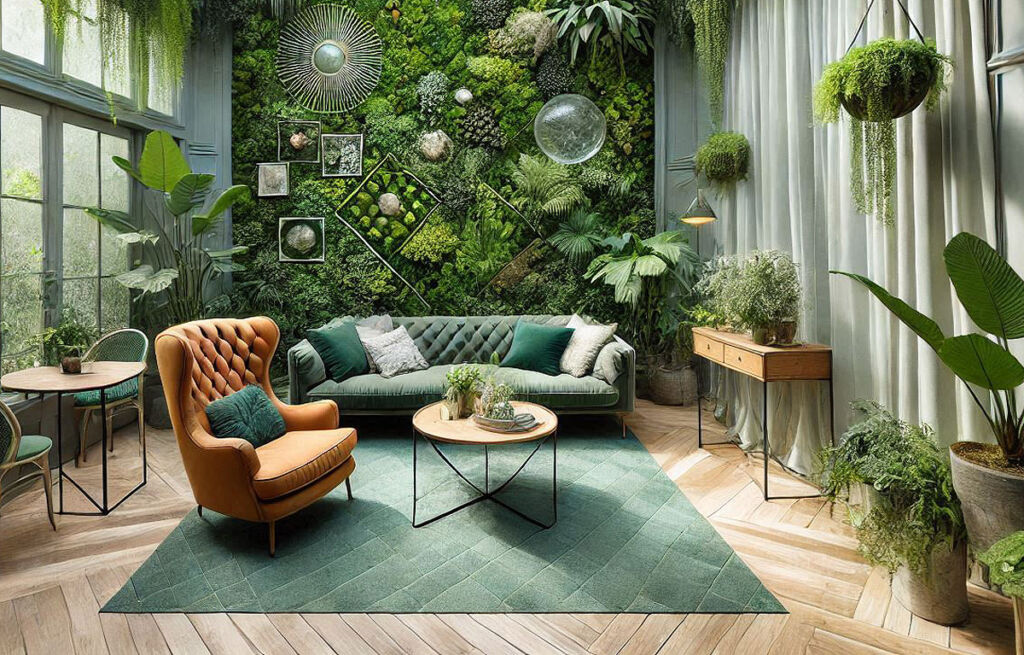
Why Houseplants And Biophilic Design Will Front 2025's Interior Design Trends
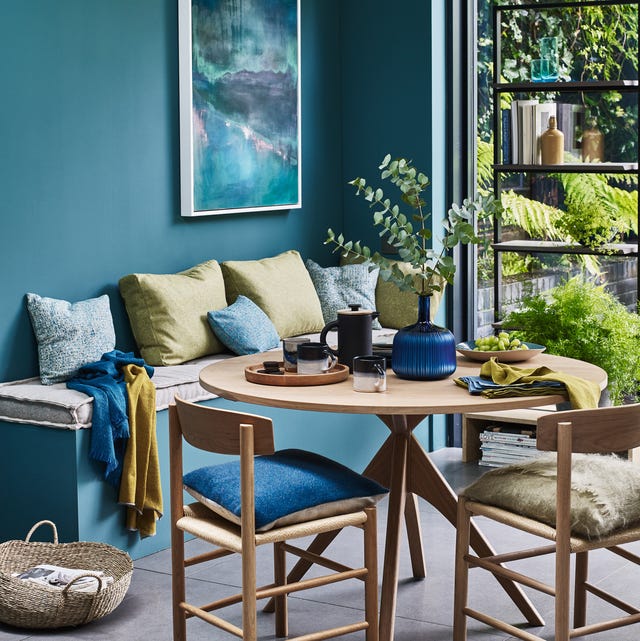
The biggest wellness interior design trends for 2025

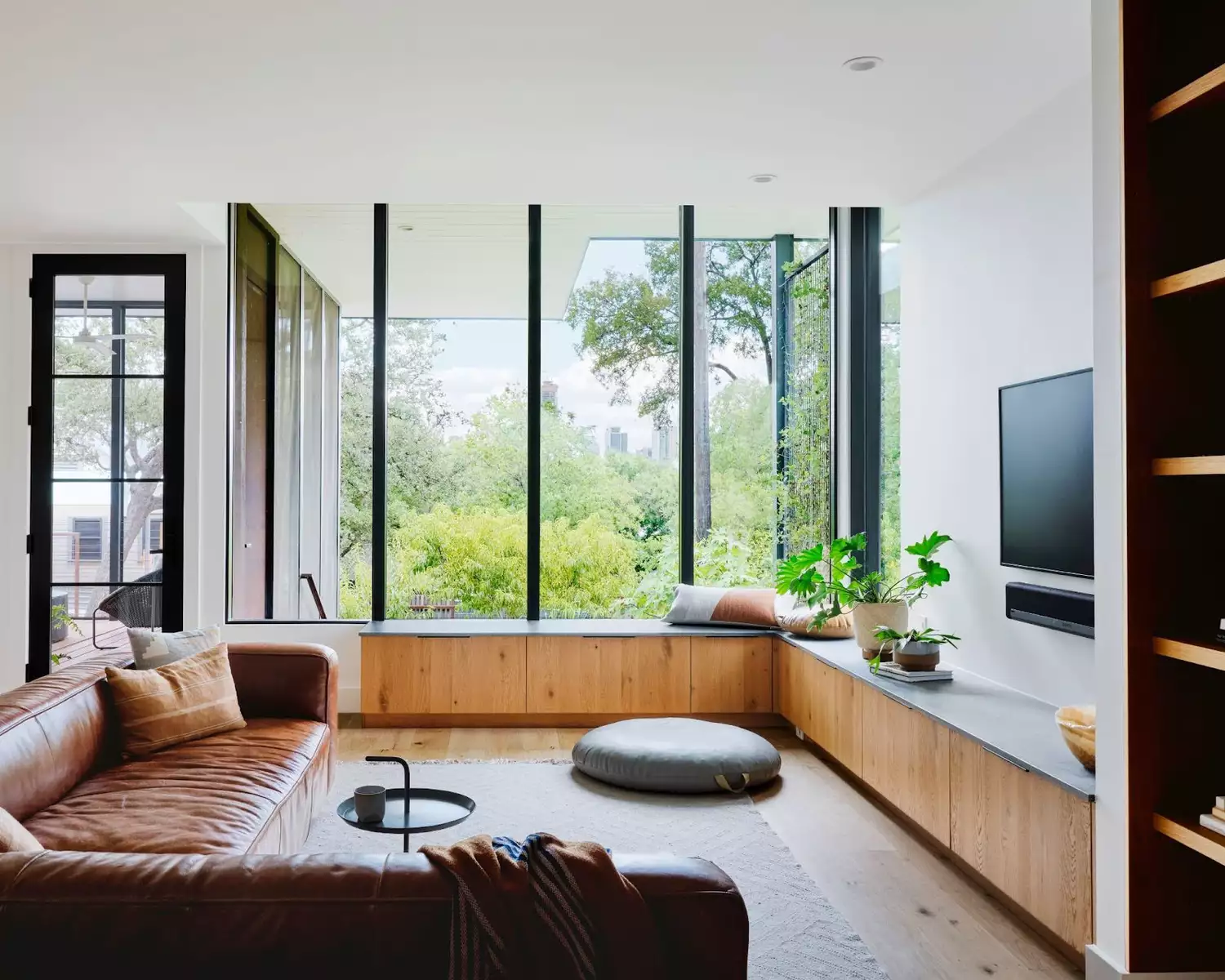
These 10 Biophilic Design Ideas Will Transform Your Home Into a Natural Oasis
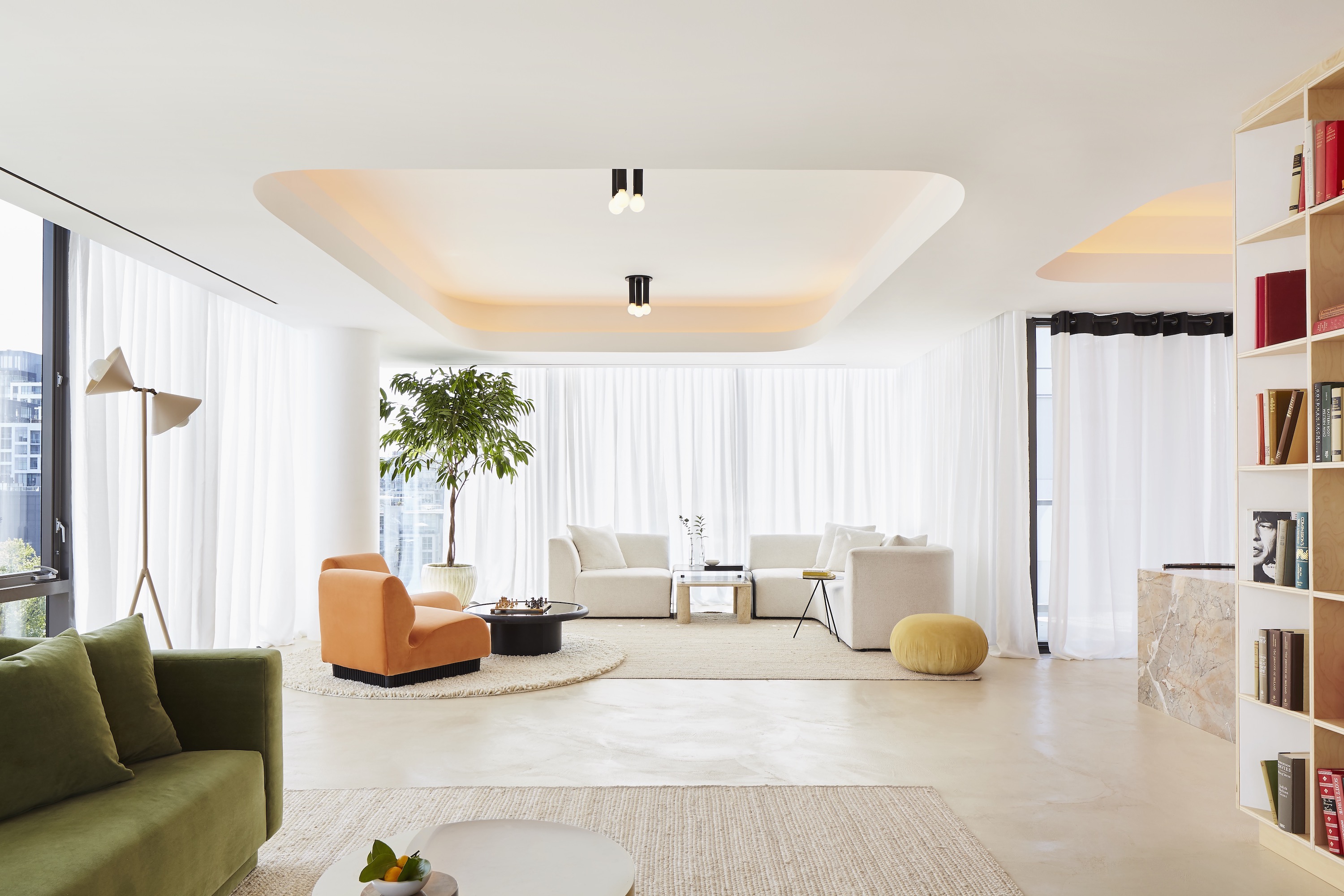
This Biophilic Condo Wants to Improve Your Health — By Design
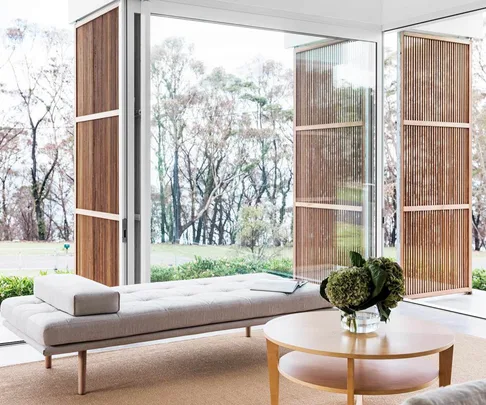
What the heck is biophilic design?

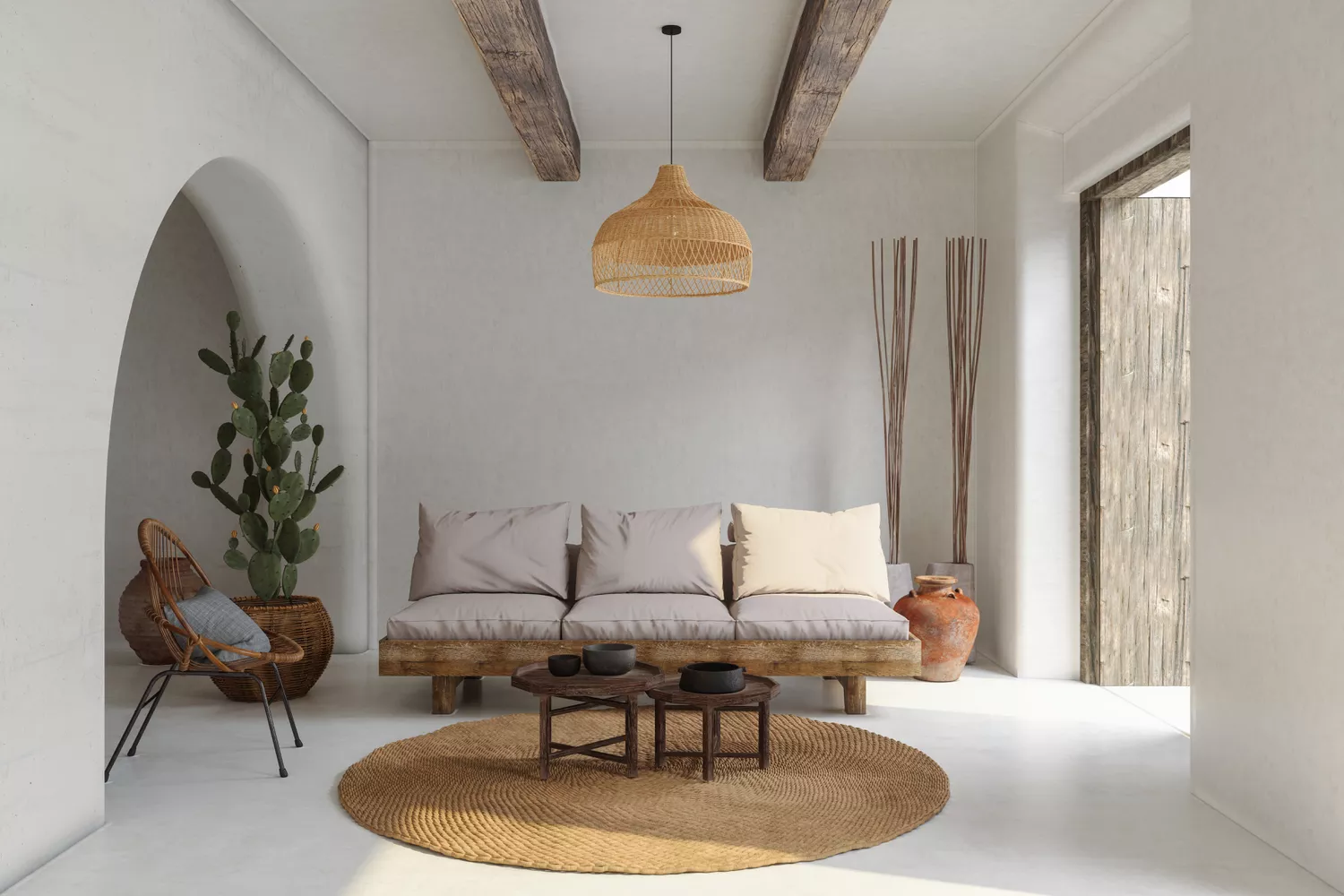
Biophilic Design Is About Connecting With Nature—Here's How to Utilize the Décor Trend In Your Home

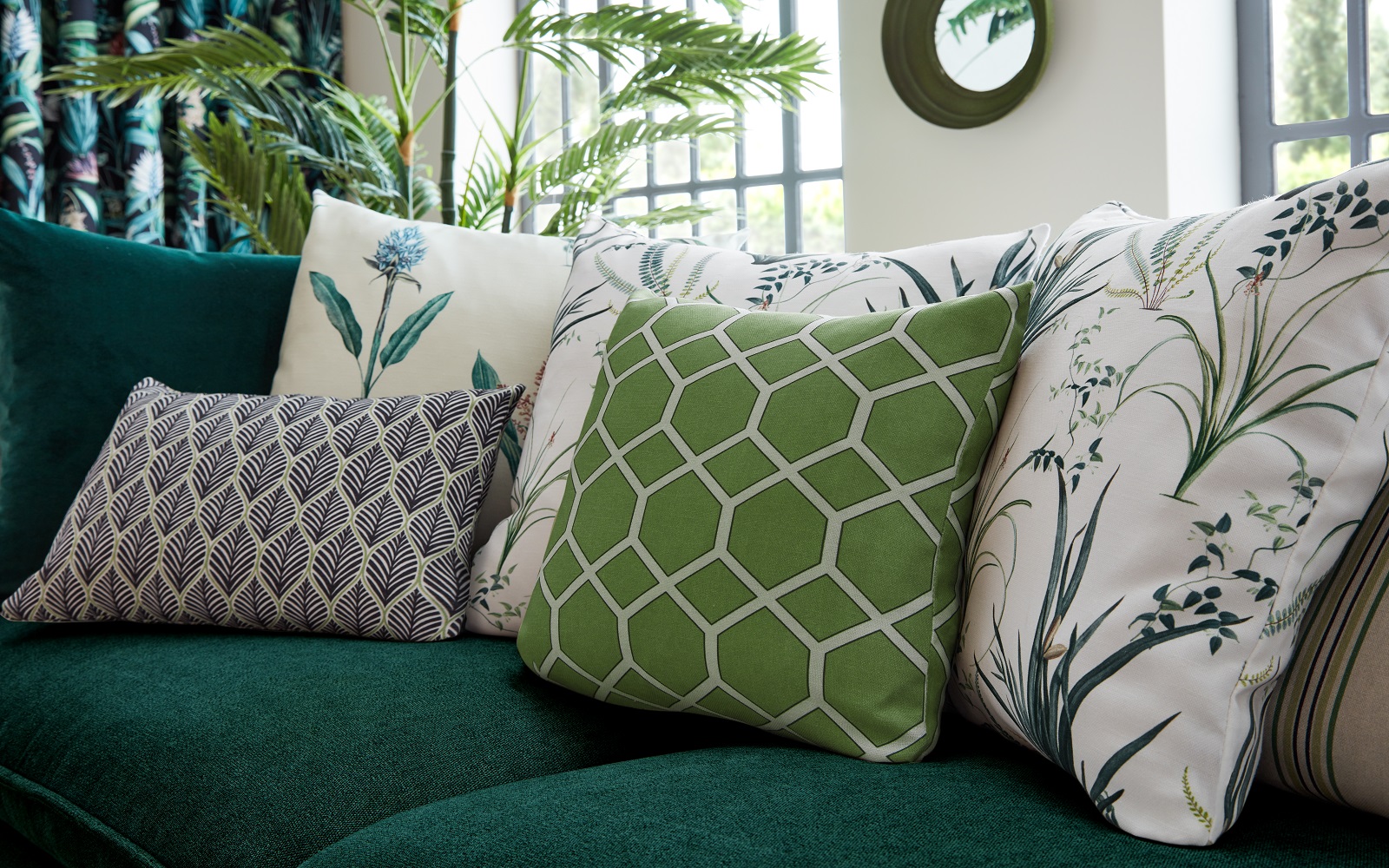
Biophilic design beyond the buzzword
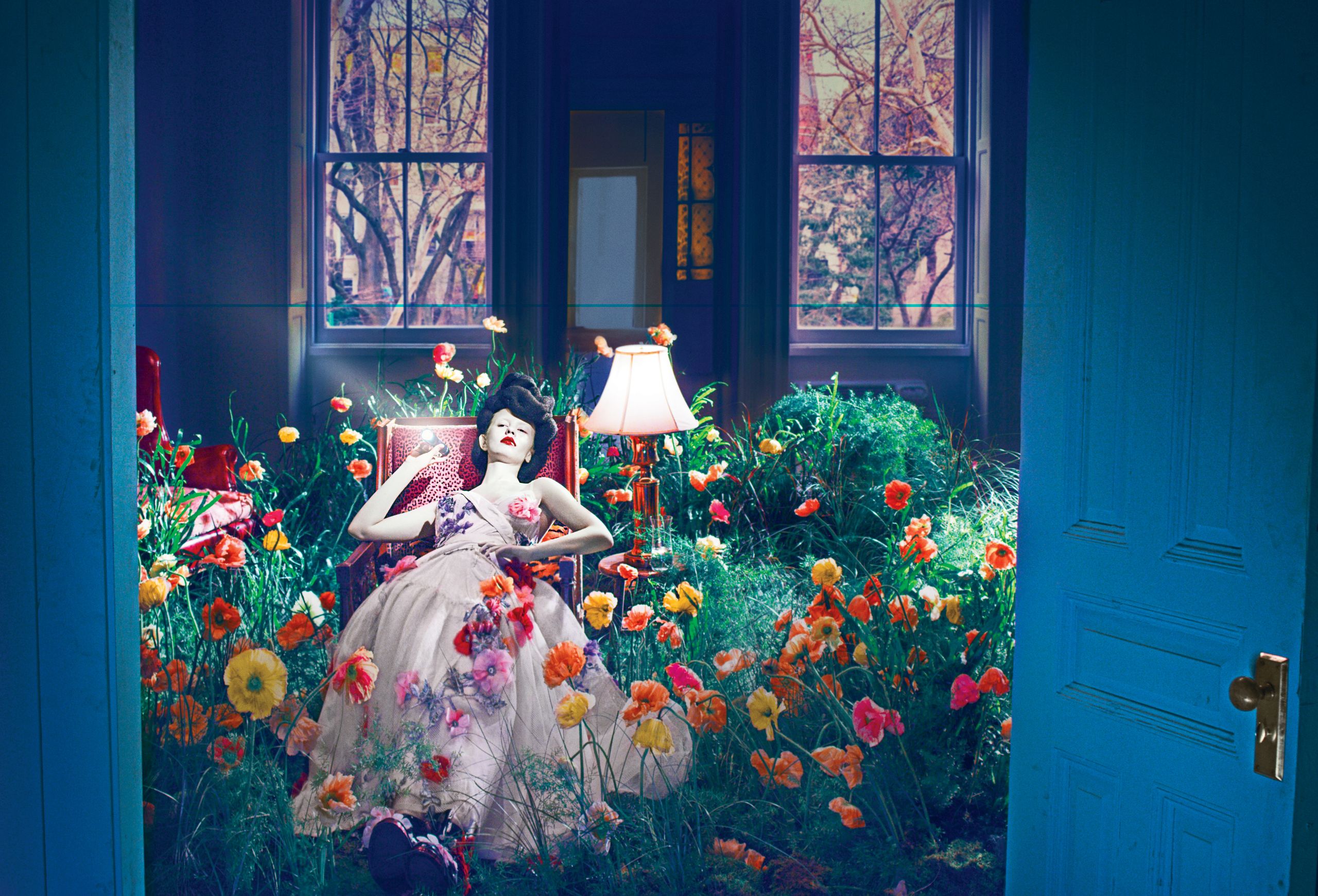
What is Biophilic Design? This Nature-Based Interiors Trend Promises Wellness
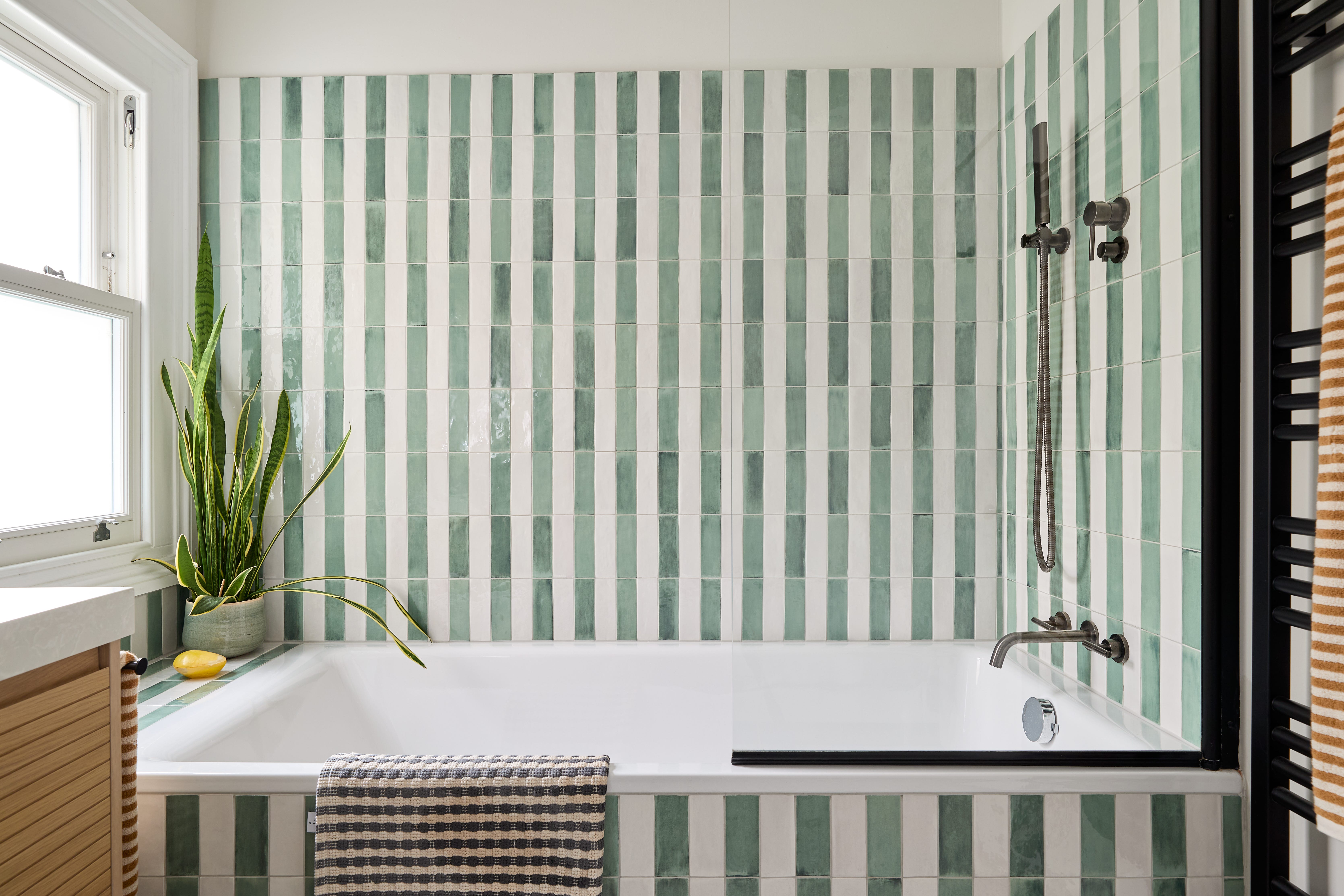
8 ways to freshen up your home through natural biophilic design
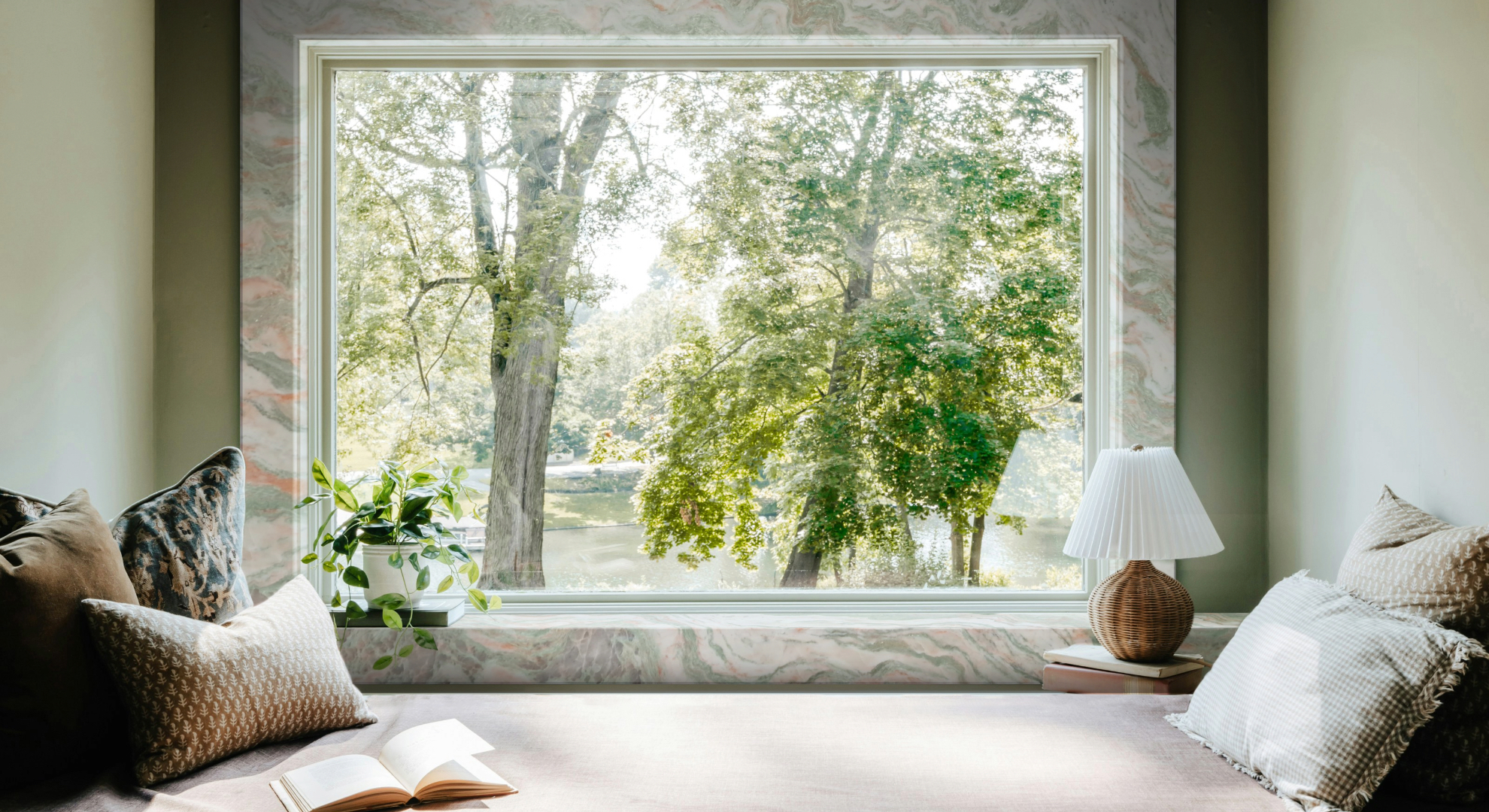
Stunning biophilic design ideas to help you bring the great outdoors into your home

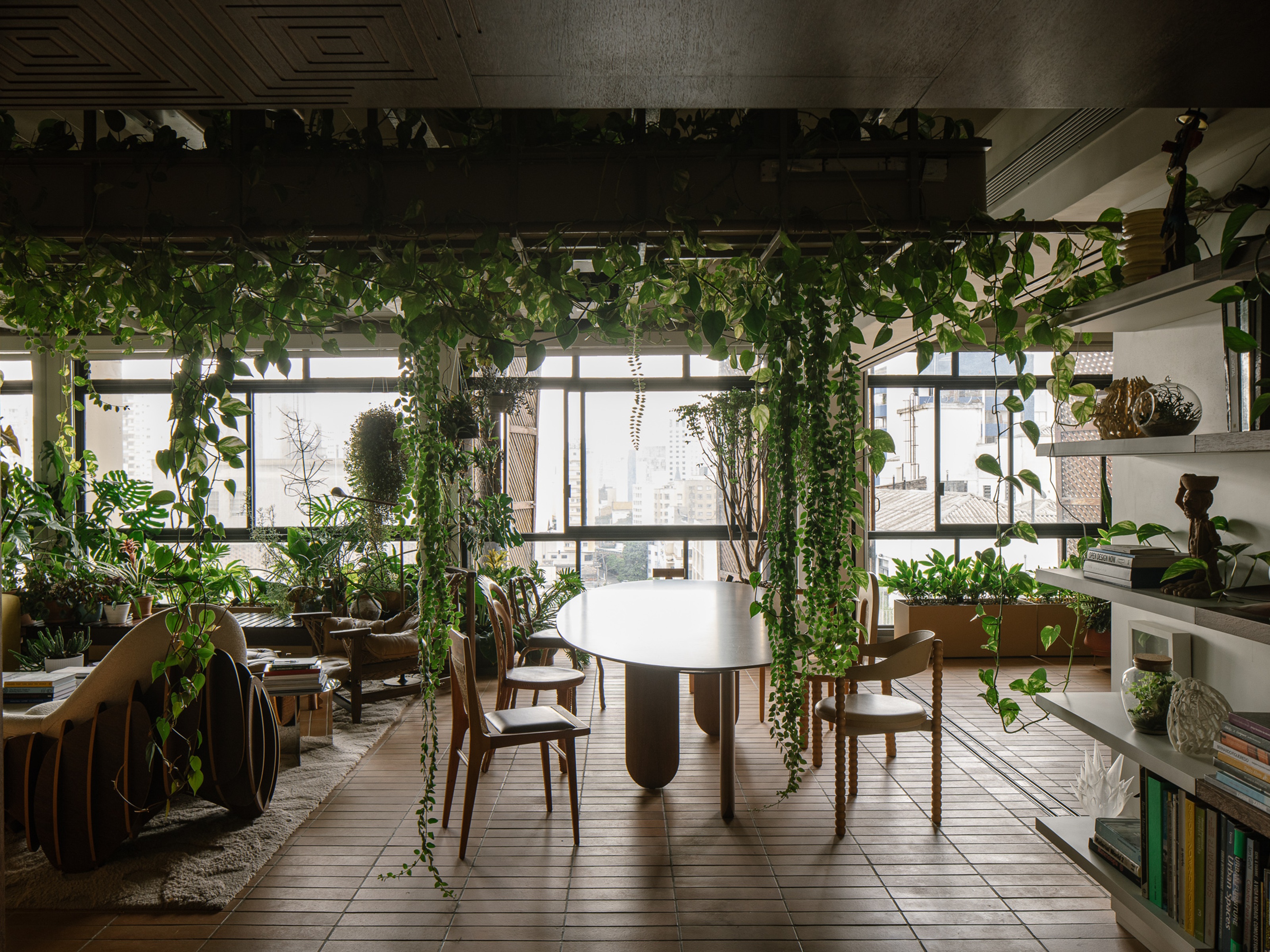
What Is Biophilic Interior Design? I'm an Actual Biophilic Designer, and This Is How to Apply It to Your Home

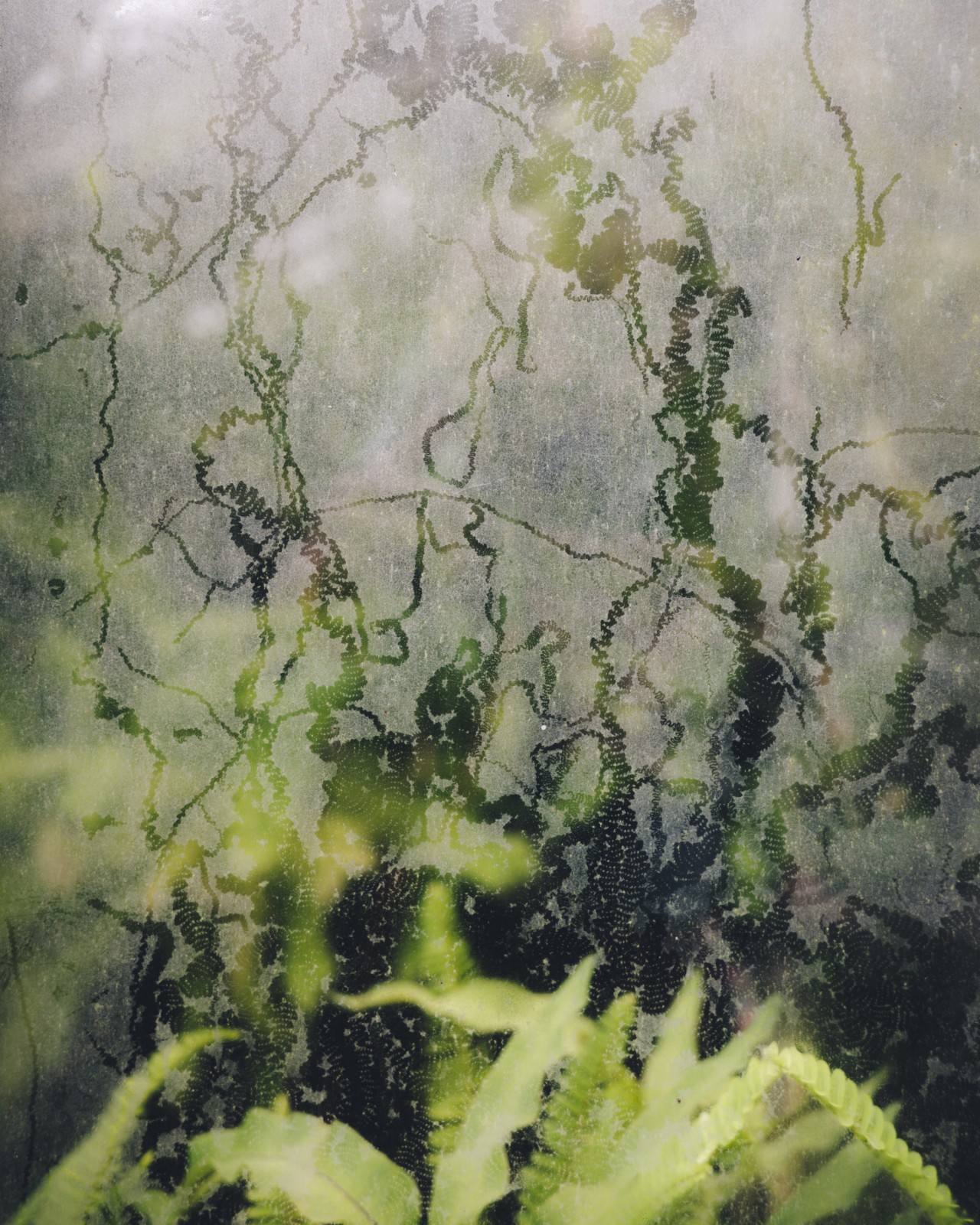
Reimagining Care Through Nature: The Case for Biophilic Design


The environment in which we live and our mental health are intricately connected

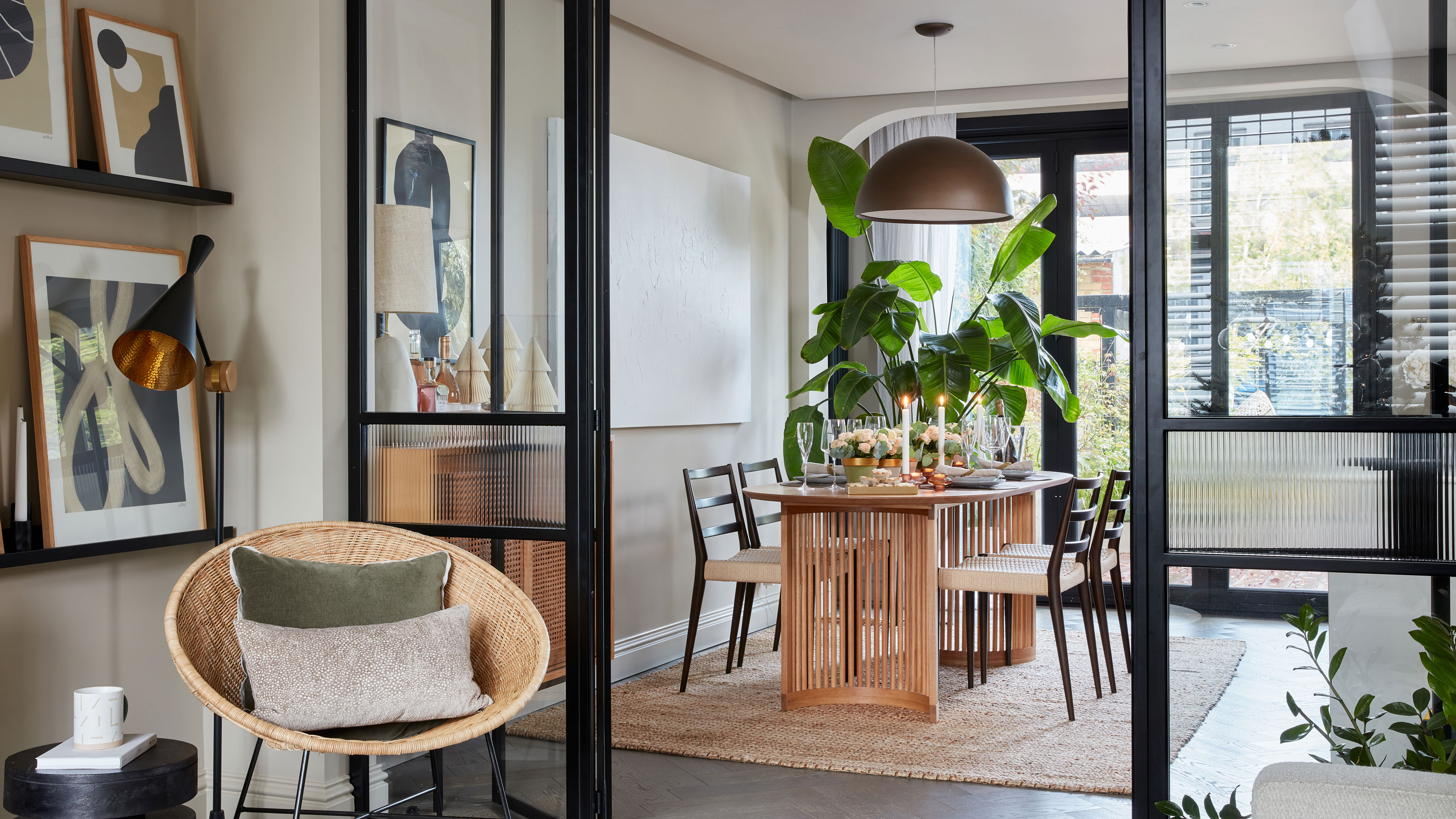
Biophilic design ideas - clever ways to bring nature into your home for a calming space
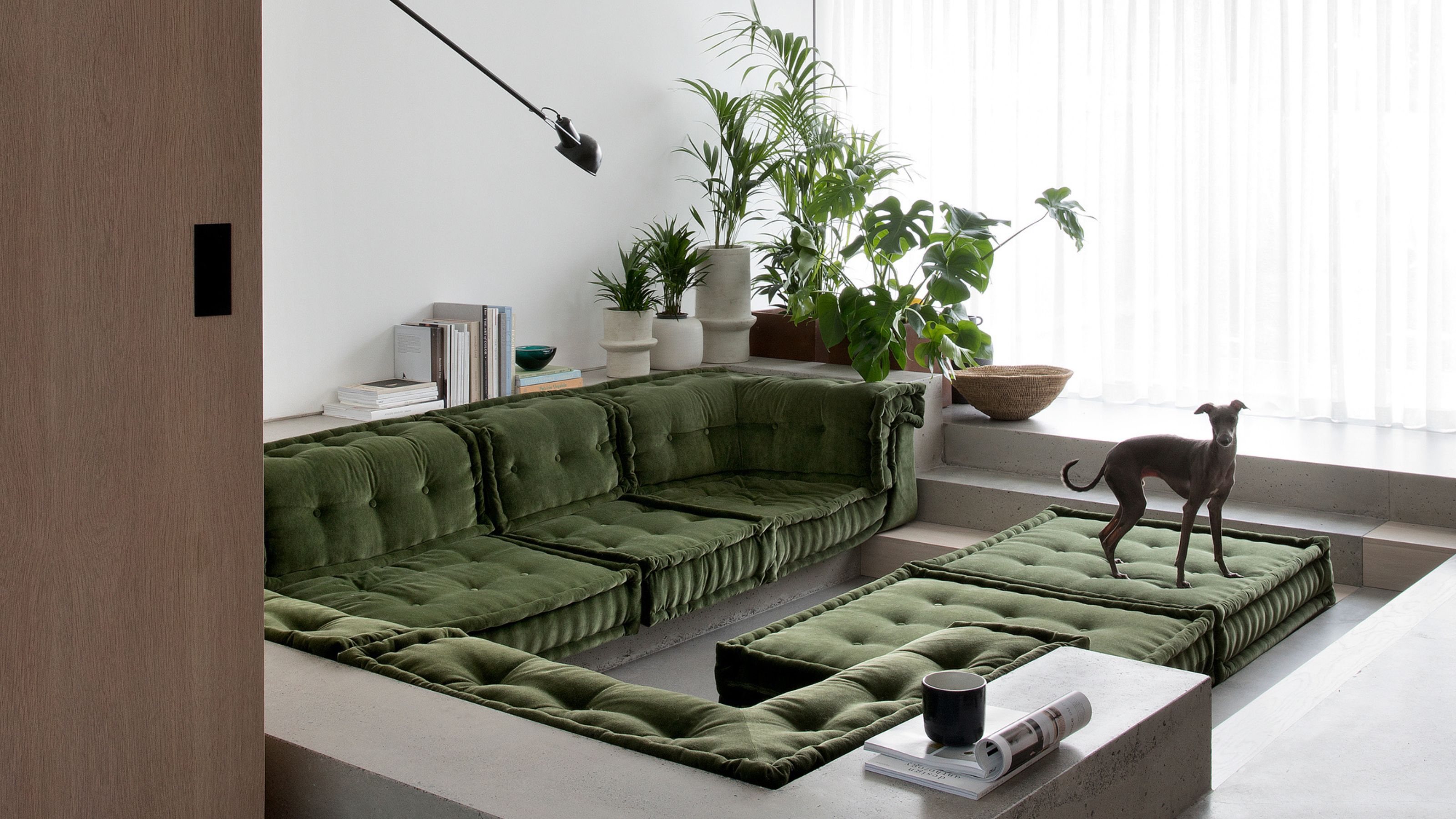
10 Biophilic Living Room Ideas That Look and Feel Good — "They Inherently Make Us Feel Grounded"
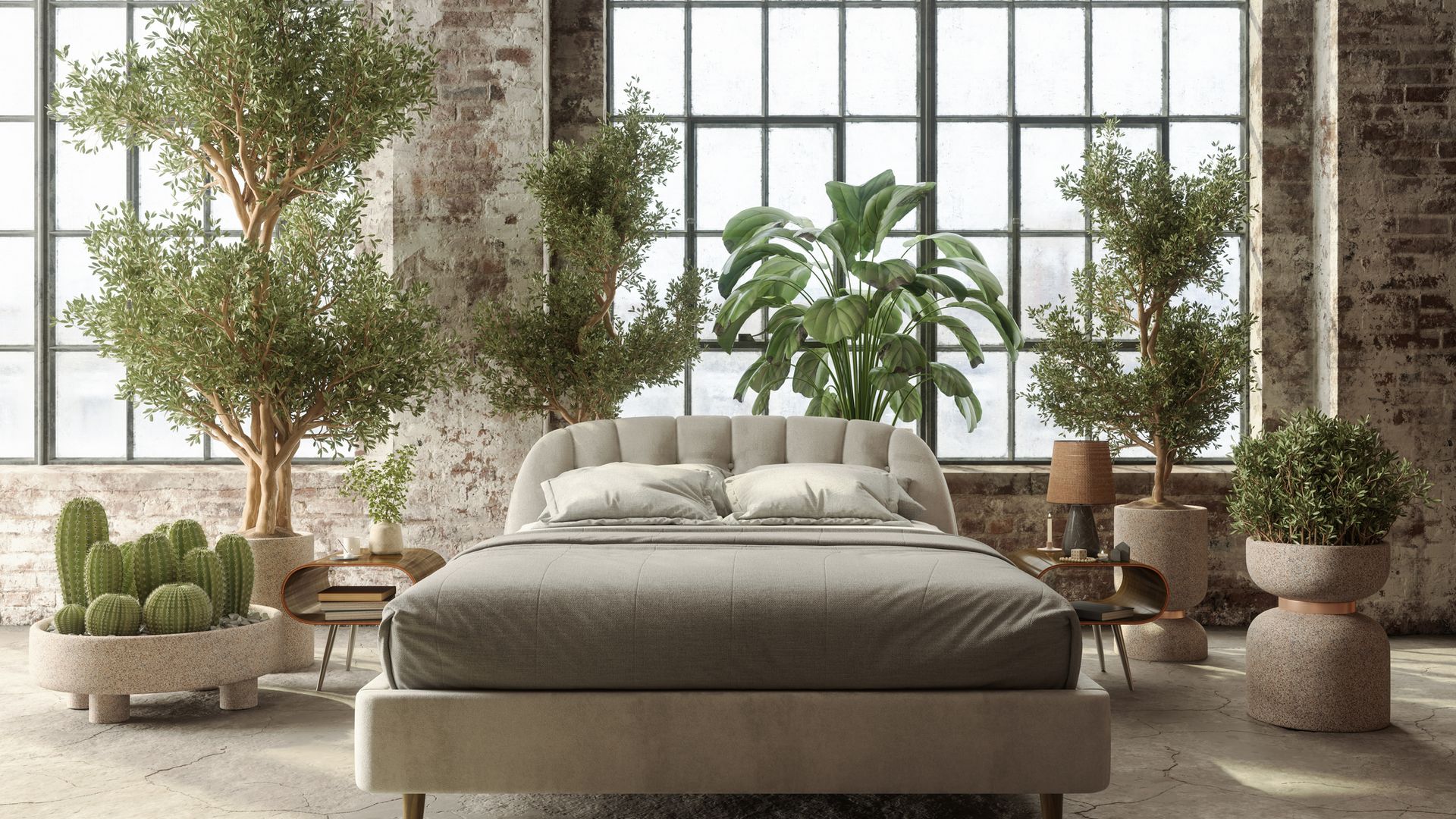
What are Biophilic interiors? How bringing the outdoors in is proven to make you happier

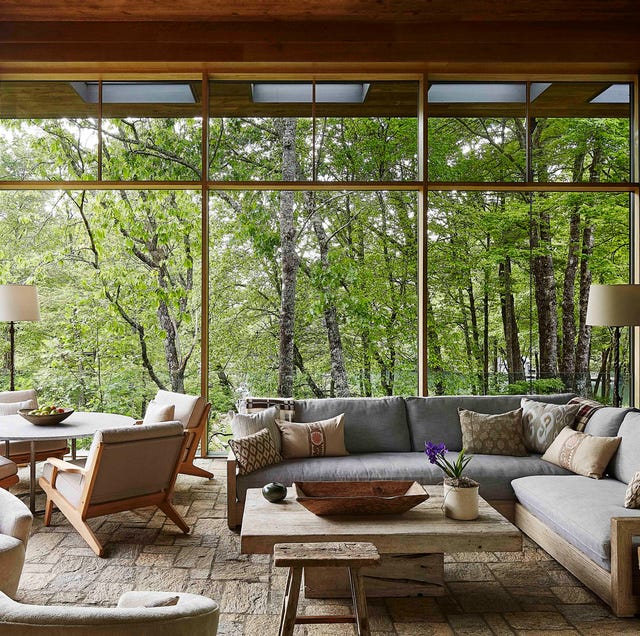
Want Your Home to Feel Happier and Calmer? It's Time to Consider Biophilic Design

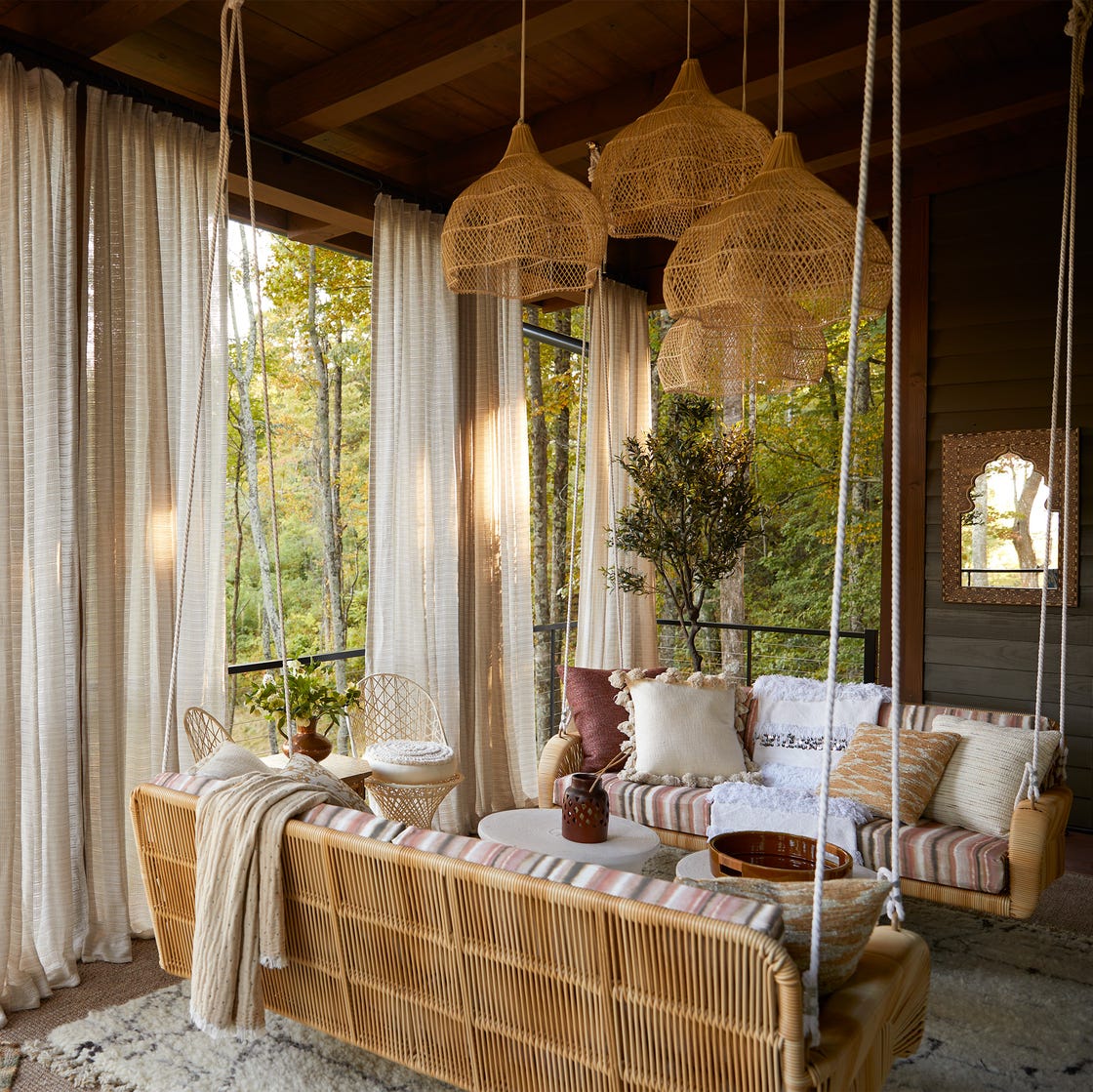
Biophilic Design Is the Signature Style of Plant Lovers Everywhere
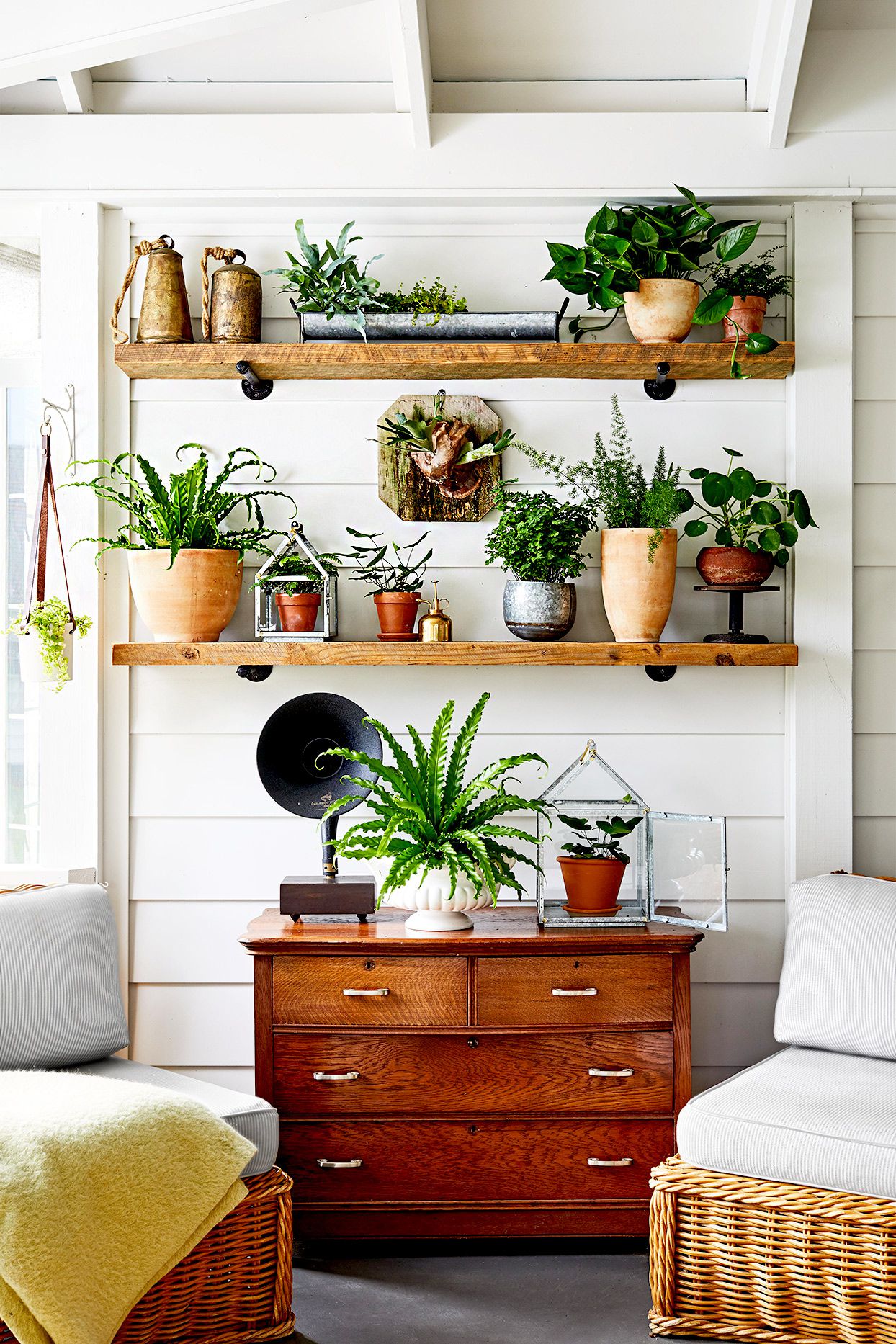
What Is Biophilic Design? 5 Ways to Incorporate This Style