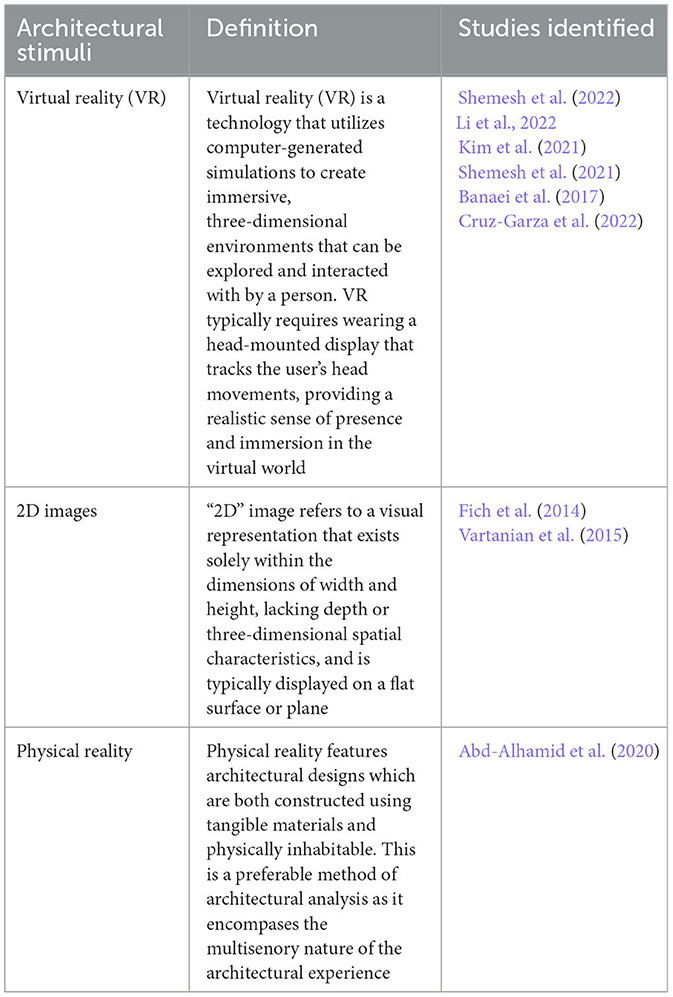

1/7
The environment in which we live and our mental health are intricately connected
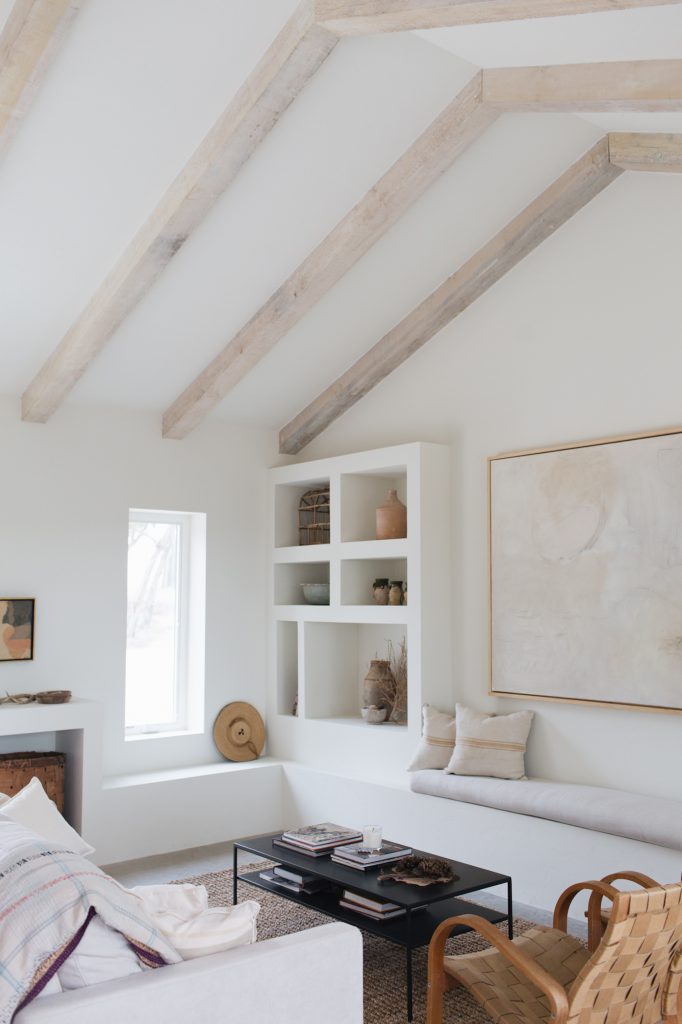
The article explores the profound connection between our living environment and mental health, drawing insights from Daniel Lumera, a naturalist biologist and specialist in well-being sciences, and IKEA's approach to home well-being. It highlights how homes are not merely physical spaces but deeply symbolic environments that influence our emotional, psychological, and spiritual states. The physical arrangement, objects, and overall atmosphere within a home can significantly impact mental well-being, with environmental factors potentially altering brain structure and function, as evidenced by studies on children's development in supportive versus precarious settings.
Lumera emphasizes that homes reflect our inner journey, offering a sense of security or insecurity, and evoking feelings, memories, and inner states. The objects and furnishings chosen for a home act as symbols of identity and values, impacting our psyche by transforming emotions, thoughts, and behaviors. The home is presented as the primary space where individuality is built, safeguarding intimacy and requiring conscious selection of items. Psychological tests involving children's drawings of homes further illustrate this connection, where aspects like window size can indicate openness or closedness in relationships.
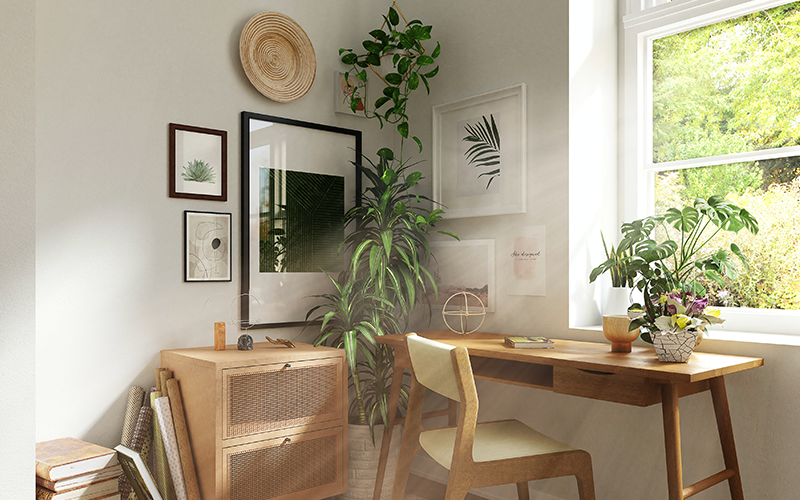
When asked about essential home items, Lumera recommends diffusers for their decorative, air-purifying, and therapeutic properties, emphasizing the role of fragrances in shaping identity and well-being. He also highlights the importance of items associated with contemplation, such as meditation mats and cushions, and artworks symbolizing mental clarity. Plants, particularly biennial or perennial varieties, are crucial for bringing nature indoors, reducing stress, and improving mood. The concept of a "mini-forest within the home" is suggested, complemented by art that evokes nature. Lastly, music amplifiers are deemed essential for enhancing auditory experiences and promoting health and well-being through sound.
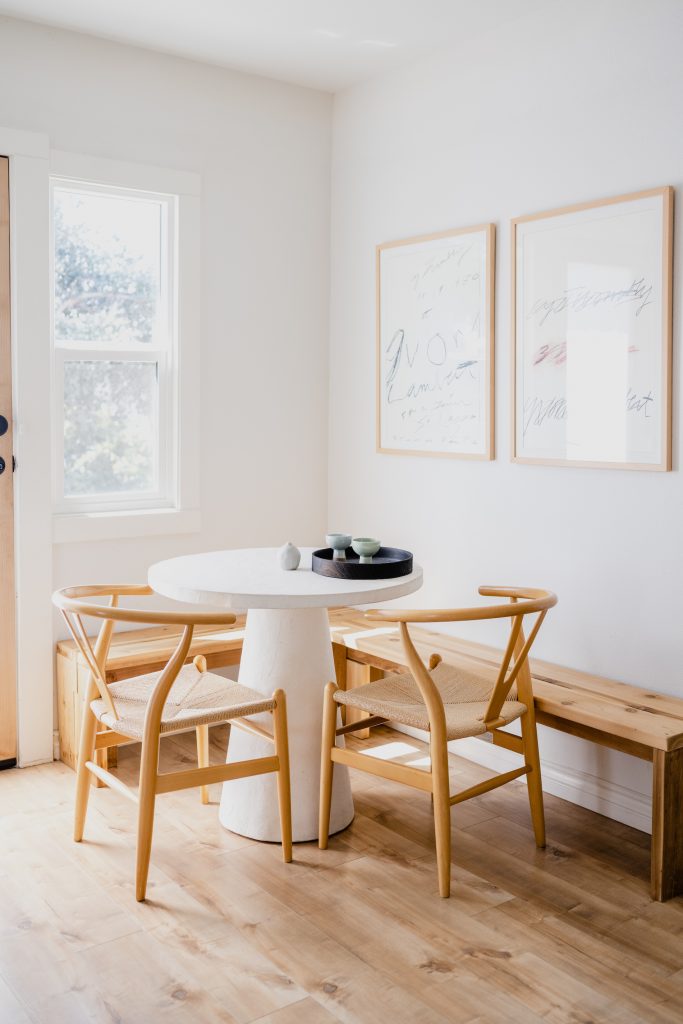
The discussion then addresses whether a universal formula exists for home well-being. Scientific research indicates that cluttered environments can strain the brain, leading to increased cortisol levels, negative emotions, insomnia, and fatigue, while orderly spaces foster positive behaviors. Conversely, a "creatively organized" setting can stimulate innovation. The key lies in creating an environment that resonates with individual needs and desires, beginning with introspection and self-awareness. The article also touches upon the social impact of home organization, citing an IKEA statistic that 49% of couples argue due to clutter. This underscores how inner emotional states manifest externally, making it crucial to restore harmony in personal spaces, starting with kindness towards oneself and others.
Finally, Lumera advises furniture brands to move beyond aesthetics by promoting conscious consumption and encouraging awareness of the connection between mental and physical clutter. Brands should advocate for discernment in acquiring items, choosing those that foster tranquility and well-being, and aligning with sustainable practices. Creating quiet spaces for mental rejuvenation, rest, and creativity, such as meditation rooms, is also vital. These actions, seemingly simple, initiate a ripple effect of positive values, contributing to overall psychophysical health and a more serene living environment.
#HomeWellBeing #MentalHealth #InteriorDesign #EnvironmentalPsychology #ConsciousLiving #BiophilicDesign #MindfulHome #IKEAInsights #FurnitureDesign #HomeWellBeing #MentalHealth #InteriorDesign #EnvironmentalPsychology #ConsciousLiving #BiophilicDesign #MindfulHome #IKEAInsights #FurnitureDesign
0 comment in total
 No comments yet
You may also like

Our Homes Have A Lot To Do With Mental Health — This Architect Is Sharing Ways To Make Yours Less Stressful


Newsletter #50: 🏡 Place as medicine: How our homes can create health or disease
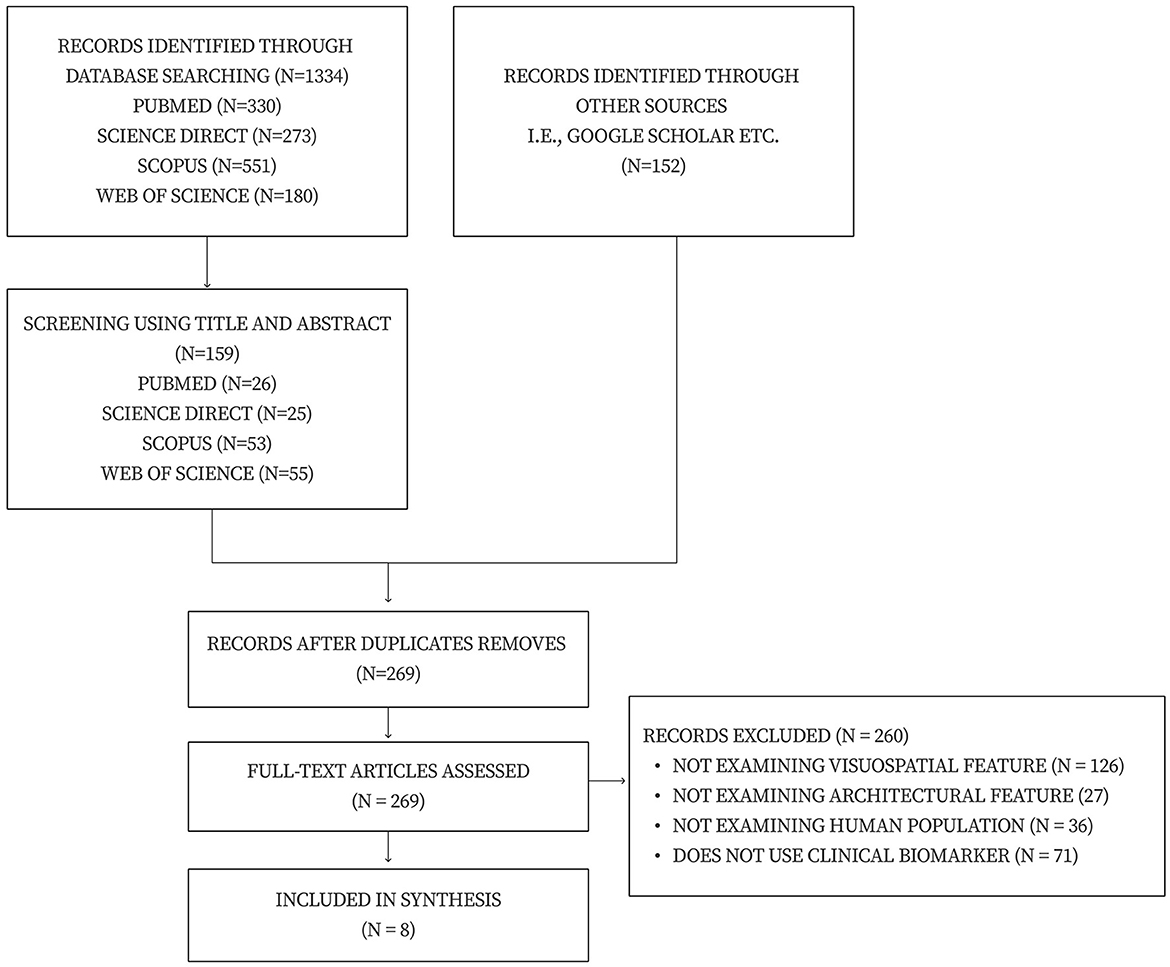
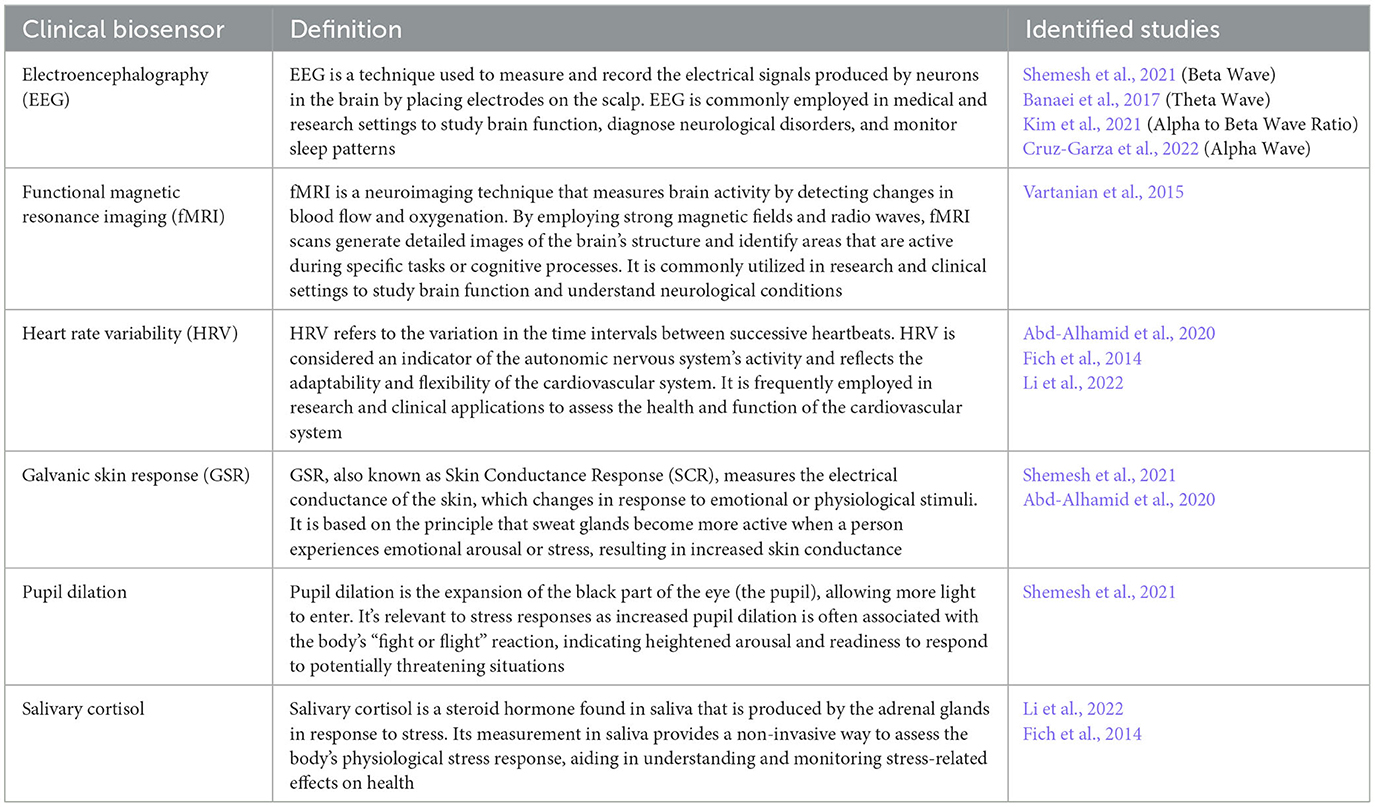
The impact of architectural form on physiological stress: a systematic review

‘Zen Dens’ Are Here to Help You Find Balance and Calm
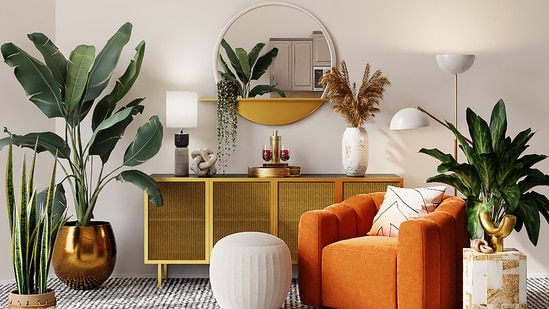
From clutter-free zen to cosy comfort: The mental health benefits of home decor | Hindustan Times

Welcome to the Great Indoors


Reimagining Care Through Nature: The Case for Biophilic Design


We can’t afford to ignore indoor air quality – our lives depend on it


Psychologists Reveal the MAJOR Impact of Home Renovations on Your Mental Health

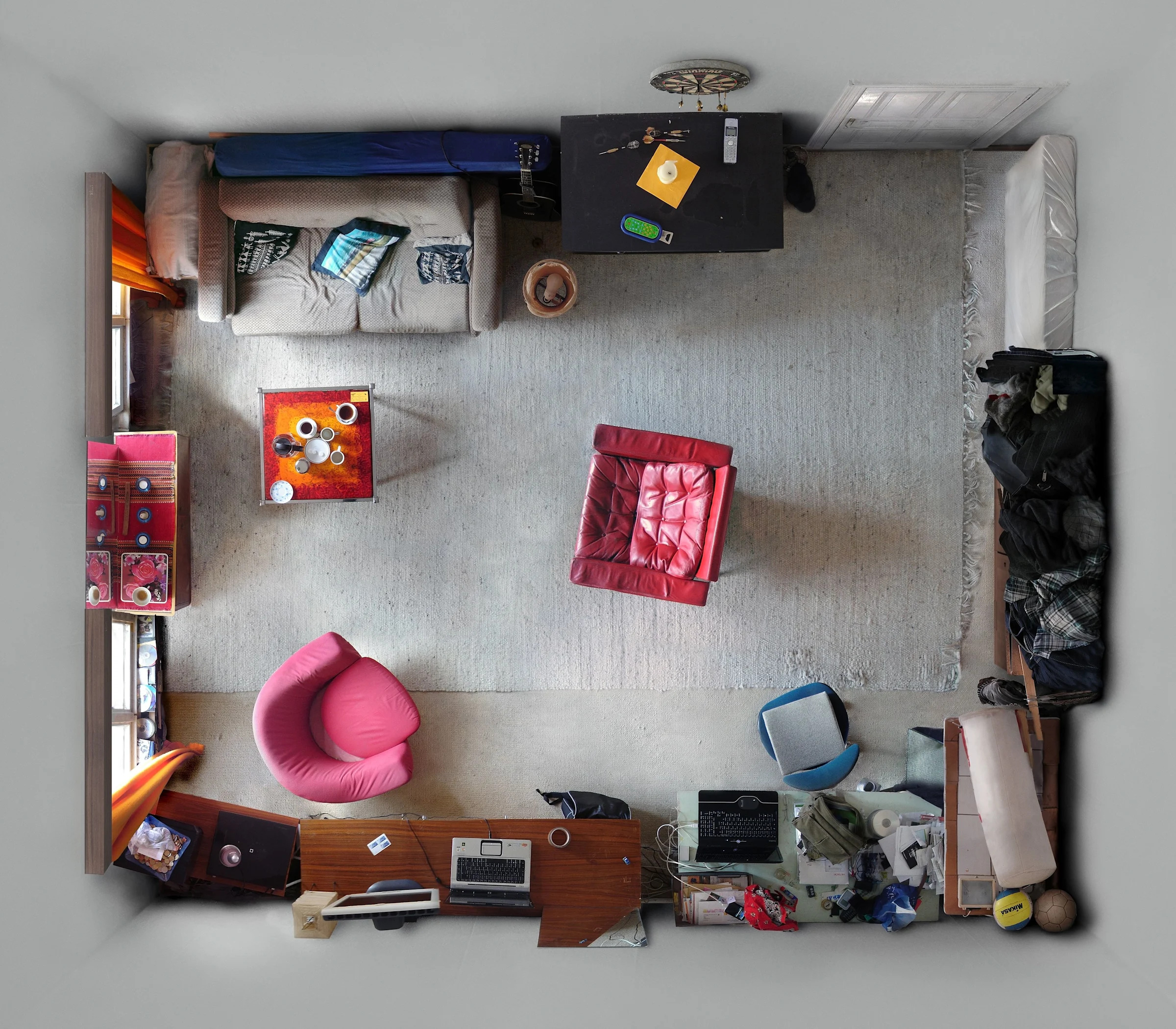
Can a Bad Floor Plan Affect Your Mental Health?

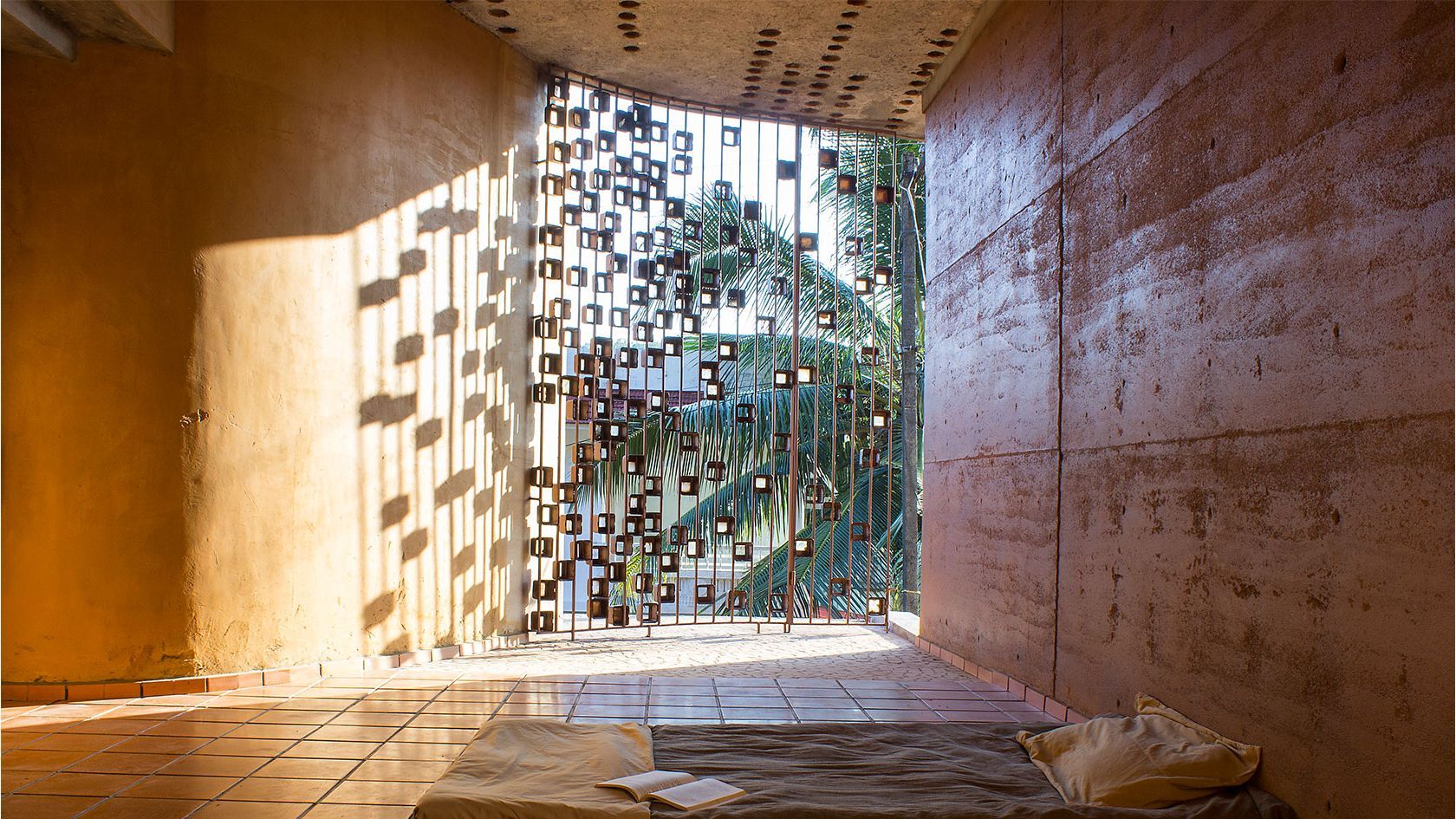
World Environment Day: Vernacular architecture and its therapeutic effect on dwellers


My in-laws stayed in our one-bedroom apartment for over a month. It was hard to be productive, so I had to set boundaries.

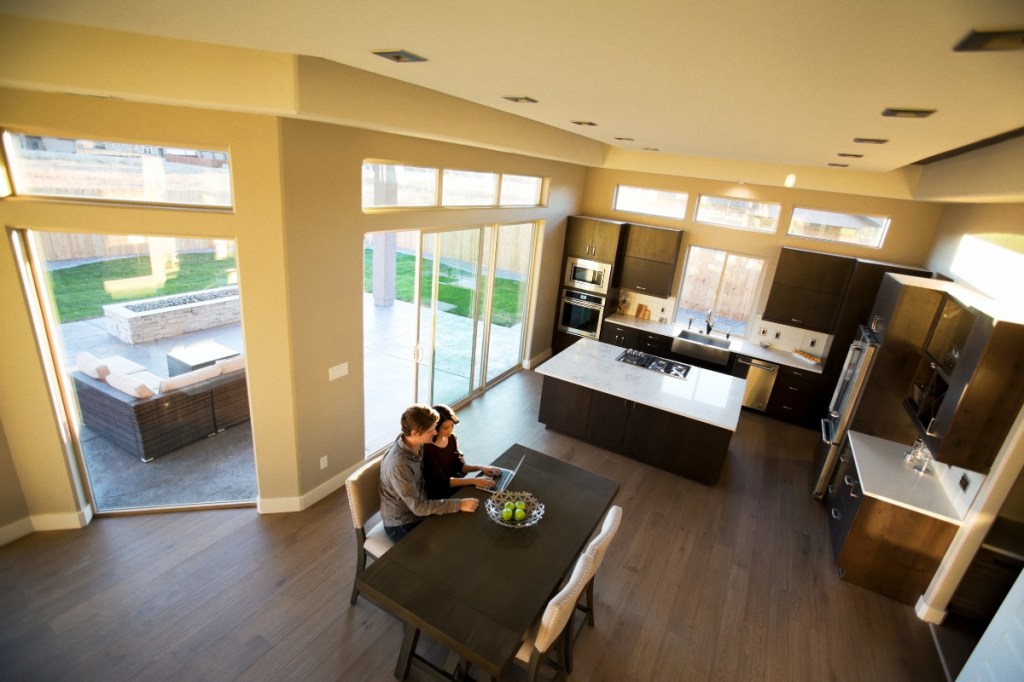
Is Your Open-Concept Floor Plan Wrecking Your Mental Health?

Designers Share 6 Ways to Rid Your Home of Hidden Toxins
Designing the Therapeutic Space: Using Layout, Color, and Other Elements to Get Patients in the Right Frame of Mind

How These Interior Designers Are Staying Cozy (and Sane) at Home
How to pretend you’re leaving the house (when you’re not)


How Architectural Theory Distances People from Design

What Would the Psych Ward Look Like If Patients Designed It?

How to Improve Indoor Air Quality | Wirecutter