1/19
Our Homes Have A Lot To Do With Mental Health — This Architect Is Sharing Ways To Make Yours Less Stressful
The well-being of individuals is significantly influenced by their home environment. While some aspects of home life, like noisy neighbors, are beyond control, many others can be modified to reduce stress and enhance daily living. This article, drawing insights from architect Ben Channon, an expert in design for well-being, and Eleanor Ratcliffe, a Lecturer in Environmental Psychology at the University of Surrey, explores eight design tips aimed at improving well-being within the home, regardless of home type or budget.
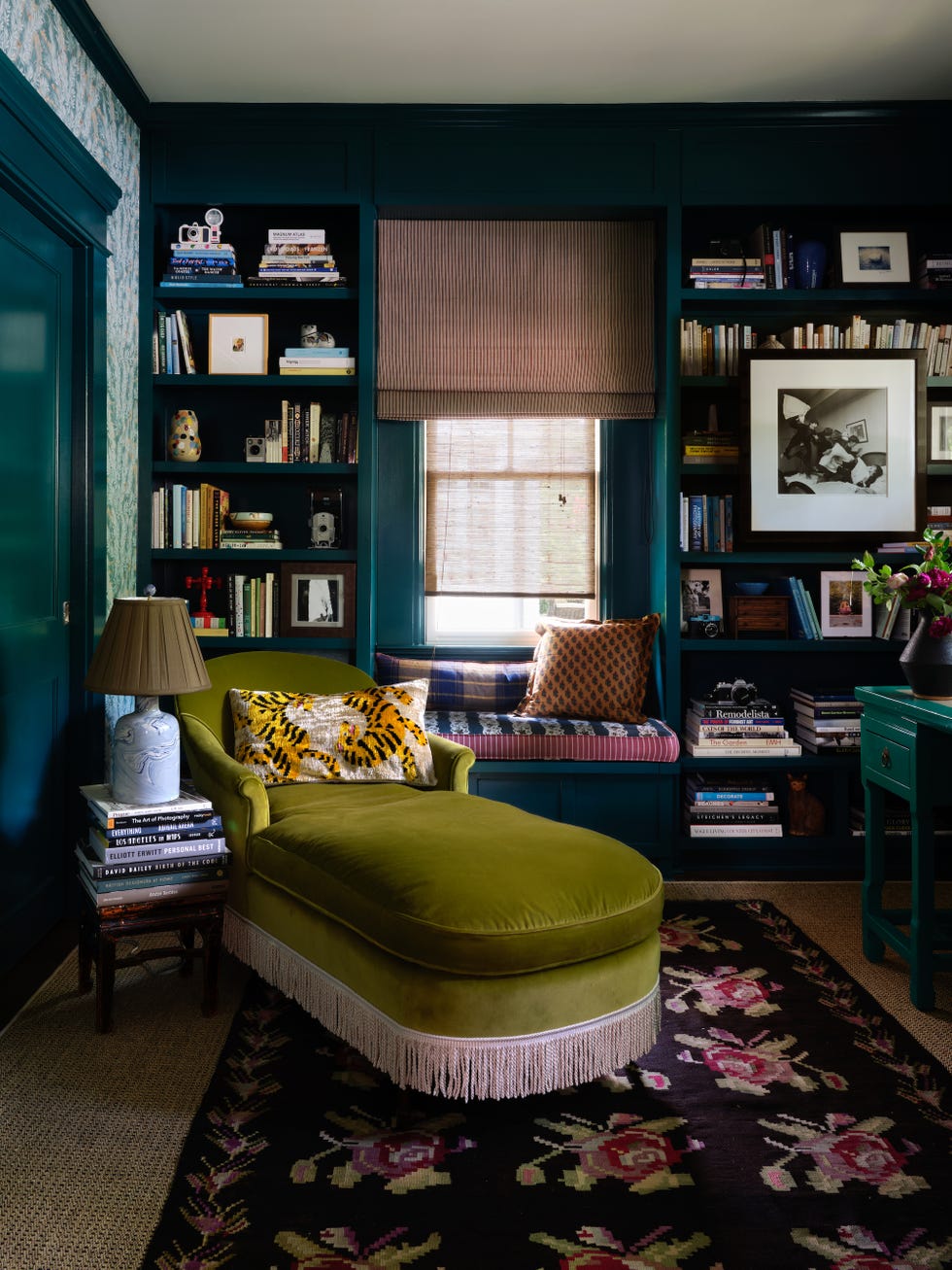
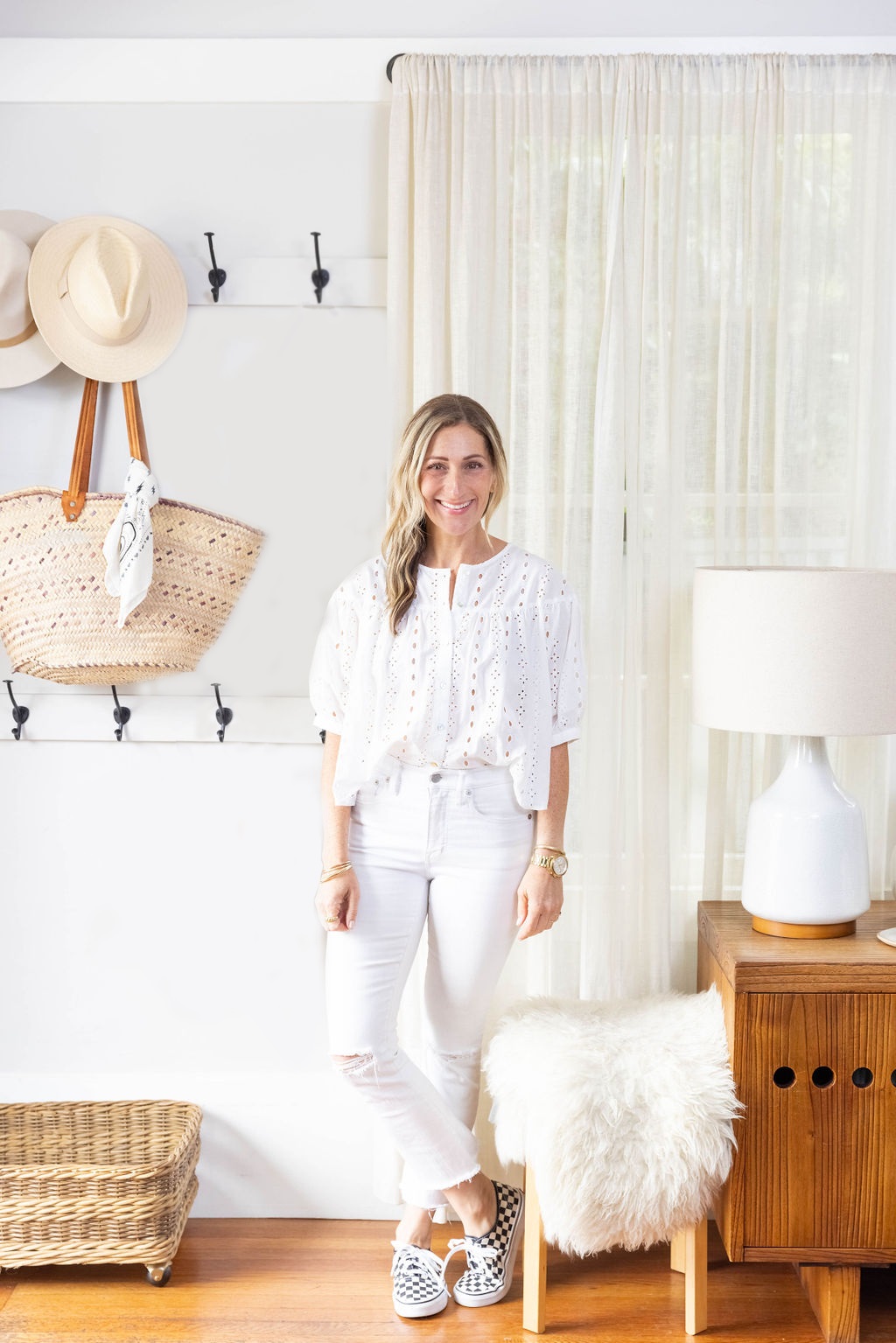
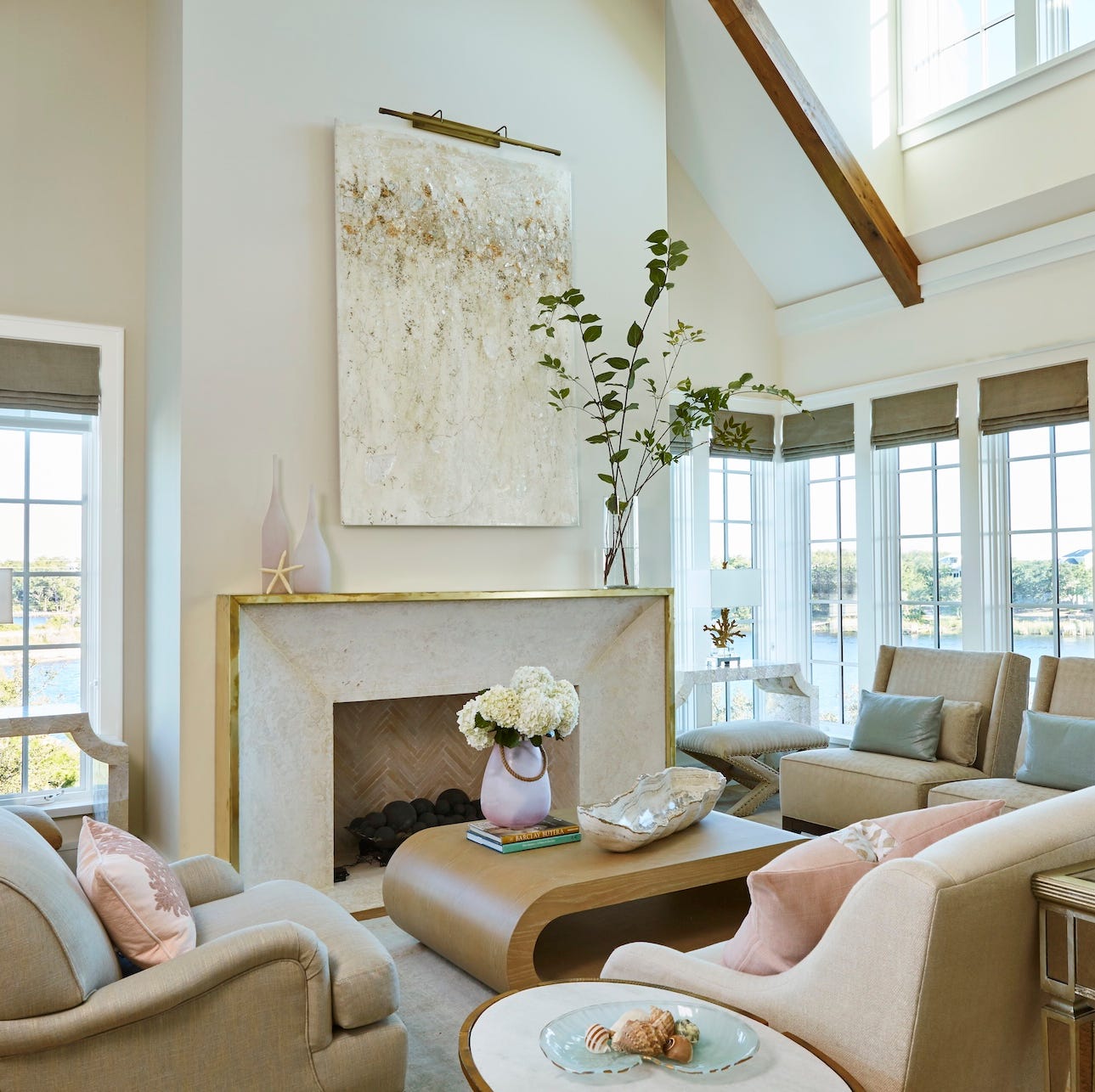
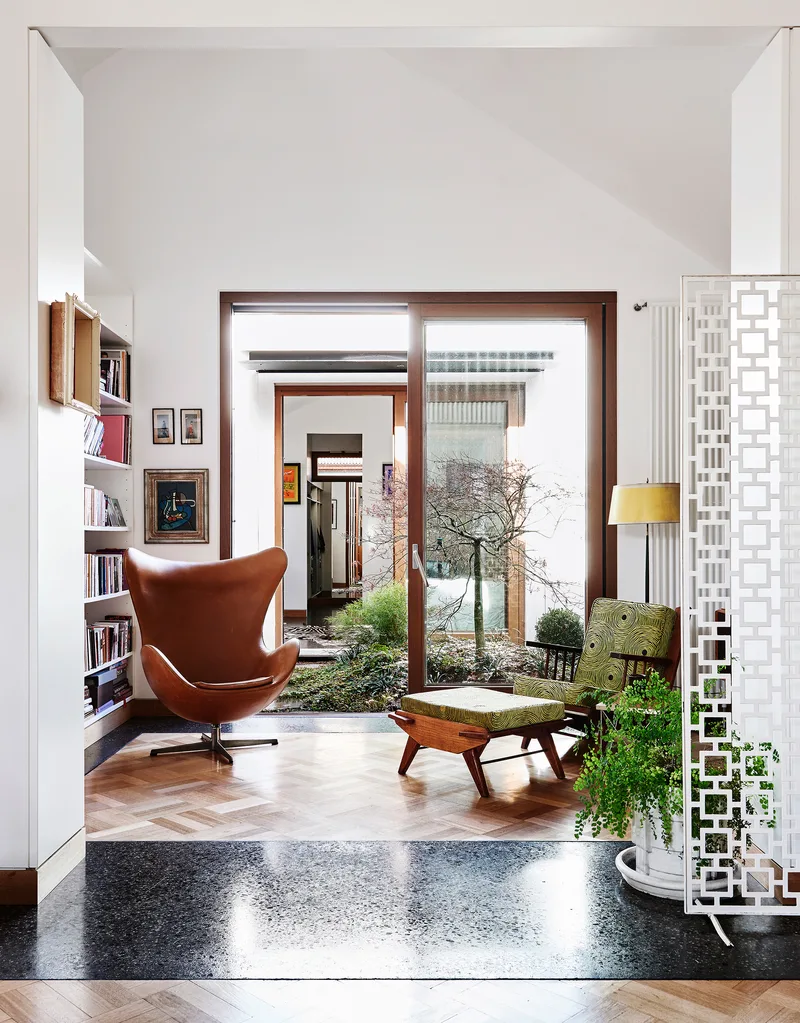
The first tip emphasizes displaying art and items that are personally meaningful, rather than solely following aesthetic trends. Both experts agree that viewing objects one finds beautiful can evoke positive psychological and physical responses similar to falling in love. Such personalization contributes to a sense of identity and control within one's space. Suggestions include printing cherished photos or utilizing free public domain art from museum websites to create budget-friendly decor.
The second tip addresses the integration of smart technologies. A balanced approach is recommended, focusing on applications that enhance control and personalization, such as smart lightbulbs that adjust color temperature for energy or relaxation, or electronic blinds that align with natural light cycles. Smart technologies can also alleviate anxieties, like WiFi-connected locks for security concerns or smart plugs for appliances. However, the article cautions against over-reliance on technology, noting that excessive phone usage, often driven by addictive design, can decrease overall happiness.
Thirdly, the concept of "nudge behaviors" is introduced, suggesting that homes can be designed to subtly encourage positive activities. For instance, storing a bicycle near the front door can visually prompt more cycling, while placing car keys further away can discourage driving. This principle extends to exercise equipment, where leaving items like yoga mats visible and accessible removes barriers to physical activity, which is strongly linked to improved mental health.
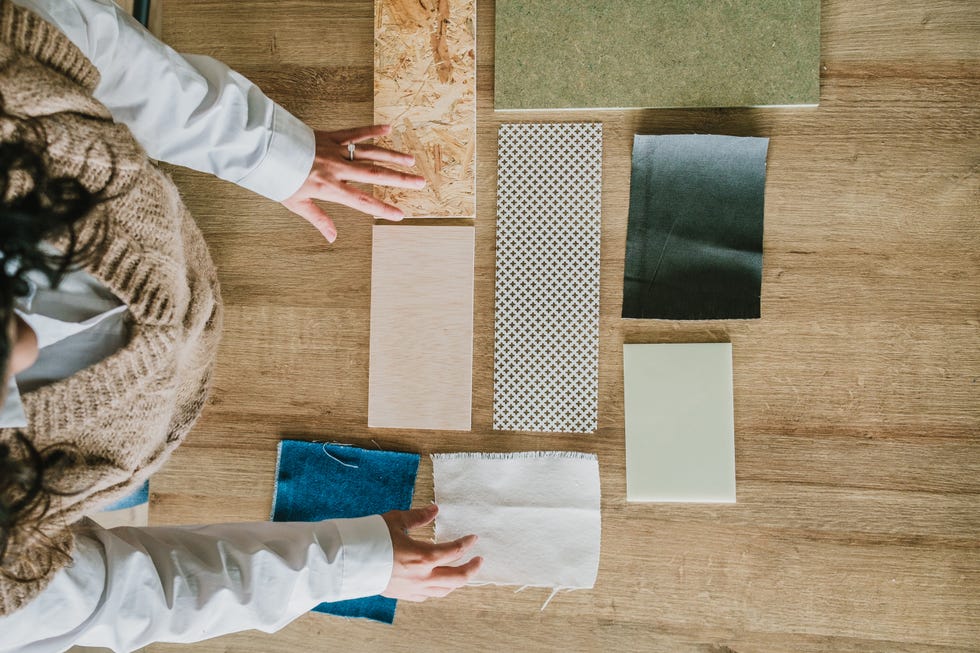
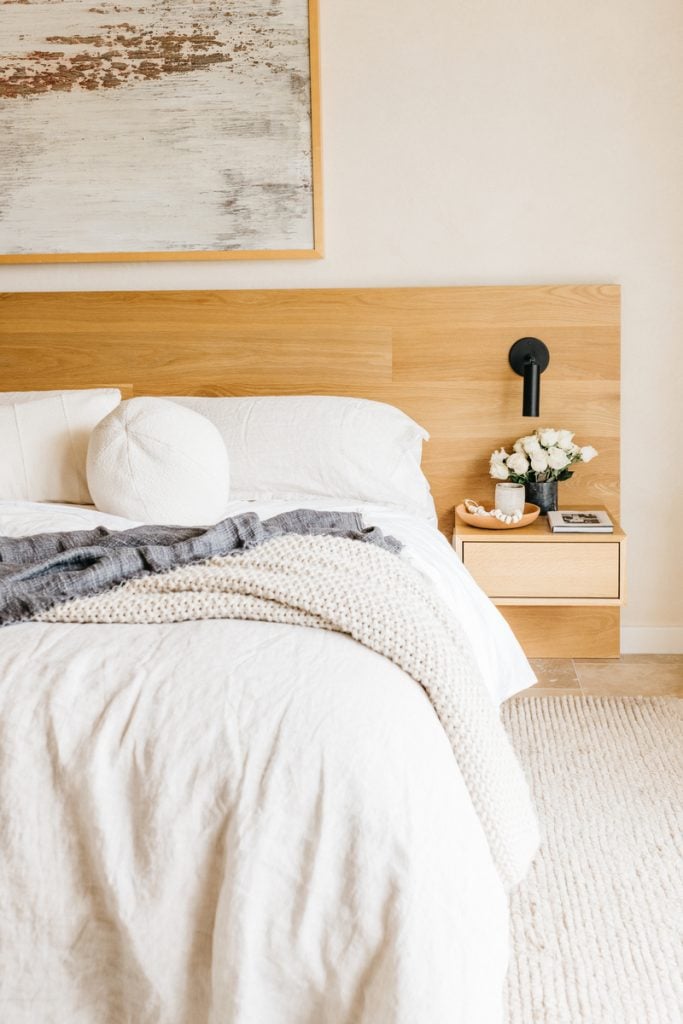
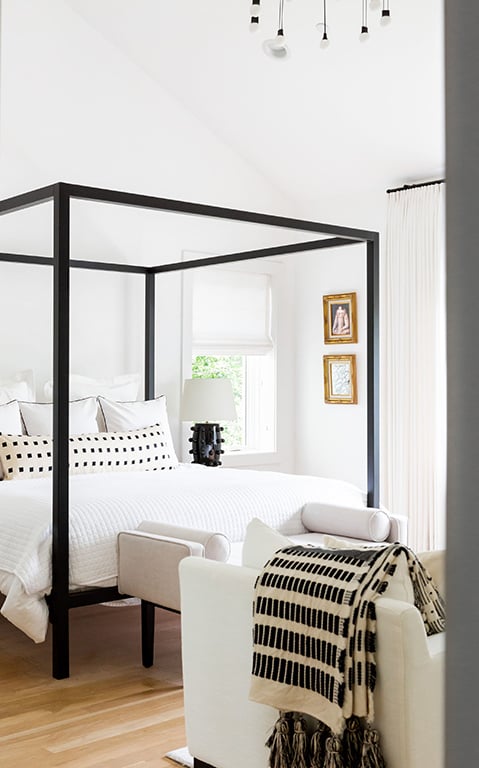
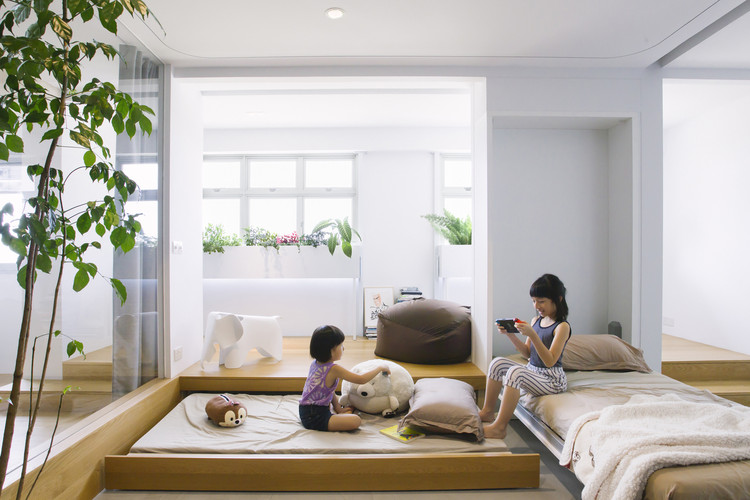
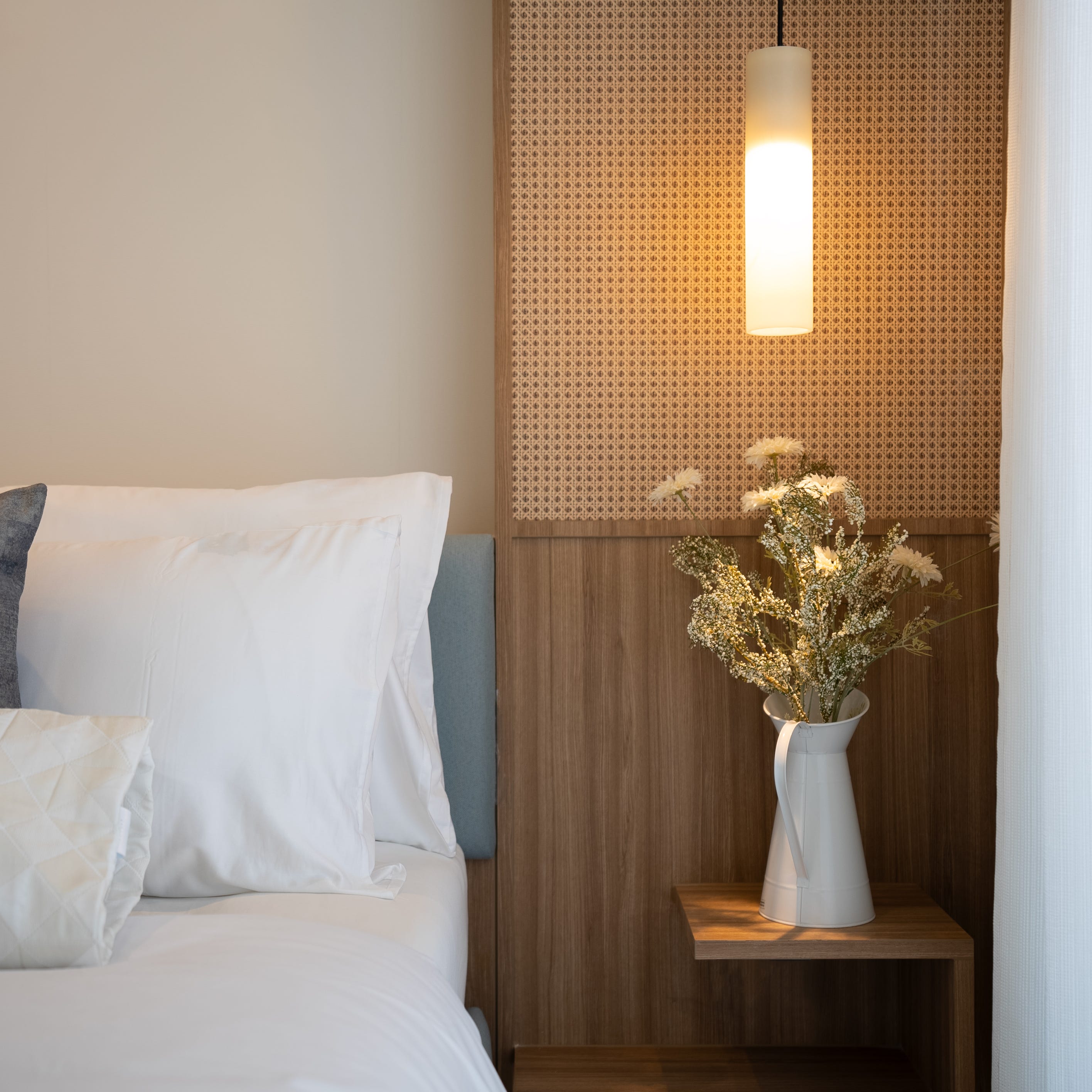
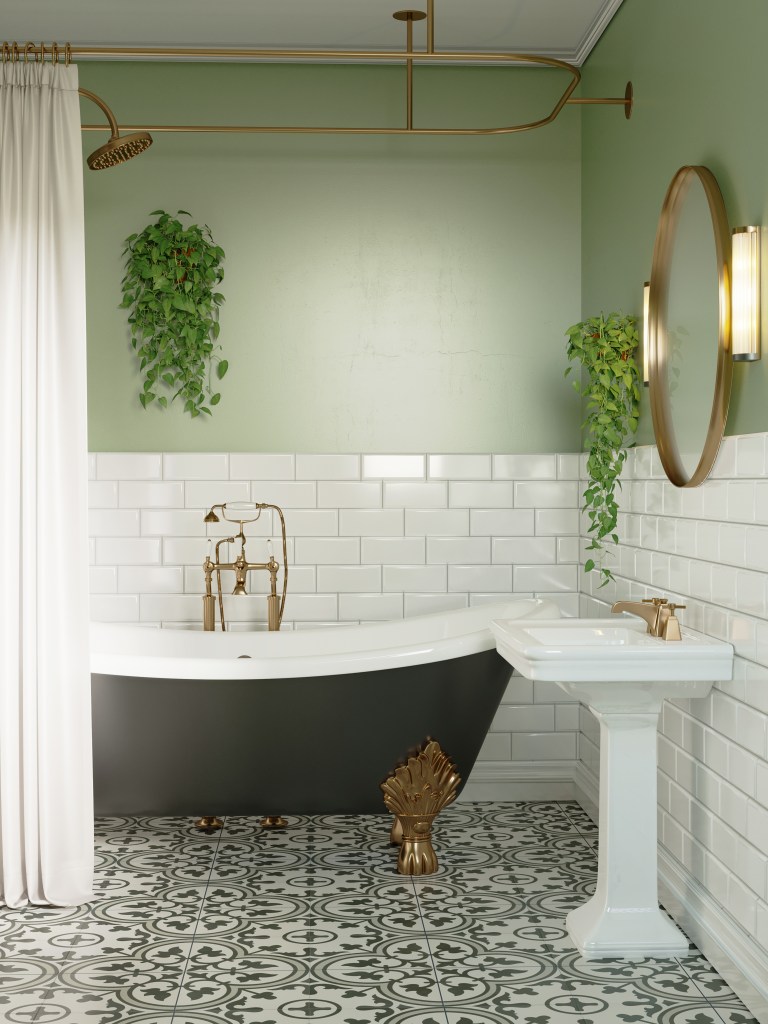
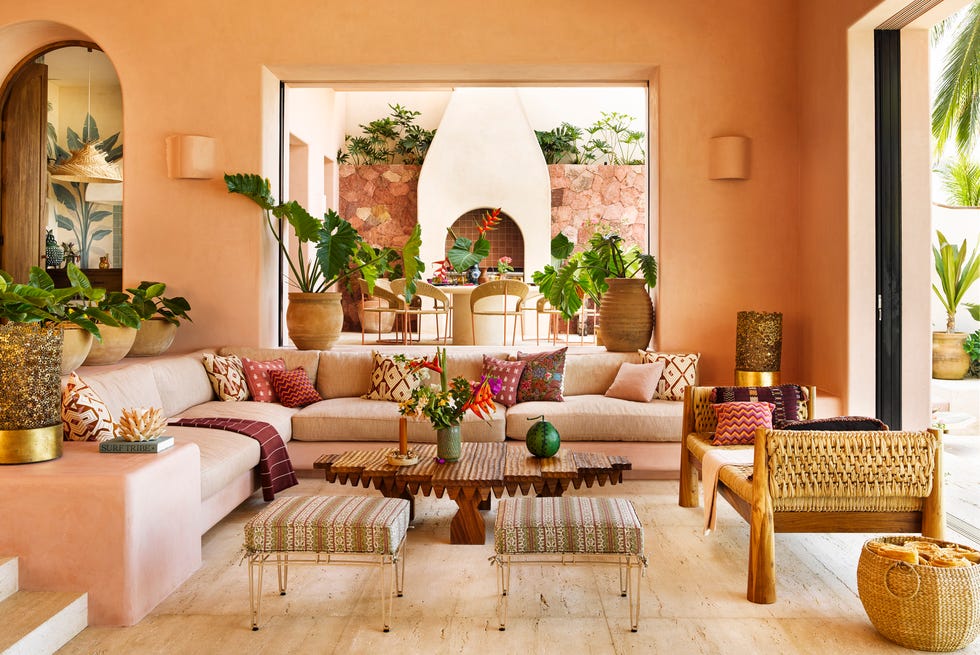
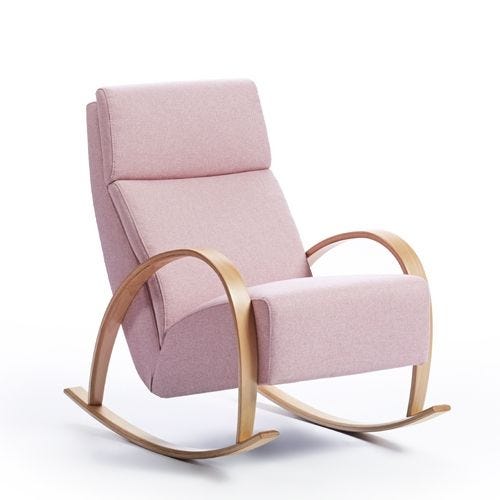
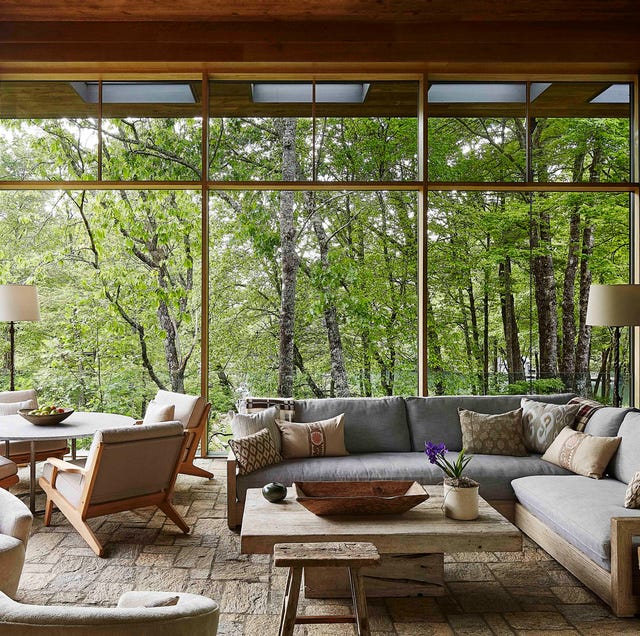
The fourth design tip delves into biophilic design, which involves incorporating natural elements into indoor spaces. This goes beyond just plants, encompassing natural patterns, materials like wood or stone, and curved furniture. Studies suggest that patterns and natural materials soothe the brain by activating the parasympathetic nervous system, promoting calmness. Curved shapes are also preferred over angular ones, which can trigger fight-or-flight responses. Practical applications include installing floating wooden shelves, incorporating round rugs or poufs, and using patterned wallpaper or tile backsplashes.
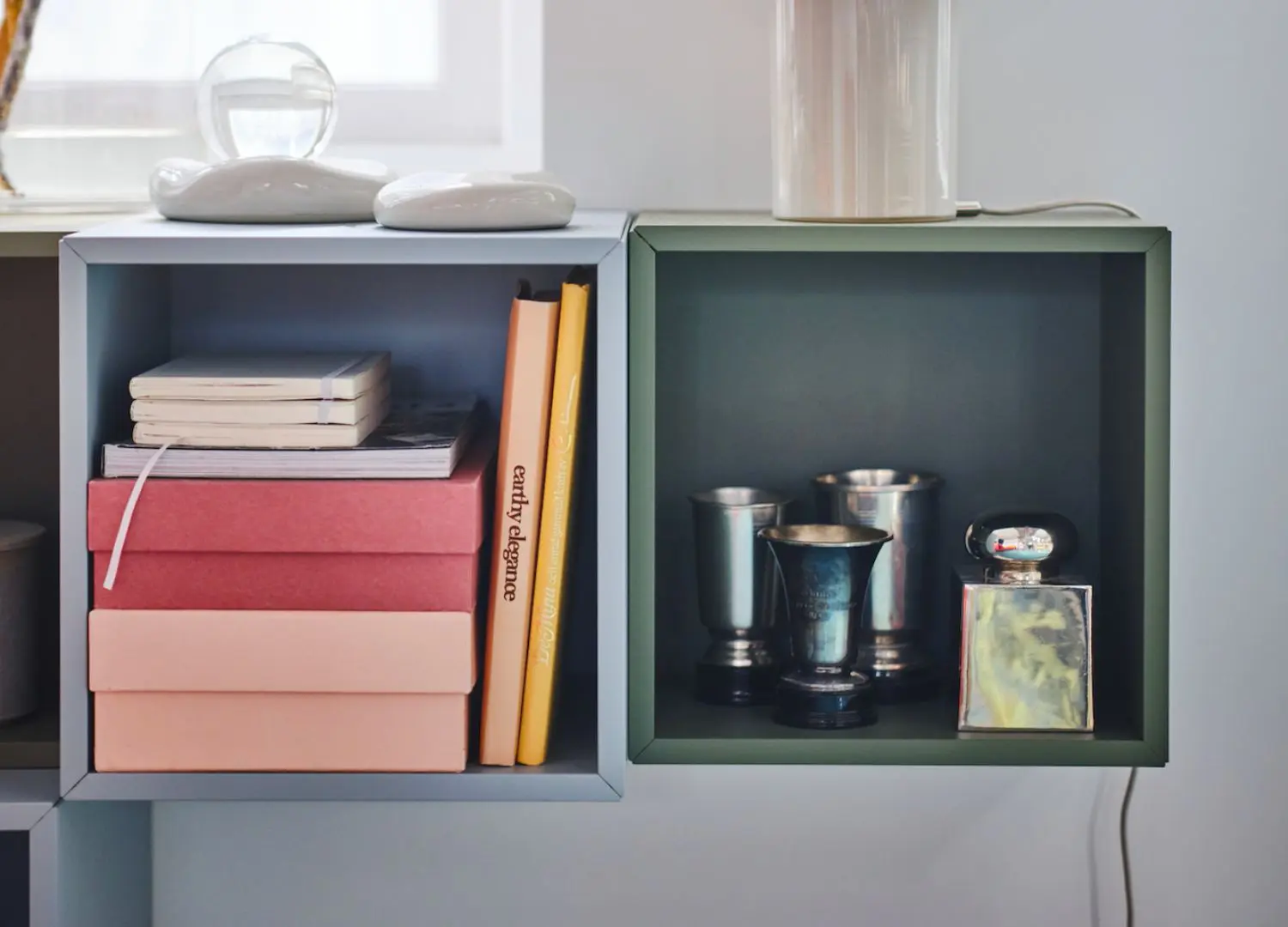
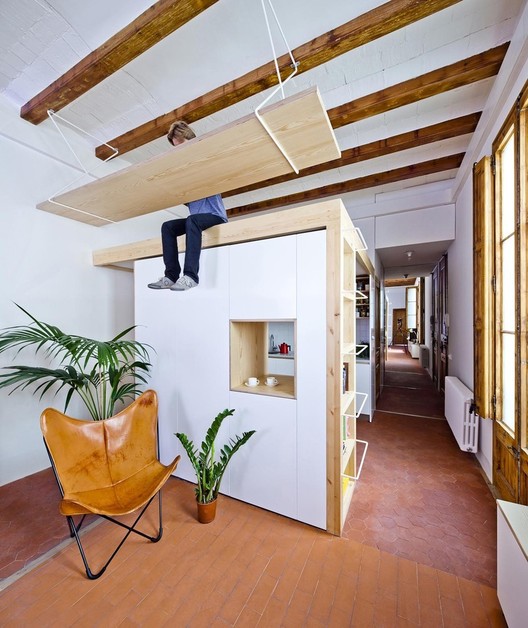
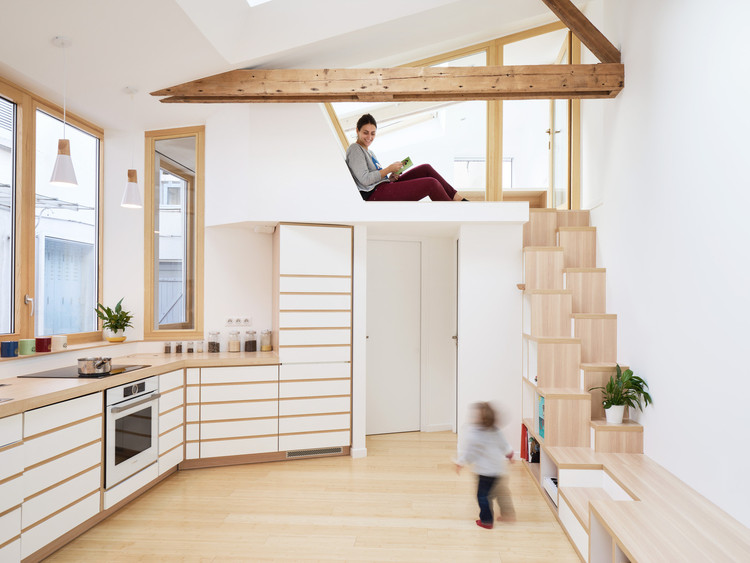
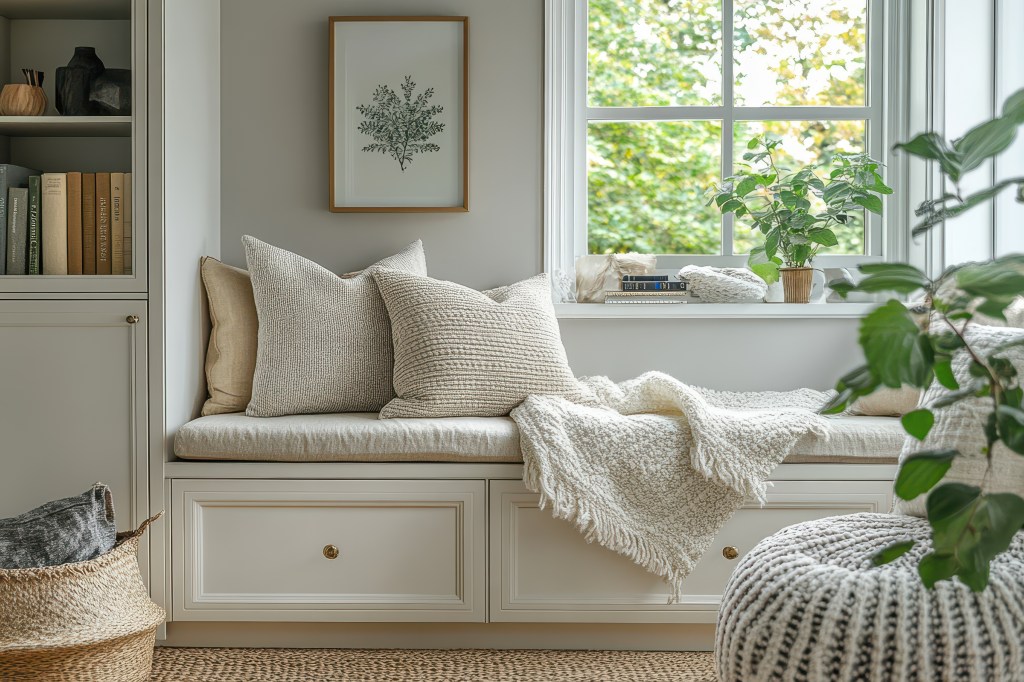
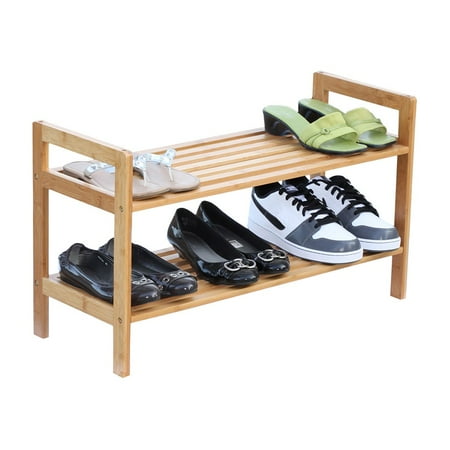
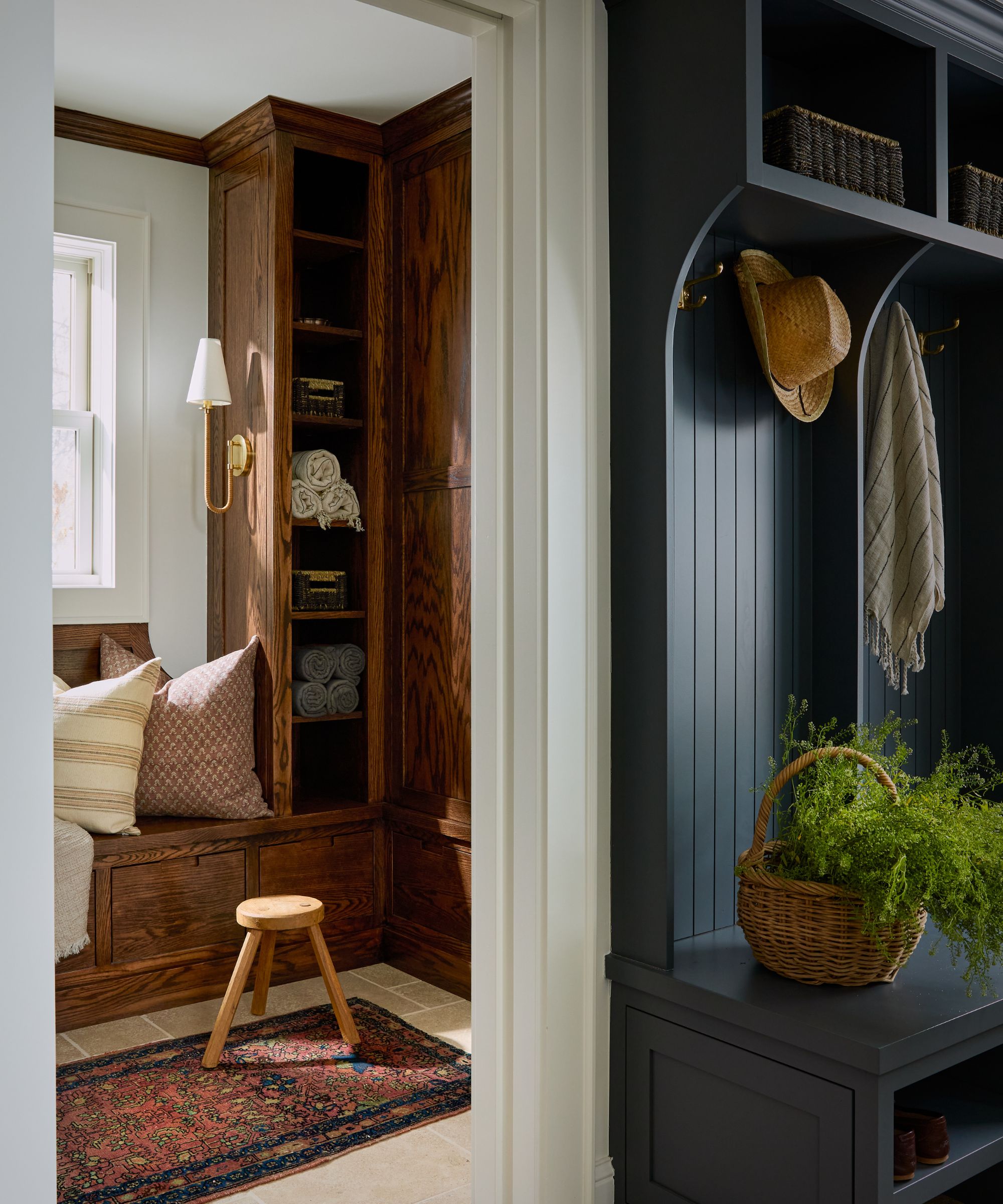
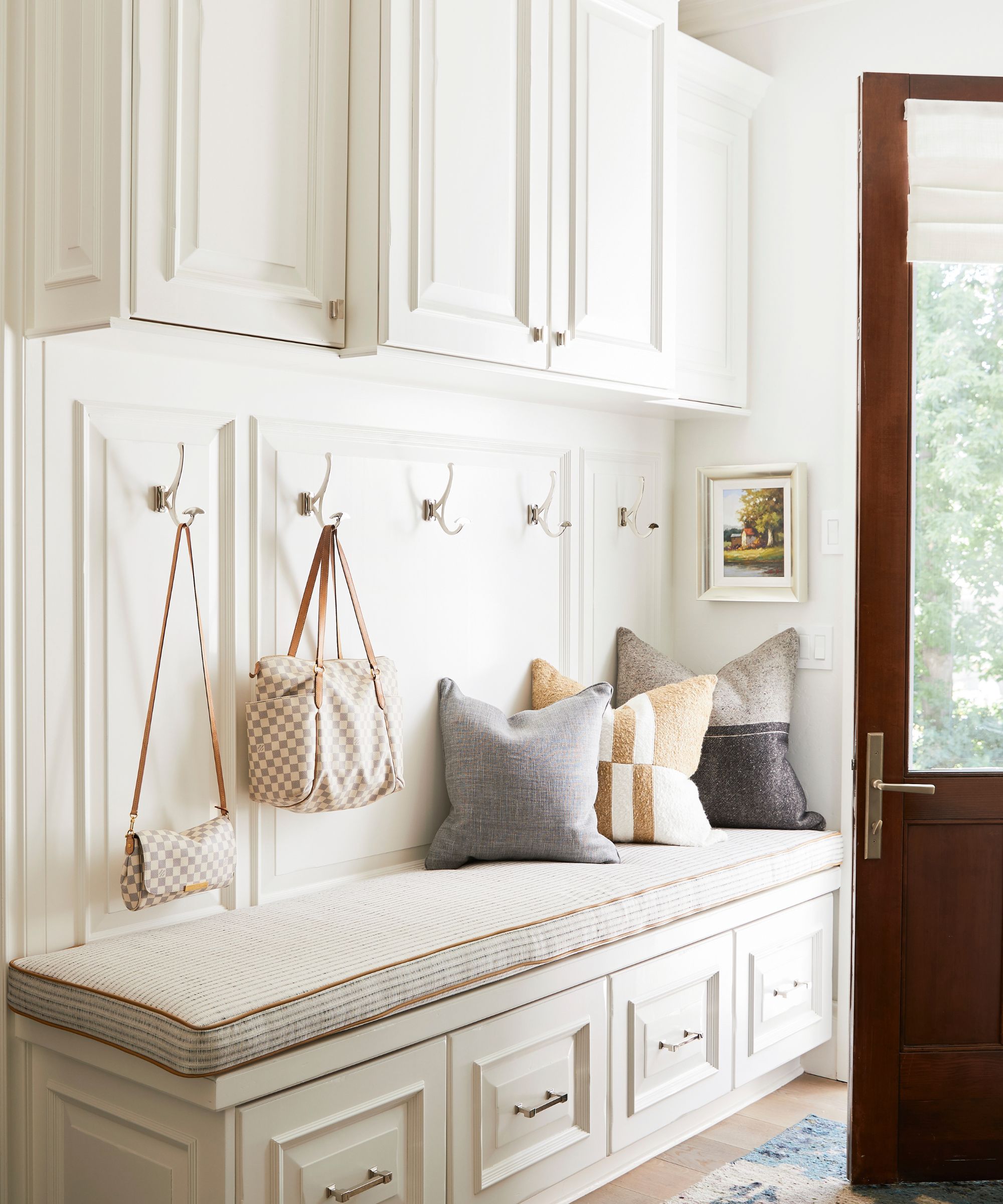
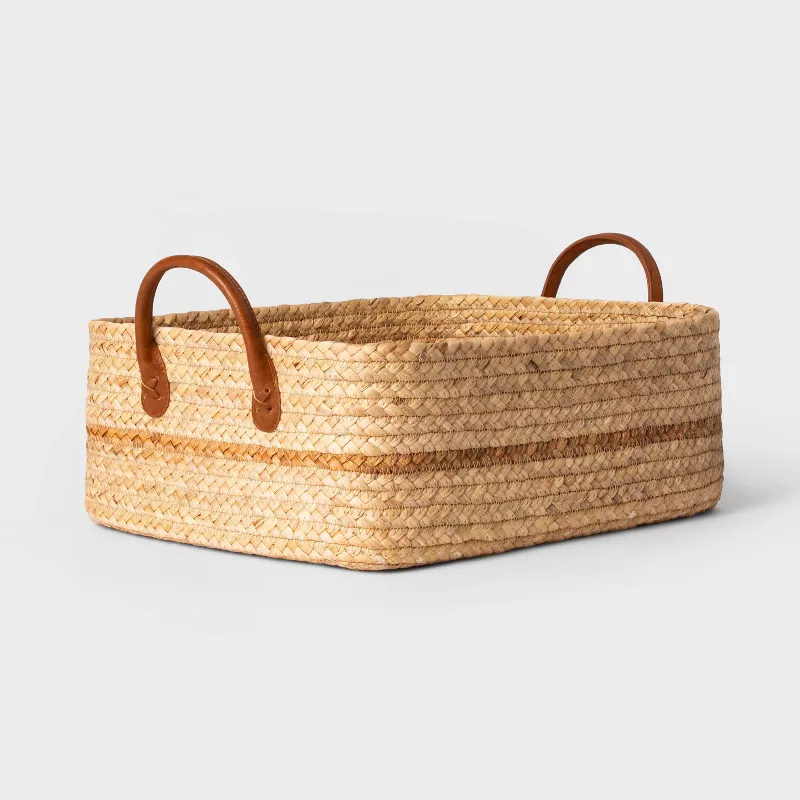
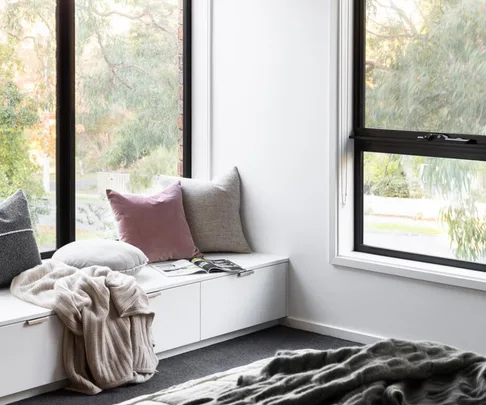
The fifth tip highlights the importance of maximizing storage to minimize stress. Clutter is scientifically linked to higher stress and cortisol levels, as well as increased depressed mood scores. The goal is not to declutter to an extreme extent but to be strategic about storage solutions. Examples include beds and sofas with built-in storage, utilizing high-level storage like shelves above TVs, and optimizing bathroom storage with under-sink units or over-the-toilet racks.
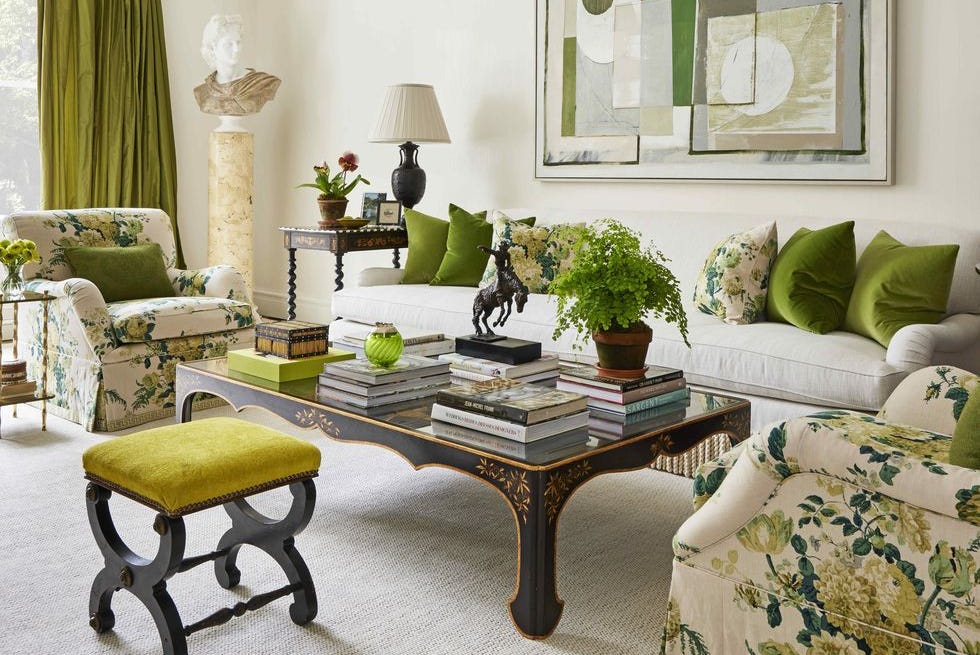
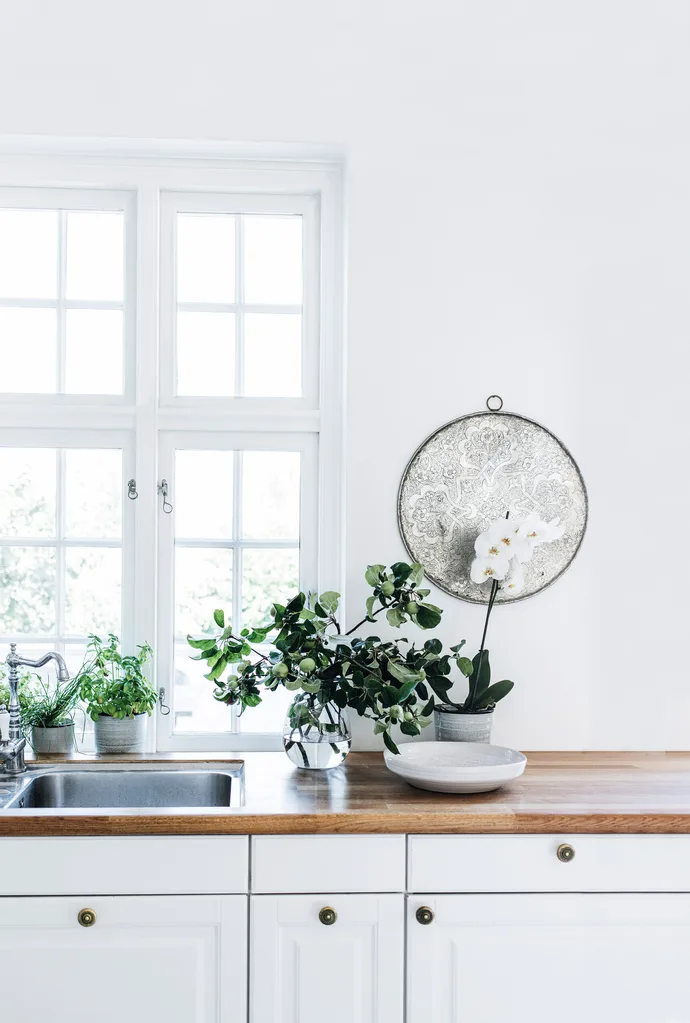
Sixth, the article discusses the actual benefits of live plants. While often believed to improve air quality, their primary contribution to well-being is mental. A study showed that introducing just a few plants significantly increased healthy cortisol patterns. Plants are also associated with enhanced creativity, reduced anti-social behavior, and improved attention. For those without a green thumb, consulting local nursery professionals for easy-to-care-for plants is advised.
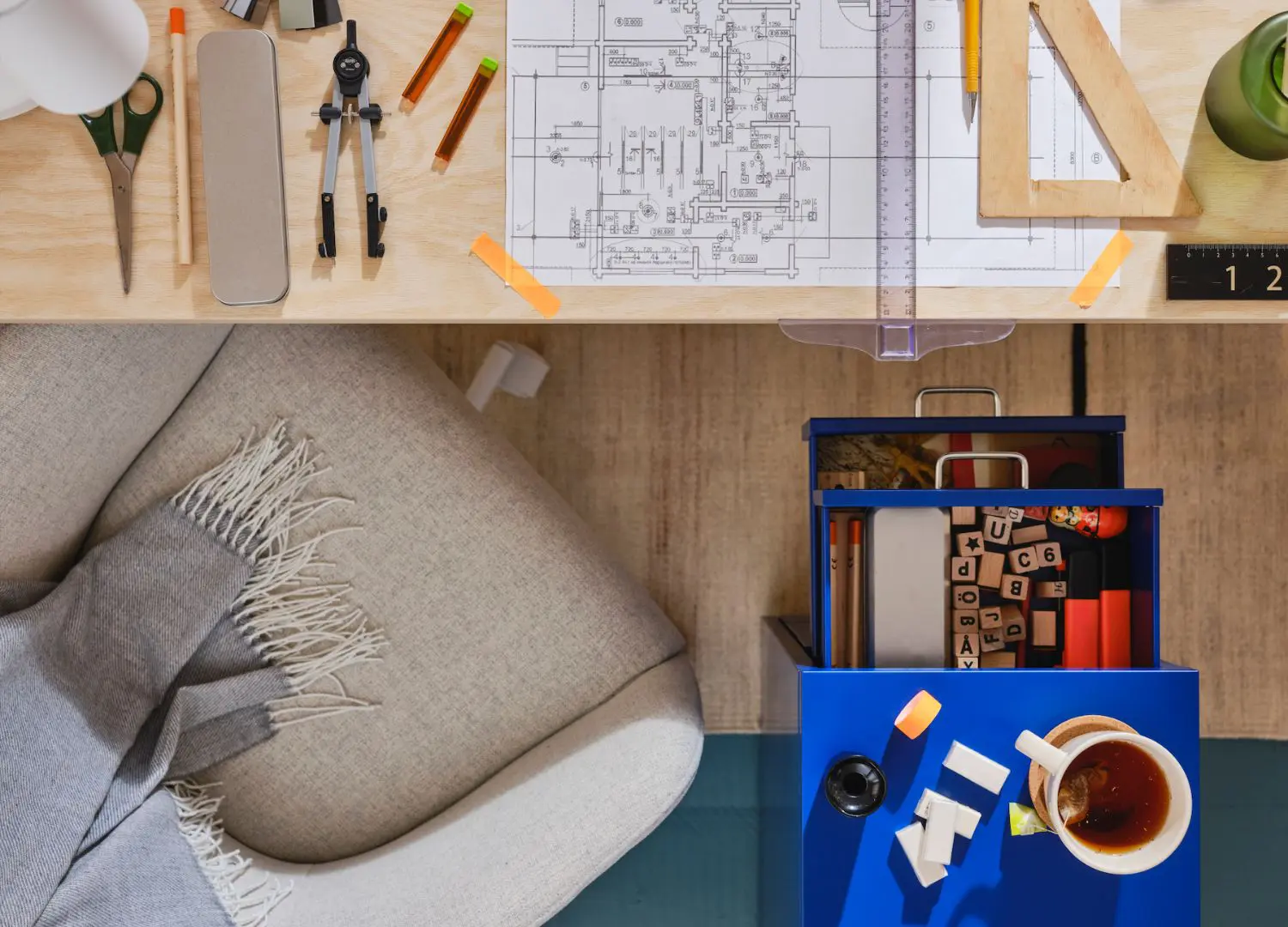
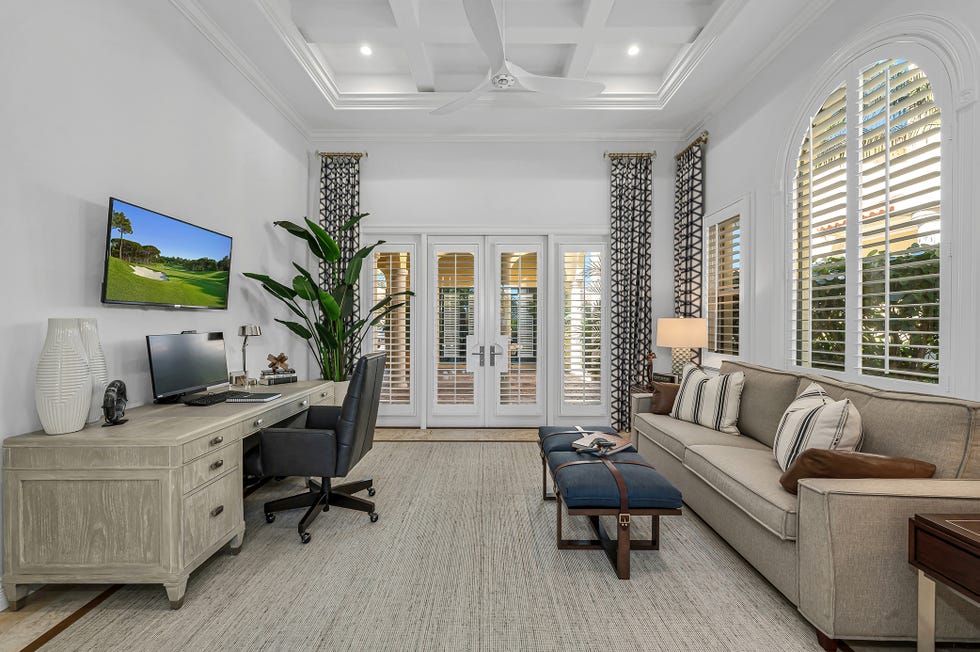
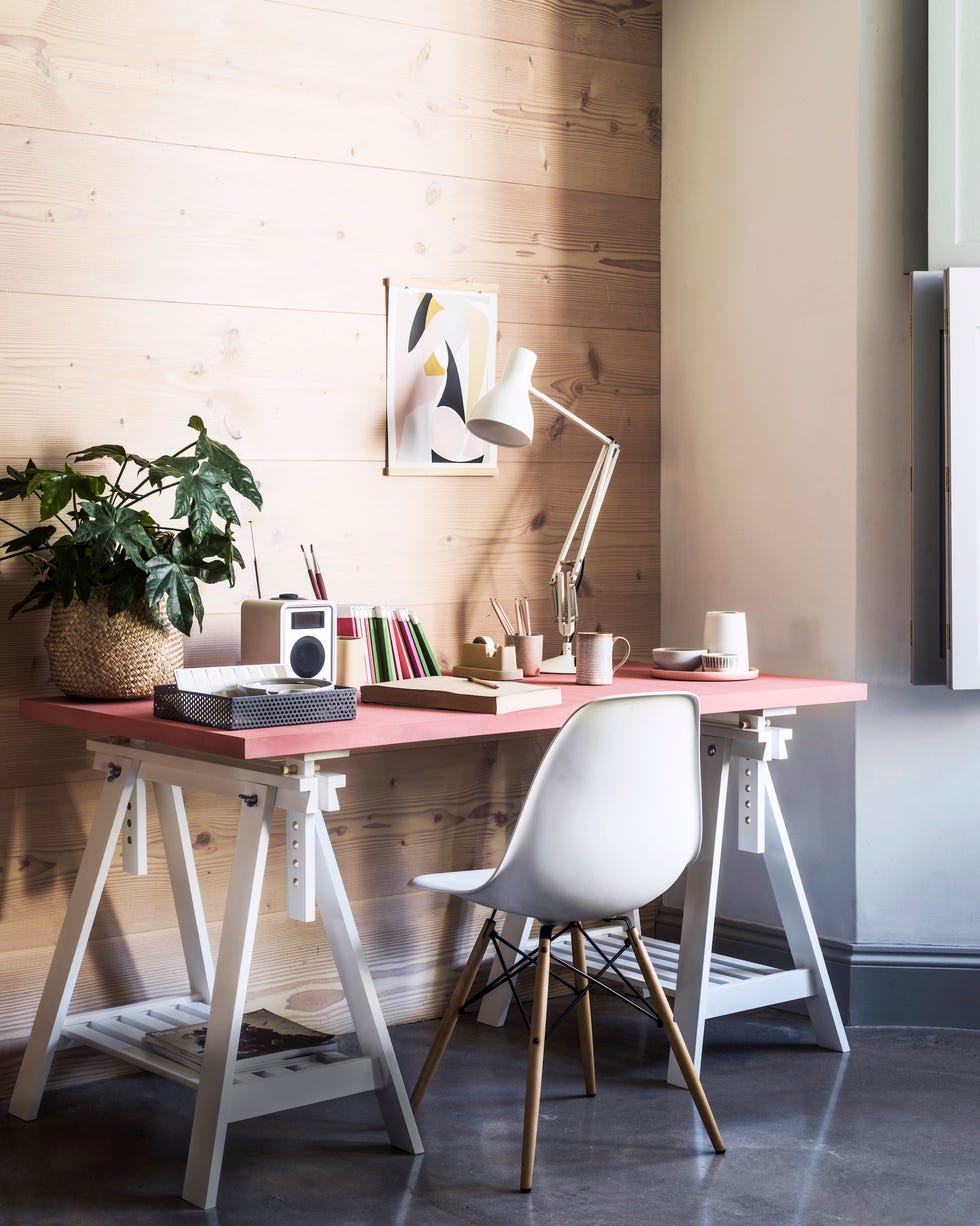
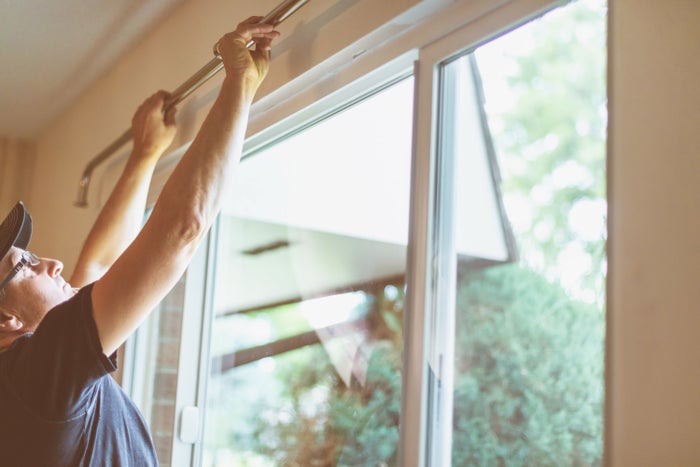
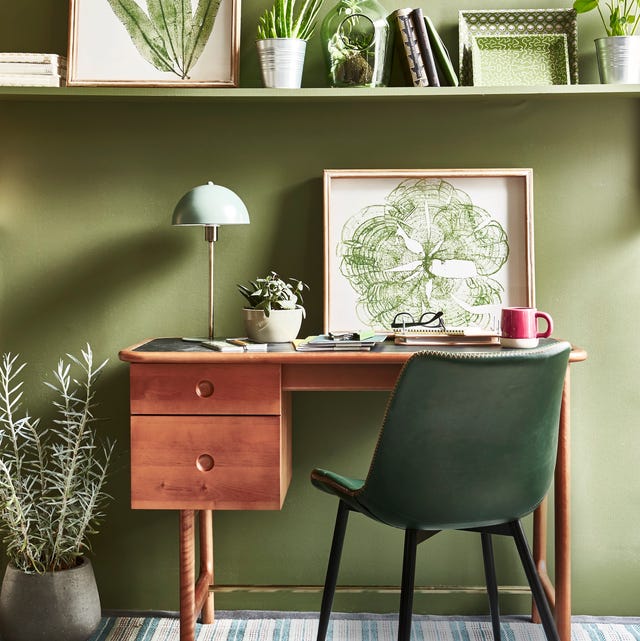
The seventh tip focuses on designating a distinct working area, especially relevant for remote workers. The blending of work and home life due to increased remote work can lead to burnout and health concerns, including a doubled risk of heart attacks from working long hours. Even in small spaces, creating a dedicated workstation, whether a small desk or a portable lap desk, can provide a physical and visual cue to transition from work to relaxation. For those working in shared spaces, simple rituals like drawing curtains or adjusting smart lighting can signal the end of the workday.
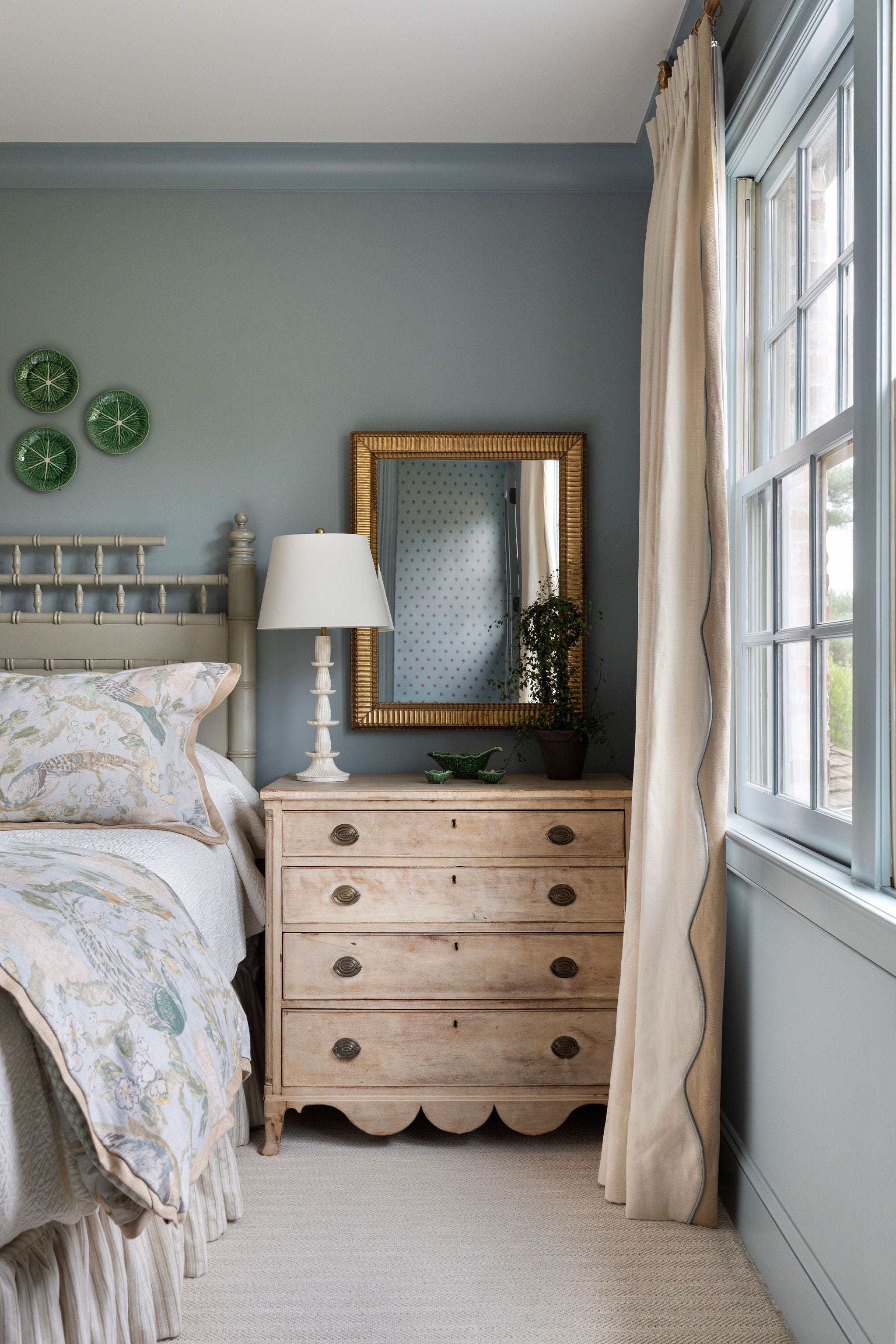
Finally, the eighth tip promotes upcycling and buying pre-loved items. This practice offers aesthetic and financial benefits and combats "eco-anxiety," a widespread concern about environmental issues. The act of altruism in preventing items from going to landfills can decrease stress and release endorphins. Additionally, there's a psychological preference for handmade or pre-loved items, which are perceived to contain more "love." Sourcing secondhand goods through platforms like Facebook Marketplace or Craigslist is suggested as a way to benefit mental health, the environment, and one's budget.
#HomeDecor #MentalWellness #BiophilicDesign #SmartHomeTechnology #NudgeBehavior #HomeOrganization #IndoorPlants #EcoFriendlyLiving #HomeDecor #MentalWellness #BiophilicDesign #SmartHomeTechnology #NudgeBehavior #HomeOrganization #IndoorPlants #EcoFriendlyLiving
0 comment in total
 No comments yet
You may also like
Psychologists Reveal the MAJOR Impact of Home Renovations on Your Mental Health

5 Things to Banish From Your Bedroom for a Fresh, Clean Start

Meet Shaniece Jones
15 Soothing Decor Ideas to Help You Relax and Unwind at Home

From clutter-free zen to cosy comfort: The mental health benefits of home decor | Hindustan Times

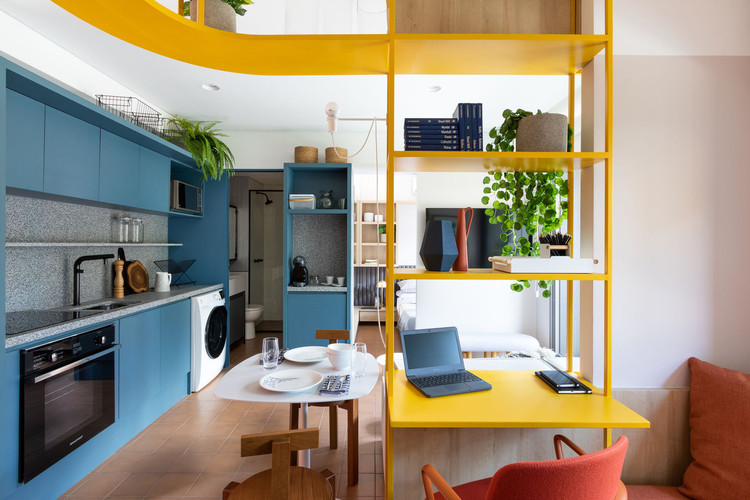
20 Architecture Tips from 2021

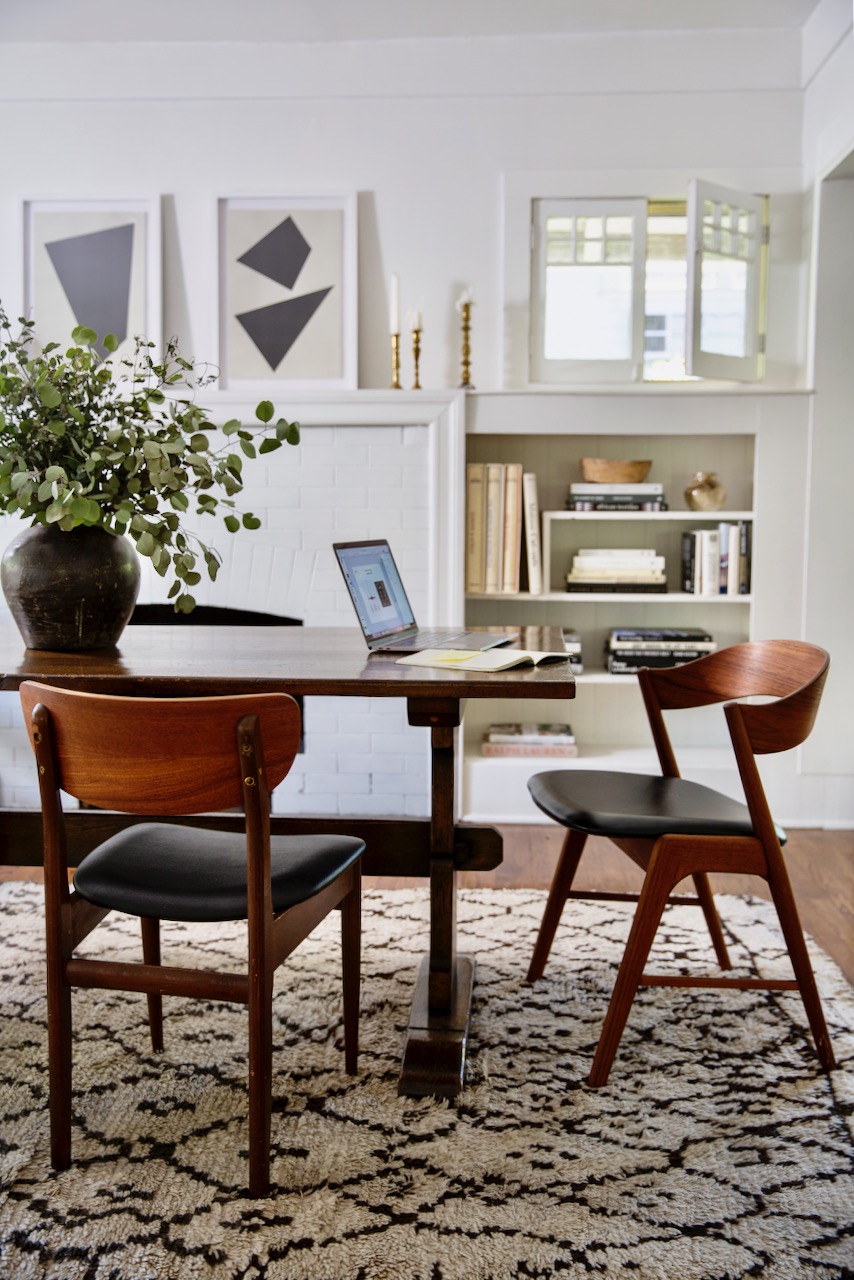
How These Interior Designers Are Staying Cozy (and Sane) at Home
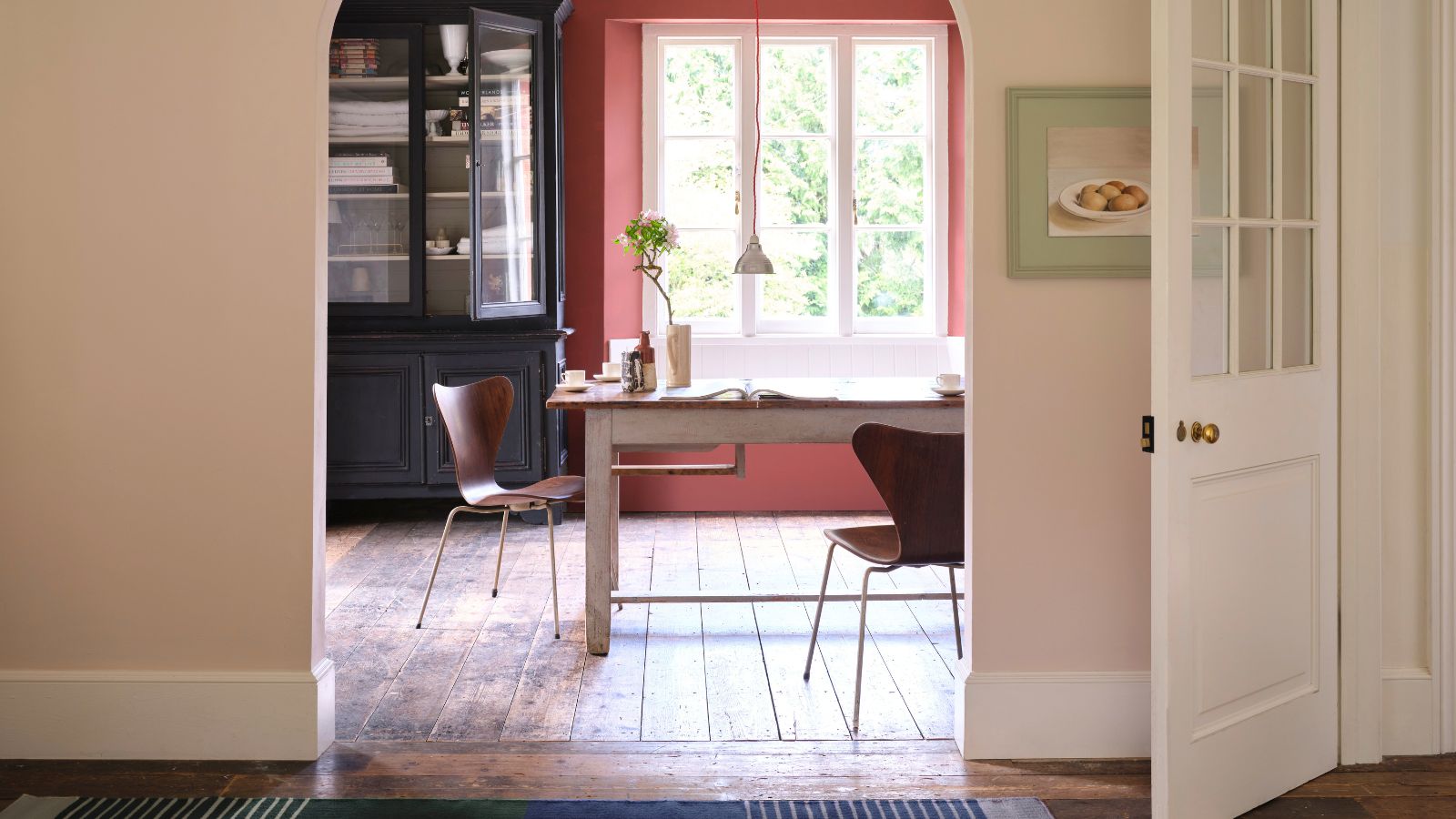
Setting Up 'Launch Pads' by the Front Door is This Expert's Easy Fix for Banishing The Morning Rush for Keys and Coats


The environment in which we live and our mental health are intricately connected

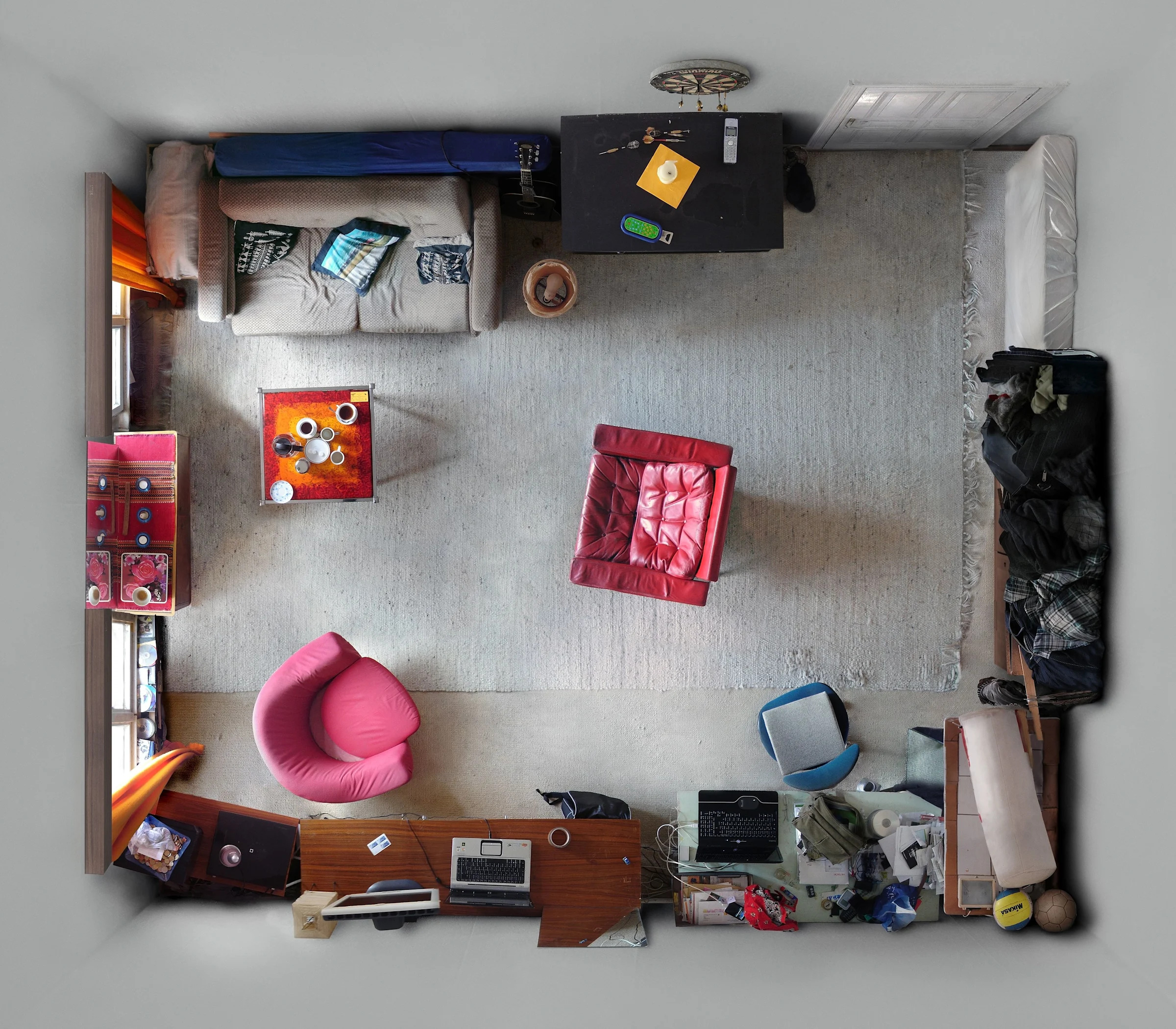
Can a Bad Floor Plan Affect Your Mental Health?

Want Your Home to Feel Happier and Calmer? It's Time to Consider Biophilic Design

How to design a home office for neurodiversity, according to a therapist
Is Your Open-Concept Floor Plan Wrecking Your Mental Health?

Interior Designer Says Adding This to Your Home Will "Bring a Sense of Calm"

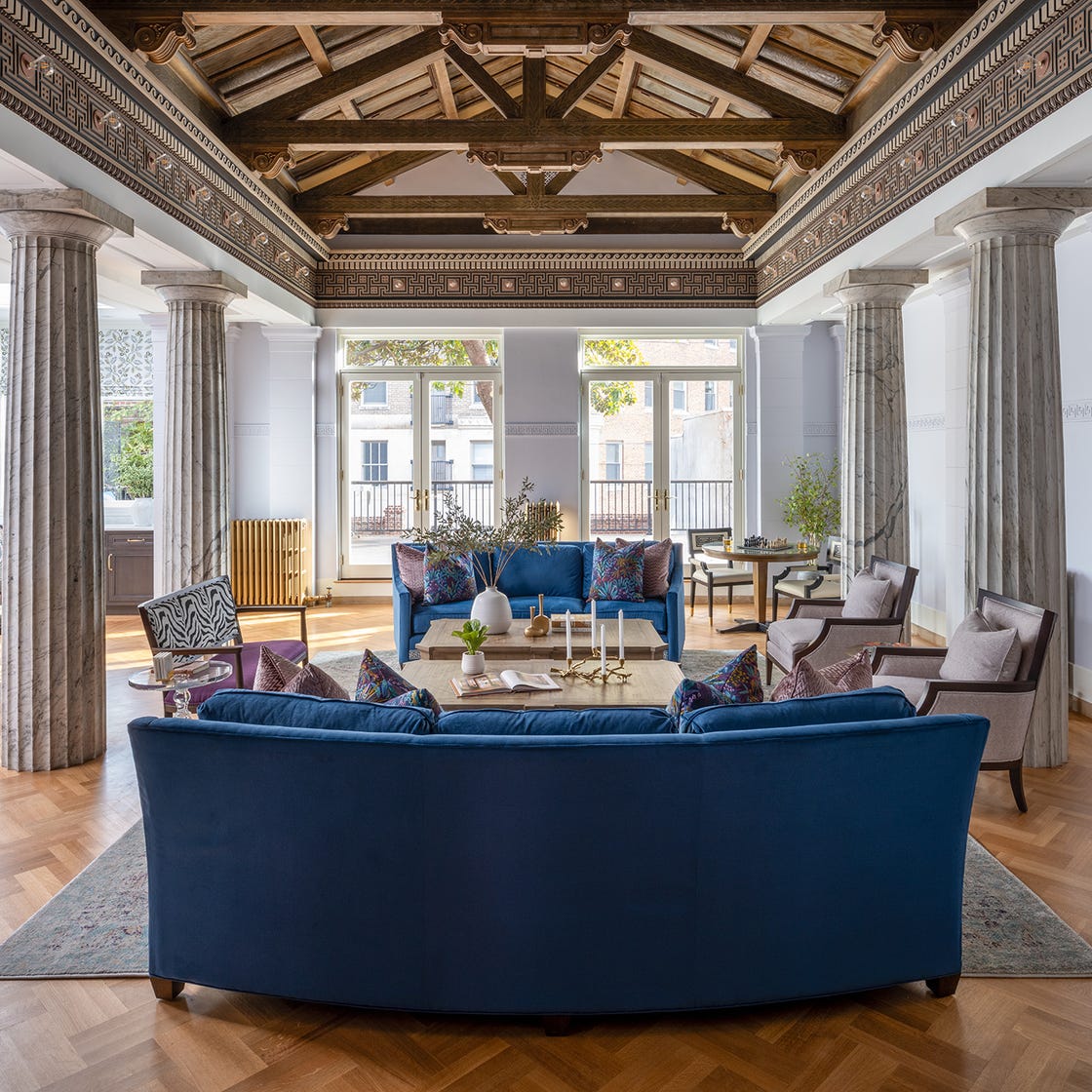
Why the Perfect Time to Work with an Interior Designer Is Now

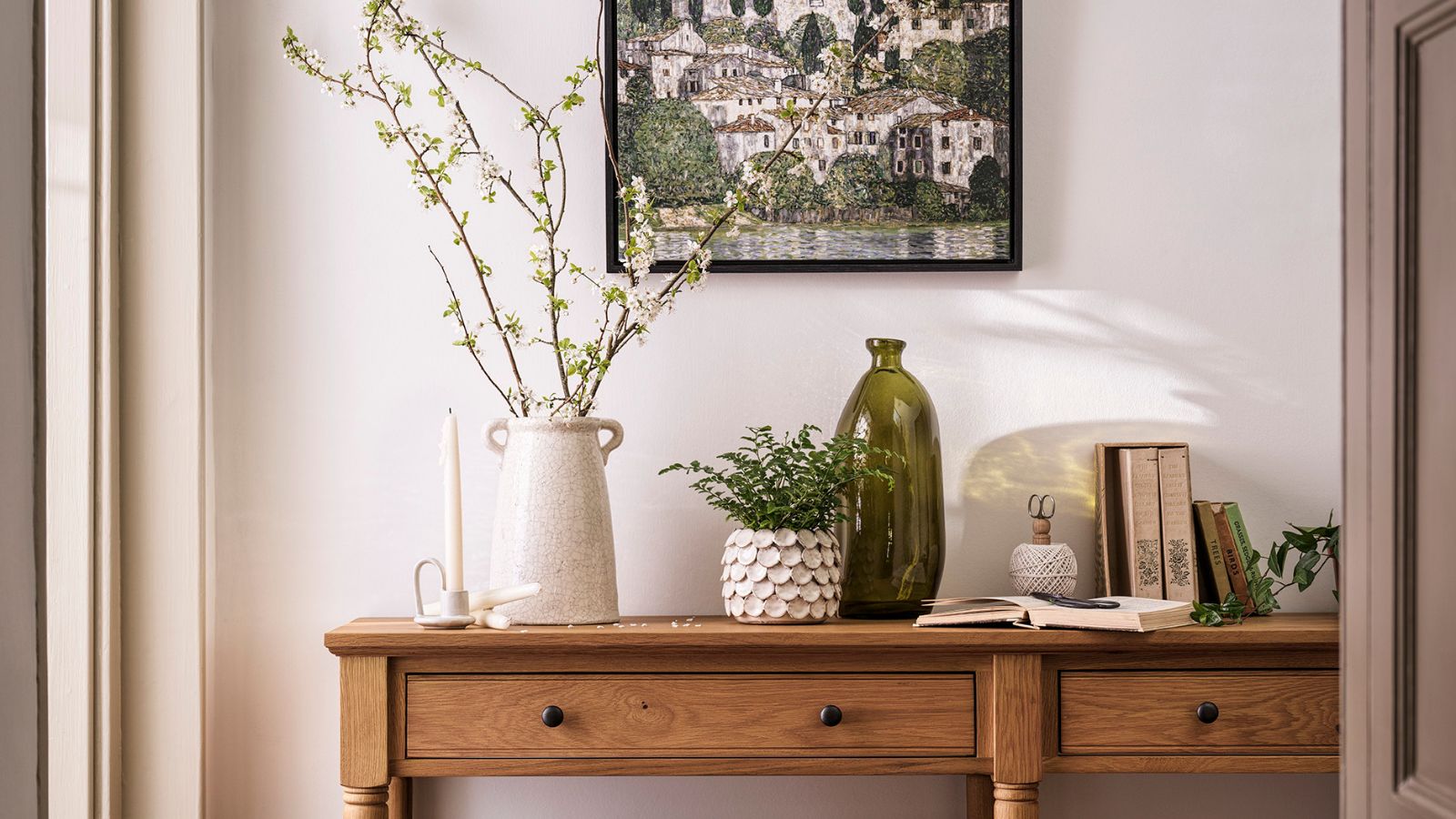
Your house will be less messy, clutter won't spread, and you'll feel less stressed if you tidy 1 vital but tiny area daily – it's why pro organizers prioritize it
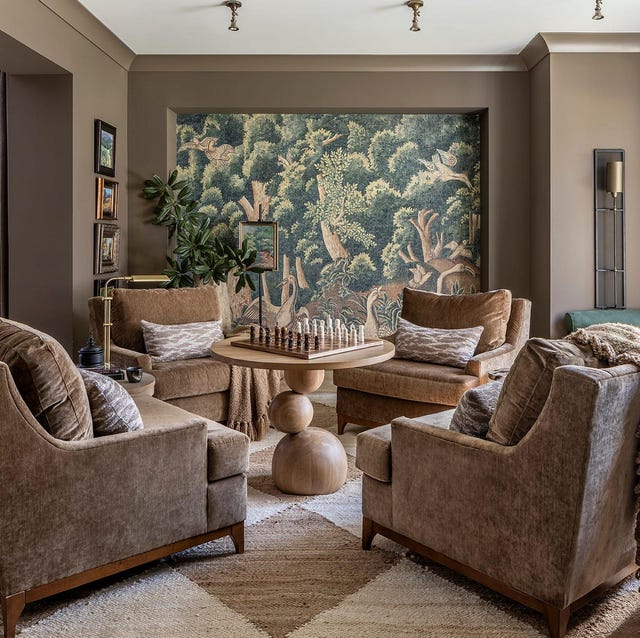
Should You Have a Kid-Free Space at Home? Designers Weigh In
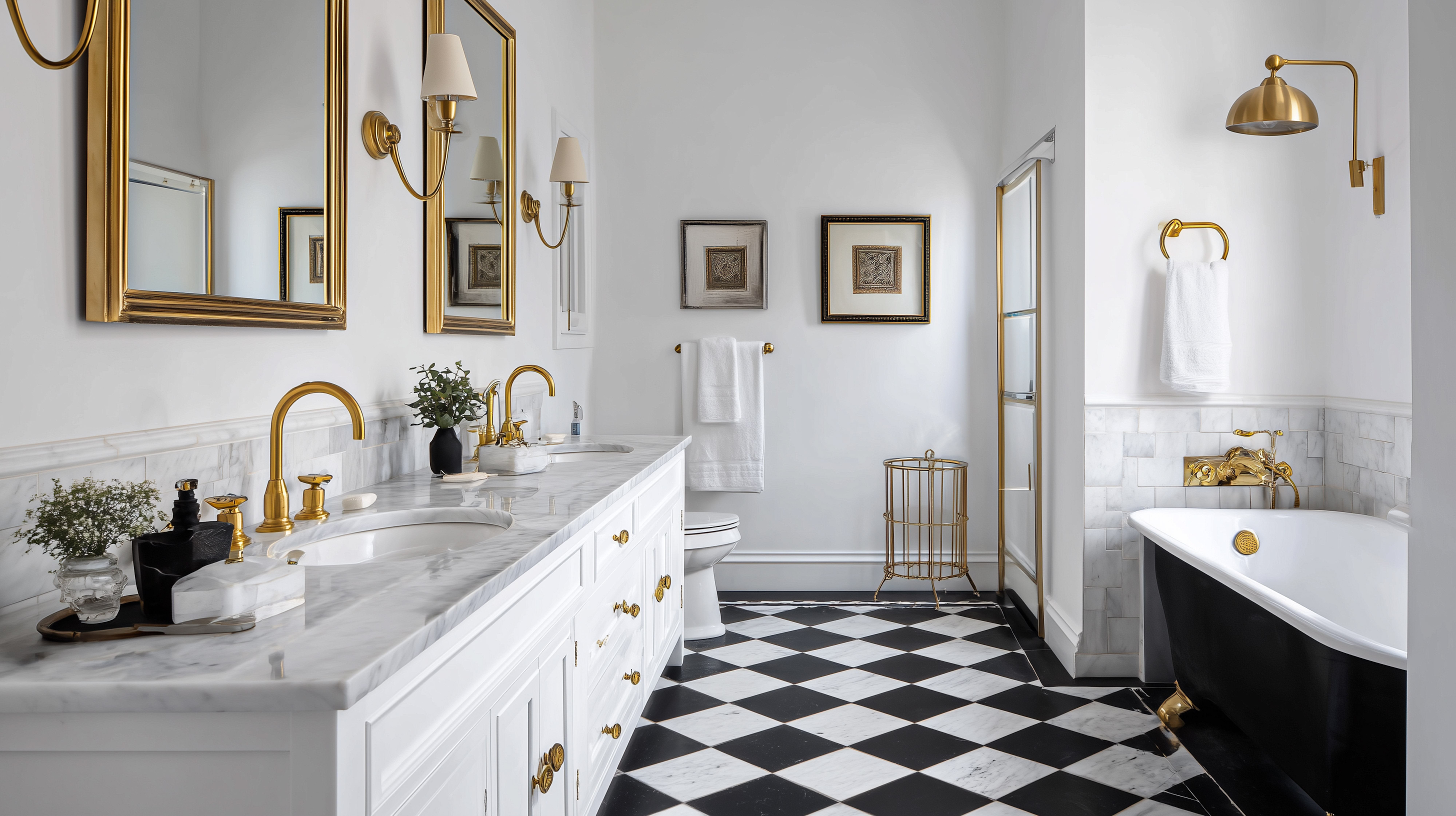
Stand Out with 2026 Home Trends
How to pretend you’re leaving the house (when you’re not)

8 Ways to Create a Stress-Free Bedroom for Better Sleep