1/11
Should You Have a Kid-Free Space at Home? Designers Weigh In
The increasing desire among parents for kid-free spaces within their homes is being recognized as a healthy and restorative trend. While parents often dedicate considerable effort to creating child-friendly environments, there is a growing need for adults to have intentional living spaces where they can unwind and reconnect. Psychotherapist Ciara Bogdanovic emphasizes that these adult-only zones support the emotional and relational well-being of parents, allowing them to recharge and return to family life more emotionally available. Such spaces help reduce stress, improve mental health, and foster creativity by providing a respite from the constant demands of childcare.
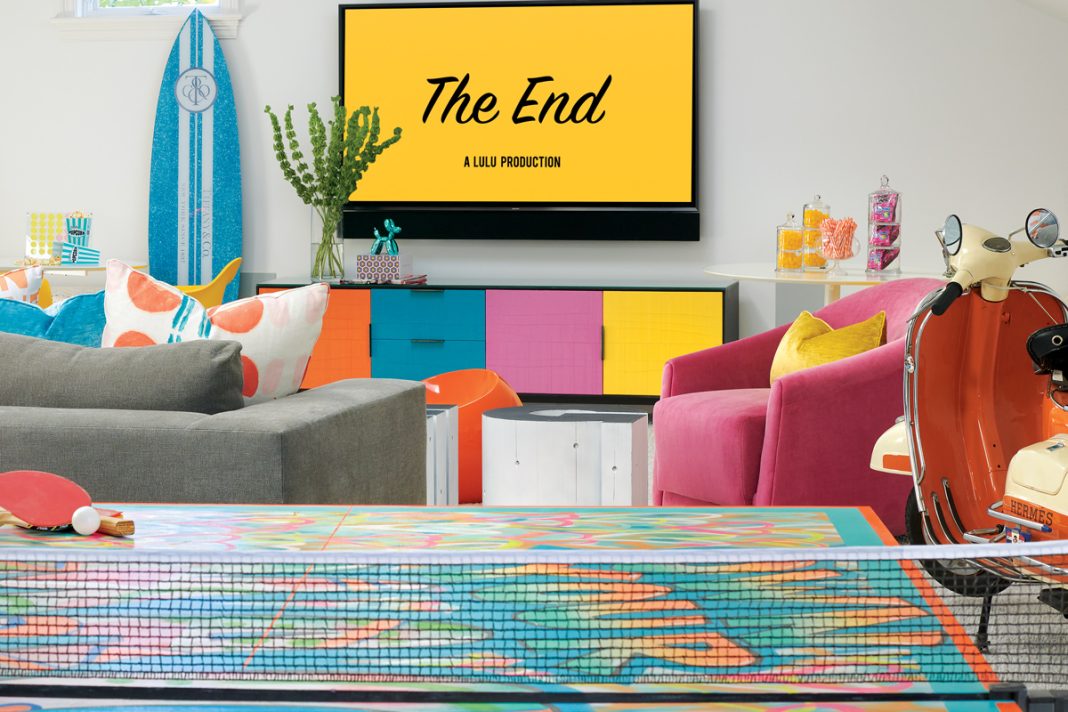
Designers are actively recommending the integration of these adult sanctuaries into home design. Cathryn Erickson of Cathryn Lindsey Design highlights that these areas offer a quiet retreat from the typical household chaos. Beyond mere relaxation, these spaces are crucial for maintaining parental identity outside of caretaking roles. Nicole Roe of R. Nickson Interiors observes that clients often seek kid-free zones for a sense of calm and control. Danielle Chiprut of Danielle Rose Design Co. identifies two primary types of adult-only rooms: tranquil spaces for reading and contemplation, and social hubs like bars or game rooms for adult entertaining. Both serve to foster self-reconnection or couple-reconnection. Amy Lee McArdle of Amy Young Designs likens successful grown-up spaces to luxurious hotel lounges, emphasizing comfort and indulgence, whether through a moody library or an outdoor lounge area.
However, not all designers advocate for strict "kid-free zones." Lorri Hicks Cazenave of Hicks Cazenave Design prefers a more fluid approach, creating "grown-up moments" that shift the atmosphere through design elements rather than outright exclusion. She believes that a home should feel lived-in and layered, allowing children to move freely. Instead of physical barriers, Cazenave uses subtle cues like rich textures, gentle lighting, and mature color palettes to change the energy of a space, noting that children often respond more to ambiance than to explicit rules.
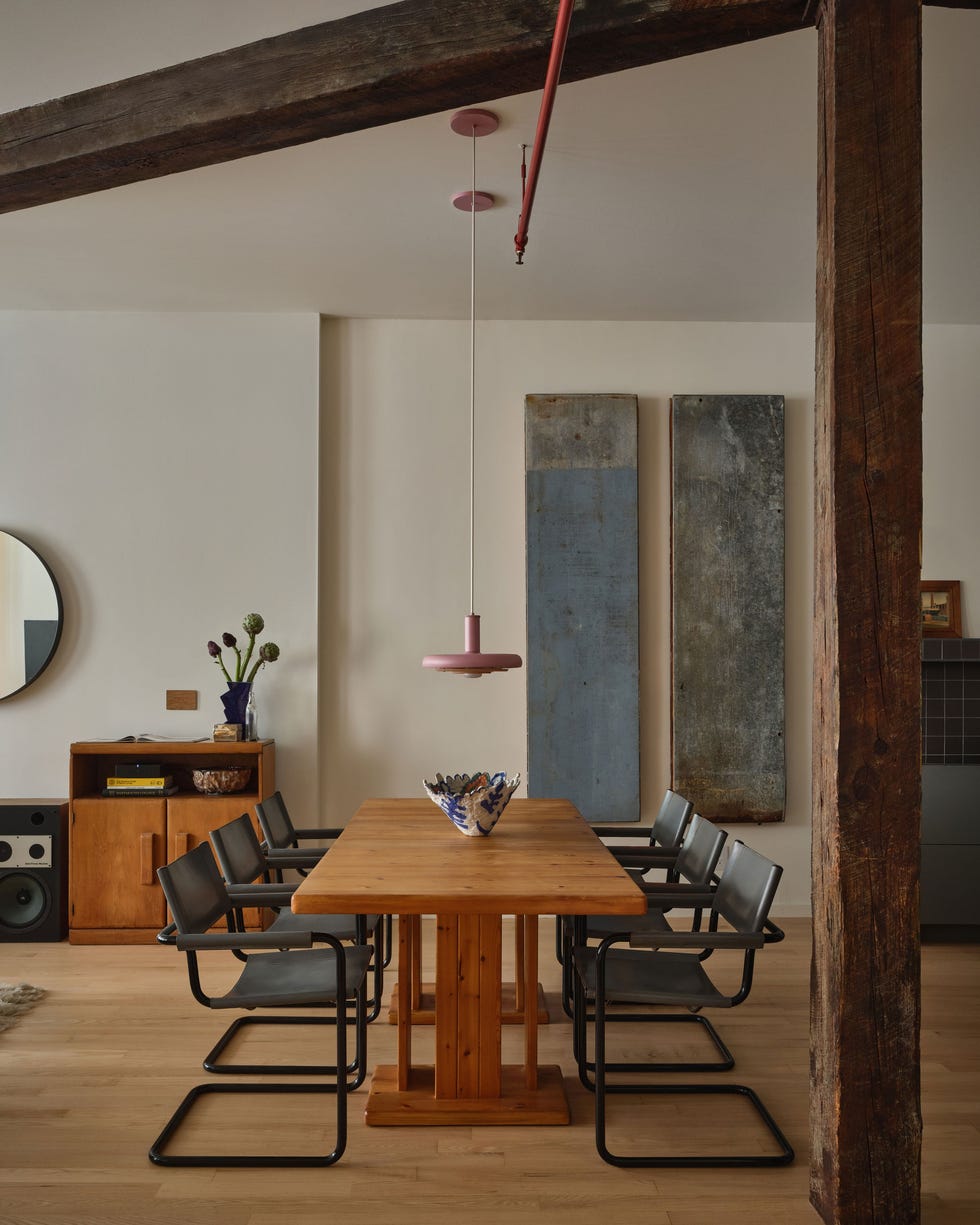
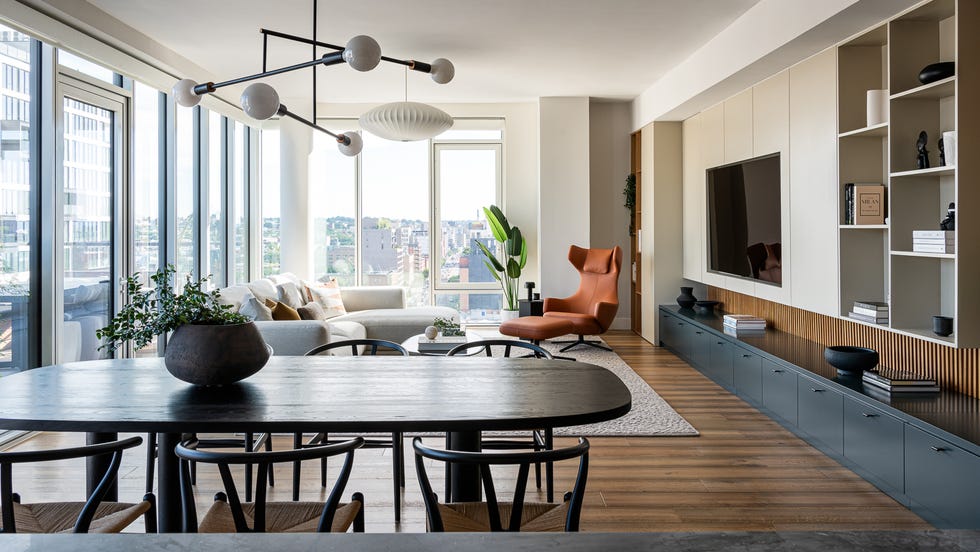
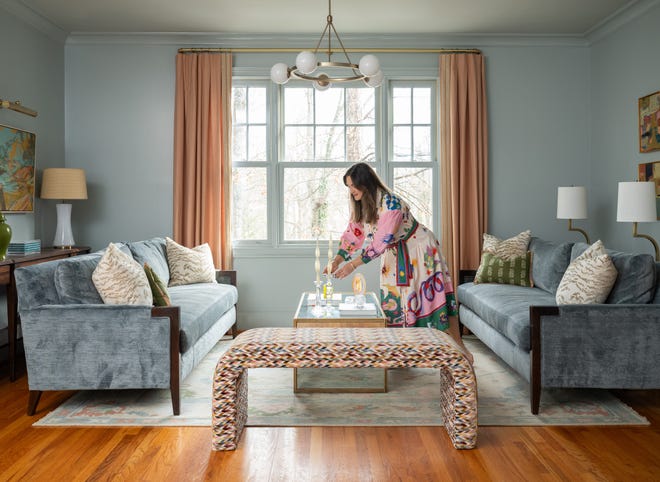
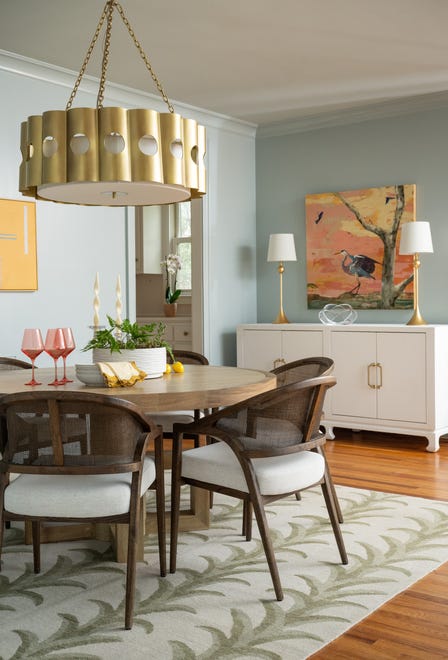
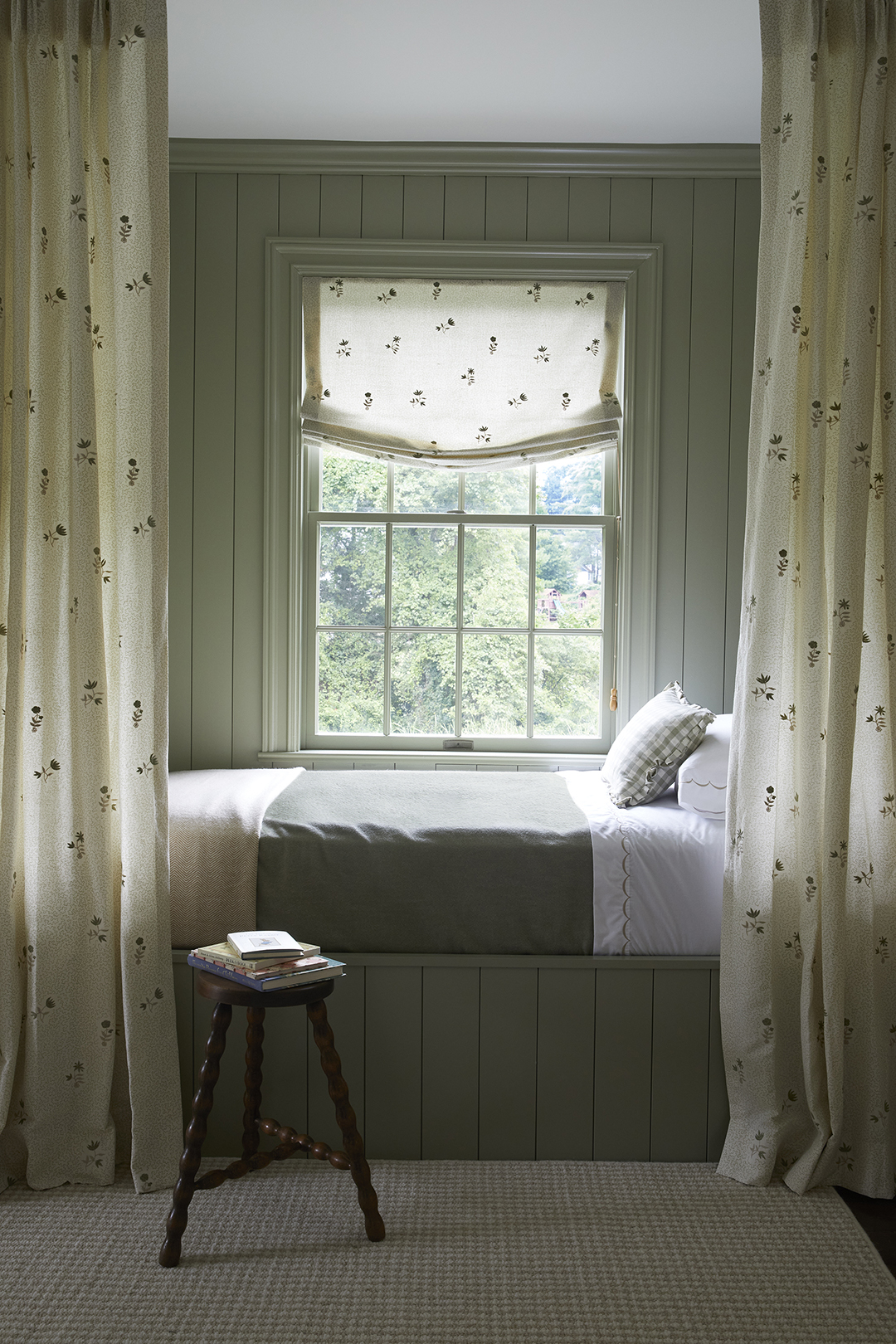
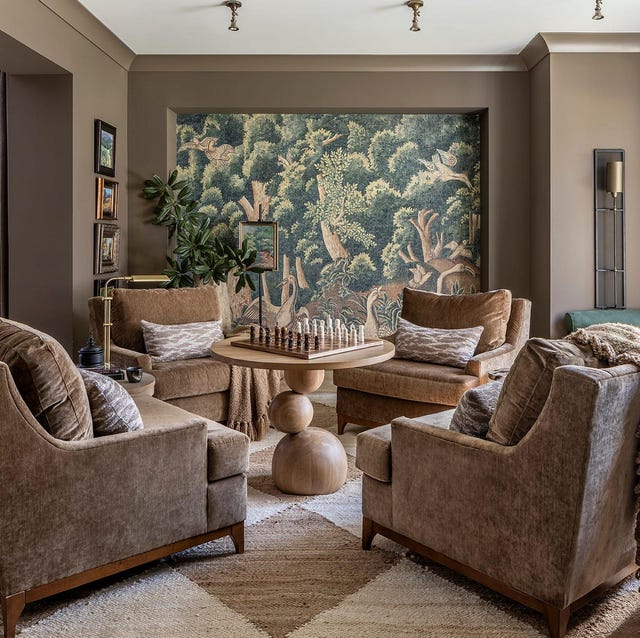
Selecting the right location for such a space is crucial, aiming for an area that offers some separation from daily family traffic, rather than simply repurposing the bedroom. Designers suggest reviving formal sitting rooms, which are often underutilized in contemporary open-plan homes. Erickson advocates for the return of formal rooms, redefining them as intentional spaces for adult conversation and relaxation. Other suitable locations include libraries, dens, sunrooms, or even dining rooms. Roe suggests spaces that can be closed off, as the act of closing a door itself signals privacy and a distinct energy. For homes with outdoor access, McArdle notes a trend towards elevated alfresco sanctuaries that provide a mental break from indoor activities. In smaller homes, Cazenave's "grown-up moments" can be created through specific design details, such as a window-side chair with a bar cart or a reading nook.
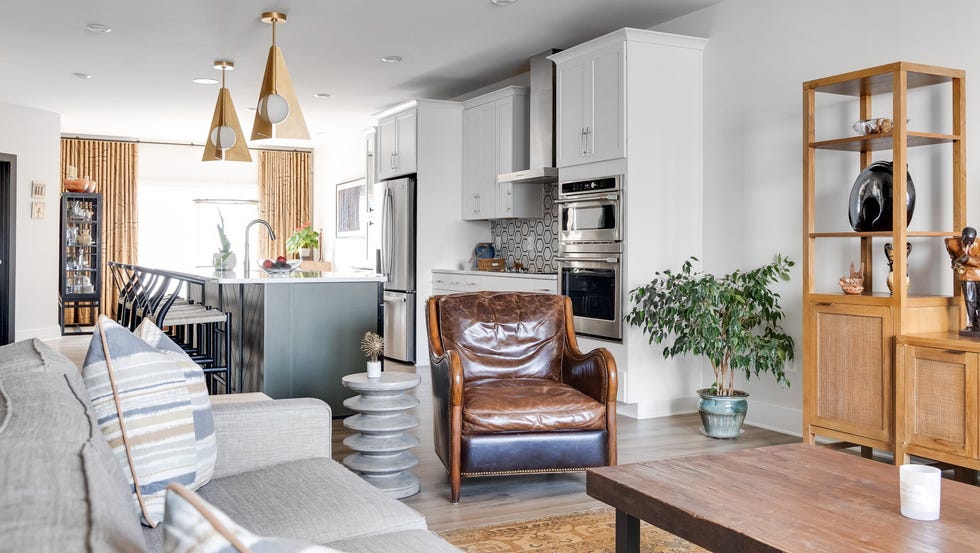
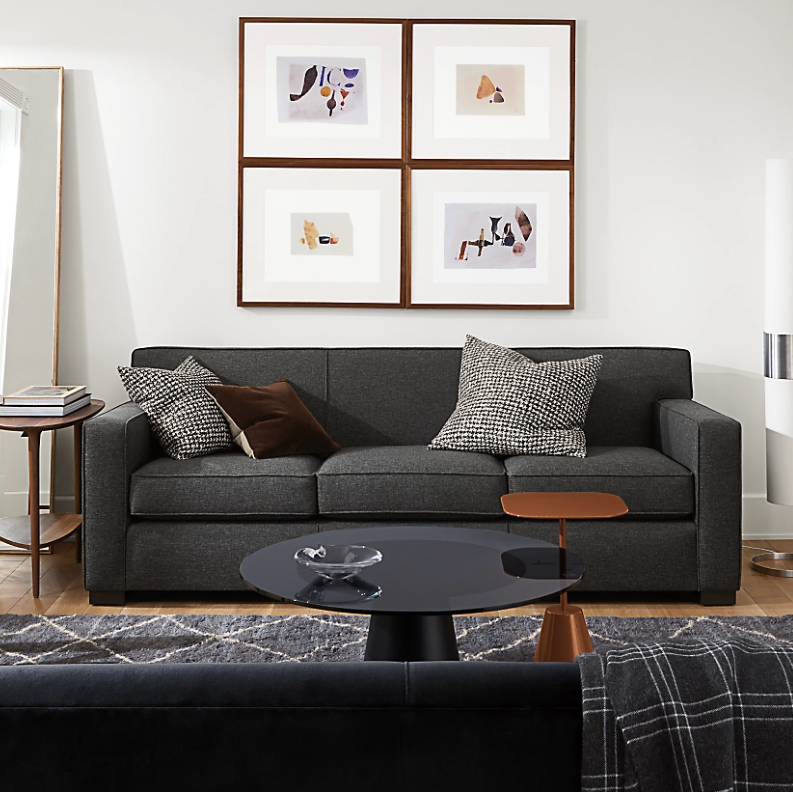
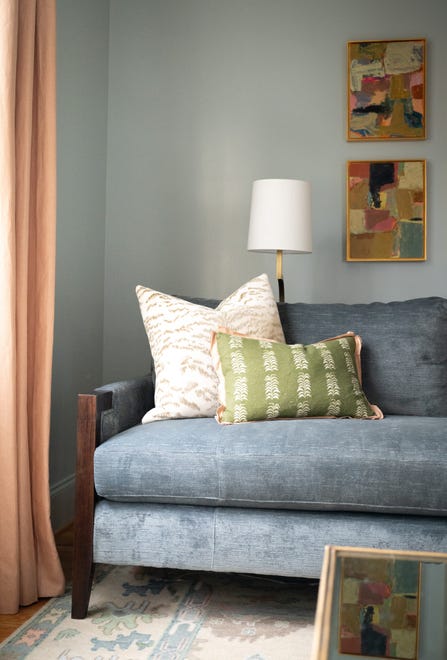
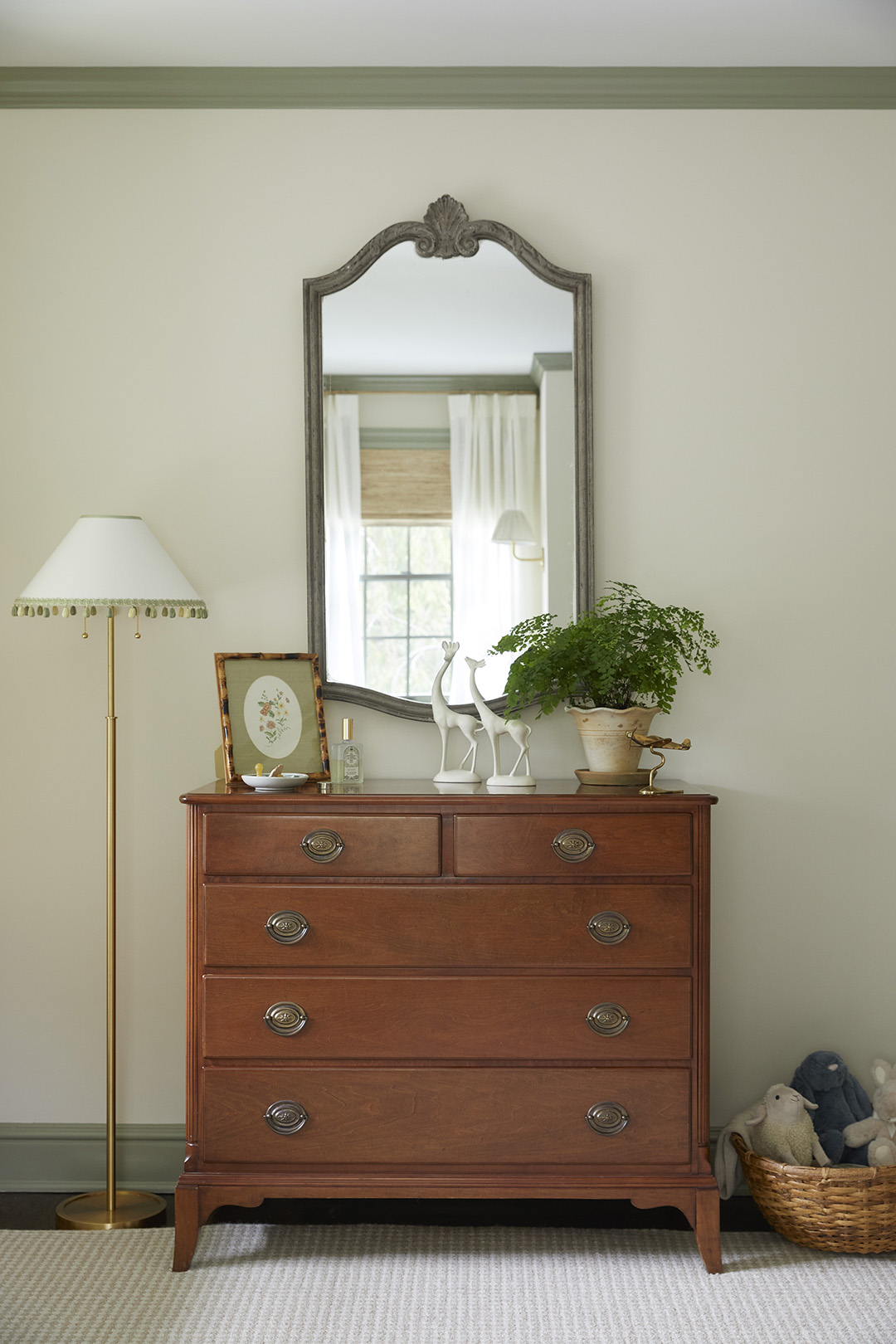
Designing an effective adult space involves creating a distinct sensory experience. Designers recommend soft, layered lighting, including sconces, lamps, and dimmers, and minimizing distractions like televisions to encourage deeper conversation and relaxation. Material choices are also important; materials like velvet, mohair, linen, and unlacquered brass, which might not be suitable for child-heavy areas, can be incorporated to add a luxurious feel. Cherished pieces, sculptural ceramics, and delicate glassware can further enhance the grown-up aesthetic. Despite creating distinct adult zones, designers caution against making them feel disconnected from the rest of the home. Maintaining design cohesion through consistent wood tones, upholstery styles, or color undertones helps ensure the entire home feels harmonious, even as certain areas serve different purposes.
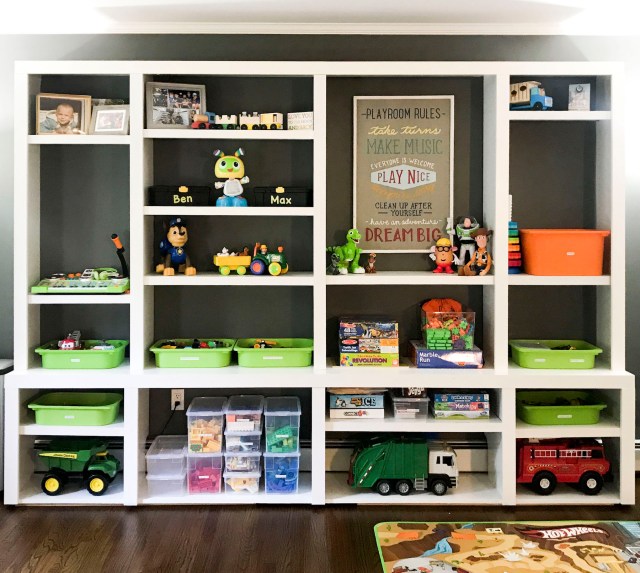
Many parents initially experience guilt when considering dedicated adult spaces. Roe acknowledges this common sentiment, stressing that it is not selfish but a necessary step for parental well-being. Bogdanovic explains that this guilt often stems from societal expectations of parental self-sacrifice. She reframes the concept by drawing a parallel to children's playrooms, which are accepted as "kid-only" zones. Clear and positive communication about different zones—kid zones, parent zones, and shared spaces—can help normalize the idea and teach children about mutual privacy. The article concludes that providing adults with a dedicated space to recharge ultimately benefits the entire household, leading to a more harmonious family environment.
#KidFreeZone #HomeDesign #ParentalWellbeing #InteriorDesigners #AdultSpaces #HomeRenovation #FamilyLife #DesignTips #MentalHealth #KidFreeZone #HomeDesign #ParentalWellbeing #InteriorDesigners #AdultSpaces #HomeRenovation #FamilyLife #DesignTips #MentalHealth
0 comment in total
 No comments yet
You may also like
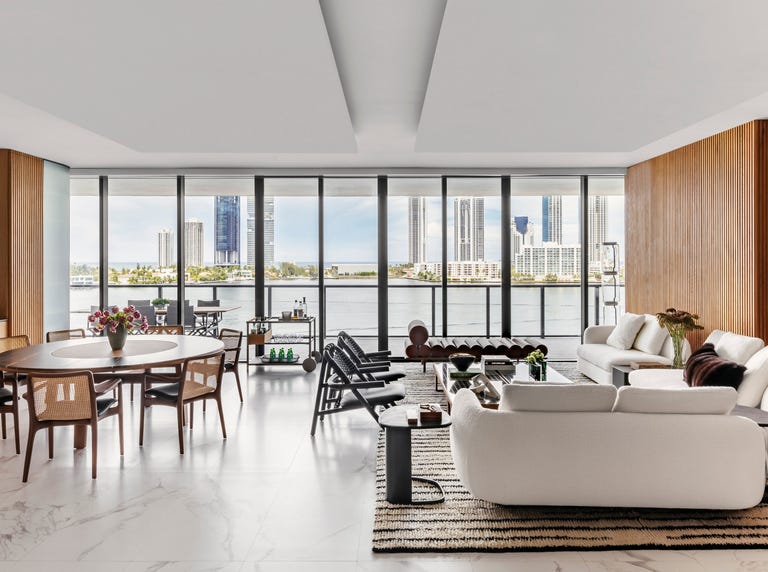
Designers Say This Is the "Perfect" Floor Plan for Young Families
How to Let Your 4-Year-Old Design Her Own Bedroom (and Like the Results)


Patrick and Brittany Mahomes' nursery is an adorable masterclass in personalizing a child's space – and it will grow with their baby

Warm-weather safety: 7 tips to prevent kids from falling out windows

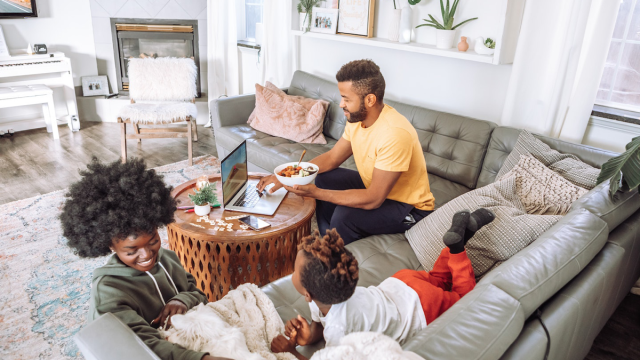
A Stylist’s Guide to Creating a Kid-Friendly Living Room
One room, three ways: How 3 distinct looks transformed these kid's bedrooms, playrooms
How to Contain Your Children’s Clutter (Published 2020)
Living-dining room stylish, but surprisingly kid-friendly
Make Room for the Kids

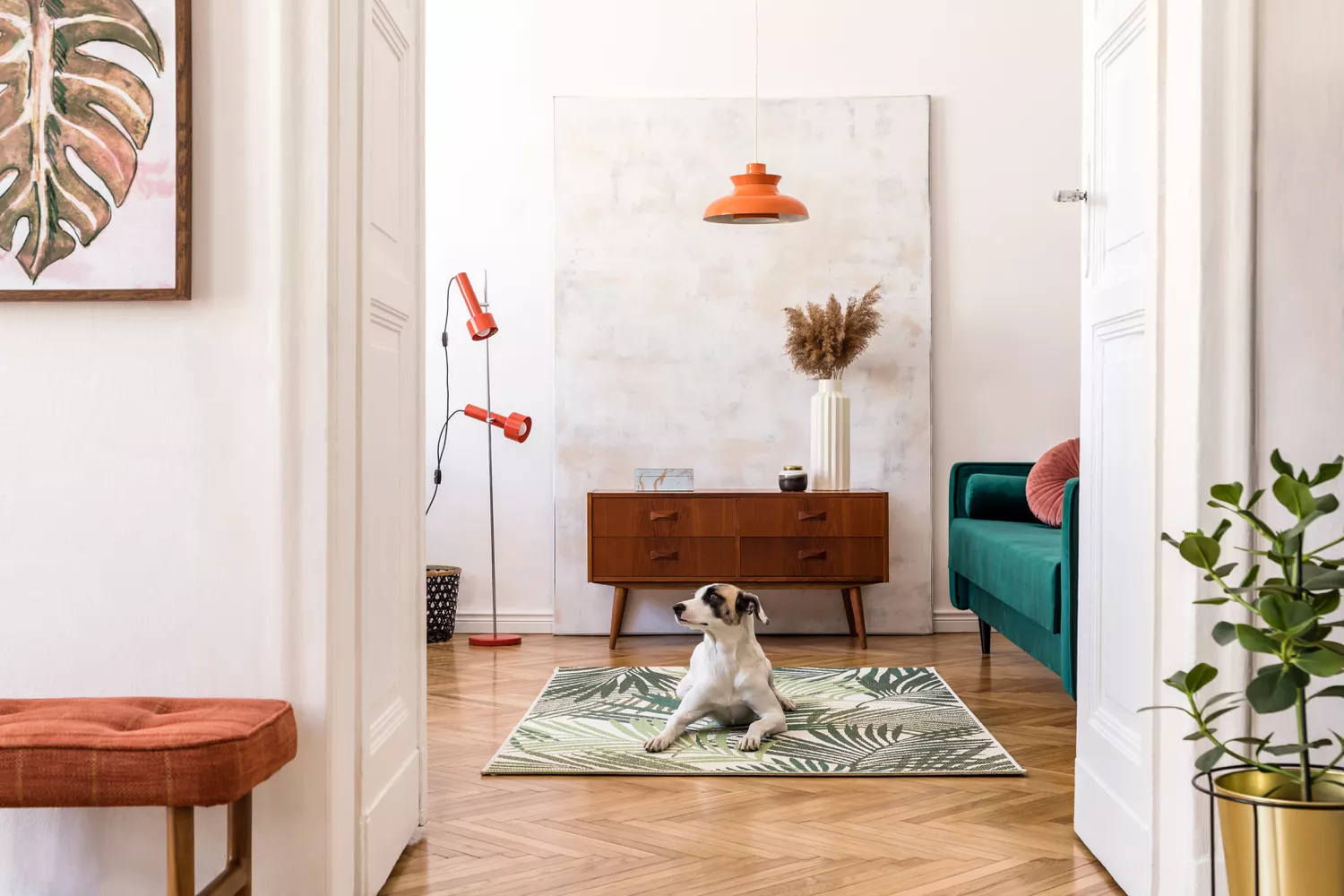
Closed Floor Plans Are Making a Comeback—but Designers Say They’re Not for Everyone

16 Delightful Kids’ Room Ideas You’ll Definitely Want to Steal

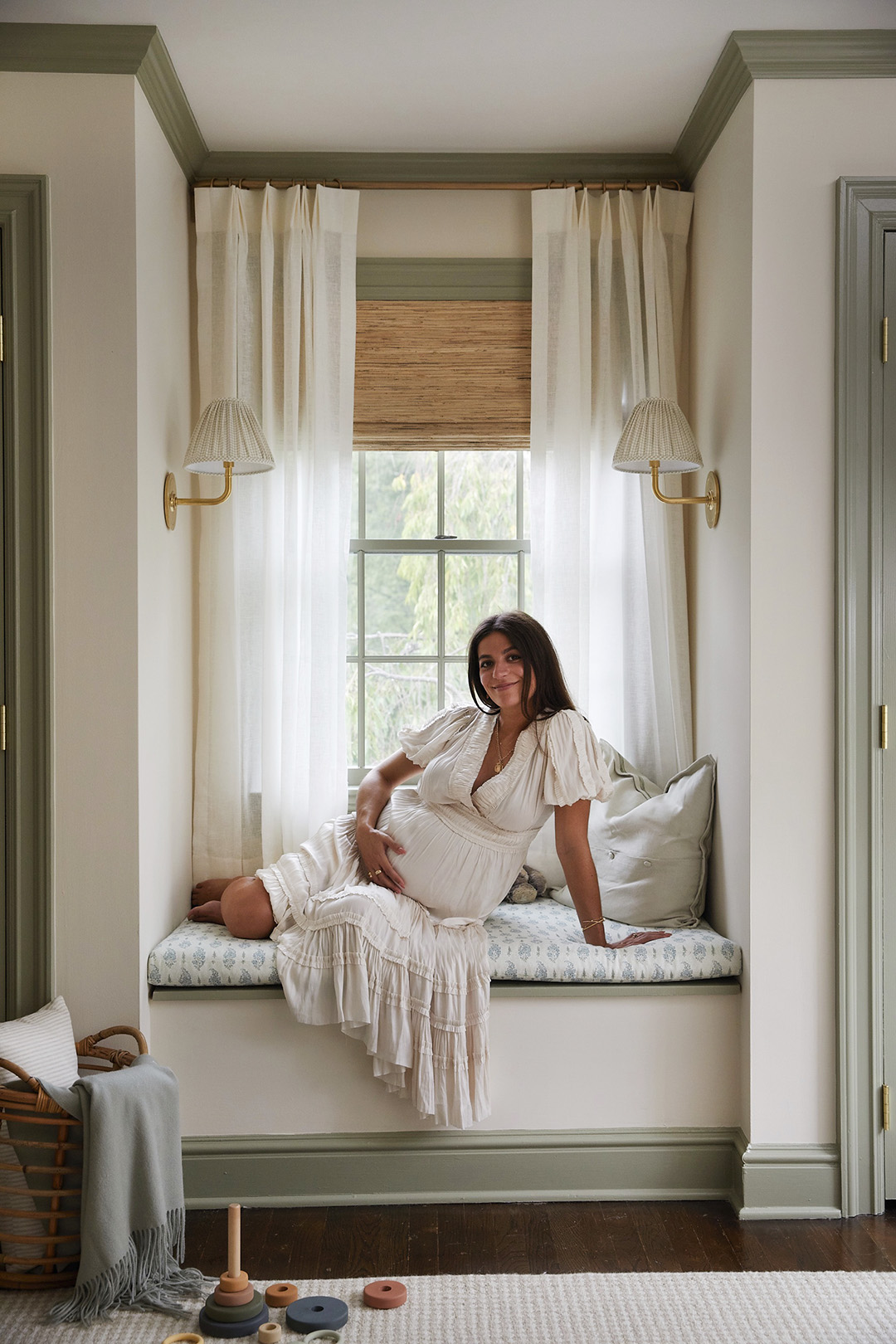
Living in a Rental Didn’t Stop This New Mom From Designing Her Dream Nursery

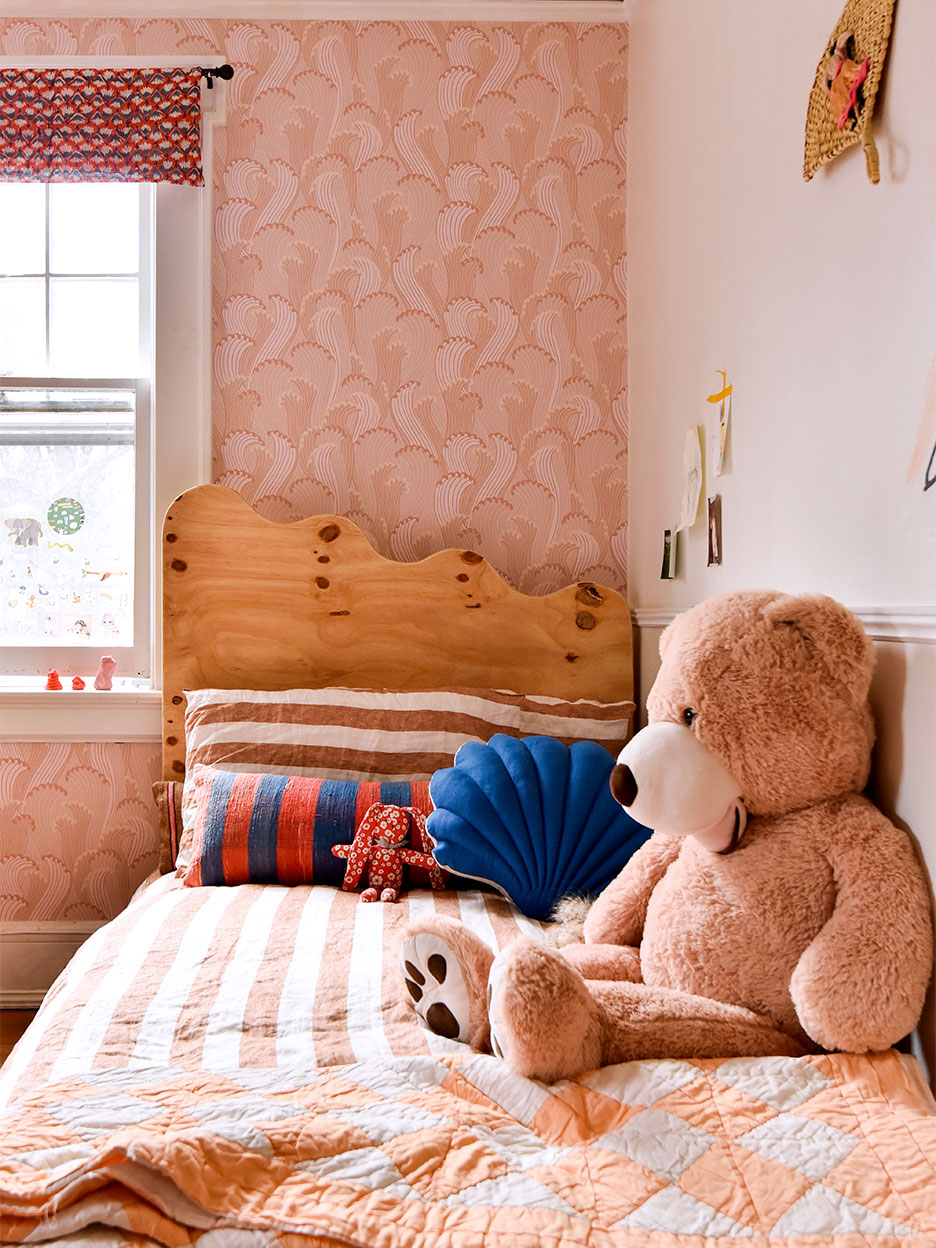
A Curiosity Tray, An Under-Pillow Talisman, and 8 More Kids’ Room Essentials

9 things experts say you should never include in a nursery

10 Best Couches for Kids, According to Real-Life Parents

A 19-Foot-Long Amazon Rug Disguises Trap-Door Beds in This Play Zone Above the Garage
7 rules for chic, child-friendly decor
3 Perfectly Designed Playrooms for Kids and Teens
Playroom ideas – 25 fun yet stylish designs that kids of all ages will love
Designers inspired by children room decor