1/7
How to Let Your 4-Year-Old Design Her Own Bedroom (and Like the Results)
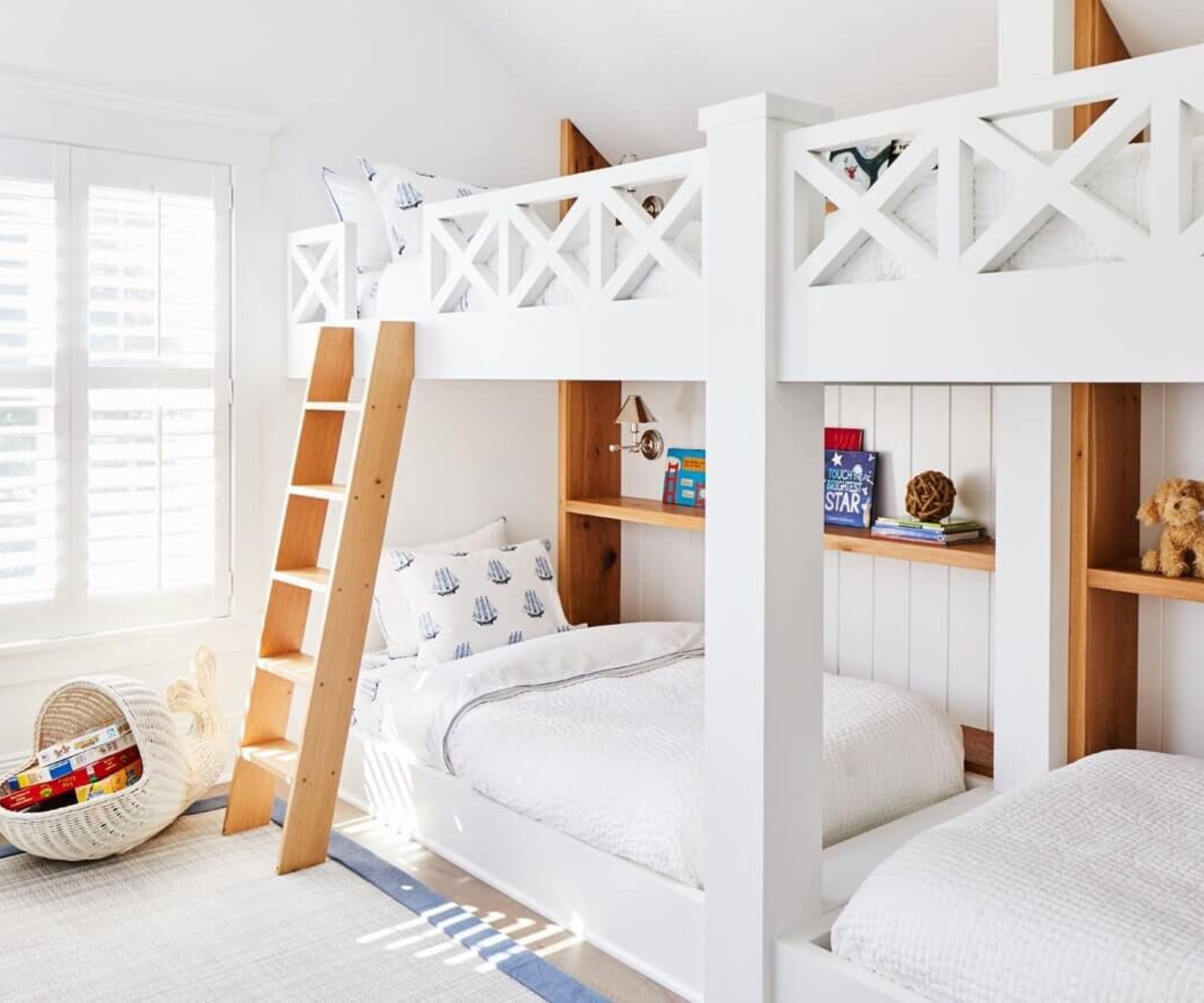
This article explores the process of redecorating a 4-year-old's bedroom, focusing on how to involve the child in the design decisions while ensuring a result that satisfies both parents and child. The case study involves Quinn Berry, daughter of Domino style director Kate Berry and illustrator Ian Berry, who has a strong aesthetic vision for her room. Quinn's primary request was a bunk bed with a rainbow ladder and "hot pink walls with pretend flowers." Her parents, leveraging their design expertise and the assistance of Domino style editor Elaina Sullivan, navigated these requests to create a vibrant and functional space.
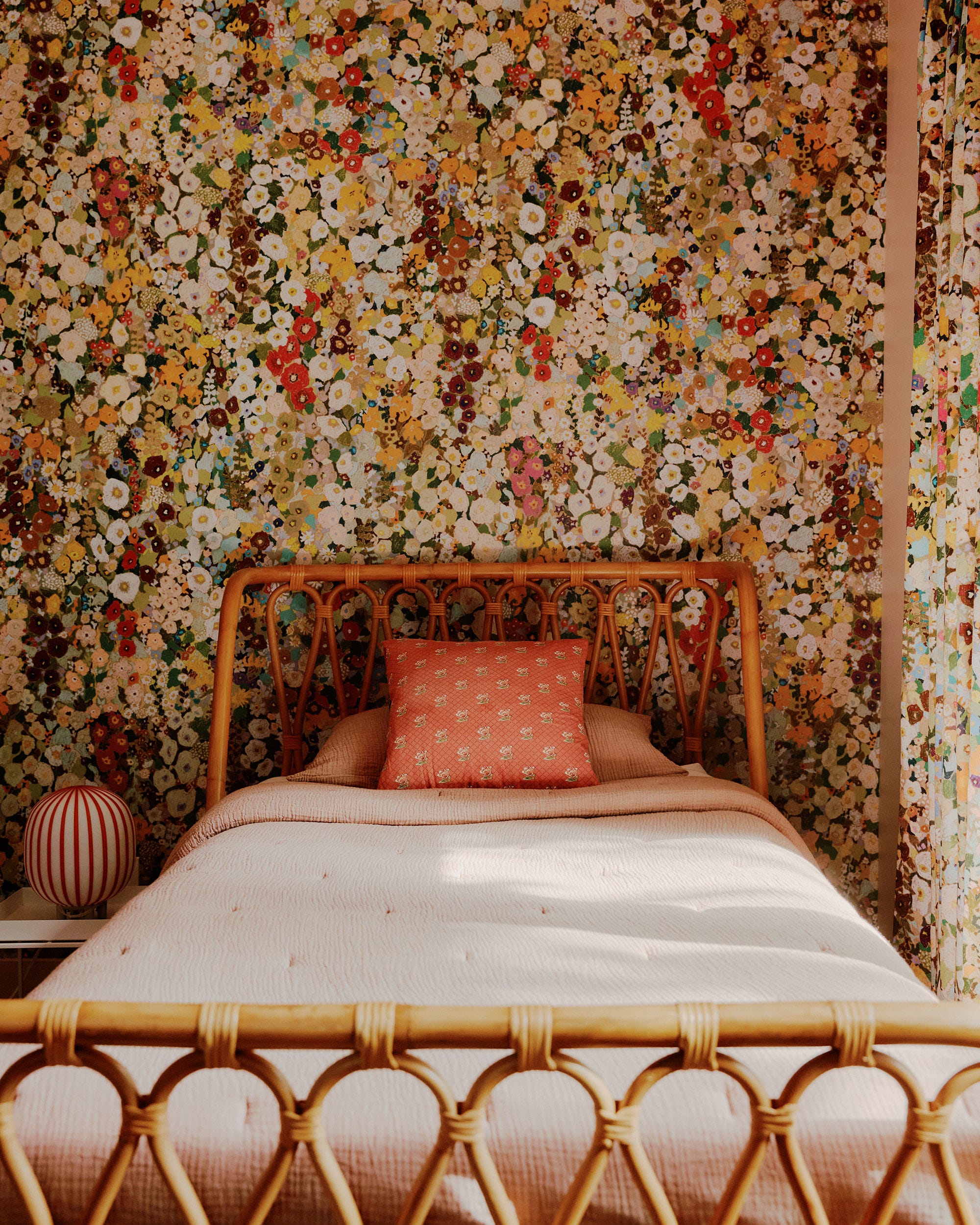
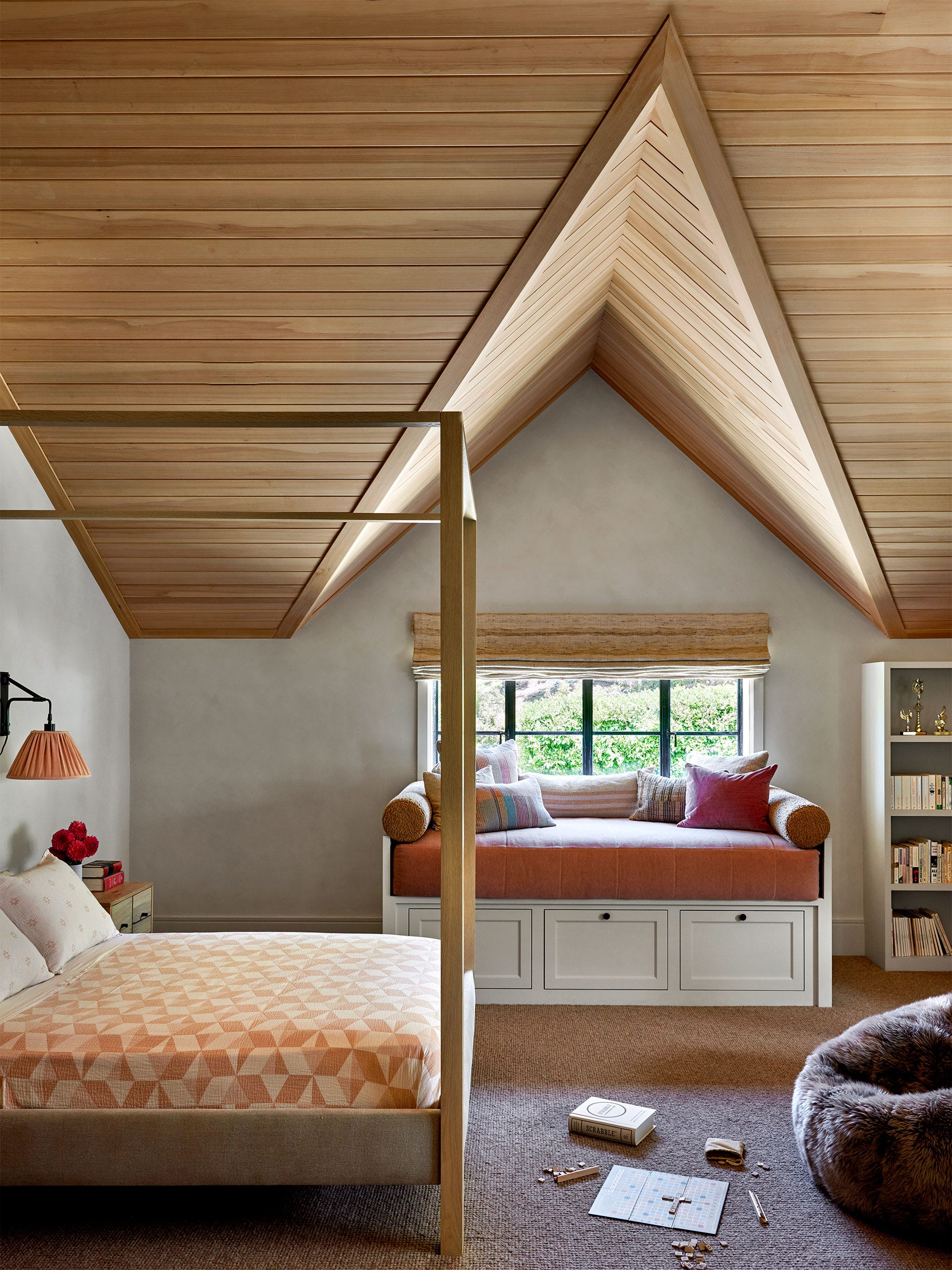
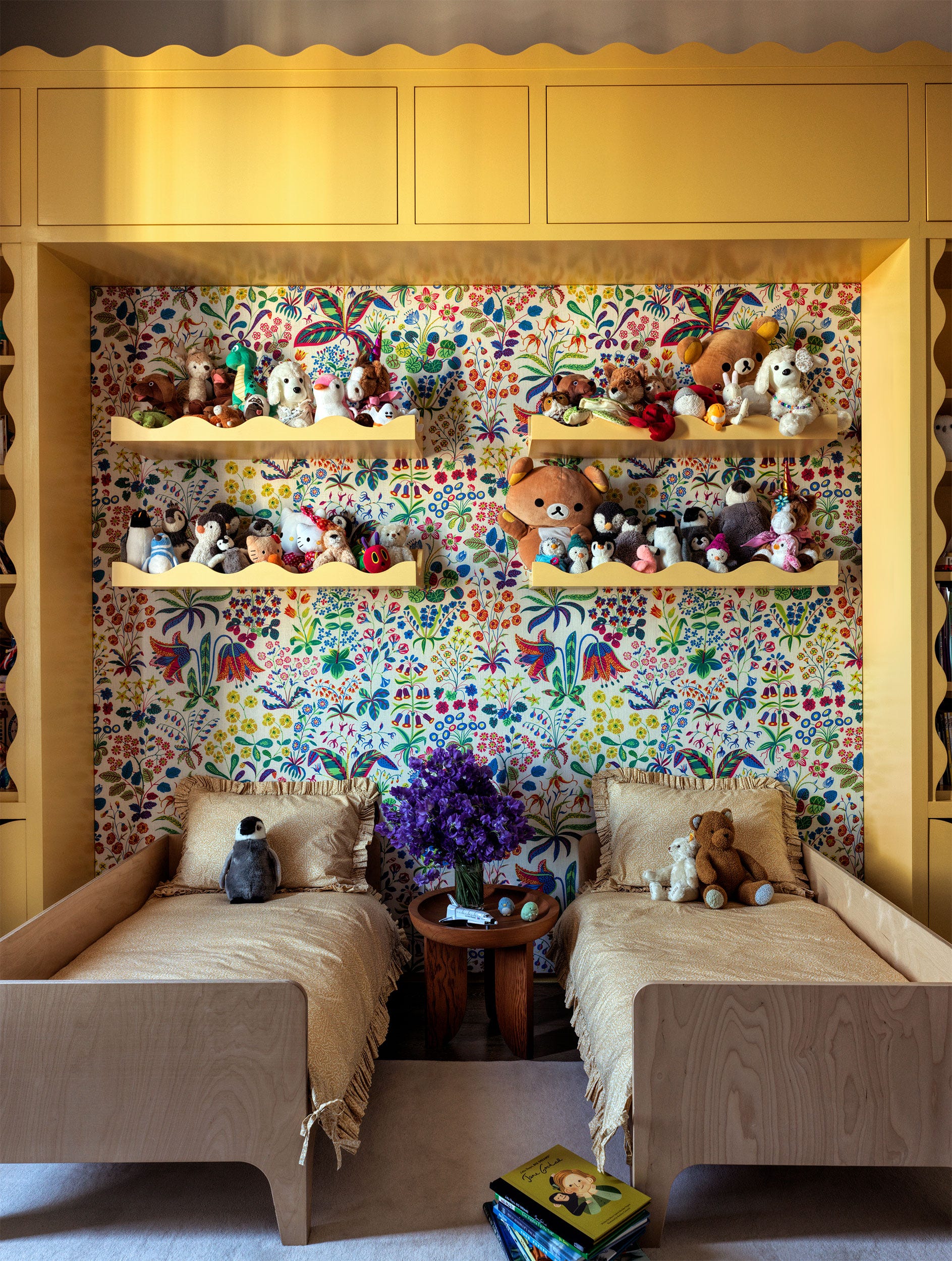
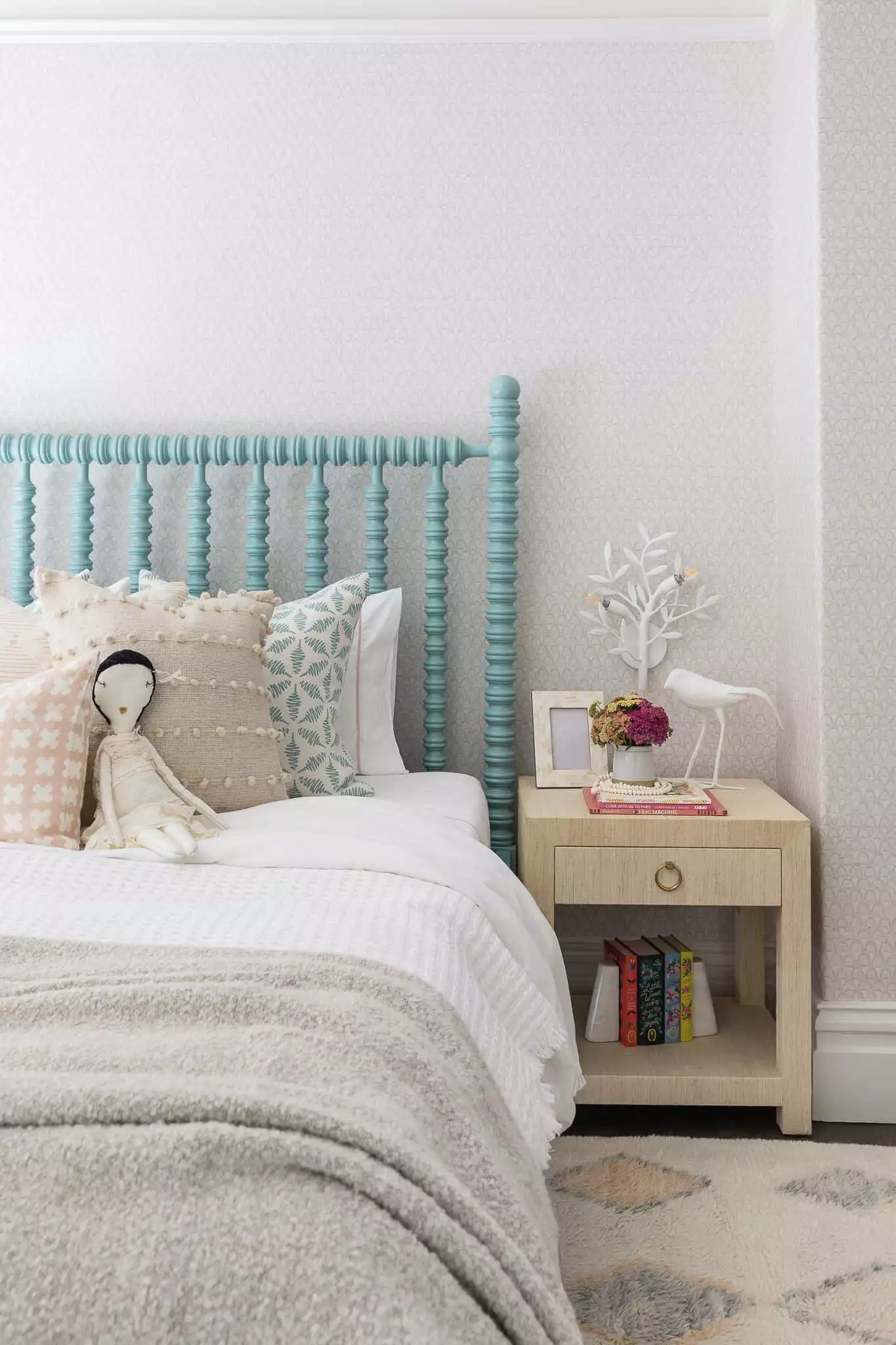
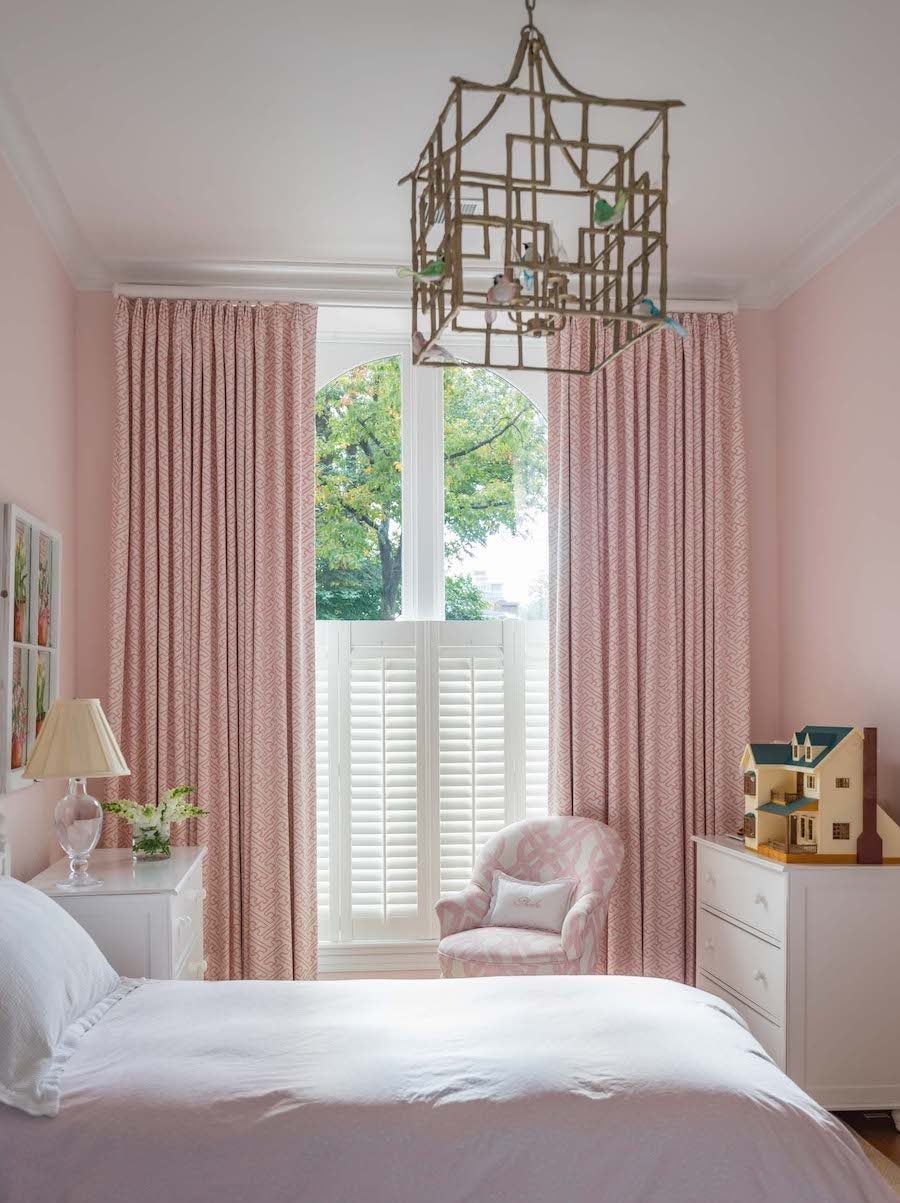
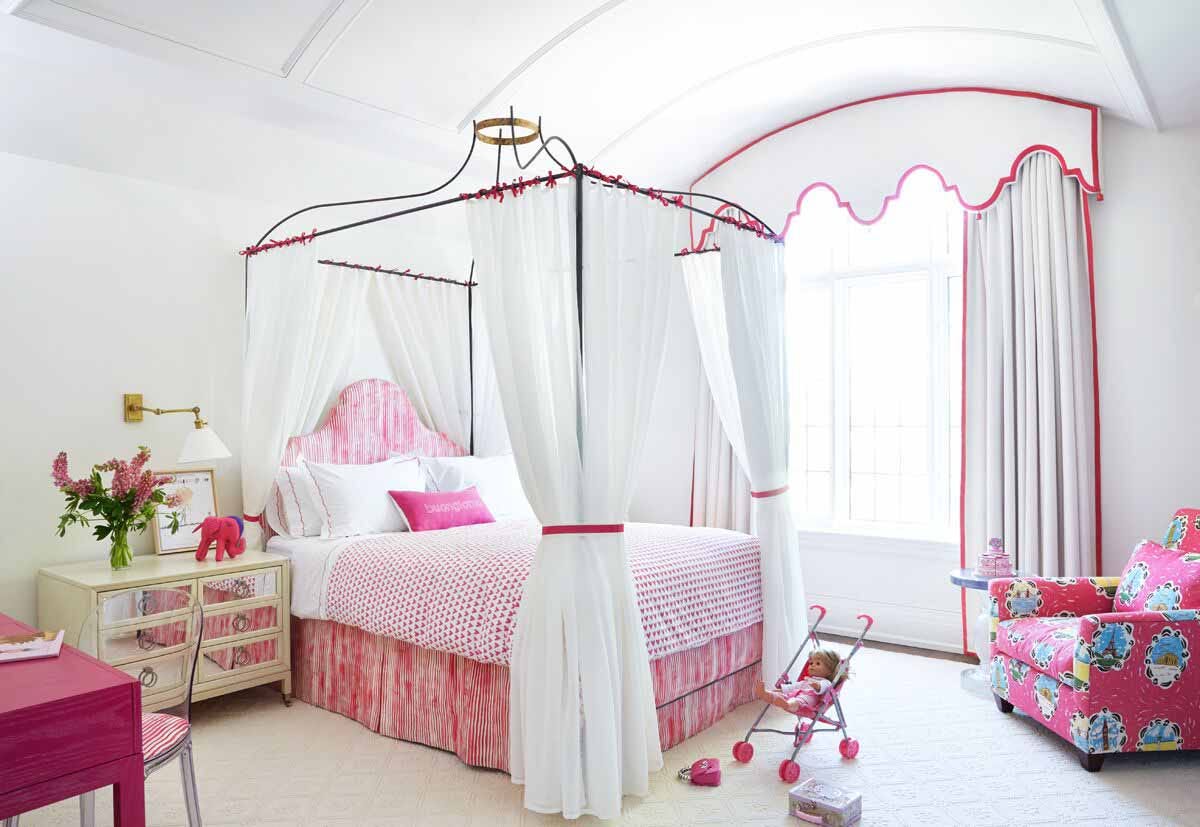
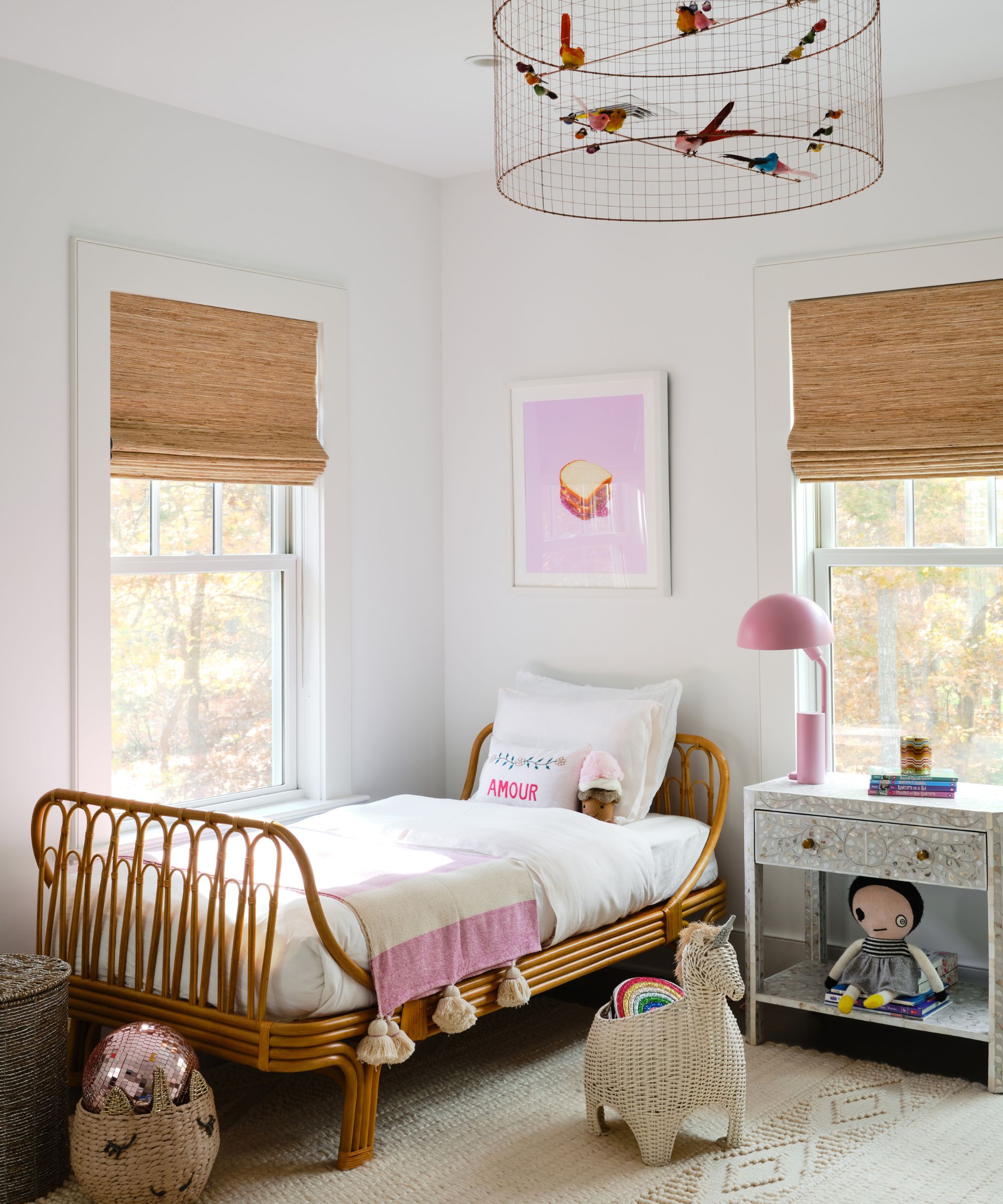
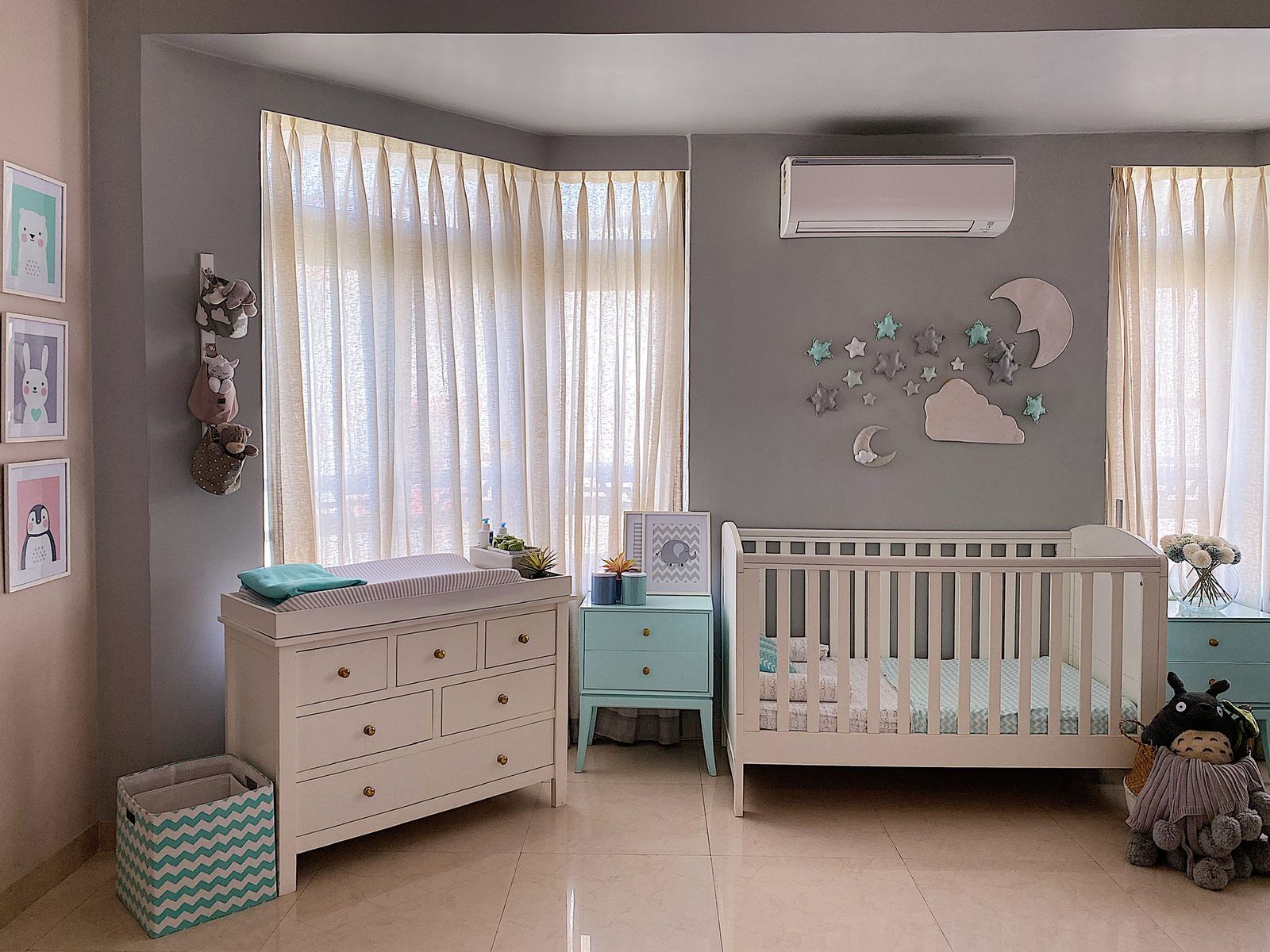
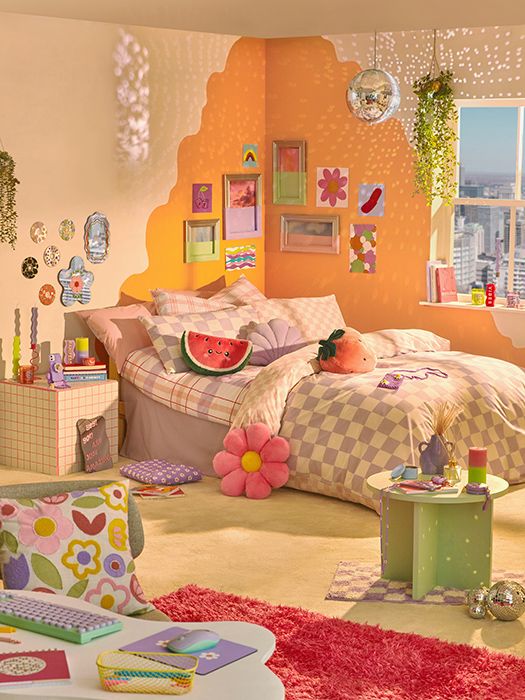
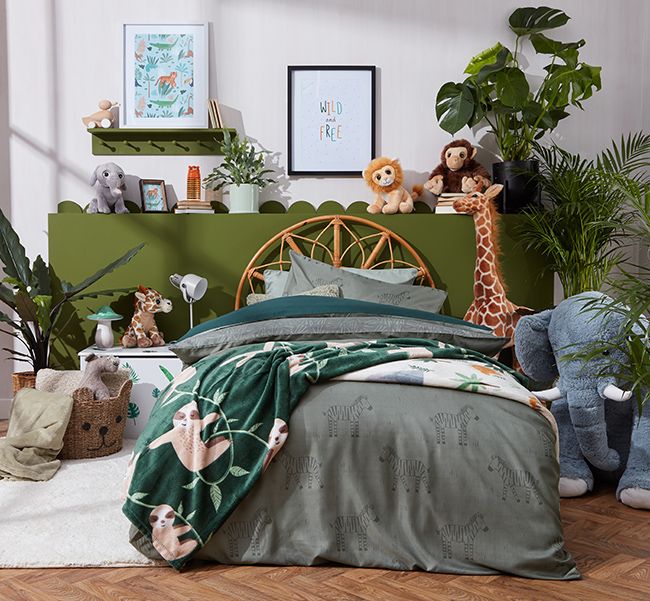
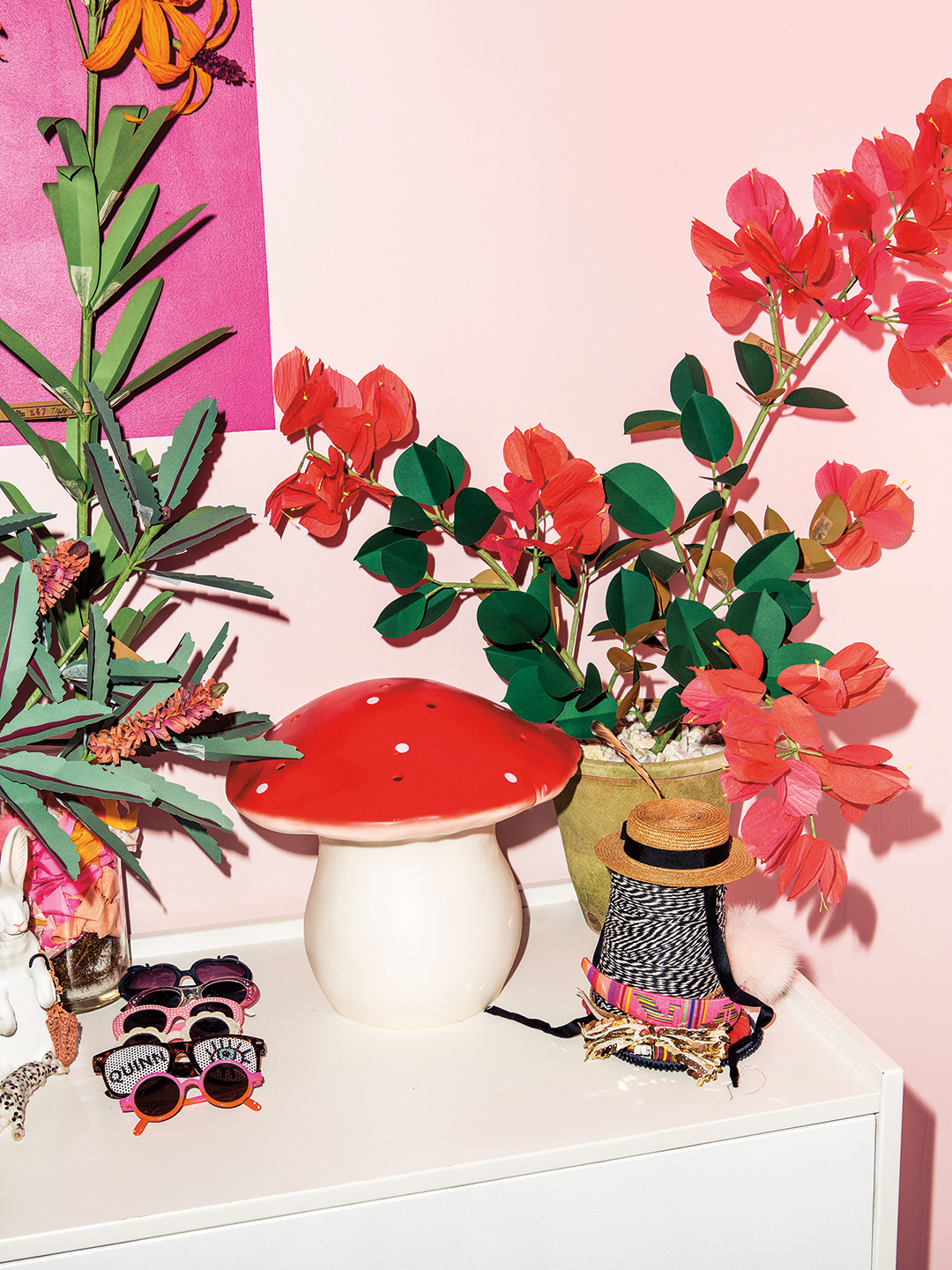
The renovation began by removing outdated baby room elements, such as a crib and neutral textiles, and retaining more eclectic pieces like fringed pendant lamps and a graphic Moroccan rug. Quinn's initial vision for hot pink walls was adapted; the walls were painted a pale rose and accented with color-blocked sections in brighter pink and orange. The "pretend flowers" materialized through a hyper-stylized Josef Frank fabric, which was used to transform the bottom bunk into a creative hideaway. This collaborative approach allowed Quinn's ideas to be incorporated while being refined into a more sophisticated design.
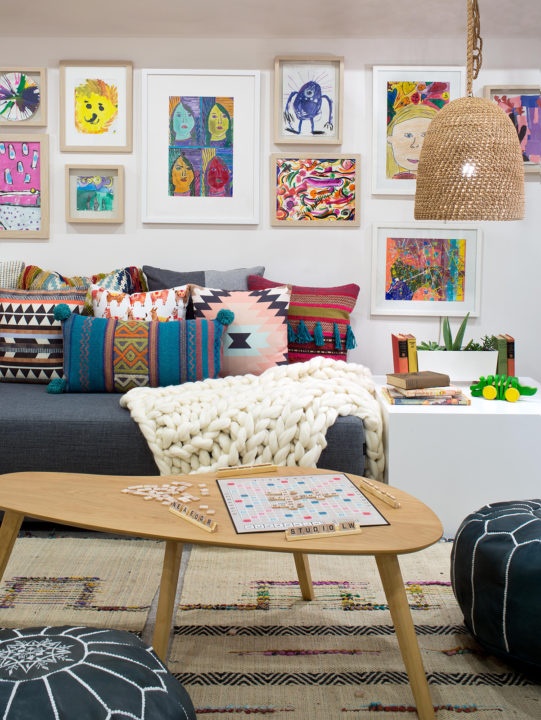
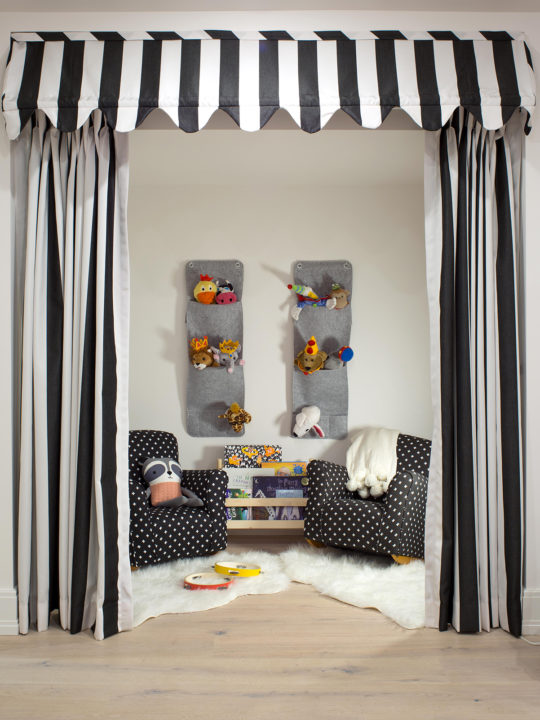
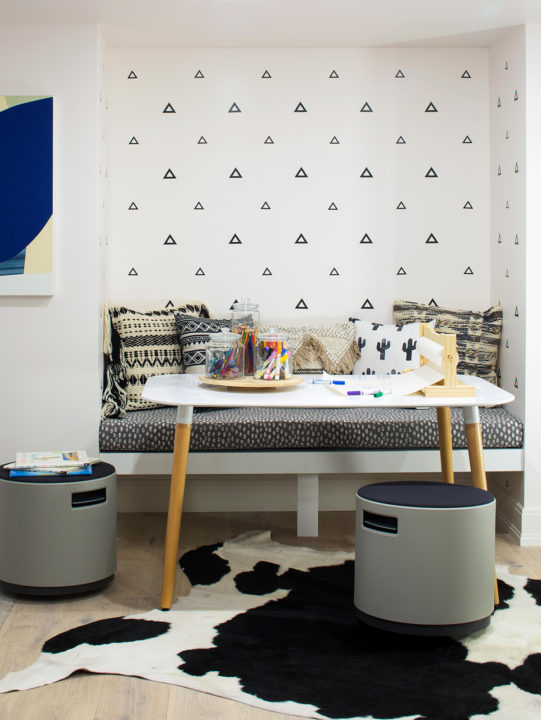
The room was also designed to serve as a "working laboratory" for Quinn's creative development, featuring a standing easel, a wall-mounted crafts area, and a dress-up station. This emphasis on functionality supports her current interests, which include a fascination with Yayoi Kusama. The article highlights that encouraging creativity does not mean completely ceding control to the child but rather finding a balance. It provides practical advice on achieving this balance through three key strategies.


First, parents should identify the child's top two or three non-negotiable design elements and build around those. For Quinn, the bunk bed was paramount, leading to a compromise on a white model that could be customized with desired details like the botanical fabric. Second, the article suggests adapting the child's vision rather than outright rejecting "questionable ideas." This involves toning down, recasting, or adjusting the scale of their concepts to align with adult preferences. For instance, instead of an entire hot pink room, the color was integrated through color-blocked panels and accent pillows. Third, the design should reflect the child's passions and habits. By observing how the child uses their space, parents can incorporate elements that nurture their evolving interests, such as a dedicated spot for a favorite wig, accessible musical instruments, or a drawing table. These strategies aim to create a space that is both personally engaging for the child and aesthetically pleasing for the adults, fostering a sense of ownership and creativity in the child.
#KidsRooms #BedroomDesign #InteriorDesign #ParentingTips #CreativeSpaces #HomeDecor #ChildhoodDevelopment #KidsRooms #BedroomDesign #InteriorDesign #ParentingTips #CreativeSpaces #HomeDecor #ChildhoodDevelopment
0 comment in total
 No comments yet
You may also like
Must-have kids bedroom ideas for little ones, ‘tweens, and teens

18 Bedroom Ideas Little Girls Will Love

4 Charming Children’s Rooms You (And Your Kids) Will Love

How to Design a Kids Room You Won’t Have to Totally Revamp Next Year
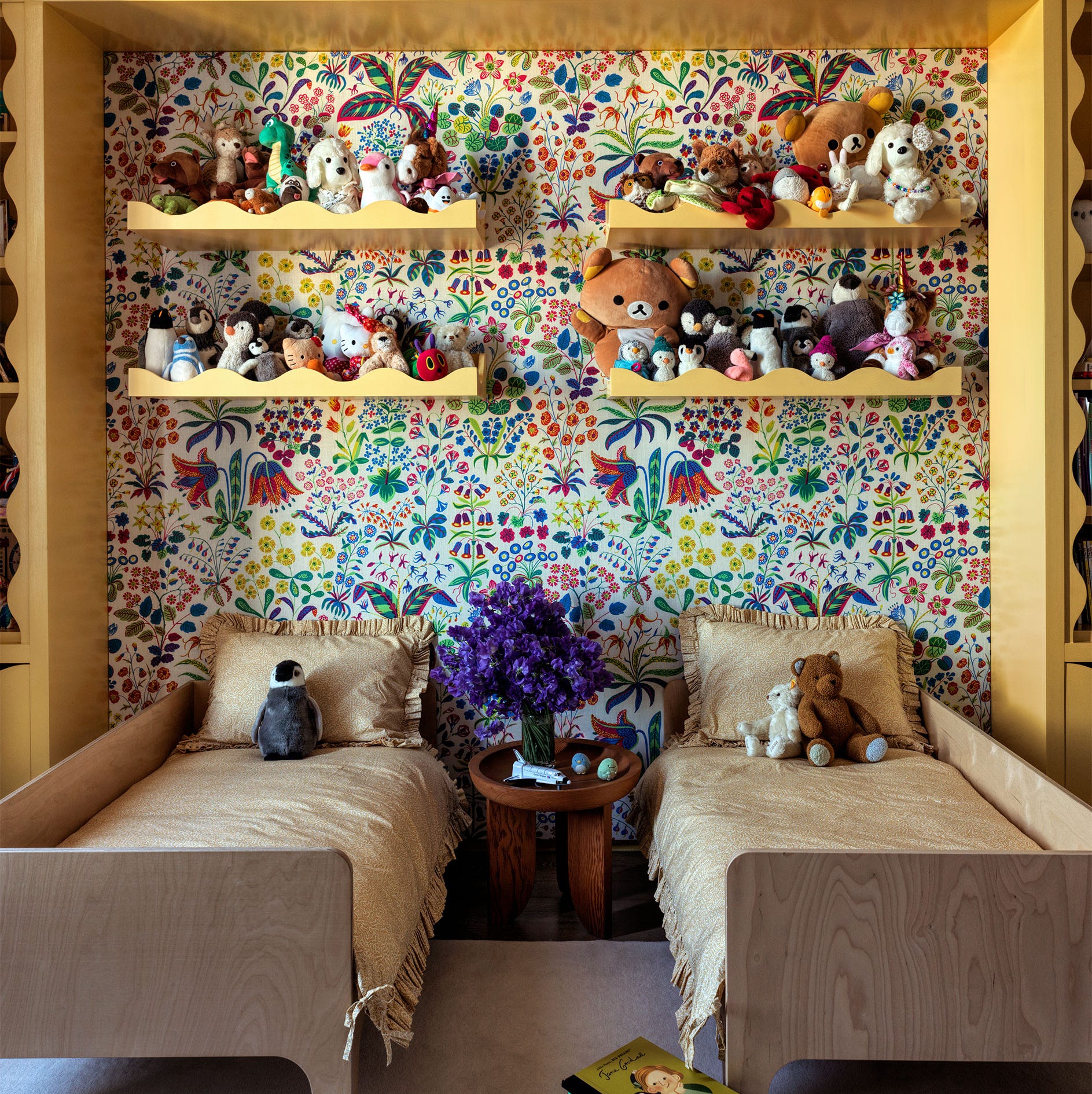
70 Kids' Bedroom Ideas That Are Anything But Child's Play

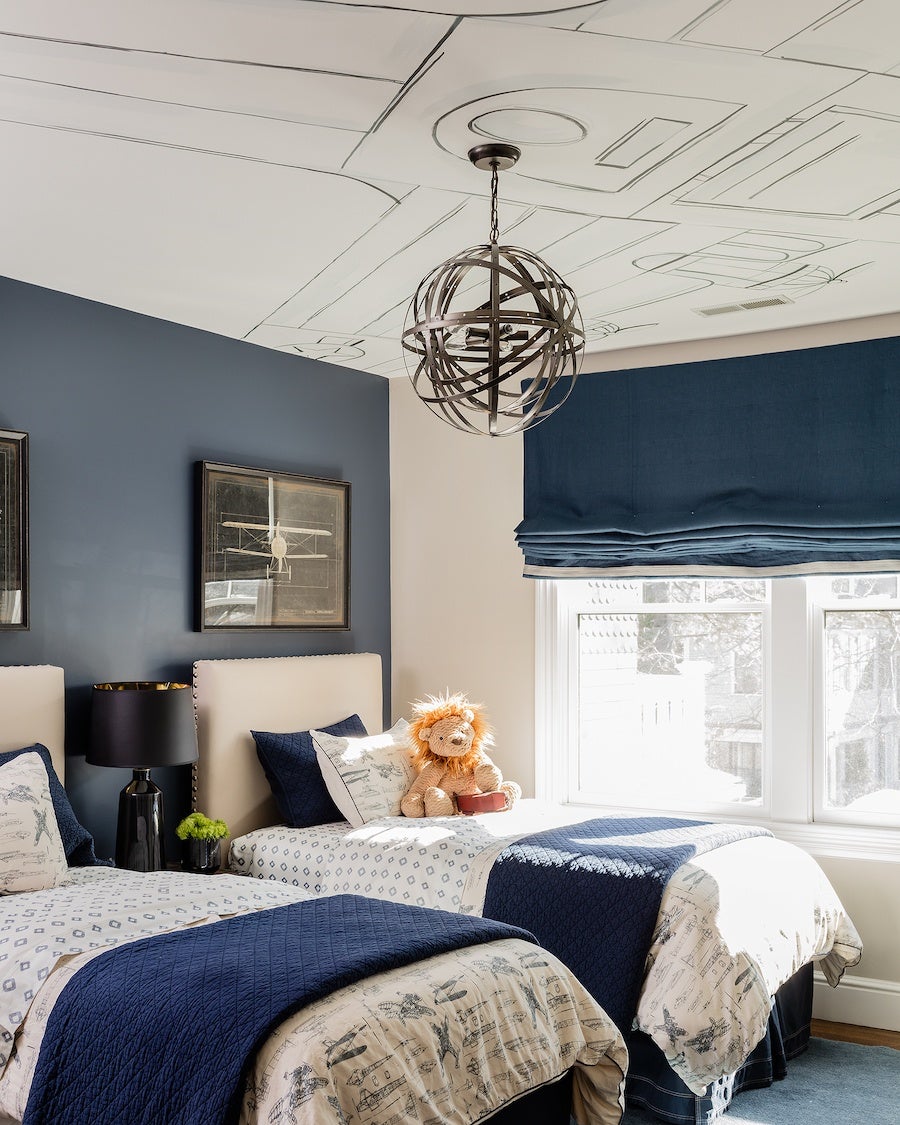
Get Inspired by These 12 Adorable (And Oh-So-Chic) Kids’ Rooms

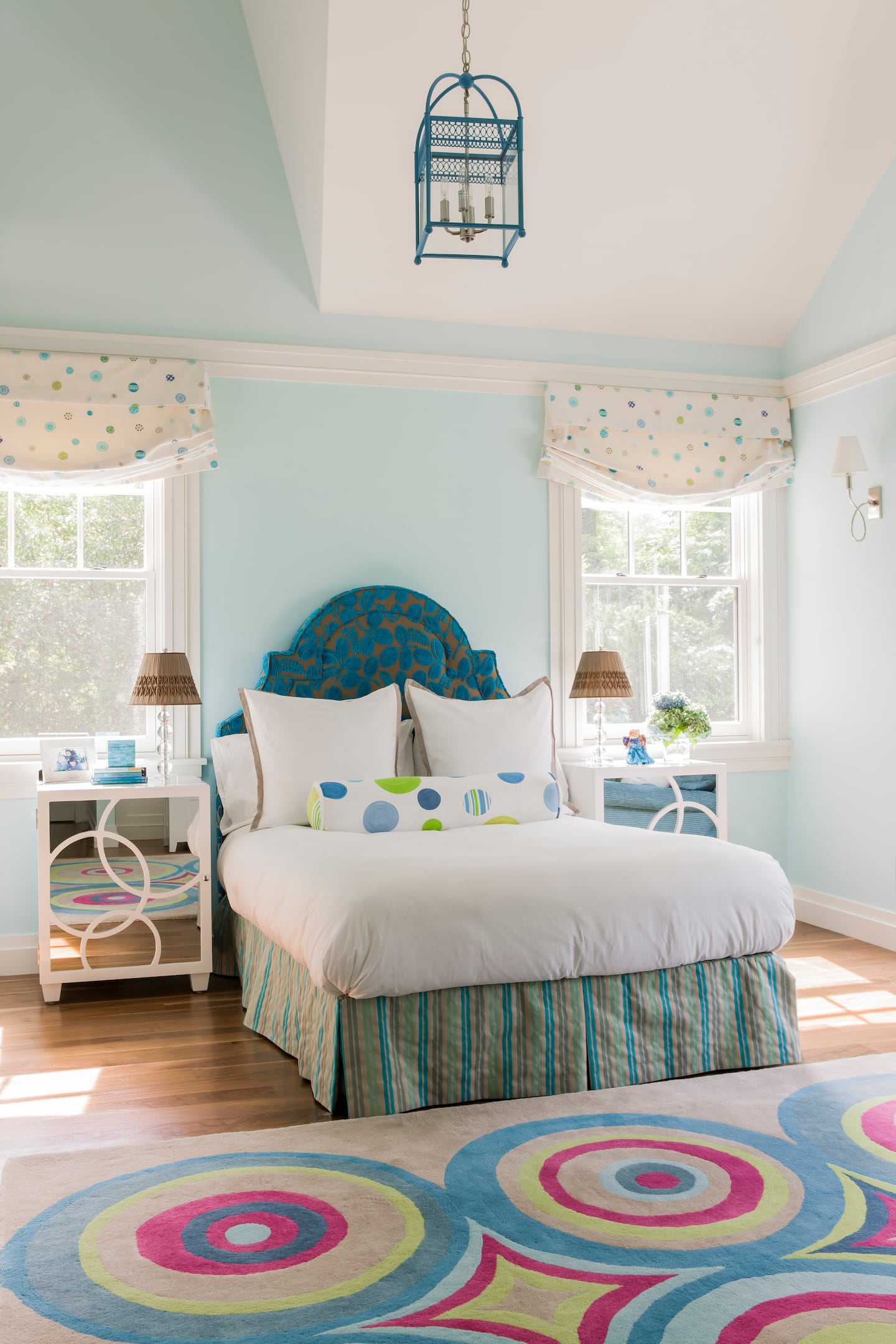
A bedroom design that grows with the child

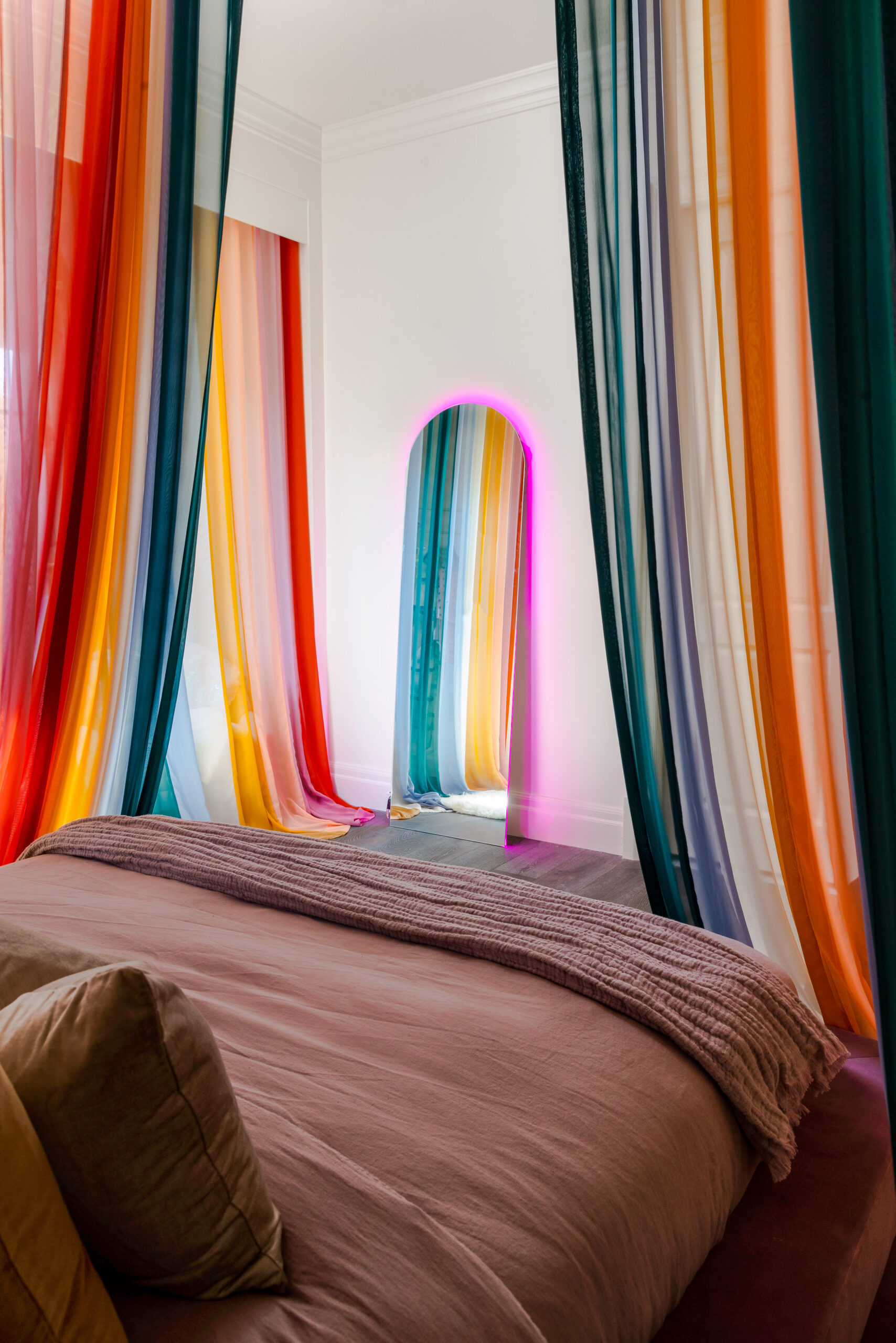
This 8-Year-Old Wanted a Princess Bed—Her Designer Delivered a Spice Girls–Worthy Setup
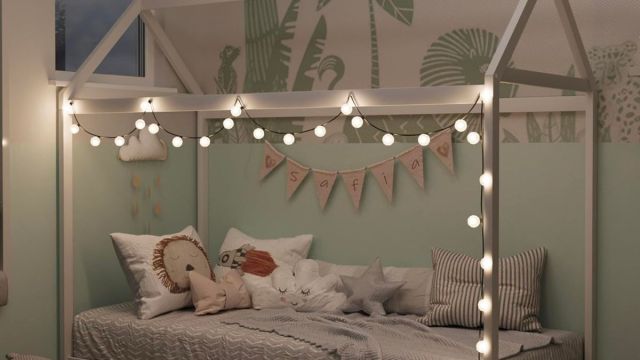
Done with the Crib? Toddler Beds for Your (Little) Big Kid
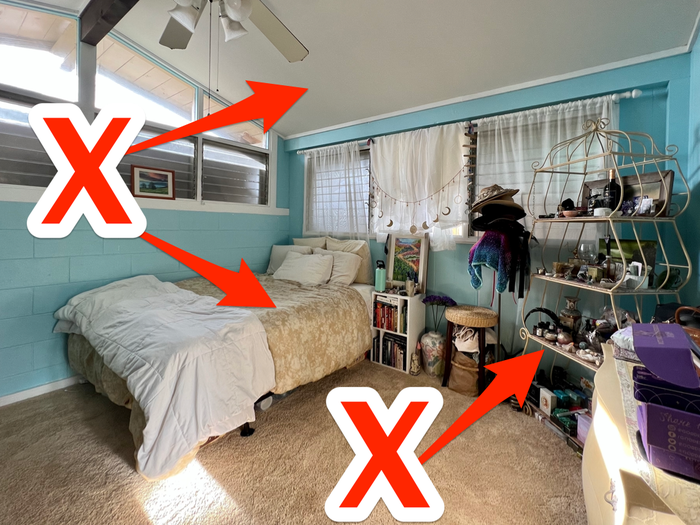
Interior Designer Shares How to Make Childhood Bedroom Look Better
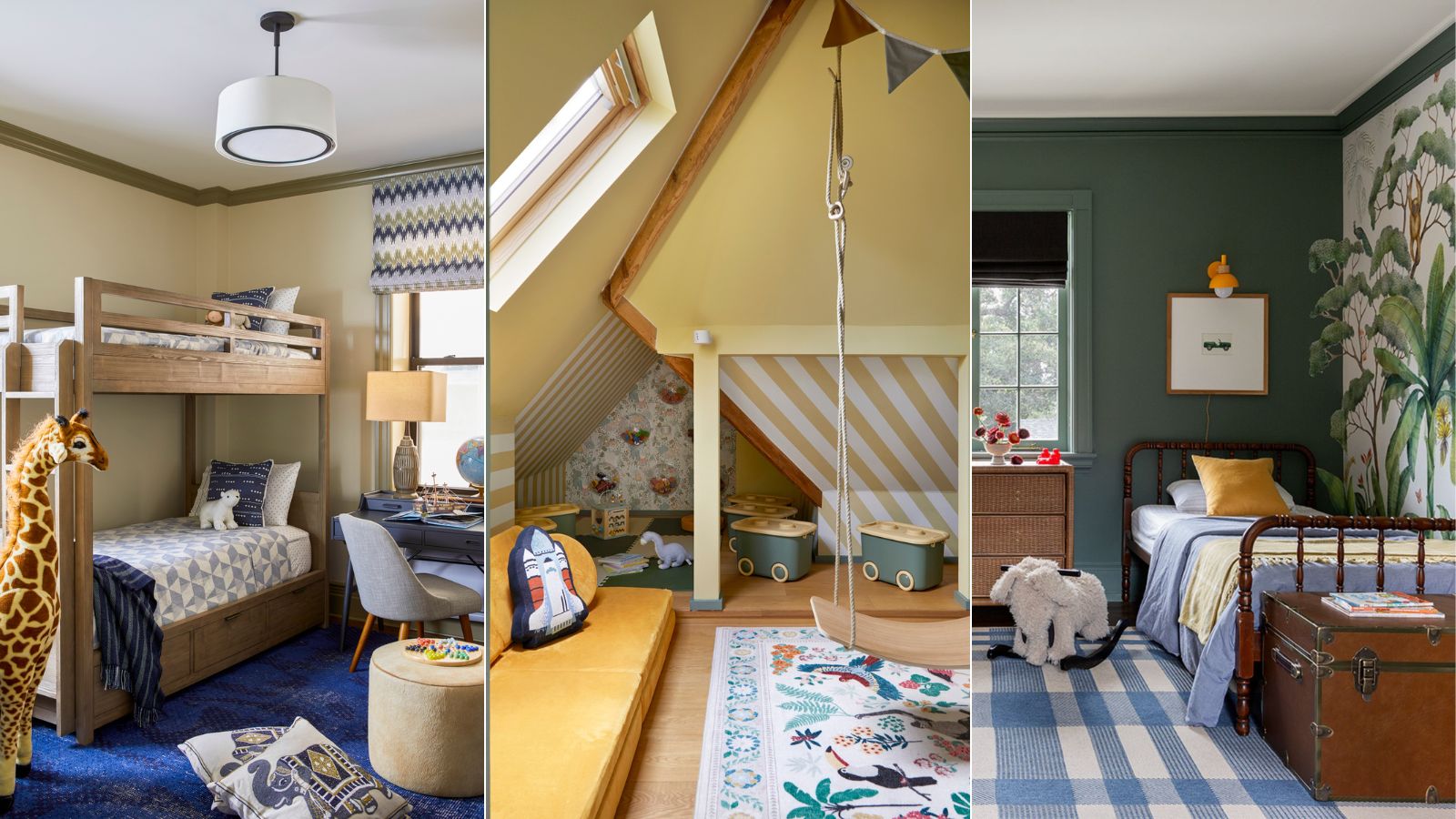
Here are all the most common mistakes to avoid when decorating a kids' bedroom according to interior designers
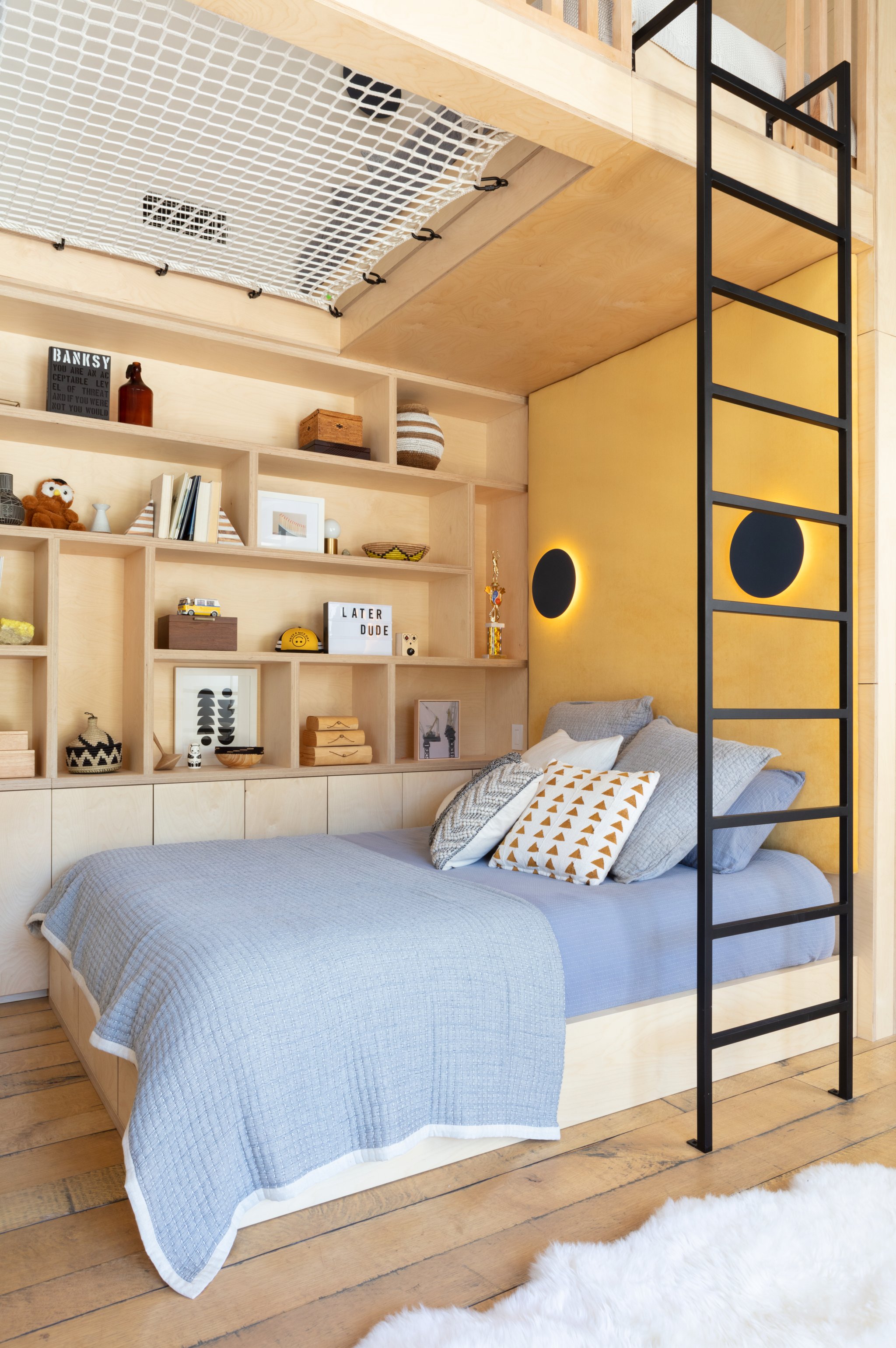
This Little Boy’s Bedroom Casually Has a Two-Story Slide

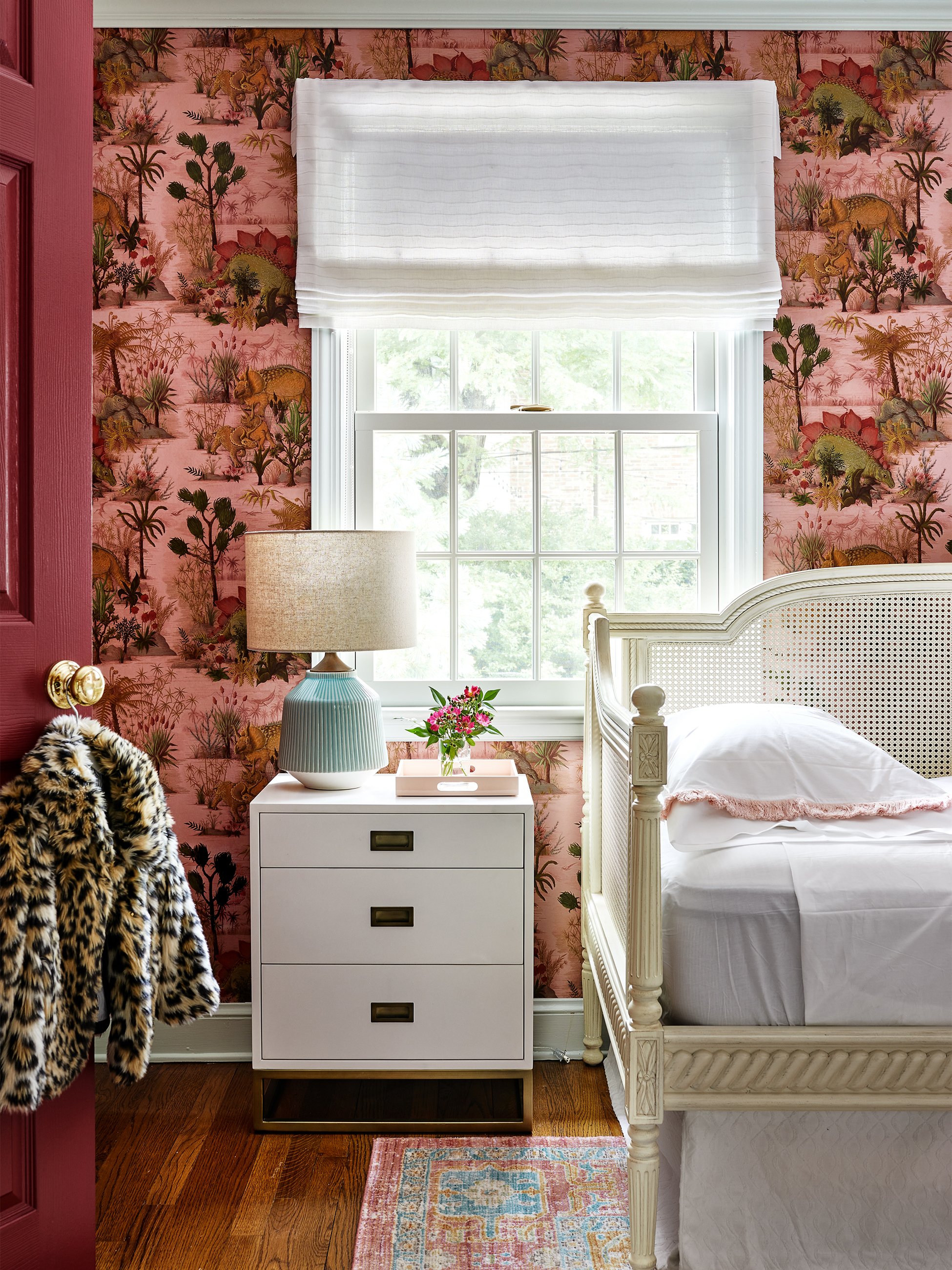
4 Kids’ Bedroom Ideas Even Your Child Will Think Are Cool
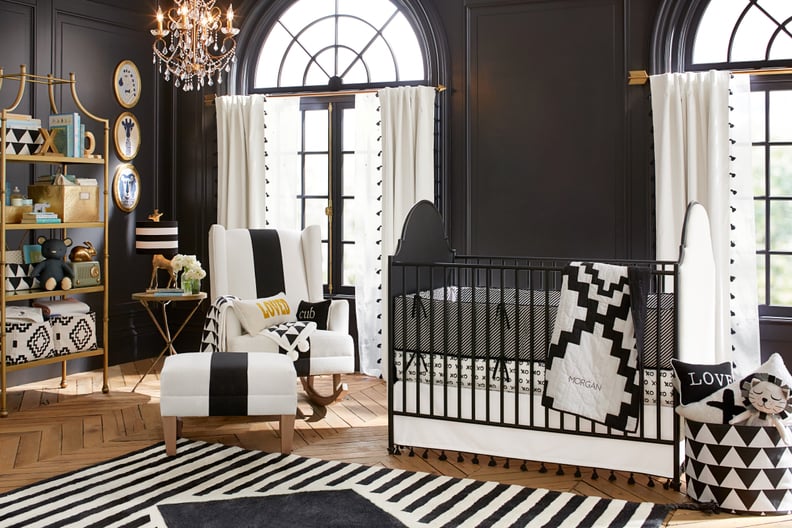
These Moms Just Designed a Nursery Collection You'll Want For Your Own Bedroom
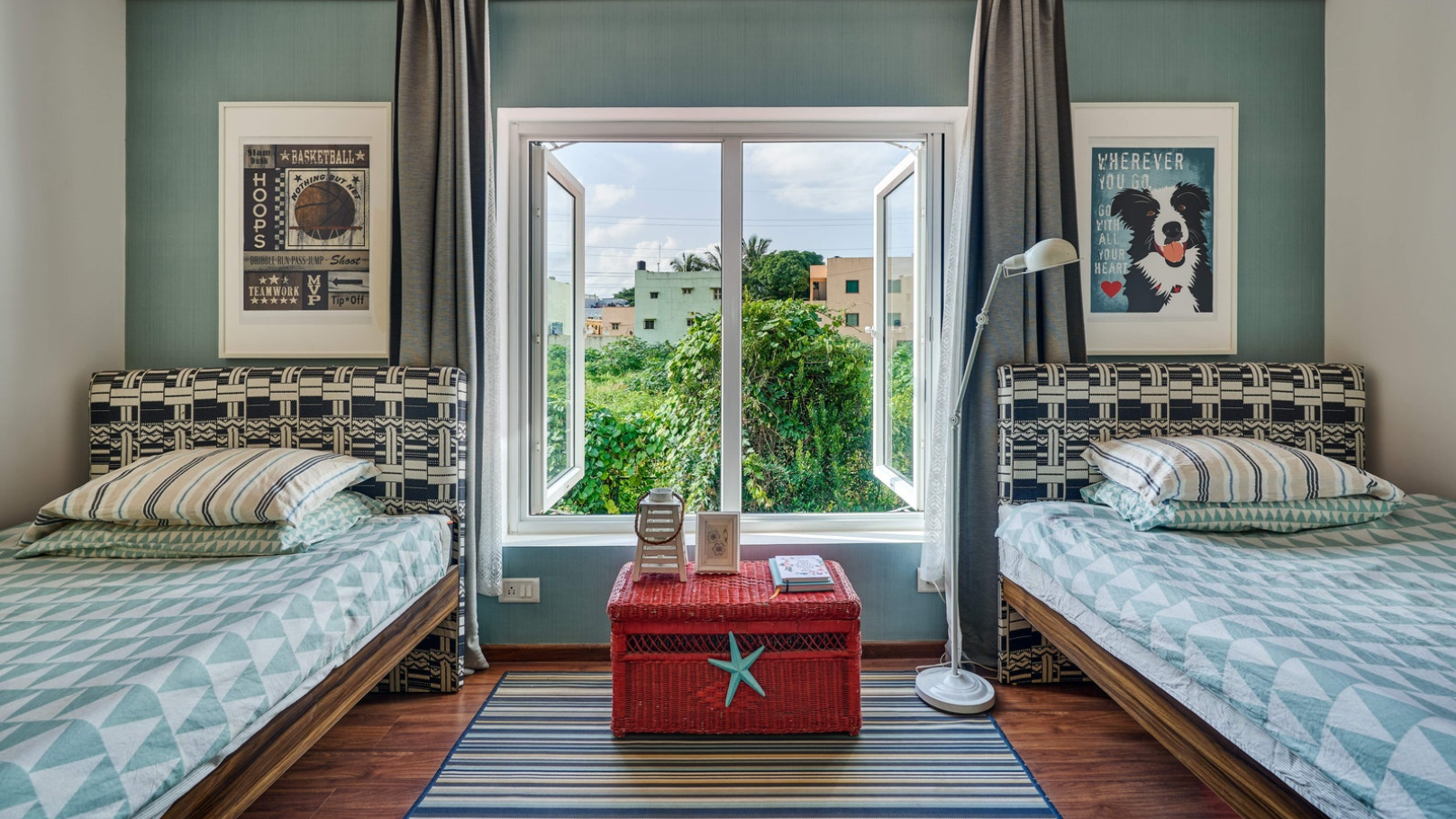
7 striking nursery ideas approved by some of India's top designers

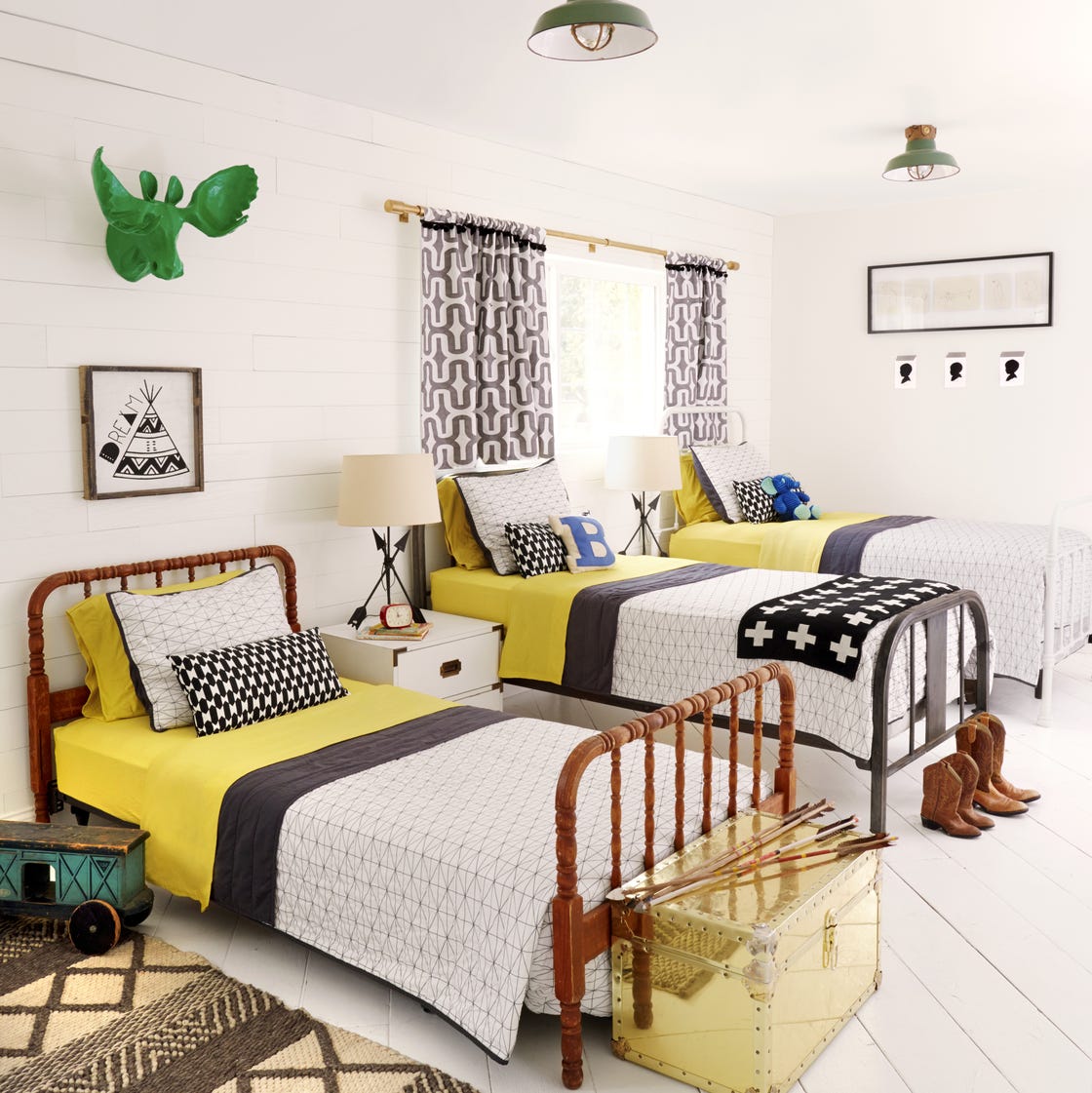
These Stylish Kids’ Rooms Will Make You Want Another Go at Childhood
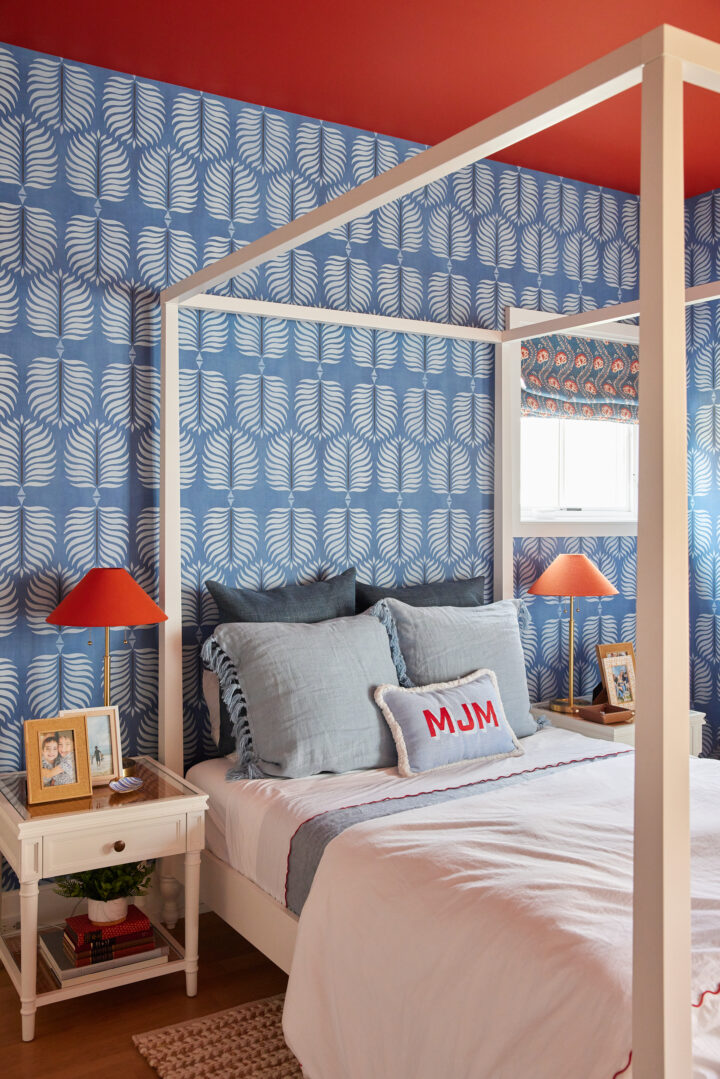
Major’s Bedroom Reveal
Here's How to Design a Stylish Kid's Room, According to an Expert
19 girls' bedroom ideas that are fun and easy to recreate

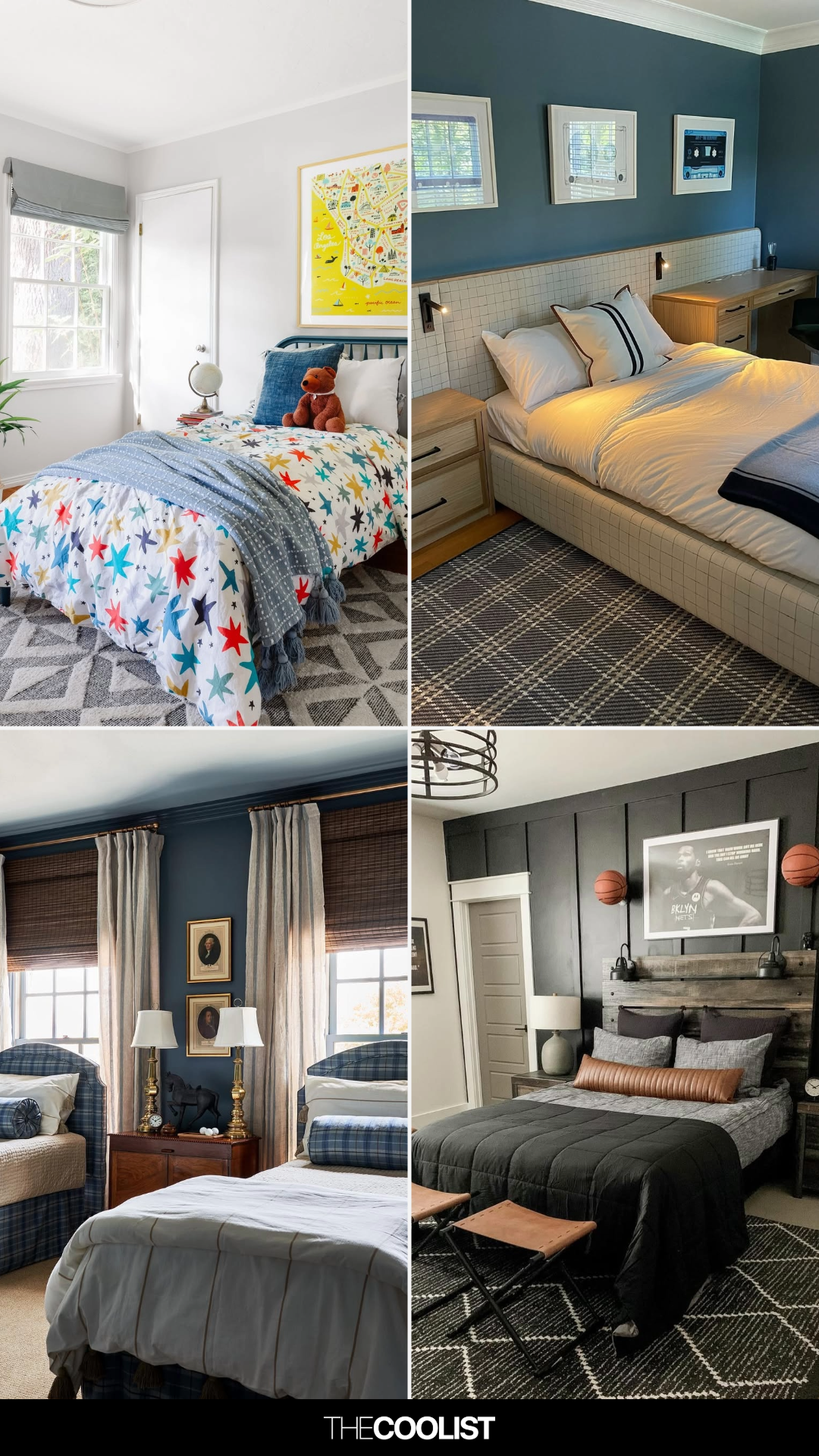
26 Smart Boys Bedroom Ideas That Prioritize Storage, Sleep, and Personality (In That Order)