1/10
9 things experts say you should never include in a nursery
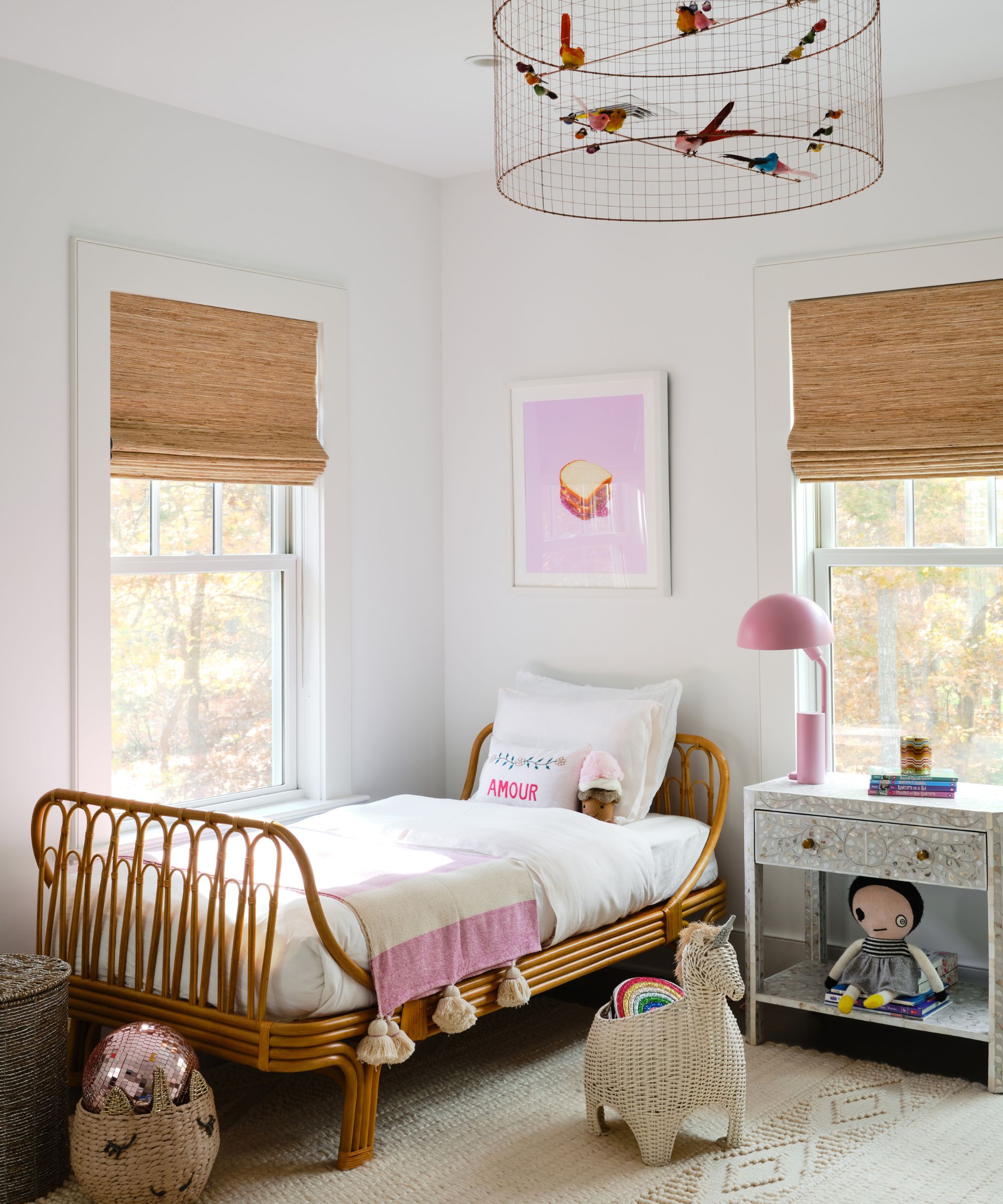
Designing a nursery requires careful consideration to create a safe, functional, and calming environment for a newborn. While the saying 'there are no bad ideas' might hold true in many creative fields, it doesn't apply to nursery design, where certain elements can pose significant safety risks or hinder a peaceful atmosphere. Interior experts emphasize the importance of prioritizing safety and practicality while maintaining an aesthetically pleasing space.
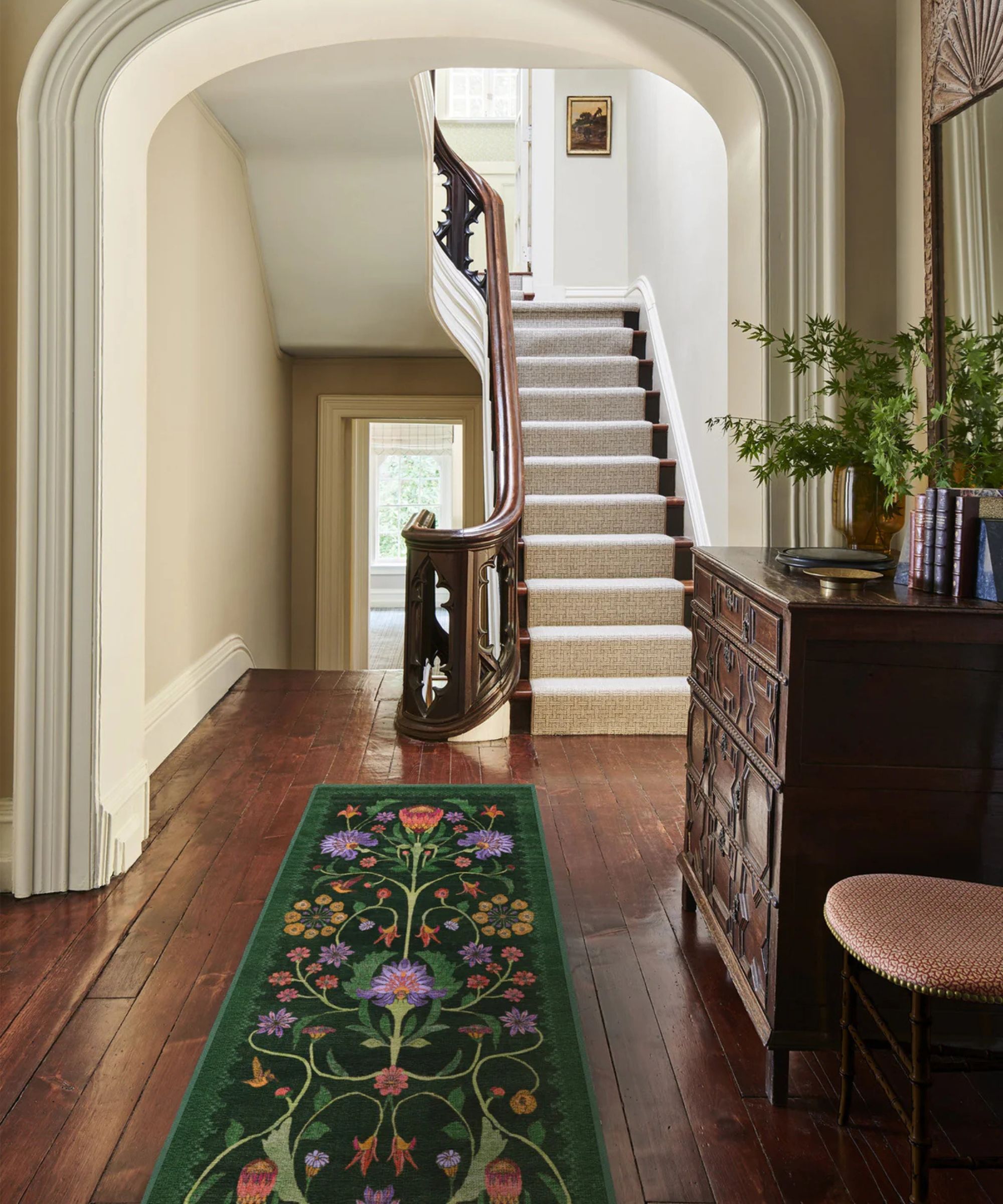
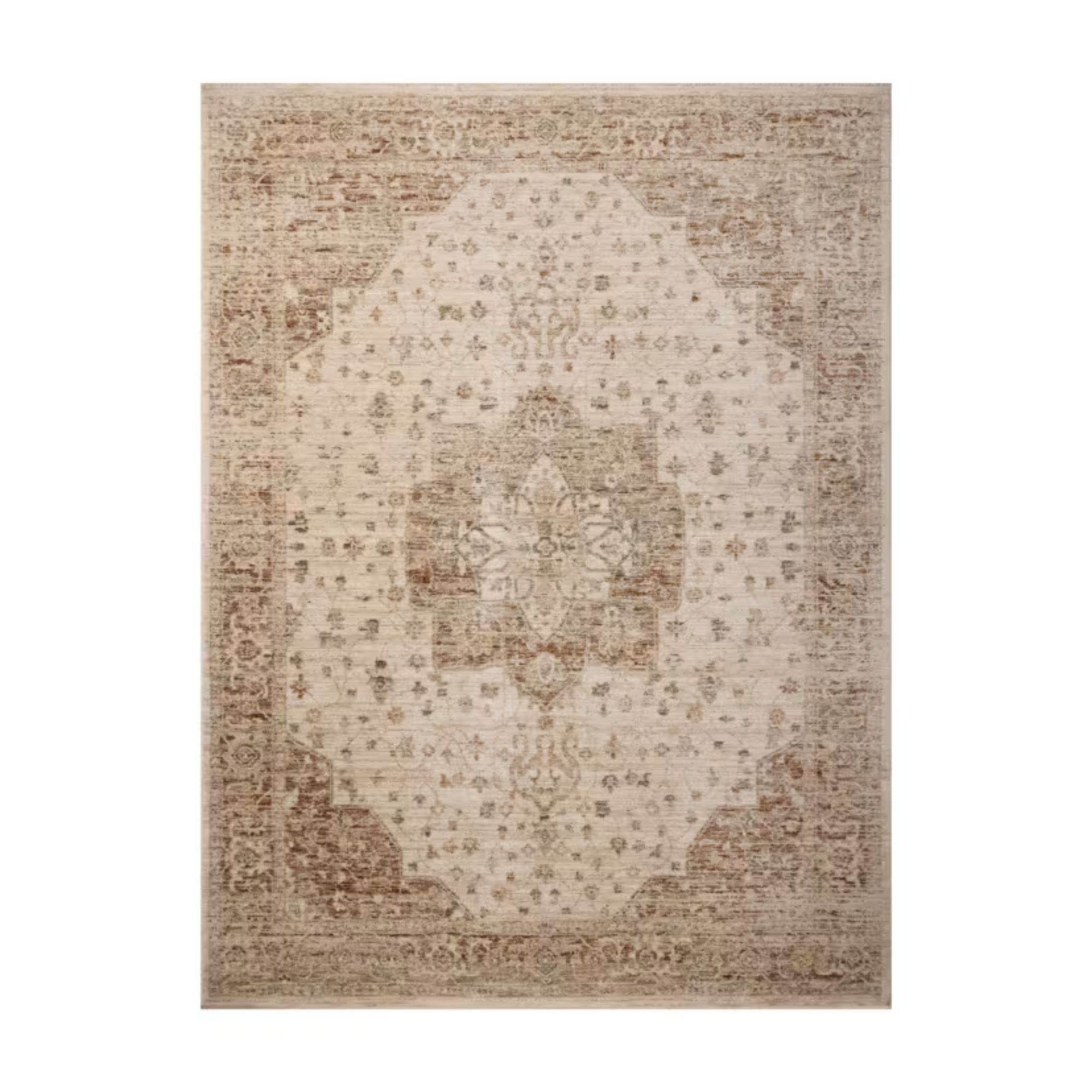
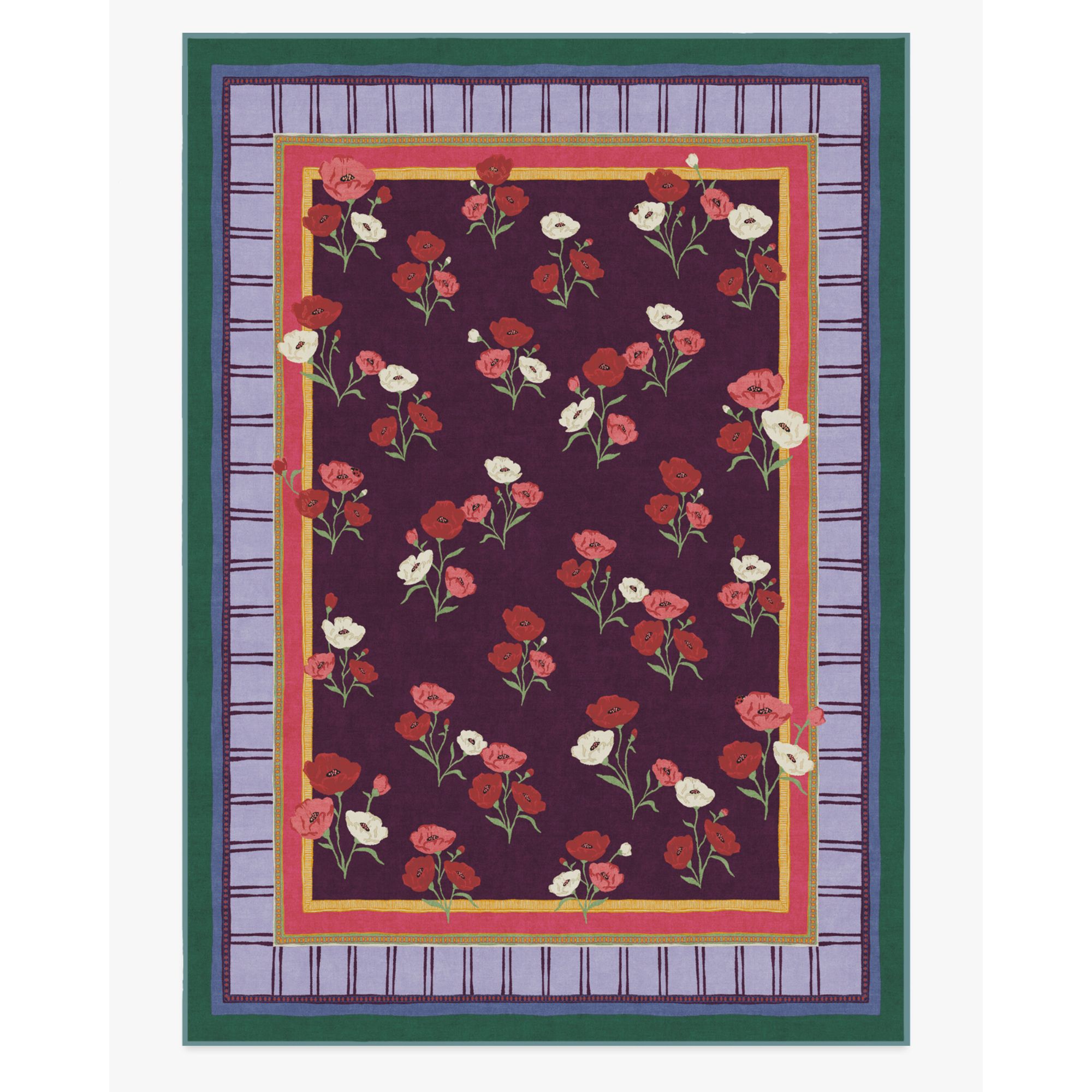
One critical aspect to avoid is bare floors. While hardwood floors might seem appealing, they offer little comfort for a crawling baby. Investing in a plush area rug is highly recommended, as it provides a soft surface for exploration and can help conceal stains. Furthermore, rugs contribute to sound absorption, making the room quieter and more serene for both the baby and parents.
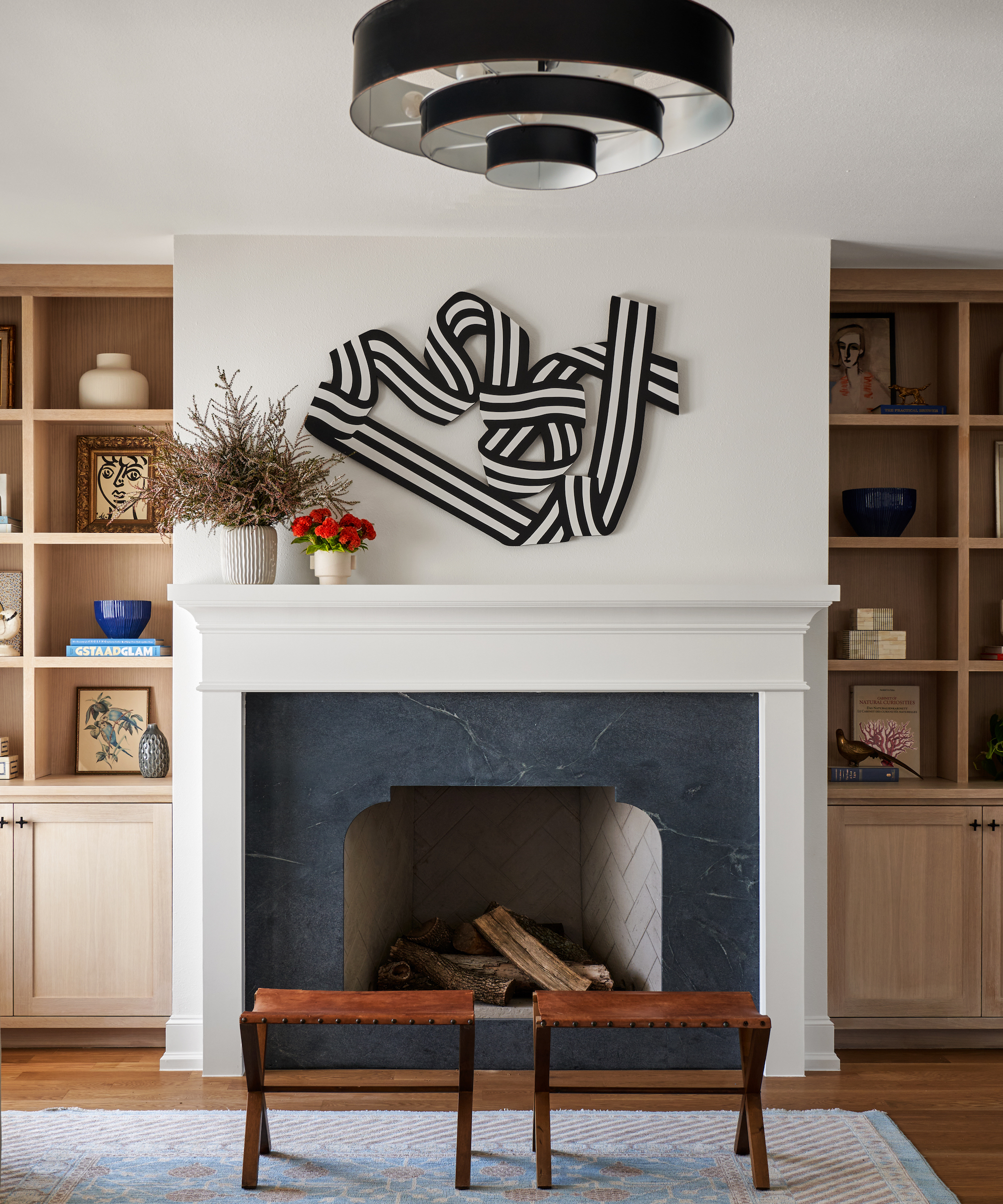
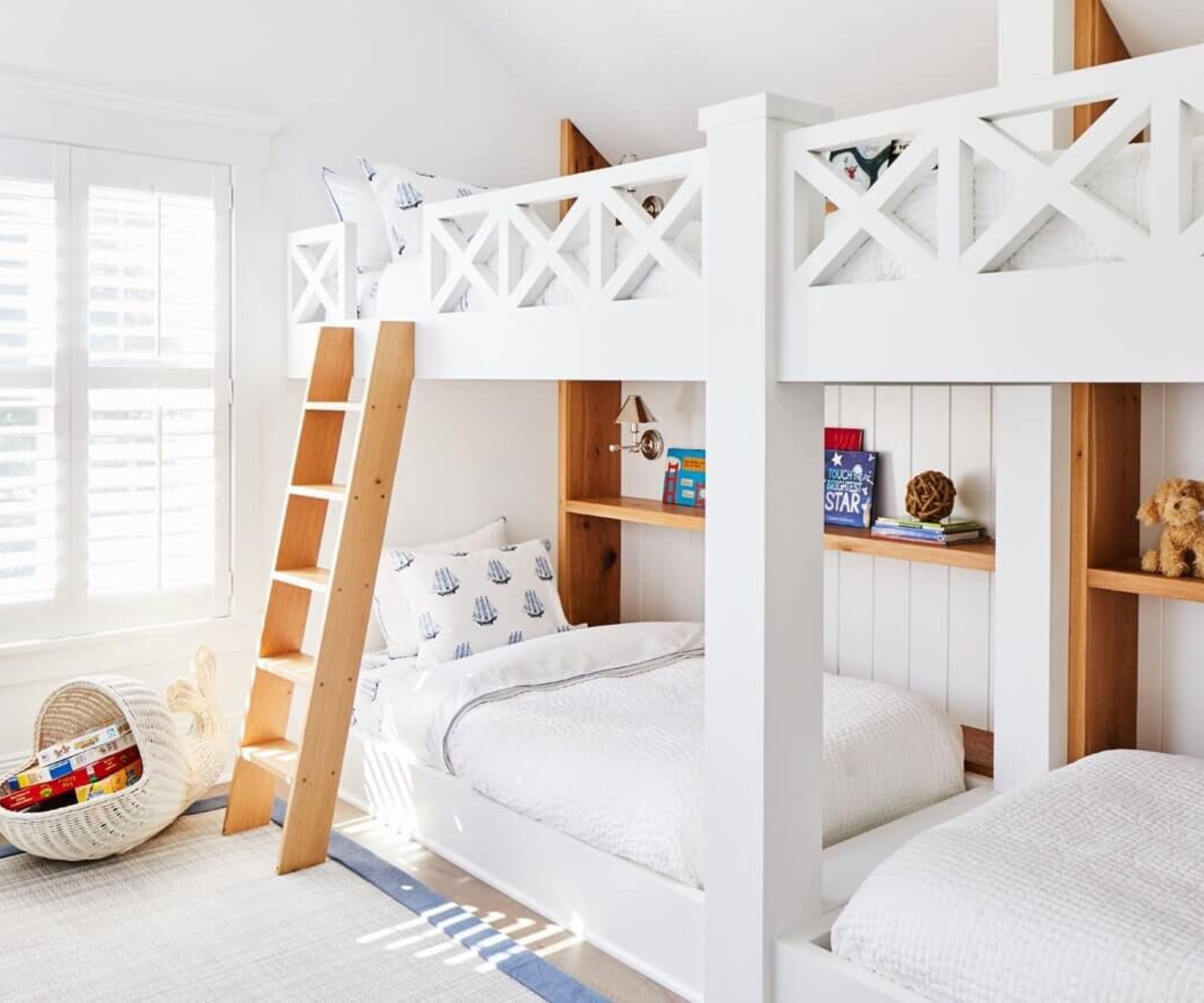
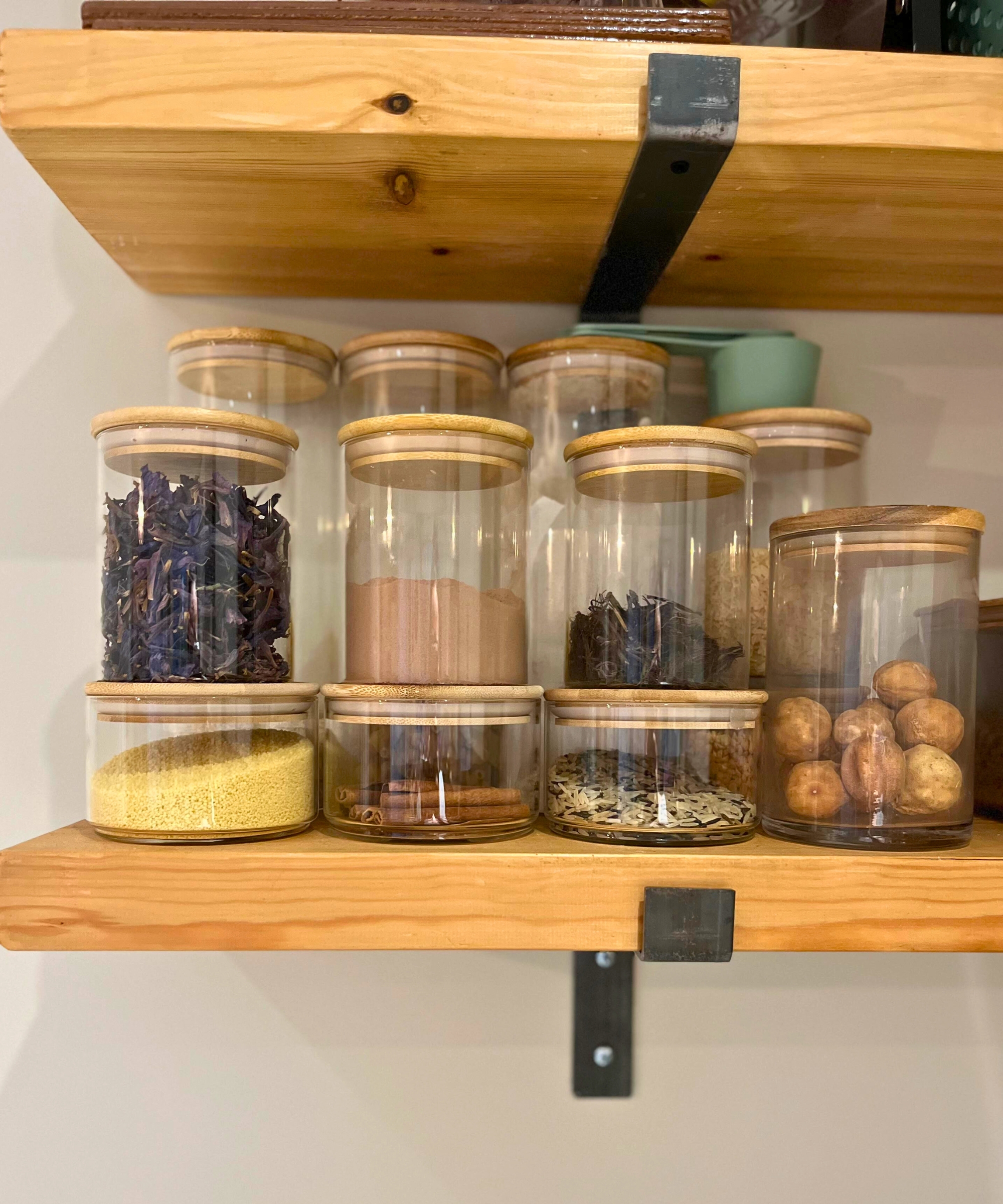
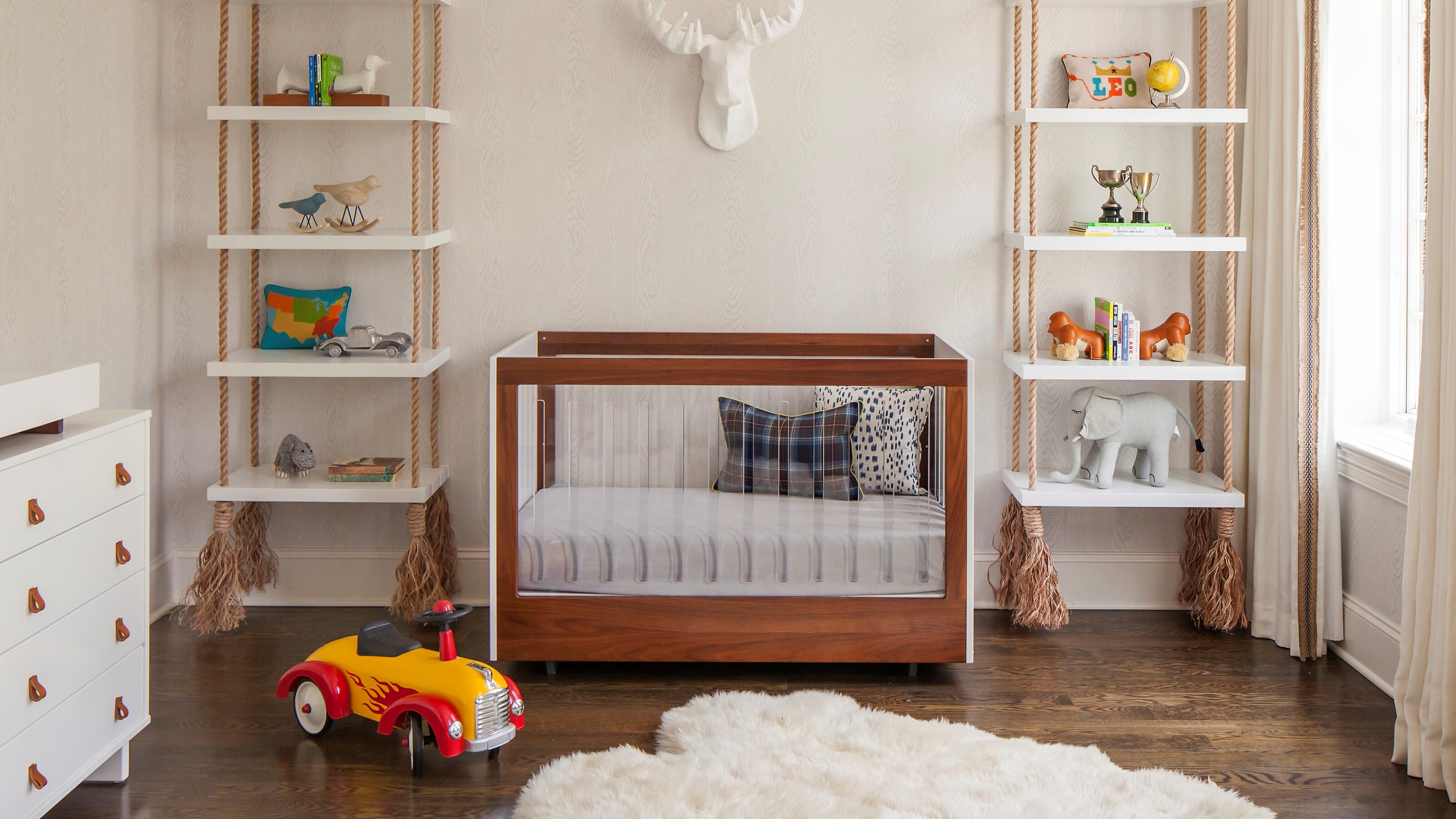
Another common pitfall is the excessive use of open shelving. Although open shelves can display cute toys and decor, they tend to accumulate dust, which can be problematic for a baby's health. Moreover, an abundance of visible items can make the room appear cluttered and stressful. Experts suggest opting for closed storage solutions like cupboards, chests of drawers, and shelves with doors to maintain a visually calm and tidy space. This approach helps minimize visual distractions and simplifies cleaning routines.
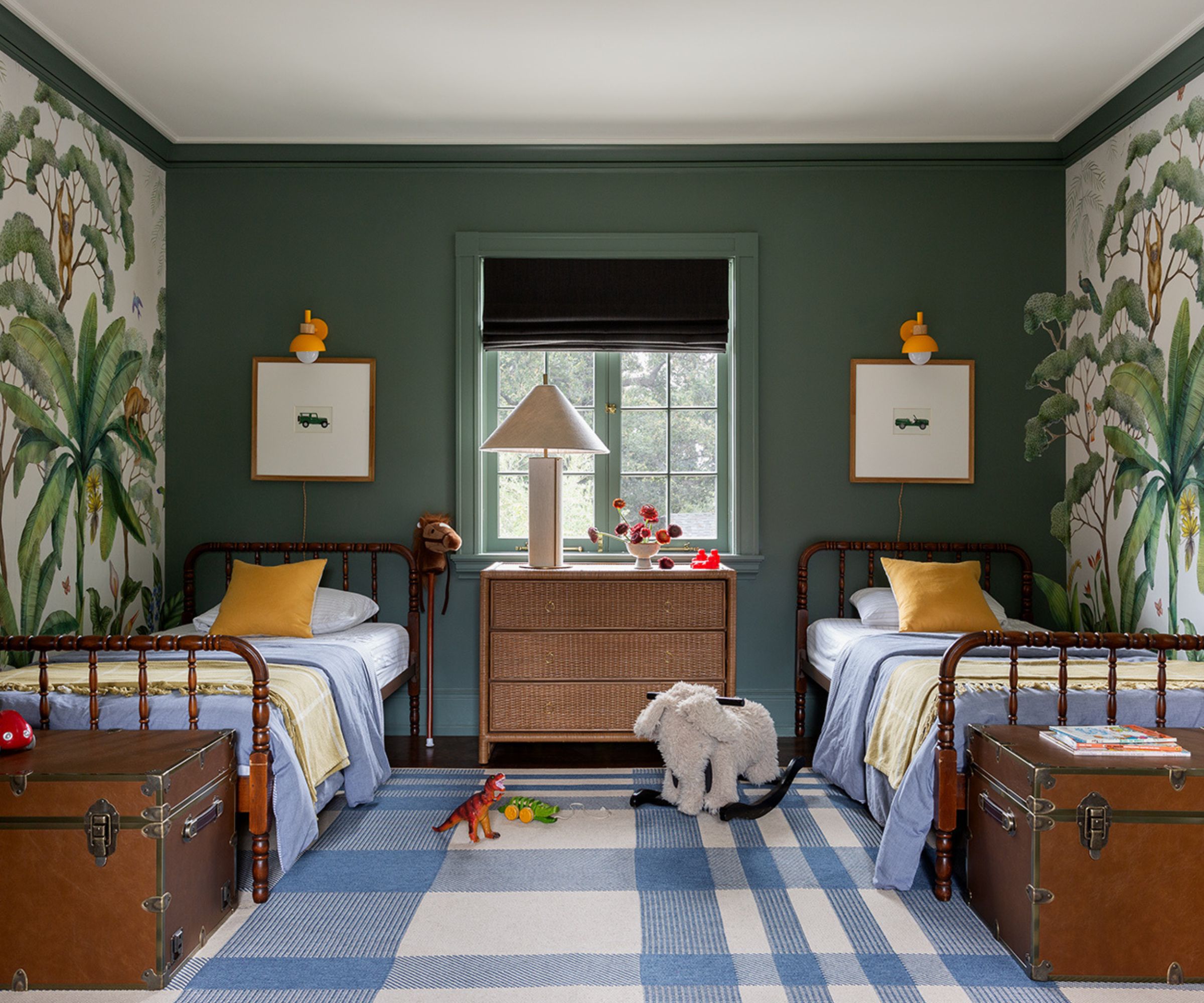
Permanence in decor is another factor to reconsider. Babies grow rapidly, and a room designed with overly specific, 'babyish' themes might quickly become outdated. Instead of permanent wall murals or highly themed elements, designers recommend using temporary wall stickers, framed artwork, or subtle wall murals that can be easily changed as the child grows. This flexibility allows the room to evolve with the child's age and preferences without requiring extensive redecoration.
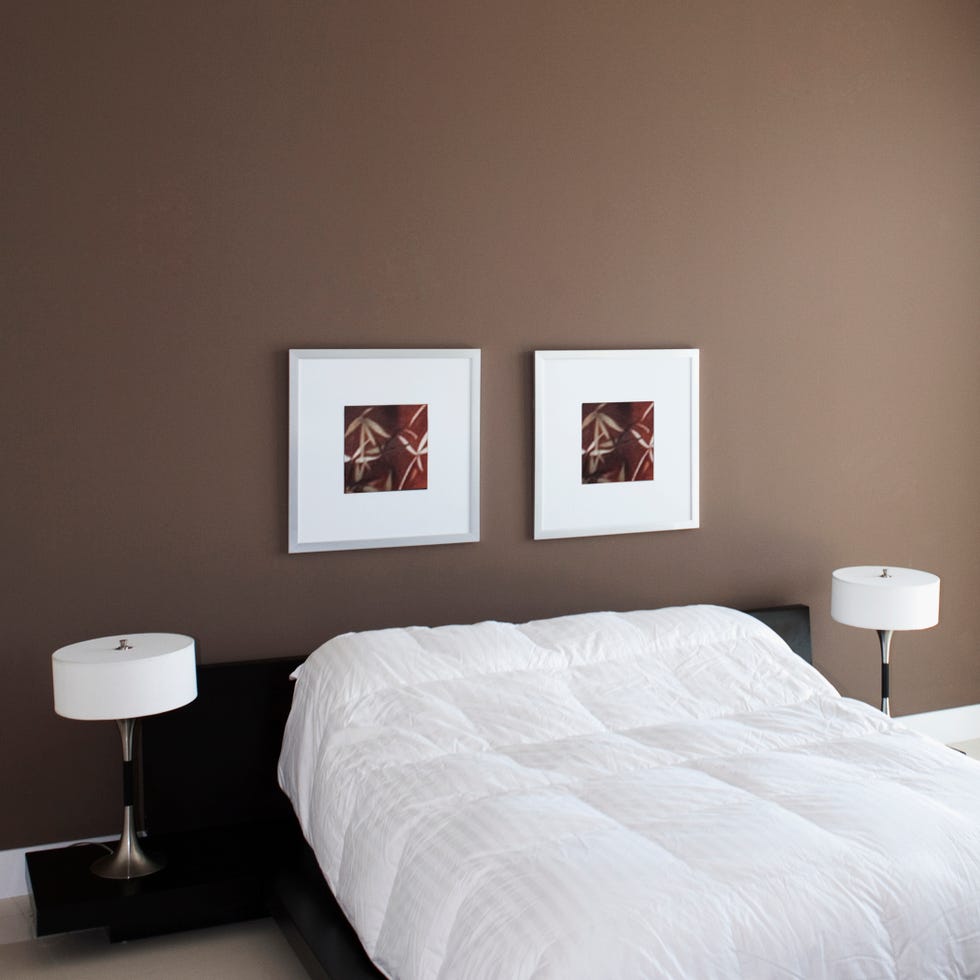
The choice of color plays a significant role in a nursery's ambiance. Bright or dark colors can be overstimulating and harsh for a newborn. A neutral color scheme, incorporating soft pastel shades of various colors, including grays, is preferred. Neutrals promote calmness, encourage sleep, and create a soothing environment. Additionally, gender-neutral colors like beige, white, and cream can help avoid societal stereotypes, fostering a more inclusive and adaptable space for the child as they grow.
Unsecured freestanding furniture poses a serious safety hazard. Wobbly side tables, stools, or shelving units can easily tip over if a curious child pulls on them. All furniture should be sturdy and secured to the wall to prevent accidents. Custom built-in shelving is a safer alternative to freestanding bookcases, offering secure storage for books and toys while eliminating the risk of tipping.
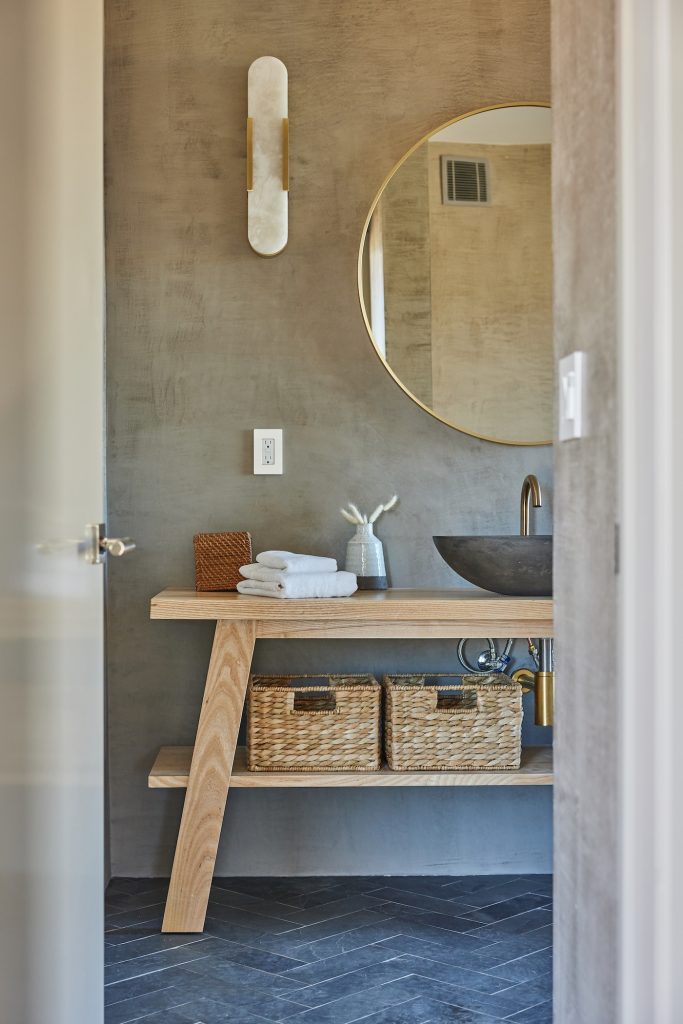
Floor lamps are generally discouraged in nurseries. They occupy valuable floor space and can be tempting for toddlers to pull or climb on, presenting a safety hazard. Wall sconces or statement ceiling light fixtures are better options, as they are out of reach, functional, and can even serve as decorative focal points. Lighting should be soft and dimmable to promote a peaceful atmosphere, and flashing lights should be avoided.
When selecting wallpaper, avoid garish or overly stimulating patterns. Subtle floral prints or designs with simple motifs, such as stars, are more conducive to a calming environment. These choices provide visual interest without overwhelming a child's senses. The goal is to create a soothing effect that can grow with the child, allowing accessories and art to introduce pops of color and fun.
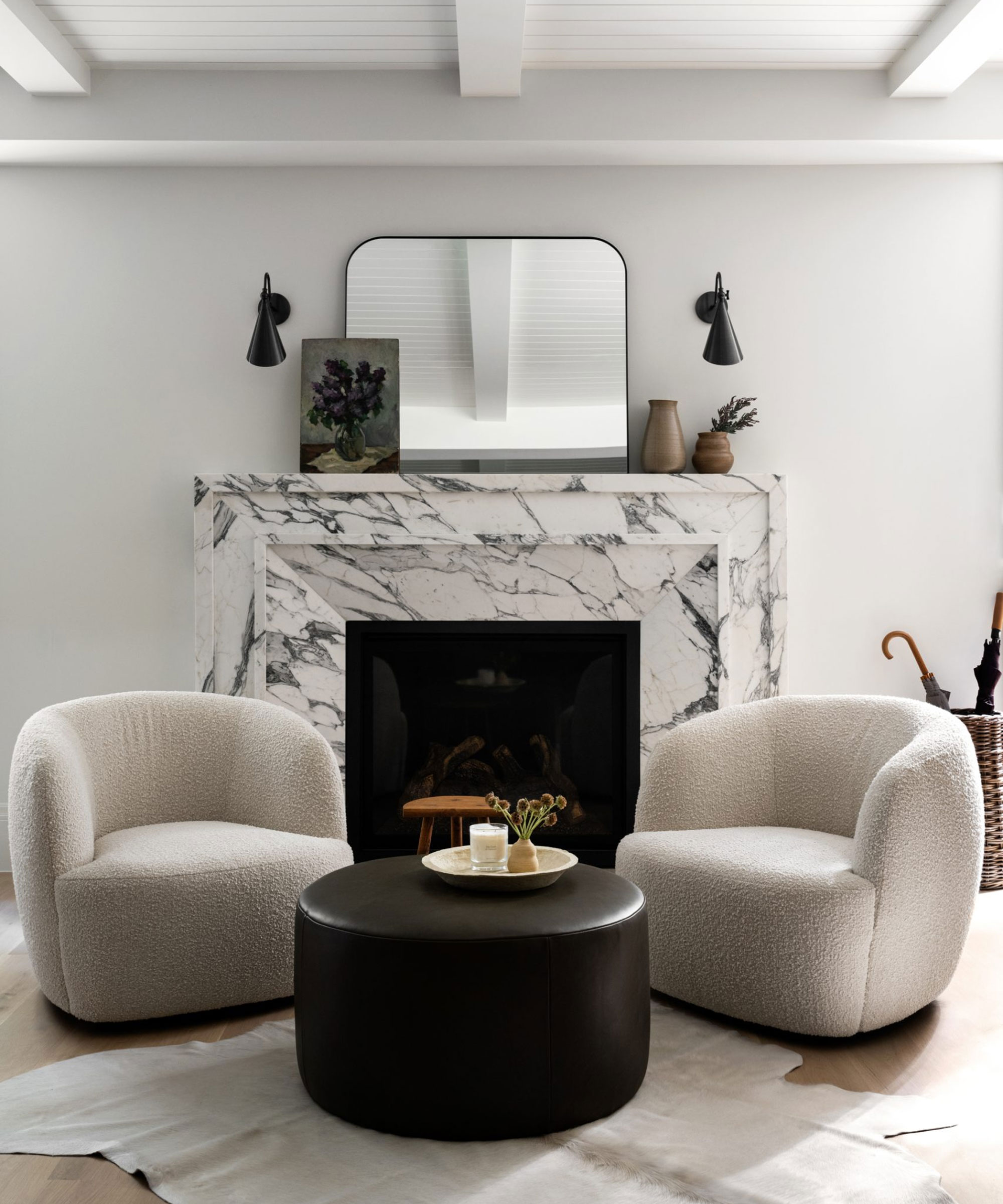
The comfort of the parent is also crucial, especially regarding seating. An uncomfortable chair in the nursery can make late-night feedings and soothing sessions difficult. A comfortable rocking chair with supportive arms, upholstered in soft fabrics like bouclé or velvet, is highly recommended. A footstool can further enhance comfort, providing a place to rest legs and offering better support during breastfeeding.
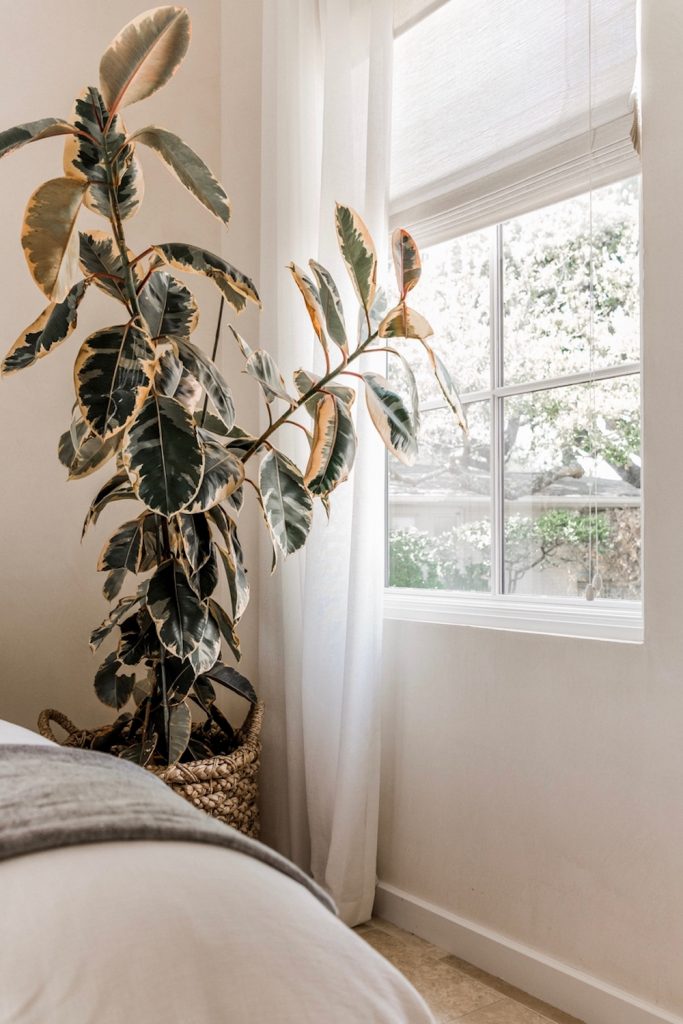
Finally, careful consideration of window coverings is essential for light control. While inset fabric or Roman shades might seem appealing for their off-the-floor placement, they may not offer sufficient blackout capabilities. Blackout-lined drapery, such as ripplefold drapes, is often preferred to maximize light control, ensuring the room remains dark enough for optimal sleep. Choosing classic and neutral fabric selections for drapery can also ensure they remain suitable as the child's tastes evolve.
#NurseryDesign #BabySafety #HomeDecor #InteriorDesign #ChildDevelopment #RoomFunctionality #ColorPsychology #StorageSolutions #FurnitureSafety #NurseryDesign #BabySafety #HomeDecor #InteriorDesign #ChildDevelopment #RoomFunctionality #ColorPsychology #StorageSolutions #FurnitureSafety
0 comment in total
 No comments yet
You may also like
12 Pieces for Your Nursery That Your Child Won’t Outgrow Overnight

Here are all the most common mistakes to avoid when decorating a kids' bedroom according to interior designers
8 things a professional organiser would never keep in a hallway – and you shouldn’t either
5 Backyard Staples You Should Never Splurge on, According to Designers

5 things designers say you should never put on a mantel

9 CONTROVERSIAL Decor Choices Designers Secretly Wish You’d Stop Making

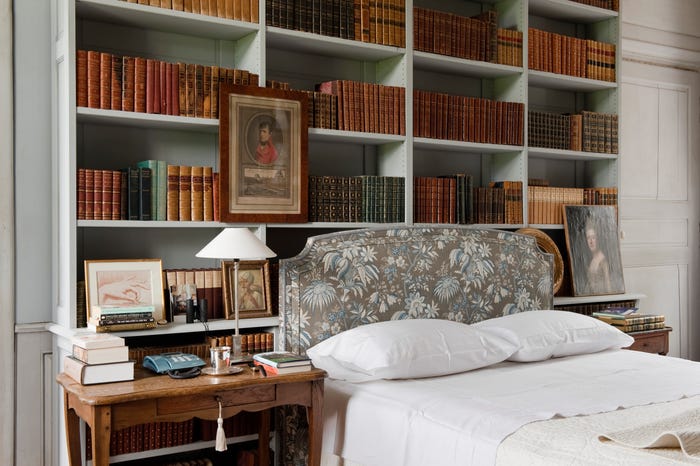
Interior designers share 6 things you should never have in your bedroom
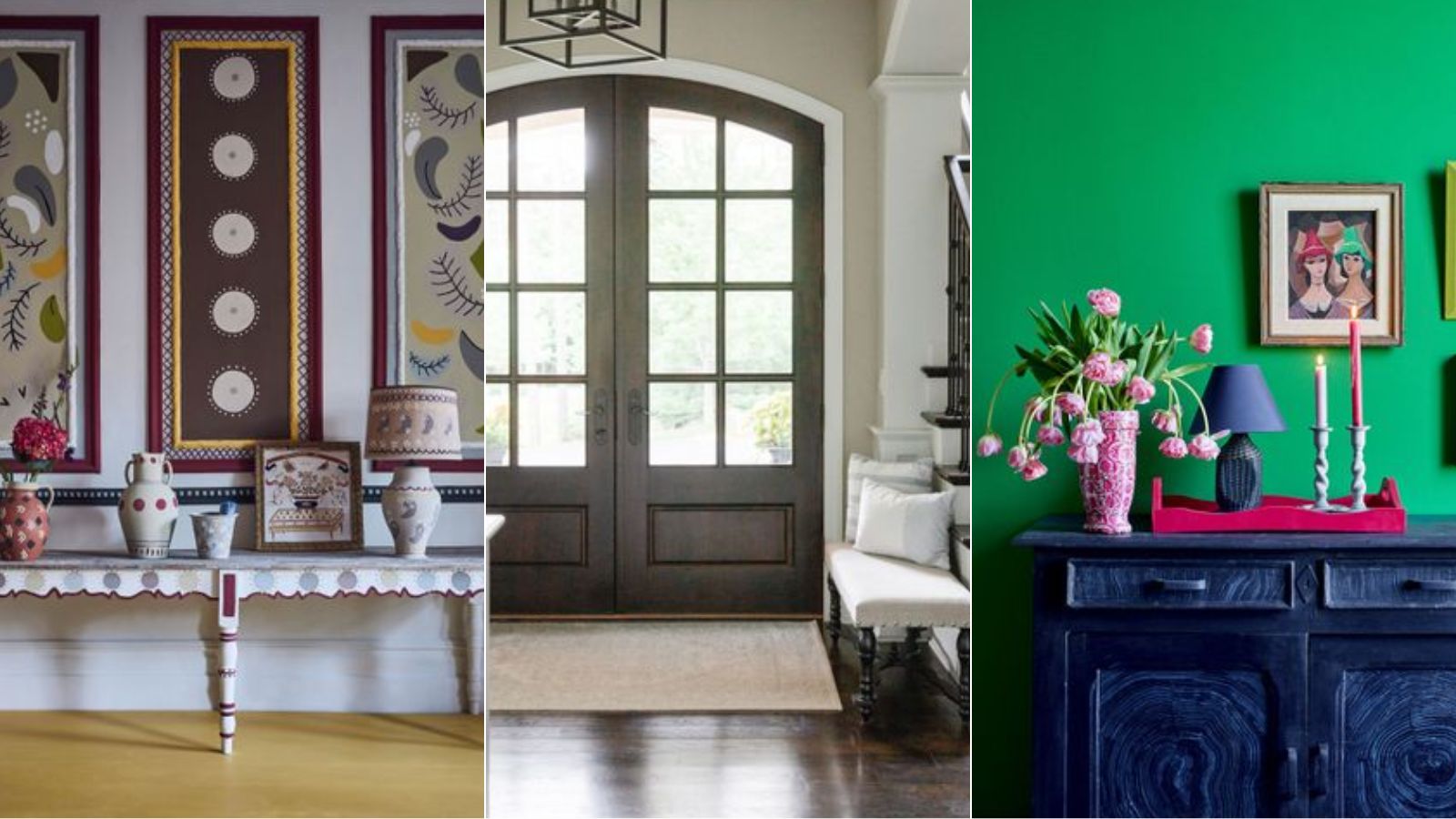
Items to never store in an entryway, according to cleaning, organizing and interiors experts
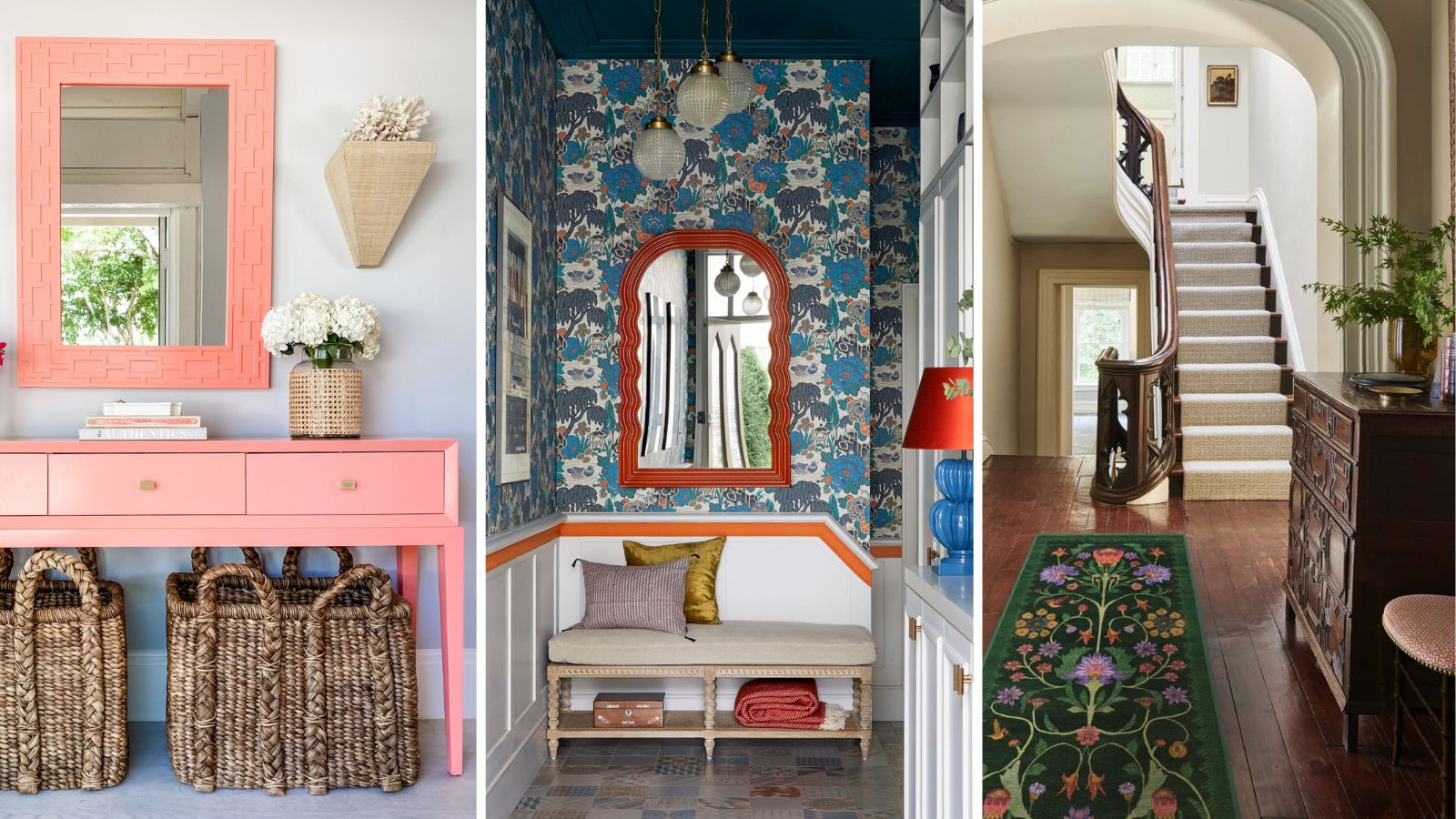
6 things to never put in an entryway, according to interior designers
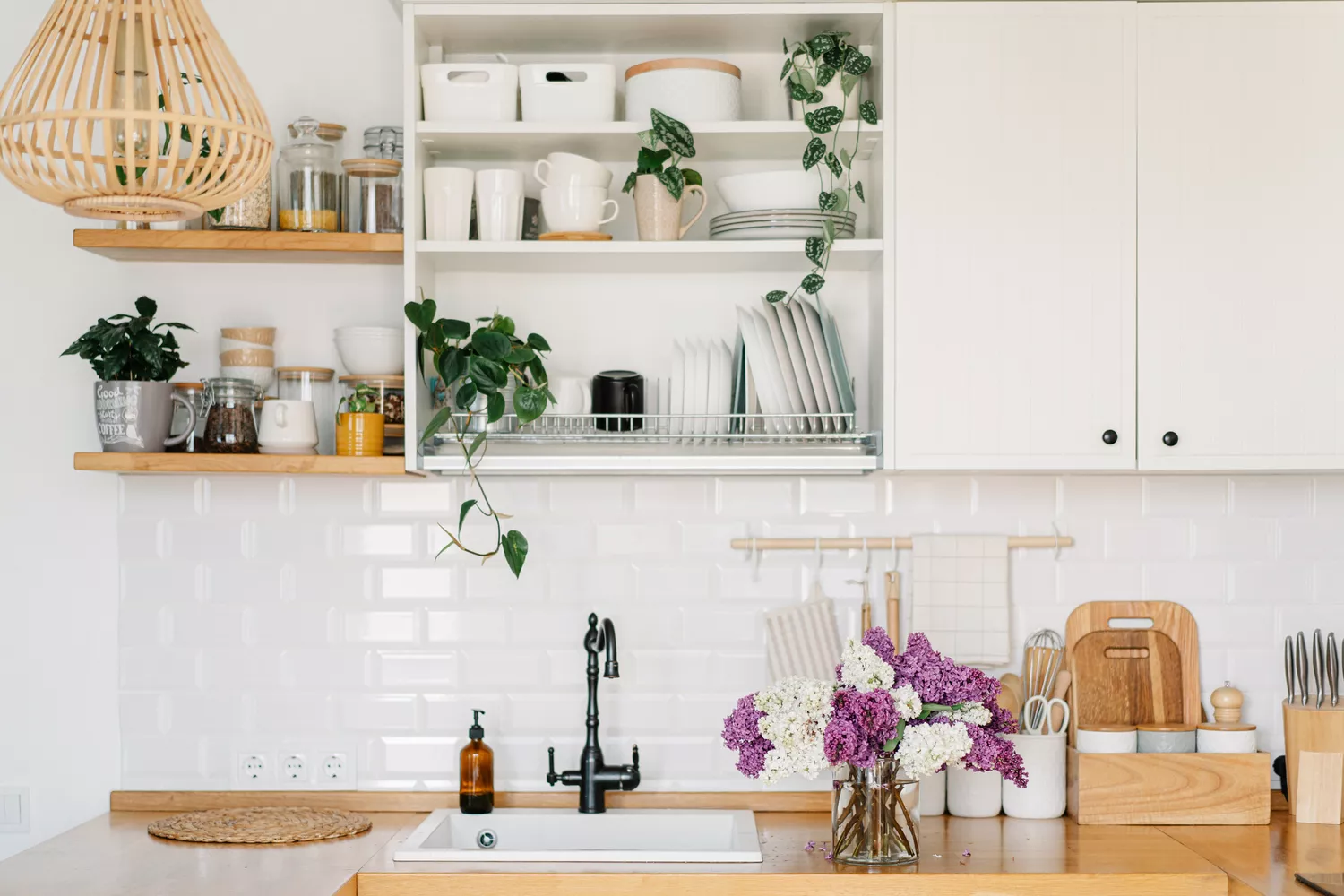
8 Things You Should Never Keep on Your Open Shelves, According to Designers

The 10 Biggest Interior Design No Nos According to Decorators

11 things you should never store in a pantry, according to experts
7 Nursery Design Rules To Follow, According to Interior Designers

9 items never to store in a bathroom vanity – according to the experts

Tiny humans, big decisions | Pros and cons of designing a nursery

5 things to never put on your kitchen island, according to interior designers
5 small entryway storage mistakes designers want you to stop making

6 things you should never put on your dining room table, according to interior designers
Pros warn never to keep these 8 things in your pantry
12 things a seasoned interior designer would never have in her own space