8 Ways to Create a Stress-Free Bedroom for Better Sleep
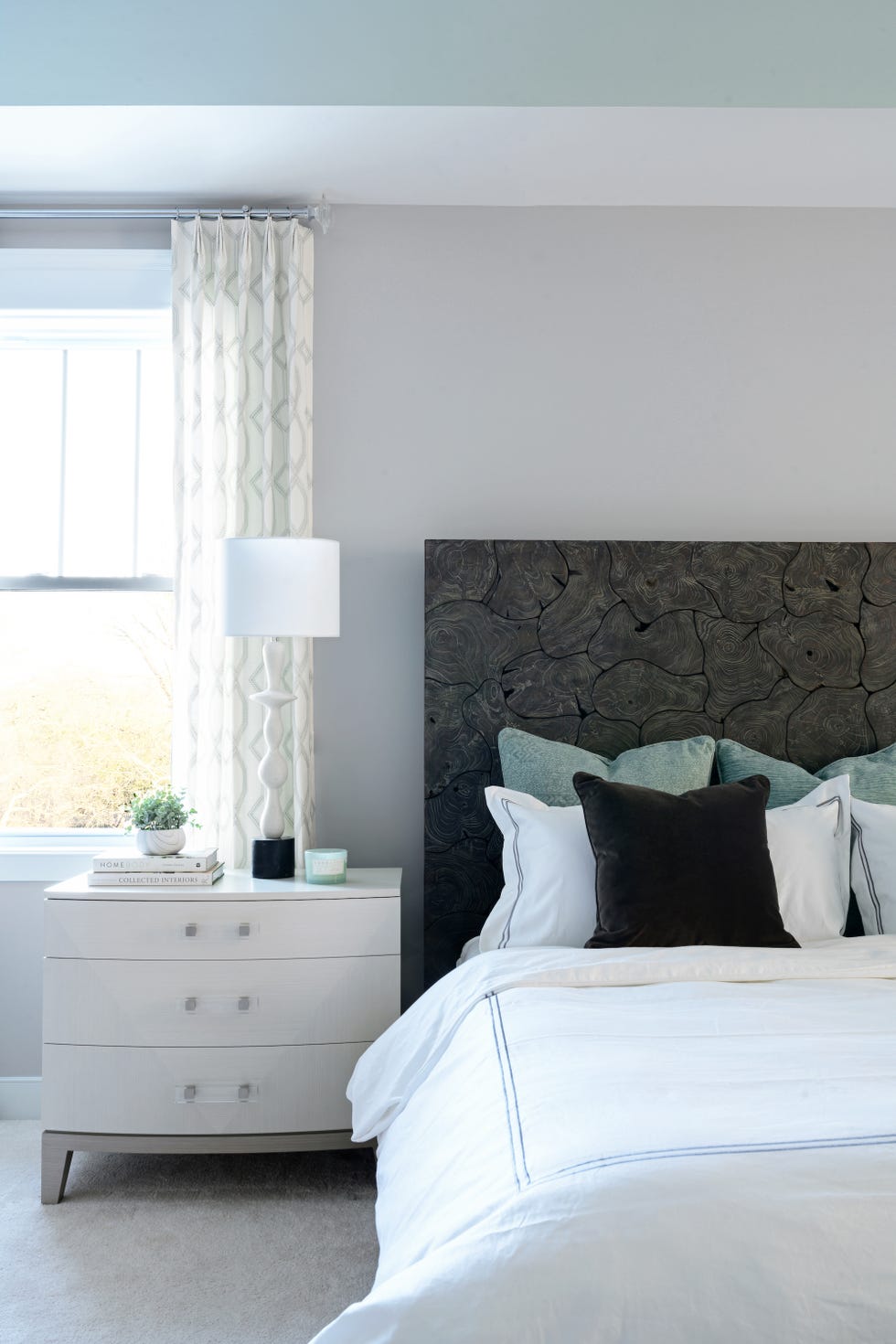
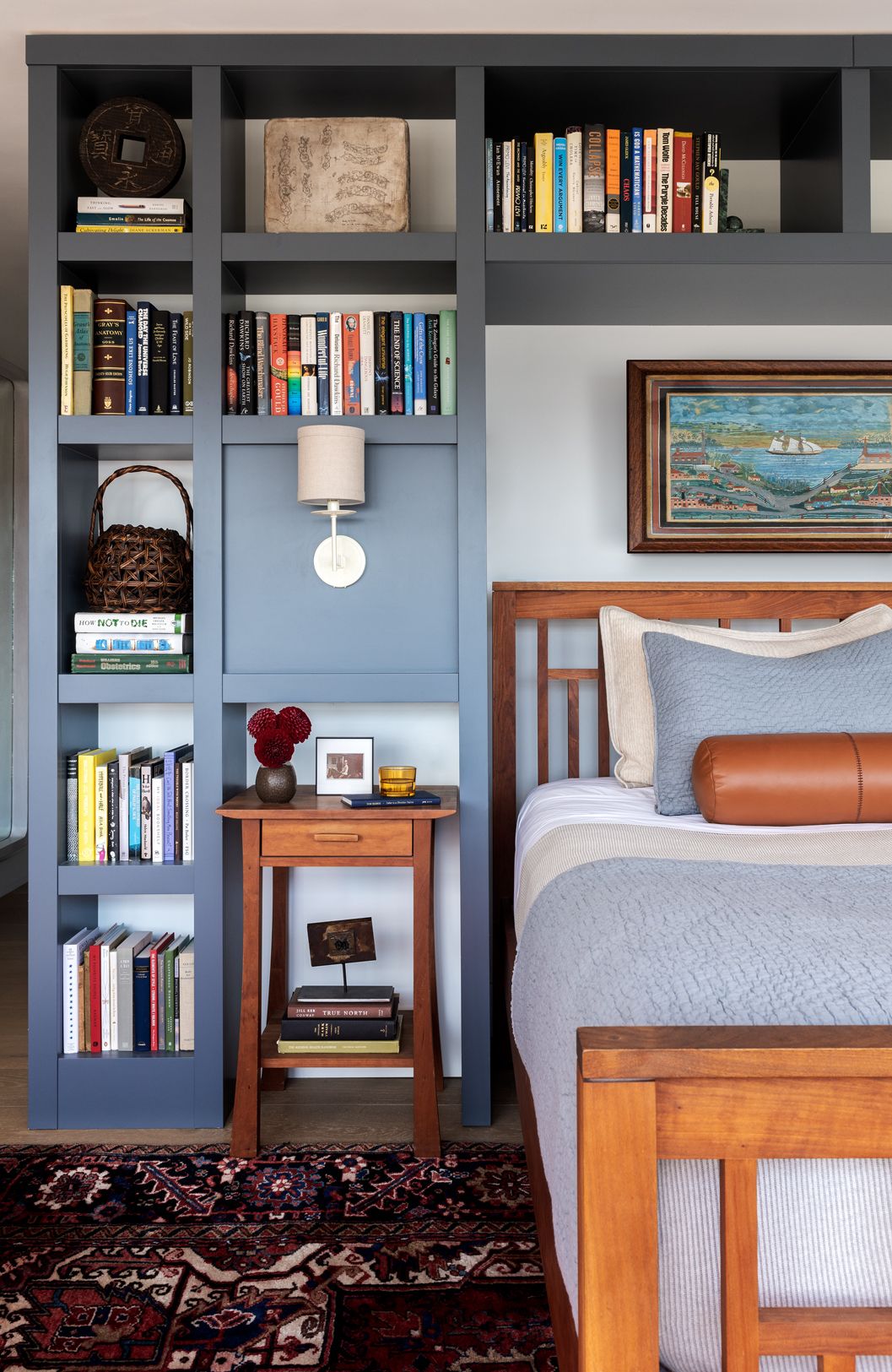
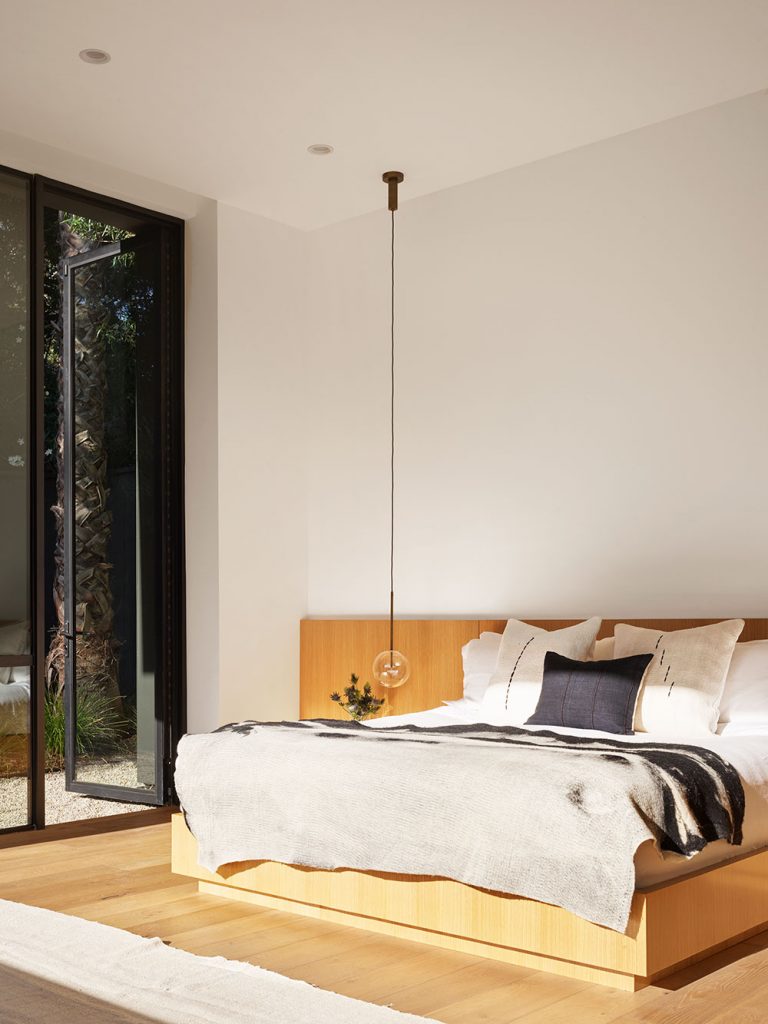
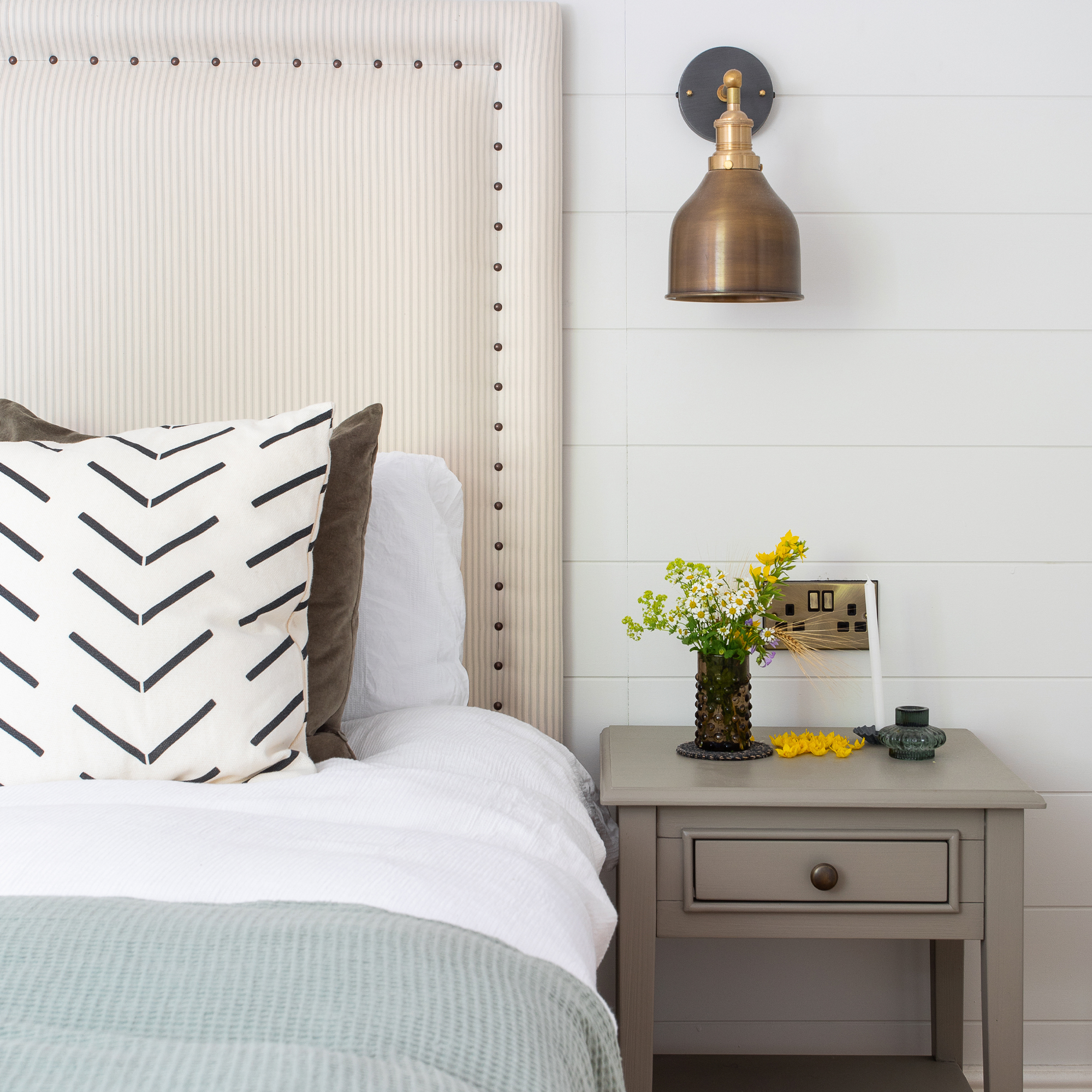
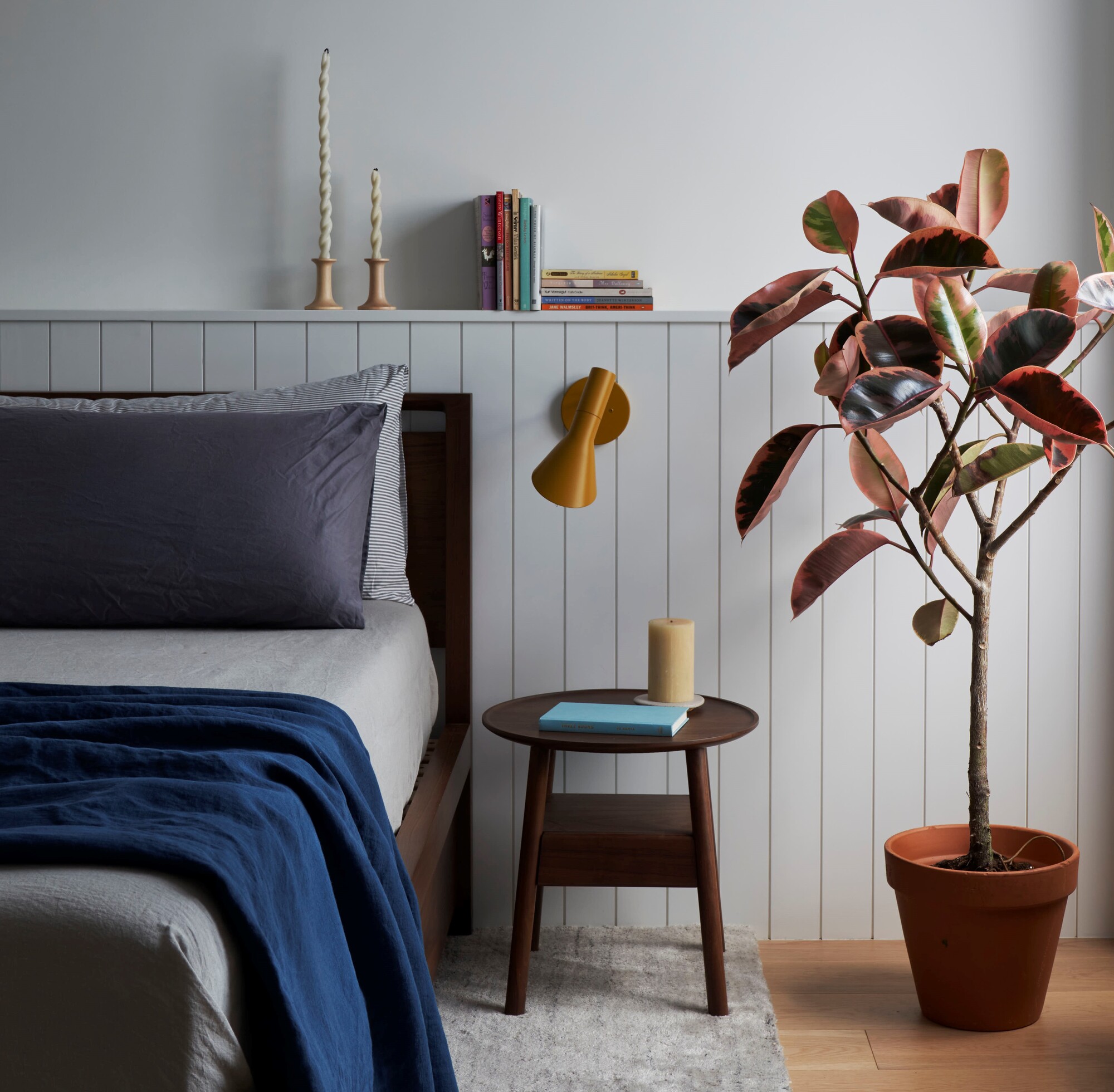
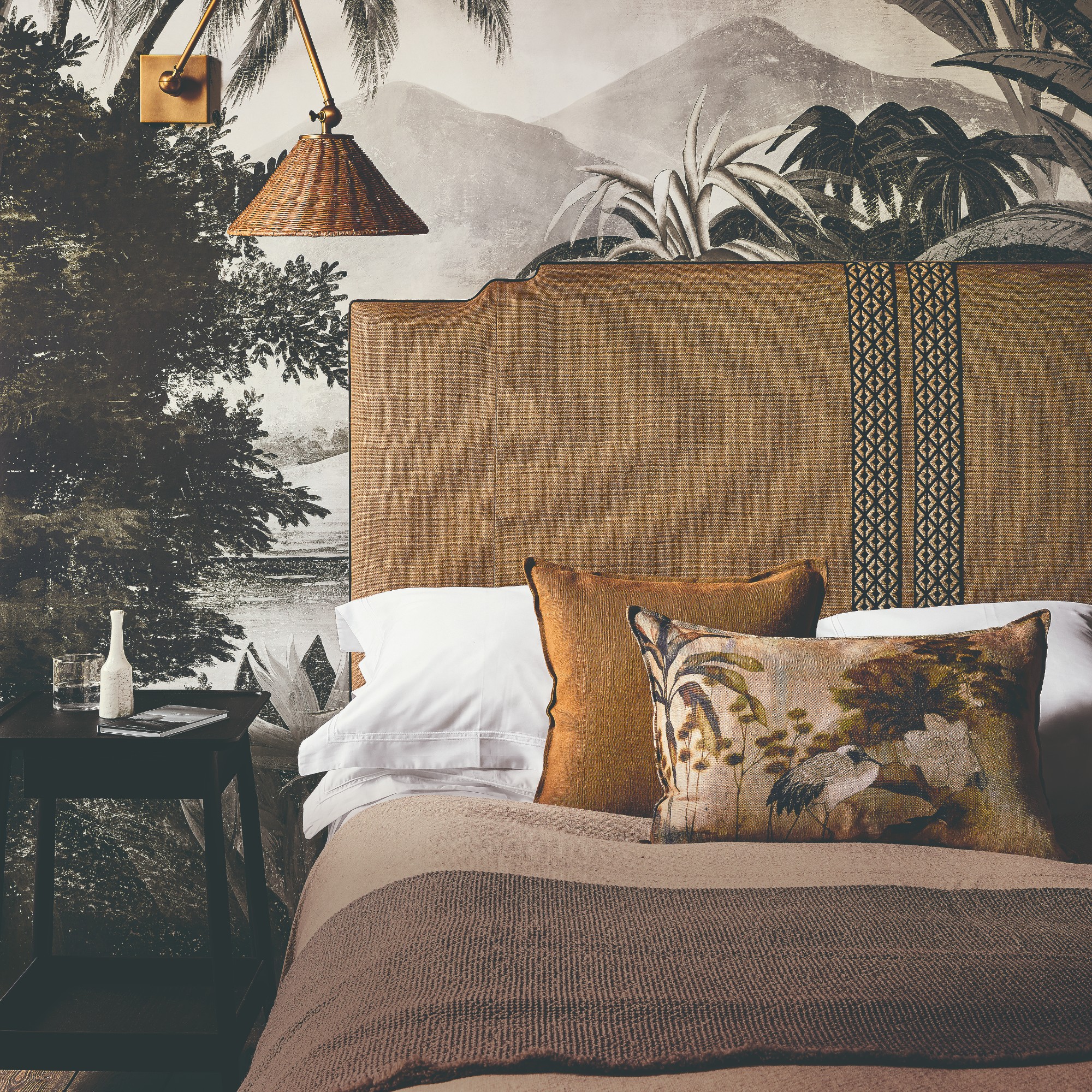
Creating a stress-free and relaxing bedroom environment is crucial for improving sleep quality and overall mental well-being, as our surroundings significantly impact our moods. A peaceful bedroom starts with effective decluttering and mindful organization. Expert Holly Blakey suggests beginning with the bedside table, applying the "rule of three" to limit items to only daily or weekly necessities such as a book, lamp, or a framed photo, ensuring a clear and calm space. Extending this principle, bedside table drawers should contain only items that support a restful nighttime routine, like hand lotion, lip balm, essential oils, reading glasses, or a small notepad for late-night thoughts, preventing unnecessary clutter from accumulating.
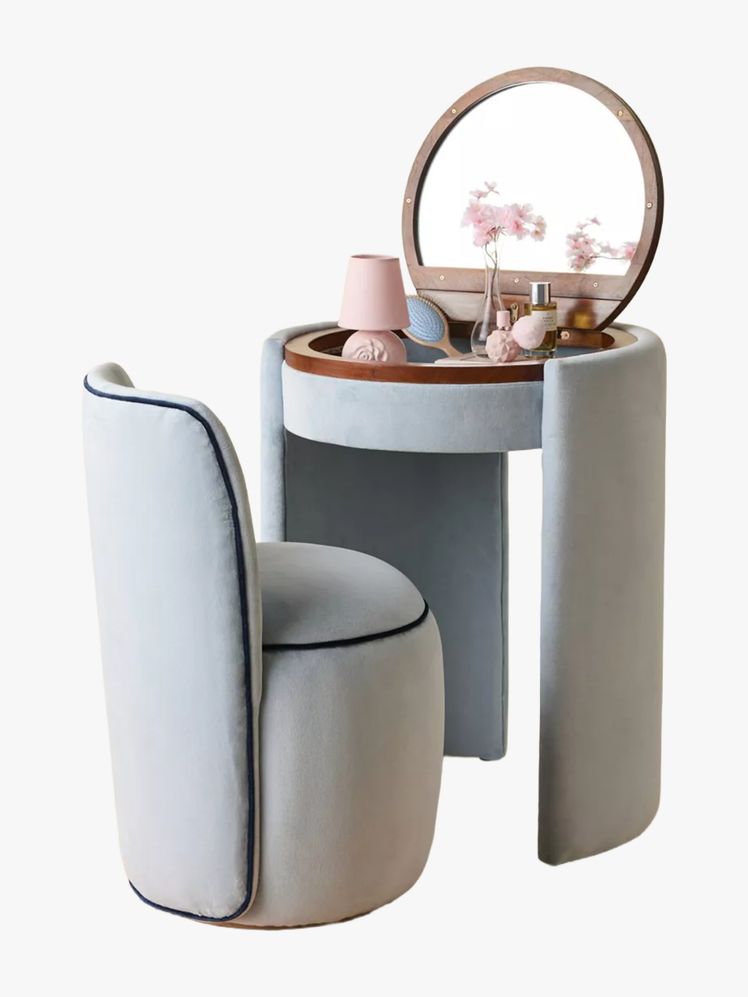
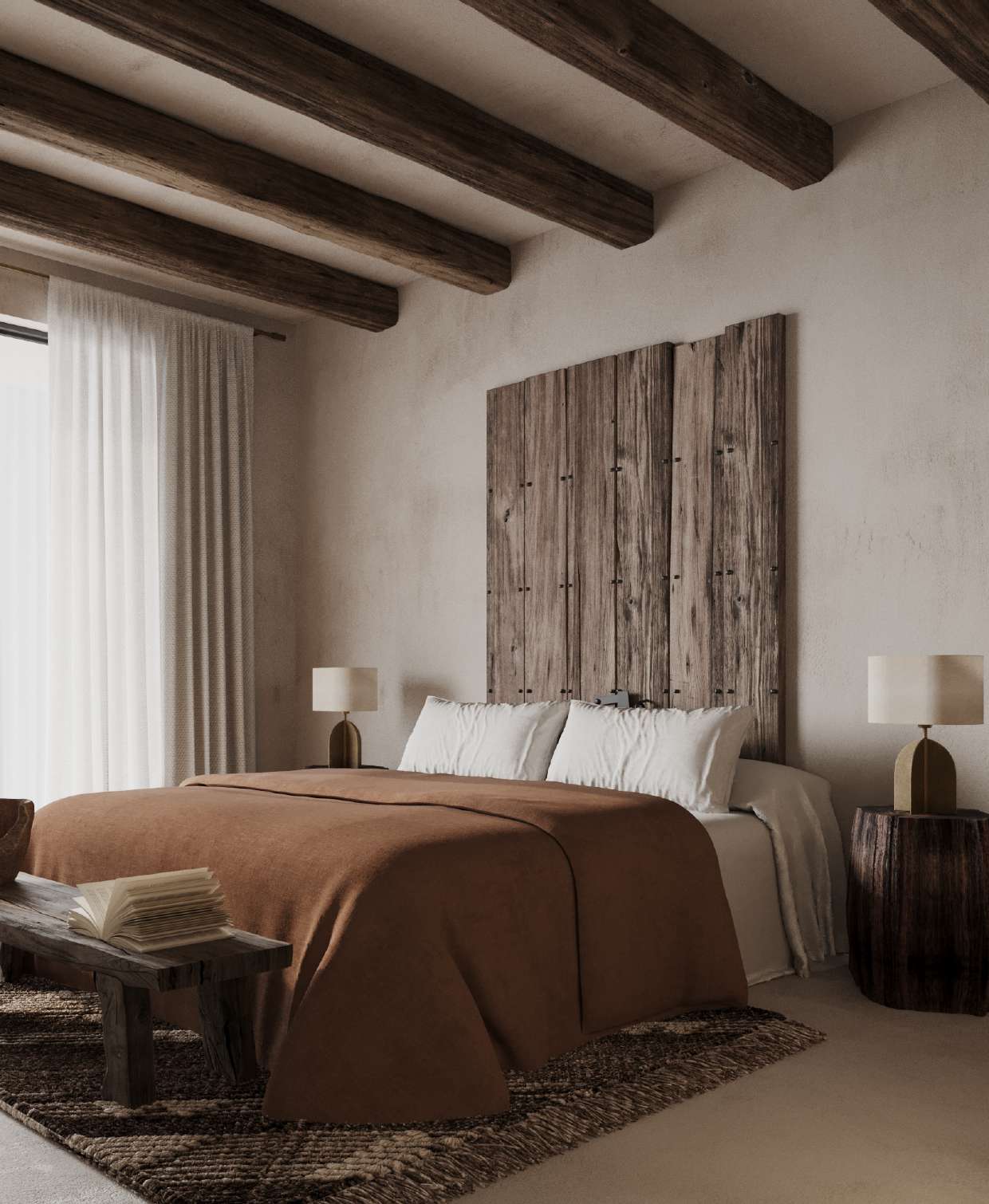
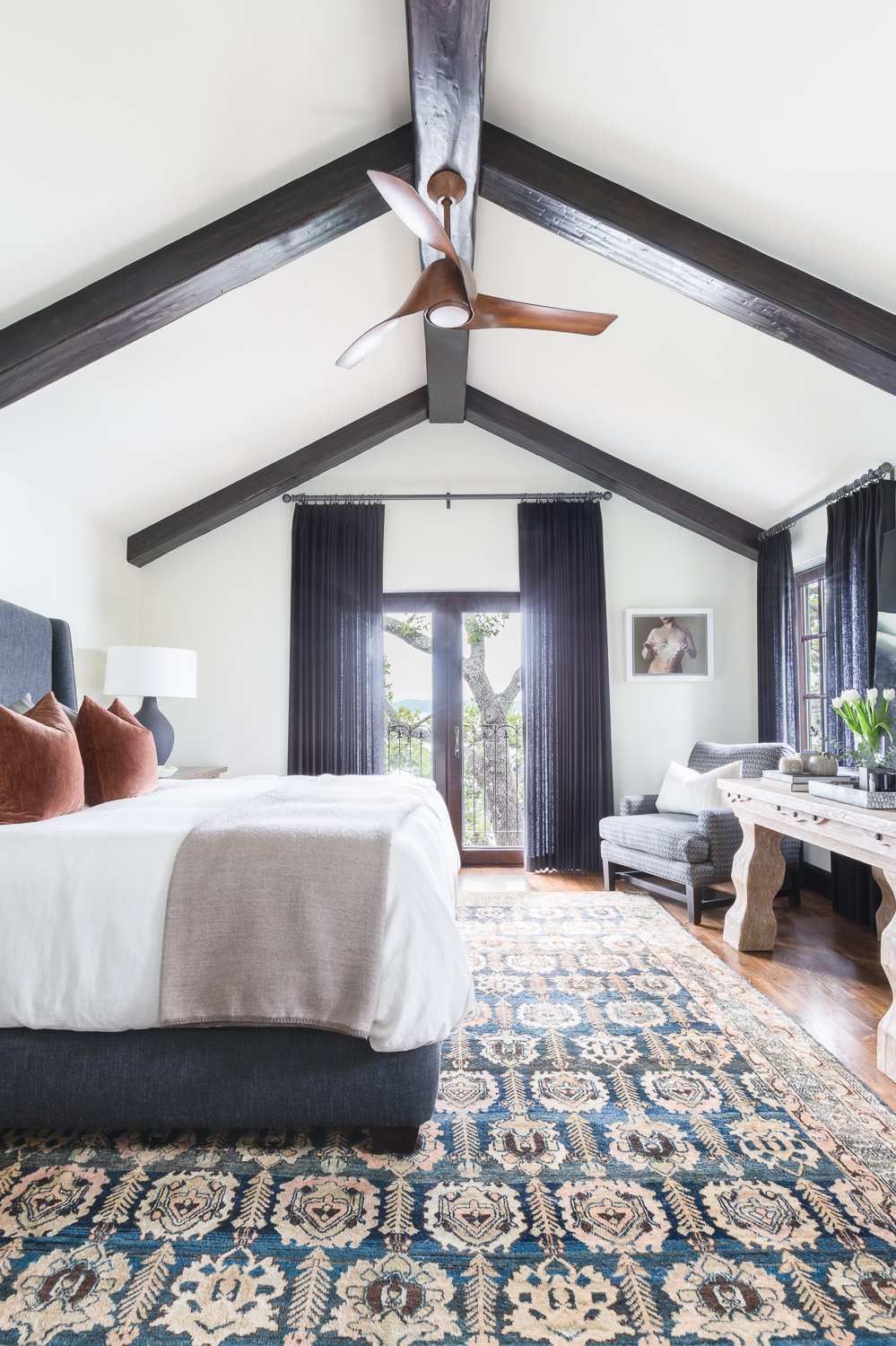
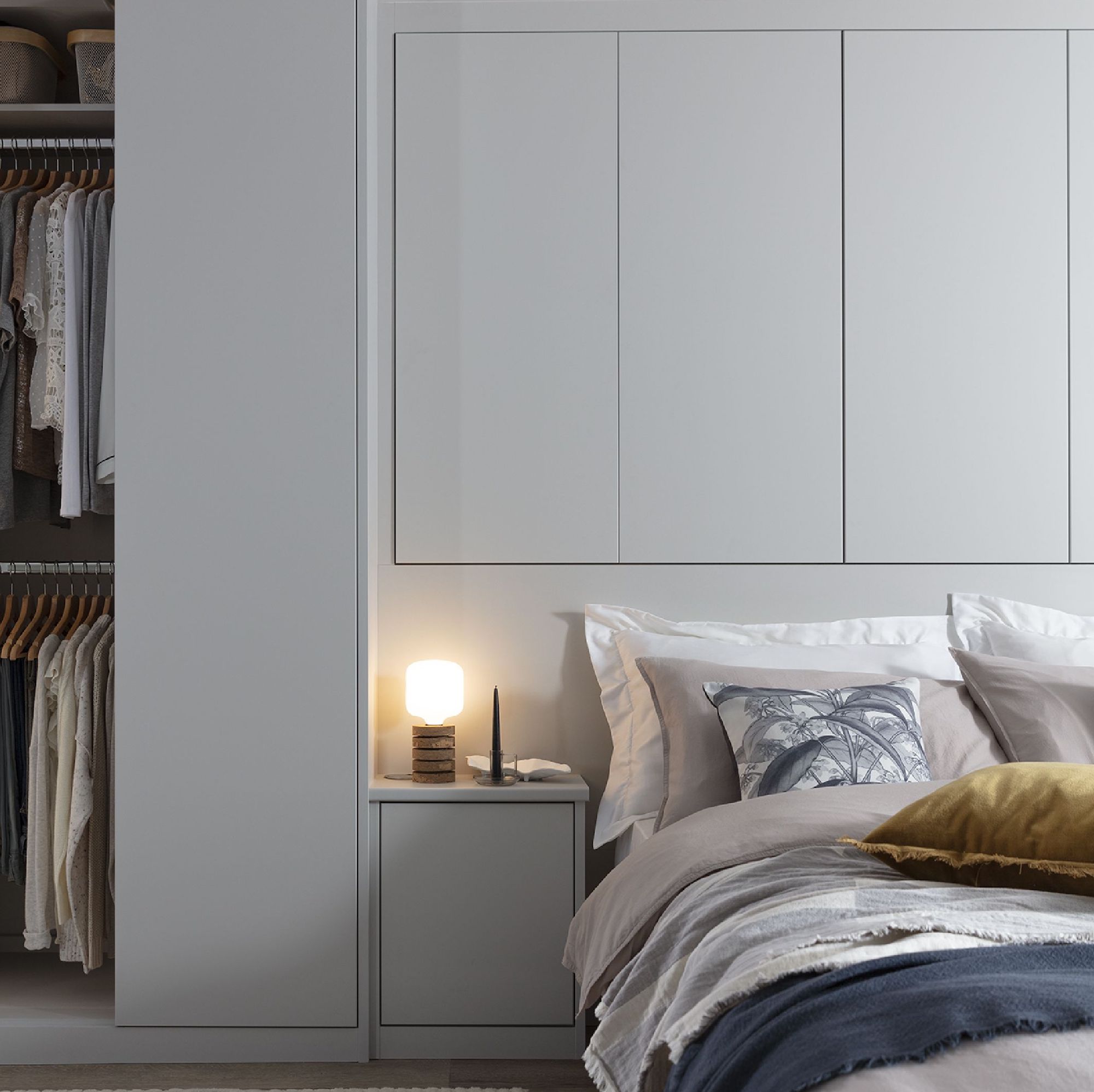
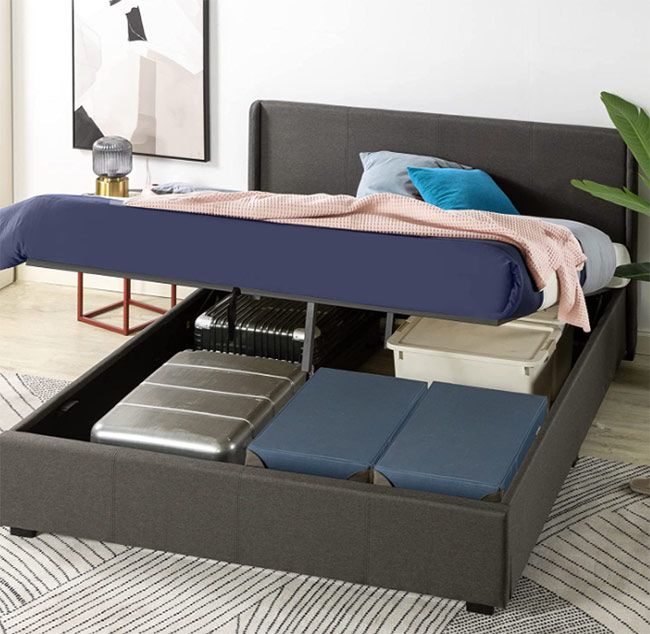
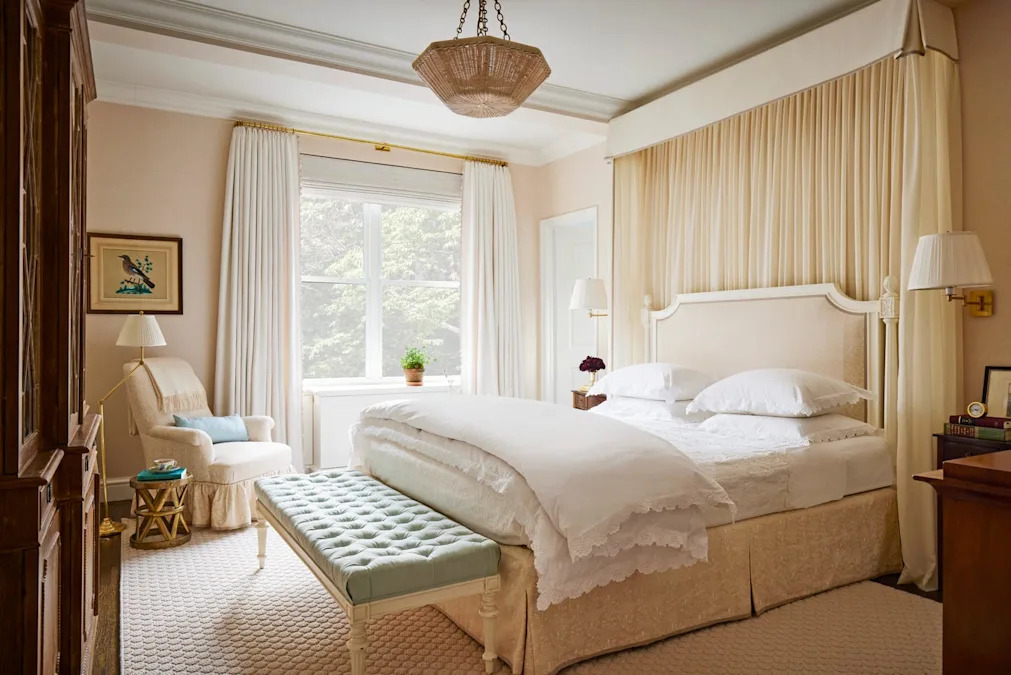
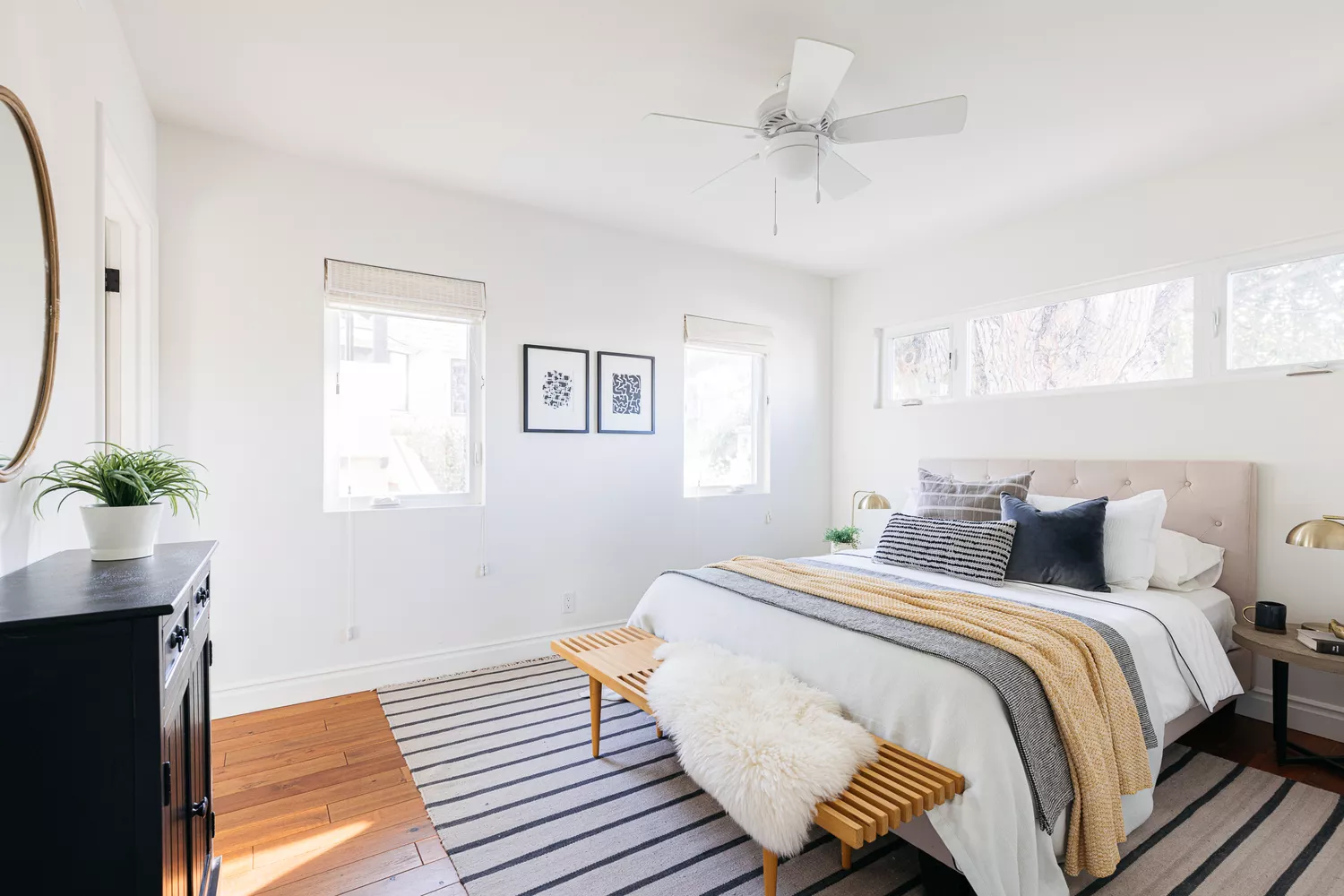
Beyond decluttering, maintaining cleanliness is paramount. Blakey advises against using the space under the bed for storage, as accumulated clutter attracts dust and allergens, which can negatively affect health, especially given the significant amount of time spent sleeping. Minimalistic furniture arrangements contribute to a more relaxing atmosphere. Designer Lisa Tornello recommends keeping furniture to a minimum, allowing for functional pieces like a chair or bench only if space permits. To add warmth and texture without overcrowding, she suggests incorporating plush rugs in nature-inspired hues, providing a soft underfoot experience.
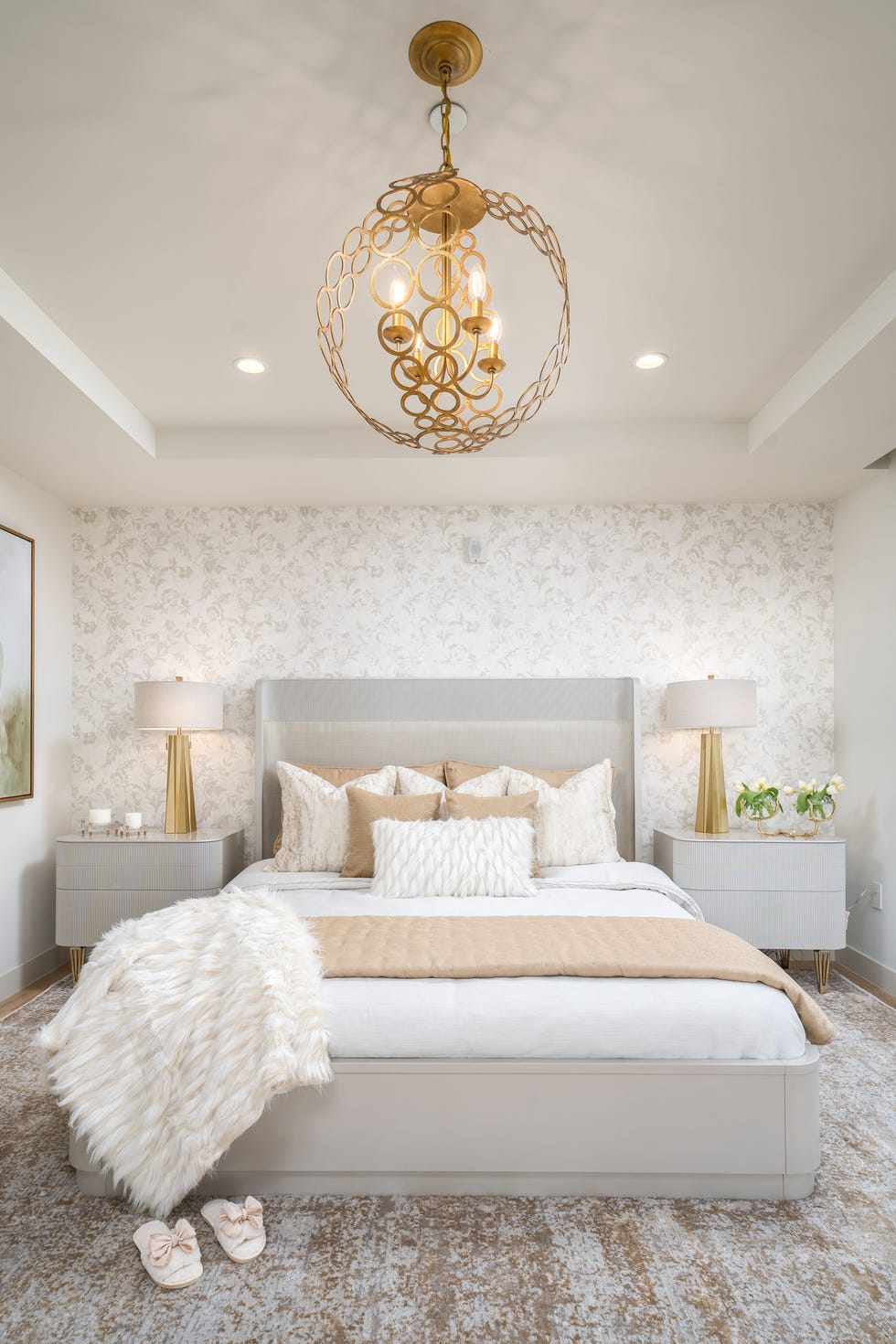
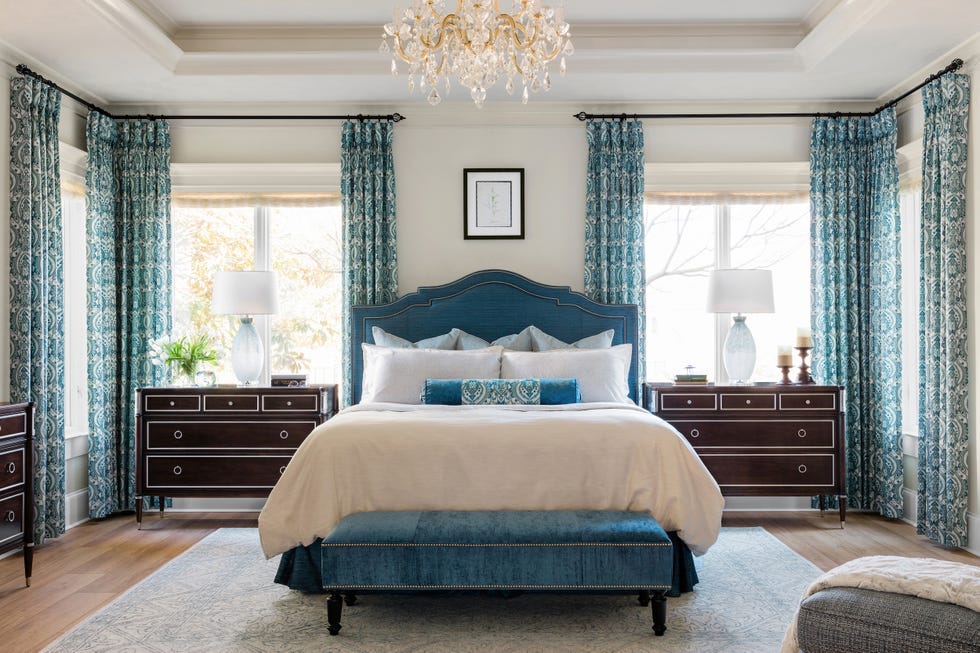
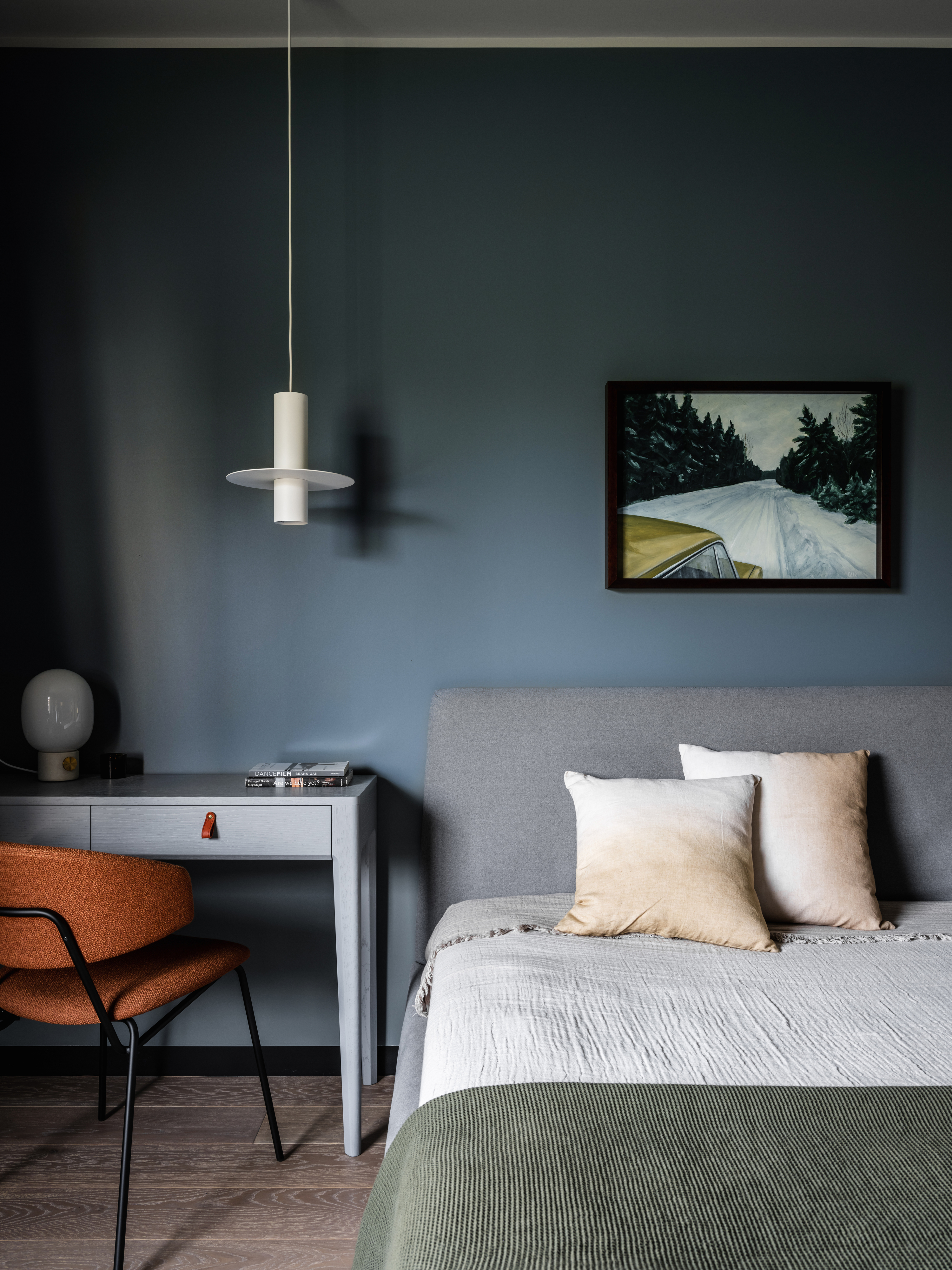
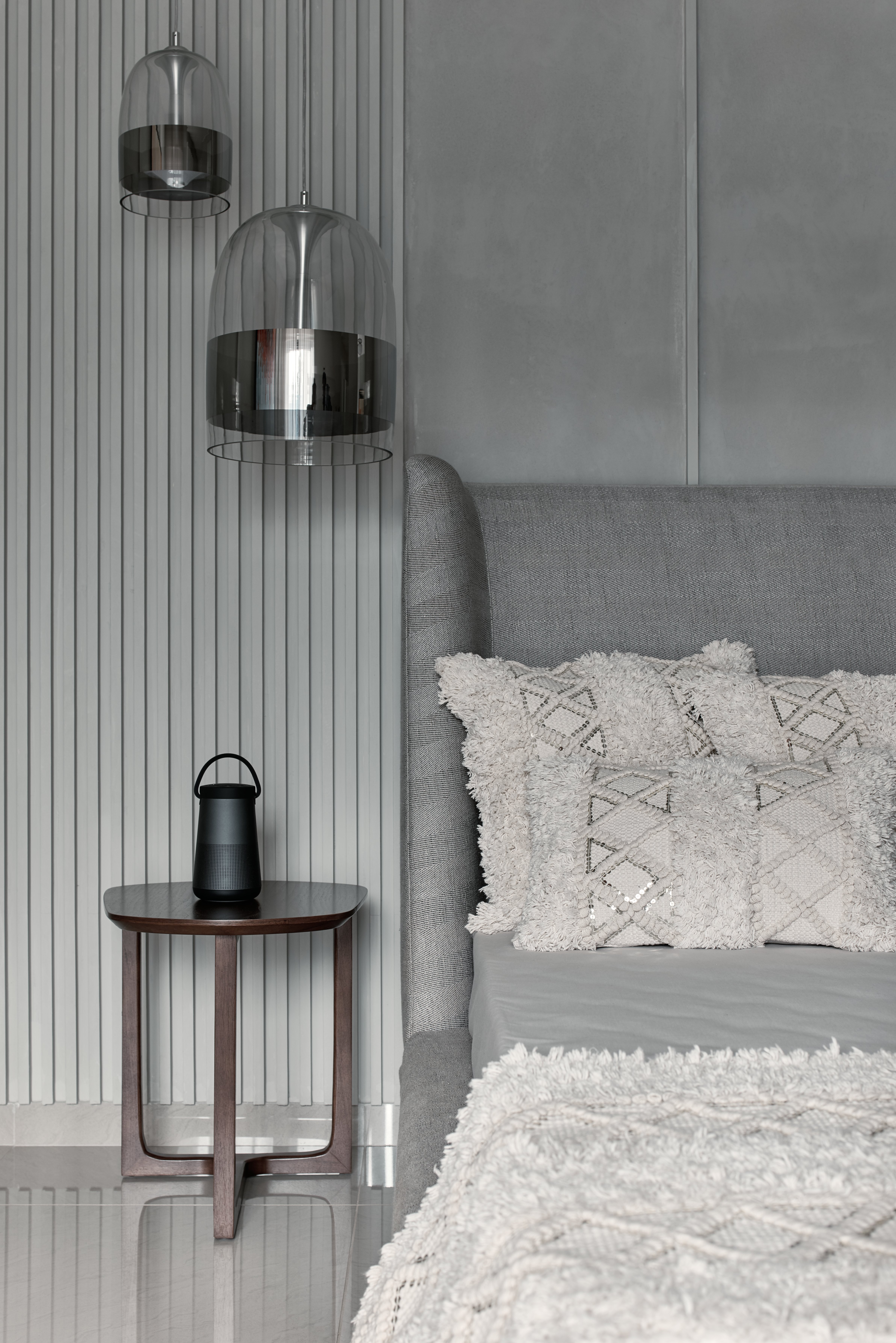
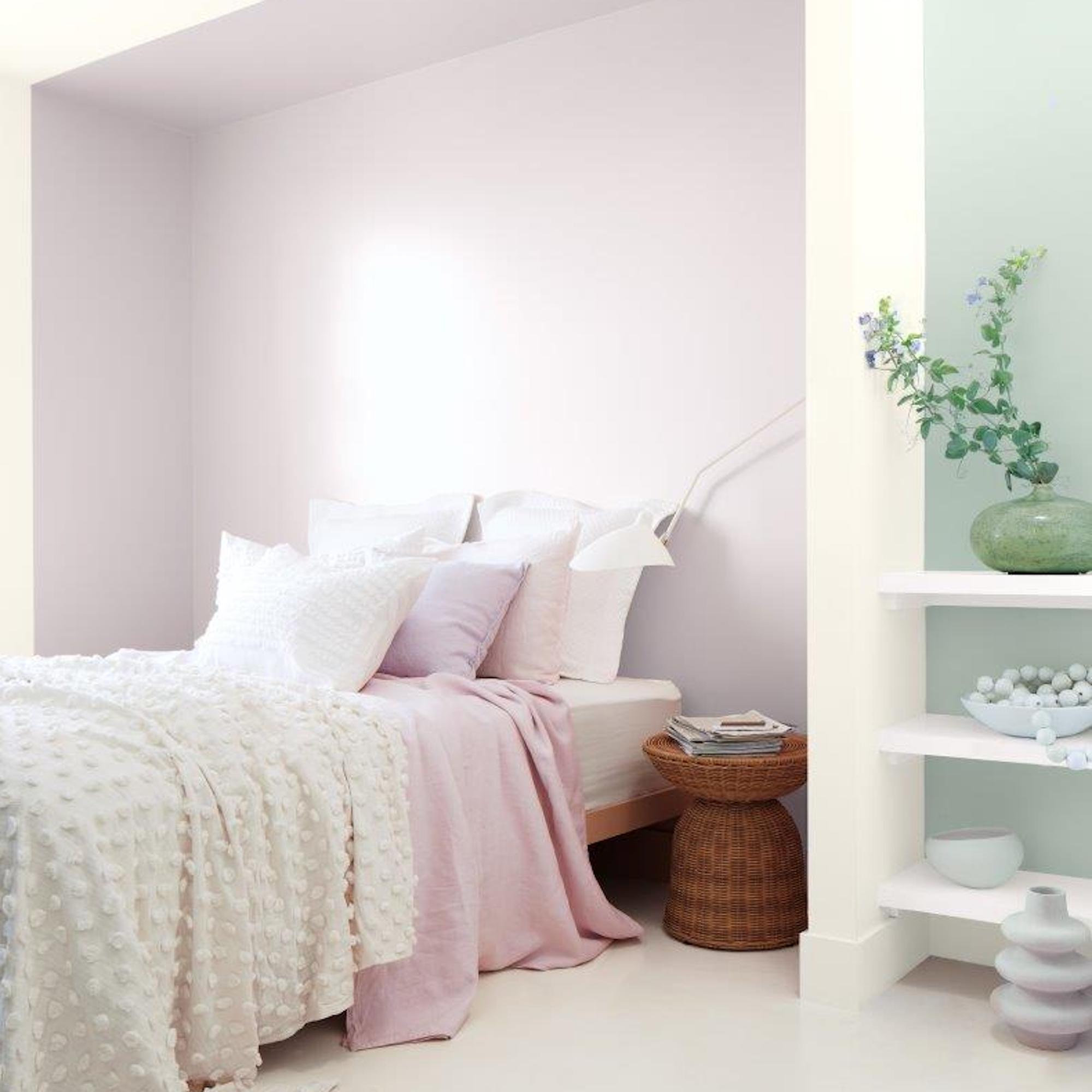
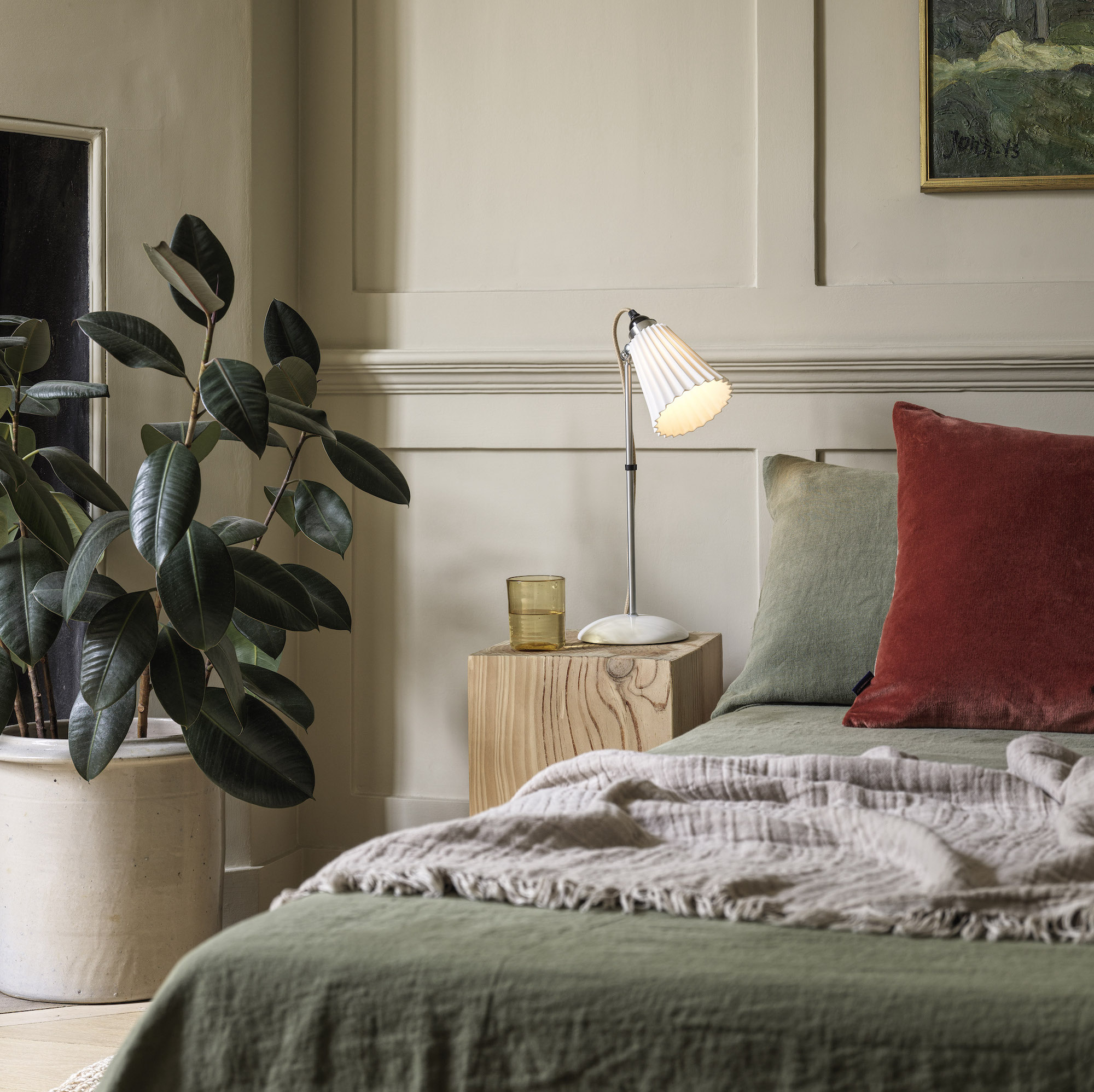
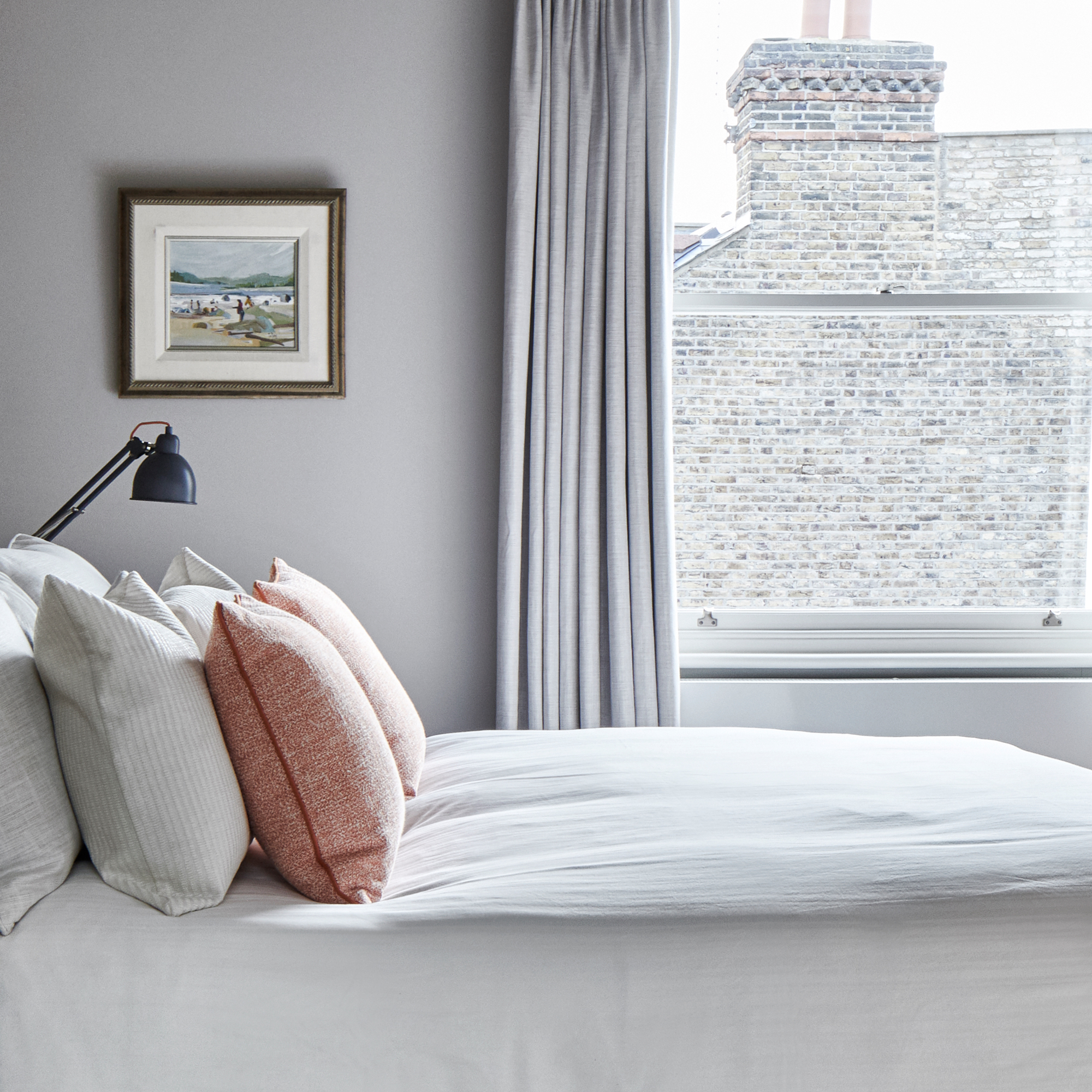
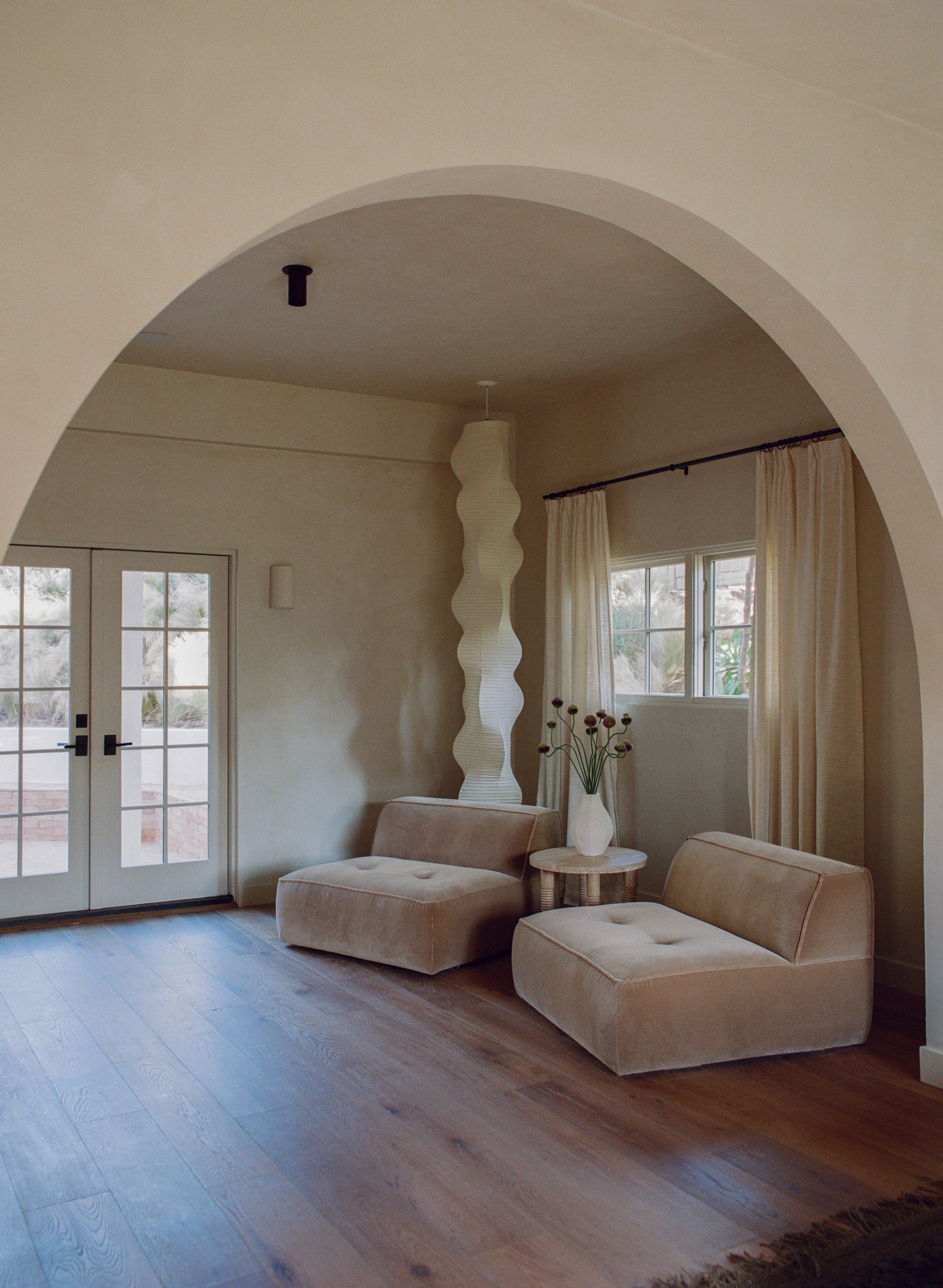
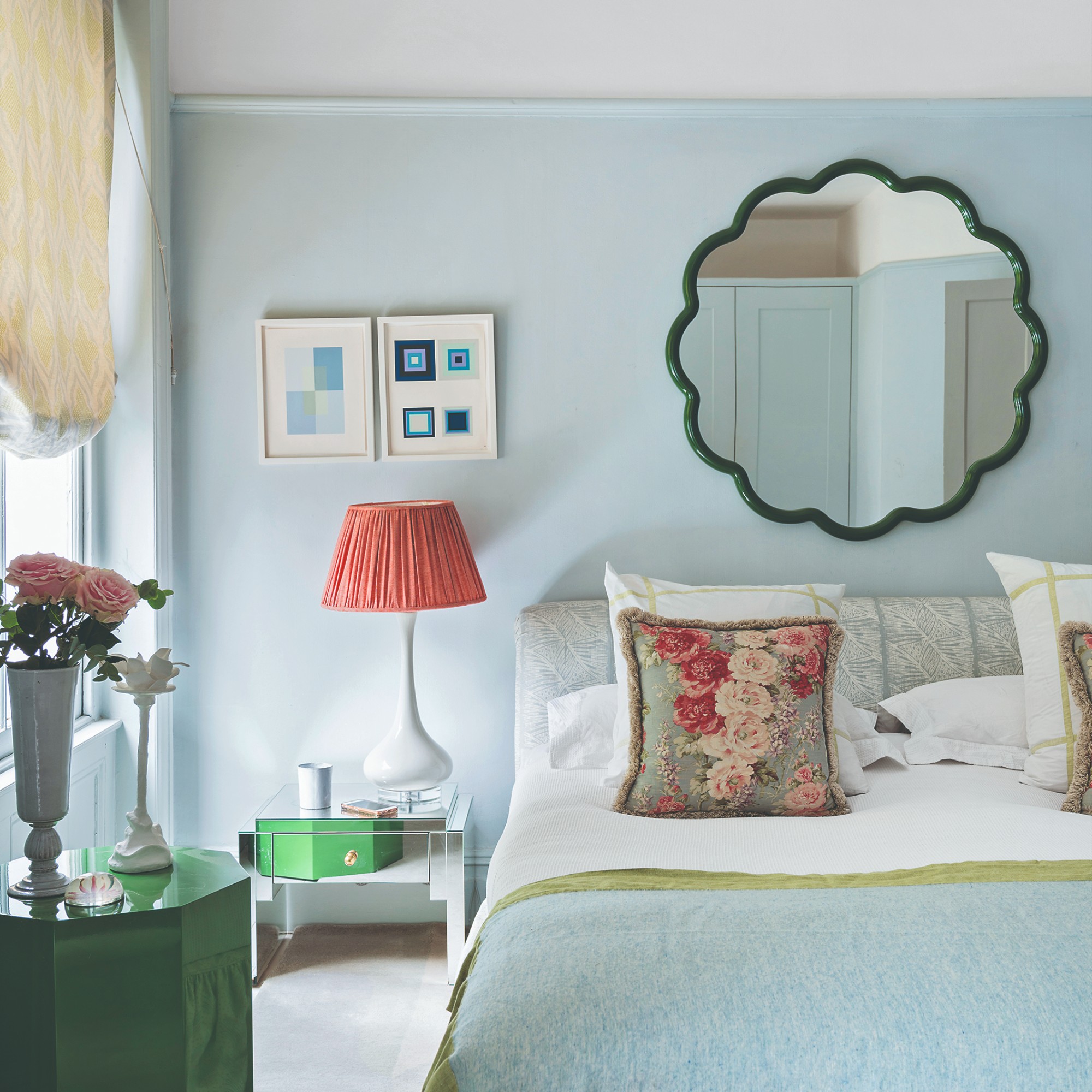
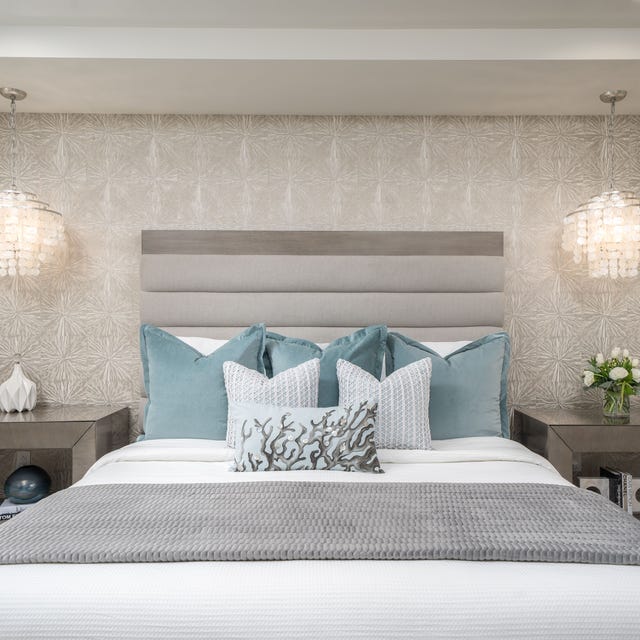
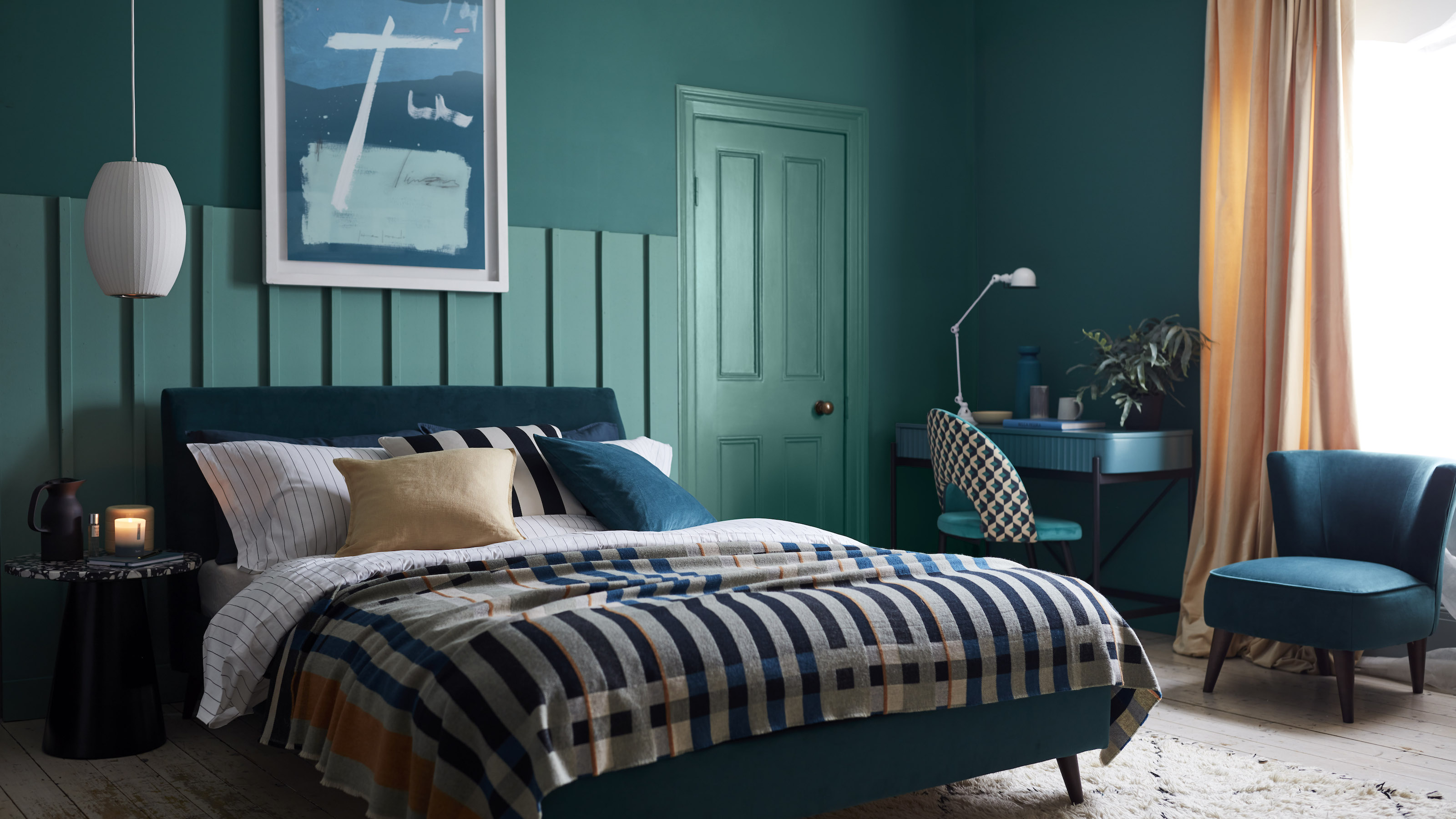
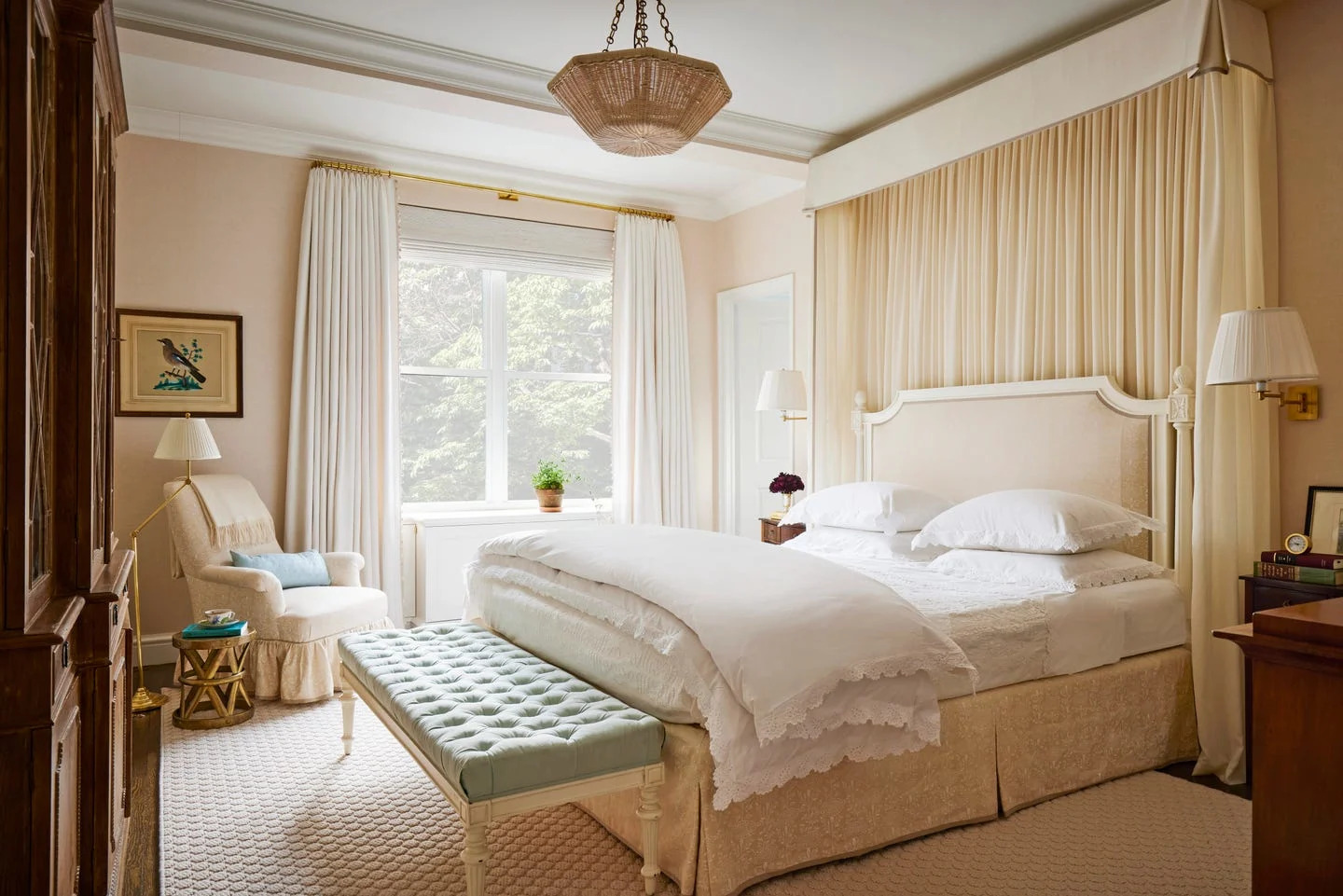
Color plays a vital role in influencing mood and promoting relaxation in the bedroom. Tornello advocates for soft, muted, and soothing hues inspired by nature. Blue shades, reminiscent of early morning skies or serene oceans, are ideal for creating a calm environment. Specific recommendations include Farrow & Ball's Manor House Gray, C2's Melodic, and Portola Paint's Roman Clay Salem. Neutral tones such as beige and gray also offer a sophisticated and versatile backdrop for relaxation. Popular choices are Farrow & Ball's Lamp Room Gray, Benjamin Moore's Pale Oak, and Dunn-Edwards' Foggy Day for grays, and Farrow & Ball's Dead Salmon and Jitney, Benjamin Moore's Skipping Stone, and Sherwin-Williams' Egret White for beiges.
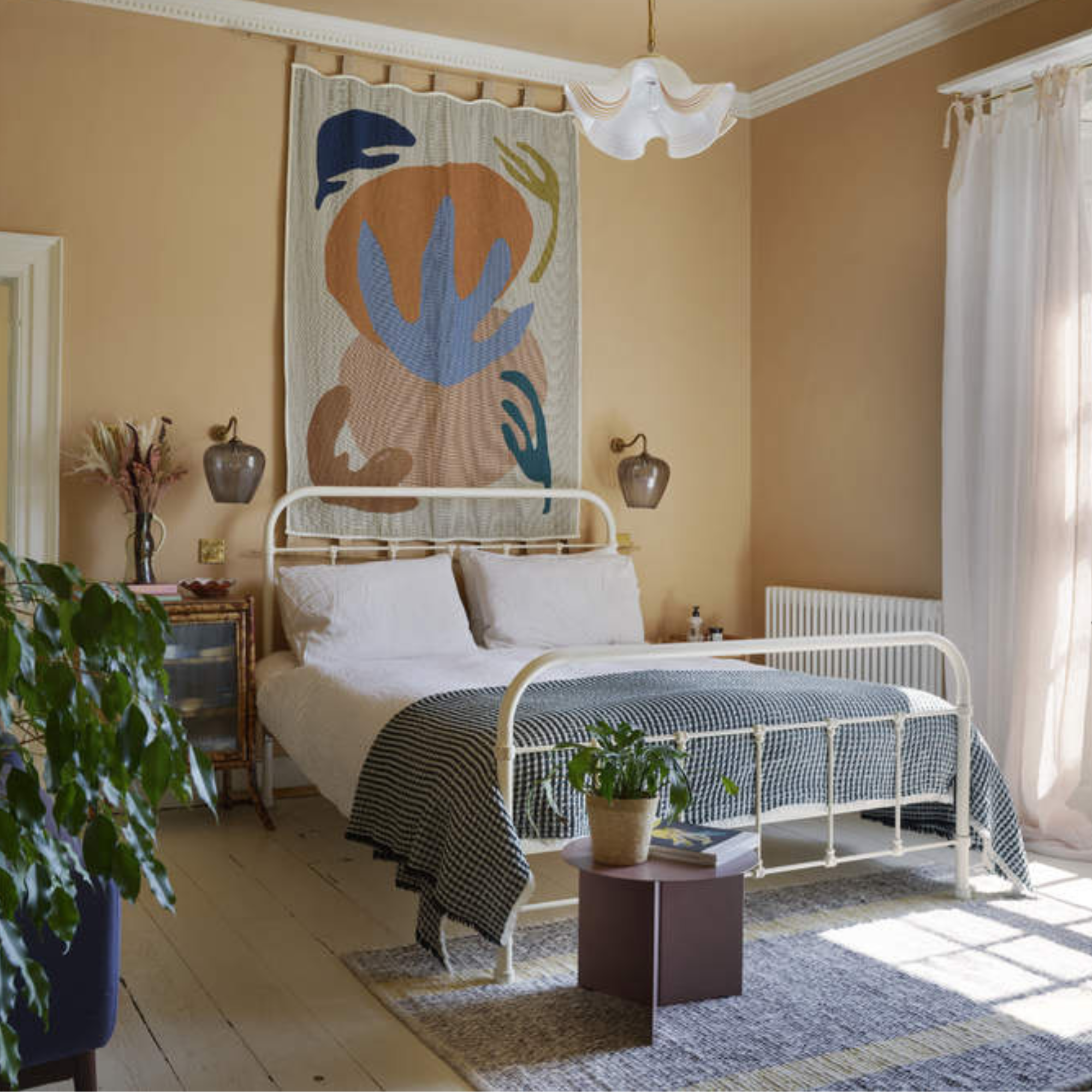
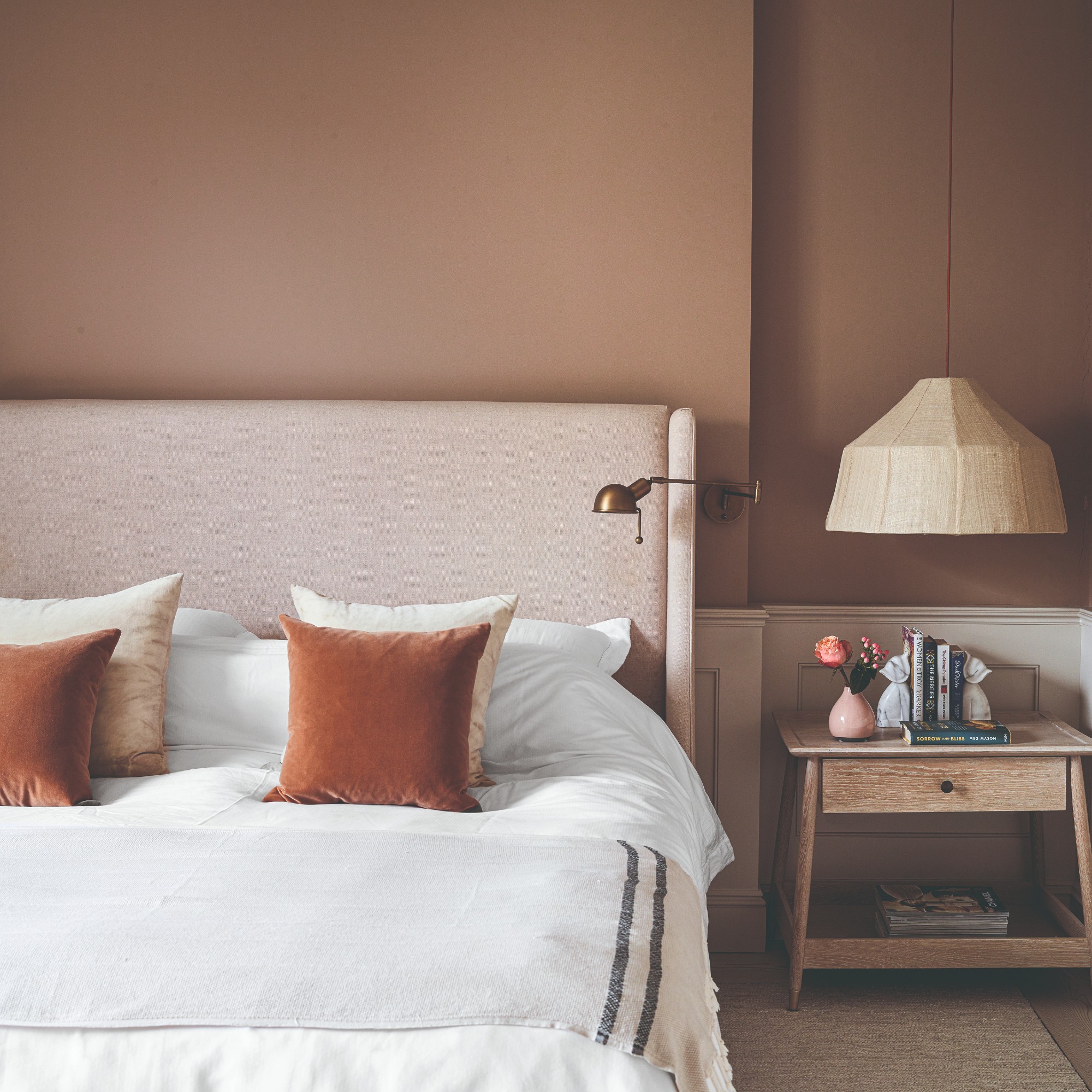
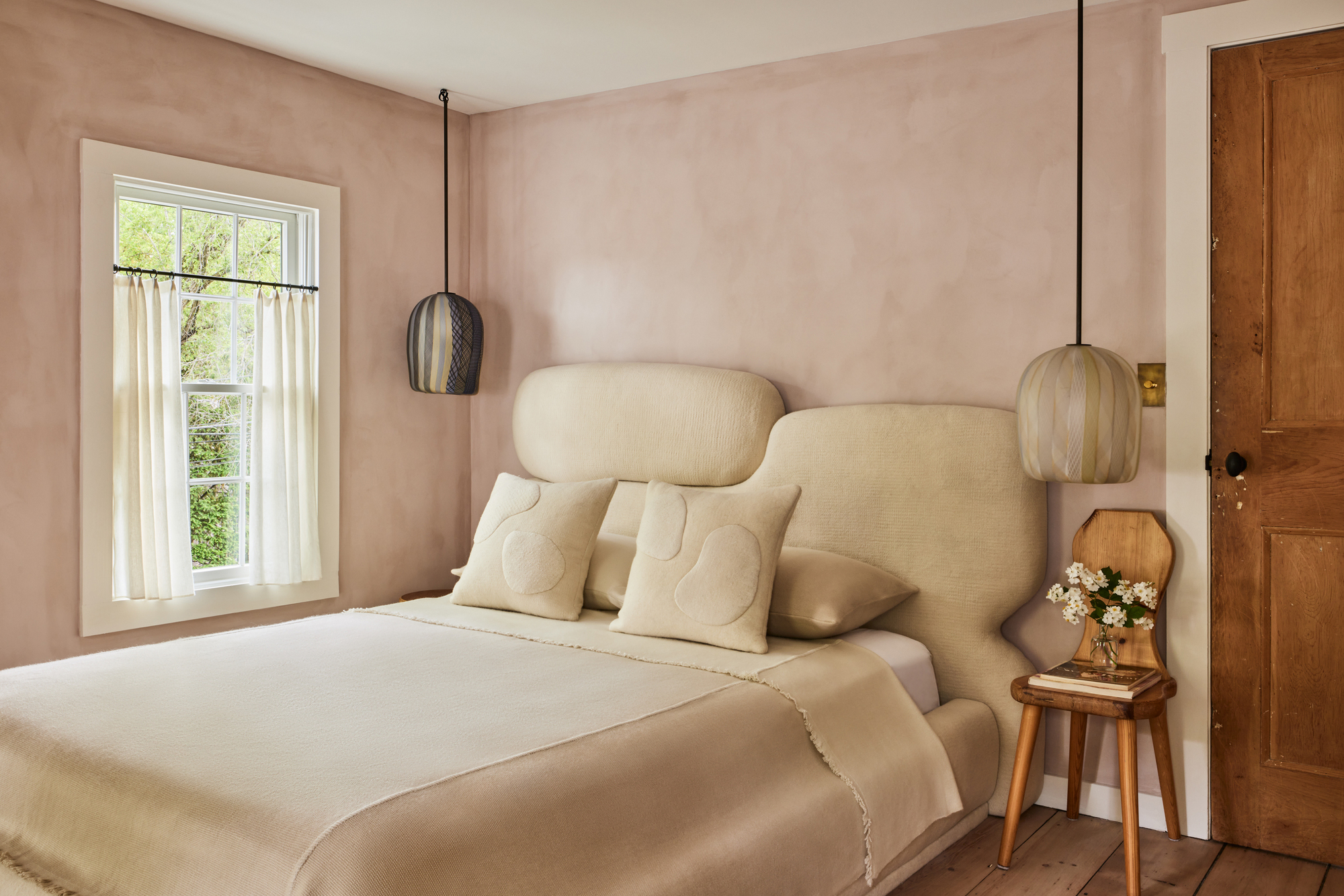
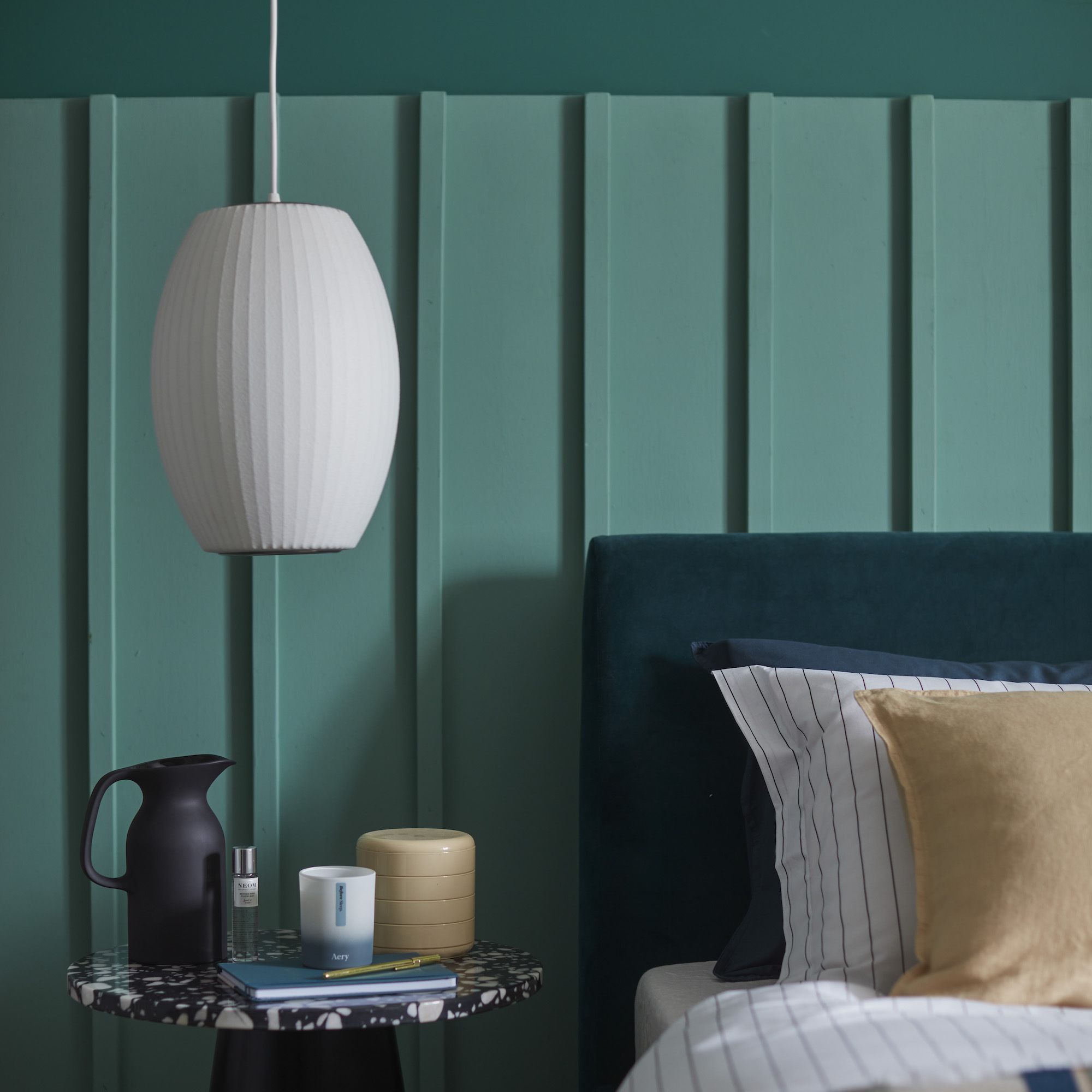
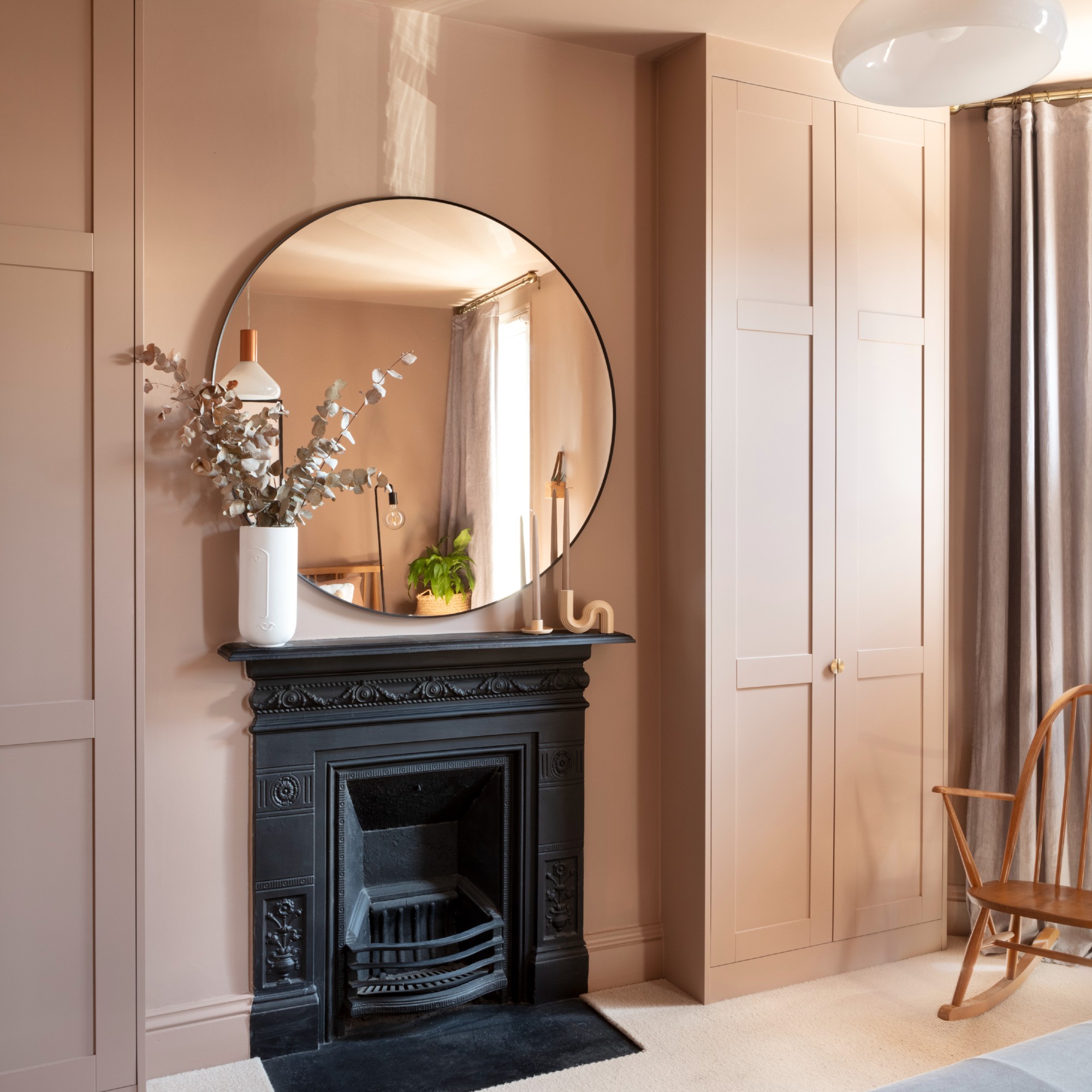
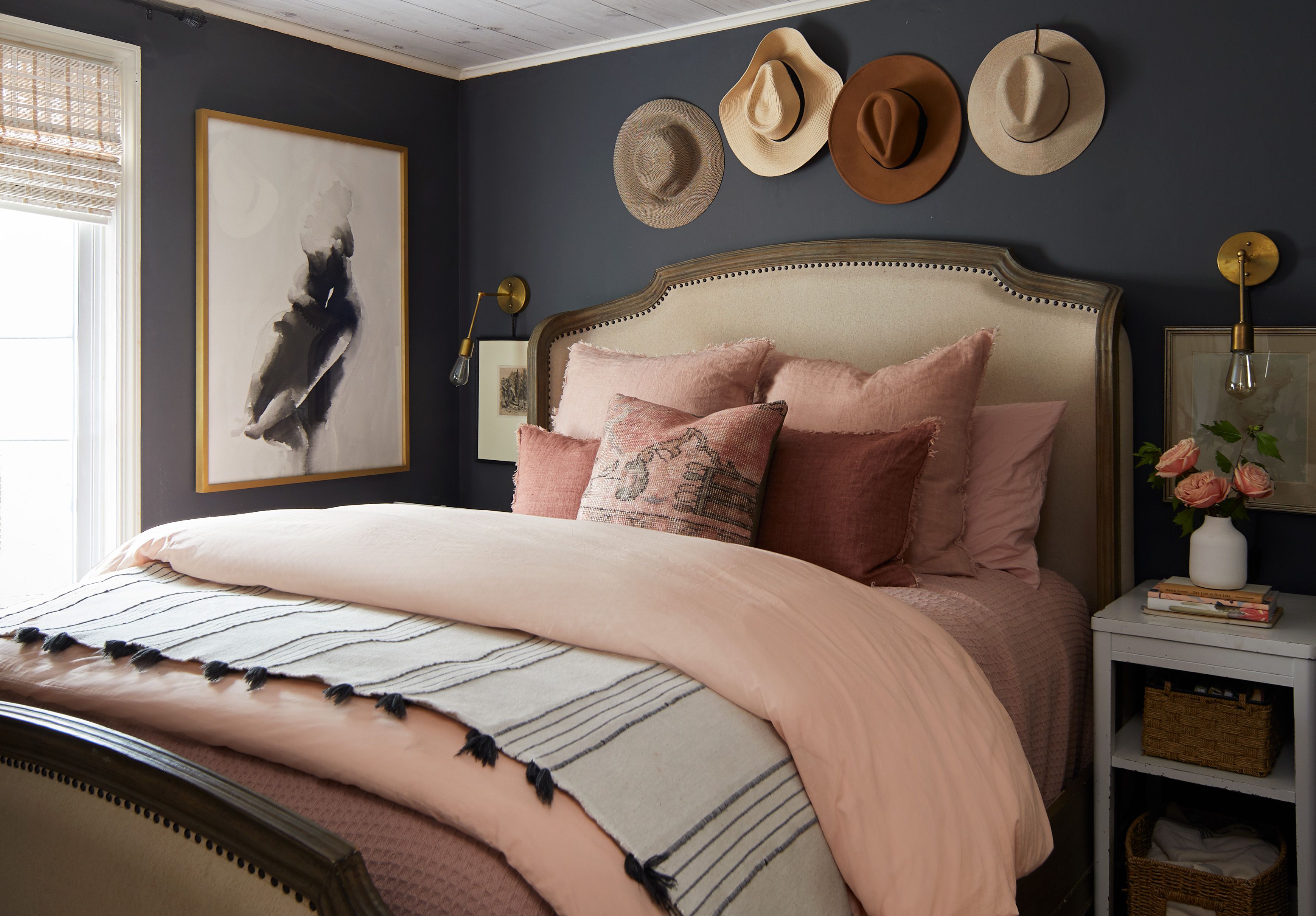
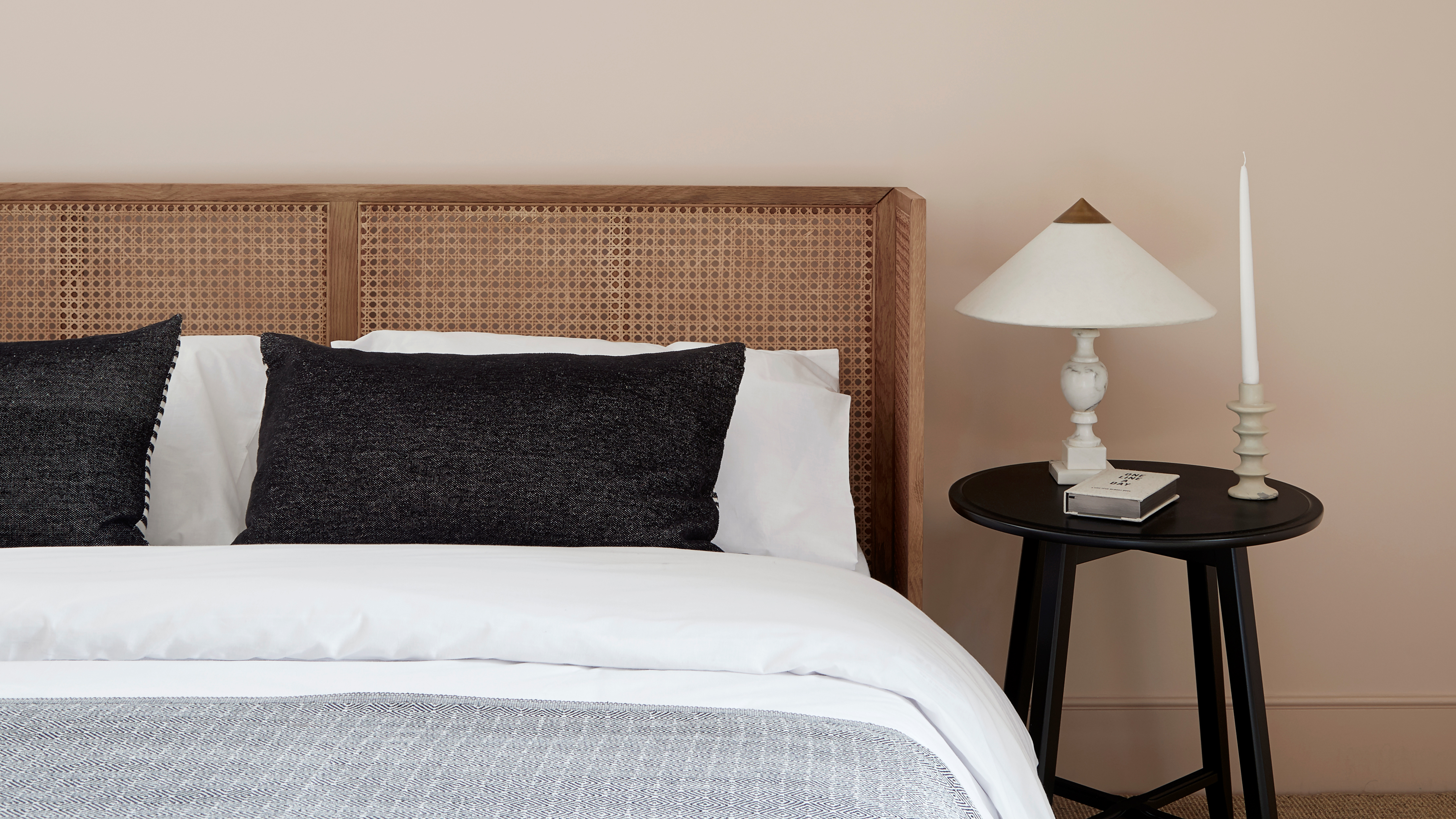
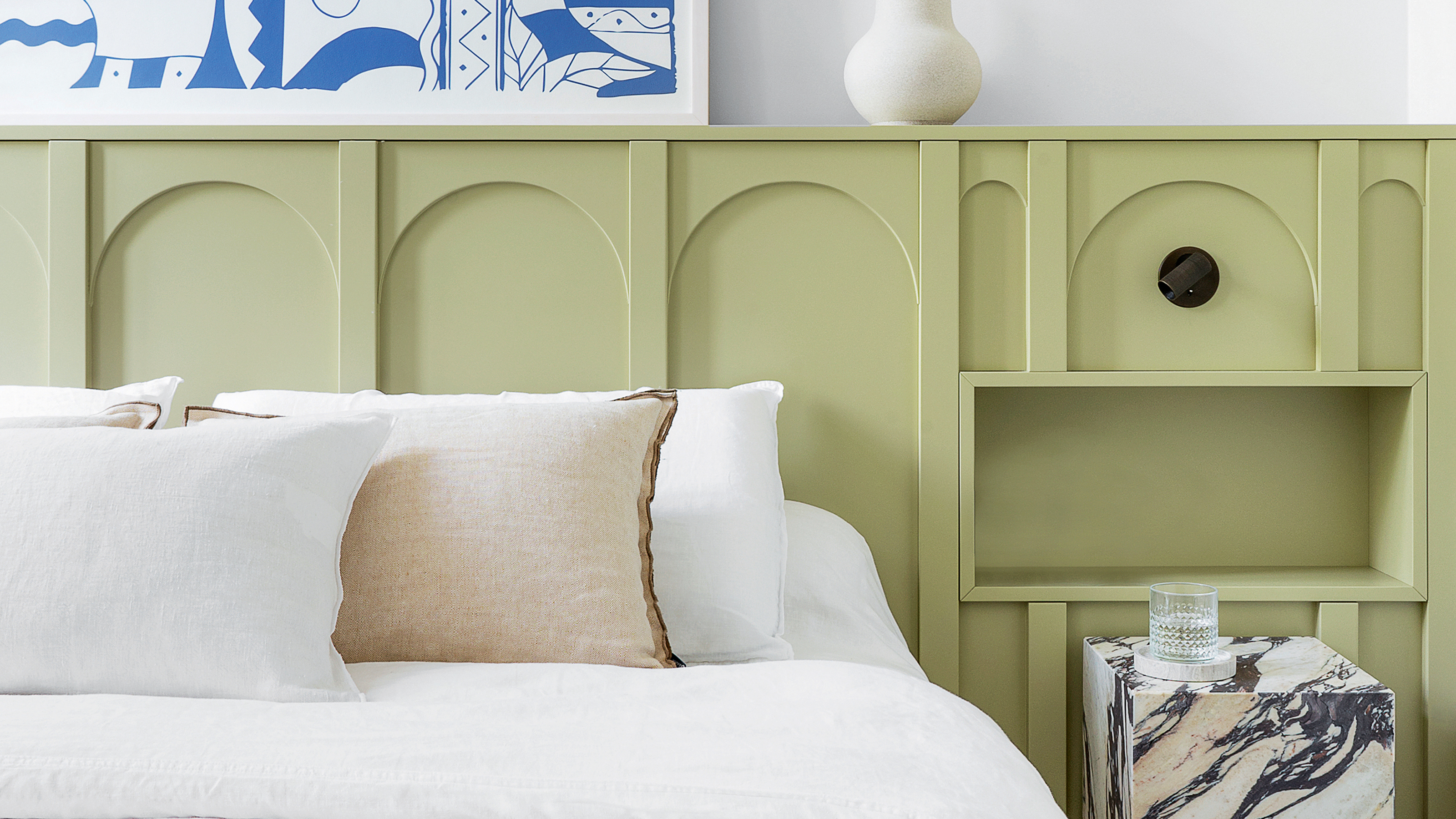
For those preferring warmer tones, a muted salmon hue can create a cozy and relaxing atmosphere, combining pink with a hint of orange for warmth without sacrificing calmness; Portola Paint's Roman Clay and Farrow & Ball's Setting Plaster are suggested. Green, another color strongly associated with nature, growth, and renewal, is known for its calming properties. Tornello highlights Farrow & Ball's Pigeon and Blue Gray as excellent choices to evoke balance and harmony. These color selections help transform the bedroom into a sanctuary conducive to rest.
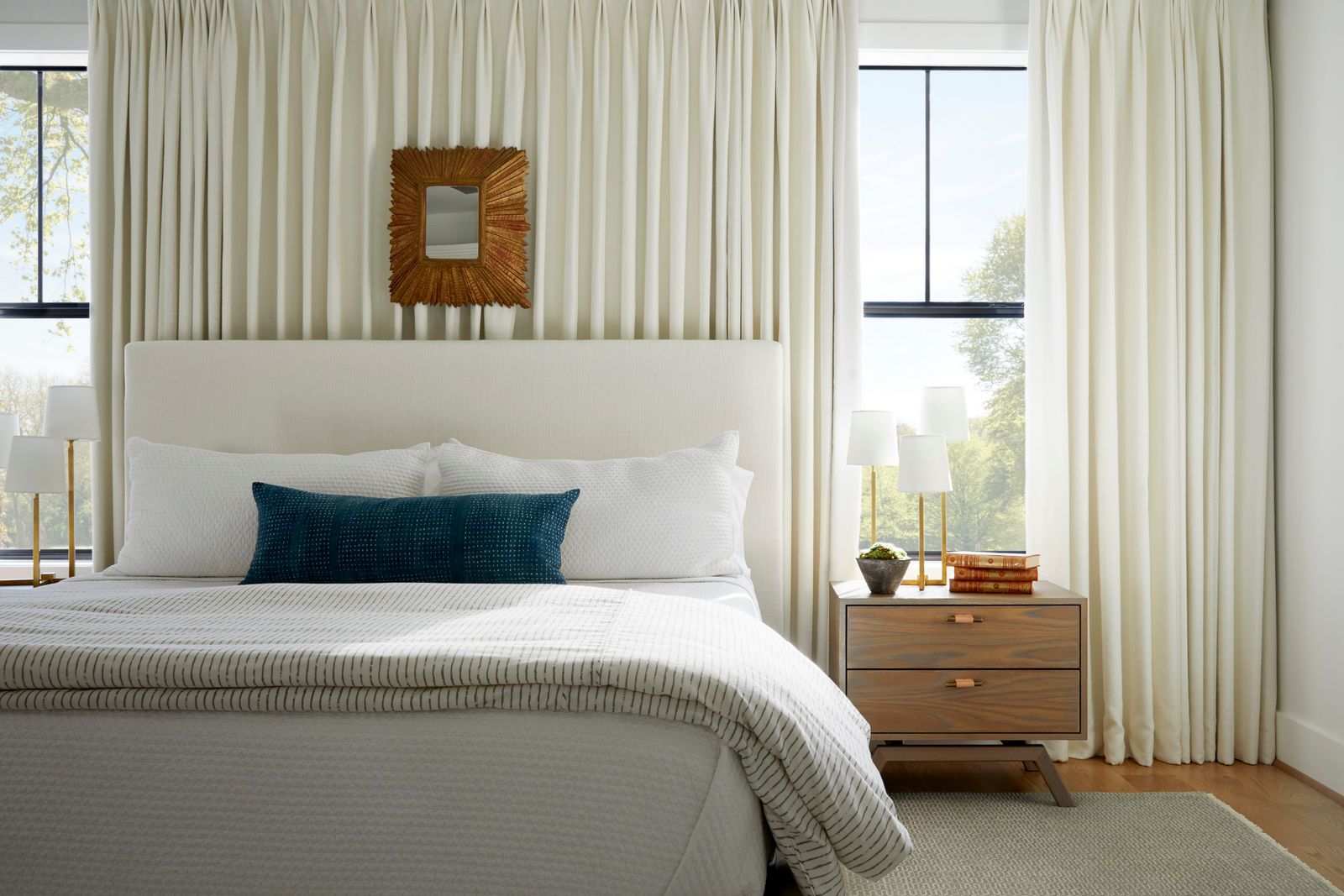
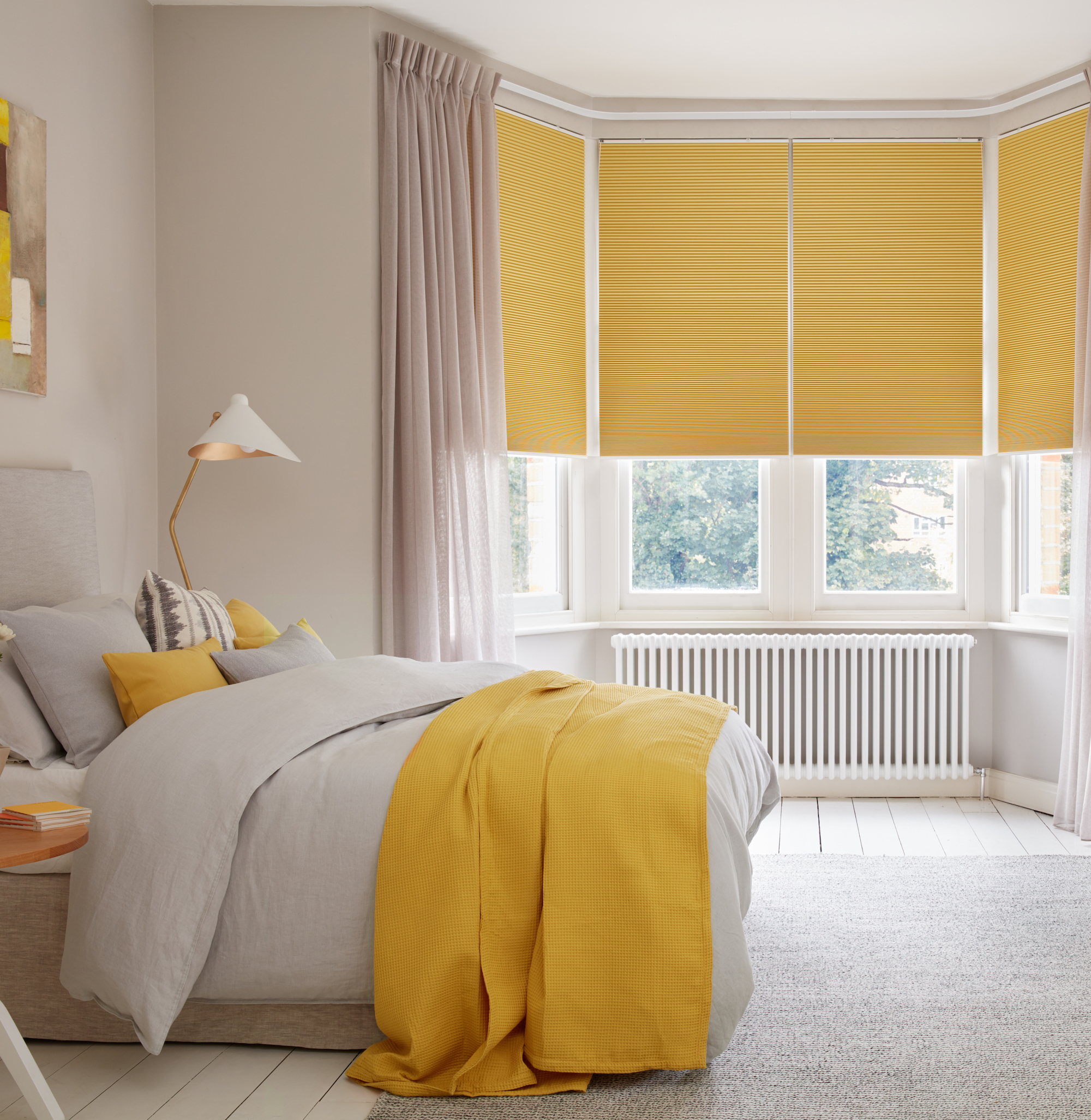
Window treatments and lighting are critical components of a stress-free bedroom. For individuals sensitive to light, blackout drapes or shades can significantly improve sleep quality by blocking out external light and noise, although they can make a room feel smaller and darker. It is important to note that these drapes often cost 20-30% more due to their dual-layer fabric. Alternatively, if waking up with natural sunlight is preferred, light-filtering shades offer privacy and insulation while allowing gentle light to permeate, which can be beneficial for those with seasonal affective disorder or bedrooms with scenic views.
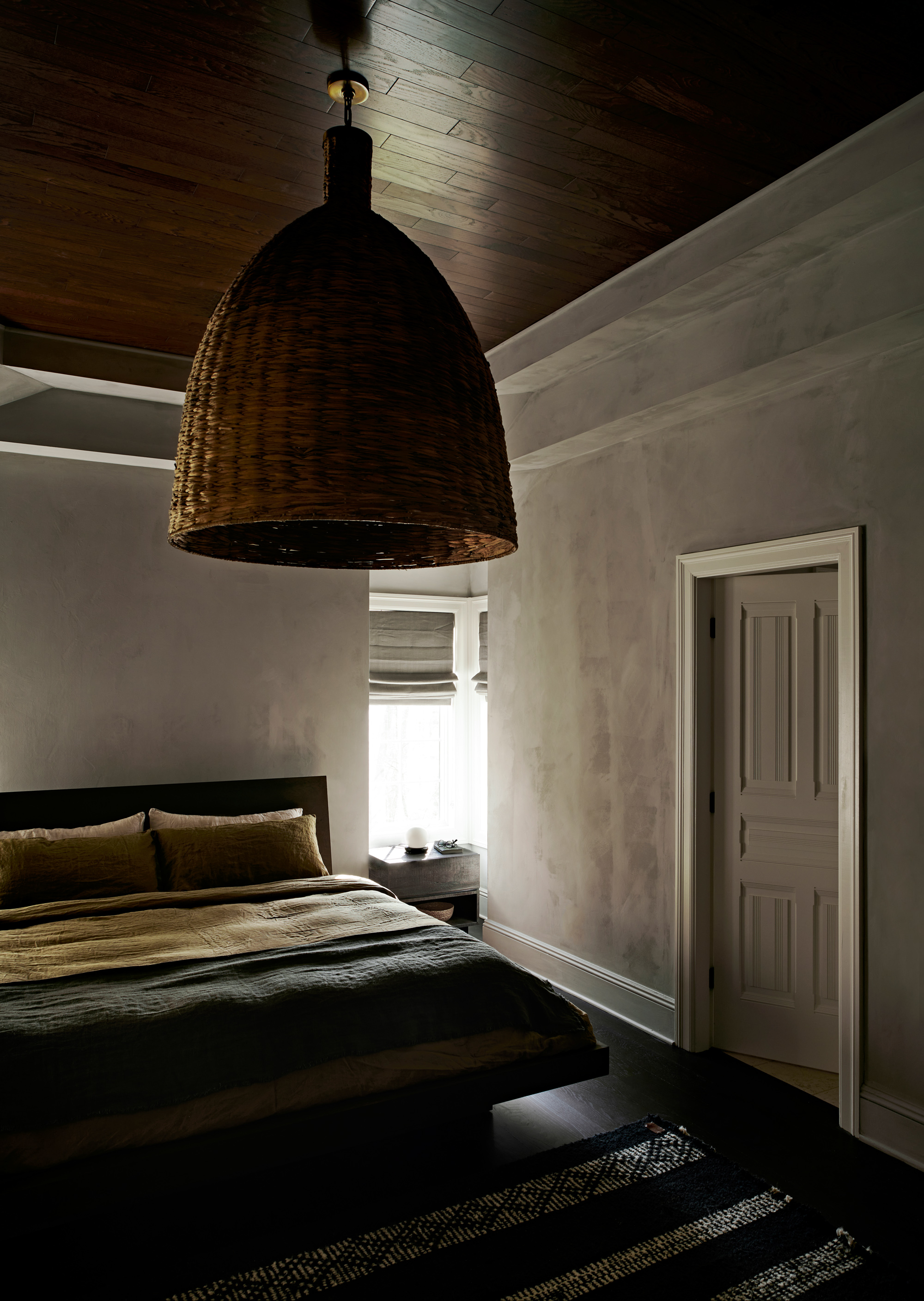
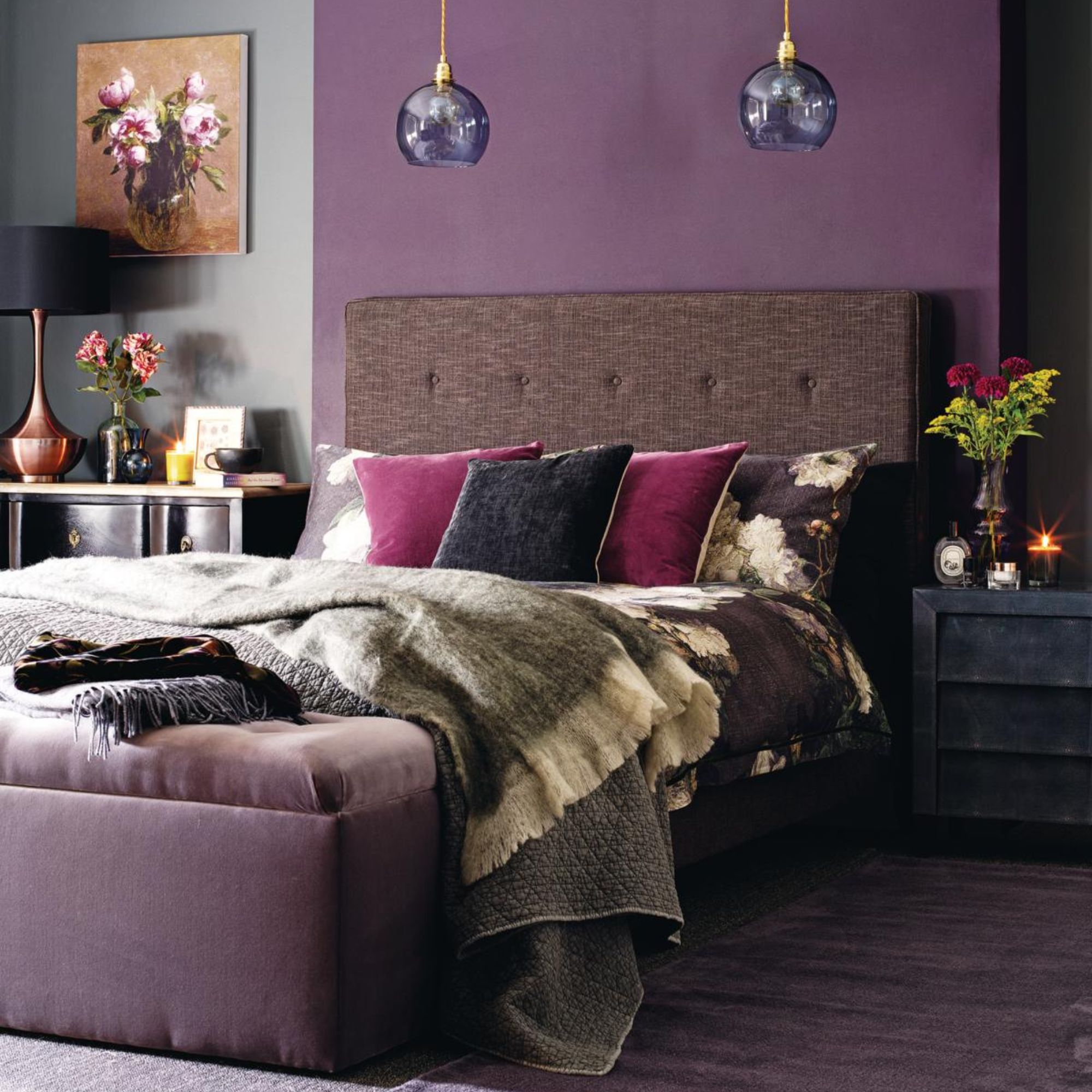
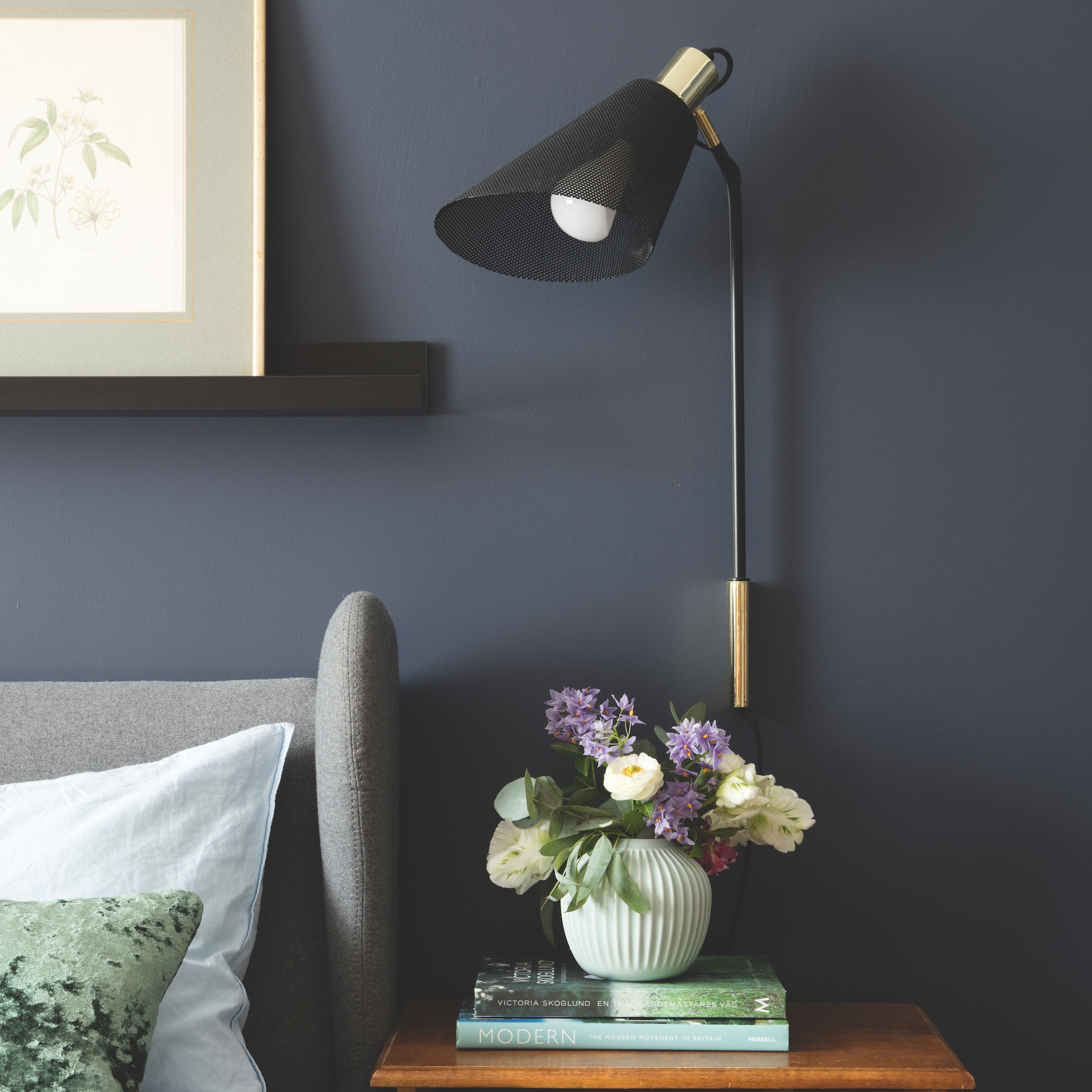
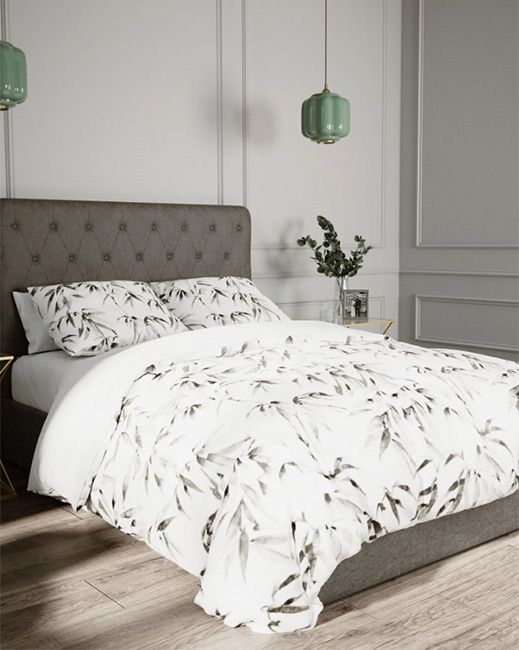
Finally, layered, warm lighting is essential for manipulating the room's mood and light levels. Tornello advises incorporating a combination of overhead lighting, bedside lamps, and wall sconces. For larger renovations, installing light switches near nightstands for easy control of overhead lighting enhances convenience. The article concludes by recommending light bulbs that emit a warm, yellow-toned light, specifically with a color temperature of 2700K, to foster a truly relaxing and sleep-promoting environment.
#BedroomDesign #StressRelief #BetterSleep #HomeOrganization #InteriorDecorating #ColorPsychology #LightingDesign #DeclutteringTips #BedroomDesign #StressRelief #BetterSleep #HomeOrganization #InteriorDecorating #ColorPsychology #LightingDesign #DeclutteringTips
0 comment in total
 No comments yet
You may also like
7 Ways to Make Your Bedroom a No-Stress Zone Right This Minute

Bedroom Feng Shui – 10 tips for creating a zen-like space to encourage sleep

'Avoid a return flight straight into burnout' – 6 simple tricks for sleeping better on holiday, according to Simba's sleep experts
26 Calm Bedroom Ideas for a Restful Night's Sleep

Bedroom Organization Ideas That’ll Help You Sleep Easy

10 Bedroom Decor Mistakes Keeping You From Your Best Sleep Ever

7 Bedroom Design Tips for Better Sleep, According to Experts

The Best Bedding to Improve Your Sleep

Sleep experts helped organize my bedroom for better sleep
How to Turn Your Bedroom Into a Sanctuary for Sleep
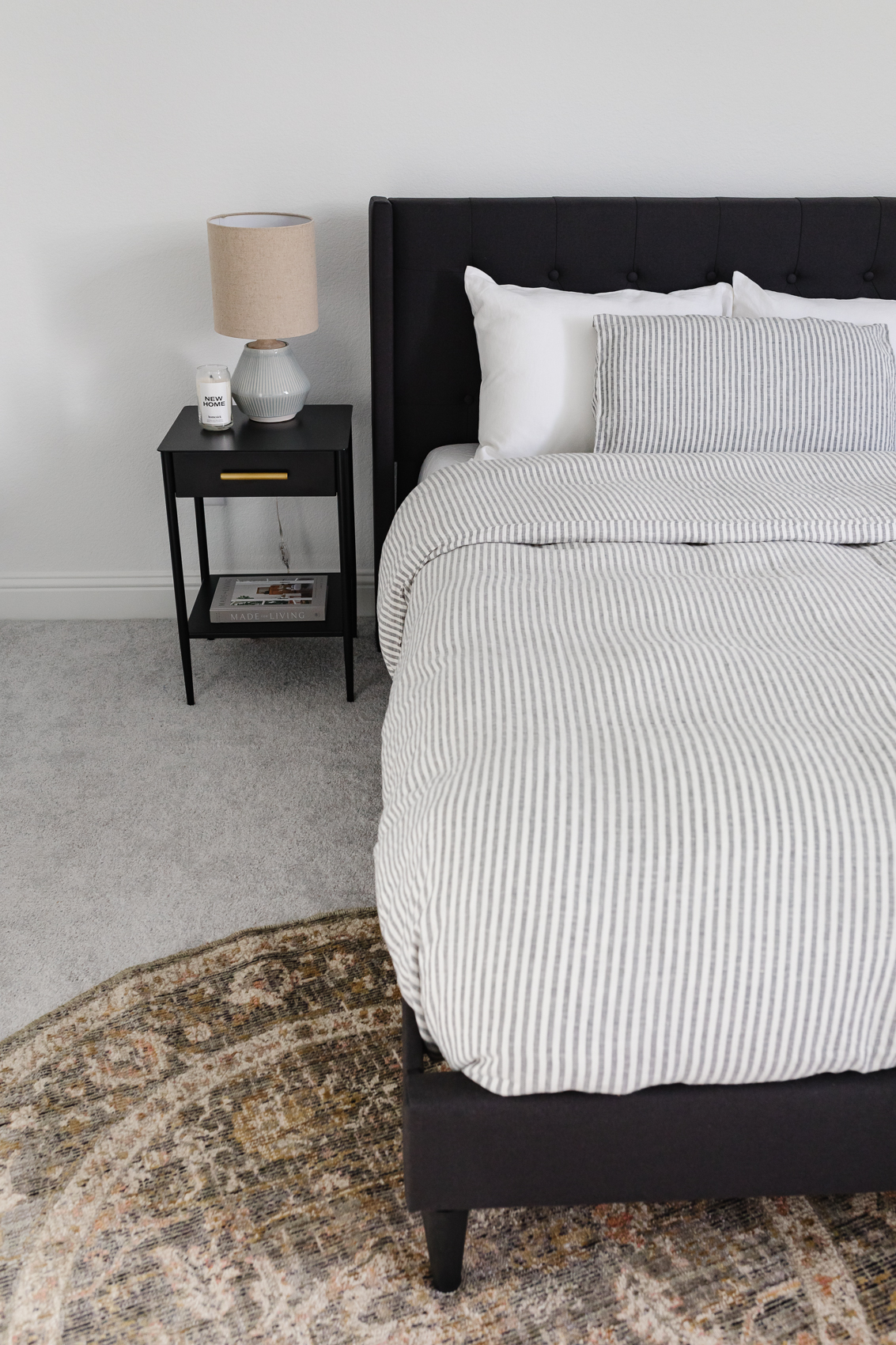
Relaxing Bedroom Ideas with Simple Bedding Essentials
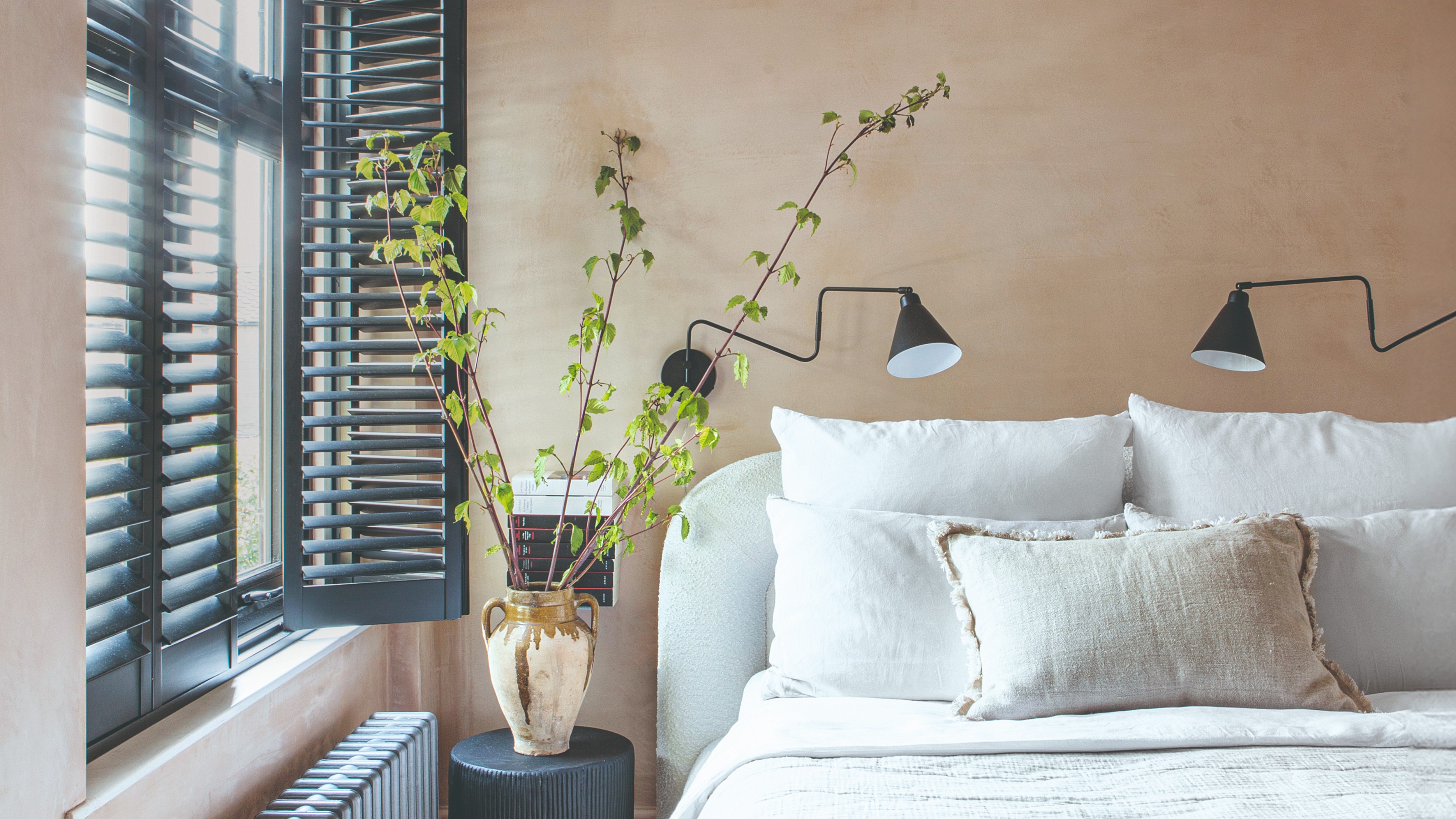
18 dreamy bedroom colour ideas to create a rest-promoting, stylish space
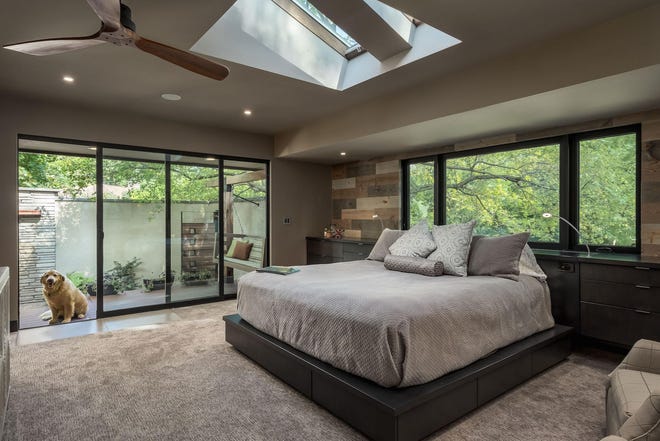
Bedroom design should emphasize stress-reducing, sleep-inducing features

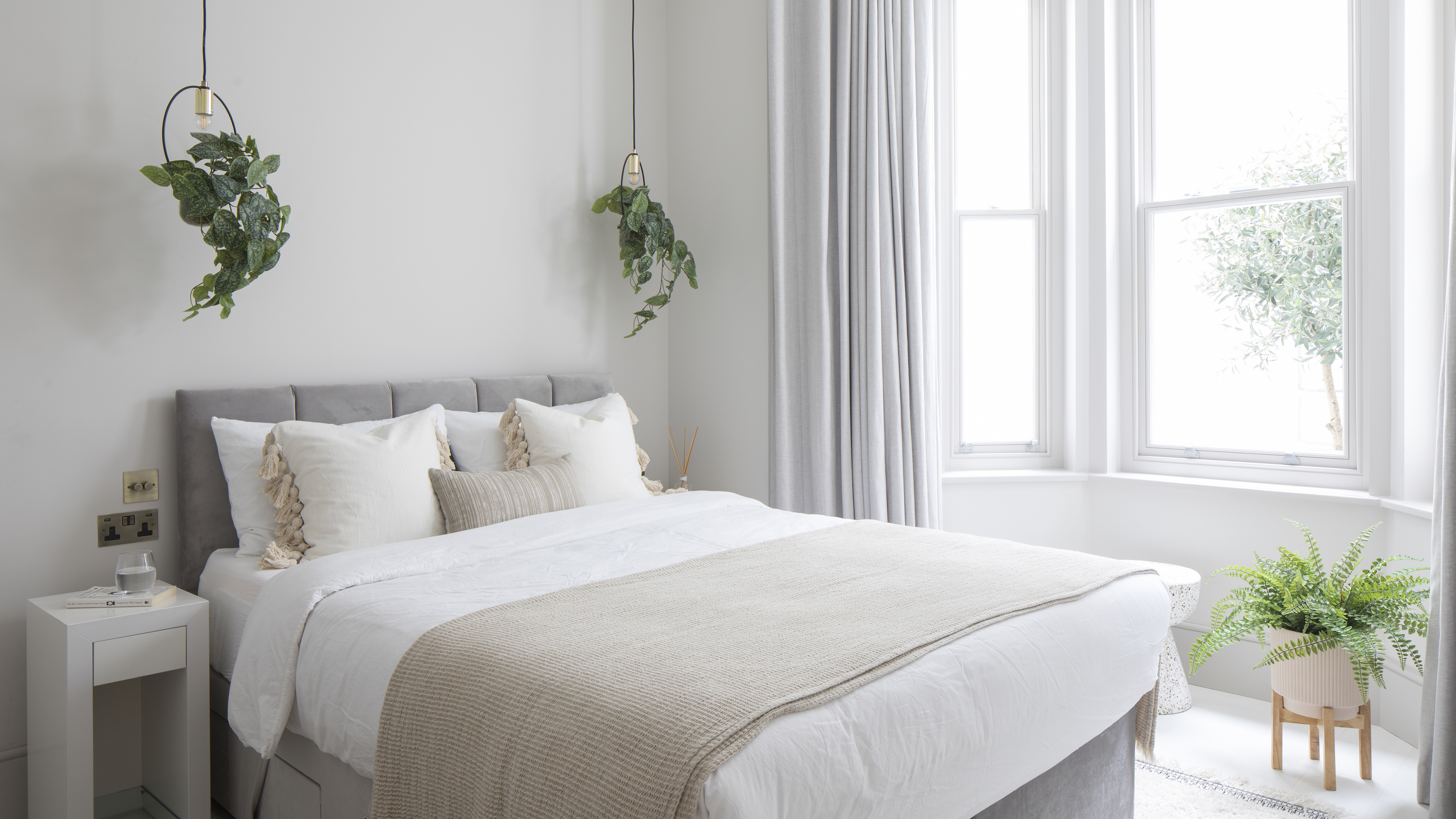
Calm bedroom ideas – 11 style tricks to create a soothing sanctuary

How can I make my bedroom lighting feel cozier? 8 tricks designers use that make for dreamy sleep spaces

The best beds and bed frames to help you sleep at night
Relaxing bedroom ideas – how to create a more serene space, according to designers
15 bedroom design tips for better sleep – wake fresh for the day
5 bedroom design tips to help night owls fall asleep – and wake up feeling fresh
16 Relaxing Bedroom Decor Ideas to Make Your Sleep Space as Serene as Possible