
How to Improve Indoor Air Quality | Wirecutter
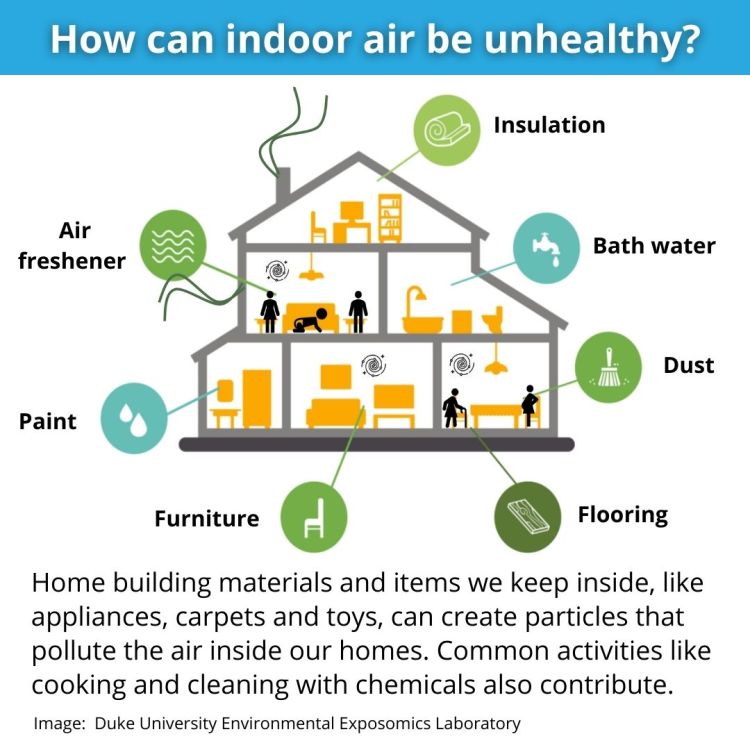
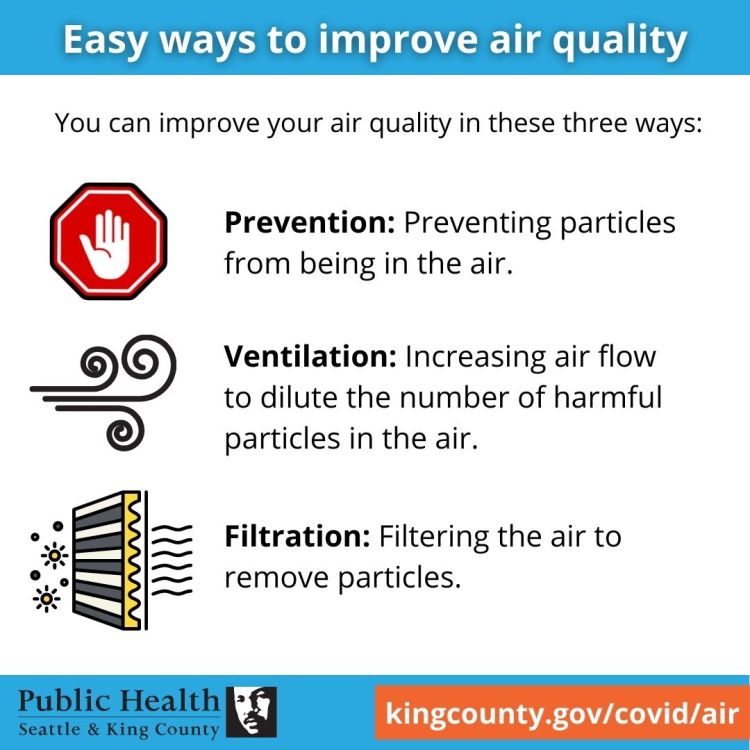
The quality of indoor air significantly impacts health, with Americans spending an average of 90% of their time indoors. Poor indoor air quality can contribute to various health issues, including respiratory and cardiovascular diseases, cognitive impacts, cancers, and allergies. Vulnerable groups such as infants, children, older adults, and those with existing respiratory conditions are particularly susceptible. Exposure to chemicals, particulates, dust mites, pet dander, mold spores, and outdoor air pollution further compounds these risks. Implementing routine and seasonal measures can effectively manage allergy symptoms and reduce exposure to harmful substances like chemicals, heavy metals, and microplastics.
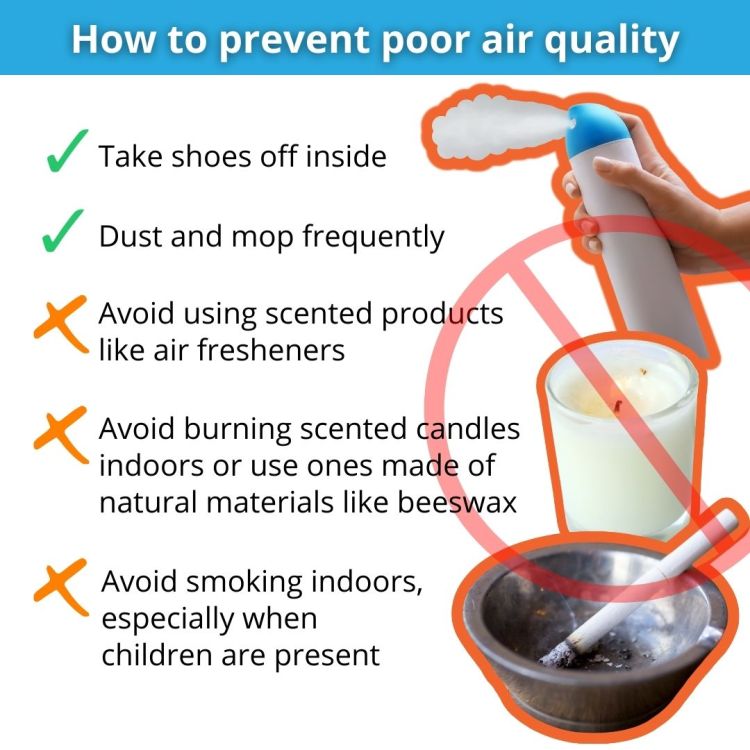
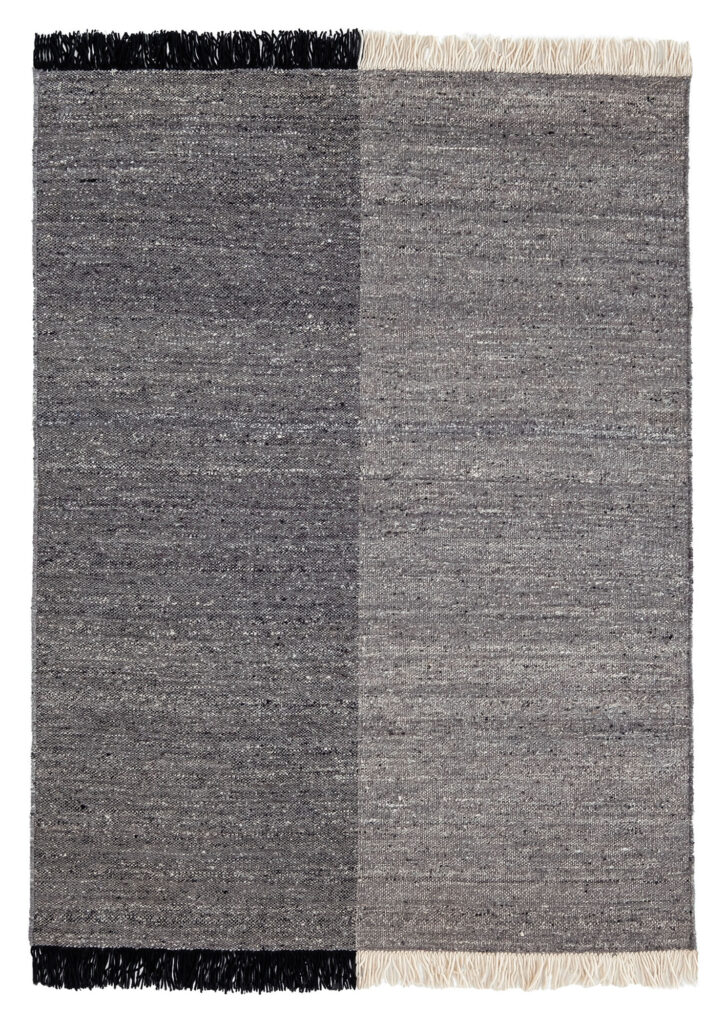
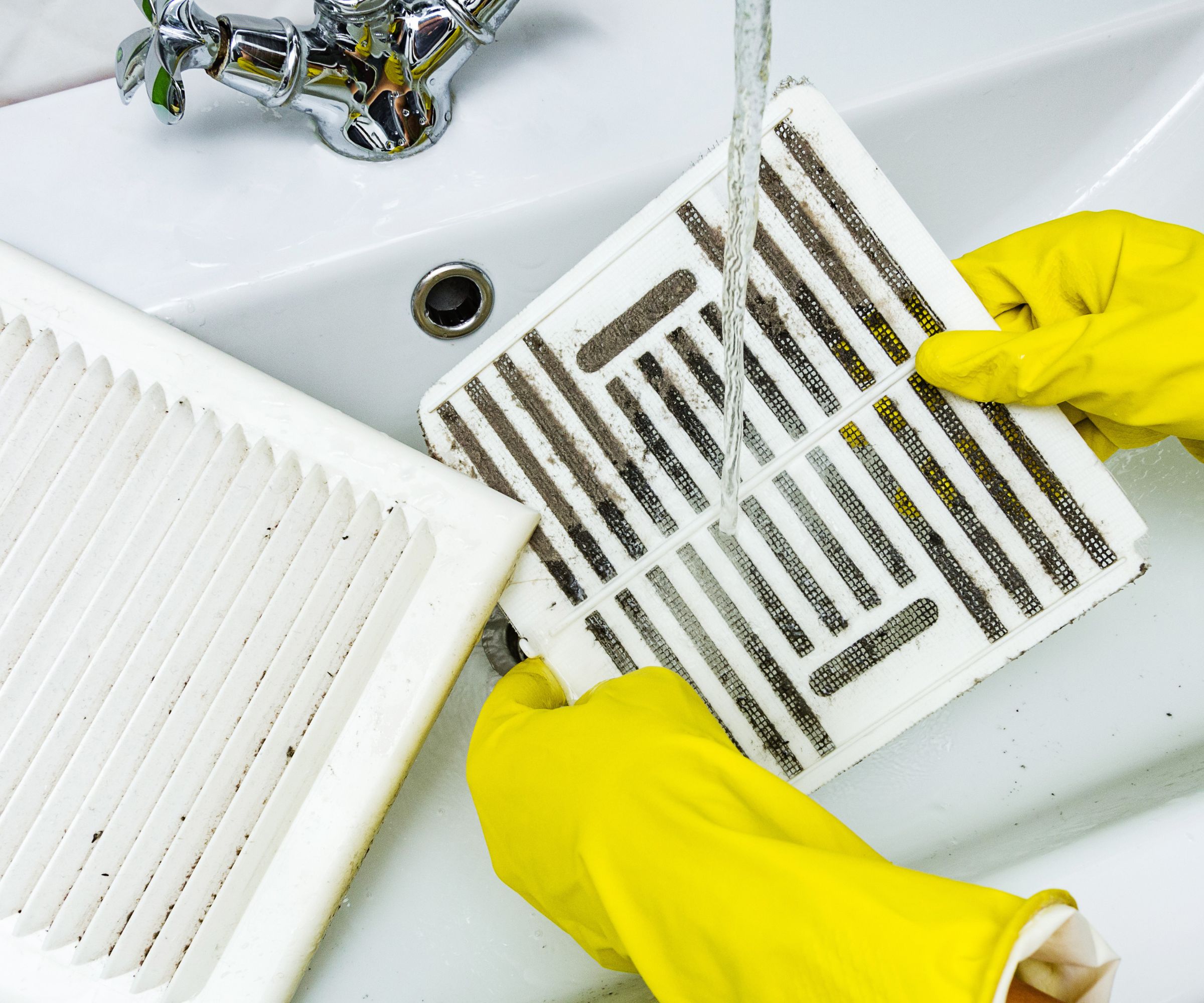
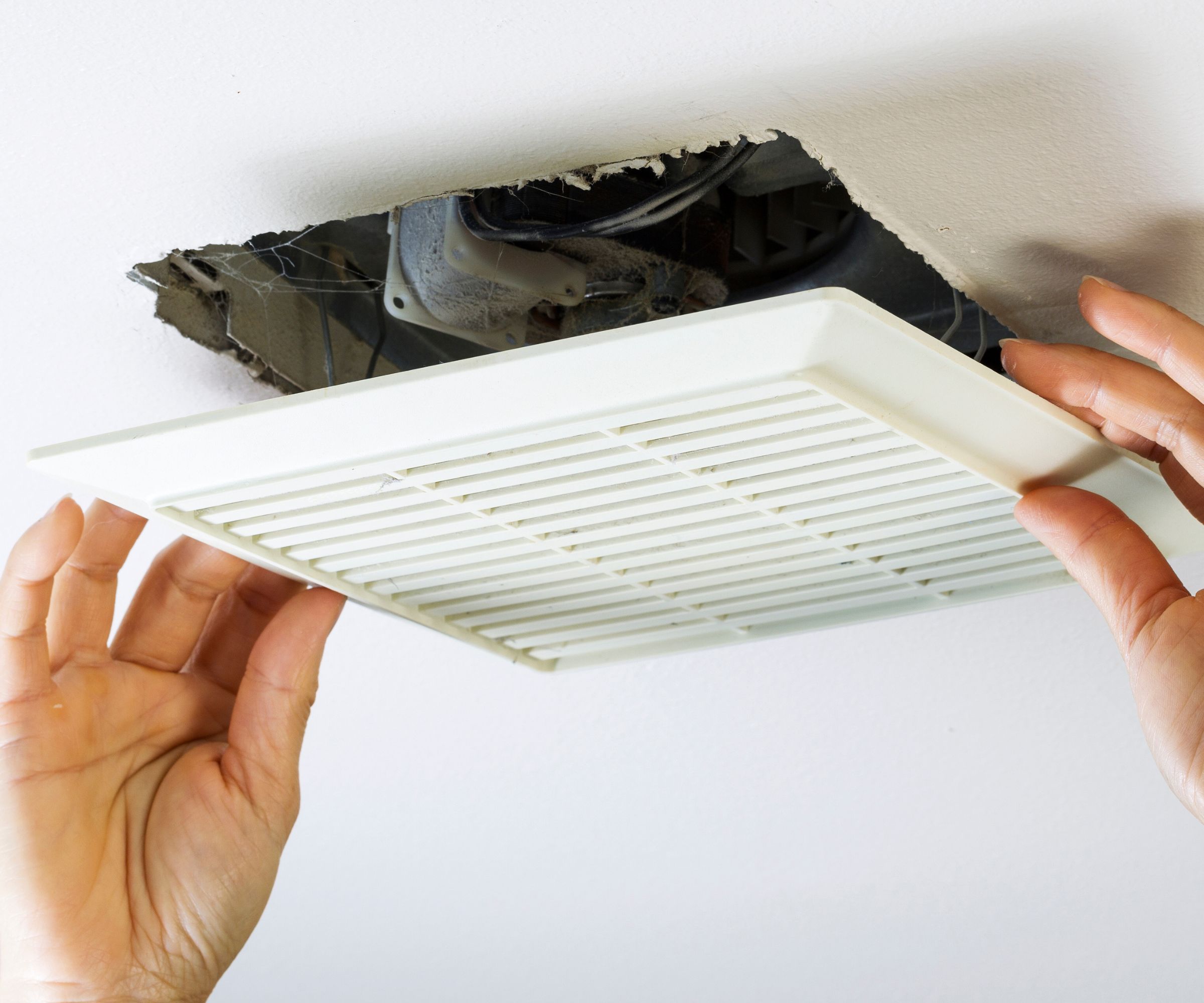
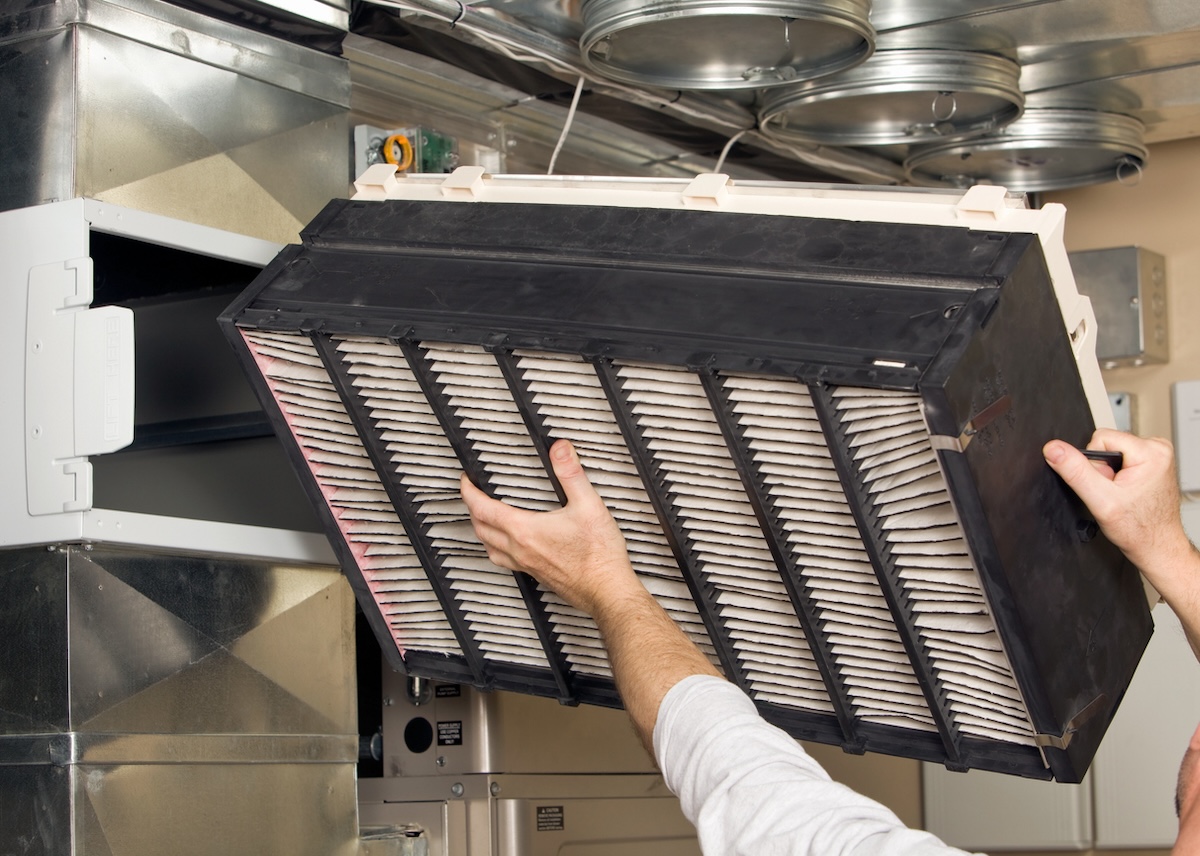
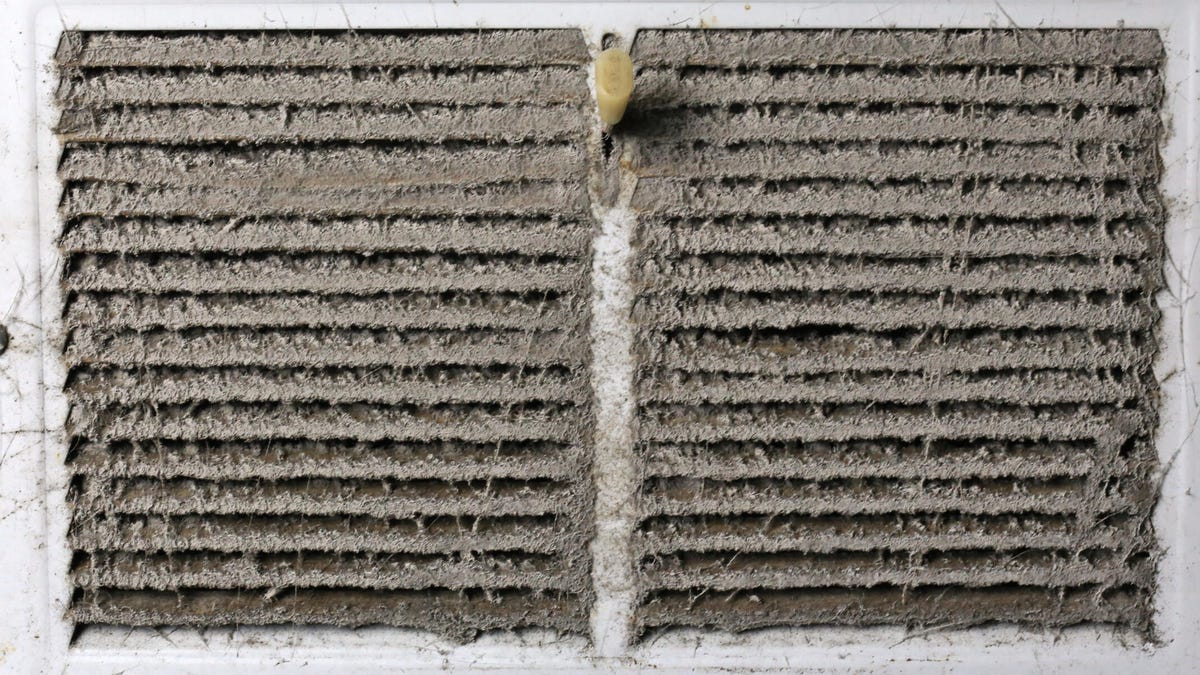
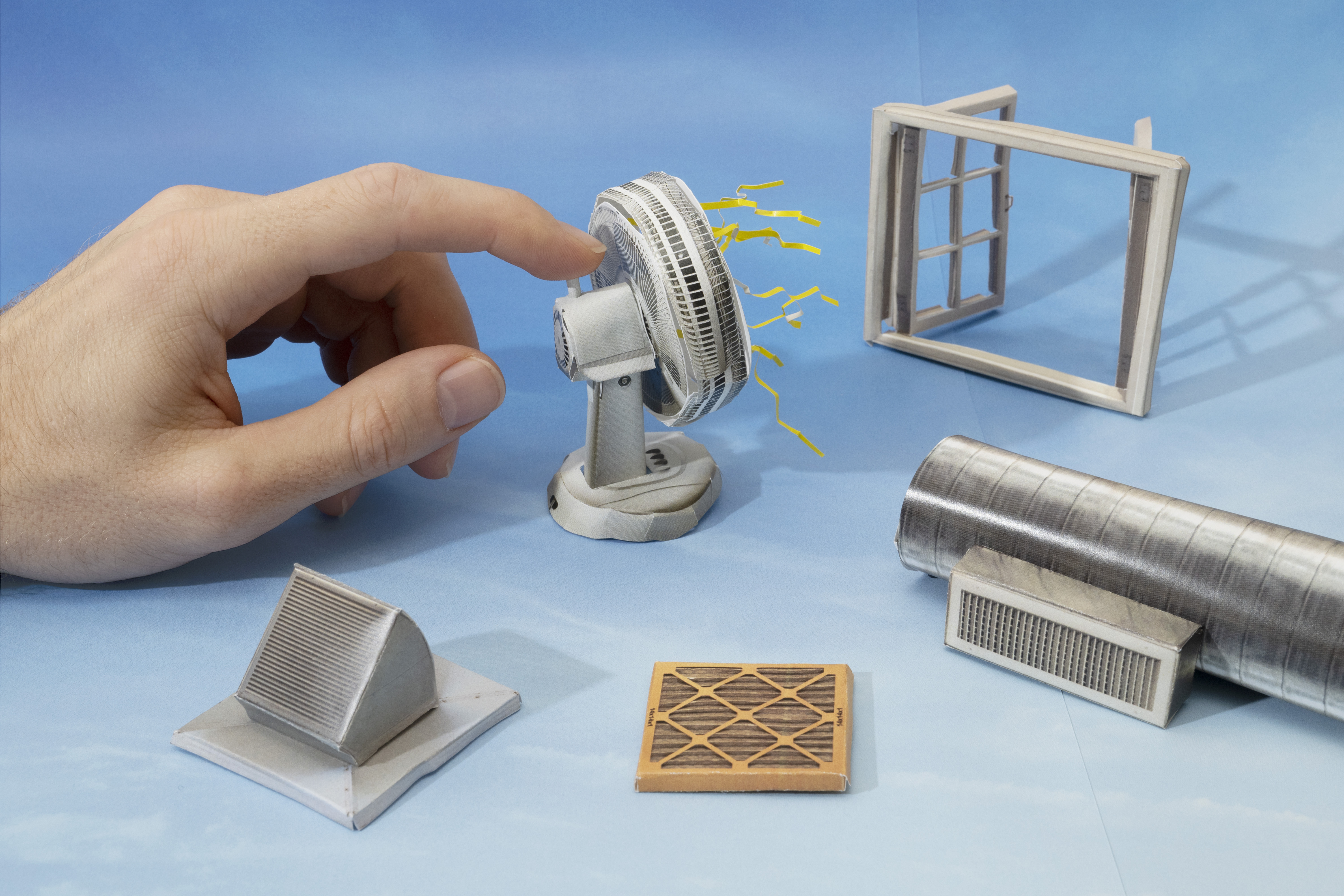
The most effective approach to improving indoor air quality is to eliminate or reduce the sources of pollution. This includes refraining from indoor smoking, avoiding wood-burning stoves and fireplaces, and being mindful of candles and incense, especially for individuals with respiratory conditions. Regular cleaning of soft furnishings like rugs, upholstery, and bedding is crucial, as these can accumulate allergens and semi-volatile organic compounds (SVOCs). Using a vacuum cleaner with a HEPA filter weekly and washing bedding frequently are recommended practices. Maintaining HVAC filters, AC units, and fans by regularly changing or cleaning them helps prevent the recirculation of dust and pollutants. Upgrading HVAC filters to MERV 13 or higher is advised for protection against outdoor pollutants like wildfire smoke.
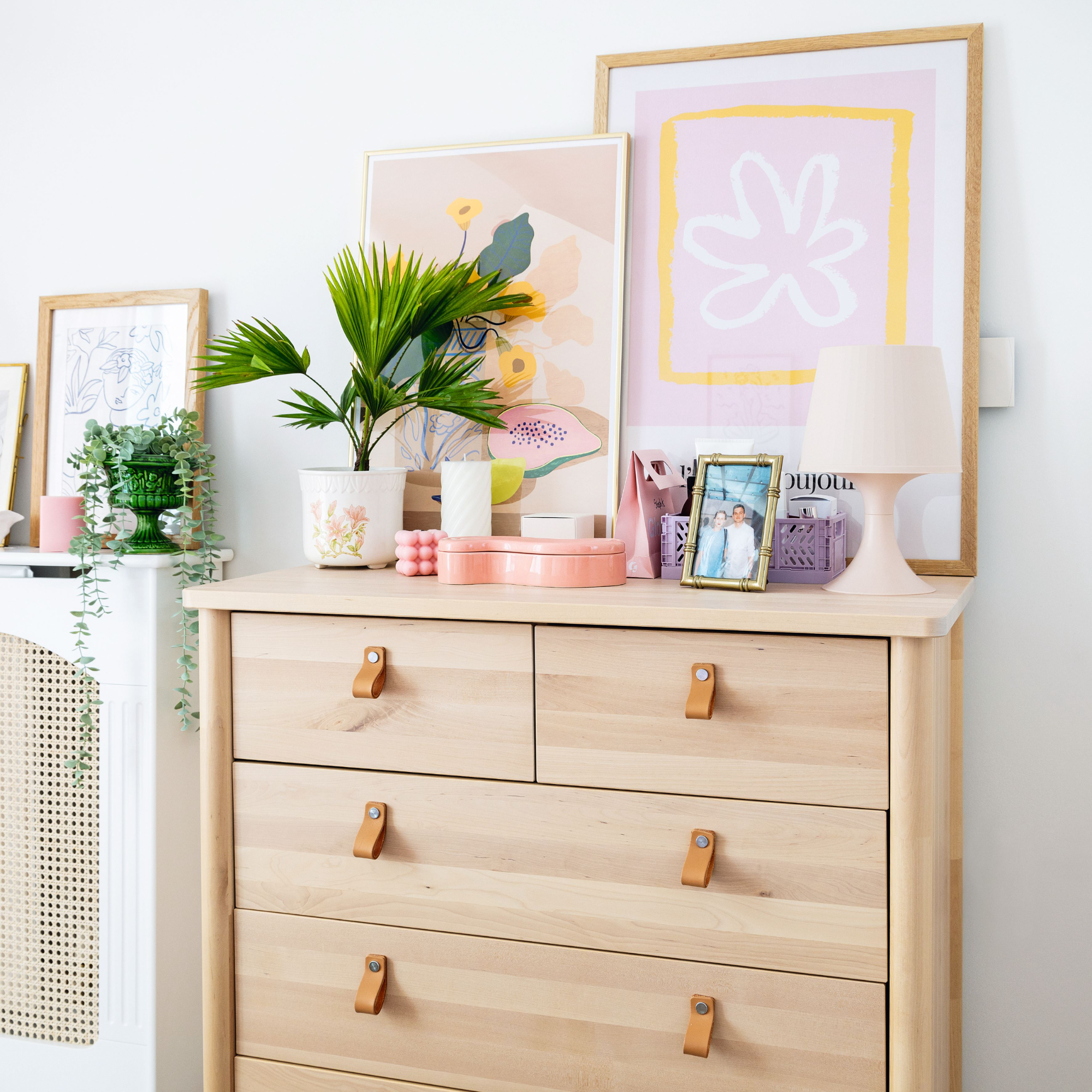
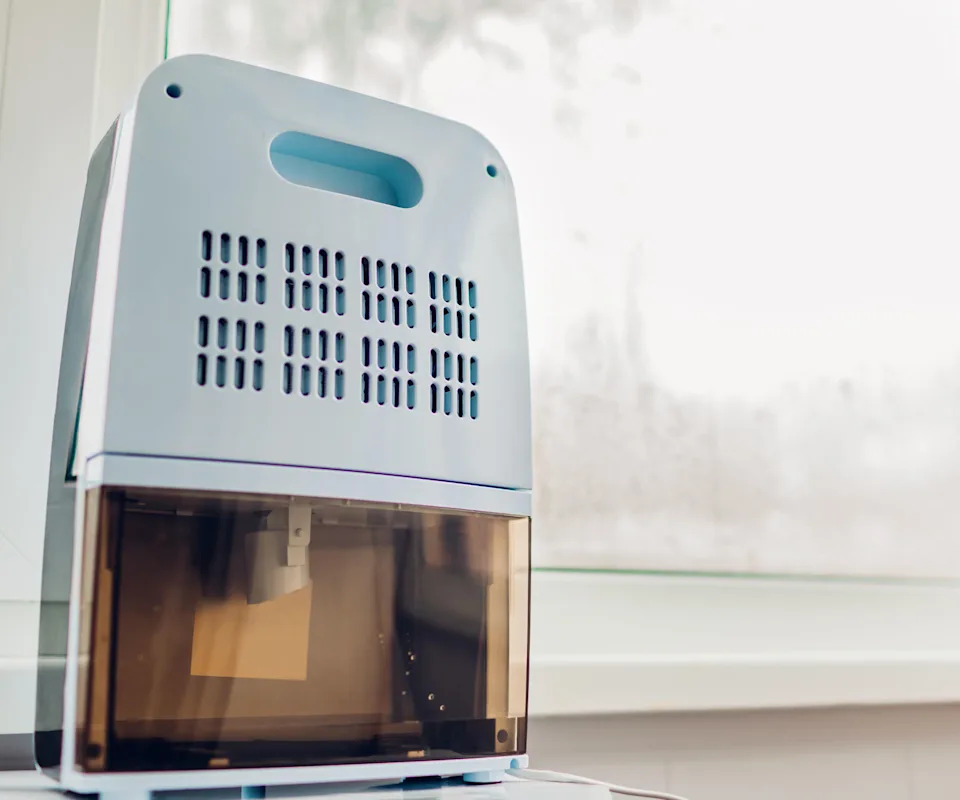
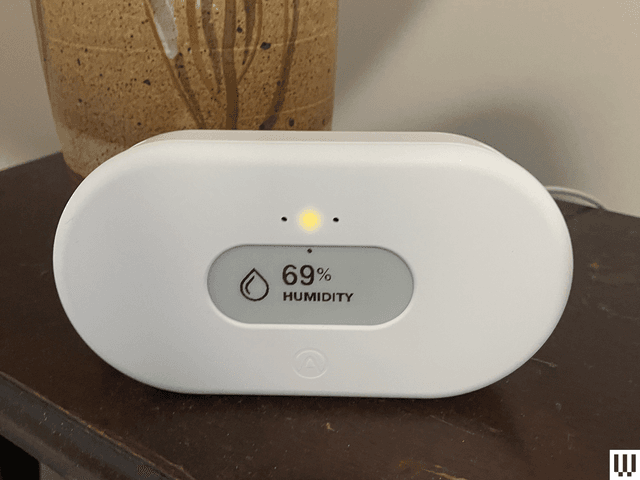
Transitioning from gas to electric appliances for cooking and heating can significantly reduce exposure to harmful pollutants such as carbon monoxide, formaldehyde, benzene, and nitrogen dioxide, which are linked to childhood asthma. Addressing damp areas to prevent mold and mildew growth is also essential; this involves venting spaces, running fans, and using dehumidifiers in highly humid environments. Care should be taken when using humidifiers, as improper maintenance can introduce mold, bacteria, and aerosolized minerals into the air. Storing chemicals like cleaning supplies, fuels, and paints in well-ventilated areas and disposing of unneeded containers properly, following local municipal guidelines, minimizes the release of harmful fumes. While houseplants offer some air-cleaning benefits, they can harbor mold in their soil, potentially triggering allergies, so it's best to keep them outdoors if sensitivity is an issue.
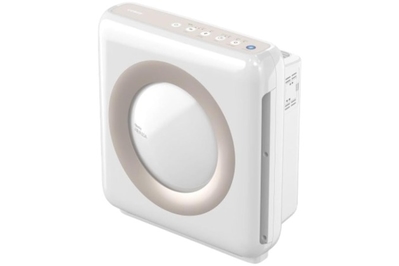
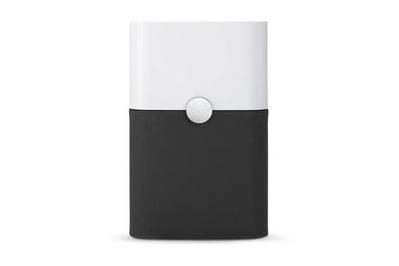
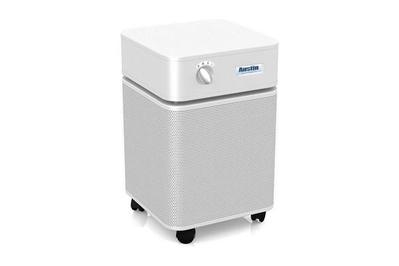
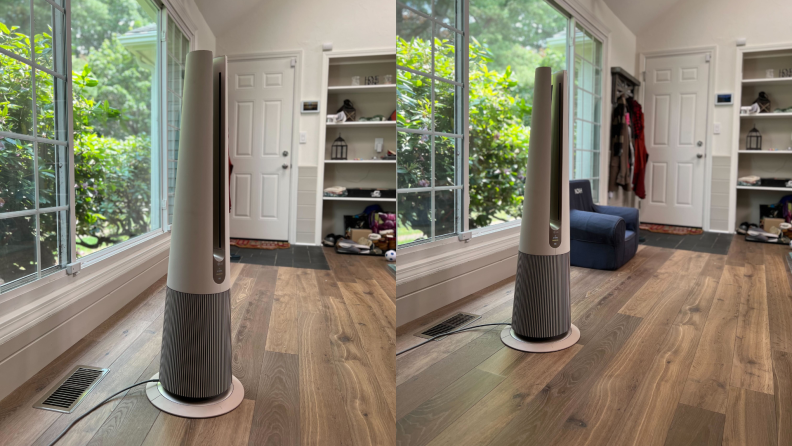
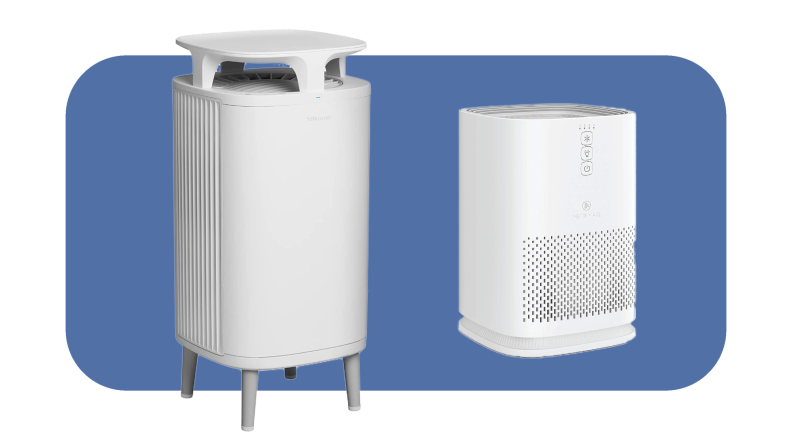
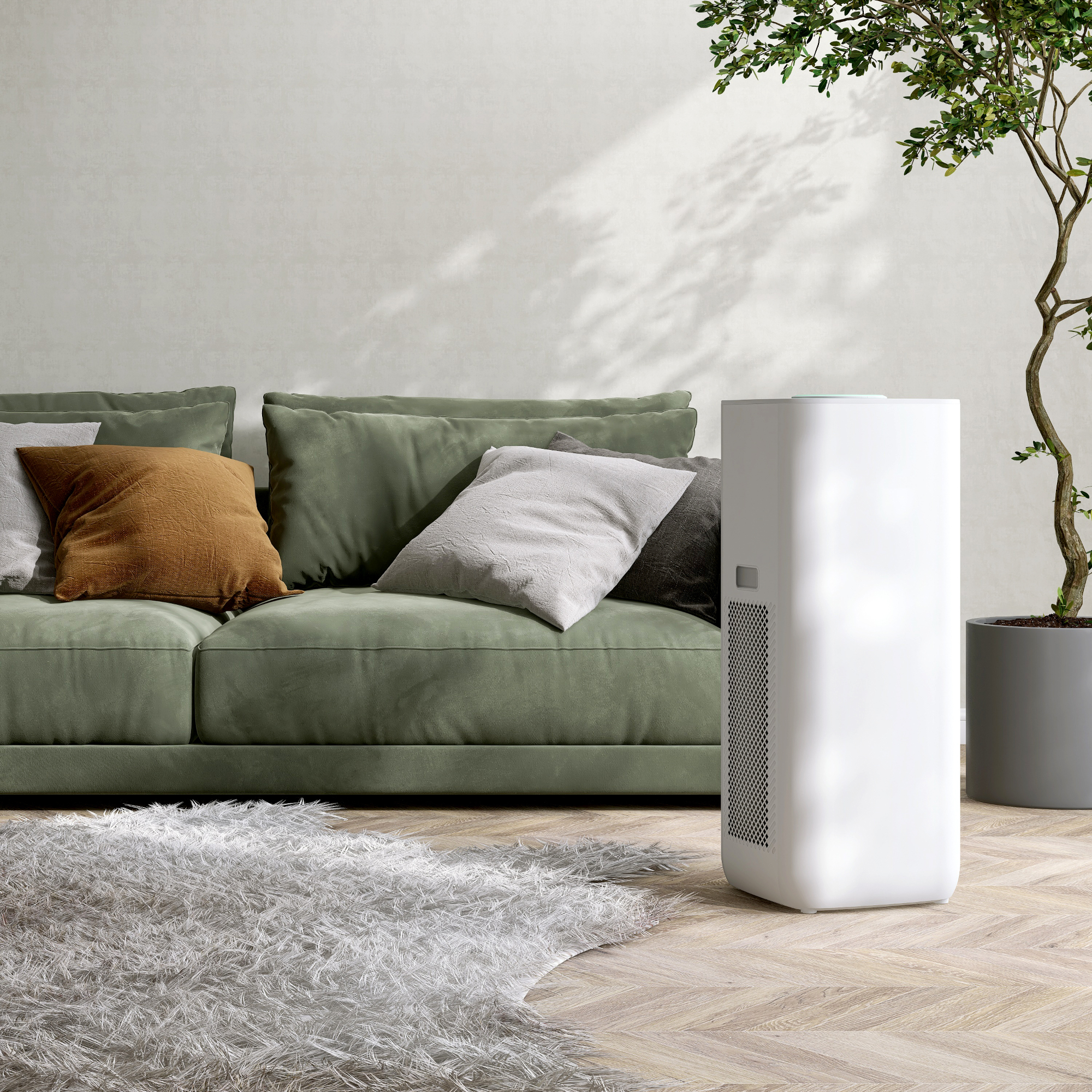
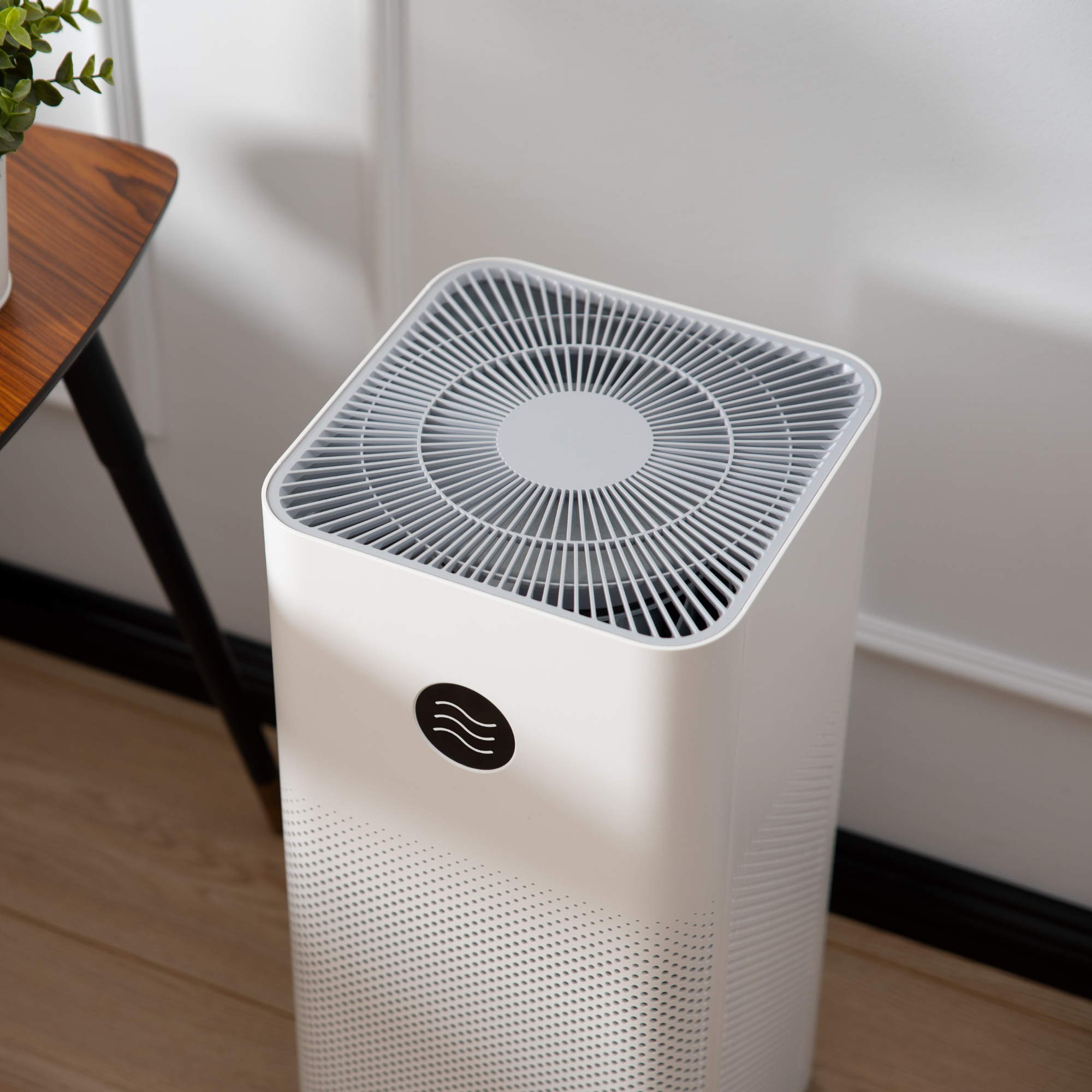
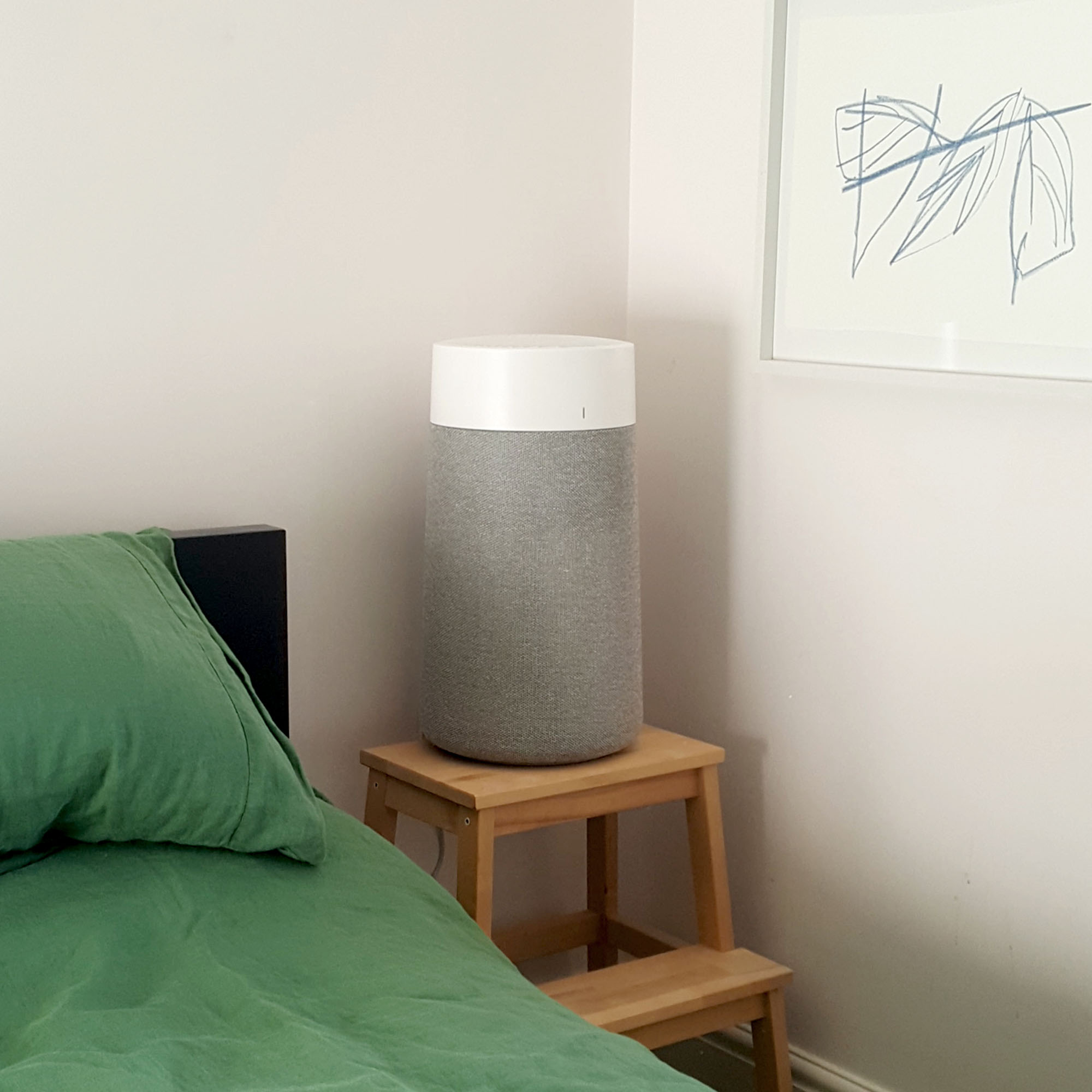
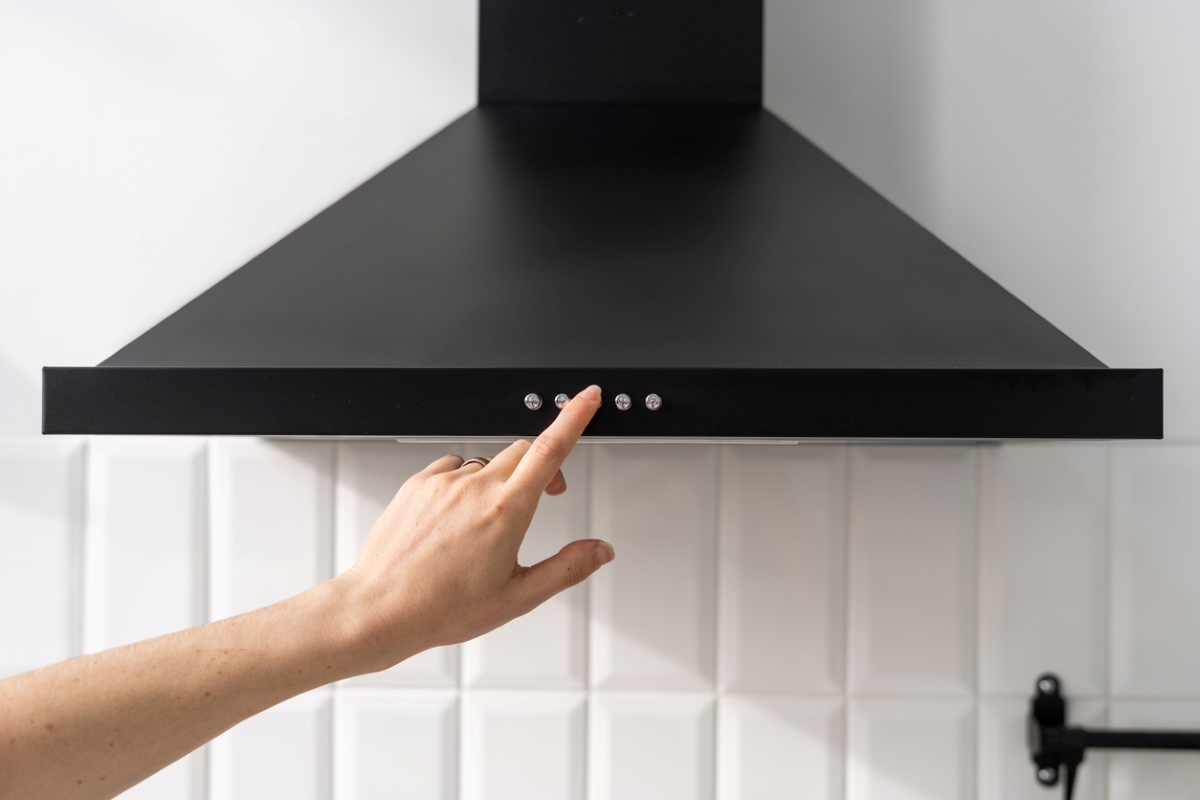
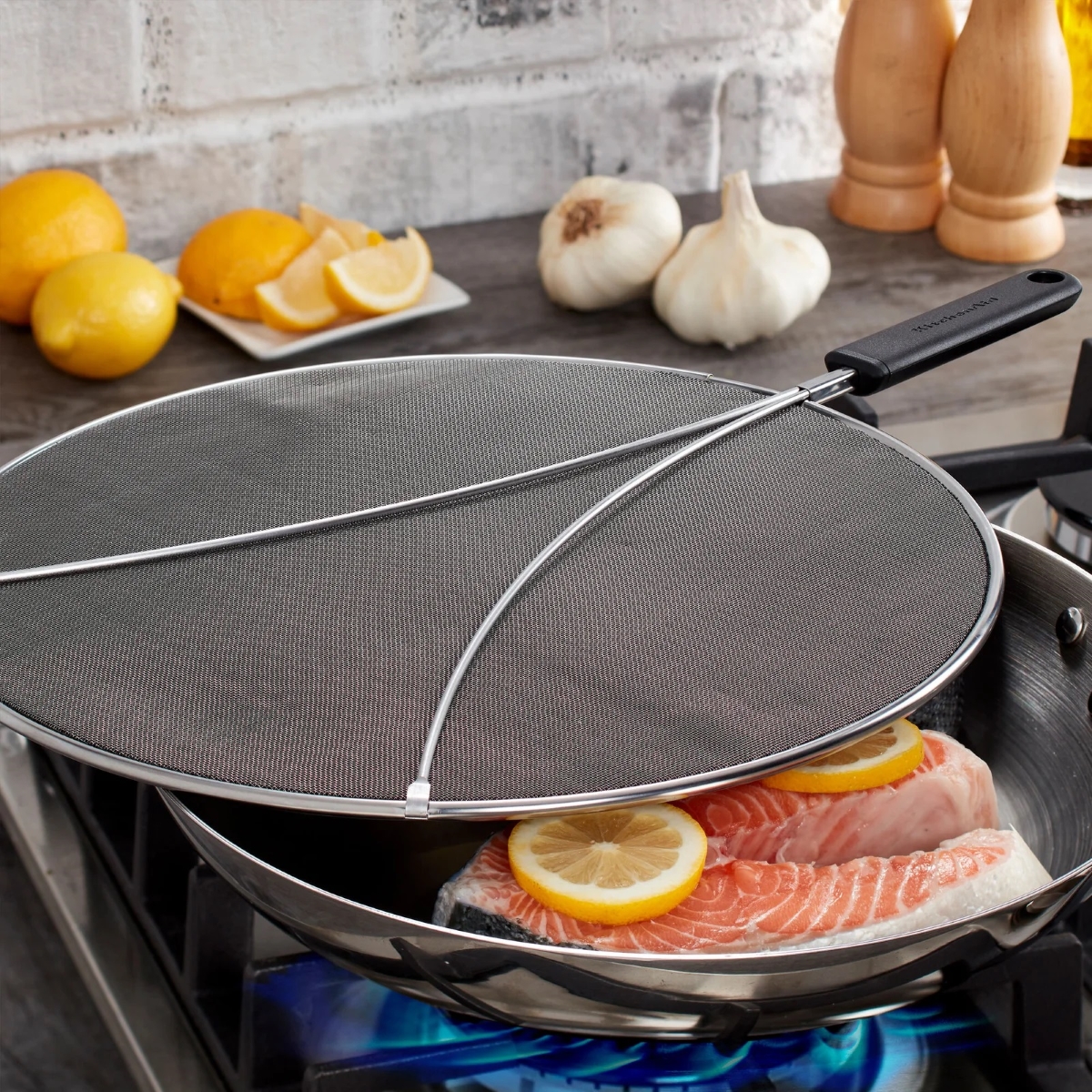
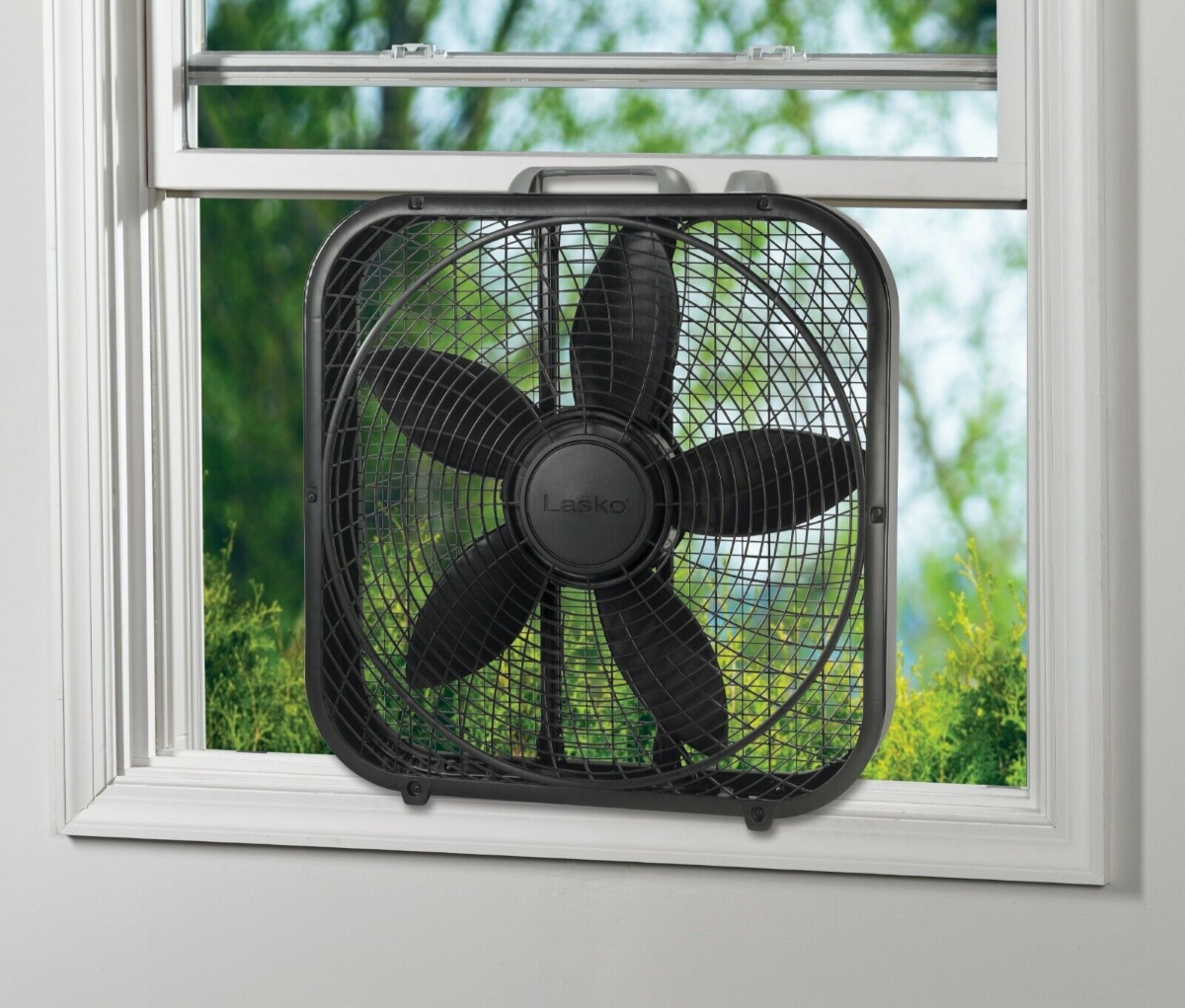
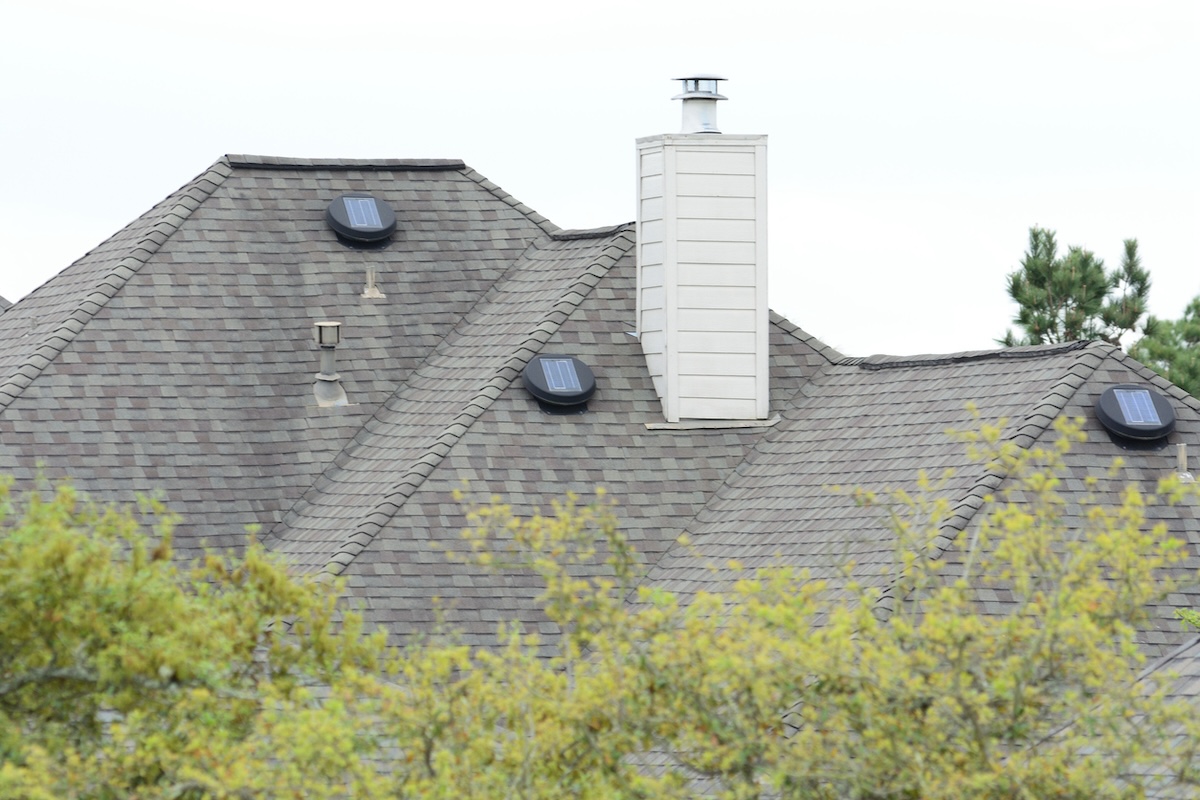
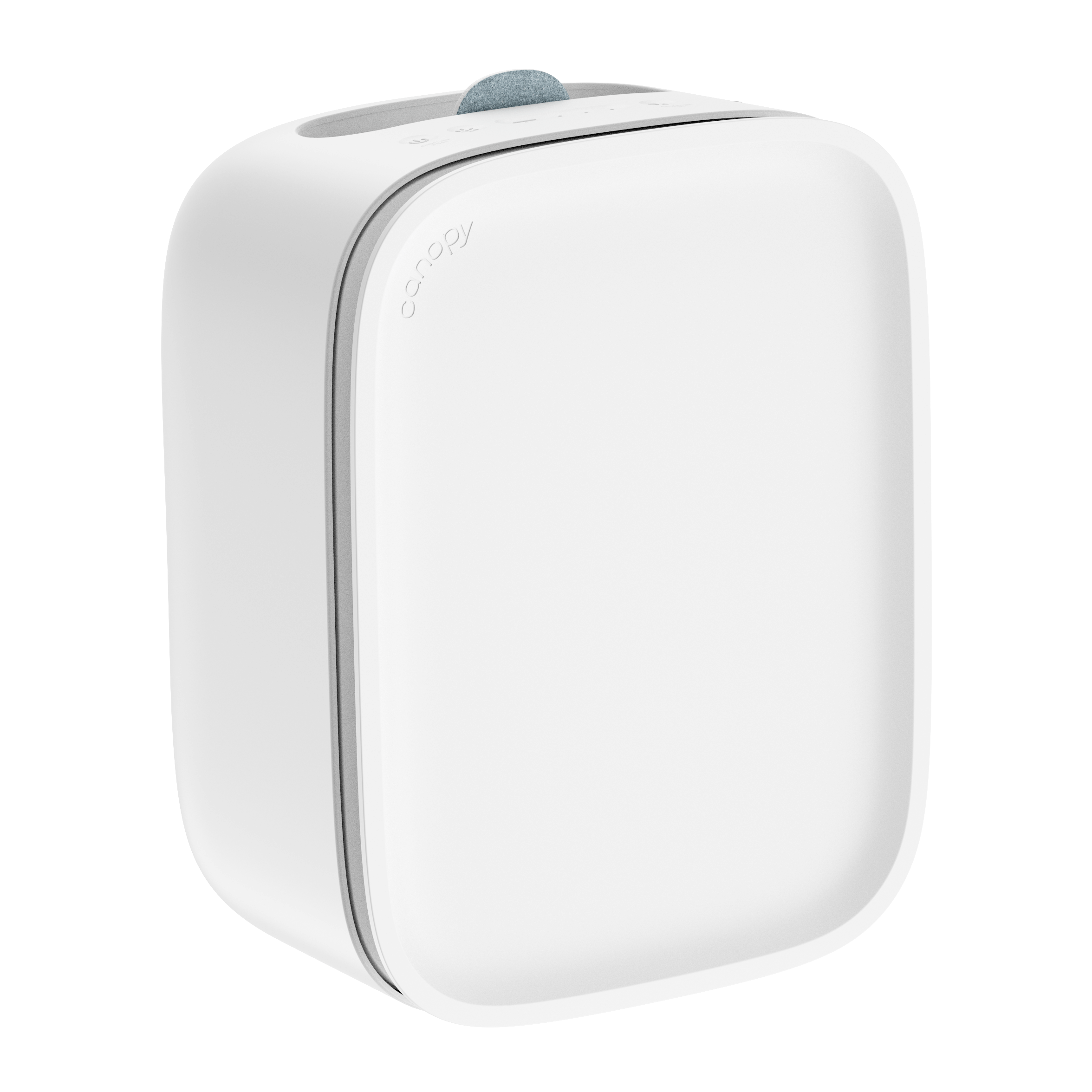
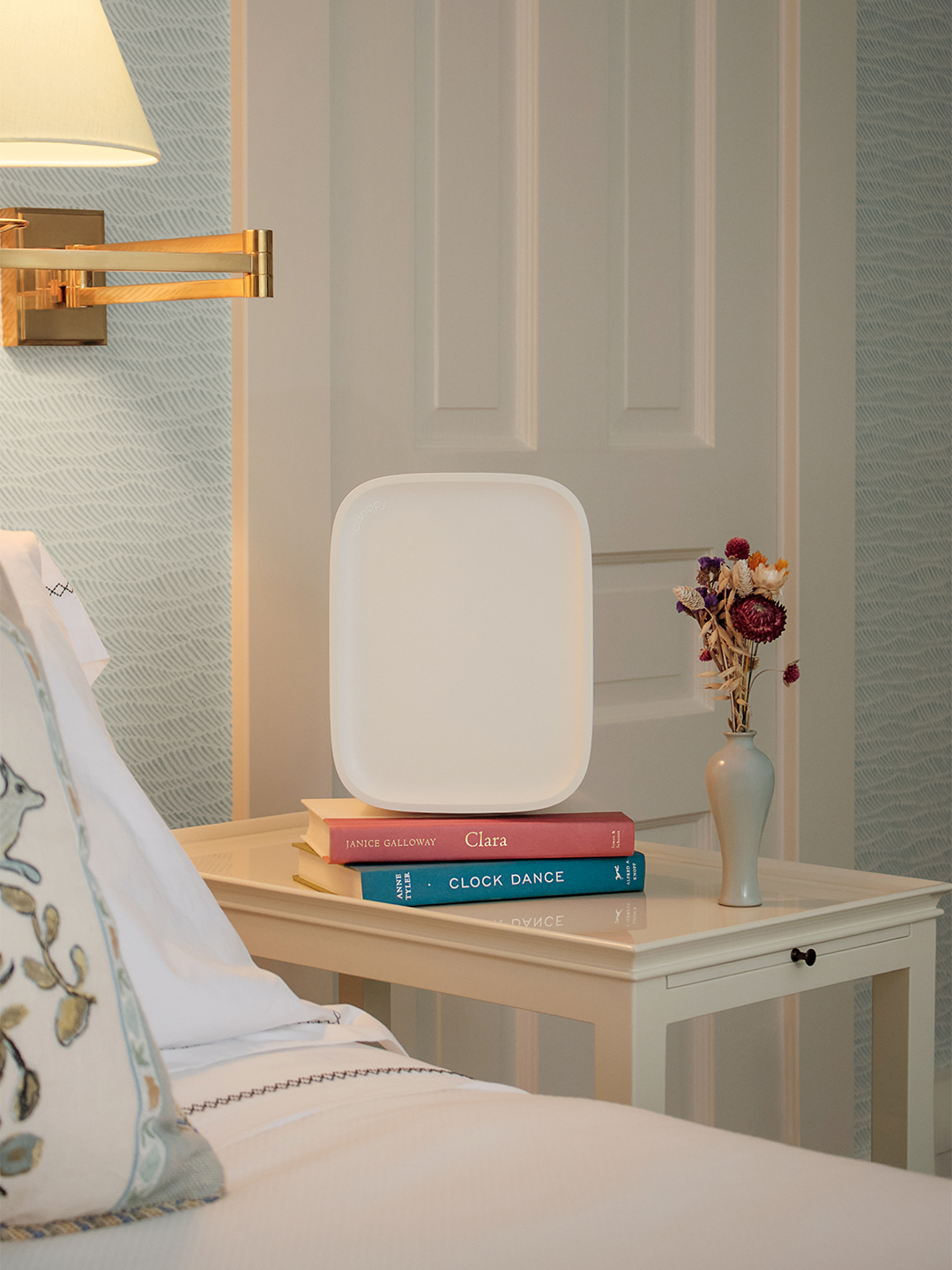
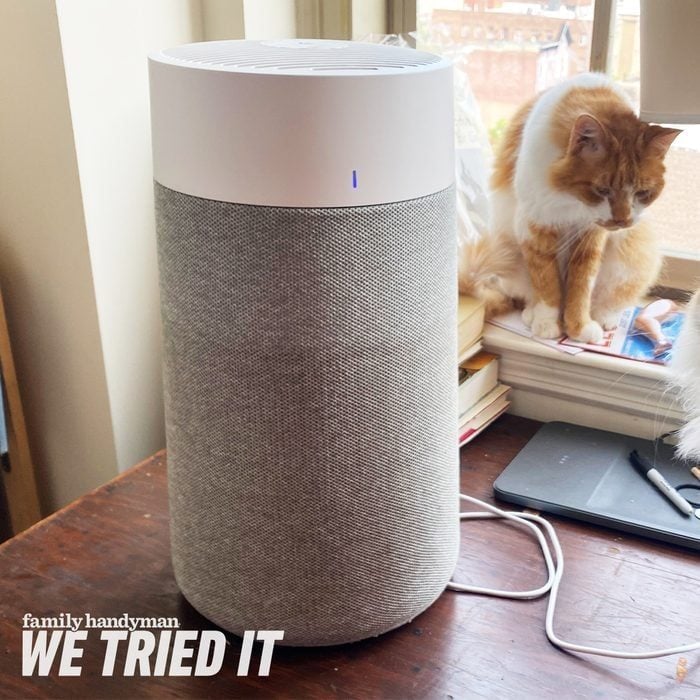
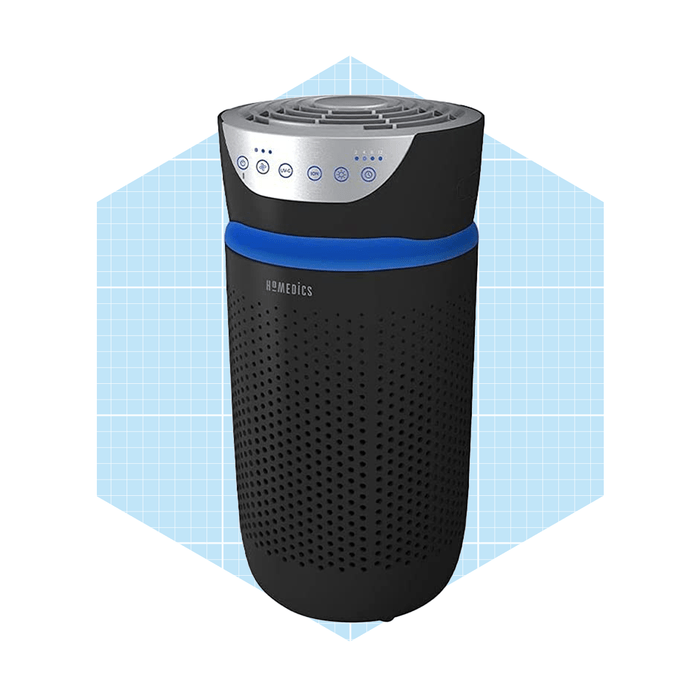
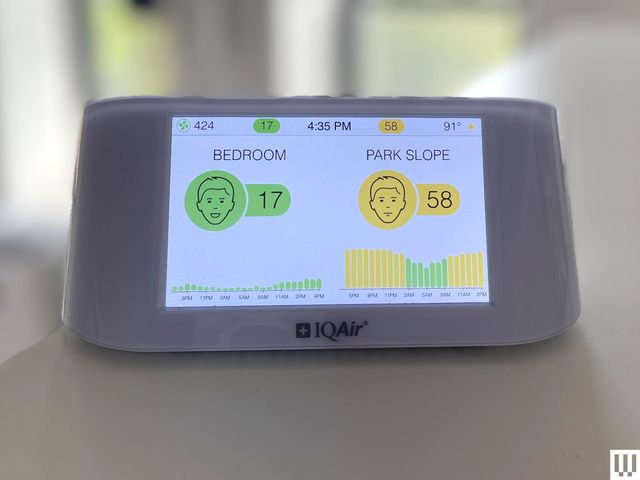
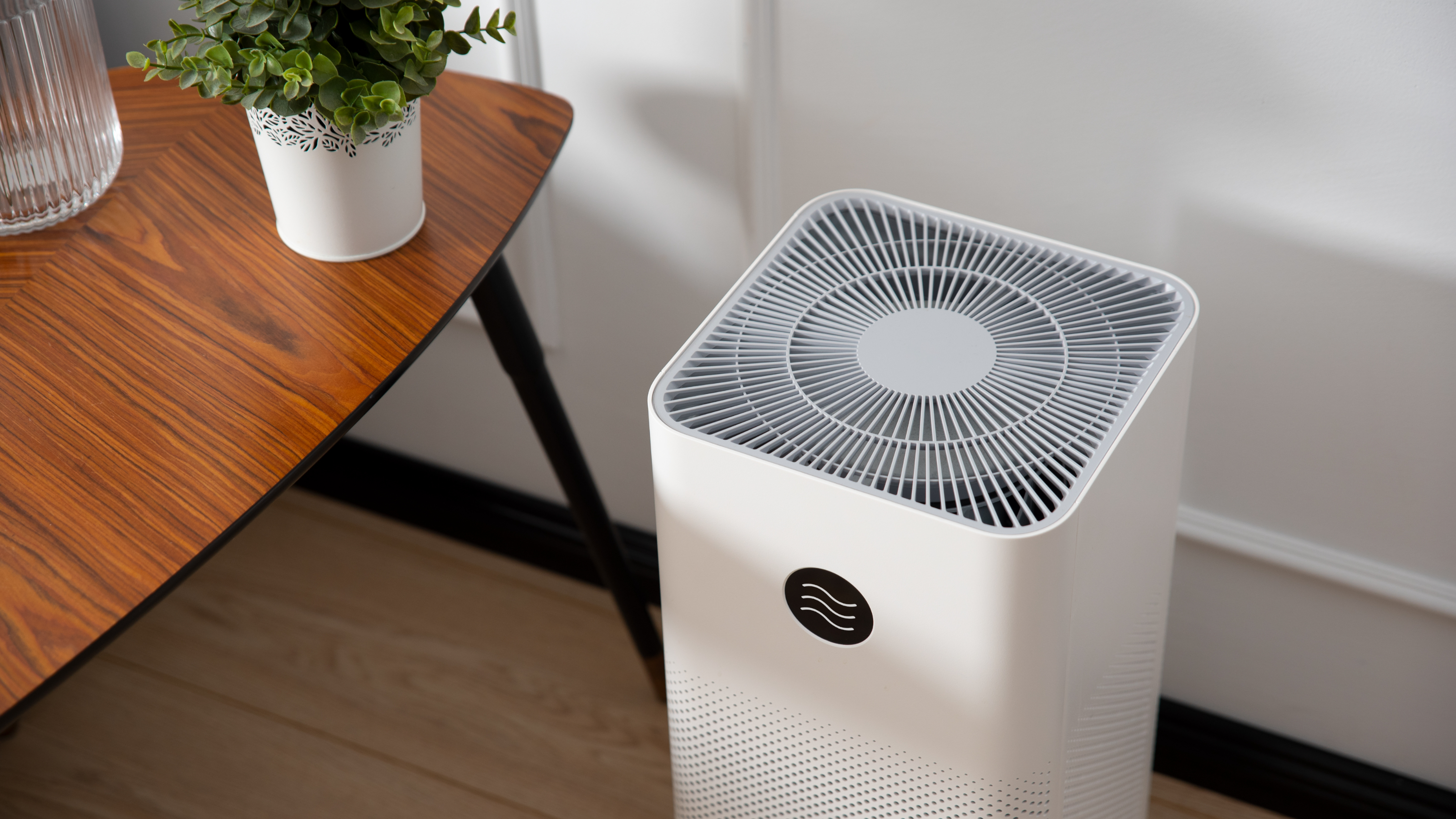
Ventilation and filtration are key complementary strategies. Regularly airing out homes by opening windows, even in winter, flushes out trapped pollutants like VOCs and SVOCs. However, in areas with chronic poor outdoor air quality, a VOC-specific air purifier might be necessary, and monitoring local air quality through tools like AirNow is important. When cooking with gas, it is critical to open windows and use an outdoor-venting hood at its highest setting. Running a HEPA air purifier can effectively remove fine particles and reduce indoor pollutants and allergens, especially when the Air Quality Index (AQI) is above 50 or when wildfire smoke is present. Furthermore, spaces with new sources of VOCs, such as fresh paint, new flooring, or furniture, should be well-ventilated until odors dissipate.
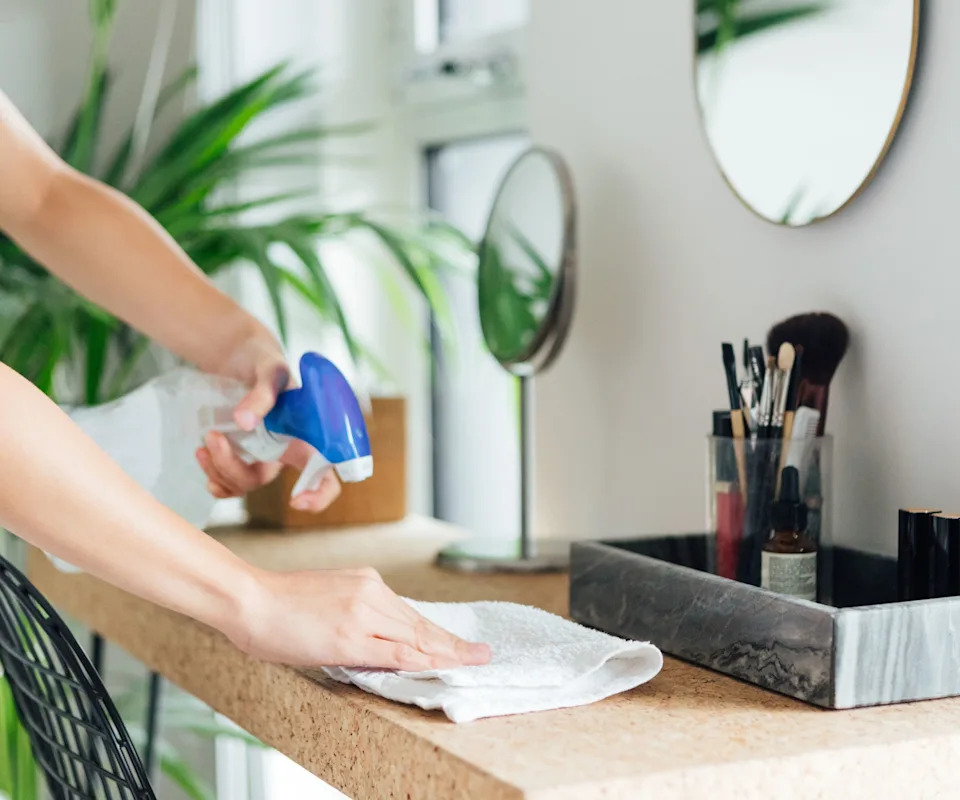
Regular wet-cleaning of surfaces is vital to prevent dust, ash, pollen, and microplastics from becoming airborne. This involves vacuuming with a HEPA-filtered vacuum and mopping or wiping surfaces with damp cloths, avoiding dry dusting methods that can redistribute particles. During intensive cleaning tasks or after events like wildfires, wearing protective gear such as N95 masks, gloves, and safety goggles is recommended. Mindful shopping also contributes to better indoor air quality. Many common household and personal care products can be sources of indoor air pollution. Choosing unscented products, disinfecting judiciously rather than excessively, opting for phthalate-free items, and looking for EPA-Certified Safer Choice, Green Seal, Greenguard, and MPI Extreme Green labels on products like furniture, paints, and cleaners can reduce exposure to harmful chemicals. Utilizing evidence-based apps like "Detox Me" can provide guidance on healthier alternatives and practices. Improving indoor air quality is a cumulative effort, affecting overall well-being, and while individual actions are important, large-scale changes are also necessary to address broader environmental and product-related factors.
#IndoorAirQuality #HomeHealth #AirPurification #PollutionReduction #HealthyHome #ChemicalExposure #AllergyManagement #HomeMaintenance #SustainableLiving #IndoorAirQuality #HomeHealth #AirPurification #PollutionReduction #HealthyHome #ChemicalExposure #AllergyManagement #HomeMaintenance #SustainableLiving
0 comment in total
 No comments yet
You may also like
How to Get Better Indoor Air Quality | Wirecutter
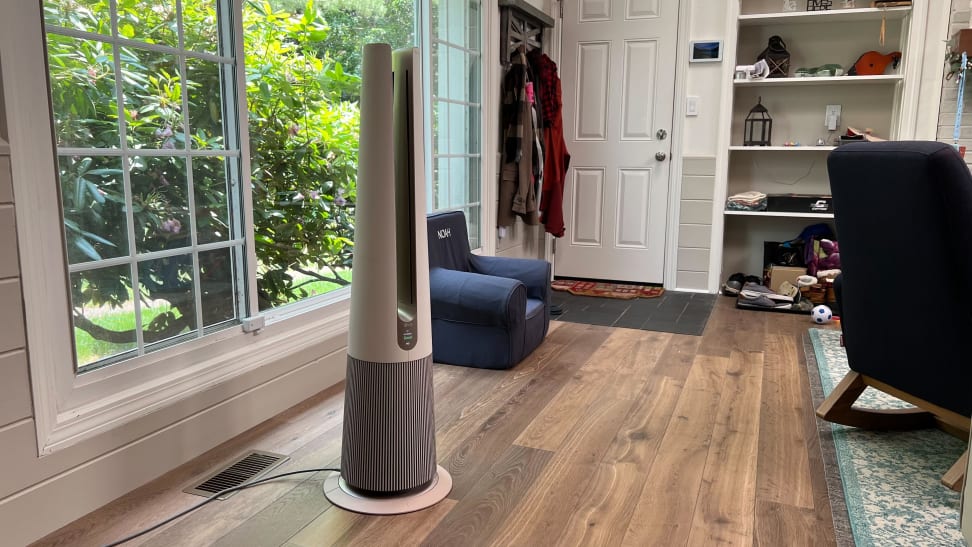
Is your air purifier in the best spot? Follow these rules

How to get rid of musty basement smells – 6 ways to combat odors and their causes

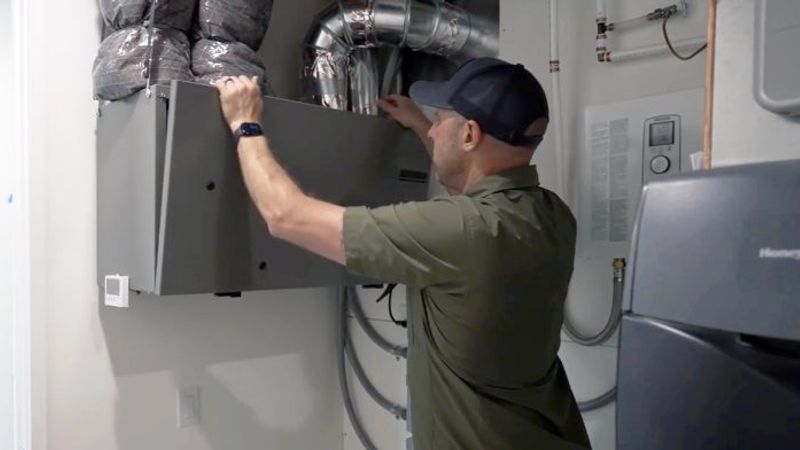
HVAC and Indoor-Air Quality

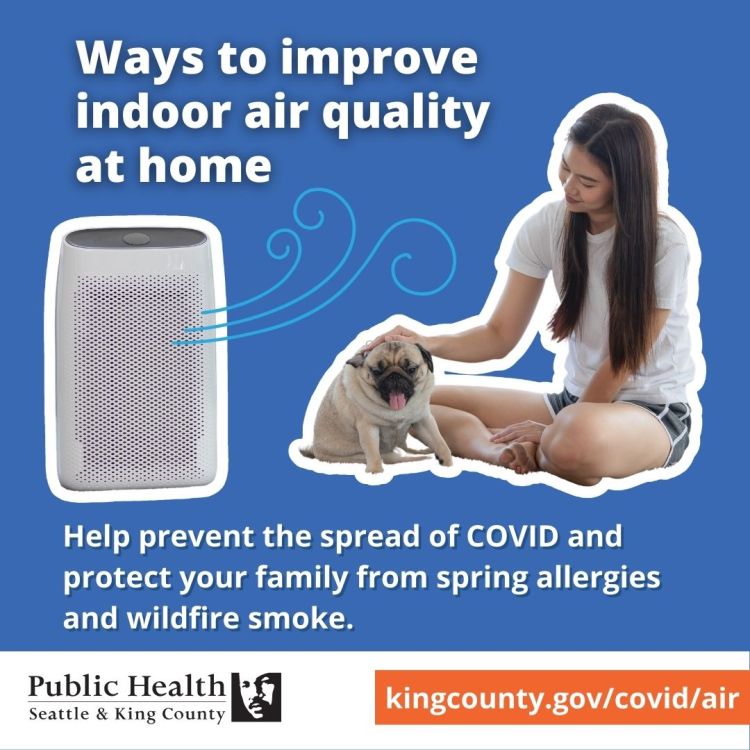
How to improve indoor air quality at home

5 mistakes you're making that are compromising your home's air quality – and how to fix it like a HVAC pro

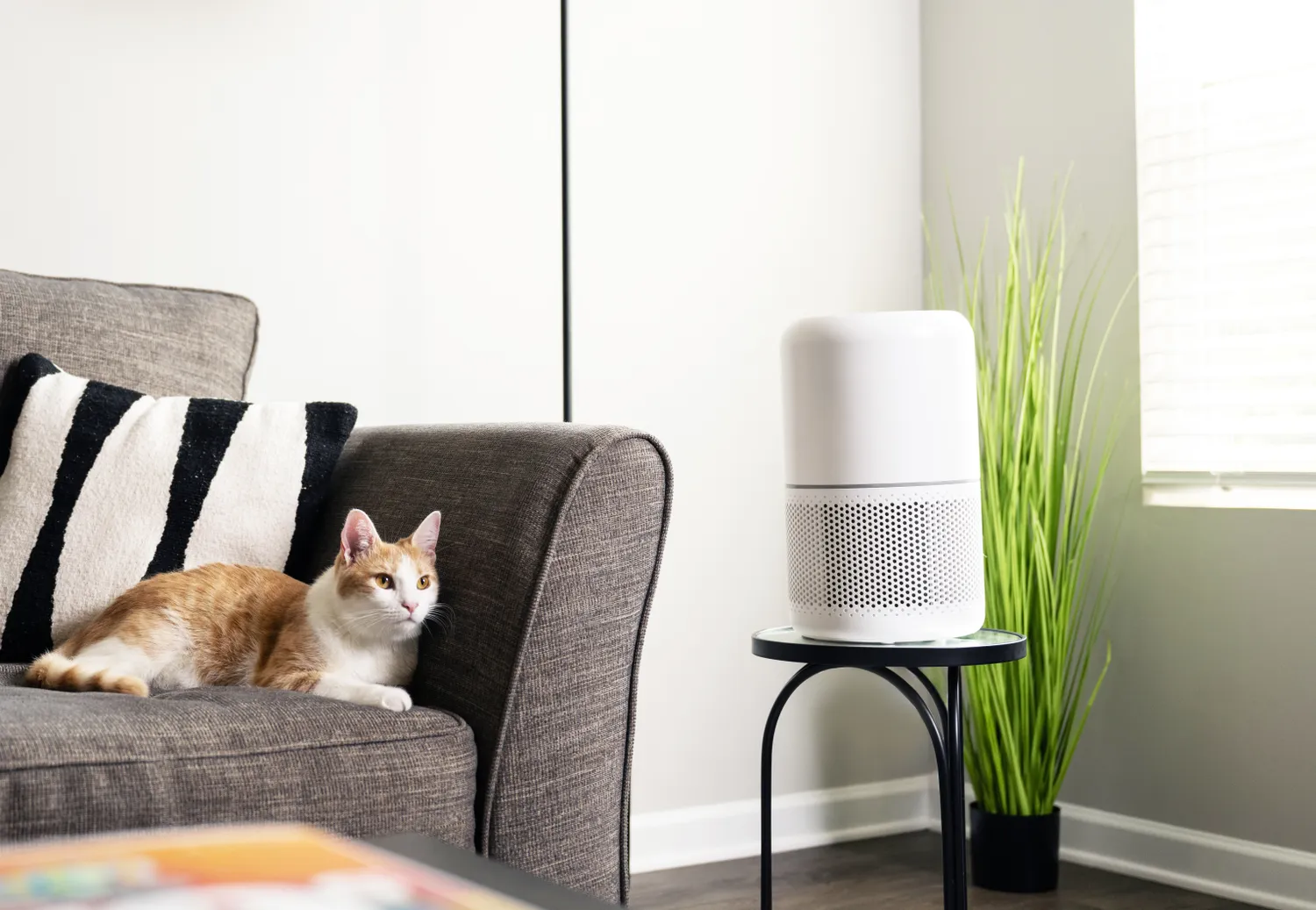
8 Simple Ways to Improve Indoor Air Quality This Winter

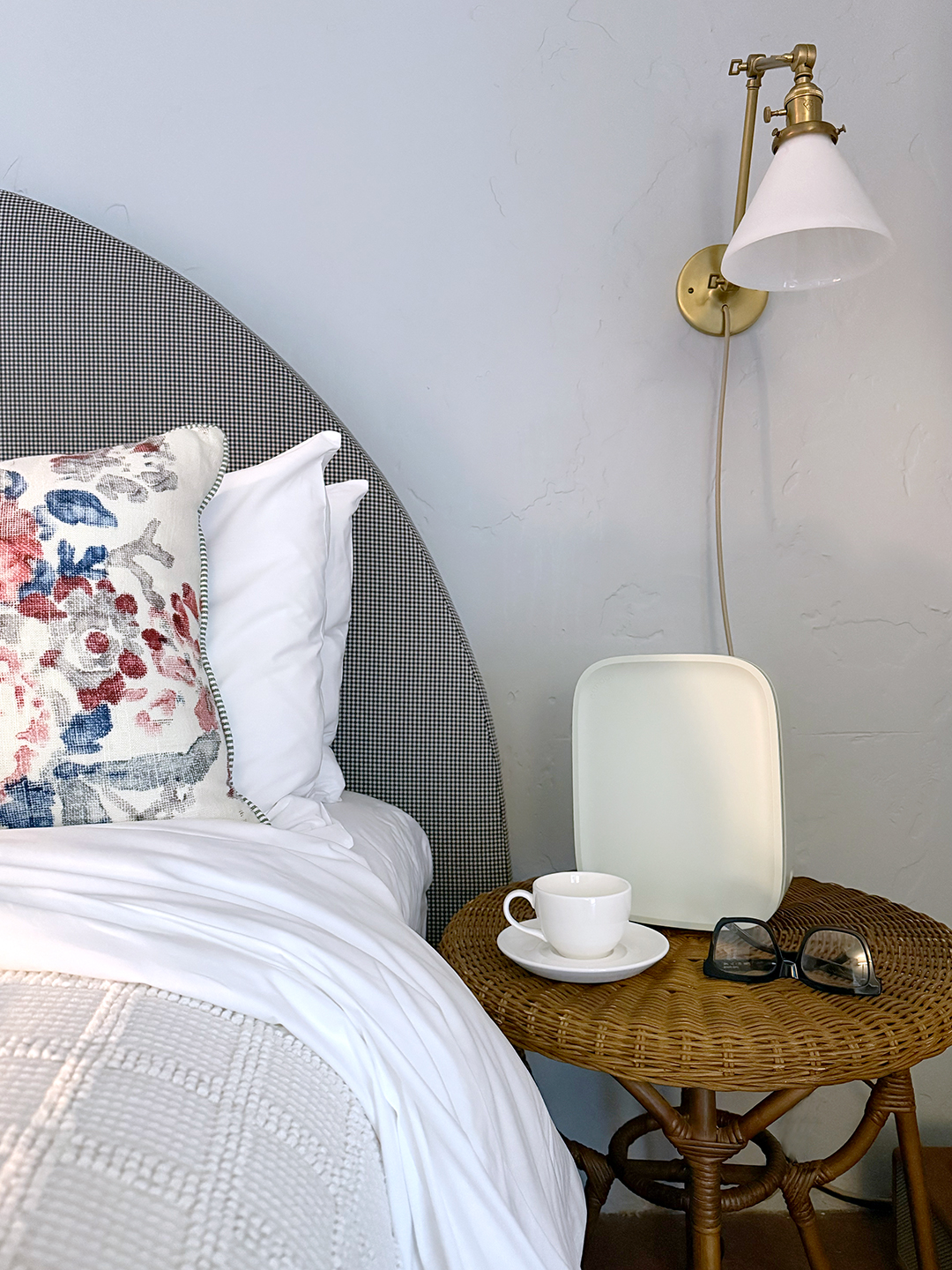
The 3 Features That Earned This Chic Air Purifier a Spot on My Nightstand


How to improve air quality at home - it’s the big health issue nobody’s talking about

Simple Ways to Improve the Indoor Air Quality of Your Home


5 Easy Ways to Improve Kitchen Ventilation

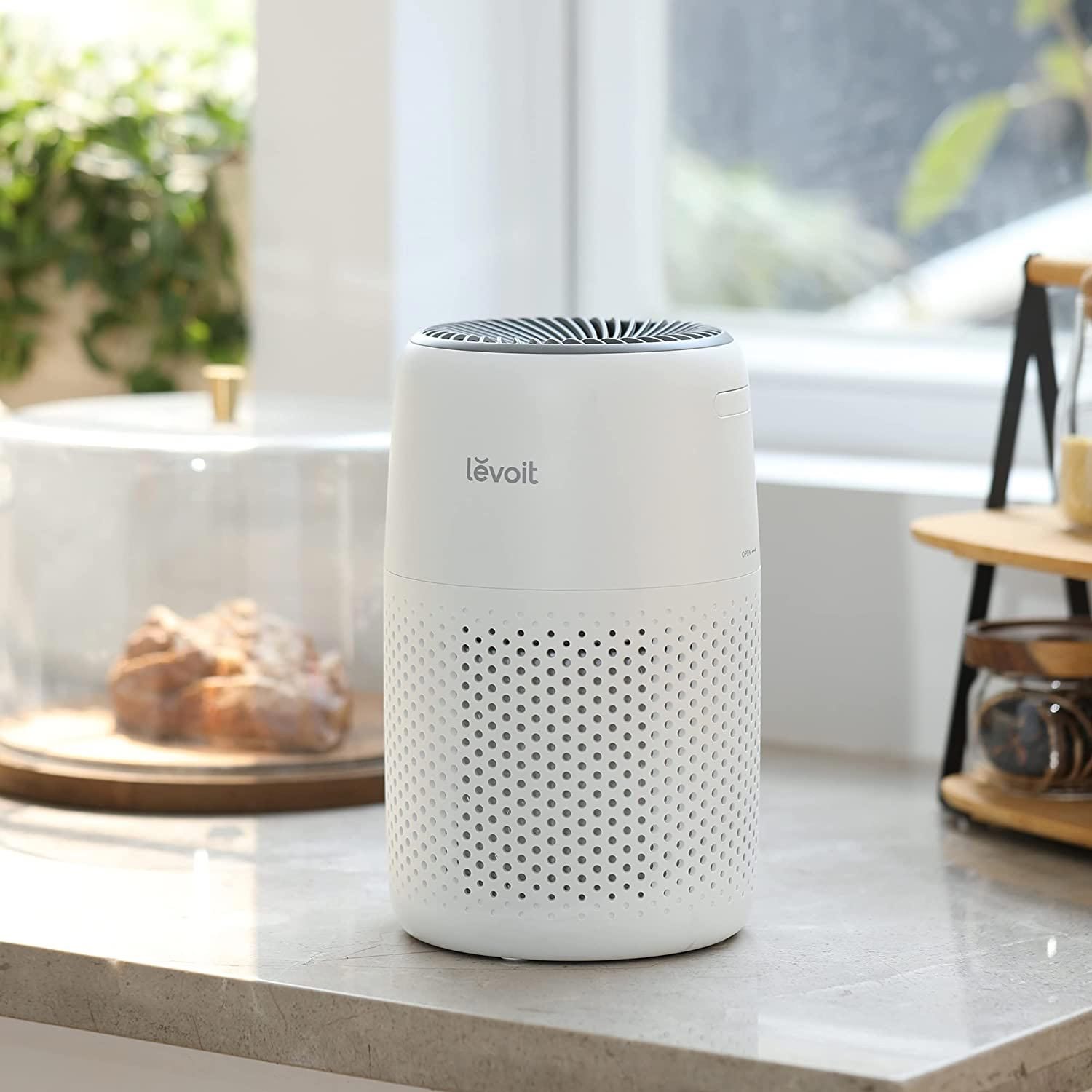
The 10 Best Air Purifiers for a Basement to Remove Dust, Allergens and Odors

How to improve indoor air quality

Our buildings are making us sick
The Best Air Quality Monitors for Testing Your Air Indoors and Out
The 5 Best Basement Odor Eliminator Picks for Musty Cellars 2025

15 Design Products for Improving Indoor Air Quality at Home

Are air purifiers better on the floor or a desk?
Create a Healthier, Safer Home With These Smart Indoor Projects
We can’t afford to ignore indoor air quality – our lives depend on it