1/9
How to improve indoor air quality at home
The quality of indoor air significantly impacts health, particularly since individuals spend approximately 90% of their time indoors. This prolonged indoor exposure makes people vulnerable to various airborne contaminants, including allergens, pollutants, and pathogens like COVID-19. Understanding and implementing strategies to enhance indoor air quality is crucial for safeguarding health against immediate irritations and long-term health complications.
Indoor air can frequently be more polluted than outdoor air, a phenomenon attributed to numerous factors within the home environment. Building materials such as paint, sealants, flooring, and insulation can off-gas volatile organic compounds. Household items including electronics, appliances, toys, furniture, carpets, and air fresheners also contribute to indoor air pollution. Daily activities like cooking, which releases fumes, and cleaning with chemical products further degrade air quality. Dust, acting as a carrier for various chemicals, is another significant contributor to indoor air pollution, making inhaled particles potentially more hazardous.
Exposure to poor indoor air quality can lead to a range of health issues. Short-term effects include irritation of the eyes, nose, and throat, as well as headaches, dizziness, and fatigue. Chronically, poor indoor air quality is linked to the development or exacerbation of asthma and other respiratory diseases. It can also negatively impact cognitive function, leading to decreased student performance and an increased risk for chronic diseases in the long run.
Certain populations are particularly vulnerable to the adverse effects of poor indoor air quality. These include young children, pregnant women, and older adults aged 65 and above. Individuals with pre-existing conditions such as respiratory illnesses, heart disease, kidney disease, or other chronic diseases, as well as those who have contracted COVID-19, are also at higher risk. For households with vulnerable members, prioritizing improvements in air quality becomes even more critical.
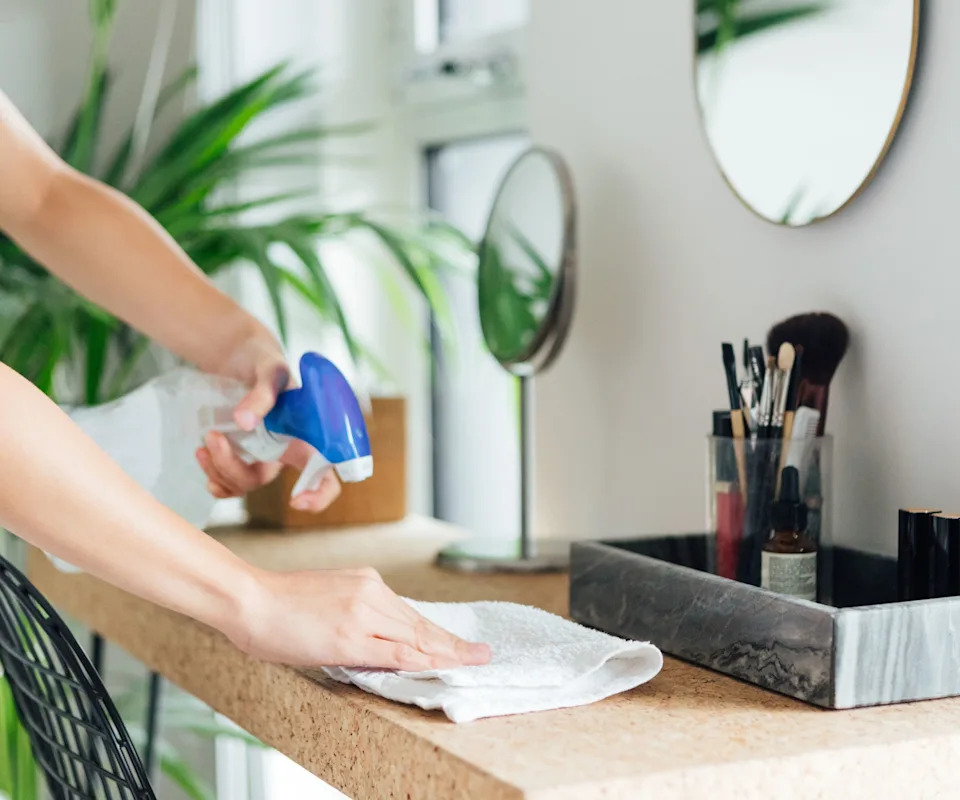
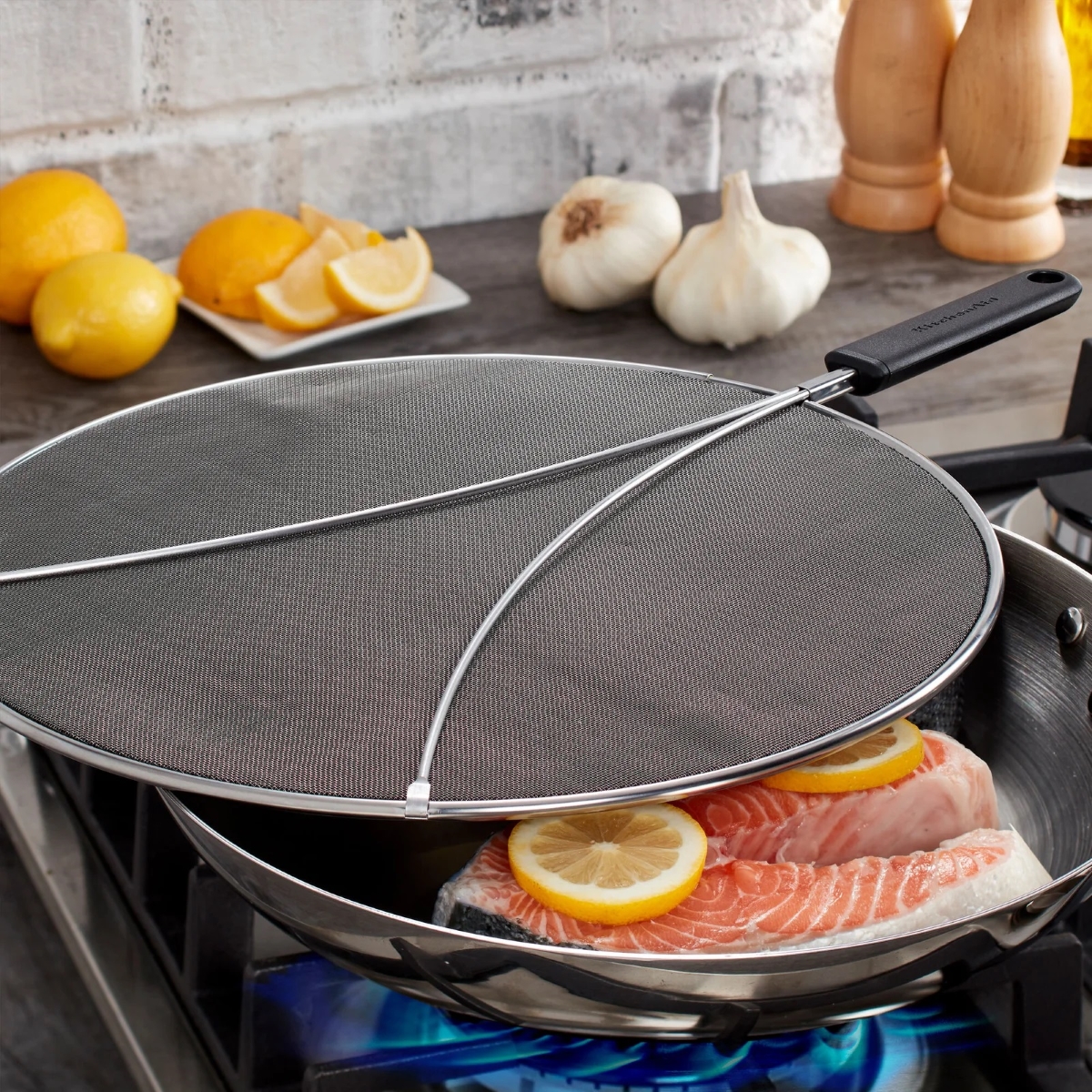
Improving indoor air quality involves a three-pronged approach: prevention, ventilation, and filtration. Prevention focuses on minimizing the introduction of pollutants into the indoor environment. This includes practical steps like removing shoes indoors to avoid tracking in outdoor contaminants, regularly dusting and mopping to control particulate matter, and avoiding the use of scented products such as candles and air fresheners that release chemicals. Refraining from indoor smoking, especially when children are present, and using exhaust fans or opening windows during cooking are also effective preventive measures. When sick, it is advisable to avoid inviting visitors or to wear a mask if interactions are unavoidable, to prevent the spread of illness.
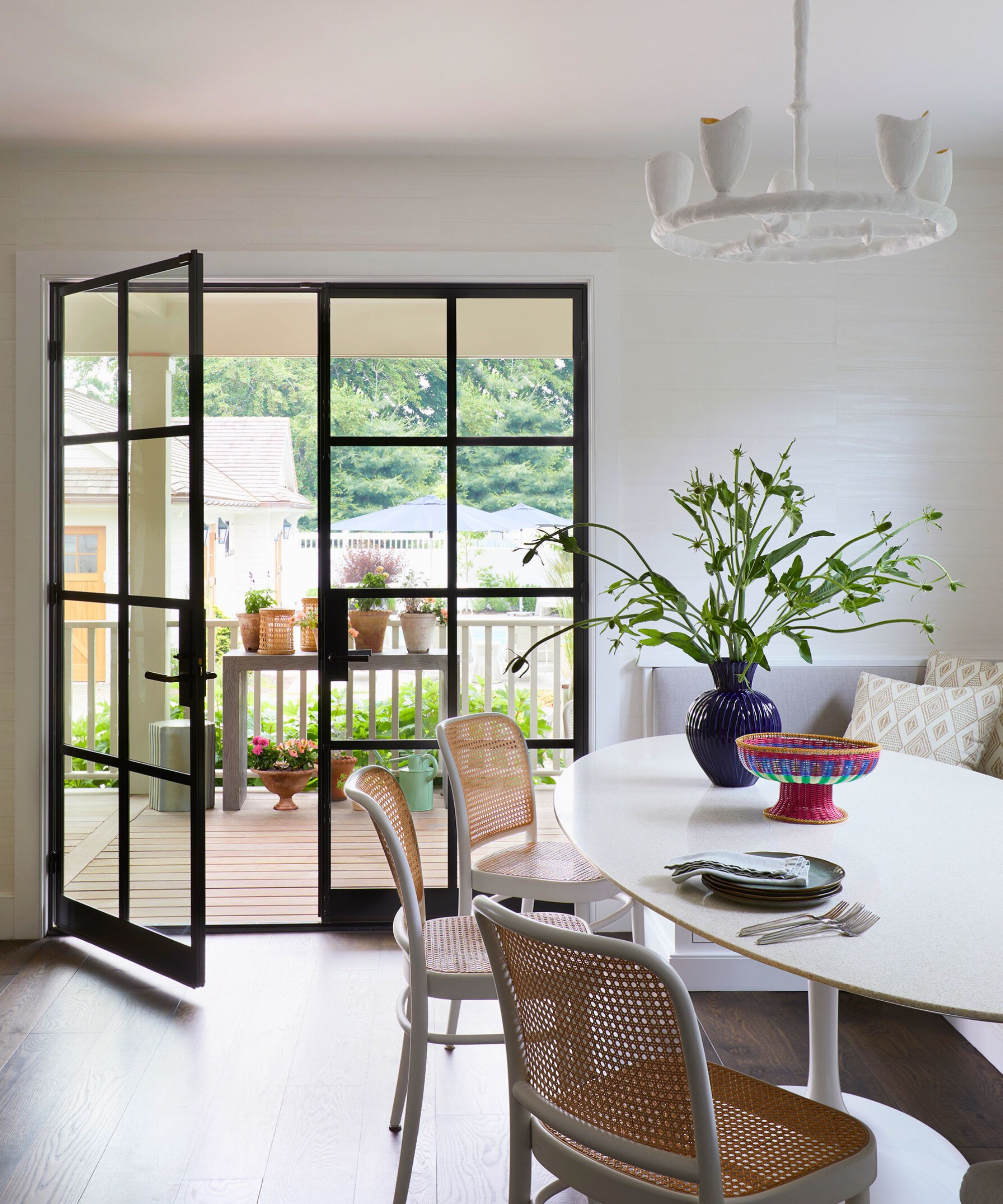
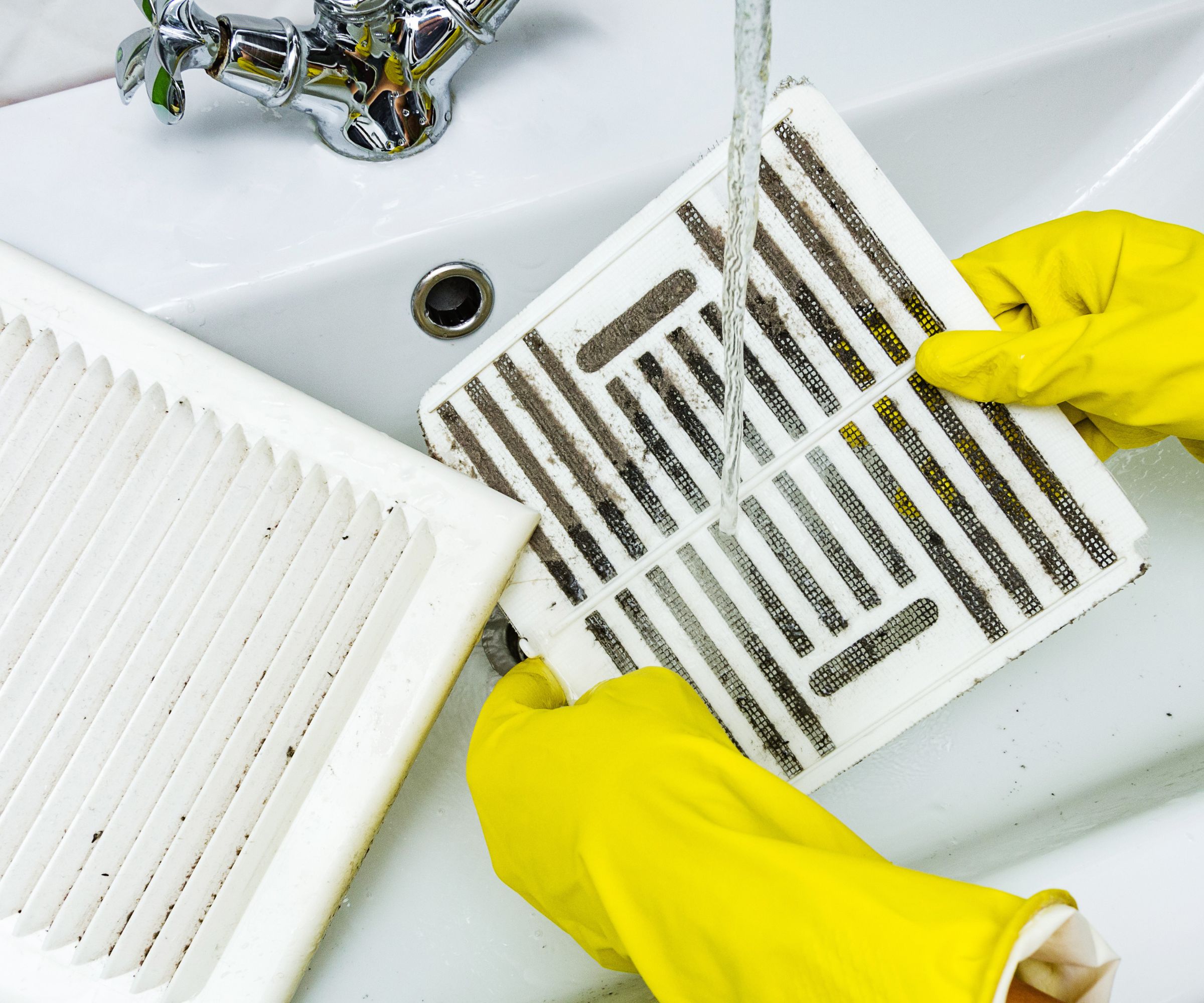
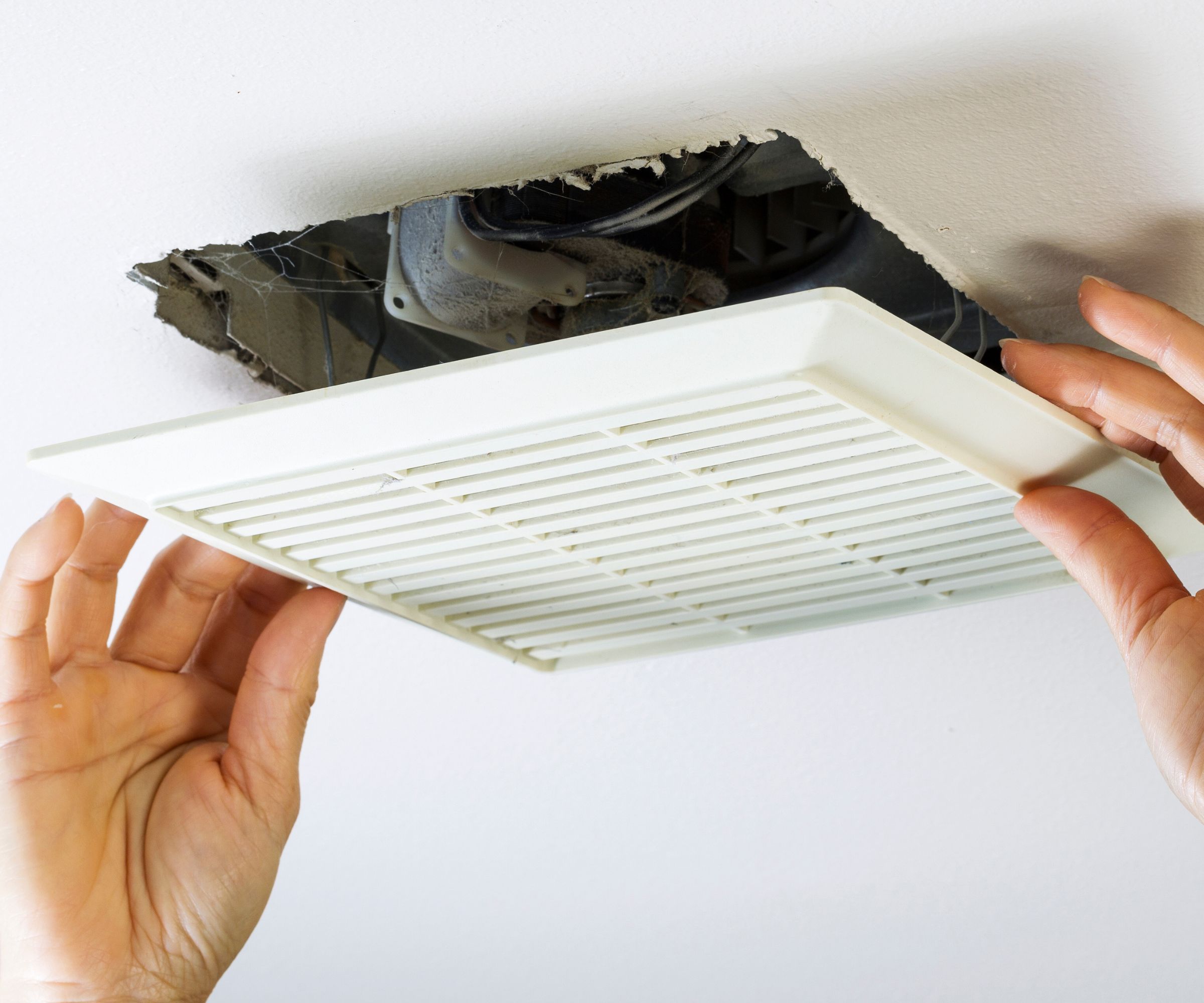
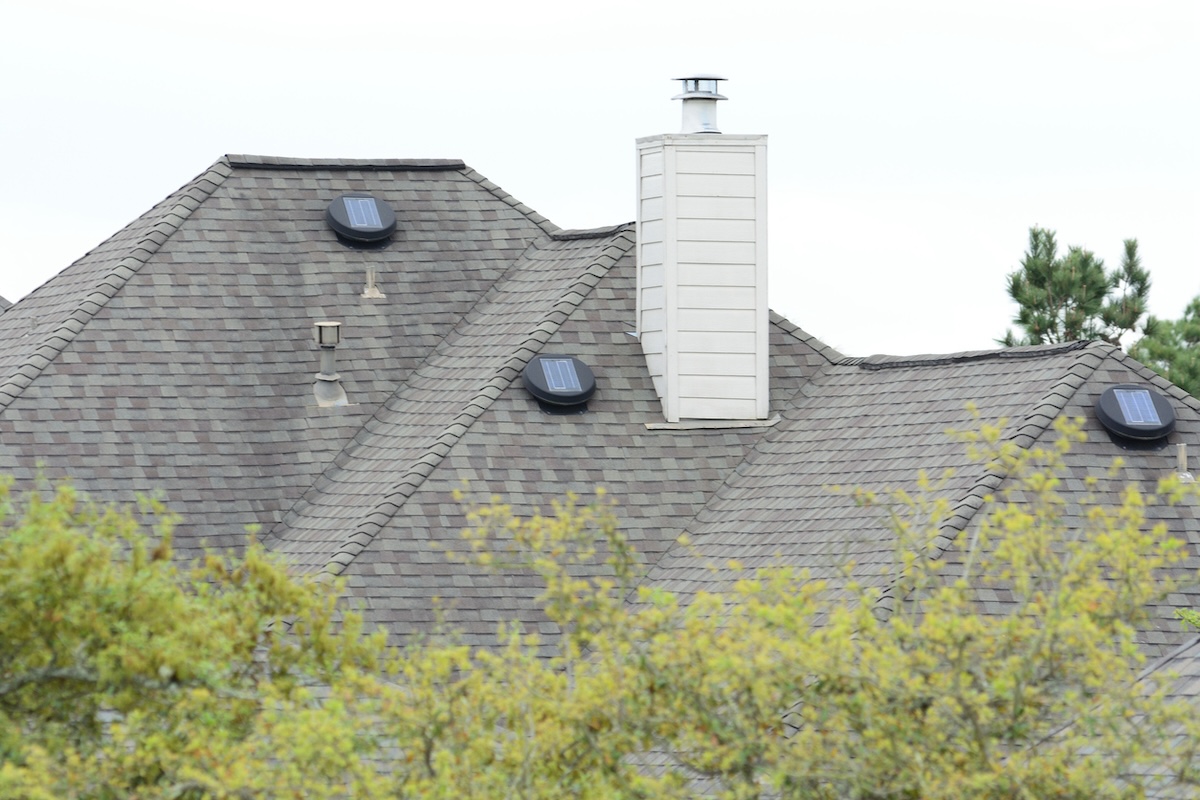
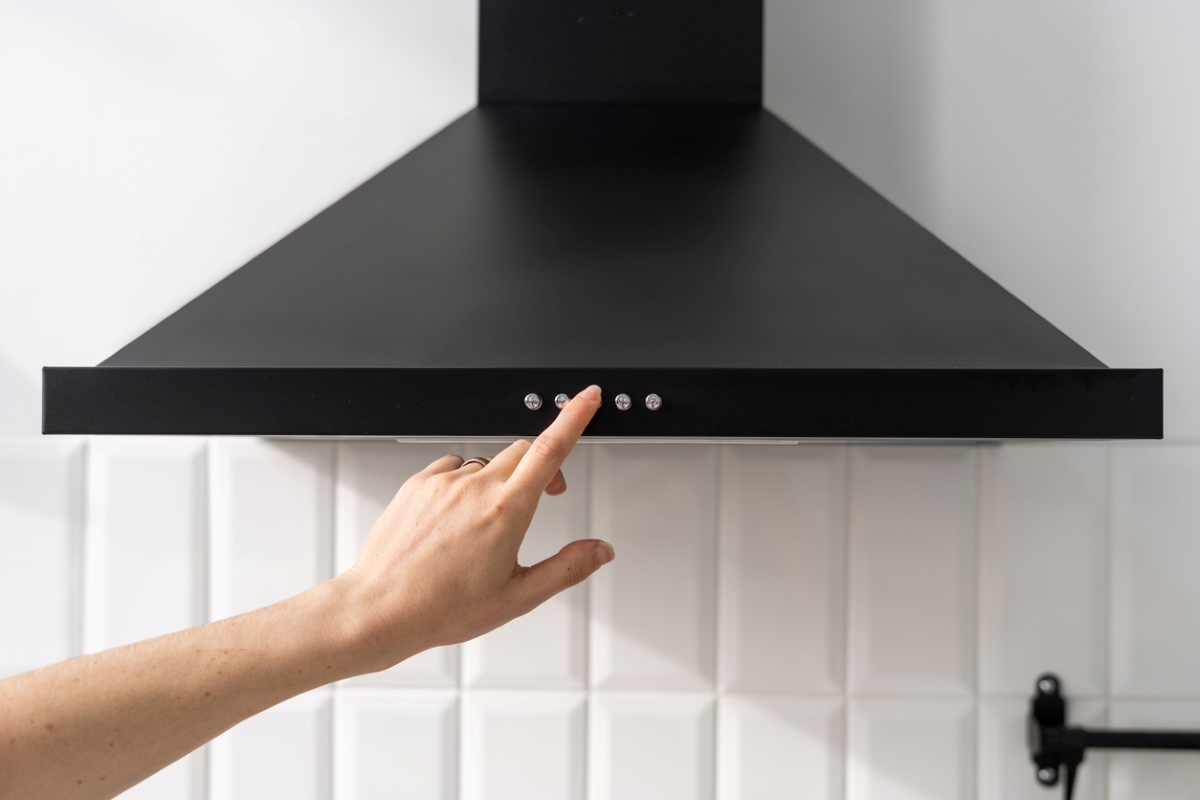
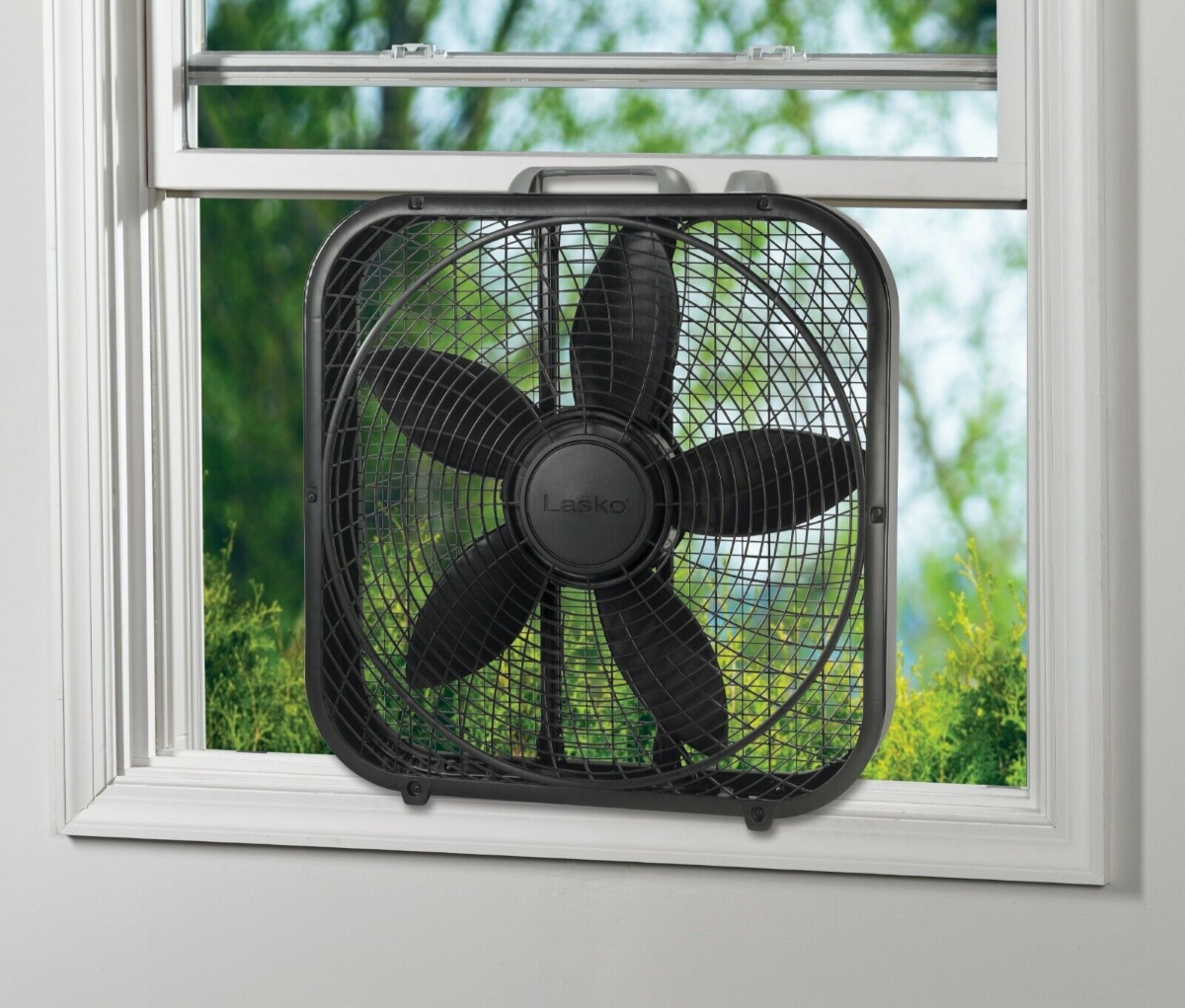
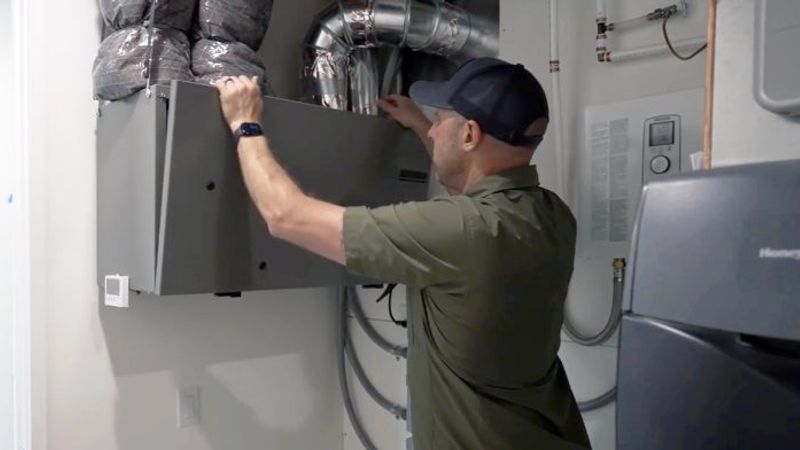
Ventilation involves increasing the influx of fresh air from outside to dilute and remove harmful particles from indoor air. Opening windows when weather permits is a straightforward method. Strategic placement of fans in windows can also help expel contaminated air and draw in fresh air. However, this method is less suitable for homes located near major roads or industrial areas where outdoor air pollution is high, or during events like wildfire smoke. Mechanical ventilation, such as running exhaust fans in kitchens and bathrooms, is important, ensuring these systems properly vent outdoors rather than recirculating air internally.
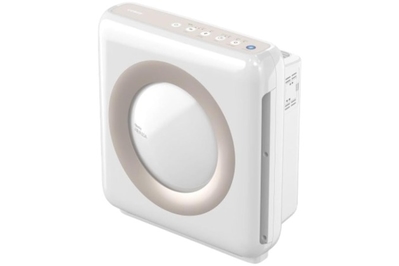
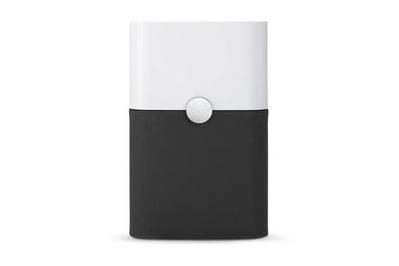
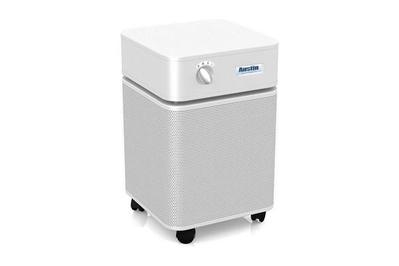
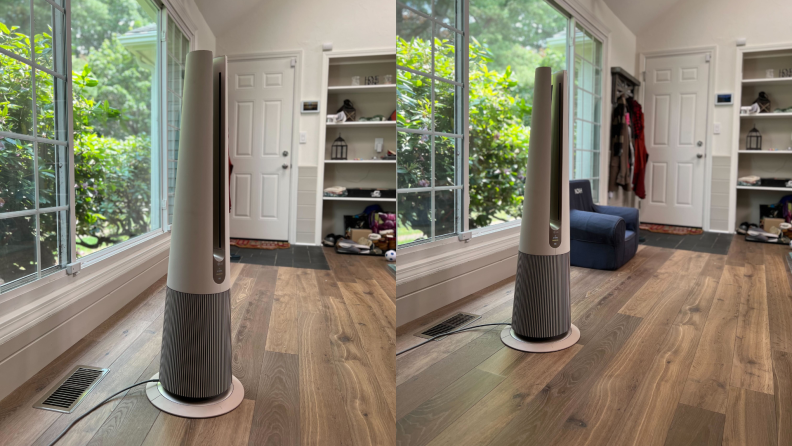
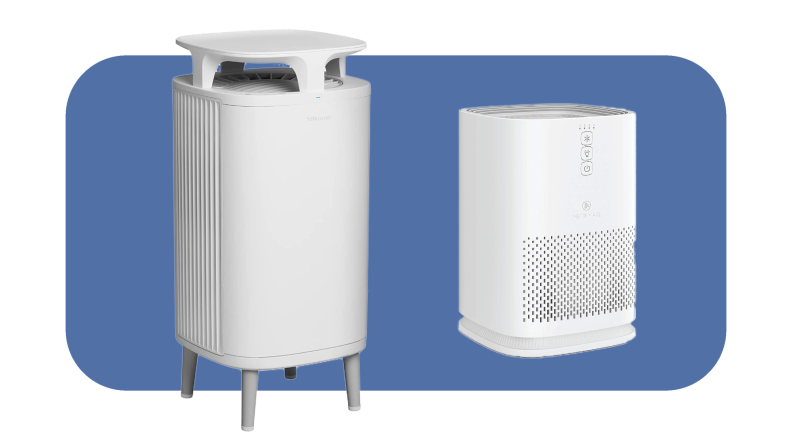
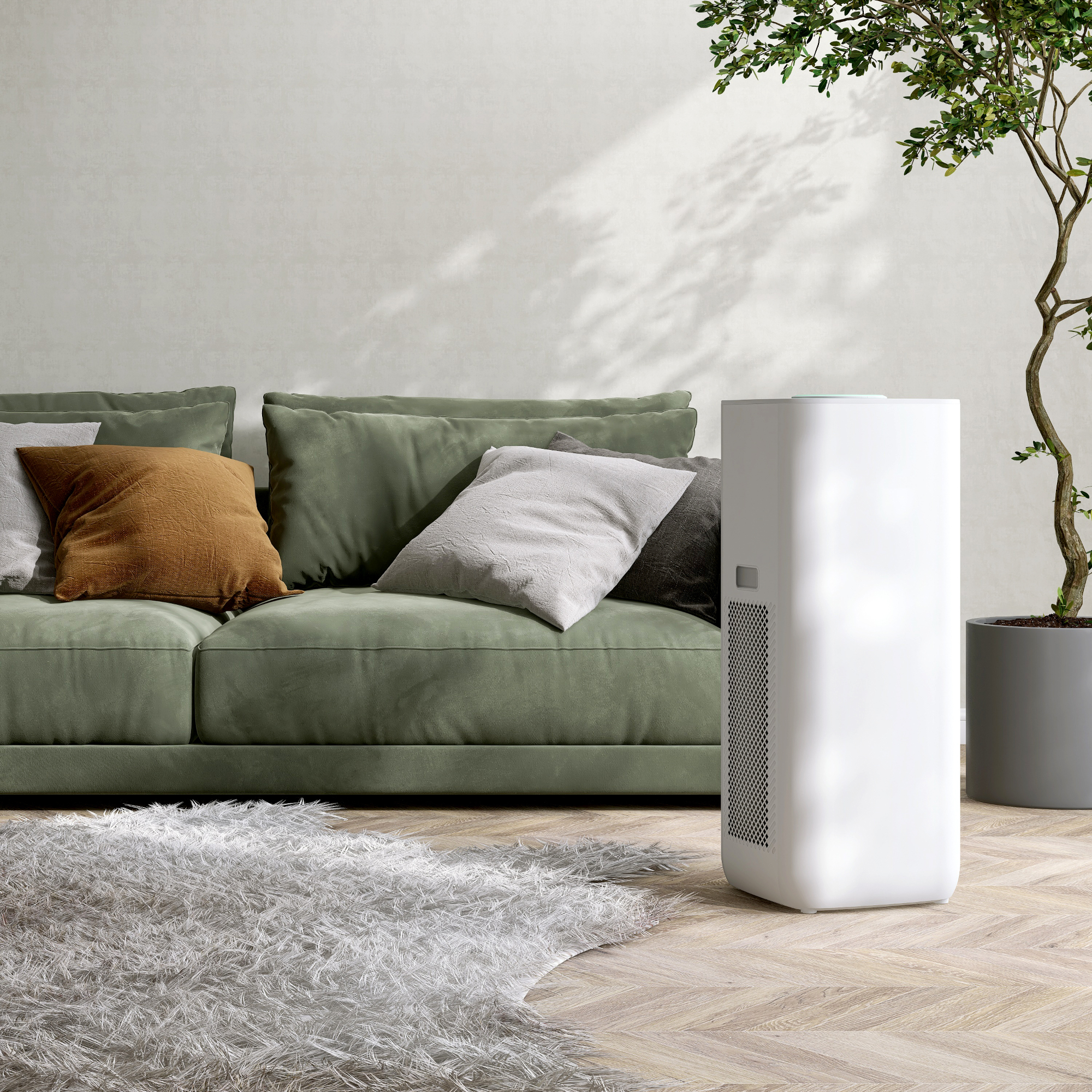
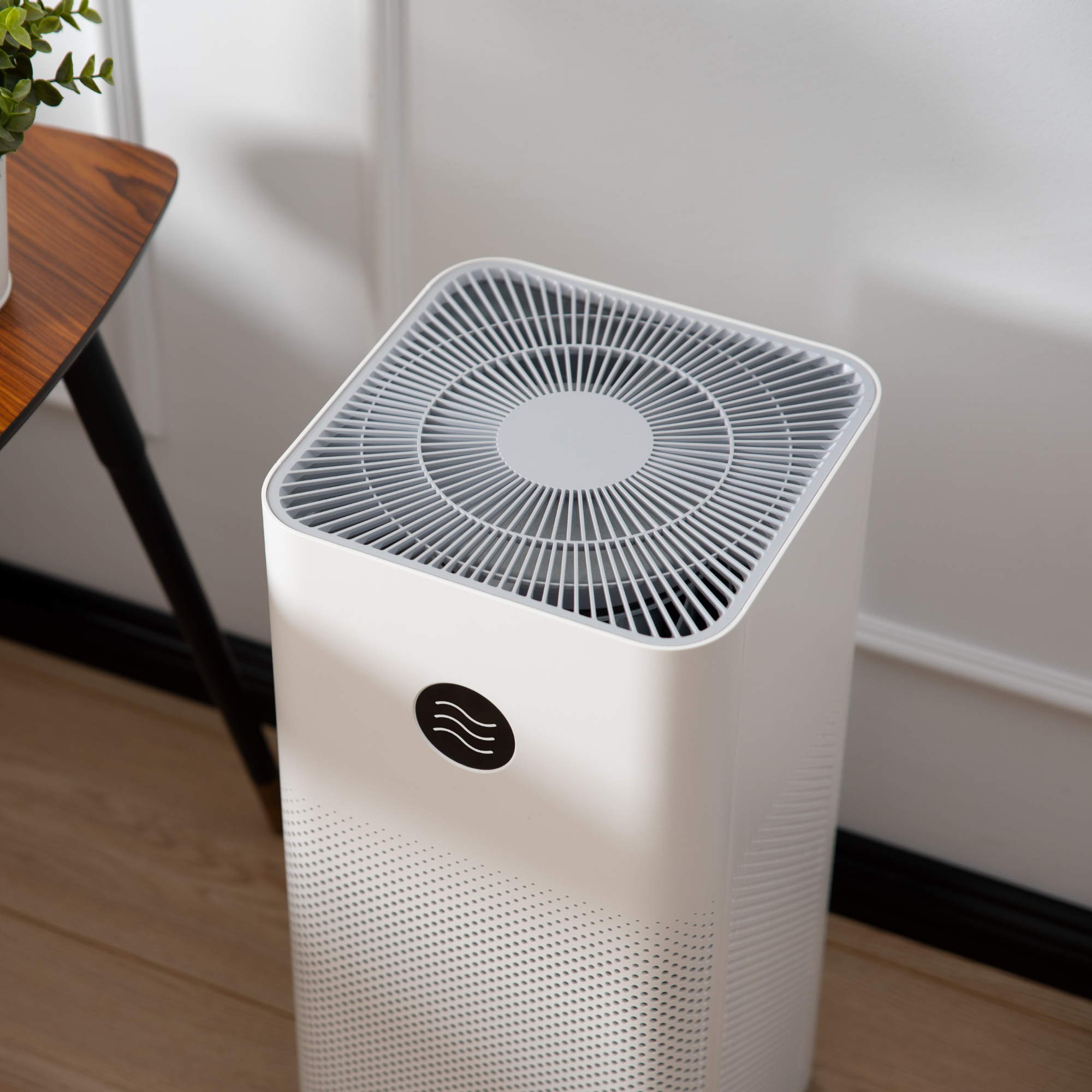
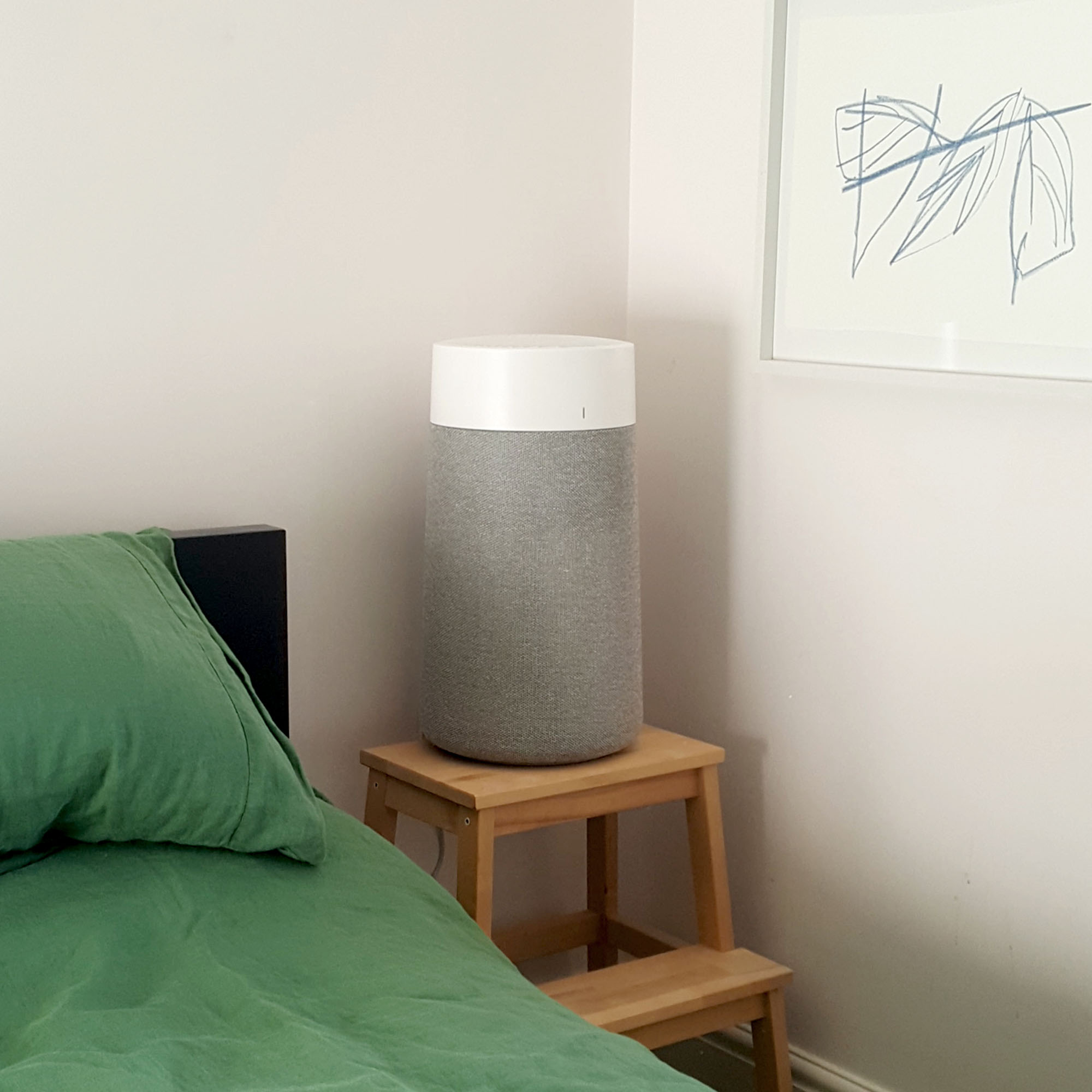
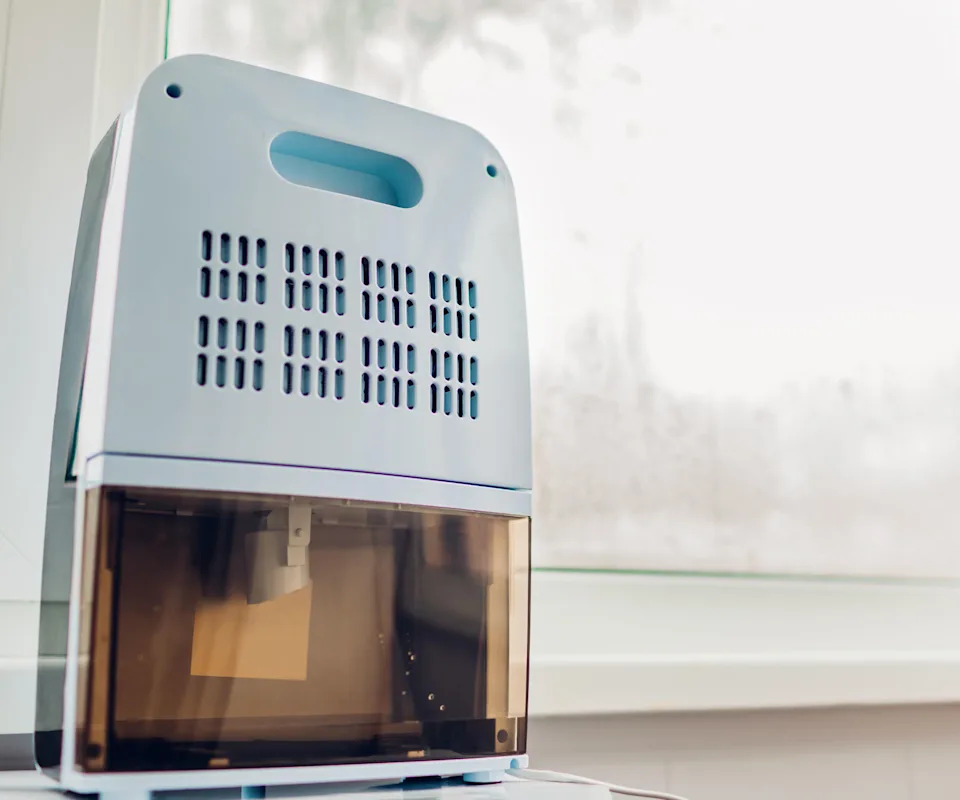
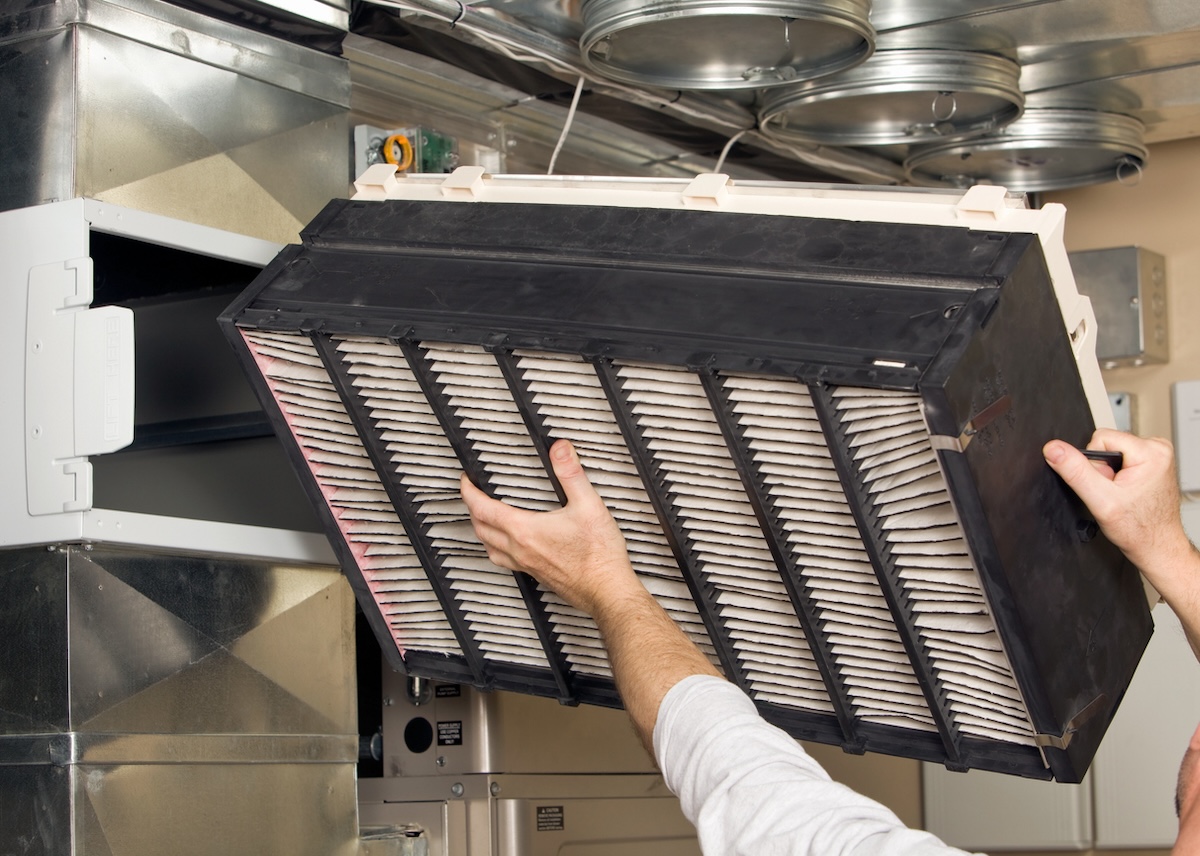
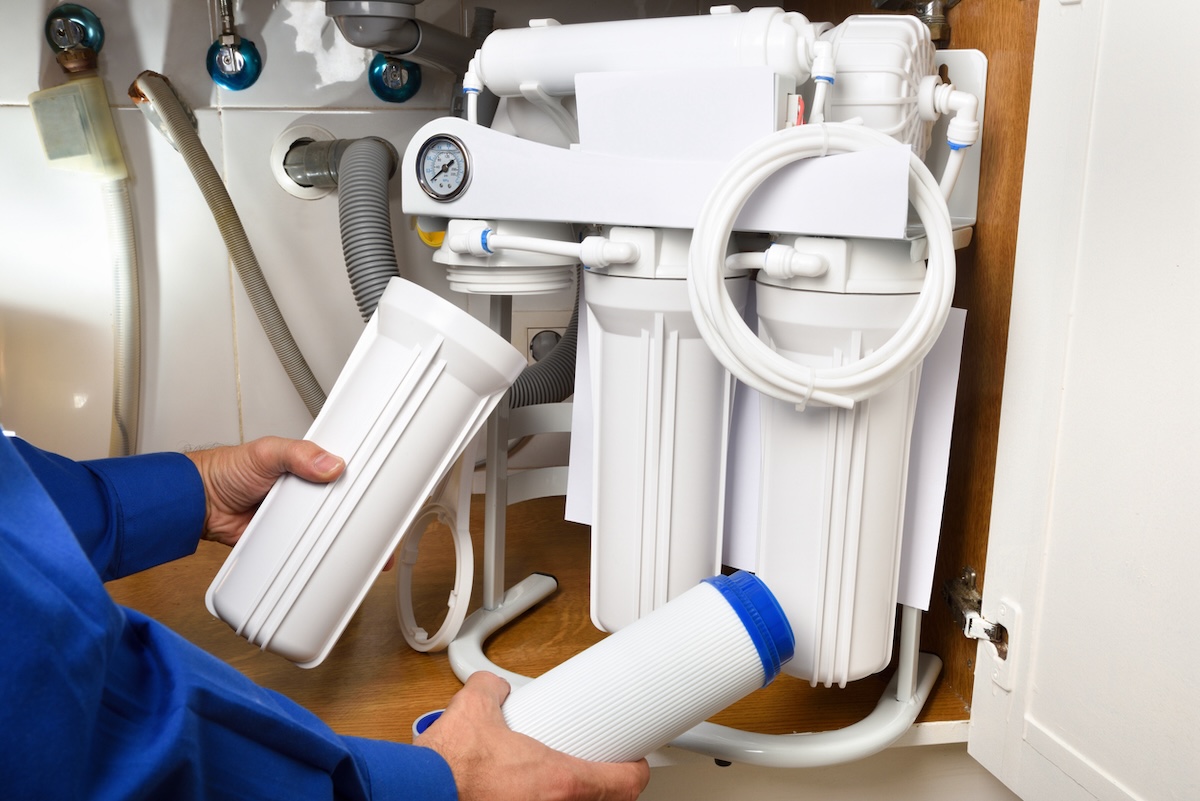
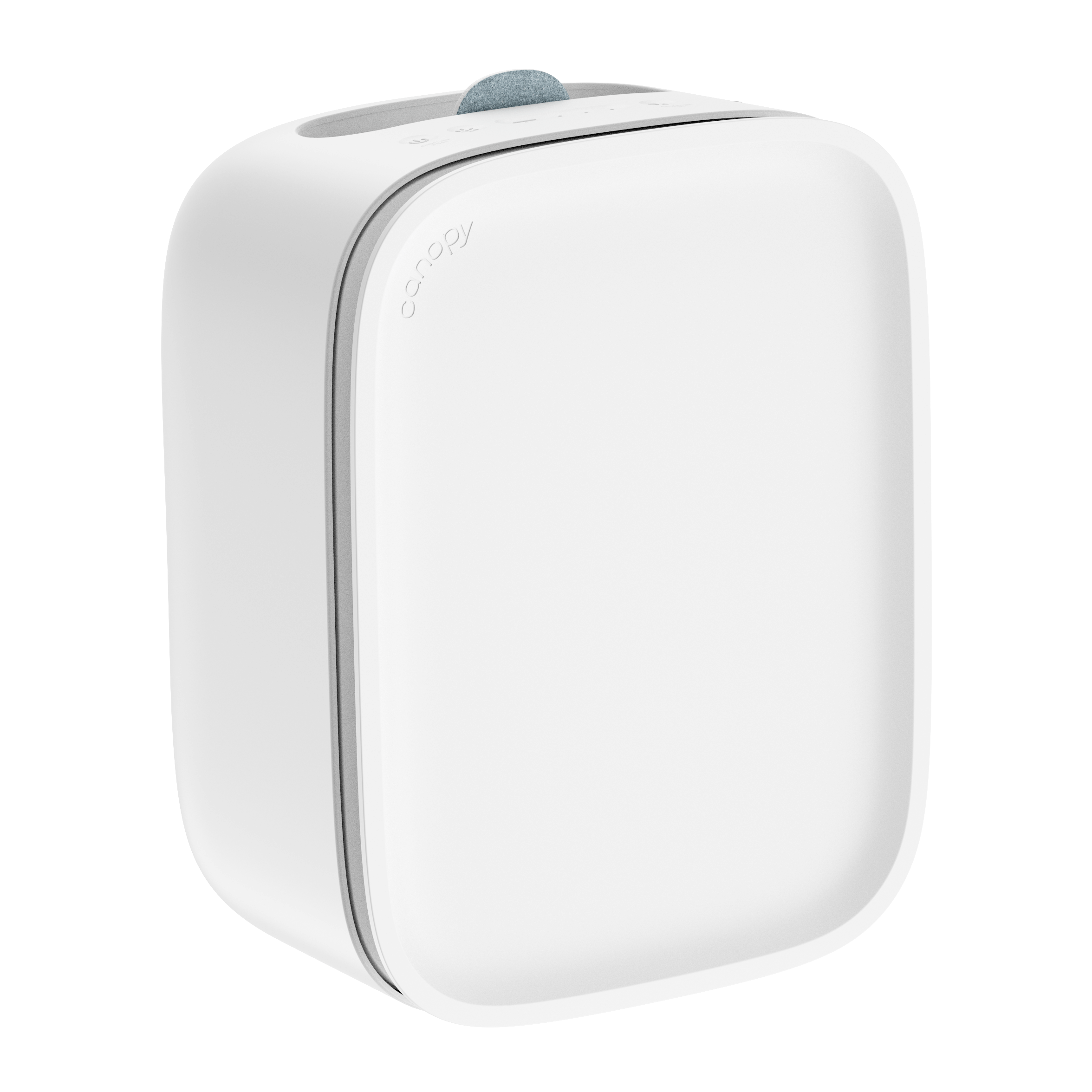
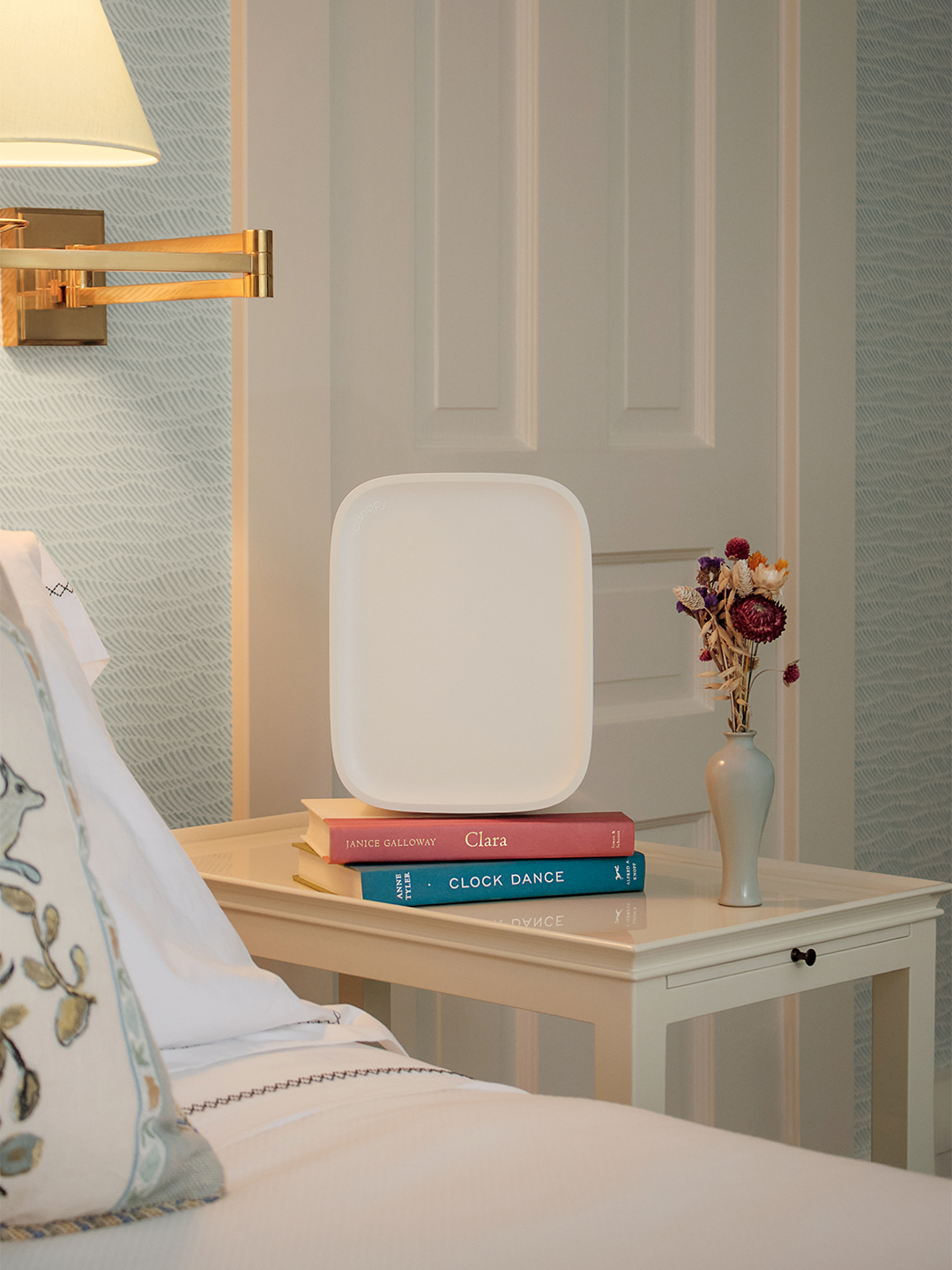
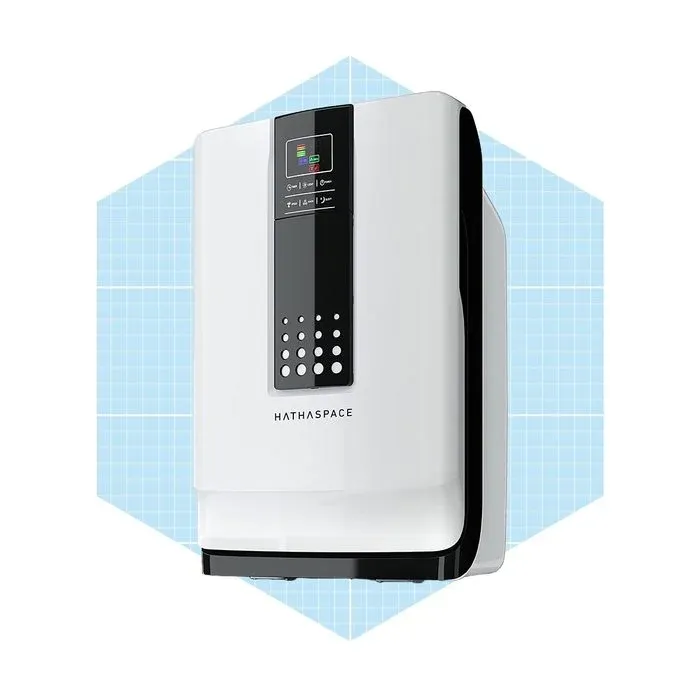
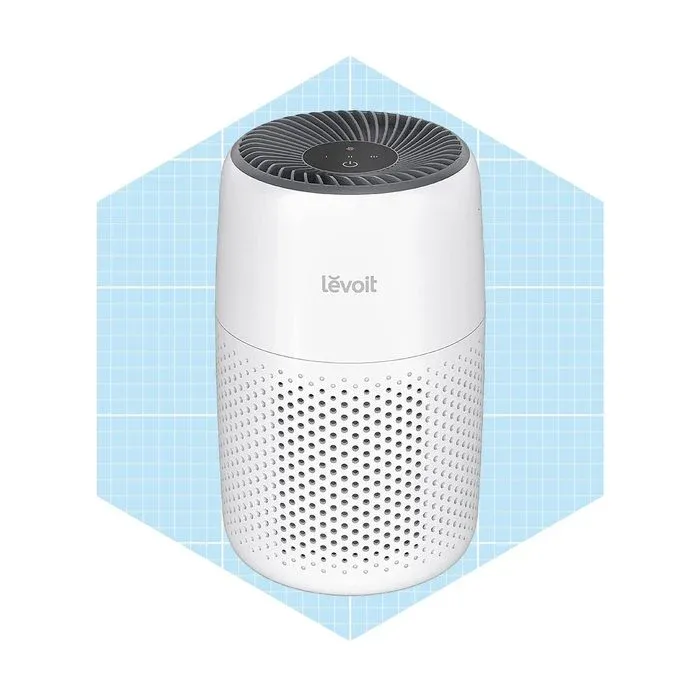
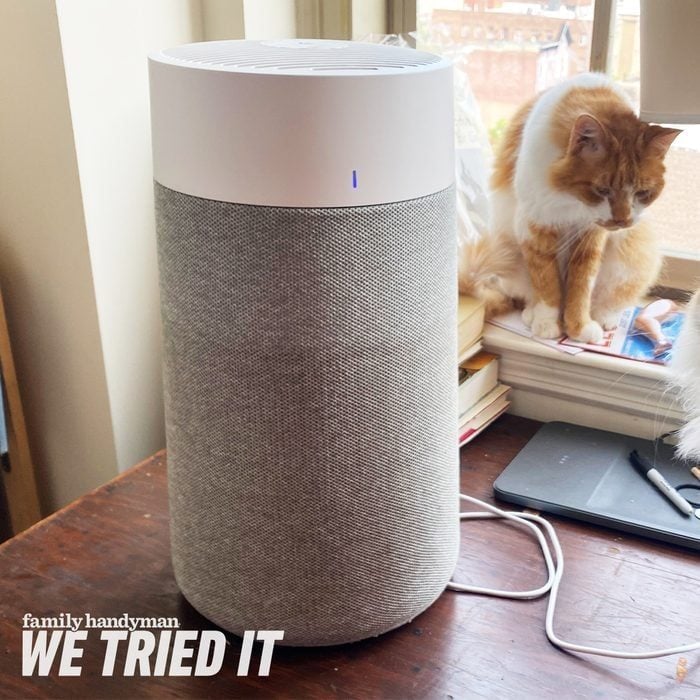
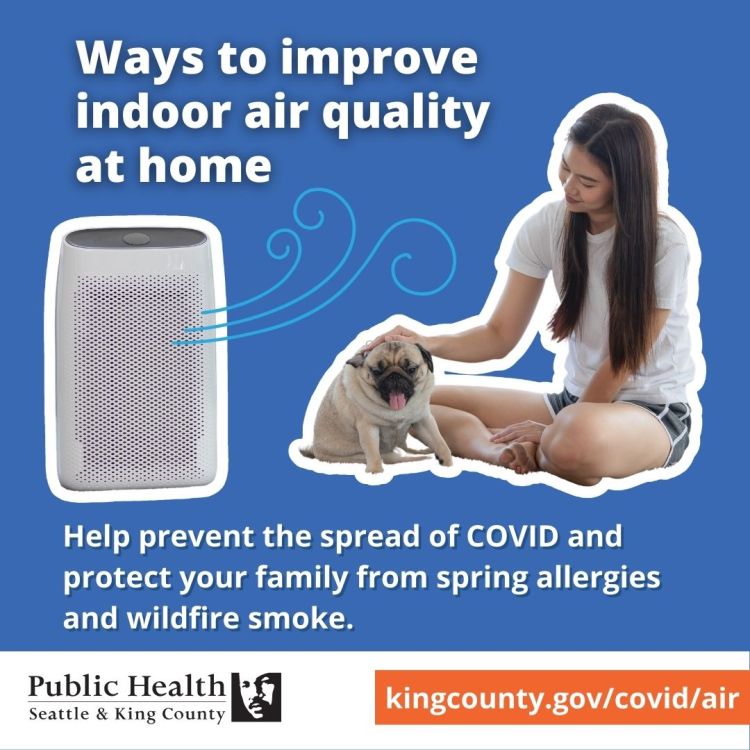
Filtration provides an additional layer of protection by actively removing particles from the air. Portable air cleaners equipped with HEPA filters are highly effective at capturing tiny particles like pollen, smoke, germs, mold, and dust. While commercial units vary in price, affordable options exist, with some capable of effectively cleaning a room for around $100. For budget-conscious individuals, DIY box fan filters can be constructed for about $35, capable of reducing certain types of air pollution by 90%. More advanced DIY filters, such as the Corsi-Rosenthal Box, can also be built using a box fan and four 20″ by 20″ filters for enhanced effectiveness. These filtration devices should be placed in areas where people spend the most time or in spaces where natural ventilation is limited. It is prudent to acquire these items in advance, particularly before wildfire seasons, as they tend to sell out quickly. Ultimately, maintaining fresh and clean indoor air is a shared responsibility, contributing to overall community health. Additional resources are available from Public Health – Seattle & King County, the CDC, and organizations like the Association of Home Appliance Manufacturers for further guidance on improving indoor air quality and selecting certified air cleaning devices.
#IndoorAirQuality #AirPollution #HomeVentilation #AirFiltration #HEPAFilter #HealthRisks #PreventiveMeasures #DIYAirPurifier #PublicHealth #IndoorAirQuality #AirPollution #HomeVentilation #AirFiltration #HEPAFilter #HealthRisks #PreventiveMeasures #DIYAirPurifier #PublicHealth
0 comment in total
 No comments yet
You may also like
How to Get Better Indoor Air Quality | Wirecutter

5 mistakes you're making that are compromising your home's air quality – and how to fix it like a HVAC pro

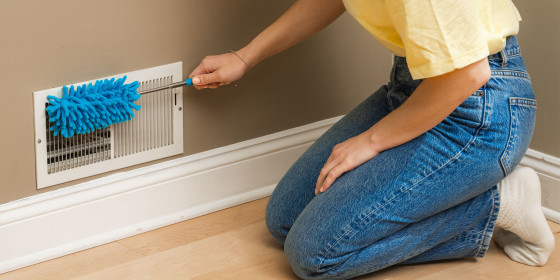
How to clean vent covers and how often to do it - TODAY

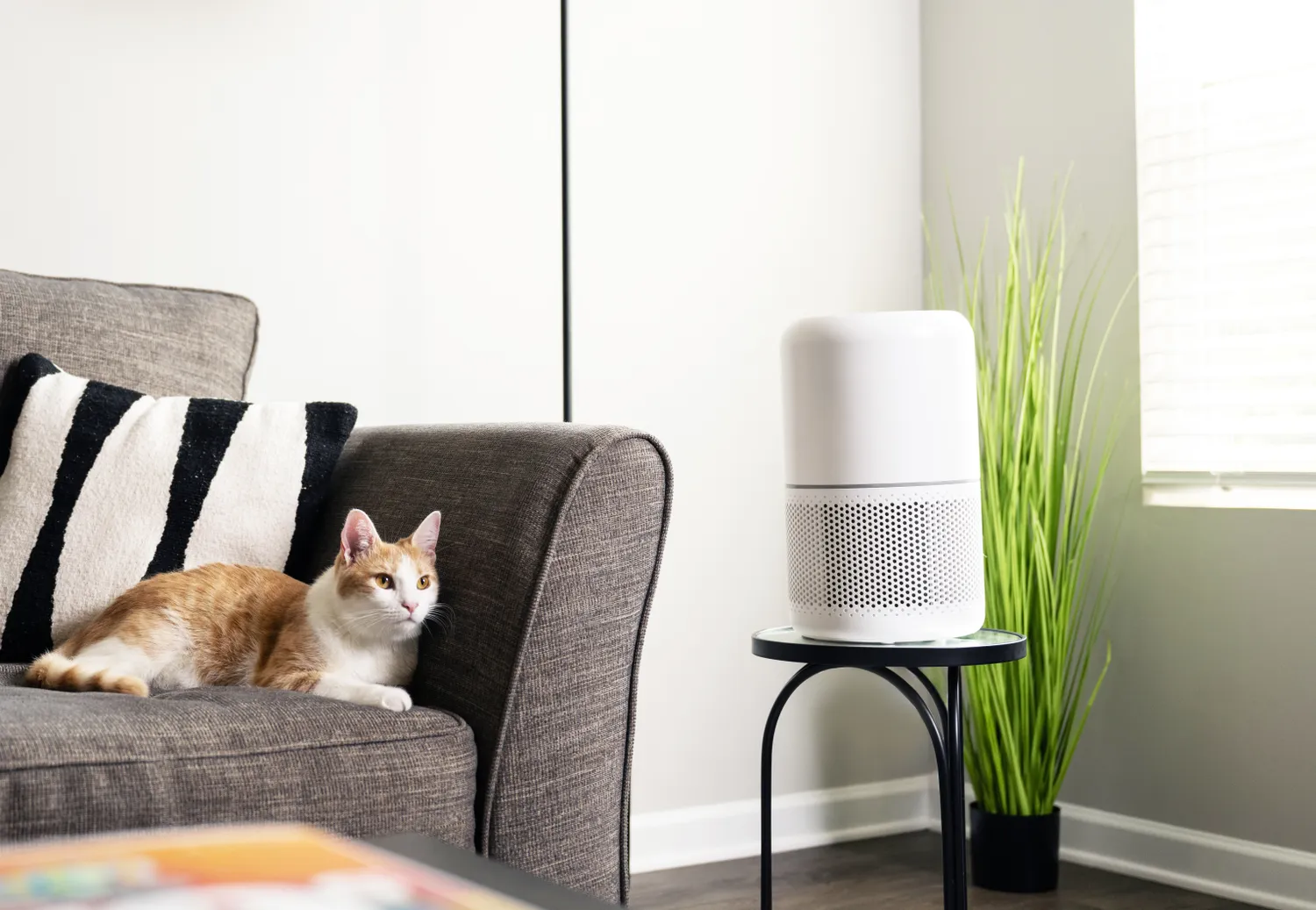
8 Simple Ways to Improve Indoor Air Quality This Winter


How to improve air quality at home - it’s the big health issue nobody’s talking about
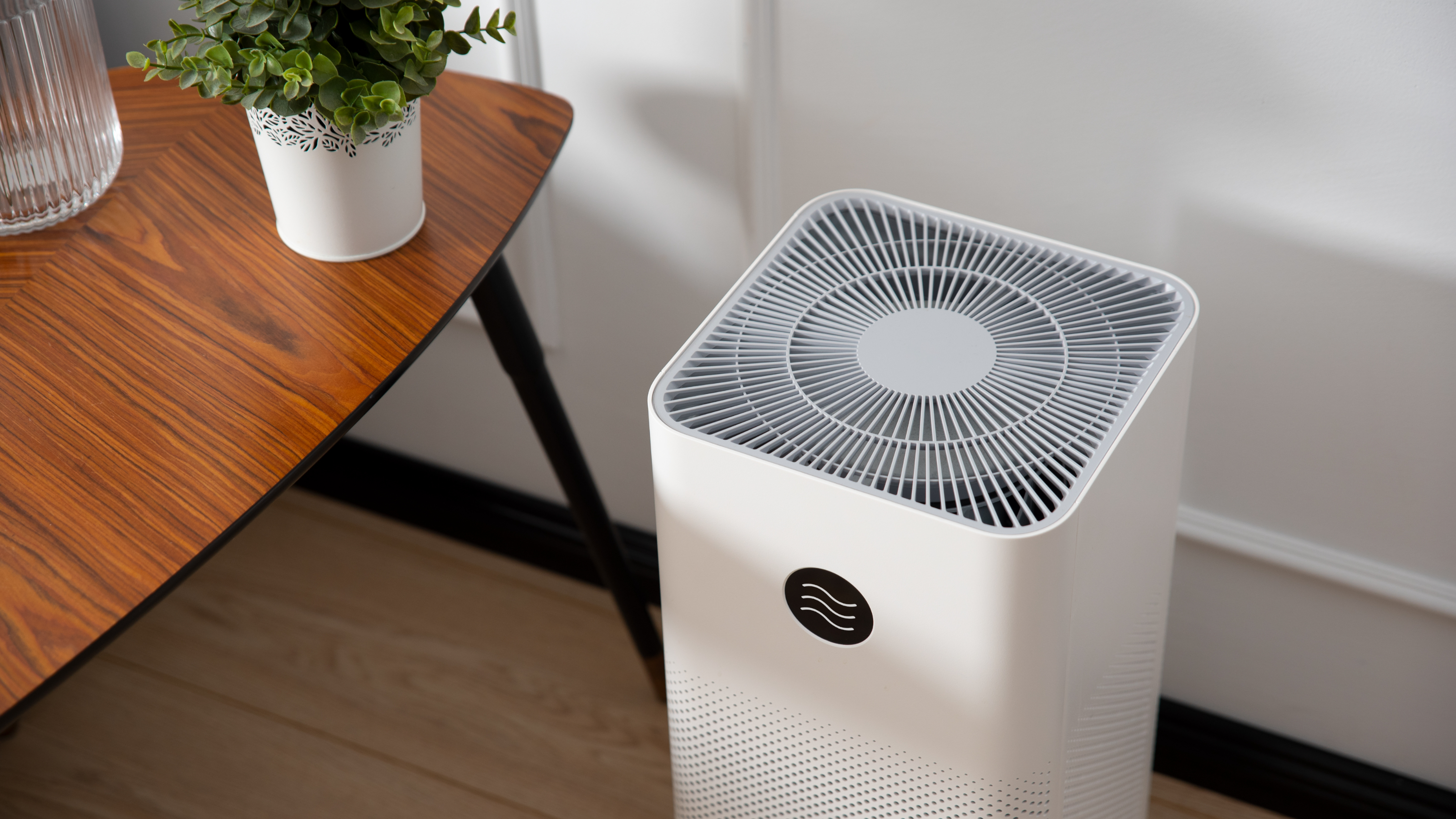
Are air purifiers better on the floor or a desk?
How to Improve Indoor Air Quality | Wirecutter


Do You Have a Musty-Smelling House? 6 Worrying Causes — And What You Should Do to Get Rid of Them

15 Design Products for Improving Indoor Air Quality at Home


Simple Ways to Improve the Indoor Air Quality of Your Home

The Best Air Quality Monitors for Testing Your Air Indoors and Out
The 3 Features That Earned This Chic Air Purifier a Spot on My Nightstand

How to improve indoor air quality


How to get rid of musty basement smells – 6 ways to combat odors and their causes


5 Easy Ways to Improve Kitchen Ventilation

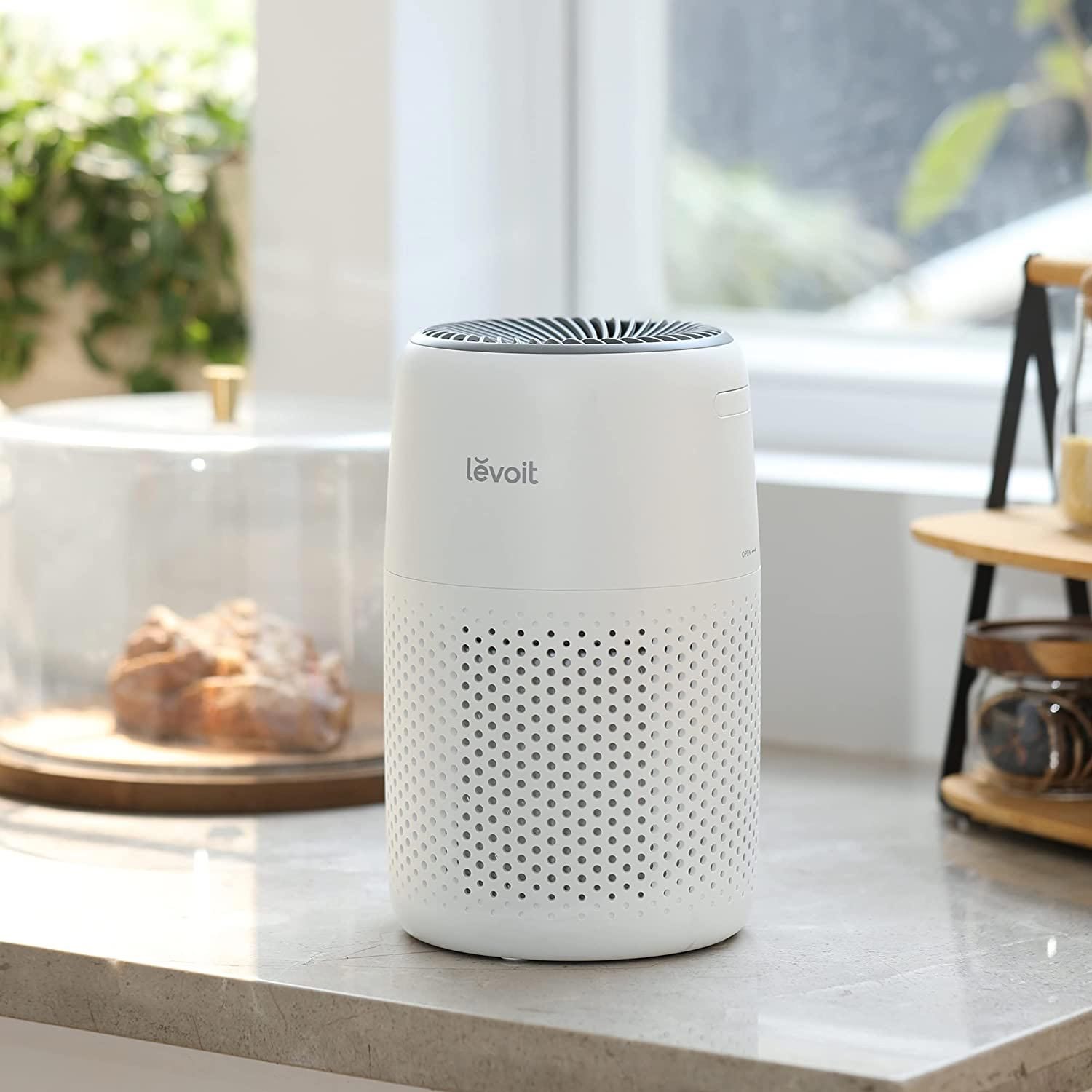
The 10 Best Air Purifiers for a Basement to Remove Dust, Allergens and Odors

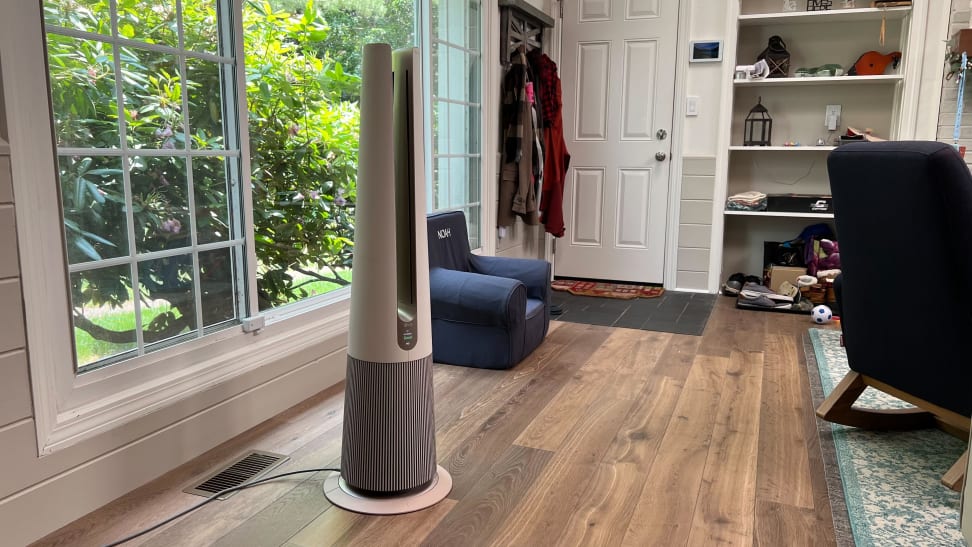
Is your air purifier in the best spot? Follow these rules

Create a Healthier, Safer Home With These Smart Indoor Projects
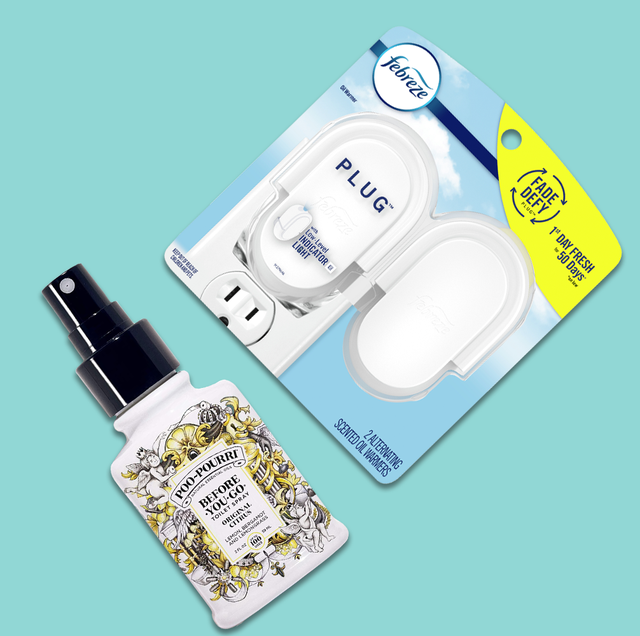
We Tested Dozens of Air Fresheners to Find the Best Ones for Your Home

HVAC and Indoor-Air Quality