How to improve indoor air quality
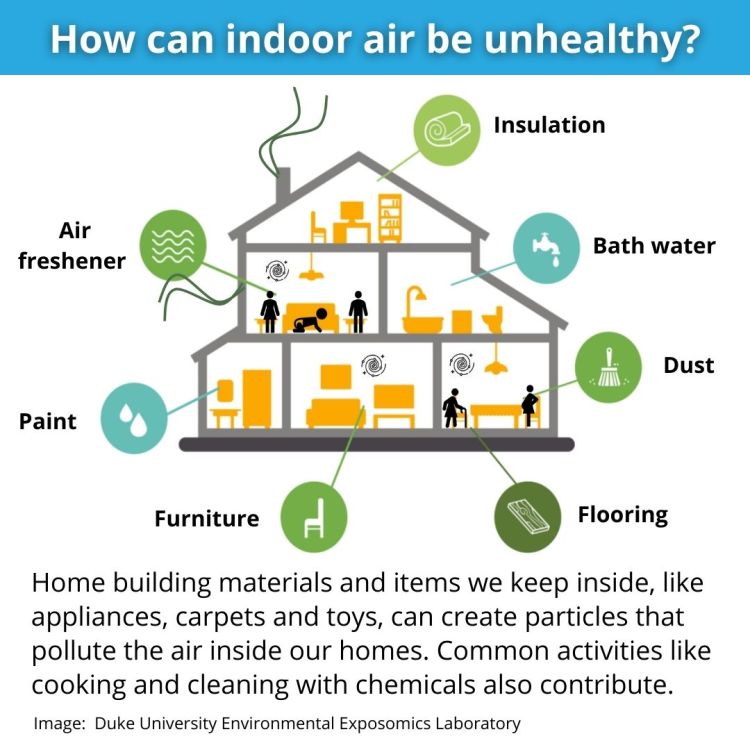
The quality of indoor air is a significant concern, with various pollutants routinely found inside homes. The Environmental Protection Agency (EPA) indicates that indoor air can be two to five times more polluted than outdoor air, a figure that some experts suggest can be even higher. While social media discussions during wildfires often highlight outdoor air quality, the focus on indoor air is due to a multitude of pollutants generated internally, exacerbated by modern, tightly sealed homes that lack adequate mechanical ventilation.
Key indoor air pollutants include common dust, which accumulates from both outdoor sources and indoor elements like pet dander, dead skin, and food debris. Lint from dryers, if not properly managed, can clog dryer vents, leading to the accumulation of a pasty residue that can pose a fire hazard and, in gas dryers, potentially push carbon monoxide into the home. Mold and mildew thrive in moist, warm conditions, releasing microscopic spores that can cause respiratory issues and trigger asthma attacks. Animal droppings from pests seeking shelter in hidden home spaces can also contribute to airborne dust laced with harmful particles.
Environmental tobacco smoke, even from neighbors, and smoke from wildfires can infiltrate homes through non-airtight doors and windows. Pollen, pesticides tracked in from outdoors, and vehicle exhaust, particularly for apartments above garages, are other external pollutants that can enter indoor spaces. Pet dander is a known indoor allergen, though regular grooming can help mitigate its impact. Volatile Organic Compounds (VOCs) are a widespread issue, emitted from various household items such as paints, cleaning supplies, furniture, and personal care products. More serious, naturally occurring pollutants like radon, a known carcinogen, and asbestos, found in older homes, also pose significant health risks. Even human skin cells contribute to indoor pollution by feeding dust mites, whose waste products become airborne and can trigger allergies, further compounded by the carbon dioxide exhaled in poorly ventilated homes.
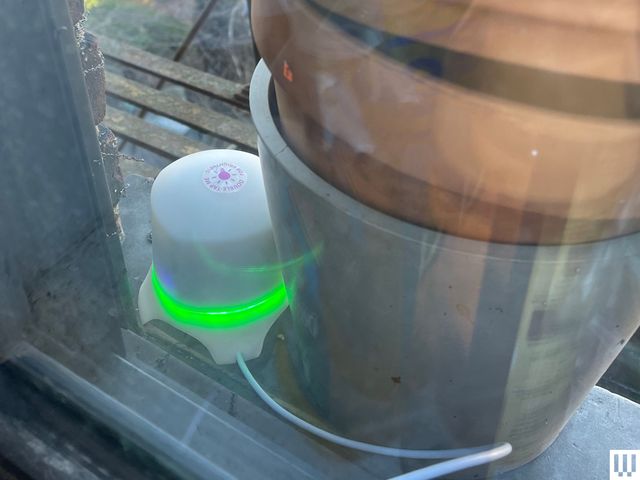
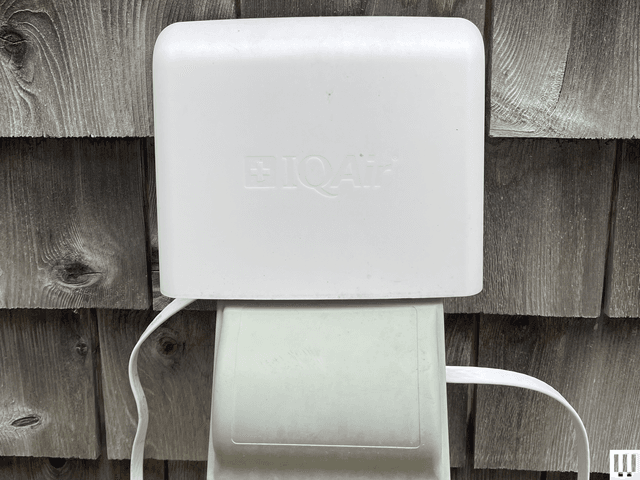
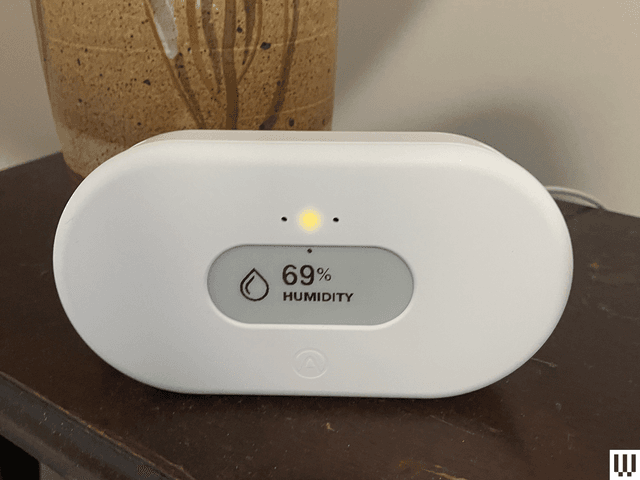
Monitoring indoor air quality involves observing physical signs in both humans and pets. In humans, symptoms of poor indoor air quality often mimic allergies, including runny noses, watery eyes, sneezing, scratchy throats, and mild headaches. More severe symptoms can include chest tightness, shortness of breath, fatigue, dizziness, or nausea. These symptoms typically subside when leaving the home, indicating an indoor air problem. Pets may exhibit coughing, sneezing, gagging, watery eyes, excessive scratching, open-mouth breathing, disorientation, and decreased appetite. Specialized indoor air quality monitors can track specific pollutants like temperature, humidity, particulate matter, radon, carbon dioxide, dust, or formaldehyde. Choosing a monitor depends on the specific concerns of the homeowner, such as tracking wildfire smoke on the West Coast.
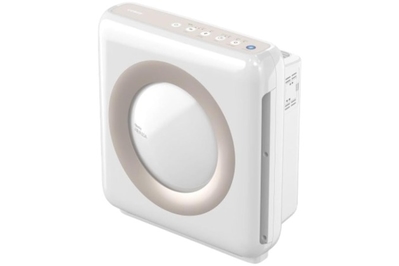
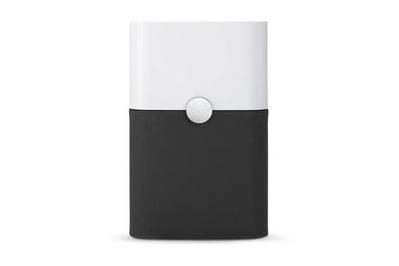
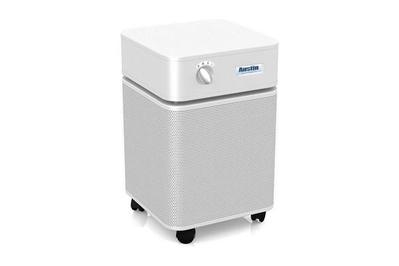
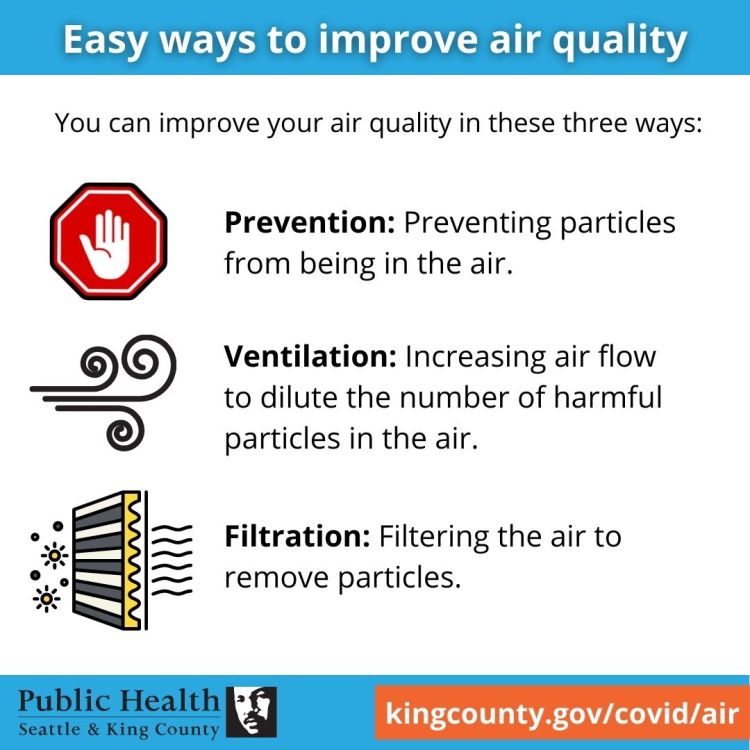
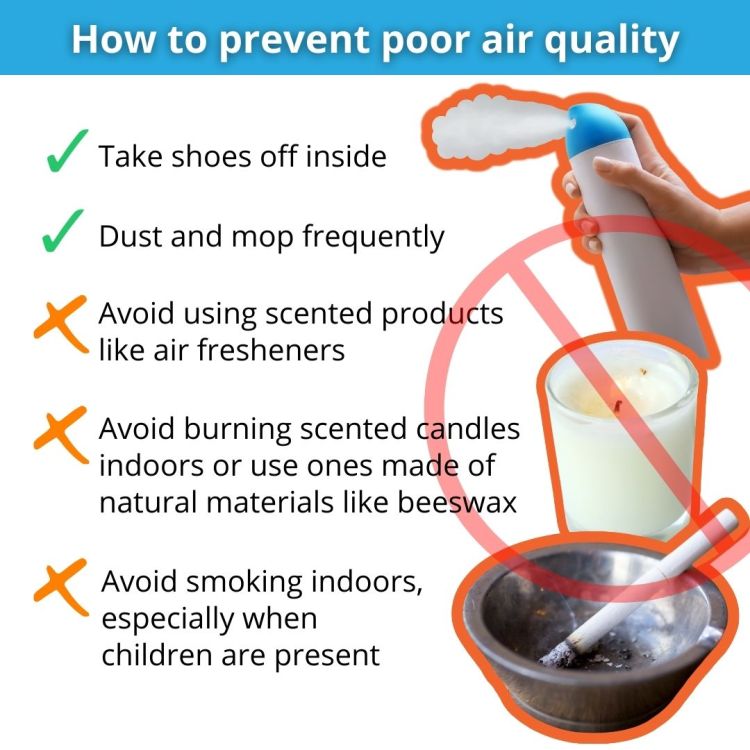
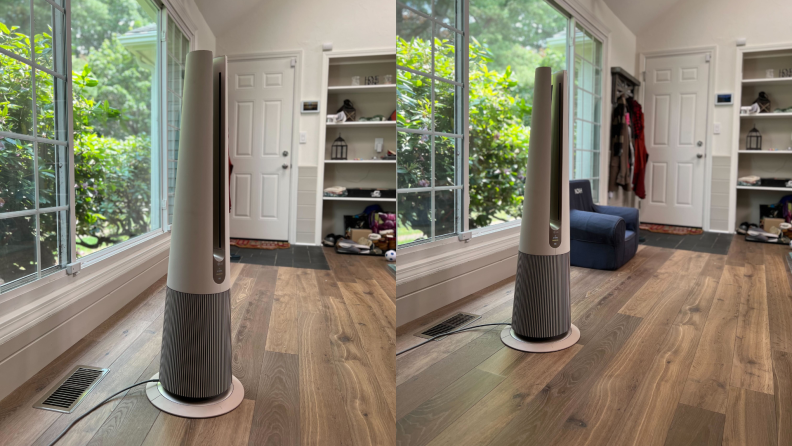
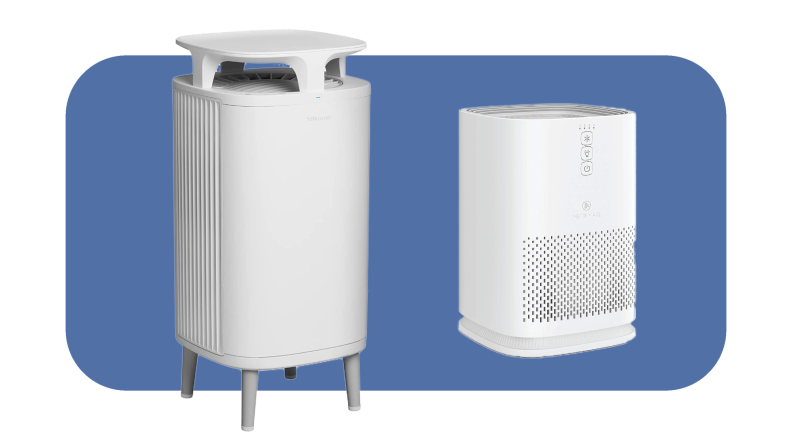
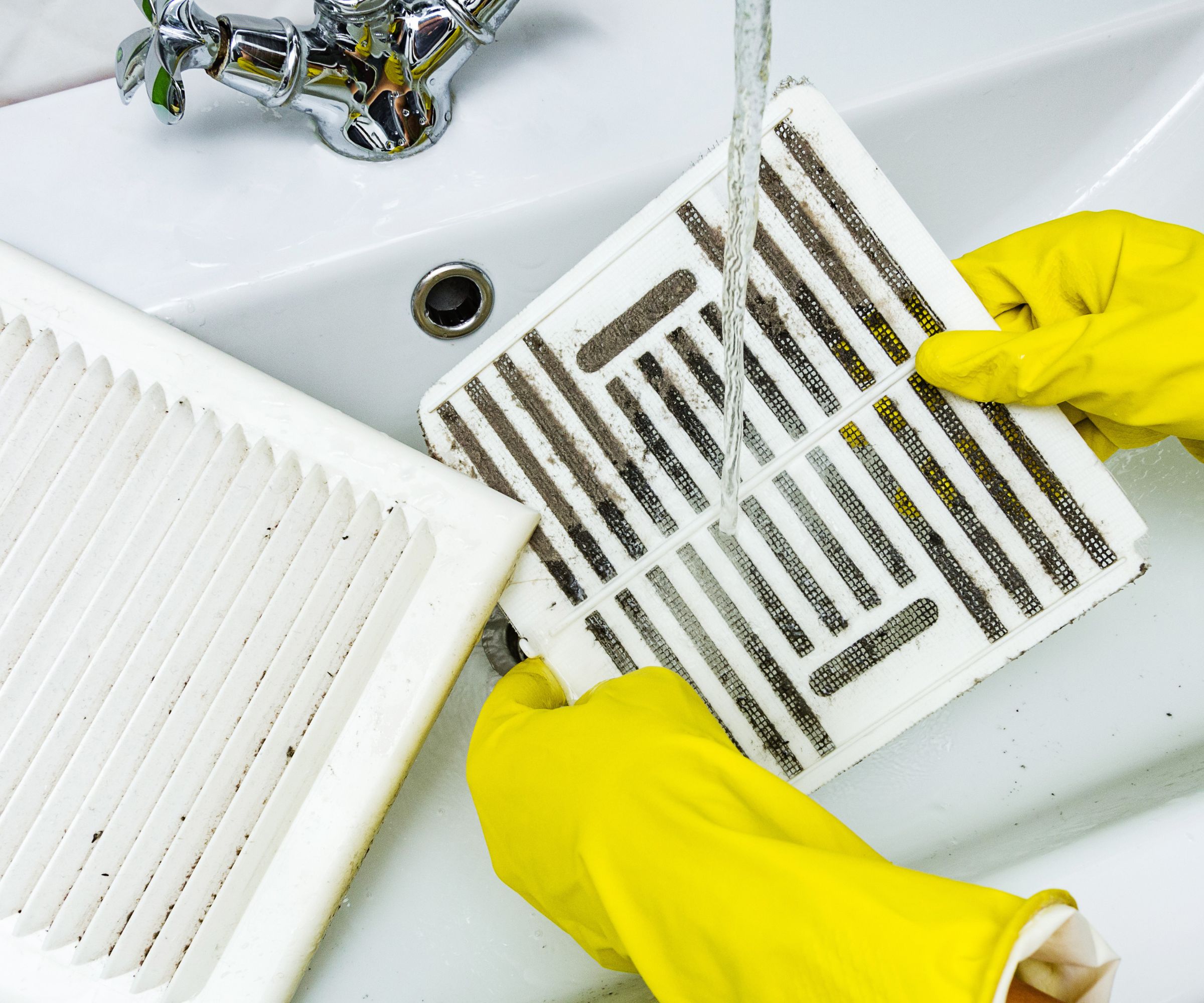
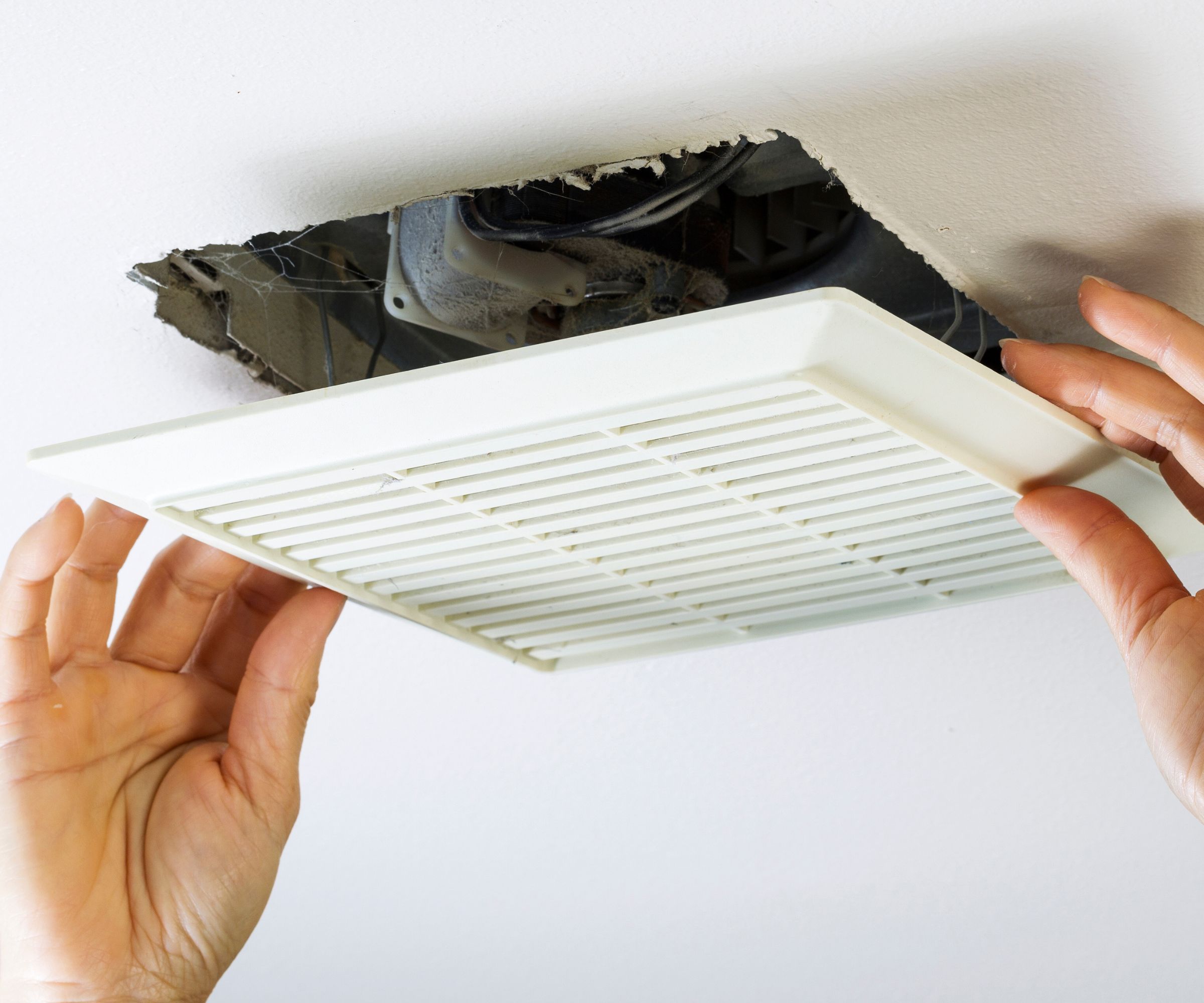
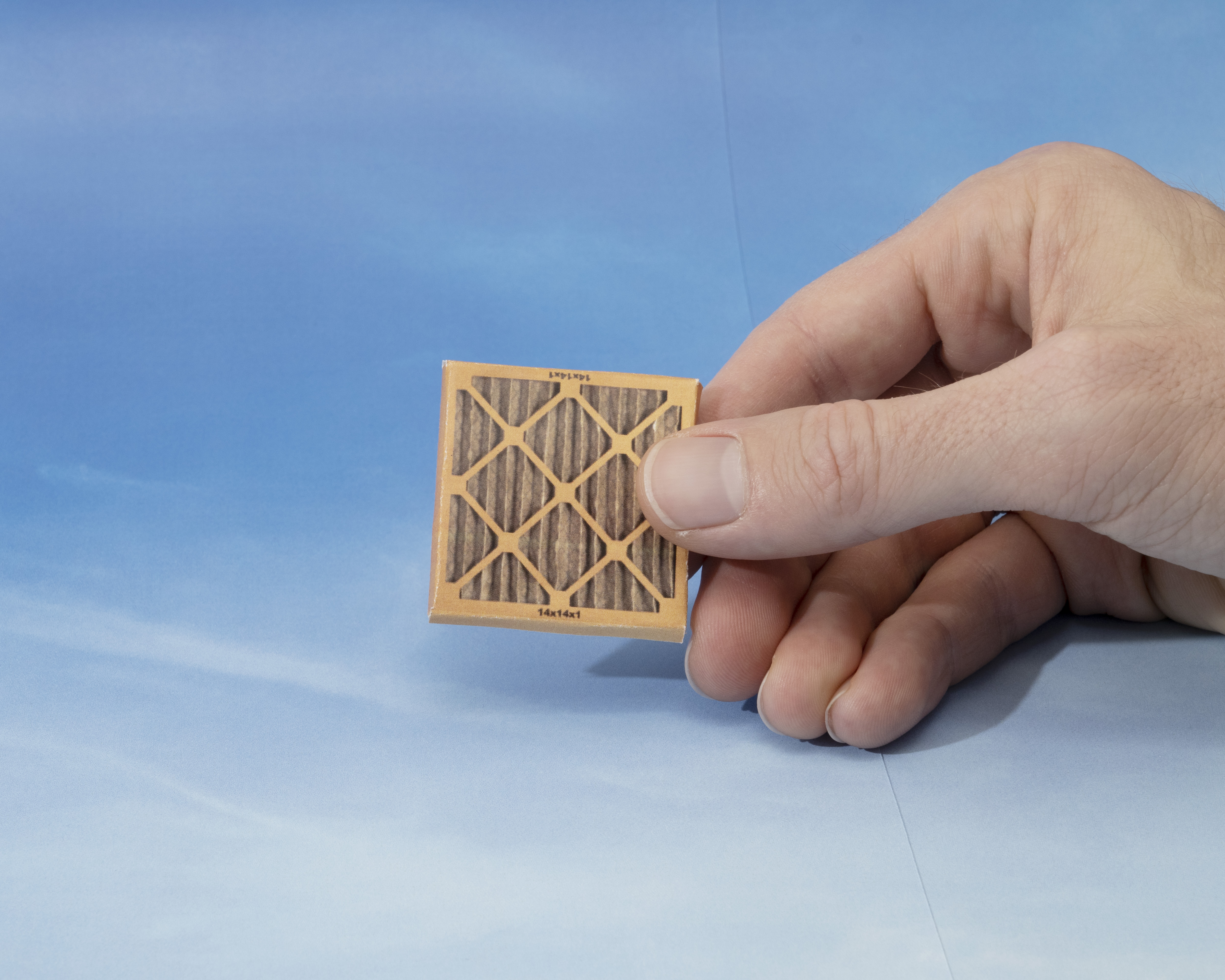
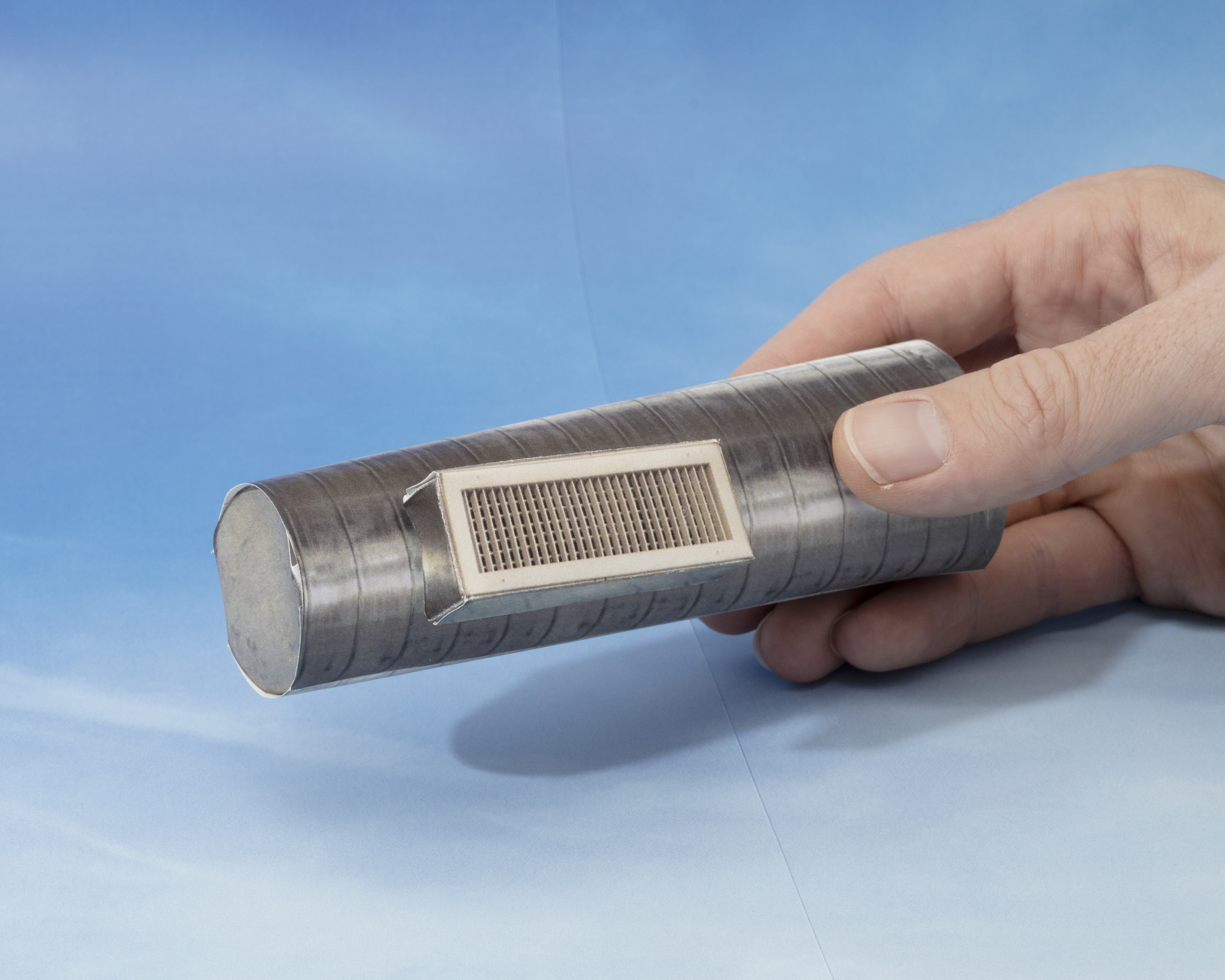
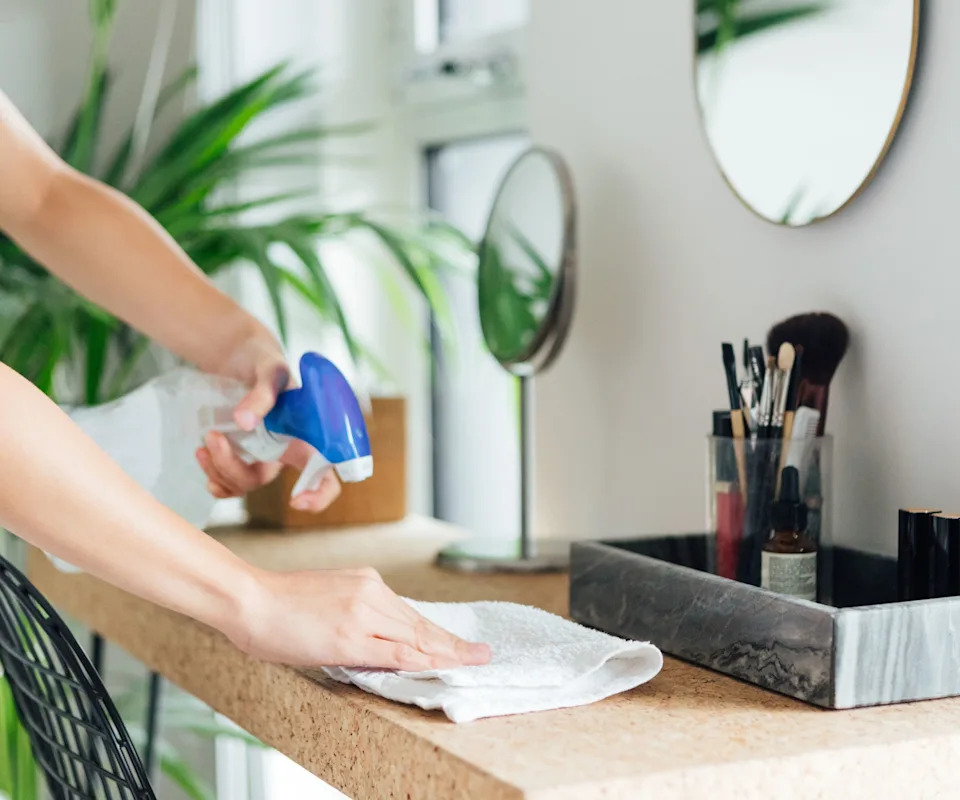
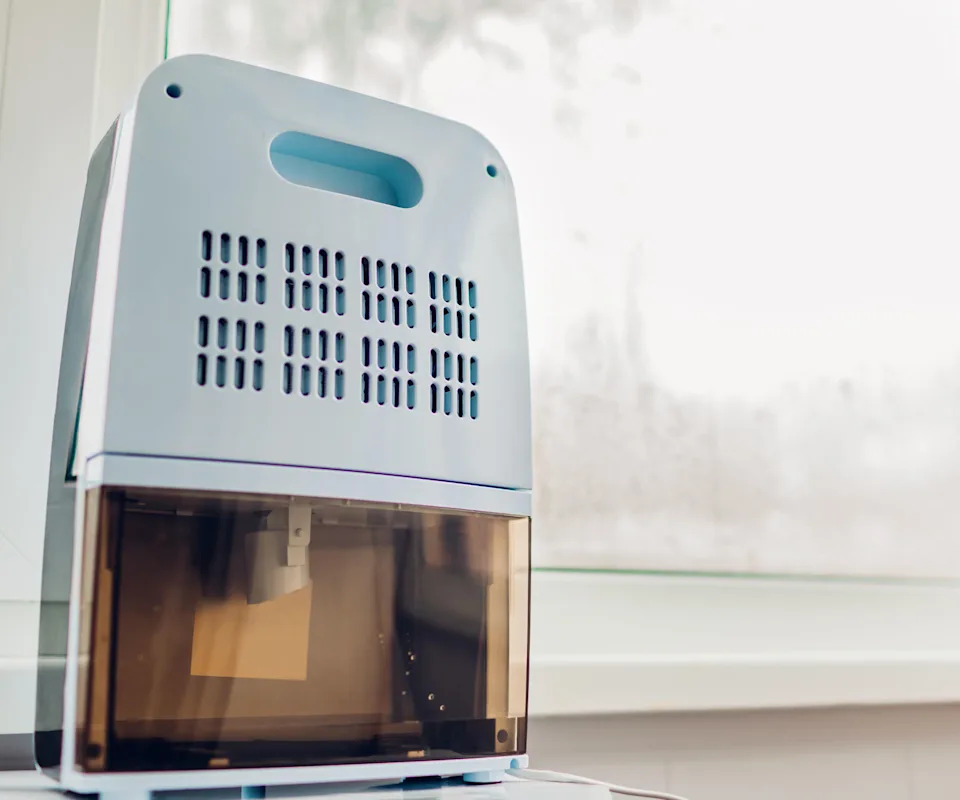
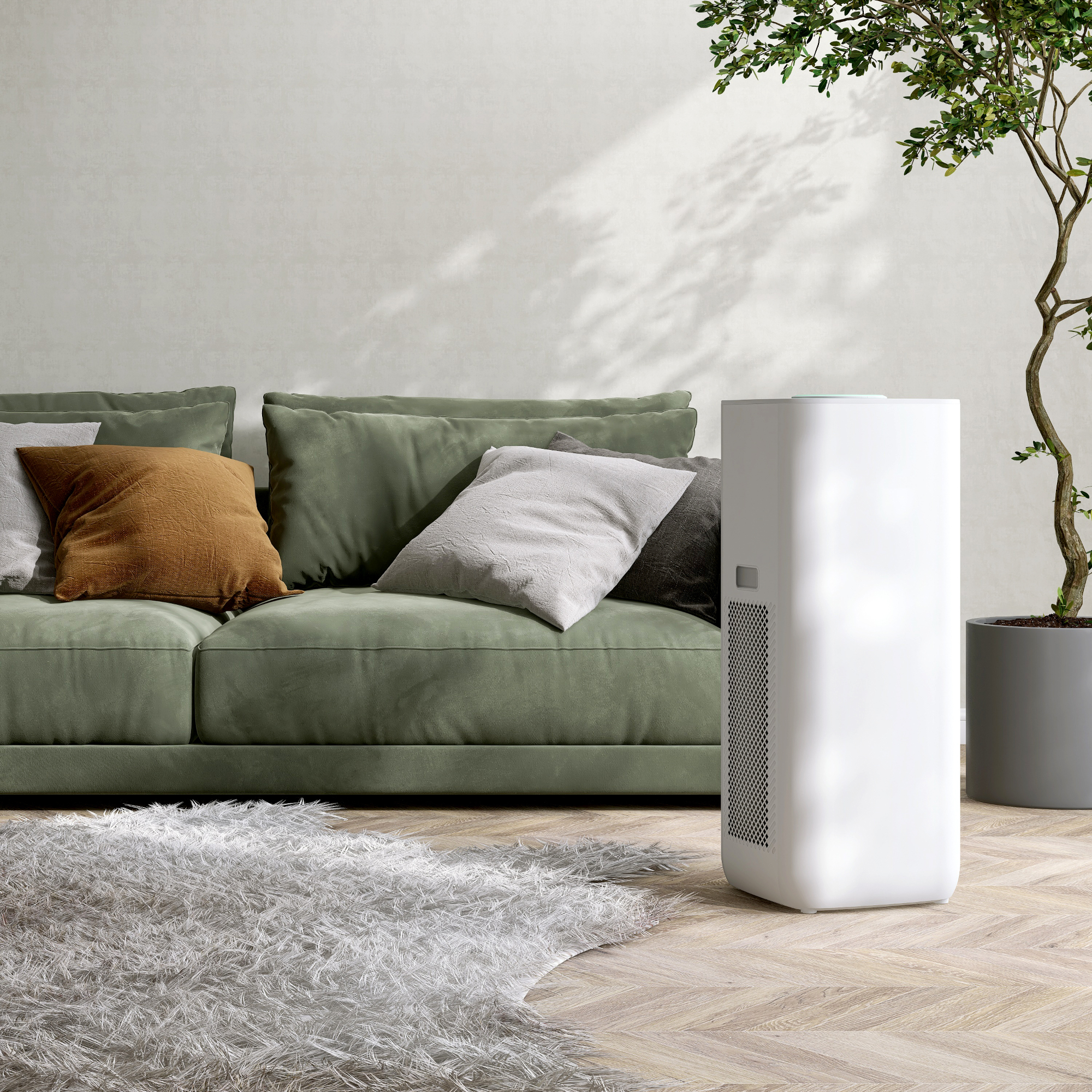
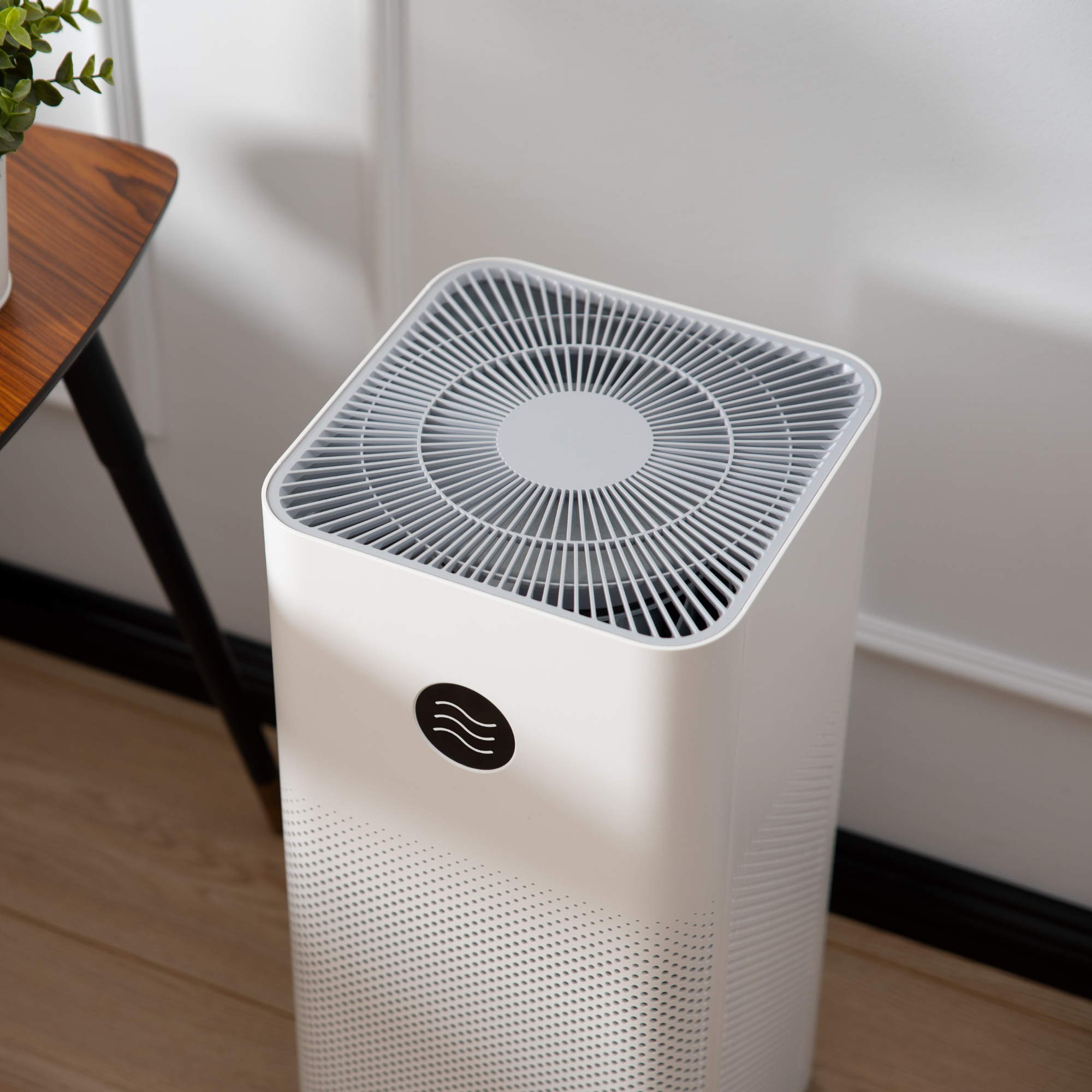
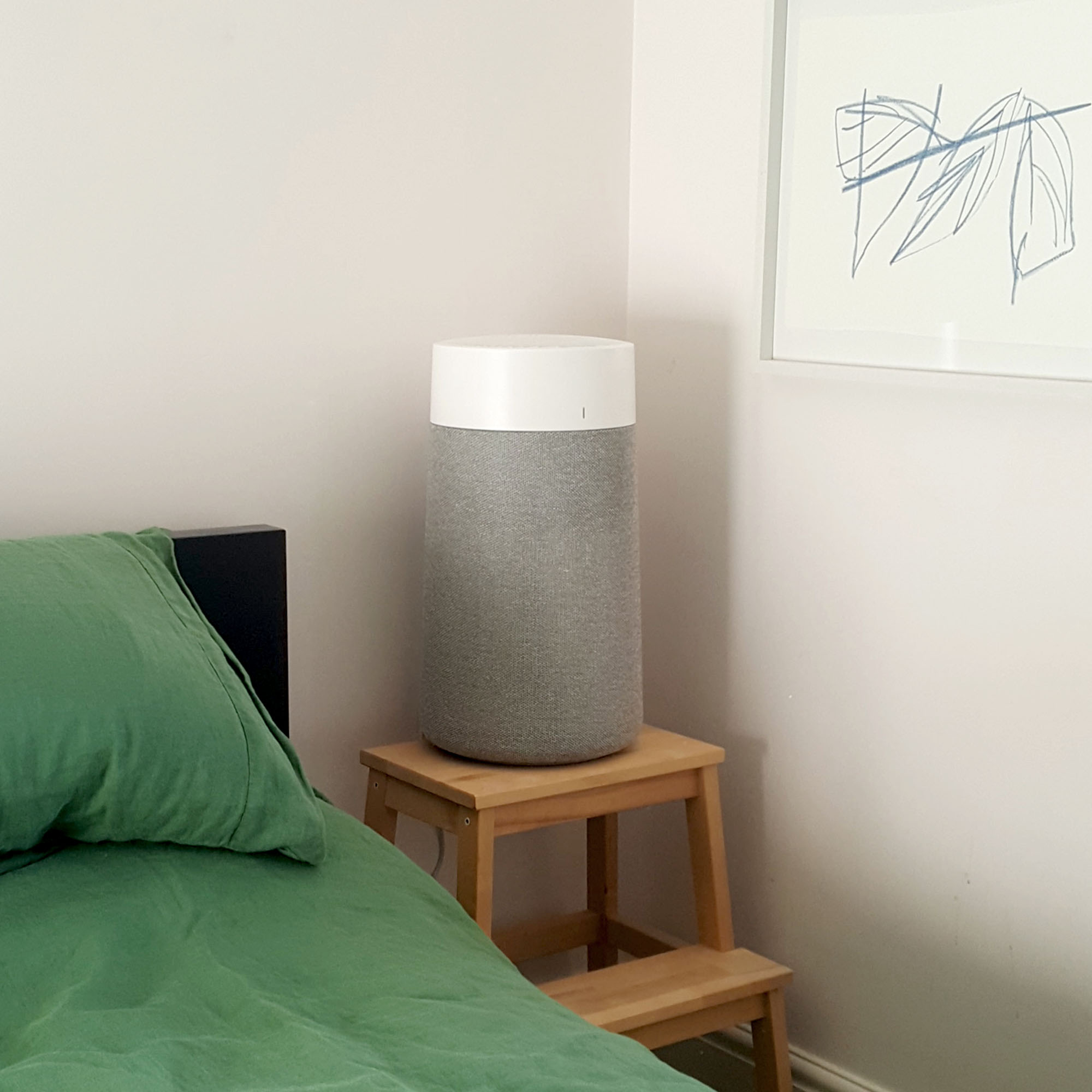
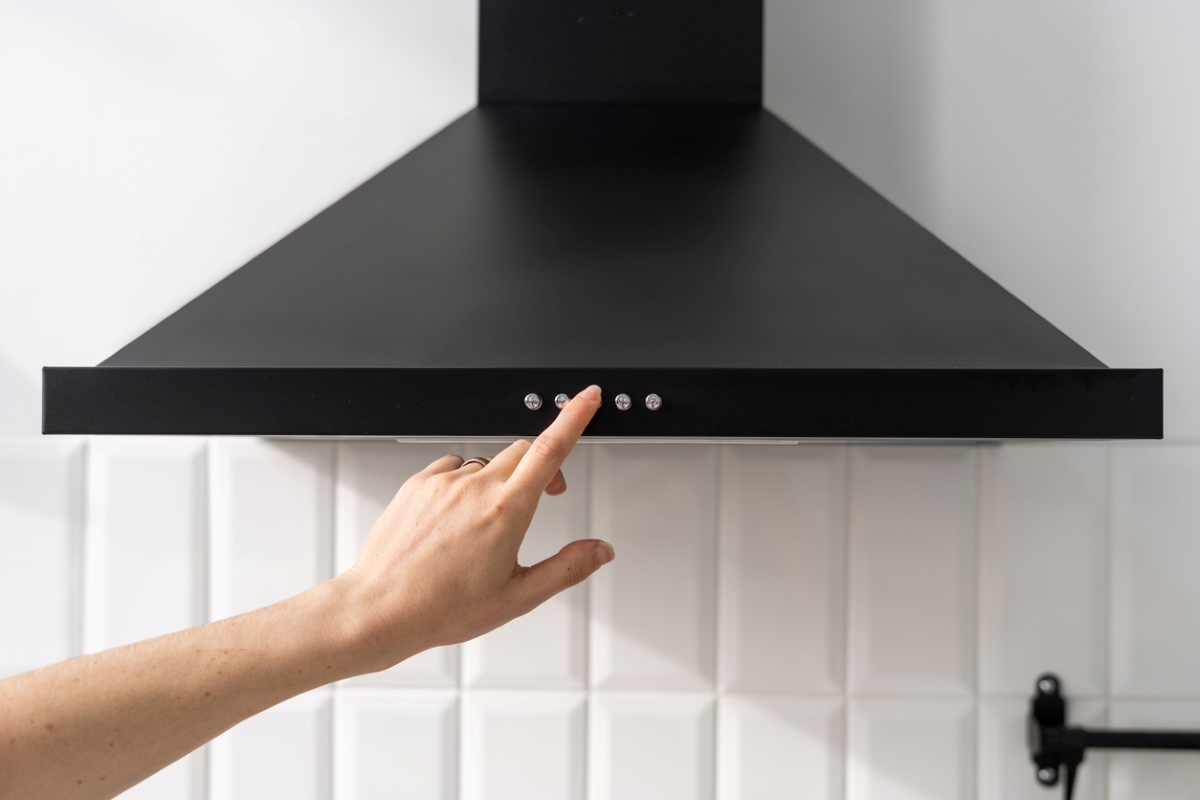
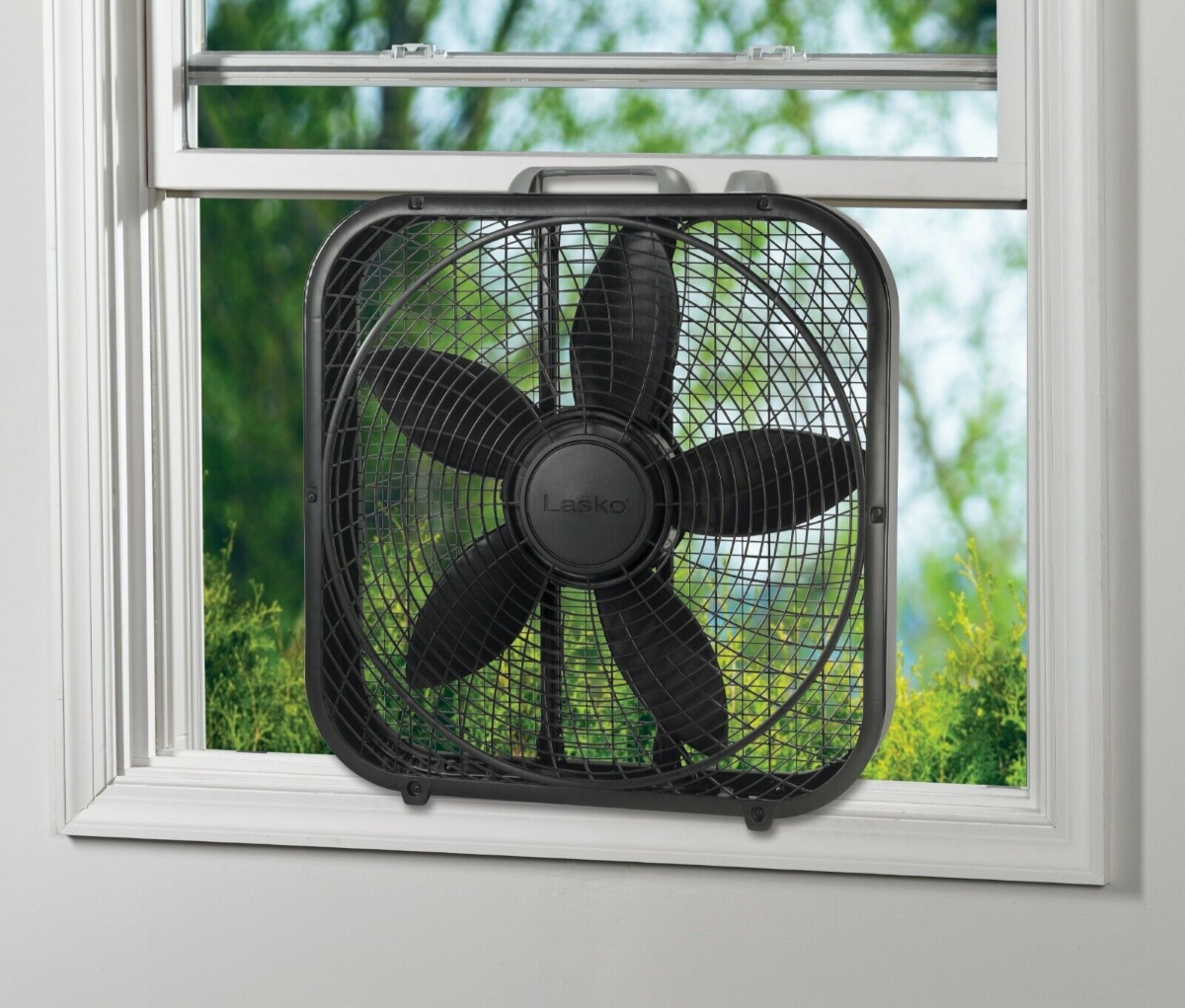
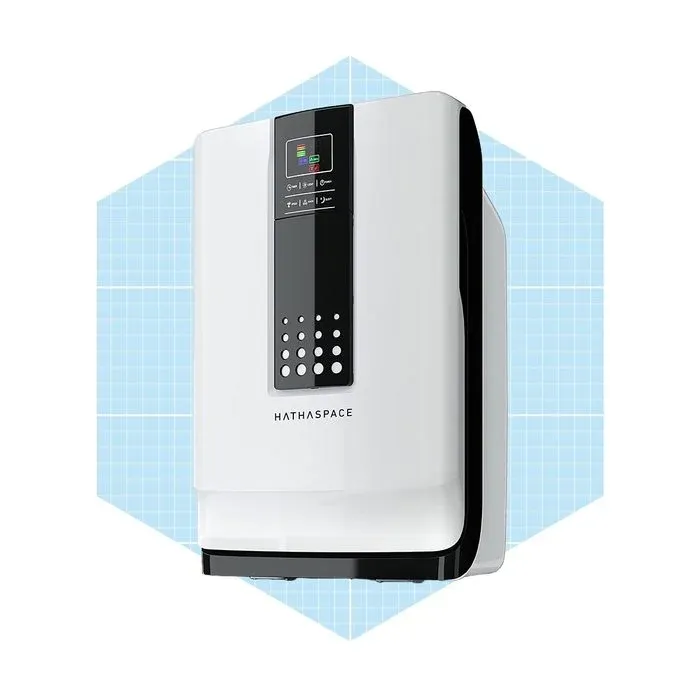
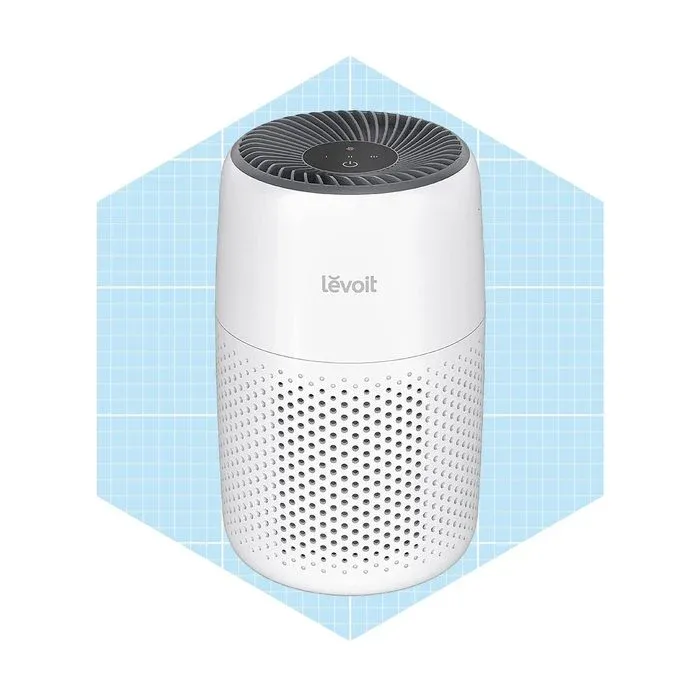
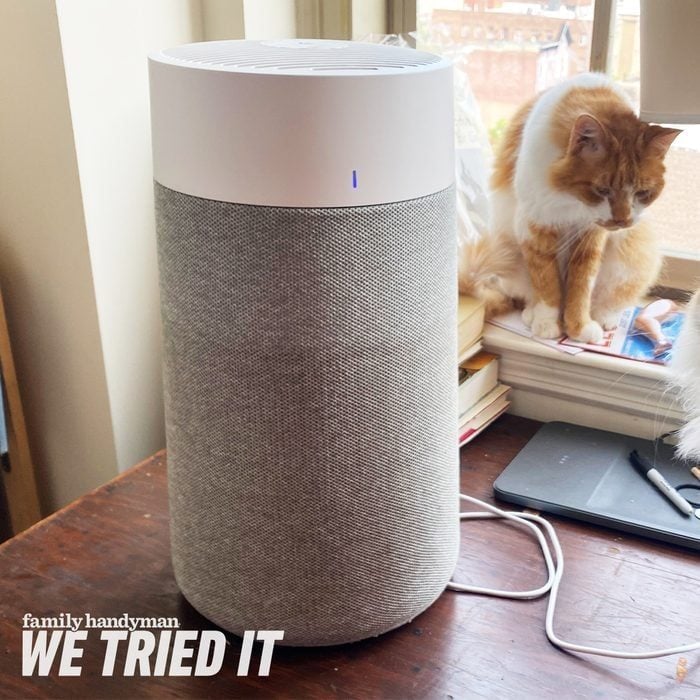
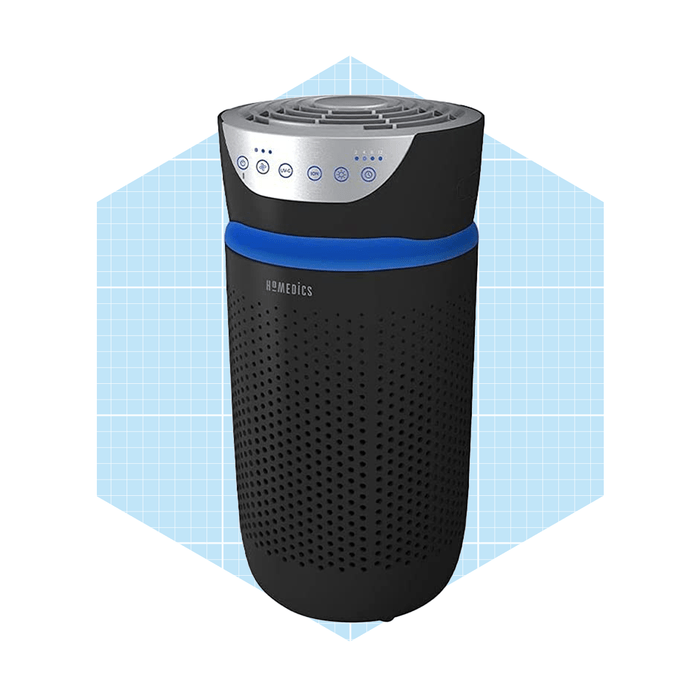
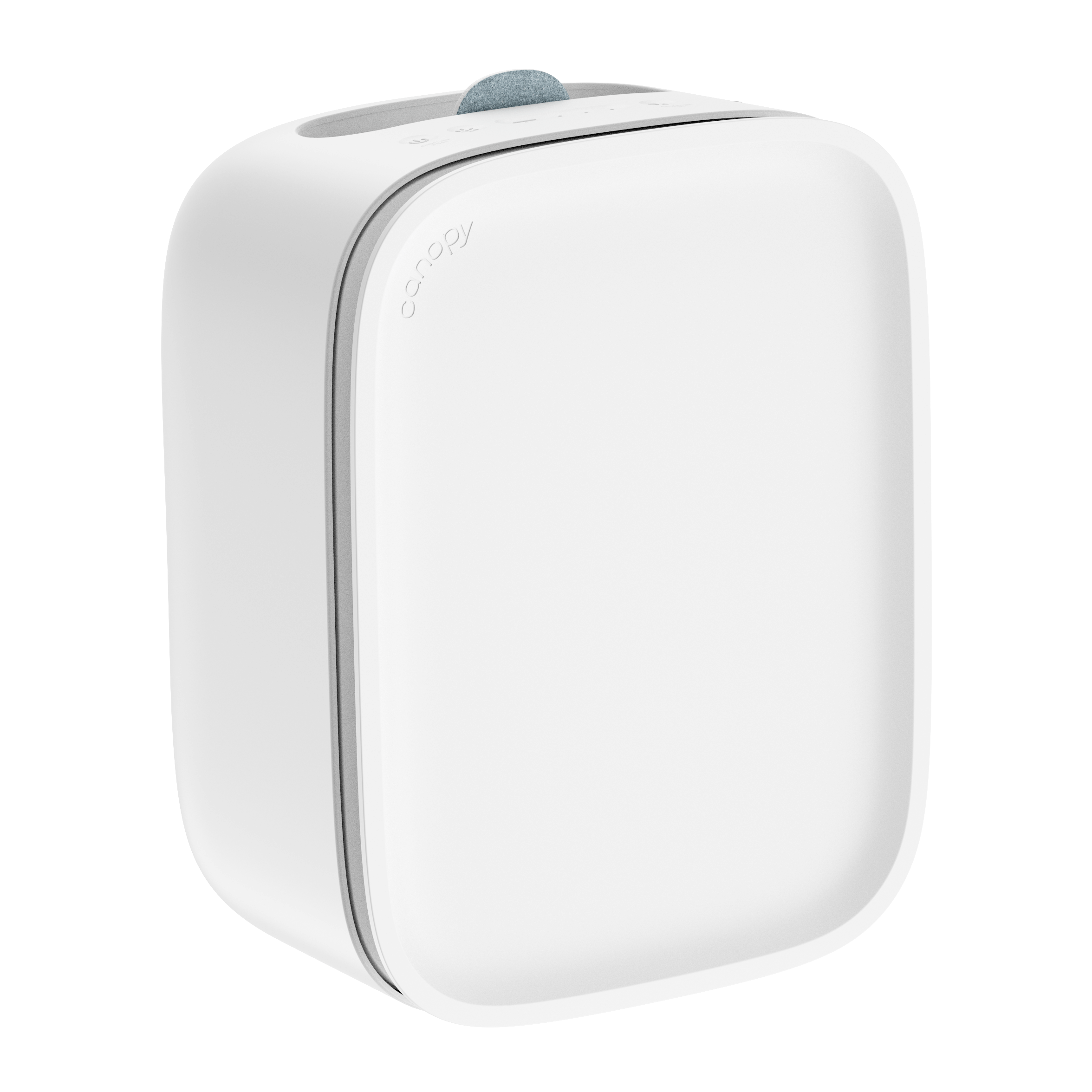
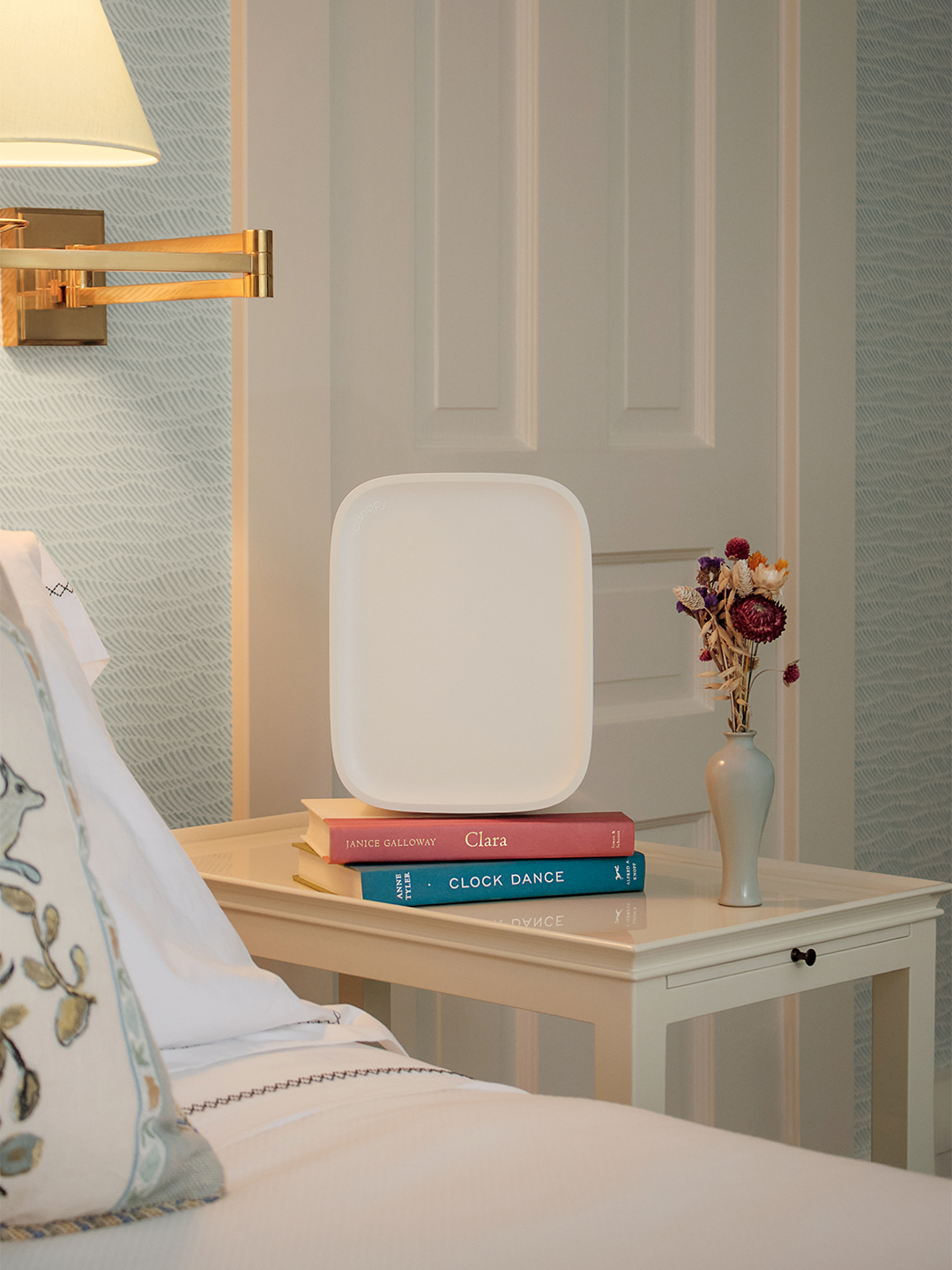
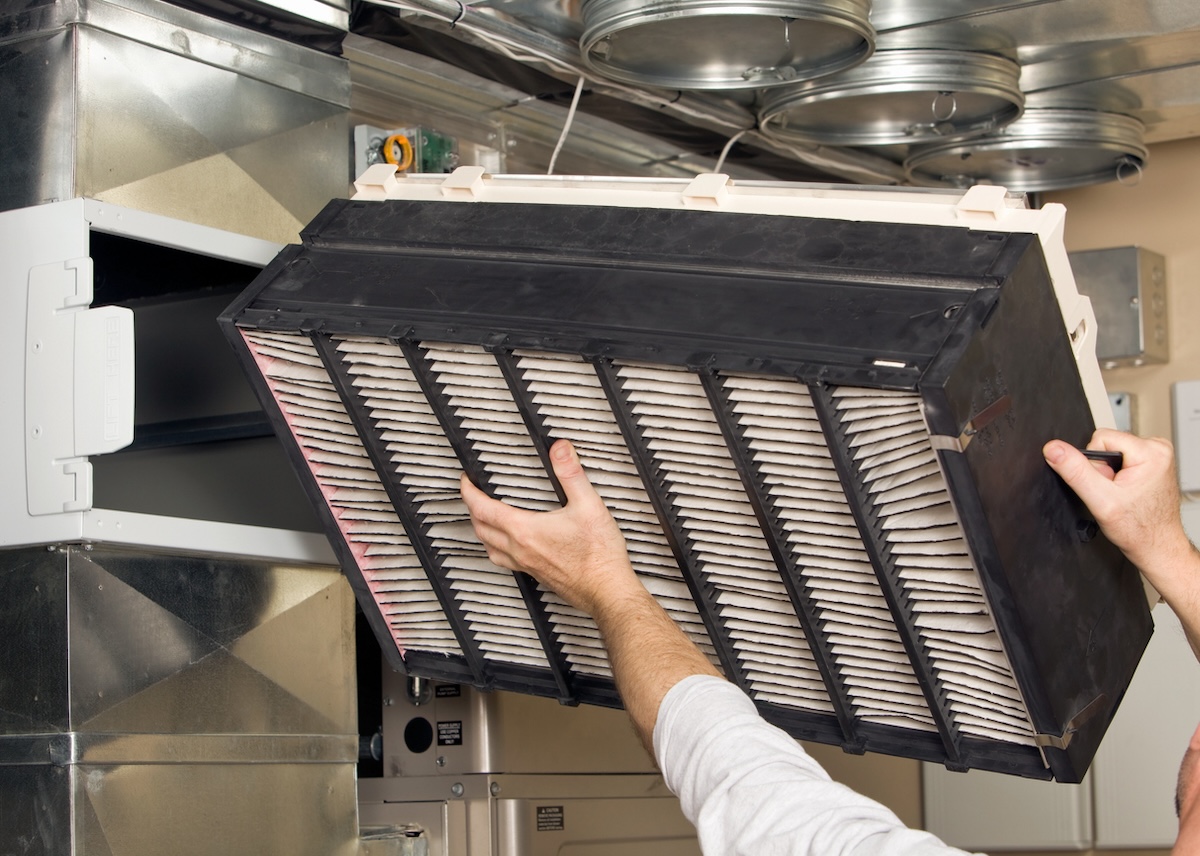
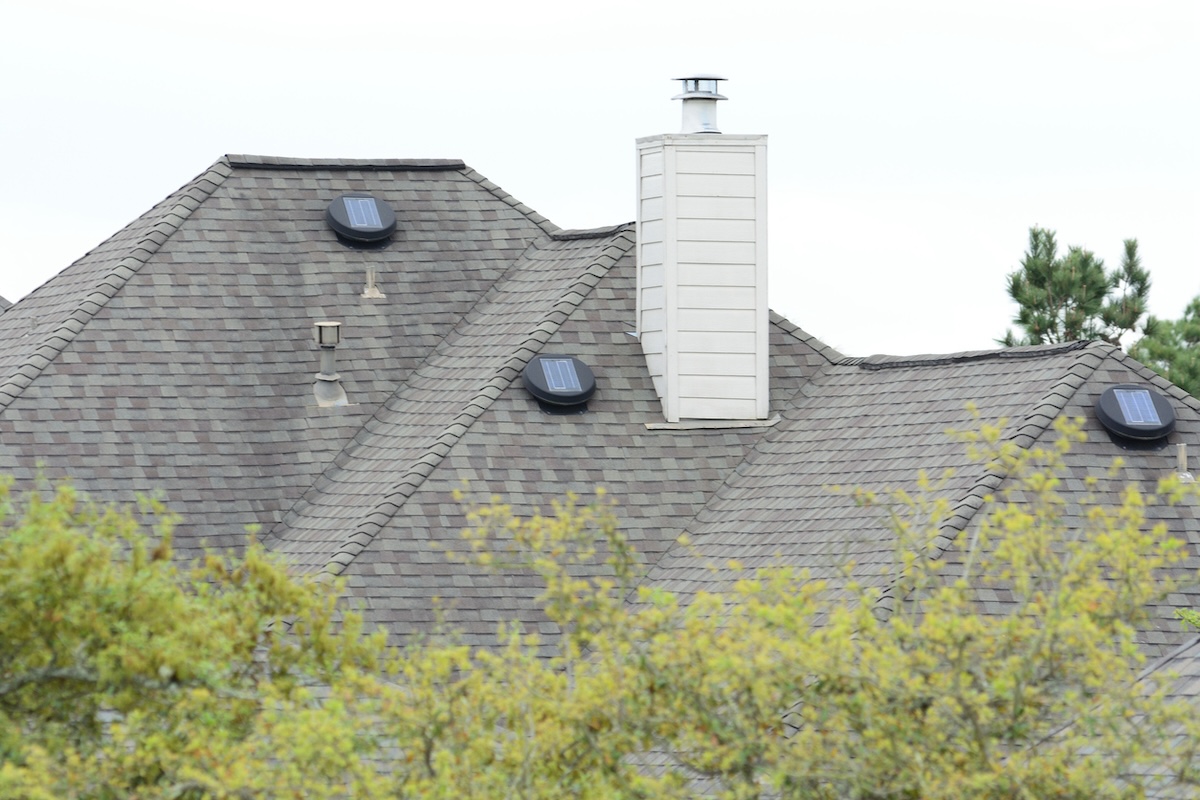
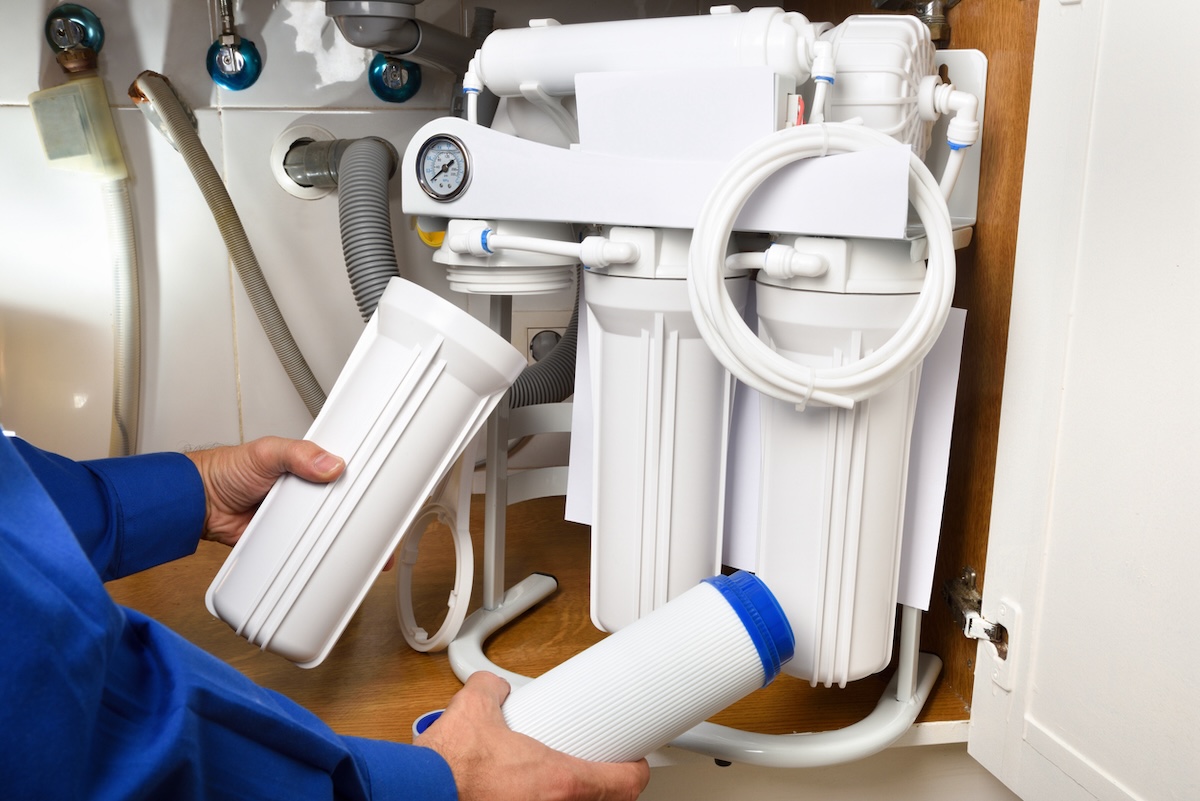
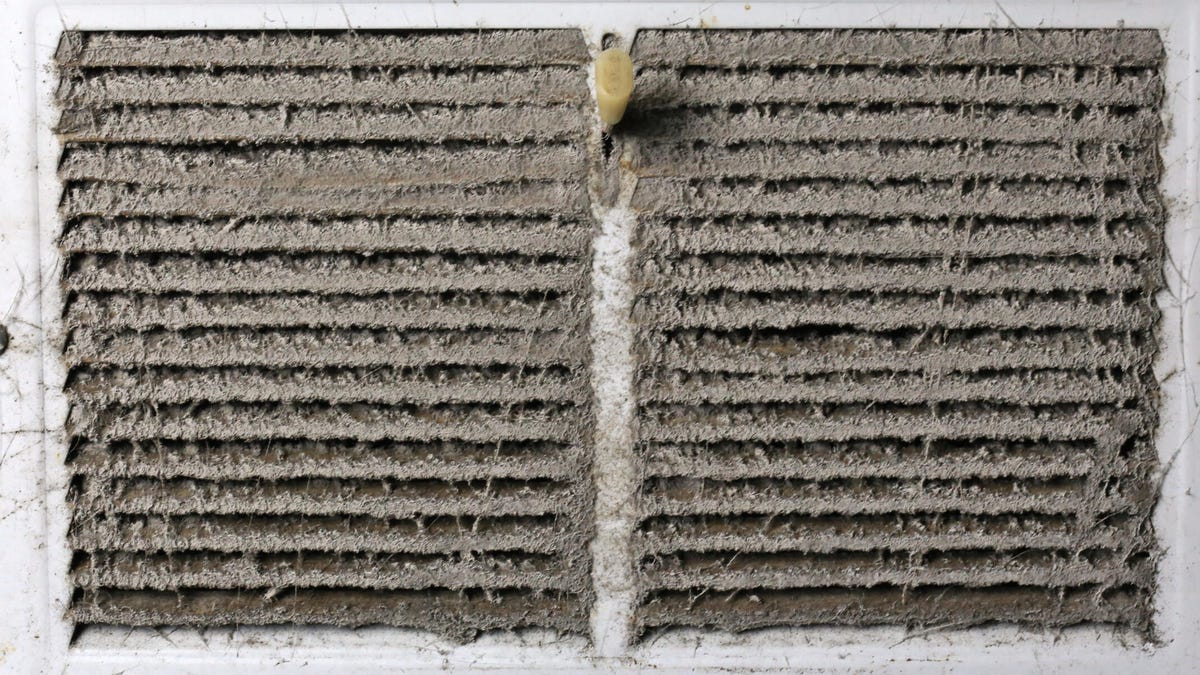
Improving indoor air quality largely depends on proper ventilation, filtration, and, in some cases, additional air treatment. Investing in a high-quality air purifier can reduce allergens and pollutants. Introducing fresh air, when outdoor air quality is good, can dilute indoor contaminants. Regular cleaning of air ducts and dryer vents is crucial, with professional cleaning recommended for heavy buildup. Using high-quality AC filters and even DIY HEPA filters on box fans can enhance filtration. Avoiding indoor burning of candles and wood, sealing leaky doors and windows, and staying indoors during wildfires minimize external pollutant entry. Opting for no- or low-VOC personal care products, furniture, and household goods, such as organic cotton or bamboo bedding and natural latex pillows, can significantly reduce chemical emissions. Effective pest control and prompt repair of water leaks prevent mold growth. Finally, storing gas-powered equipment and lawn care items away from the home's perimeter, and staying informed about local outdoor air quality, are essential steps in maintaining a healthy indoor environment.
#IndoorAirQuality #AirPollutants #HomeHealth #AirPurification #Ventilation #VOCs #MoldPrevention #DustMites #HomeMaintenance #IndoorAirQuality #AirPollutants #HomeHealth #AirPurification #Ventilation #VOCs #MoldPrevention #DustMites #HomeMaintenance
0 comment in total
 No comments yet
You may also like
How to Get Better Indoor Air Quality | Wirecutter
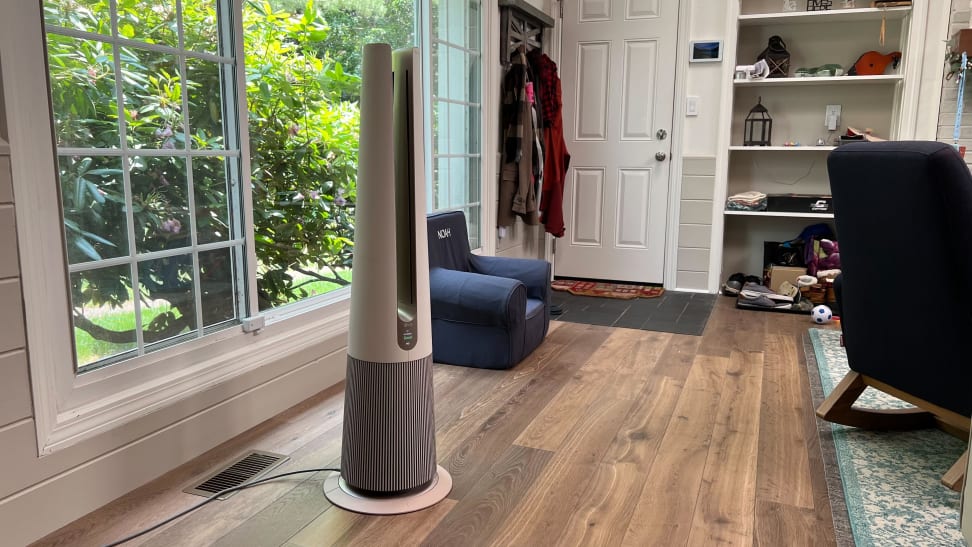
Is your air purifier in the best spot? Follow these rules

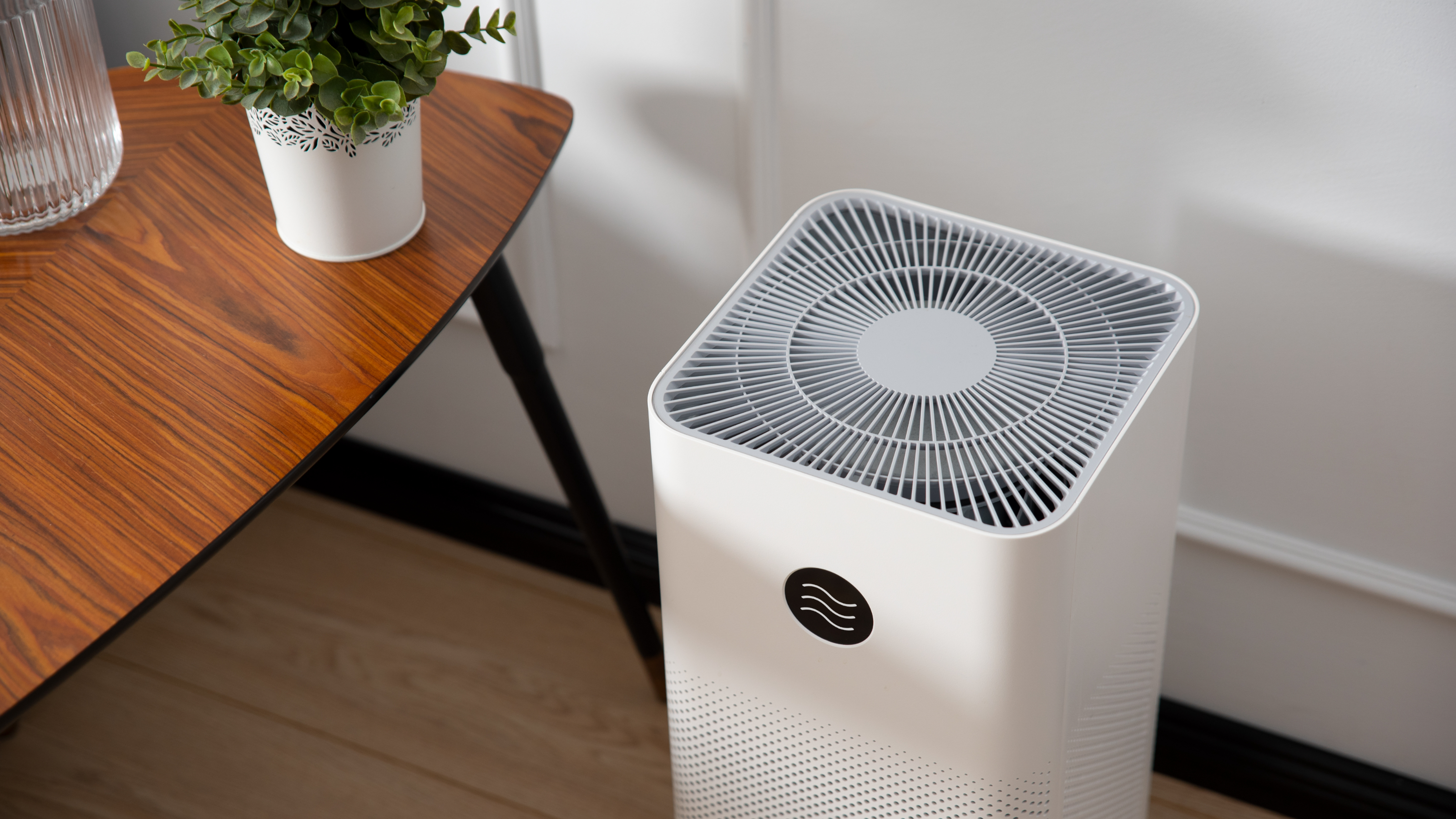
Are air purifiers better on the floor or a desk?
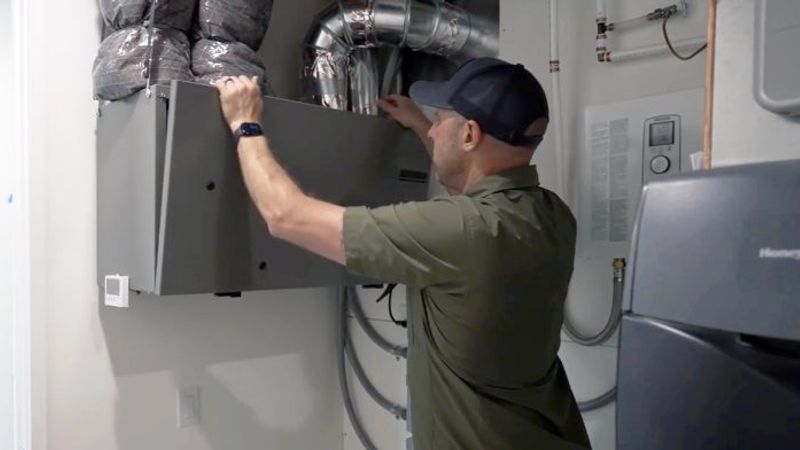
HVAC and Indoor-Air Quality

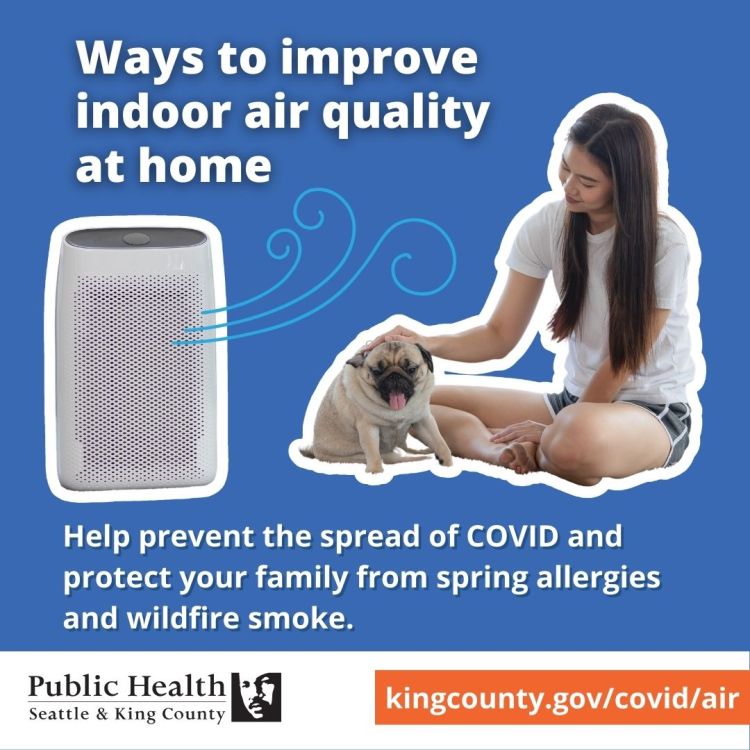
How to improve indoor air quality at home

5 mistakes you're making that are compromising your home's air quality – and how to fix it like a HVAC pro

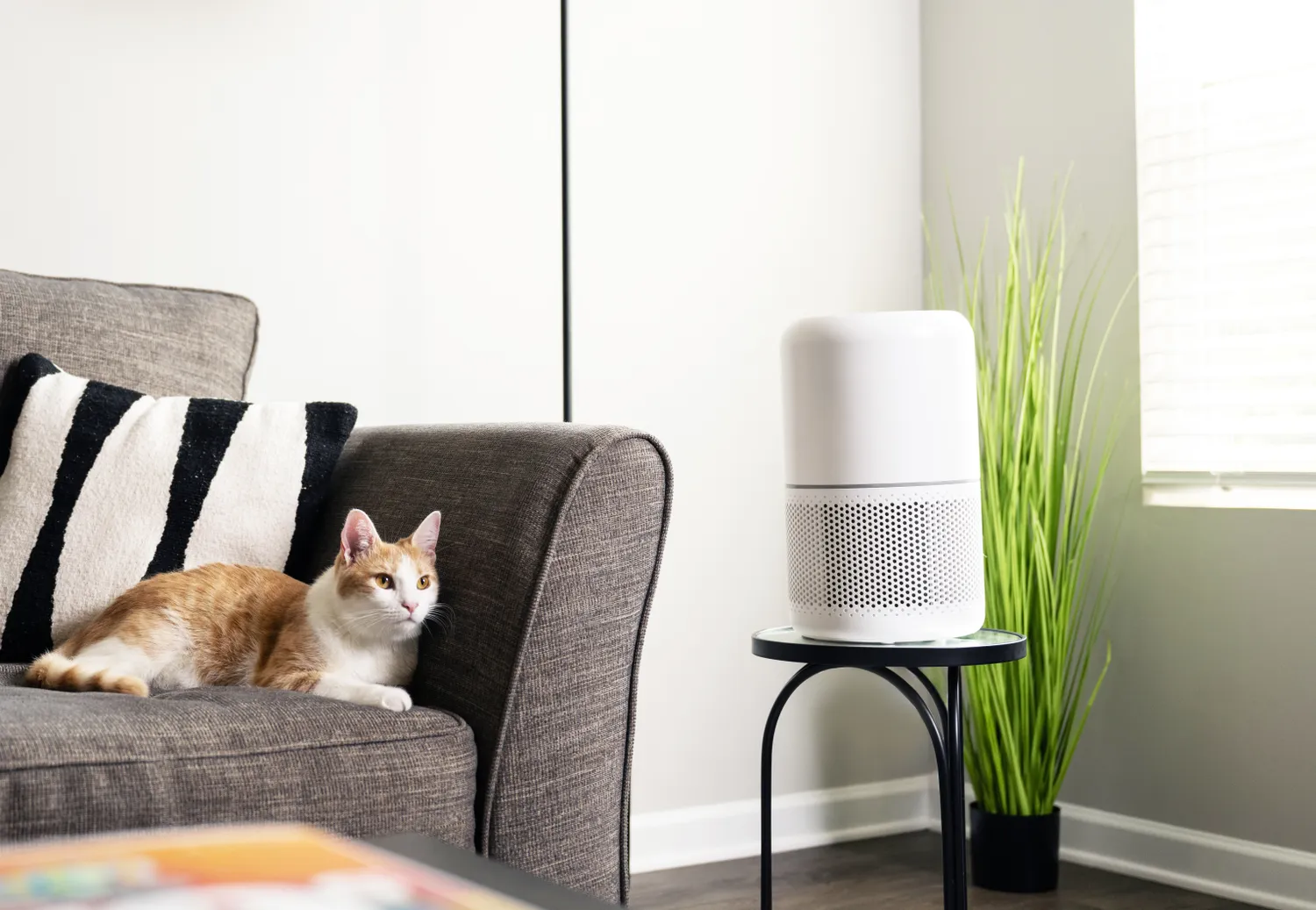
8 Simple Ways to Improve Indoor Air Quality This Winter

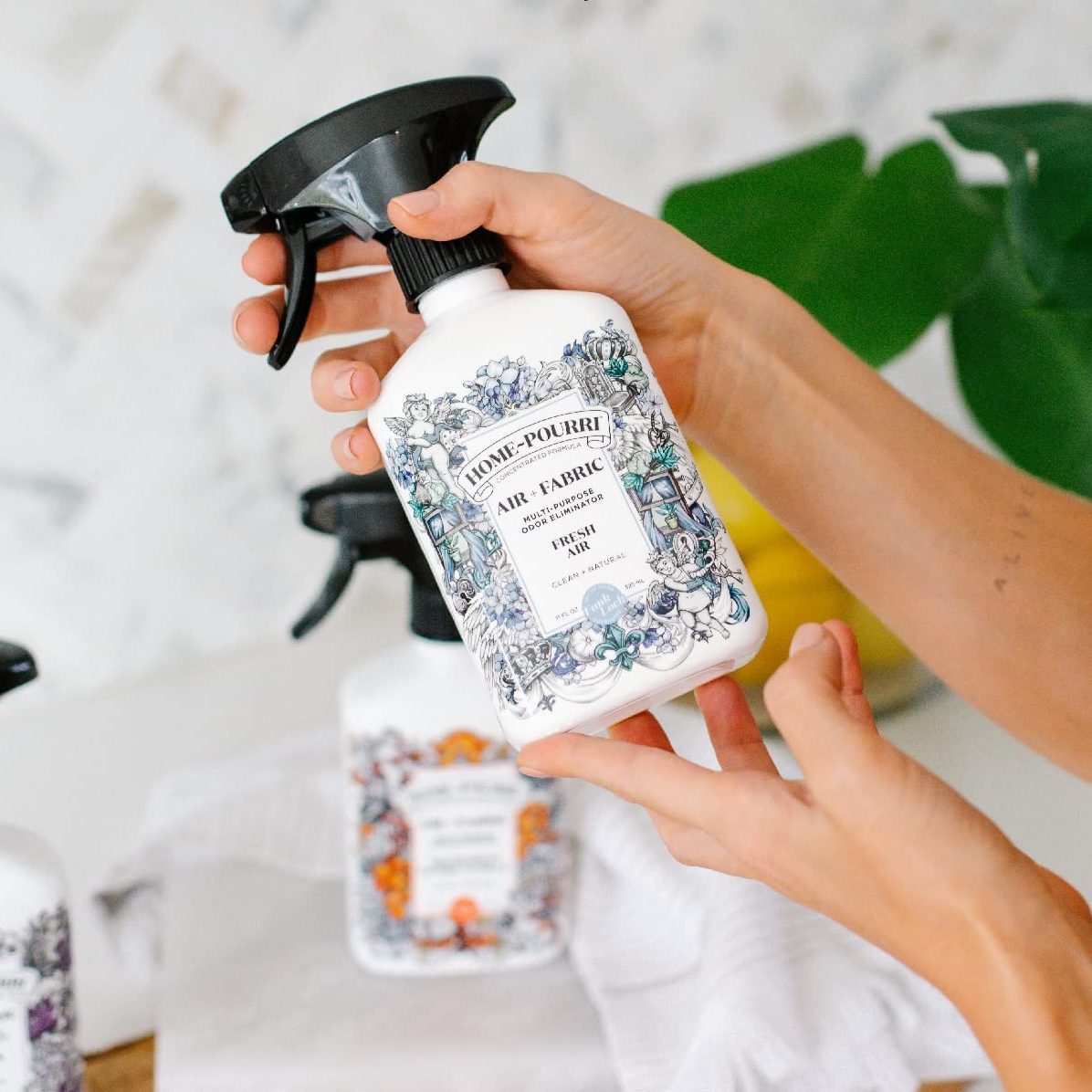
The 5 Best Basement Odor Eliminator Picks for Musty Cellars 2025


How to improve air quality at home - it’s the big health issue nobody’s talking about

Simple Ways to Improve the Indoor Air Quality of Your Home


5 Easy Ways to Improve Kitchen Ventilation


The 3 Features That Earned This Chic Air Purifier a Spot on My Nightstand

How to Improve Indoor Air Quality | Wirecutter

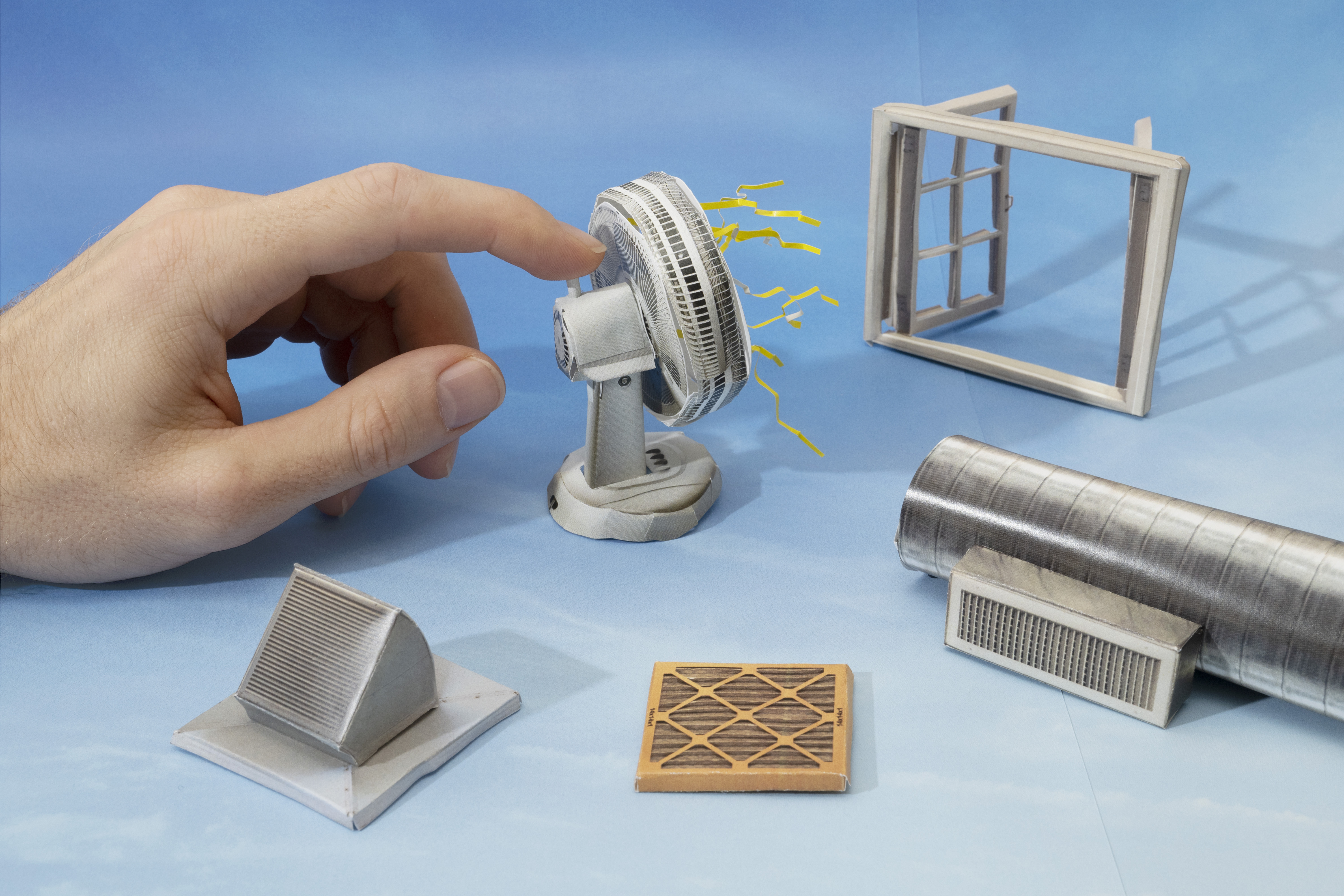
Our buildings are making us sick
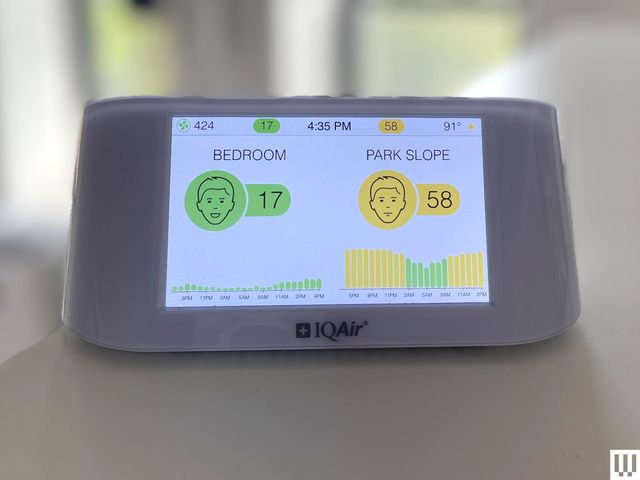
The Best Air Quality Monitors for Testing Your Air Indoors and Out
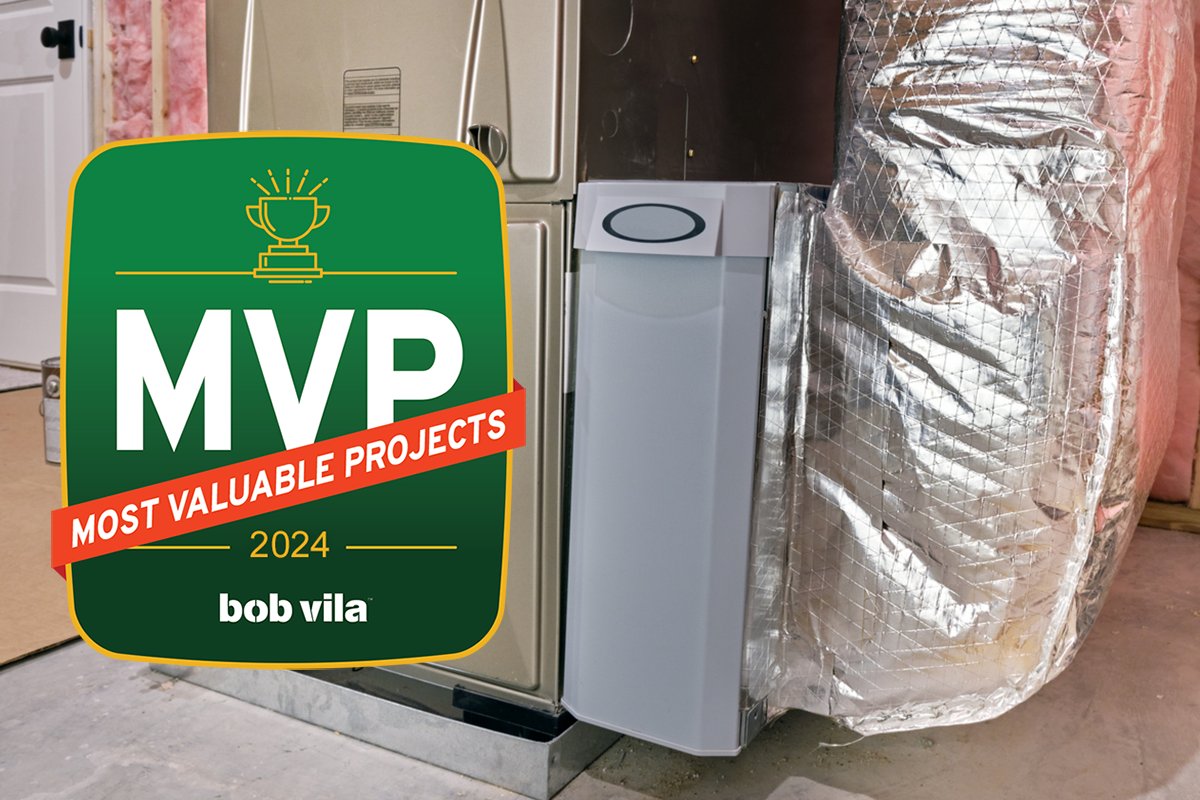
Create a Healthier, Safer Home With These Smart Indoor Projects

15 Design Products for Improving Indoor Air Quality at Home


How to get rid of musty basement smells – 6 ways to combat odors and their causes

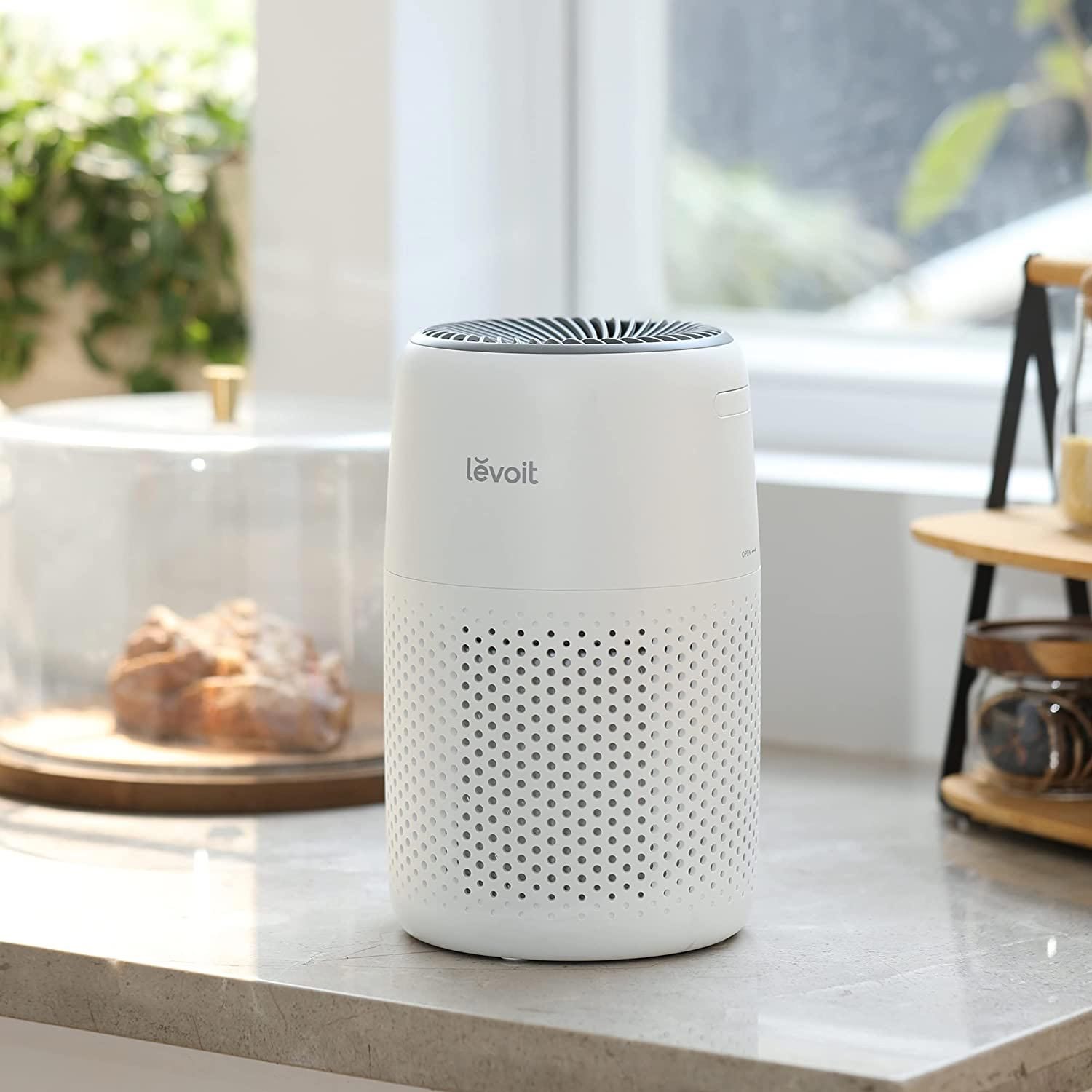
The 10 Best Air Purifiers for a Basement to Remove Dust, Allergens and Odors
Recirculating Hoods and Indoor-Air Quality