1/5
Our buildings are making us sick
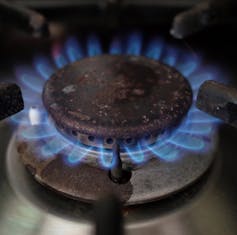
Indoor air quality poses a significant and often overlooked threat to human health in the United States, yet solutions exist, though hindered by cost, environmental concerns, lack of enforceable standards, and cultural inertia. The problem of poor indoor air quality is widespread, as exemplified by cases where individuals developed chronic respiratory issues due to toxic fumes in their workspaces, highlighting how major environmental issues can go unnoticed when they develop gradually. This issue extends beyond industrial settings, encompassing pollutants from common household appliances like gas stoves, chemical off-gassing from cleaners, and airborne pathogens.
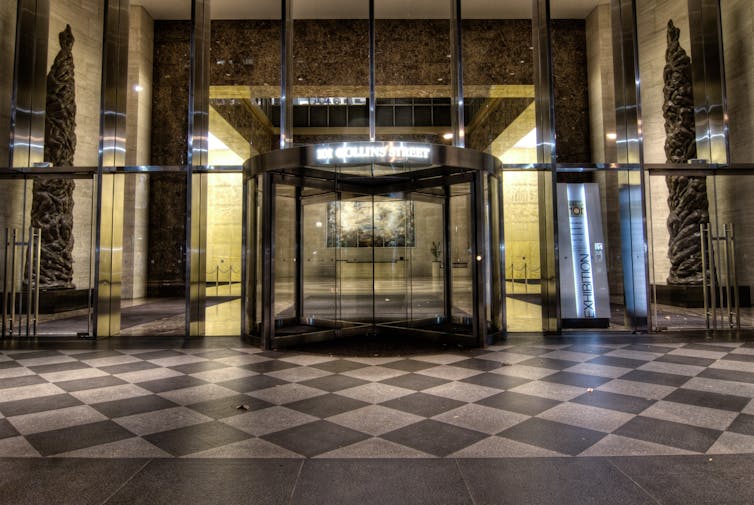
Historically, buildings constructed from natural materials and designed with natural ventilation in the early 1900s allowed for better air circulation. However, the subsequent century saw a shift towards synthetic building materials, such as plastics, glues, pressed wood, and vinyl, which emit volatile organic compounds (VOCs) like formaldehyde and benzene. Concurrently, the 1970s energy crisis led to the design of increasingly airtight buildings to improve energy efficiency, inadvertently trapping these pollutants indoors. This combination of toxic materials and reduced ventilation contributed to the emergence of "sick building syndrome" in the 1980s, characterized by a range of symptoms from headaches to respiratory illnesses. Beyond chemical pollutants, inadequately managed HVAC systems and poor airflow can facilitate the spread of molds, bacteria, and viruses.
While advancements in construction codes and HVAC systems in the 1990s helped mitigate some of the worst issues, the public's awareness of indoor air quality has diminished. The human capacity to detect bad air is limited; most people can't discern harmful levels of carbon dioxide or VOCs, only noticing extreme conditions like mold. Despite accumulating research linking indoor air pollution to cardiovascular disease, cognitive decline, chronic respiratory diseases, and reduced academic performance, especially in underserved communities, national standards for indoor air quality remain absent.
The COVID-19 pandemic served as a critical wake-up call, underscoring the dangers of airborne pathogens in poorly ventilated indoor spaces. This heightened awareness has spurred new scientific research, technological innovations in air filtration, and increased political will, as demonstrated by initiatives like the White House's Clean Air in Buildings Challenge. However, without mandatory regulations, progress is limited.
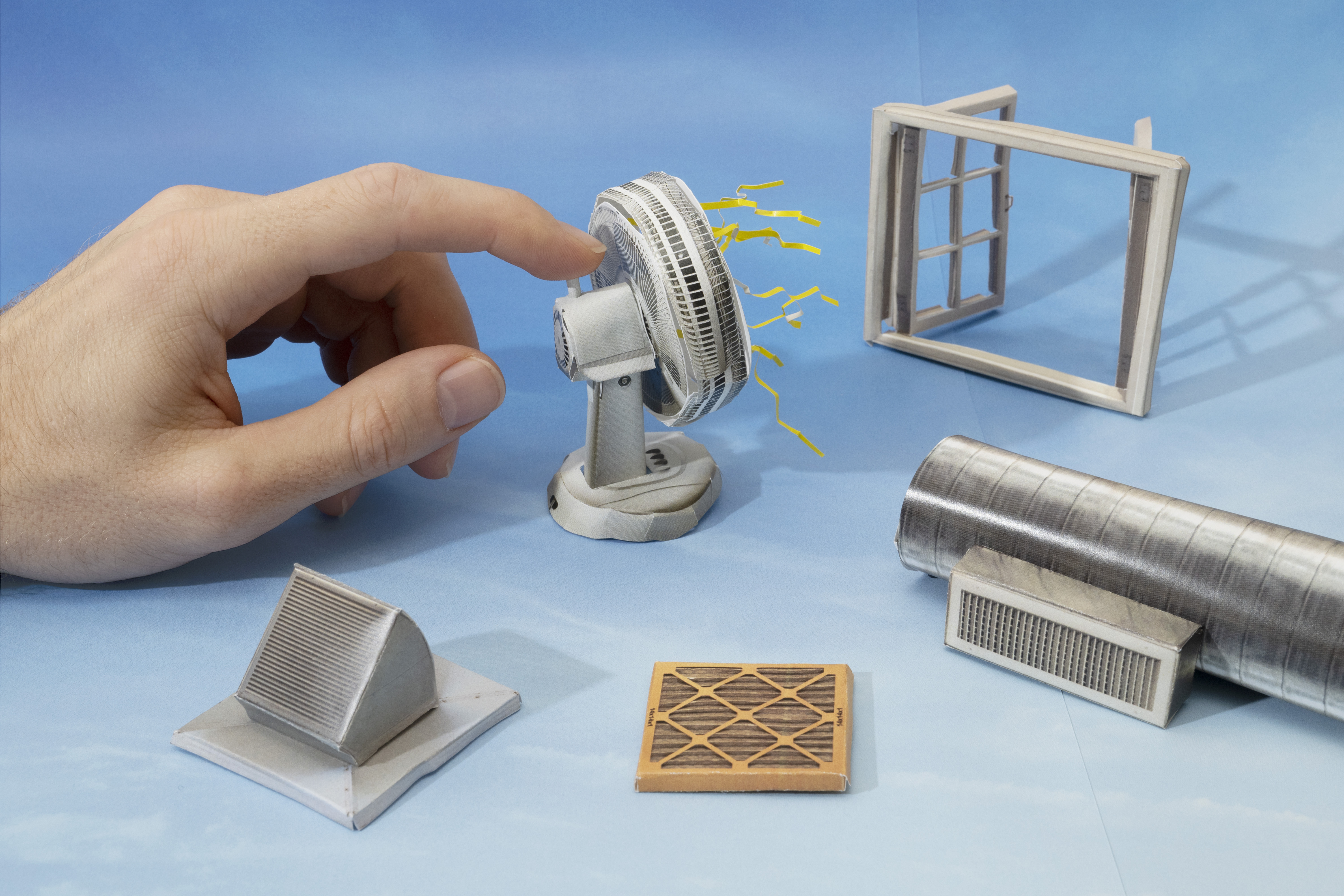
The three primary tools for managing indoor air quality are ventilation, air cleaning, and source control. Ventilation, involving the replacement of stale indoor air with fresh outdoor air, improves health but can be costly and energy-intensive, particularly in extreme temperatures. Air cleaning uses filtration systems and standalone units to remove particulate matter and can also employ UV radiation to reduce germ recirculation, though standalone units can be noisy and costly. Source control, the most cost-effective strategy, focuses on eliminating or avoiding pollutant-emitting materials, such as certain building materials, noxious cleaners, and gas appliances.
The lack of federal regulation and standardized indoor air quality metrics is a major impediment. Unlike restaurant health scores, there's no clear, public-facing system to hold building operators accountable for air quality. The upfront cost of achieving gold-standard indoor air quality, which can involve expensive HVAC overhauls and electric utility conversions, is another significant barrier, particularly for public institutions and low-income communities. While economic analyses show substantial benefits in terms of reduced absenteeism and increased productivity, the "wrong-pockets problem" means the building owners bearing the costs often don't directly reap the majority of these benefits. Furthermore, while clean indoor air and climate goals are compatible, cultural resistance and the challenge of realigning priorities continue to hinder widespread adoption of healthier building practices.
#indoorAirQuality #buildingHealth #sickBuildingSyndrome #airPollution #HVACSystems #ventilation #publicHealth #environmentalScience #policyReform #indoorAirQuality #buildingHealth #sickBuildingSyndrome #airPollution #HVACSystems #ventilation #publicHealth #environmentalScience #policyReform
0 comment in total
 No comments yet
You may also like

Sooner or Later Despair Leads to a Bad House Design (HOOK’EM HORNS!!!)


We need more flexible housing for 21st-century lives

Newsletter #50: 🏡 Place as medicine: How our homes can create health or disease
Looking at buildings can actually give people headaches – here’s how

The sink in the hall: how pandemics transform architecture
We can’t afford to ignore indoor air quality – our lives depend on it


Here’s Why So Many New Buildings Look Like Shit—And Will Look Worse in 10 Years


Design Pros Reveal the Home Trend That Makes Rooms Feel "Anxious"


We need more flexible housing for 21st-century lives