1/11
The sink in the hall: how pandemics transform architecture
The article explores the profound influence of pandemics, specifically the 1918 Spanish Flu and the recent COVID-19 pandemic, on architectural design and urban planning. It highlights how these health crises have driven a societal preoccupation with hygiene, cleanliness, and health, which in turn reshaped both public and private spaces.
Following World War I, in the aftermath of the Spanish Flu, modernists adopted a radically different architectural approach. Moving away from decorative styles, they embraced designs that prioritized hygiene, mirroring the sterile environments of hospitals. Despite the Spanish Flu's devastating impact, its direct mention in architectural discourse was rare; however, its legacy is evident in the widespread adoption of modernist principles. The early 20th century saw a surge in interest in health and fitness, leading to the popularization of easily cleanable materials like shiny china, enamel, and chrome in bathrooms. This era also witnessed the establishment of institutions like the International Hygiene Exhibition in Dresden, which aimed to educate the public on anatomy, cleanliness, and healthy living.
Modernist architecture and town planning actively contributed to this new focus on health. Architects sought to replace crowded, unsanitary city centers with open spaces and bright, clean buildings. Interiors shifted from dust-collecting carpets and heavy curtains to low-maintenance linoleum and functional, sculptural furniture. The prevailing medical belief of the time, that sunlight and fresh air could combat diseases like tuberculosis and influenza, profoundly influenced design. This led to the creation of visibly sterile, light-reflecting white walls, sun-drenched balconies, large windows, and sleeping porches in sanatoriums and, subsequently, in domestic dwellings and holiday resorts. Examples like Alvar Aalto's Paimio Sanatorium and Adolf Schneck's Haus auf der Alb illustrate these principles, featuring sparsely furnished rooms with essential sinks, balconies, and access to nature, emphasizing health as a moral duty.
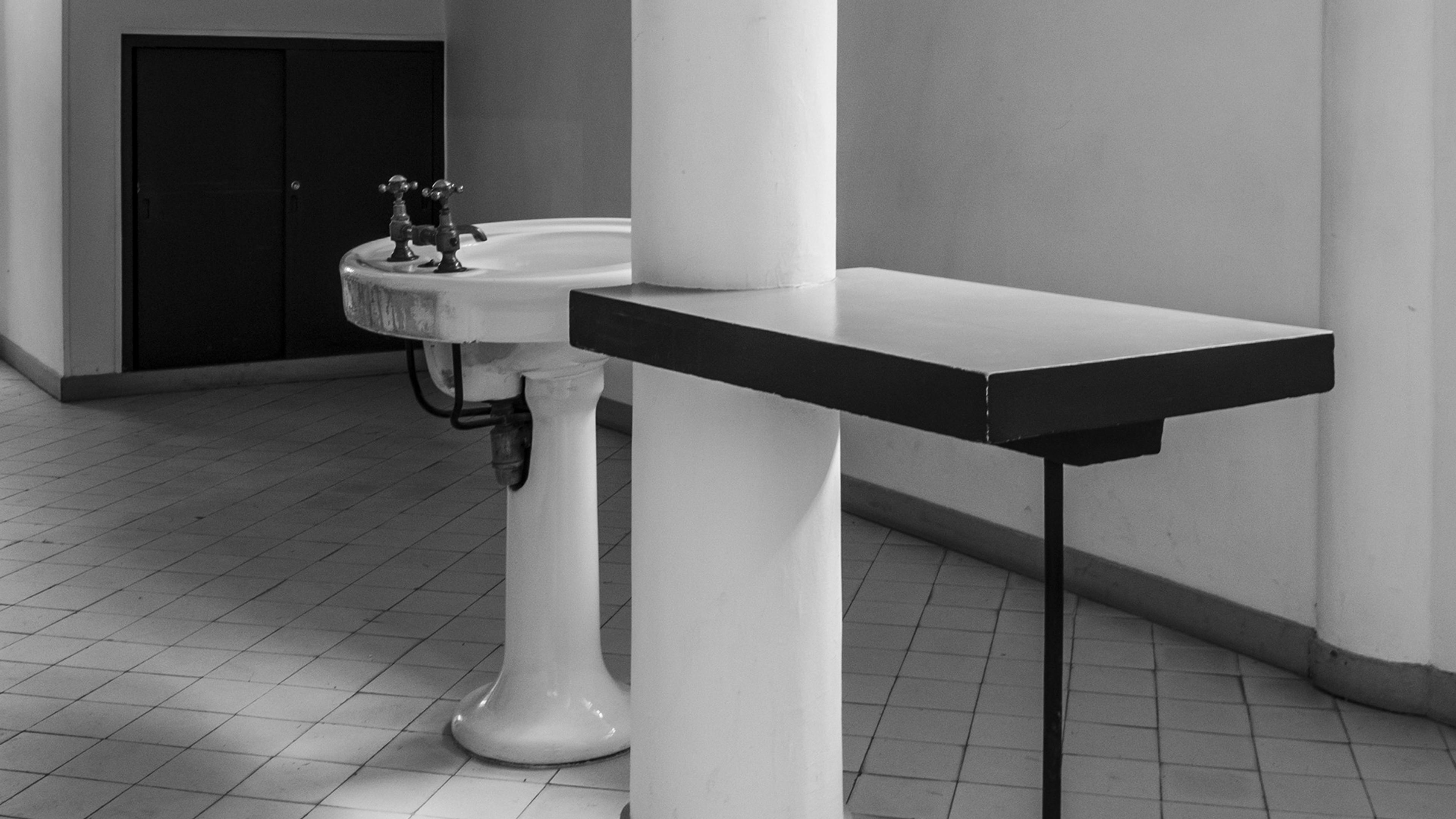
The article specifically examines the work of Swiss-French modernist architect Le Corbusier, noting his apparent preoccupation with hygiene, evidenced by the prominent placement of sinks and bidets. His Villa Savoye, with its sink in the entrance hall, is re-evaluated in the context of pandemic preparedness, suggesting that his designs, though not consciously built for this purpose at the time, offer valid solutions for hygienic living. Le Corbusier's Unité d'habitation in Marseilles is presented as an exemplary model for pandemic living, offering self-contained apartments with private balconies, access to nature, and integrated amenities like shops, educational spaces, and recreational areas, allowing for a healthy and relatively isolated existence.
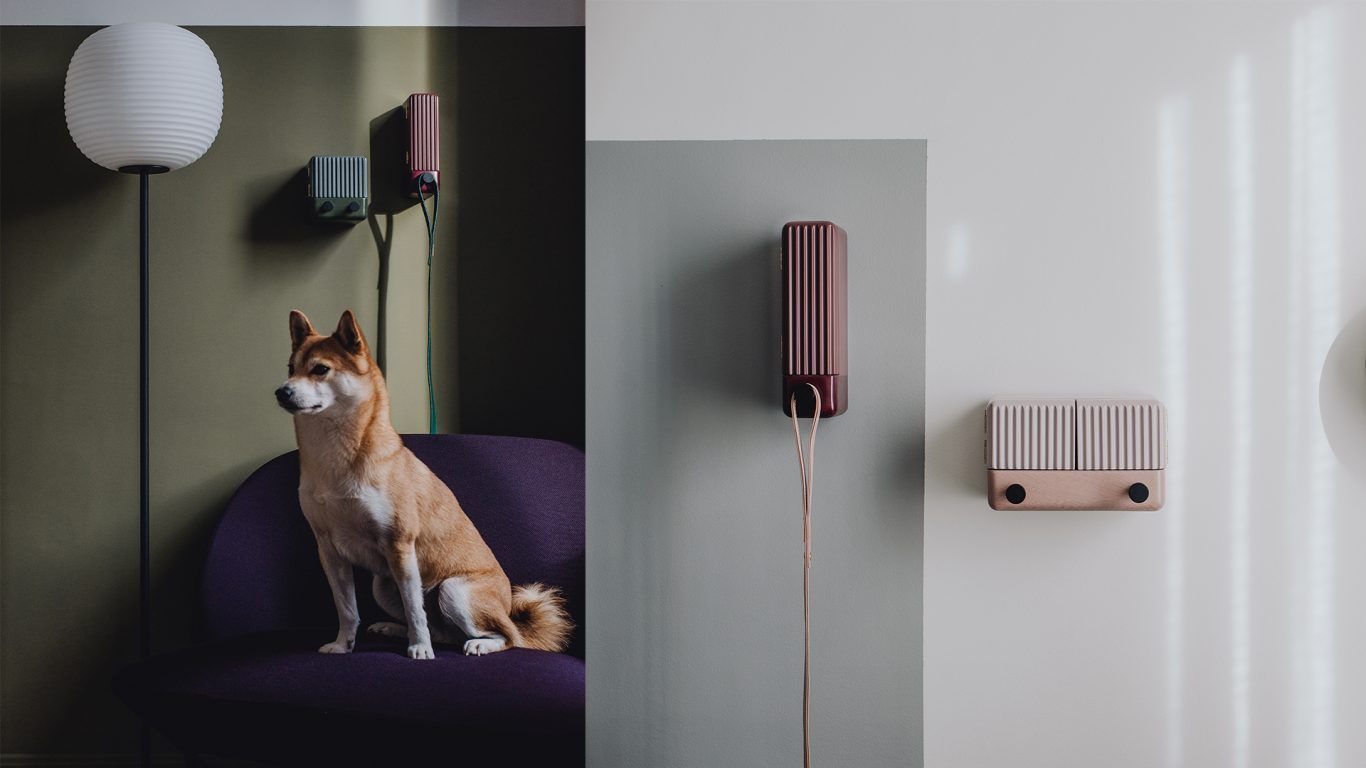
The COVID-19 pandemic has further underscored the importance of reconsidering and reconfiguring domestic and public spaces. Liminal areas like porches and doorsteps have gained new significance as spaces for safe interaction. The Japanese tradition of the _genkan_, a clear transition zone between the outside and the interior where shoes are removed, is highlighted as an elegant and practical solution for decontamination. The article also discusses emerging technological solutions, such as the use of UV light for sterilization, particularly far-UVC, which is safe for humans but effective against viruses. The integration of such technologies into domestic settings, like in a modern _genkan_, represents a high-tech evolution of Le Corbusier's focus on hygiene, drawing lessons from the modernist past to build a more resilient post-COVID-19 world.
#PandemicArchitecture #ModernistDesign #HygieneInDesign #LeCorbusier #VillaSavoye #UniteDHabitation #SanatoriumDesign #PostPandemicLiving #ArchitecturalInnovation #PandemicArchitecture #ModernistDesign #HygieneInDesign #LeCorbusier #VillaSavoye #UniteDHabitation #SanatoriumDesign #PostPandemicLiving #ArchitecturalInnovation
0 comment in total
 No comments yet
You may also like
10 New Trends in Multifamily Housing Design

From Turrets to Toilets: A Partial History of the Throne Room
The Era That’s Inspiring the Next Wave of Bathroom Remodels

Is Your Open-Concept Floor Plan Wrecking Your Mental Health?

5 Ways architectural epidemiology redefines design impact
Are closed layouts back on trend? Designers weigh in on why we are over open plan
From Touchless Tech To Vinyl Floors, Here’s How Coronavirus Will Change Home Design

Will The Pandemic Be The Death Of The Open Floor Plan?
Meet the new lexicon of interior design—from broken-plan kitchens to Japandi

Interior Design Trends for 2021
The 2021 Kitchen Design Trends Transforming the Home

We Asked 11 Interior Designers to Weigh in on the Biggest Décor Trends That Defined 2021


The End of Open-Plan Everything

Broken dreams: Has COVID called time on open-plan kitchen designs?
Roundtable: merging spaces & the future of bathroom design
Say goodbye walls, open-plan living is the trend that's here to stay

This Has Been Quite a Year. Is a Home Bar the Cure for What Ails You?

Our Best Conversation Stories of 2020

Exploring the Interplay of Body, Data, and Space in Contemporary Bathroom Design


Gray Davis of Meyer Davis Studio Talks Hospitality on Hello Cindy!