From Touchless Tech To Vinyl Floors, Here’s How Coronavirus Will Change Home Design
The COVID-19 pandemic has significantly influenced home design trends, prompting a collective reevaluation of cleanliness, functionality, and health within living spaces. Interior designers and building material experts anticipate a shift towards antimicrobial materials, touchless technology, and more dedicated functional areas in homes. The focus is no longer solely on aesthetics but also on creating healthier and more adaptable environments capable of withstanding future public health crises.
Flooring is an area undergoing substantial transformation. Luxury Vinyl Tile (LVT) is gaining traction as a superior alternative to laminate flooring. LVT offers the aesthetic appeal of wood at a more accessible price point while being inherently antimicrobial and waterproof. This allows for rigorous cleaning with various disinfectants, such as bleach and steam, without damaging the material, thus effectively inhibiting bacterial growth. Lisa Gilmore, an interior designer, has been advocating for LVT for its cleanliness and durability for a decade, highlighting its role in preventing illness spread. Cork flooring is another eco-friendly and sustainable option becoming more common. Naturally antimicrobial, water-resistant, and anti-static, cork helps prevent mold, mildew, and accumulation of dust and allergens. Its cushioned surface also offers ergonomic benefits for individuals with joint problems. However, cork's susceptibility to scratches, dents from heavy objects, and discoloration from sunlight, along with its non-waterproof nature, necessitates careful maintenance.
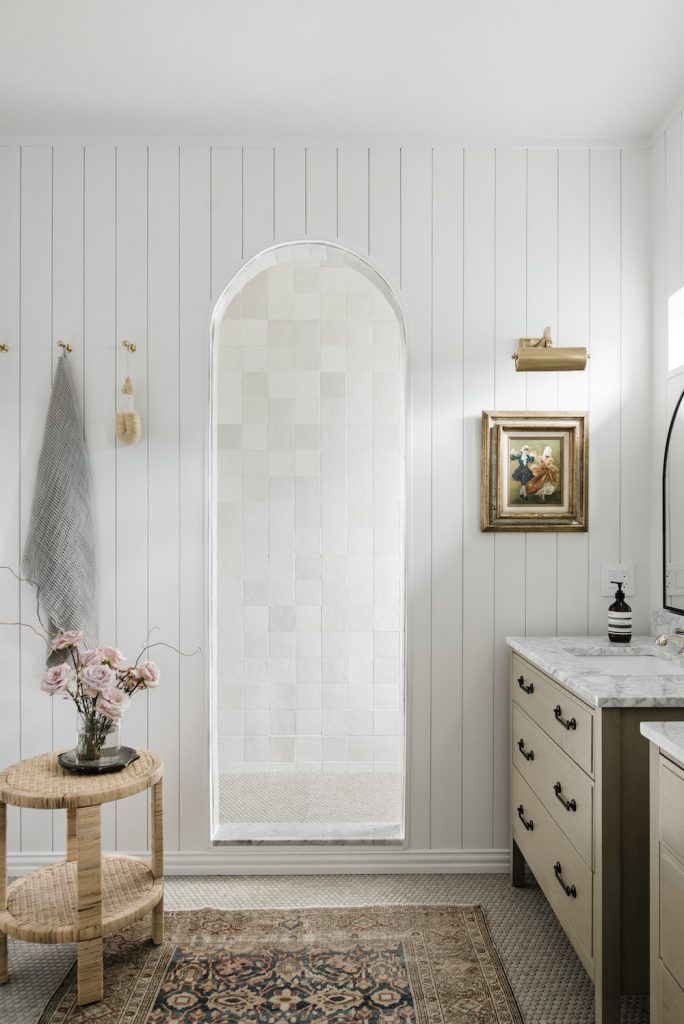
Ceramic tile, though not always marketed for its antimicrobial properties, is inherently effective at preventing germ spread due to its solid, non-porous surface that withstands harsh cleaning solutions. The integration of Microban technology into ceramic tiles and grout further enhances their antimicrobial capabilities, minimizing microbial growth between cleanings. While Microban technology is effective against bacteria on surfaces, it's clarified that its efficacy against viruses in products is not the same as in its pure state, emphasizing the need for realistic expectations regarding product protection.
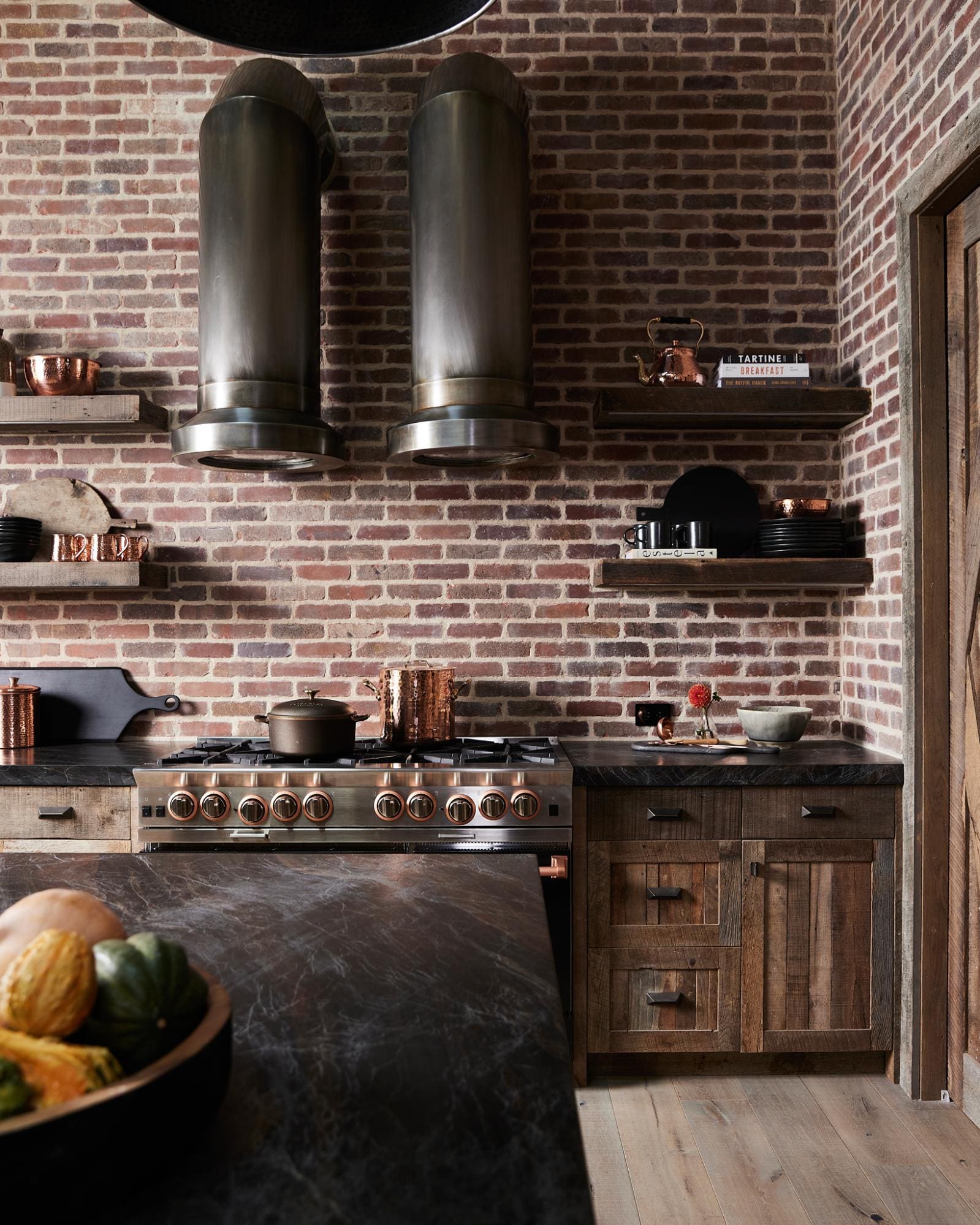
Copper is emerging as a preferred material for fixtures like sinks and bathtubs due to its aesthetic appeal and proven sanitary benefits. Research indicates that the novel coronavirus survives significantly shorter on copper surfaces compared to stainless steel. Naomi Neilson, CEO of Native Trails, notes that copper sinks can significantly contribute to maintaining a sanitary environment in frequently used areas like kitchens and bathrooms, offering a beautiful, sustainable, and practical solution.
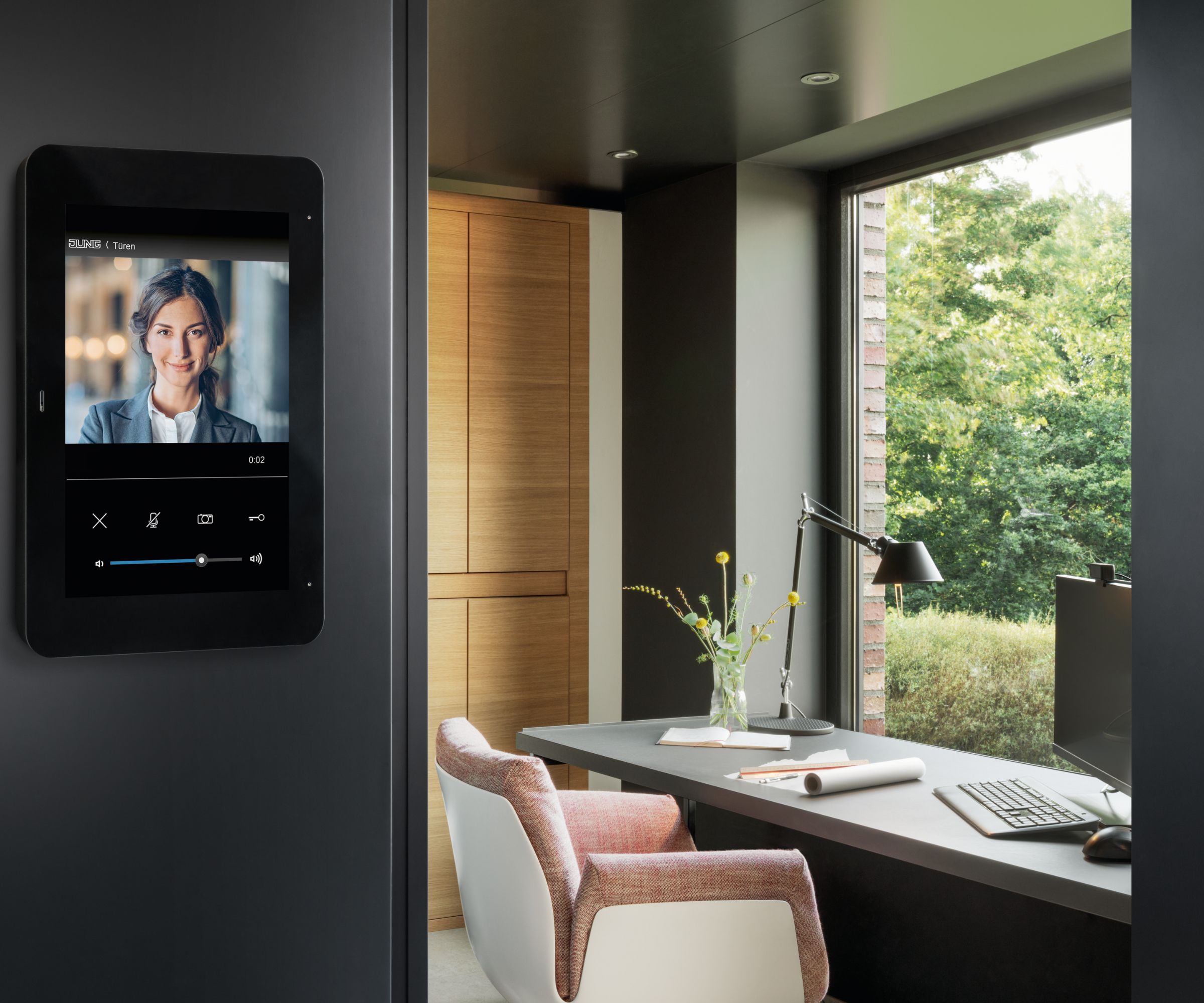
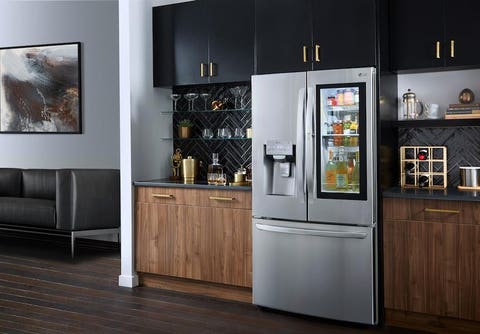
Touchless and voice-controlled technologies, previously considered luxuries, are now becoming essential. Smart home features, such as voice-activated appliances and app-controlled settings, enhance convenience and hygiene. For instance, the LG InstaView refrigerator with Craft Ice, which responds to voice commands for ice production and allows viewing contents without opening the door, exemplifies this trend. Motion-activated soap dispensers, like those from Simplehuman, address the heightened need for hand hygiene by reducing contact with commonly touched surfaces.
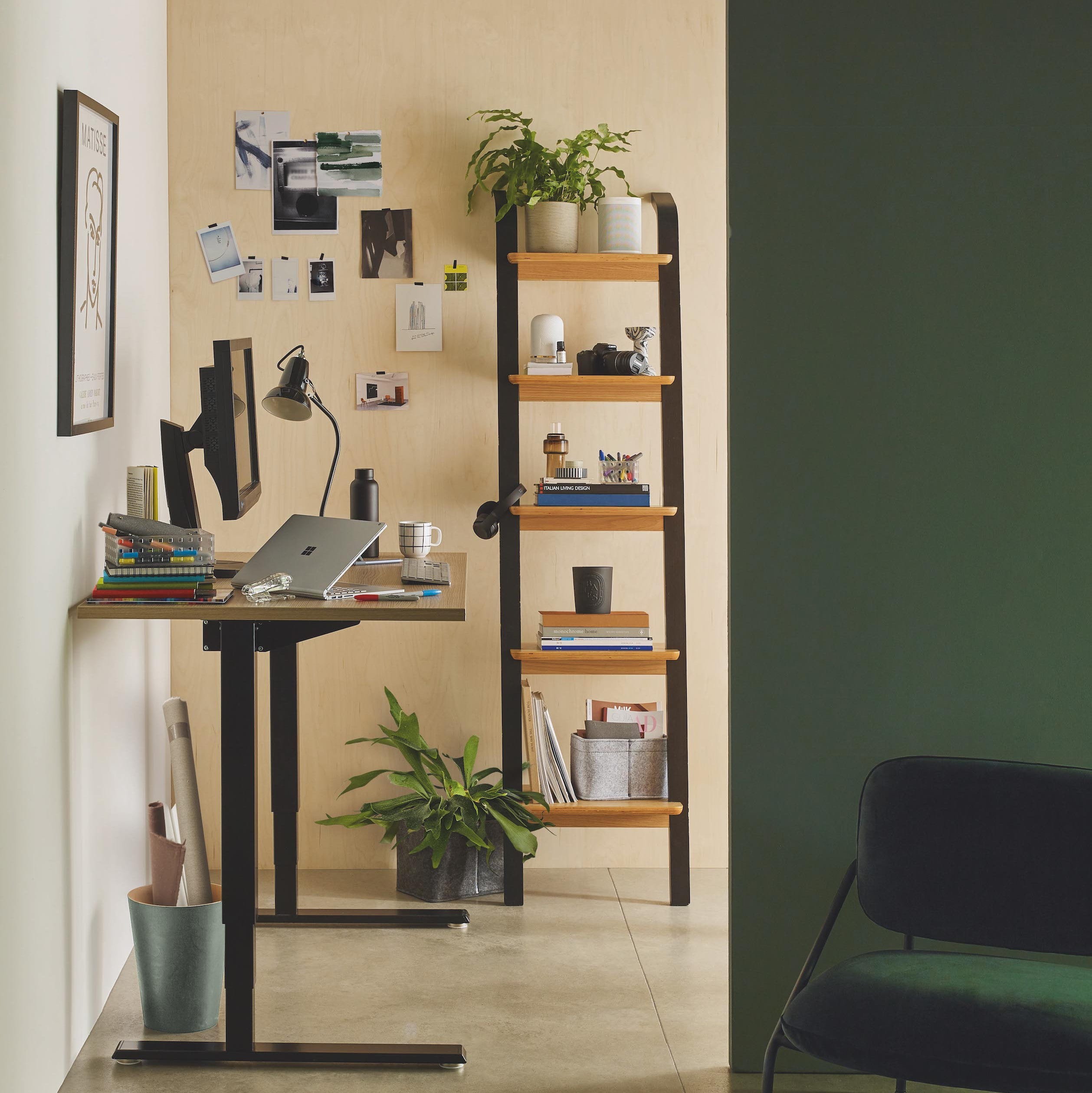
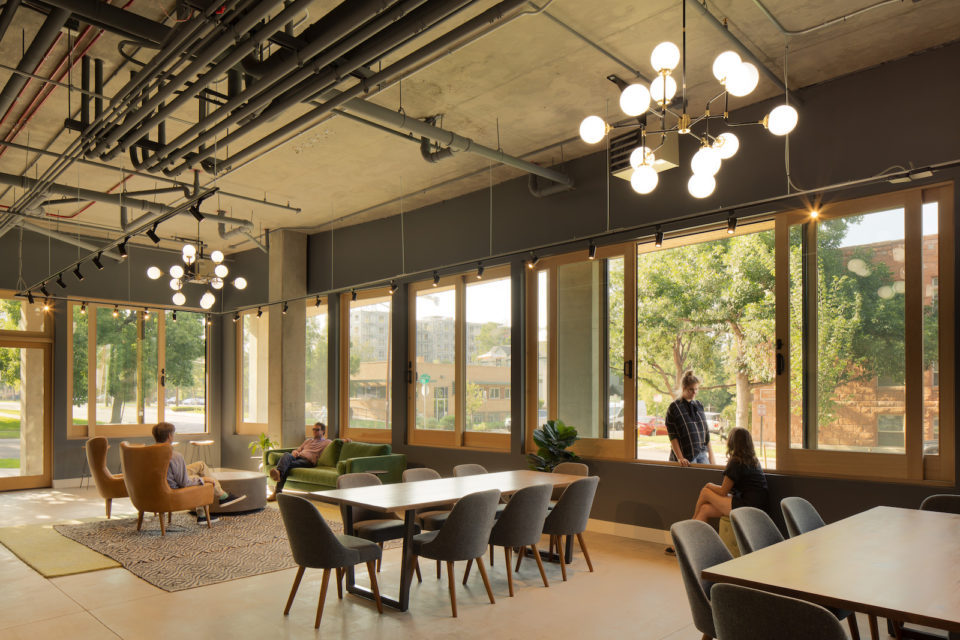
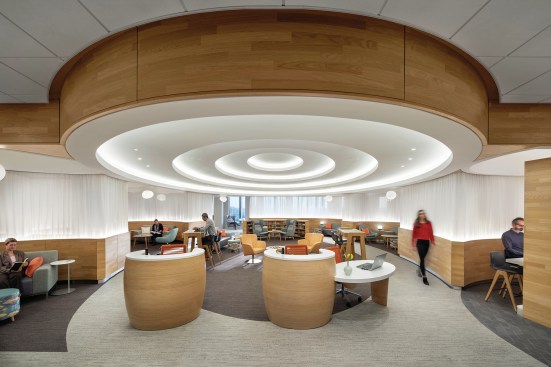
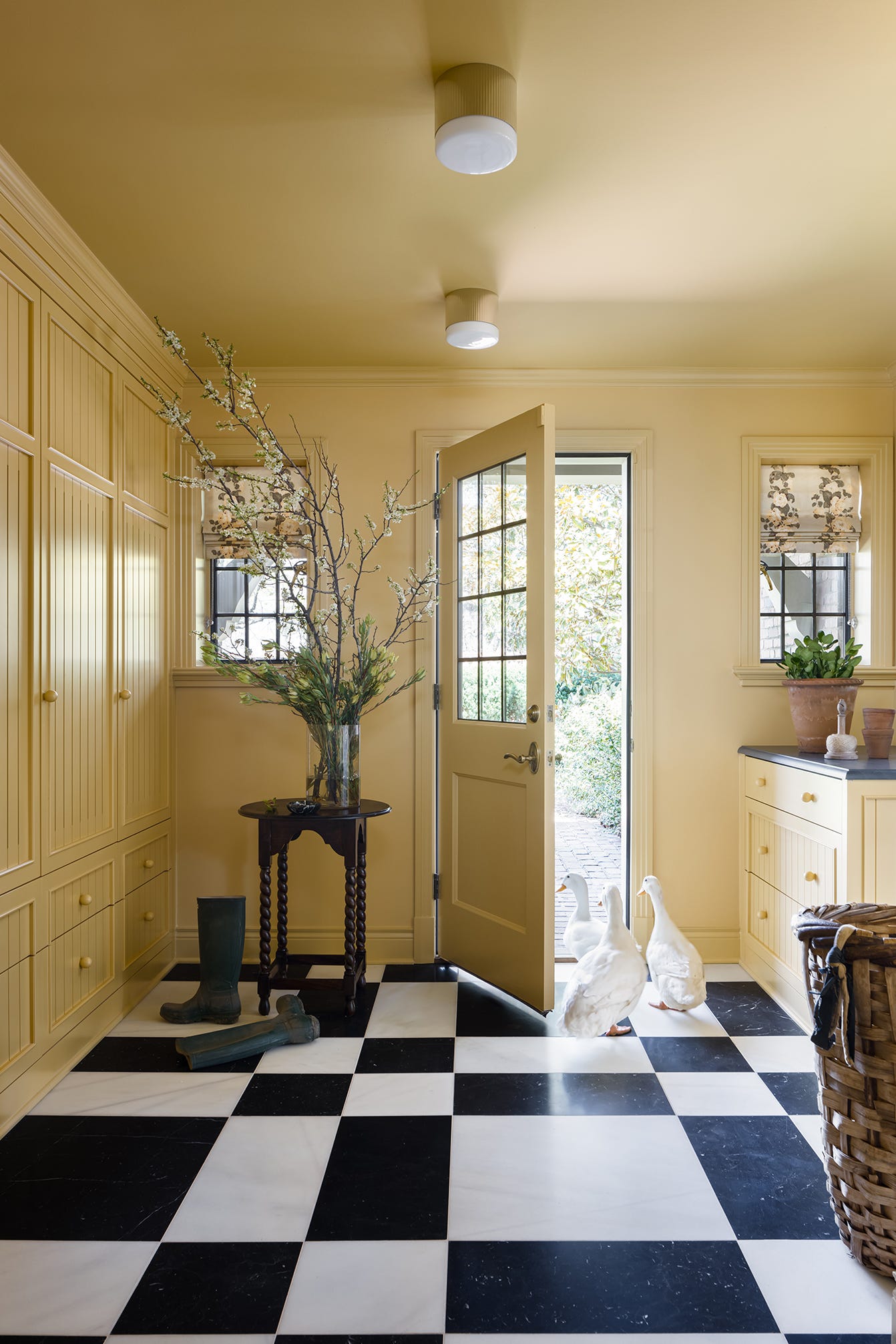
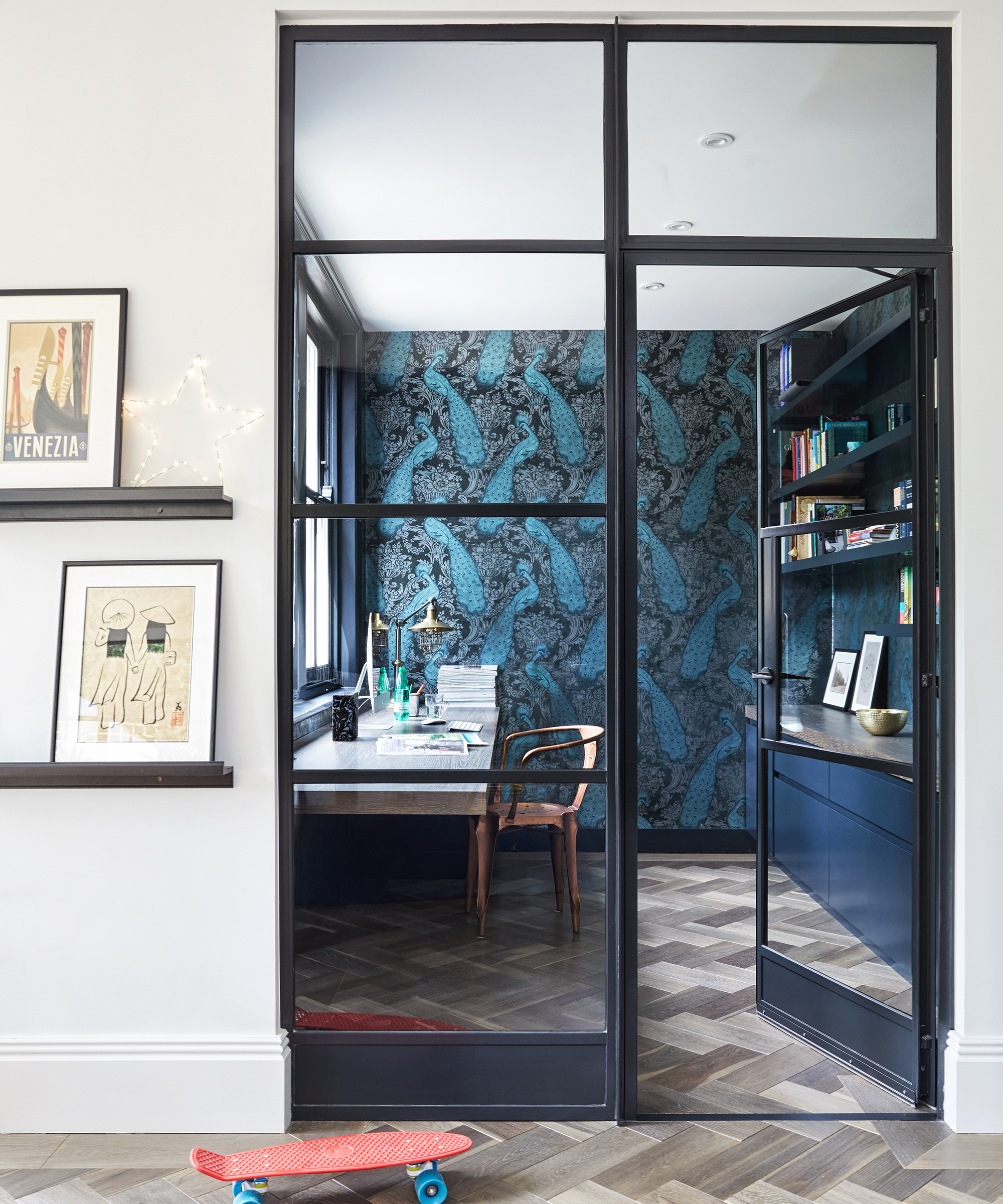
The pandemic has also redefined spatial needs within homes. Mudrooms, traditionally considered amenities, are becoming essential for preventing the ingress of outdoor germs. John McDonald of Semihandmade emphasizes their role in mitigating germ spread from outside the home, especially given research highlighting bacteria on footwear. The CDC's recommendation to remove outdoor clothing and shoes indoors further underscores the growing importance of mudrooms. Additionally, the widespread shift to remote work and homeschooling has elevated the home office to a major selling point for new homes. Many are converting existing spaces, like garages or spare bedrooms, into dedicated workspaces, recognizing the need for functional and distraction-free environments. Dolley Frearson of High Fashion Home foresees a rise in communal co-working spaces within homes, suggesting flexible layouts like library-style rooms with large communal tables that serve multiple functions for both work and family activities. This evolution reflects a broader trend of homes becoming adaptable, multi-functional spaces, akin to intergenerational co-working environments.
#HomeDesign #AntimicrobialMaterials #TouchlessTechnology #HomeOffice #Mudrooms #LuxuryVinylTile #CorkFlooring #CeramicTile #CopperFixtures #SmartHome #HomeDesign #AntimicrobialMaterials #TouchlessTechnology #HomeOffice #Mudrooms #LuxuryVinylTile #CorkFlooring #CeramicTile #CopperFixtures #SmartHome
0 comment in total
 No comments yet
You may also like
Artwork, plants & wallpaper top list for Zoom office backgrounds

Meet the new lexicon of interior design—from broken-plan kitchens to Japandi

Will The Pandemic Be The Death Of The Open Floor Plan?
Are Open Concept Floor Plans Going Out of Style? Here's What Interior Designers Say

We Asked 11 Interior Designers to Weigh in on the Biggest Décor Trends That Defined 2021

The 2021 Kitchen Design Trends Transforming the Home

The Both/And Trend Is Here to Stay, Designers Say—and You Might Already Be Doing It
These 2024 home remodel trends are here to stay – here's how to try them


Our Best Conversation Stories of 2020

Interior Design Trends for 2021
This Has Been Quite a Year. Is a Home Bar the Cure for What Ails You?

These Are the Top Design Trends You’ll Be Seeing in Living Rooms in 2021
The 5 Ways Technology Is Changing Home Design

Beyond Aesthetics: How Tech is Redefining Interior Design
2025 Houzz Home Design Trends: These Are The Top 10 Predictions

The Top 10 Trends In Home Design For 2023. Plus, 10 That Are Officially Done!

10 New Trends in Multifamily Housing Design

Designers Reveal the Surprising Home Trend That's Taking Over Right Now

12 Home Trends That Will Be Everywhere Soon
Goodbye, Open Concept—People are Adding Walls in Their Homes