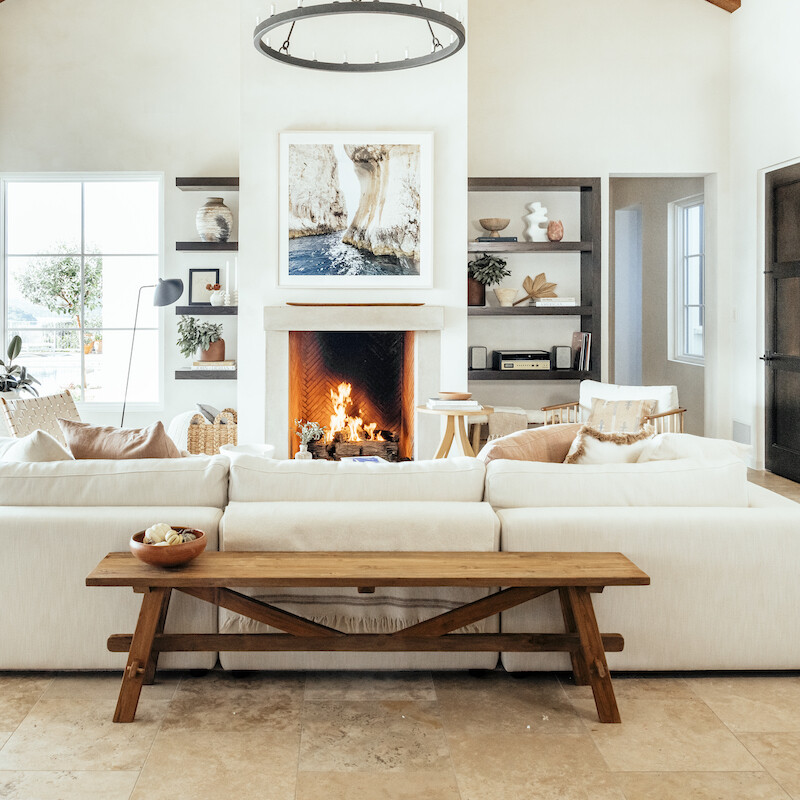
1/28
We Asked 11 Interior Designers to Weigh in on the Biggest Décor Trends That Defined 2021
The article explores the major interior design trends that emerged and gained popularity in 2021, influenced significantly by the shifts in how people used their homes due to the global pandemic. The discussion is based on insights from eleven interior designers and decorating experts. A key observation is the transformation of homes into multi-functional spaces, where spare bedrooms became home offices and kitchens evolved into central gathering areas. This adaptation led to a re-evaluation of home aesthetics and functionality.
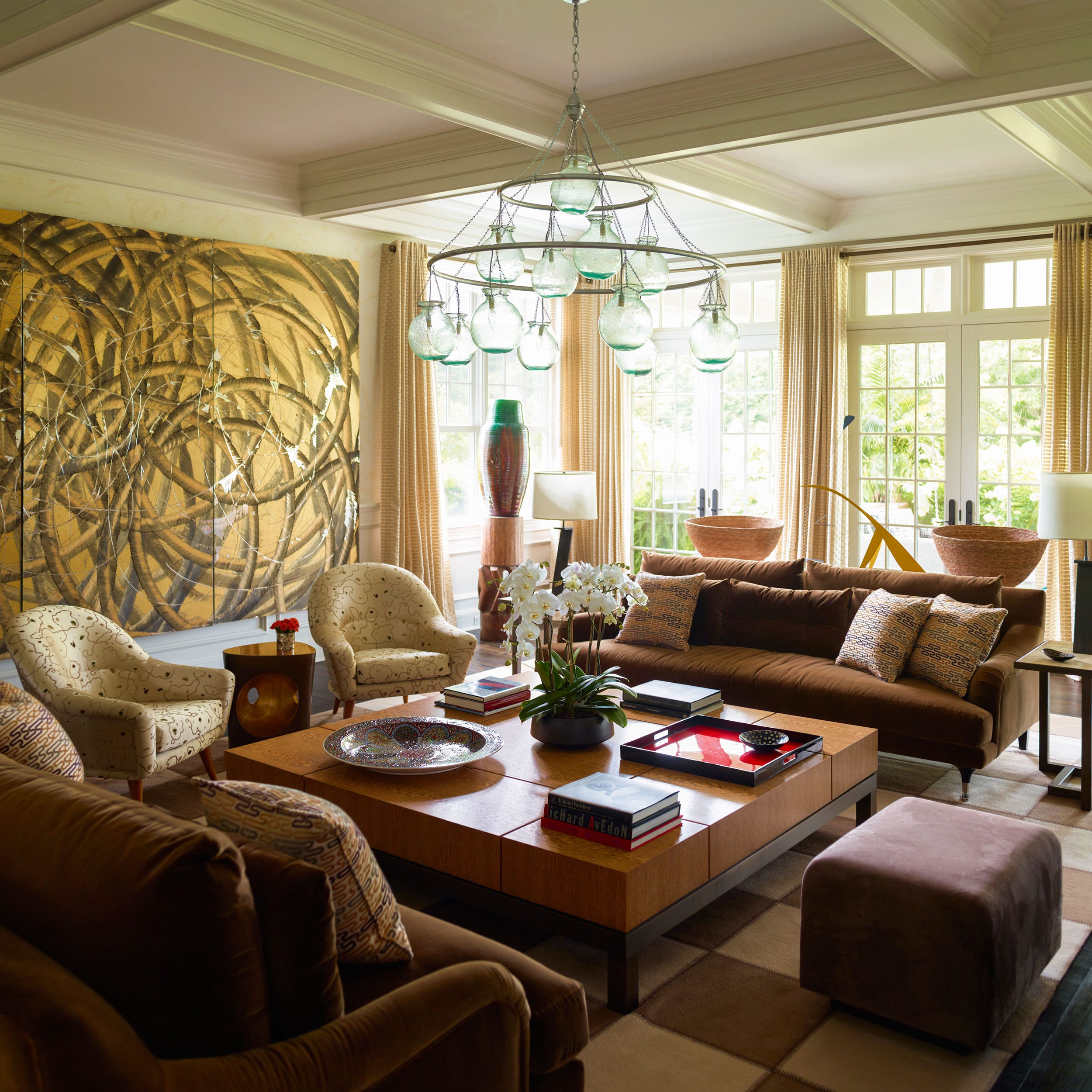
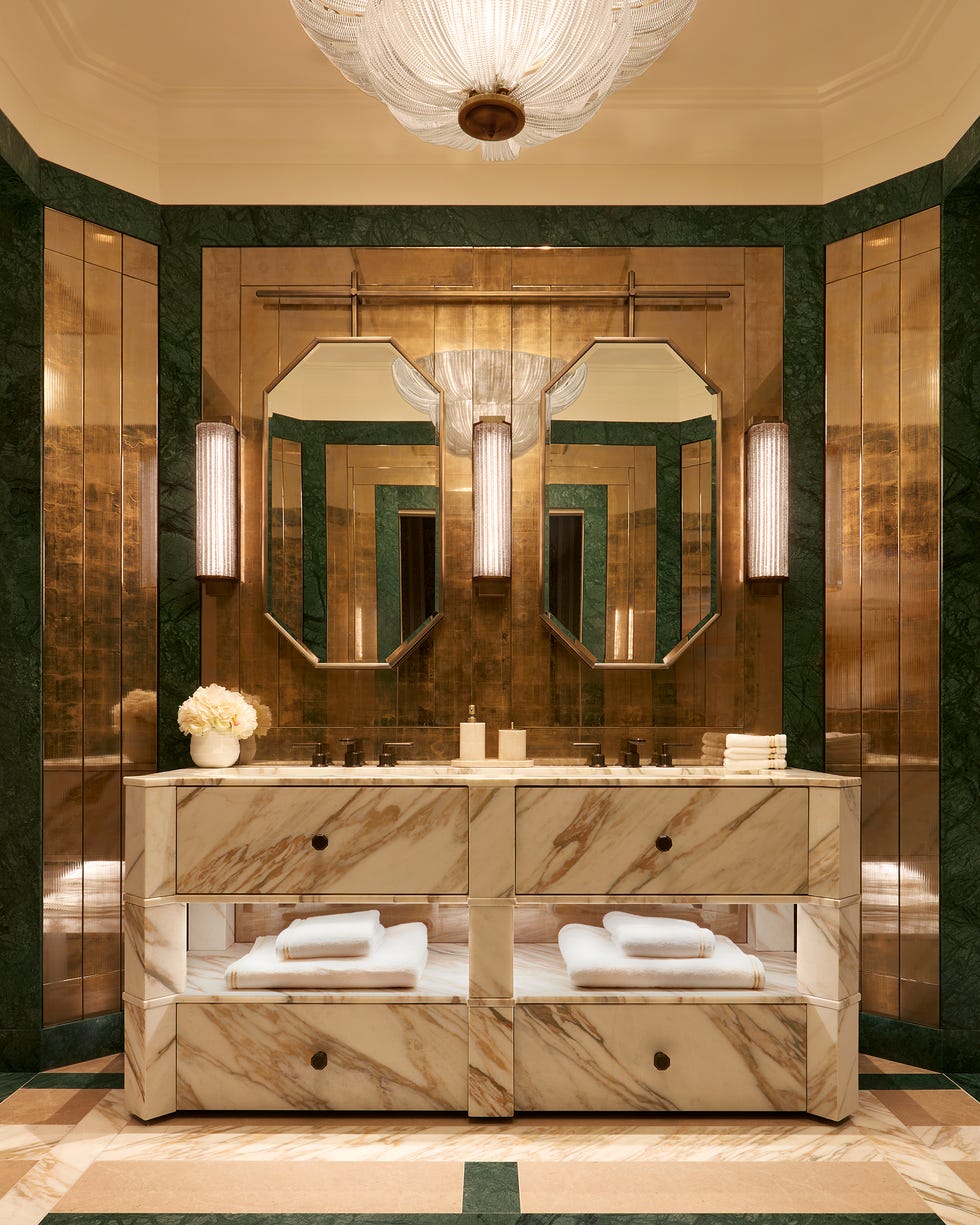
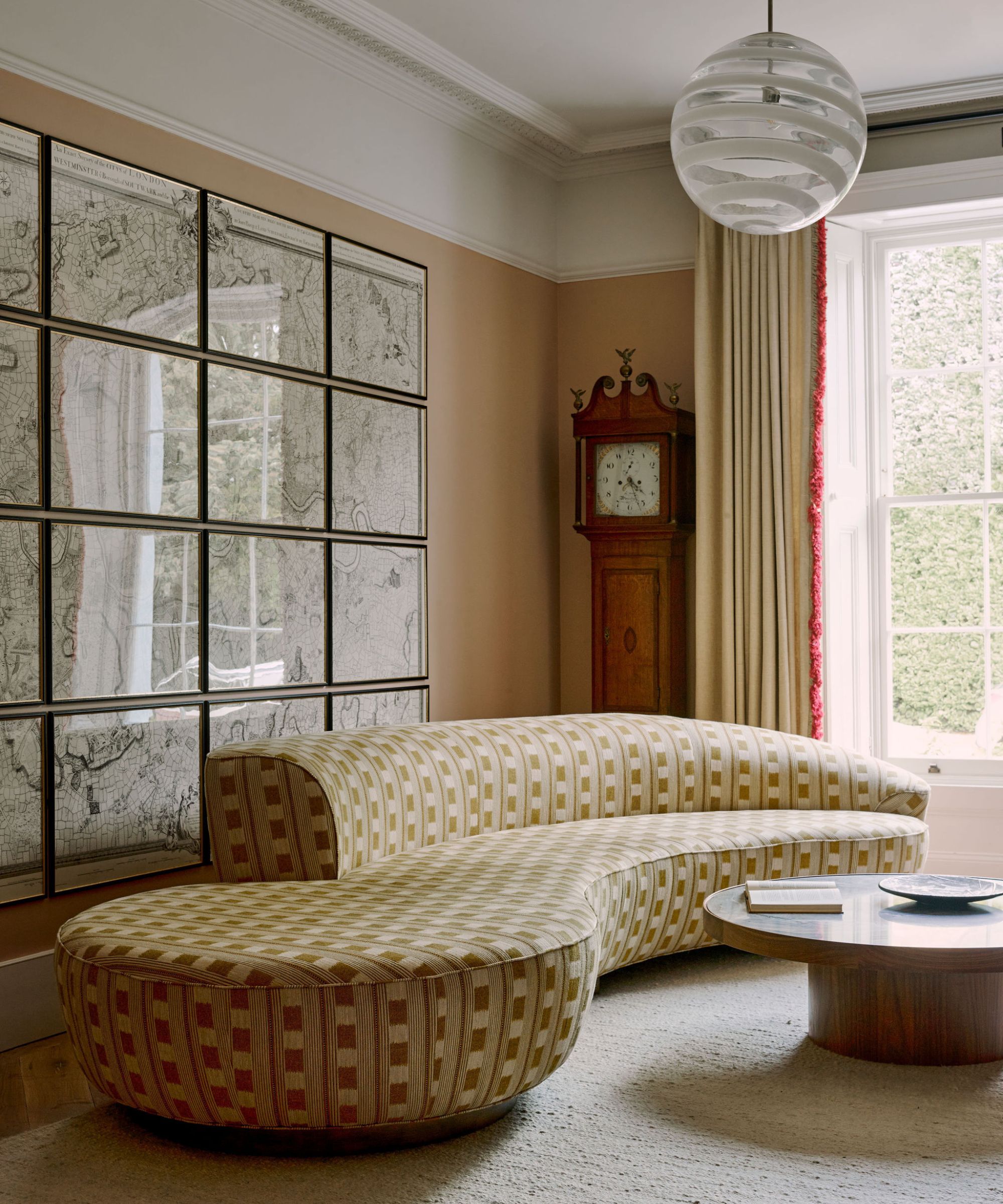
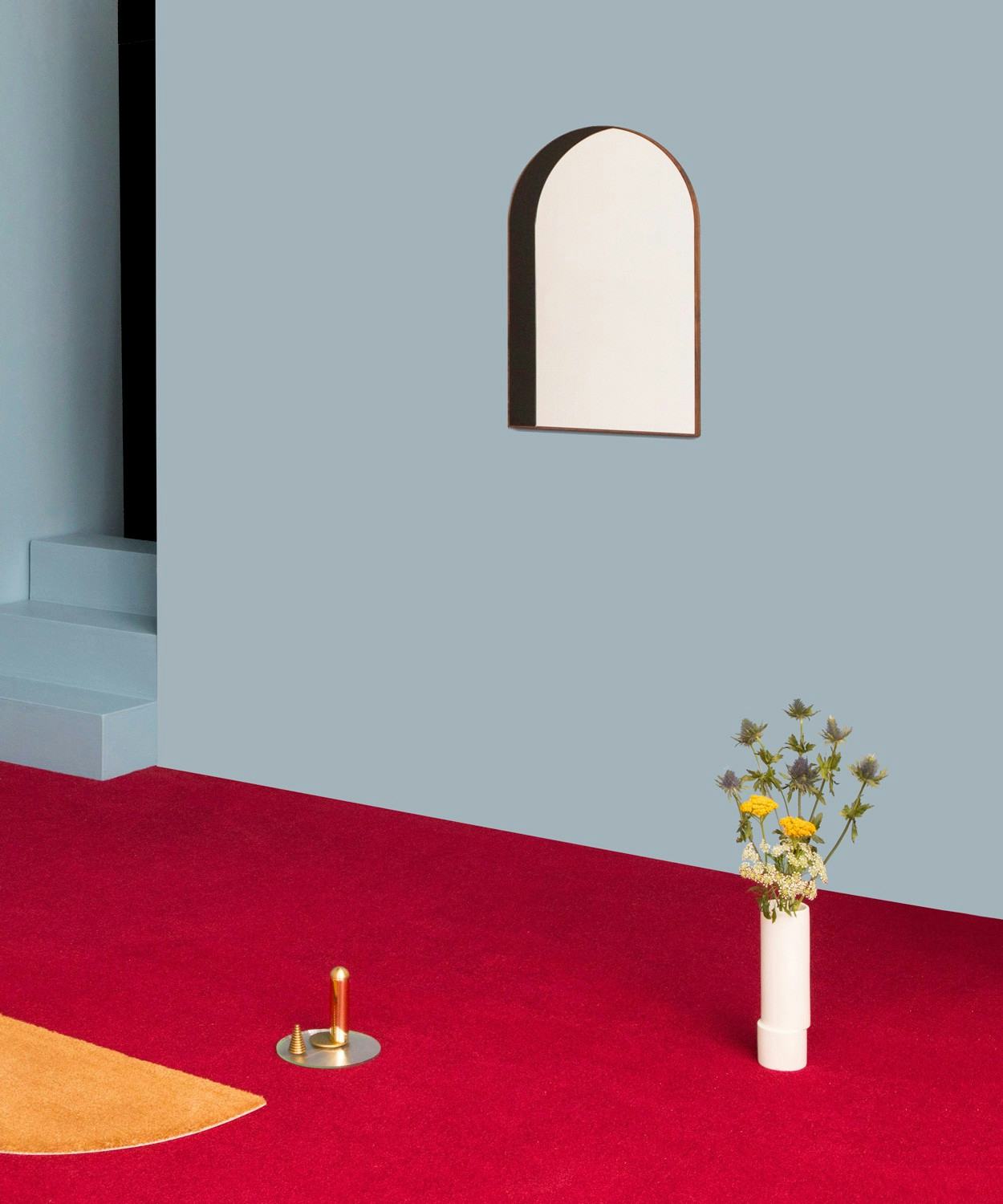
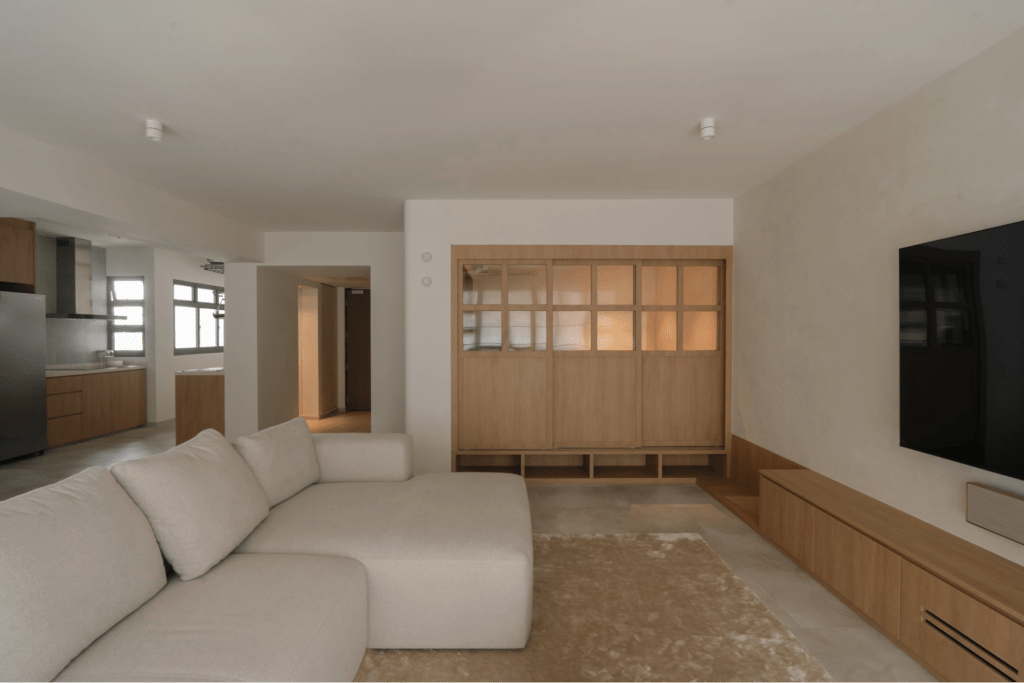
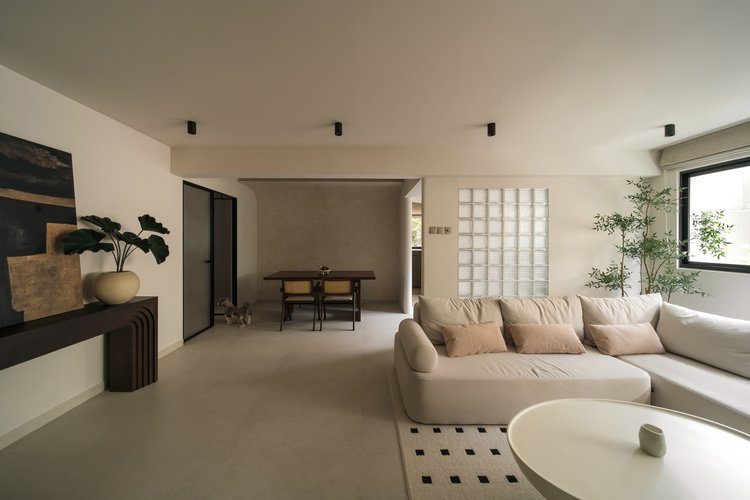
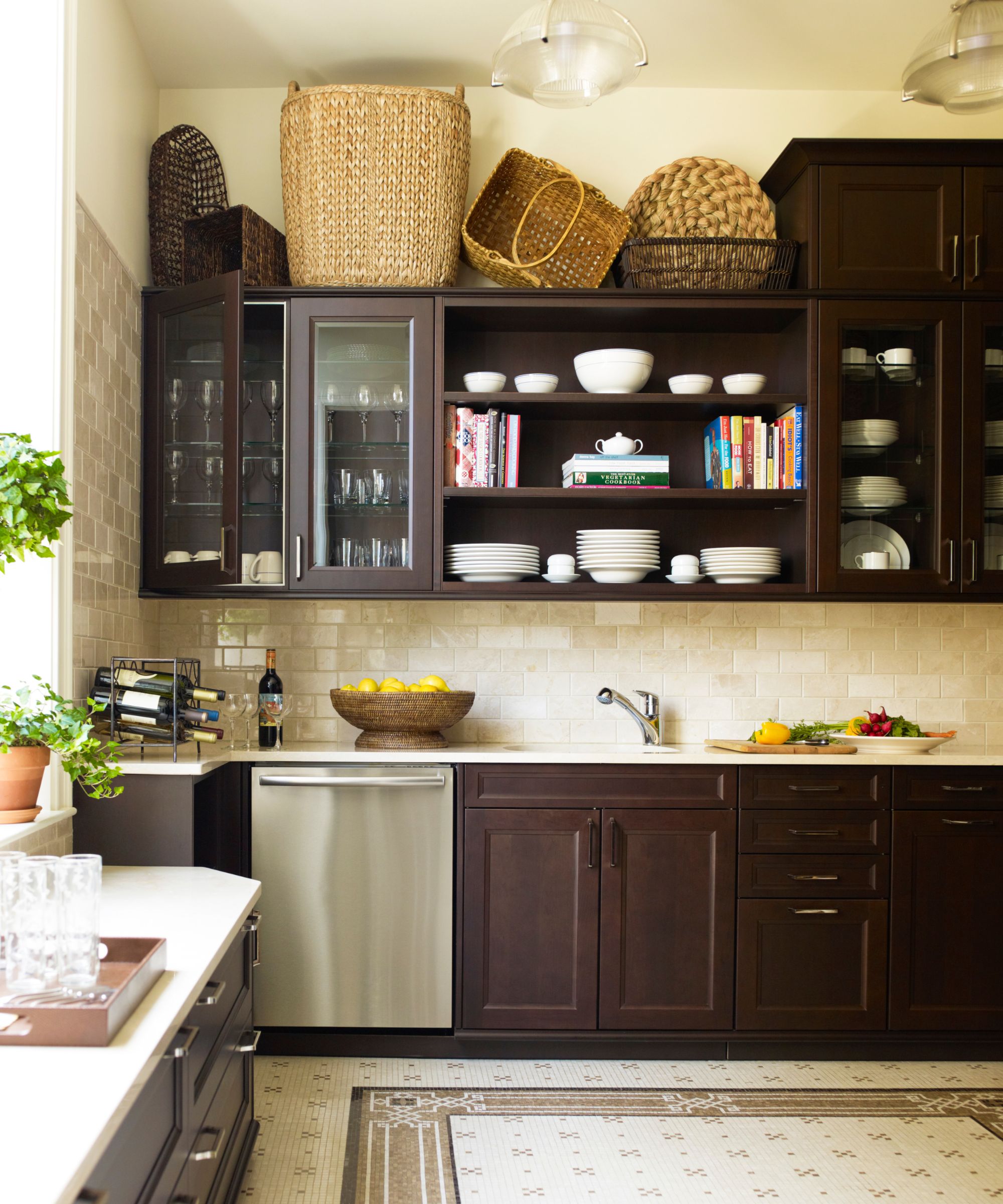
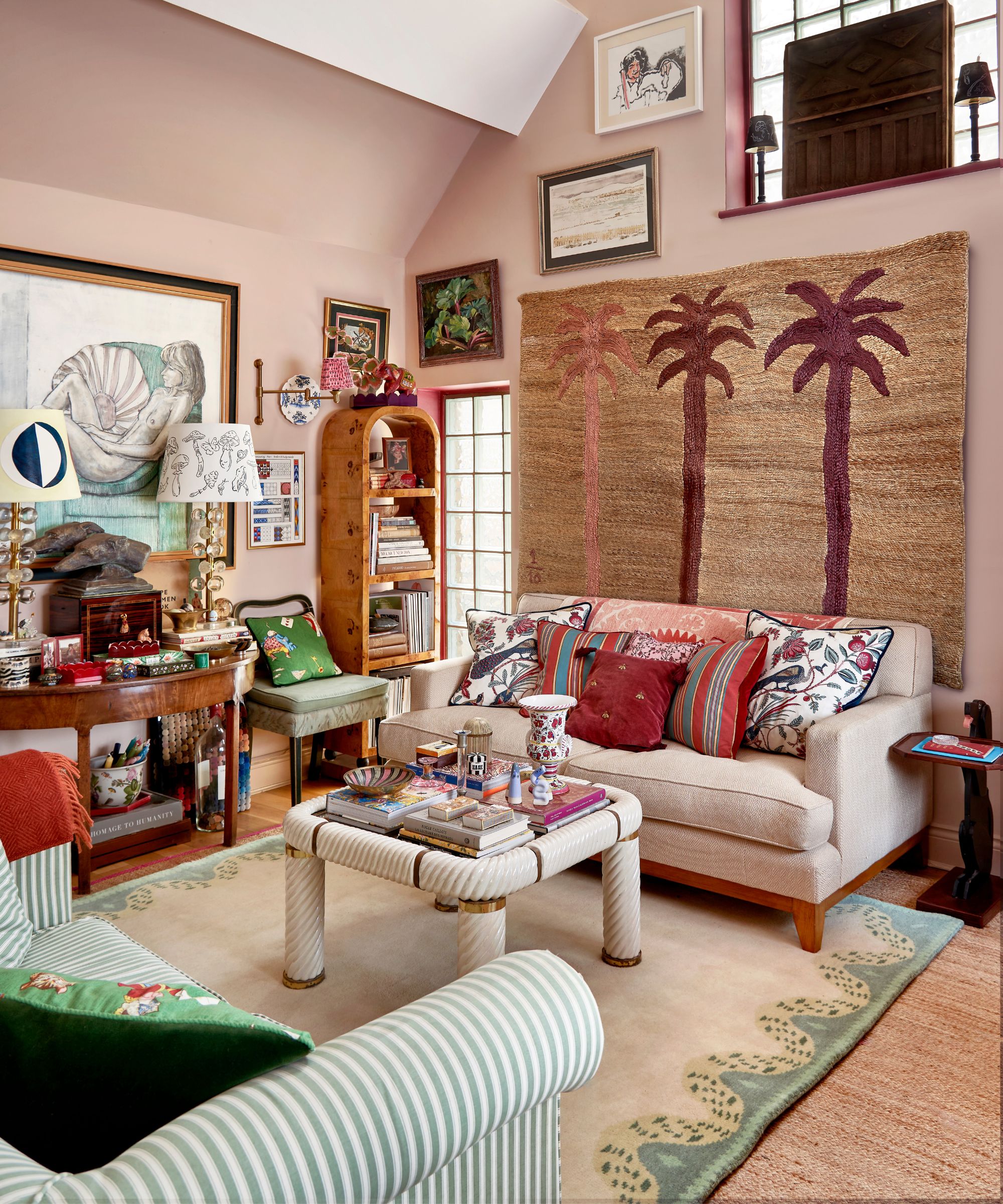
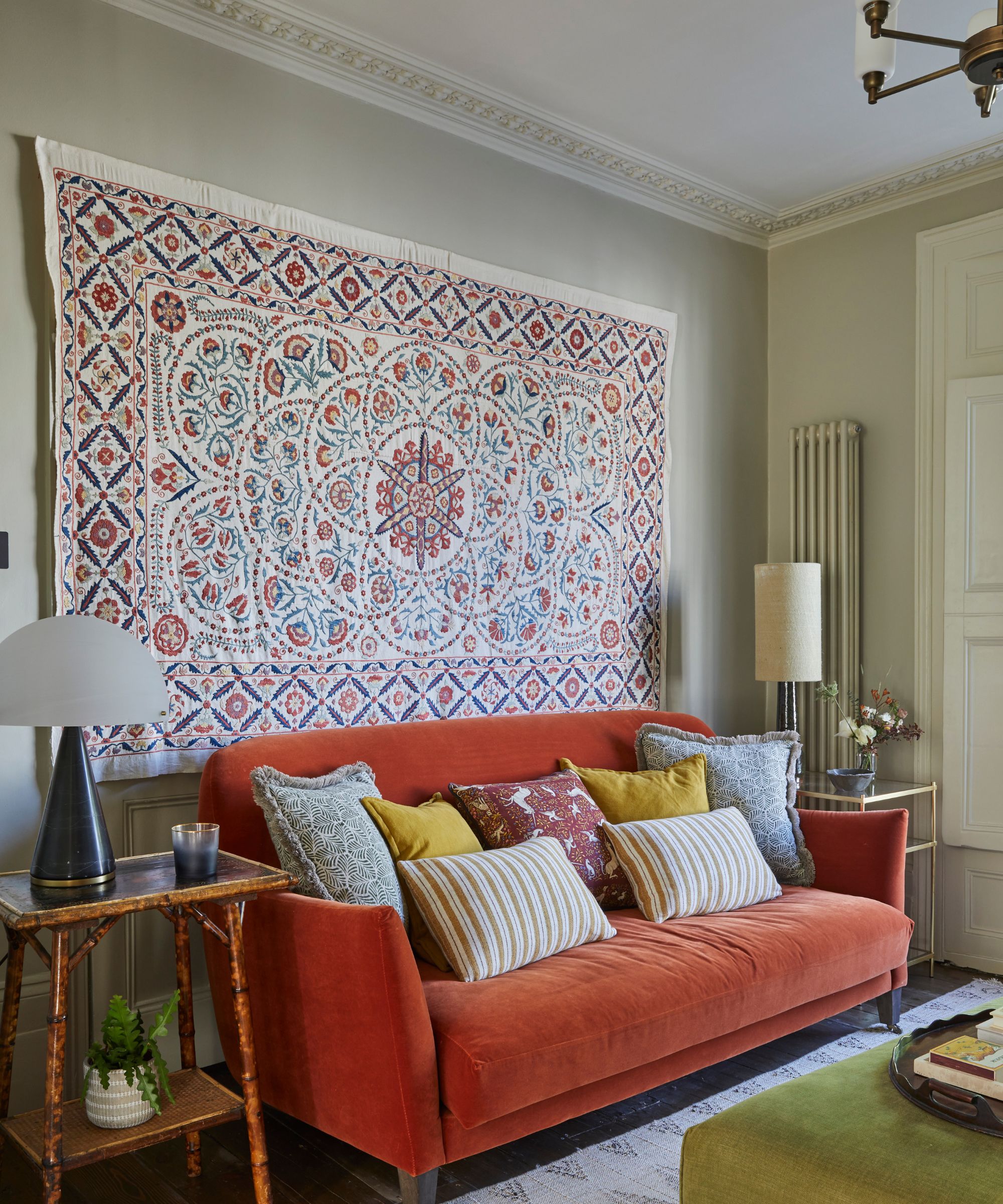
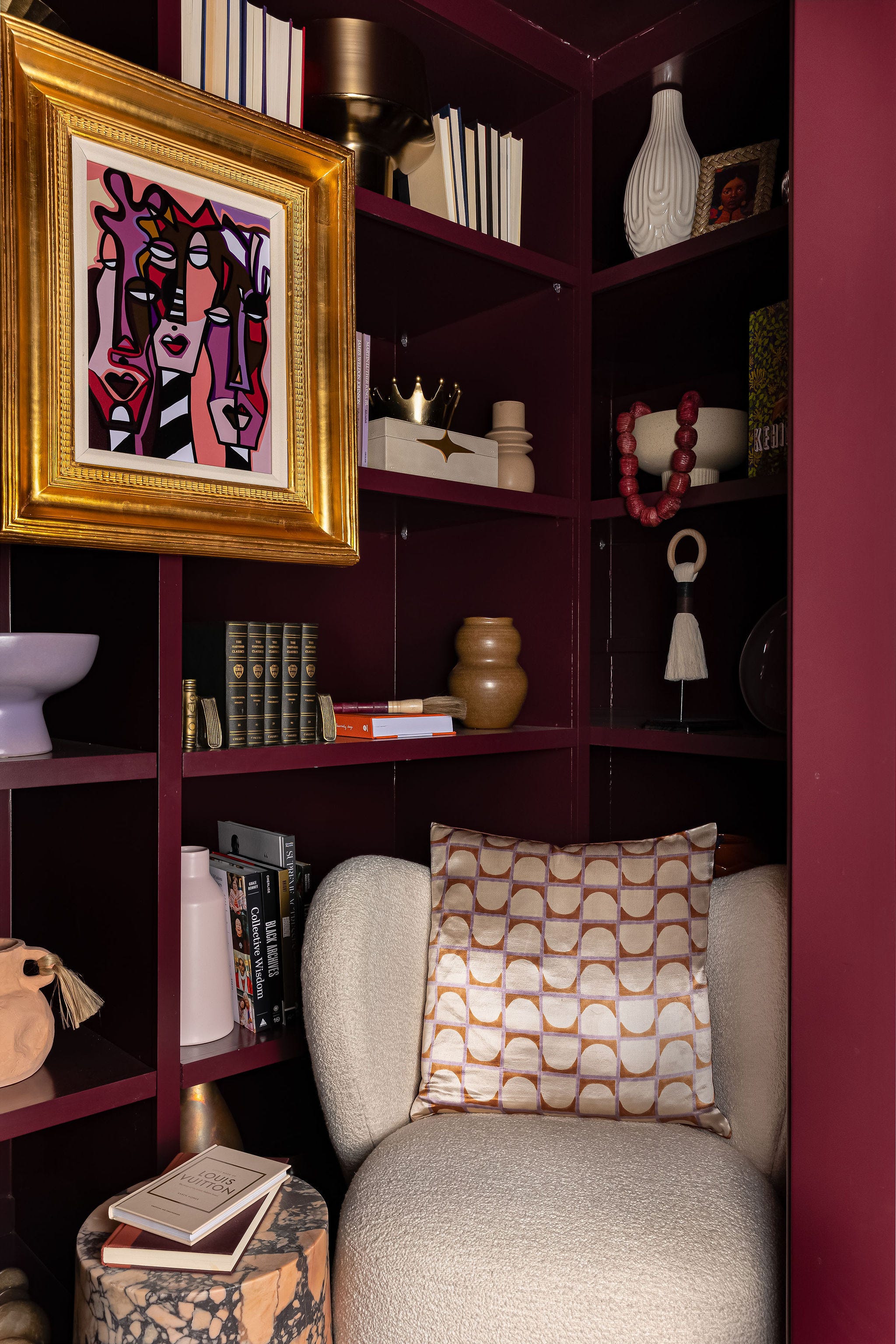
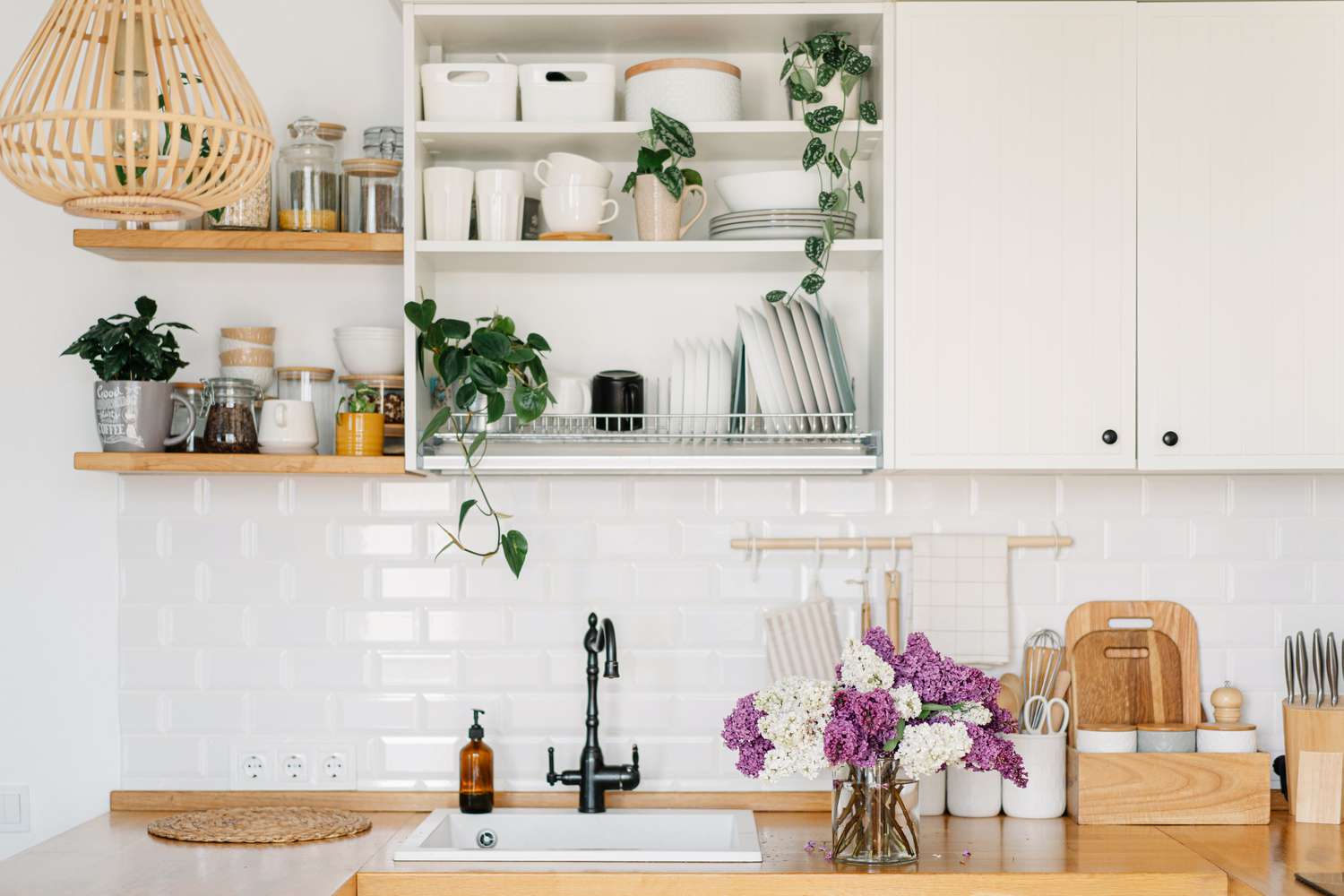
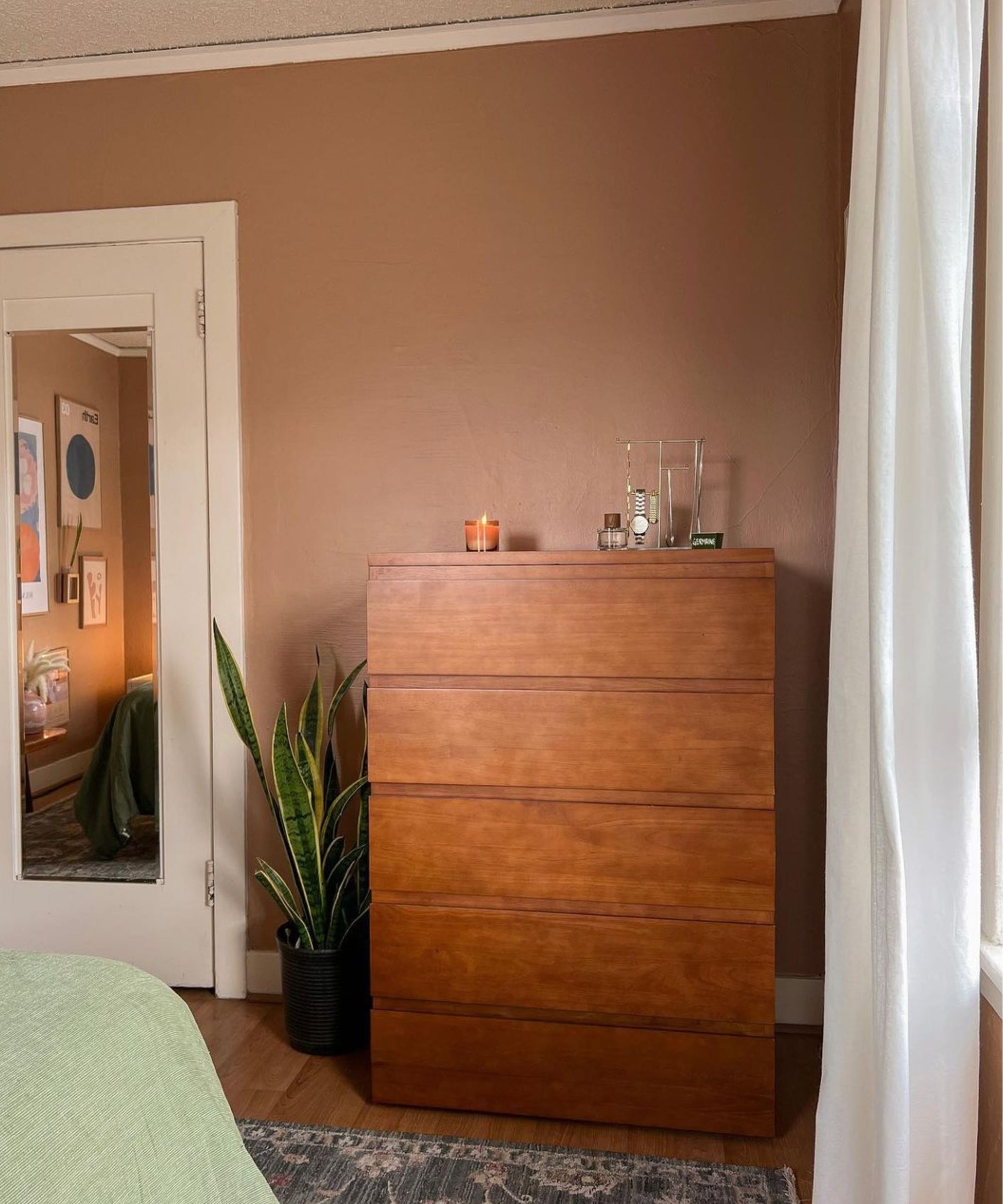
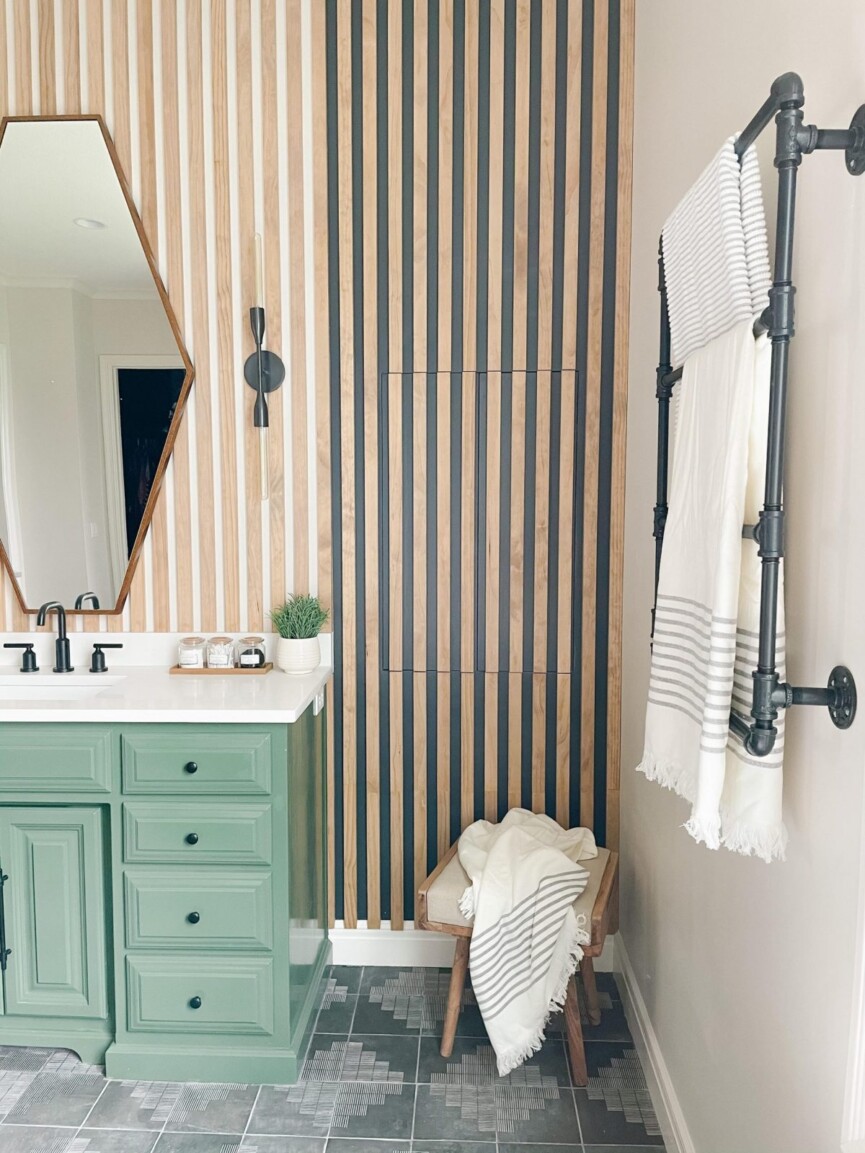
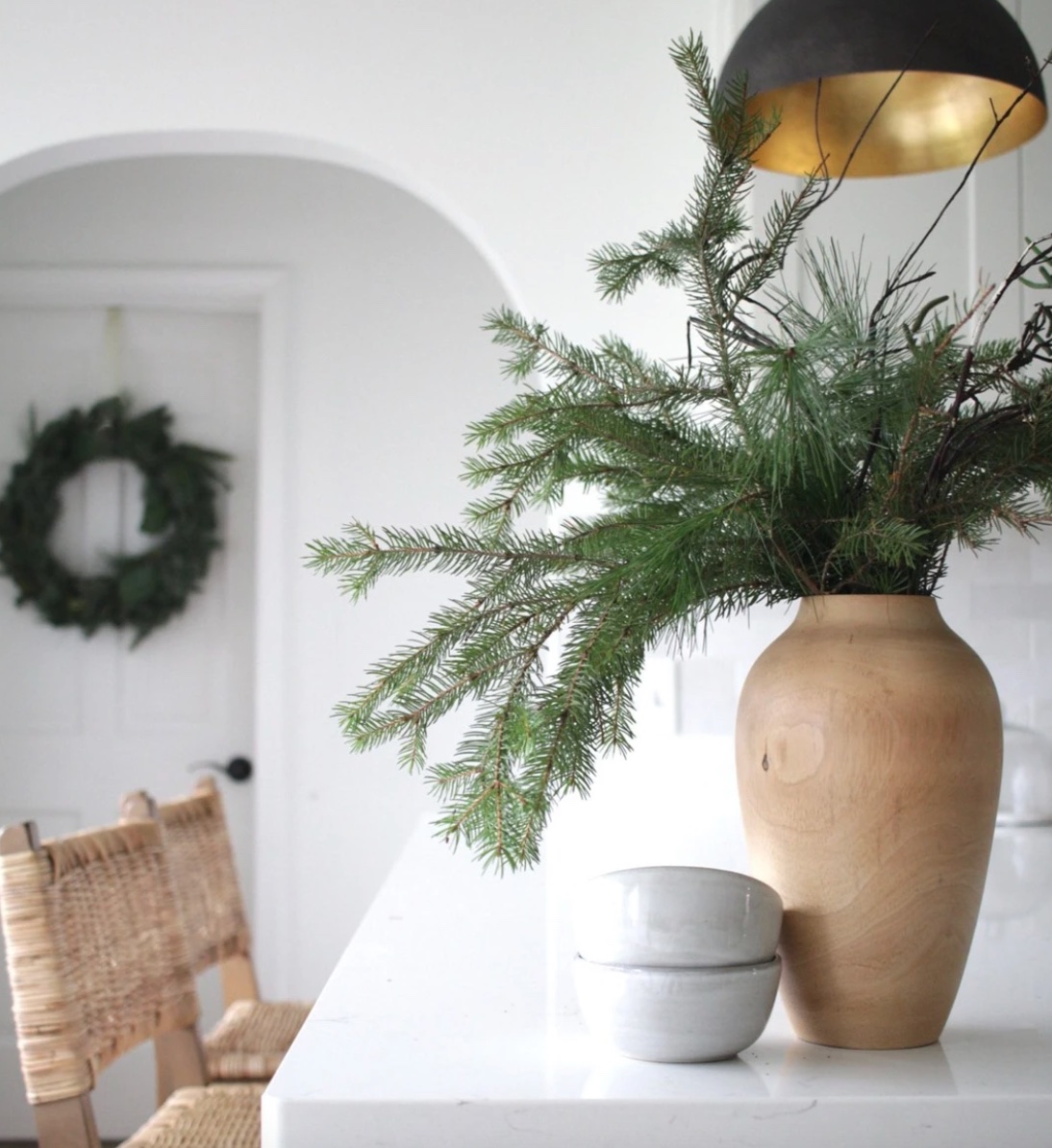
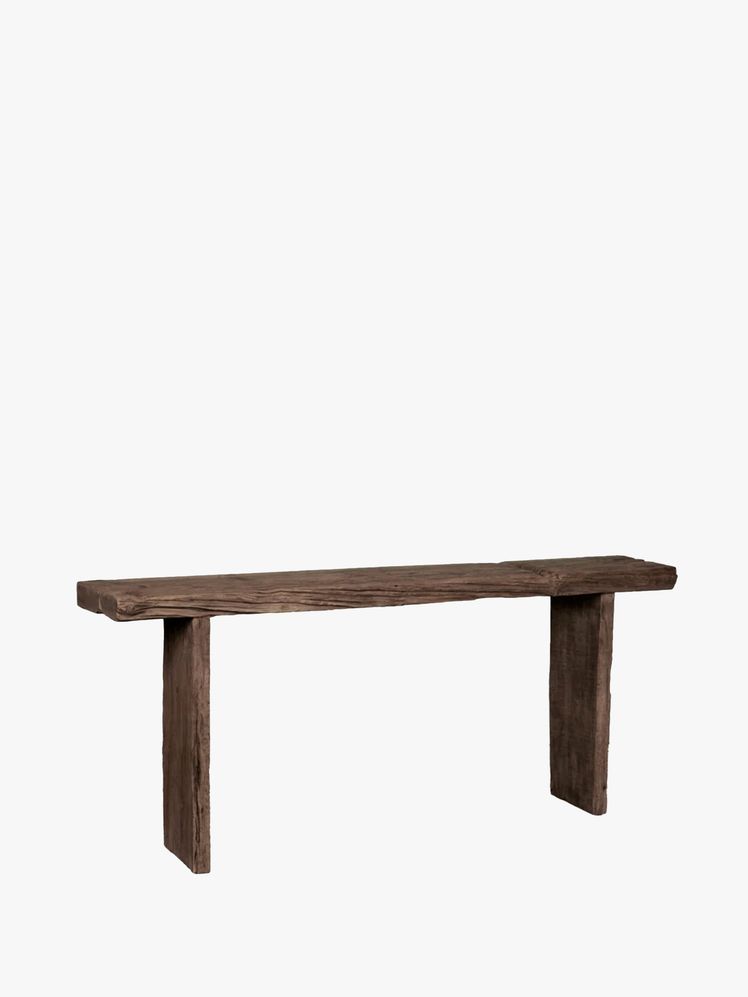
Several specific trends are highlighted. The "Archway Aesthetic" gained traction, adding character and architectural interest to various spaces, including bathrooms. "Japandi Style," a blend of Scandinavian and modern Japanese design, became prominent for its minimalist yet warm approach, incorporating natural elements and earth-toned color palettes. The trend also saw a move away from elaborate gallery walls towards "Oversized Art," making grand-scale art accessible to more homeowners. The value of "Vintage Pieces" increased due to shipping delays and rising raw material costs, leading to creative restoration and repurposing of old furniture.
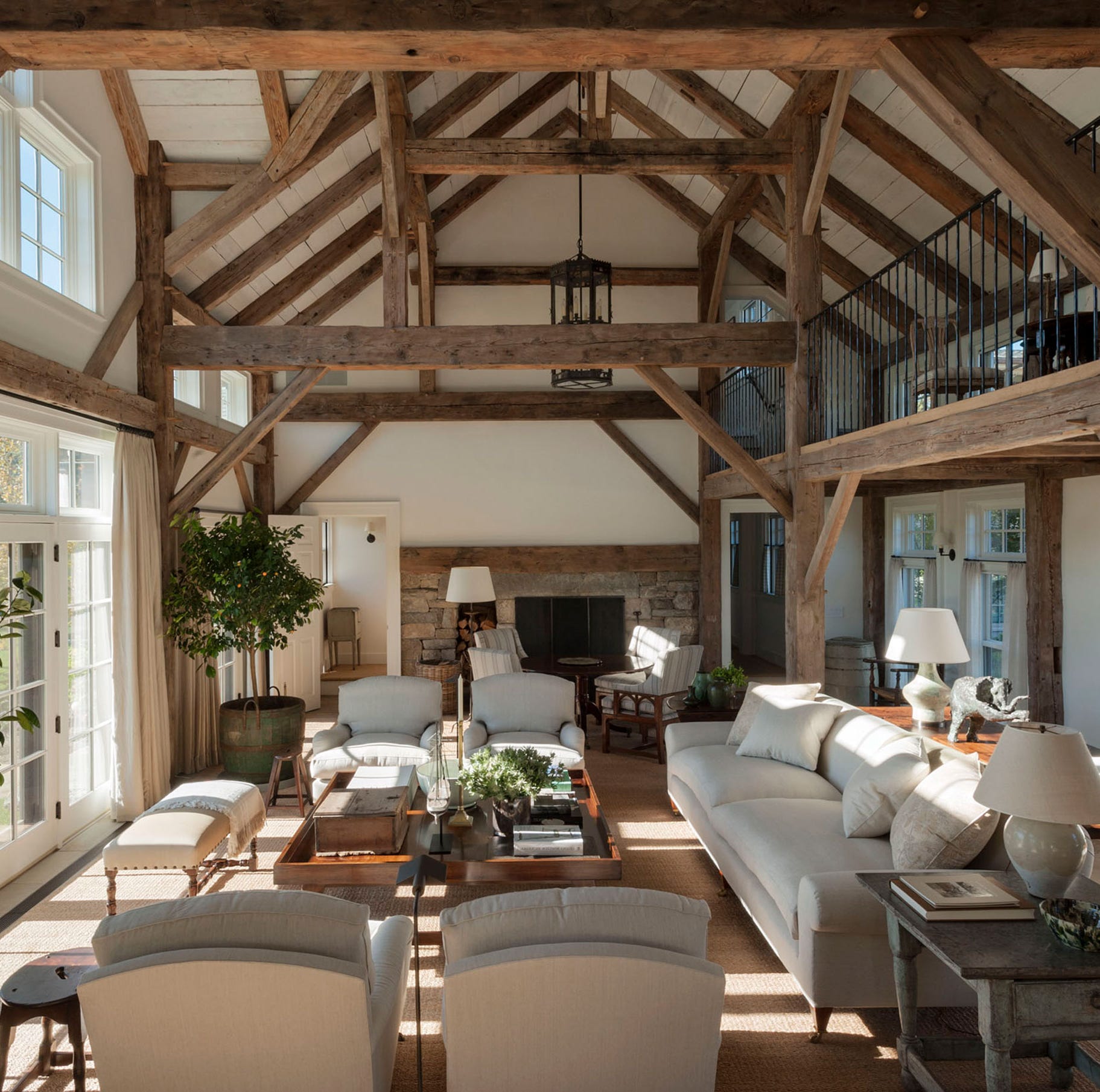
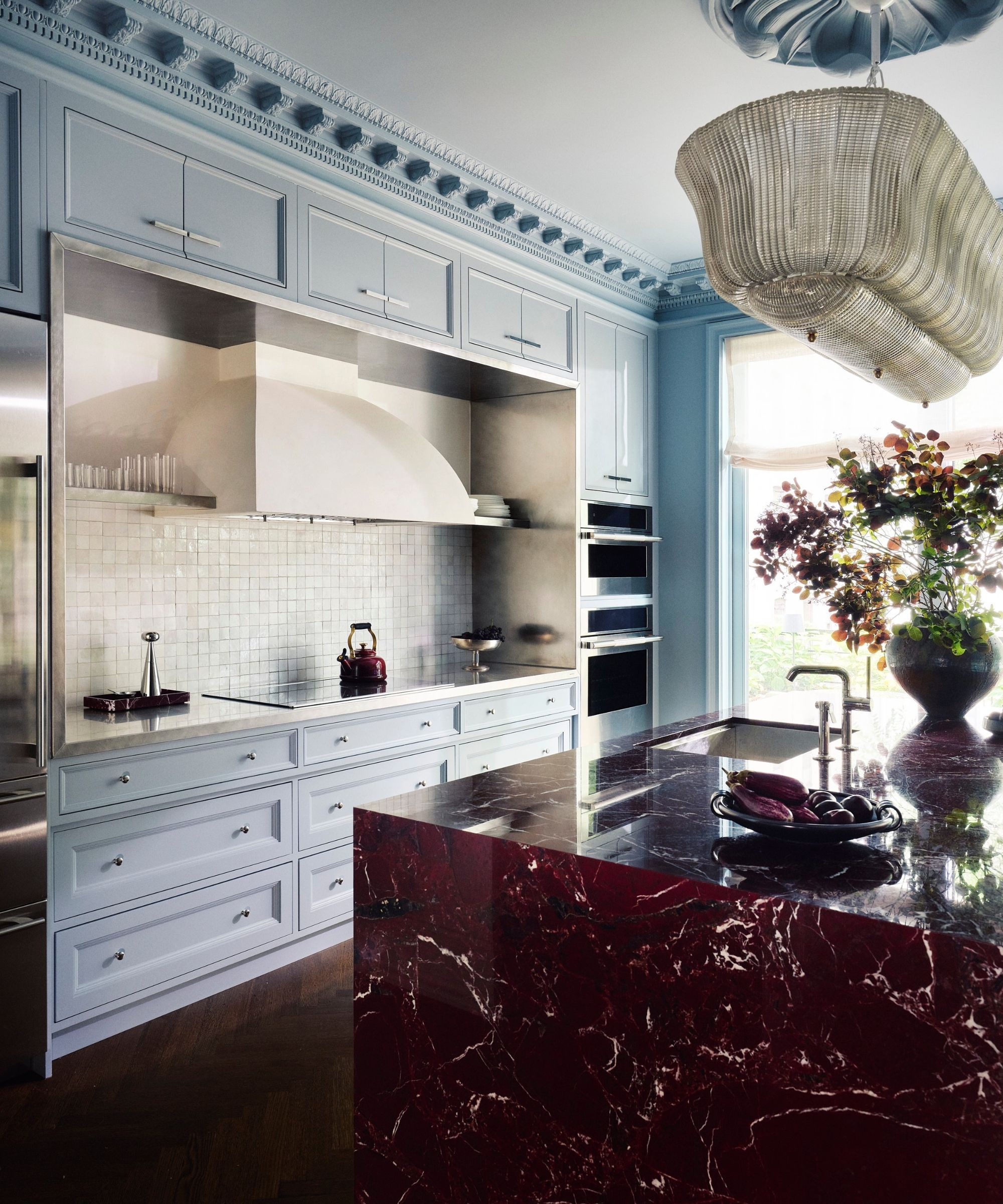
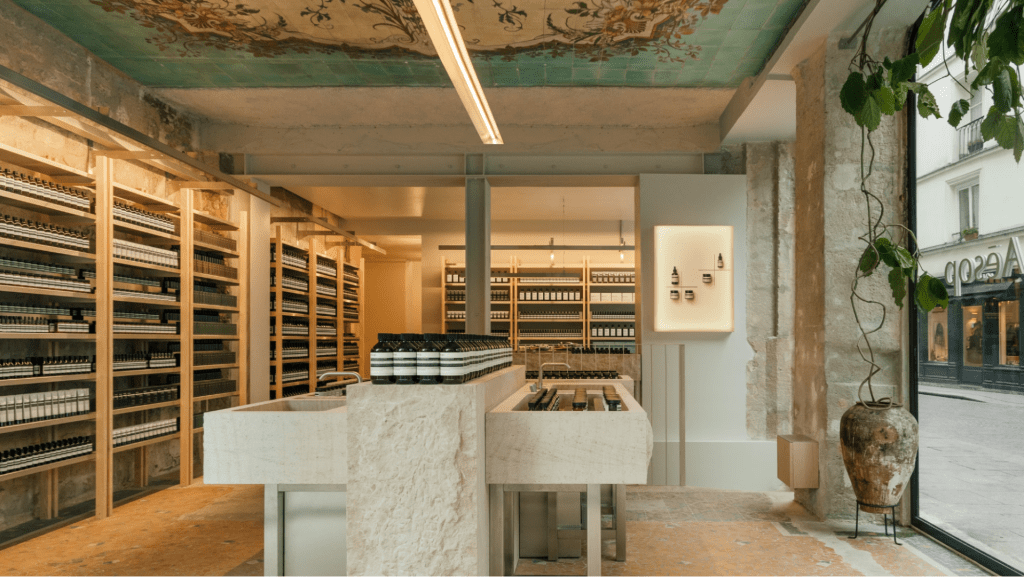
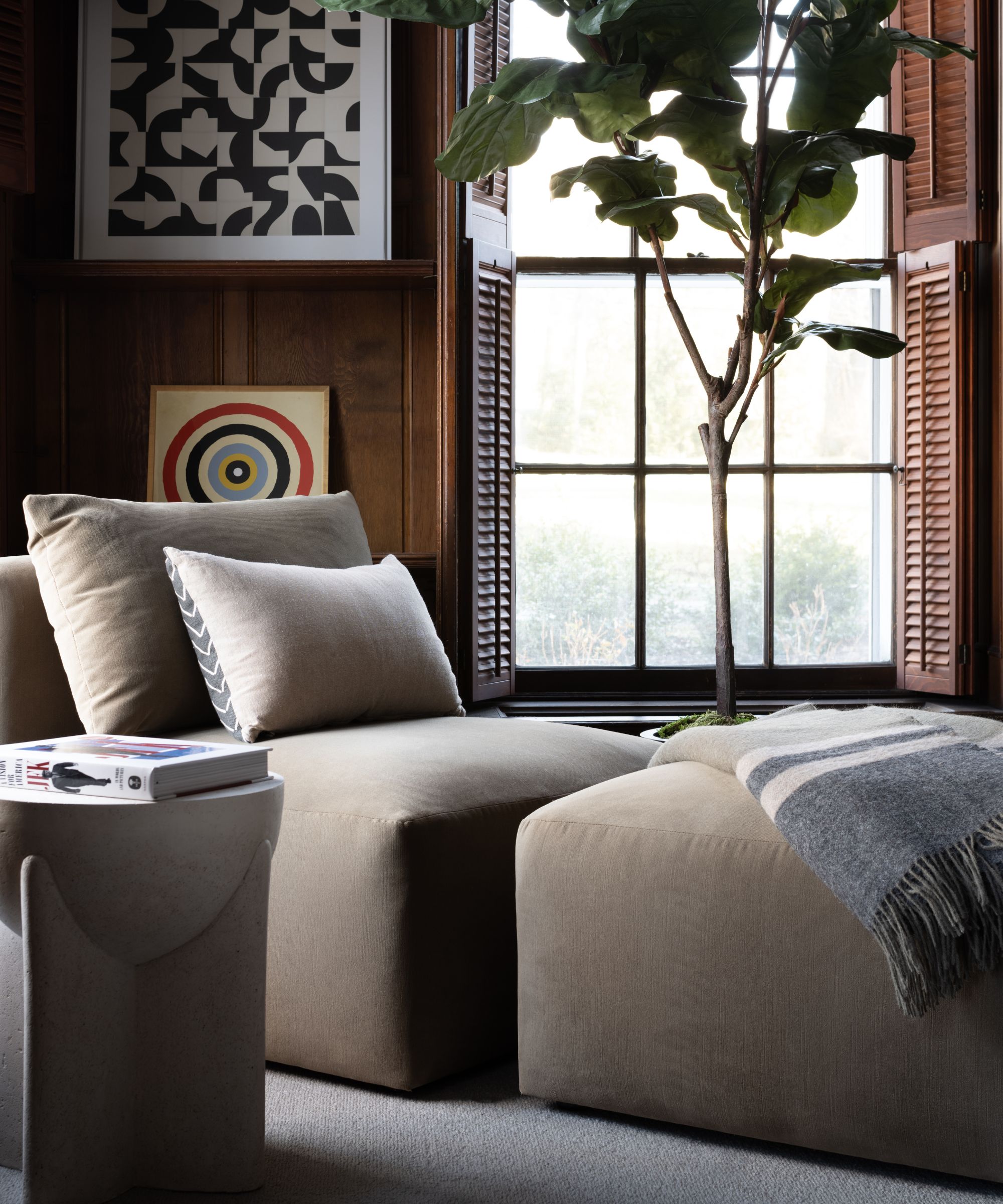
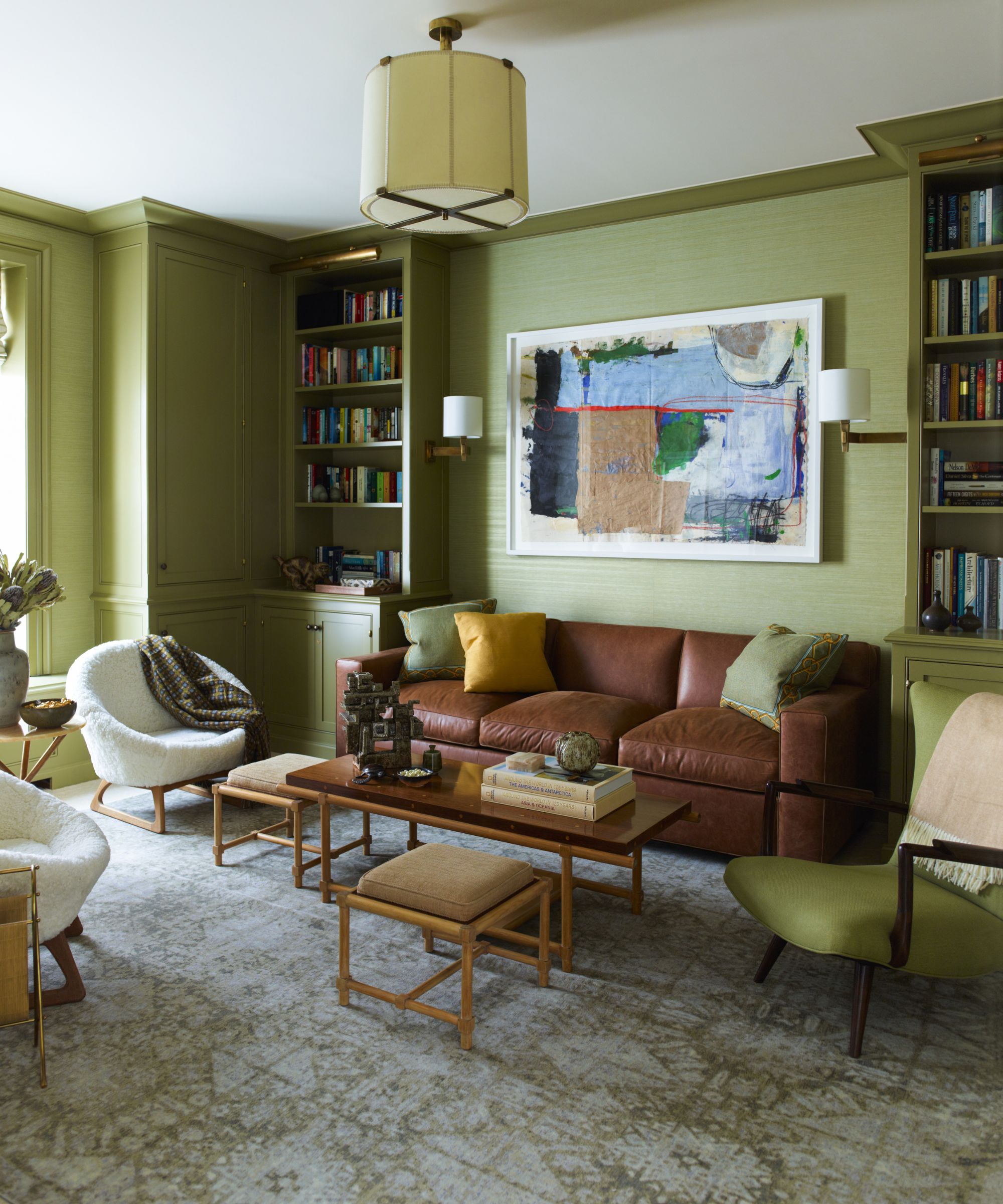
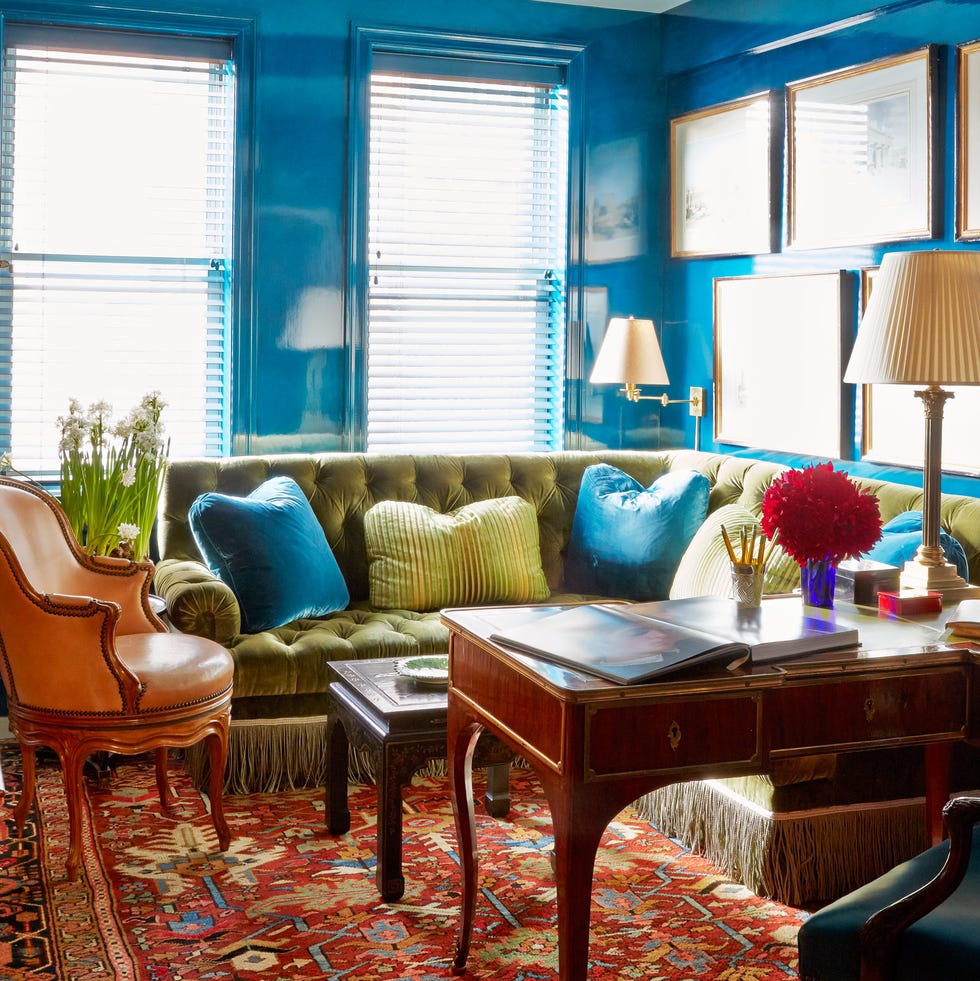
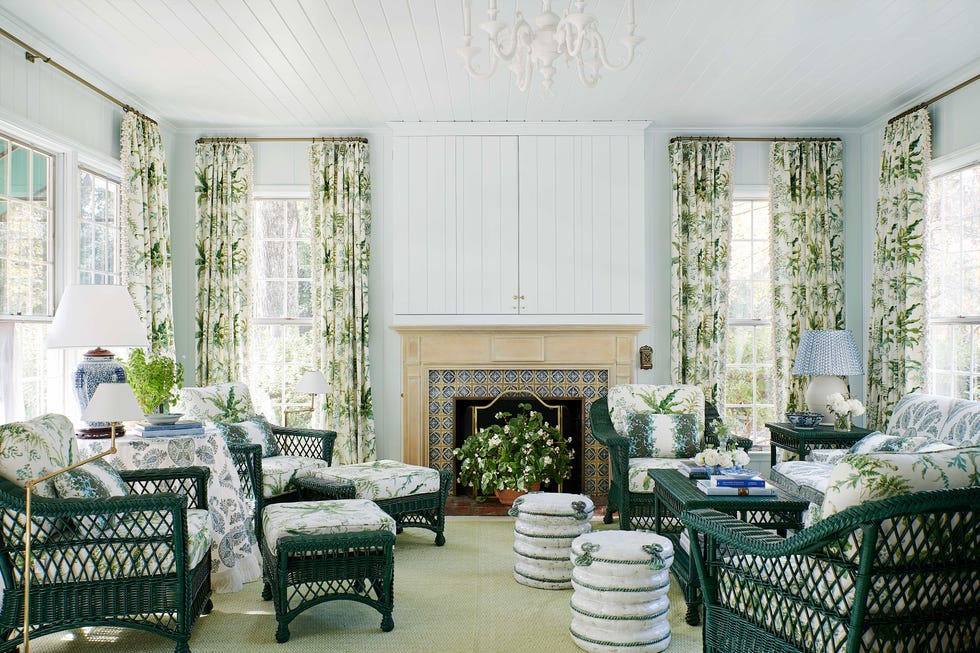
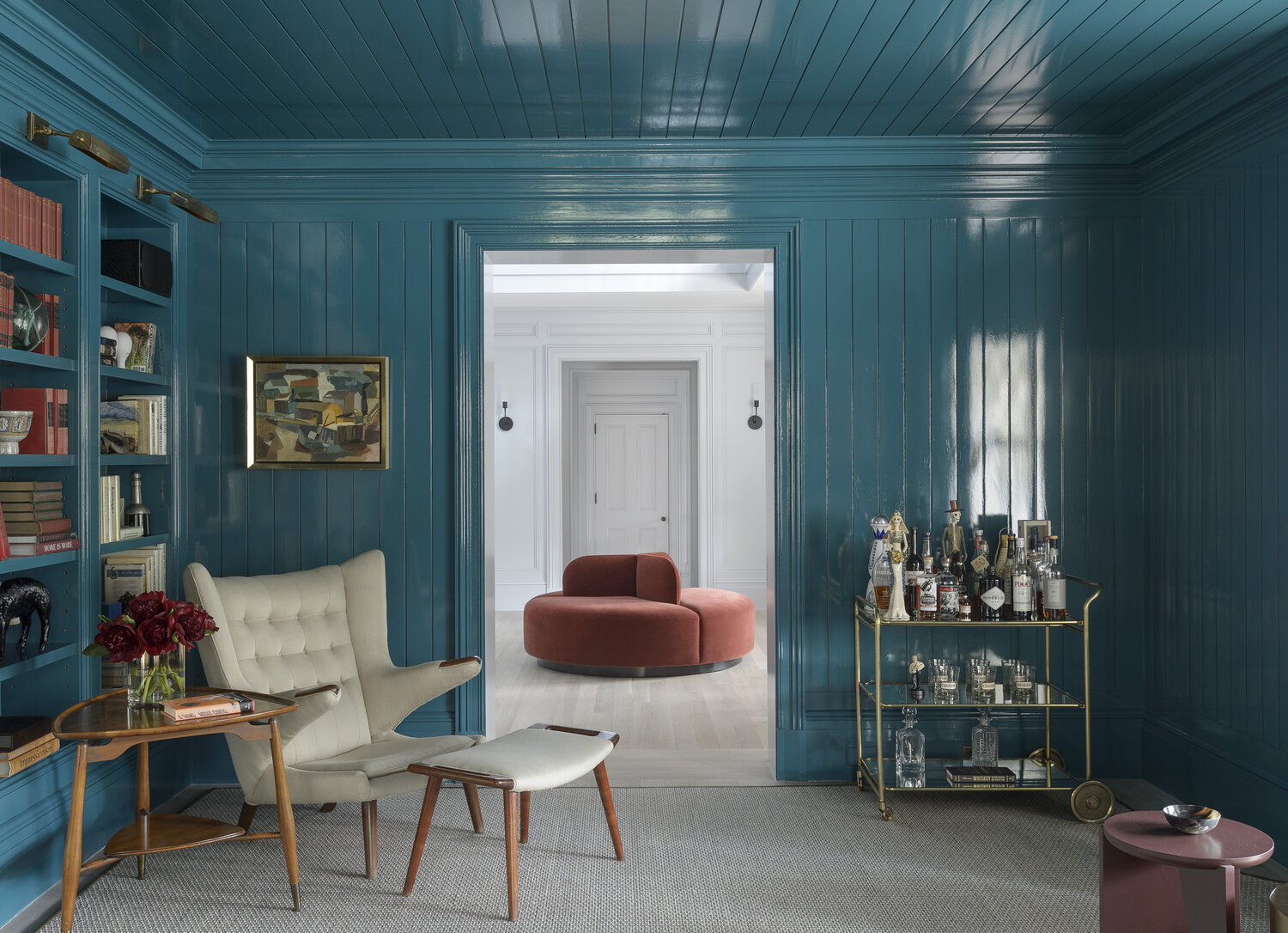
In terms of color, a "Rainbow of Blue" emerged as a popular choice, with clients opting for various shades of blue, including those with green undertones, over traditional neutrals. A significant shift was observed in home layouts, with a move "A Shift From Open Concept" design towards more separated spaces to accommodate diverse activities like living, working, and playing. The integration of "Natural Elements" such as rattan, caning, woven textiles, and light-colored wood also saw increased adoption, moving away from darker stained pieces. "Bouclé" fabric, known for its comfortable texture, continued its strong trend from 2019, appearing in various retail offerings.
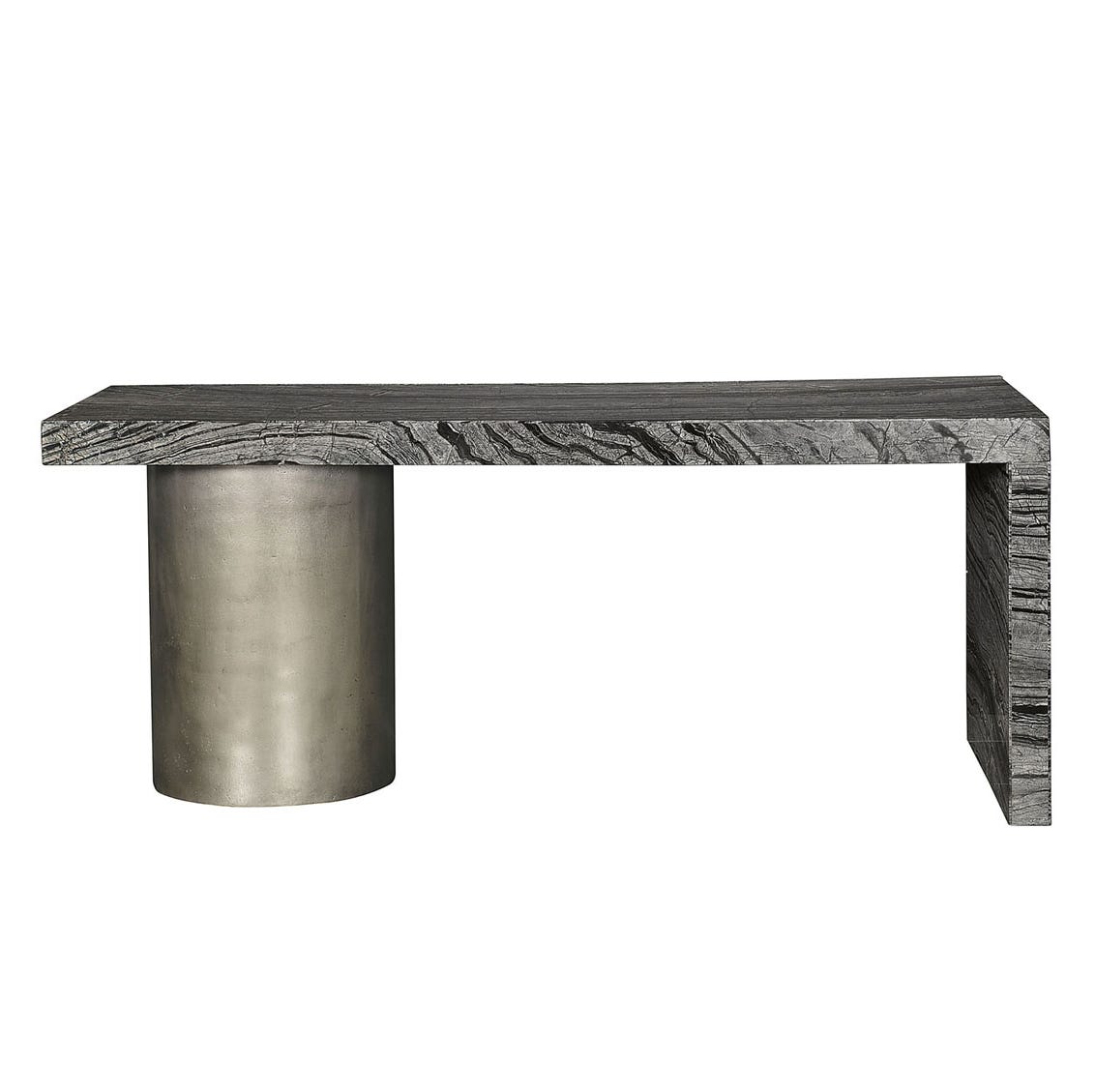
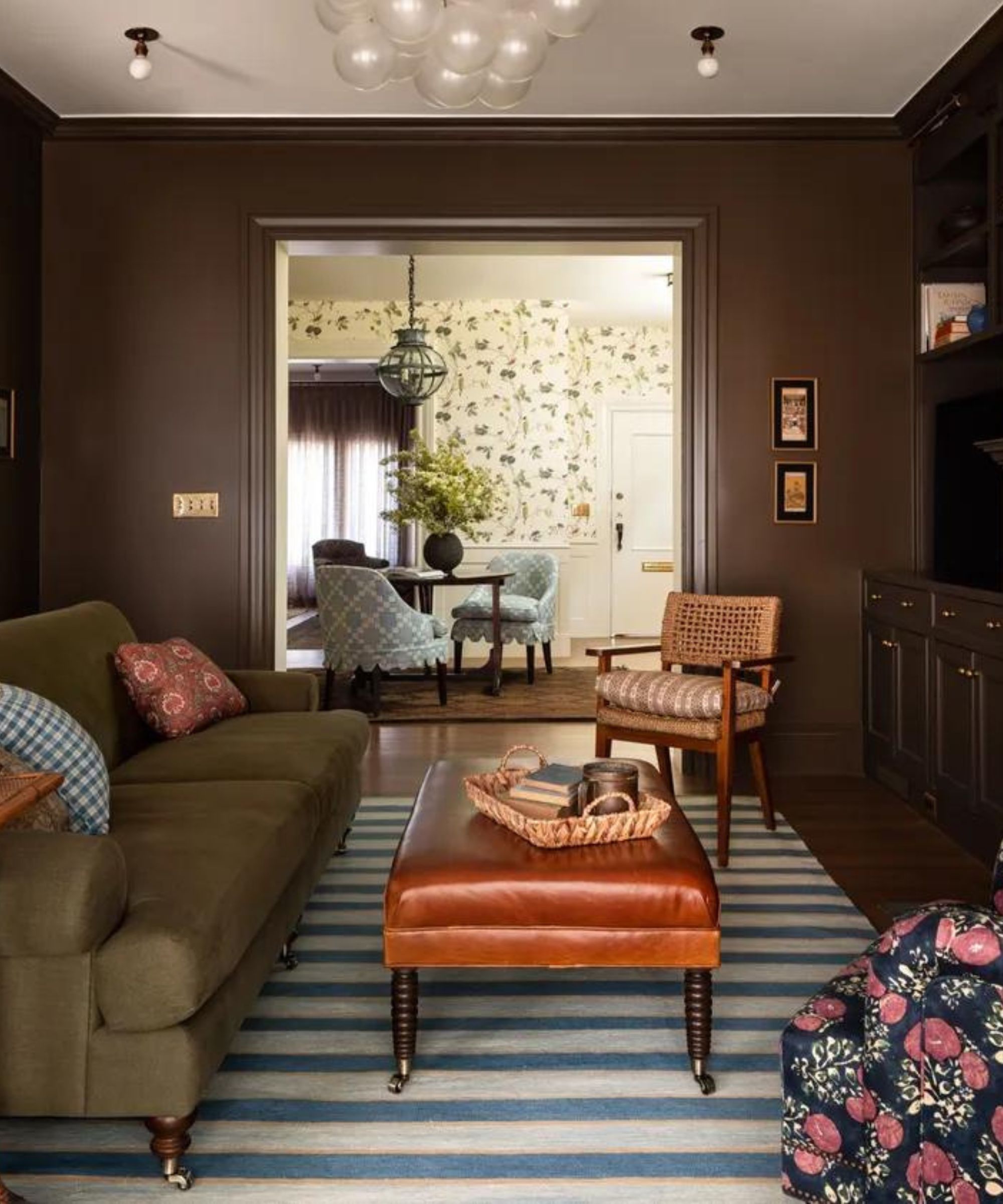
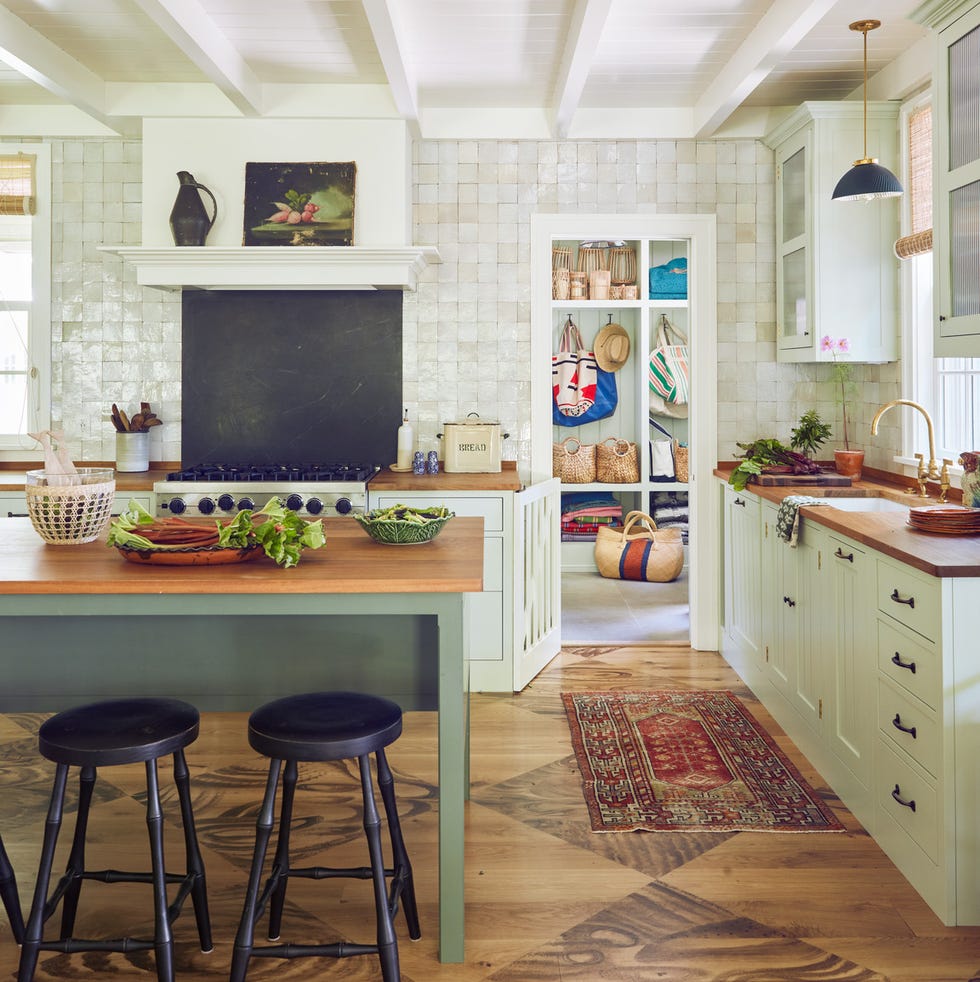
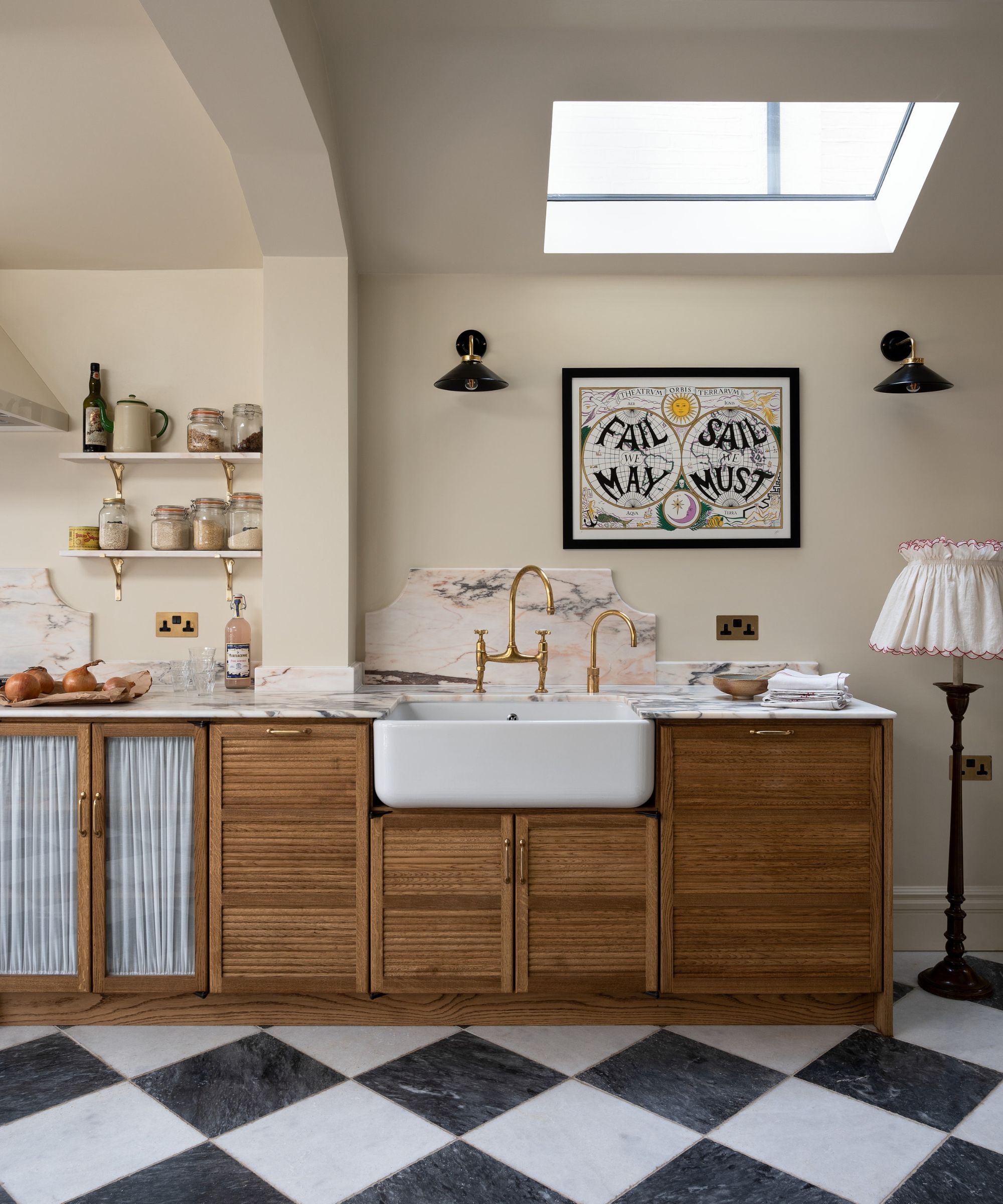
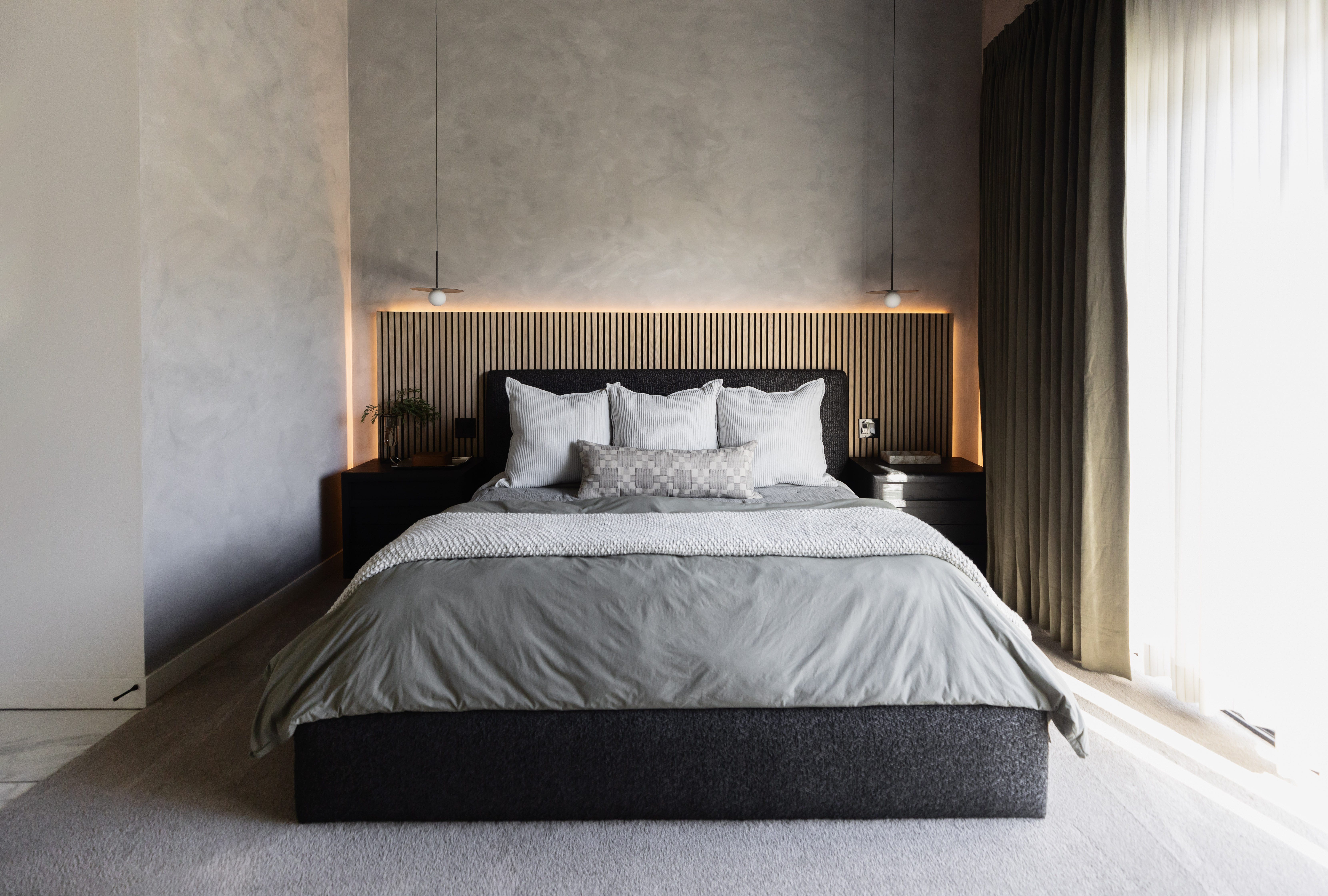
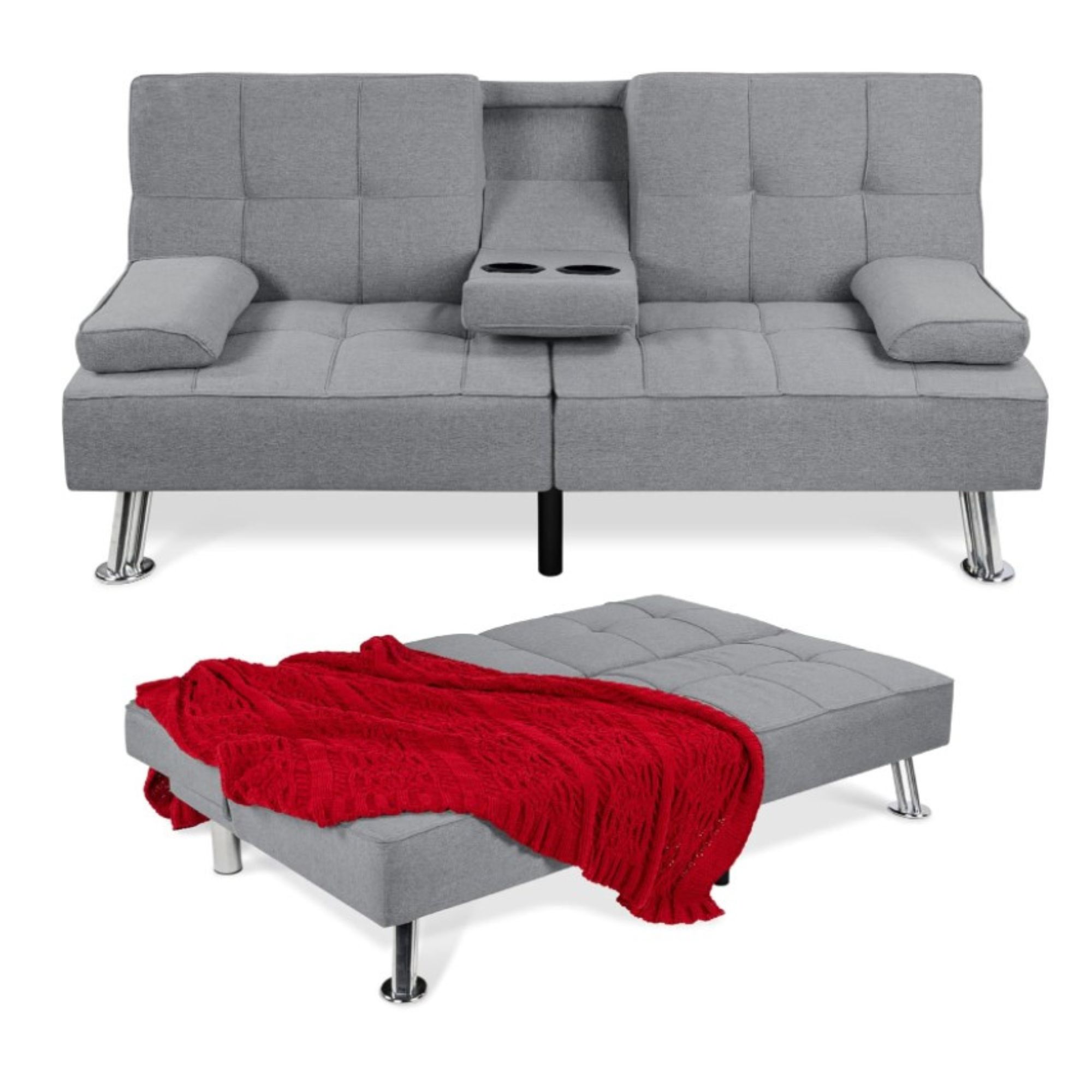
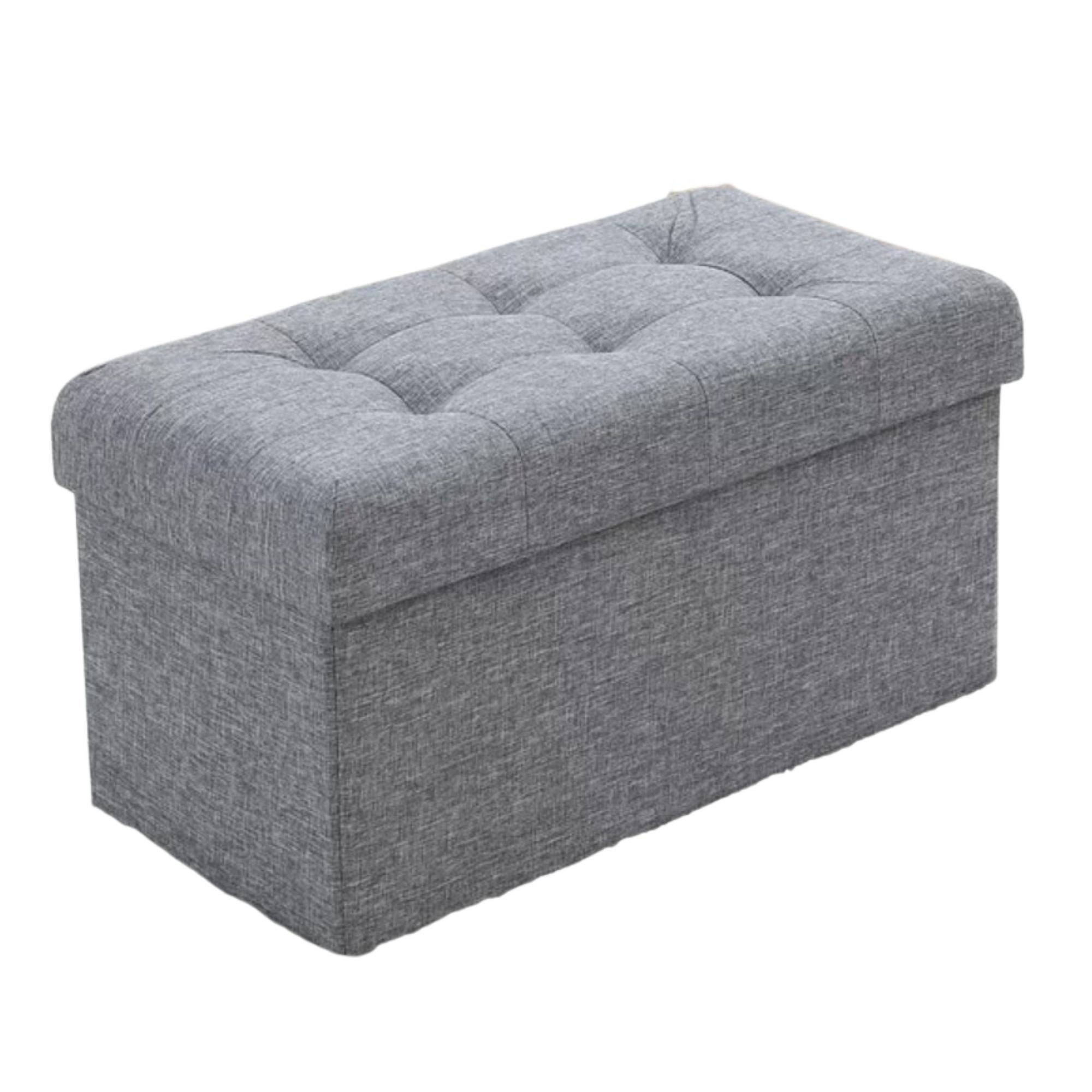
The concept of a "Wellness Zone" became important, with a rise in requests for dedicated meditation and yoga spaces to support well-being while working from home. A "Muted Color Palette" dominated, featuring organic shapes and natural materials like white oak, pine, heavily-veined natural stone, and textures such as linen and earthenware. "Traditionally Elegant" styles, drawing from English aesthetics, offered a simpler, less thematic approach to home decor. "The Kitchen Island Returns" as a focal point, with innovative ideas like integrated butcher blocks enhancing functionality for entertaining. "Modular Furniture" gained favor for its versatility and adaptability to different room configurations, while a "Nod to Nordic" design increased accessibility to simple and functional Scandinavian furniture and accessories.
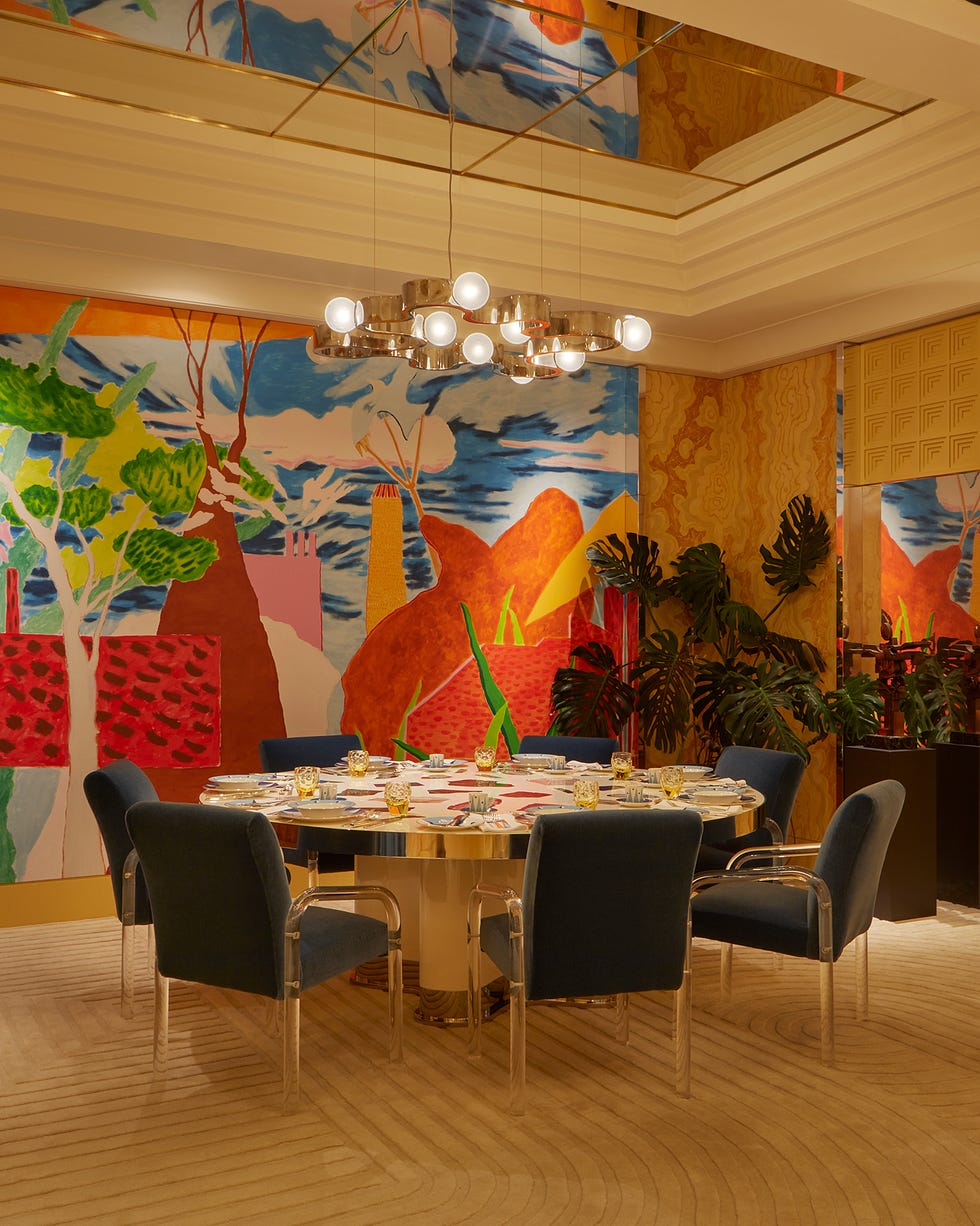
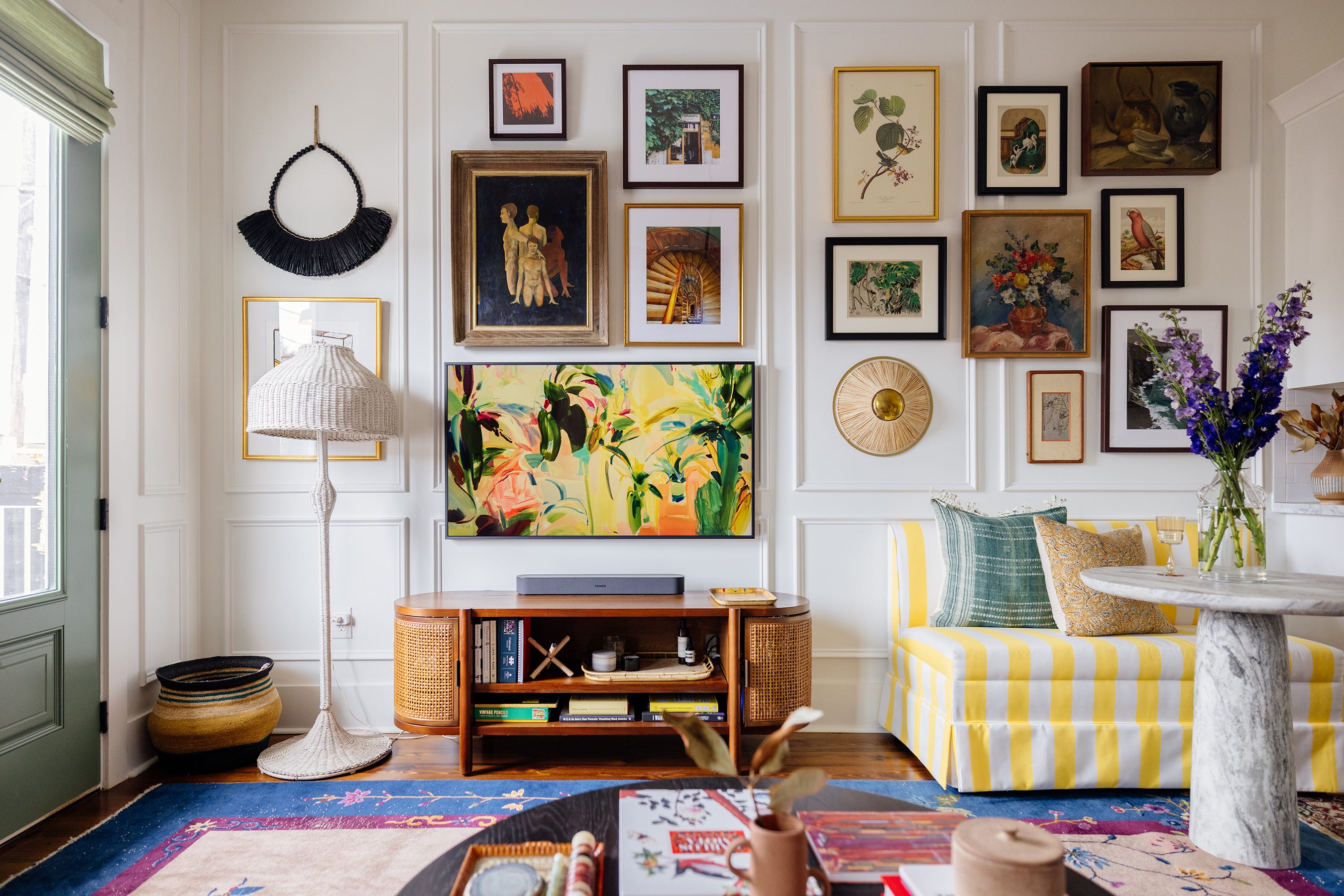
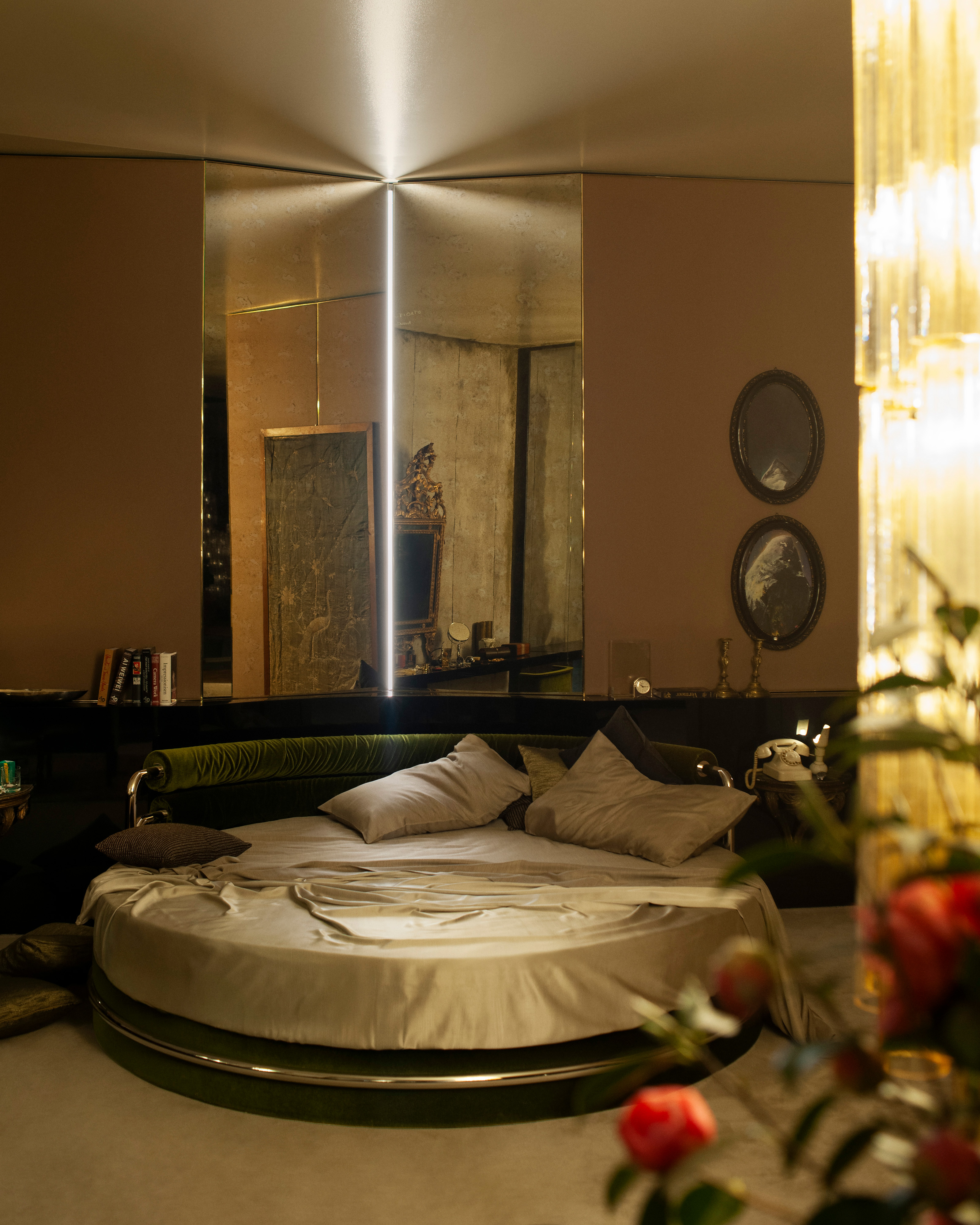
"Double Duty" or multi-purpose rooms became essential, accommodating workspaces, school areas, and entertainment zones within the same home. "Curves Ahead" in design, incorporating arch doorways, rounded millwork, and curved furniture, softened the clean lines typically found in modern spaces. "Flex-Space Living" was facilitated by technologies like the Samsung Frame TV, providing aesthetically pleasing alternatives to traditional large black televisions. Finally, "Social Media Cycling" was identified as a driver of trends, leading to quicker adoption and a faster turnover of popular styles, with designers noting that maximalism, with its layered textures, patterns, and colors, continued to be a significant trend, creating cozy and lived-in rooms. Each trend reflects the evolving needs and preferences of homeowners in response to a changing world.
#InteriorDesign #HomeDecor #DecorTrends2021 #JapandiStyle #NaturalElements #ModularFurniture #WellnessSpaces #ColorTrends #SustainableDesign #InteriorDesign #HomeDecor #DecorTrends2021 #JapandiStyle #NaturalElements #ModularFurniture #WellnessSpaces #ColorTrends #SustainableDesign
0 comment in total
 No comments yet
You may also like
These Are the Top Design Trends You’ll Be Seeing in Living Rooms in 2021

12 Must-Know Interior Design Trends That Have Defined Our Homes in 2025

Don't Shed Your Sweats Yet! The Year's 8 Hottest Living Room Design Trends Bring the Cozy, Comfy Vibes
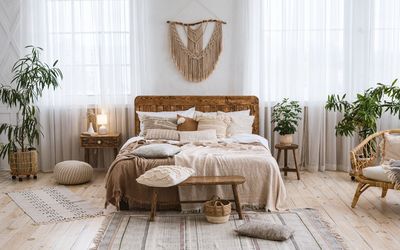
18 "Outdated" Furniture Trends That Need To Go In 2025

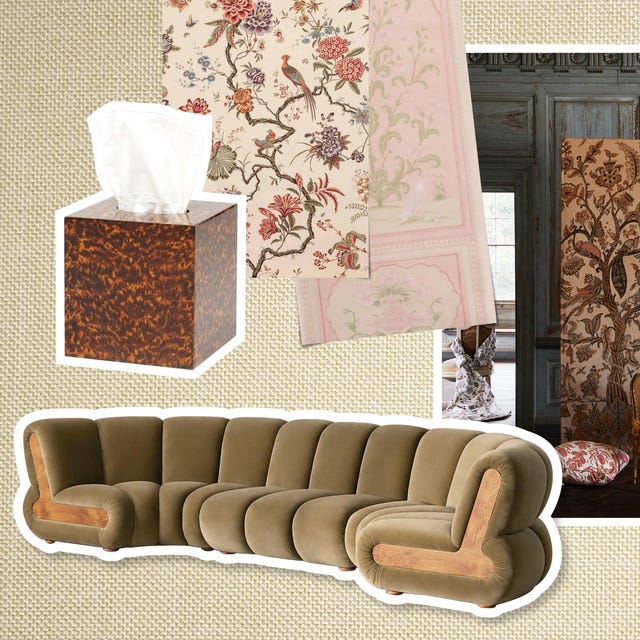
We Combed Design Markets and Shows Around the World to Find the 11 Biggest Interior Trends Right Now

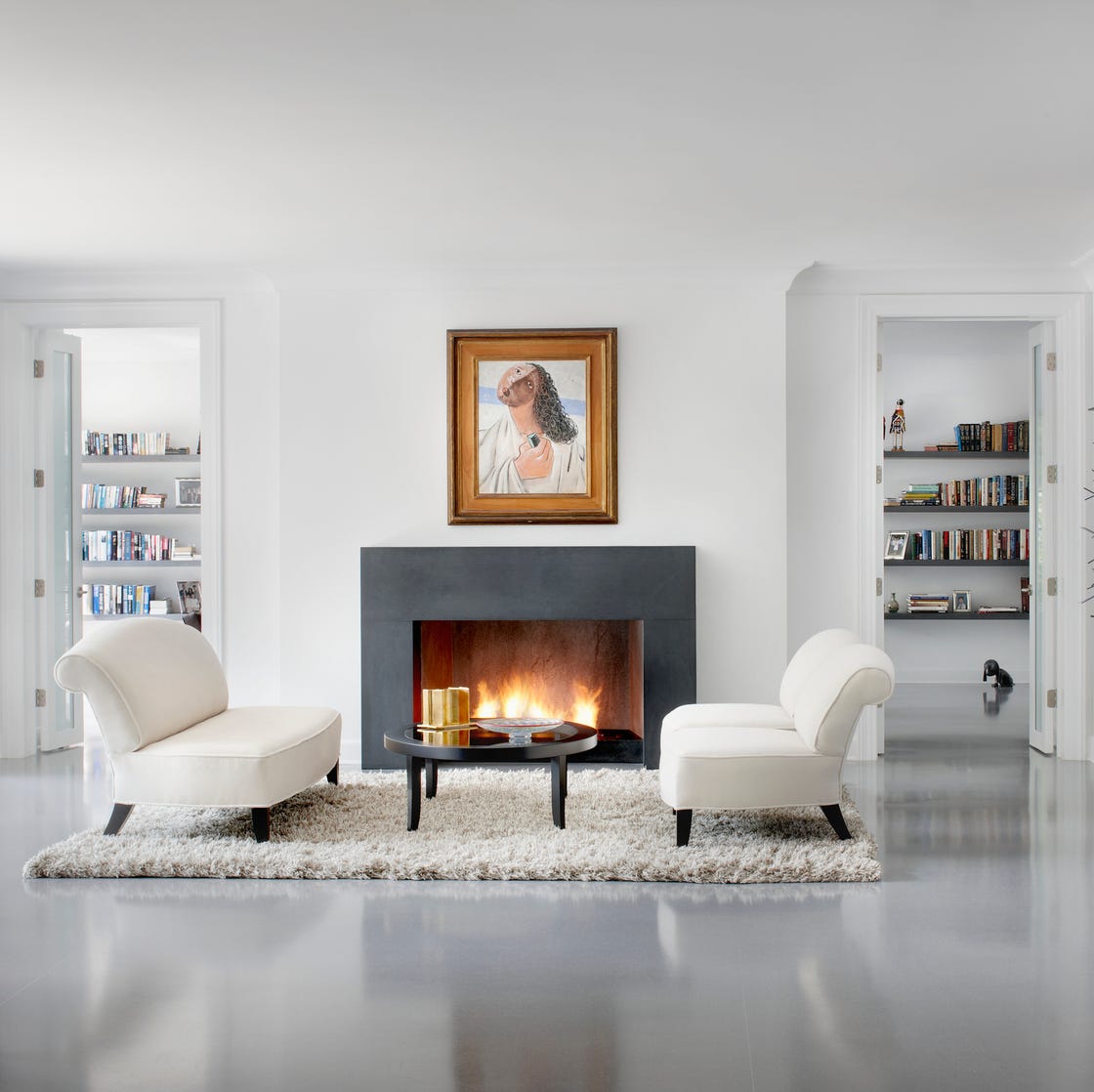
8 Decorating Trends Designers Wish Would Go Away in 2025
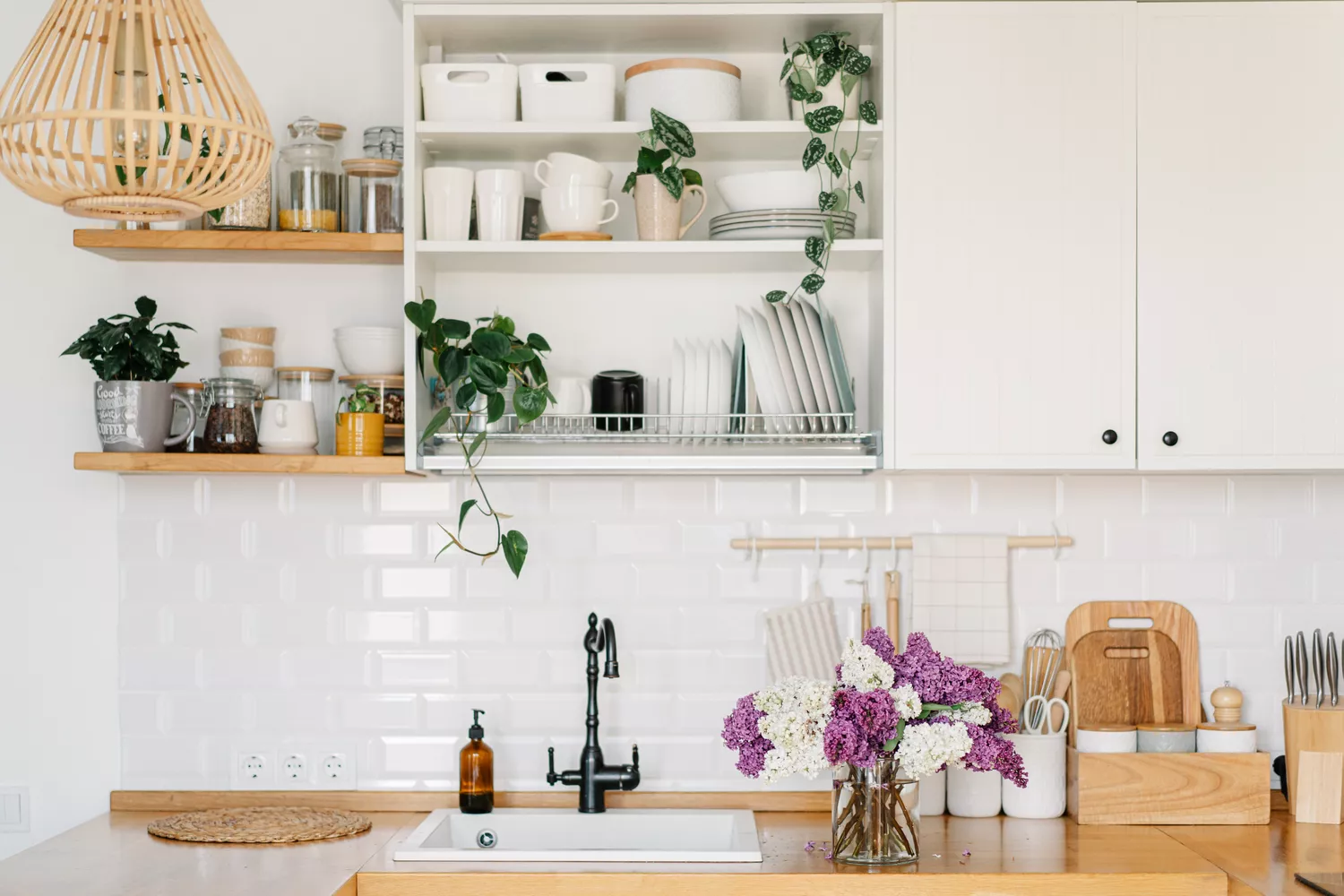
9 Home Décor Trends on Their Way Out in 2025, According to Interior Designers
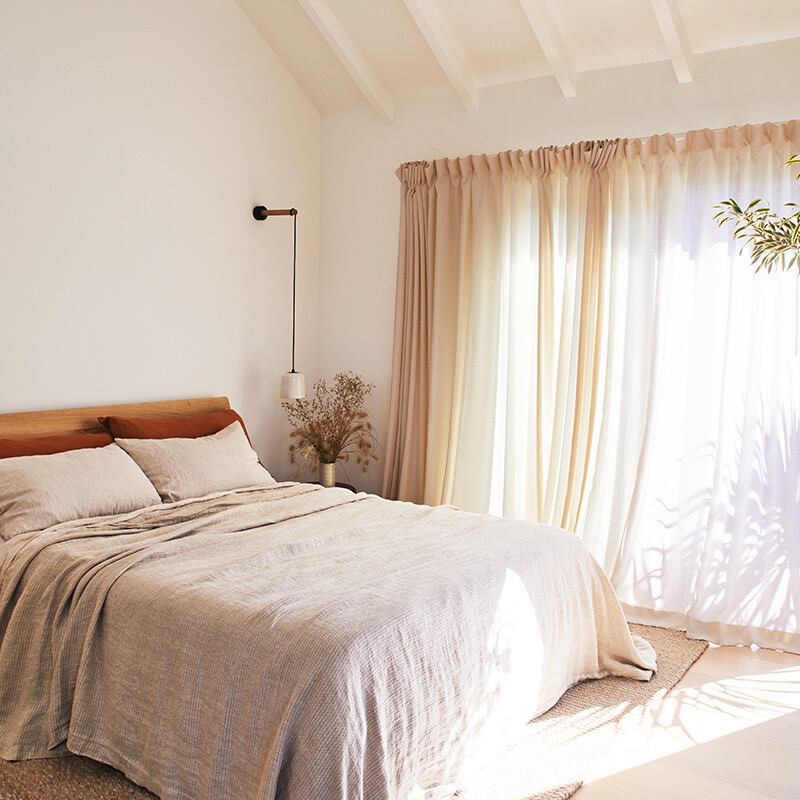
Designers Predict: These Will Be the Biggest Home Décor Trends of 2022

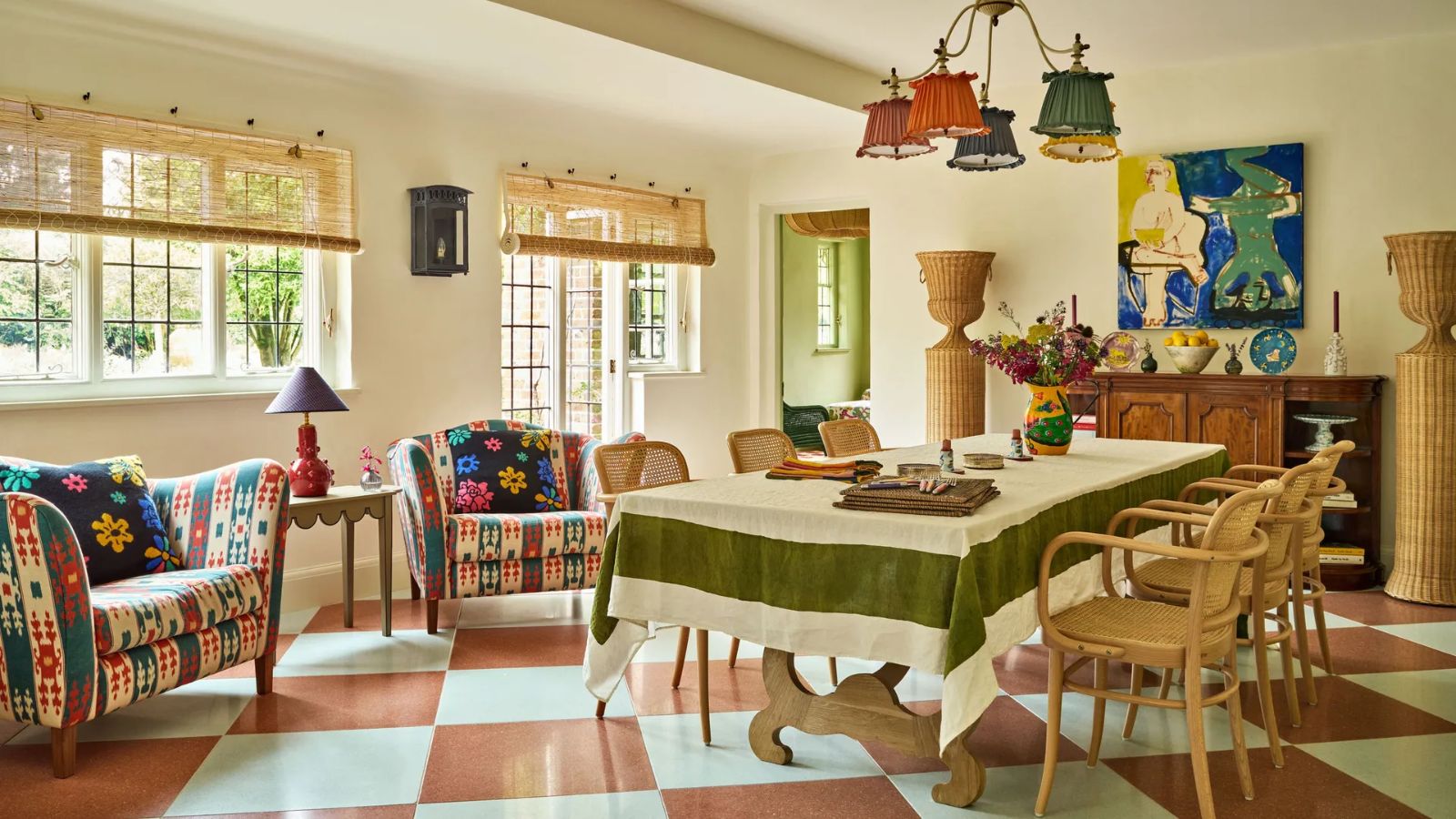
14 Interior Trends Designers Say Will Define the Year Ahead
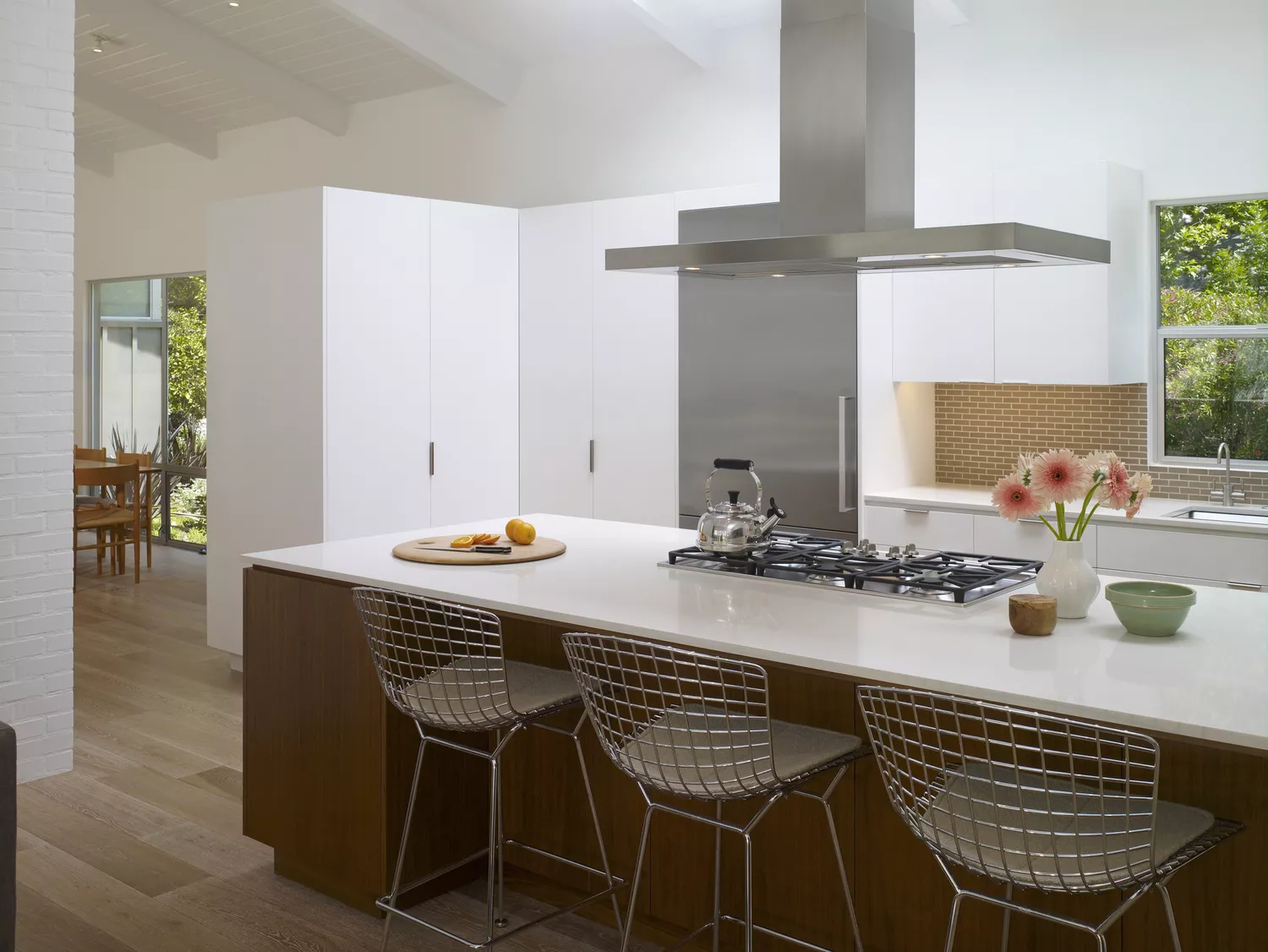
Interior Design Trends for 2021

7 Home Decor Trends to Look for in 2023 According to Interior Designers
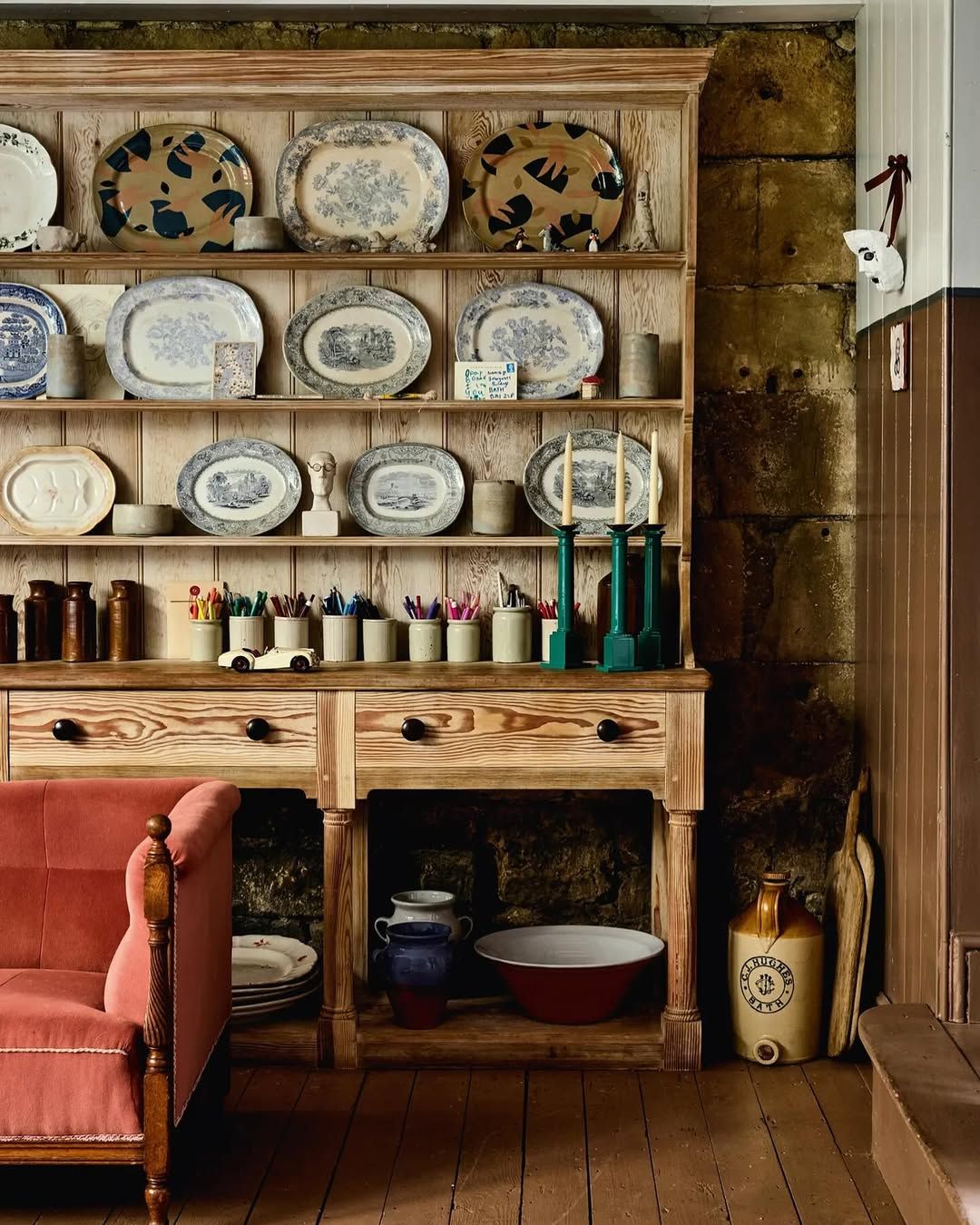
The 11 Key Interior Design Trends Set to Define 2026
The Decor Trend Interior Designers Are Loving For 2021
What's making a home look dated in 2025? Interior designers share the design icks that they say are aging your interiors
Top interior design trends 2020

The Biggest Interior Design Trends for 2025

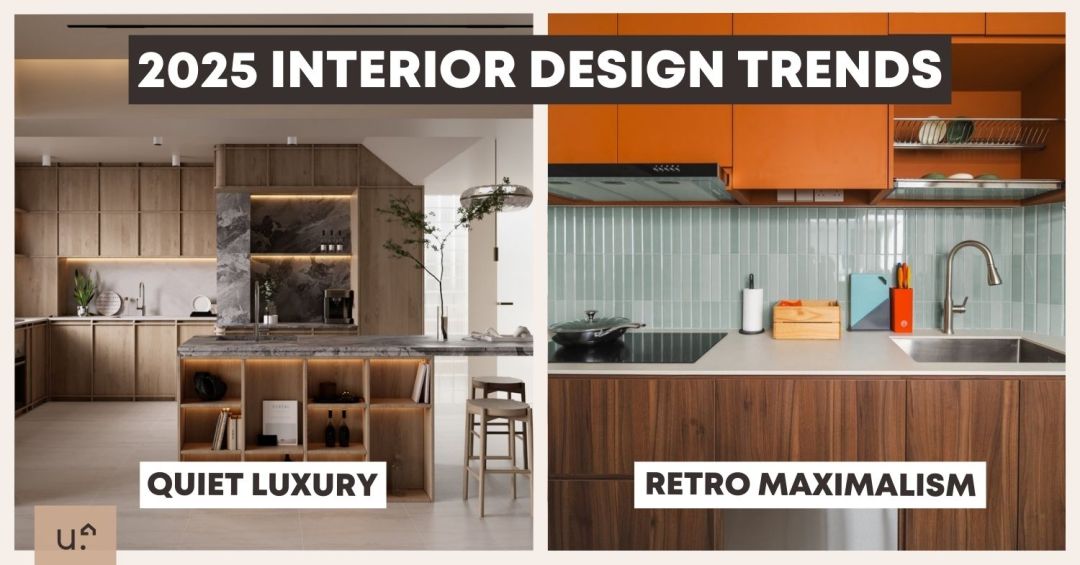
11 Biggest Interior Trends Of 2025, Design Solutions & Reno Tips As Revealed By An Interior Designer

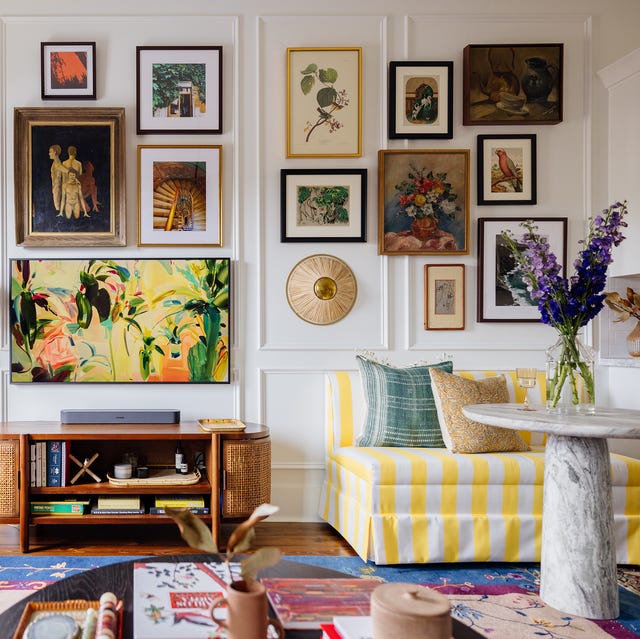
The Pros Have Spoken: These Interior Design Trends Will Define 2025

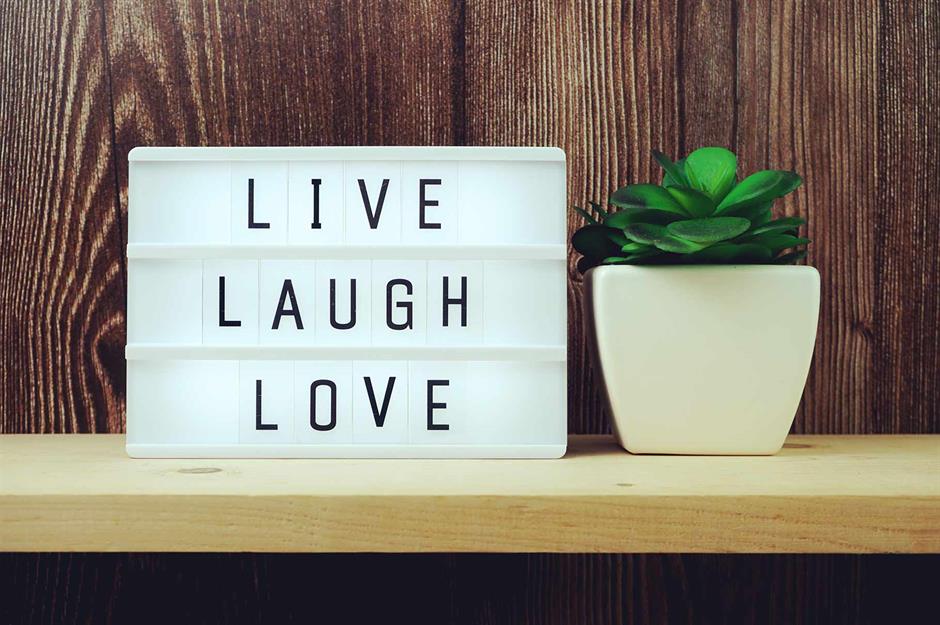
30 of the worst modern home trends that WILL go out of fashion | loveproperty.com

17 Trends That Need to Disappear Forever , According to Interior Designers