1/15
14 Interior Trends Designers Say Will Define the Year Ahead
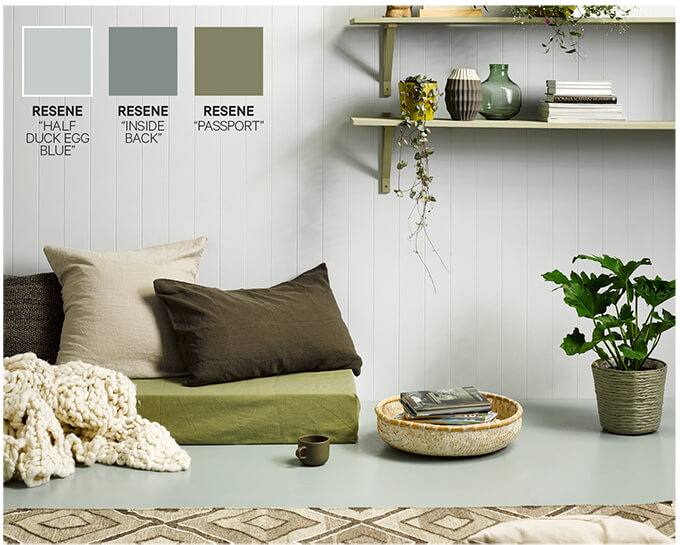
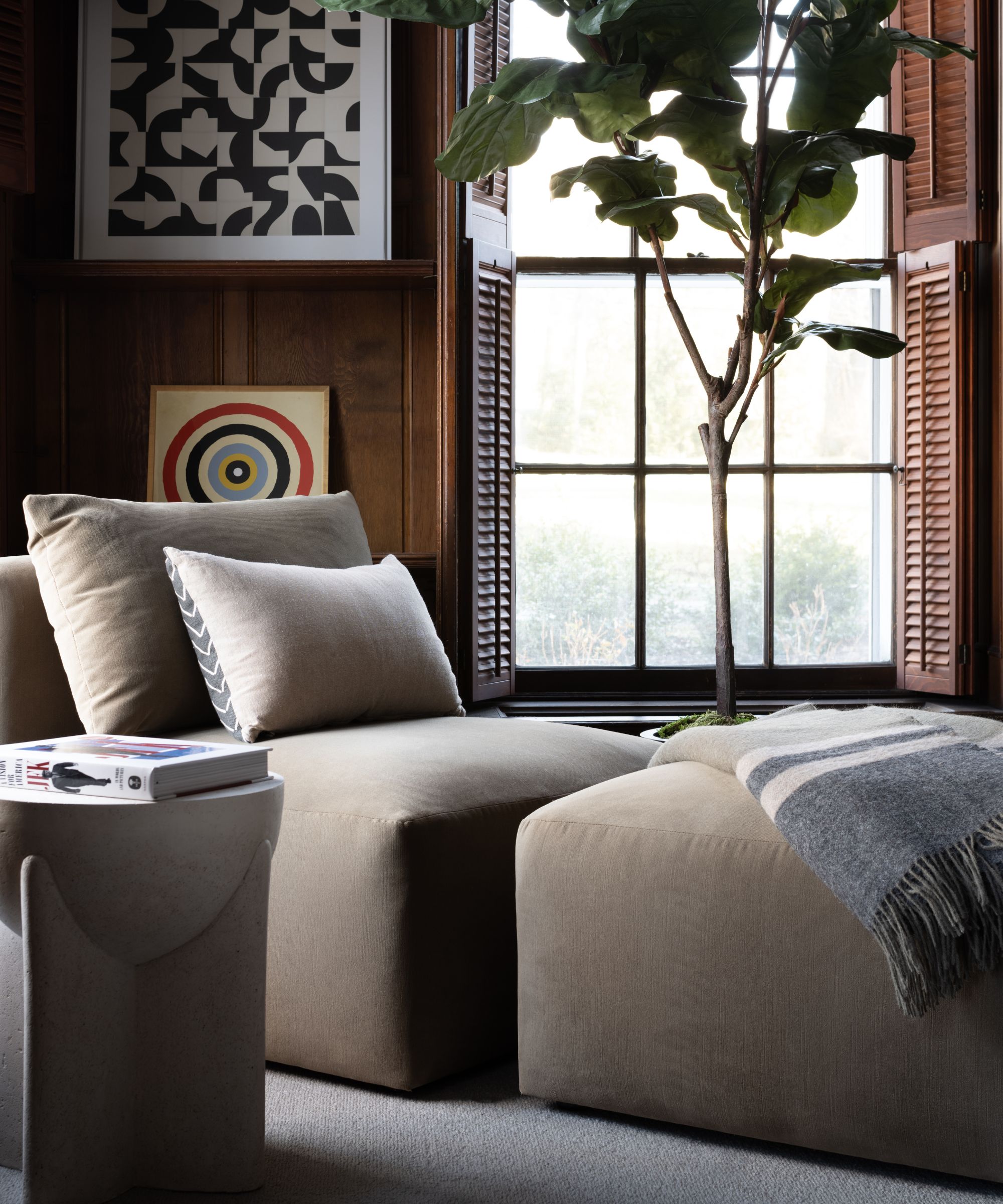
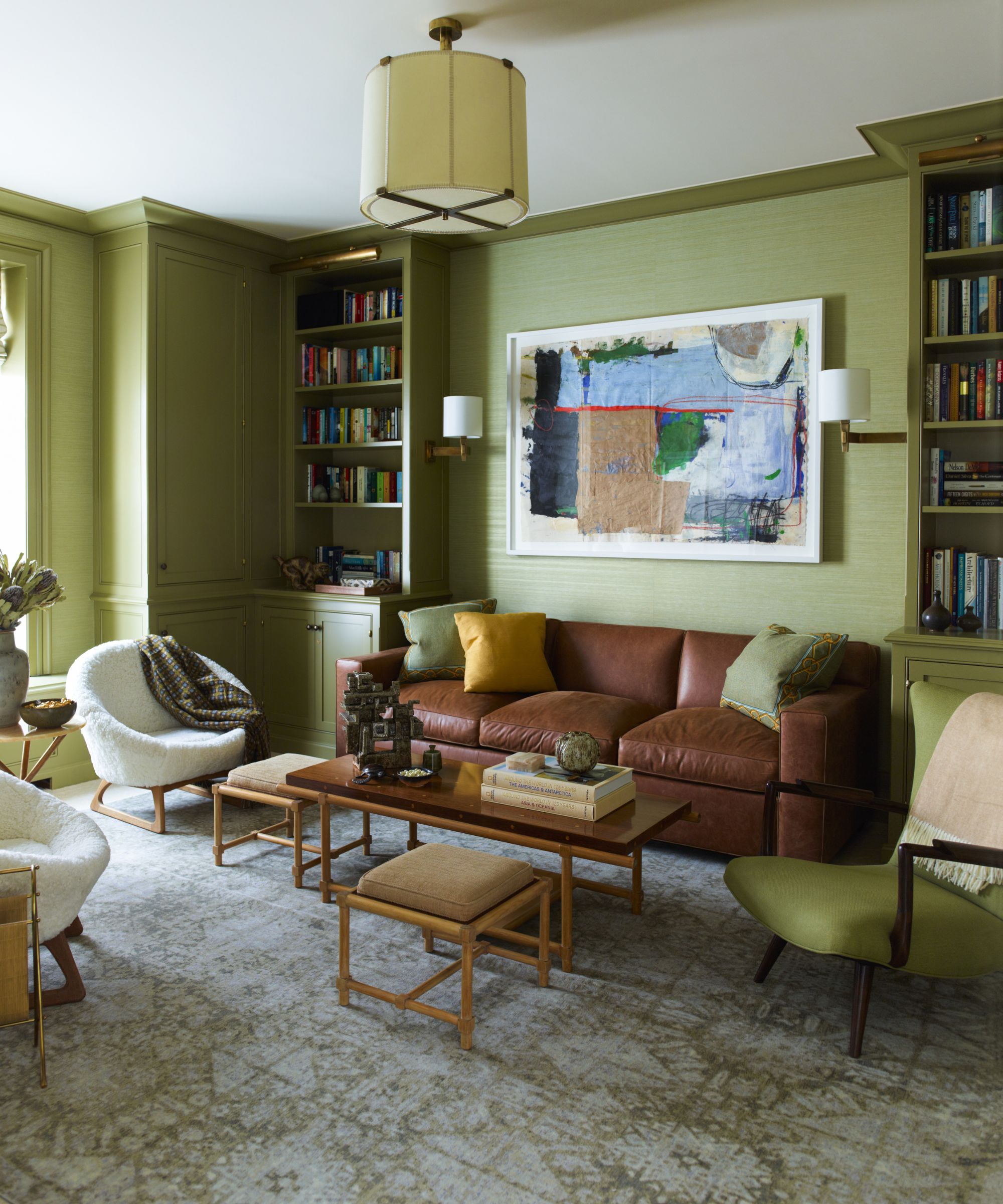
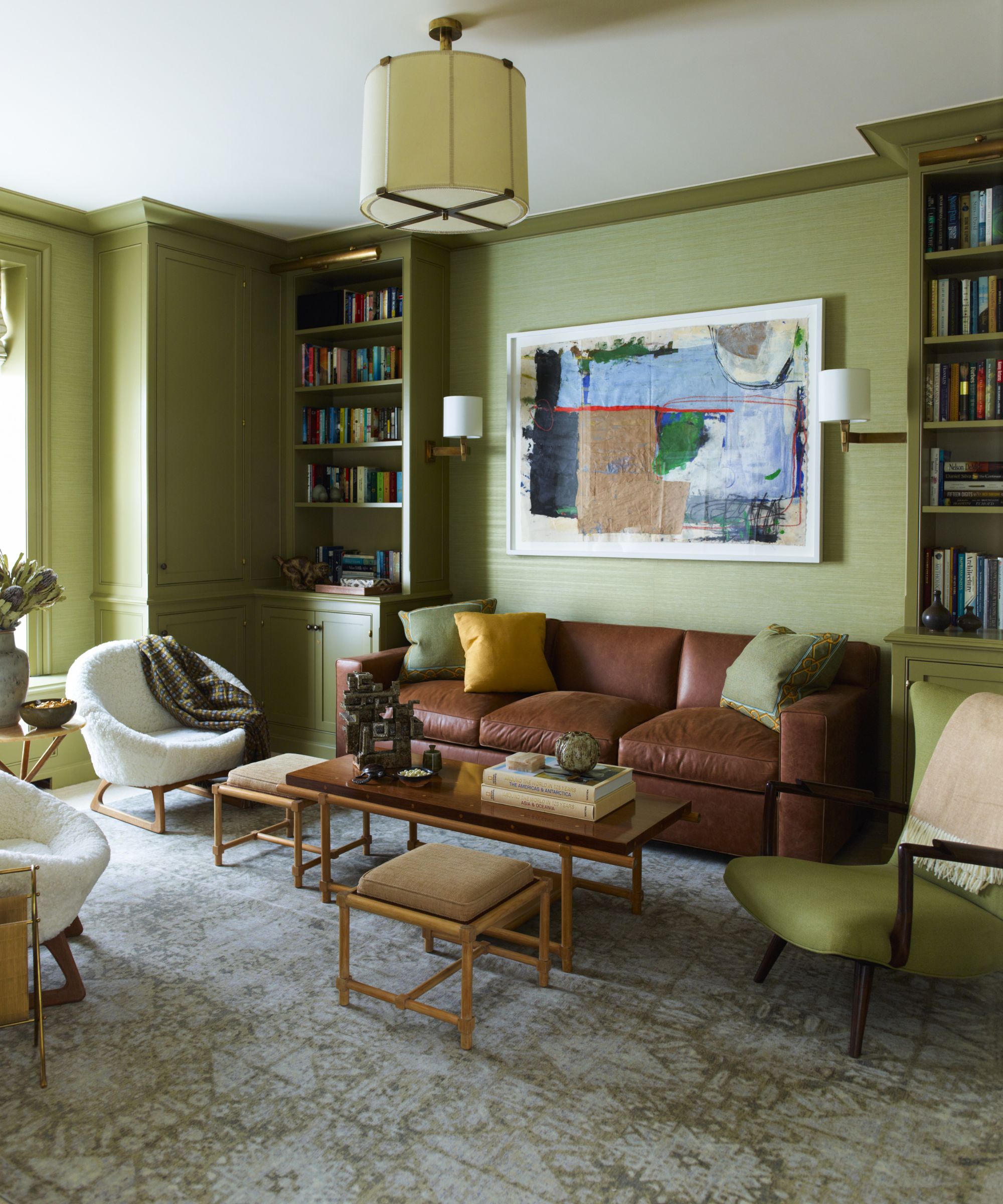
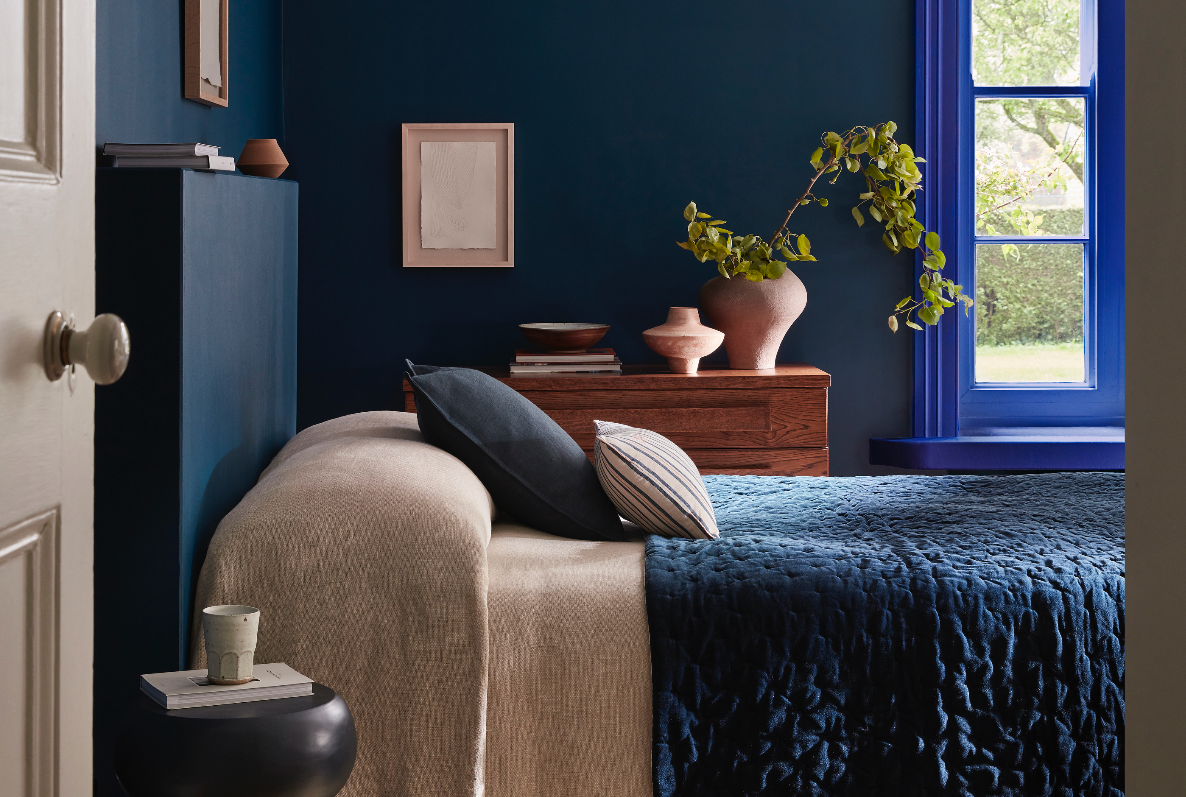
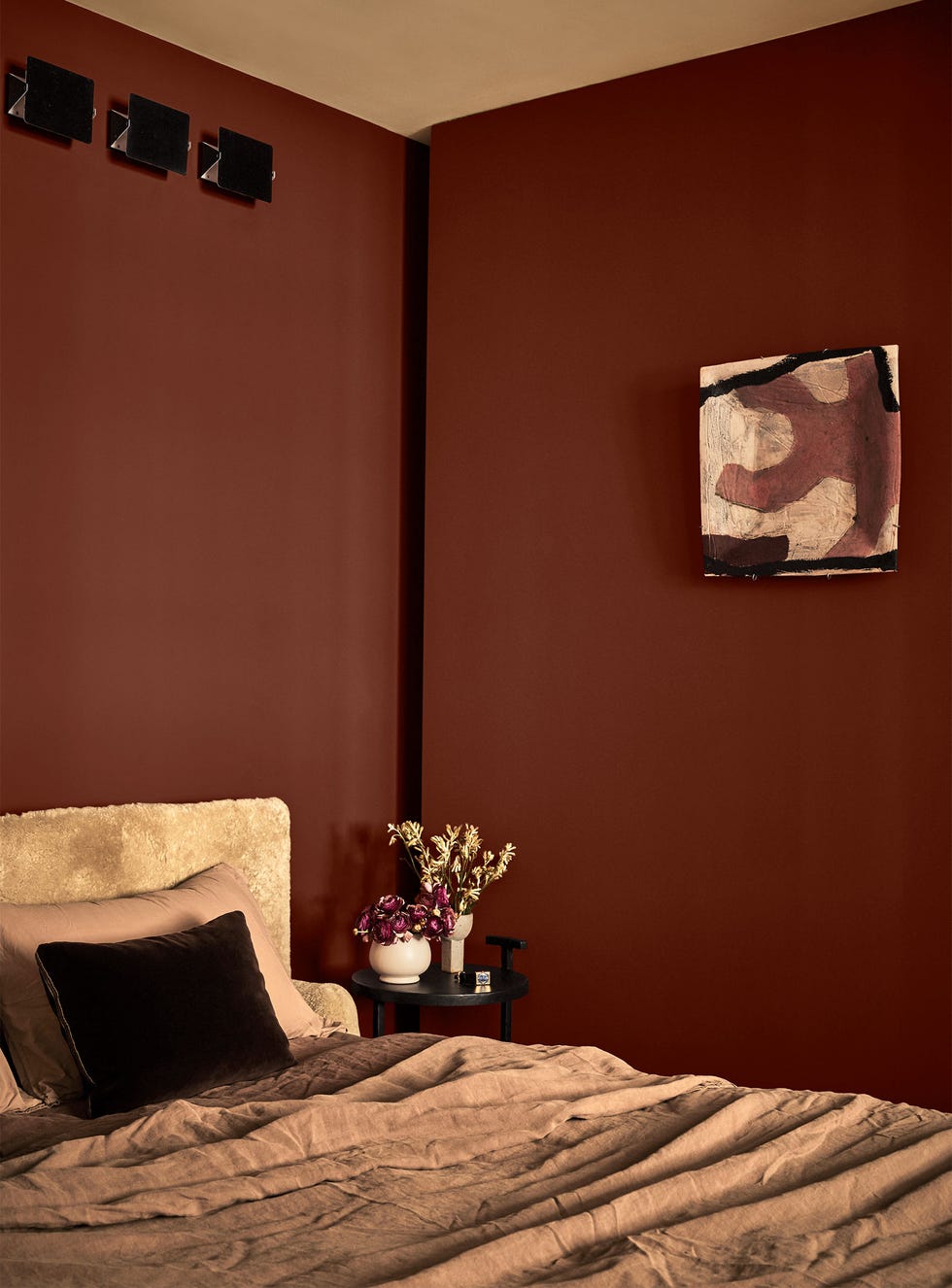
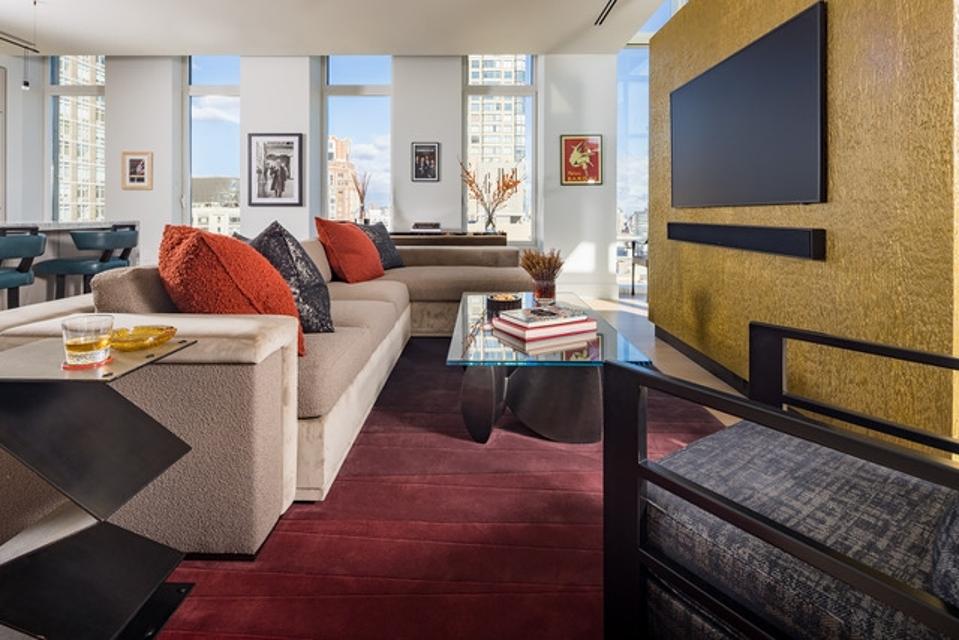
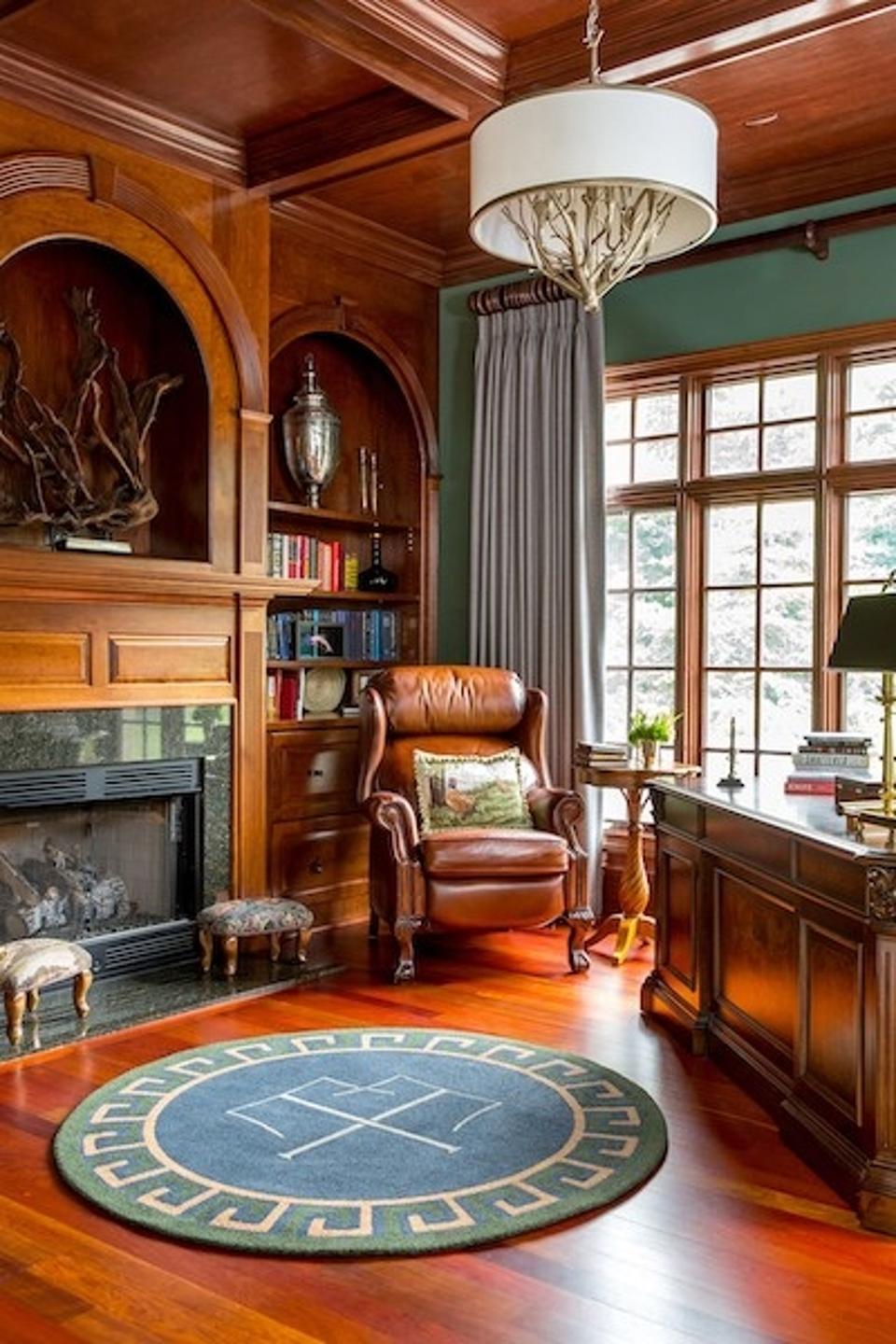
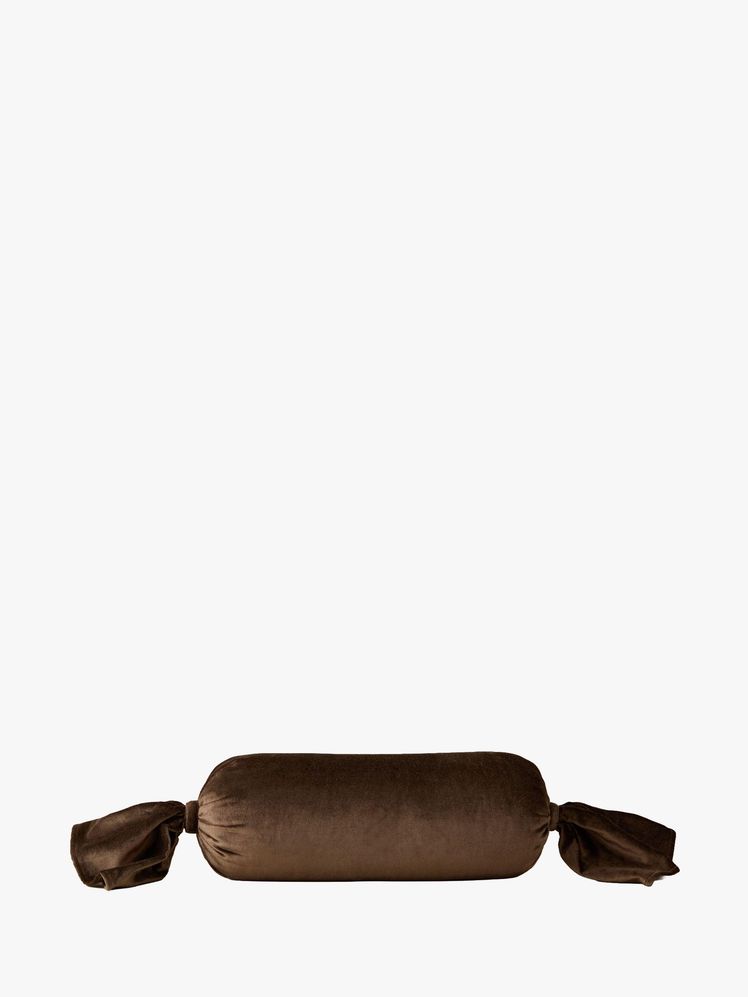
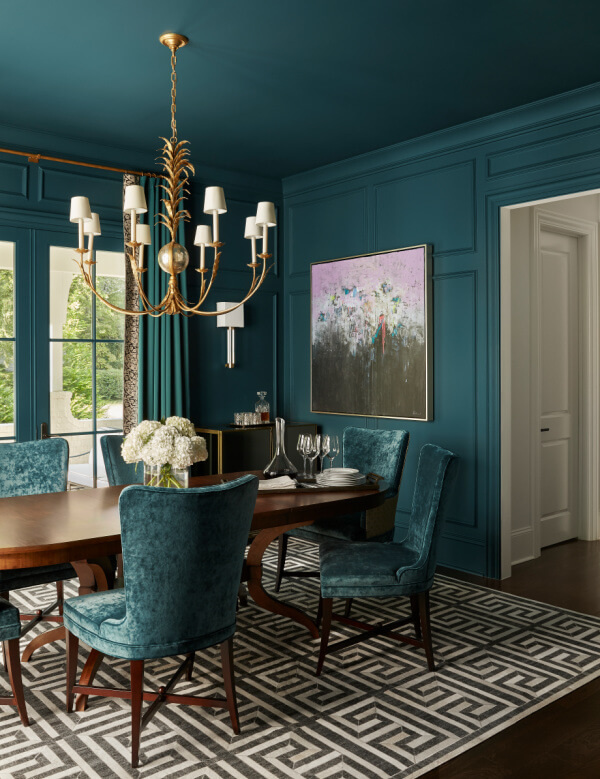
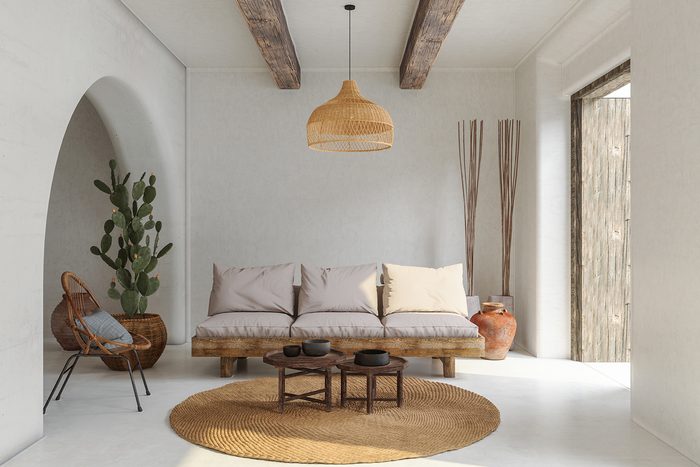
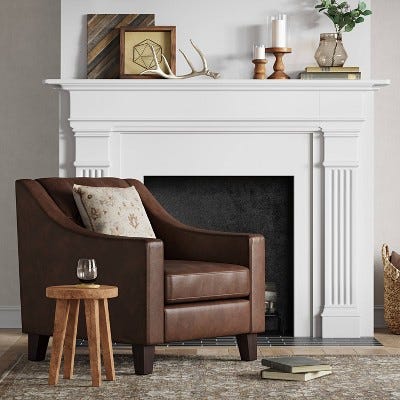
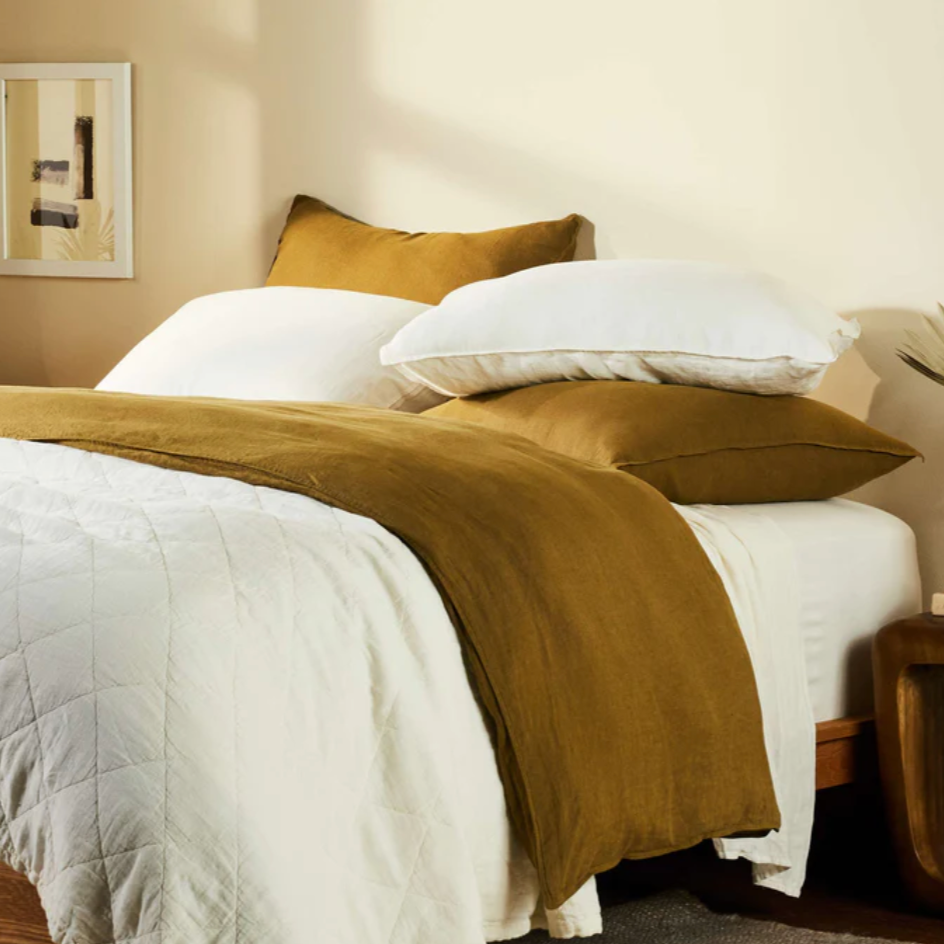
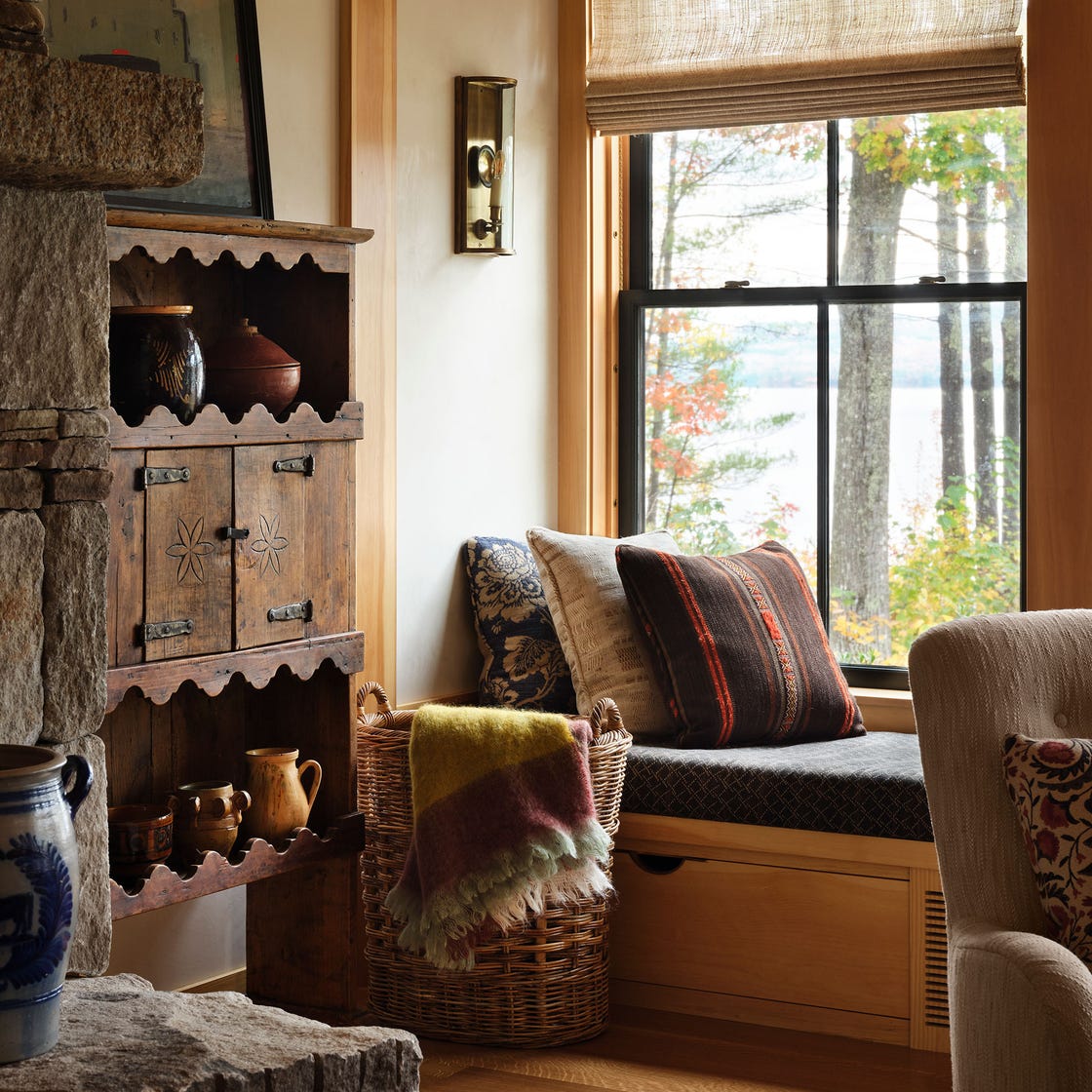
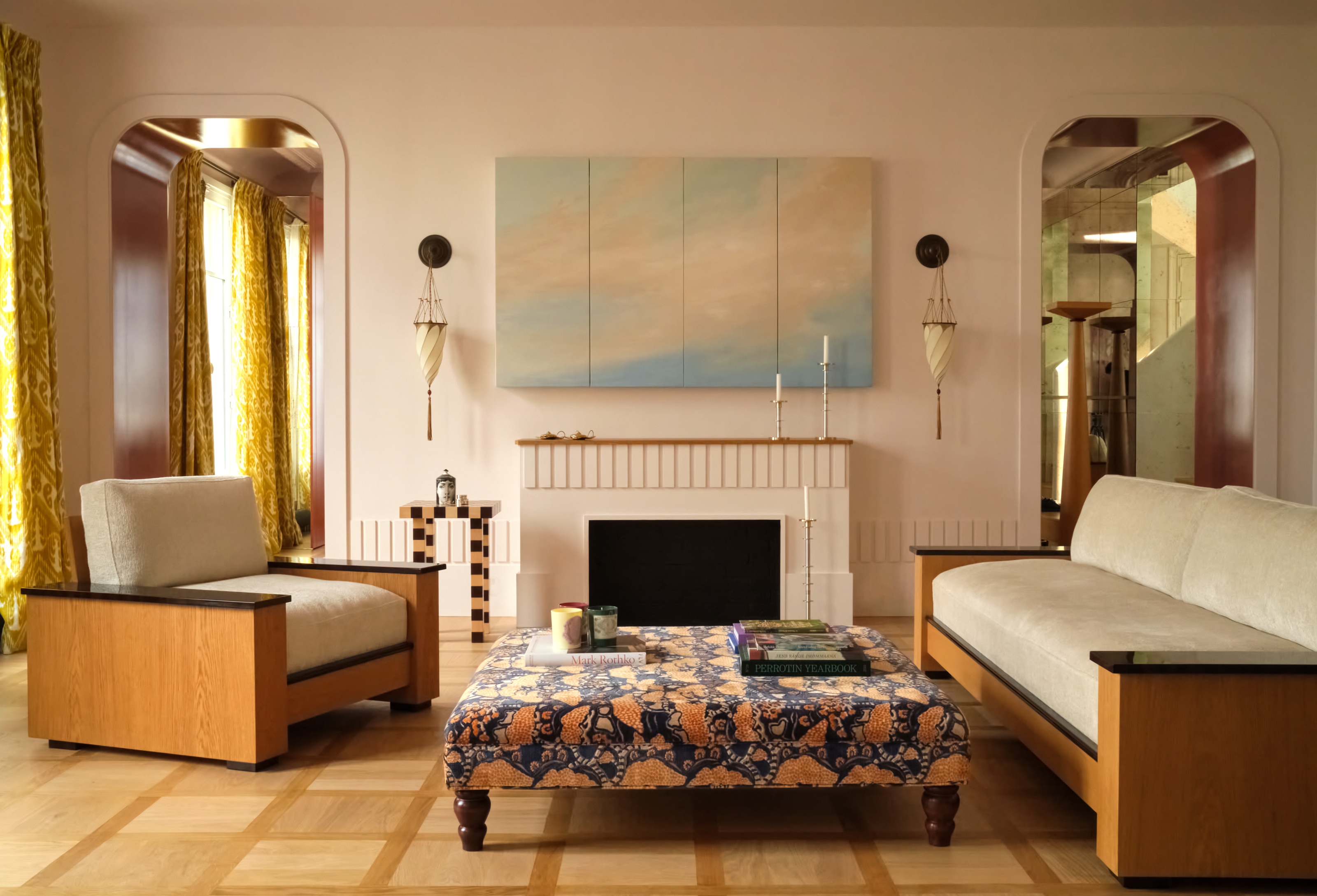
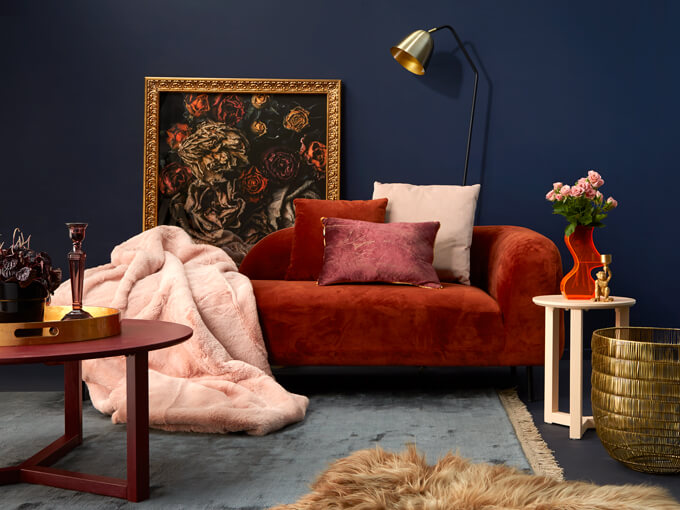
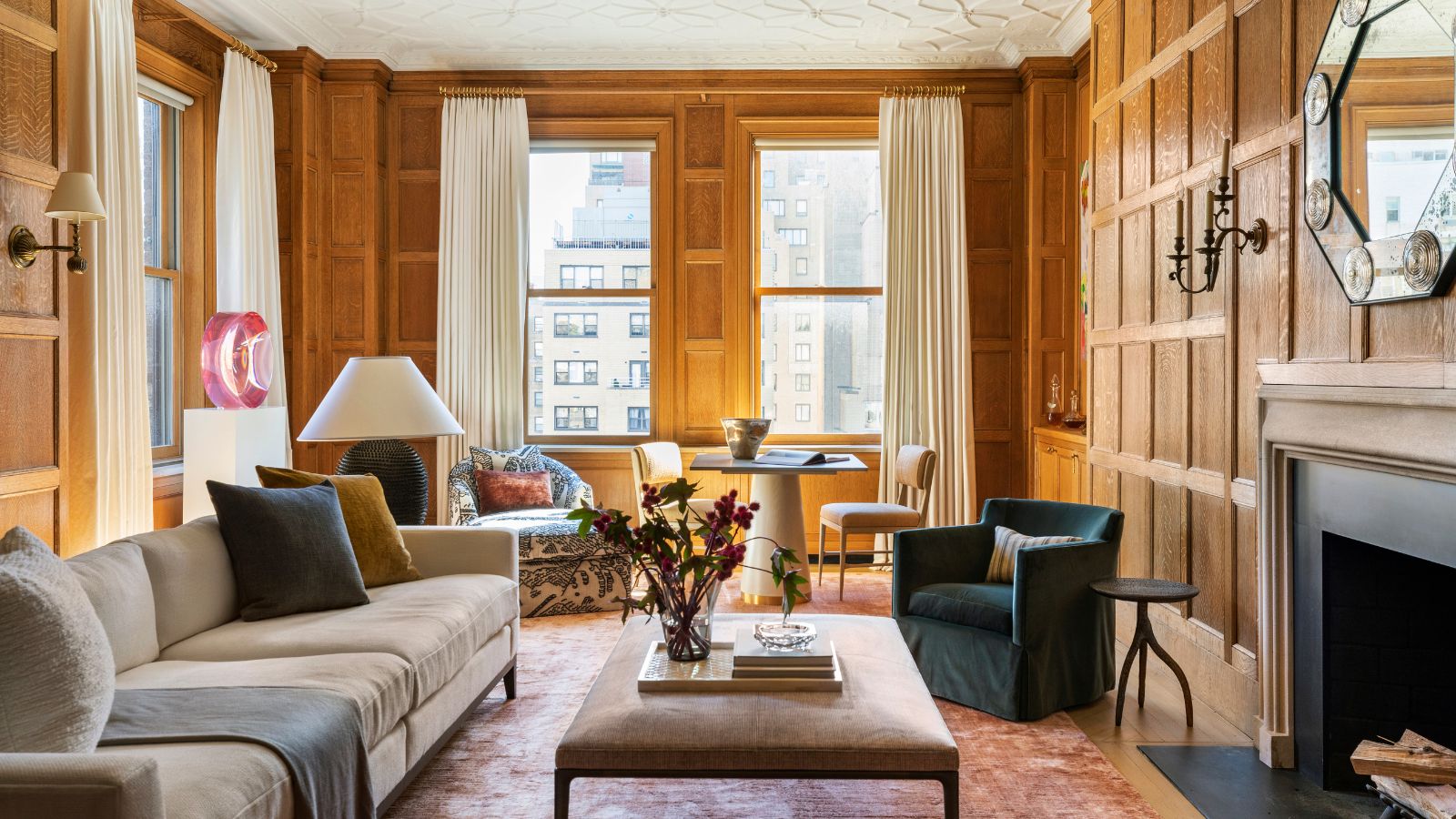
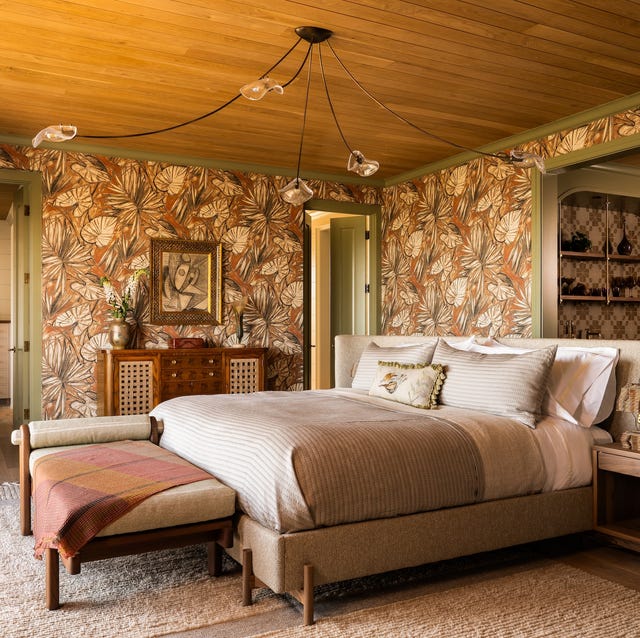
The year 2026 is anticipated to bring a shift in interior design trends, moving towards homes that emphasize personality, comfort, and a lived-in feel, diverging from overly polished or perfect aesthetics. Designers forecast a move towards deeper, moodier warm color schemes, with rich browns, caramel, merlot, rust, and olive tones gaining prominence. This evolution is seen in both paint colors and natural materials, creating soothing and grounded environments that blend vintage and contemporary elements.
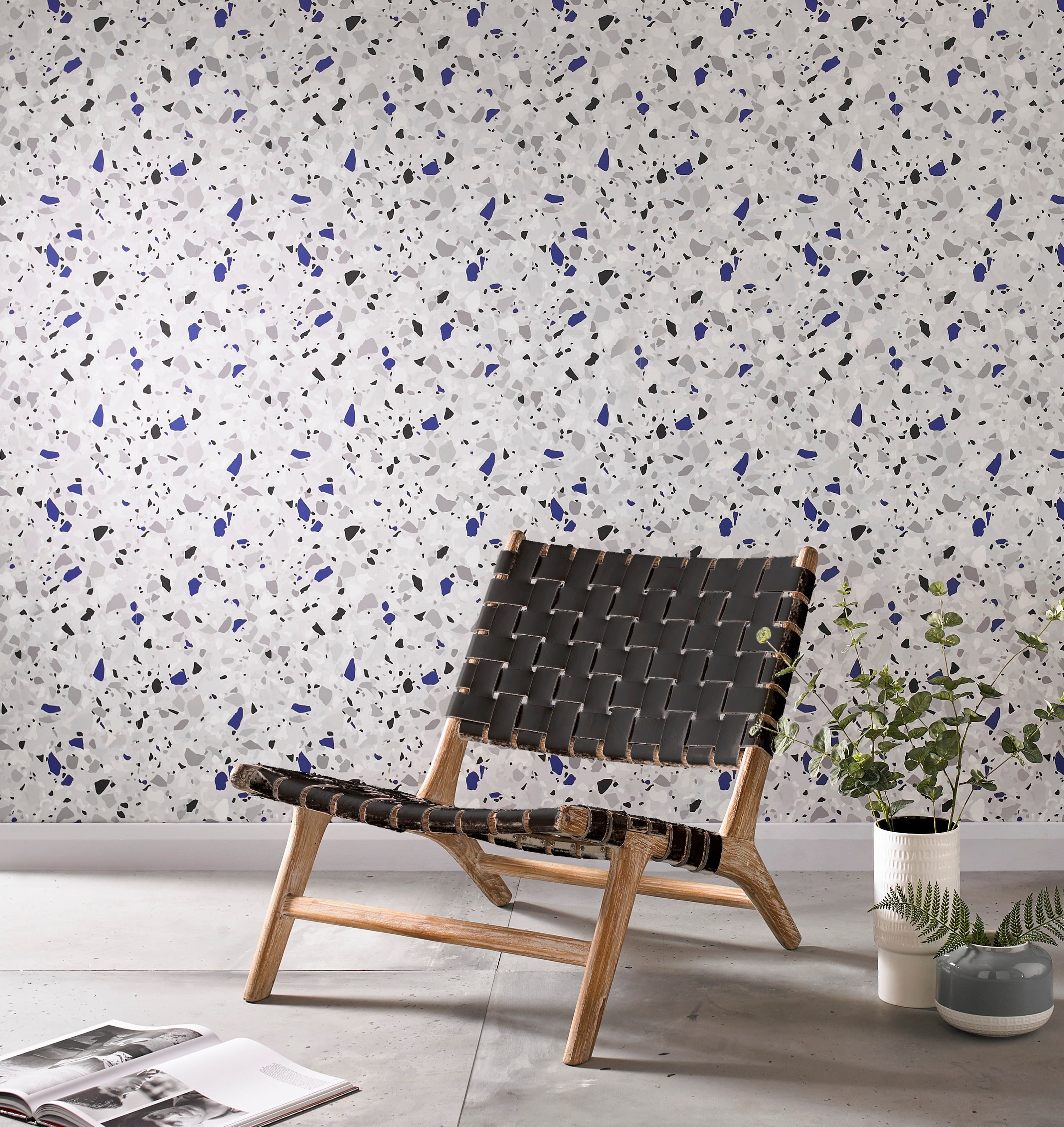
Statement stones are expected to become bolder, particularly in kitchens and bathrooms. While marble has been popular, the future leans towards more dramatic natural stones like viola marbles and emerald quartzites, incorporating rich and colorful veins. These stones will extend beyond countertops to furniture, fireplace surrounds, and decorative accents, offering a vibrant contrast to timeless neutrals.
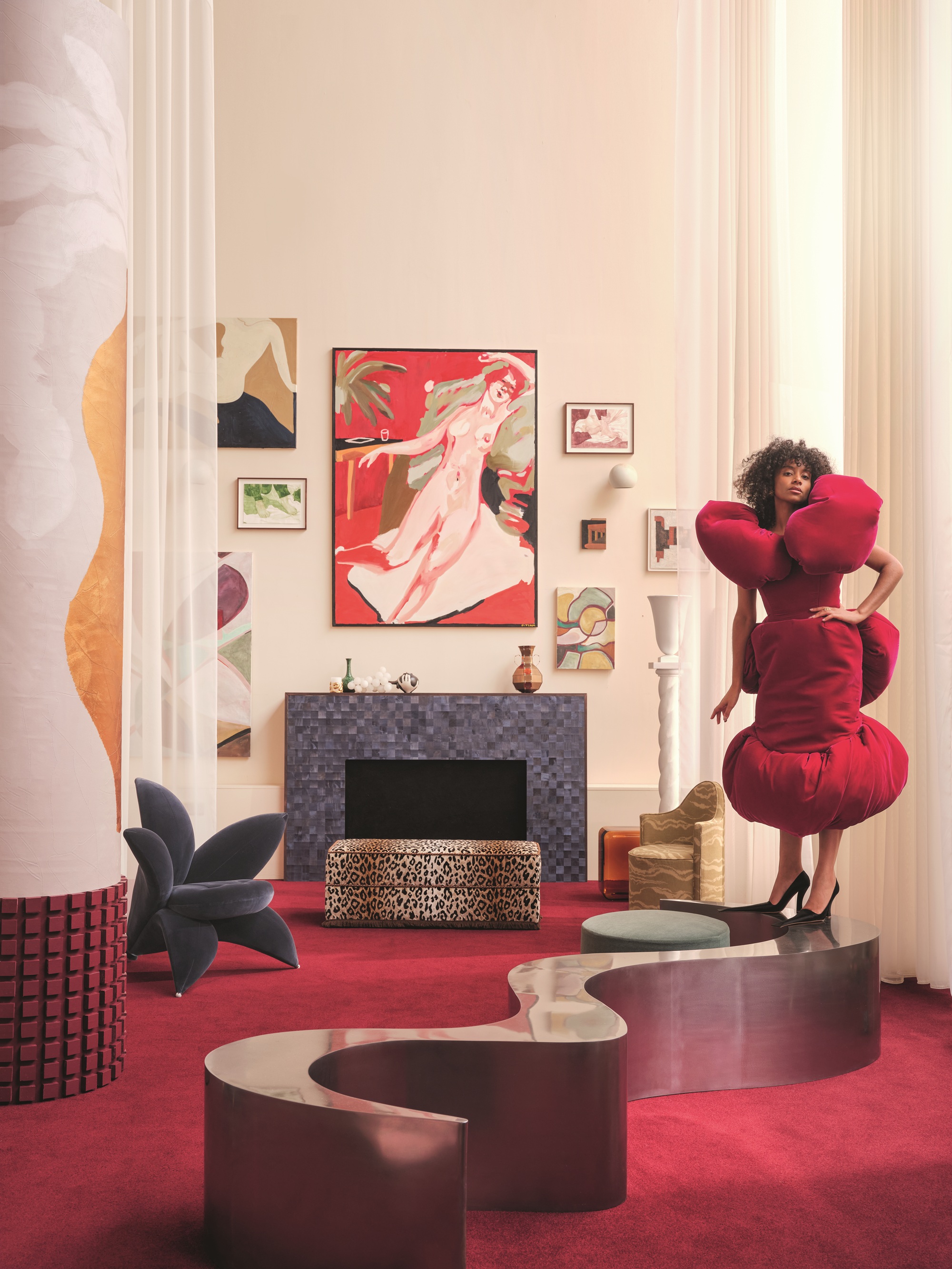
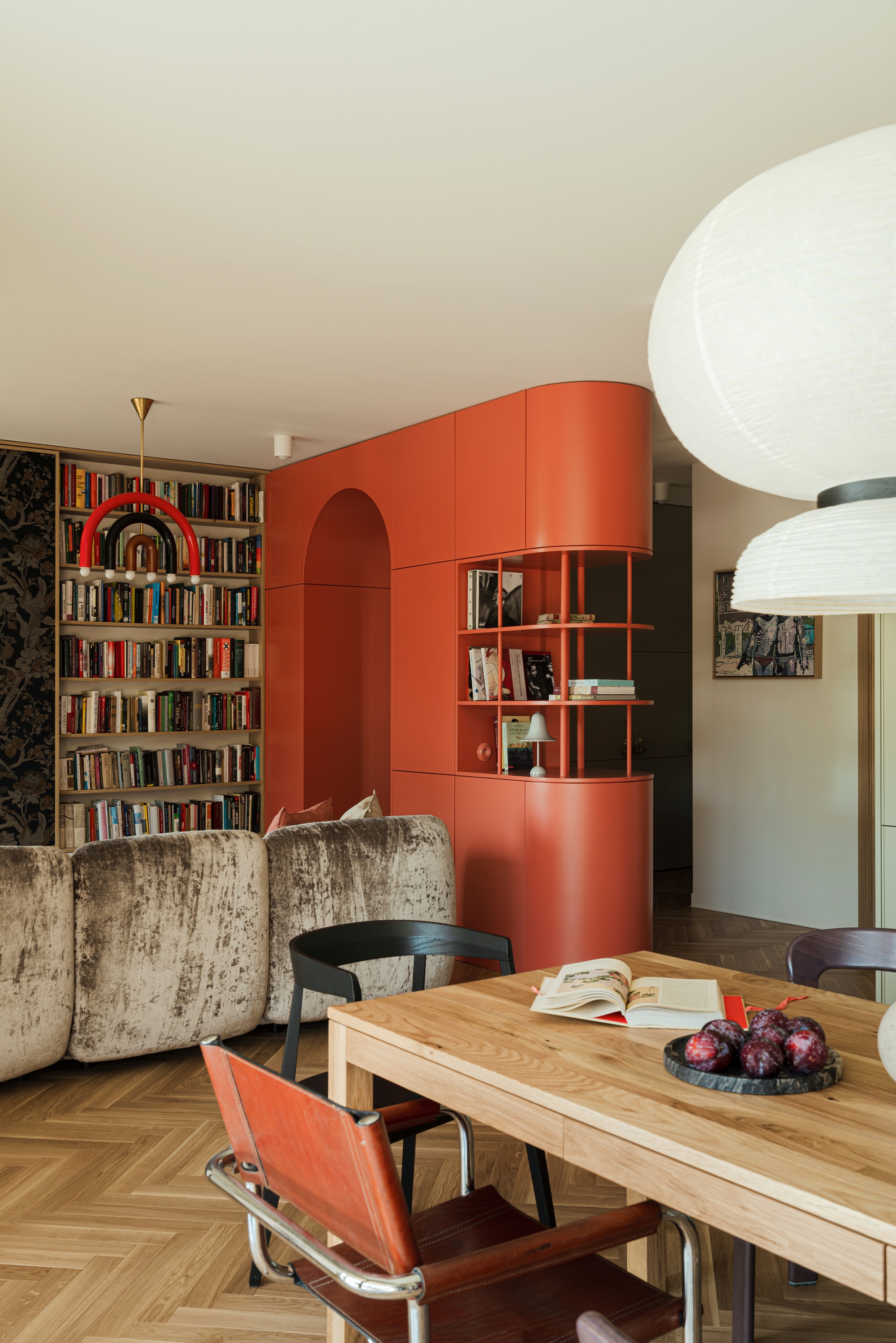
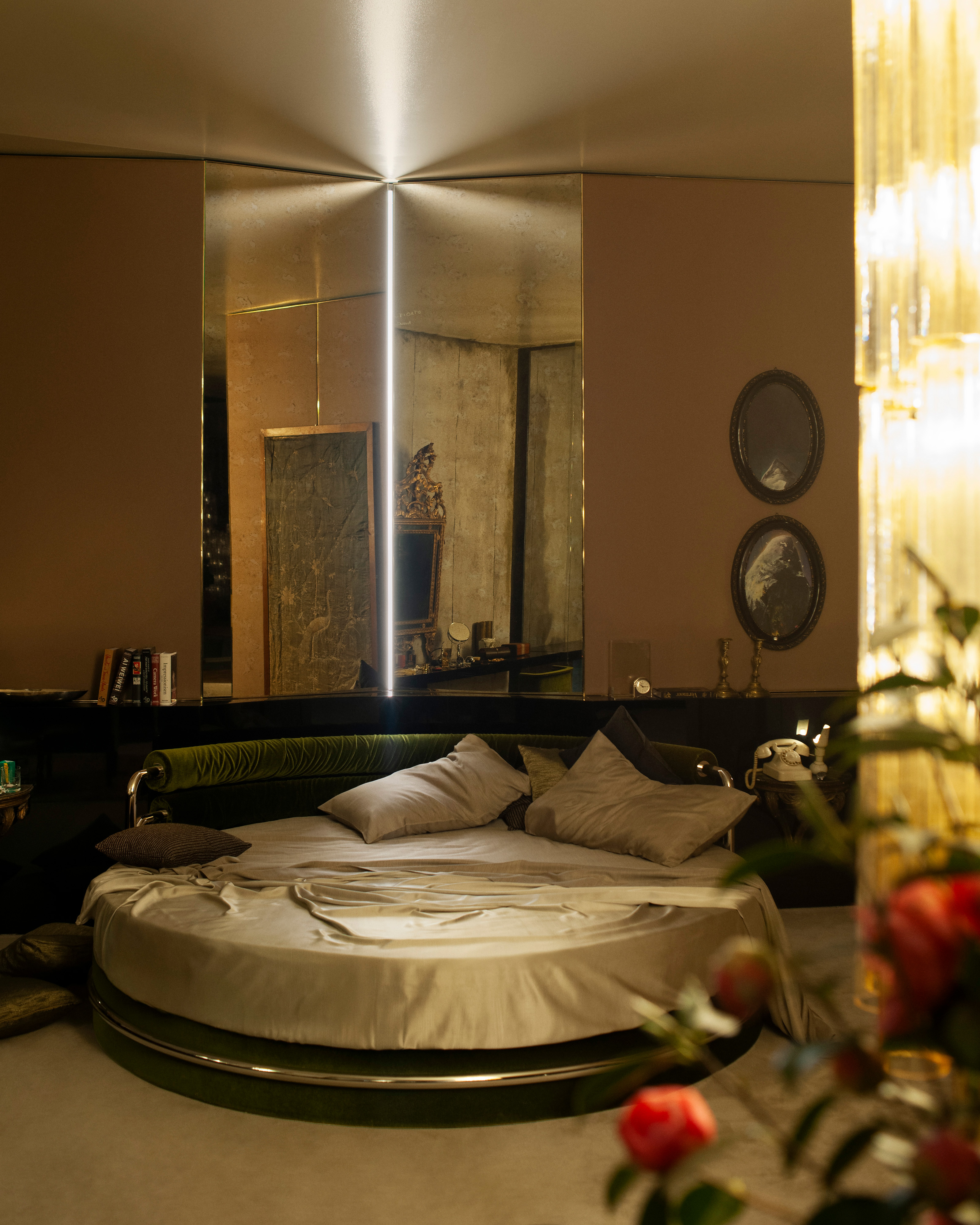
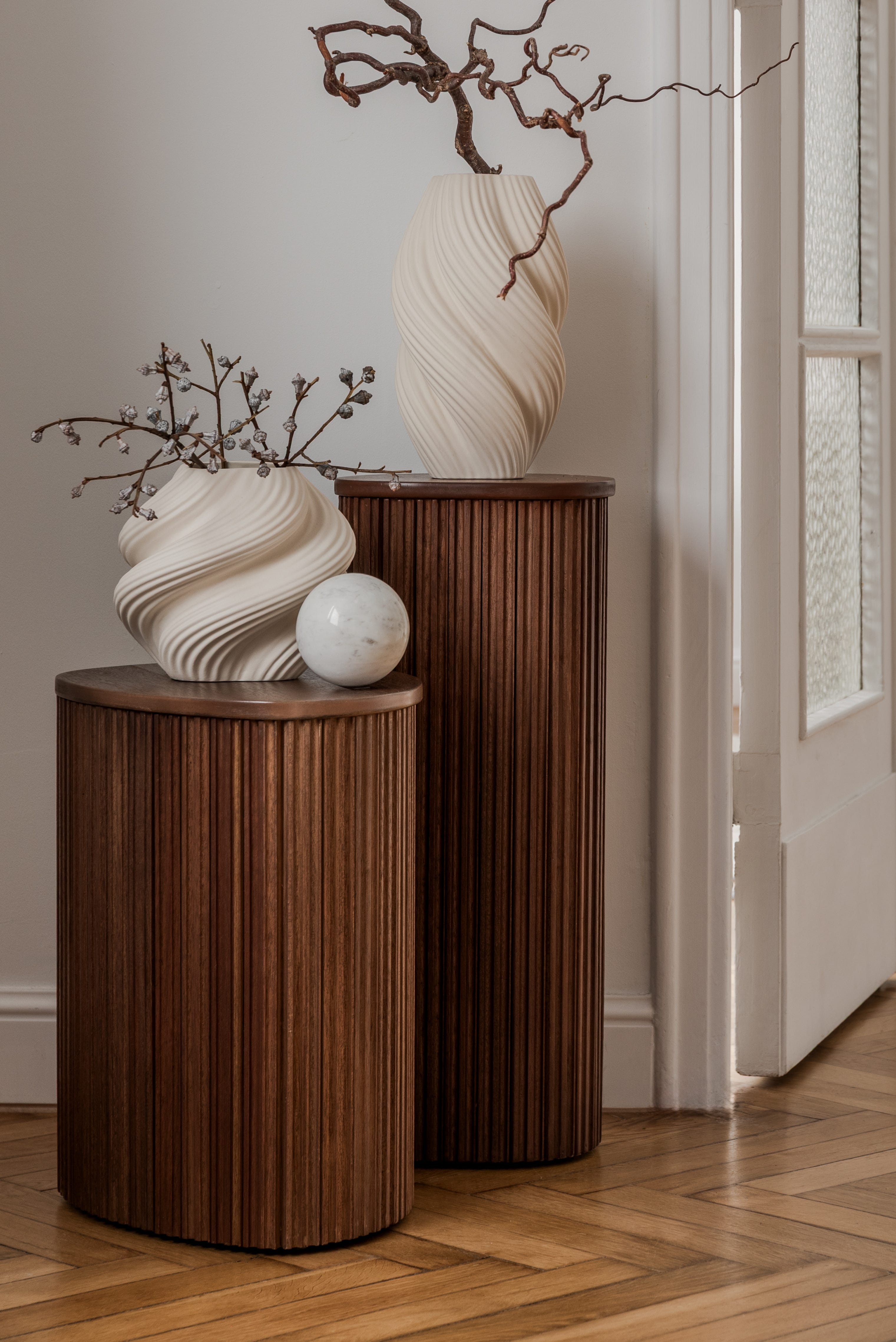
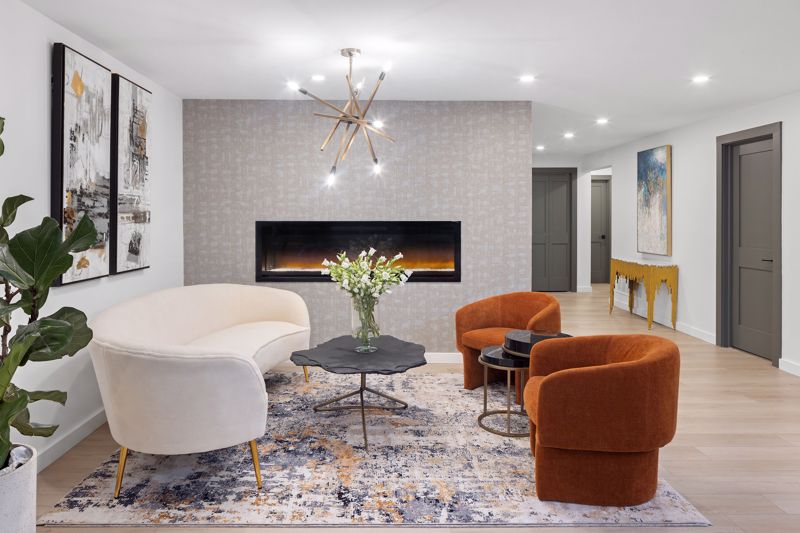
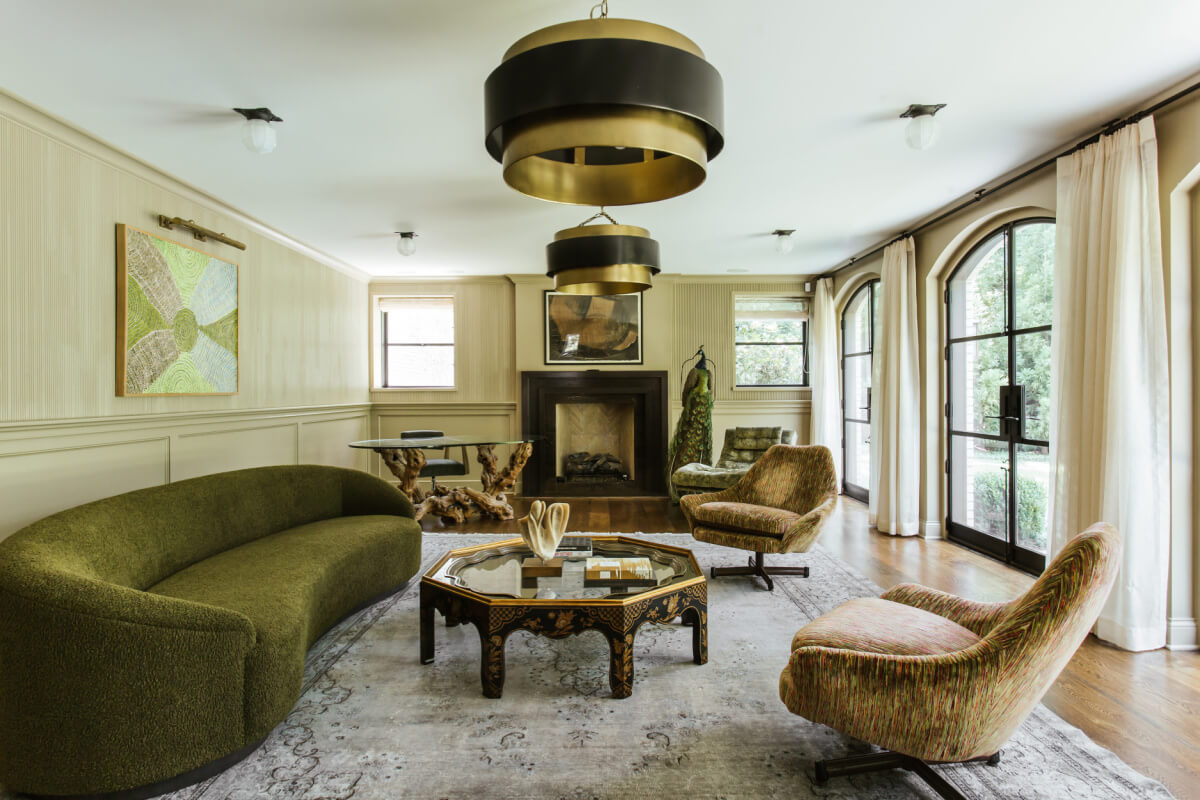
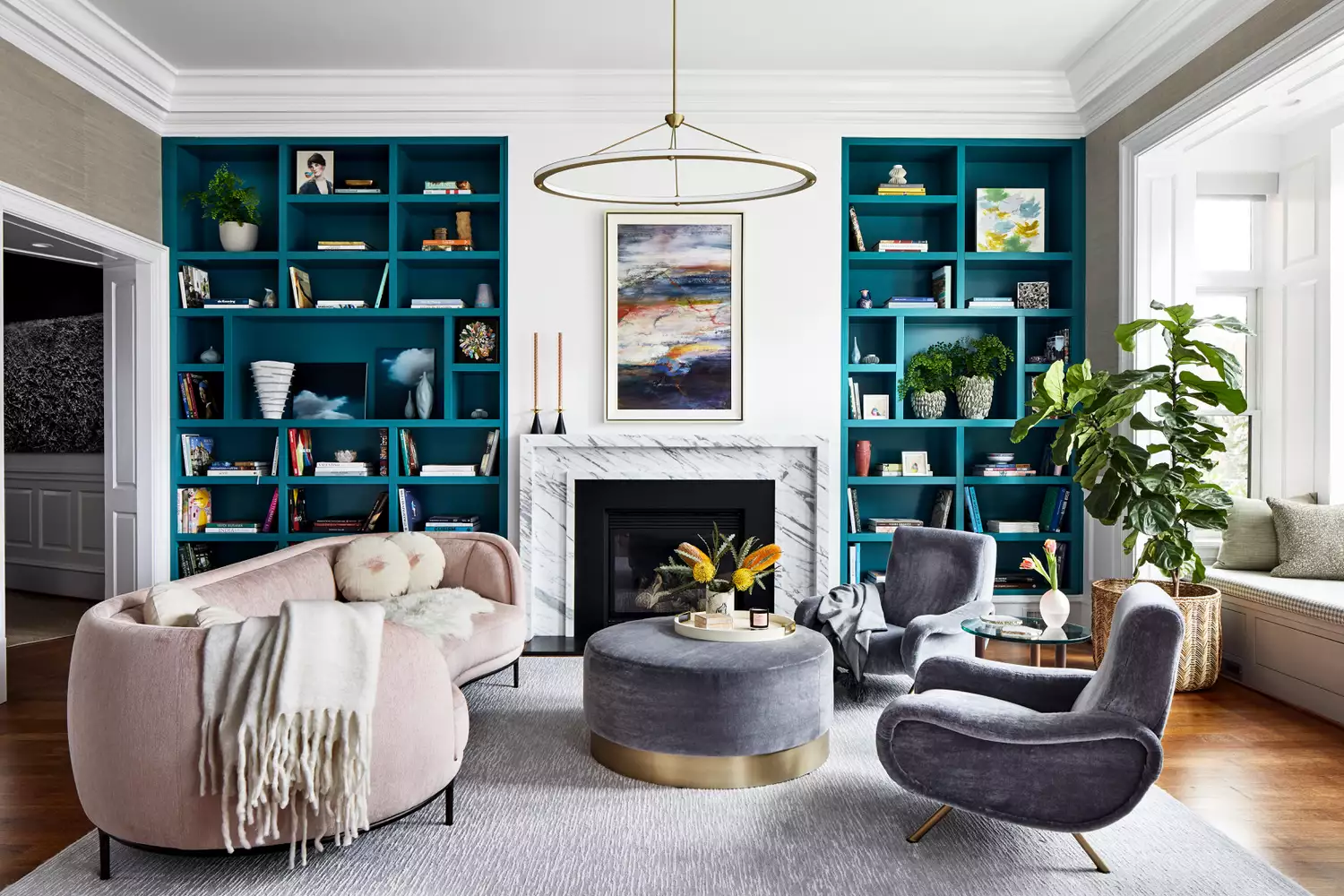
Curves are set to dominate design, replacing straight lines in furniture, joinery, and architectural details. Rounded and sculptural seating will provide softness and flexibility in room layouts, while curved forms will also appear in bathrooms, such as shower screens. This trend emphasizes natural movement and tactile, sculptural elements in furniture and case goods.
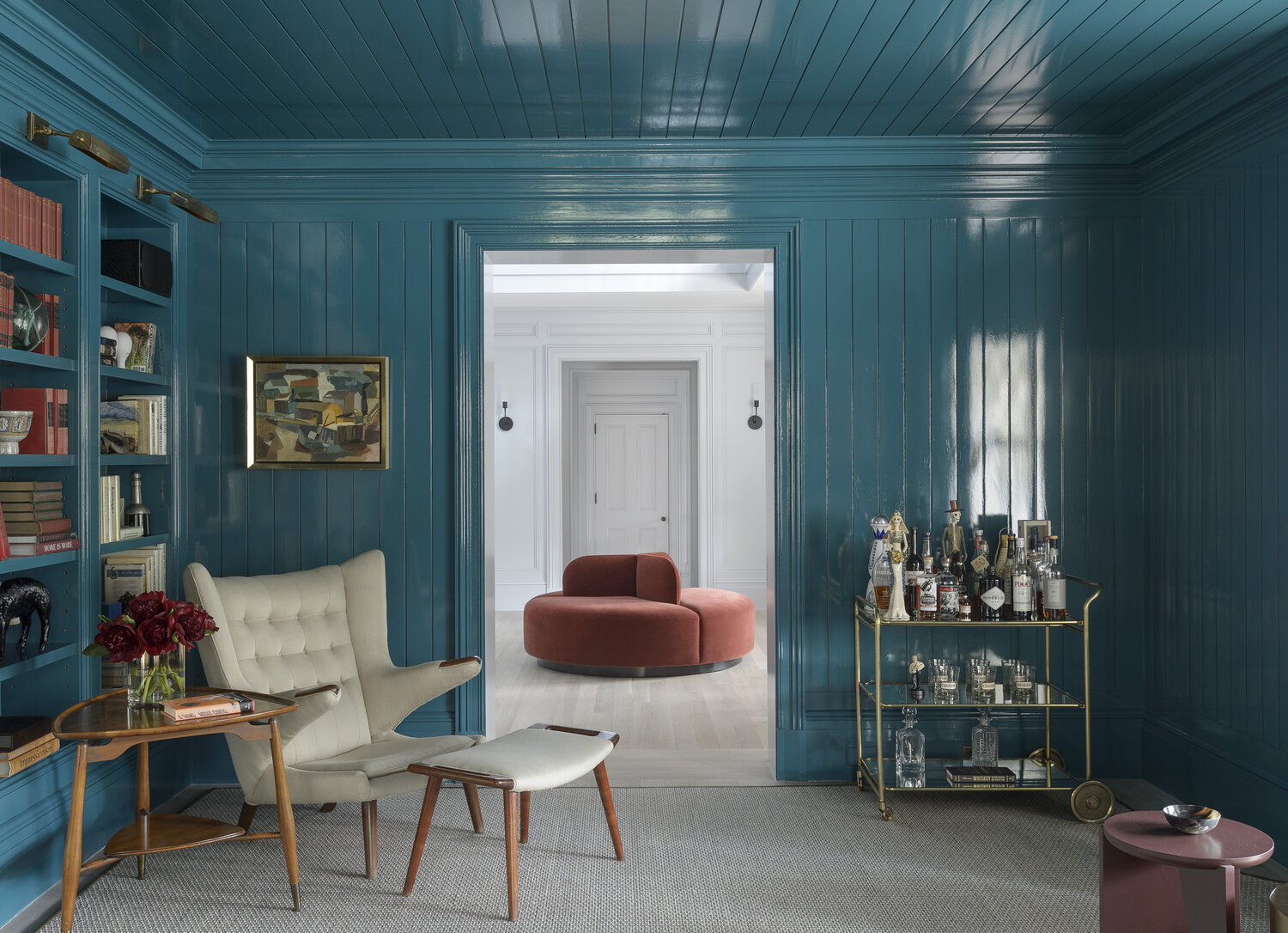
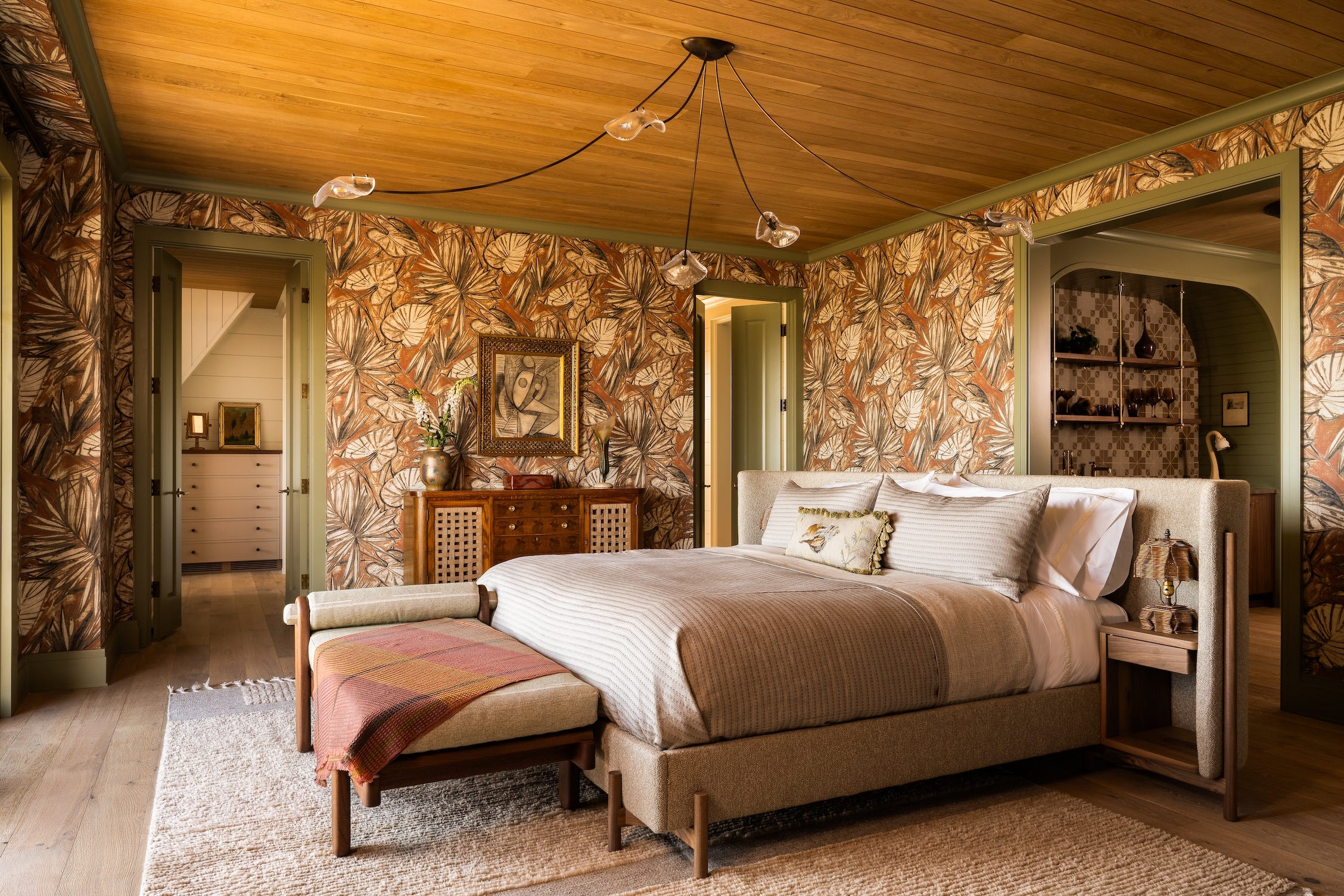
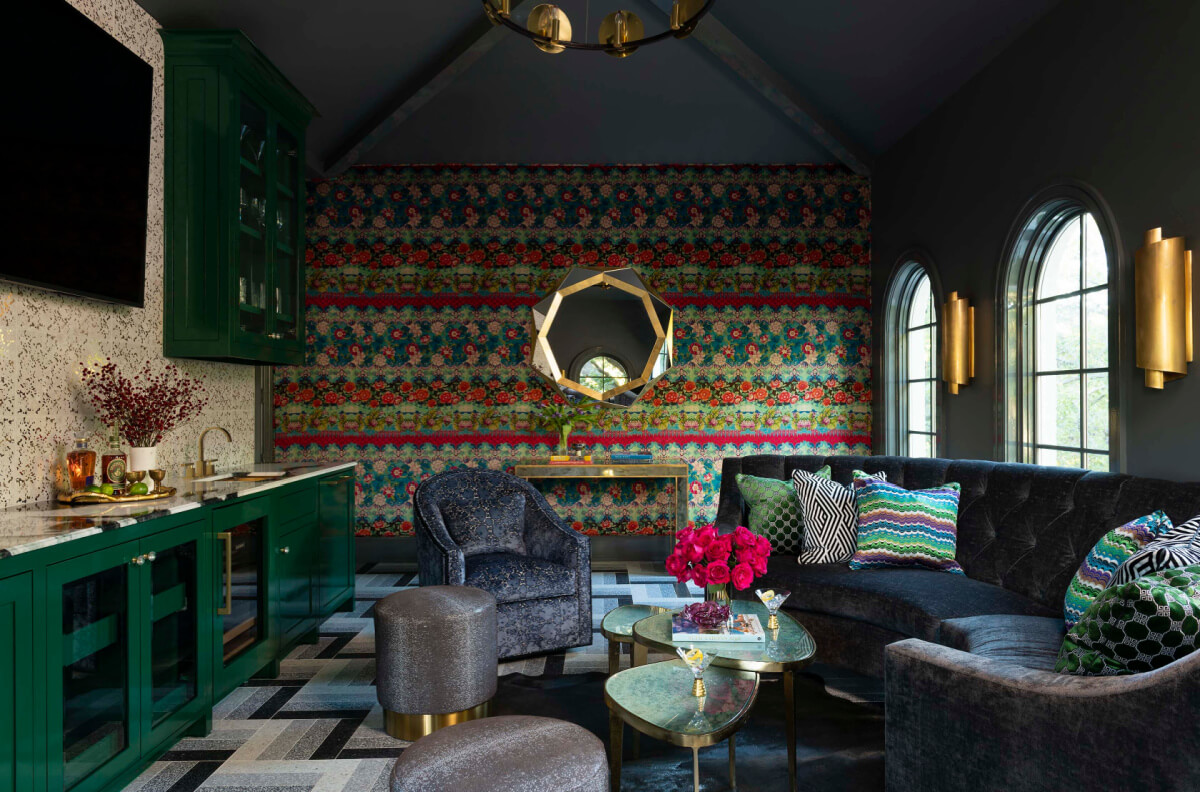
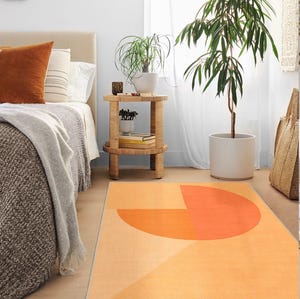
The focus of design is shifting to the 'fifth and sixth walls'—ceilings and floors. The accent wall is being replaced by creative treatments on ceilings, including paint, architectural detailing, wallpaper, and texture, along with statement flooring options like unique tiles or painted floors. These elements offer drama and charm without altering the room's layout.
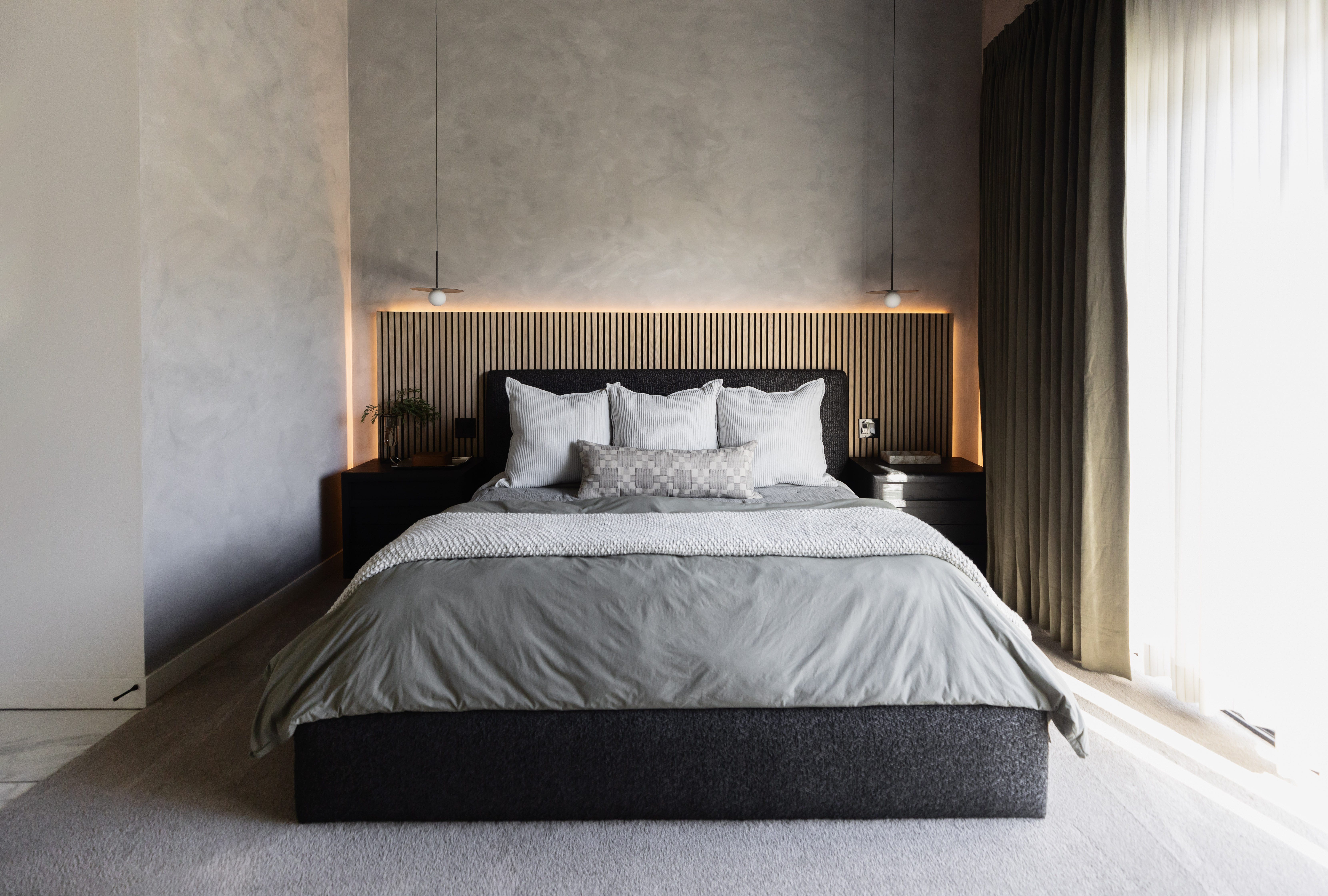
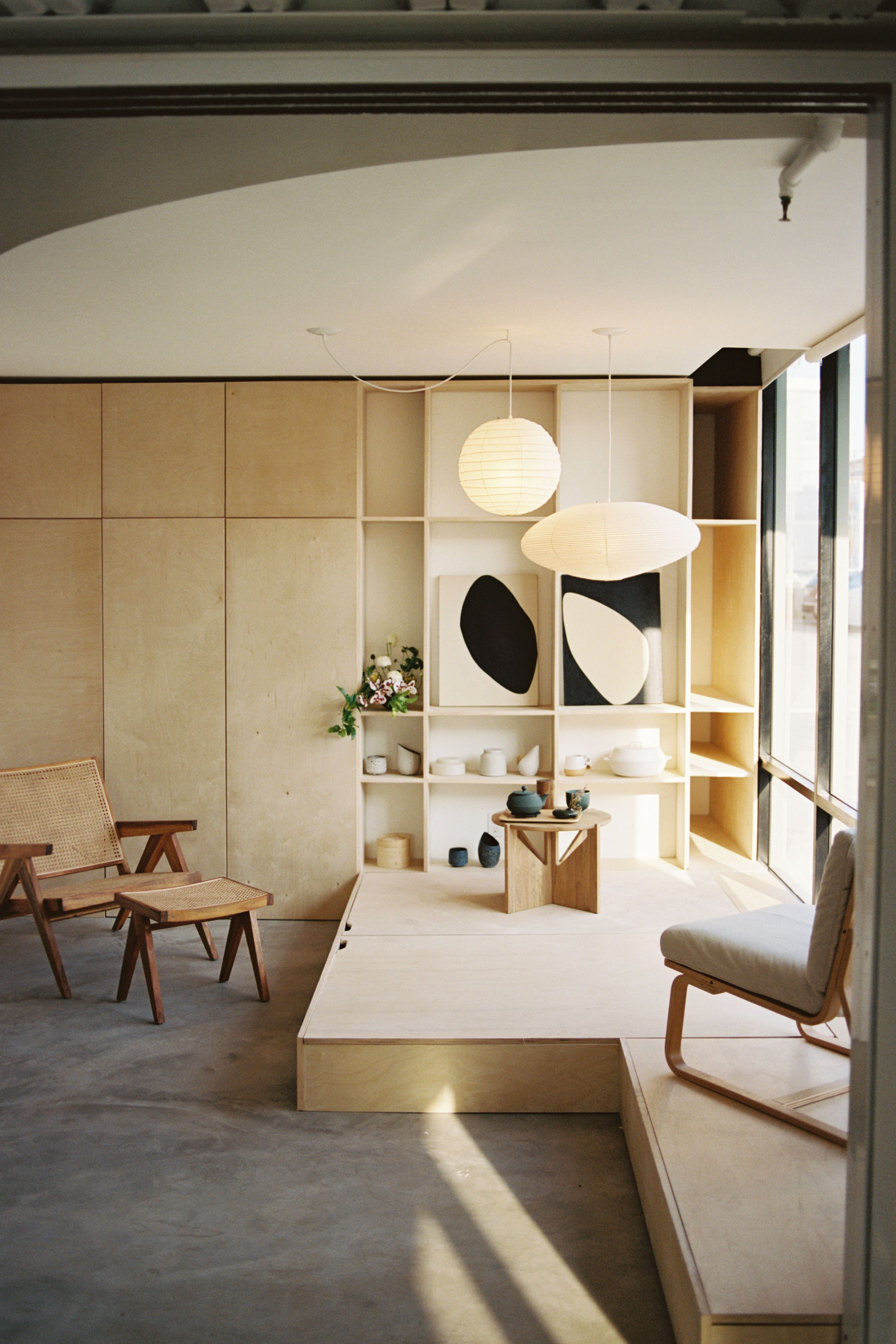
Homes are increasingly being designed to support wellness, leading to a rise in 'pocket-sized at-home retreats.' These dedicated spaces for yoga, meditation, or spa-like bathrooms prioritize calm and relaxation. Layering textures and natural materials, such as limewash, clay plaster, and wood paneling, are key to creating these serene environments, with color choices influencing mood and artwork adding personal touches.
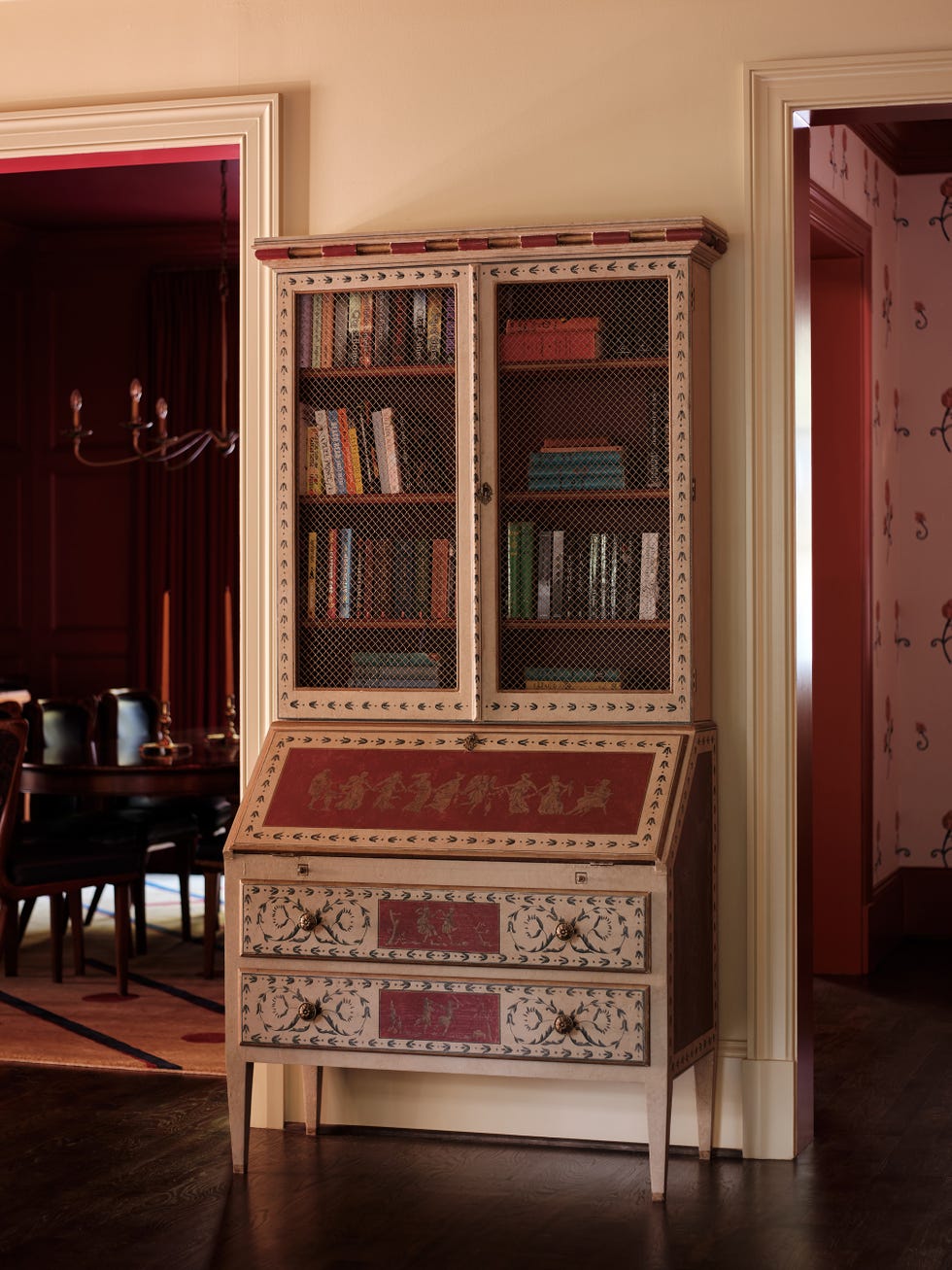
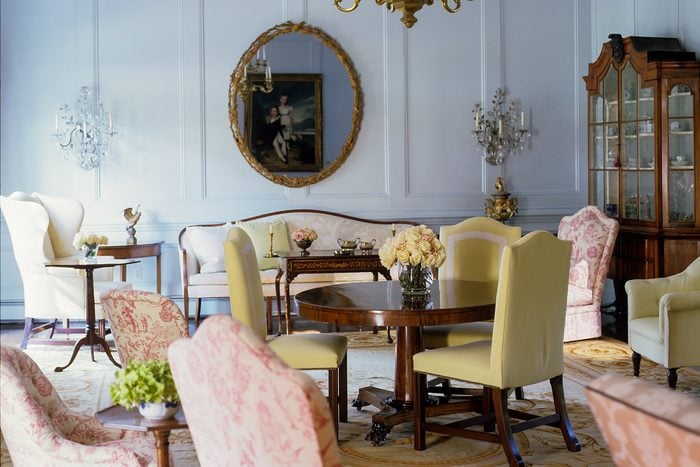
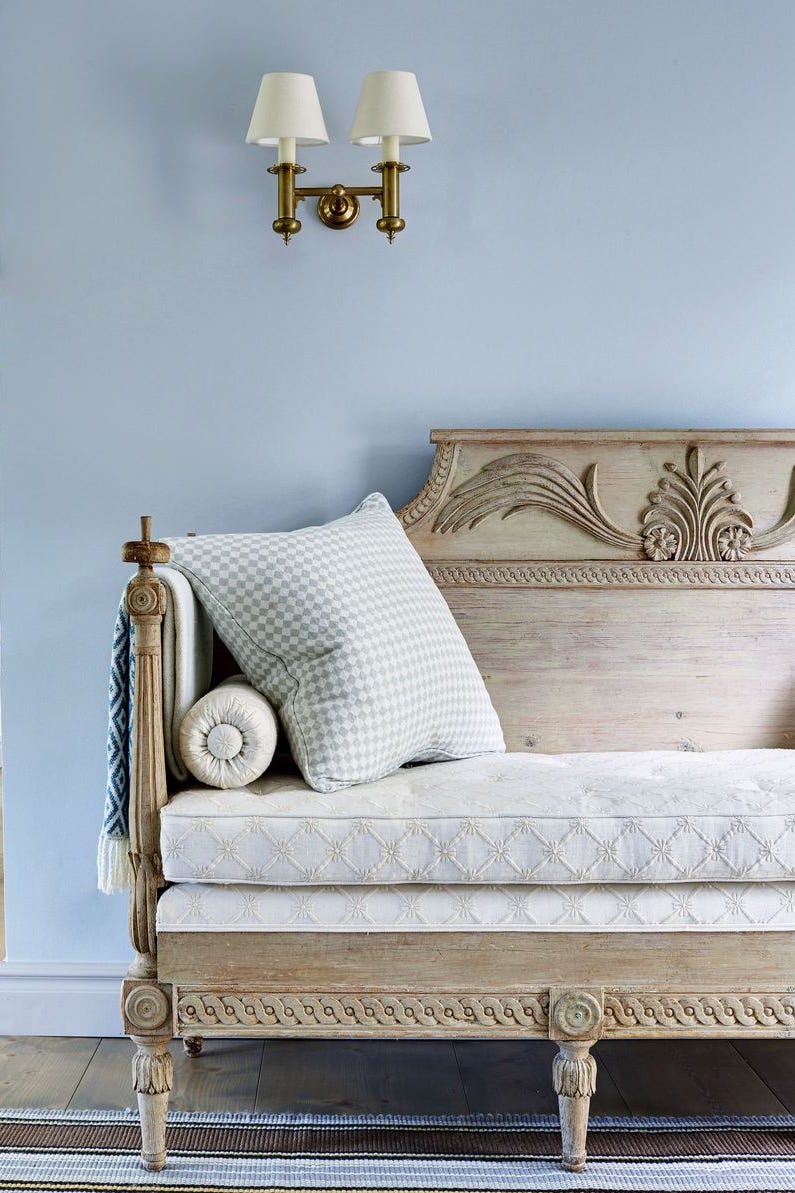
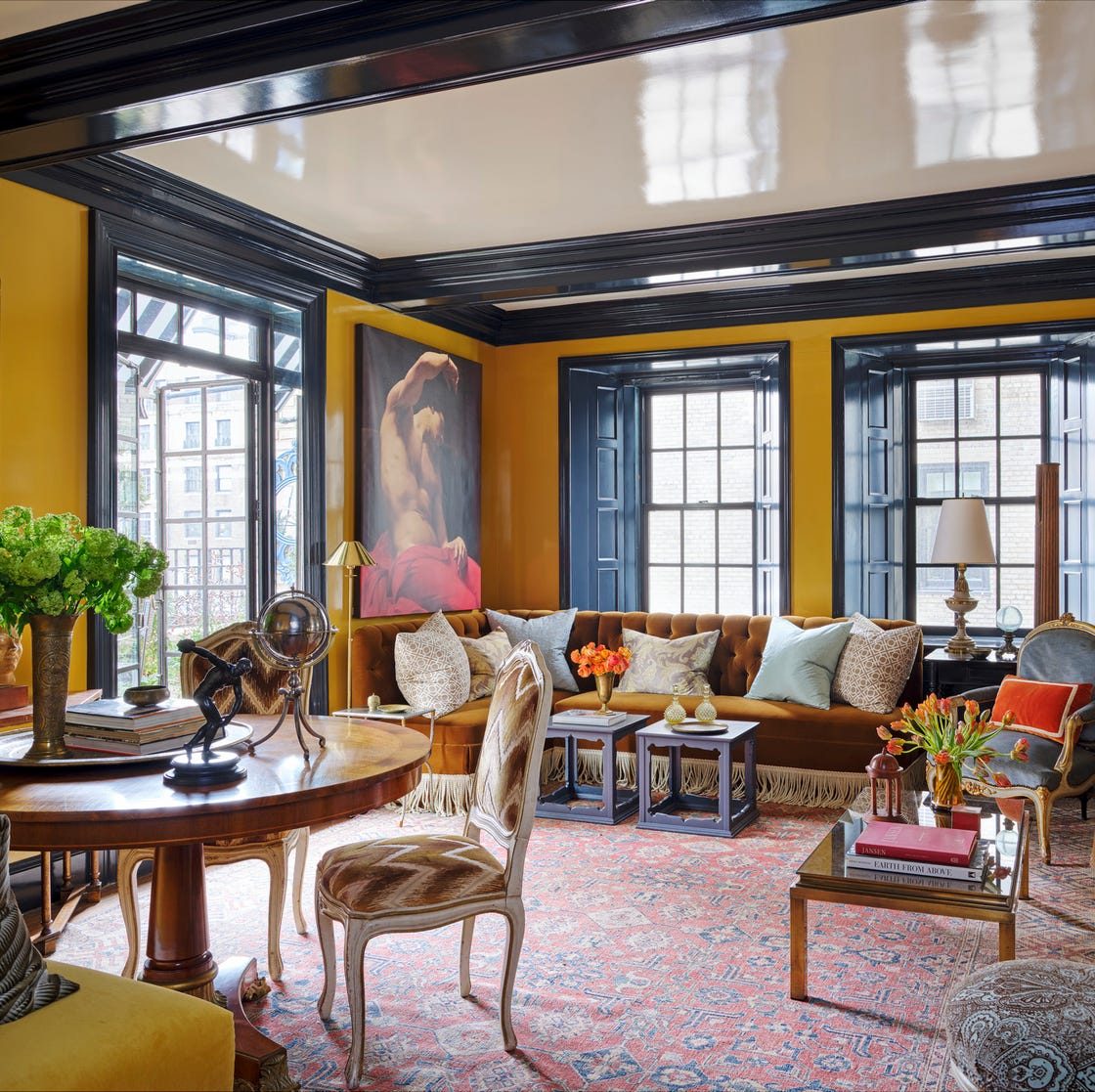
Regency and Rococo aesthetics are making a comeback, blending vintage appeal with contemporary twists. This includes intricate coving, paneling, decorative beading, and color-drenched walls. Designers anticipate an increased use of floral wallpaper, curved silhouettes, gilded accents, and luxurious fabrics to create sophisticated and nostalgic spaces that are both grand and comfortable.
Decorative glass, particularly stained glass, is re-emerging as a unique detail. Reinterpreted in modern ways, it will appear in partitioned walls, mid-century inspired windows, and even kitchen applications like room dividers and pantry walls. This trend allows for artistic integration of color and light, offering both privacy and visual interest.
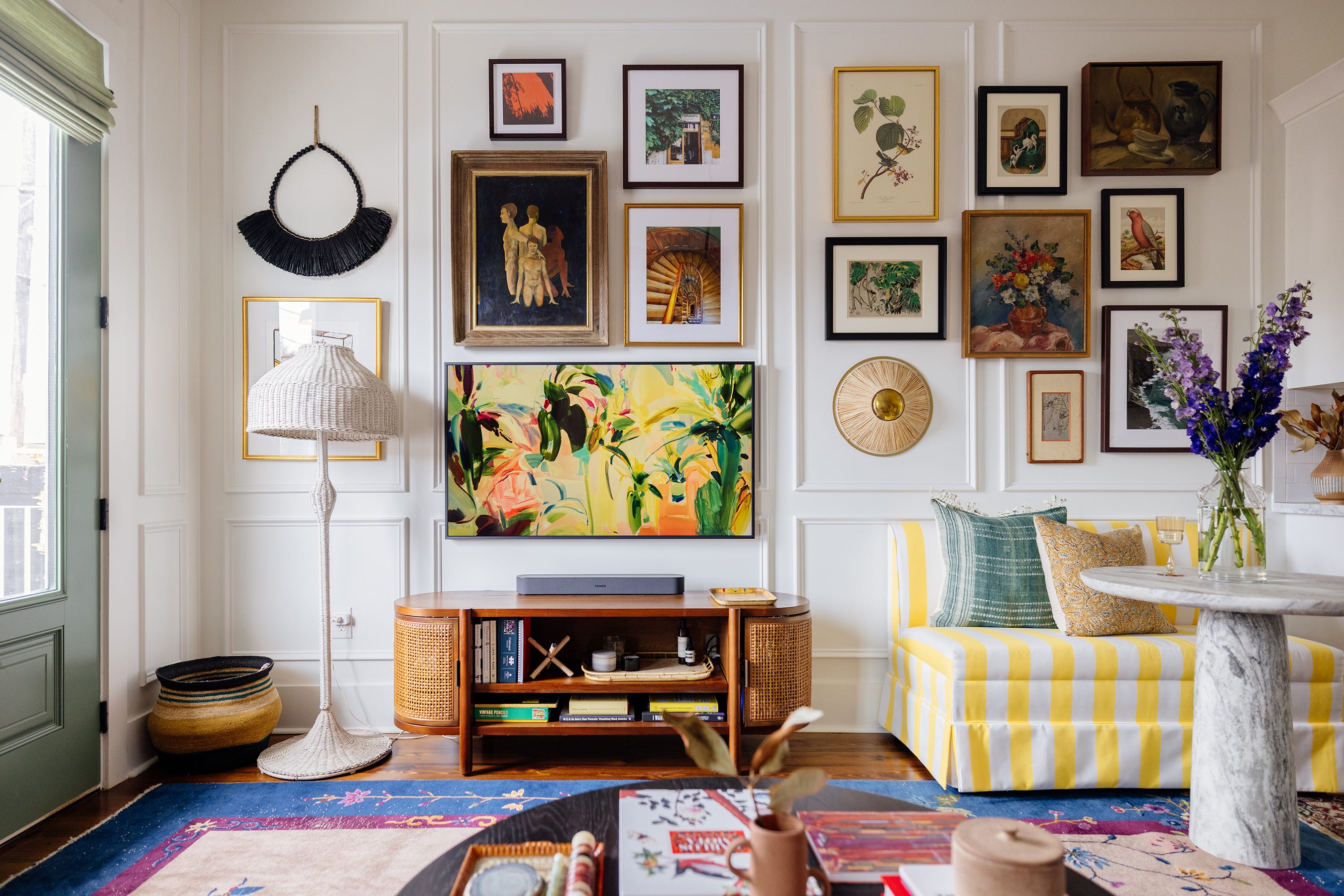
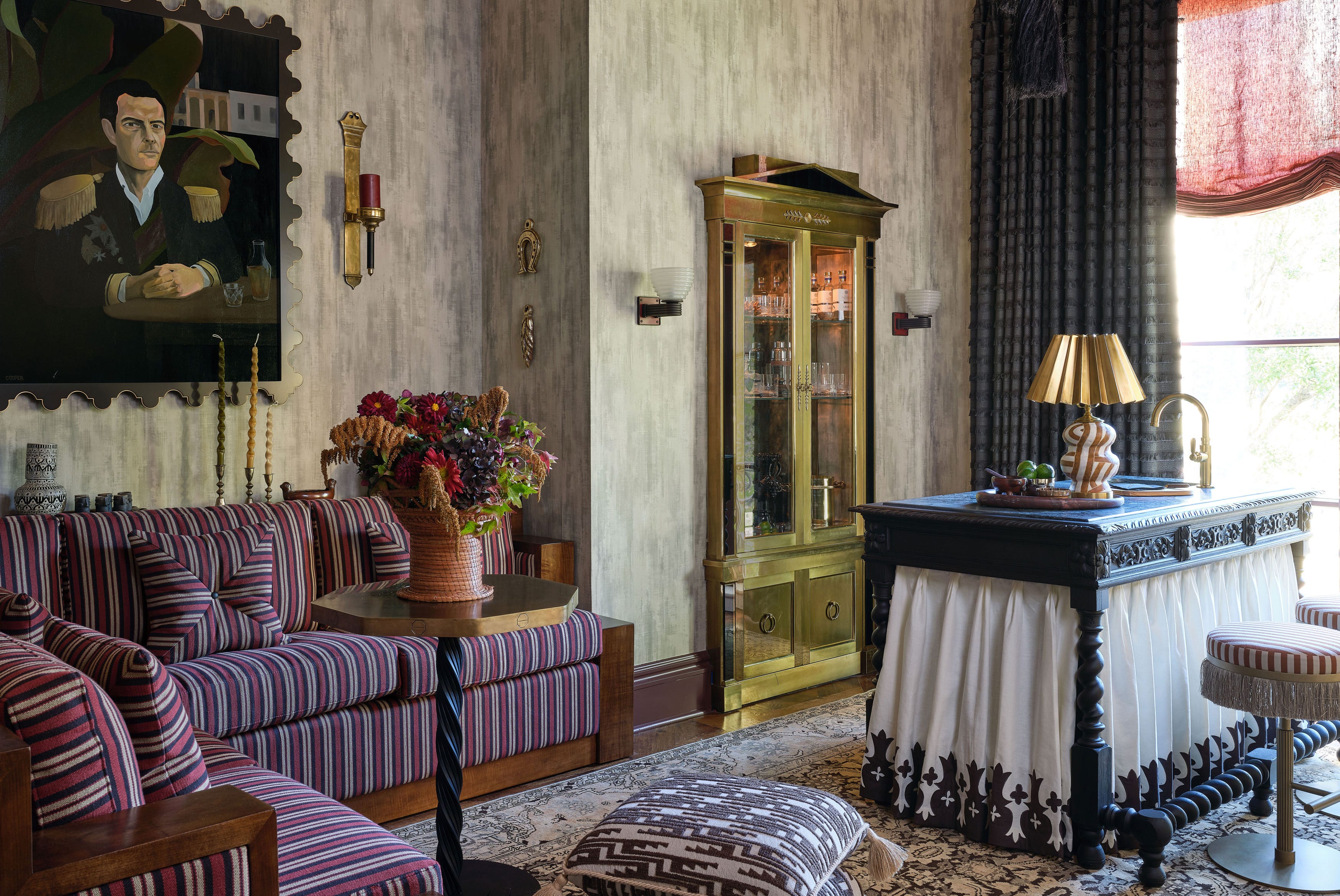
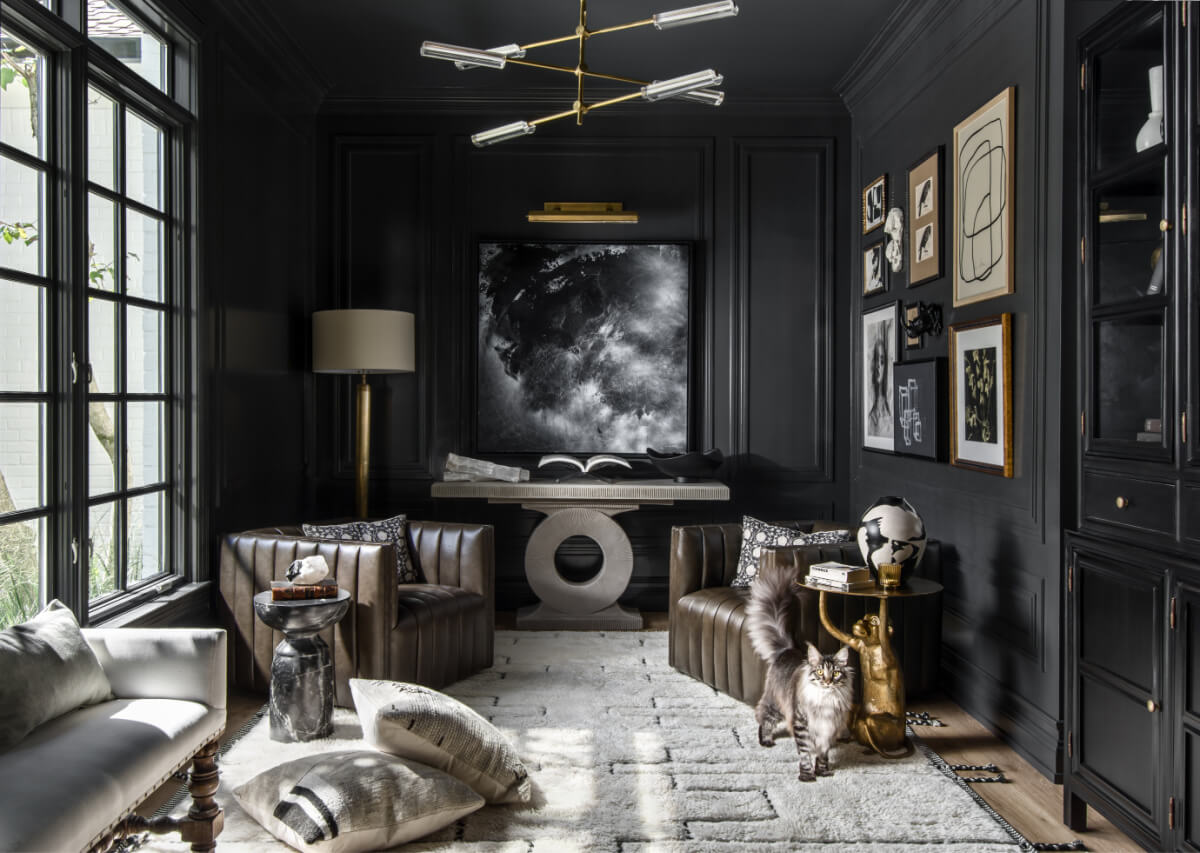
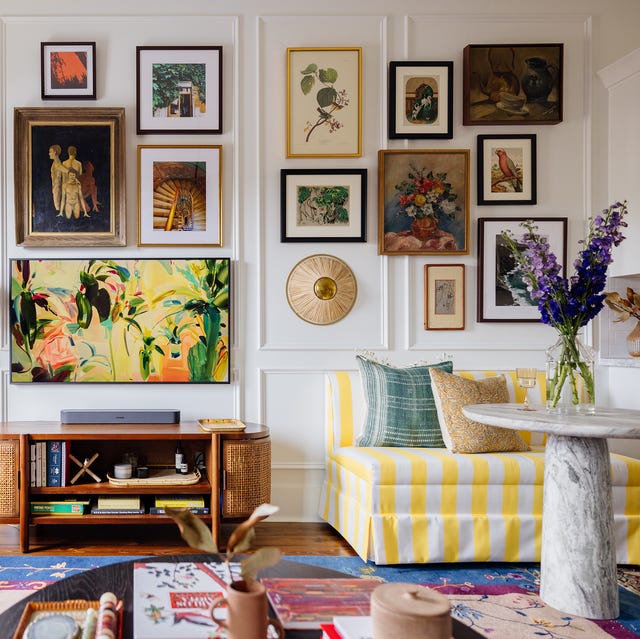
The 'quiet luxury' trend is evolving into 'lived-in luxury,' focusing on curated and intentional maximalism rather than beige perfectionism. This style embraces a mix of colors, textures, and personalized pieces, including sculptural lighting, thrifted accessories, and antique furniture, creating spaces that feel layered and authentic. The emphasis is on quality and elegance, ensuring rooms reflect individual stories rather than showroom aesthetics.
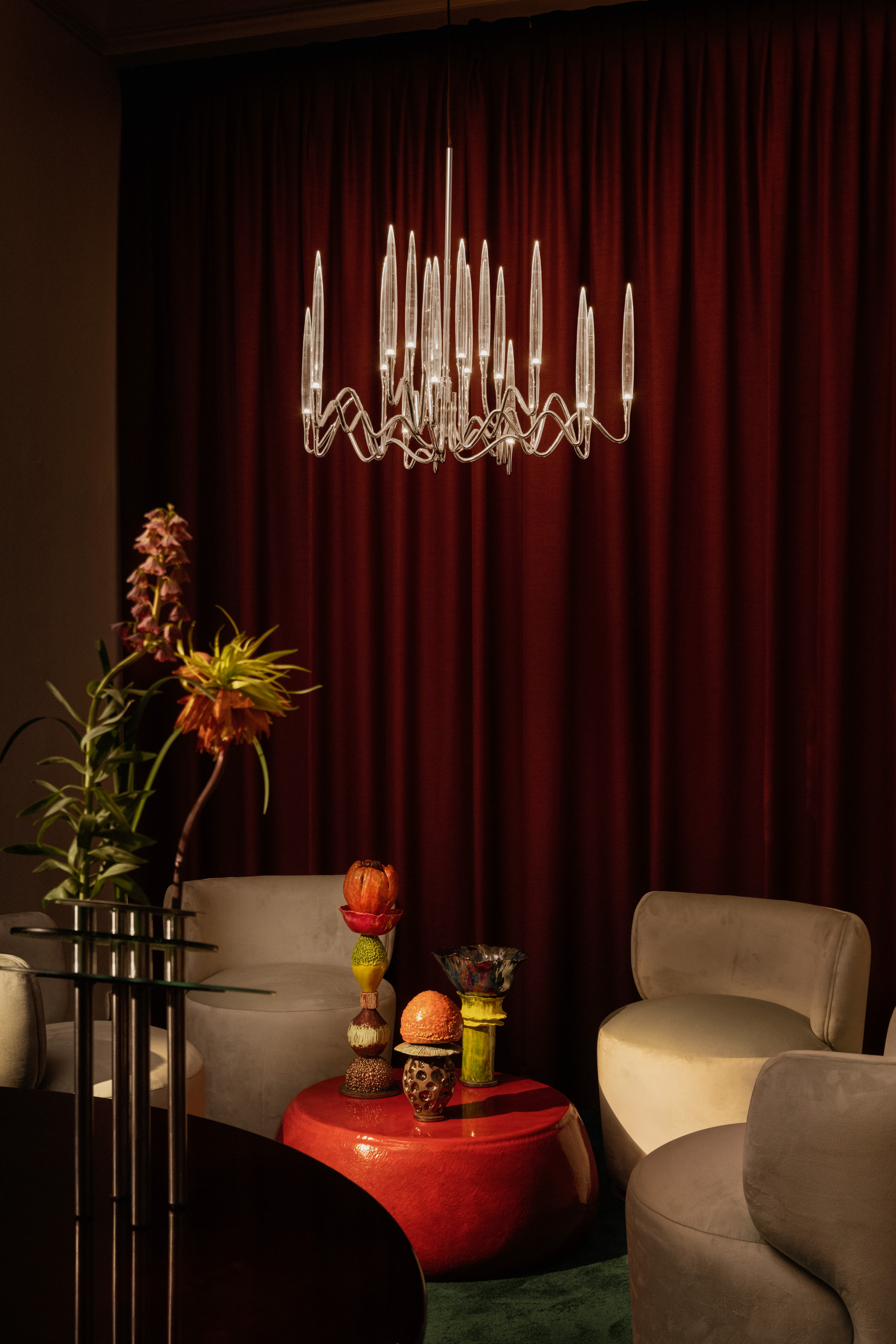
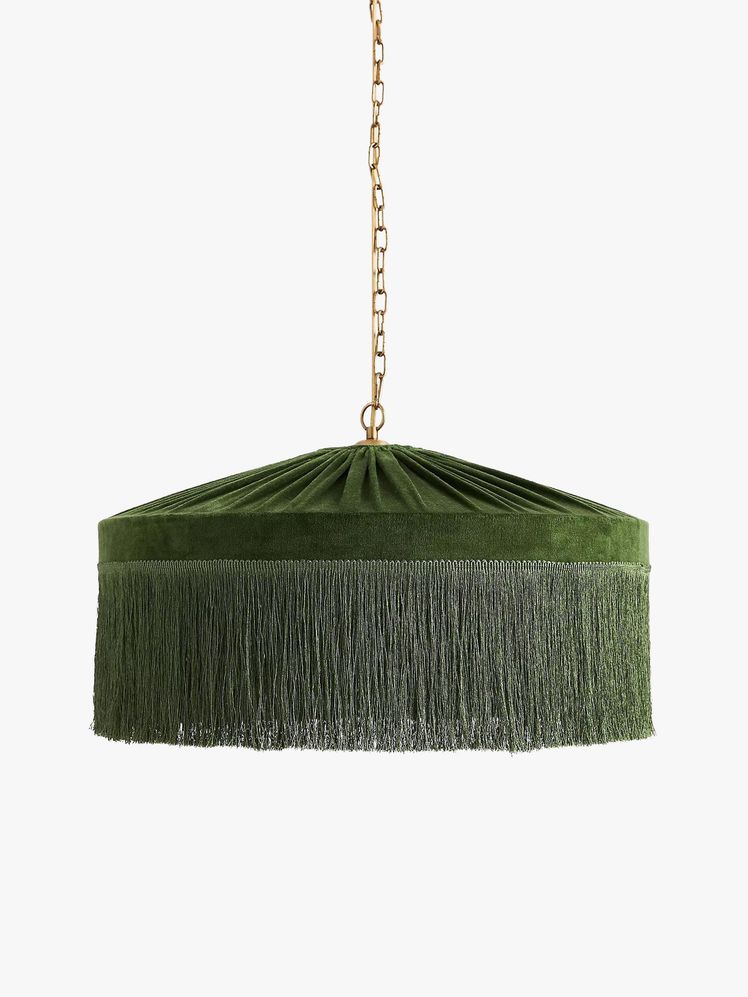
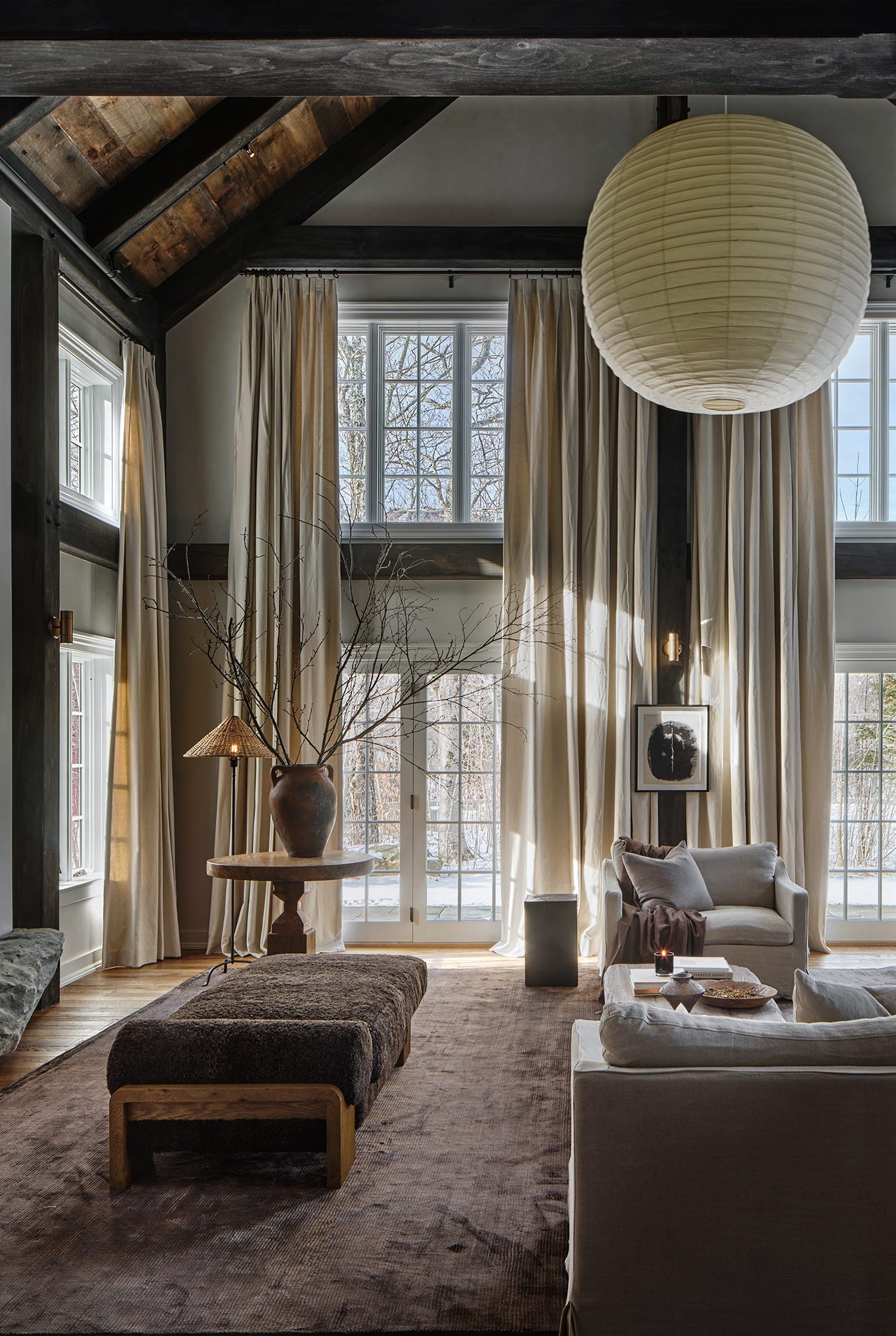
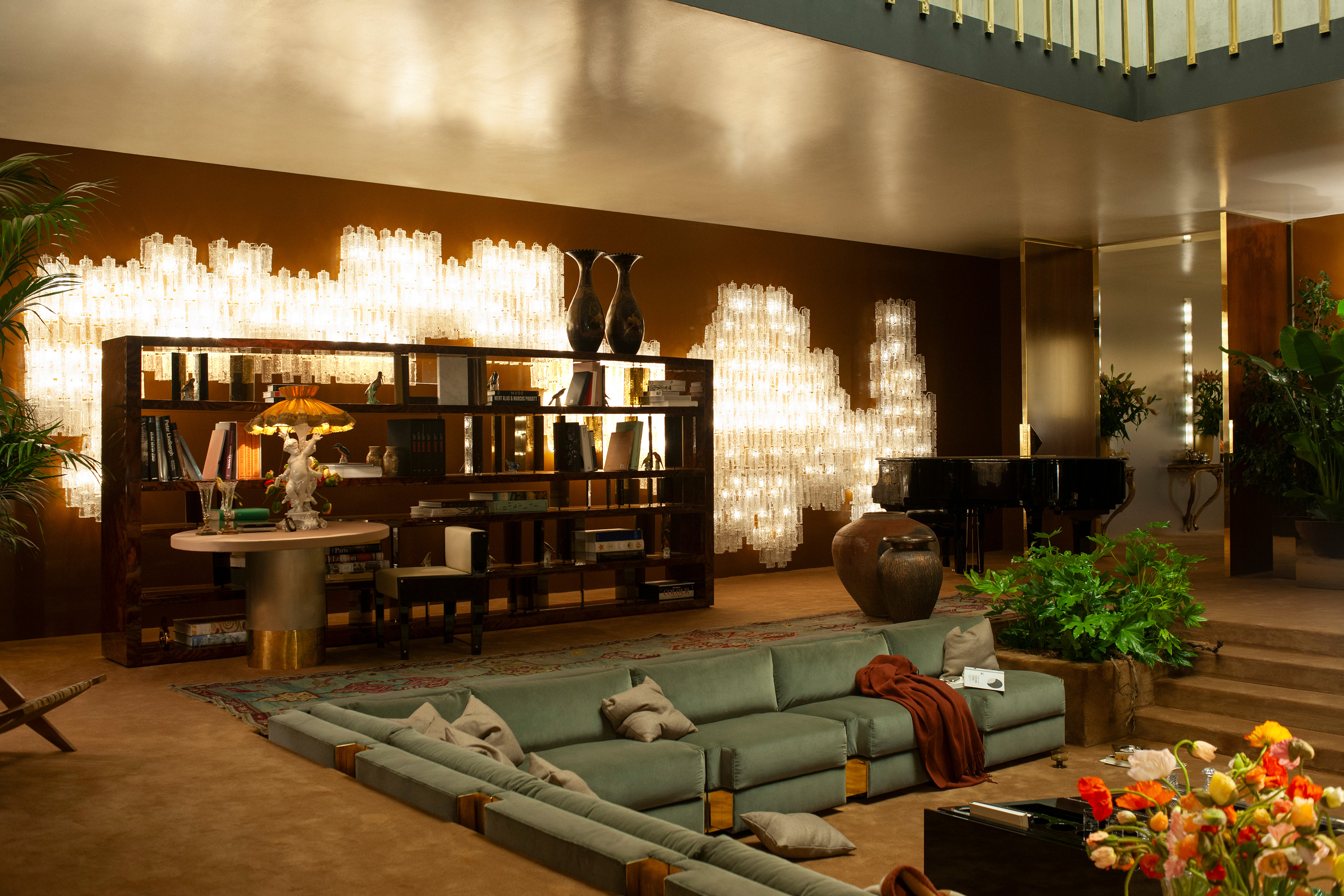
Lighting will become more sculptural and tactile, with designs inspired by mid-century modern aesthetics. Aged brass, bronze, glass, natural stone, alabaster, and travertine will be prominent materials. Frosted, textured, and smoked glass will diffuse light softly, evoking a nostalgic ambiance. Cast glass lighting, influenced by Art Deco and 1950s forms, will also see a resurgence.
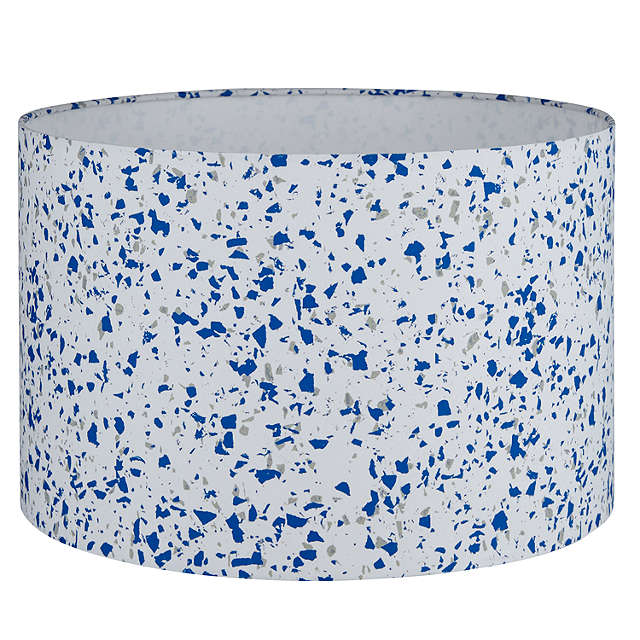
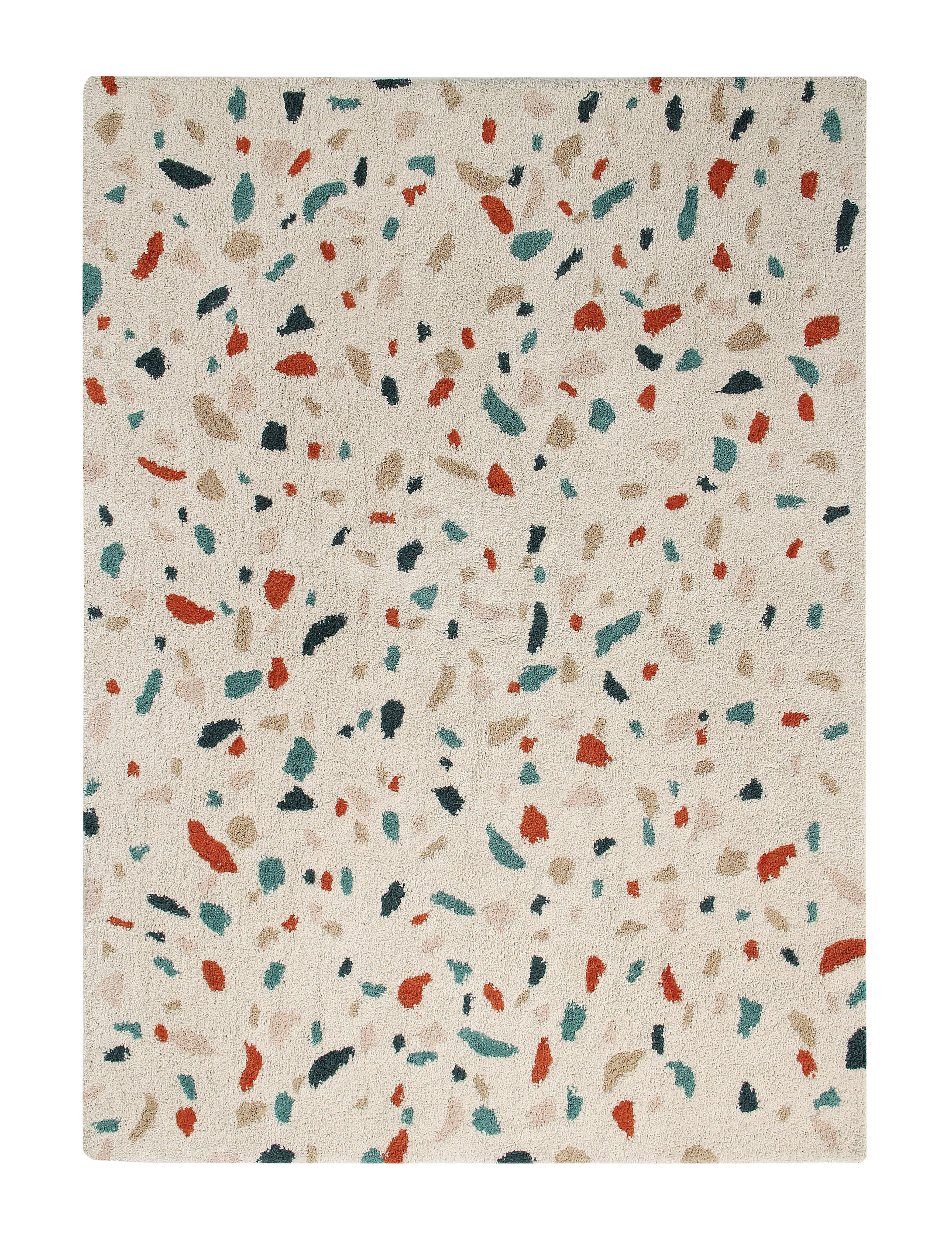
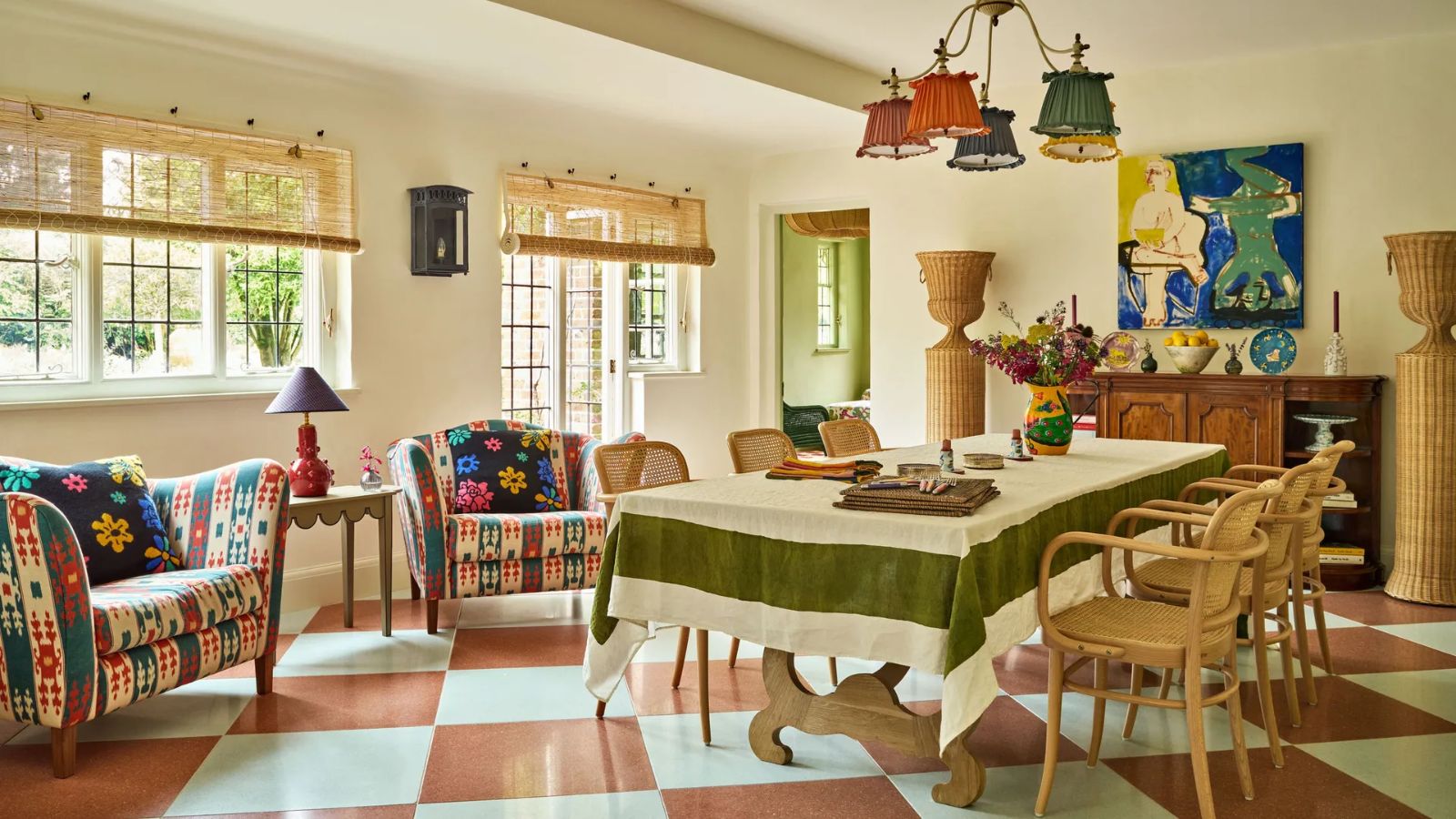
Pattern drenching, an extension of color drenching, is gaining momentum. This involves matching wallcoverings, upholstery, and even small decor items with bold patterns like tiny florals, stripes, and animal prints. This confident approach aims to create enveloping and cohesive spaces, with leopard print being treated as a neutral with personality.
Cooler, polished metals such as chrome and polished nickel are prevailing over warm brass and aged bronze. This trend, seen in kitchen hardware and decorative accents, offers a fresh, retro, and chic aesthetic. Mixing metals is encouraged, creating contrast that prevents spaces from feeling monochromatic.
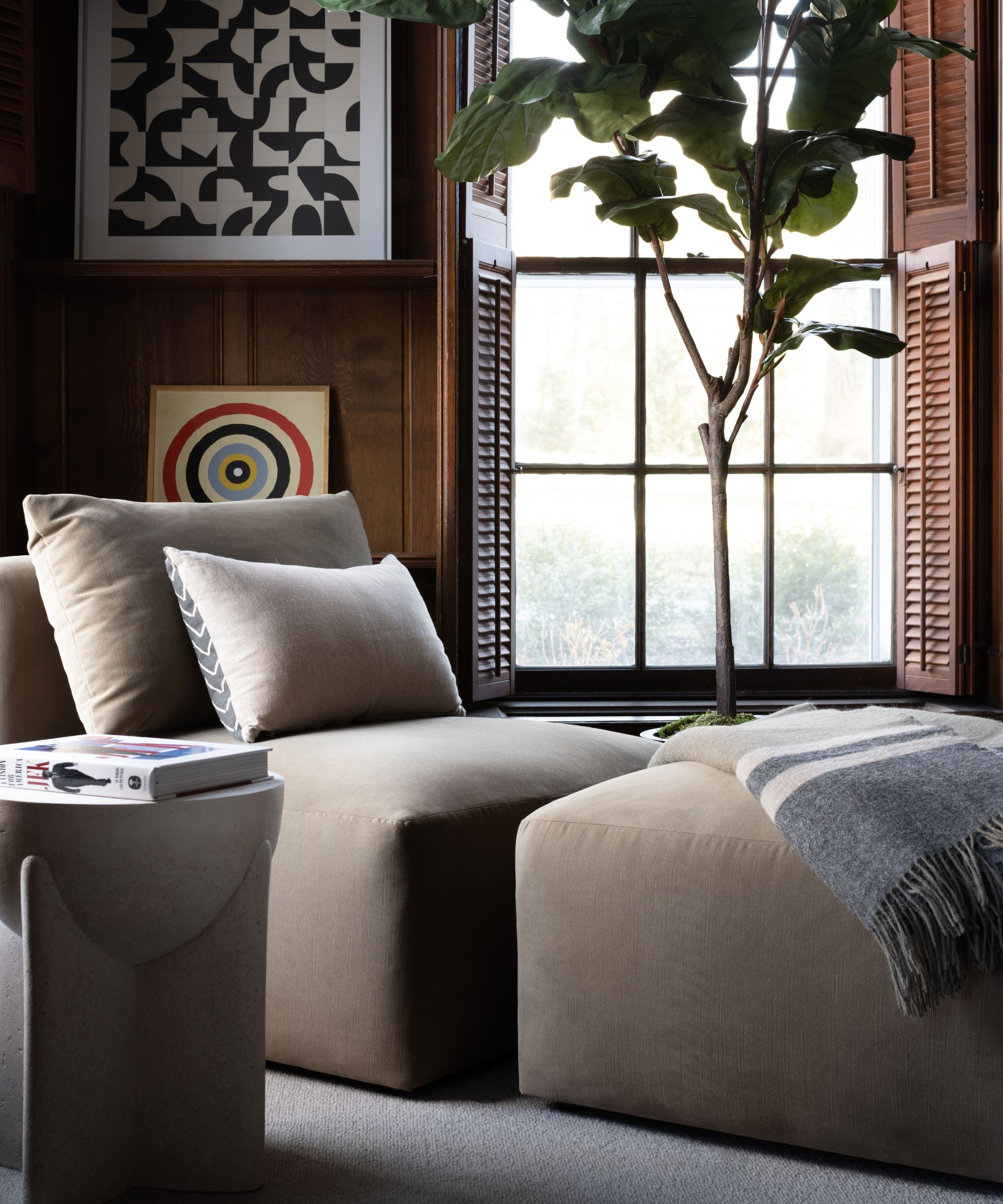
The open-plan layout is being re-evaluated, with a preference for smaller, mood-based spaces. Homes will feature conversation corners, reading nooks, and quiet hobby areas, along with partitions that define intimacy without fully enclosing rooms. This shift reflects a desire for versatile spaces that support different activities and moods.
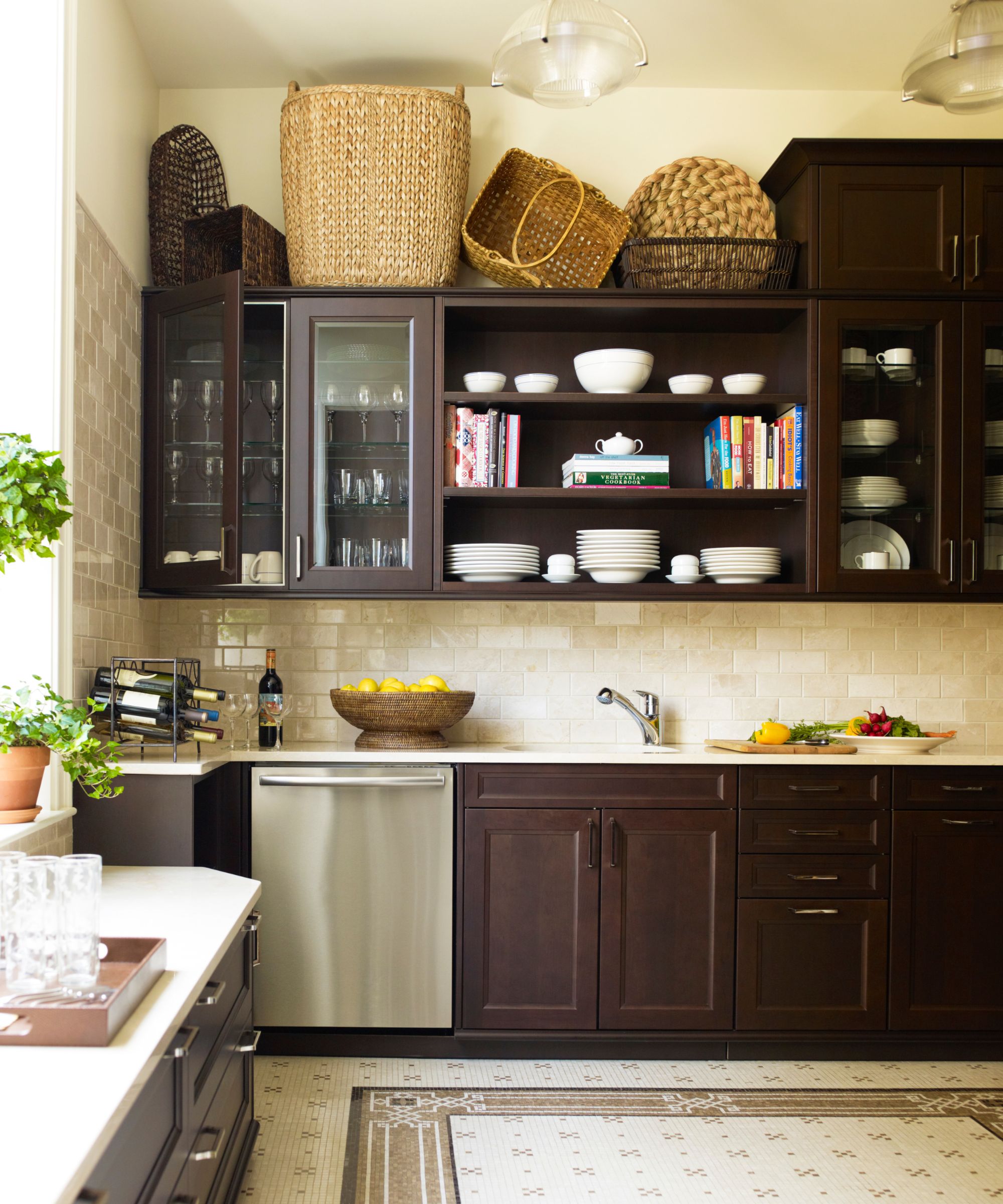
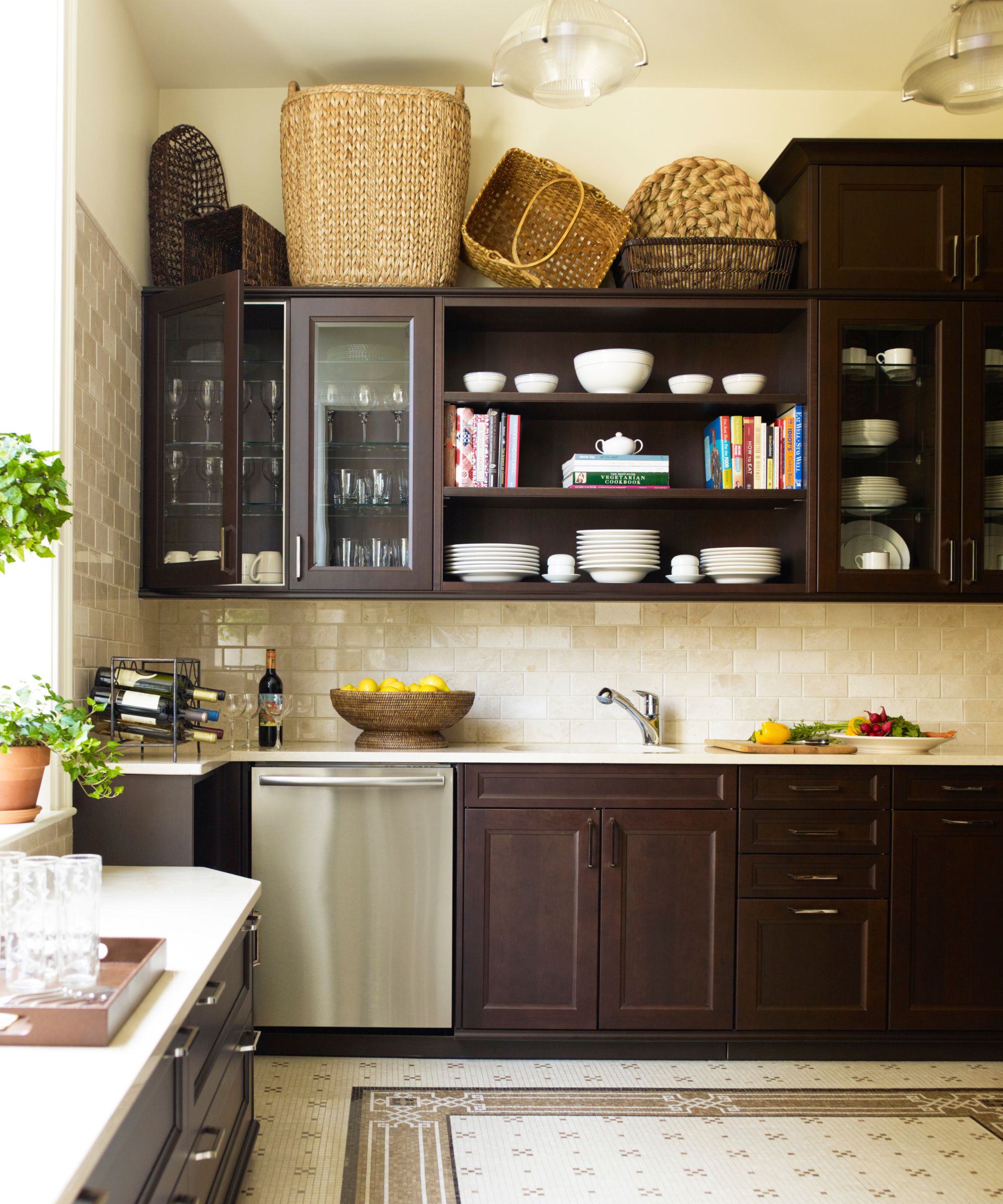
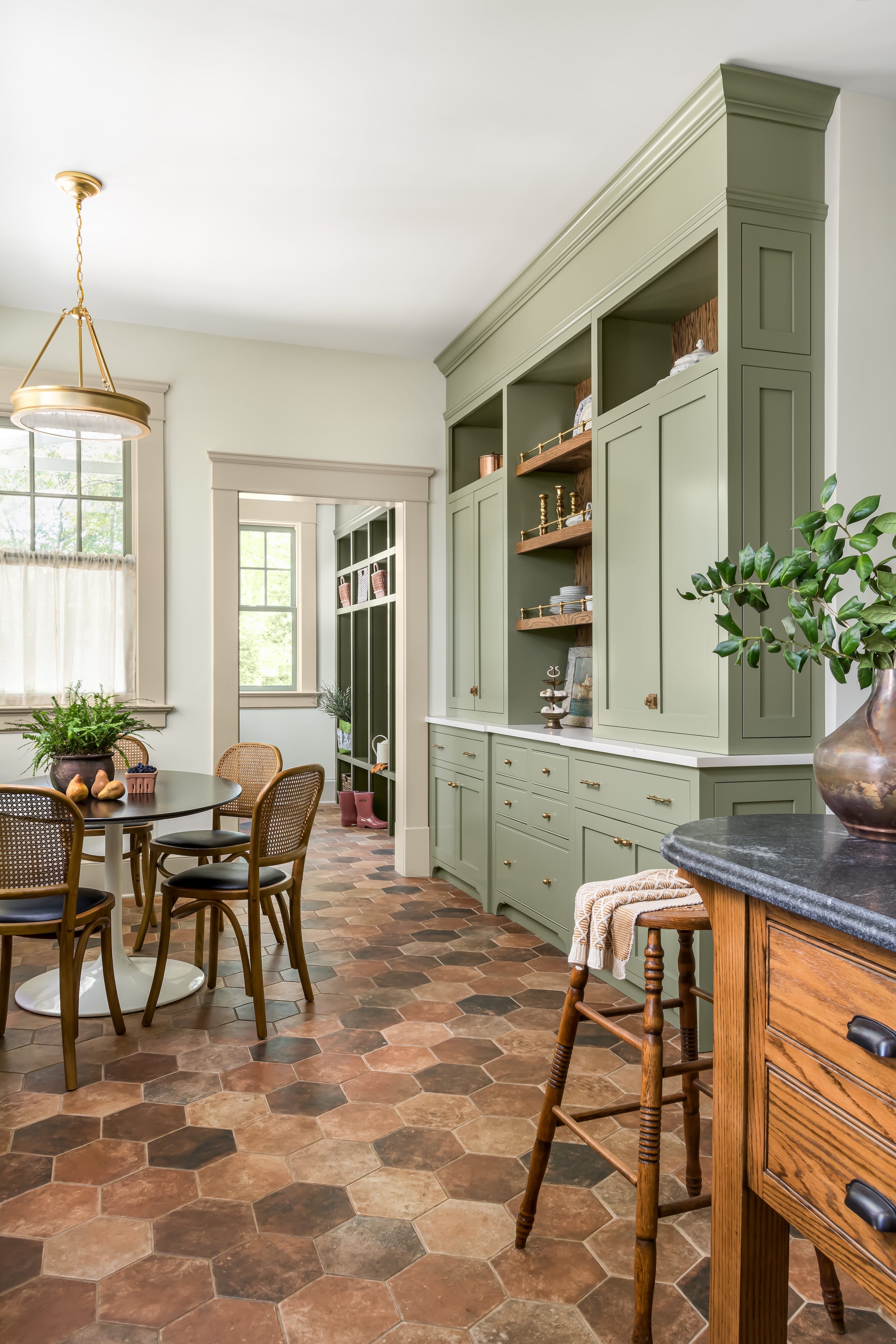
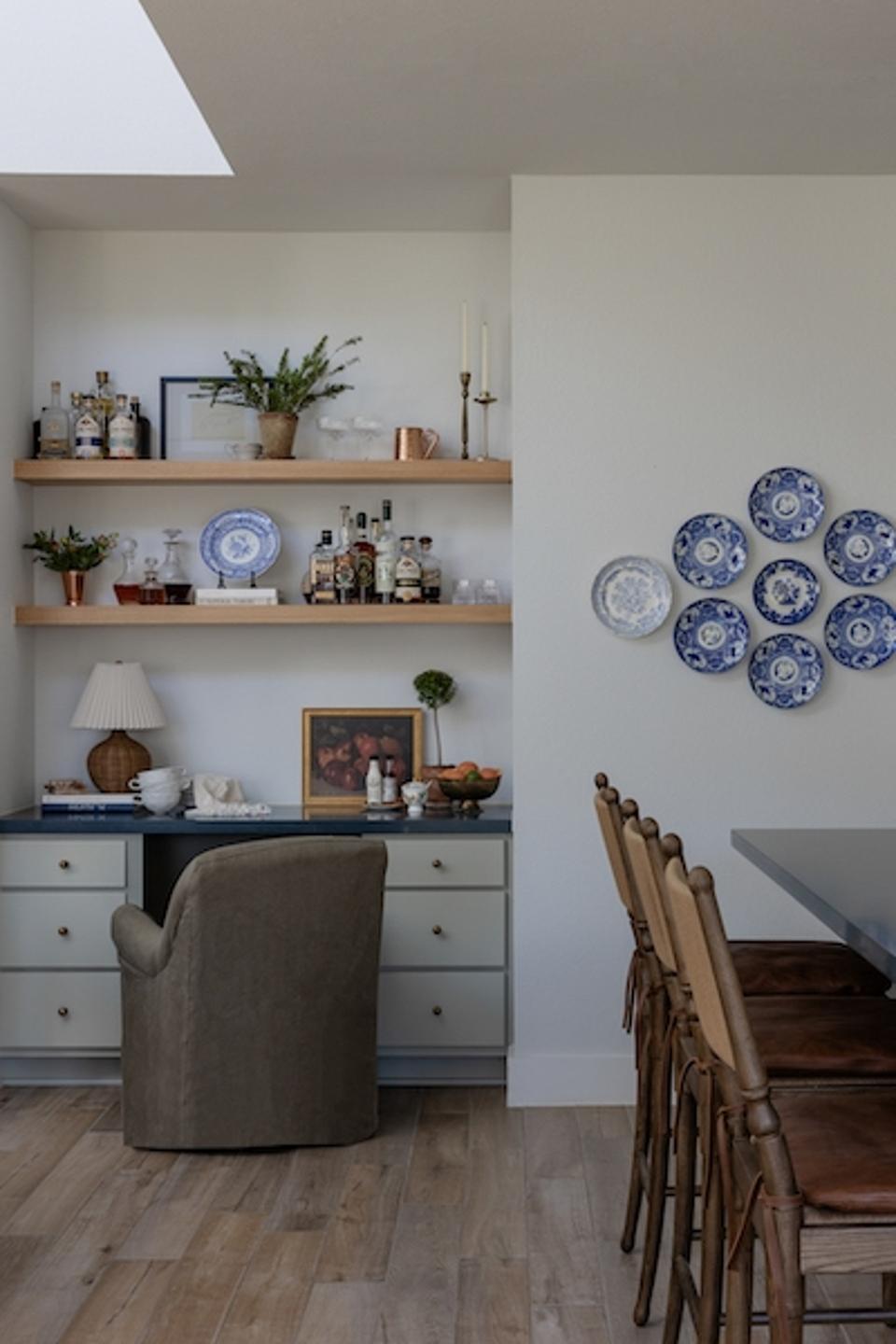
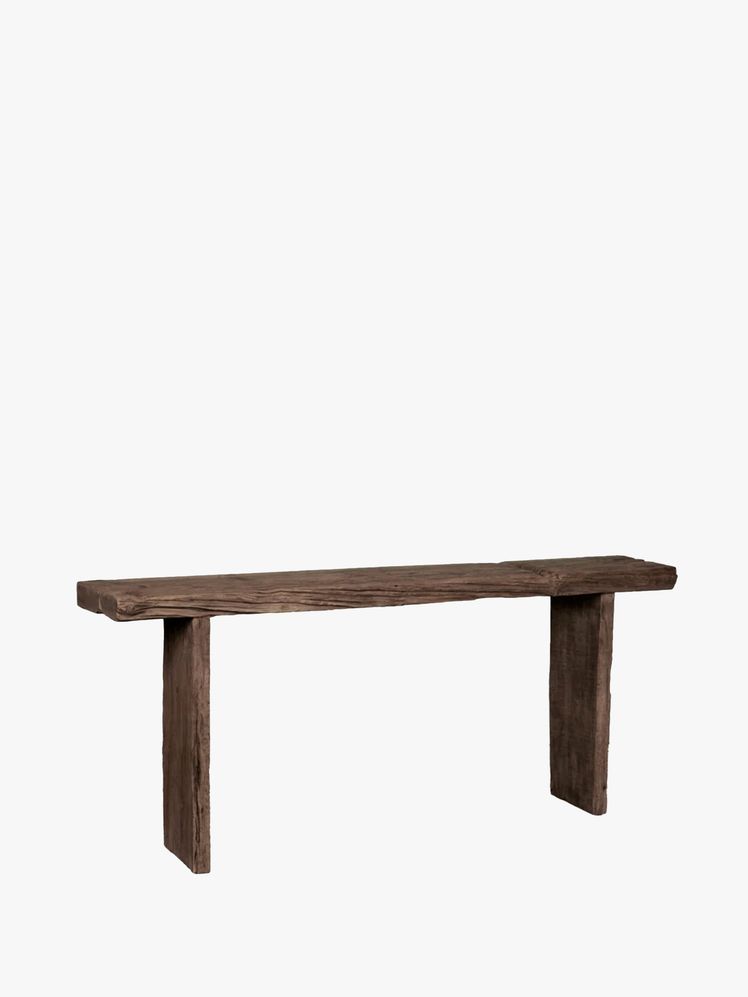
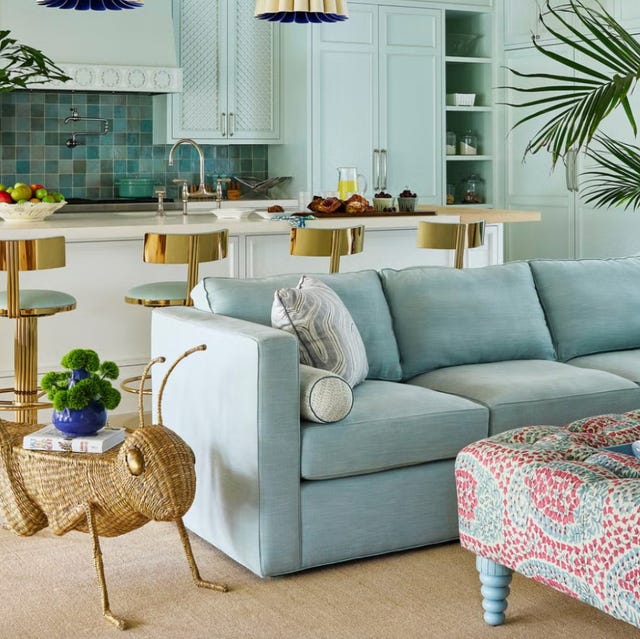
Kitchens are undergoing a 'soft makeover,' transforming from purely functional areas into inviting, comfortable spaces akin to living rooms. This trend emphasizes rustic natural materials, soft lighting, warm textiles, and bespoke joinery. Upholstered counter stools, layered lighting, and statement fixtures contribute to a cozier, less utilitarian feel.
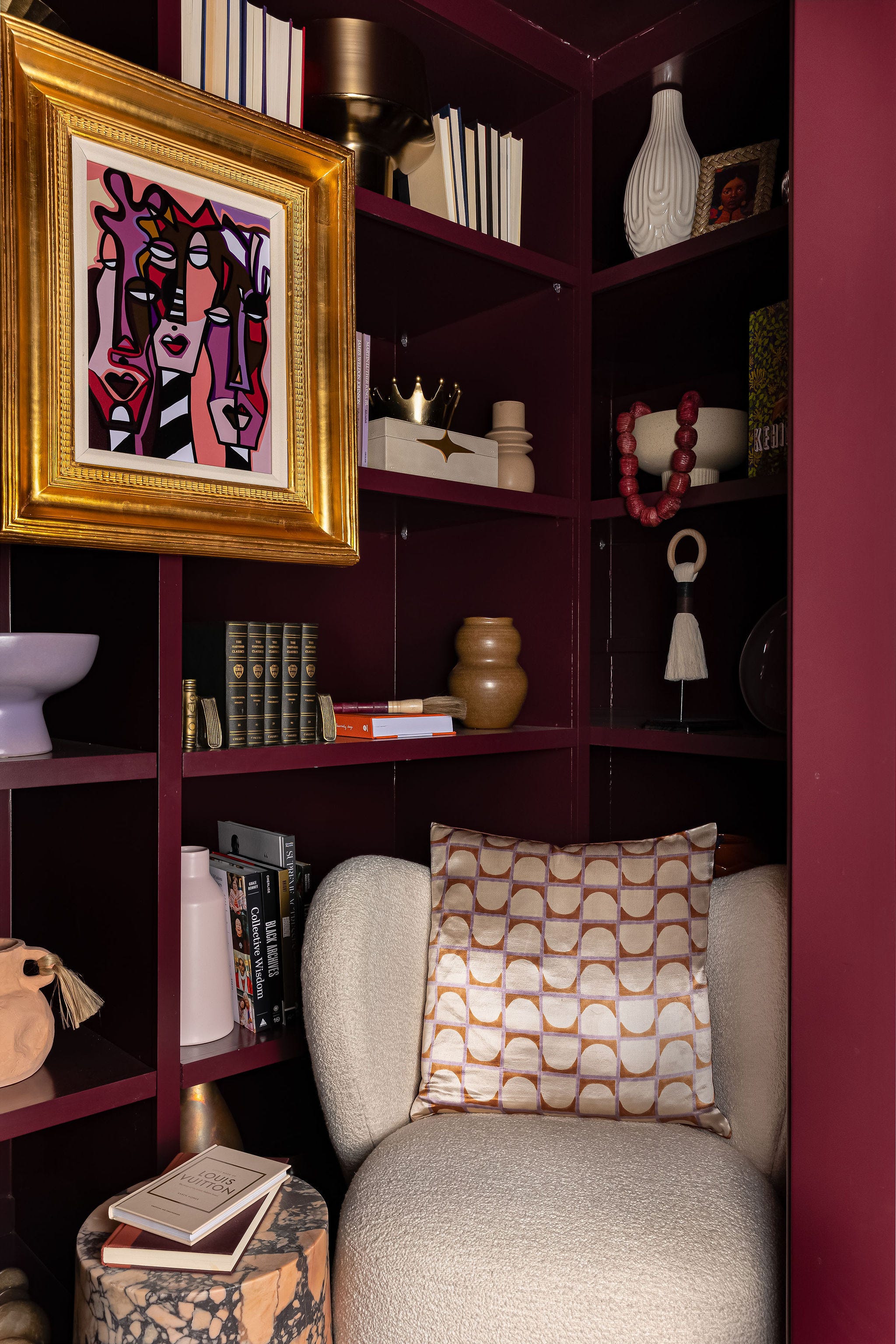
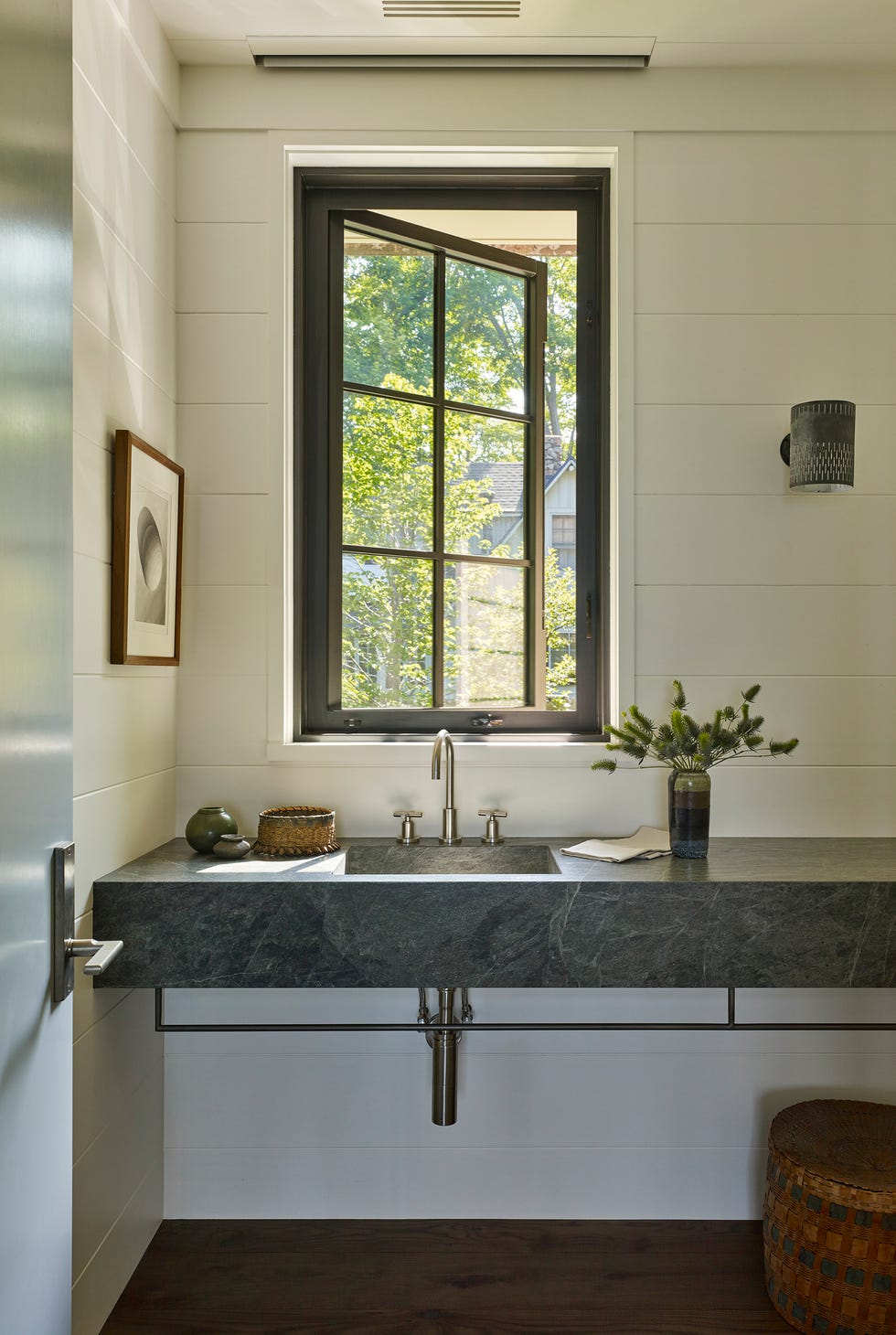
Finally, 'confidence zones' are emerging as a way for homeowners to make bold statements in smaller, often overlooked rooms. Spaces like powder rooms, snugs, and pantries are being used for dramatic design choices, whether through vibrant colors, unique materials, or intricate patterns. The key is to commit fully to a bold move while maintaining balance and restraint, making a significant impact with a relatively small investment.
#InteriorDesignTrends #HomeDecor #ColorTrends #MaterialTrends #SculpturalLighting #PatternDrenching #WellnessSpaces #RegencyRococo #CurvedFurniture #InteriorDesignTrends #HomeDecor #ColorTrends #MaterialTrends #SculpturalLighting #PatternDrenching #WellnessSpaces #RegencyRococo #CurvedFurniture
0 comment in total
 No comments yet
You may also like
The Pros Have Spoken: These Interior Design Trends Will Define 2025

The Biggest Interior Design Trends for 2025

The Interior Design Trends Taking Over Fall 2025, According to Designers

8 Interior Design Trends for 2025
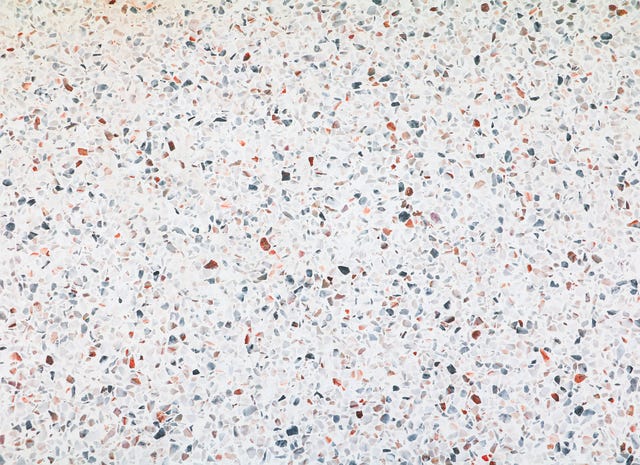
There's a new interiors trend you'll be obsessed with this year
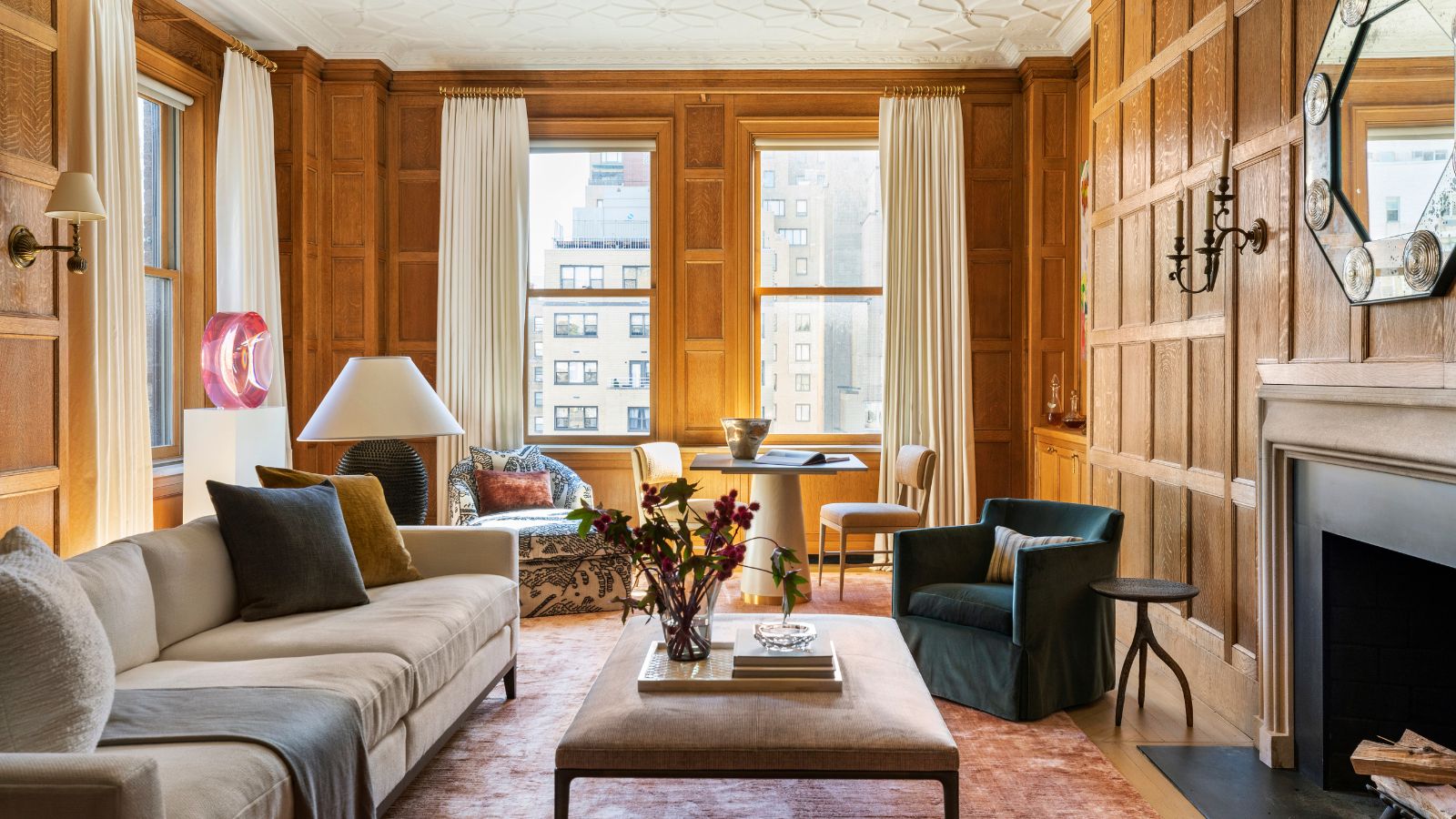
12 must-know interior design trends that will be defining our homes in 2025
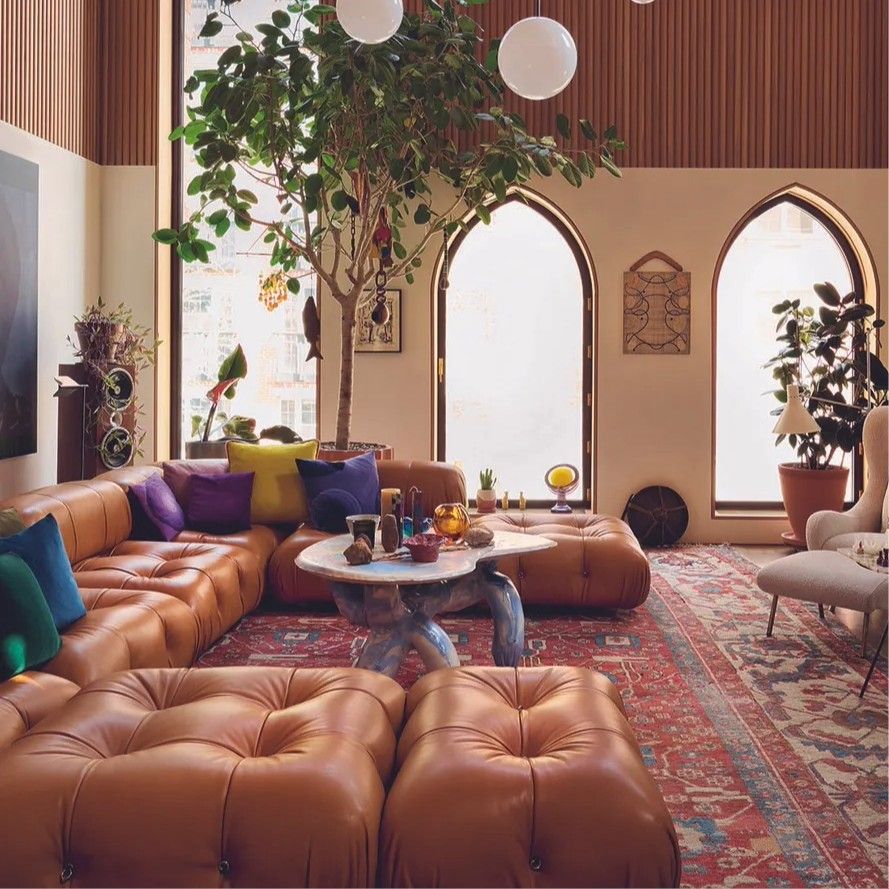
15 Trending Interior Design Styles That Will Dominate 2025

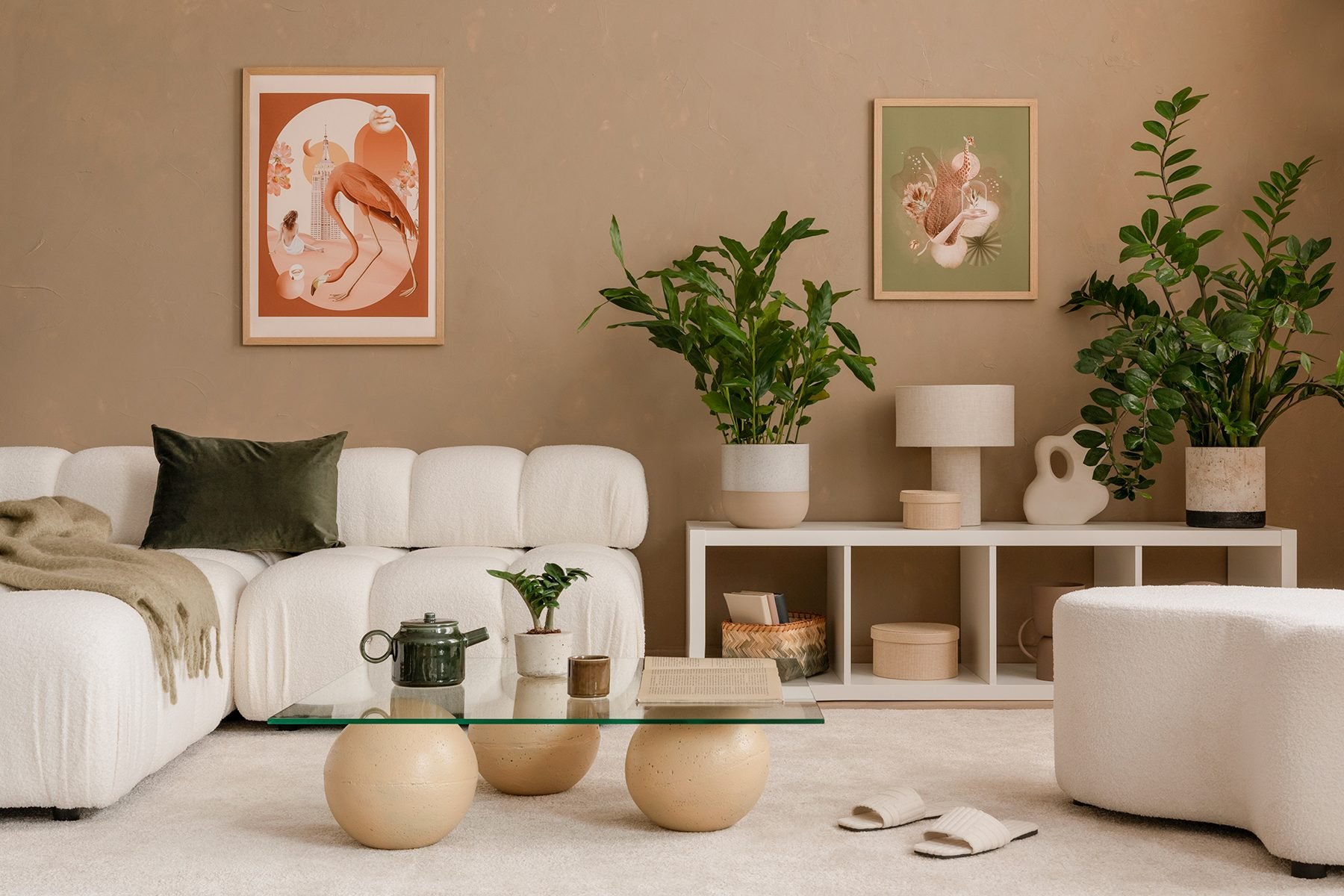
Design Forward: 4 Must-Know Interior Trends for 2025

What’s Next for Our Homes? The 14 Defining Interior Design Trends That Will Shape the Way We Live in 2026

15 Home Decor Trends You'll See This Year, According To An Interior Designer
Interior Designers Predict These Will Be The 15 Hottest Interior Design Trends In 2025

Interior Designers Say These Decor Trends Will Be Everywhere in 2024
A taste of this year's interior design trends

Designers Predict These 7 Interior Design Trends Will Be Everywhere in 2025

The 11 Key Interior Design Trends Set to Define 2026
These Are the Most Popular Interior Styles of 2026, According to Designers
12 Must-Know Interior Design Trends That Have Defined Our Homes in 2025
Designers Are Calling It: These Interior Design Trends Will Be Everywhere in 2026

10 Interior Design Trends to Watch in 2025

The 10 Biggest Interior Design Trends of the Year, According to Google's 'Year in Search' Report