The 5 Ways Technology Is Changing Home Design
Technological advancements have consistently influenced home design, from early human control of fire for warmth and cooking to contemporary innovations. Fire, initially a rudimentary form of technology, provided essential benefits like protection from predators, enhanced digestion, increased caloric intake, and fostered social gatherings. Over time, this foundational impact evolved, paving the way for modern stoves and fireplaces. Today, technology continues to reshape residential spaces at an accelerated pace, particularly amplified by the COVID-19 pandemic, which necessitated homes to serve multiple functions for work, play, and entertainment.
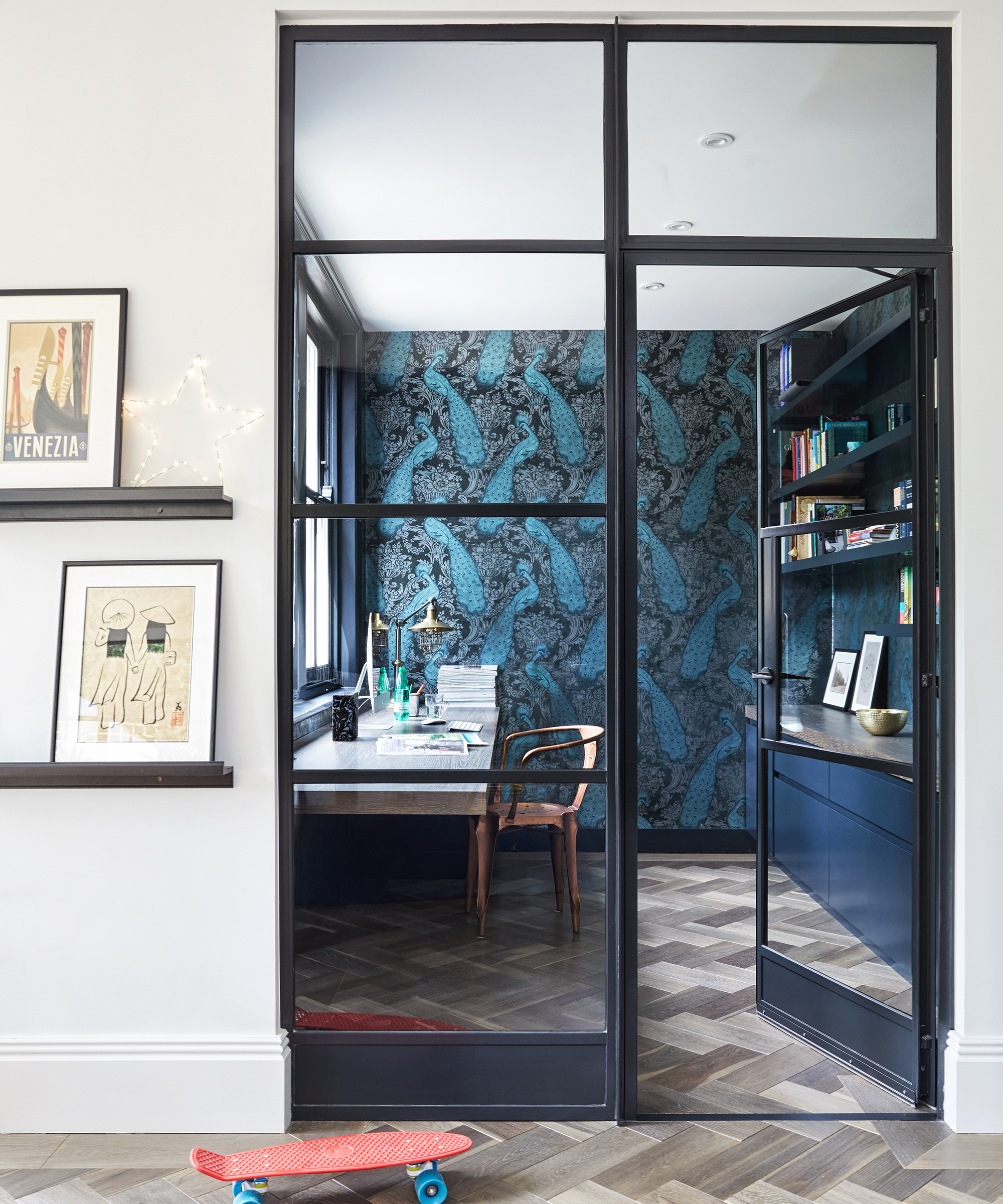
The pandemic underscored the need for adaptable home environments, leading to the integration of comprehensive spaces for working and learning. Designers and builders are now incorporating specialized rooms and features to meet these evolving demands. One significant area of change is the rise of virtual reality (VR) and the metaverse. Homebuilders are designing dedicated VR rooms, complete with padded walls and advanced sensory feedback systems like surround-sound and vibration sensors, to enhance immersive virtual experiences. This trend, inspired by science fiction concepts like Neal Stephenson's “Snow Crash,” allows homeowners to engage with virtual worlds without physical limitations, transforming traditional recreational spaces.
Another major technological shift is the increasing adoption of electric vehicles (EVs). This trend is re-imagining the role of the garage, transitioning it from a mere storage area to a sophisticated charging station. The absence of oil, grease, and exhaust emissions associated with EVs allows for a cleaner, more versatile garage space. Homeowners are increasingly treating their garages as extensions of their living areas, opting for finished flooring and additional storage, blurring the lines between utilitarian and recreational zones within the home. This highlights how new technologies can lead to aesthetic and functional upgrades in unexpected areas of the house.
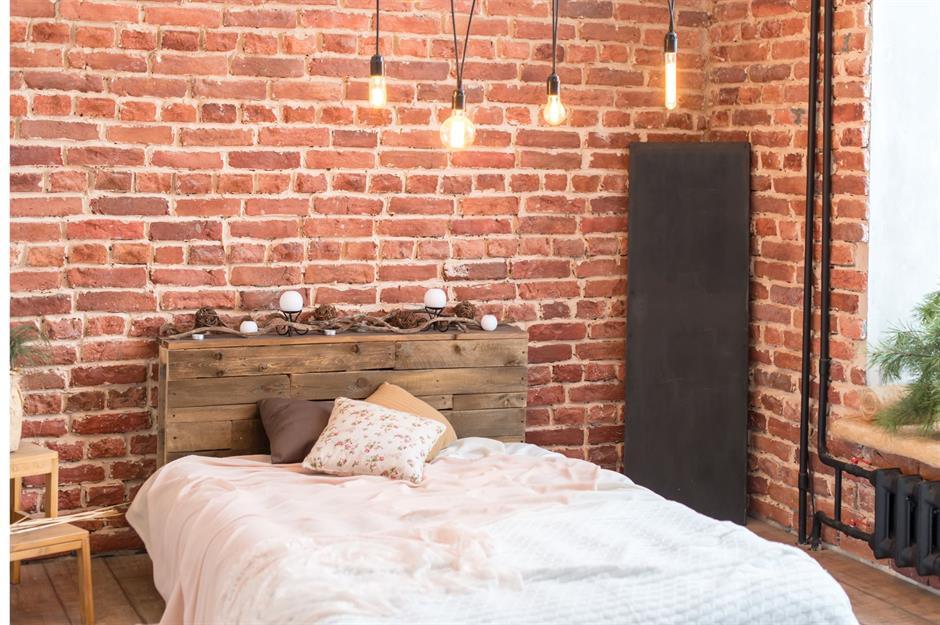
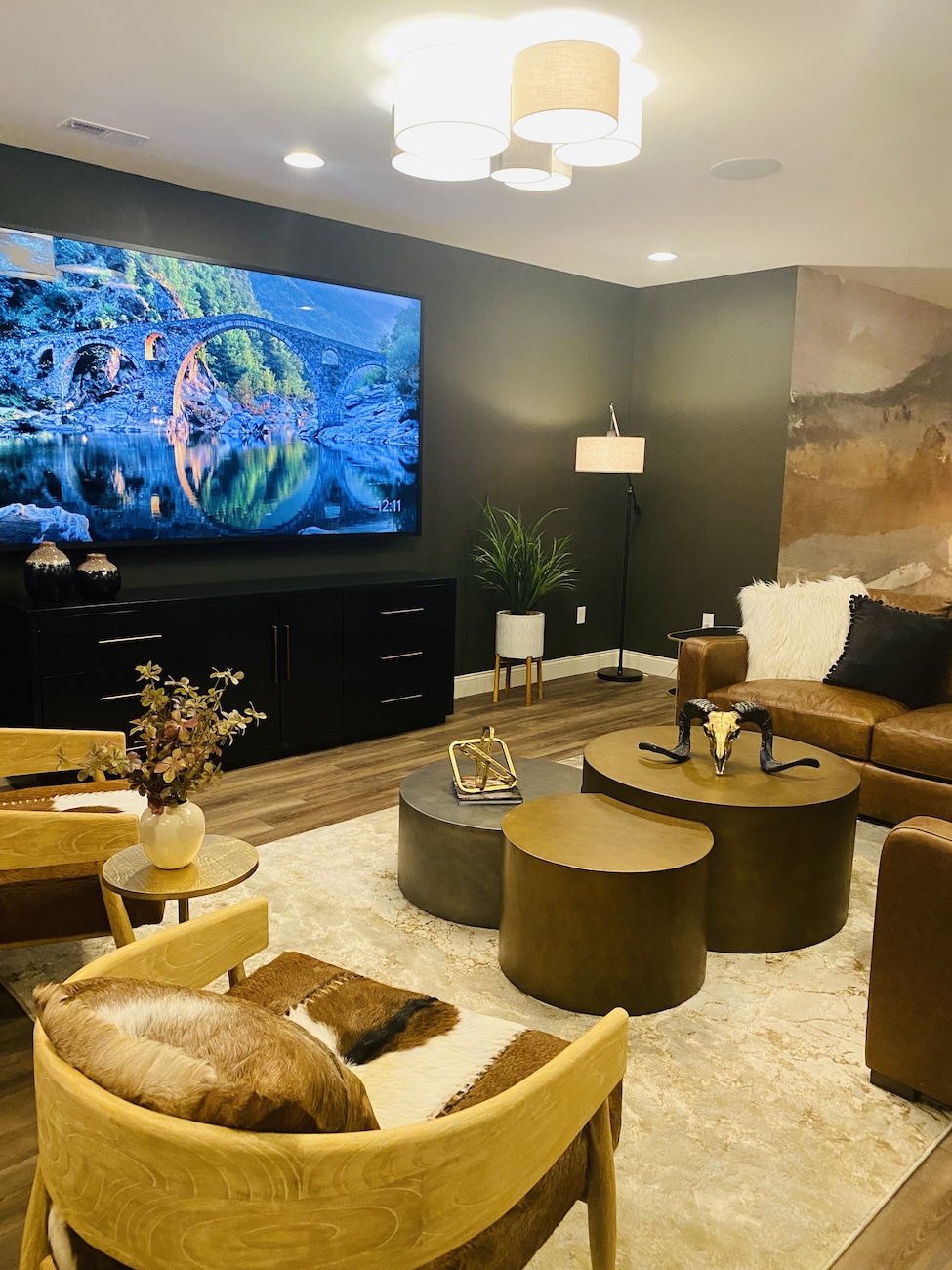
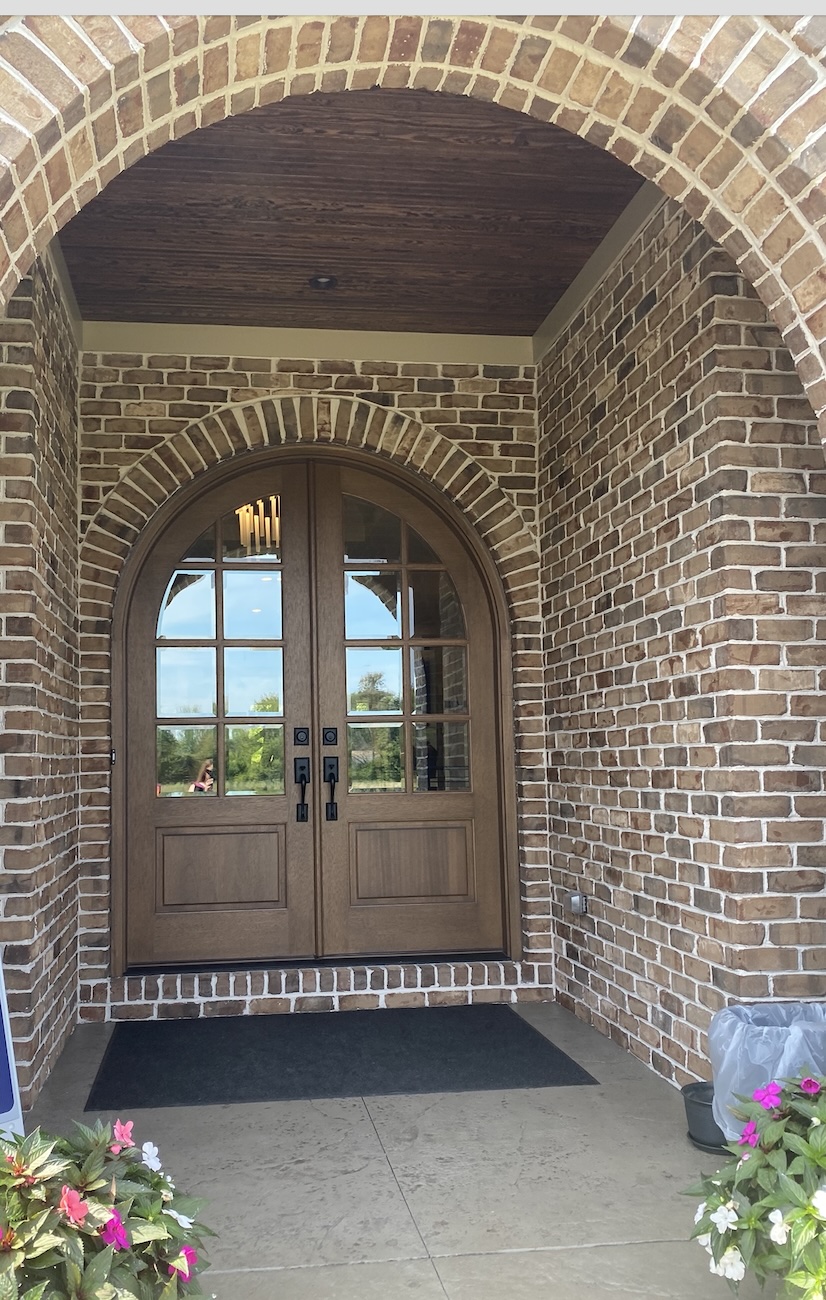
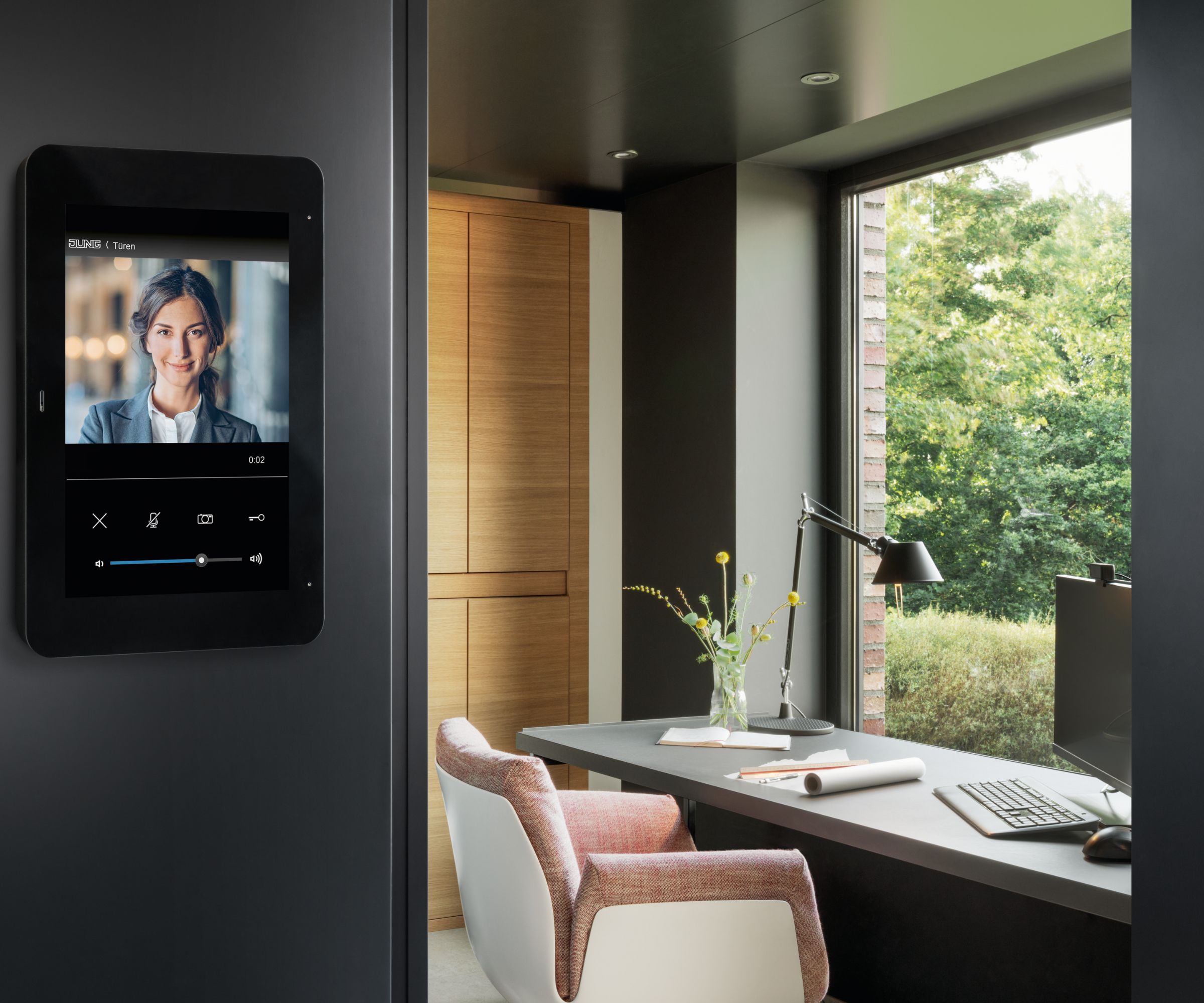
Recreational spaces are also undergoing a high-tech transformation. Indoor golf simulators, once prohibitively expensive, are becoming more accessible to homeowners. These systems, which can range from entry-level models to full-immersive experiences, utilize laser or infrared radar tracking to simulate golf courses, often doubling as entertainment systems. This allows for specialized athletic training and entertainment within the confines of one's home. Furthermore, the demand for sound-dampening rooms has surged due to the prevalence of remote work, podcasting, and digital content creation. These dedicated spaces, once exclusive to professional studios, are now being incorporated into residential designs to accommodate various digital activities, often leveraging the natural sound-dampening qualities of materials like exterior brick.
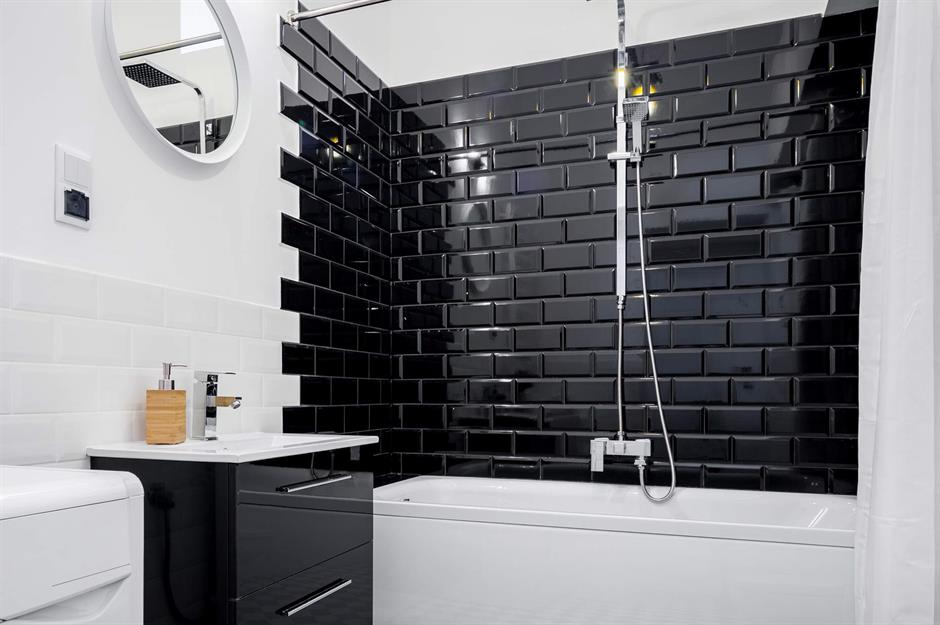
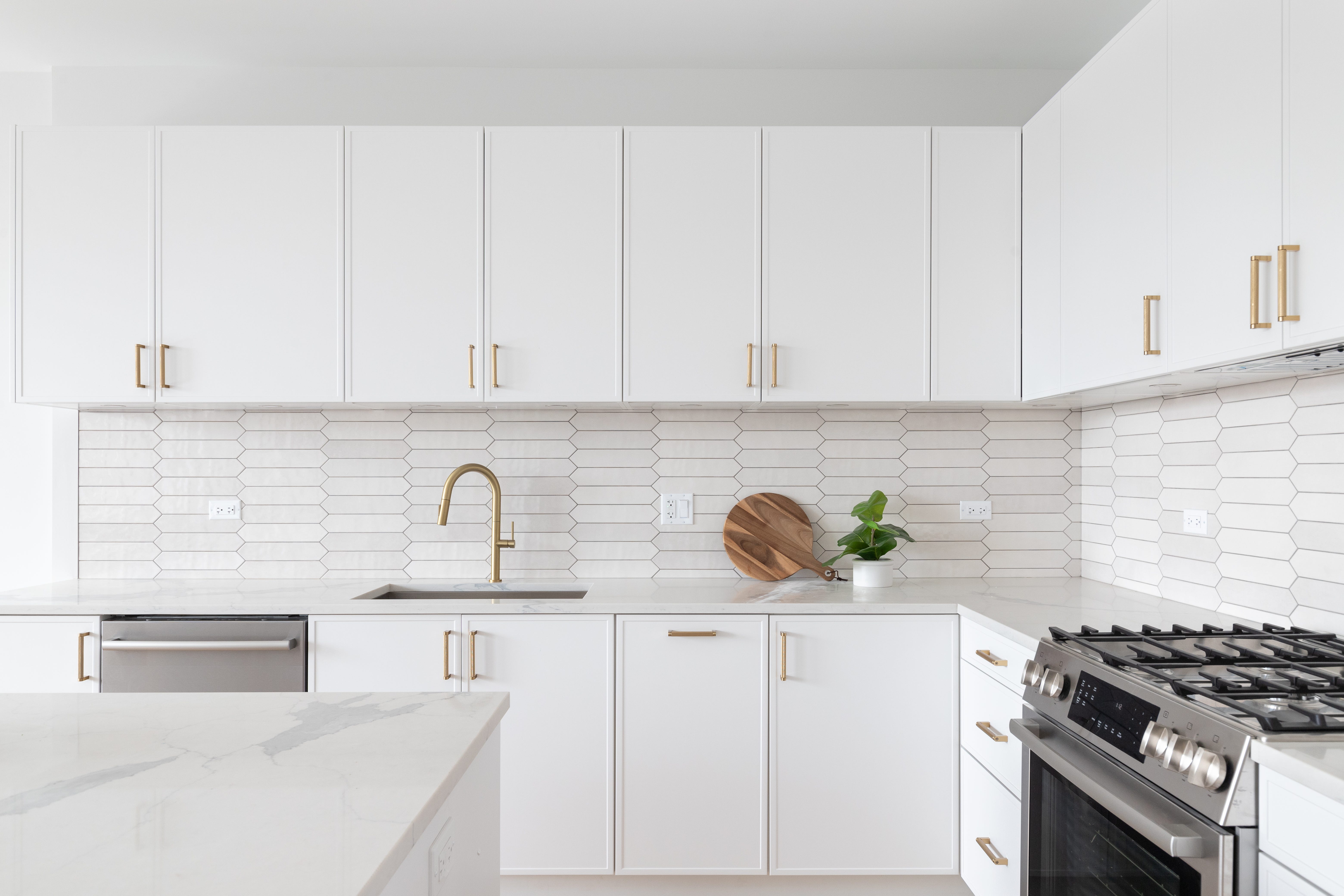
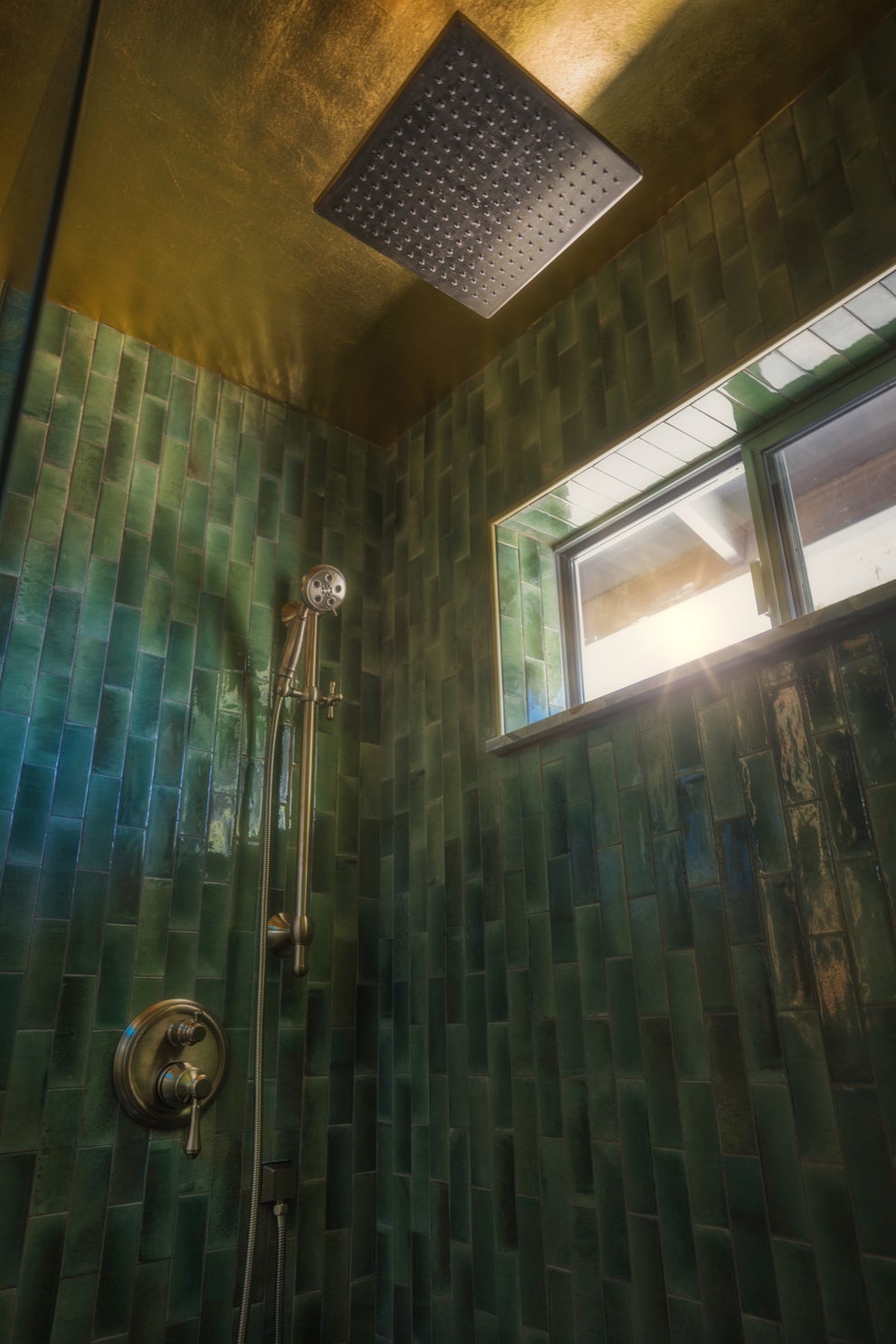
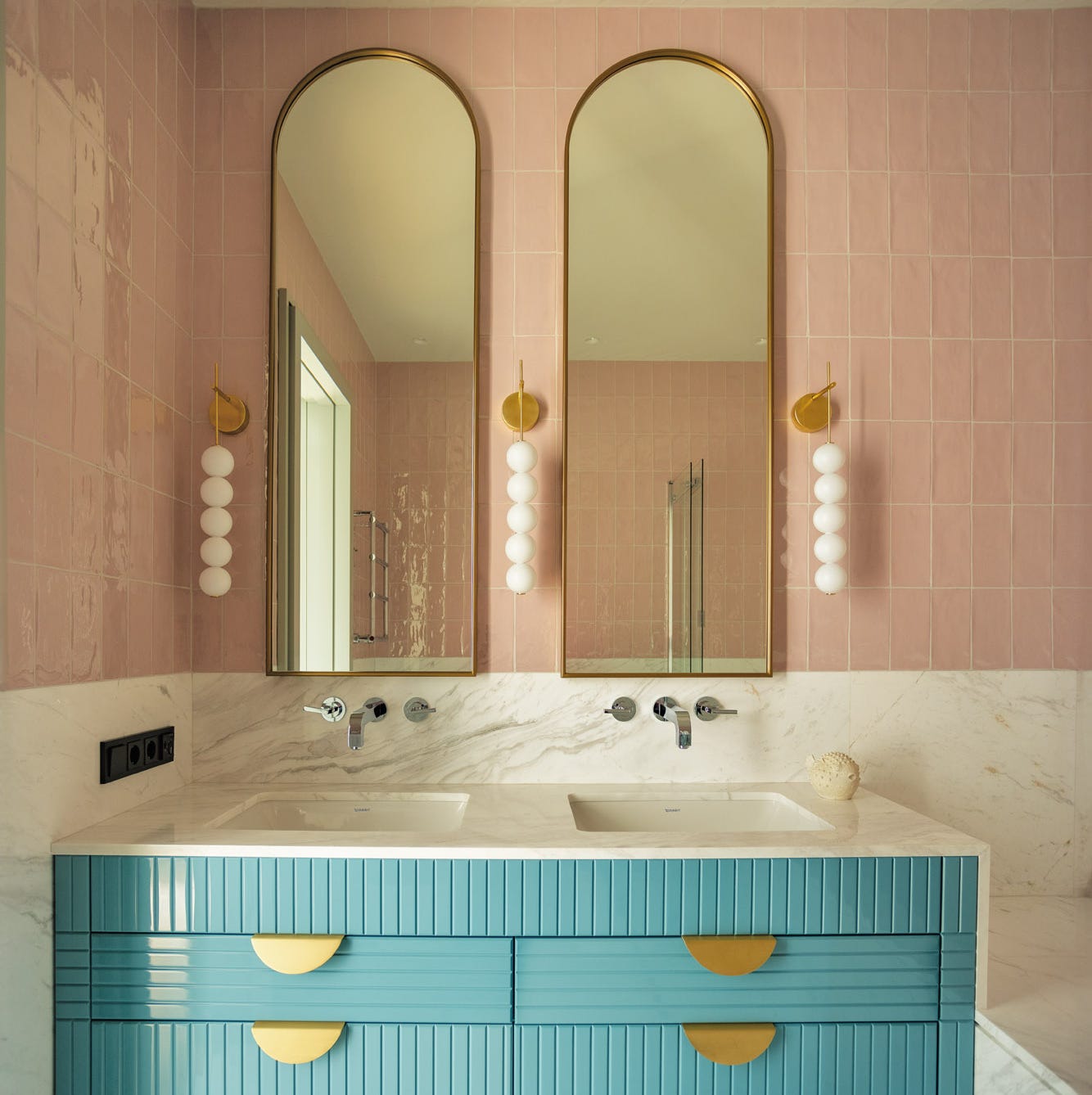
Finally, heightened awareness of hygiene, accelerated by the pandemic, has spurred the development of advanced antimicrobial building materials. Products like PROTECT® ceramic tiles with Microban® are designed to reduce pathogens in high-traffic areas such as kitchens and bathrooms. This focus on health and safety influences material choices, providing homeowners with solutions that contribute to a cleaner living environment. These innovations reflect an ongoing and inexorable transformation of home design, demonstrating how technology continuously reshapes residential spaces to meet contemporary needs and preferences.
#HomeDesign #HomeTechnology #Metaverse #VirtualReality #ElectricVehicles #SmartHome #AntimicrobialMaterials #BuildingMaterials #ArchitecturalInnovation #HomeDesign #HomeTechnology #Metaverse #VirtualReality #ElectricVehicles #SmartHome #AntimicrobialMaterials #BuildingMaterials #ArchitecturalInnovation
0 comment in total
 No comments yet
You may also like

Beyond Aesthetics: How Tech is Redefining Interior Design
13 Home Design Trends That Are Dating Your Home

The Home Trends Designers Want You to Ditch in the New Year

I Let AI Design My Home. Here’s What Happened

5 brands that are transforming the architectural surfaces of your home

10 Horrifying Home Design Trends: 2023 Edition
Emerging home design trends to tap into now
Designers Reveal the Surprising Home Trend That's Taking Over Right Now


30 of the worst modern home trends that WILL go out of fashion | loveproperty.com

People Are Revealing The "Outdated" Home Design Trends That Are Wayyy Better Than Modern Trends
16 "Outdated" Home Design Trends That Are Wildly Better Than Modern-Day Trends

Designers Agree: These 15 Home Trends Are Officially Out in 2026
From Touchless Tech To Vinyl Floors, Here’s How Coronavirus Will Change Home Design

This Once-Popular Home Feature Is Falling Out of Favor


People Are Exposing The Home Decor Trends That'll "Completely Fade Out" Sooner Than You'd Think
Renovating? The home design trends you’ll see everywhere in 2025
10 Hottest Home Design Trends to Watch for 2025

Outdated Trends That HGTV's Property Brothers Swear Are Ruining Your Home's Vibe
These 2024 home remodel trends are here to stay – here's how to try them

Designers Agree: Open Concept Is Out, Tradition Is In