1/10
How to improve air quality at home - it’s the big health issue nobody’s talking about
For decades, the focus of air pollution studies has predominantly been on outdoor air quality. However, indoor air pollution is gaining increasing recognition as a significant health concern, particularly as outdoor air quality in urban areas shows improvement, leading to indoor pollution comprising a larger proportion of overall air quality issues. Experts highlight that individuals spend approximately two-thirds of their lives inside their homes, making indoor air quality a crucial factor in overall health.
The health impacts of poor indoor air quality are diverse, ranging from short-term respiratory infections, such as those caused by mould, to more severe, long-term conditions like asthma, allergic rhinitis, chronic coughing, wheezing, cognitive impairment due to carbon dioxide poisoning, and various cancers, including mesothelioma from asbestos and those linked to secondhand tobacco smoke. A study also revealed that air pollution detrimentally affects sleep quality.
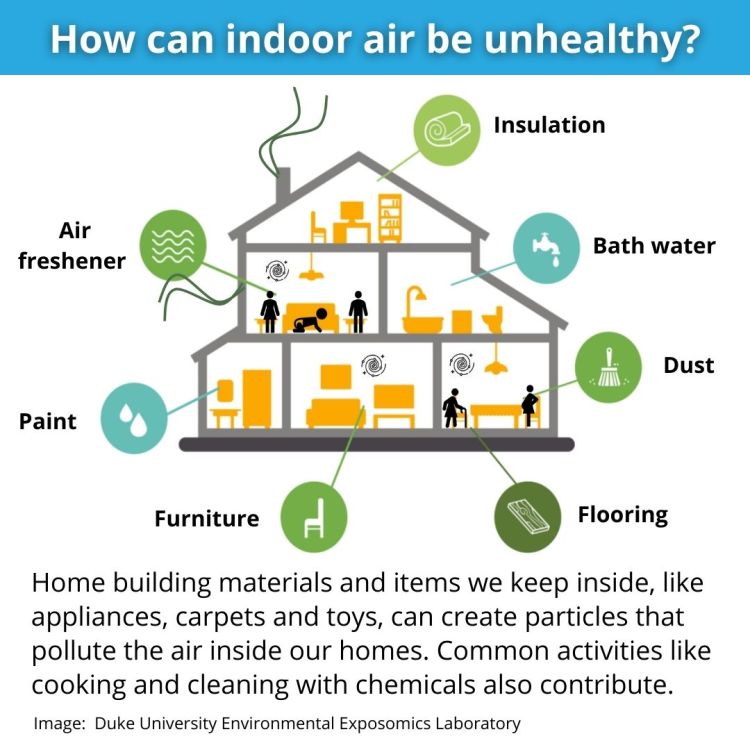
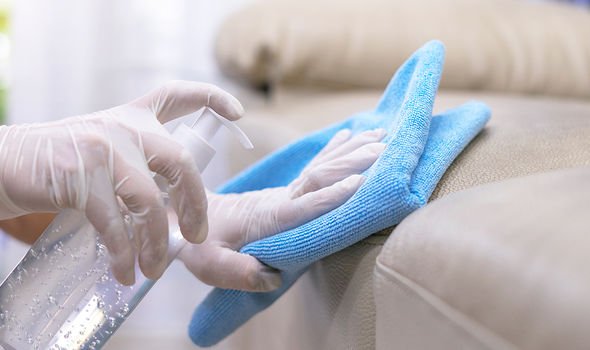
Indoor air pollution originates from various sources. Cooking and cleaning activities are significant contributors, alongside burning candles, using wood-burning stoves, and air fresheners. These sources introduce chemical pollutants into the home environment. Additionally, biological sources like mould contribute to poor air quality. Pollutants are categorized into airborne particles and gases. While modern air purifiers effectively remove particles, their efficacy against gases varies, although some models with activated charcoal filters can tackle formaldehyde.
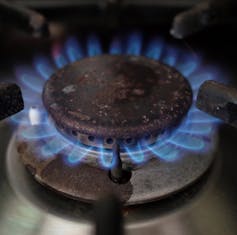
Specific culprits and their origins include nitrogen dioxide, carbon monoxide, and particulates from gas cooking, heating, open fires, wood burners, and burning candles, which are associated with asthma. Volatile Organic Compounds (VOCs) emanate from paints, carpets, laminates, cleaning products, and air fresheners, also contributing to asthma. Formaldehyde, found in scented candles, plywood, particleboard, tobacco smoke, foam insulation, varnishes, and wood finishes, is another asthma trigger. Environmental Tobacco Smoke (ETS), encompassing first, second, and third-hand smoke from smoking and vaping, is linked to various cancers. Microbial aerosols, such as bacteria, fungi, pollen, and airborne viruses, cause respiratory symptoms and allergies. Damp and mould, increasingly prevalent in airtight modern homes, elevate the risk of asthma, allergic rhinitis, coughing, and wheezing. Radon, a naturally occurring gas, is a leading cause of lung cancer and can accumulate in homes, with geographical and geological factors influencing its presence.
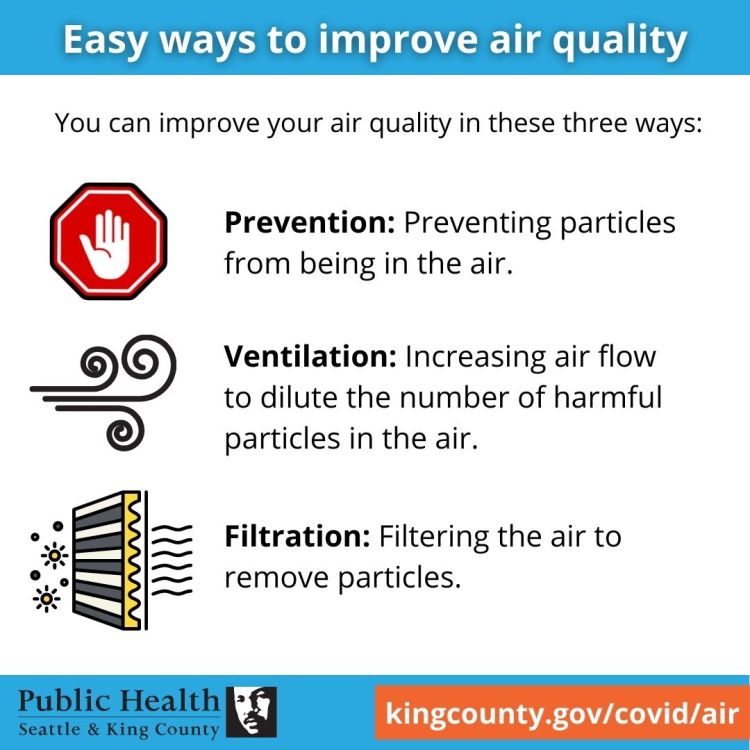
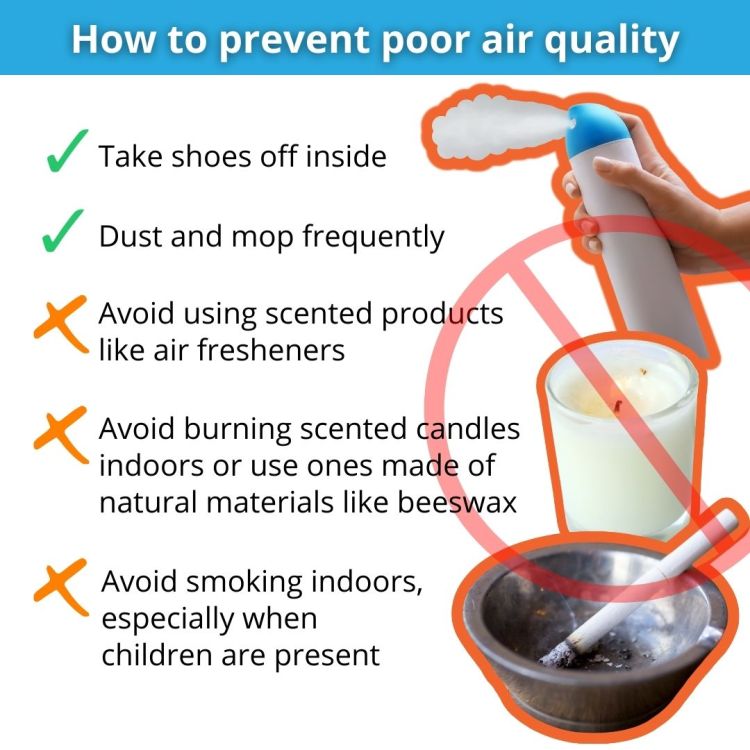
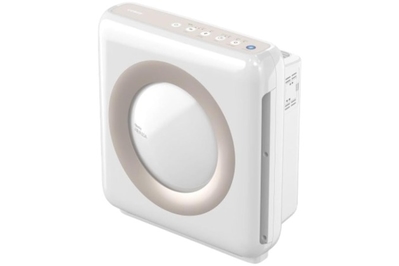
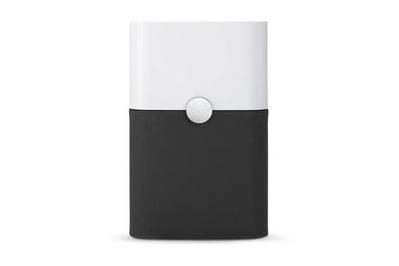
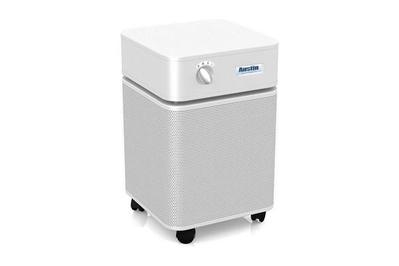
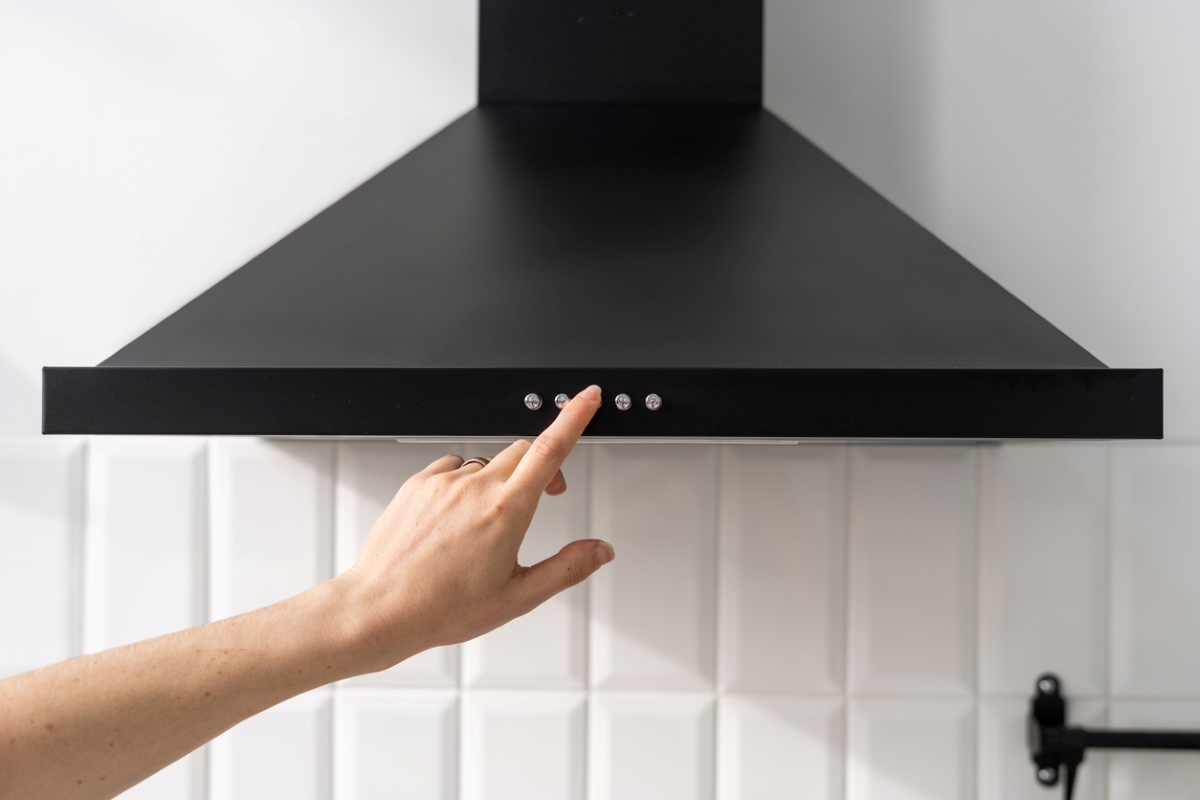
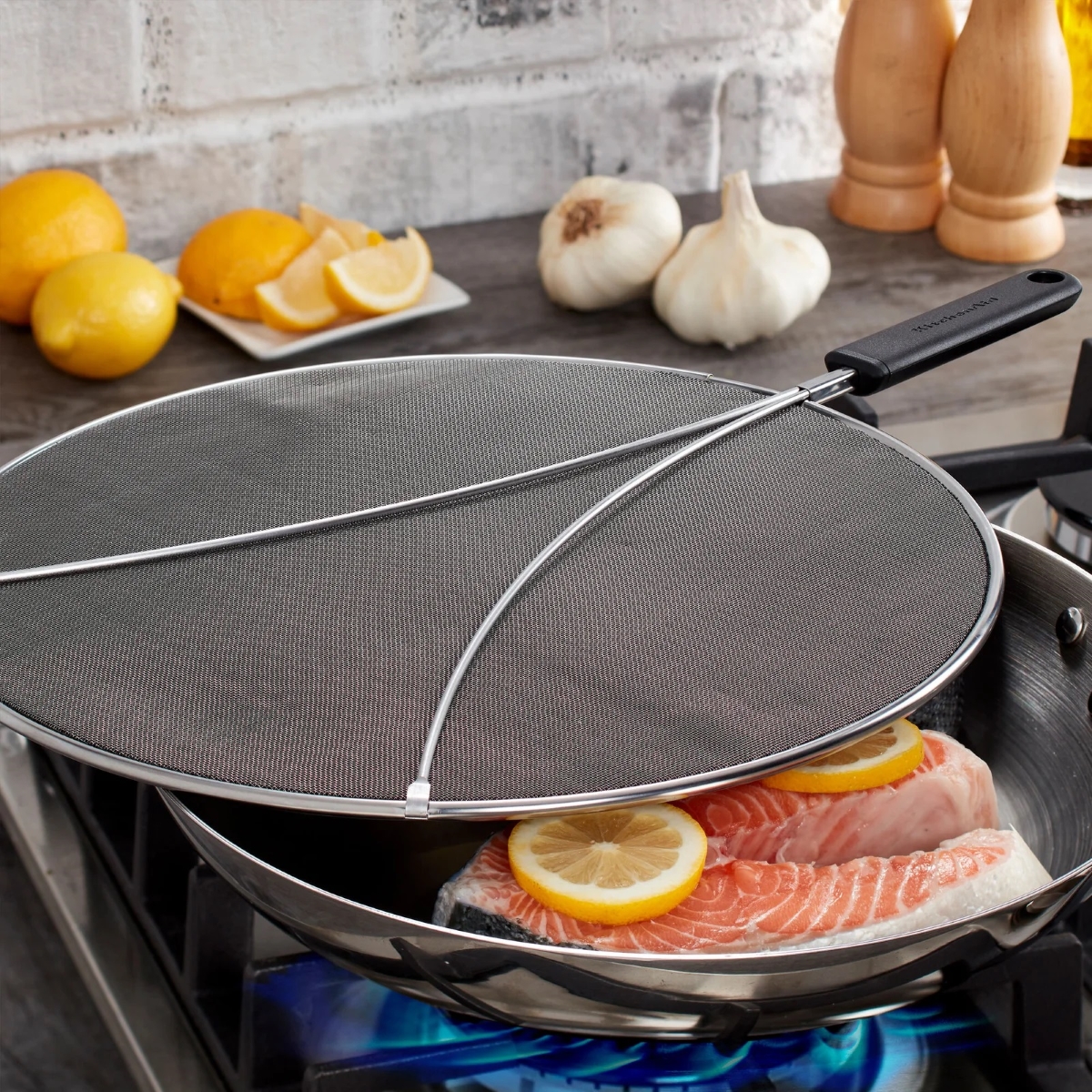
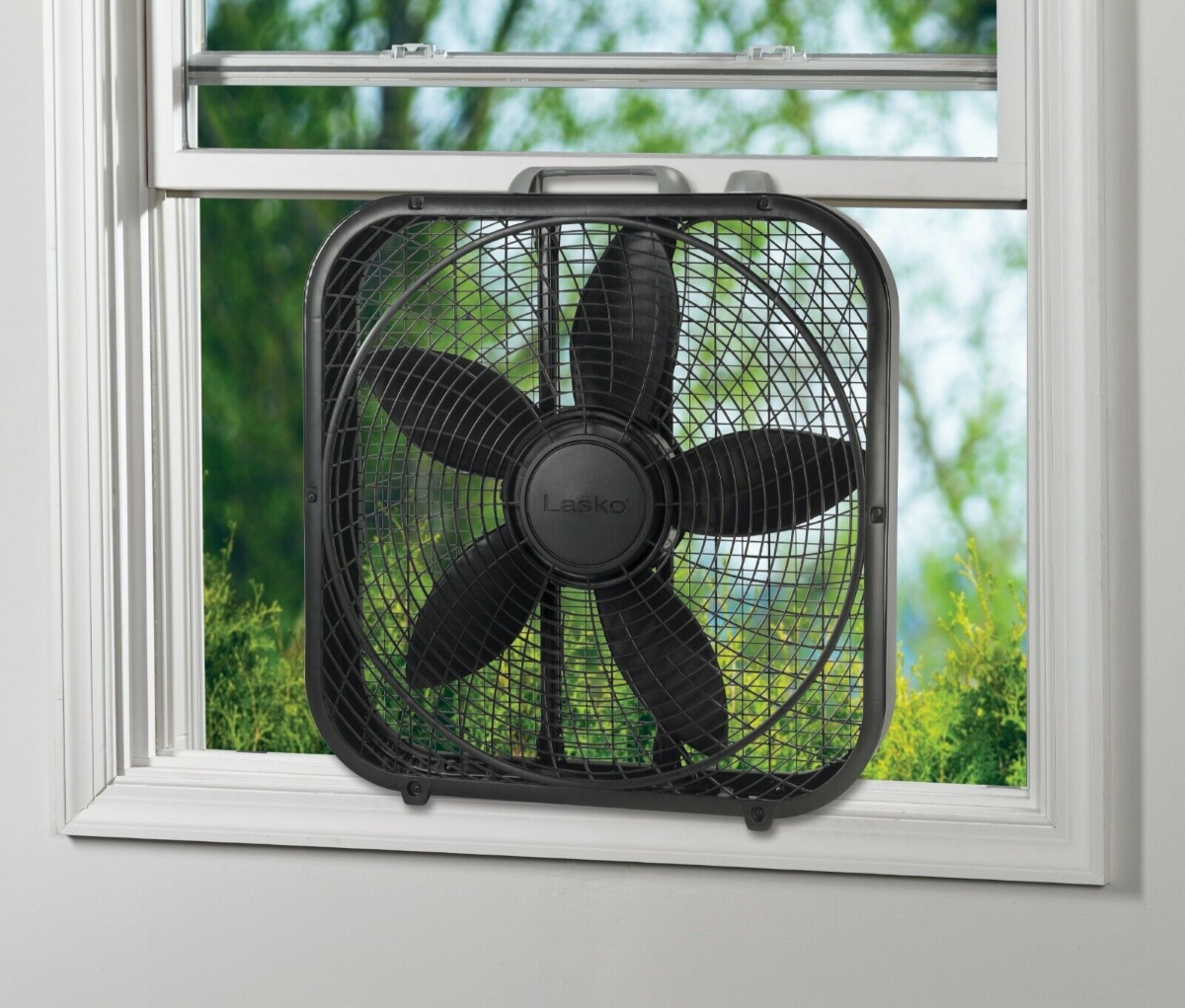
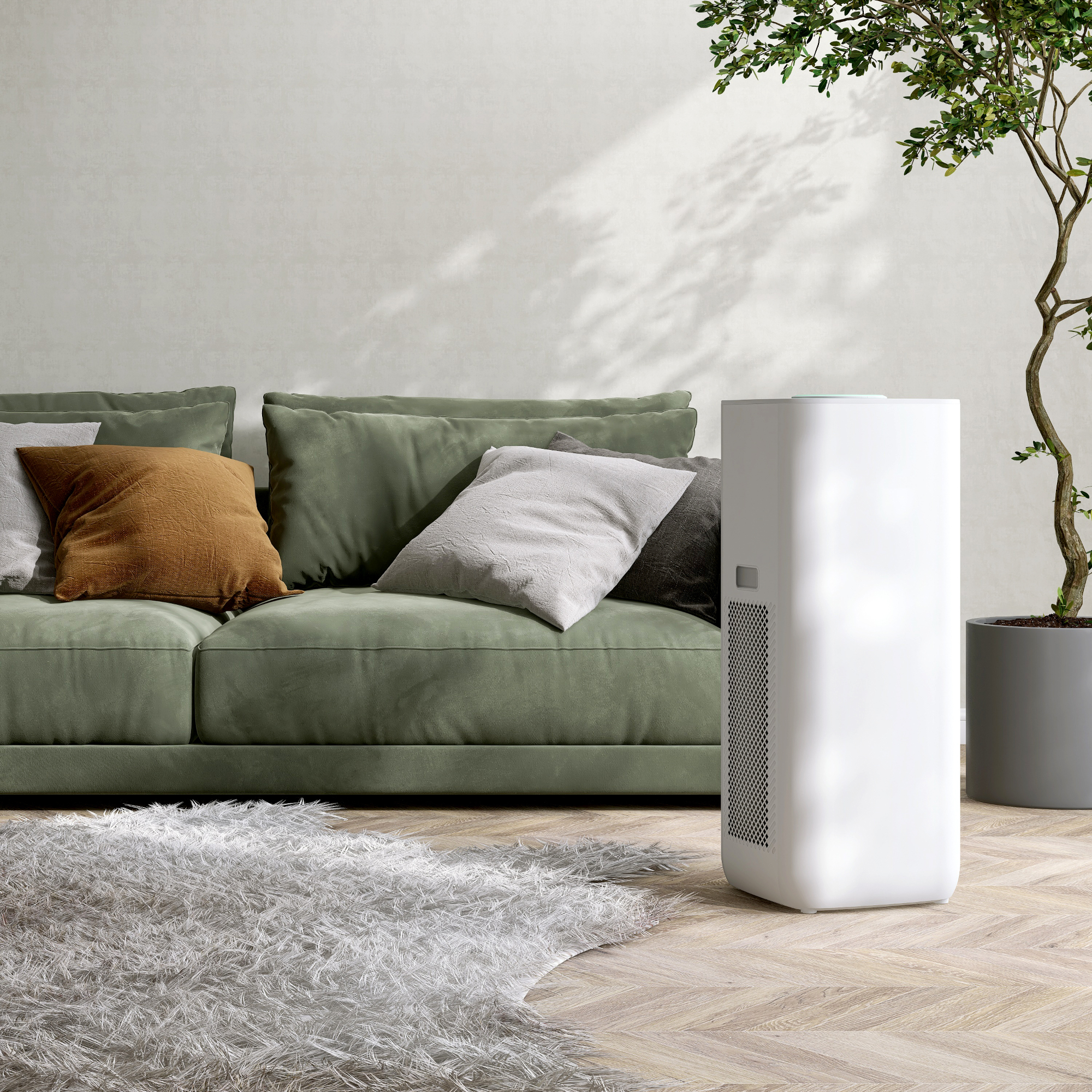
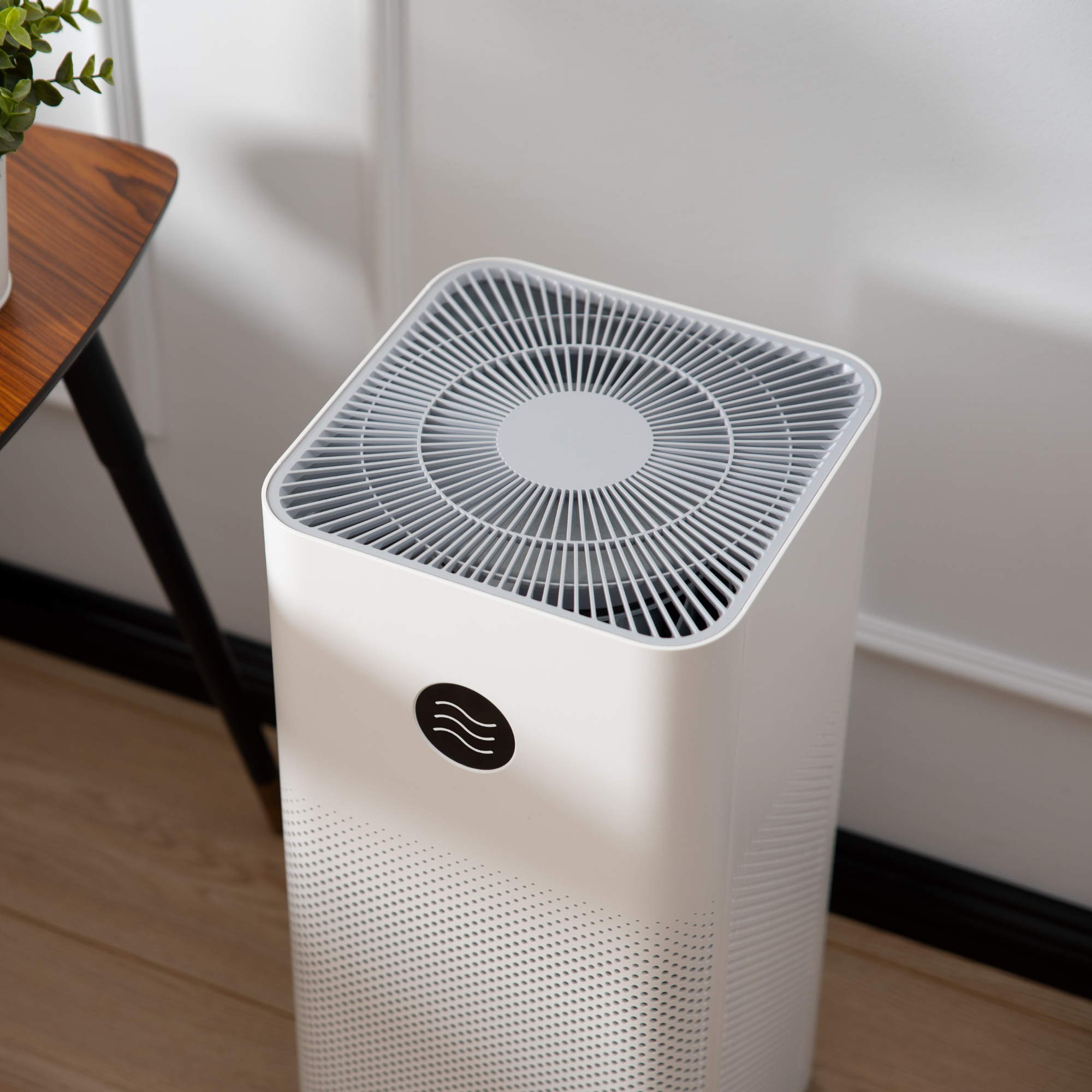
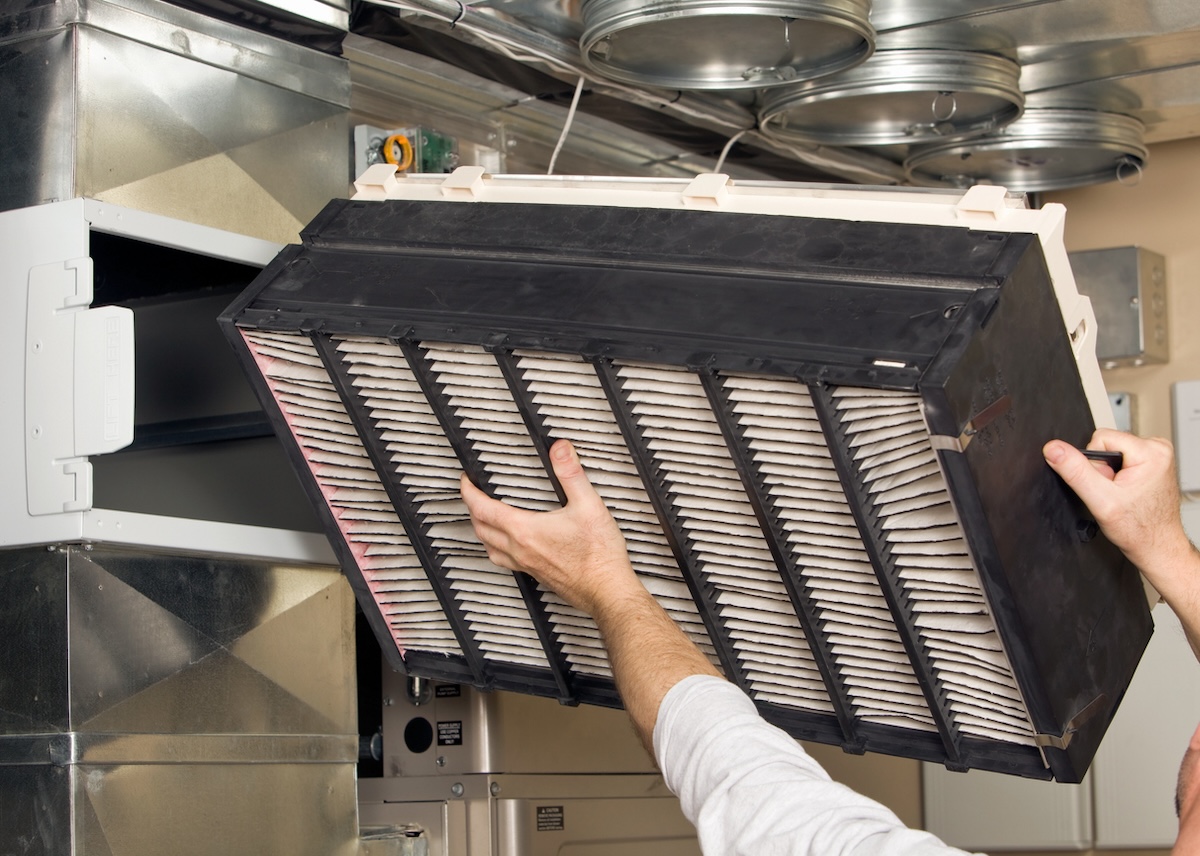
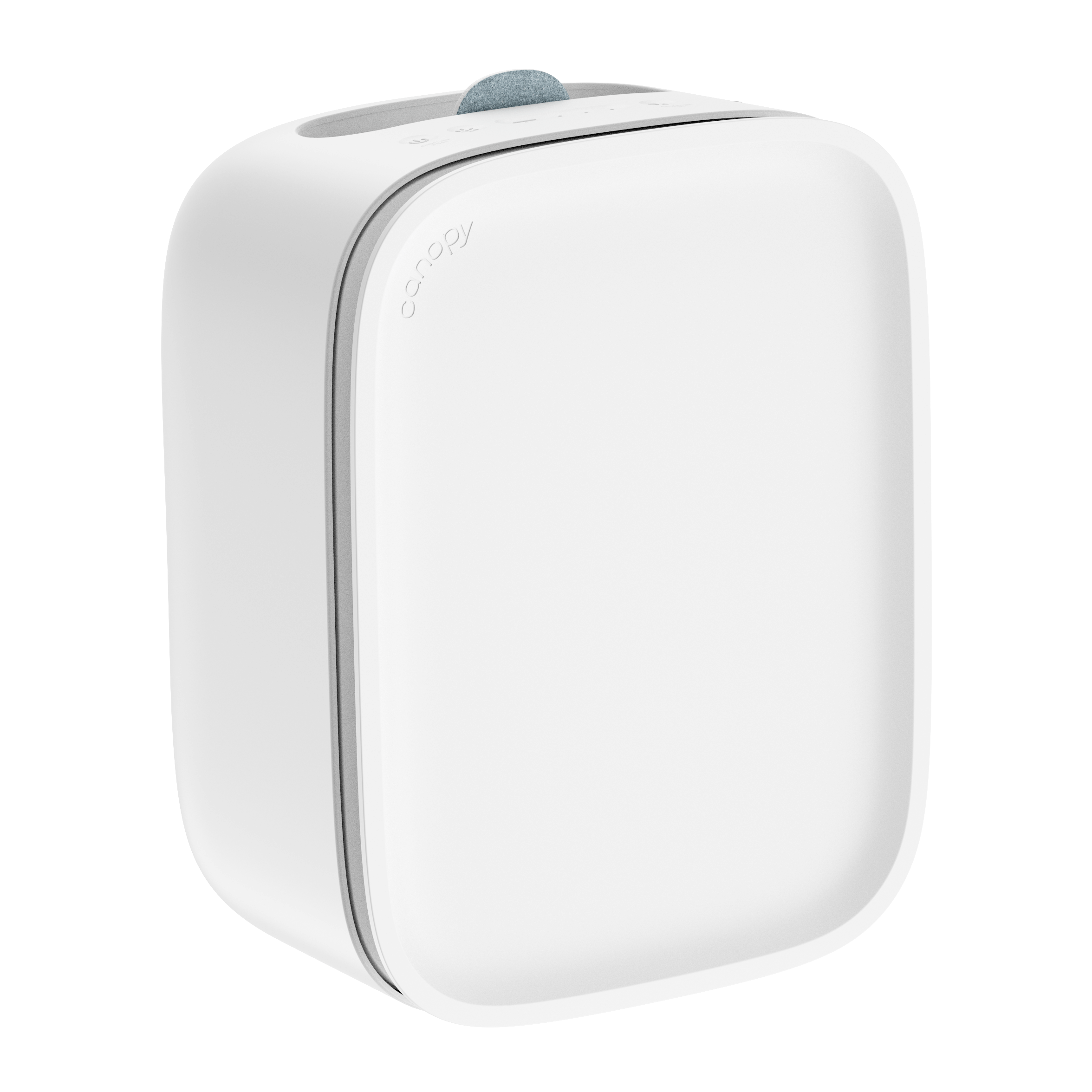
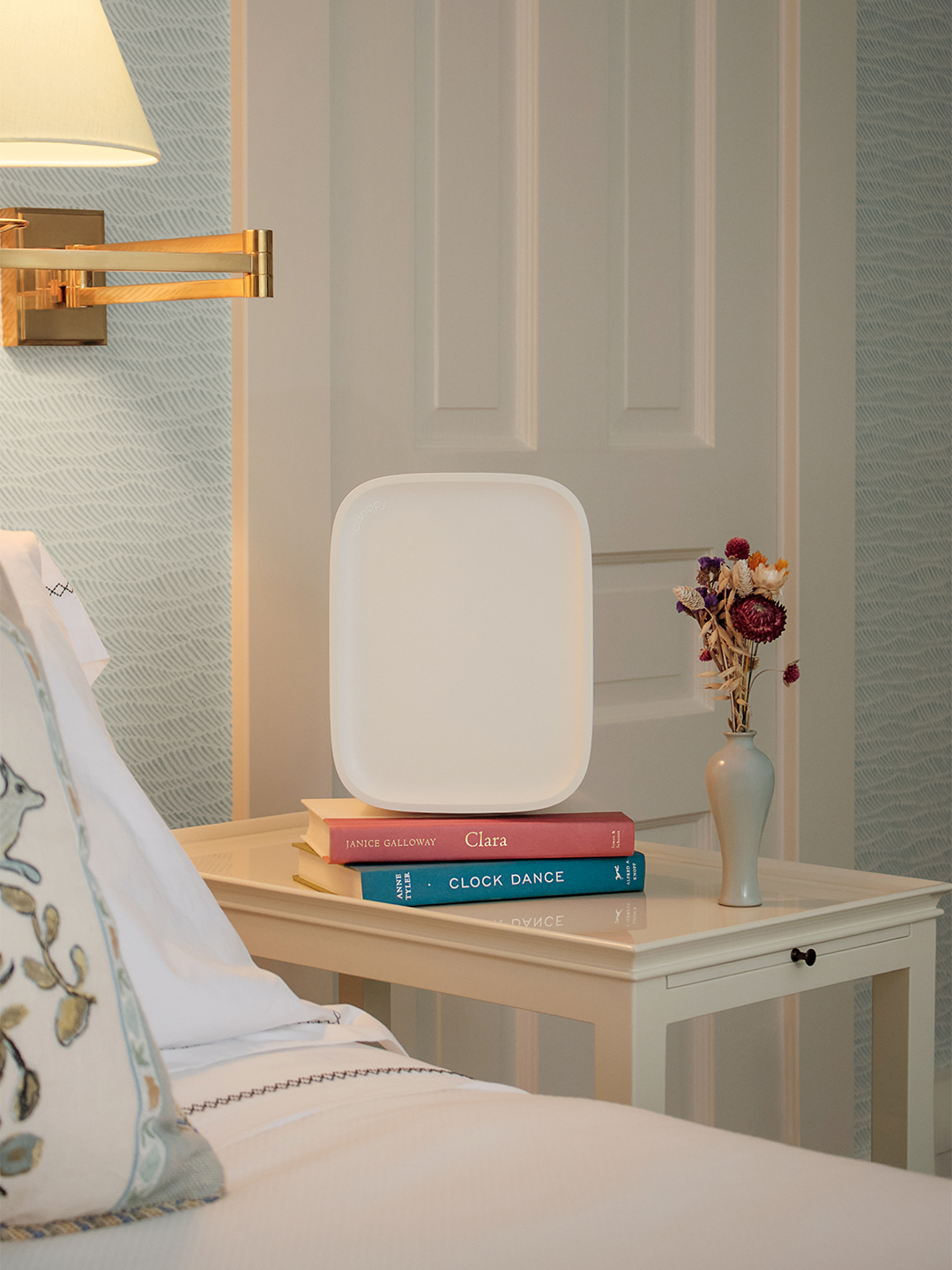
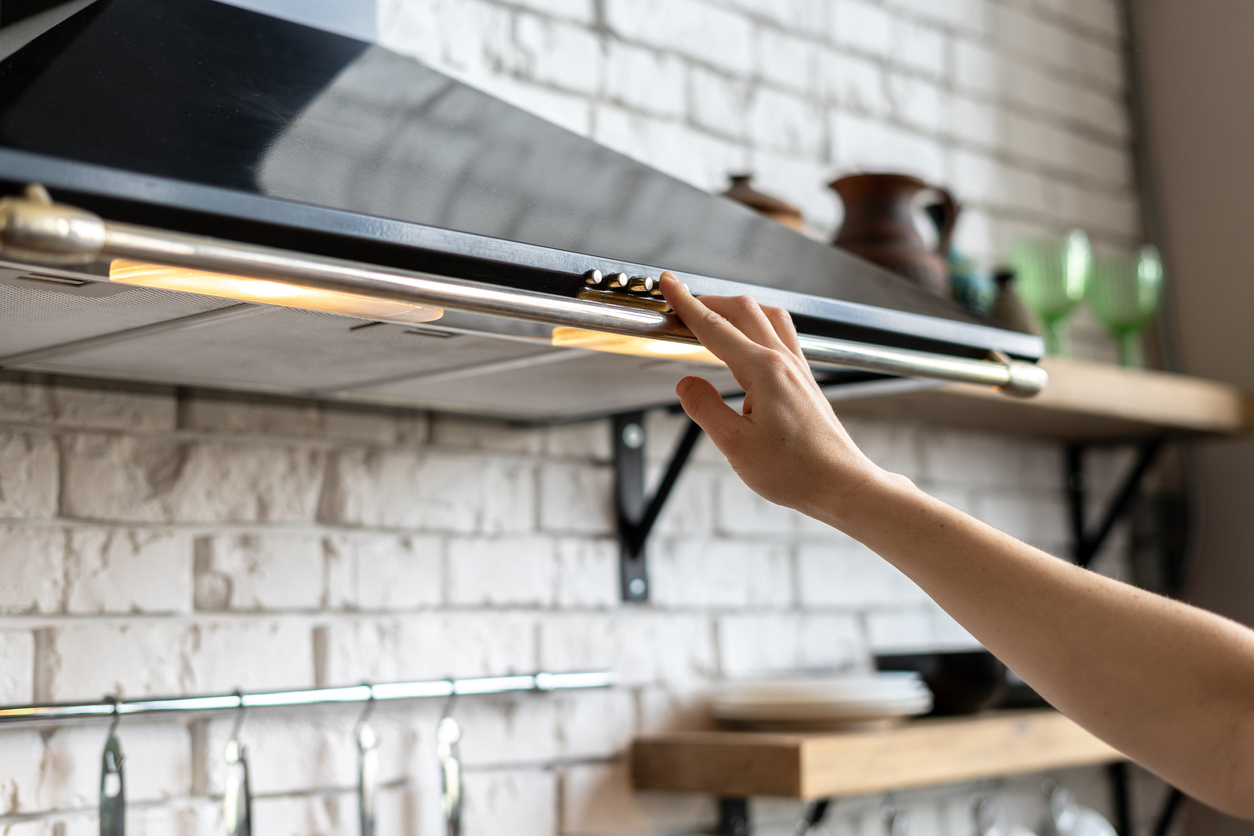
Several practical steps can be taken to enhance indoor air quality. Regular ventilation by opening windows is essential to prevent moisture buildup, mould, and damp, especially in high-humidity areas like kitchens and bathrooms. Ensuring trickle vents are open and unobstructed also aids air circulation. Smart cooking practices, such as using extractor fans, opening windows during cooking, using the back hob rings for better fan efficacy, and opting for steaming or boiling over frying, significantly reduce indoor pollutants. Switching from gas to electric or induction hobs during renovations is also beneficial. Reconsidering the use of wood burners or open fires, and if used, ensuring proper maintenance and burning well-seasoned wood, helps minimize emissions. Swapping wax candles for battery-powered alternatives, or at least limiting burning time and ventilating when using scented candles, can reduce particulate matter and VOCs. Avoiding home fragrances, especially aerosols, incense, and plug-ins, which release VOCs and other chemicals, is recommended. Opting for unscented cleaning and personal care products, such as shampoos and surface cleaners, also reduces VOC exposure. Drying laundry outdoors or using an efficient dehumidifier indoors prevents excessive moisture and pollutant release from scented detergents. During renovations, selecting safer building materials that emit fewer pollutants, as outlined in reports like DEFRA’s Indoor Air Quality Report, is crucial. Finally, utilizing high-quality air purifiers with regularly replaced filters can effectively remove pollutant particles, especially for those with asthma or allergies. However, it's important to choose purifiers with a high Clean Air Delivery Rate (CADR) suitable for the room size, as houseplants have negligible effects on air purification despite common myths.
#IndoorAirQuality #HomeVentilation #HealthAndWellness #EnvironmentalPollution #HomeImprovement #SustainableLiving #AirPurification #HouseholdPollutants #IndoorAirQuality #HomeVentilation #HealthAndWellness #EnvironmentalPollution #HomeImprovement #SustainableLiving #AirPurification #HouseholdPollutants
0 comment in total
 No comments yet
You may also like
How to improve indoor air quality at home

5 Easy Ways to Improve Kitchen Ventilation

Create a Healthier, Safer Home With These Smart Indoor Projects
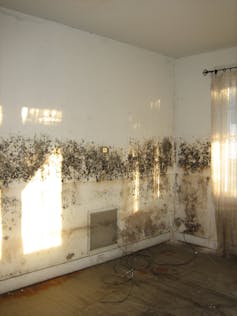
We can’t afford to ignore indoor air quality – our lives depend on it

Our buildings are making us sick
Are air purifiers better on the floor or a desk?
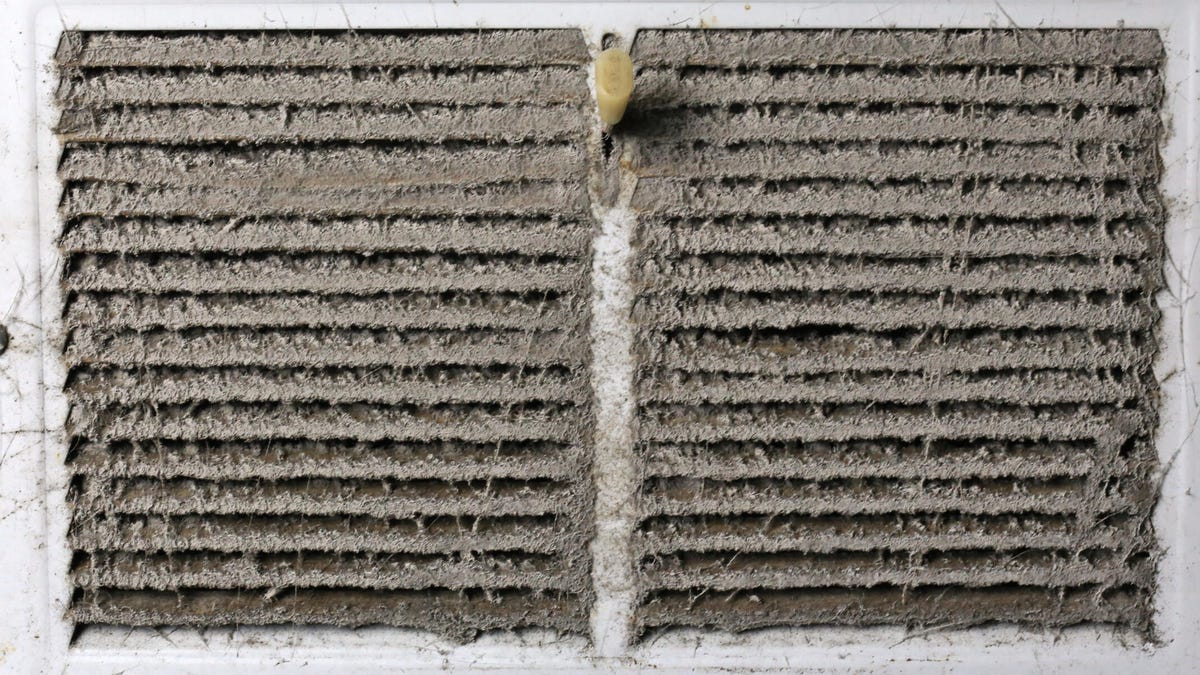
How to improve indoor air quality


Hidden dangers hiding in your upholstery: Experts reveal harmful bugs living in YOUR home

How to Get Better Indoor Air Quality | Wirecutter
How to Improve Indoor Air Quality | Wirecutter

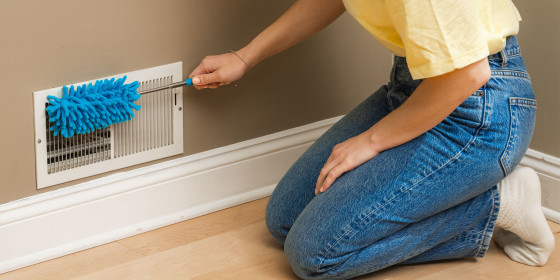
How to clean vent covers and how often to do it - TODAY


Do You Have a Musty-Smelling House? 6 Worrying Causes — And What You Should Do to Get Rid of Them


Simple Ways to Improve the Indoor Air Quality of Your Home

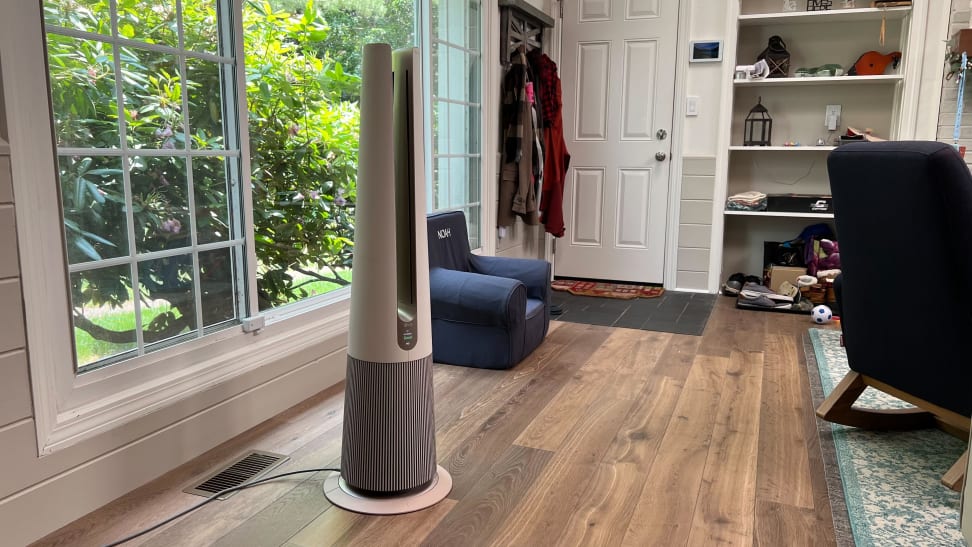
Is your air purifier in the best spot? Follow these rules

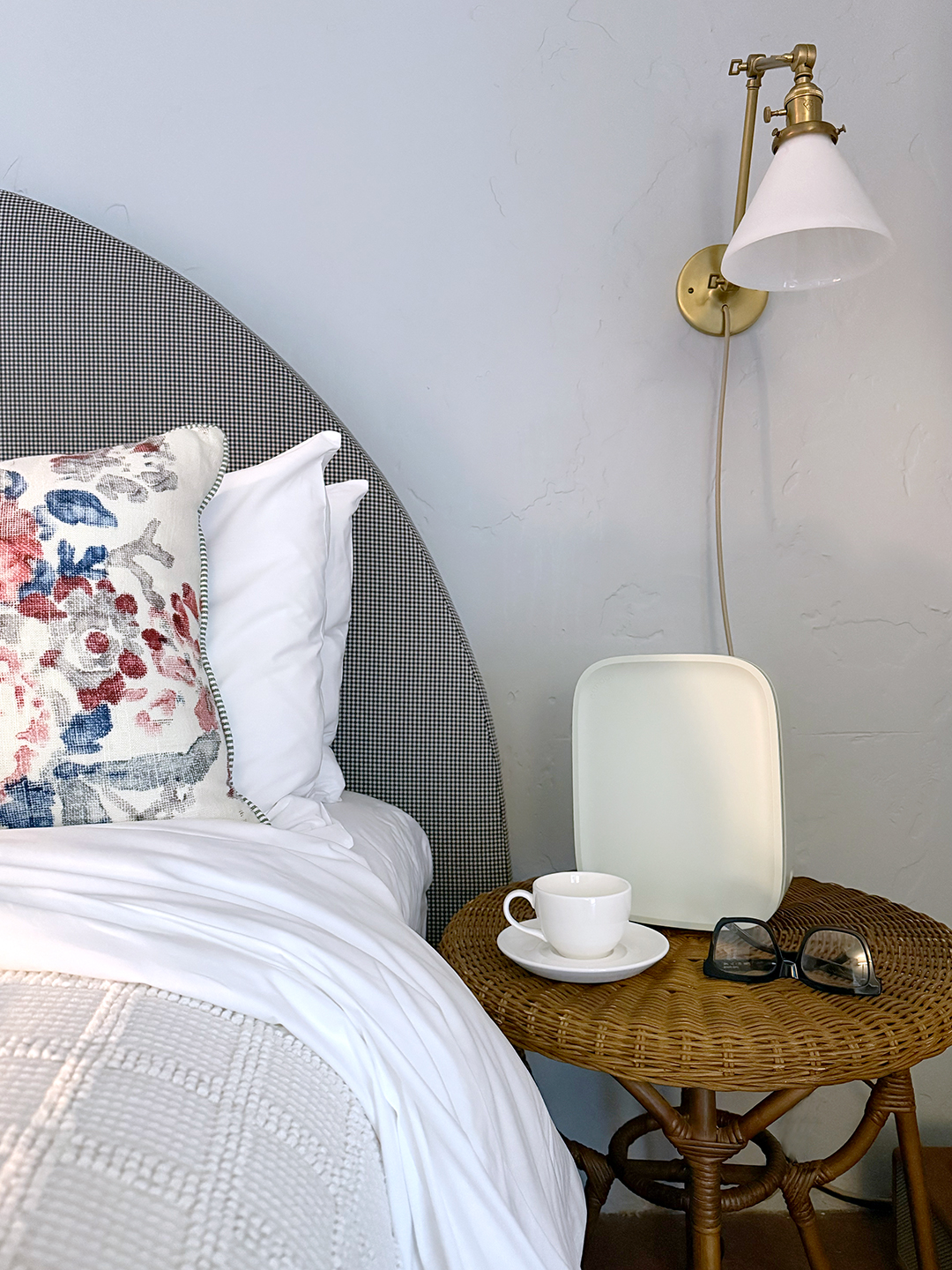
The 3 Features That Earned This Chic Air Purifier a Spot on My Nightstand

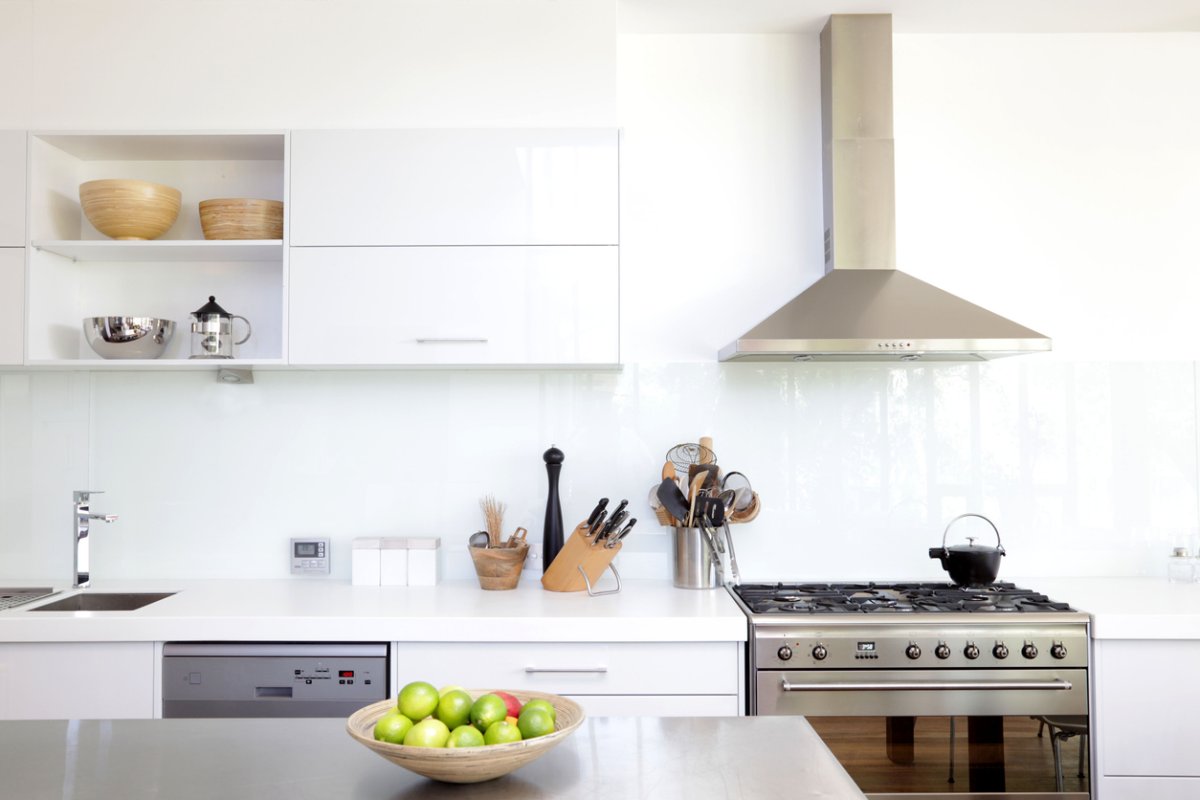
Gas Stove or Not, This Is the Proper Way to Use Your Range Hood

5 mistakes you're making that are compromising your home's air quality – and how to fix it like a HVAC pro

15 Design Products for Improving Indoor Air Quality at Home

We Tested Dozens of Air Fresheners to Find the Best Ones for Your Home

8 Simple Ways to Improve Indoor Air Quality This Winter