1/13
How bio-inspired solutions have influenced the built environment design in hot and humid climates
The rapid increase in global population, primarily concentrated in urban areas, has led to environmental imbalances, as built environments historically developed without sufficient integration into natural ecosystems. This lack of resilience hinders adaptation to climate change challenges. The article explores how bio-inspired strategies are being emulated in hot and humid climates to create efficient built environments, aiming to restore natural resources and integrate nature into urban settings.
The research conducts a systematic review, identifying key strategies and patterns from nature that are mimicked in built environments. A central finding is the limited implementation of these bio-inspired solutions in hot and humid regions, despite their potential. The most prevalent bio-inspired approaches focus on emulating natural functions, followed by those imitating natural forms, with biomimicry and biomimetics being the most commonly utilized. These strategies contribute to the development of efficient and resilient cities.
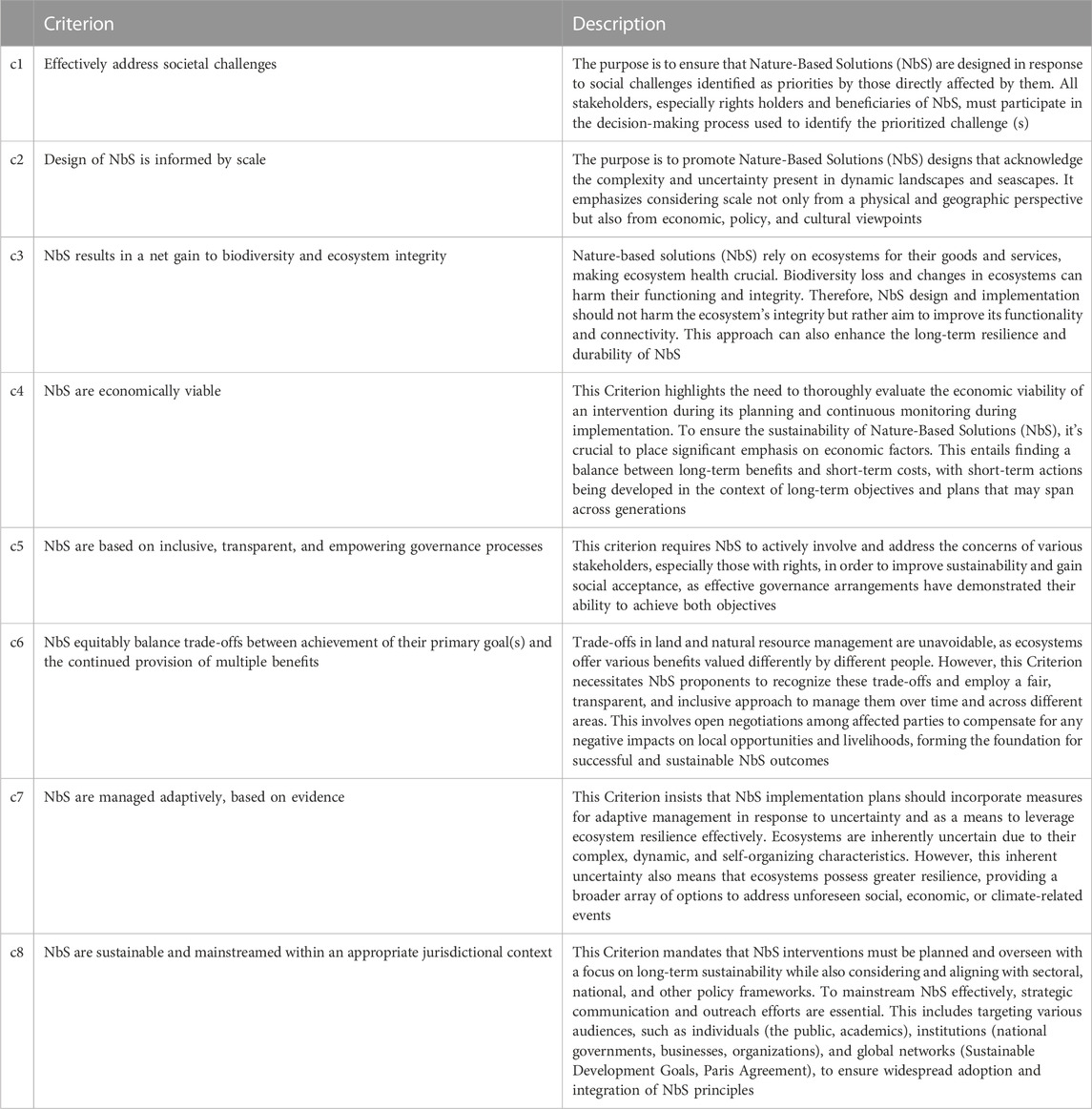
Cities, as primary human habitats, heavily rely on environmental resources. Their historical development has often resulted in structures that are foreign to ecosystems, preventing adaptation to climate change and negatively impacting human well-being, biodiversity, and resource recovery. Nature-based Solutions (NbS), first introduced by the World Bank in 2008 and formalized by the European Commission in 2015, are actions inspired by or copied from nature, aiming to protect, sustainably manage, and restore natural or modified resources. While NbS extend beyond biodiversity restoration to social and economic benefits, debate exists on what interventions qualify. The International Union for Conservation of Nature (IUCN) Global Standard, published in 2020, outlines eight criteria for classifying solutions as NbS, focusing on societal development, human well-being, ecosystem resilience, and adaptive management.
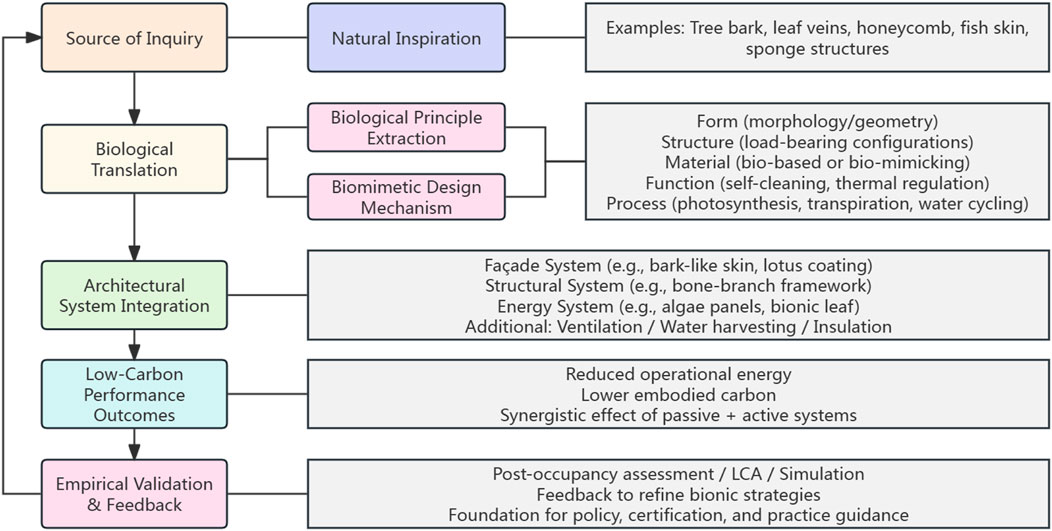
Bio-inspired design approaches, including bionics, biomimetics, and biomimicry, have long influenced architecture and urban planning. Bionics, originating in 1958, focuses on mechanical abilities of nature but may not always lead to sustainable solutions. Biomimetics, coined in 1969, involves transferring natural characteristics and systems to artificial environments, imitating both application and form. Biomimicry, defined in 1997, goes further by incorporating an ecological standard to measure environmental interaction, thus emphasizing sustainability. Biomimicry design processes are bidirectional: problem-oriented (identifying a problem and seeking natural solutions) and solution-oriented (identifying useful natural principles for design). Bio-mimetic design draws inspiration at organism, behavior, and ecosystem levels, with sub-levels including form, material, construction, process, and function. Biophilia, though not strictly bio-inspired, shares a paradigm shift in connecting with nature, focusing on creating habitats for humans within modern built environments, governed by principles of environmental features, natural forms, patterns, light, space, and human-nature relationships.
Bio-inspired solutions are a subset of nature-inspired solutions, which encompass creative approaches to designing materials, structures, and systems based on biological processes. This contrasts with Nature-Based Solutions, which rely on operational ecosystems. The article clarifies the hierarchy of these concepts: "Nature-Inspired" branches into "Nature-Based" and "Bio-Inspired," with the latter further dividing into bionics, biomimetics, and biomimicry. This framework underpins biologically-inspired design, fostering creativity and innovation.
Nature's balanced operation, optimizing resource and energy use, serves as a model for bio-inspired designs, which must consider material quality, quantity, and production processes. The construction industry, often responsible for environmental disconnection, can benefit from identifying bio-inspired strategies to create resilient environments. The article investigates the influence and impact of these solutions in the built environment, particularly in hot and humid climates, and analyzes case studies to provide a current overview of their application.
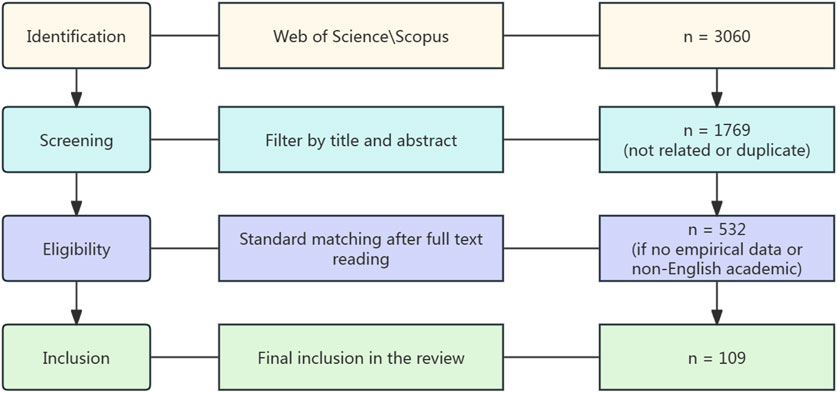
The methodology involved a systematic review of open-access scientific documents using keyword combinations related to nature-based inspiration, biomimicry, and built environments in hot and humid climates. The search yielded 169 documents, but only 52 were used, with a mere six real case studies identified. Keyword analysis revealed a shift in research focus from energy efficiency to urban ecosystems, green infrastructure, and circular economy, with sustainability being a central theme. "Biomimicry" and "bio-inspired design" have gained prominence in relation to architecture and building design for sustainability in tropical climates. The article is structured to discuss urban challenges, nature's role in design, and analyze real-world case studies in hot and humid environments, assessing them against biomimicry and NbS criteria.
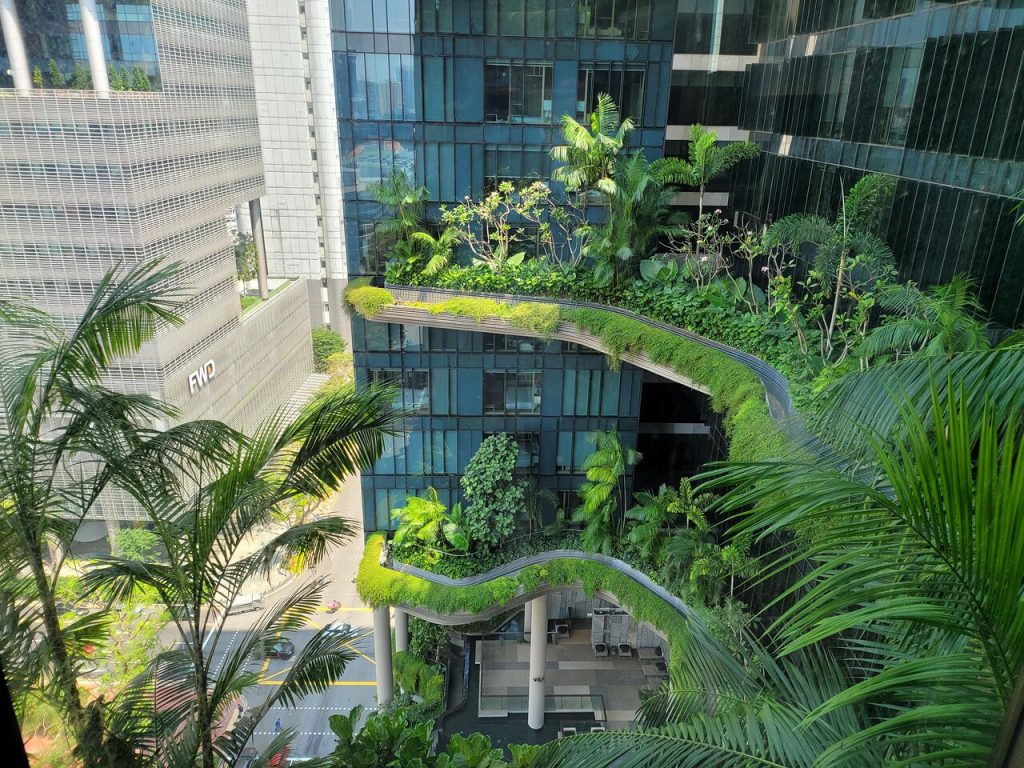
Cities face challenges like high energy consumption, greenhouse gas emissions, and reduced green spaces, exacerbated in humid and warm regions by vulnerabilities to climate change. Sustainable development in these areas requires respectful actions towards the environment, efficient resource use, and a circular economy. Nature has consistently inspired architecture, from biomorphic forms to contemporary designs. The focus has shifted to interdisciplinary designs that minimize resource use and carbon footprints, reflecting a move towards sustainable architecture. Bio-inspired designs aim to restore environmental patterns, creating efficient and resilient cities with low carbon production. China's ecological cities, focusing on energy, food, transport, waste, and water, exemplify this approach. Biomimicry, with its emphasis on form, function, geometry, material, movement, pattern, proportion, sustainability, and technology, has been widely applied in modern designs. Perceiving nature as a mentor, through inspiration, emulation, and imitation, is crucial for reducing environmental degradation in the construction industry.
Bio-inspired designs offer numerous solutions for sustainability, particularly in the construction industry, leveraging technological advancements to create natural systems for lighting, ventilation, and water management. Biomimetics and biomimicry, as evolved frameworks, involve interdisciplinary collaboration between architects, biologists, and other fields. Frameworks like Biomimicry 3.8 and the SAPPhIR model guide the application of natural analogies to design problems. In architecture, designs often draw from animal and plant forms and behaviors, especially for building envelopes, which are critical for energy regulation. Examples include adaptive facades inspired by chameleons to control internal temperatures, significantly reducing ecological footprints.
New materials development in construction is increasingly bio-inspired, categorizing into four groups: natural material utilization, structural property incorporation, natural organism function emulation, and biological process replication. This includes bioplastics and biocomposites for sustainable construction. Materials mimicking natural microstructures, like clay bricks inspired by termite mounds, enhance strength, durability, and thermal performance. Smart materials, inspired by organism functions, allow for temperature and movement control, self-maintenance, and vibration resistance. Self-healing materials, inspired by human skin and tissues, and nanotechnology are also emerging as key areas for sustainable construction.
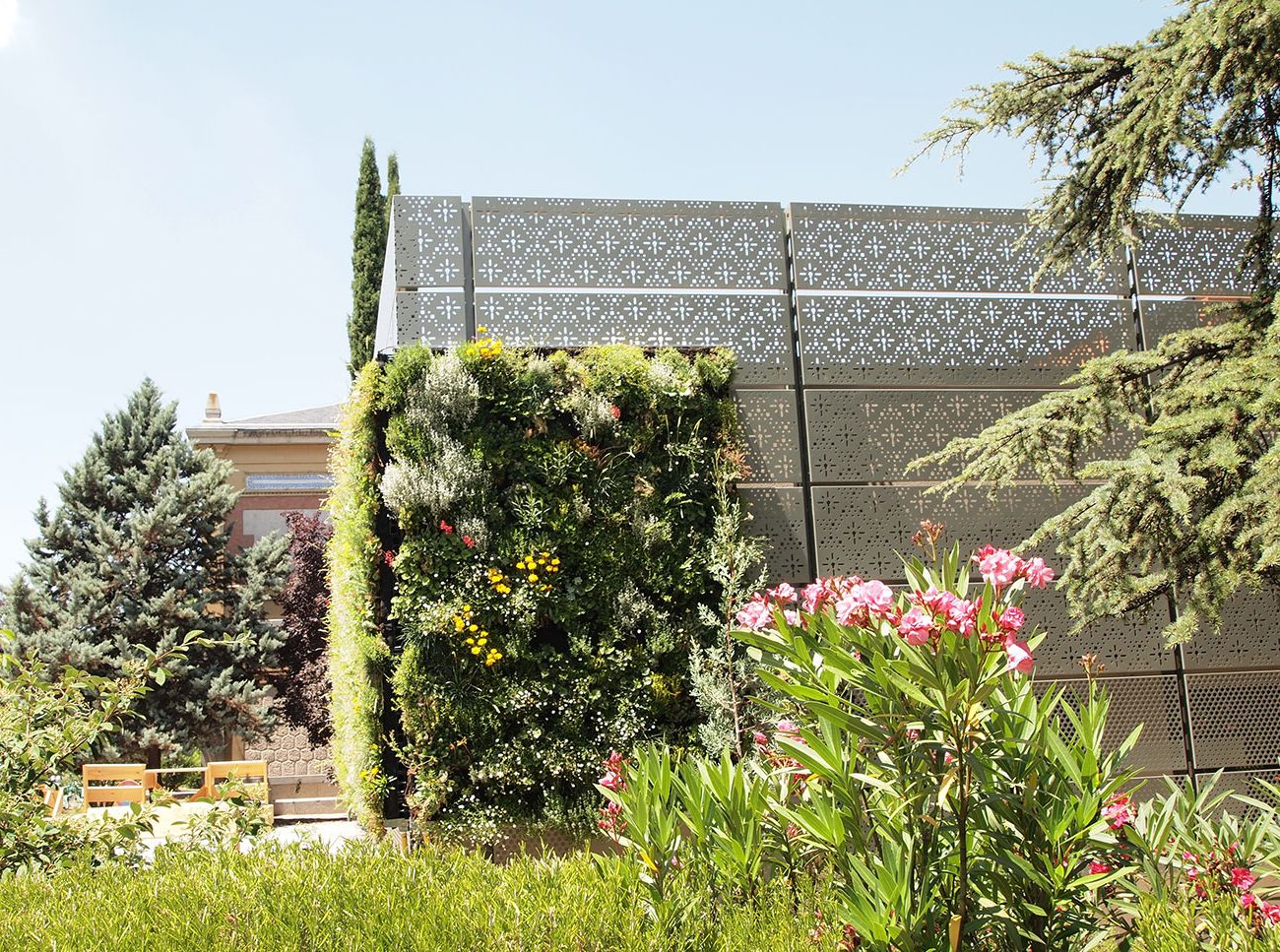
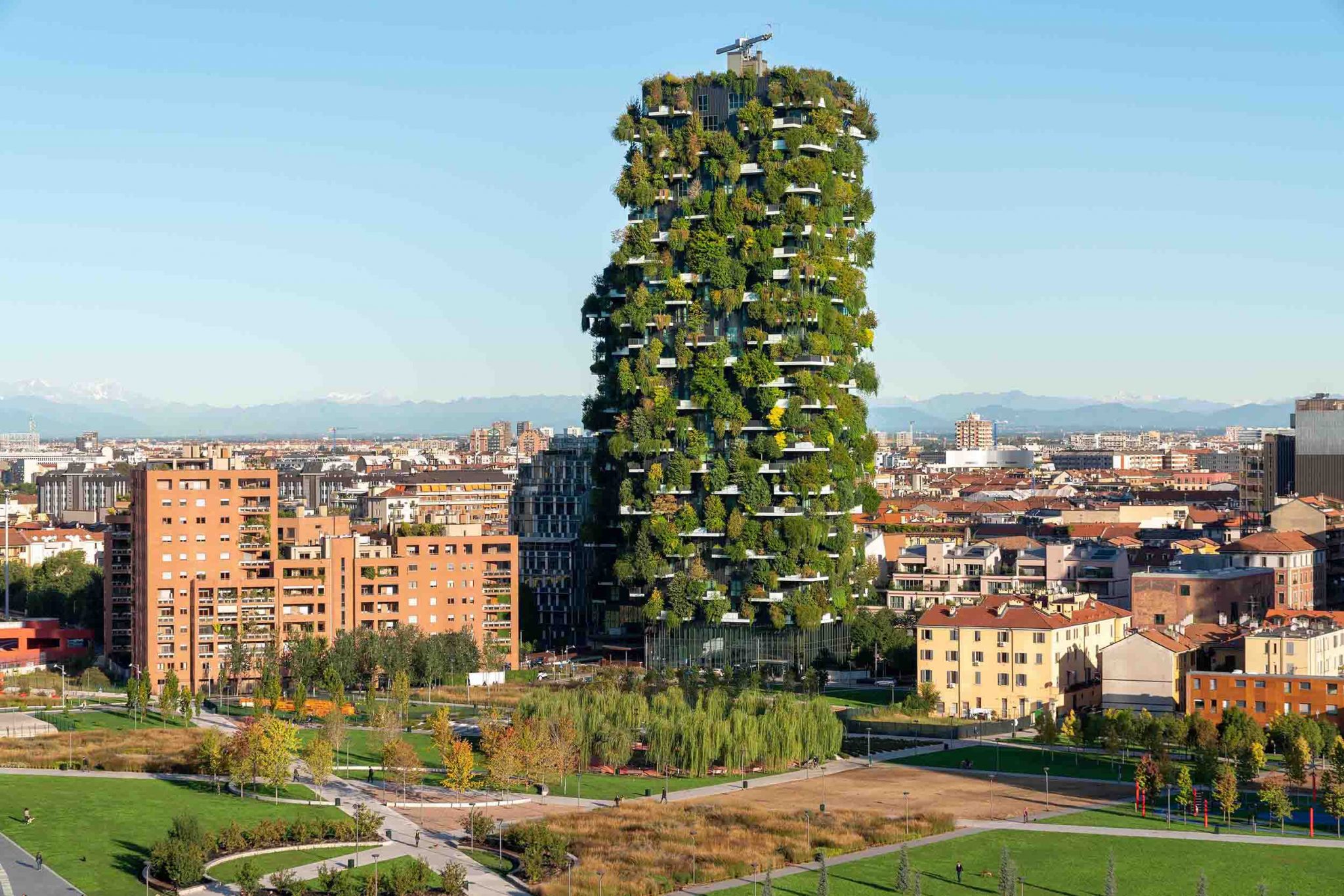
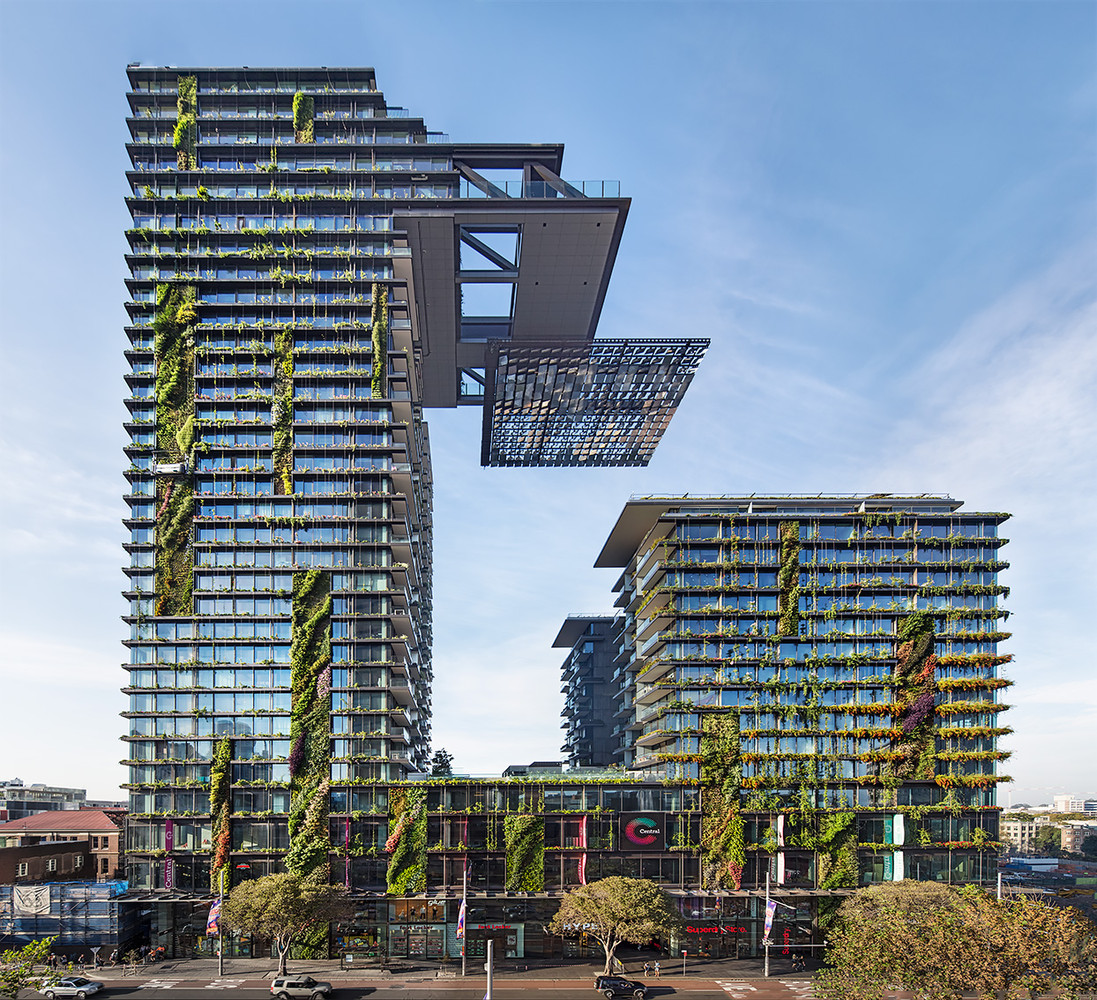
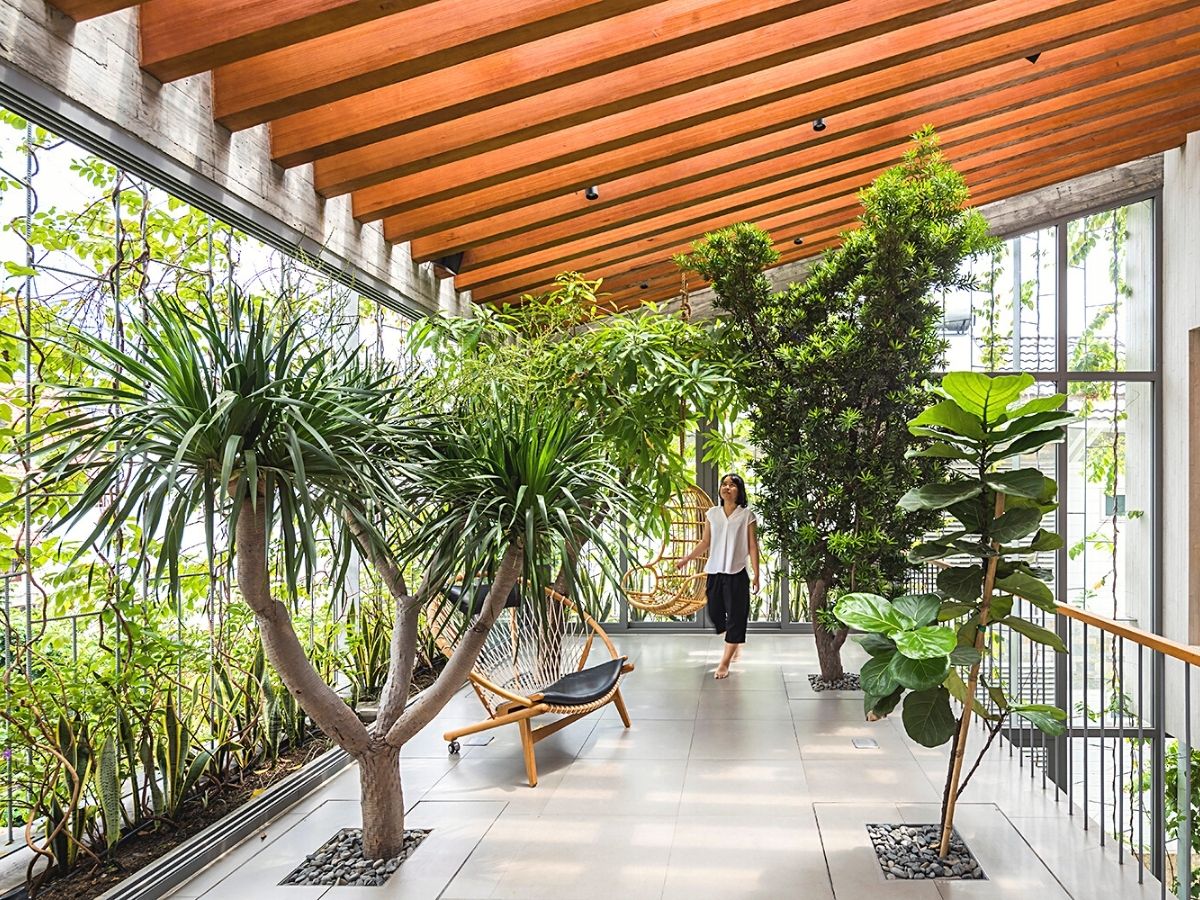
In urban contexts, cities are investing in urban ecosystems and nature-based solutions to combat climate change. Concepts like urban ecosystem services and green-blue infrastructure are implemented to mitigate problems caused by anthropogenic activities. However, NbS must be context-sensitive. Urban design, as a complex system, requires system-level bio-inspired solutions, integrating built environments with rating schemes, building codes, and government policies. These approaches are gaining recognition in both public and private sectors. Biophilic design promotes human well-being by reconnecting nature with the built environment through direct and indirect experiences of nature, and space and place. The global network of biophilic cities, established in 2013, aims to integrate nature, flora, and fauna into urban environments, improving climatic conditions, microclimates, and interior comfort. Its application ranges from building to city scales, fostering a sense of place and promoting environmental action through diverse forms of nature.
The analysis of real-world case studies in hot and humid climates reveals limited but impactful implementations. The Lavasa Hill Project in India, inspired by local organisms and monsoon ecosystems, addresses deforestation and soil erosion through water management and revegetation. The Eastgate Centre in Zimbabwe uses a termite mound-inspired passive cooling system, significantly reducing energy consumption. The Sahara Forest Project in Qatar, Tunisia, and Jordan, drawing inspiration from the Namibian fog-basking beetle, focuses on saltwater-cooled greenhouses for food and water production in arid regions. The D3 office building in Dubai incorporates a chameleon-inspired adaptive facade for temperature control. Rain gardens in Colima, Mexico, address urban flooding and aquifer replenishment. The Esplanade Theatre in Singapore features sunshades inspired by durian fruit, combining aesthetic and functional elements. These cases highlight the prevalence of ecosystem-level imitation for sustainability, with organism-level strategies being less common. Regenerative solutions are limited, emphasizing the complexity and multi-stakeholder involvement required for comprehensive NbS implementation, which extends beyond technical solutions to economic, political, and social dimensions.
#BioInspiredSolutions #BuiltEnvironment #HotHumidClimates #Biomimicry #NatureBasedSolutions #SustainableDesign #UrbanPlanning #ClimateChangeAdaptation #ArchitecturalDesign #BioInspiredSolutions #BuiltEnvironment #HotHumidClimates #Biomimicry #NatureBasedSolutions #SustainableDesign #UrbanPlanning #ClimateChangeAdaptation #ArchitecturalDesign
0 comment in total
 No comments yet
You may also like
Enhancing Climate Sustainability through Biophilic Design
Bio-climatic Fixtures in Buenos Aires' Houses as Seen In Floor Plans and Layout

Sustainable Buildings: Pioneering a Green Revolution in Urban Design

Is Biophilic Design the New Paradigm?
Welcome to the Great Indoors

LABAU (Bioclimatic Architecture and Urban Agriculture Laboratory)
How to design for extreme temperatures
Biophilic-Inspired Design Takes Center Stage: How Bricks Bring Nature In

Water in Interior Design: 18 Projects that Include Water Fixtures in their Spaces
The Urban Jungle Needs More Trees
Application of bionic architecture in low-carbon design: a systematic review from nature inspiration to architectural practice
Top 10 Examples of Most Sustainable Architecture in 2025


Well-Being Through Biophilic Interiors

Climate responsive lessons from an architectural and ethnographic study of Hijazi traditional dwellings in Jeddah, Saudi Arabia
Designing with nature: Why Biophilic Design?

Biophilic Interiors Invade These 10 Contemporary Residences

What mirrored ants, vivid blue butterflies and Monstera house plants can teach us about designing buildings

Biophilic architecture: 11 projects where nature meets concrete

Bringing the Outside In: Life-Size Terrariums and Other Ways to Exhibit Nature in European Apartment Buildings
Why Biophilic Design in the Home is Booming in an Age of Climate Crisis