1/15
Climate responsive lessons from an architectural and ethnographic study of Hijazi traditional dwellings in Jeddah, Saudi Arabia
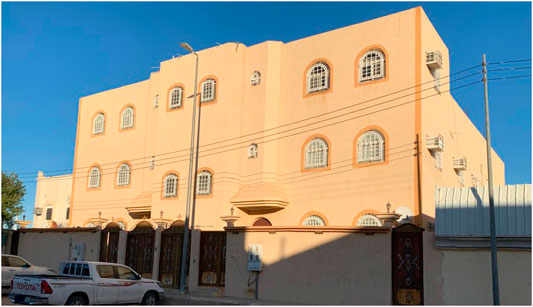
This study delves into the thermal performance and adaptive strategies of traditional Hijazi dwellings in Jeddah, Saudi Arabia, a region characterized by a hot and humid climate. Focusing on the Baeshen House, built in 1856, the research employs a mixed-methods approach, combining ethnographic interviews with quantitative field measurements conducted between December 2021 and August 2022. The objective is to identify how these vernacular structures, designed without air conditioning, provided thermal comfort to their occupants and to extract lessons applicable to modern sustainable architectural design.
The qualitative phase involved interviews with ten former residents, all in their 80s, who had lived in traditional Hijazi buildings as children. These interviews provided rich insights into daily life, occupant behaviors, and cultural practices related to thermal management. Key themes emerged from these discussions, including the strategic use of windows on the west and north facades to capture specific wind currents (cool and humid from the Red Sea, cold and dry from the north, while blocking hot southern winds). Residents actively controlled airflow, emphasizing the importance of opening Mashribyah bay windows for ventilation. The interviews also highlighted the common use of hand fans for personal cooling, especially during midday heat, and the practice of a traditional break (siesta) at noon. Occupants recalled a direct connection between indoor and outdoor environments, noting the presence of external sounds and smells, and acknowledging the expected presence of insects as part of living in such naturally ventilated homes. A significant adaptive strategy involved diurnal and seasonal movement within the house, including sleeping on roofs or upper floors under mosquito nets during summer nights for cooler air, and moving to the cooler lower-level entrance lobbies (dahleez) during the hottest parts of the day. The practice of spraying water in the dahleez, corridors, and even public areas like house entrances and streets before sunset was also a widely recalled and effective cooling method, providing evaporative cooling and improving microclimates.
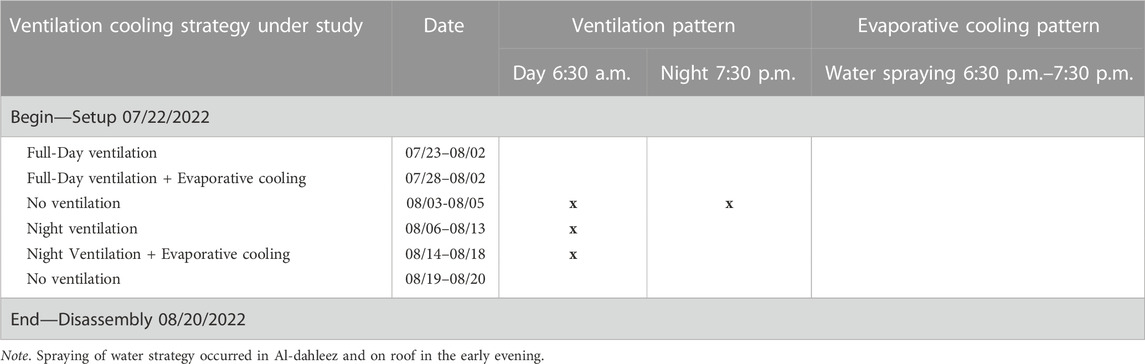
The quantitative phase involved installing sensors within the Baeshen House to monitor indoor and outdoor temperatures, relative humidity, wind speed, and direction during winter and summer. The study examined two ventilation strategies: full-day and night-time ventilation, alongside water spraying experiments. Results demonstrated that the thick Al-Mangabi coral stone walls, characteristic of Hijazi architecture, functioned as a significant thermal mass. These walls effectively dampened large external temperature fluctuations, delaying heat transfer into the interiors by 1 to 5 hours and reducing peak indoor temperatures by 5-6°C compared to outdoor peaks. The stairs, centrally located, acted as a chimney, facilitating the stack effect to draw hot air out. Comparing the ventilation strategies, night-time ventilation proved more efficient, leading to lower indoor air temperatures during the subsequent day, especially in summer, by pre-cooling the building's thermal mass. The Temperature Difference Ratio (TDR) confirmed the superior cooling performance of night ventilation.
Overall, the study concludes that Hijazi vernacular architecture offers valuable lessons in climate-responsive design. The integration of high thermal mass materials, strategic natural ventilation, and active occupant behaviors (such as nocturnal cooling, internal migration, and evaporative cooling through water use) collectively contributed to maintaining thermal comfort in a challenging hot-humid climate without mechanical air conditioning. These traditional practices provide a blueprint for modern architectural design to enhance sustainability, reduce energy consumption, and promote adaptive thermal comfort, particularly in addressing contemporary environmental challenges.
#ClimateResponsiveArchitecture #VernacularArchitecture #ThermalComfort #JeddahDwellings #HijaziArchitecture #NaturalVentilation #ThermalMass #AdaptiveBehavior #SustainableDesign #ClimateResponsiveArchitecture #VernacularArchitecture #ThermalComfort #JeddahDwellings #HijaziArchitecture #NaturalVentilation #ThermalMass #AdaptiveBehavior #SustainableDesign
0 comment in total
 No comments yet
You may also like
Polished, Private, and Passive: Traditional Courtyard Houses and their Timeless Architectural Features

How bio-inspired solutions have influenced the built environment design in hot and humid climates
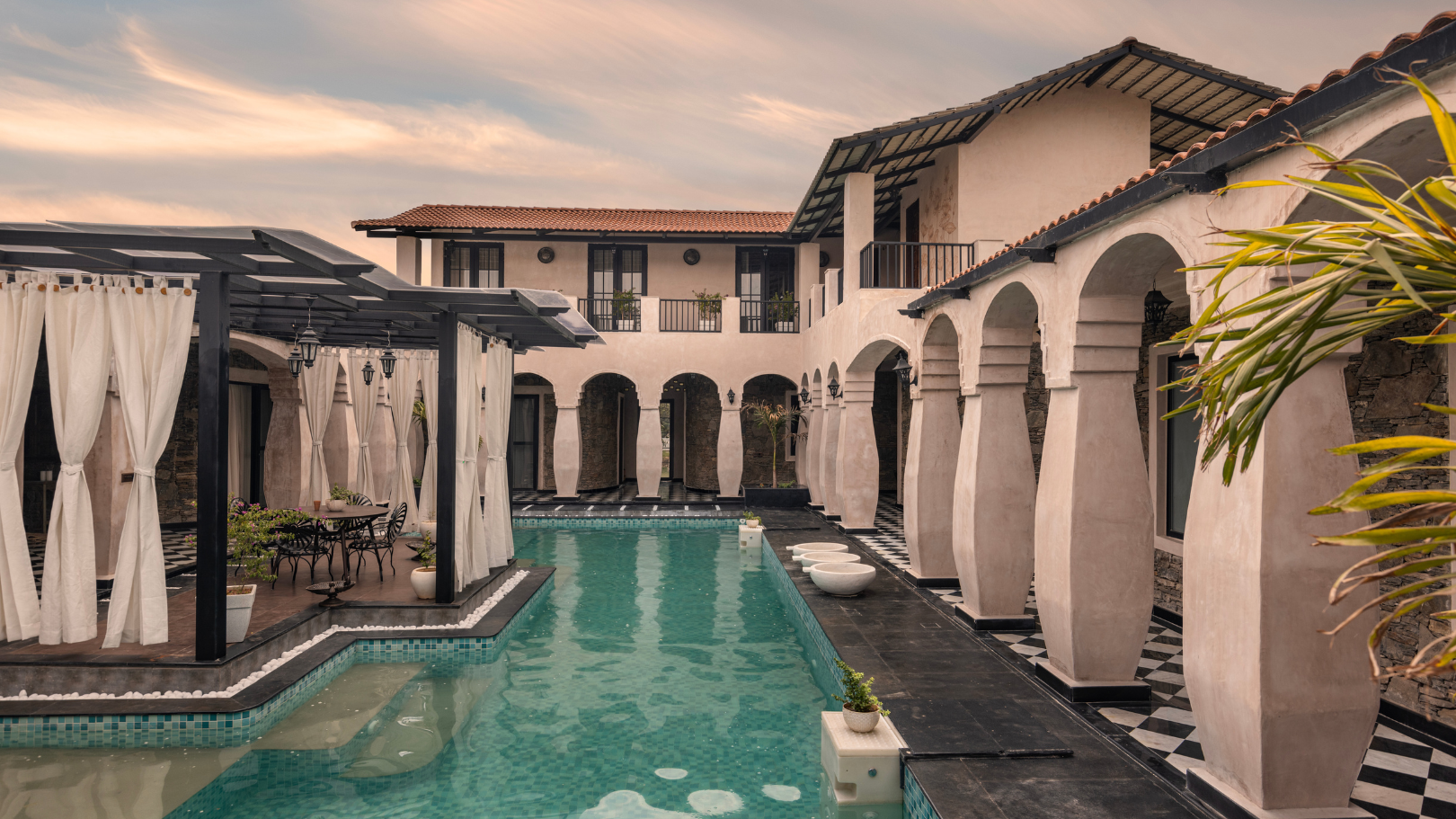
This 15,000-square-foot climate-responsive farmhouse in Rajasthan is a poetry in stone


The State of Residential Design Today: Innovations and Insights from RADA-Winning Architects
Evolution of the vernacular Chinese house, by John Lin / The University of Hong Kong
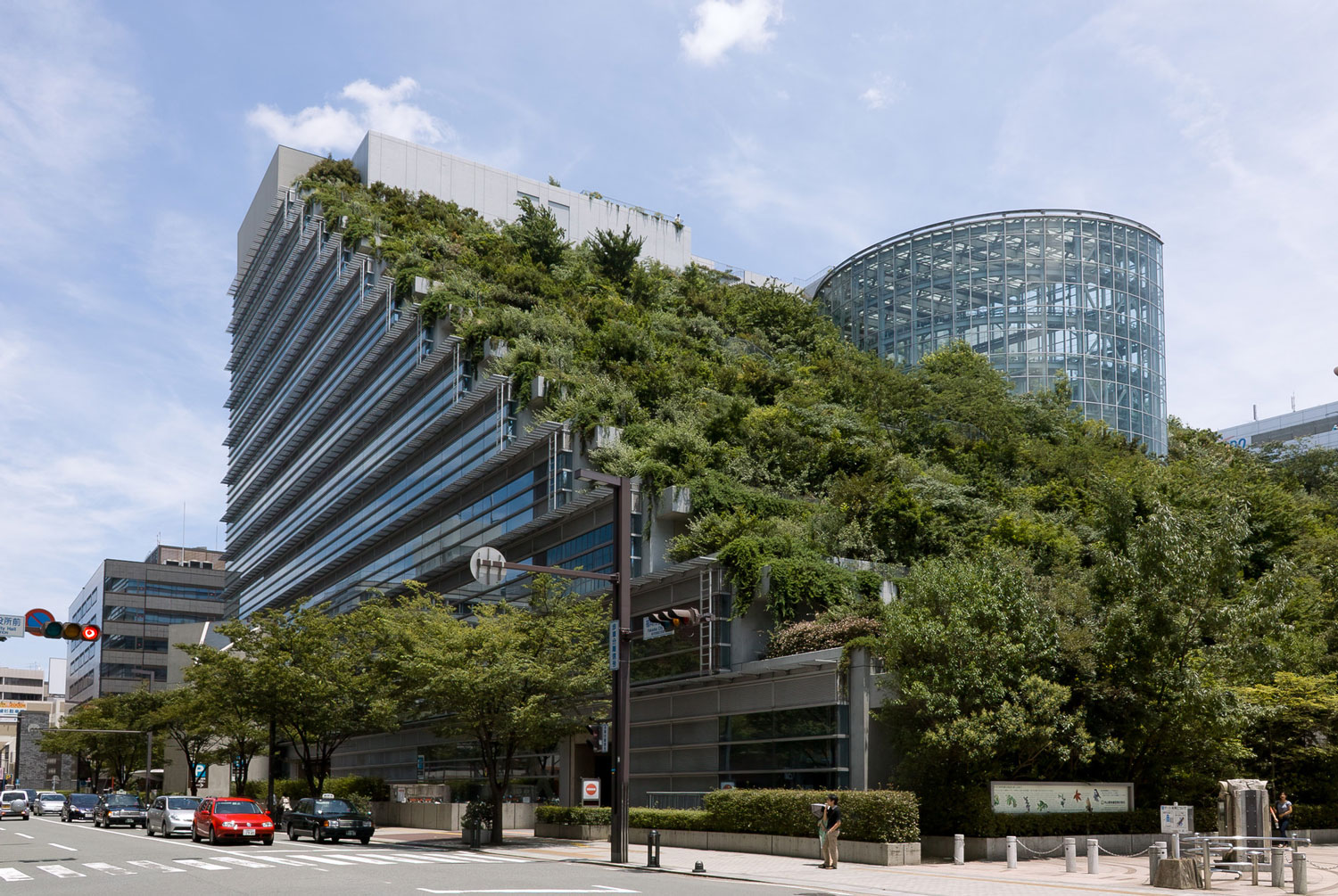
Top 10 Examples of Most Sustainable Architecture in 2025


Why buildings fail: damp can become dangerous
Inhabiting a Layered Past: How Contemporary Design Is Transforming Colonial Houses in Mérida, Mexico

A deep dive into the vernacular architecture of Ladakh that honours intergenerational memories

Well-Being Through Biophilic Interiors

Dakivali: All materials used to build this home were found within 3 kms
How residential design offers opportunities for sustainability

How to design for extreme temperatures
Ten gravity-defying homes that are raised up on stilts
between innovation and tradition: discover architecture in iran through readers radar
The Nasayem House Brings Wind, Light, and Natural Materials to Saadiyat Island
Book Review: Modern Architecture and Climate—Design before Air Conditioning

Reimagining Air Conditioning: Traditional Cooling Methods for the Future
Passive Design Strategies for Energy Efficient Buildings in the Arabian Desert

The AIA-CLF Embodied Carbon Toolkit for Architects