1/5
A deep dive into the vernacular architecture of Ladakh that honours intergenerational memories
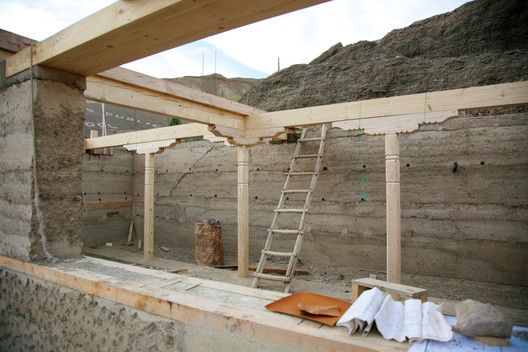
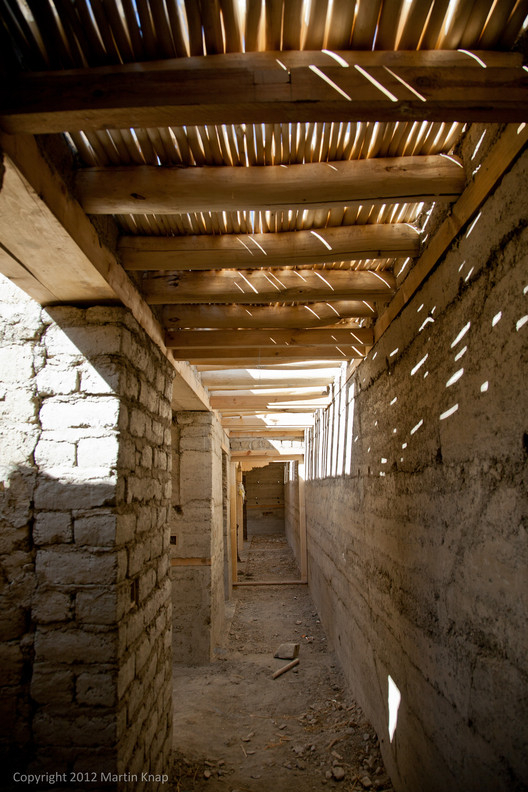
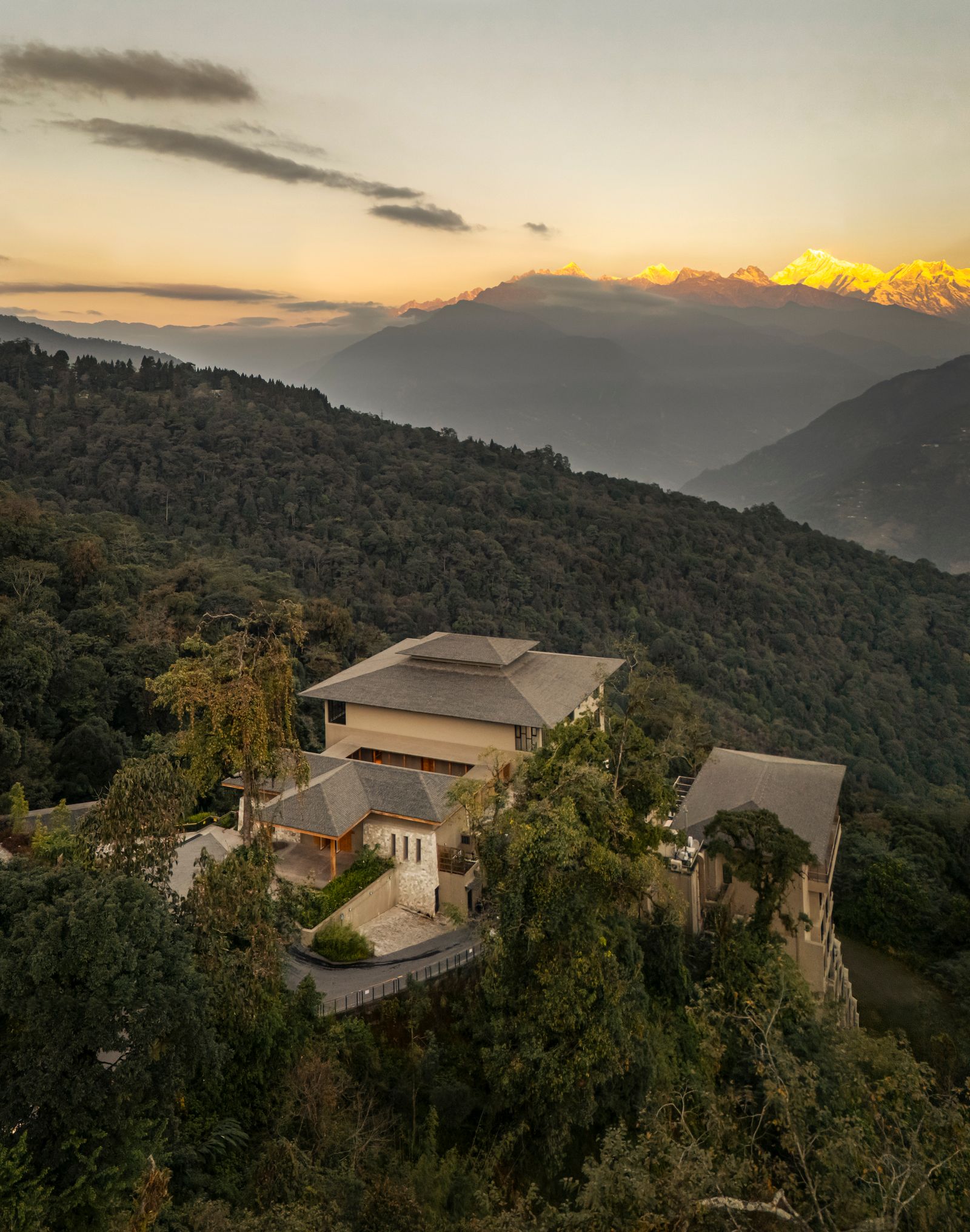
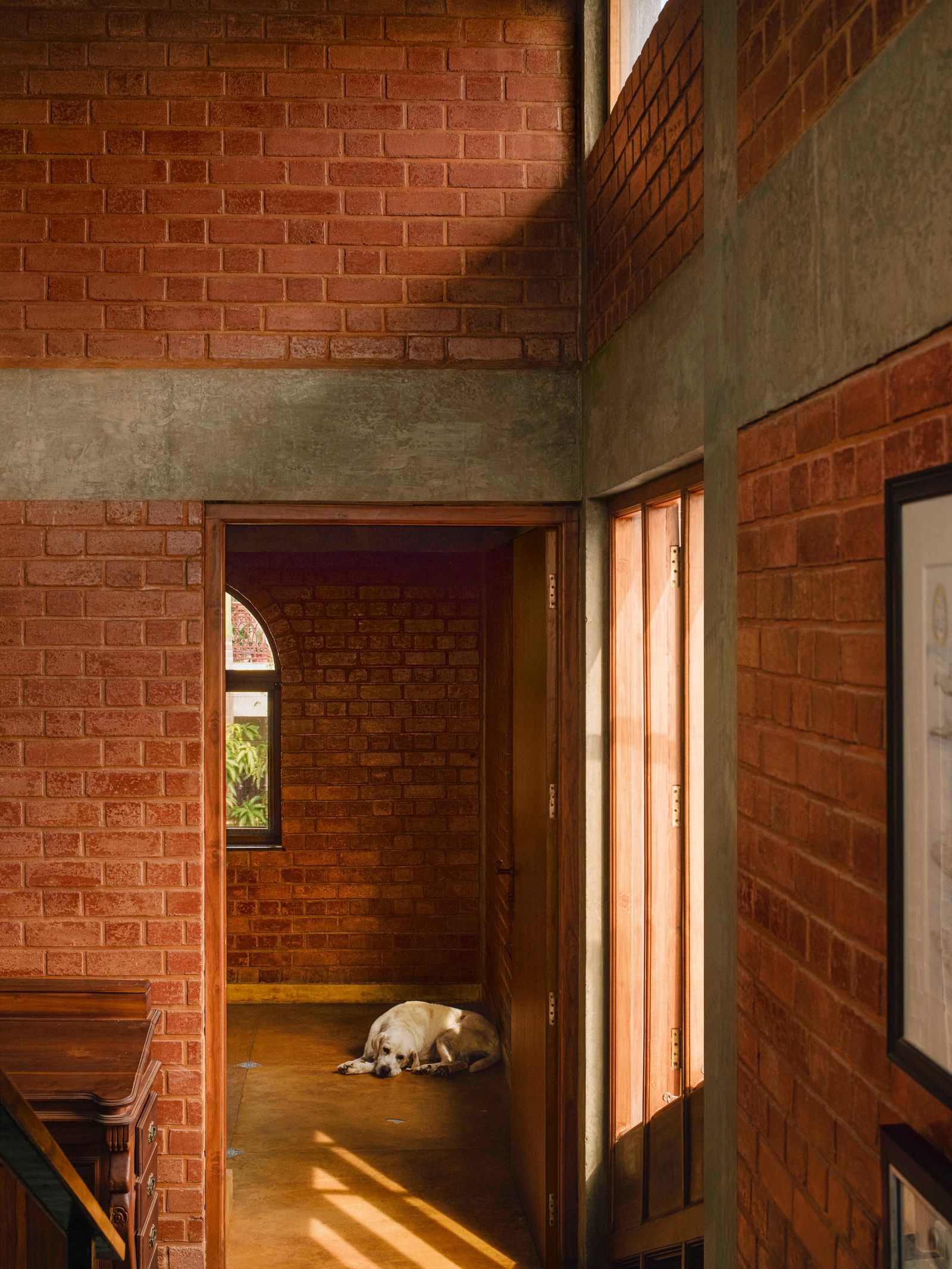
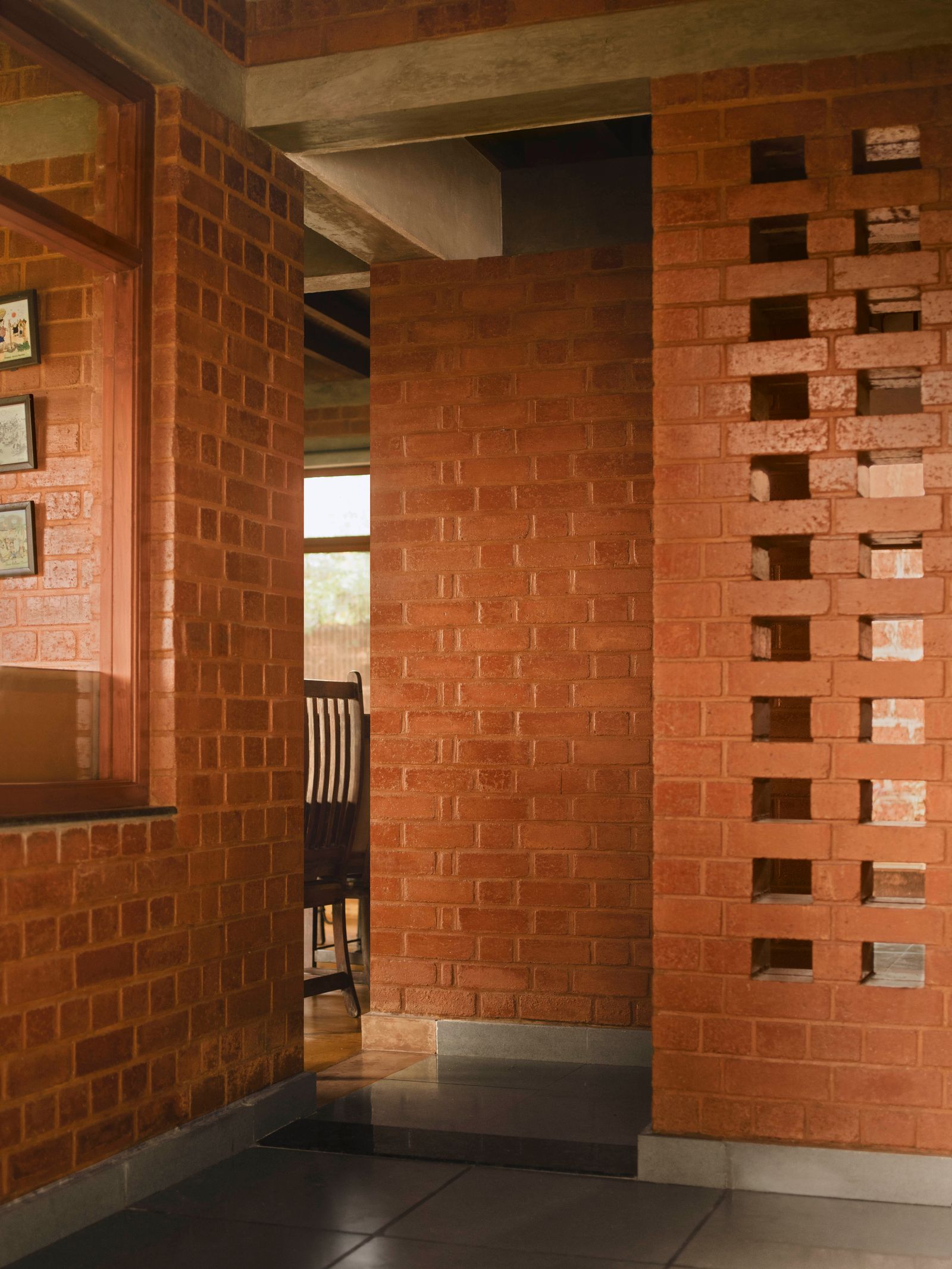
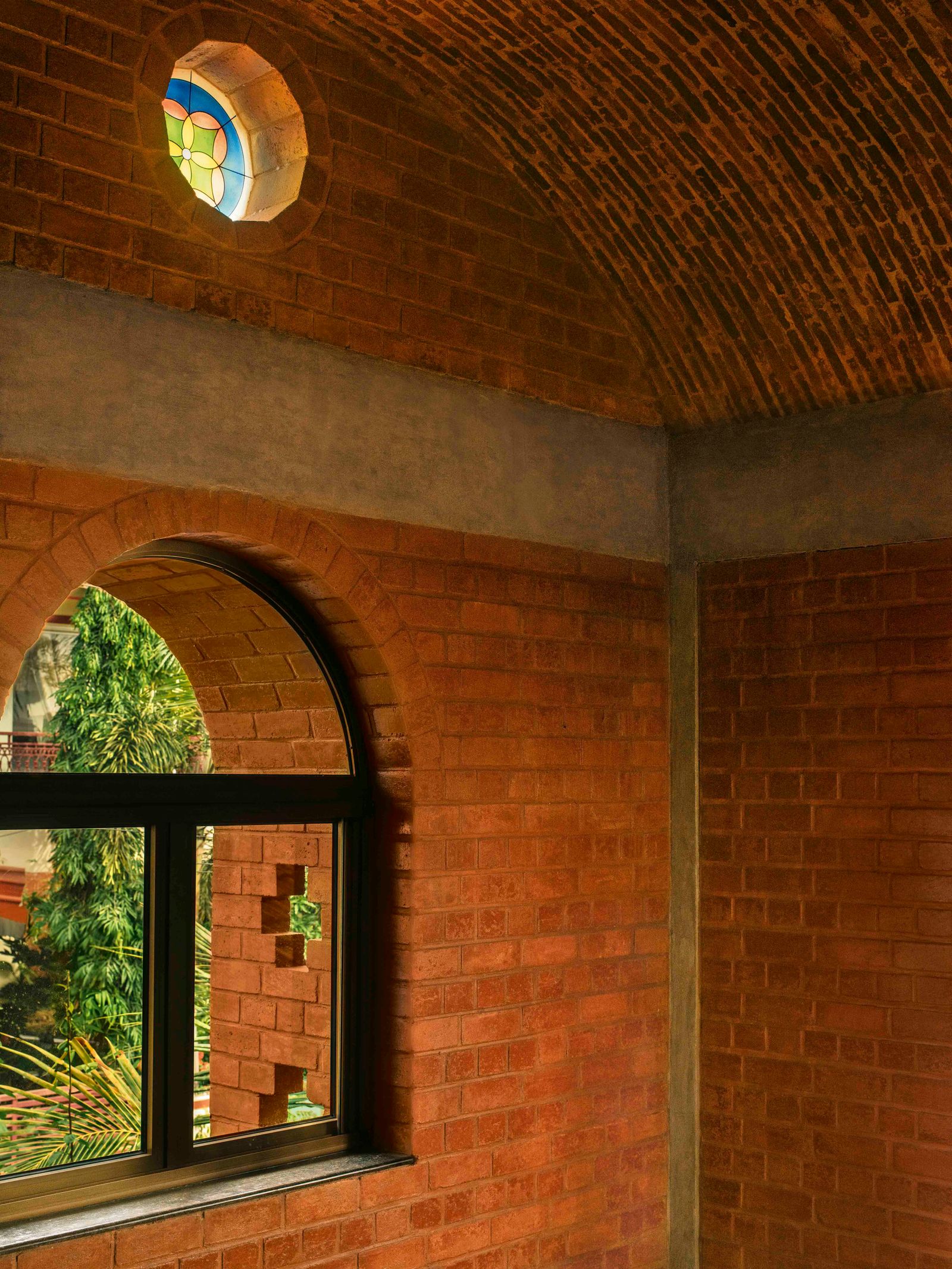
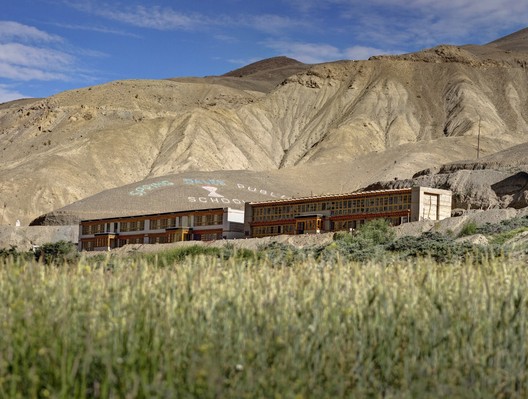
Ladakh, a high-altitude desert region, is characterized by its unique geomorphological structures, including white sand stretches, mineral-rich mountains, scattered wooden hamlets, and deep gorges. Historically, the region, particularly its Tibetan north-western section, was protected by fortresses and guardian deities, as evidenced by the ruined forts of Nyoma and the surrounding mud villages. The architecture of Ladakh is deeply intertwined with its challenging environment and the communal lifestyle of its inhabitants.
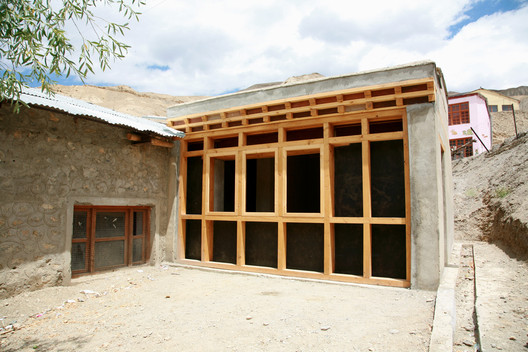
Rigzin Namgyal, who grew up in an East Ladakhi village, recounts how kitchens were often twice the size of the houses, reflecting a communal existence where distinctions between homes, even in farming, were minimal. However, he emphasizes that life in Eastern Ladakh was not about comfort but survival, highlighting the arduous tasks of protecting animals and breaking ice for water in the absence of borewells. This historical context reveals a gradual shift from traditional mud houses to concrete structures in villages near Leh, indicating a blend of old and new architectural practices.
Nomadic herder Tsering Nurugu, 89, offers a philosophical perspective on housing, viewing homes as humanity's attempt to counter natural laws. He argues that mud houses in Ladakh embody an interactive design philosophy, aligning with nature's unspoken rules rather than rigid or primitive approaches. This perspective suggests that Ladakhi mud houses are not merely rudimentary dwellings but sophisticated responses to their environment, designed to be in harmony with natural forces.
Earth is a fundamental component of Ladakhi buildings, recognized for its sustainability and historical significance. Suril Patel and Faiza Khan of Field Architects explain that Ladakhi gardens and fields are designed in cellular and polygonal shapes, reflecting sustainable principles. These small, humble farms, unlike tractor farms, follow the natural slope of the valleys. They also highlight that common beliefs about wood, poplars, and willows being native to Ladakh are incorrect. The choice of building materials is pragmatic; cement is impractical due to extreme cold, which would cause cracking and pose difficulties for workers. Instead, traditional materials like _dungas_ (round river boulders, essentially igneous rocks) are utilized, reflecting the region's geological history where the Tethys Sea's ancient seafloor rose, bringing these materials to the surface.
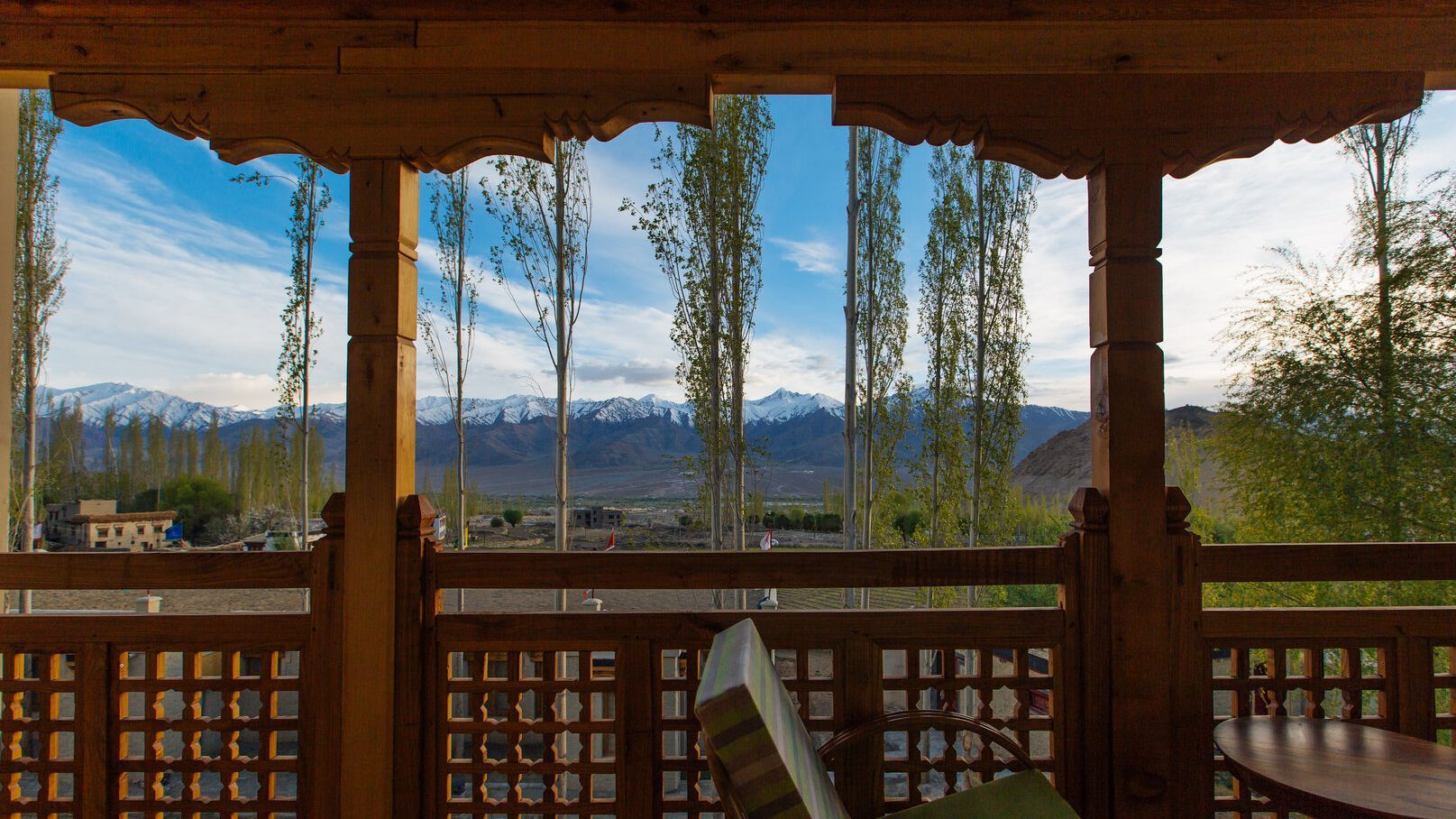
The design language of Ladakh is intergenerational, incorporating both personal memories and the historical echoes of the landscape. This approach is evident in how structures like Ladakh Sarai are built to ensure continuous views of the barley and wheat fields, maintaining a connection to the agrarian past. However, the region faces environmental challenges, with rivers drying up and others flooding, leading to a sense of surrender to natural forces, balanced by a deep trust in guardian deities like Yul-ha.
Ladakh is also described as a military economy, not just a tourist destination, prompting calls for Ladakhis to re-evaluate their heritage. While modern development introduces new elements, there is a strong movement to preserve traditional practices. Organizations like The Ladakh Ecological Development and Environmental Group (LEDeG), founded by Helena Norberg-Hodge, have been instrumental in protecting Ladakhi culture against the impacts of tourism and development. There is hope in the younger generation, with initiatives like Looms of Ladakh and Jigmat Couture, as well as women-run village cooperatives, contributing to the weaving of traditional stories into the modern world.
#Ladakh #Architecture #IntergenerationalMemories #VernacularArchitecture #SustainableDesign #MudHouses #CulturalHeritage #TraditionalBuildingMaterials #EnvironmentalAdaptation #Ladakh #Architecture #IntergenerationalMemories #VernacularArchitecture #SustainableDesign #MudHouses #CulturalHeritage #TraditionalBuildingMaterials #EnvironmentalAdaptation
0 comment in total
 No comments yet
You may also like

Ode to old

The Himalayas' ancient earthquake-defying design
7 Indian home renovations that breathe new life into nostalgic spaces

Craft, Culture, and Character: Telling Stories Through Interior Design

Timeless Traditions Abound in a Local Designer’s Home

Traditional Comforts: A Former Hunting Lodge and the Memories Inside

DIVINE DESIGN: Living space infused with old-world charm
14 beautiful homes in India that celebrate the timelessness of wood
How Rammed Earth Walls Were Given a New Lease of Life in Vernacular Himalayan Buildings

M.O.D.E.S constructs chinese ancestral hall based on digitized brick patterns

5 studios bringing Indian craft into modern homes

This architect's home in Goa uses bricklaying techniques from Northern Africa

Living With Purpose and Designing From Country

At Taj Guras Kutir, Zen Isn’t a Buzzword – It’s a Way of Being
The six principles of a farmhouse aesthetic

5 homes with antique doors that resonate the intricacy of Dravidian architecture
Jay Mehta's ancestral home in Porbandar is an art deco kaleidoscope of memories

Lél: When Heritage Meets the Contemporary

Courtyard House / 23 Degrees Design Shift

Stone Craft in India