1/4
Ode to old
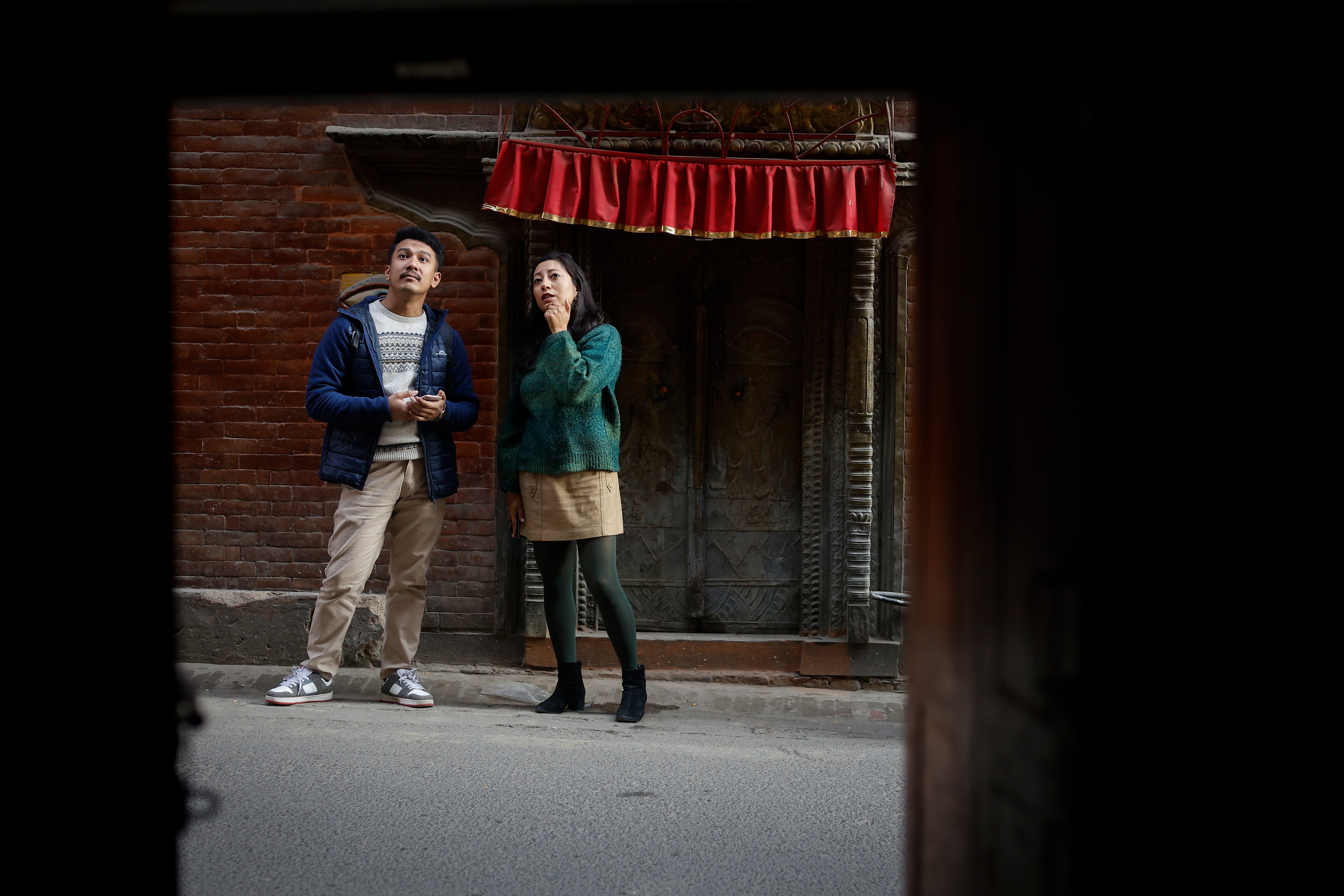
The article highlights the efforts of cousins Pranidhi Tuladhar and Aabhushan Man Singh Tuladhar, who run an Instagram page called 'The Last of Kathmandu Valley.' Their initiative aims to document and preserve the rapidly disappearing old architectural heritage of Kathmandu Valley. Pranidhi, after returning from Paris, where she studied fashion management and photographed city architecture, noticed the decline of traditional buildings in her hometown. This prompted her to collaborate with her cousin Aabhushan, an architect, to create a platform that would draw attention to these overlooked historical structures.
The cousins' work is driven by a deep appreciation for the unique character of Kathmandu's old houses, which they liken to individuals, present one day and gone the next. Aabhushan's interest in architecture was sparked by stories of his ancestral home and the opulent houses of Lhasa Newars, known for their exquisite woodwork. Pranidhi, a design consultant, grew up amidst these old houses in Asan and feels a nostalgic attachment to them, especially after her time abroad. She observed significant changes in Kathmandu's urban landscape post-2015 earthquake, noting the haphazard rebuilding efforts and the shift towards modern concrete structures, which she describes as lacking a distinct identity.
The article traces the architectural evolution of Kathmandu, from its unique cultural continuity spanning over 2,000 years to the introduction of European neoclassical styles by Rana rulers after the 1934 earthquake. The construction of Juddha Sadak (New Road) and the subsequent adoption of concrete as a building material further transformed the city, leading to a "hotchpotch urbanscape." The 2015 earthquake exacerbated this trend, destroying many remaining old buildings and leaving others in disrepair.
Maintaining these old houses is challenging due to the high costs and scarcity of skilled craftsmen, often leading owners to rent them out cheaply rather than undertake restoration. The Instagram page frequently receives messages from people sharing nostalgic memories associated with these houses, often inquiring about preservation methods. Pranidhi suggests that implementing strict laws and providing stipends for maintenance, similar to practices in Paris, could help save these structures.
Another pressing issue is the fragmentation of building facades due to inheritance divisions, resulting in carved wooden windows being cut in half and old houses being rebuilt into narrow, tall structures. The cousins recount instances where they documented a house with five carved windows, only to find two of them demolished on a subsequent visit. They advocate for internal structural changes while preserving the external facades to maintain the city's architectural integrity. Despite witnessing the rapid disappearance of many old houses, they also encounter pleasant surprises, such as well-maintained and freshly painted homes that offer a glimmer of hope.
Working with their full-time jobs, Pranidhi and Aabhushan photograph houses during their walks, sharing images and collaborating on captions for their Instagram page. They have expanded their content to include reels, with one clip about balconies garnering significant views. While currently focusing on photography, they aspire to incorporate personal memories and historical narratives associated with these houses. Their initiative, though not initially intended to be large-scale, aims to encourage public awareness and appreciation for the hidden beauty within Kathmandu Valley's traditional architecture, urging people to "look up" and notice what is often overlooked.
#KathmanduArchitecture #HeritagePreservation #ArchitecturalHistory #UrbanDevelopment #CulturalHeritage #Nepal #TraditionalHouses #SocialMediaActivism #HomeDesign #KathmanduArchitecture #HeritagePreservation #ArchitecturalHistory #UrbanDevelopment #CulturalHeritage #Nepal #TraditionalHouses #SocialMediaActivism #HomeDesign
 No comments yet
In With the Old


Old-World Craftsmanship

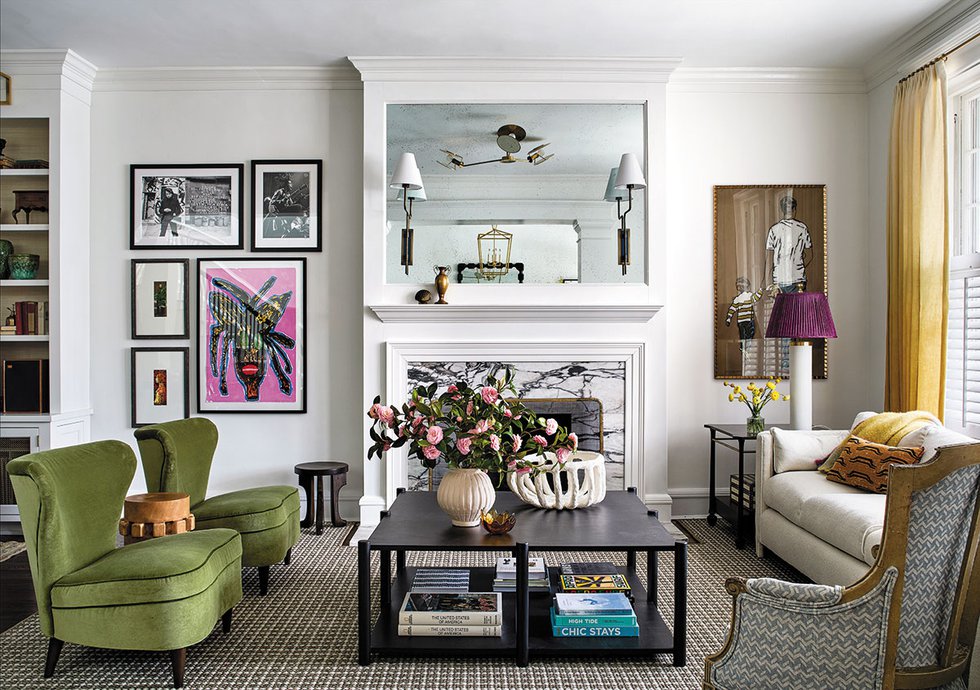
Timeless Tale

Old-School Flooring Suddenly Feels Surprisingly Fresh (Published 2017)

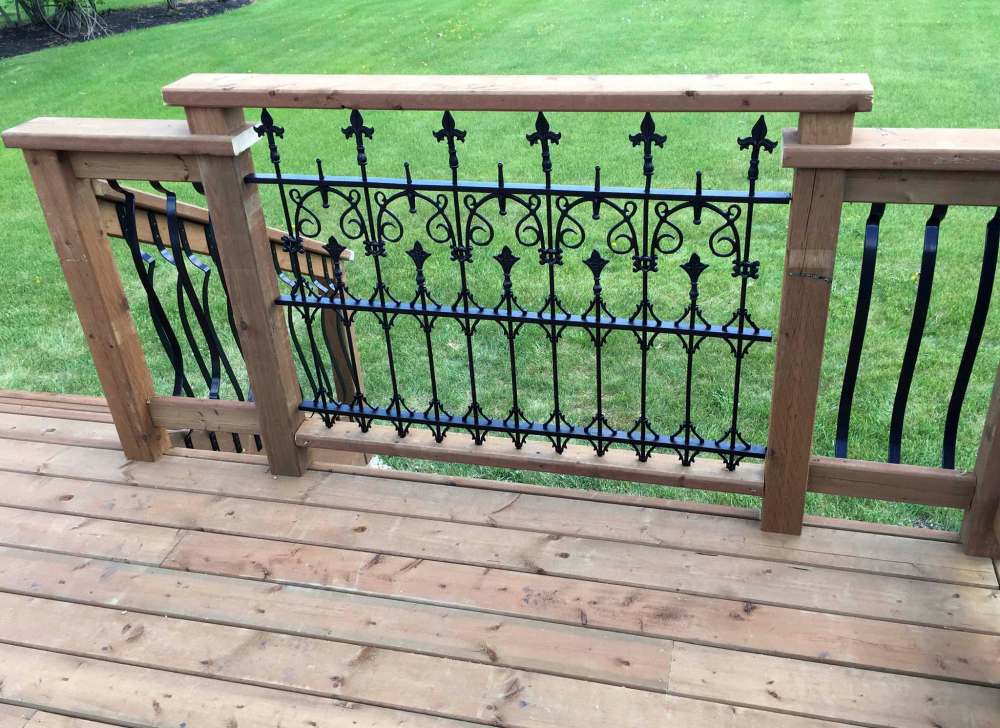
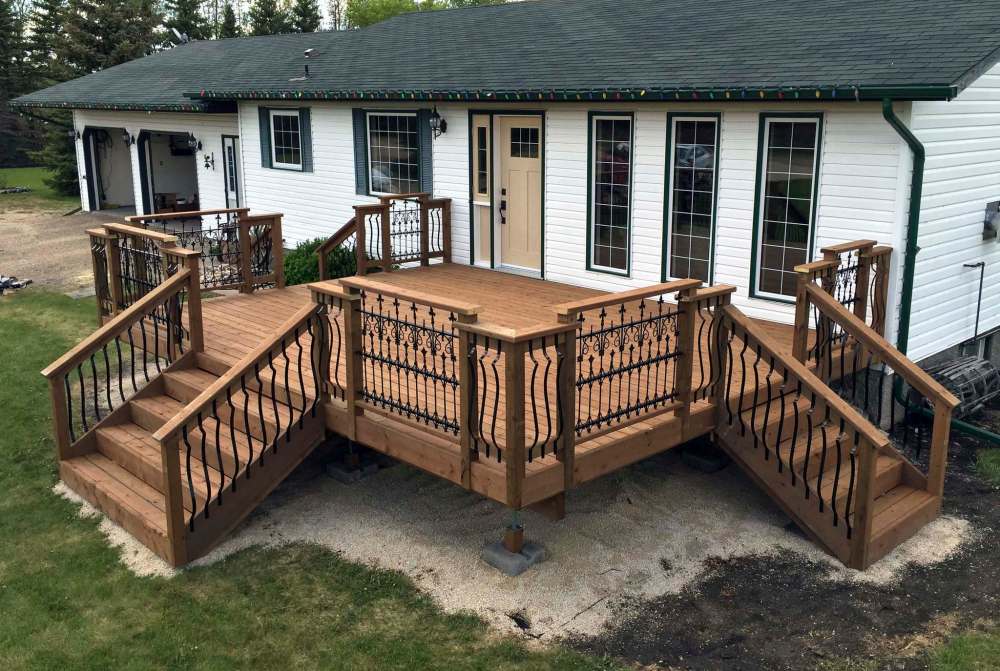
Oct 2016: A deck that blends old and new

Antique Originals

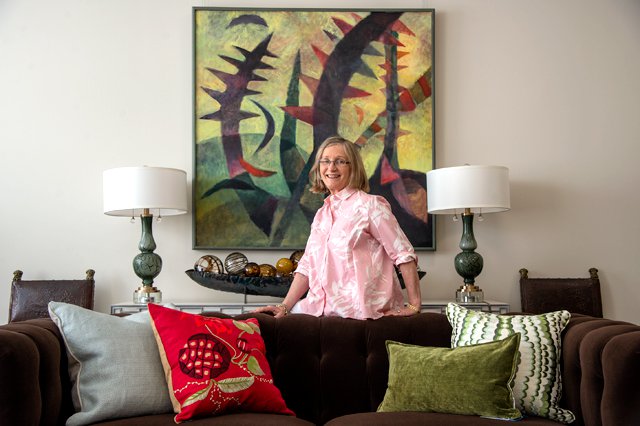
Going Old School
Old World Charm