Stone Craft in India
Stone craft in India represents one of the nation's most ancient and enduring artistic traditions, showcasing centuries of architectural grandeur, sculptural excellence, and regional craftsmanship. This art form spans from the monumental temples of historical civilizations to the functional objects created in rural workshops, highlighting the remarkable ability of Indian artisans to transform raw stone into pieces of beauty and cultural significance. The craft incorporates various techniques such as sculpting, engraving, polishing, inlay work, lattice carving, and architectural ornamentation, drawing upon both classical heritage and contemporary artisanal practices. Throughout India, stone remains a symbol of durability, devotion, and artistic refinement. Rooted deeply in religious, cultural, and regional histories, Indian stone craft serves as a testament to knowledge systems passed through generations, sustaining livelihoods while preserving India's rich material culture.
The historical background of Indian stone craft stretches back to prehistoric times, with evidence found in ancient tools, figurines, and carvings. The Indus Valley Civilisation produced refined seals and ornaments. Subsequent periods, including the Mauryan, Gupta, Chola, and medieval eras, saw significant advancements. Architectural marvels such as the rock-cut caves of Ajanta and Ellora, the polished sandstone Ashokan pillars, the intricately carved temples of Khajuraho and Konark, and monumental South Indian temple complexes exemplify the evolution and mastery of this craft over millennia, largely supported by royal and religious patronage.
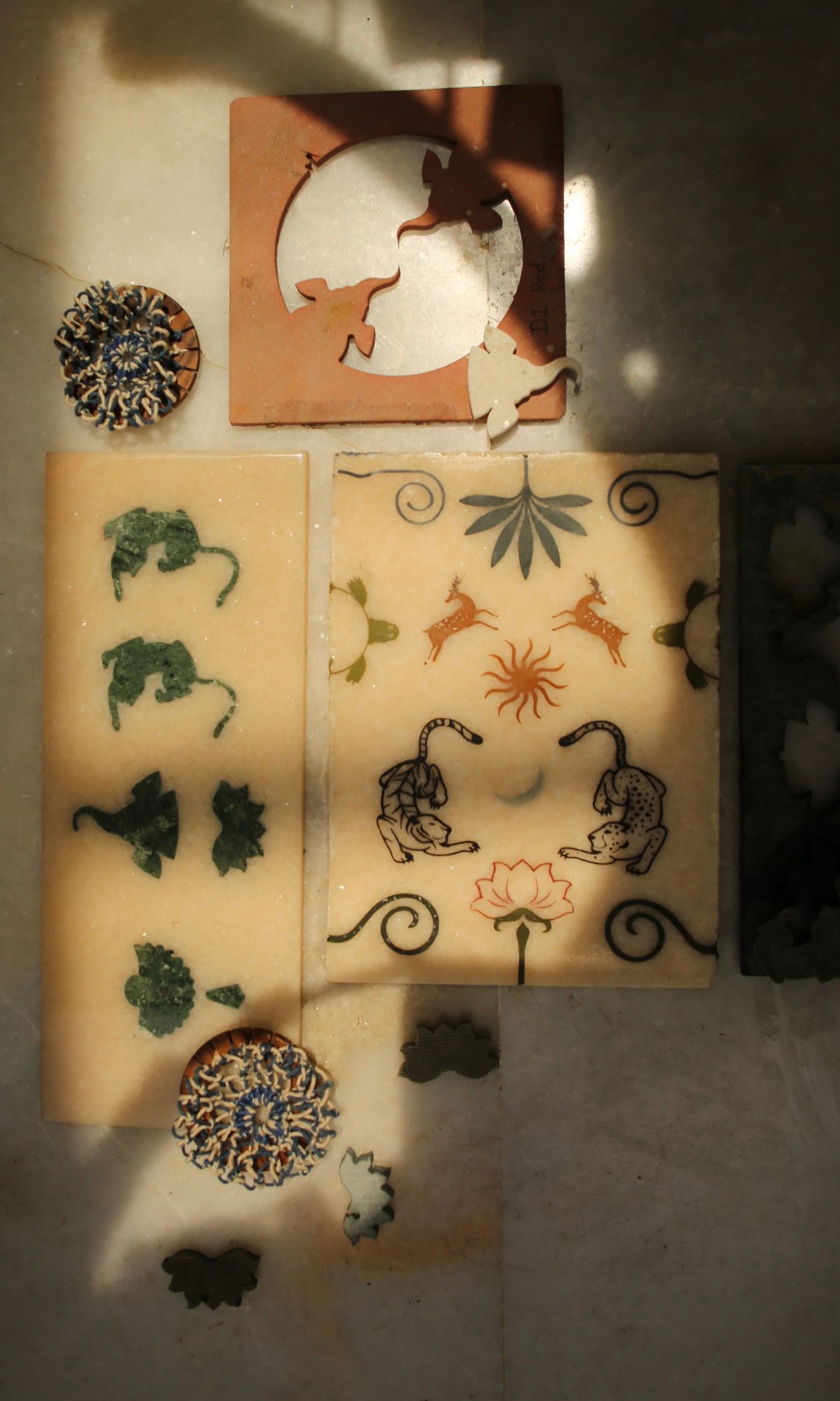
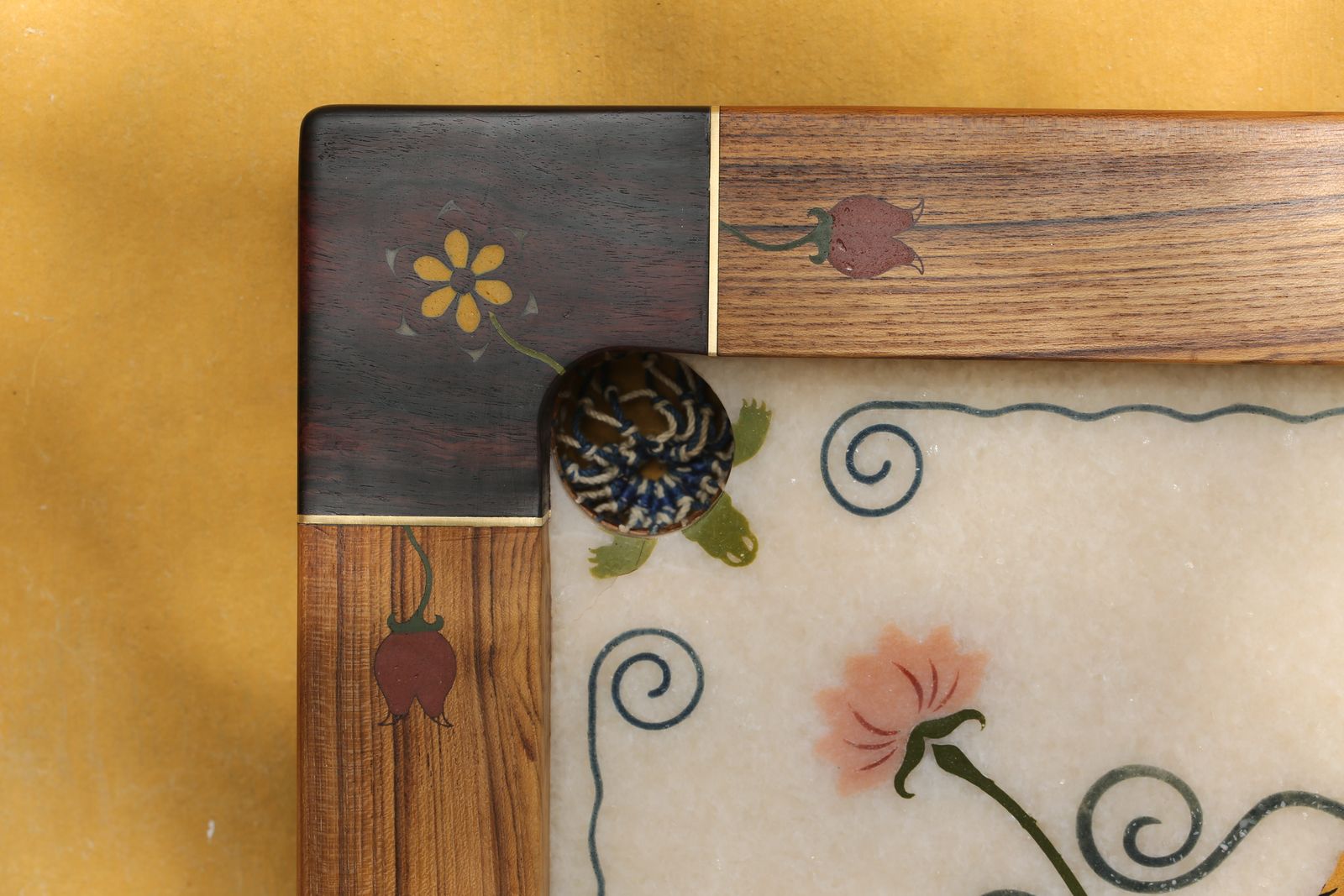
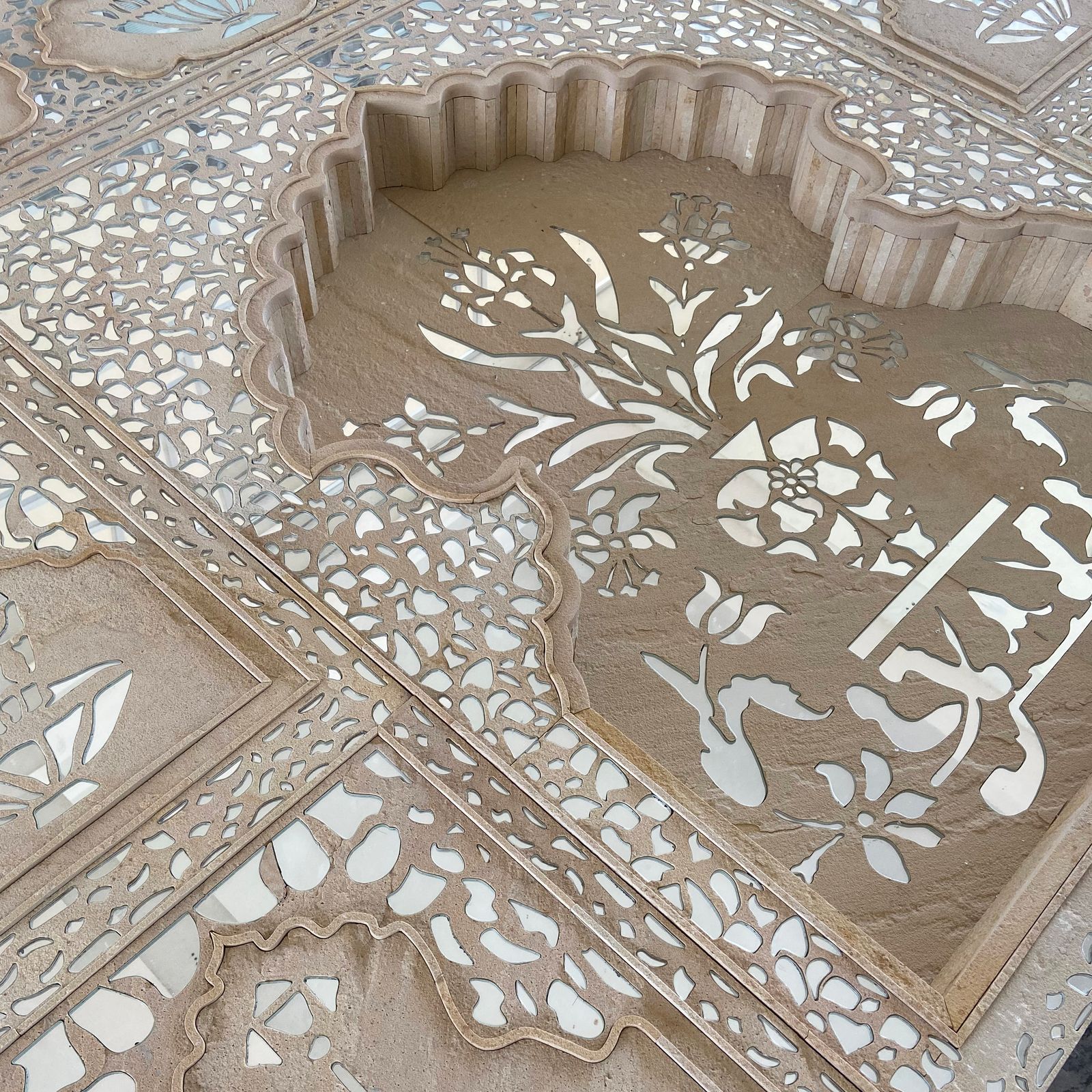
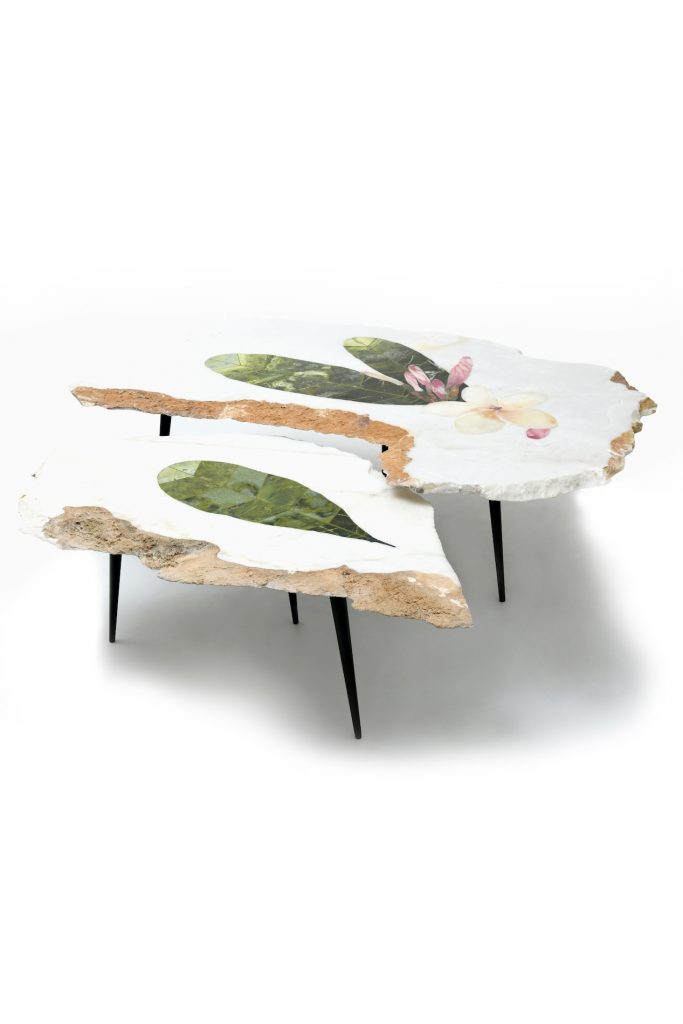
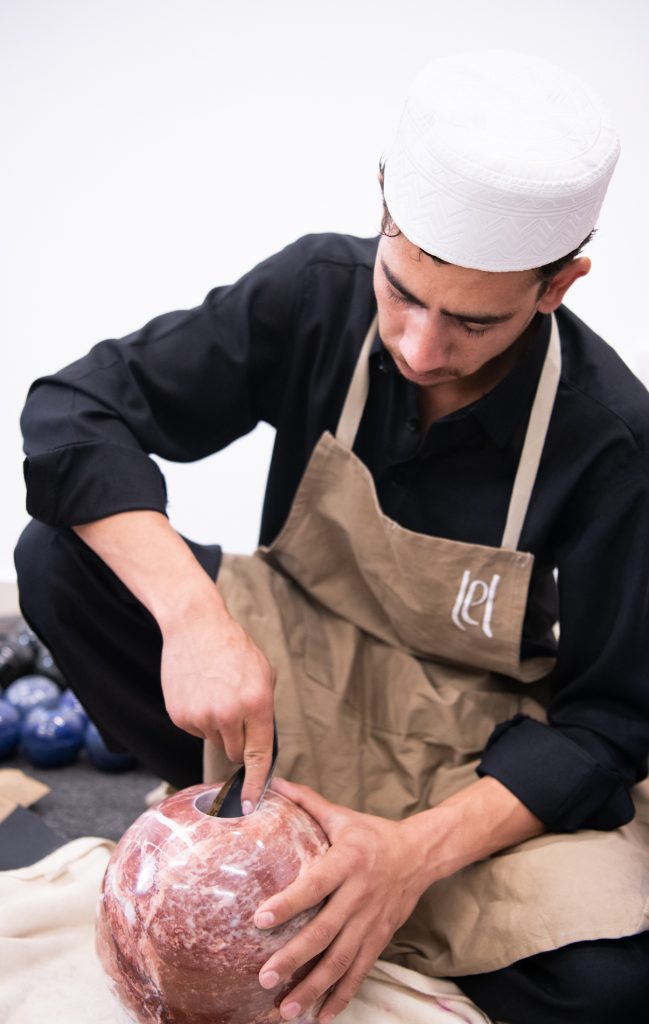
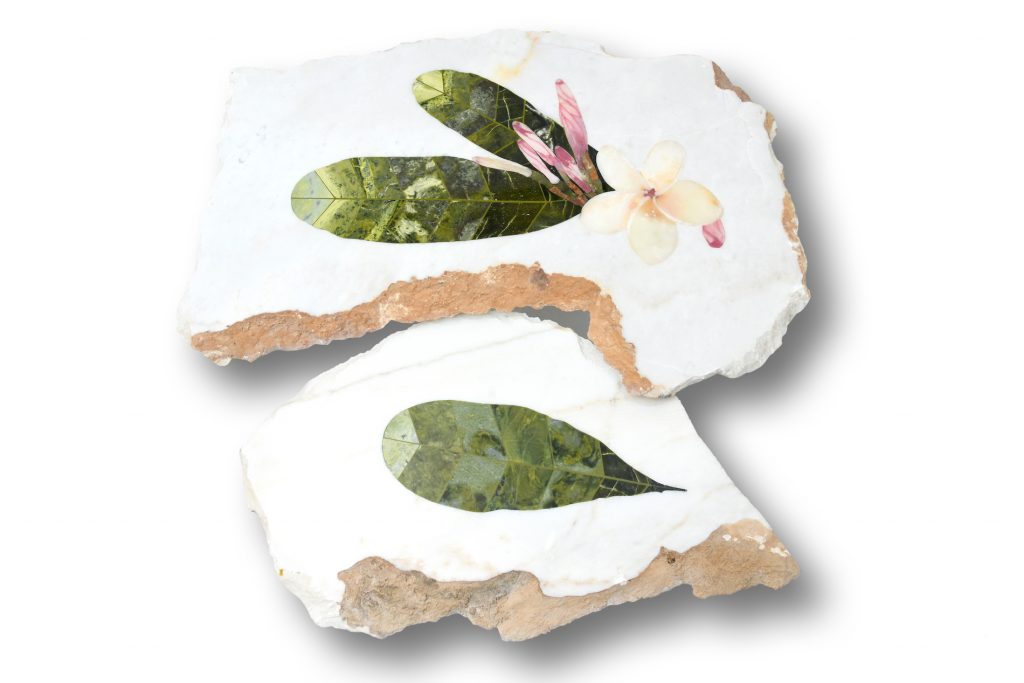
Artisans utilize a diverse range of stones, each selected for specific properties. Sandstone is prevalent in northern and central India for carving and architecture. Marble, known for its elegance and translucence, is extensively used in Rajasthan and for iconic structures like the Taj Mahal. Granite's hardness and durability make it ideal for South Indian temples, while soft soapstone is used for detailed figurines. Black stone and basalt are commonly employed for temple idols. Techniques include chiselling and carving with specialized tools, engraving patterns, polishing for a refined finish, inlay work with colored stones, and jali (lattice) carving for delicate perforated designs, all requiring precision and knowledge of the stone's natural characteristics.
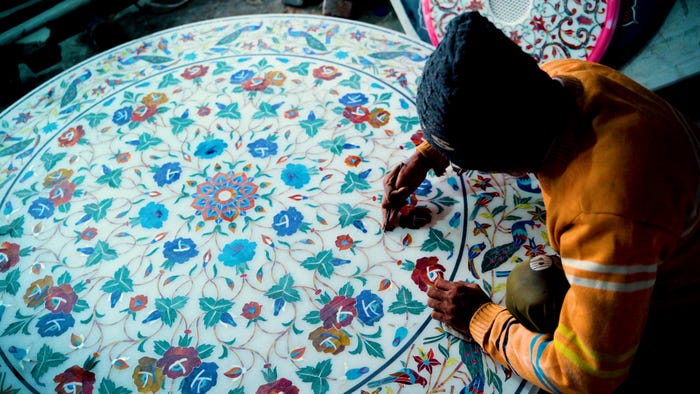
Regional centers across India have developed distinctive styles influenced by local stone types and cultural traditions. Rajasthan is famed for marble work, creating idols, jali screens, and architectural pieces. Tamil Nadu is known for black granite temple sculptures and traditional idols. Odisha excels in sandstone and soft stone sculptures featuring mythological themes. Karnataka showcases mastery in soapstone craft and sculptural detailing. Agra in Uttar Pradesh is renowned for marble inlay work, particularly pietra dura. Madhya Pradesh's Gwalior and Khajuraho regions are recognized for skilled sandstone carving, while Gujarat's Porbandar and Ambaji are known for high-quality marble and decorative carving. These centers sustain vibrant craft communities that blend traditional methods with modern adaptations.
The themes, motifs, and aesthetic features of Indian stone craft are inspired by cultural, religious, and natural elements. Common themes include mythological figures from various traditions, floral and geometric patterns, animal motifs, and extensive architectural ornamentation. The craftsmanship embodies regional identity, religious symbolism, and an evolving artistic vocabulary. Applications range from sculptures and idols for religious and public spaces to architectural elements like pillars and flooring, decorative items such as lamps and vases, inlay accessories, and utilitarian objects. The versatility of stone allows for both functional and decorative creations.
Stone craft is crucial for cultural identity and economic livelihoods. Skills are typically passed down through families, preserving traditional knowledge. Craft clusters provide employment in rural and semi-urban areas, and the craft contributes to tourism and exports. It plays a vital role in maintaining India's spiritual and cultural continuity through temples and heritage sites, enhancing India's global reputation for fine workmanship.
Despite its rich heritage, the craft faces challenges, including rising material and labor costs, declining interest among younger generations due to the demanding nature of the work, competition from machine-made products, environmental restrictions on quarrying, and limited market access for rural artisans. Efforts to revitalize the craft include government training programs, collaborations between artisans and contemporary designers, enhanced marketing through digital platforms and exhibitions, promotion of sustainable quarrying practices, and skill development initiatives for youth. These measures aim to ensure the craft's survival and adaptation to new markets and design trends.
Ultimately, stone craft in India symbolizes the unbroken artistic tradition, technical skill, and cultural symbolism that define Indian heritage. It illustrates the profound relationship between artisans and their materials, demonstrating the capacity to transform hard stone into expressive and lasting art. From ancient temple sculptures to modern decorative objects, stone craft is a living heritage that continues to evolve while honoring its classical foundations.
#StoneCraft #IndianArtistry #ArchitecturalHeritage #SculpturalExcellence #TraditionalCrafts #CulturalSignificance #ArtisanLivelihoods #CraftRevitalization #MaterialCulture #StoneCraft #IndianArtistry #ArchitecturalHeritage #SculpturalExcellence #TraditionalCrafts #CulturalSignificance #ArtisanLivelihoods #CraftRevitalization #MaterialCulture
0 comment in total
 No comments yet
You may also like
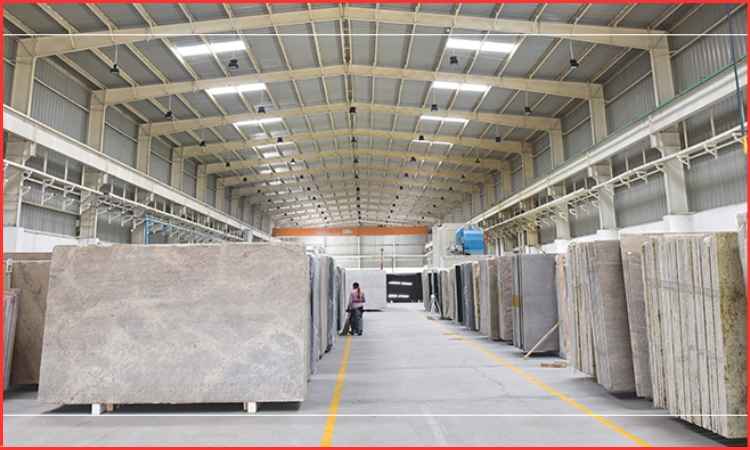
Best Marble Companies in India | Top 10 Manufacturers


5 studios bringing Indian craft into modern homes


Acme Brick, Tile and Stone – Florence
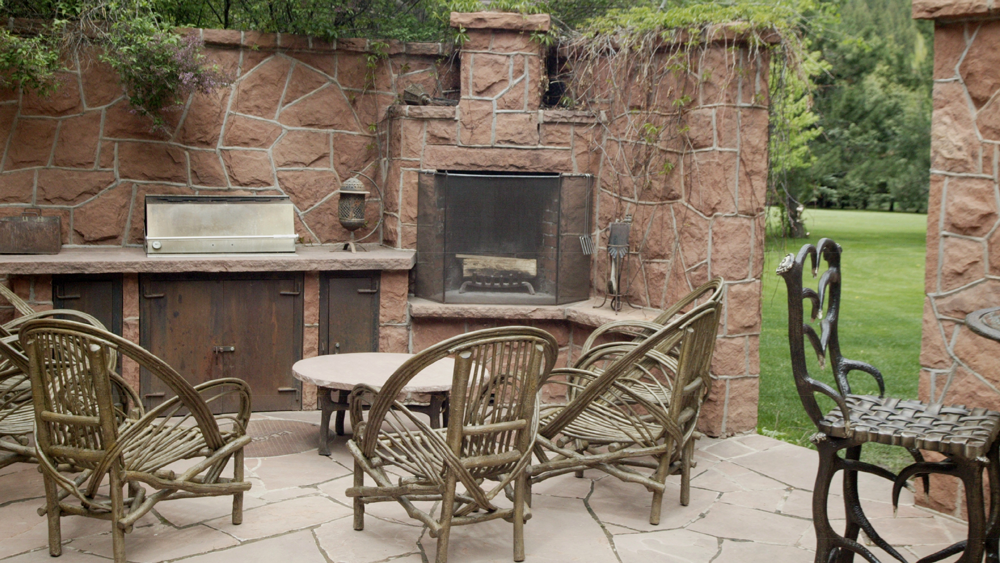
Crafted by Nature, Cast by Hand


Stone Veneer Works Like Wood Veneer


This nearly 100-year-old tile company owes its beginnings to India’s freedom struggle

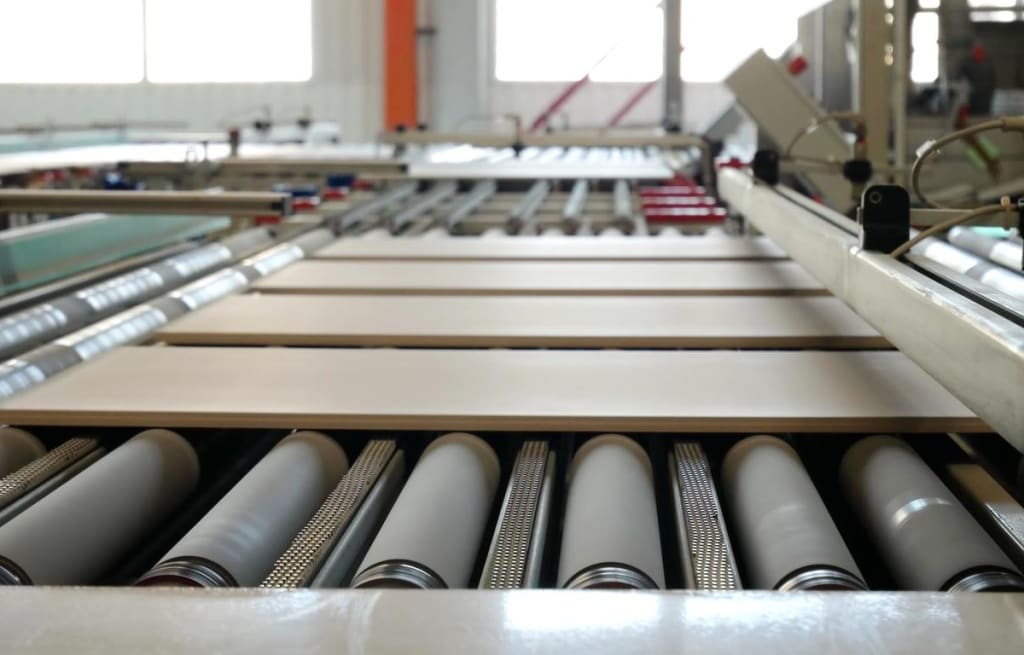
Top 10 Ceramic Tiles Manufacturing Companies In India

Acme Brick, Tile and Stone – Northwest Arkansas

6 Indian brands making craftsmanship cool again
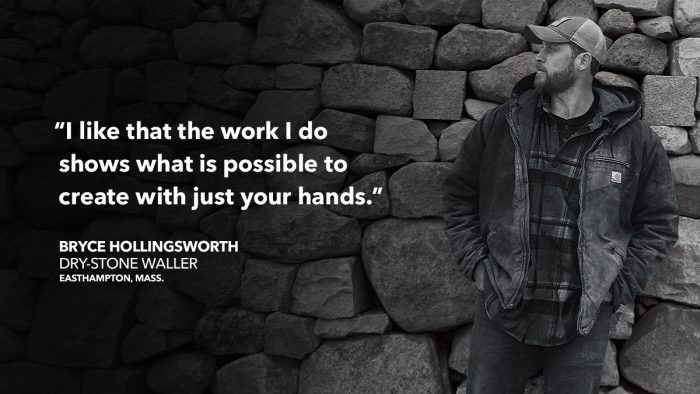
Bryce Hollingsworth, Dry-Stone Waller

A journey through the vibrant kaleidoscope of crafts in India's district of Kutch

All fired up - 5 Jun 2025 - Period Living Magazine

How descendants of Taj Mahal artisans are keeping marble inlay work alive
Shed's Kirwani carrom board with marble inlay adds whimsy to craftsmanship

The Most Amazing Stone Walls You Will See Today


Cast Stone

Decorative Stones & Gravel


Lél: When Heritage Meets the Contemporary


ceramiche refin's craft collection highlights skill of cement artisans