1/4
All fired up - 5 Jun 2025 - Period Living Magazine
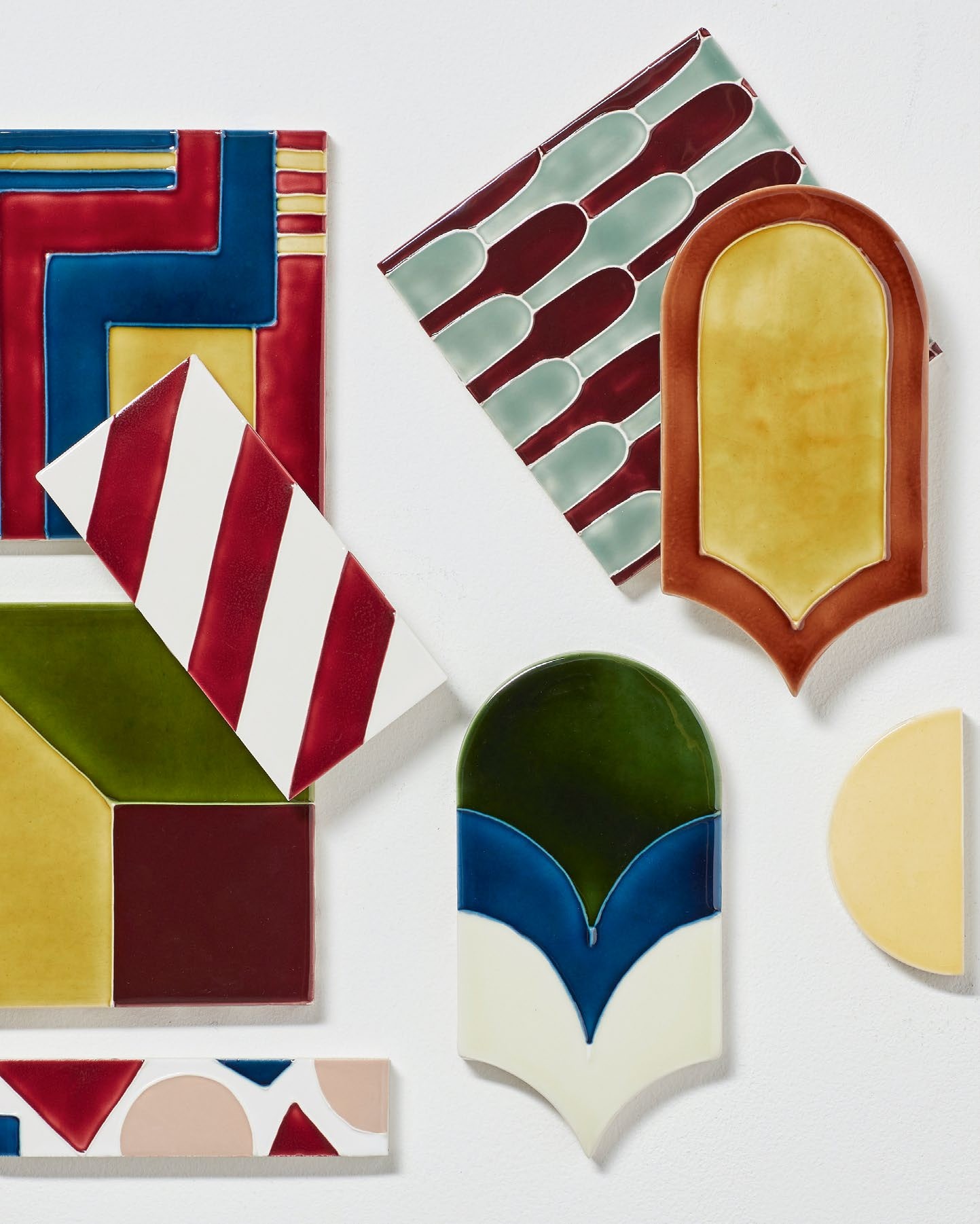
Across centuries and diverse cultures, the creation of tiles has consistently involved the baking, coloring, and heat-bonding of clay with various coatings. This ancient craft has endured, with artisan studios today diligently preserving the traditional techniques that produce these durable and decorative claddings. The versatility and inherent qualities of tiles are often underestimated. They exhibit remarkable resilience to high temperatures, offer hygienic, wipe-clean surfaces for walls, and possess a robust ability to form protective layers that can withstand centuries of use. Unlike wood, tiles do not rot; unlike metal, they do not corrode; and they will not ignite when exposed to fire. Beyond their practical attributes, tiles serve as significant decorative elements, reflecting rich cultural heritage. Examples include the intricate geometric patterns found in Islamic architecture, the distinctive Art Nouveau murals of the Parisian metro, and the historically significant hand-painted Azulejos on Portuguese houses. While flat tiles are commonly envisioned, embossed patterns, imprints, and convex tiles designed for curved structures are also prevalent, as seen in the roofs of Chinese pagodas or the tiles adorning 18th-century Swedish stoves and Victorian pillars in British institutions.
The methods for tile production have evolved since ancient times. Early techniques involved baking earth directly in the sun and in rudimentary firepits, progressing to more sophisticated kiln structures. Historical records indicate that tiles were molded from clay in Ancient Mesopotamia as early as 4000 BC. The Egyptians developed vitreous glass glazes around 2500 BC, and the Romans created intricate mosaics from thousands of small pieces. Islamic artisans, around the 9th century, enhanced glazes with metals like silver or copper to achieve additional luster. Their handmade process for creating Zellige tiles continues to be practiced today in modern Morocco, where artisanal studios use slim metal frames to shape clay tiles. These tiles are sun-dried, hand-dipped in glaze, fired in ground-dug kiln cavities, and then meticulously hand-chiselled into stars, lozenges, and other geometric forms. The subtle irregularities inherent in this artisanal process contribute significantly to the enduring charm of Zellige tiles, with UK suppliers such as Emery & Cie and Mosaic Factory offering authentic handmade ranges.
Following the decline of the Roman Empire, tile production in Europe, outside of Moorish Spain, was not widespread until the Middle Ages. In Britain, medieval tile-making was primarily a rural, seasonal occupation, providing supplemental income for peasants. The process involved digging clay in winter, allowing it to weather until spring, cleaning it of debris, and then hand-pressing the reddish-brown material into wooden frame moulds to create tiles up to 3cm thick. As skills advanced and European influences grew, a white clay layer was sometimes applied over the red base and then scratched away using the sgraffito technique to create decorative effects. Patterns were also impressed into wet clay using hand-carved wooden blocks to produce raised motifs. Tube-lined tiles, popular during the Edwardian era, represent a heritage technique that Balineum preserves at its workshop in Stoke-on-Trent, featuring over 70 designs, five core shapes, and 32 glazes. By the 14th century, specialized workers and centers for tile production emerged across Britain, leading to the development of inlaid tiles. This technique involved filling imprinted patterns with a paler-colored clay slip. During firing, glazes altered the clay colors—red turning to brown and white to yellow—to create a two-toned design, a method still employed by Priory Tiles in Kent for medieval-style tiles. The thoughtful use of tile layout, as demonstrated by projects from studios like Studio Duggan, can effectively blend classic and contemporary aesthetics.
#TileMaking #ArtisanCraftsmanship #AncientTechniques #ArchitecturalDecor #CeramicArt #InteriorDesign #CulturalHeritage #HomeDecoration #TileMaking #ArtisanCraftsmanship #AncientTechniques #ArchitecturalDecor #CeramicArt #InteriorDesign #CulturalHeritage #HomeDecoration
 No comments yet
All Fired Up on The Block

Let the good times roll!
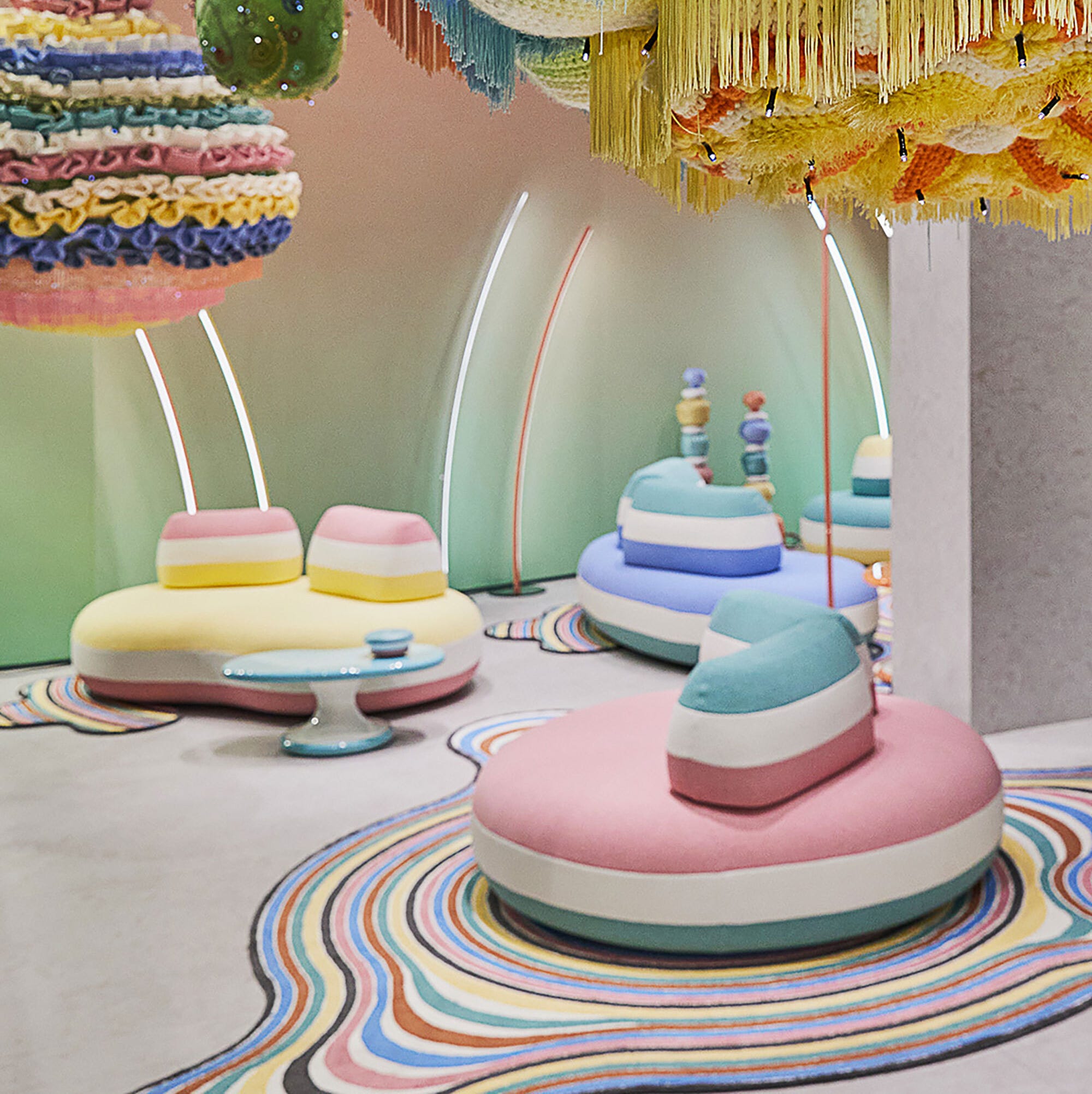
Moss-Core, Squishy Shapes, and 6 Other Trends We’re Super Excited About Right Now