How to design for extreme temperatures
The article discusses the critical need for architects to design buildings that can withstand and thrive under the increasingly frequent and severe extreme temperature events brought about by climate change. It highlights that while these challenges are contemporary, the most effective design strategies are rooted in long-standing architectural principles. The author emphasizes that buildings constructed today must be resilient to future climatic conditions, which are projected to be significantly different from those of the past.
The article recounts recent extreme weather events, such as Hurricane Harvey's unprecedented rainfall in Houston and a historic ice storm in Texas followed by a heat dome in Portland, Oregon. These events serve as stark reminders of how current infrastructure can fail to provide adequate shelter, leading to suffering and fatalities. The central argument is that effective design for extreme temperatures is not only crucial for public health, safety, and welfare but also leads to more energy-efficient and comfortable buildings during everyday operations.
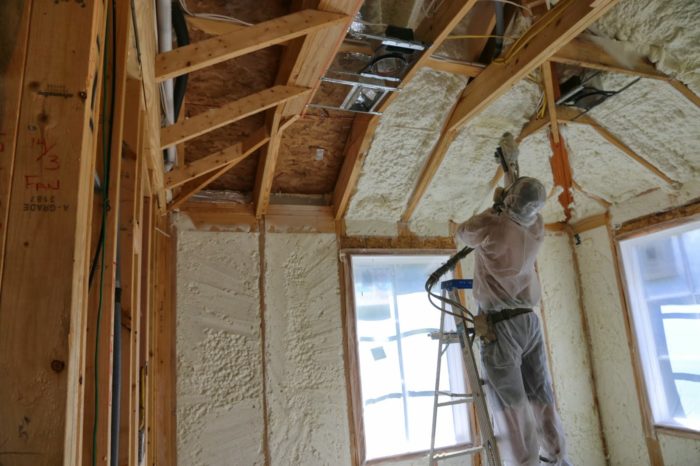
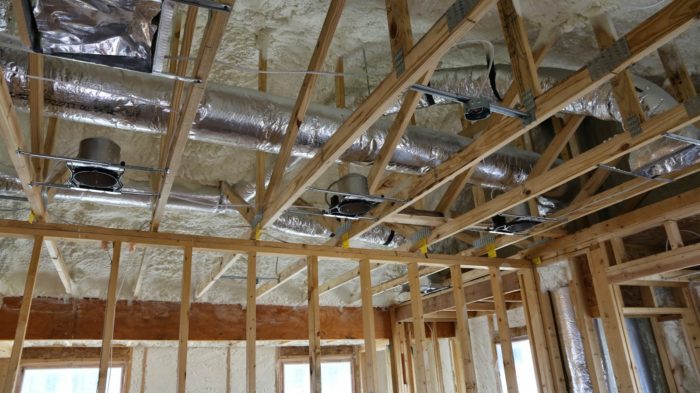
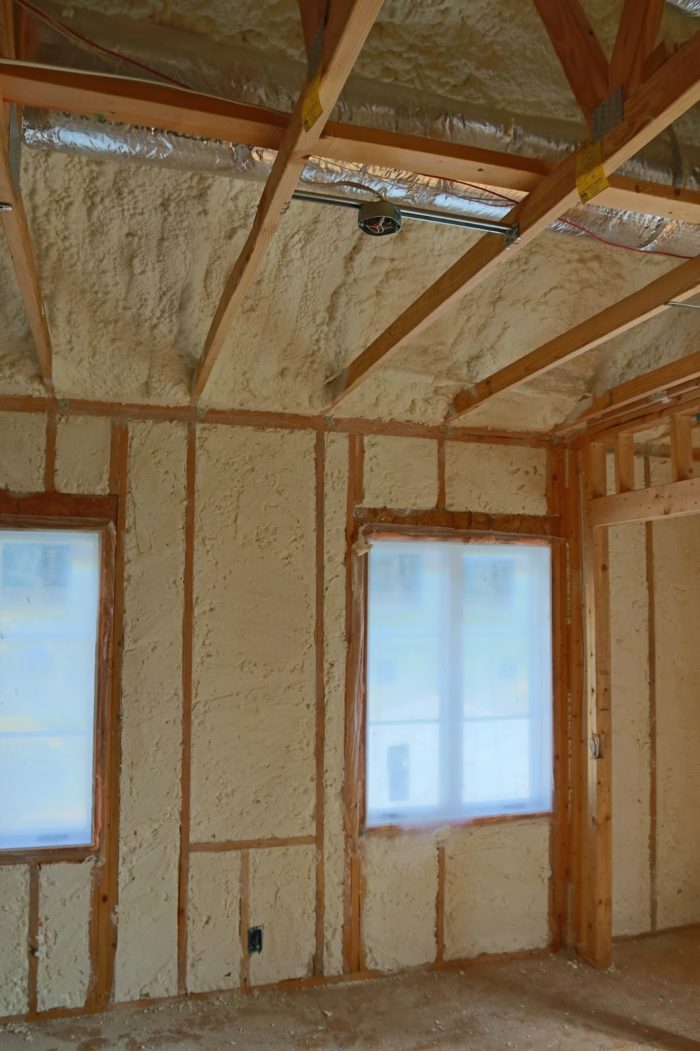
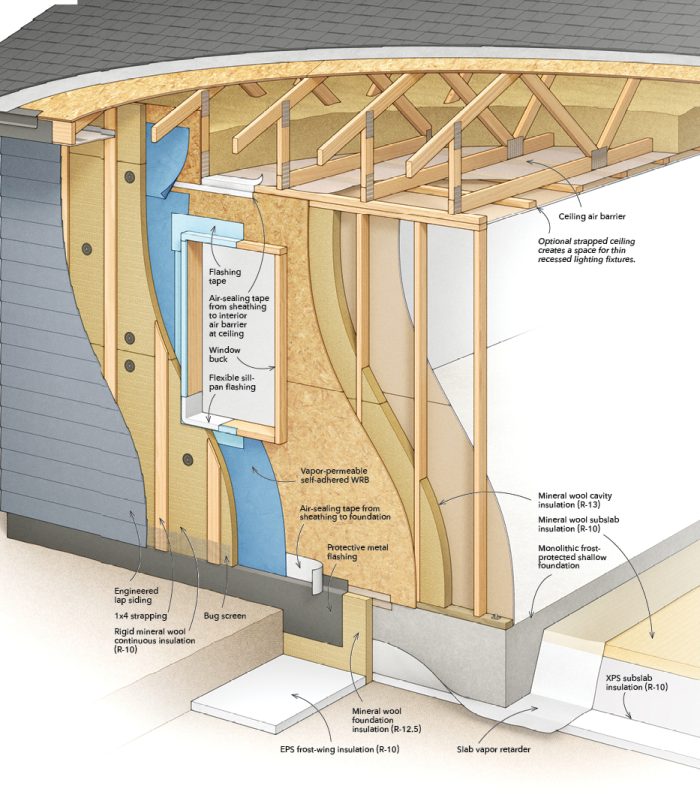
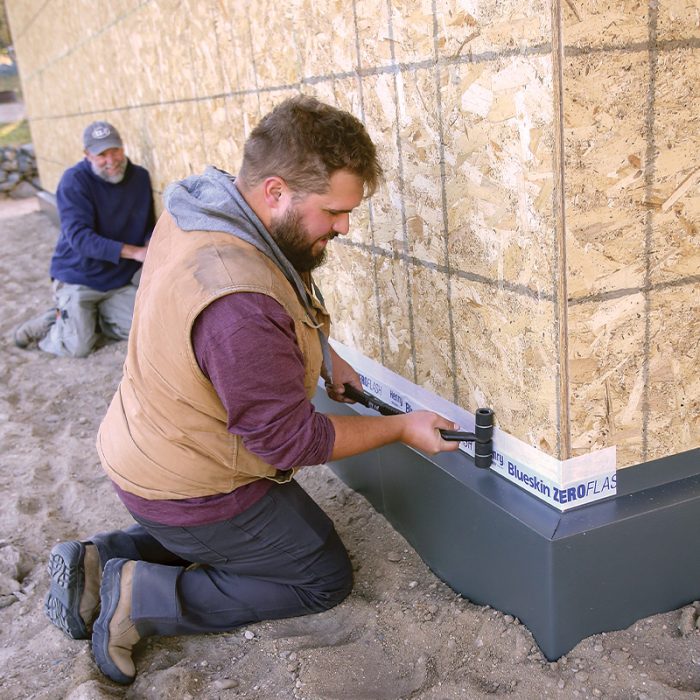
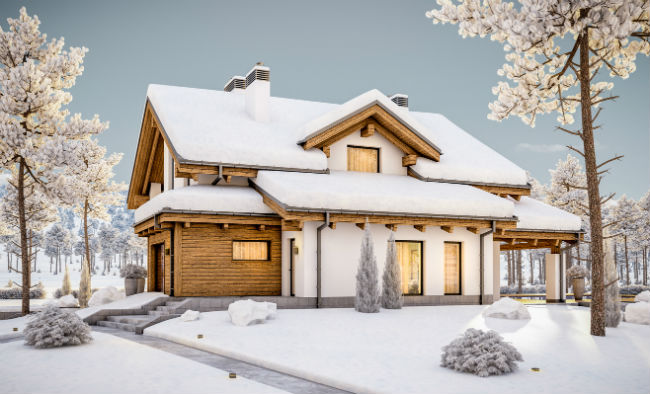
A primary strategy advocated is prioritizing a high-quality thermal enclosure. This involves robust insulation, meticulous air sealing, and appropriately sized windows (around 30% of the wall area) to regulate heat flow and maintain stable indoor conditions. The author contrasts the common practice of emphasizing insulation in cold climates with its often-overlooked importance in warmer or more temperate regions. While current energy codes often focus on average annual energy conservation, the article suggests a shift towards designing for resilience, recognizing that less thermally resistant enclosures pose significant risks during unpredictable future climate events. A superior enclosure not only conserves energy and enhances comfort but also enables buildings to endure extreme heat domes and arctic blasts.
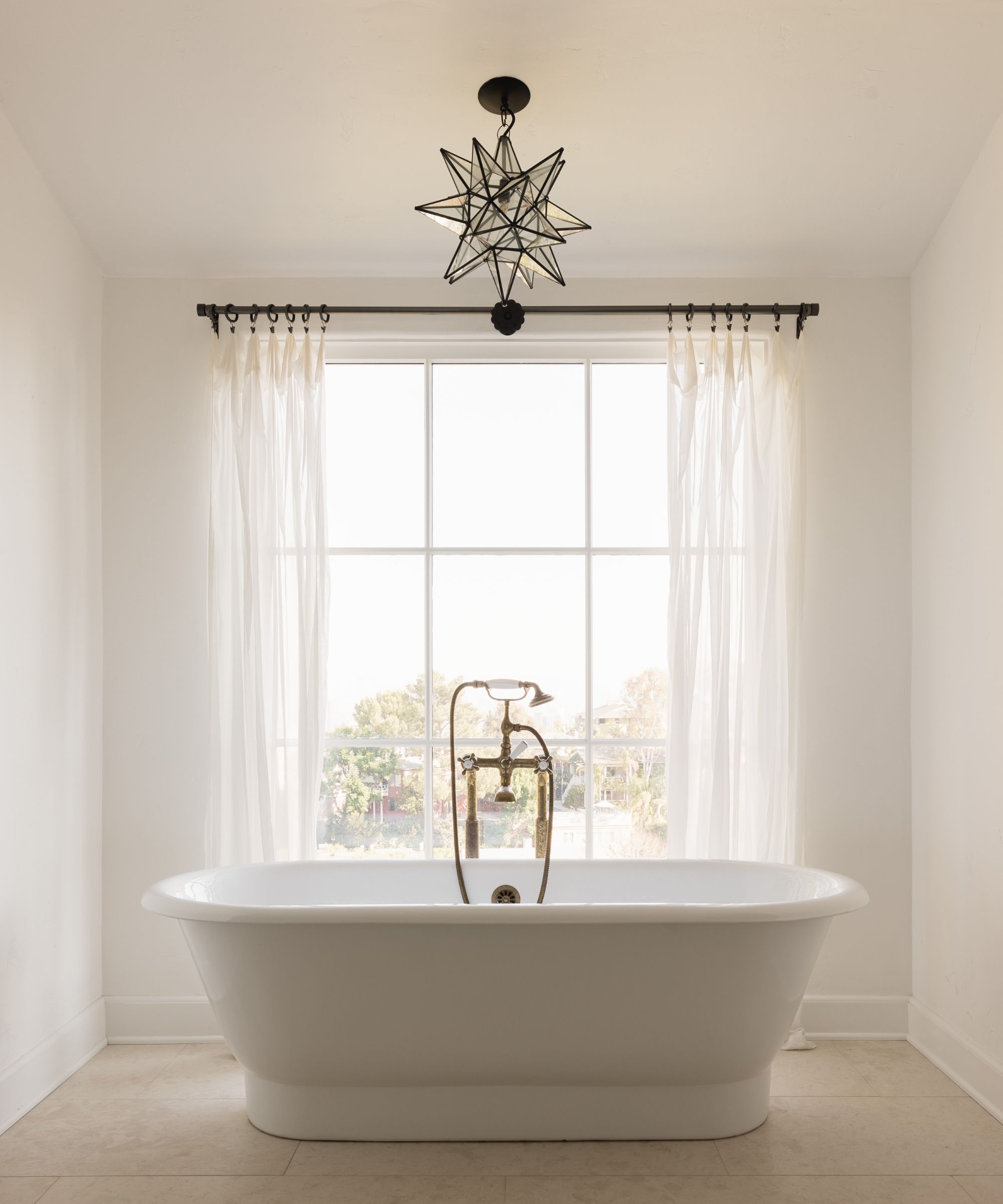
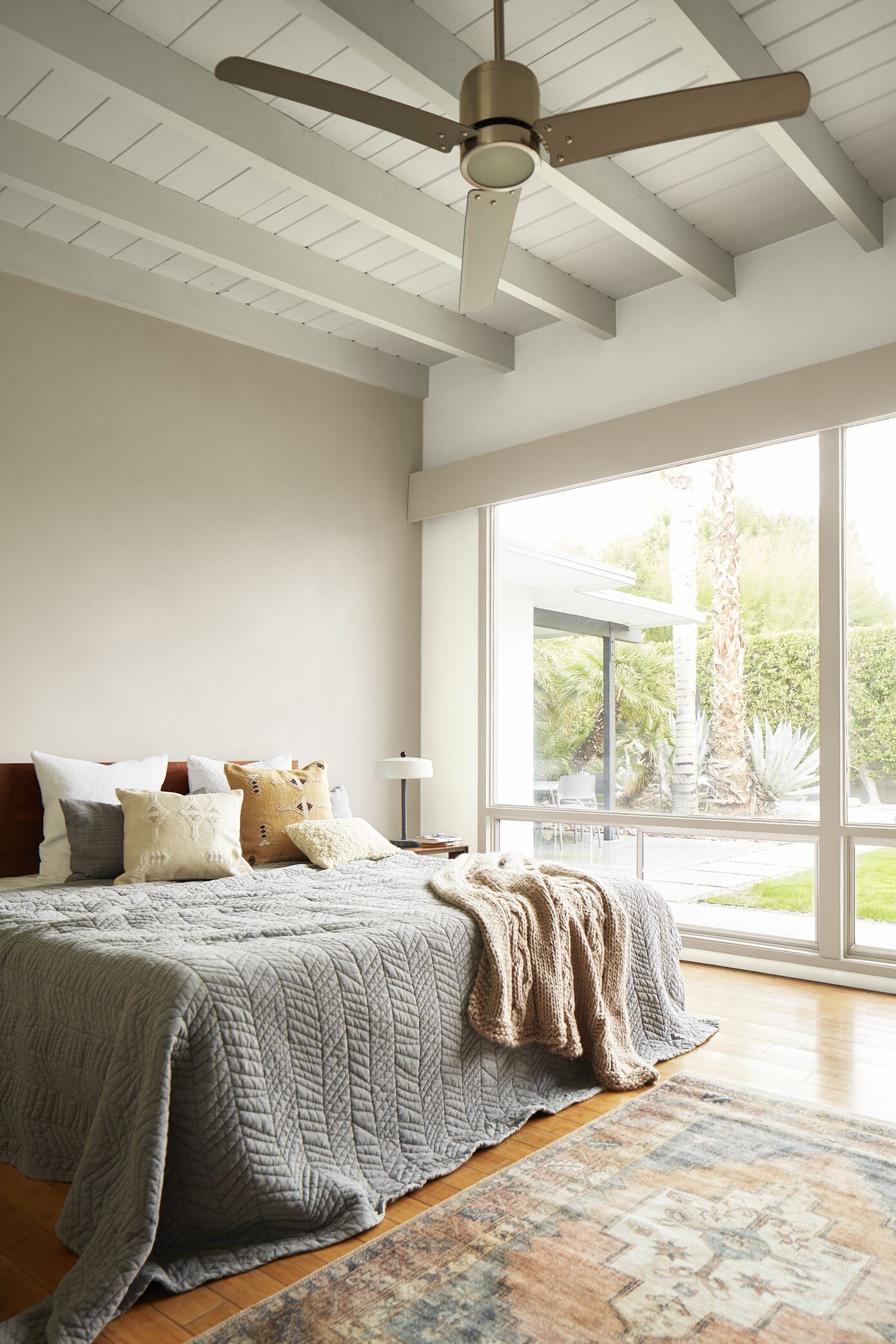
Beyond the thermal enclosure, building orientation and shading are presented as vital strategies, especially for mitigating extreme heat. Solar heat gain can significantly increase indoor temperatures and cooling loads, pushing indoor environments into unsafe conditions when mechanical systems are overwhelmed. The article advises limiting glazing on western exposures, which are often major contributors to heat gain, and incorporating effective shading devices like shades, curtains, or shutters to block heat, particularly during extreme heat events.
These discussed strategies—quality enclosure, appropriate glazing, operable windows, building orientation, and shading—are identified as traditional passive design principles. These methods have been utilized for millennia to ensure building comfort and, more recently, to conserve energy. The article underscores their continued relevance and effectiveness in protecting occupants from extreme temperatures, even in the event of power outages. Power failures, often accompanying severe weather like snowstorms or heat waves, exacerbate the dangers of extreme temperatures. The author cites examples from the Texas ice storm and Portland heatwave where inadequate passive design led to dangerous indoor conditions and fatalities. While backup power solutions like generators are useful, they are most effective when integrated with strong passive design principles. The article concludes by stressing that while active cooling systems and backup power are necessary, they should complement, not replace, thoughtful application of age-old passive design strategies, which are fundamental to creating resilient buildings that protect public health, safety, and welfare in a changing climate.
#ClimateChange #ArchitecturalDesign #ExtremeTemperatures #BuildingResilience #PassiveDesign #ThermalEnclosure #EnergyEfficiency #SustainableArchitecture #UrbanPlanning #ClimateChange #ArchitecturalDesign #ExtremeTemperatures #BuildingResilience #PassiveDesign #ThermalEnclosure #EnergyEfficiency #SustainableArchitecture #UrbanPlanning
0 comment in total
 No comments yet
You may also like

Building with High Thermal Mass in a Hot, Humid Climate
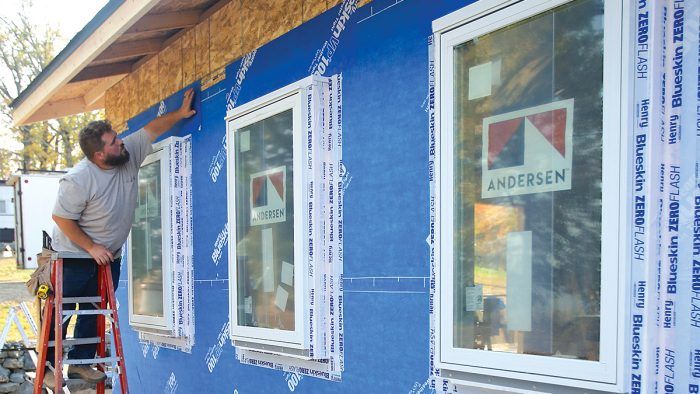
Build a "Perfect Wall" on a Budget for Affordable High-Performance


Sick of the heat? Here's how to keep your home cool, heatwave or not, if you don't have AC
What Is the Best Temperature to Paint Outside?
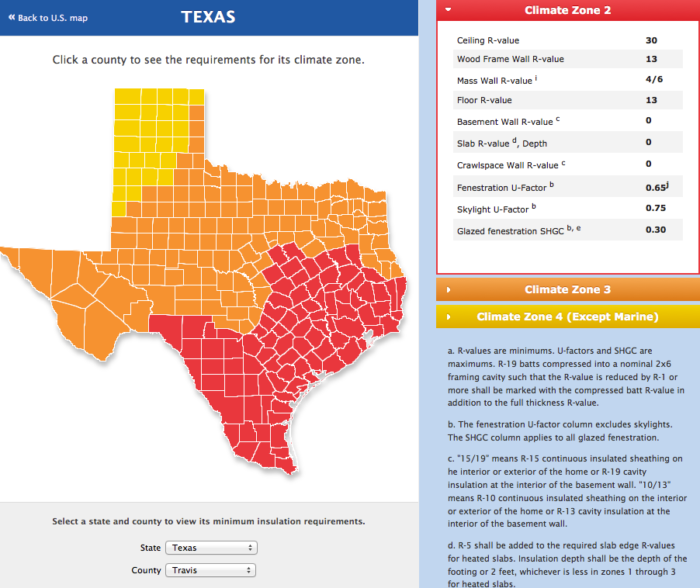
How to Use Spray Foam to Meet New Energy Codes in Warm Climates

The Best Heat Pumps for Cold Climates

All About Outdoor Radiant Heating Systems
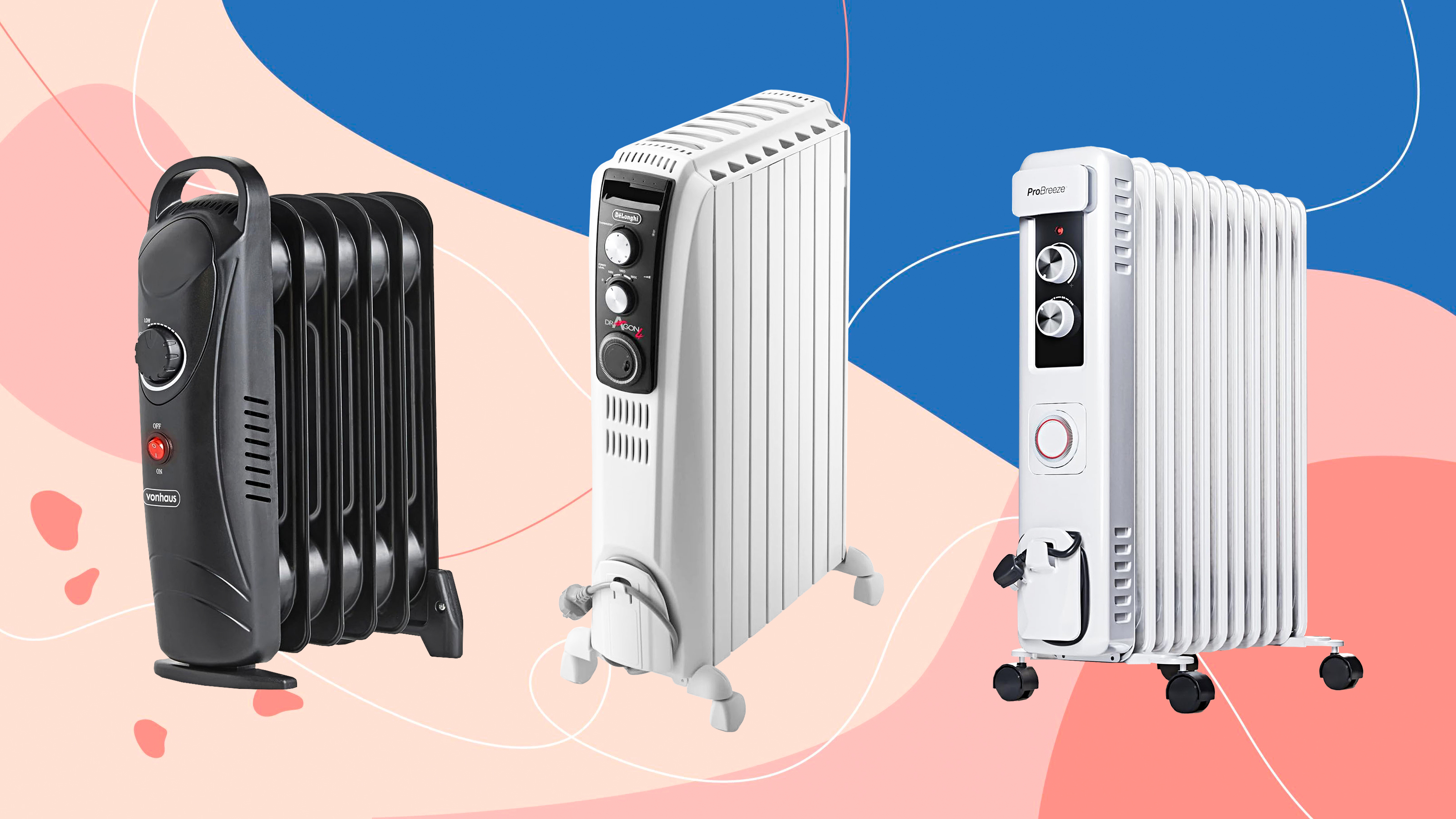
An oil-filled radiator is a must-have for staying cosy when the temperatures drop – and these are my top-rated models
The perfect temperature to avoid frozen pipes


Simmer in the city: how to cool a melting metropolis
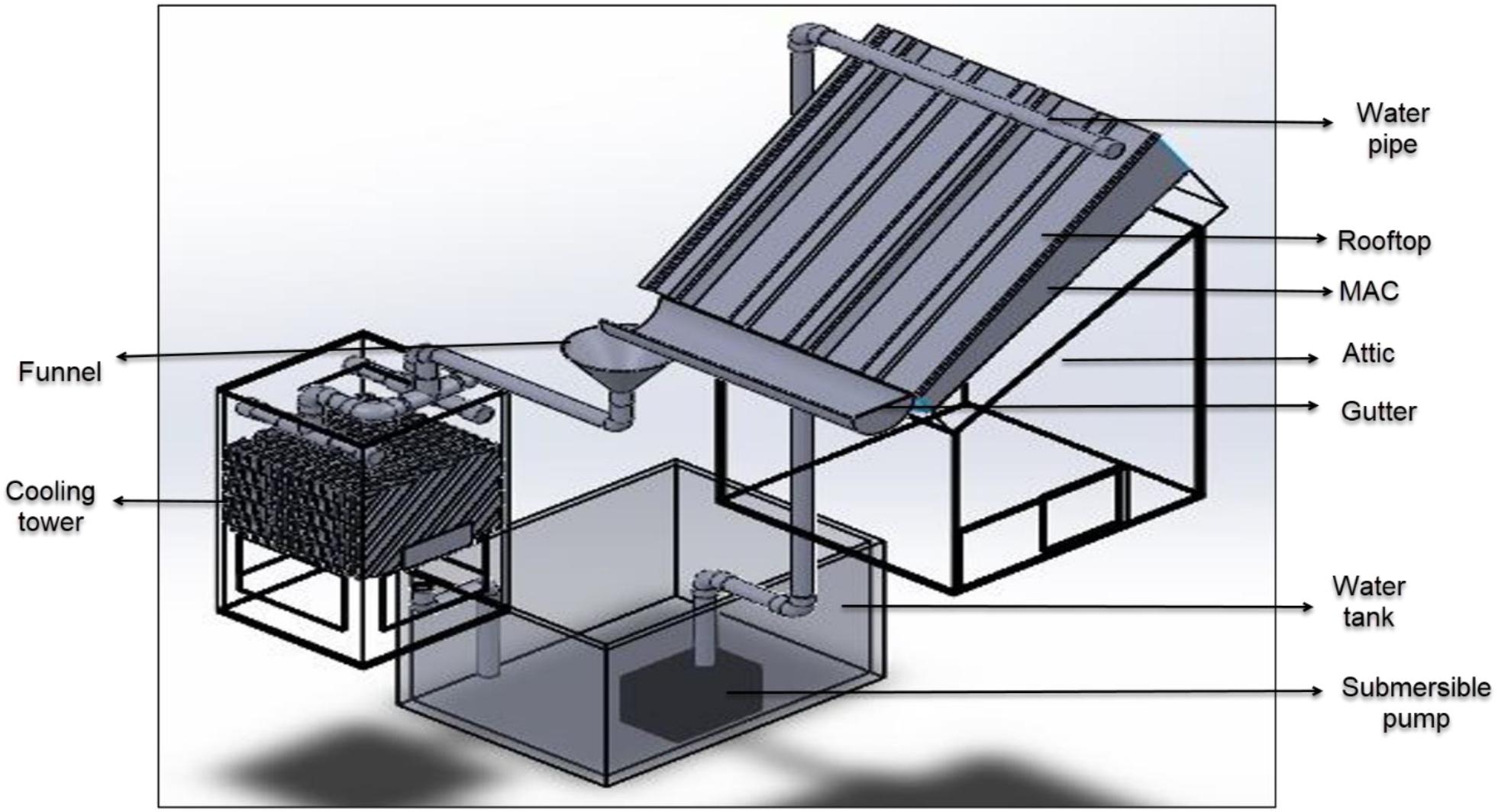
Rainwater Harvesting System Integrated With Sensors for Attic Temperature Reduction

Spray Foam in Extreme Climates
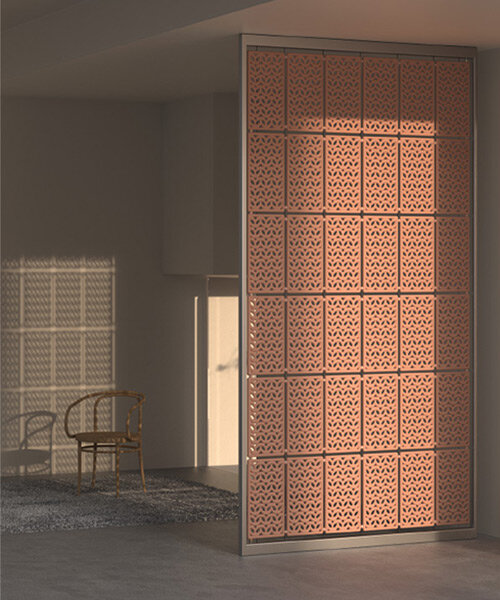
porous terracotta air conditioning system 'nave' uses water to cool spaces without electricity
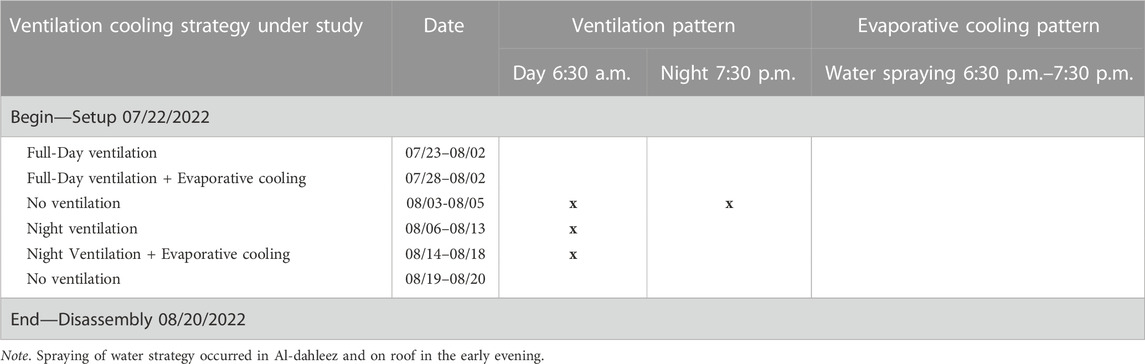
Climate responsive lessons from an architectural and ethnographic study of Hijazi traditional dwellings in Jeddah, Saudi Arabia
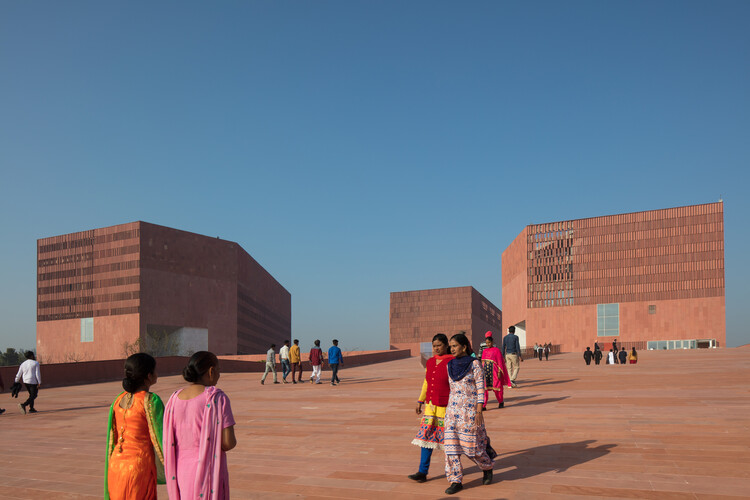
Reimagining Air Conditioning: Traditional Cooling Methods for the Future

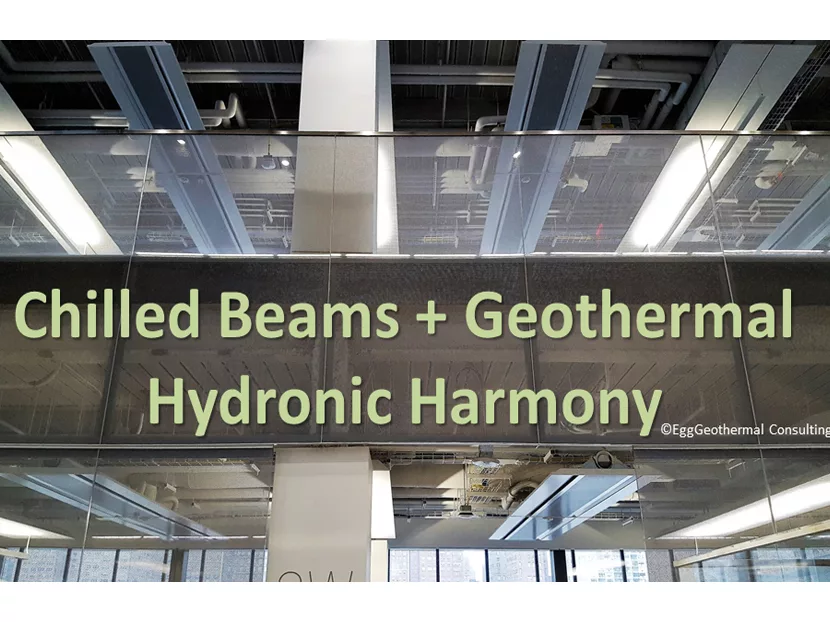
Radiant Floors and Ceilings Make Geothermal Even Better
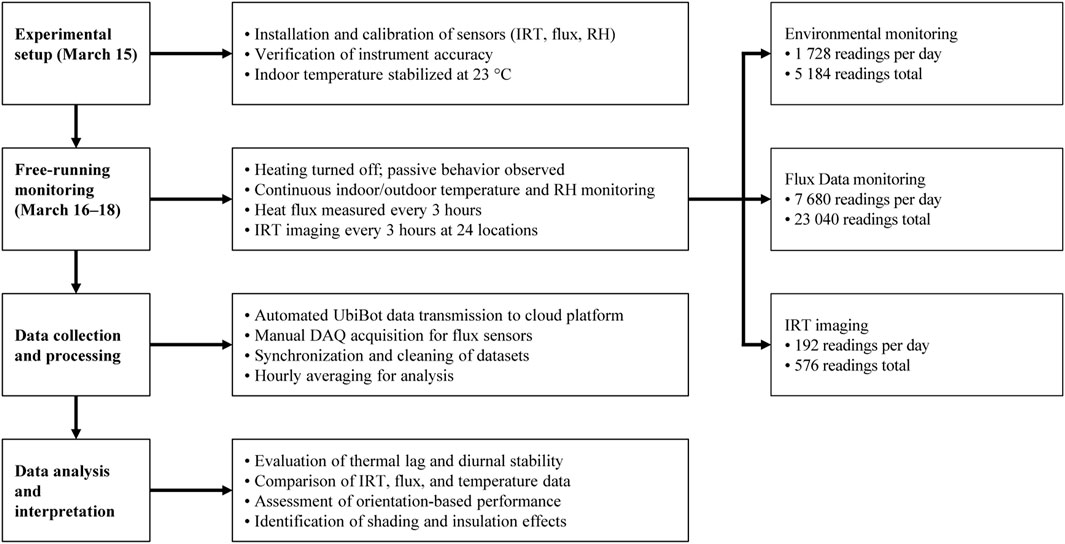
Field-based thermal performance analysis of a cement-stabilized, core-insulated rammed earth house in a cold climate

'Too hot or cold and you risk damaging the plant' – this is the ideal watering temperature for healthy houseplants

Improving Cooling Capacity of Condensation-Free Radiant Cooling for Low-Emissivity Chilled Ceiling via Adaptive Double-Skin Infrared Membranes
Radiant heating can add a blanket of comfort, as well as long-term savings for the home