Radiant Floors and Ceilings Make Geothermal Even Better
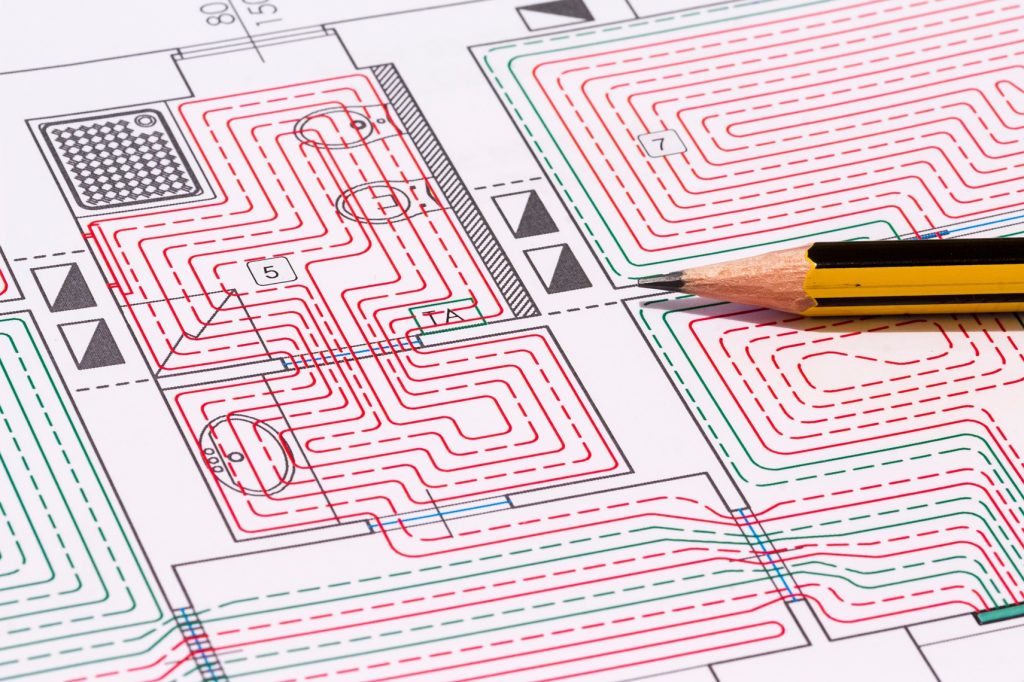
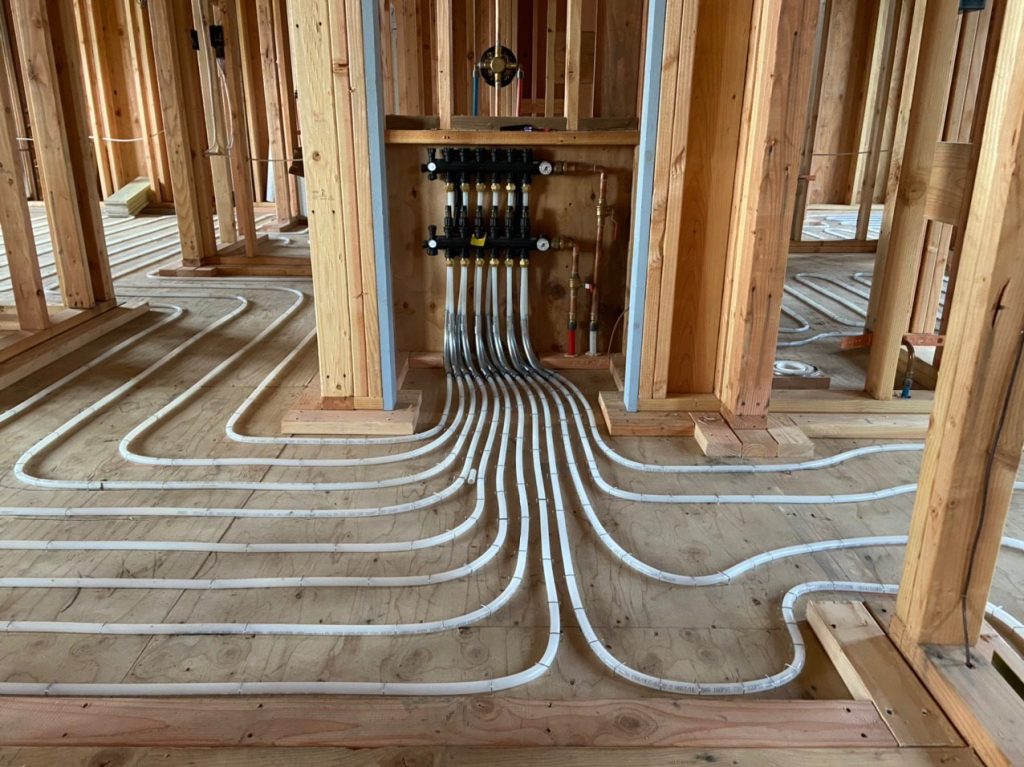
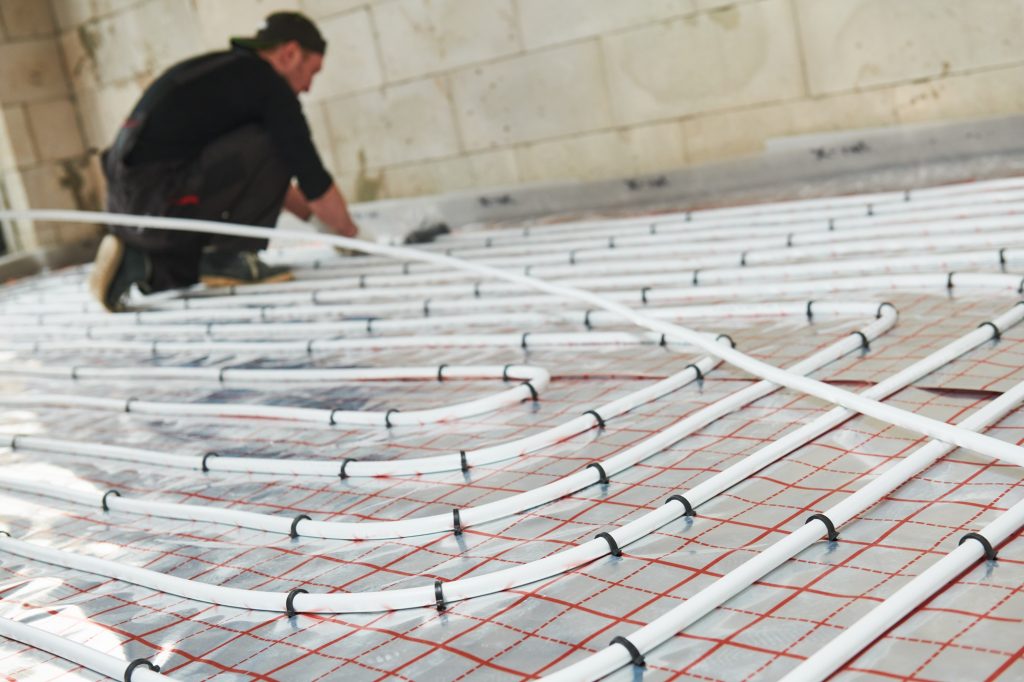
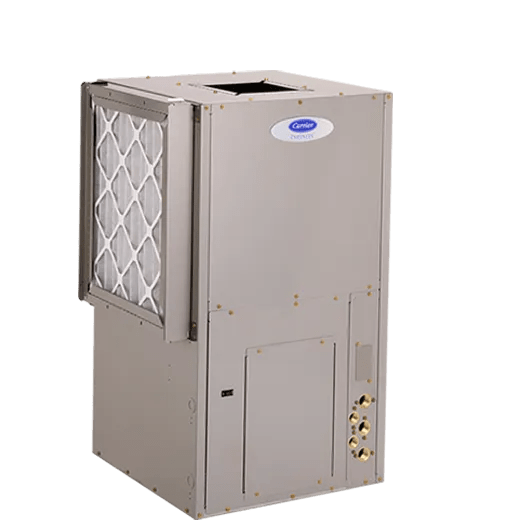
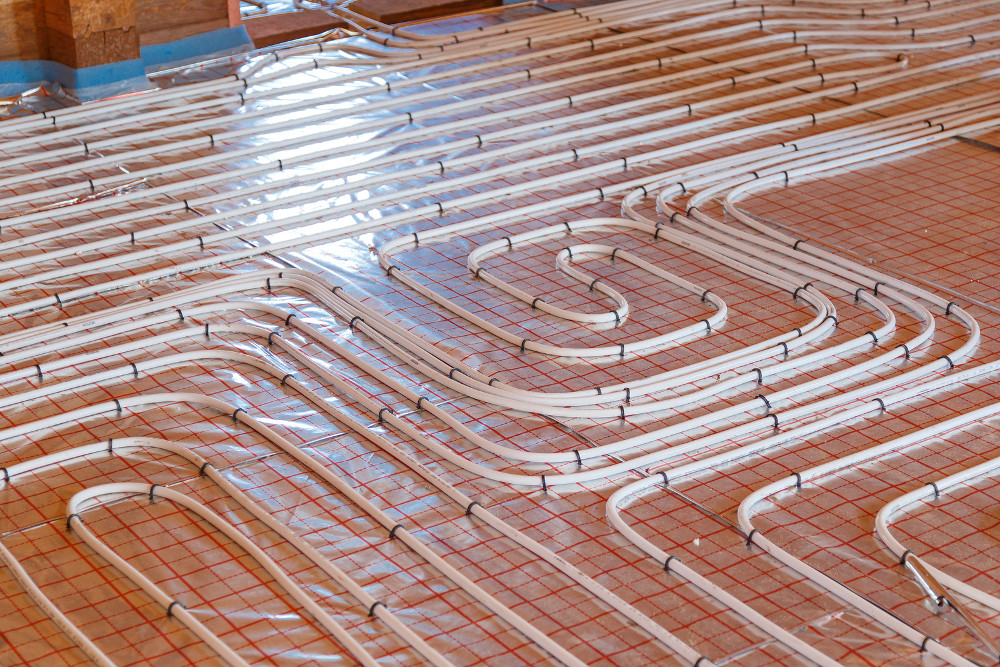
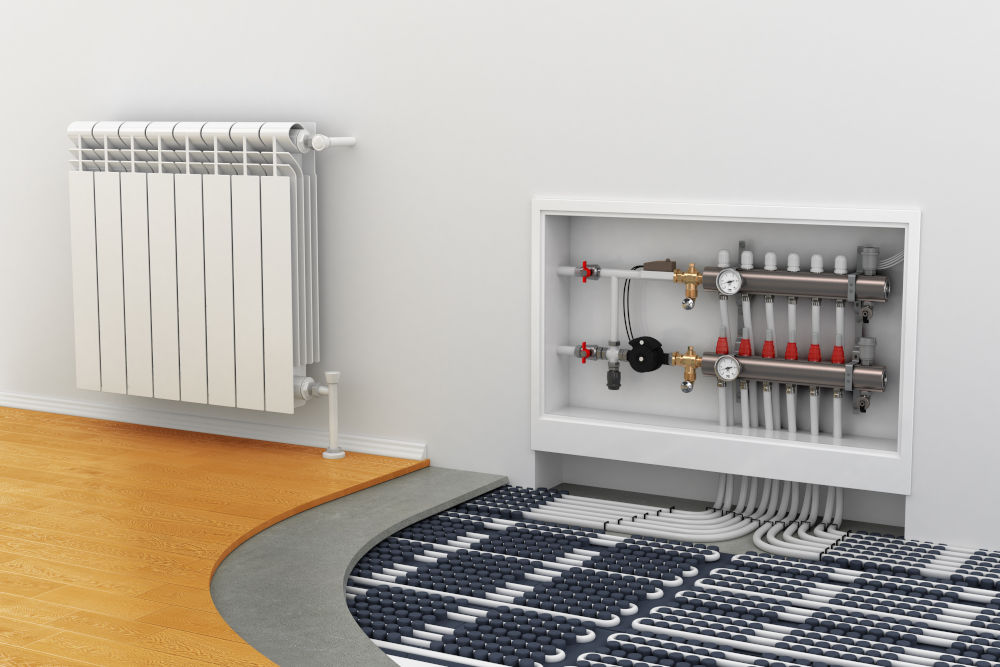
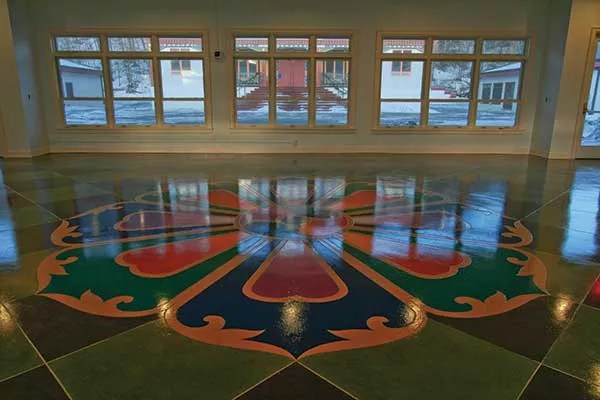
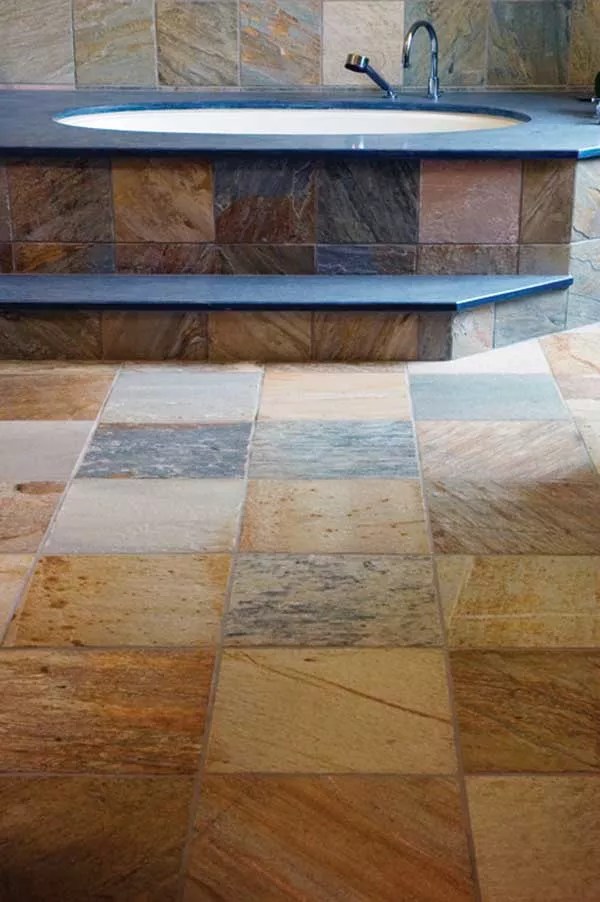
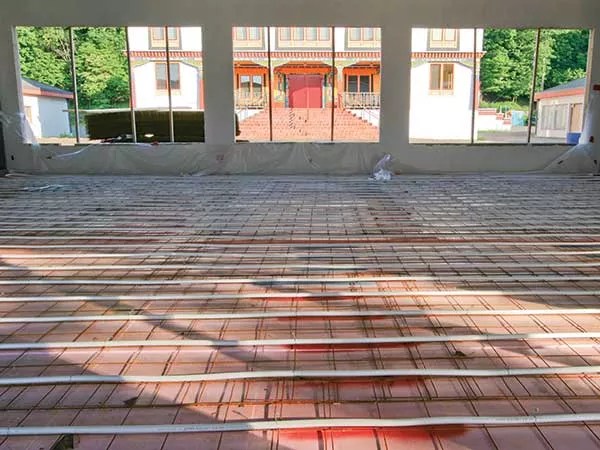
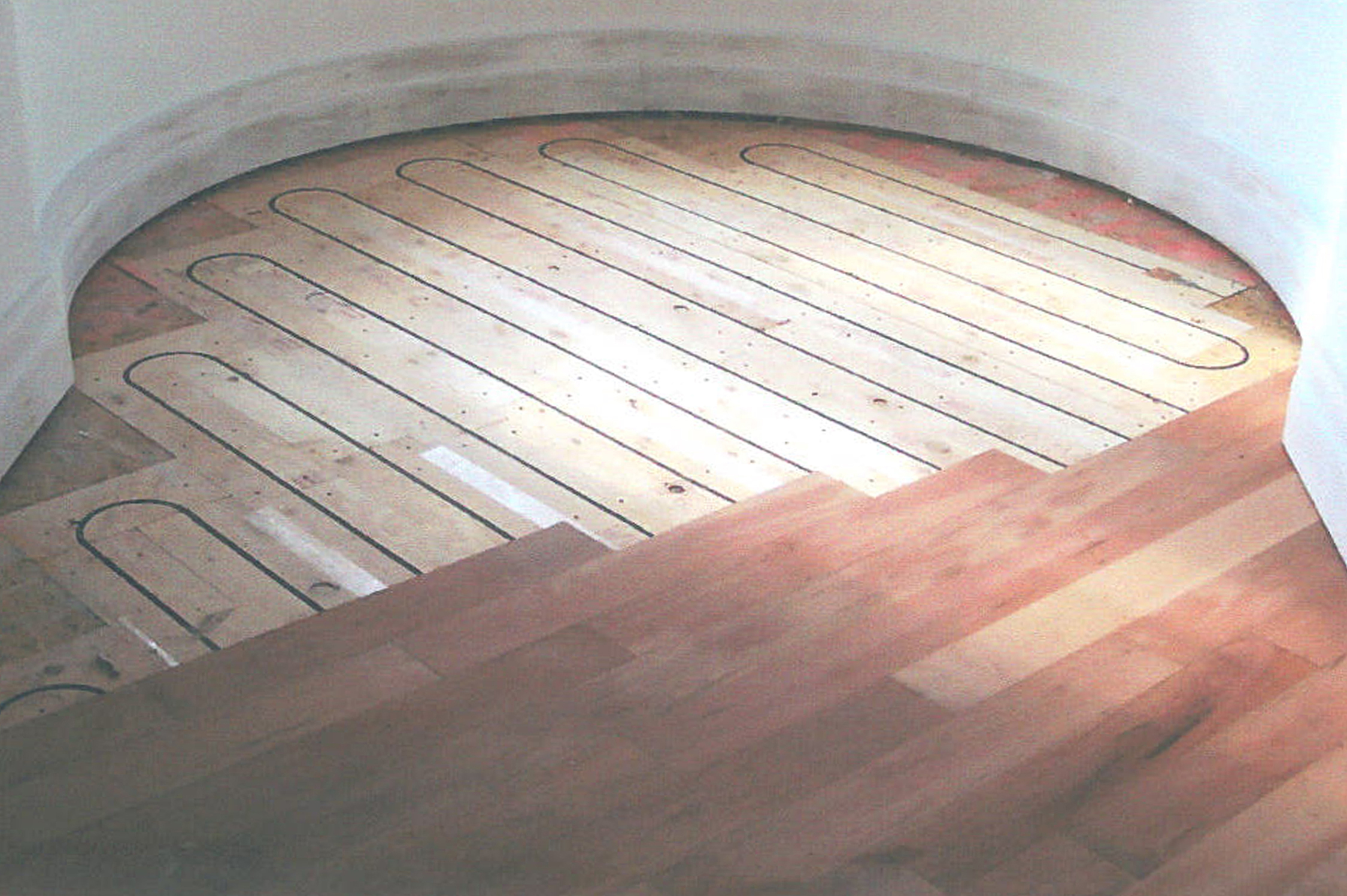
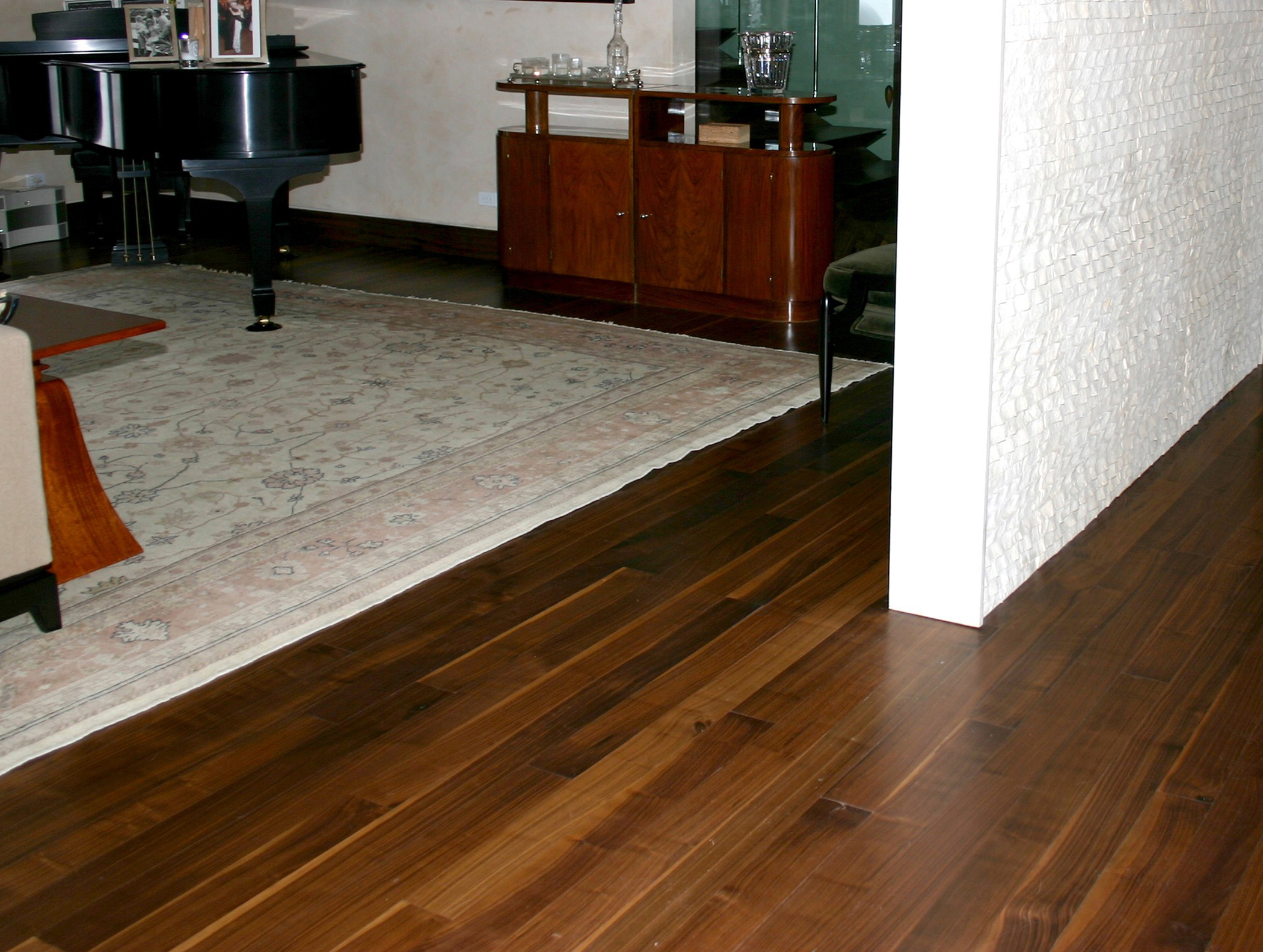
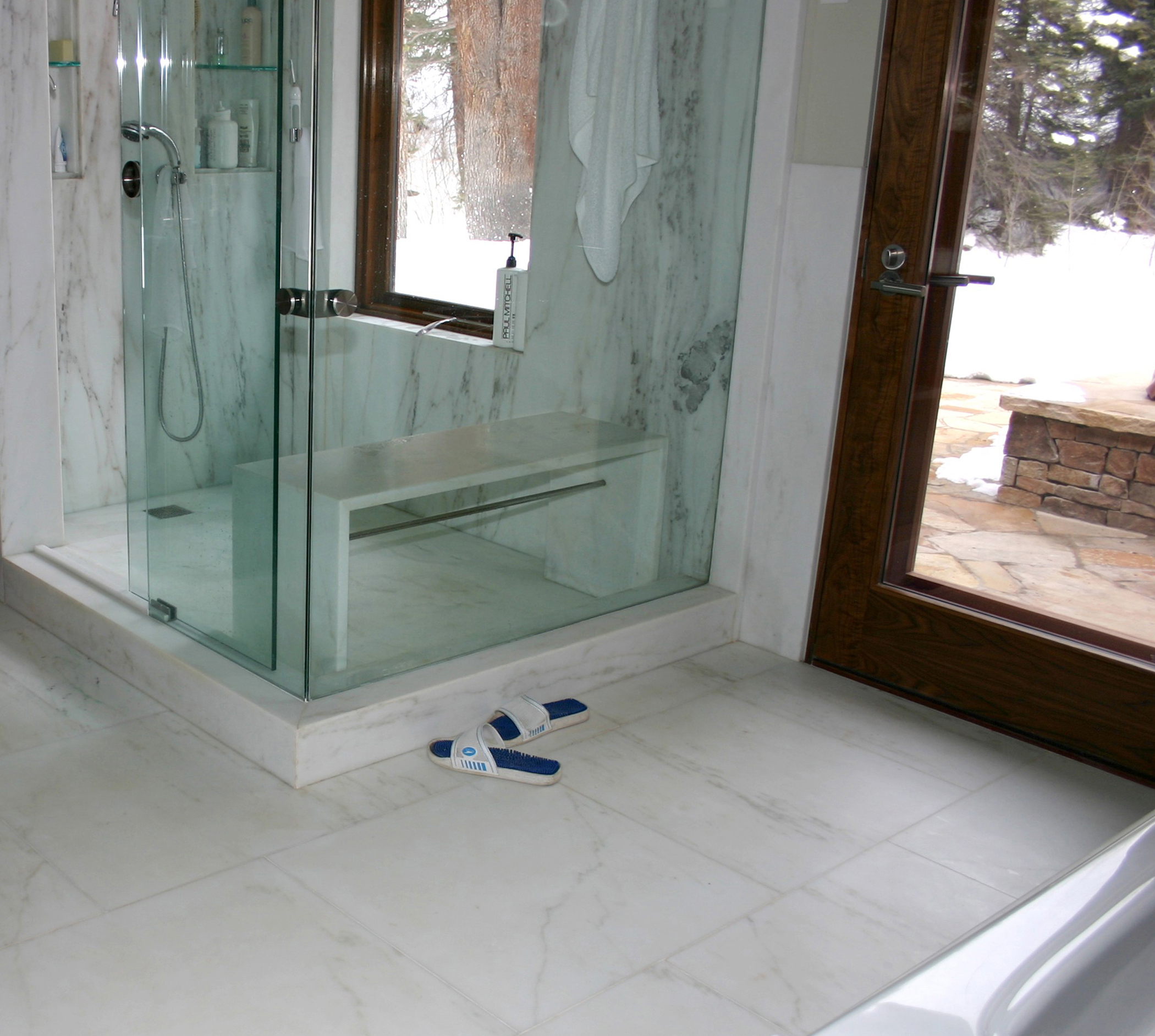
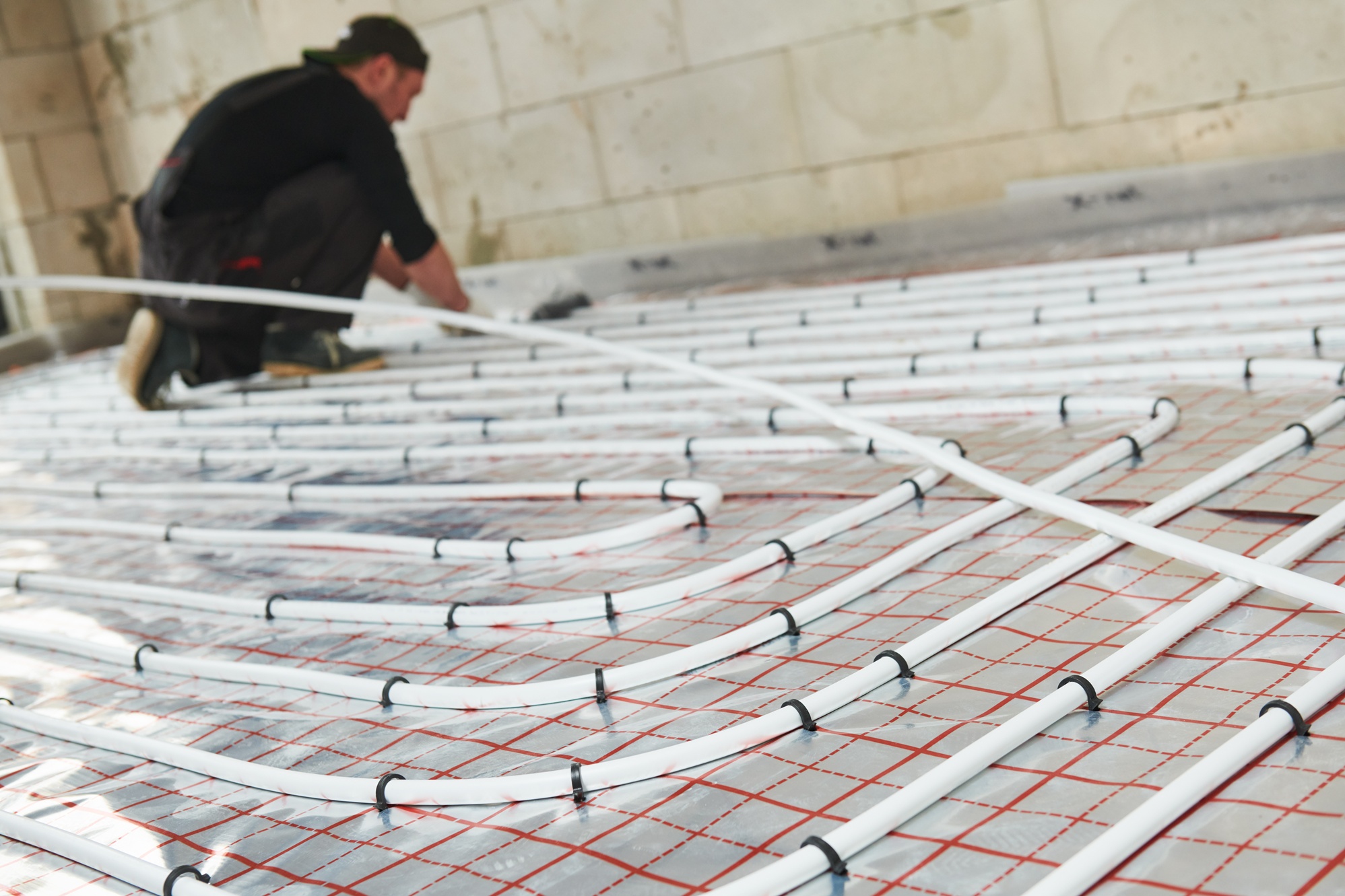
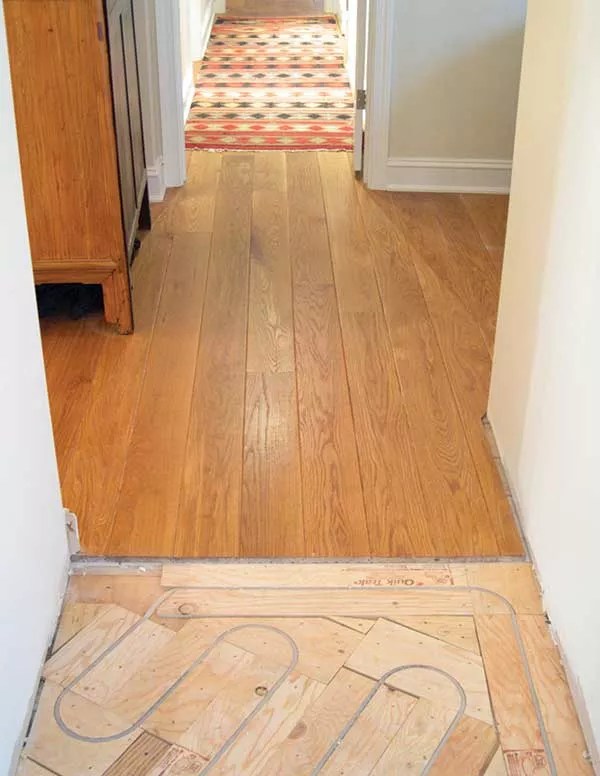
The trend in heating and cooling systems is shifting towards hydronic distribution, particularly in conjunction with geothermal heat pumps (GHPs). While most GHPs have traditionally utilized forced-air distribution, there is a growing focus on water-to-water heat pumps and hydronic systems. These systems offer significant advantages in terms of comfort and energy efficiency, especially when compared to conventional forced-air or high-temperature radiator systems. Radiant in-floor heating, for instance, provides a superior level of comfort and is more energy-efficient than forced-air options.
A key challenge in the past has been the adoption of radiant cooling technology. An early example from 1992 involved a geothermal system in a beachfront home in Florida that used chilled water pipes behind valences, with condensate collected and drained. While ingenious, this system had practical limitations in terms of applicability and potential cost or mess.
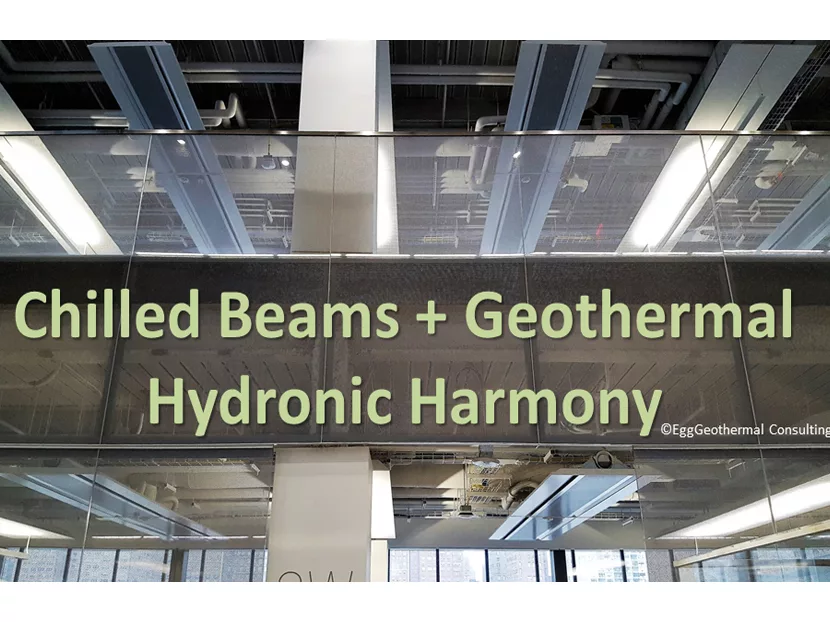
Modern technology has addressed many of the difficulties associated with radiant cooling, such as maintaining chilled water temperatures above the dew point to prevent condensation. Current systems, including chilled-beam and chilled-ceiling setups, employ microprocessor-controlled pumps and injection mixing blocks. These components precisely monitor relative humidity and dew point, ensuring that chilled water lines operate at a temperature that allows for safe and effective radiant cooling.
Ventilation is a crucial consideration in buildings utilizing these systems. Larger structures often incorporate dedicated outdoor air systems, while smaller ones may use exhaust recovery ventilators. It is essential to manage ventilation loads, CO2 concentrations, and relative humidity. Active chilled beams can effectively manage these factors because they are supplied with pre-dehumidified fresh air. Passive chilled beams and chilled ceilings, however, necessitate separate ventilation methods to control humidity.
The benefits of hydronic cooling and heating are multifaceted. These systems offer enhanced energy efficiency, superior comfort, and reduced noise levels. They also require less construction space and can be more cost-effective overall compared to air distribution systems. Radiant systems eliminate drafts, minimize temperature inconsistencies, and operate with significantly lower sound levels (below 20 NC) compared to typical air distribution systems (35-40 NC). While the cooling or compressor load remains generally consistent, hydronic systems drastically cut down on power expended for fan operation, shifting the distribution energy requirement primarily to pumping, leading to notable energy savings.
From a comfort perspective, hydronic cooling provides a silent environment, eliminates drafts, and prevents temperature swings, creating a highly comfortable ambiance in both homes and offices. Professionals interested in learning more about thermal heating and cooling, and its impact on the HVAC industry, can consult organizations like the International Ground Source Heat Pump Association (IGSHPA). IGSHPA offers continuing education courses, including an 'Introduction to Geo Thermal Systems Technology,' which covers HVAC basics, heat transfer, and various geothermal heating and cooling applications, enabling professionals to gain certification in this evolving field.
#GeothermalHVAC #RadiantHeating #RadiantCooling #HydronicSystems #EnergyEfficiency #HVACTechnology #HomeComfort #SustainableDesign #MechanicalEngineering #GeothermalHVAC #RadiantHeating #RadiantCooling #HydronicSystems #EnergyEfficiency #HVACTechnology #HomeComfort #SustainableDesign #MechanicalEngineering
0 comment in total
 No comments yet
You may also like
How Radiant Heat Can Transform Your Home for the Better With Barron Heating, AC, Electrical & Plumbing

Radiant Heating
6 of the best heater ideas to warm up your home this winter


What’s radiant floor heating? How to heat your home from your feet up


Geothermal heat pumps for sustainable living.
Radiant heat can be used indoors or outside
Simple and efficient underfloor heating system

The best floor insulation options for your home, explained
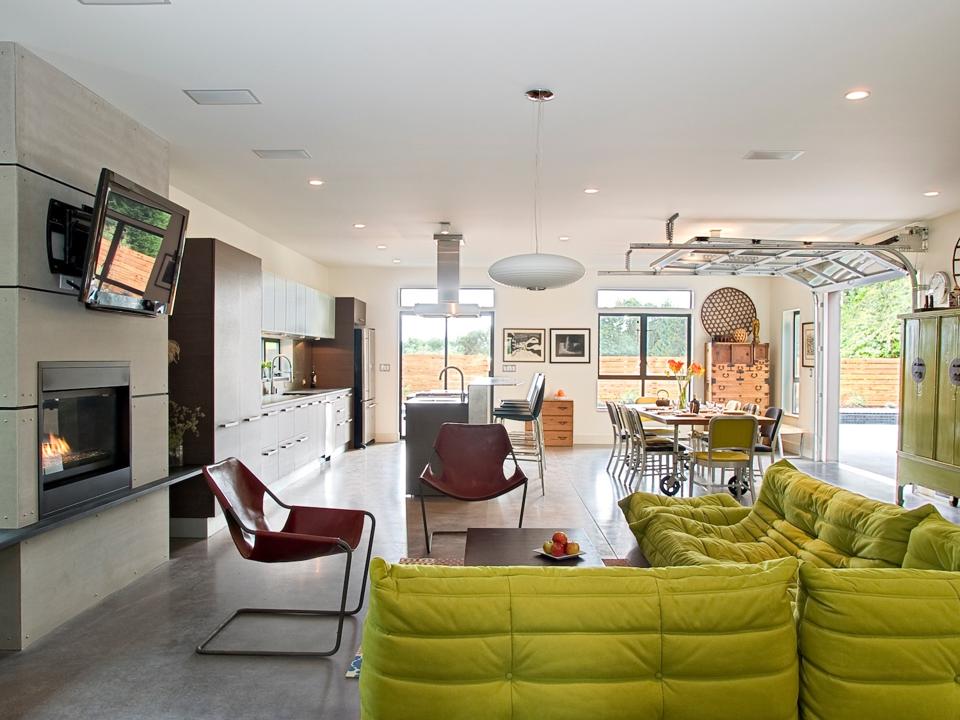
Concrete Floors: The Hot And Cold Of Them

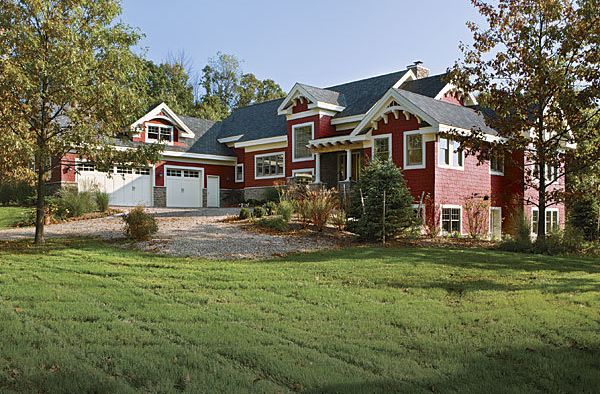
A House with Geothermal Heating and Cooling

Hydronic radiant wall heating, still the greatest trade secret in the U.S.

A Retrofit for the Future

Are Heated Floors Worth It? 2 Real Estate Pros Weigh In
Field-based thermal performance analysis of a cement-stabilized, core-insulated rammed earth house in a cold climate
10 tips for using underfloor heating in a bathroom
The Best Space Heaters for Basements


Why electric underfloor heating is gaining popularity in high-end interiors in 2025

3 reasons I regret not putting underfloor heating in my home office – it’s definitely moving up my priority list
Ways To Heat A Basement Without An Electric Space Heater (And The Pros & Cons To Consider)
Installing Electric Radiant-Floor Heating Will Have You Staying Warm All Winter