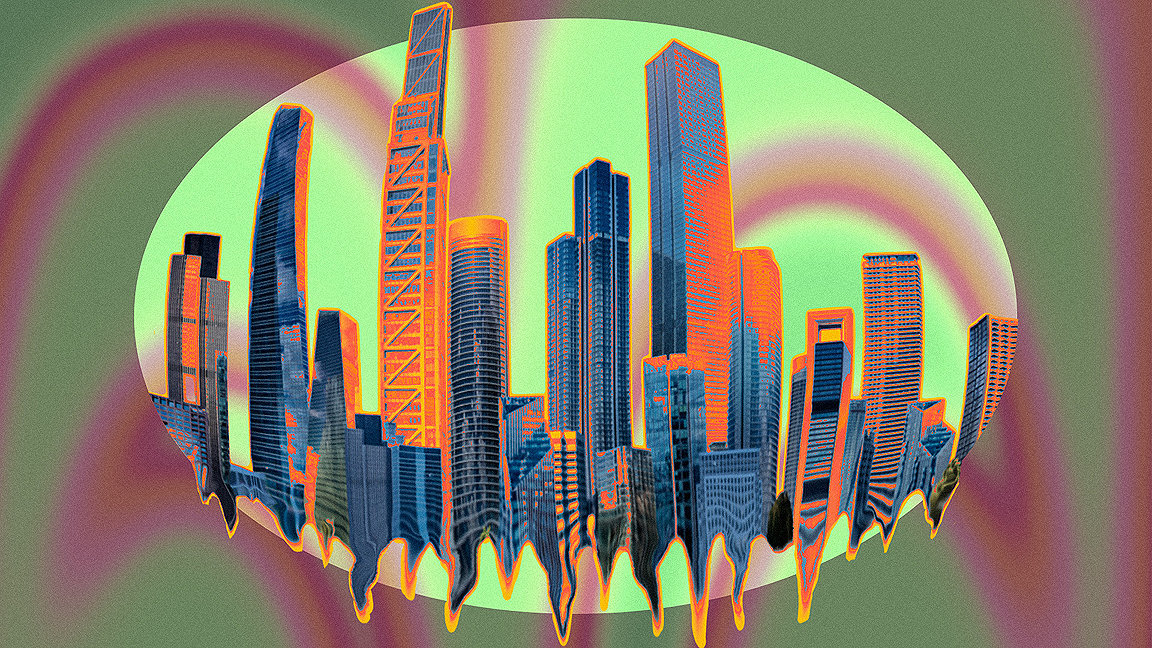
Simmer in the city: how to cool a melting metropolis
Cities worldwide are grappling with the escalating issue of urban heat, a direct consequence of climate change and the urban heat island (UHI) effect. The UHI effect, where urban areas experience significantly higher temperatures than surrounding rural areas due to heat absorption by dark surfaces and infrastructure, poses substantial health risks, contributes to premature deaths, and damages urban infrastructure. With average city temperatures 1-7°F warmer during the day and up to 5°F warmer at night compared to rural counterparts, there's an urgent need for effective cooling solutions to mitigate these impacts.
While air conditioning offers a seemingly straightforward solution, its widespread use exacerbates the problem by expelling hot air into streets, creating a detrimental feedback loop. In cities like Tokyo, over-reliance on air conditioning has contributed to a 3°C rise in average temperatures over the past century. This necessitates the exploration of more sustainable and integrated cooling strategies.
One primary approach involves increasing urban green infrastructure. Planting more trees creates crucial shade, naturally regulating temperatures. A study published in The Lancet demonstrated that increasing tree cover to 30% in 93 European cities could prevent over 2,600 premature deaths linked to excessive urban heat. For residential buildings, retrofitting with green roofs and walls is effective in reducing the UHI effect. Research is underway to test the thermal performance of materials like hempcrete combined with green wall constructions. The need for greenery is particularly acute in lower-income communities, which often have fewer trees and parks, leading to higher heat exposure. For instance, neighborhoods with a majority of people in poverty in the US have 25% less tree canopy.
Penrith City, Australia, exemplifies extreme urban heat challenges. As one of the hottest living environments globally, with temperatures reaching 48.9°C, residents in poorly constructed social housing often resort to makeshift cooling methods. Experts advocate for less conservative planning and building design, drawing lessons from traditionally hot cities that incorporate architectural features like fast-growing vines, breezeways, and courtyards, or interior stacks in high-rise buildings designed to summon breezes.
Beyond vegetation, altering urban surfaces is another key strategy. Campaign groups like the Smart Surfaces Coalition (SSC) advocate for a combination of reflective, porous, and green surfaces, alongside increased tree and solar PV coverage. This integrated approach can achieve significant cooling. For example, while trees can cool a city by 1-2 degrees, combining them with reflective roofs, roads, and parking lots can lead to a 5-7 degree reduction. US cities like Los Angeles and Phoenix are applying reflective coatings to roads, while New York City’s program to resurface dark roofs has led to up to a 30% reduction in air conditioning demand on treated buildings. Baltimore's city-wide smart surface strategy aims to reduce temperatures by 1.7°C across the city and 2.4°C in downtown by 2050. However, the implementation of such projects often faces challenges, including a lack of comprehensive policy support and a focus on lowest-cost surface designs rather than considering climate and health benefits.
Even historically cooler regions are now experiencing extreme heat. In 2003, England recorded 2,193 heat-related deaths in just 10 days due to temperatures reaching 38.5°C, with such heatwaves projected to occur every other year by the 2040s. To address this, building design strategies include considering orientation to reduce solar gain, maximizing daylight, and utilizing manual or automated exterior shading devices. Green façades can reduce cooling loads and local temperatures by up to 10°C, also reducing particulate matter. Improved insulation and adherence to standards like Passivhaus, which limits internal temperatures to 25°C for no more than 10% of the year, are crucial. Projects like EU-funded Ignition in Manchester demonstrate the value of collaborative, nature-based solutions to mitigate UHIs. There is a pressing need for municipalities to recognize urban heat as an immediate problem and implement comprehensive strategies for long-term resilience.
#UrbanHeatIsland #ClimateChange #GreenInfrastructure #SustainableDesign #CoolingSolutions #UrbanPlanning #Retrofit #ResilientCities #SmartSurfaces #UrbanHeatIsland #ClimateChange #GreenInfrastructure #SustainableDesign #CoolingSolutions #UrbanPlanning #Retrofit #ResilientCities #SmartSurfaces
 No comments yet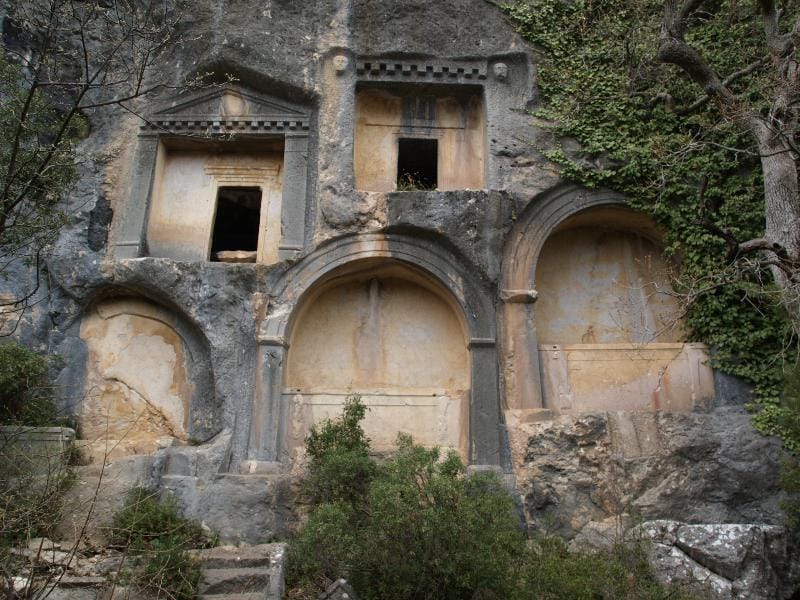
Building with High Thermal Mass in a Hot, Humid Climate
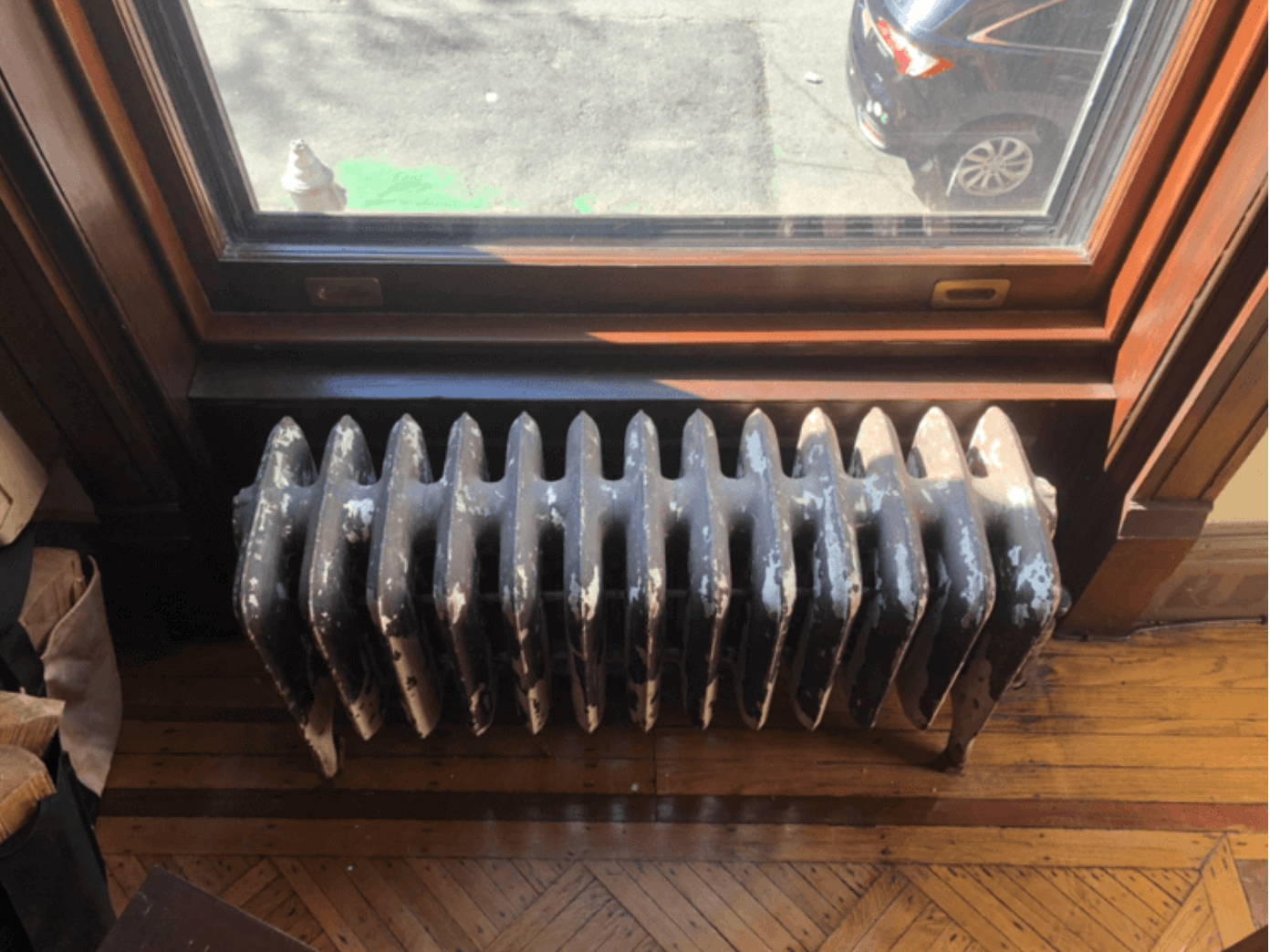
Castrads Helps Solve the Biggest Problem With New York City Radiators

How to keep a top-floor apartment cool in summer

Are your NYC building's radiators too hot in winter? Steam balancing may be the solution

Madrid Nuevo Norte to reduce urban heat island effect | CreaMNN