porous terracotta air conditioning system 'nave' uses water to cool spaces without electricity
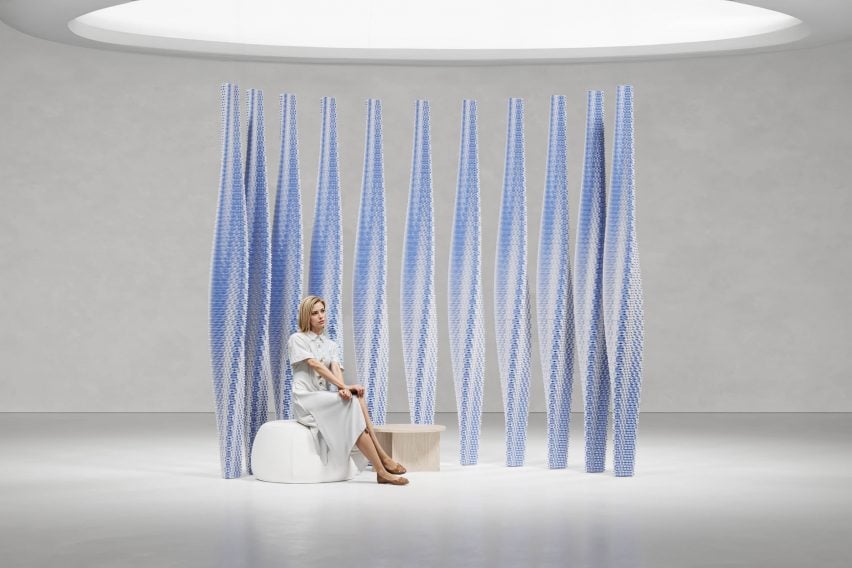
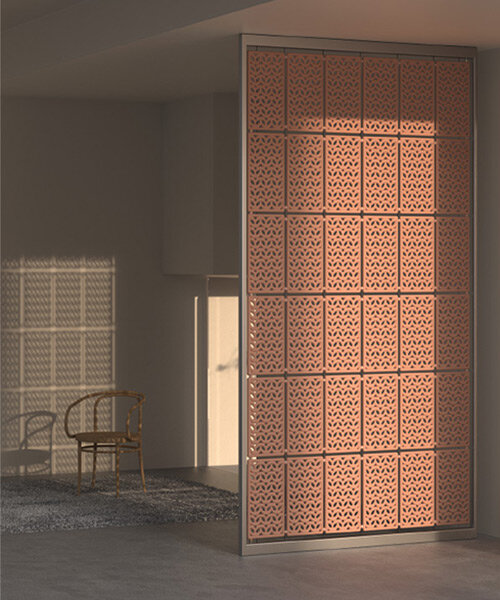
Yael Issacharov's 'Nave' is an ecological air conditioning system that draws inspiration from traditional Palestinian cooling methods and Egyptian architecture, specifically targeting the autonomous cooling of spaces within desert buildings. The system utilizes terracotta tiles combined with a water flow mechanism to provide climate comfort without the need for electricity. Its design is modular and customizable, allowing for integration as free-standing or wall-mounted units in various parts of a home.
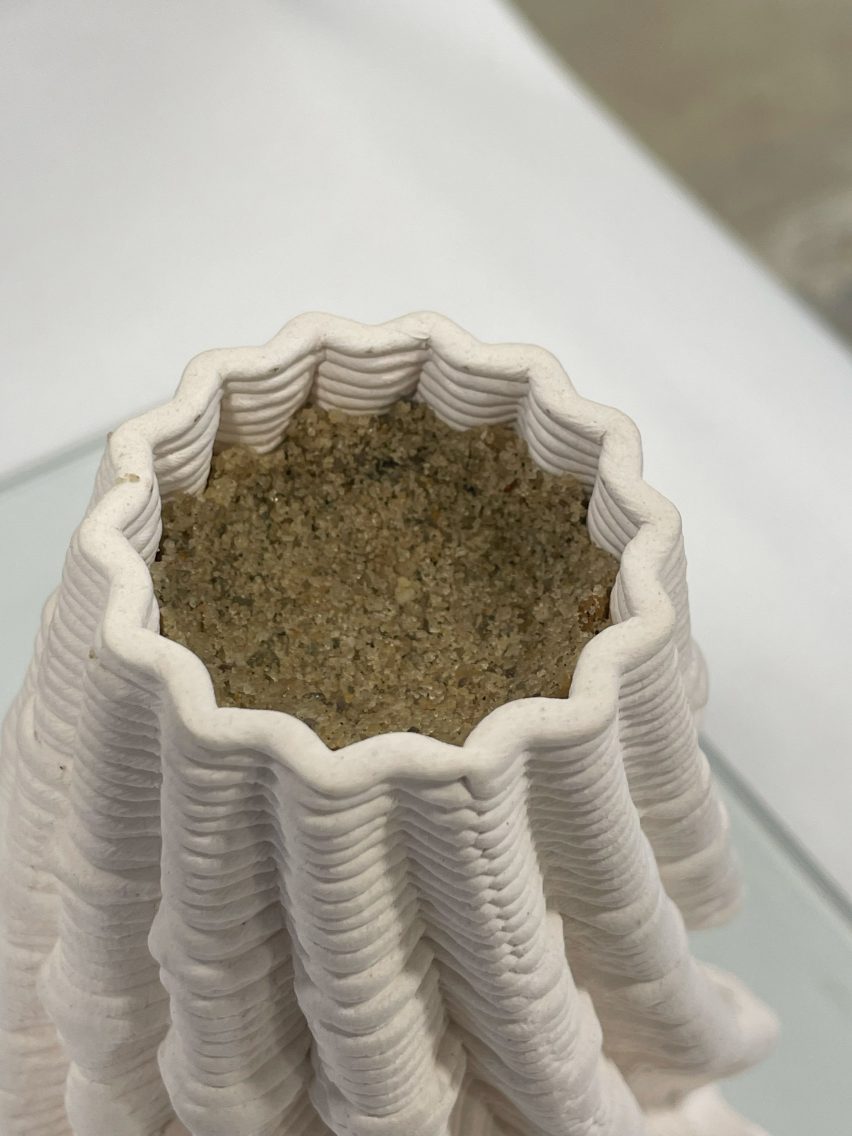
The 'Nave' system operates based on an automatic irrigation process. Water is introduced into its hollow internal structure and then permeates through the porous terracotta walls. As the water evaporates, it absorbs heat from the surrounding air, converting into water vapor. This evaporative cooling process effectively lowers the temperature of the water, the terracotta material itself, and consequently, the air within the room. This passive cooling method eliminates the reliance on electrical components or complex electronics, offering a sustainable alternative to conventional air conditioning.
Minimal user interaction is required for the system, though users retain the ability to pause, turn off, or adjust temperature and humidity presets as needed. The designer's primary objective was to transform building walls from passive elements into active components in climate control. The inspiration for Nave is rooted in the work of Egyptian architect Hassan Fathy, known for integrating traditional building techniques, and the Palestinian Jara, a historical terracotta water container used for cooling drinking water and spaces when suspended from the ceiling.
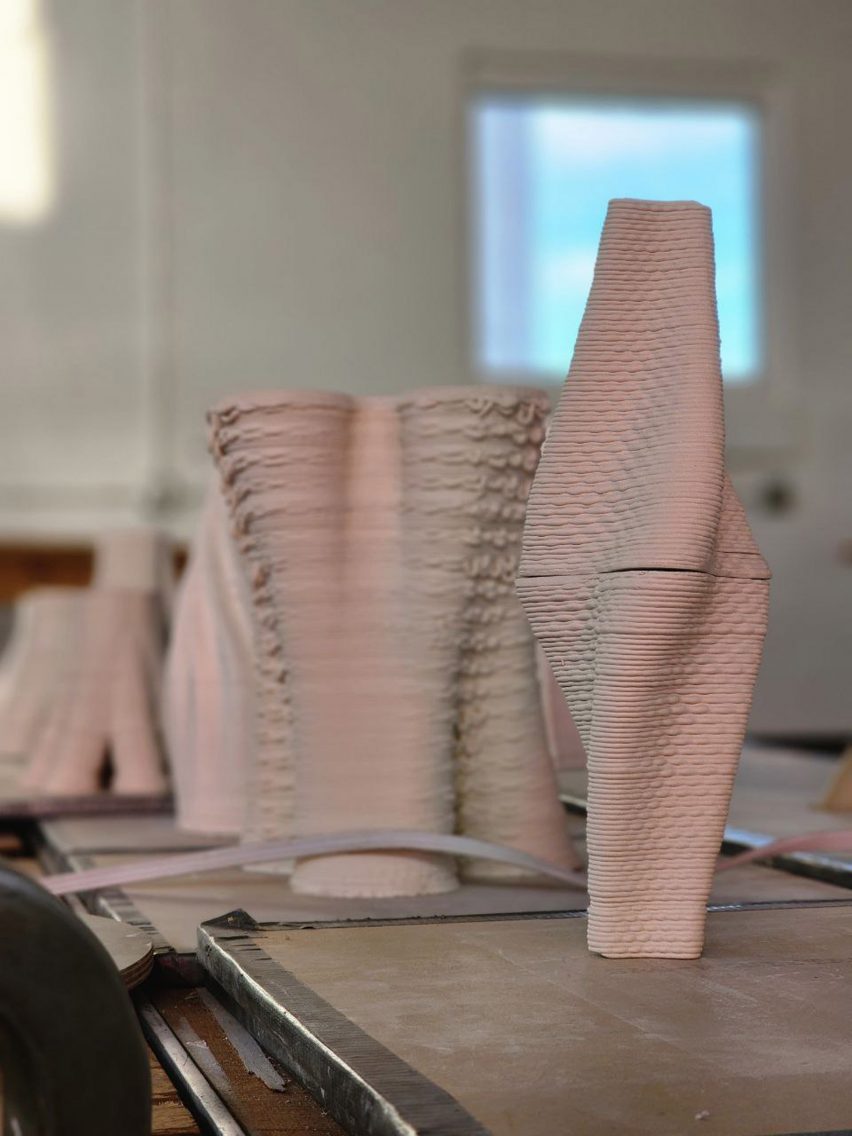
Emphasizing sustainability and adaptability, Nave seamlessly integrates into various interior settings. Its design features intricate grid patterns that acknowledge its Arabic heritage, adding an aesthetic dimension to its functionality. The system is available in three configurations: wall tiles, partitions, and a vertical heat sink known as a totem. All variants are designed to minimize energy and water consumption, aligning with environmentally conscious building practices. The ceramic components are crafted from local terracotta using plaster molds through slip casting. A specialized formula manages the irrigation process, ensuring optimal temperature, water usage, and humidity control while also preventing mold formation. Flexible joints within the system are produced from injection-molded recycled rubber. The mounting infrastructure for Nave is based on established construction industry solutions, aiming to facilitate its adoption by architects, contractors, and builders who can leverage familiar assembly methods and tools. This approach encourages the selection of this sustainable cooling solution over less environmentally friendly alternatives.
#SustainableDesign #TerracottaCooling #EvaporativeCooling #PassiveCooling #GreenArchitecture #DesertArchitecture #WaterBasedCooling #ModularDesign #EcologicalDesign #SustainableDesign #TerracottaCooling #EvaporativeCooling #PassiveCooling #GreenArchitecture #DesertArchitecture #WaterBasedCooling #ModularDesign #EcologicalDesign
0 comment in total
 No comments yet
You may also like
"Ancient cooling techniques" integrated into 3D-printed partitions

This Central Heat Pump Water Heater In Chicago Was One Of The First To Be Installed In A Cold Climate
How to keep a top-floor apartment cool in summer


Magnetic Air Conditioners: A High Tech Way Of Keeping Cool
The Most Reliable Water Heaters You Can Buy, According to Testing

The 4 simple tricks that stopped condensation from forming on my bedroom windows – I no longer have to wipe my windows down every morning

Air-to-Water Heat Pump Experience
Best plants for condensation and damp – 7 moisture-absorbing plants that control humidity

14 Easy Ways to Increase Humidity in a Dry House

Radiant Floors and Ceilings Make Geothermal Even Better
We Vetted The 8 Best Electric Tankless Water Heaters to Save Space and Cut Costs

Podcast 469: Blue Goo on Framing, Painting Open Soffits, and Whole-House Dehumidifiers


A House with Geothermal Heating and Cooling
Beat the heat: 7 DIY natural ways to summer-proof your house | Lifestyle News

Improving Cooling Capacity of Condensation-Free Radiant Cooling for Low-Emissivity Chilled Ceiling via Adaptive Double-Skin Infrared Membranes
Radiant heat can be used indoors or outside
The 9 Best Water Heaters for Efficiency and Performance
Prefab Pods Create a Super-Efficient Floating Apartment That Shape-Shifts at Sea

The Best Tankless Gas Water Heaters for Your Home
Radiant heating can add a blanket of comfort, as well as long-term savings for the home