A House with Geothermal Heating and Cooling
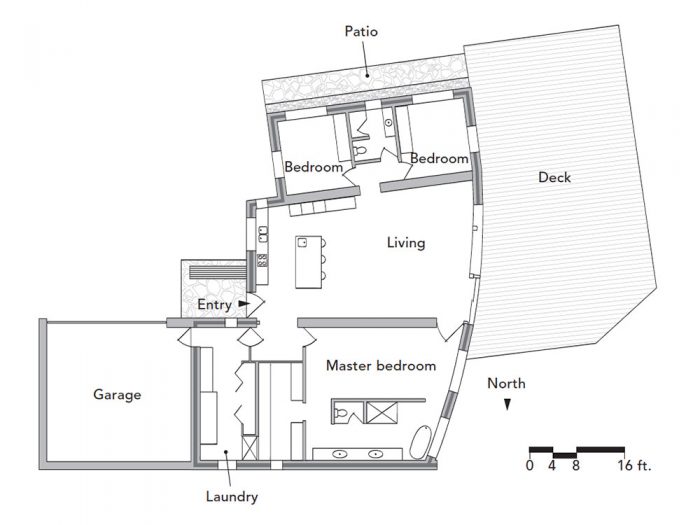
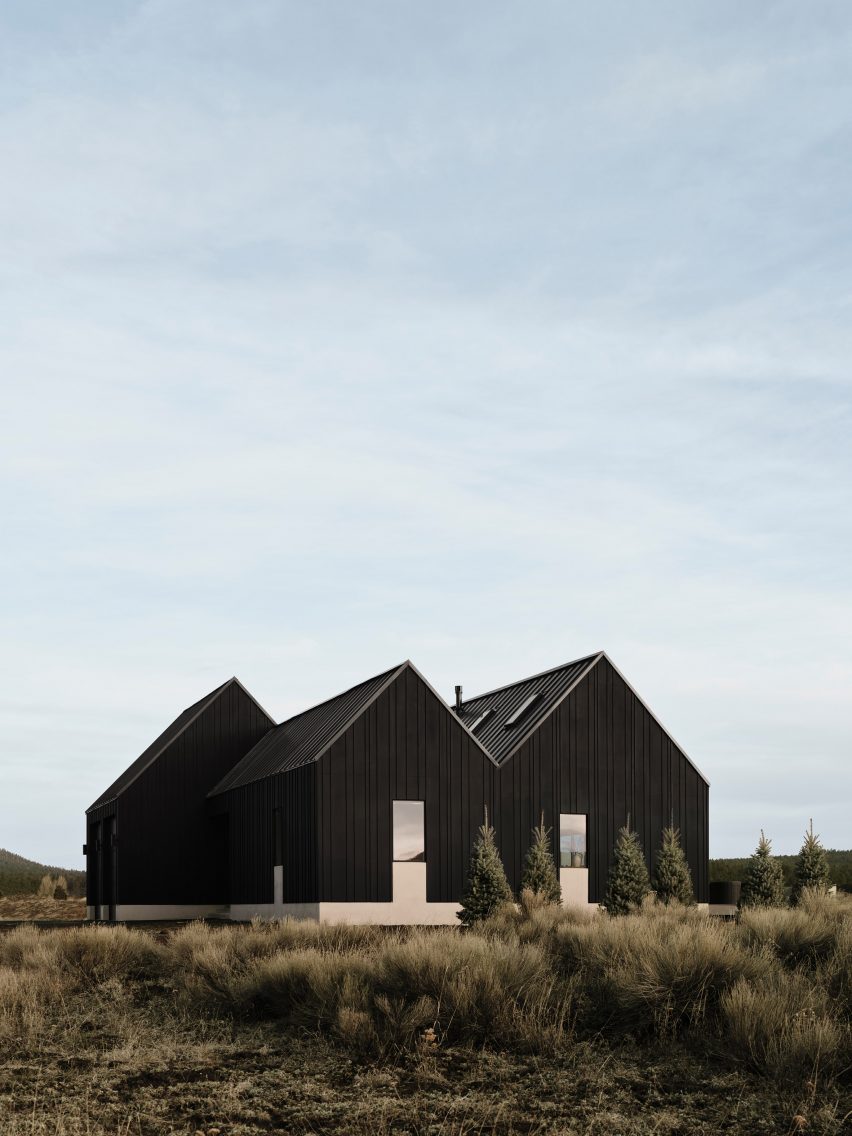
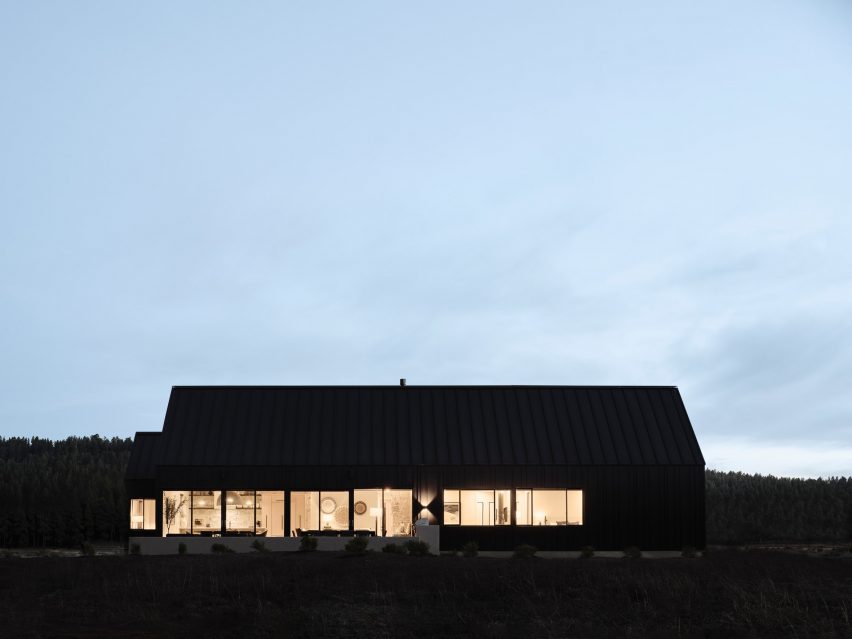
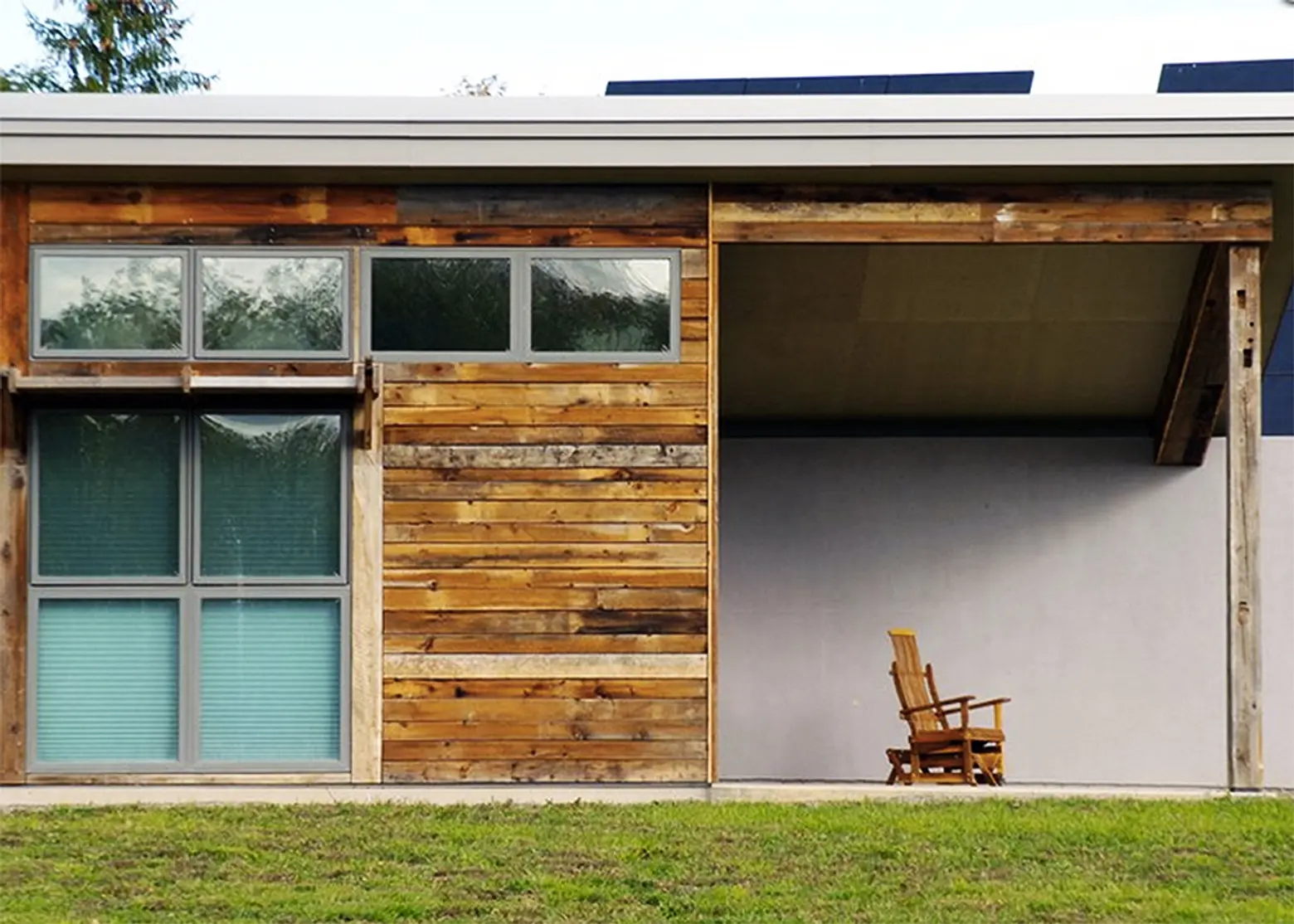
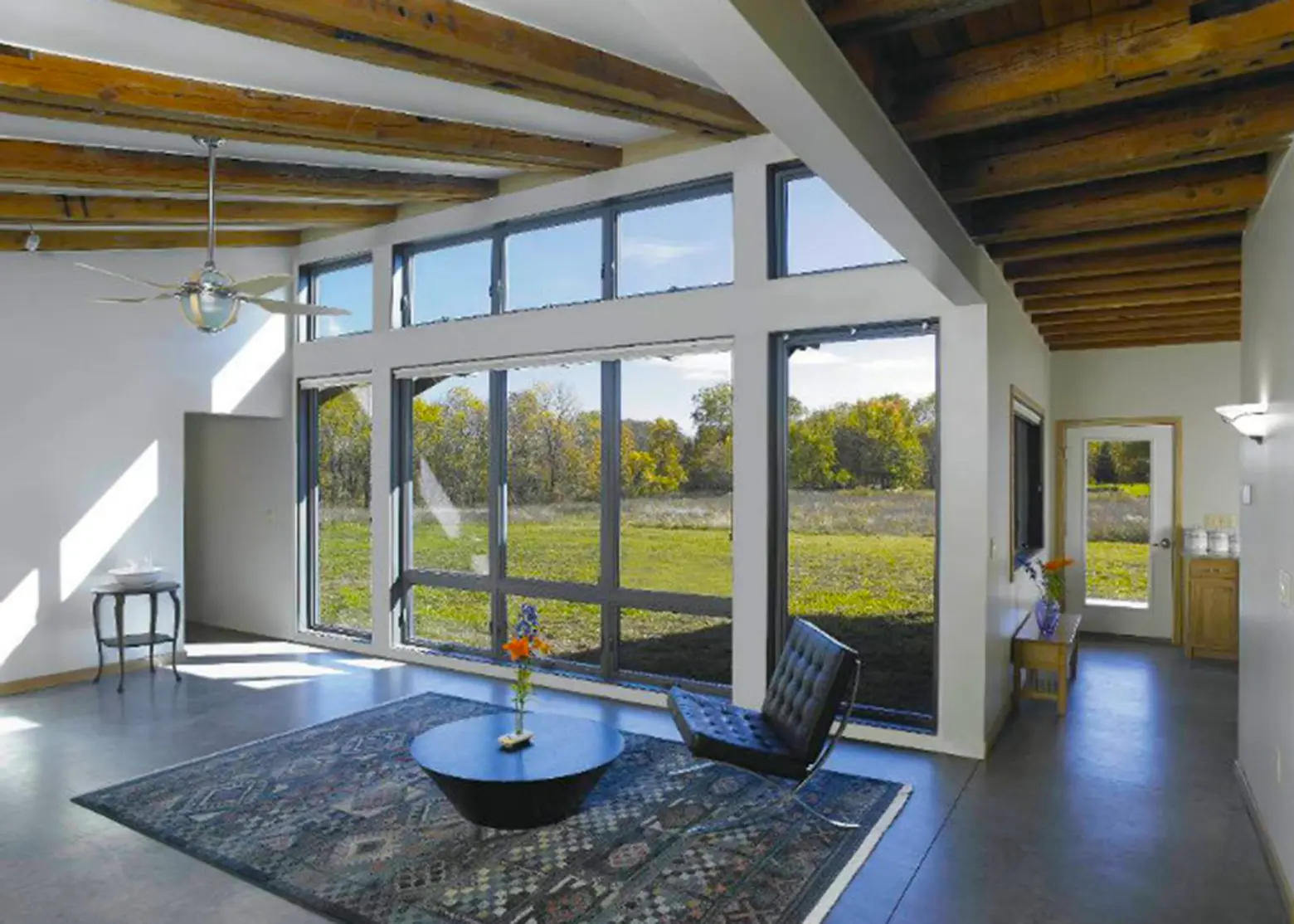
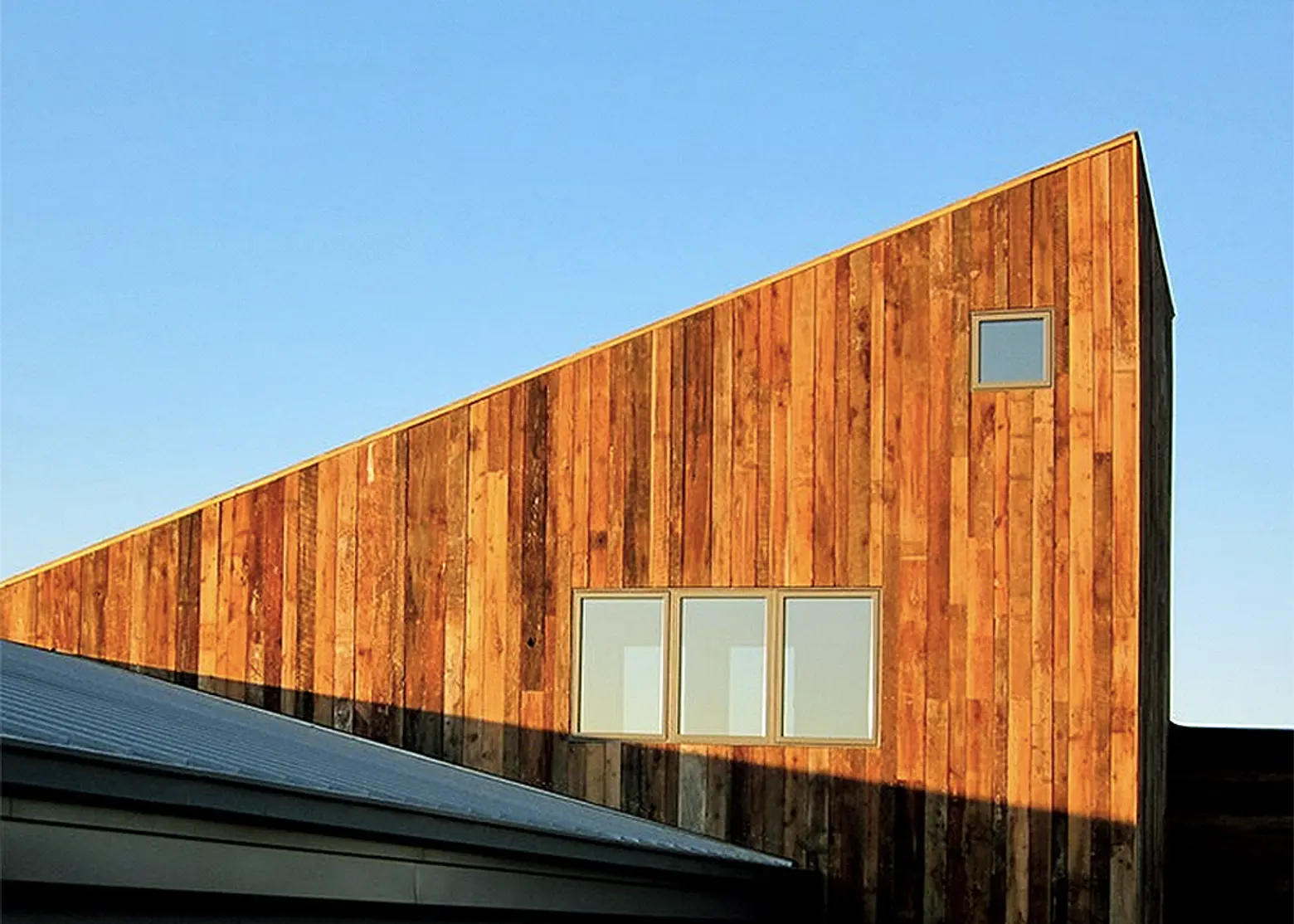
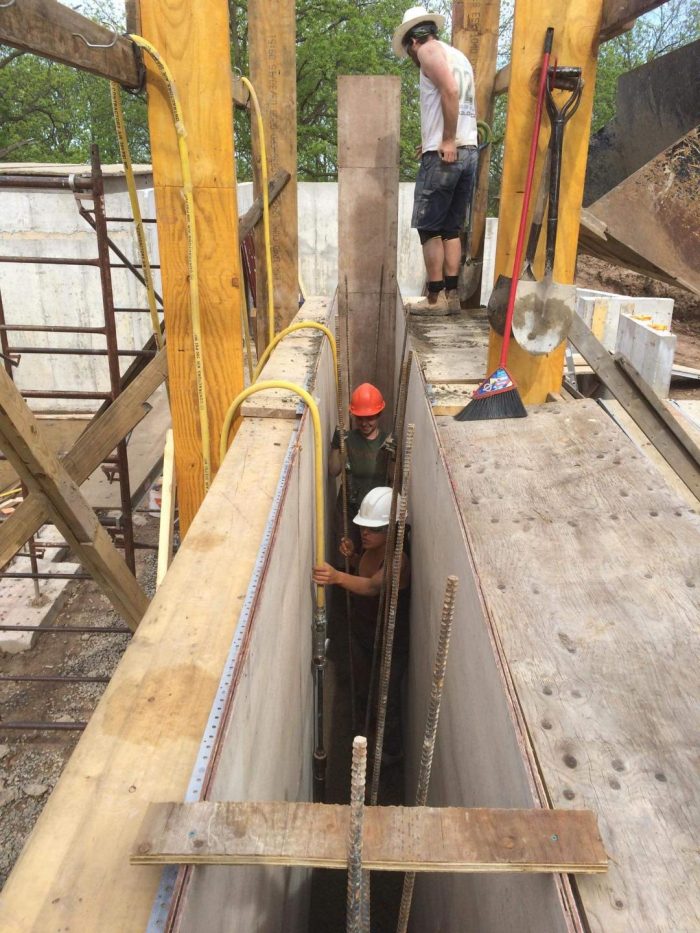
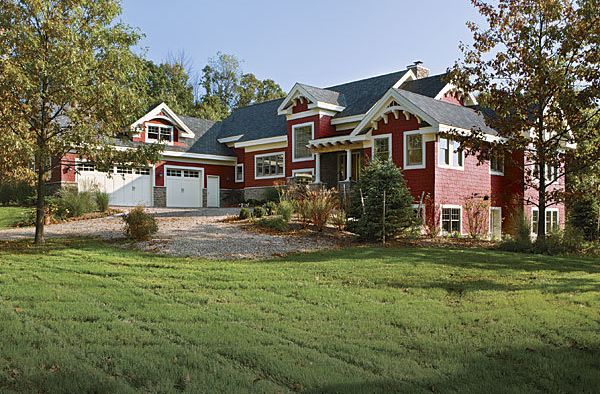
This article details the construction and performance of a highly energy-efficient home built by Bob Burnside, president of Fireside Home Construction in Dexter, Michigan. Burnside, in partnership with Riverbend Timberframe, designed a residence that integrates traditional timber-frame construction with advanced insulation and energy systems. The house, built in 2007, achieved several high-level certifications, including the first LEED Platinum designation in Michigan, a 5-star rating under the Energy Star program, gold level in the Michigan Green Built program, and a gold winner in the National Association of Homebuilders' 2008 Energy Value Housing Awards. Its HERS rating of 37 signifies exceptional energy performance, especially when compared to a standard home with a HERS rating of 100.
The core of the home's efficiency lies in its tightly insulated envelope, which includes an insulated foundation and walls and roofs constructed with structural insulated panels (SIPs). This tight sealing helps maintain stable indoor temperatures despite external fluctuations ranging from 10°F in winter to over 90°F in summer. An anecdote from Burnside highlights this, recalling a 16-hour power outage in 5°F weather where the indoor temperature only dropped from 71°F to 66°F, demonstrating the effectiveness of the insulation.
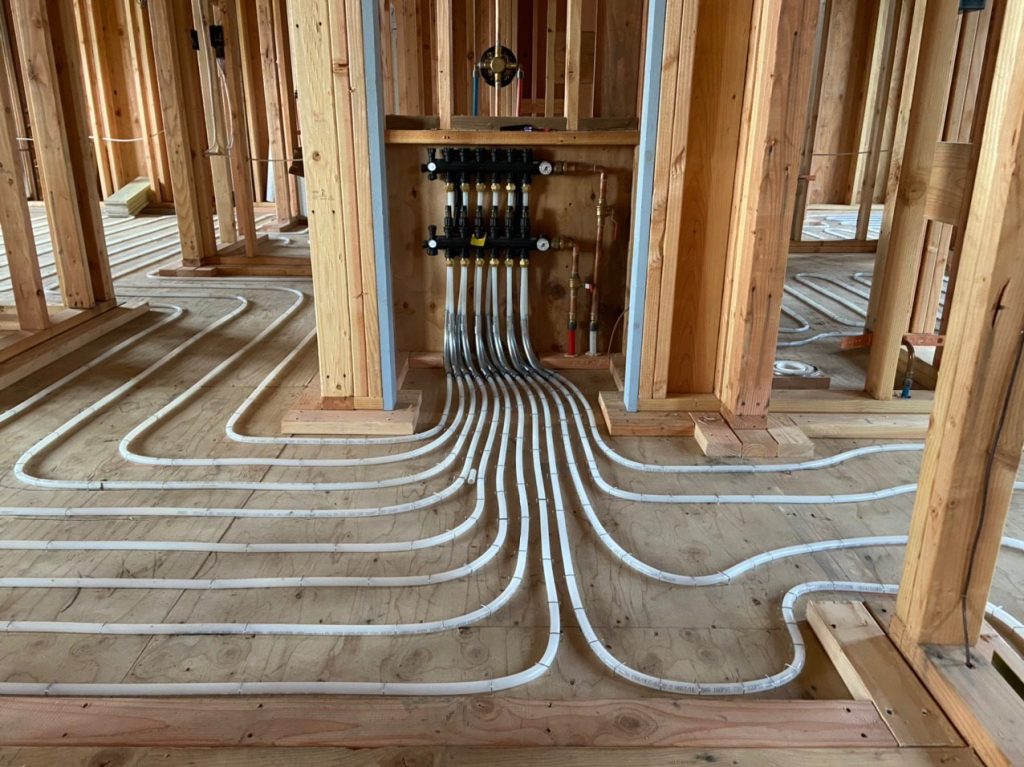
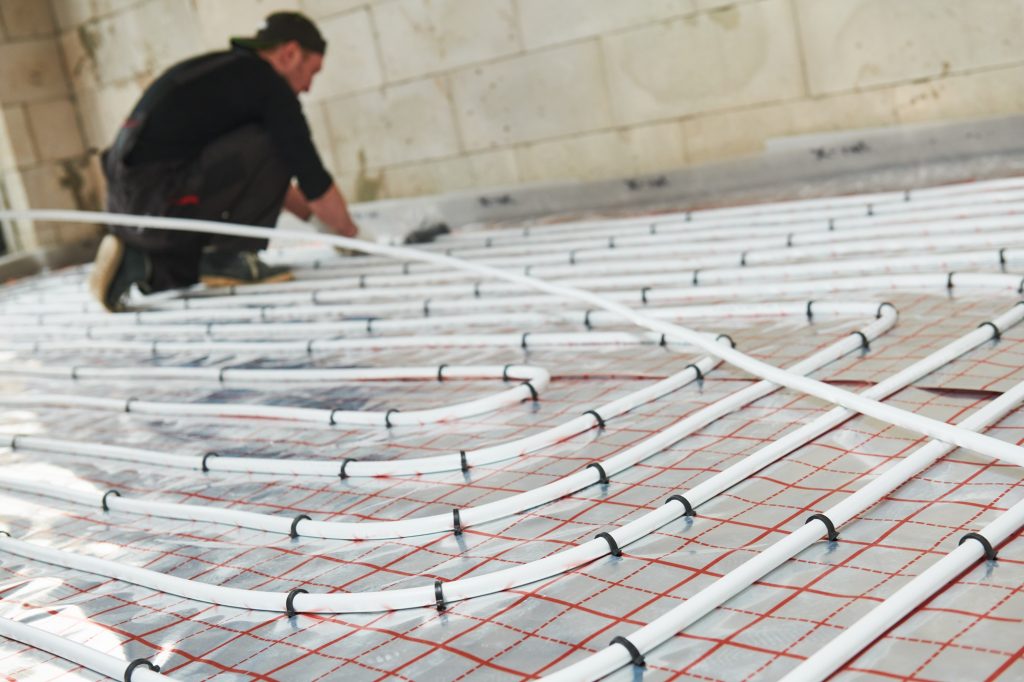
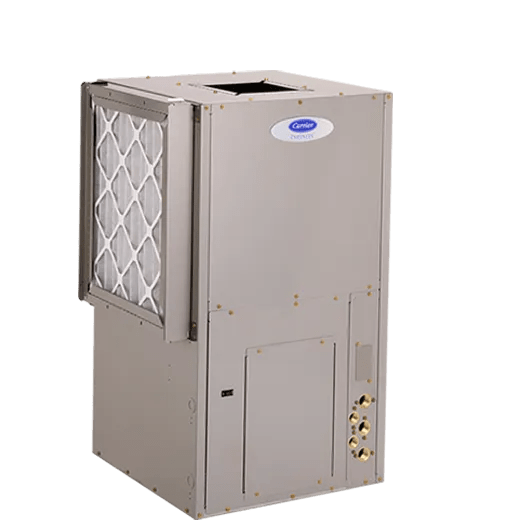
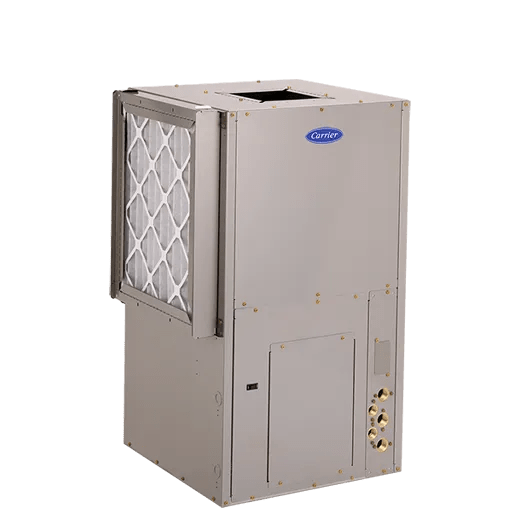
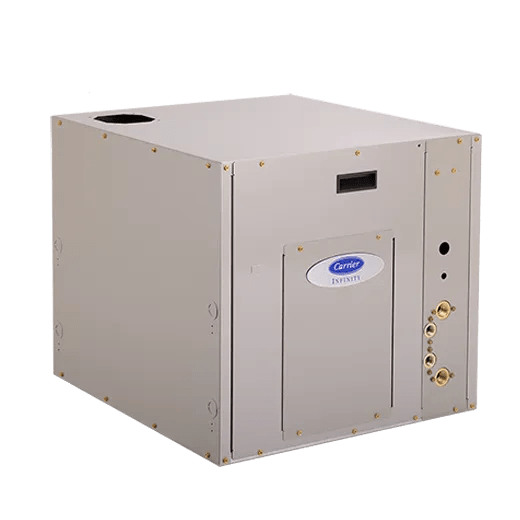
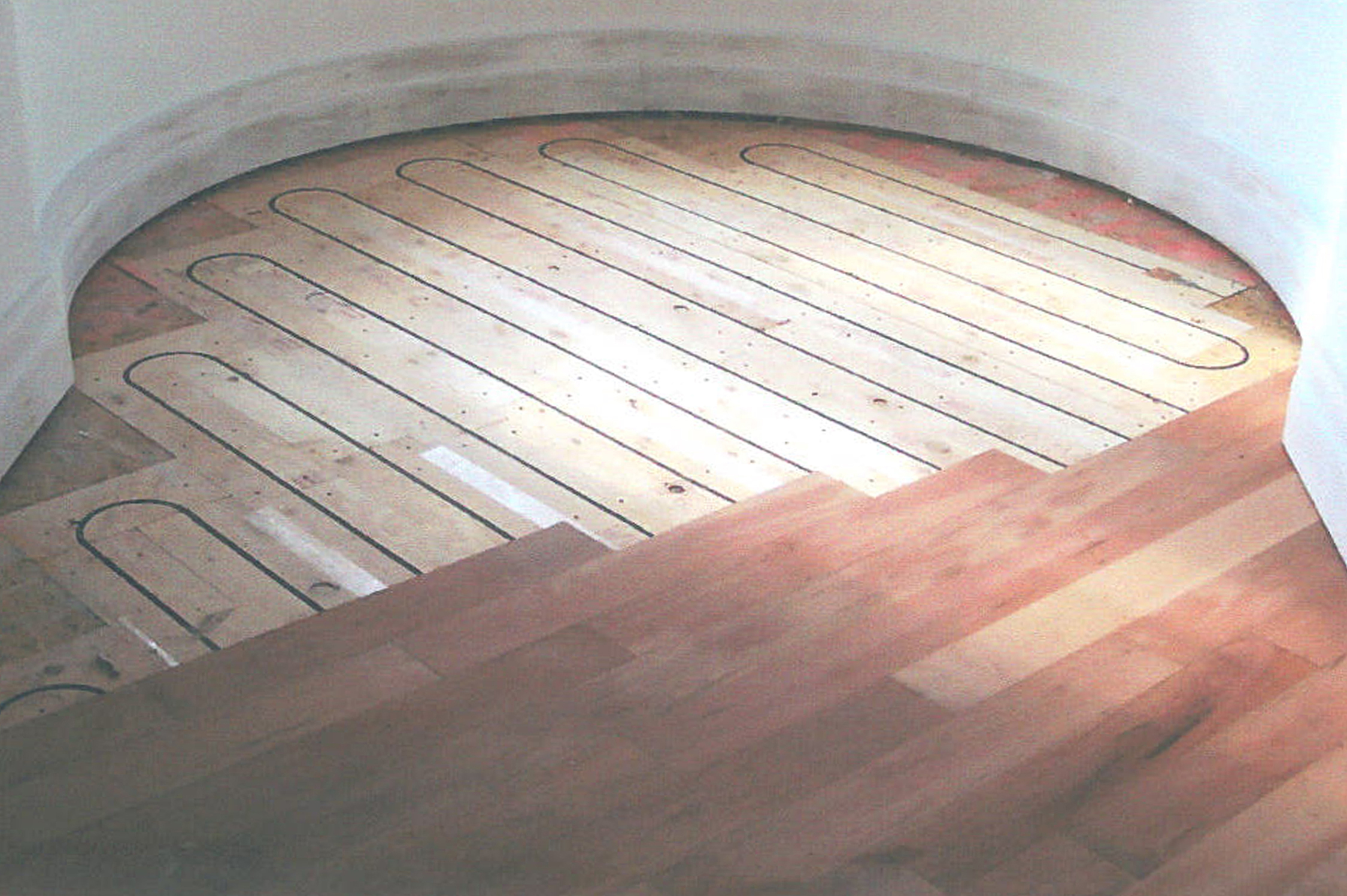
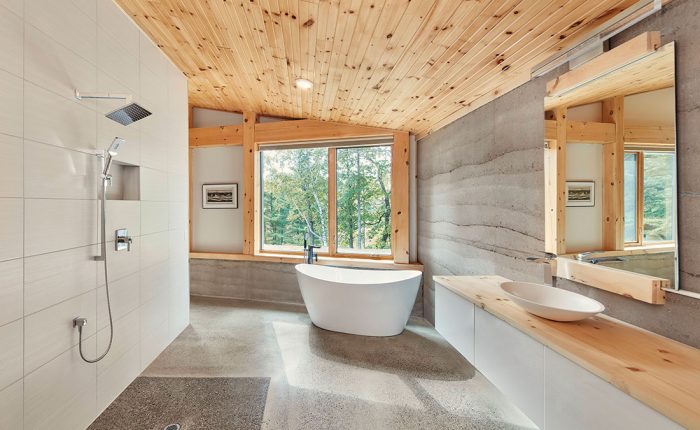
Key to the home's energy systems is a geothermal heating and cooling system, which provides forced air to the two main levels and radiant-floor heat to the master bath, garage, and lower-level office. This system is complemented by a 2kW photovoltaic (PV) system that contributes to the home’s electrical load. The combination results in significantly reduced energy costs, with electric bills averaging about $70 per month, often offset by utility credits from the PV system. The total annual cost for heating, cooling, and hot water is approximately $660, leading Burnside to strongly advocate for geothermal technology as the most efficient way to regulate indoor temperatures.
Geothermal systems operate by leveraging the constant temperature of the earth below ground. In winter, fluid circulating through underground tubes absorbs heat from the warmer earth, which is then extracted by a heat pump and distributed throughout the house. In summer, the process is reversed, with the heat pump extracting heat from the house and releasing it underground. Many such systems, including Burnside's, also utilize a desuperheater to produce domestic hot water from the excess heat.
The article also touches on the applicability of geothermal technology beyond new construction, noting that retrofits account for about 70% of installations by Michigan Energy Services. These retrofits typically cost between $18,000 and $30,000 and are easiest to integrate with existing forced-air systems. While suitable for radiant-floor heating, geothermal systems generally do not produce water hot enough for hydronic baseboard systems, often necessitating the addition of forced-air ductwork for such applications. Financial incentives, such as federal tax credits and discounted electric rates from utilities, further enhance the appeal of geothermal systems, making them a cost-effective and environmentally friendly choice for home energy management.
#GeothermalHeatingCooling #EnergyEfficiency #LEEDPlatinum #SustainableBuilding #StructuralInsulatedPanels #PhotovoltaicSystem #GreenBuilding #HomeConstruction #InsulatedEnvelope #GeothermalHeatingCooling #EnergyEfficiency #LEEDPlatinum #SustainableBuilding #StructuralInsulatedPanels #PhotovoltaicSystem #GreenBuilding #HomeConstruction #InsulatedEnvelope
0 comment in total
 No comments yet
You may also like
How Radiant Heat Can Transform Your Home for the Better With Barron Heating, AC, Electrical & Plumbing

Radiant heat can be used indoors or outside
Volcanic terrain informs design of Noir Peaks house by The Ranch Mine
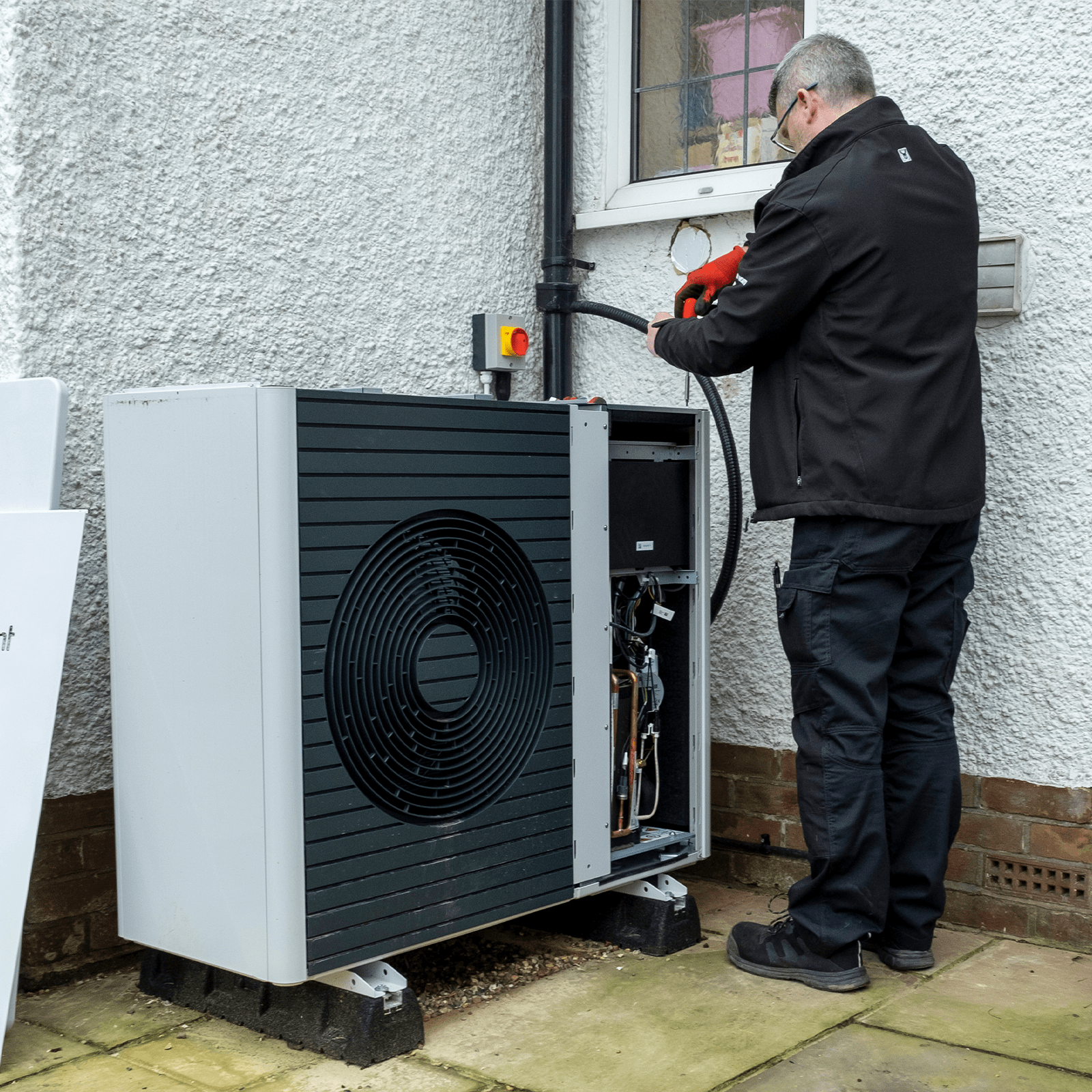
3 Eco-Friendly Heating Systems for Your Home in 2024

6 of the best heater ideas to warm up your home this winter

Eco-friendly guesthouse sports a green roof and rammed earth walls
Radiant heating can add a blanket of comfort, as well as long-term savings for the home
How to hide a heat pump - 4 ways to conceal your exterior unit without compromising on efficiency or functionality
Arc House
Surgeon Tom Dougherty renovates a Centreville home into a comfortable country retreat
BARNagain is Built From Recycled Old Barns

How They Pulled It Off: A Hot Tub Built Into a Boulder

Radiant Floors and Ceilings Make Geothermal Even Better
Rammed Earth: Creating a 500-Year House
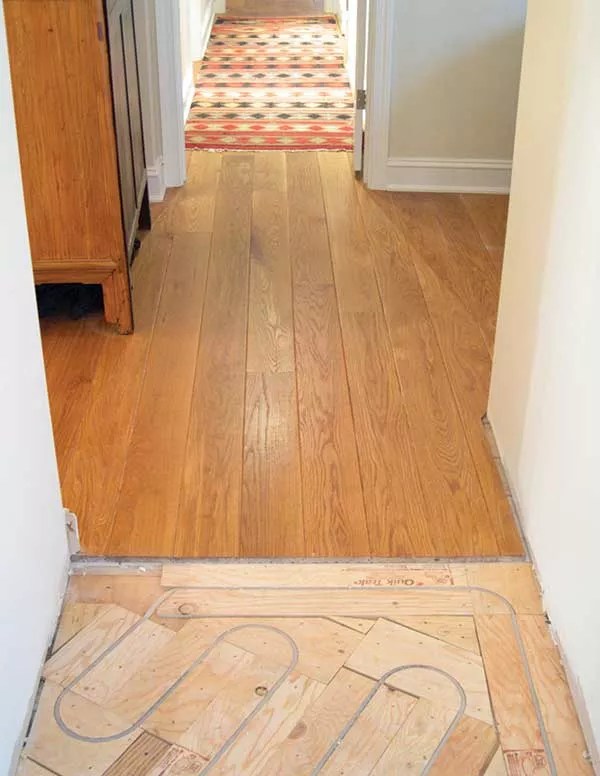
Radiant Heating
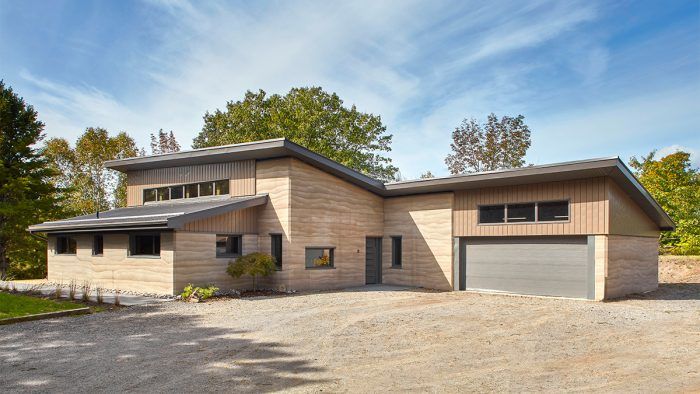
Rammed Earth Construction

Geothermal heat pumps for sustainable living.
Ochre-toned Jaisalmer stone stands out in this climate-responsive home in Bengaluru


Here’s What to Do With the Radiators When You Renovate a Brownstone or Townhouse
A Warm Holiday Home Starts with Natural Stone