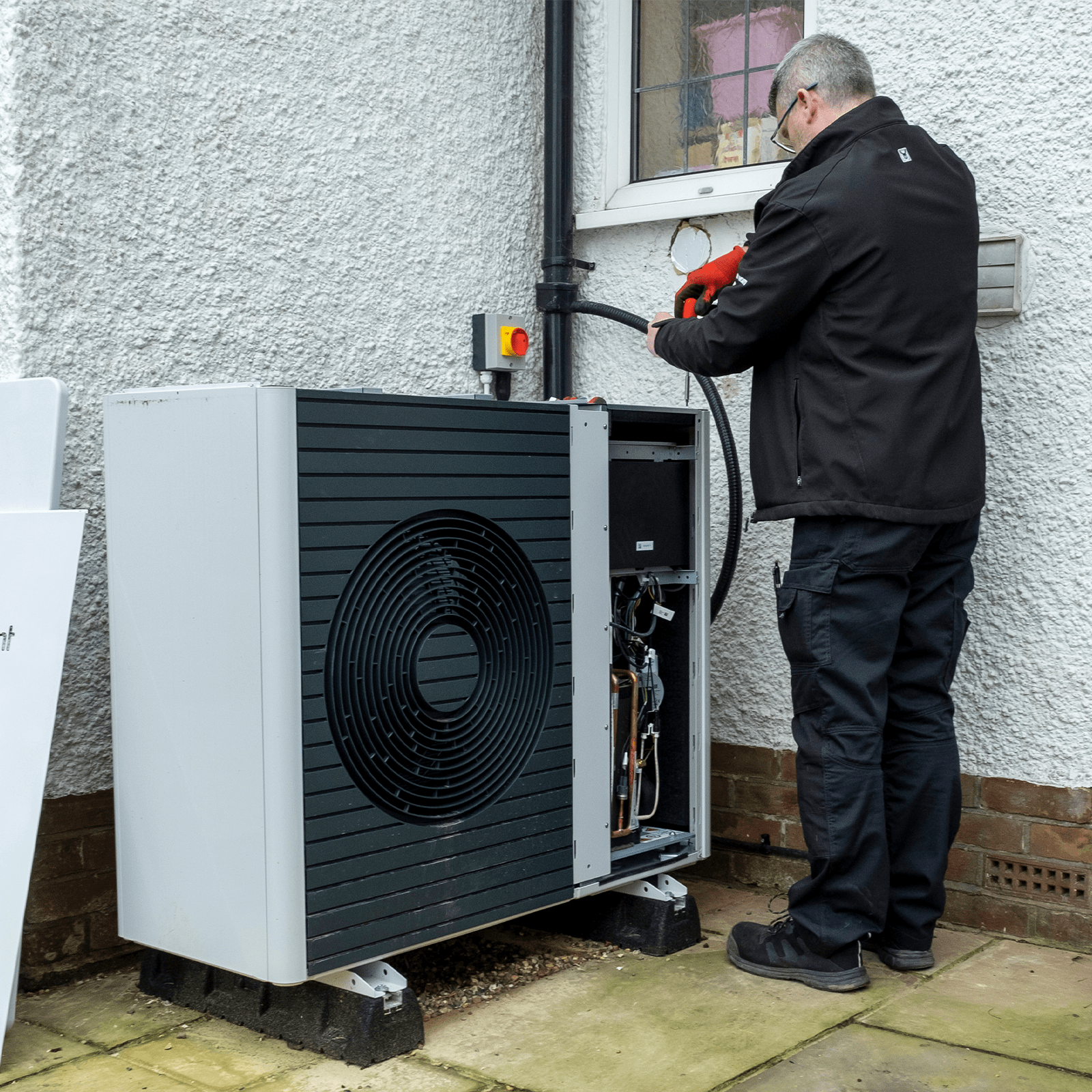
3 Eco-Friendly Heating Systems for Your Home in 2024
The transition to eco-friendly home heating systems is becoming increasingly crucial in the effort to reduce greenhouse gas emissions and improve indoor air quality. Traditional gas-burning furnaces, once considered economical, are now recognized as less sustainable compared to modern electric alternatives. Panama Bartholomy, executive director of the Building Decarbonization Coalition, emphasizes that electric heat pump systems are the only truly eco-friendly heating solution. These systems are significantly more efficient, often up to five times more so than conventional furnaces, and contribute to a healthier home environment by avoiding fuel combustion and associated air pollution. The long-term vision for these electric systems is supported by the potential for grids to be powered entirely by carbon-free energy sources in the future.
Several eco-friendly heating options are available, with financial incentives like tax credits and rebates from the Inflation Reduction Act (IRA) helping to offset installation costs. Air-source heat pumps function similarly to air conditioners but operate in reverse to provide both heating and cooling. They come in various forms, including packaged units (window and portable), ductless and ducted mini-splits, and ducted central systems. While smaller units are relatively inexpensive and can be DIY-installed, full HVAC systems can range from $3,000 to $18,000, depending on factors like electrical and ductwork upgrades, home size, heating capacity requirements, and local climate. These systems typically have a lifespan of about 14 years. When selecting an air-source heat pump, it's advisable to look for high efficiency ratings, such as an HSPF of 10.5, a SEER of 20 or higher, and a COP of 3 or better. In colder climates, it's crucial to ensure the installer is familiar with cold-climate air-source heat pump lists and can recommend models effective down to -5 degrees Fahrenheit or lower. Sara Baldwin, director of electrification policy at Energy Innovation, suggests opting for a heat pump instead of a standalone air conditioner to maximize efficiency and accelerate the shift away from fossil fuels. The IRA offers a $2,000 tax credit for heat pumps, along with additional incentives for electrical upgrades and new rebates for low-to-moderate income households.
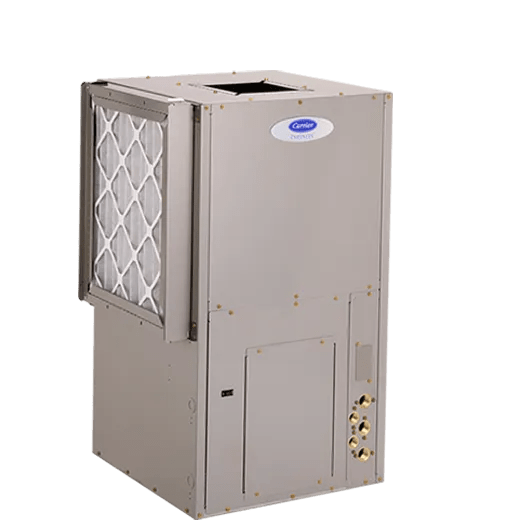
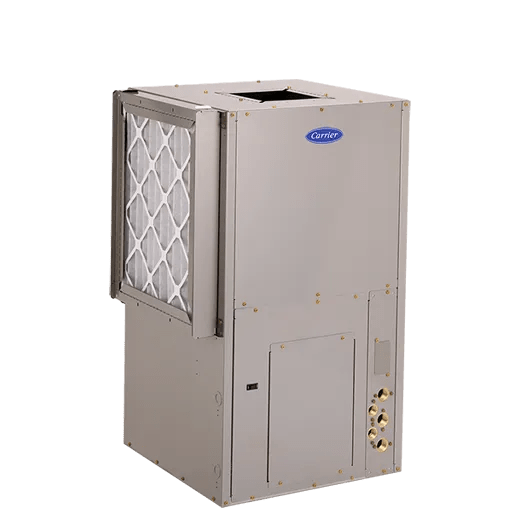
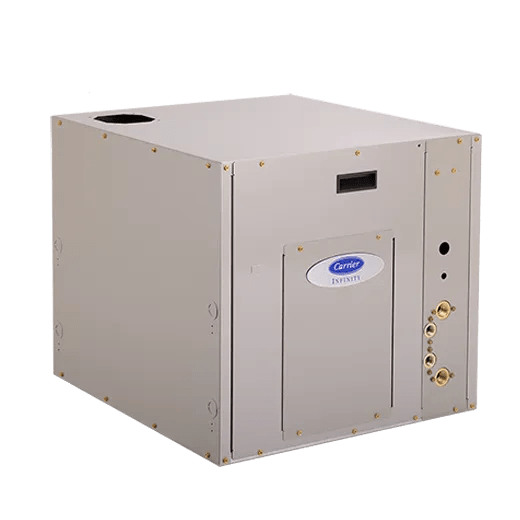
Ground-source (geothermal) heat pumps represent another highly efficient option, leveraging the earth's consistent temperature for heating and cooling. These systems can offer 25 to 50 percent cost savings compared to conventional fossil fuel systems. However, they require land for burying pipes, which contributes to their higher installation cost, ranging from $3,000 to $30,000, depending on climate, soil conditions, available land, and home-specific heating and cooling needs. Geothermal systems are notably durable, with indoor components lasting around 24 years and ground loops exceeding 50 years. The IRA provides a 30 percent tax credit for geothermal heat pump projects, with potential for further state-level incentives.
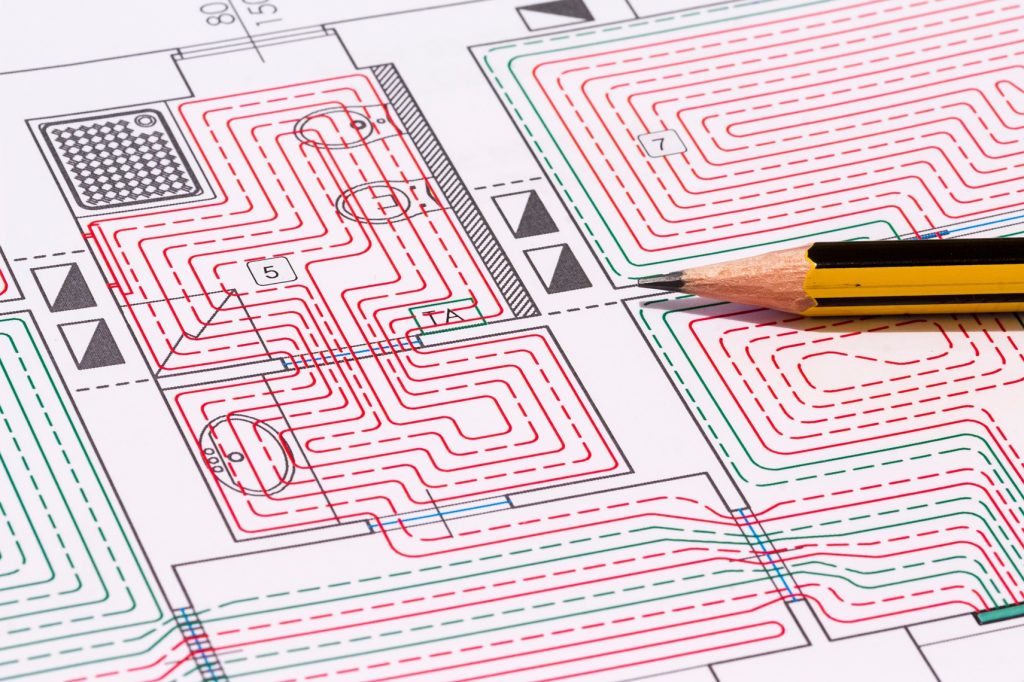
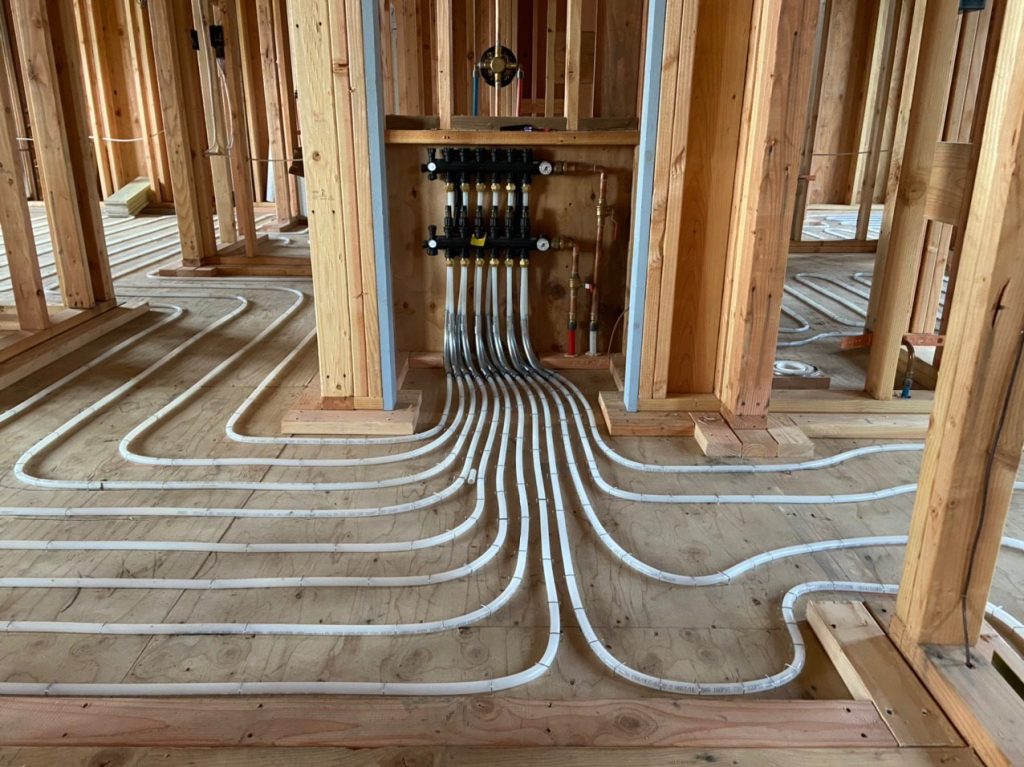
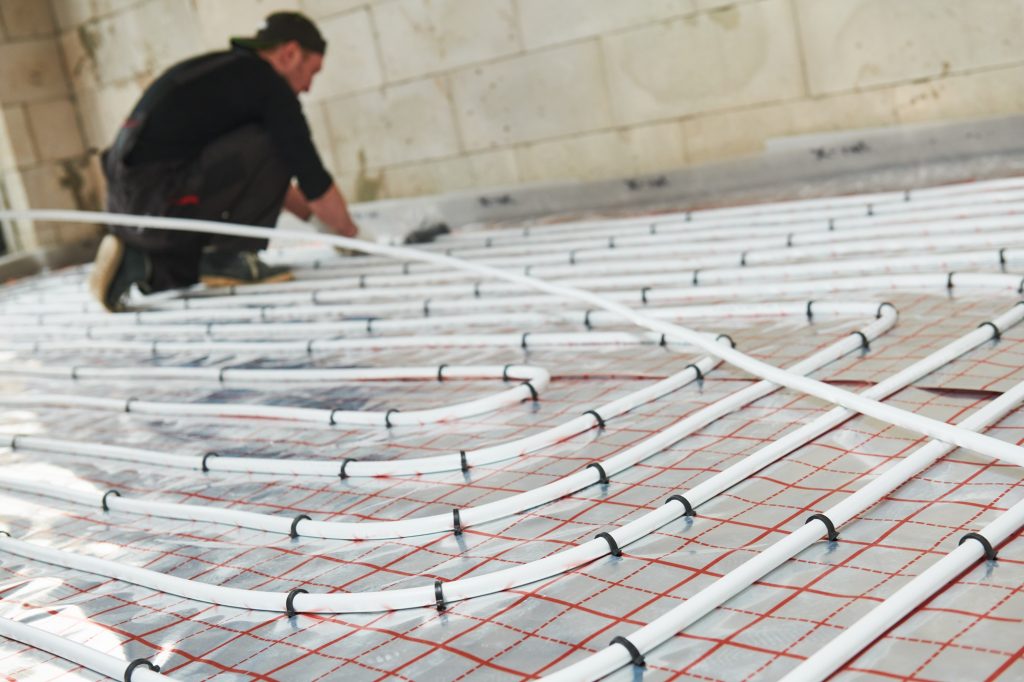
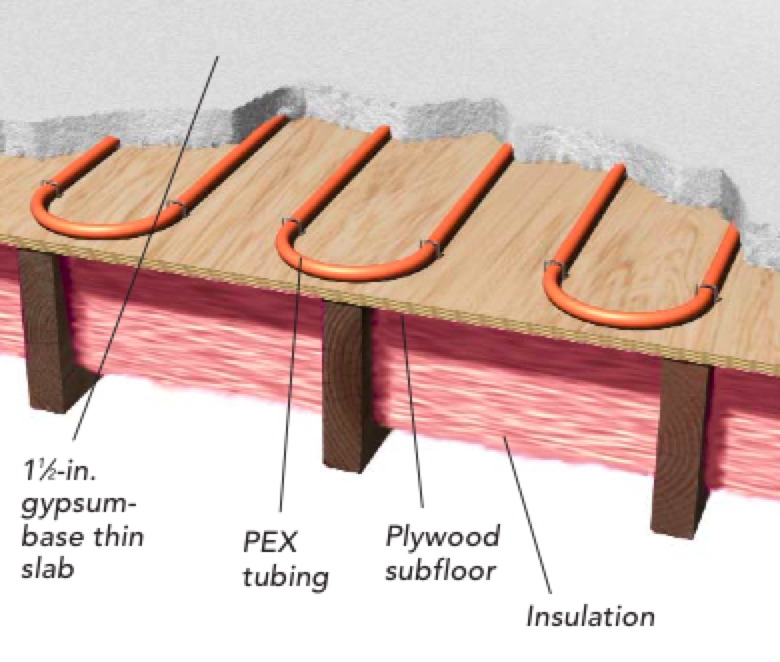
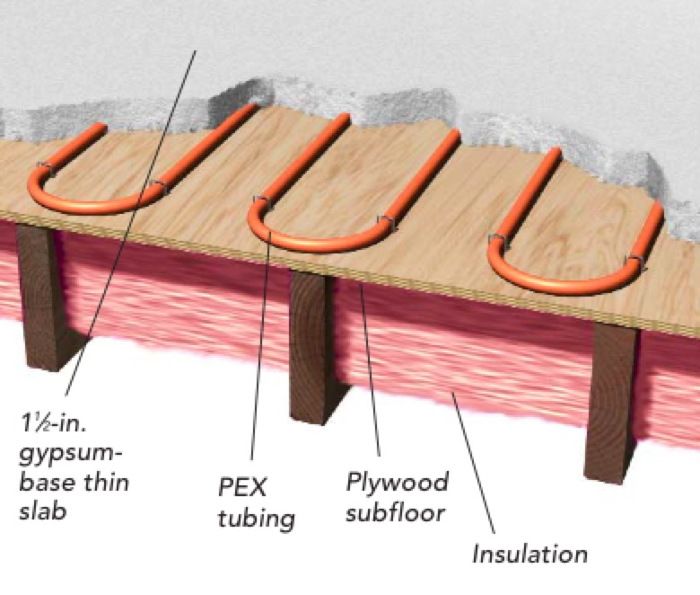
Radiant heating systems, particularly in-floor setups, offer energy savings and the benefits of avoiding fossil fuels, provided they are powered by electricity. While not as efficient as heat pumps and lacking cooling capabilities, they can be a practical choice for home additions or floor renovations where extending existing heating systems is difficult or costly. These systems also improve indoor air quality by eliminating forced air circulation and ductwork, thereby reducing allergens and dust. Radiant floor heating systems utilize either electric heating cables or hydronic (liquid) systems, with costs ranging from $8 to $20 per square foot. They pair well with distributed solar and energy storage, which are also eligible for IRA incentives.
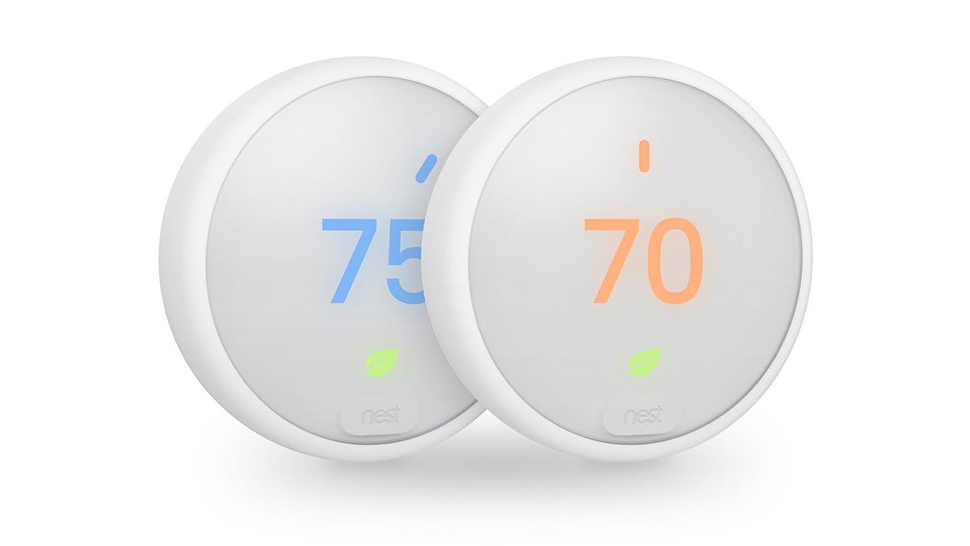
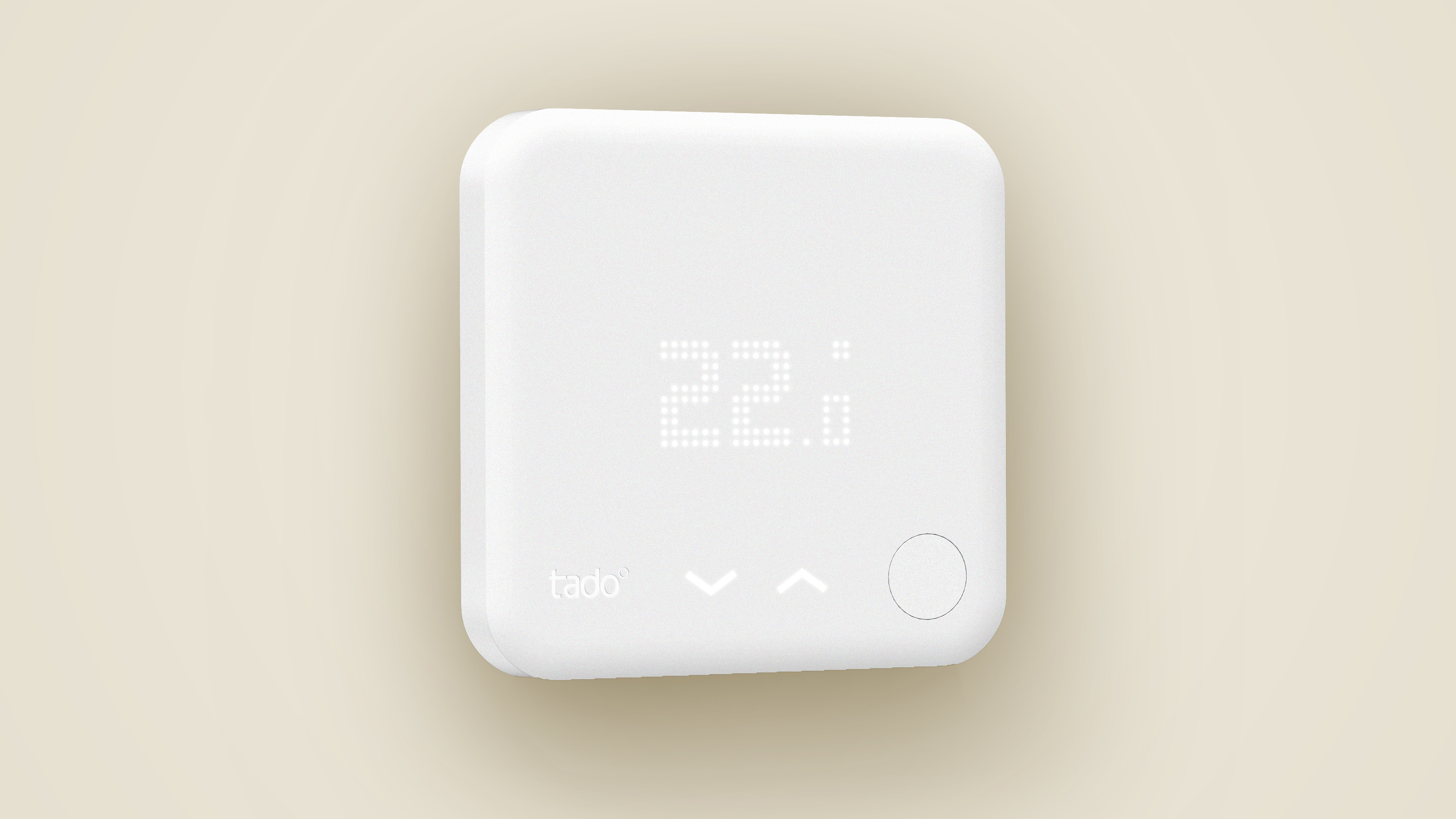
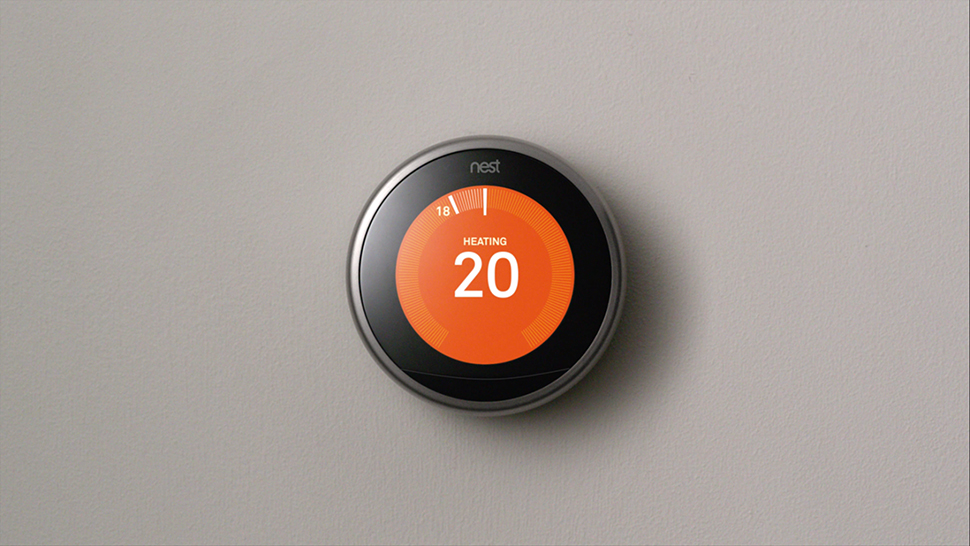
Regardless of the system chosen, it is recommended to obtain multiple bids from contractors and ensure they perform a proper manual J load calculation to correctly size the heat pump based on the home's specific characteristics, such as size, climate zone, insulation quality, and windows. Investments in air sealing and insulation, along with the use of programmable thermostats and regular equipment maintenance, can further enhance energy efficiency and overall home comfort. As Bartholomy emphasizes, weatherization is a fundamental component of creating an eco-friendly home.
#EcoFriendlyHeating #HeatPumpSystems #EnergyEfficiency #HomeRenovation #SustainableLiving #HVACSystems #InflationReductionAct #GeothermalHeating #RadiantHeating #EcoFriendlyHeating #HeatPumpSystems #EnergyEfficiency #HomeRenovation #SustainableLiving #HVACSystems #InflationReductionAct #GeothermalHeating #RadiantHeating
0 comment in total
 No comments yet
You may also like
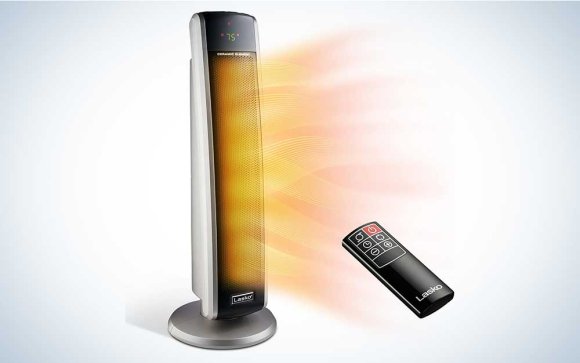
The best space heaters in 2025

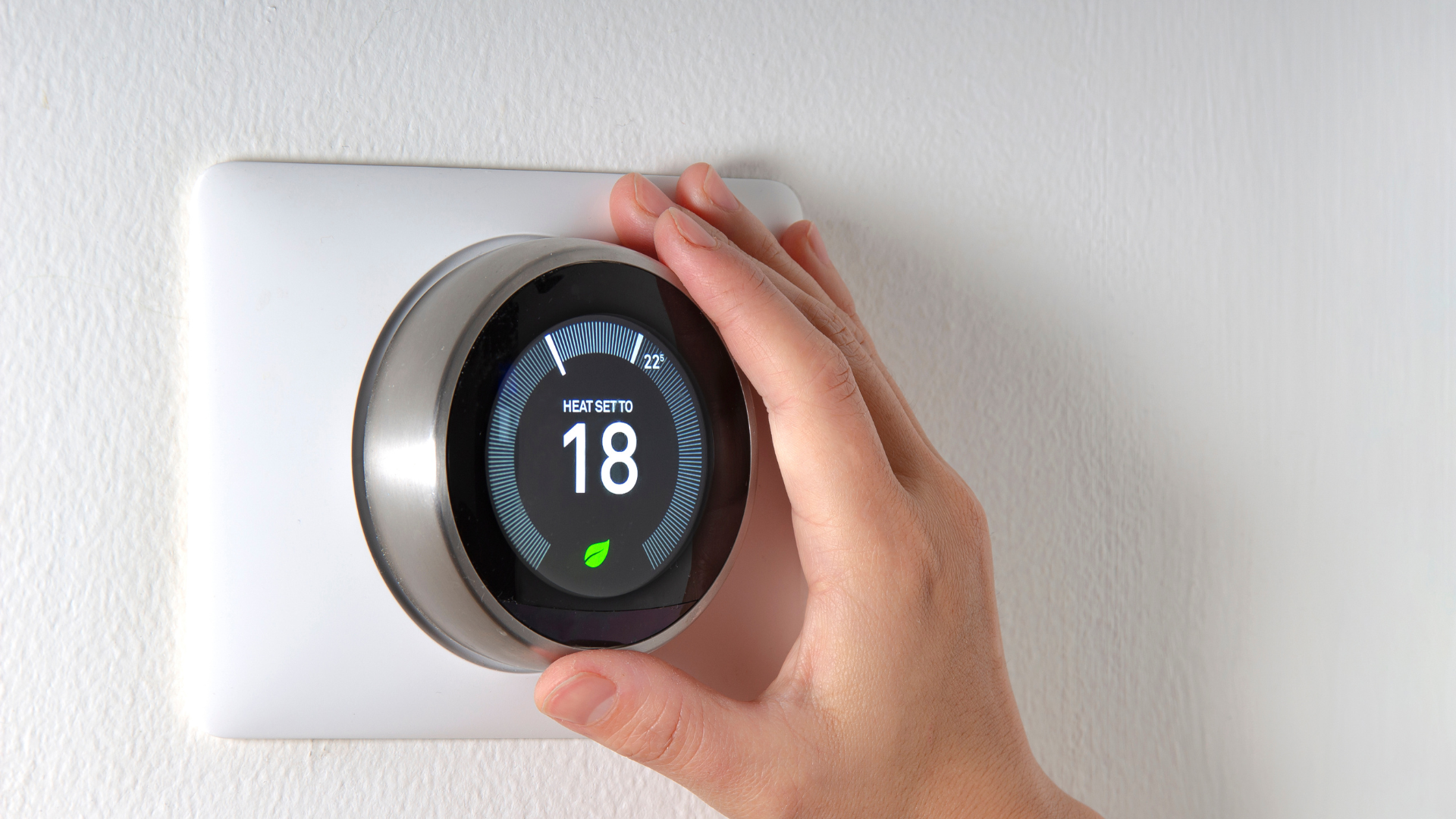
Best smart thermostat 2025: stay warm and save money with these smart heating systems
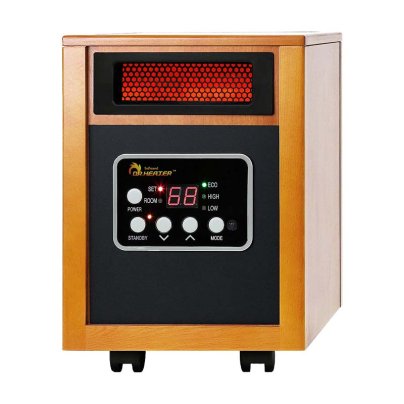
Our Favorite Energy-Efficient Space Heater Adds Style to Our Homes While Heating


Heat your home efficiently this winter
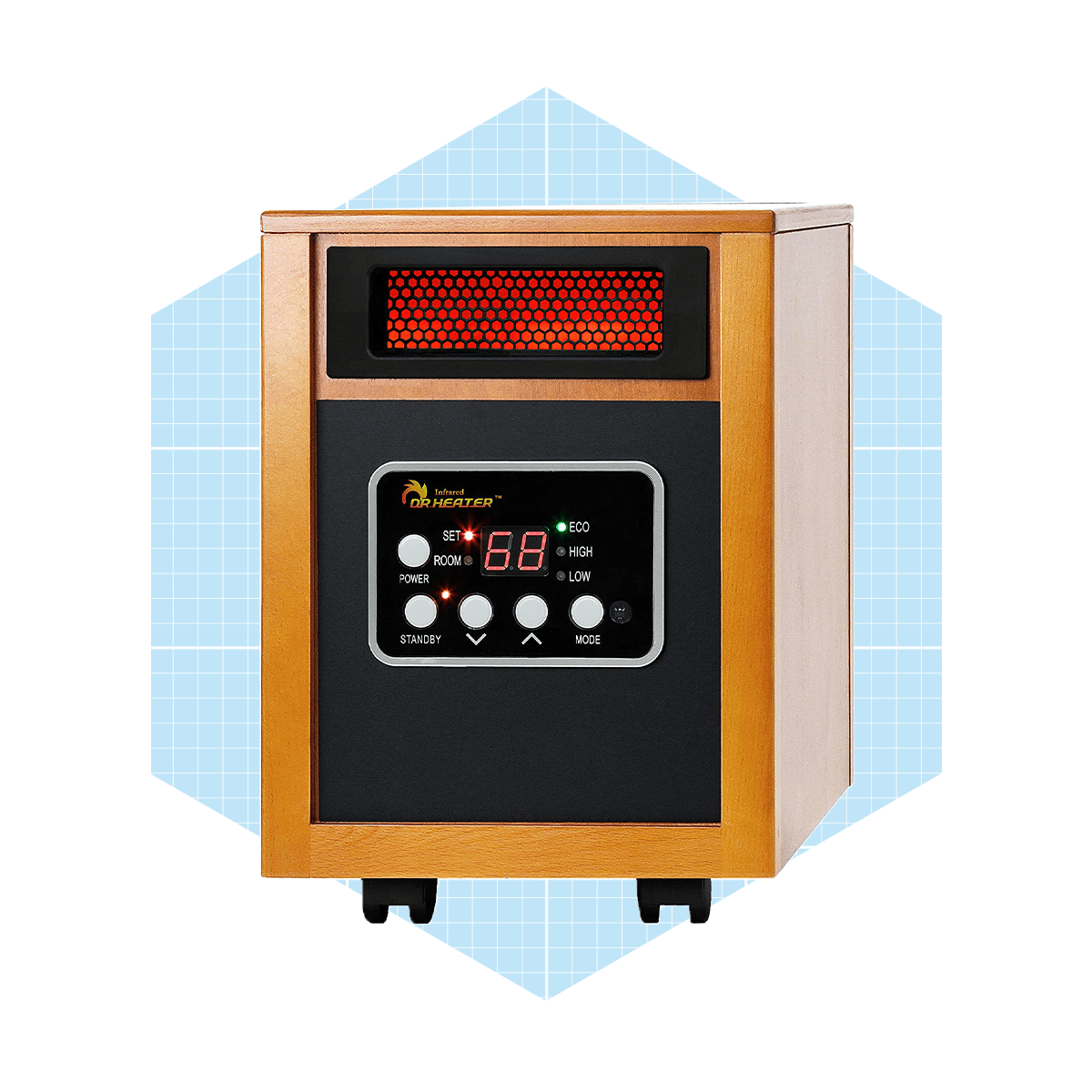
Best Infrared Space Heaters in 2025 That Are Portable And Energy Efficient
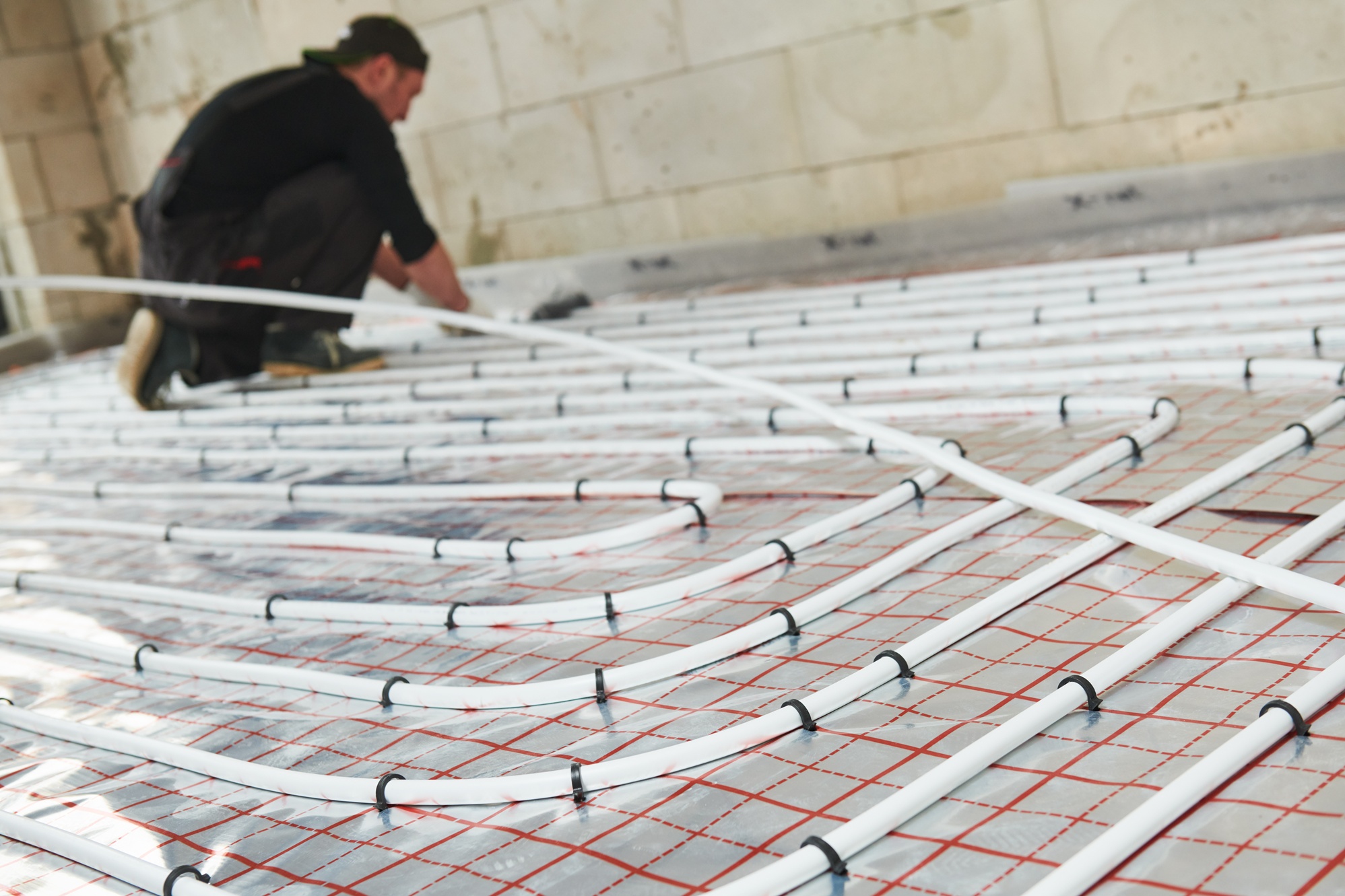
How Radiant Heat Can Transform Your Home for the Better With Barron Heating, AC, Electrical & Plumbing

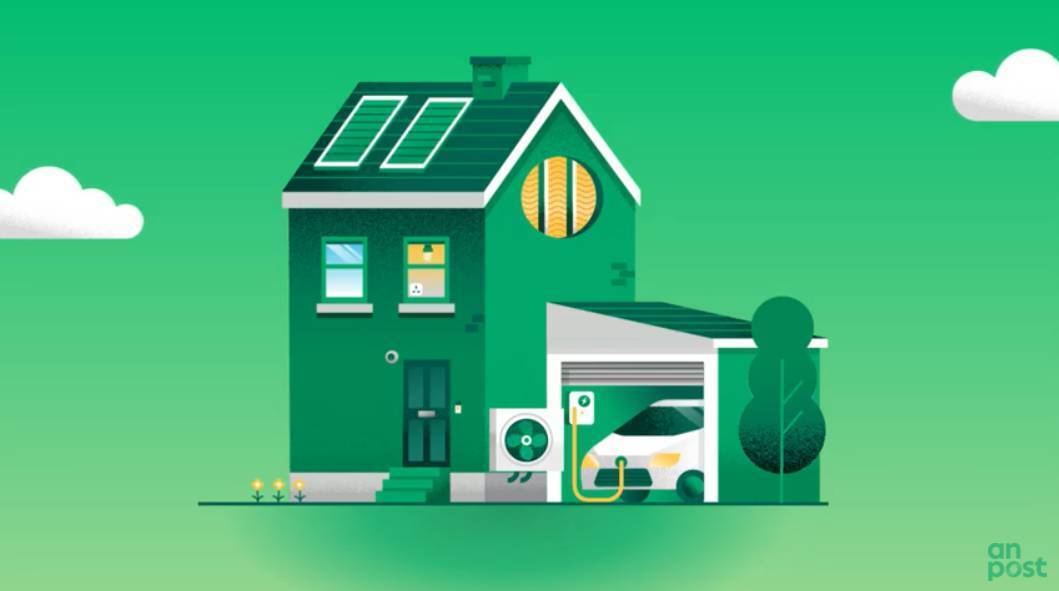
Upgrade your heating system to reduce bills and energy usage

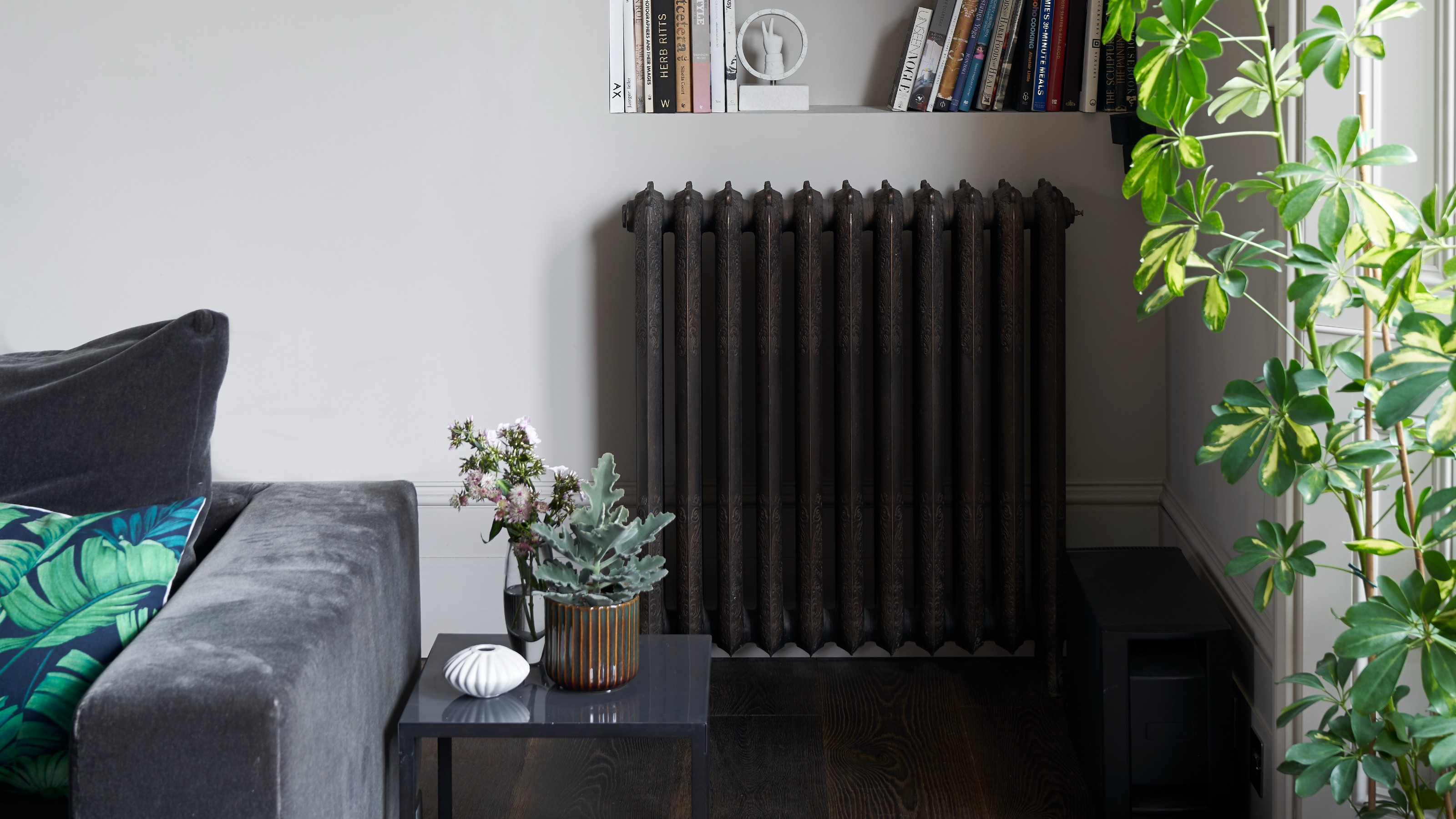
Are smart heating systems worth it? The pros and cons of upgrading your thermostat this winter

Smart Heating

Is Radiant Floor Heating the Best Way To Warm A Well-Insulated House?

A new era of home heating: the Kelvin smart radiator


3 reasons I regret not putting underfloor heating in my home office – it’s definitely moving up my priority list

Top 10 Green Heating and Cooling Technologies

Geothermal heat pumps for sustainable living.
What is the cheapest electric heater to run? Experts reveal
Choosing a heater


6 of the best heater ideas to warm up your home this winter

Electric Central Heating

Eco-Friendly Home Decor: Sustainable and Chic Ideas for 2023


Keep warm for less this winter