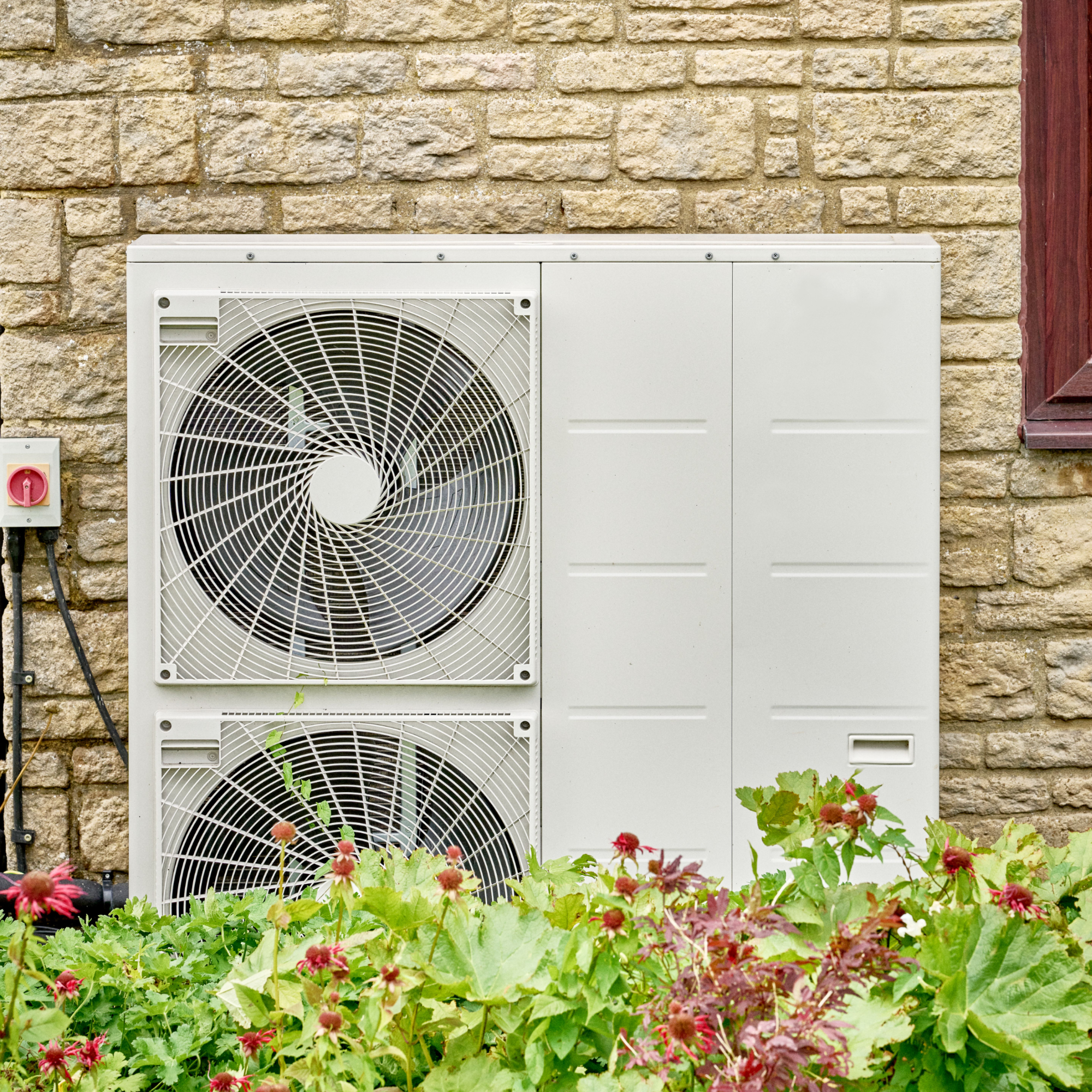
Top 10 Green Heating and Cooling Technologies
The adoption of green heating and cooling technologies is growing, exemplified by institutions like Santa Clara University, which installed 60 rooftop solar collectors in 2011 to heat and cool its student center. This system significantly reduced natural gas consumption and carbon dioxide emissions, with the university benefiting from a fixed energy price lease and state rebates. This trend highlights the environmental and economic advantages of green systems over conventional ones, as heating and cooling account for 56% of a home's energy use, according to the U.S. Department of Energy. In 2008, Americans saved over $19 billion through the use of such systems, despite initial installation costs that can be substantial for technologies like solar collectors, which range from $30 to $80 per square foot.
Green heating and cooling systems are broadly categorized into passive and active designs. Passive systems leverage natural principles to regulate temperature without mechanical intervention, such as using light-colored roofs to reflect sunlight or specially designed windows to manage heat transfer. Active systems, conversely, employ mechanical devices powered by renewable sources like solar or geothermal energy. Government incentives and rebates play a crucial role in offsetting the initial investment for both builders and homeowners.
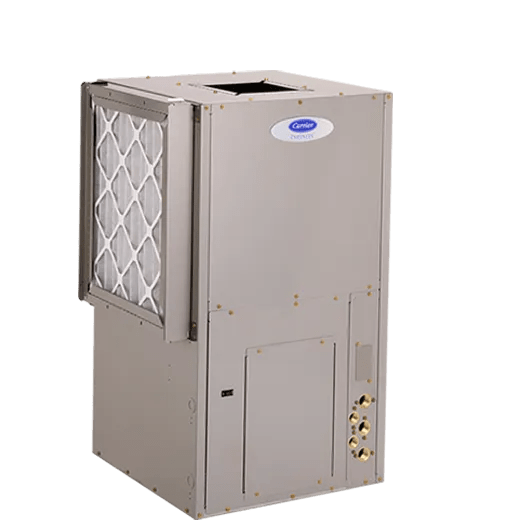
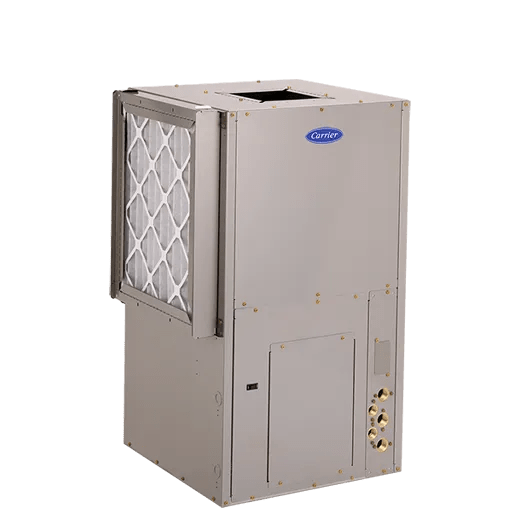
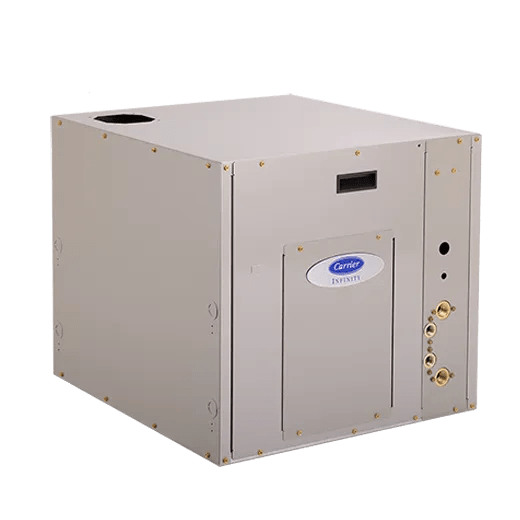
Among the top green technologies is geothermal energy, which utilizes the Earth's stable underground temperature (typically 42 to 80 degrees Fahrenheit or 5.56 to 26.67 Celsius) to operate heat pumps. These pumps circulate fluid to absorb heat from the ground in winter and dissipate it in summer, providing efficient heating and cooling. Passive solar systems harness the sun's energy through architectural design, using a building's structure to collect, store, and release thermal energy. This includes 'direct gain' systems where sunlight passes through windows, warming floors and walls. Active solar systems, often involving rooftop solar panels with photovoltaic materials, convert sunlight directly into electricity or use collectors to heat liquids or air, which is then distributed throughout the home. While photovoltaic systems are effective, their high cost and modest efficiency (around 10% conversion of sunlight to energy) can make the return on investment long, though incentives help.
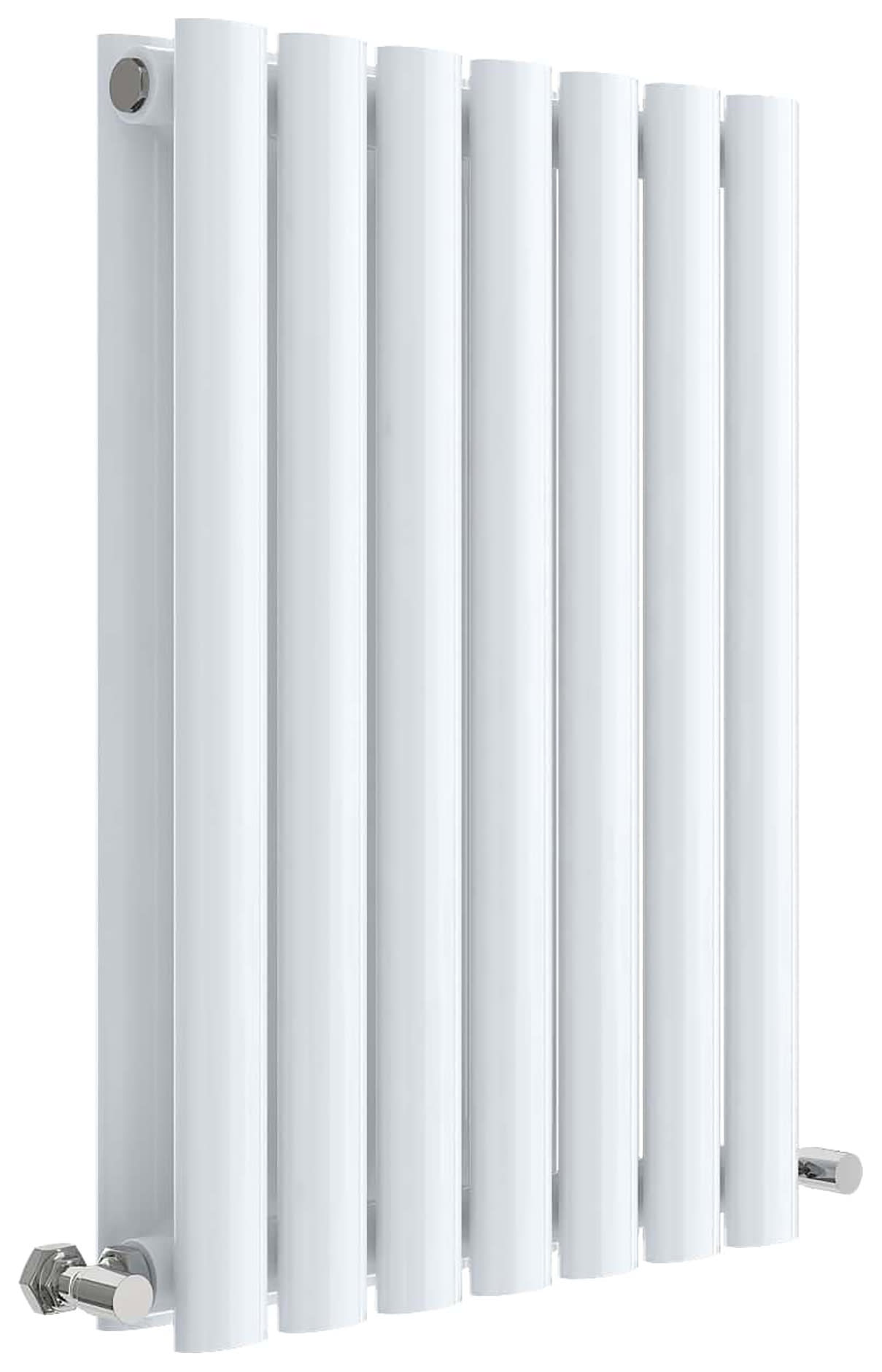
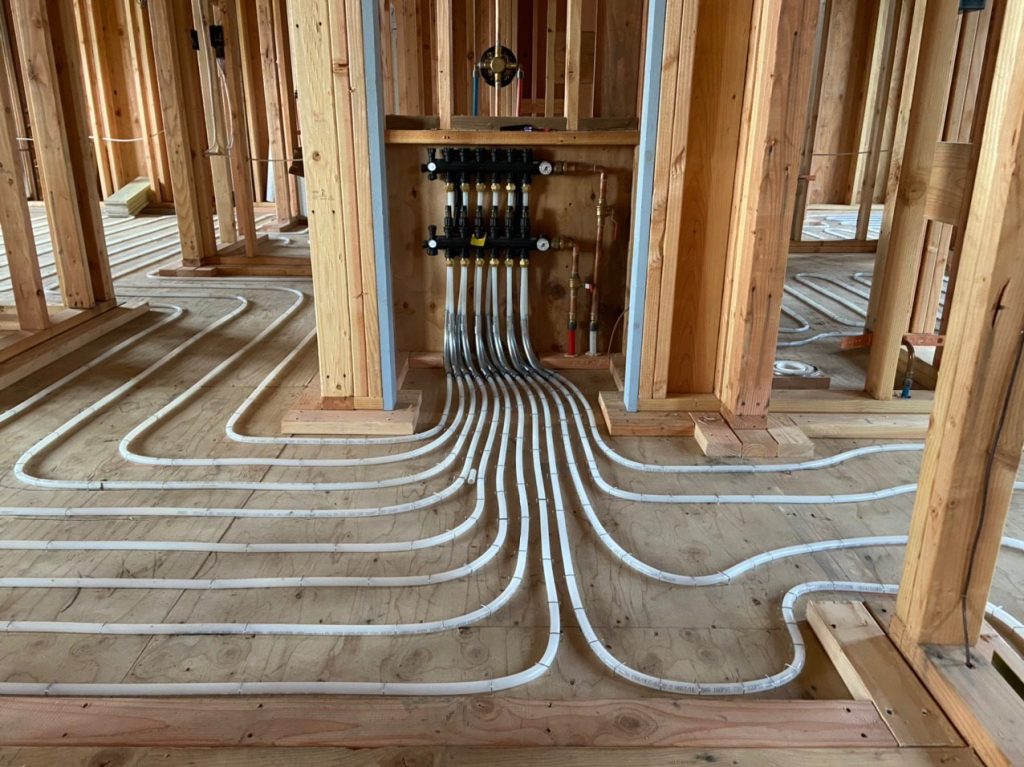
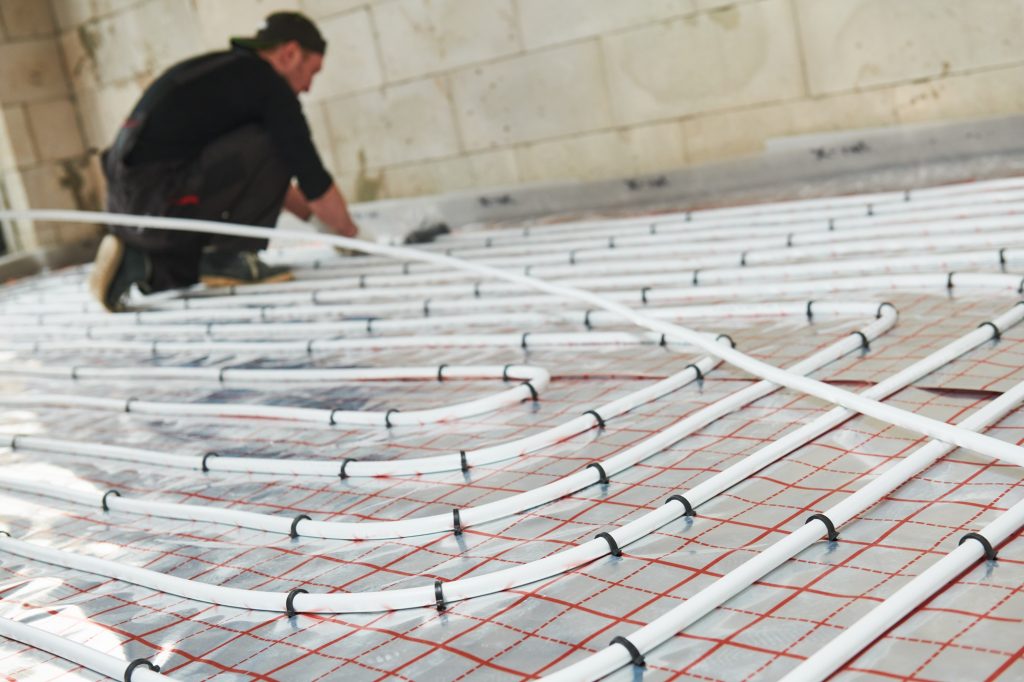
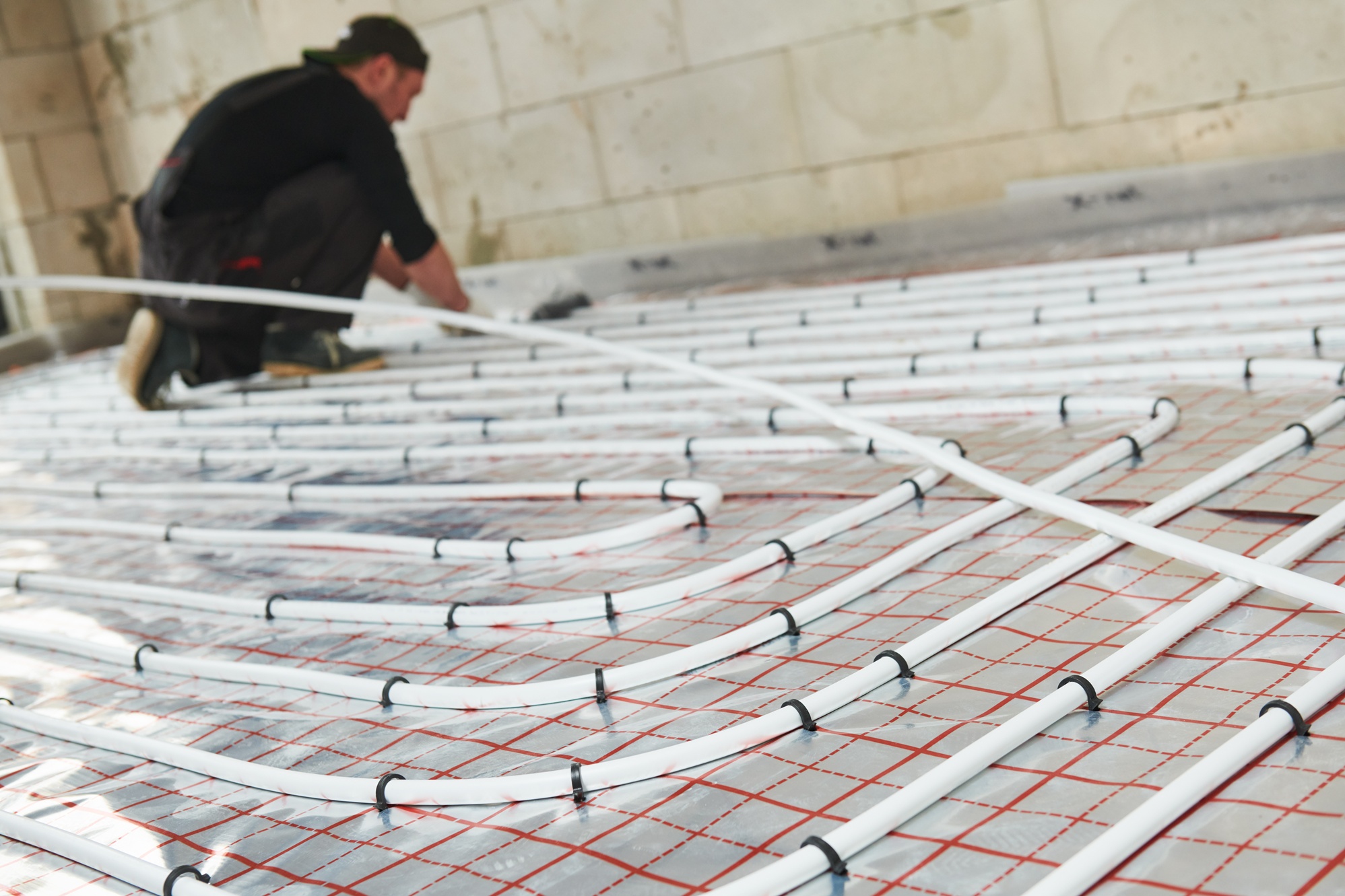
Biomass heating systems convert organic materials like wood into heat energy. These systems are sustainable, cleaner than fossil fuels, and can be more cost-effective. For instance, some schools in Wisconsin reported significant savings by switching from natural gas to wood biomass. Hydronic heating, an older technology now updated, circulates hot water or other liquids through tubes under floors or in radiators, using conduction, convection, and radiation to transfer heat. Absorption heating and cooling systems, often powered by natural gas, solar, or geothermal energy, use a water-ammonia solution instead of refrigerants to move heat. Biodiesel, typically blended with heating oil, offers a cleaner-burning and renewable alternative for home heating, though its supply can be limited.
Innovative solutions also include ice-powered air conditioners, which freeze water at night when electricity demand is low and use the stored ice to cool refrigerant during peak daytime hours, reducing electricity consumption by about 30%. Green coal, through a process called gasification, converts coal into clean-burning hydrogen gas while sequestering carbon emissions. Finally, wind power can also be harnessed for heating. For example, a student-developed wind turbine water heater generates heat by spinning magnets near a copper plate, warming water that can then be circulated for home heating. These technologies collectively represent a significant move towards more sustainable and energy-efficient home climate control.
The initial costs for geothermal systems, while significant, are offset by long-term energy savings. Governments frequently provide tax incentives, rebates, and grants to encourage the adoption of solar heating and cooling solutions, making these green technologies more accessible and economically viable for consumers.
#GreenTechnology #HeatingAndCooling #GeothermalEnergy #SolarPower #BiomassEnergy #HydronicHeating #AbsorptionSystems #BiodieselHeating #IcePoweredAC #WindPower #GreenTechnology #HeatingAndCooling #GeothermalEnergy #SolarPower #BiomassEnergy #HydronicHeating #AbsorptionSystems #BiodieselHeating #IcePoweredAC #WindPower
0 comment in total
 No comments yet
You may also like
Rainwater Harvesting System Integrated With Sensors for Attic Temperature Reduction

6 of the best heater ideas to warm up your home this winter


Ten Innovations in North America’s Green Roof and Wall Industry
Simple and efficient underfloor heating system
These 10 Sustainable Home Technologies Will Change the Way We Live

Testing the 10 Best Infrared Heaters for Comfort at Home


porous terracotta air conditioning system 'nave' uses water to cool spaces without electricity
How Radiant Heat Can Transform Your Home for the Better With Barron Heating, AC, Electrical & Plumbing


Smart Heating

3 Eco-Friendly Heating Systems for Your Home in 2024

10 green and grey living room ideas for a smart space
Improving Cooling Capacity of Condensation-Free Radiant Cooling for Low-Emissivity Chilled Ceiling via Adaptive Double-Skin Infrared Membranes
Common ground on green buildings (photos)


Reimagining Air Conditioning: Traditional Cooling Methods for the Future

The 9 Best Water Heaters for Efficiency and Performance

What’s the most efficient way to heat a house? How to heat your home for less, according to experts


Geothermal heat pumps for sustainable living.
The best space heaters in 2025


Comfort: Heating & Cooling


Updating And Maintaining Your Workplace’s HVAC System