1/7
How to hide a heat pump - 4 ways to conceal your exterior unit without compromising on efficiency or functionality
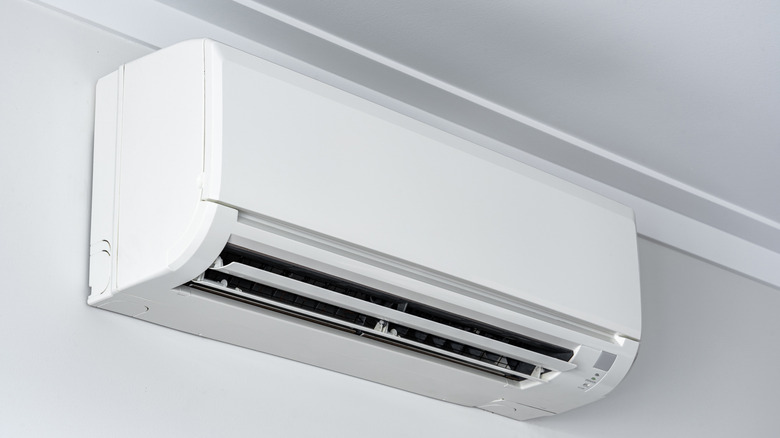
Heat pumps are gaining popularity as an eco-friendly and efficient heating solution, yet their exterior unit's aesthetics and size often deter potential homeowners. While these units are three to four times more efficient than traditional boilers, their visual impact can be a drawback. However, with creative solutions, these disadvantages can be managed without compromising the heat pump's efficiency or functionality. It is crucial to maintain adequate air intake around the heat pump, as blocking ventilation can force it to work harder and less efficiently. Therefore, any concealment methods must be implemented safely.
One effective way to hide a heat pump is by building a bespoke frame. This option allows for customization in materials, size, and style, enabling the frame to match the home’s exterior. While off-the-shelf screens are available, a custom-built frame often provides a better fit and aesthetic integration. When constructing such a frame, it is essential to ensure ample space for air circulation and escape, preventing reduced efficiency or malfunction. Additionally, the design must allow easy access for servicing and maintenance, always adhering to the manufacturer's guidelines.
Another approach involves disguising the heat pump with plants and shrubbery. Just as plants are used for privacy on patios or to block out neighbors, they can also effectively conceal an exterior heat pump. Surrounding the unit with shrubs or hedges helps it blend seamlessly into the garden landscape. While a wide variety of plants can be chosen, specific recommendations include evergreen shrubs like Sarcoccoca, Bay, or Lavender, and perennials such as Gaura Whirling Butterflies or Phlox Blue Paradise for visual interest. However, plants suited for colder, drier conditions, like alpine plants, might be preferable due to the potential impact of the heat pump's fans and refrigerant on the surrounding area. Regular maintenance is vital to keep leaves and branches at least three feet away from the heat pump's essential components to prevent obstruction.
Decorative panels offer a flexible solution for hiding a heat pump. These panels, commonly found in DIY stores and garden centers, are typically used to obscure unsightly fences or partition gardens. They can be installed as freestanding screens, allowing for easy access during servicing and maintenance, and can be chosen to complement the garden's overall aesthetic. Options include reed or bamboo screens, or even quality faux plant wall panels. The non-permanent nature of decorative panels is a significant advantage, as they can be moved when necessary, and they minimize the risk of obstructing the heat pump's vents. While some luxurious panels can be costly, more affordable options are available through careful shopping.
Finally, homeowners can leverage manufacturer perks. Many heat pump manufacturers offer additional services beyond installation and maintenance, such as bespoke vinyl wraps. These wraps can be custom-designed to match the home's brickwork or exterior, allowing the unit to blend seamlessly into the background. While subtle designs are available, some homeowners may choose more visible or artistic wraps to make the heat pump a feature rather than an eyesore. It is crucial to ensure that any vinyl wrap does not cover air vents, as this would impede the unit's efficiency. Regarding noise, heat pumps are not entirely silent but are designed to be no louder than 42 decibels at a 1-meter distance, comparable to a refrigerator, and should not be a nuisance to neighbors, adhering to legal noise limits.
#HeatPump #HomeImprovement #ExteriorDesign #Landscaping #DIYHome #SustainableLiving #HomeMaintenance #GardenDesign #HeatPump #HomeImprovement #ExteriorDesign #Landscaping #DIYHome #SustainableLiving #HomeMaintenance #GardenDesign
0 comment in total
 No comments yet
You may also like

This 4,800-Square-Foot Apartment Features the Smartest Trick for Hiding Ugly Heating Units
How to hide a radiator - the expert guide to decorating tricks to help them blend in

How to hide a kitchen fridge – experts share their top tips

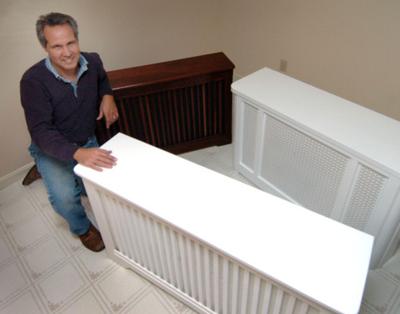
Take cover / Turn your unsightly radiator into a thing of beauty with an enclosure

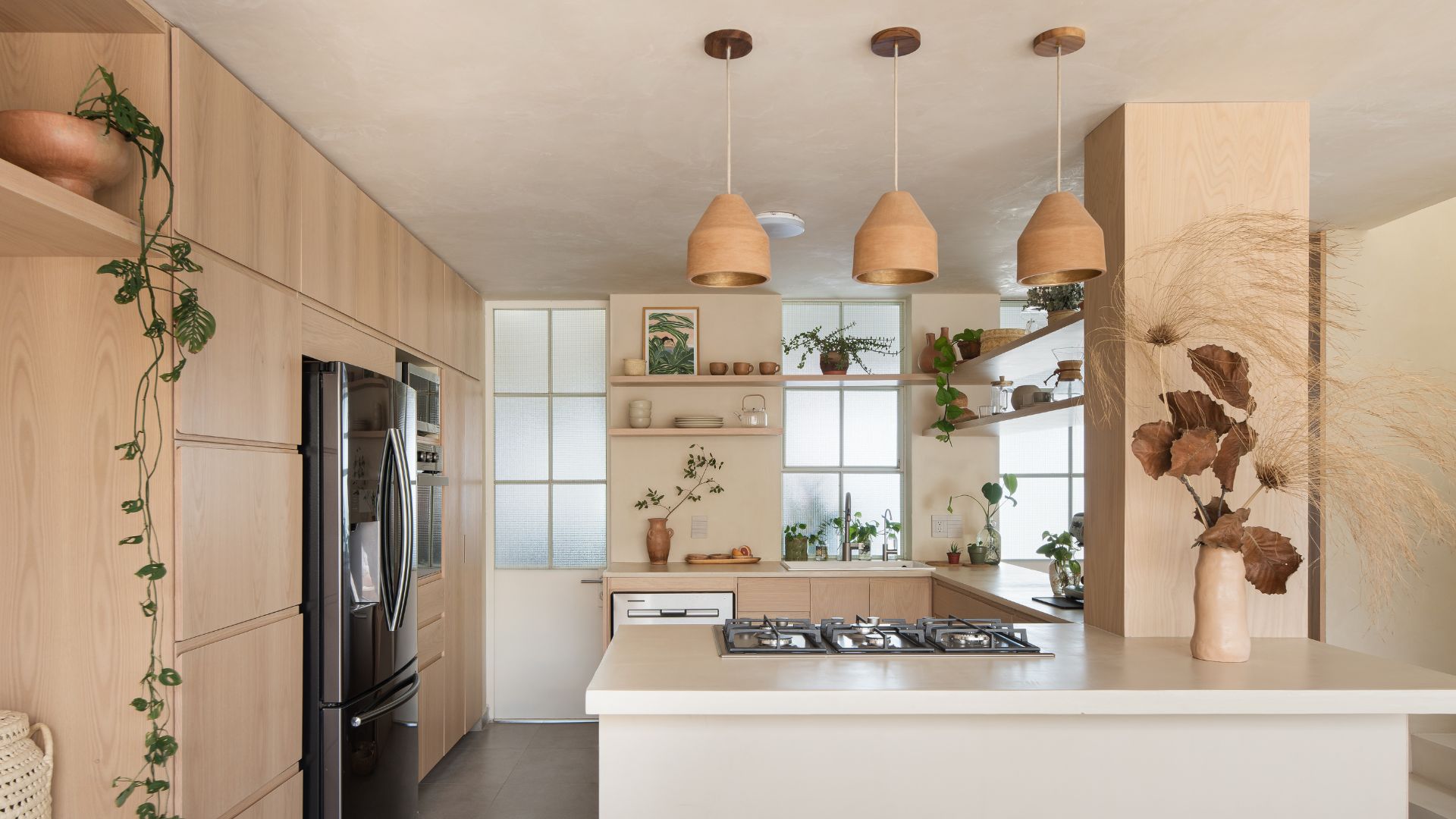
How to Hide an Air Fryer in a Kitchen — 6 Practical Solutions to Conceal Bulky Appliances From Sight

How can you hide a range hood? 6 innovative and chic ideas from kitchen design experts
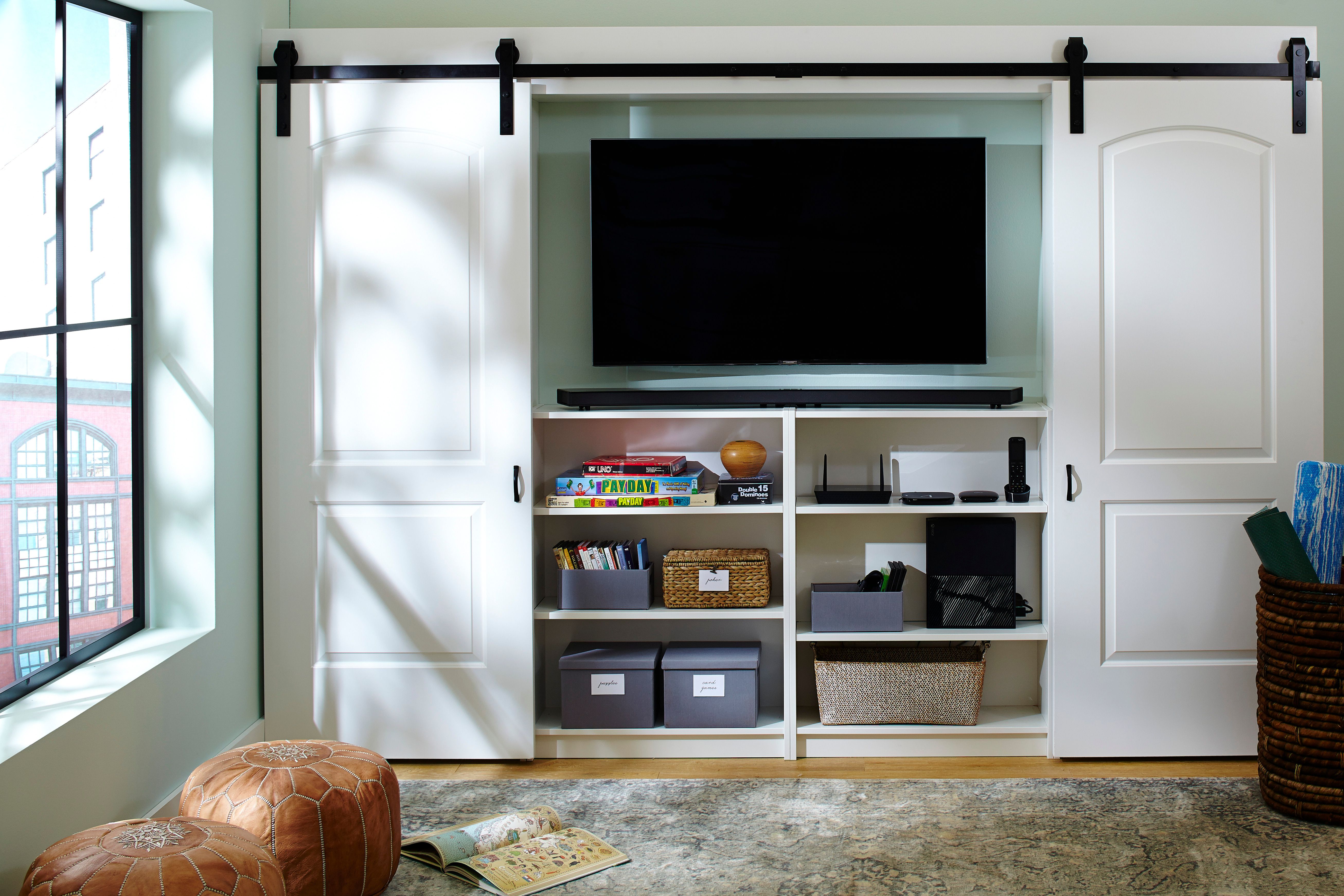
10 Clever Ways to Hide a TV in Plain Sight

Ways To Heat A Basement Without An Electric Space Heater (And The Pros & Cons To Consider)
How to Hide an Air Fryer in a Kitchen — 6 Practical Solutions to Conceal Bulky Appliances From Sight
4 Clever Ways Designers Keep Kitchen Appliances Out Of Sight

Stylish Ways To Hide Your Ugly Radiator And Other Common Household Eyesores

Chefs and professional organizers reveal 8 easy-access blender storage ideas to help conceal your appliance
5 Ways to Hide Your Outdoor AC Unit So It Blends In Beautifully, According to Designers


11 Stylish Ways to Enhance—or Hide—Your Radiators

24 Ways to Hide Your TV in Plain Sight


Sick of the heat? Here's how to keep your home cool, heatwave or not, if you don't have AC
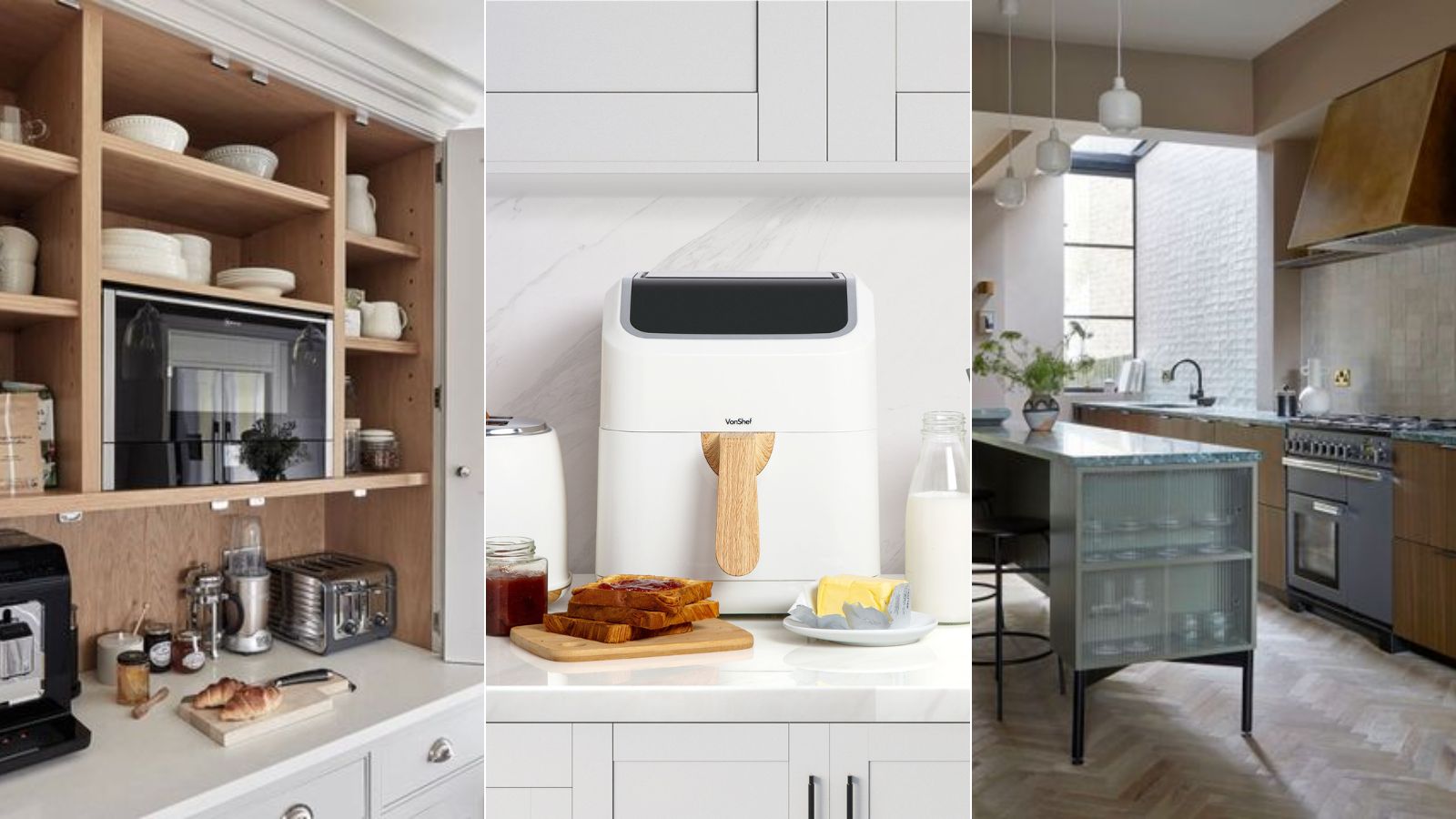
How to conceal an air fryer in a kitchen – 7 practical solutions
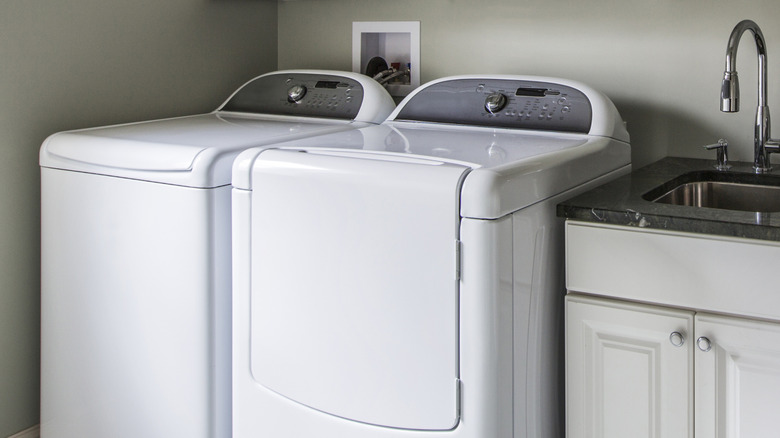
12 Best Ways To Hide Your Washing Machine Hookups

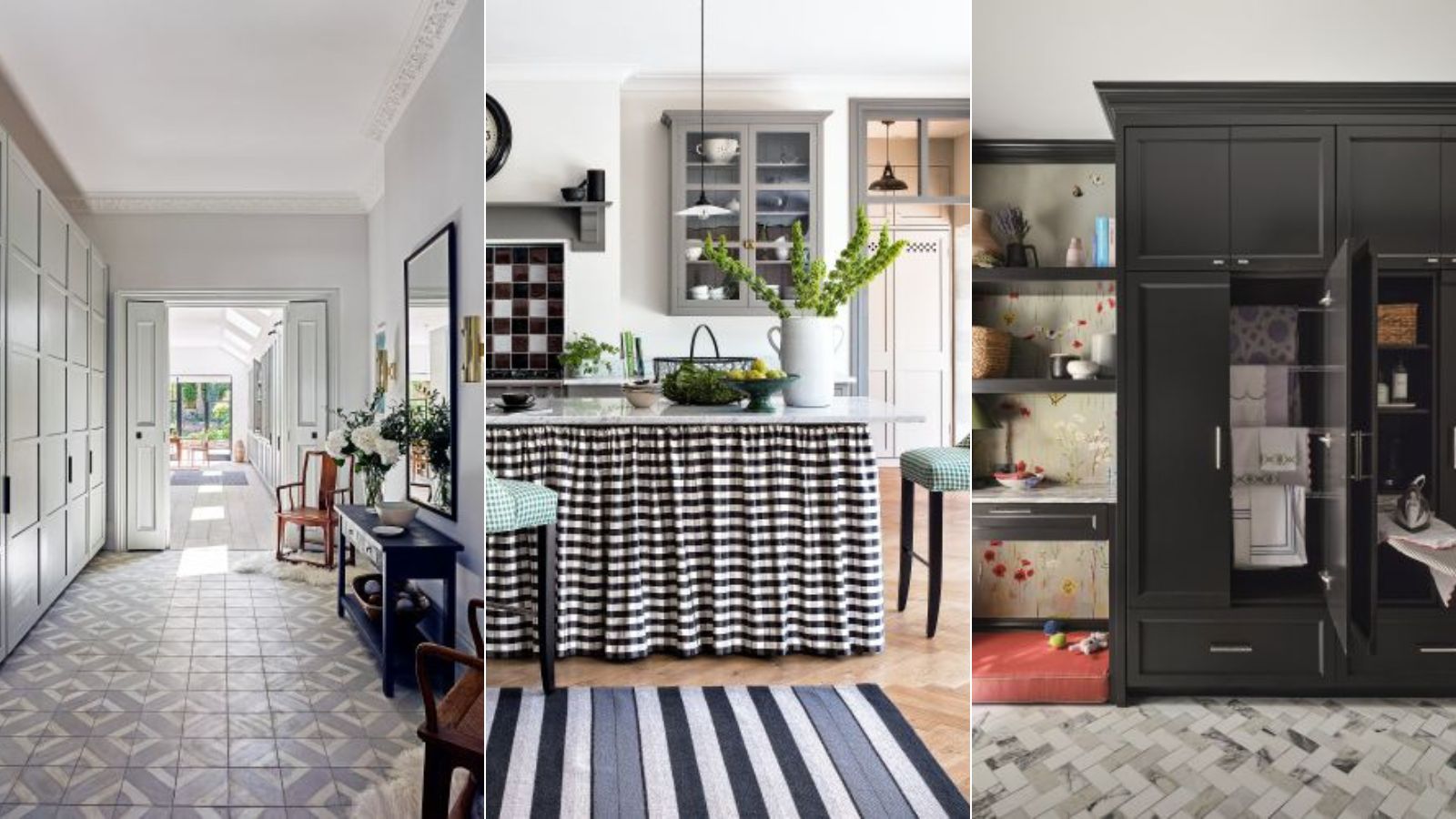
How to hide a washer and dryer – interiors experts on keeping laundry appliances out of sight

Hide your outdated home feature with this clever storage hack!