The Urban Jungle Needs More Trees
Climate change poses a significant threat to urban environments, leading to rising temperatures due to the urban heat island effect, where urban infrastructure absorbs and re-emits solar radiation. This phenomenon increases the risk of heat-related illnesses and is exacerbated by poorly planned city development. Given that only 40 percent of the urban areas projected for 2030 currently exist, substantial urban growth is anticipated, making sustainable city planning crucial. Nature-based solutions, such as incorporating vegetation into urban design, offer effective strategies to mitigate these issues by absorbing carbon dioxide and reversing ecosystem degradation.
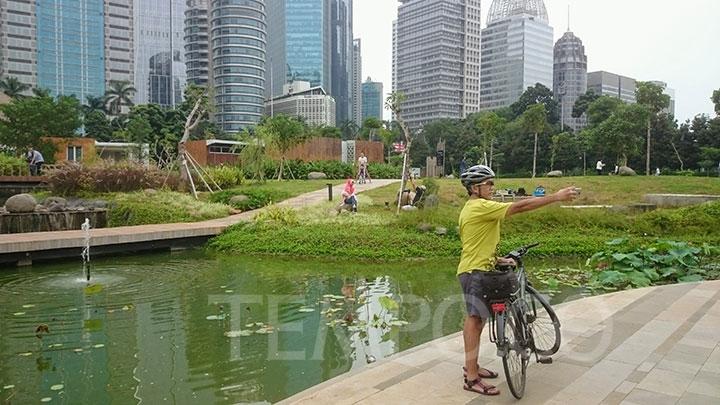
Among various methods to combat the urban heat island effect, plant-based solutions have proven most successful. Urban green spaces are vital for modern dense cities, yet there is ongoing debate regarding the optimal amount of green space needed and the adequacy of current provisions. The World Health Organization recommends easy access to green areas, suggesting that residents should live no more than 300 meters from a green space of at least half a hectare. Vegetation in urban settings can significantly reduce the effects of extreme climate, decrease energy consumption, and enhance physical and psychological well-being, thereby improving the quality of urban life.
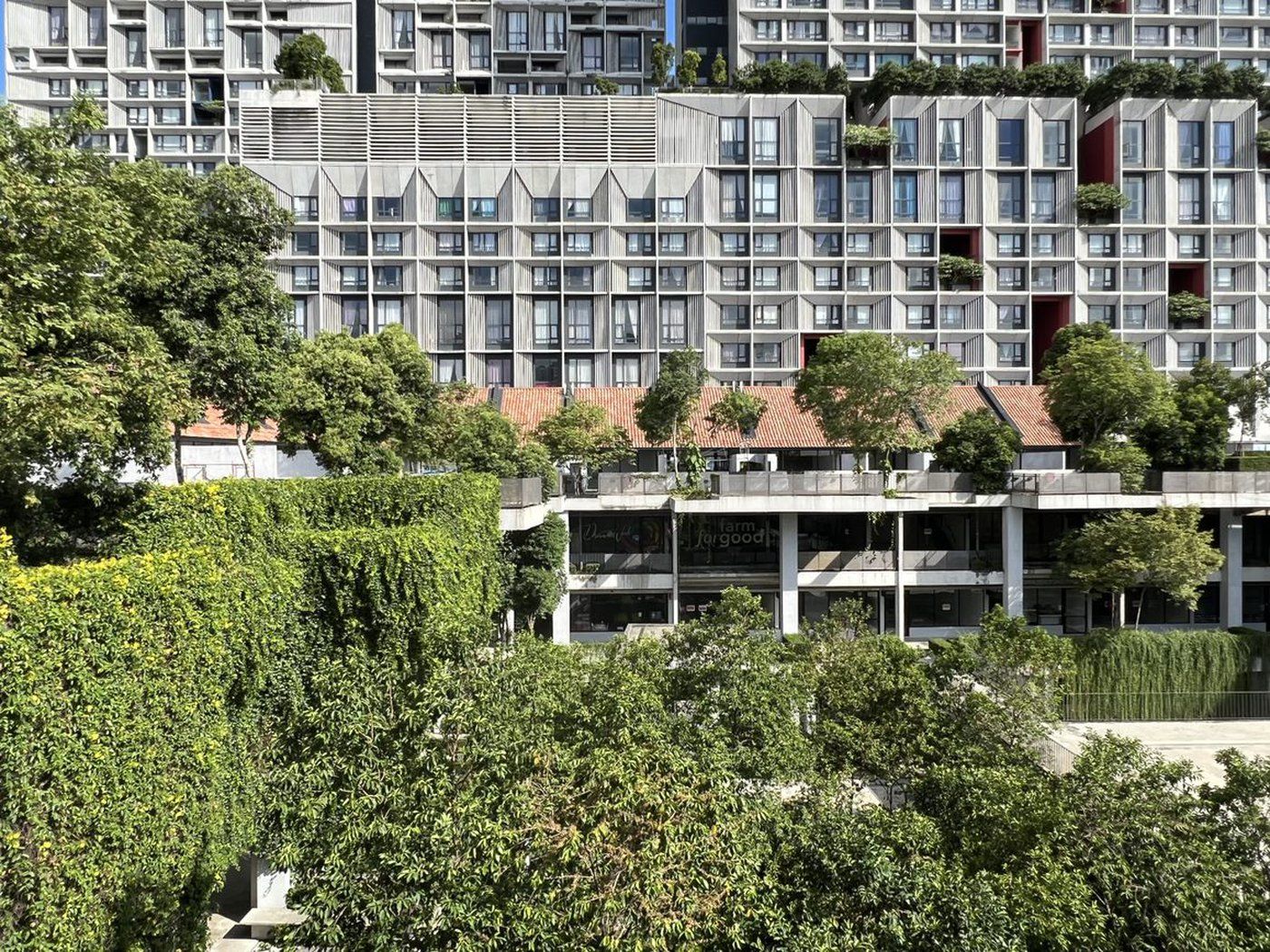
In tropical regions, where buildings are exposed to intense sunlight, incorporating plants for shade can substantially reduce solar radiation, cool structures, and improve energy efficiency. While traditional tree planting for shade has been practiced for generations, innovative application strategies have emerged. Tree canopies effectively cool the ground by blocking sunlight and regulating heat radiation from buildings. For tropical cities, species like Ceylon Ironwood, known for their dense branching and high leaf coverage, provide excellent shading. This shading reduces absorbed heat radiated into the air, promotes evapotranspiration, lowers ambient temperatures, and enhances thermal comfort. The use of plants to modify microclimates can lower indoor and outdoor temperatures by more than 3 degrees Celsius.
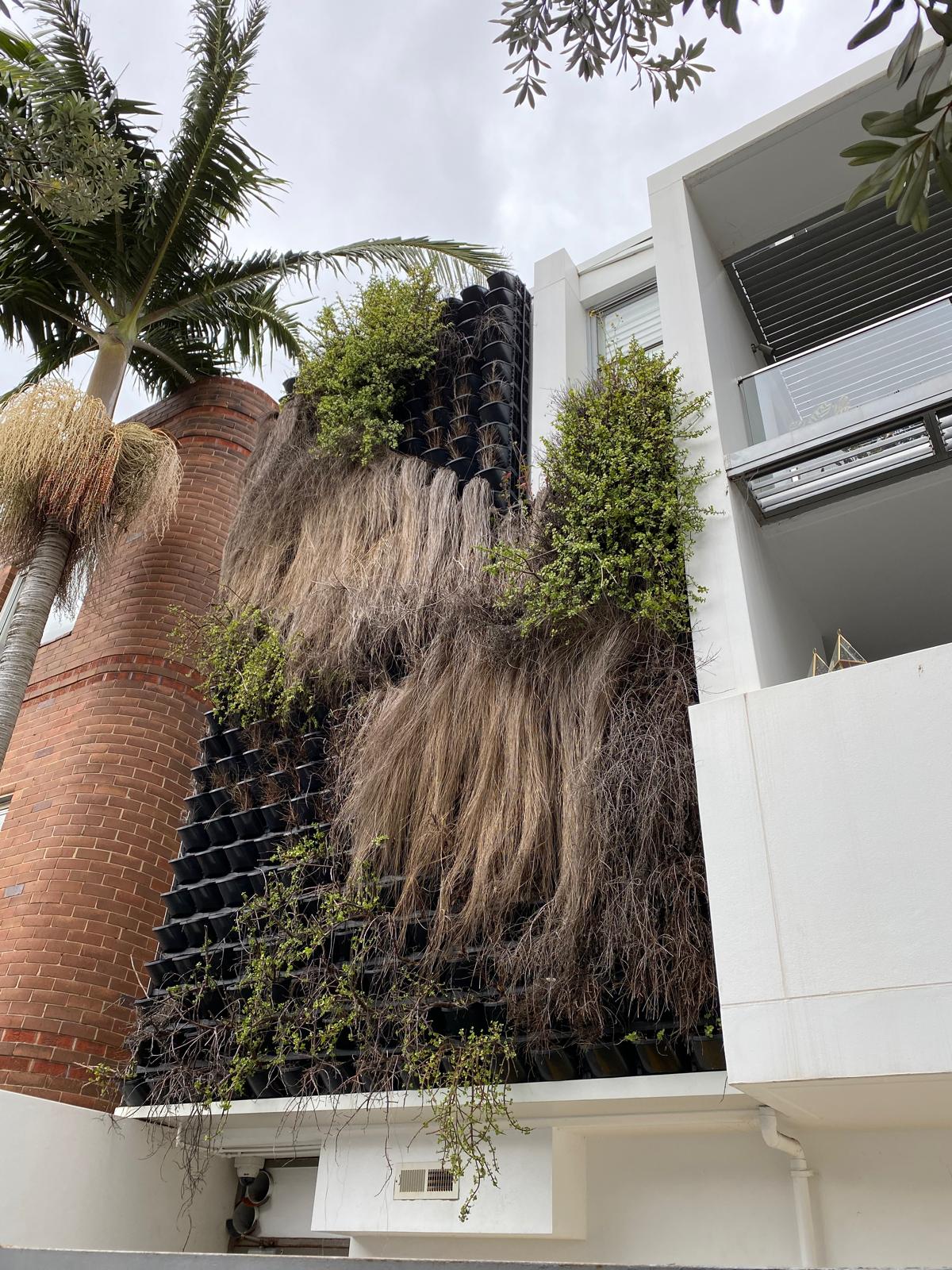
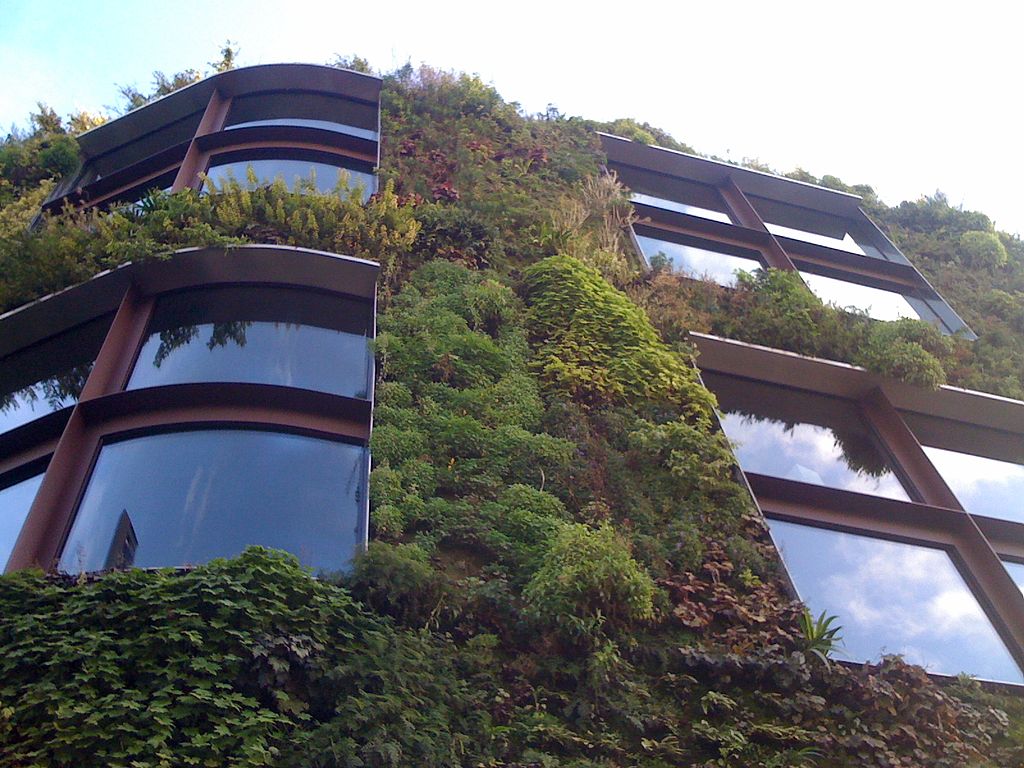
The effectiveness of shading varies among plant species. In situations where space for large trees is limited, living walls, which are vertical garden systems that irrigate and sustain plants, offer a viable alternative. These living walls can influence microclimates by reducing surrounding temperatures and may also contribute to water treatment. Vegetation integrated into building exteriors serves dual purposes: it reduces heat transfer into buildings and enhances their aesthetic appeal. Green facades, where plants like vines and creepers grow directly on the building surface or on light frameworks, and green walls, which involve systems for cultivating various plant species on wall surfaces, are common living wall systems that boost a building's energy efficiency. Continuous green walls, or vertical gardens, typically use lightweight, permeable frames for individual plant placement.
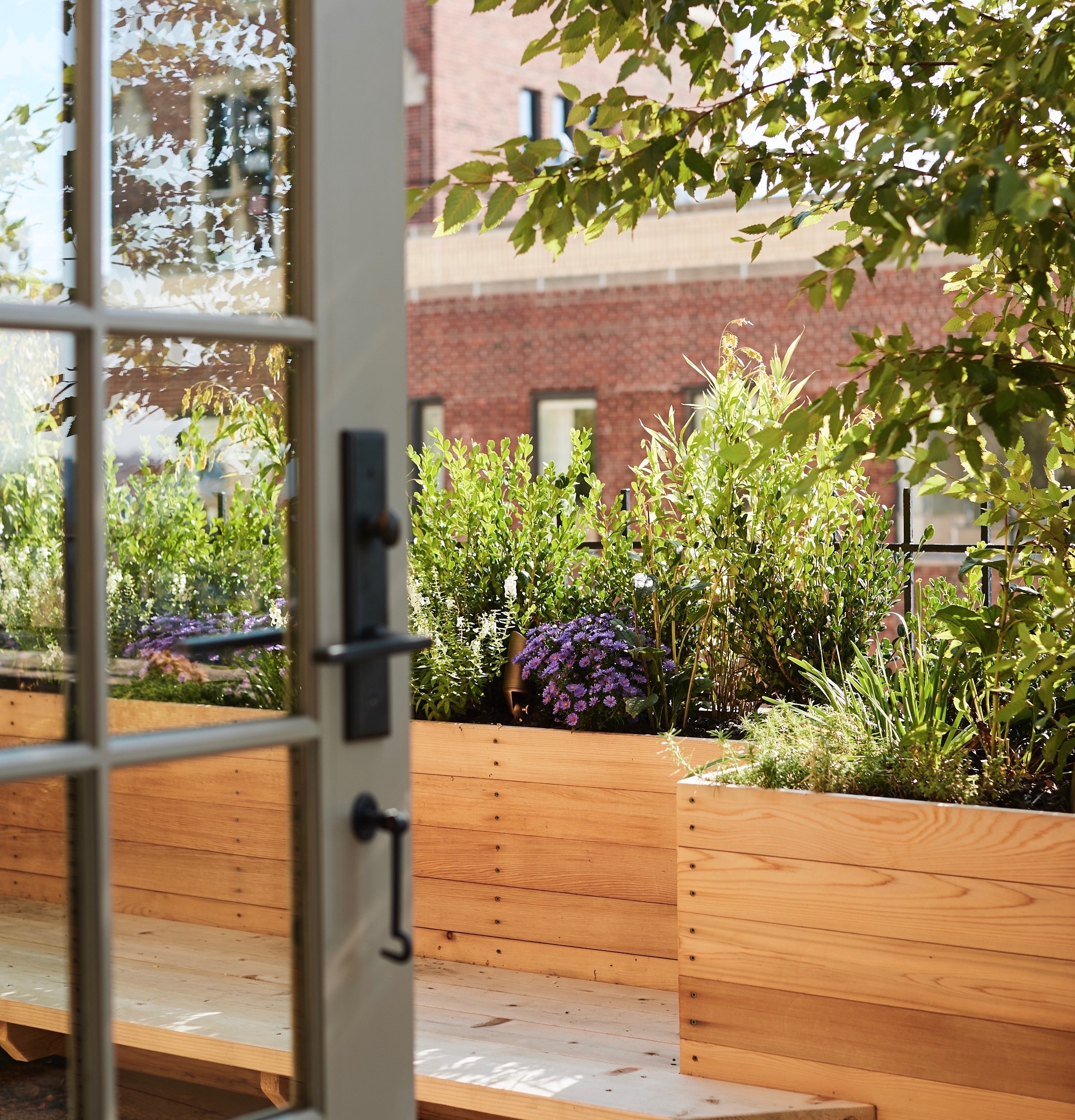
Selecting appropriate climbing plants, such as Double Rangoon for green facades and Yellow Trumpet vines or Curtain Creepers, is essential for optimal performance and a sustainable living environment. These plants not only create more pleasant microclimates but also contribute to air purification. Urban farming, a practice with historical roots evident in places like Machu Picchu and the Hanging Gardens of Babylon, is experiencing a modern resurgence. People have historically cultivated gardens to improve their quality of life, and today, urban garden integration emphasizes reducing greenhouse emissions and greening cities. Green infrastructure can facilitate the revitalization of underutilized urban spaces, offering opportunities for small-scale farming that can provide food to city residents and further reduce carbon emissions. Rooftops, balconies, and vacant lots are ideal locations for urban farms. The presence of vegetation demonstrably influences a building's microclimate, with plants capable of reducing temperatures by 1.32 to 5 degrees Celsius compared to hard surfaces due to evapotranspiration. Urban greening plays a critical role in mitigating the urban heat island effect, particularly in spaces between buildings. Utilizing plants to moderate heat and lessen reliance on artificial cooling is a foundational step toward addressing the challenges posed by rapidly warming cities.
#ClimateChange #UrbanPlanning #GreenInfrastructure #UrbanHeatIsland #NatureBasedSolutions #GreenBuilding #SustainableCities #VerticalGardens #ThermalComfort #ClimateChange #UrbanPlanning #GreenInfrastructure #UrbanHeatIsland #NatureBasedSolutions #GreenBuilding #SustainableCities #VerticalGardens #ThermalComfort
0 comment in total
 No comments yet
You may also like
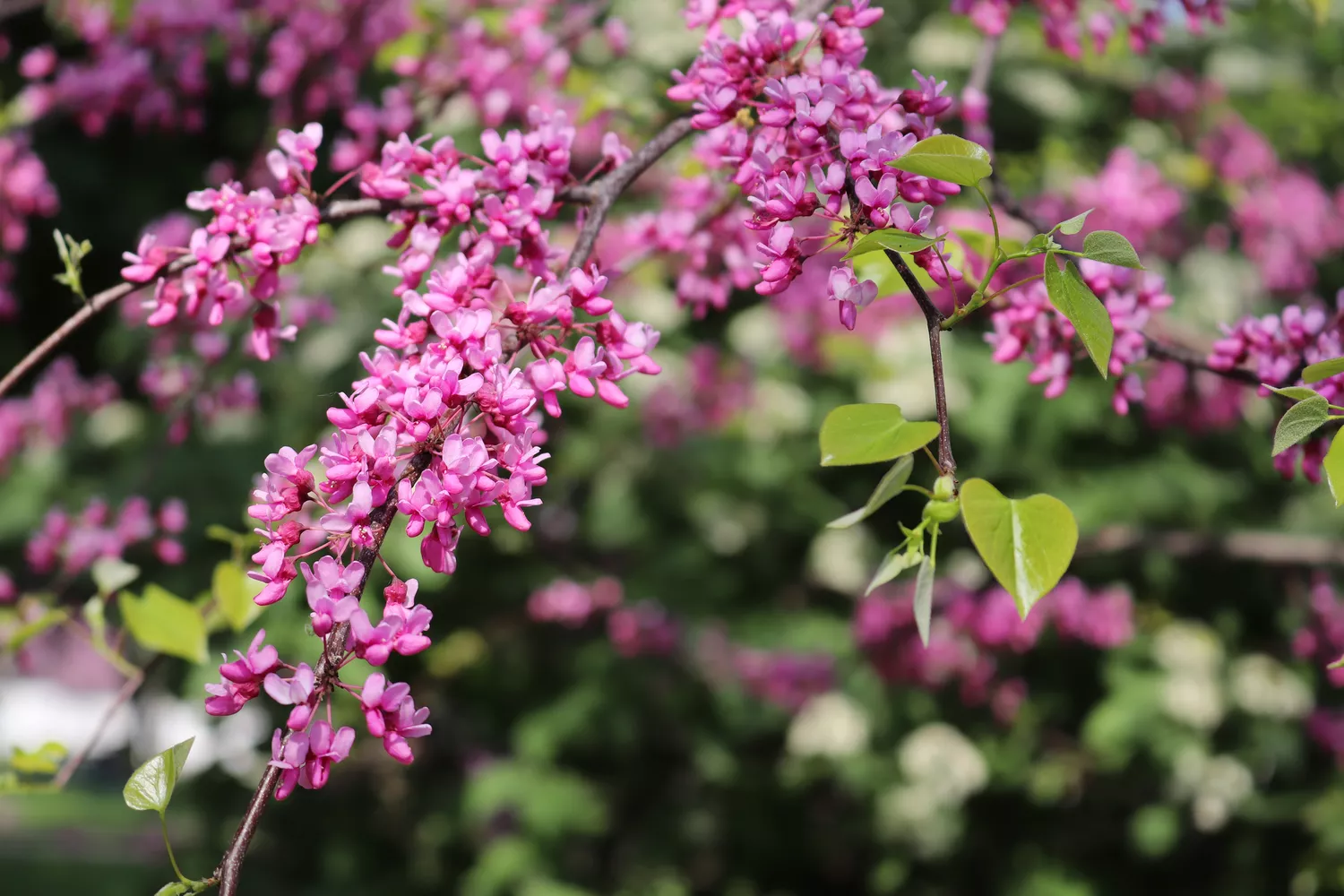
We Found the BEST Pink Flowering Trees to Boost Your Curb Appeal


Make Meadows Wants To Dismantle the Tyranny of Lawns
18 Best Medium-Sized Trees for Your Yard
Building Change: World Green Infrastructure Congress 2024
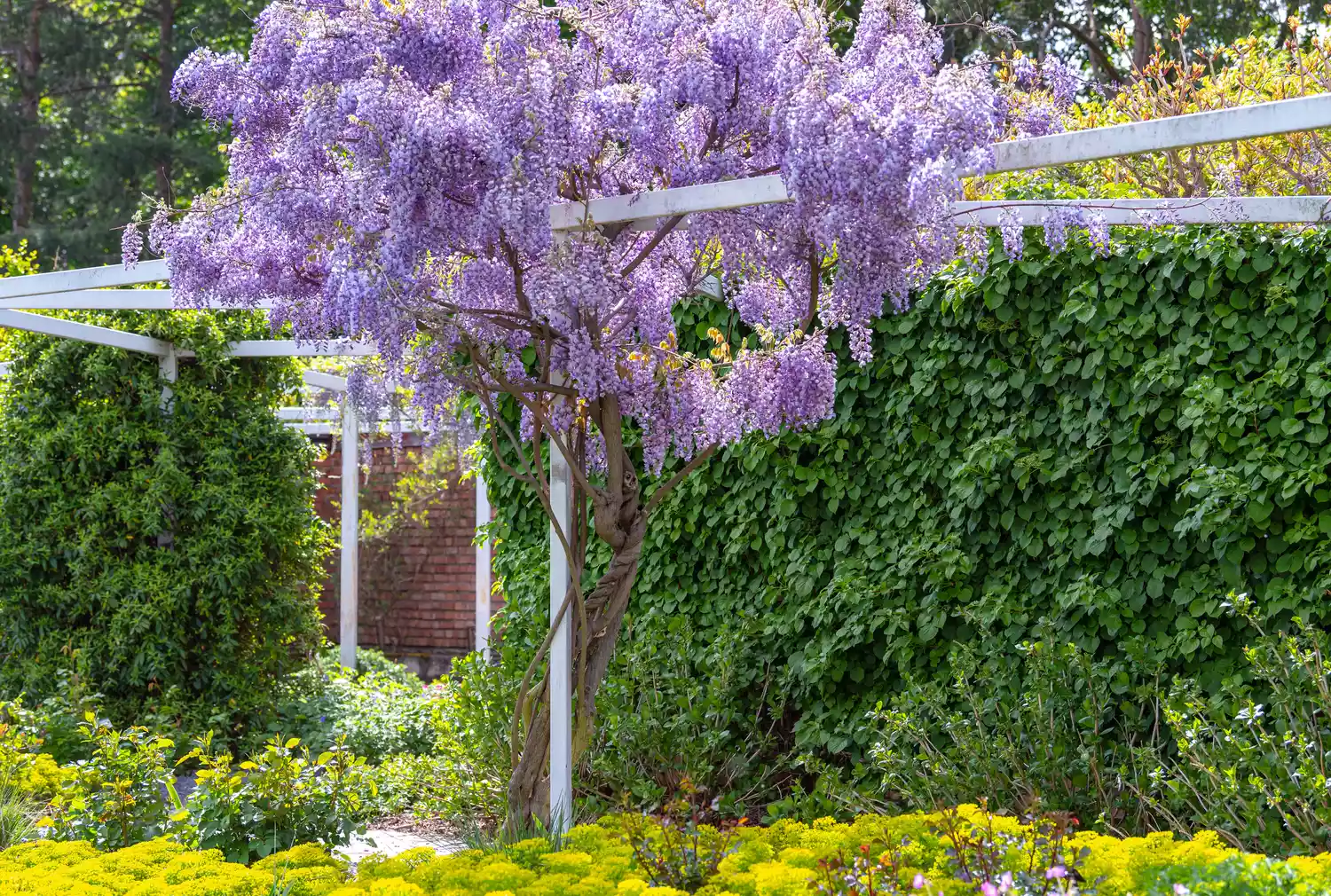
These Purple Blooming Trees Are the Prettiest Way to Add Curb Appeal to Your Front Yard

Sanctuaries in the city – NYC garden designer reveals how to transform urban rooftop gardens into green oases

Living green walls are having a moment but face a steep challenge

Why the Urban Jungle Needs More Trees
Nature Nurtures
What type of privacy trees can I grow in pots? 5 container gardening picks that can help screen your backyard


Green roofs and walls increase urban sustainability