
1/3
Green roofs and walls increase urban sustainability
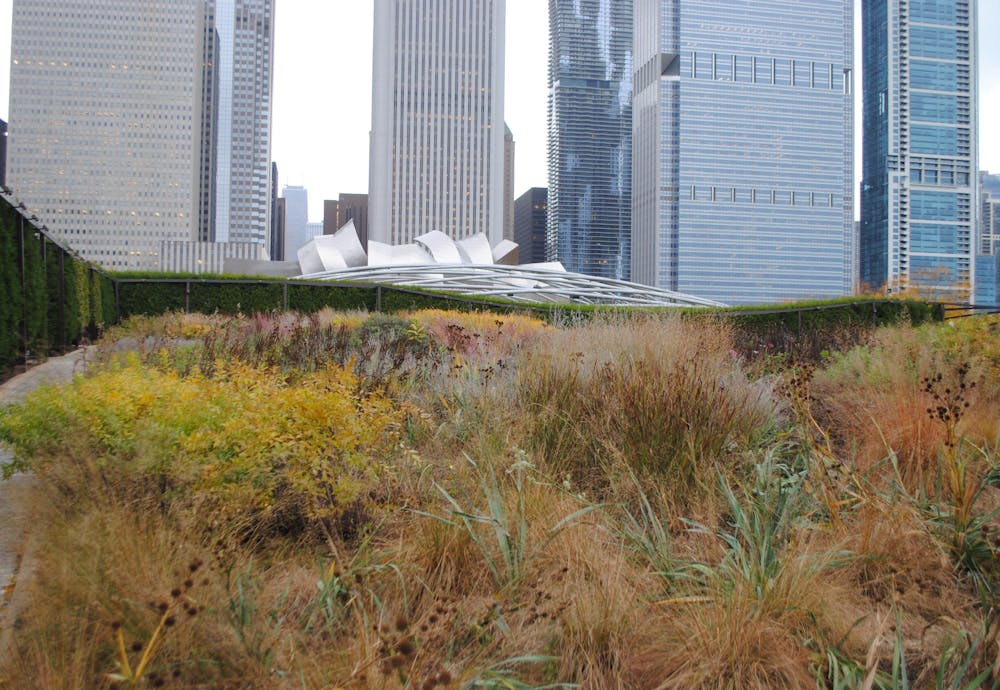
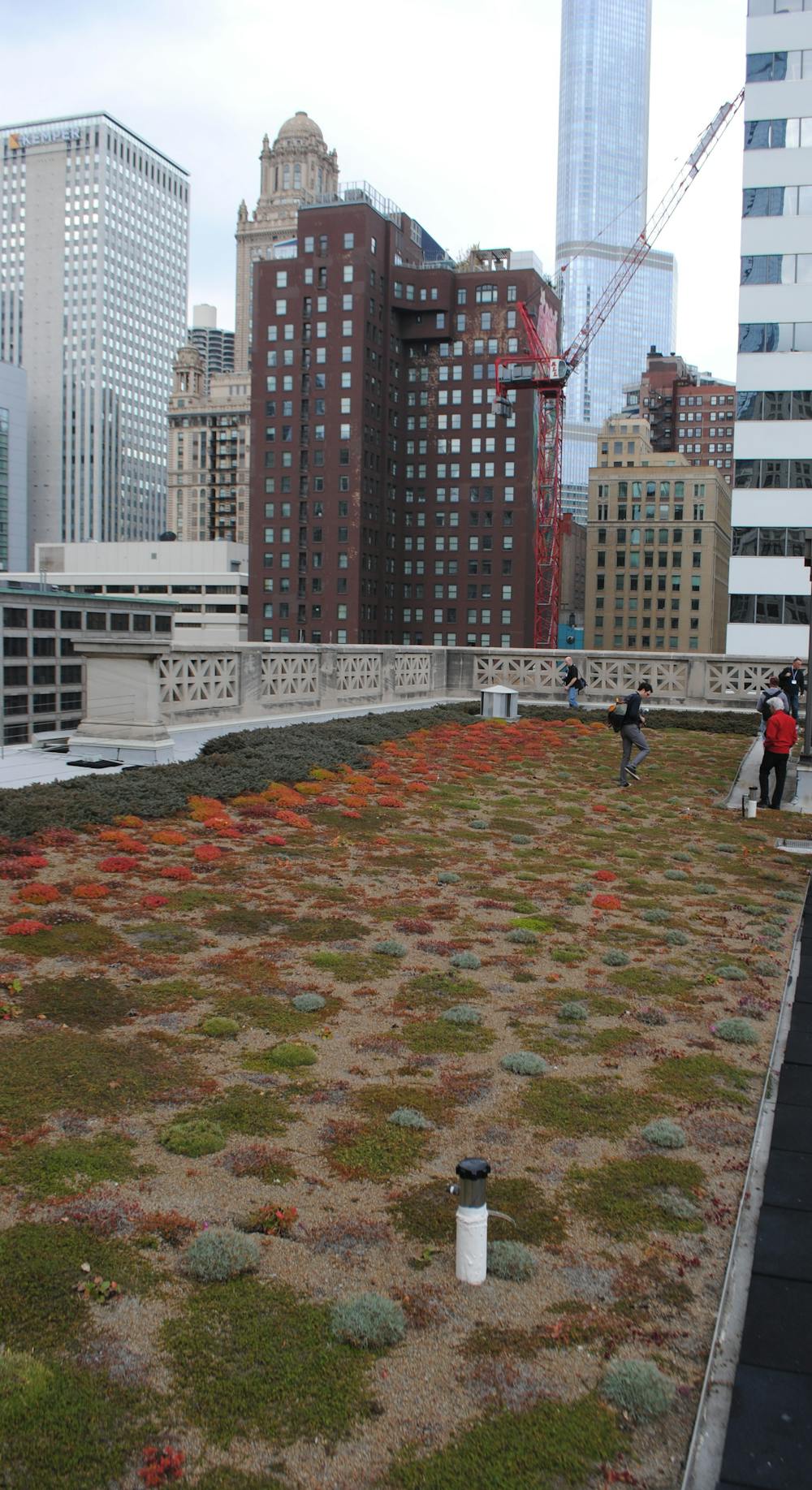
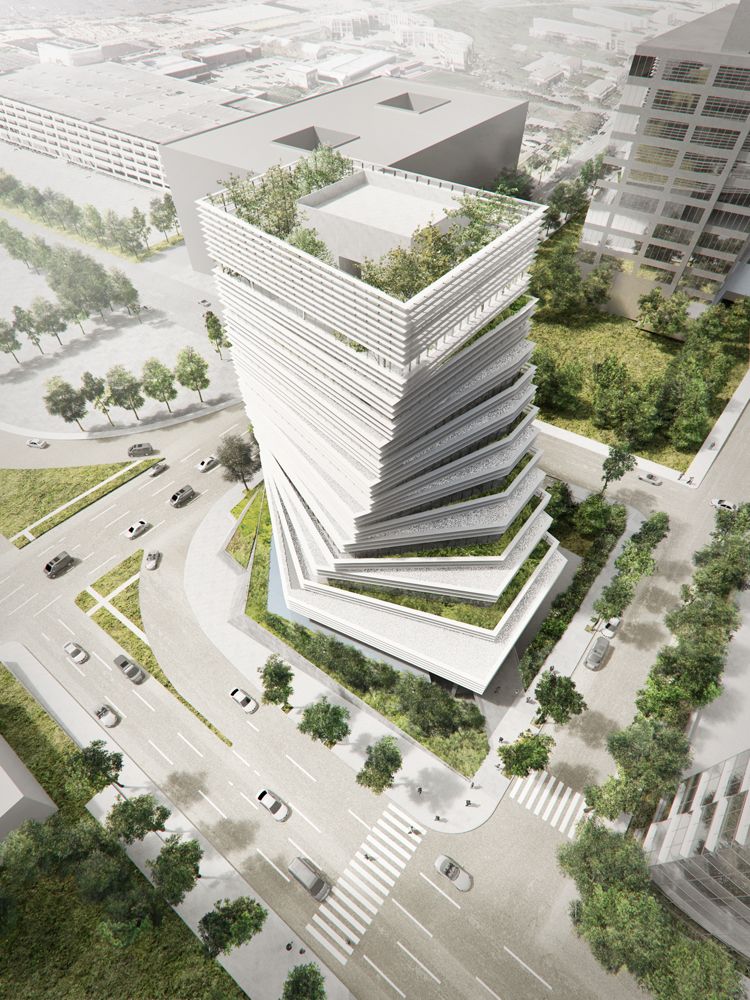
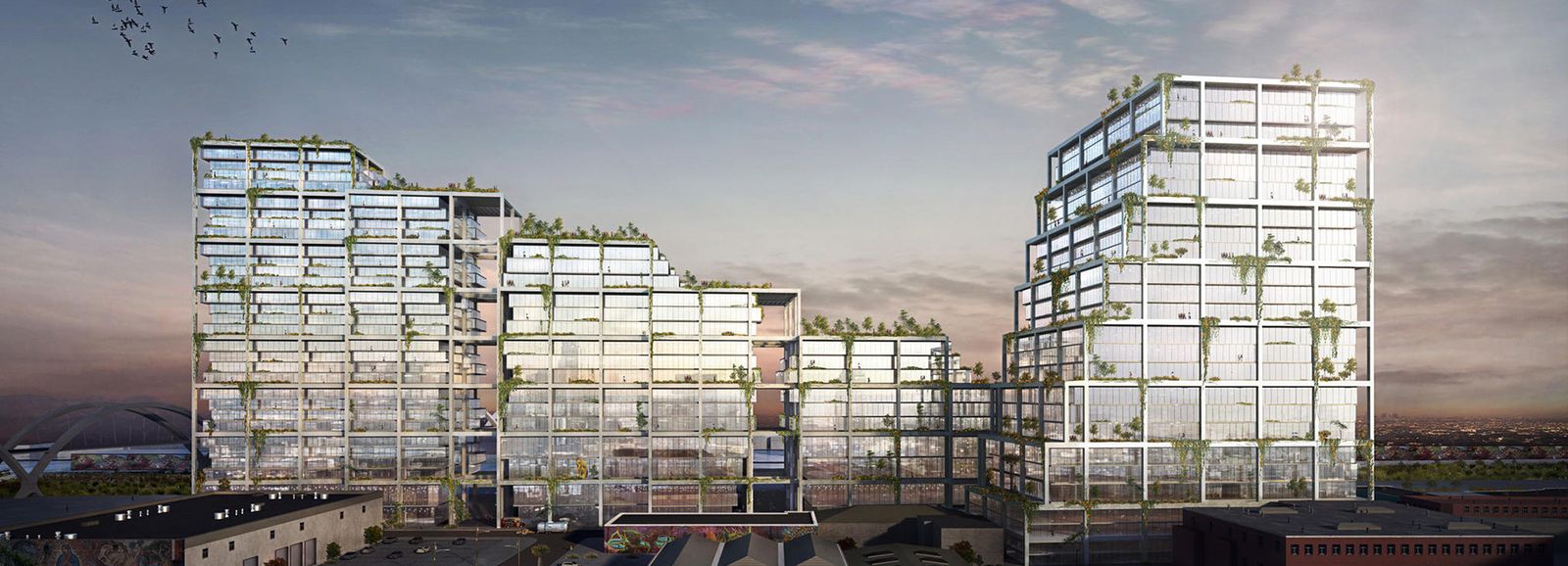
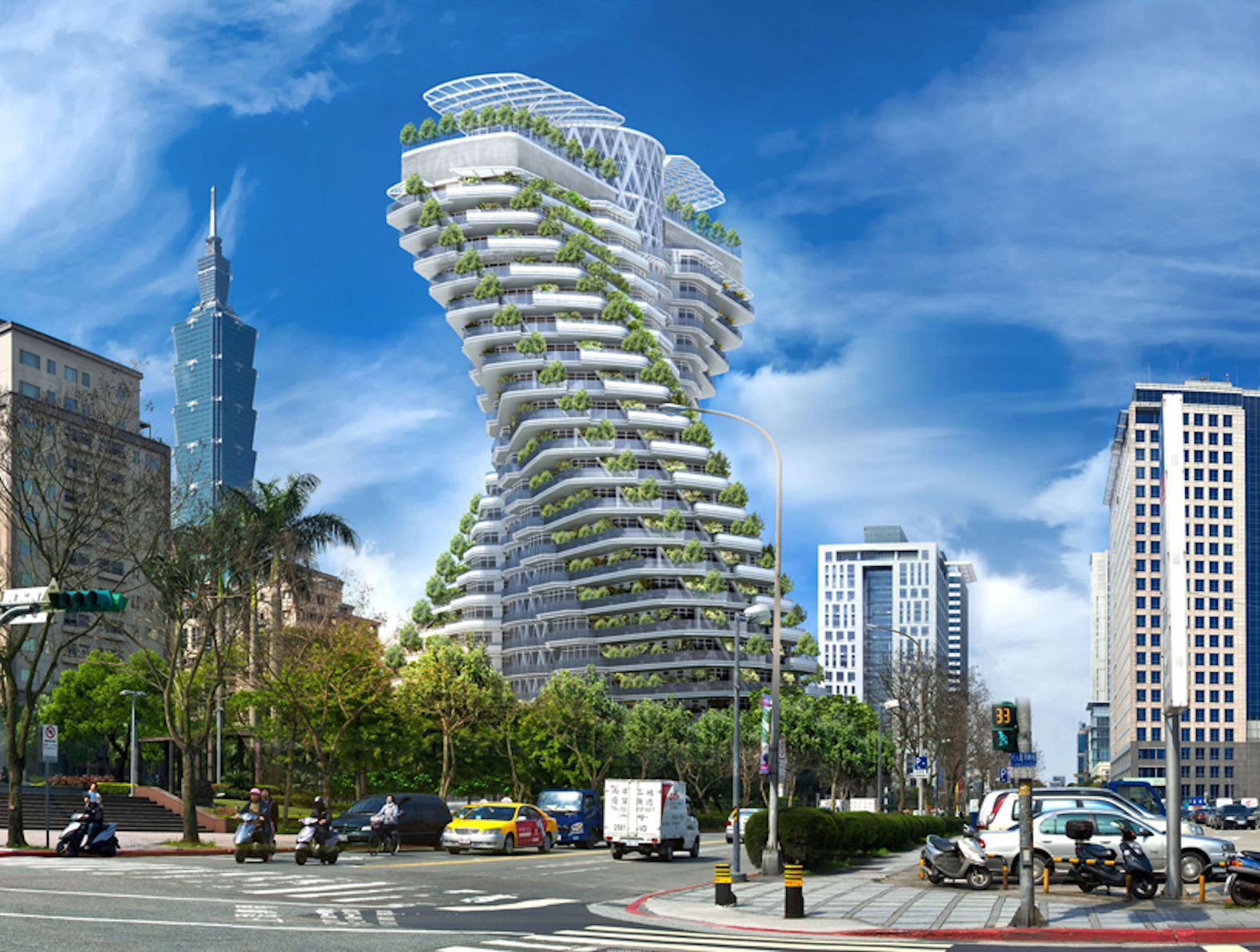
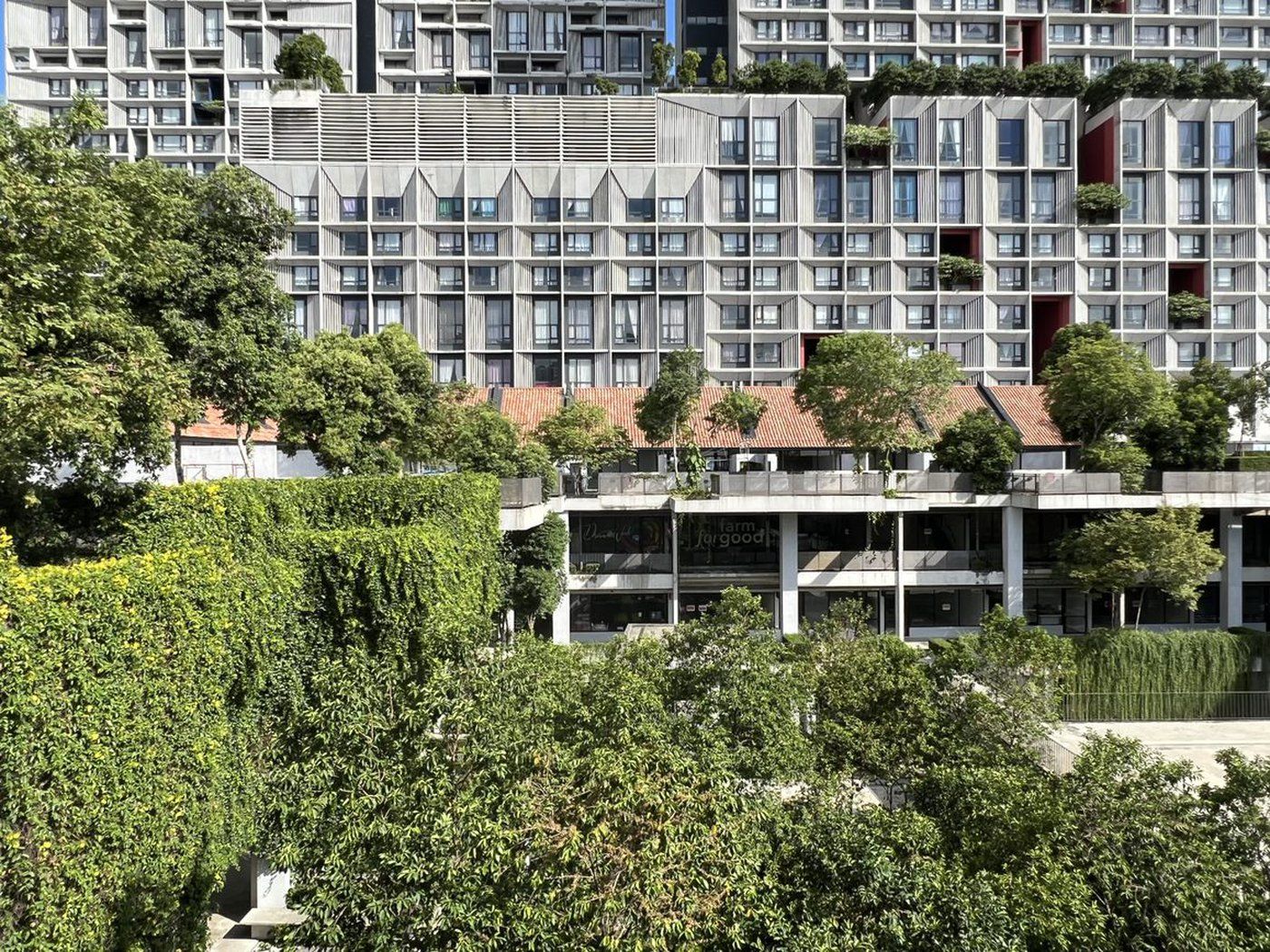
Green roofs and green walls are emerging as a transformative element in modern urban design, moving beyond mere aesthetic appeal to provide significant environmental and economic benefits. These vegetated surfaces, appearing globally, harness the natural functions of plants to counteract pressing environmental issues such as air pollution and the urban heat island effect, fostering a more sustainable urban environment.
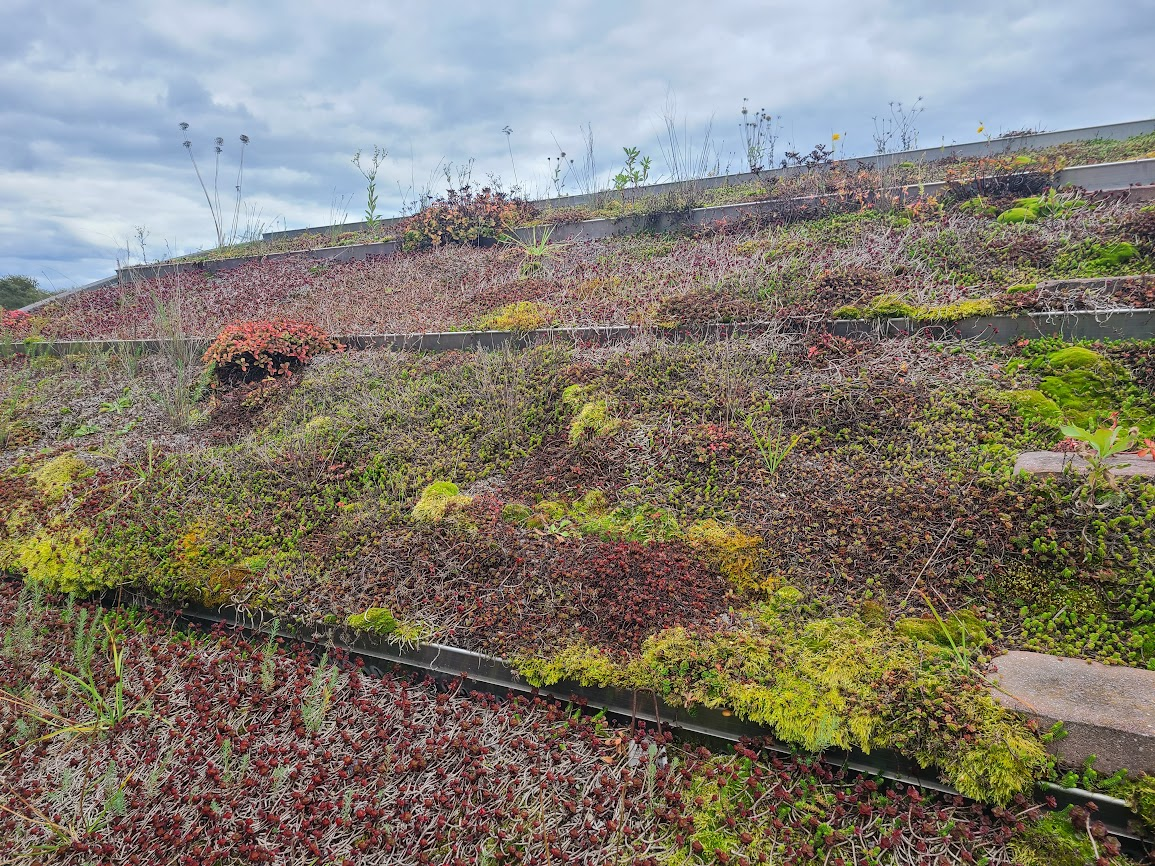
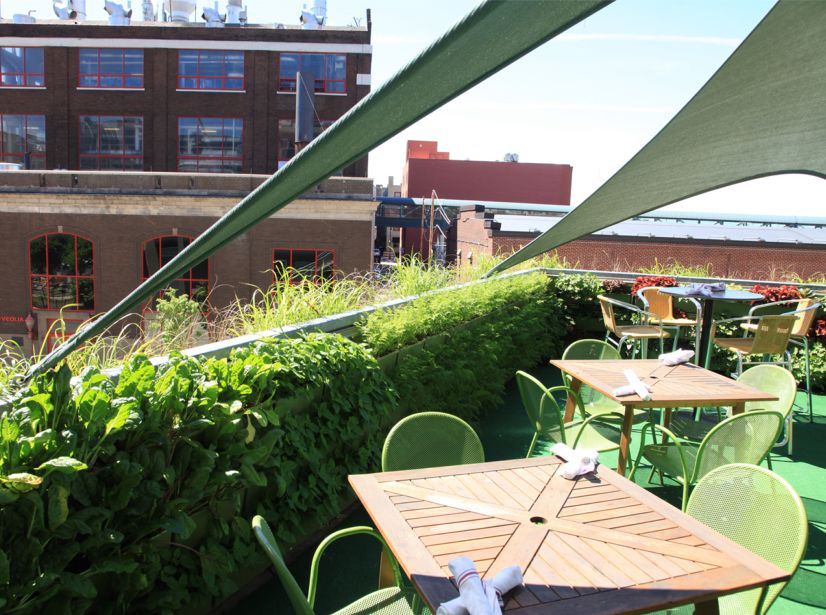
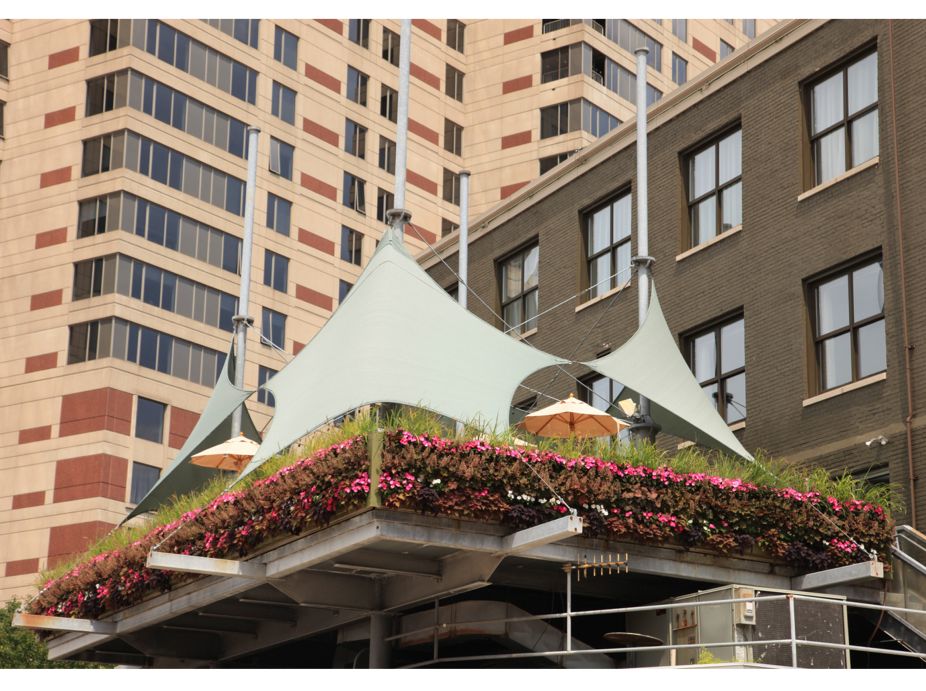
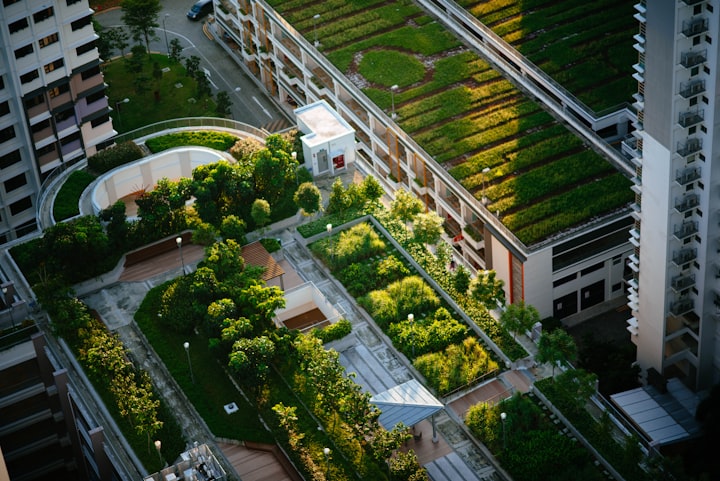
Green roofs are meticulously designed systems where vegetation partially or fully covers a roof, typically built upon a waterproof membrane. These systems often integrate components like root barriers, drainage systems, greywater treatment, and irrigation to ensure functionality and longevity. Beyond their visual appeal, green roofs act as natural insulators, regulating building temperatures and potentially reducing summertime energy costs by up to 25 percent for a typical three-story building. Their remarkable absorption capabilities also reduce stormwater runoff by 40-60 percent, lessening the burden on urban drainage systems. Furthermore, green roofs play a crucial role in mitigating air pollution and the urban heat island effect by trapping particulate matter, conducting photosynthesis to absorb carbon dioxide, and capturing harmful gases, thereby improving outdoor air quality. They also offer opportunities for integrating green technologies, such as photovoltaic panels and solar thermal collectors, and contribute to increased urban biodiversity by providing habitats for wildlife and supporting food production and urban agriculture. This multifaceted approach helps to offset the detrimental impact of urbanization on natural ecosystems, paving the way for a healthier and greener future.
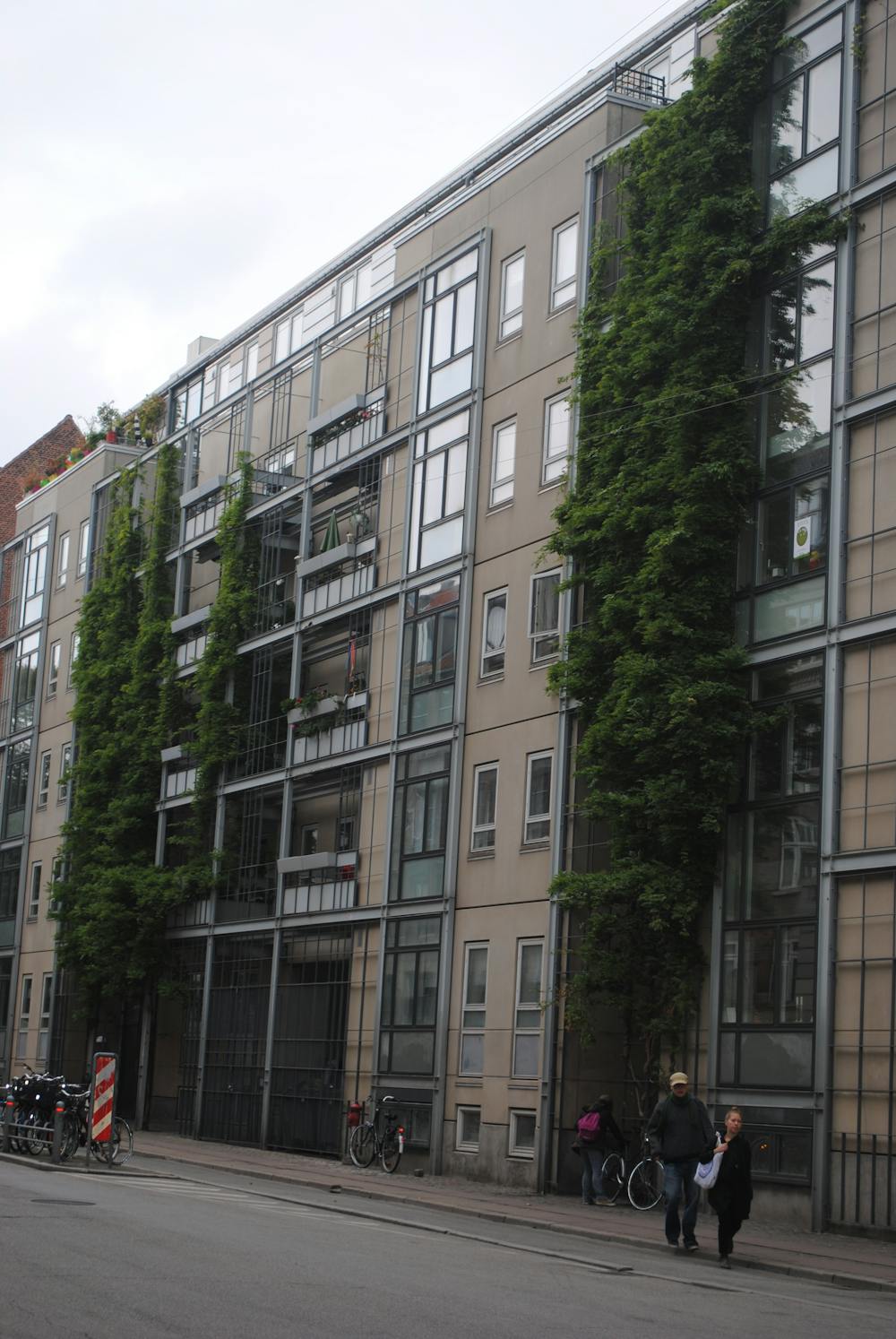
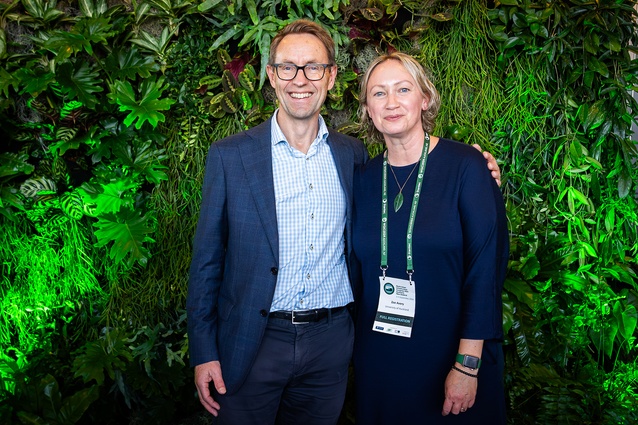
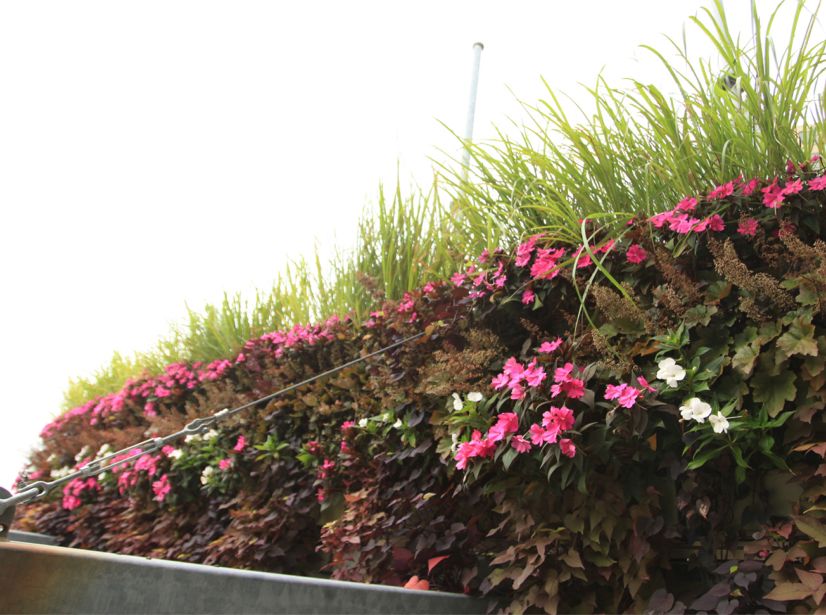
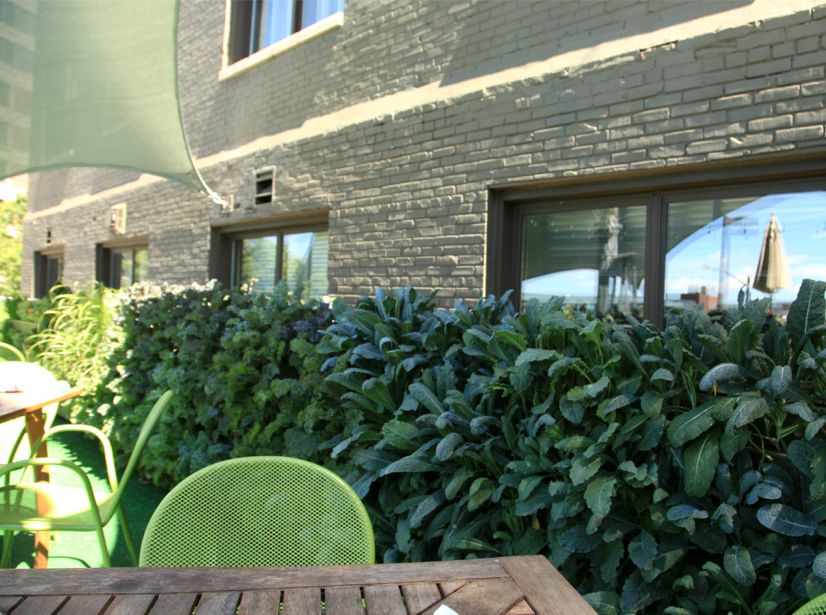
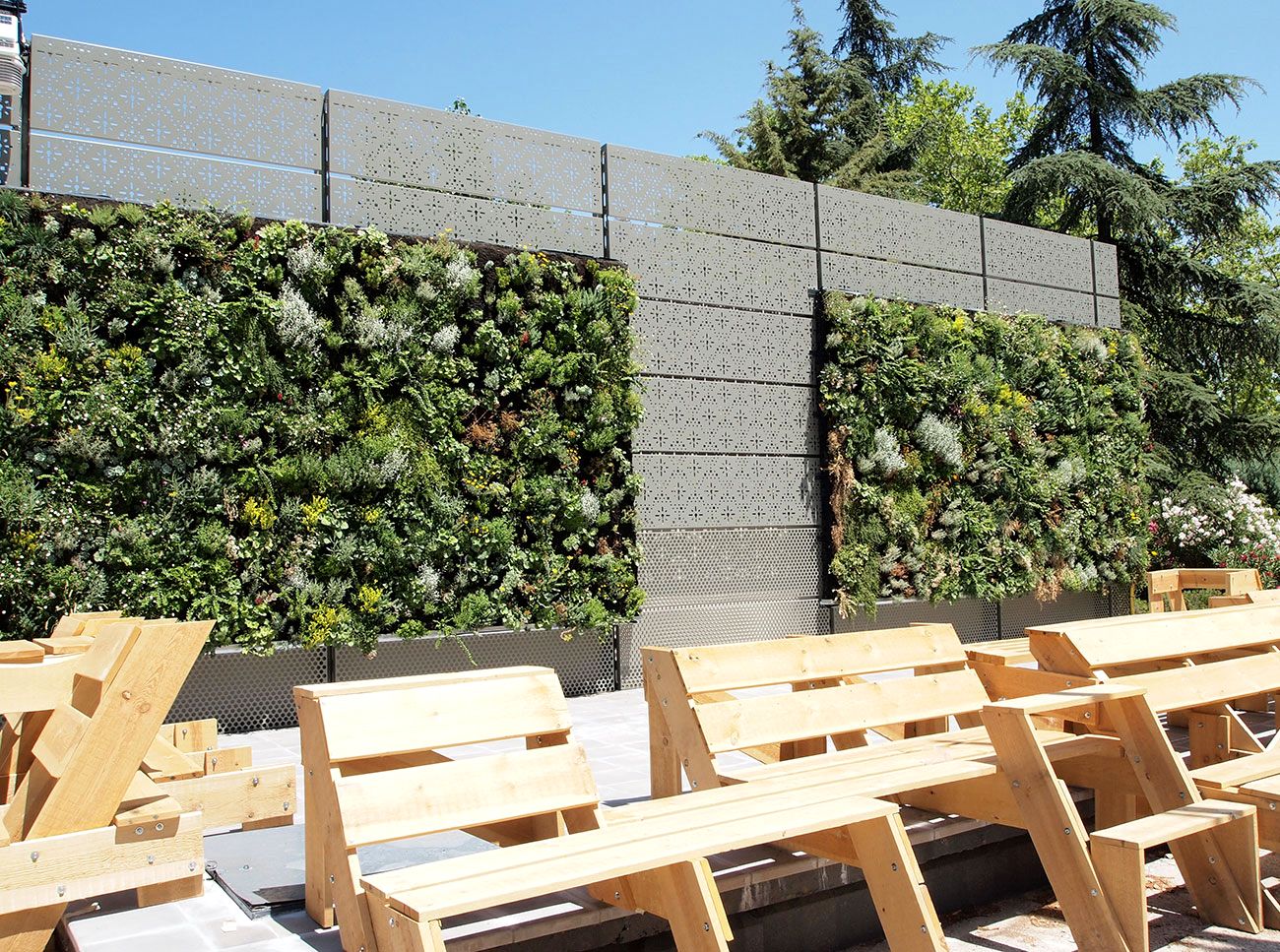
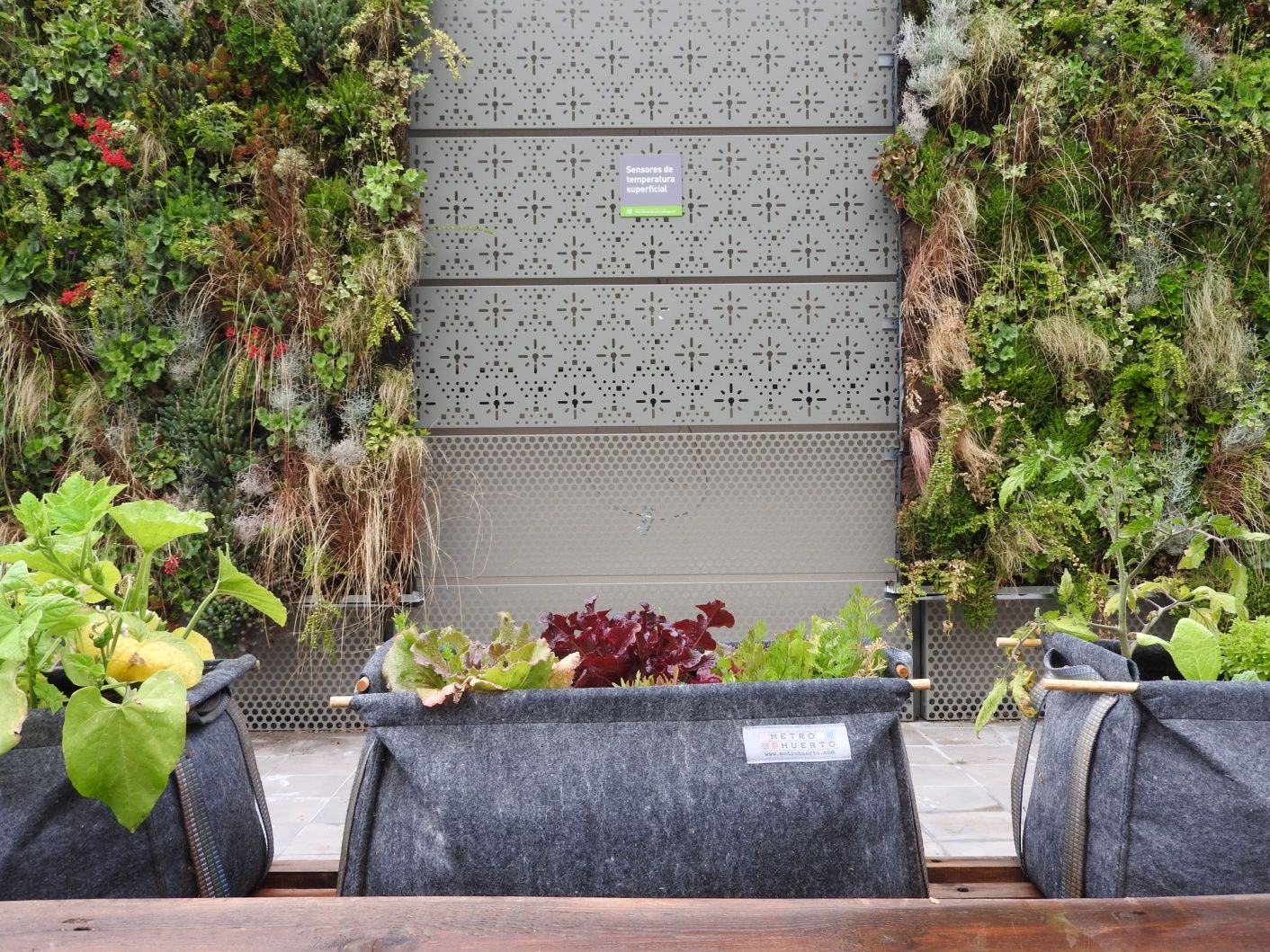
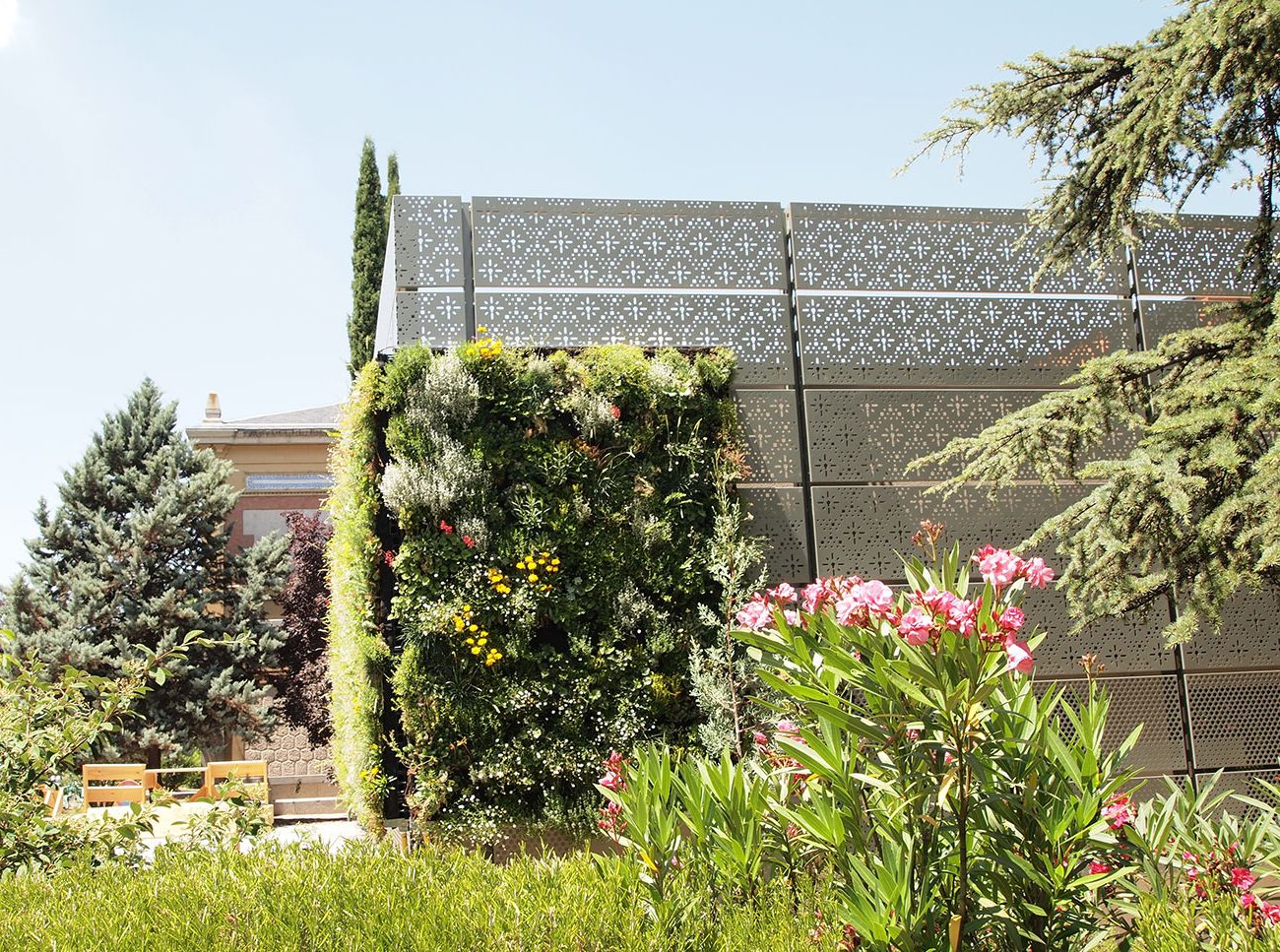
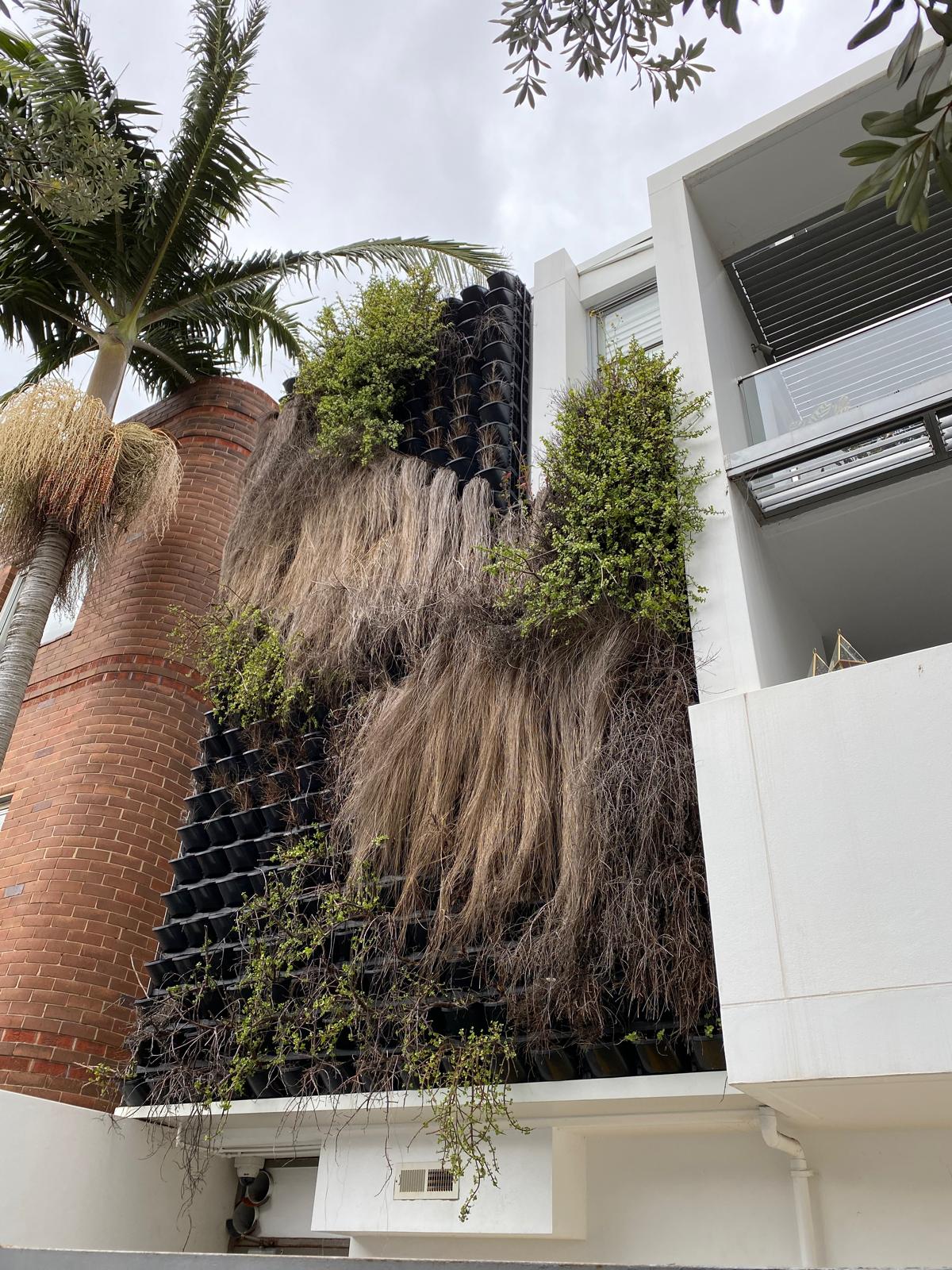
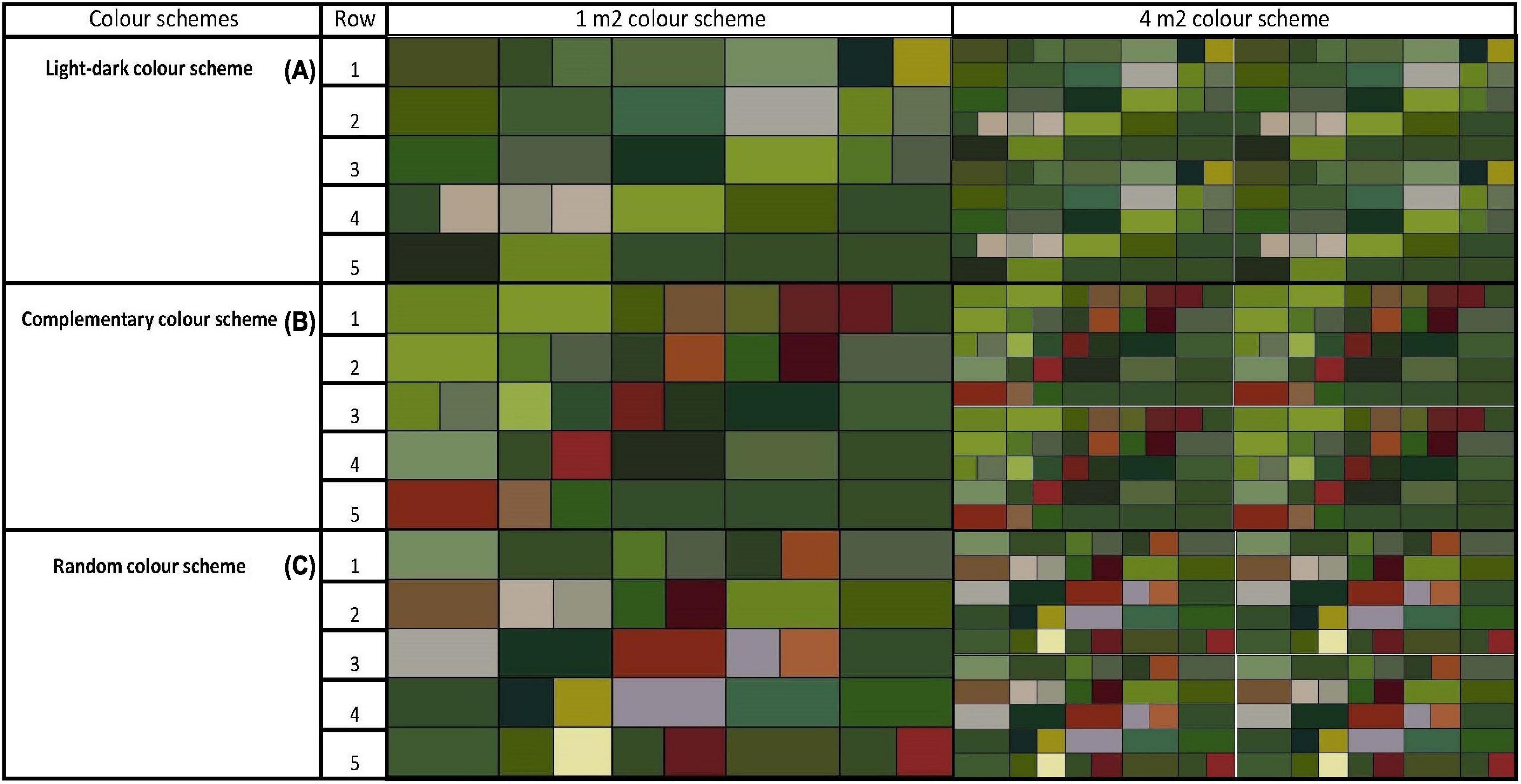
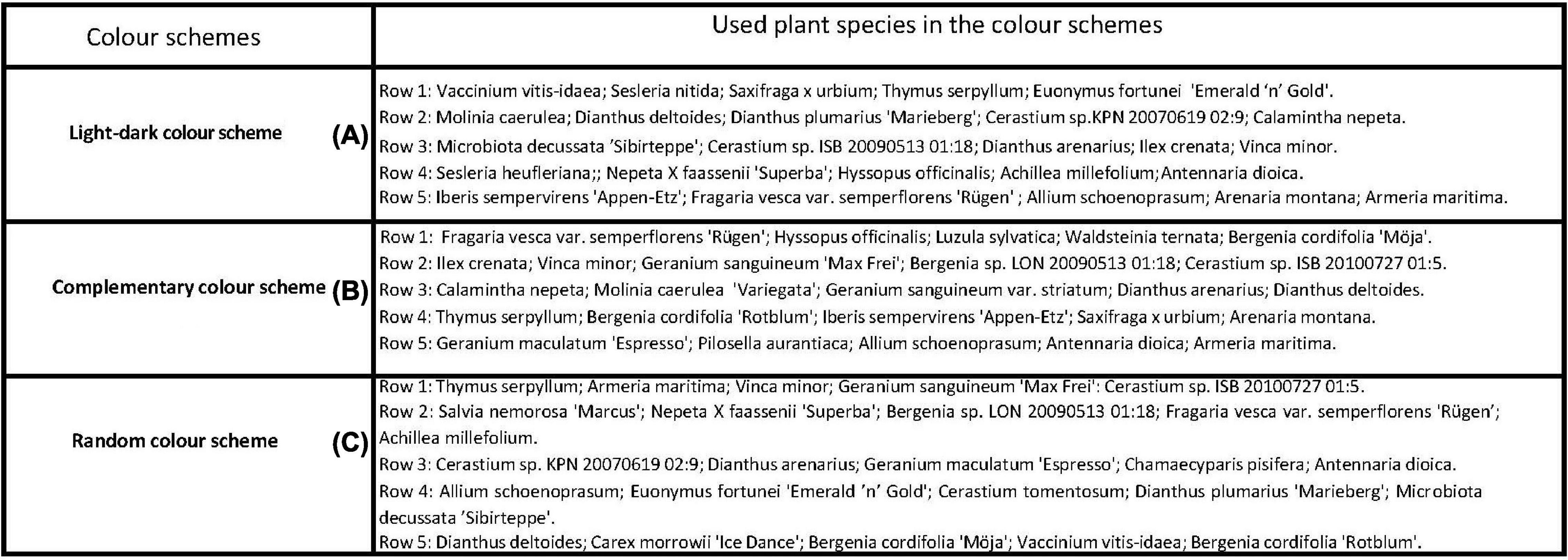
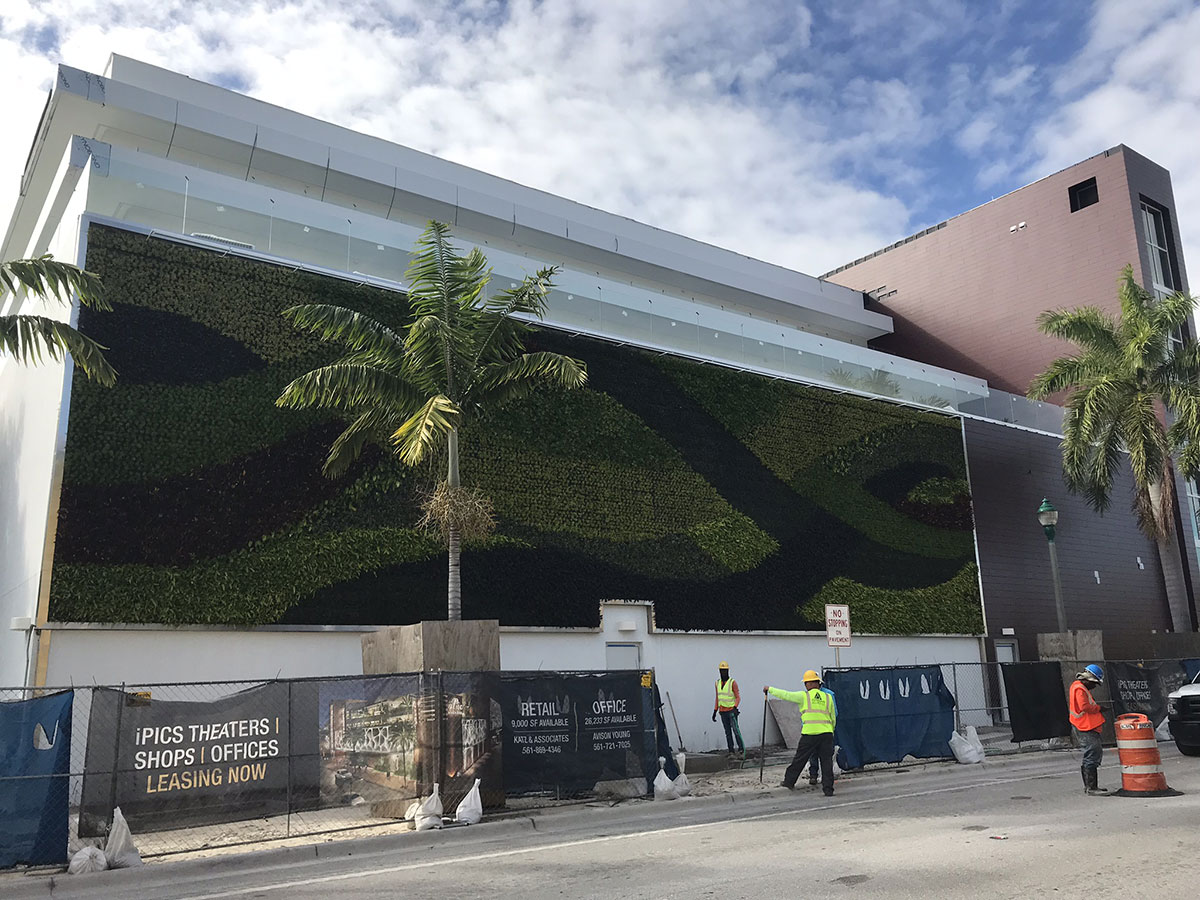
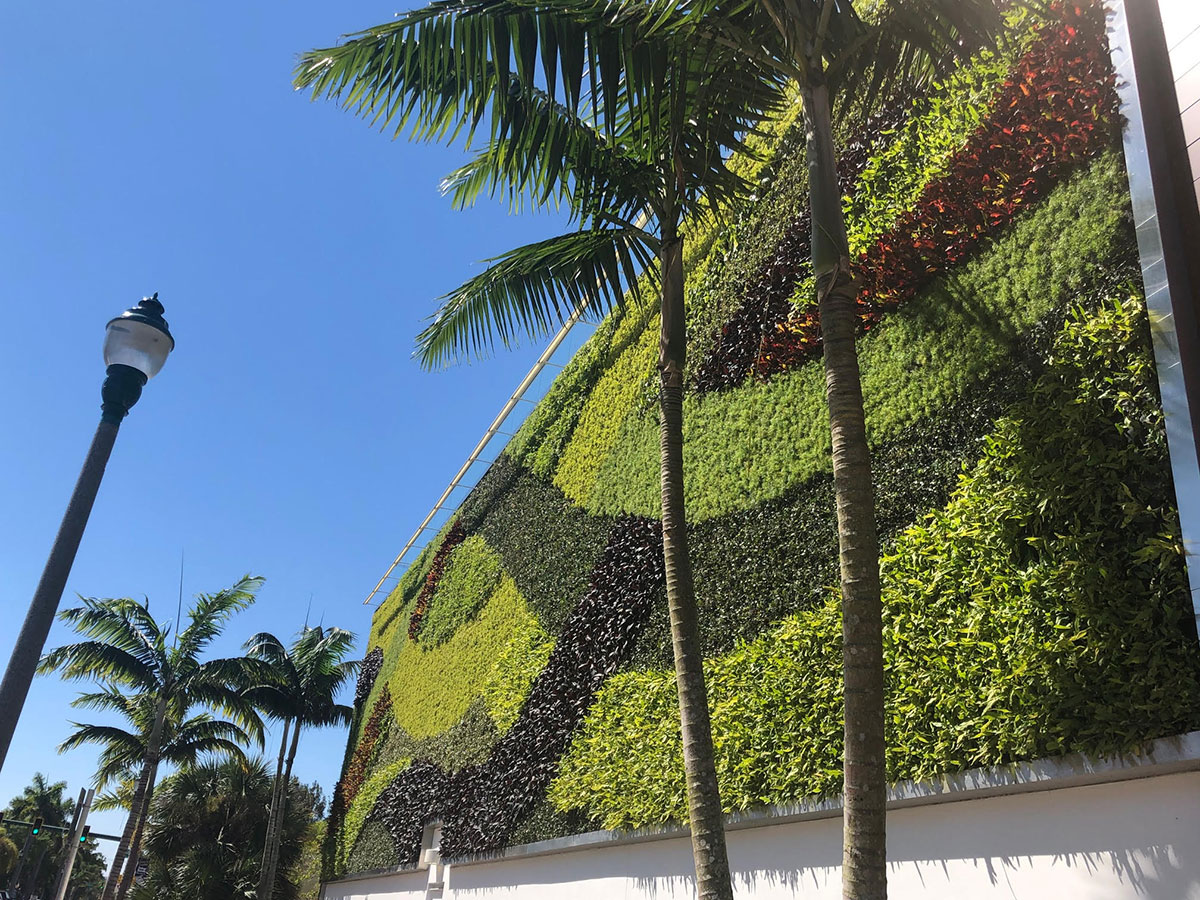
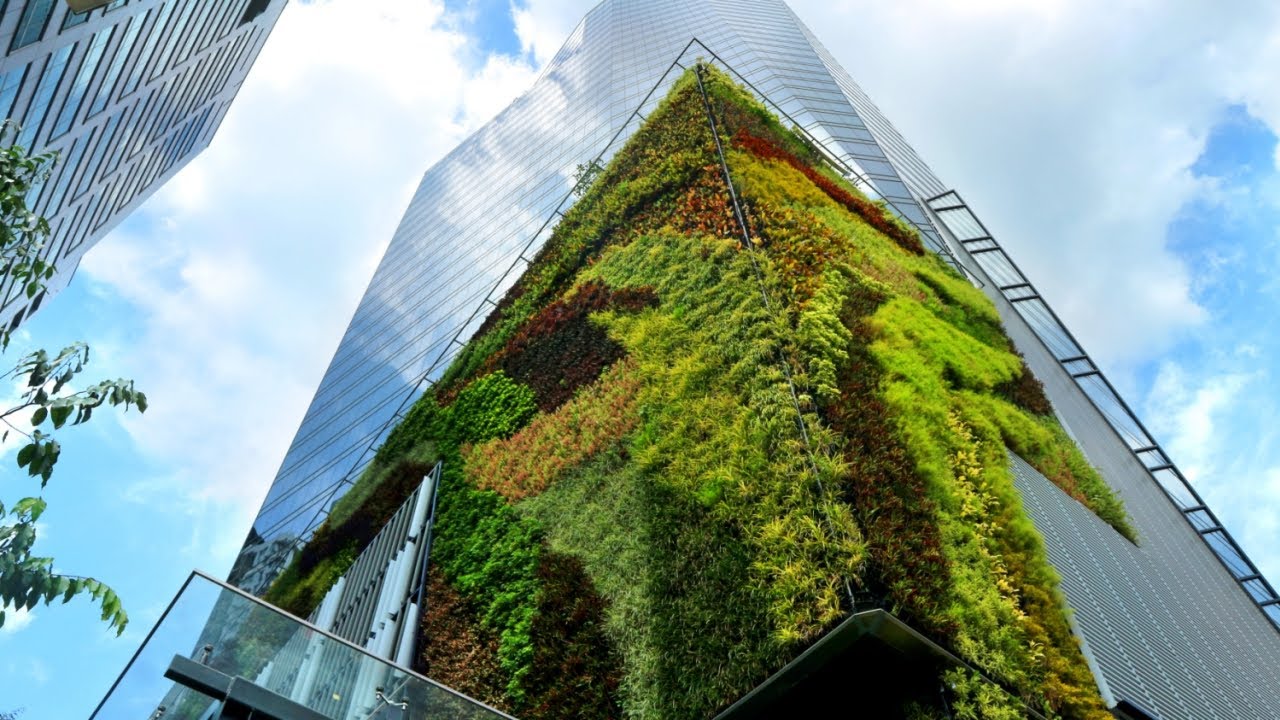
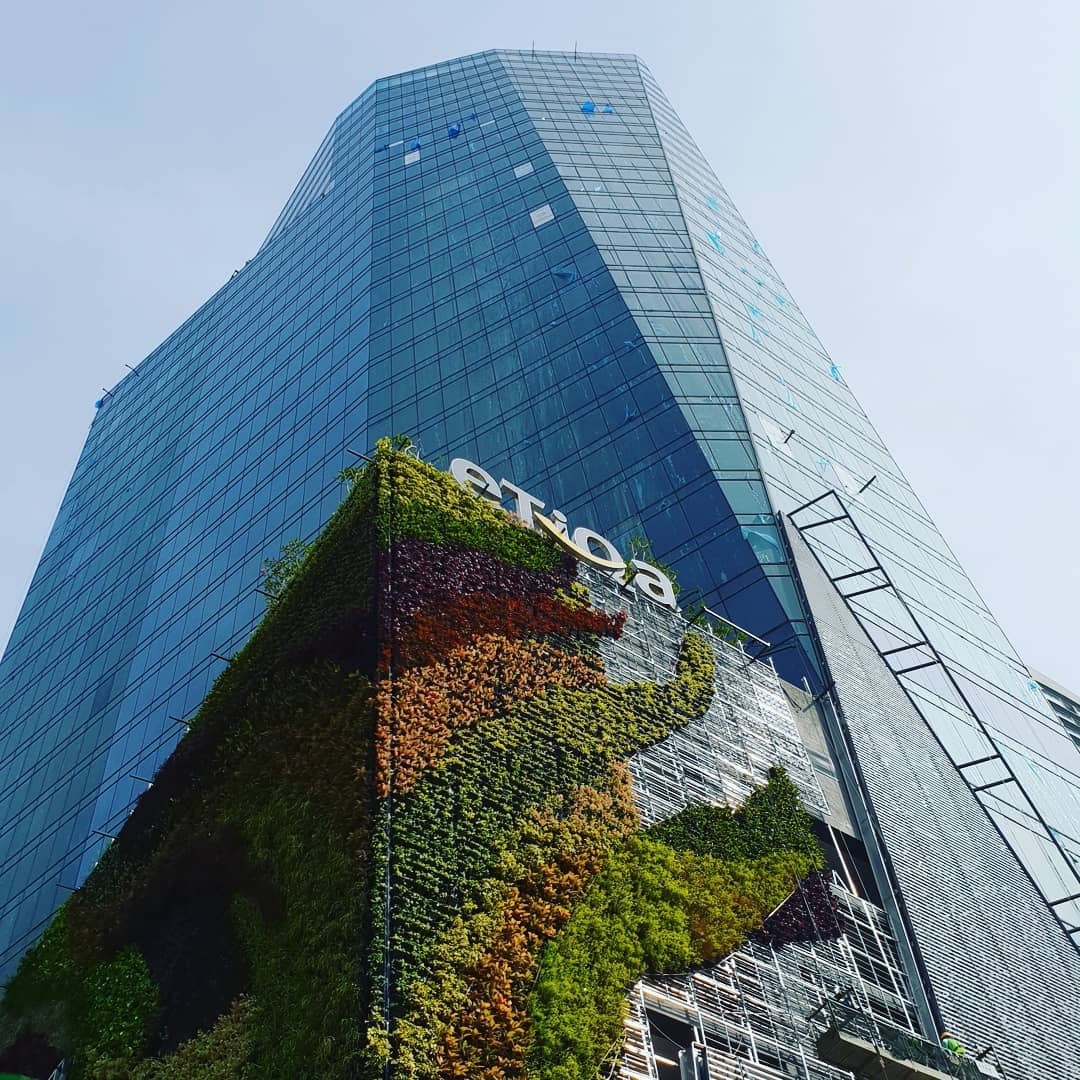
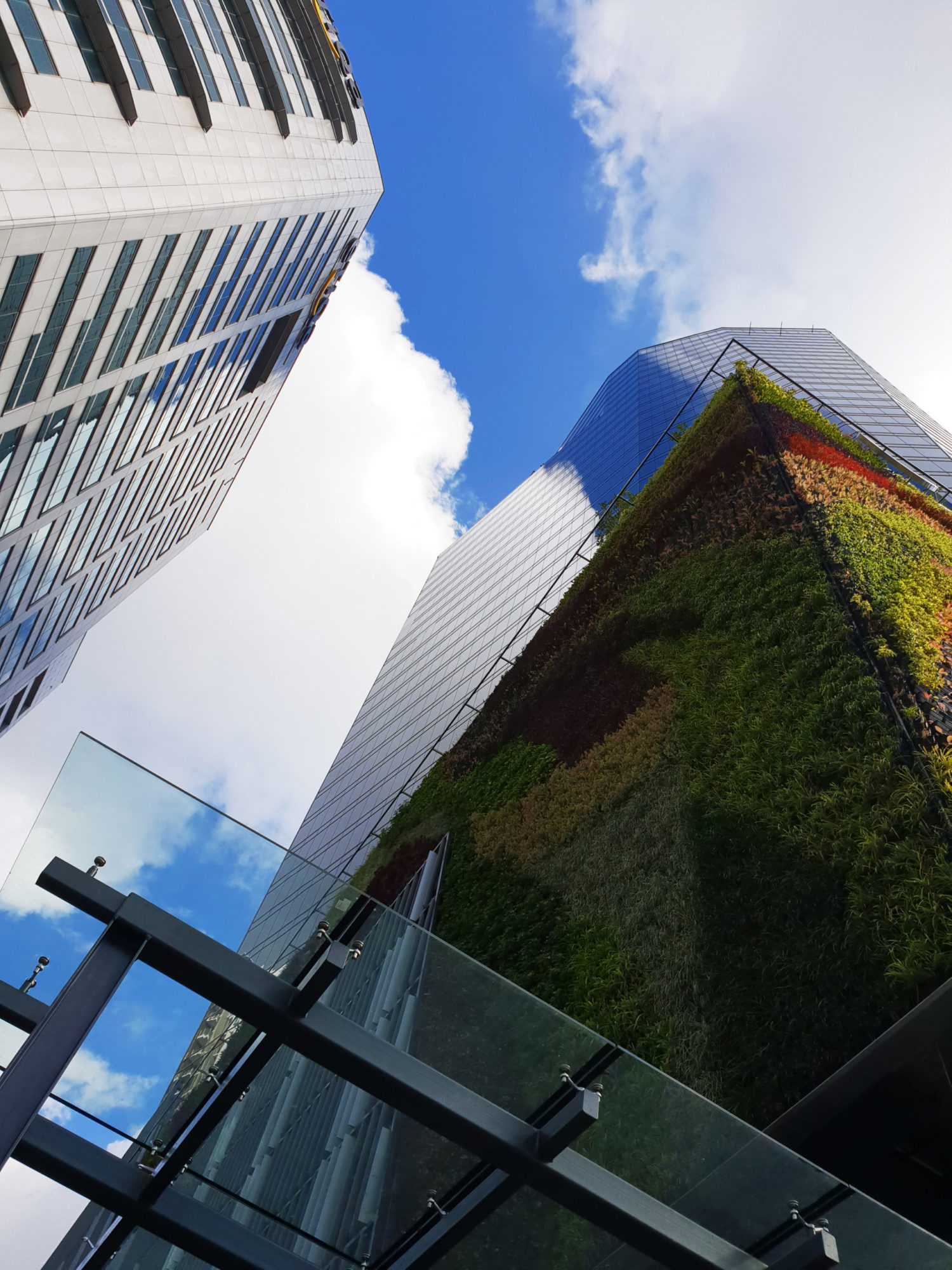
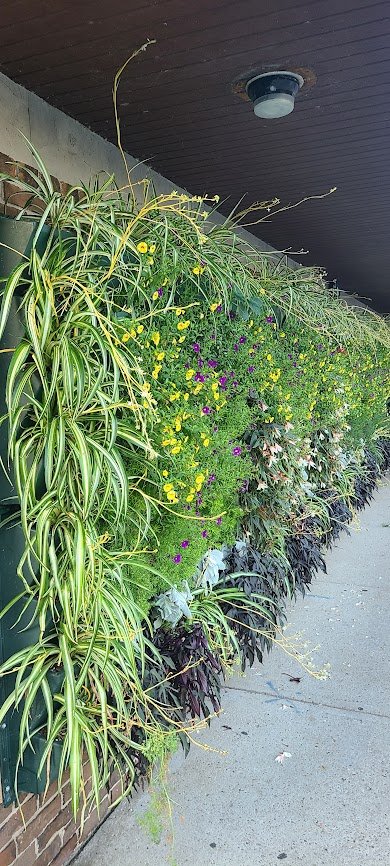
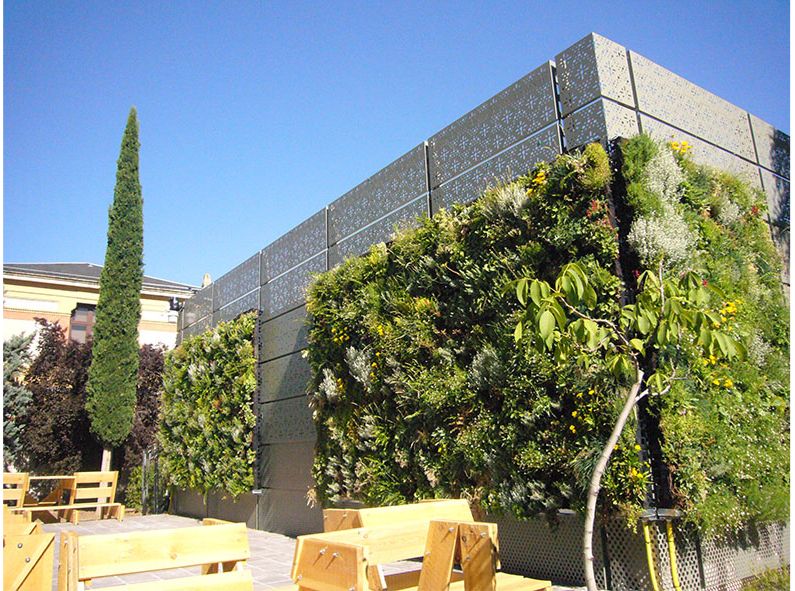
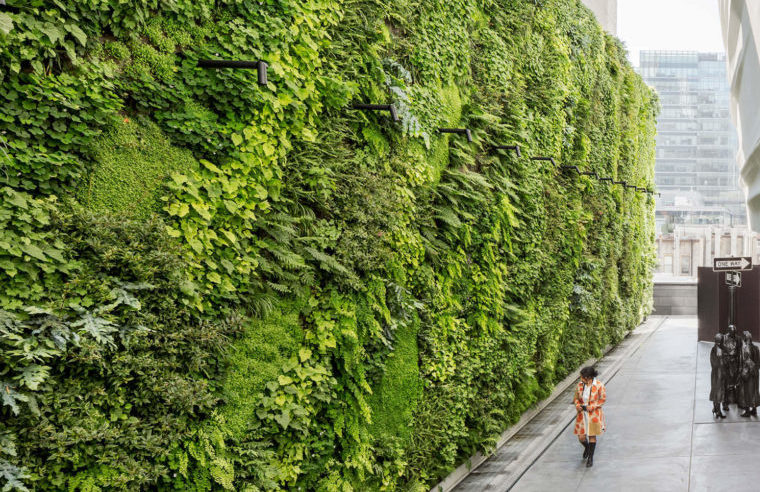
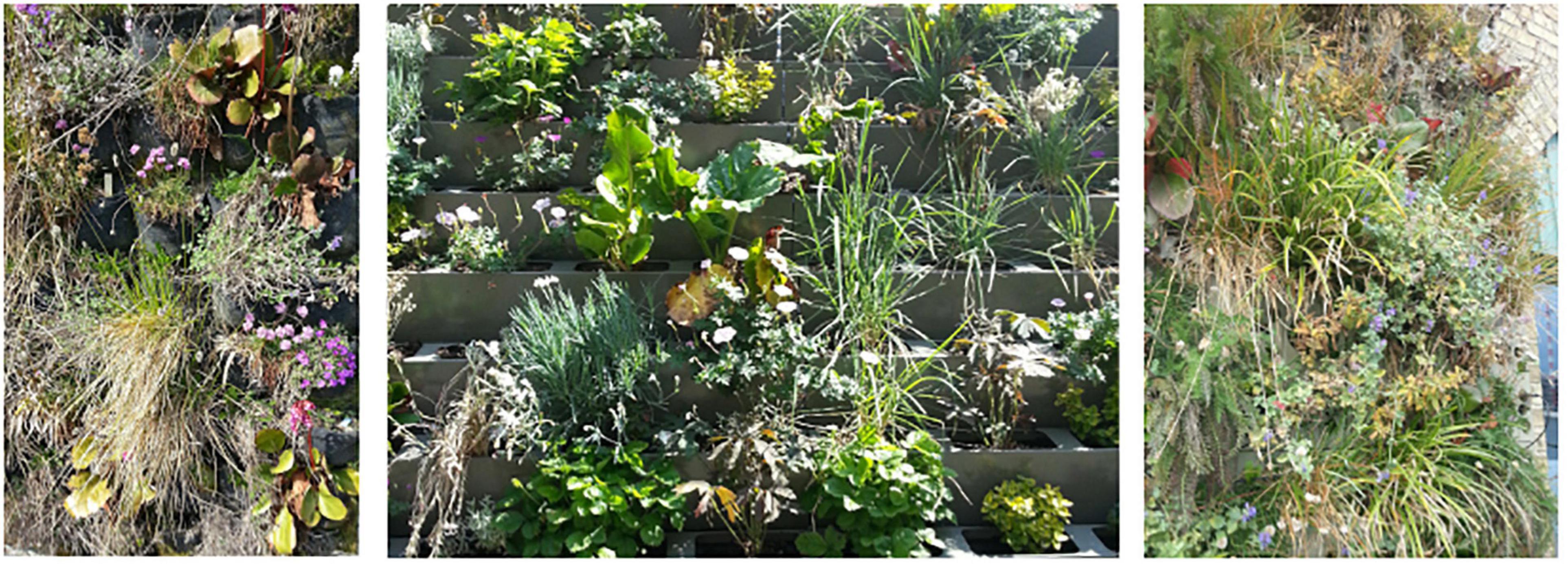
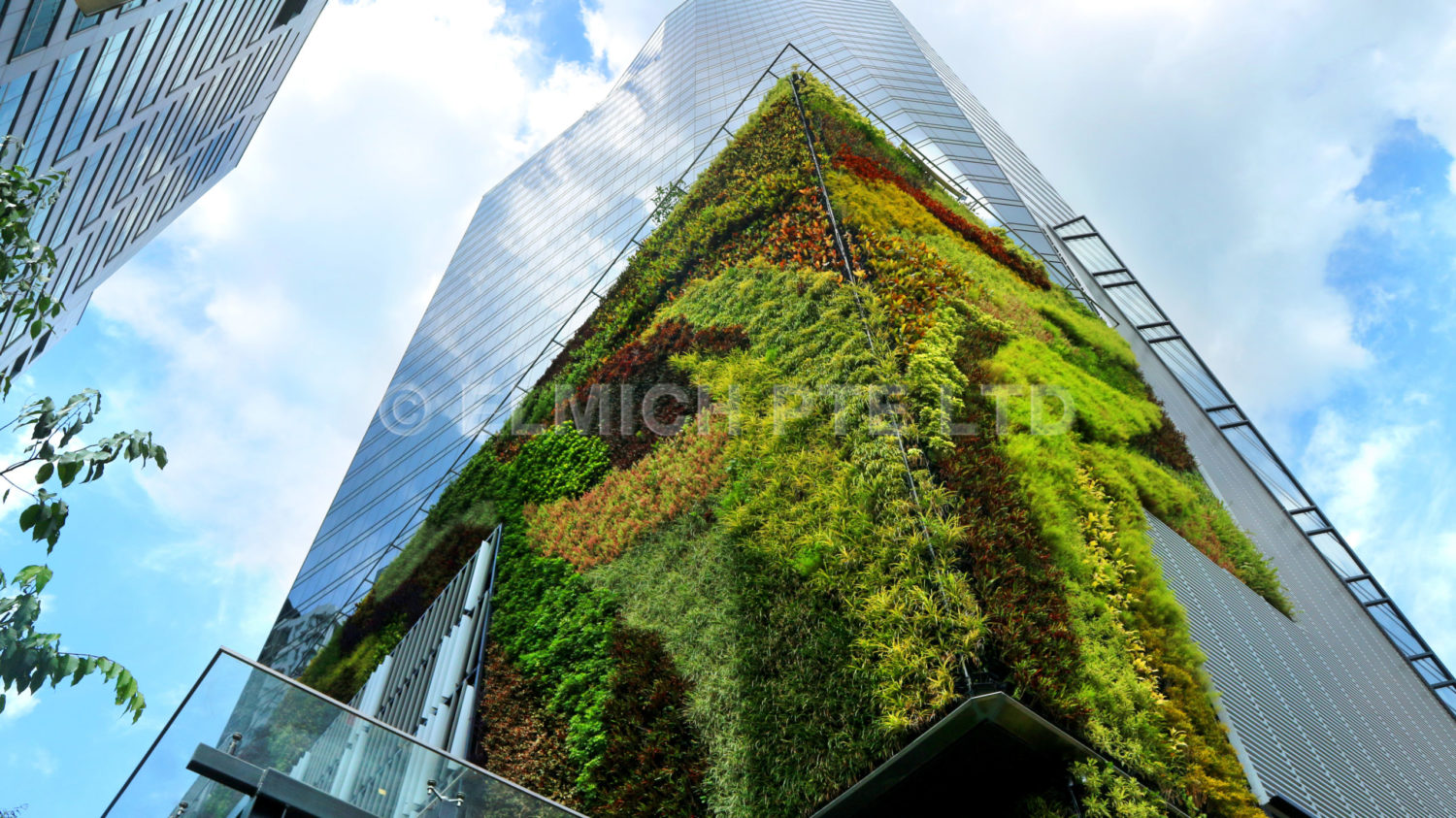
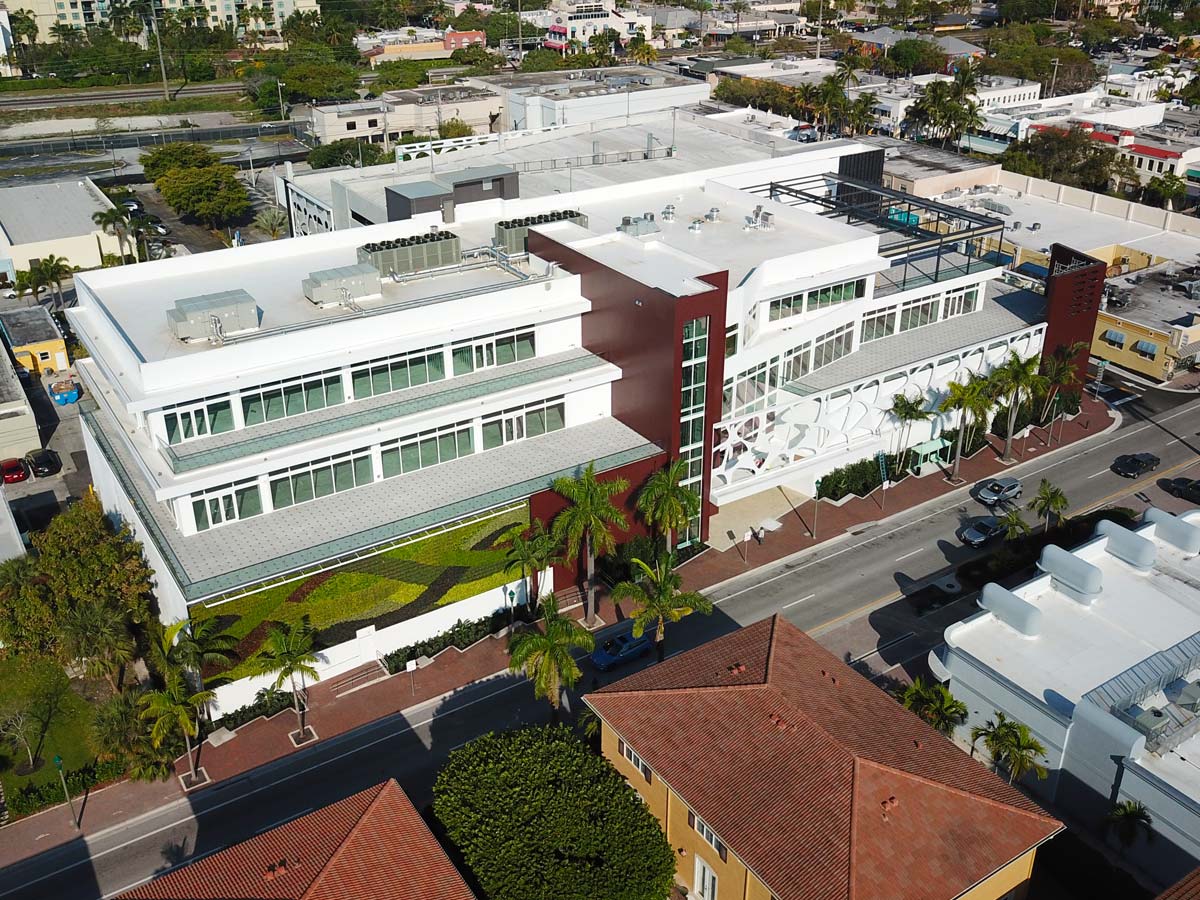
Similarly, green walls, encompassing living walls, retaining living walls, and green facades, introduce vertical vegetation to building surfaces. Living walls are composed of pre-vegetated panels or modules attached to a structural frame, while retaining living walls stabilize urban slopes with vegetation. Green facades, on the other hand, utilize climbing plants or vines on supporting structures. Each type of green wall offers unique technical specifications, but all share the common goal of sustainability. High-grade green walls provide many of the same benefits as green roofs, including natural cooling properties, and introduce additional advantages such as revitalizing derelict spaces. They can decrease indoor temperatures by as much as 10 degrees and reduce sound reflection, contributing to a quieter urban environment. Strategically placed green walls also improve indoor air quality and circulation by filtering out volatile organic compounds (VOCs). Moreover, they act as an extra insulating layer, protecting building structures from temperature fluctuations, UV radiation, and rain damage, thereby extending the lifespan of organic construction materials and exterior finishes.
Both green roofs and green walls represent significant advancements in urban design and innovation. These landscaped building surfaces offer hope amidst the concrete landscapes of cities by delivering substantial economic benefits through enhanced thermal insulation and reduced utility bills. They also naturally filter water and air, which not only helps to manage the heat island effect but also promotes human health and well-being, laying the groundwork for a more sustainable and vibrant future for generations to come.
#GreenRoofs #GreenWalls #UrbanSustainability #EnvironmentalBenefits #BuildingInsulation #AirQuality #StormwaterManagement #Biodiversity #GreenRoofs #GreenWalls #UrbanSustainability #EnvironmentalBenefits #BuildingInsulation #AirQuality #StormwaterManagement #Biodiversity
0 comment in total
 No comments yet
You may also like
Ten Innovations in North America’s Green Roof and Wall Industry
LABAU (Bioclimatic Architecture and Urban Agriculture Laboratory)
Sustainable Concrete Panel Construction | Spotlight on Nexii and Vero Building Systems

The Urban Jungle Needs More Trees

Green roofs and walls – a growth area in urban design

Sustainable Buildings: Pioneering a Green Revolution in Urban Design

Why the Urban Jungle Needs More Trees
A New Take on Insulating a Roof

Building Change: World Green Infrastructure Congress 2024
Living green walls are having a moment but face a steep challenge

8 Remarkable Buildings That Use Trees as a Design Element

Analysis of the impact of growing green walls based on the reduction of PM
Turf wars: 13 reasons why you would install a green wall and 3 reasons why you might not

Exploring the Integration Between Colour Theory and Biodiversity Values in the Design of Living Walls
Menara Etiqa
Rammed Earth Fits Into Urban Architecture’s Sustainable Future
The B.O.B. Sky Patio
IPIC Delray Beach Greenwall
Inside and out

Emerging Trends in Green Building and Sustainable Design