1/7
Exploring the Integration Between Colour Theory and Biodiversity Values in the Design of Living Walls
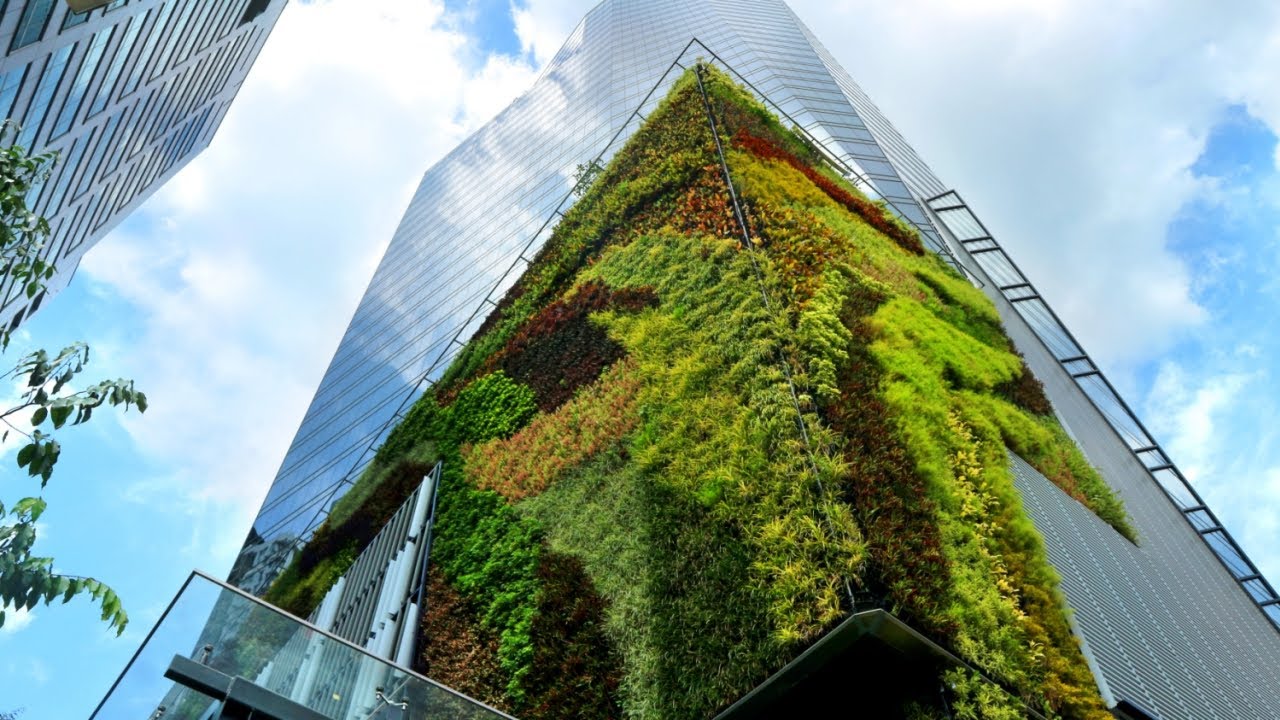
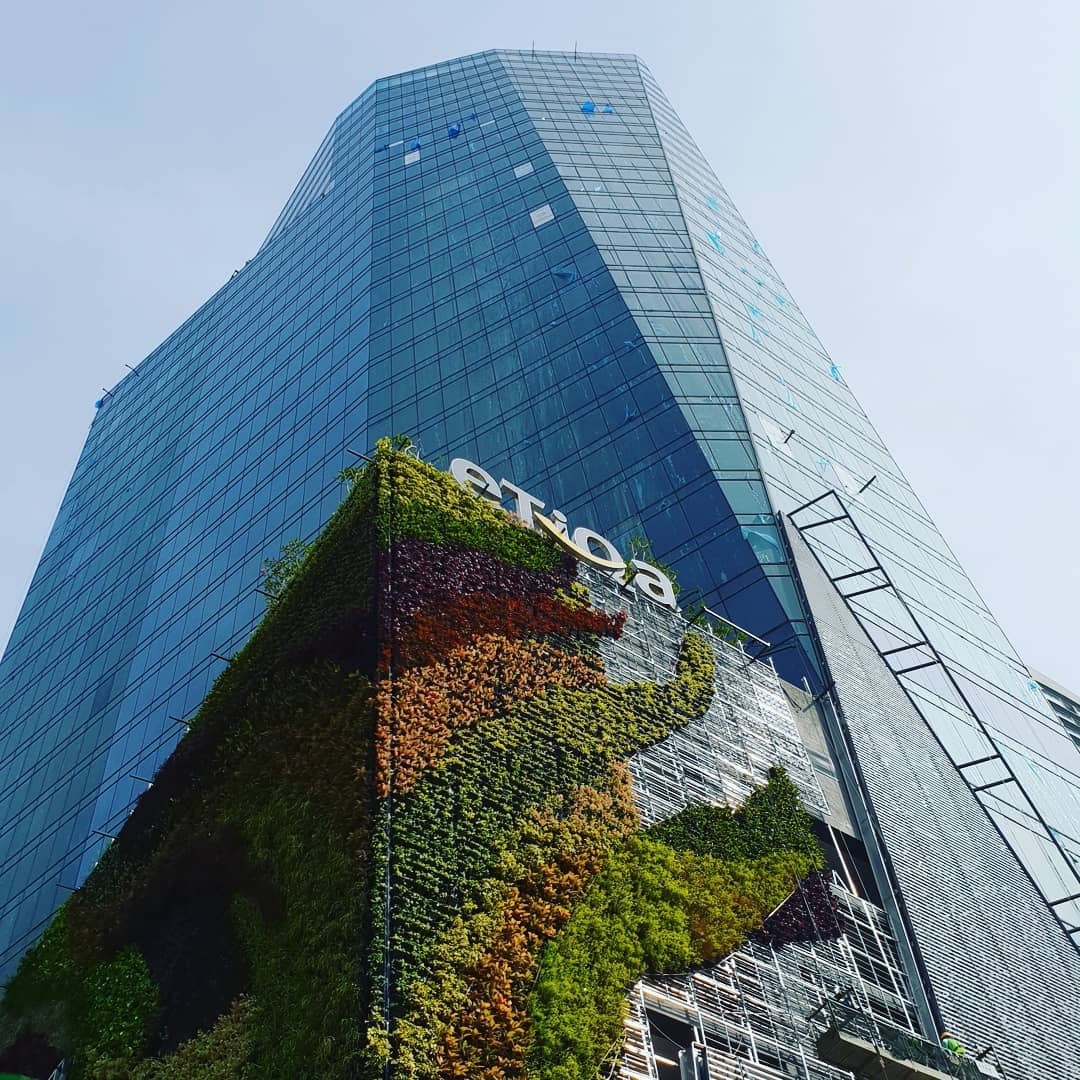
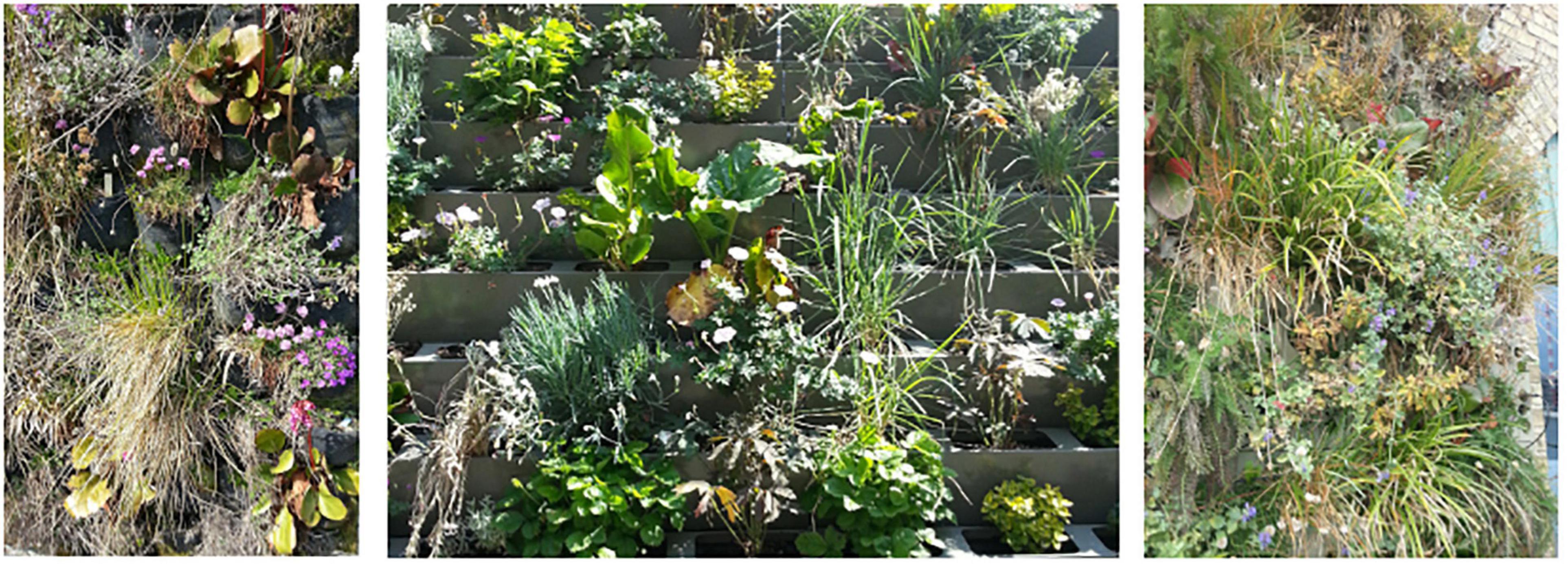
The growing need for green infrastructure in urban areas requires the selection of vegetation that serves multiple functions, encompassing both visually appealing aesthetics and high biodiversity value. While attractive plantings are known to enhance human well-being, the challenge lies in effectively integrating biodiversity and aesthetic considerations in urban design. To address this gap, research explored the application of a color theory framework to guide plant arrangements for living walls, aiming to achieve both high aesthetic appeal and robust biodiversity.
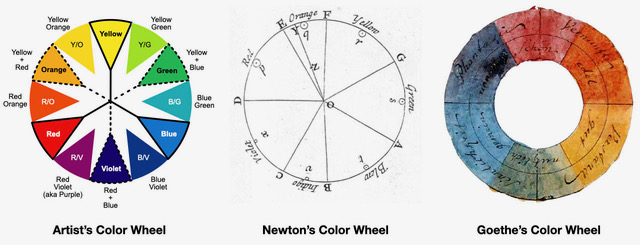
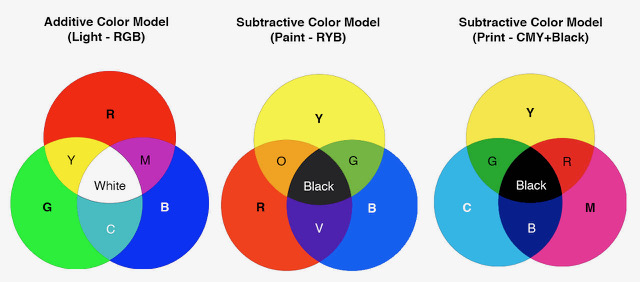
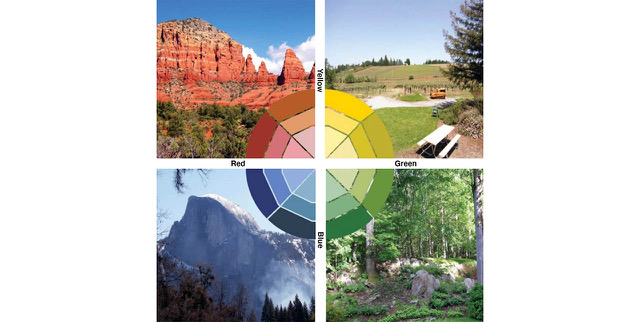
The study focused on configuring plant combinations for living walls in Malmö, Sweden, utilizing principles derived from Johannes Itten’s color theories. Specifically, two color schemes—light-dark and complementary—were graphically arranged. The selection of plants for these schemes was based on a detailed color analysis of each species, followed by their placement into the predefined color concepts. For every plant species used, a biodiversity classification was developed, considering its pollination value, 'nativeness' (native to Sweden), and conservation value as a cultivar. Additionally, a visual quality classification for each plant was established based on its performance in existing living wall studies. The graphically composed color arrangements, coupled with their inherent biodiversity values, were then compared against designs created using randomly selected plant species.
The findings indicated that it is indeed feasible to design a living wall based on color theory without compromising biodiversity outcomes. The color-theory-based designs demonstrated comparable levels of species richness, pollination attractiveness, and nativeness as the randomly generated designs. This suggests that a deliberate aesthetic approach, such as one guided by color theory, can be successfully harmonized with ecological objectives in urban green infrastructure projects. The study further highlighted the potential for such a design approach to foster greater aesthetic appreciation and enjoyment from urban plantings, contributing to cultural ecosystem services.
While the current study provides promising insights, it acknowledges that more research is needed to fully understand the implications and applications of this methodology. Nevertheless, it establishes that a theoretical color framework can serve as a valuable tool for designing green infrastructure that simultaneously enhances cultural and regulatory ecosystem services. The research contributes to the evolving understanding of how urban planning and design can integrate ecological functionality with human aesthetic preferences, offering a pathway toward more holistic and sustainable urban environments.
#GreenInfrastructure #LandscapeAesthetics #LivingWalls #GreenWalls #EcosystemServices #Pollinators #EnvironmentalAppraisal #UrbanEcology #ColorTheory #GreenInfrastructure #LandscapeAesthetics #LivingWalls #GreenWalls #EcosystemServices #Pollinators #EnvironmentalAppraisal #UrbanEcology #ColorTheory
0 comment in total
 No comments yet
You may also like
Living Wall: a Green Design Element in the Renovation of a Famous Building Celebrated in Canadian Architecture
9 Genius Ways to Do Living Walls in 2025 That Take This Idea in a Style-Forward Direction

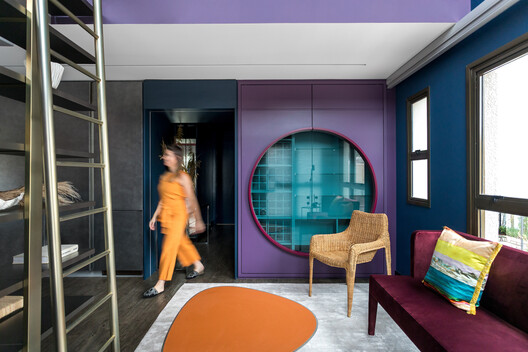
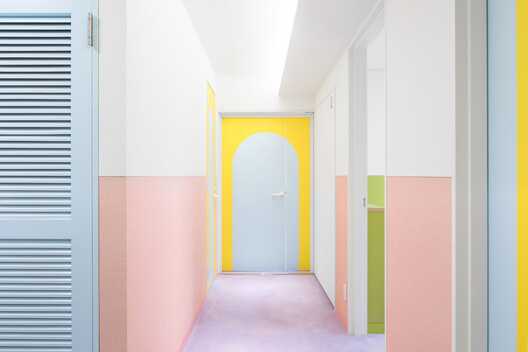
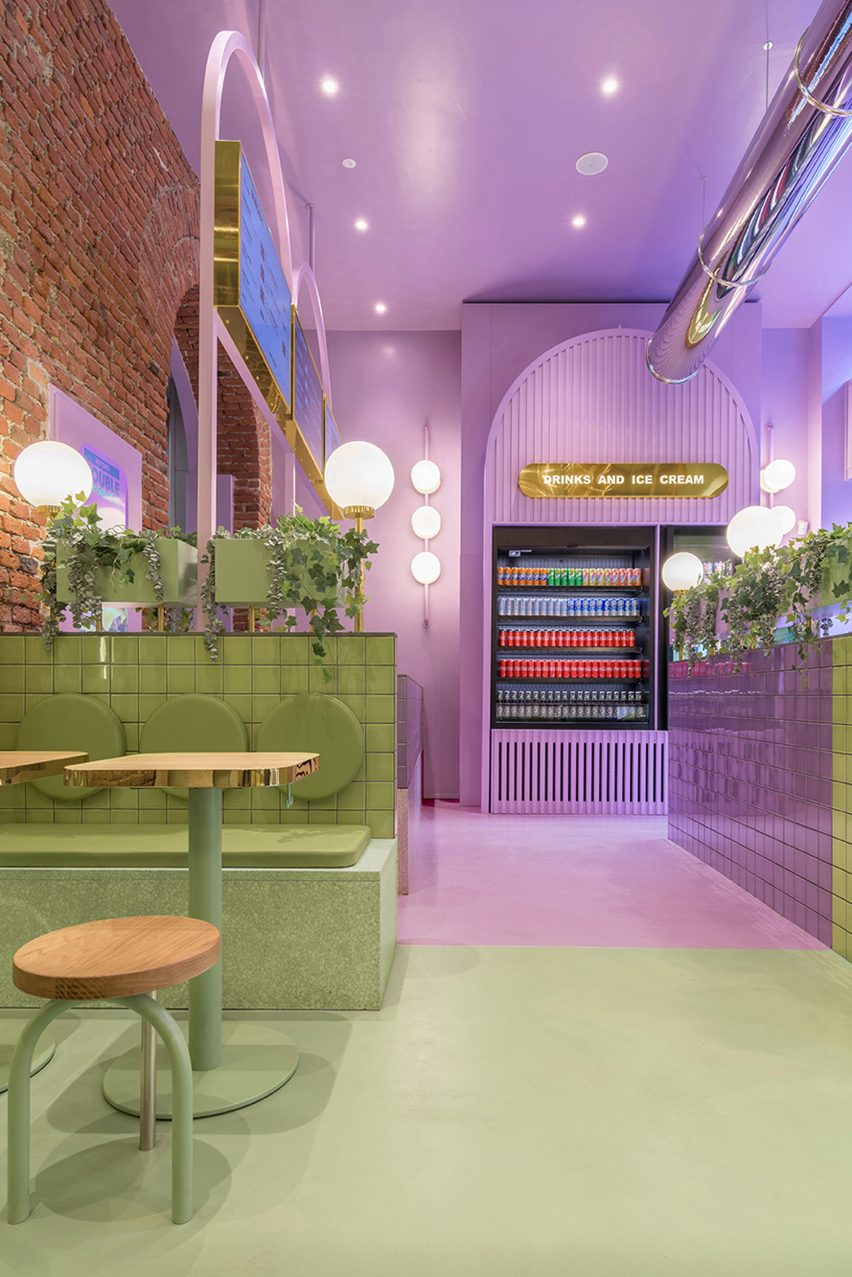
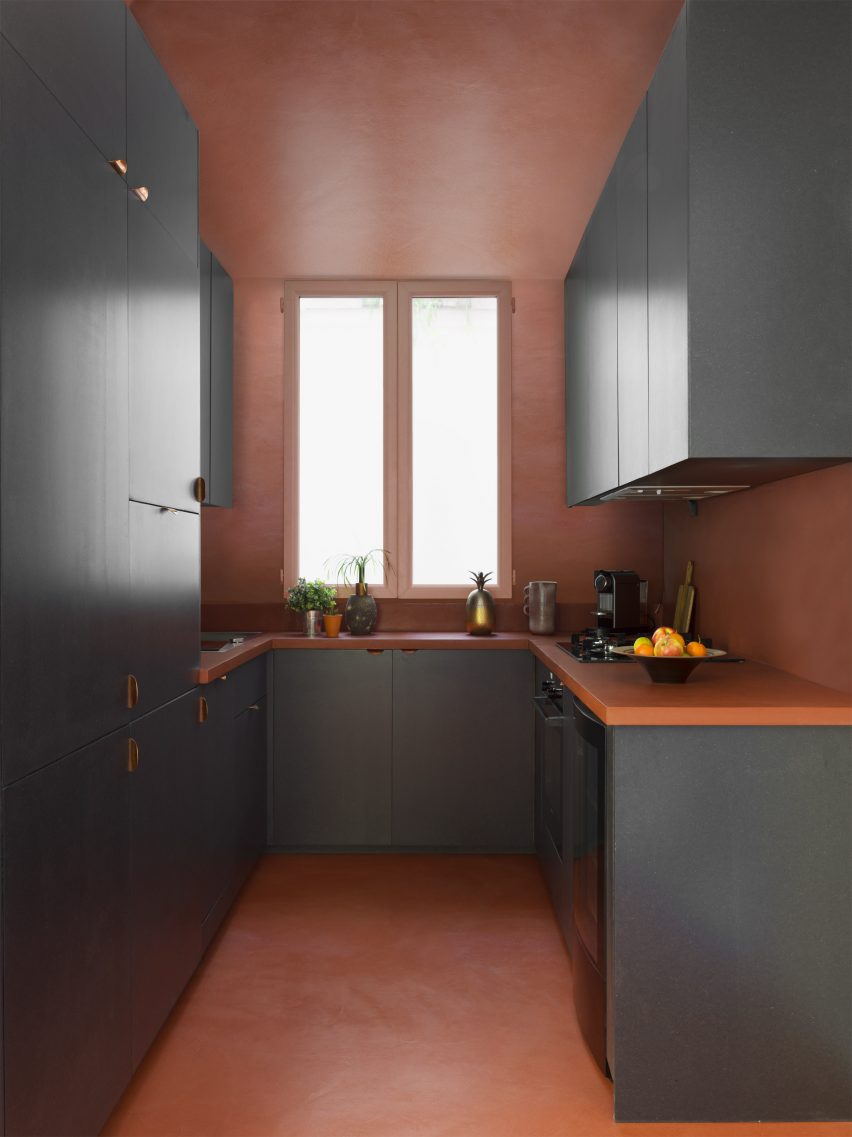
Ten bright and bold interiors that make use of colour theory
Going Green: Inside This Year’s Color Craze
The 10 Secrets Behind 'Biophilic Colors' That Bring Nature's Power Into Your Home — And It's Not All Just About Green
colorful living rooms (no beige allowed)!
The No. 1 Paint Color to Avoid Pairing with Wood, According to a Designer


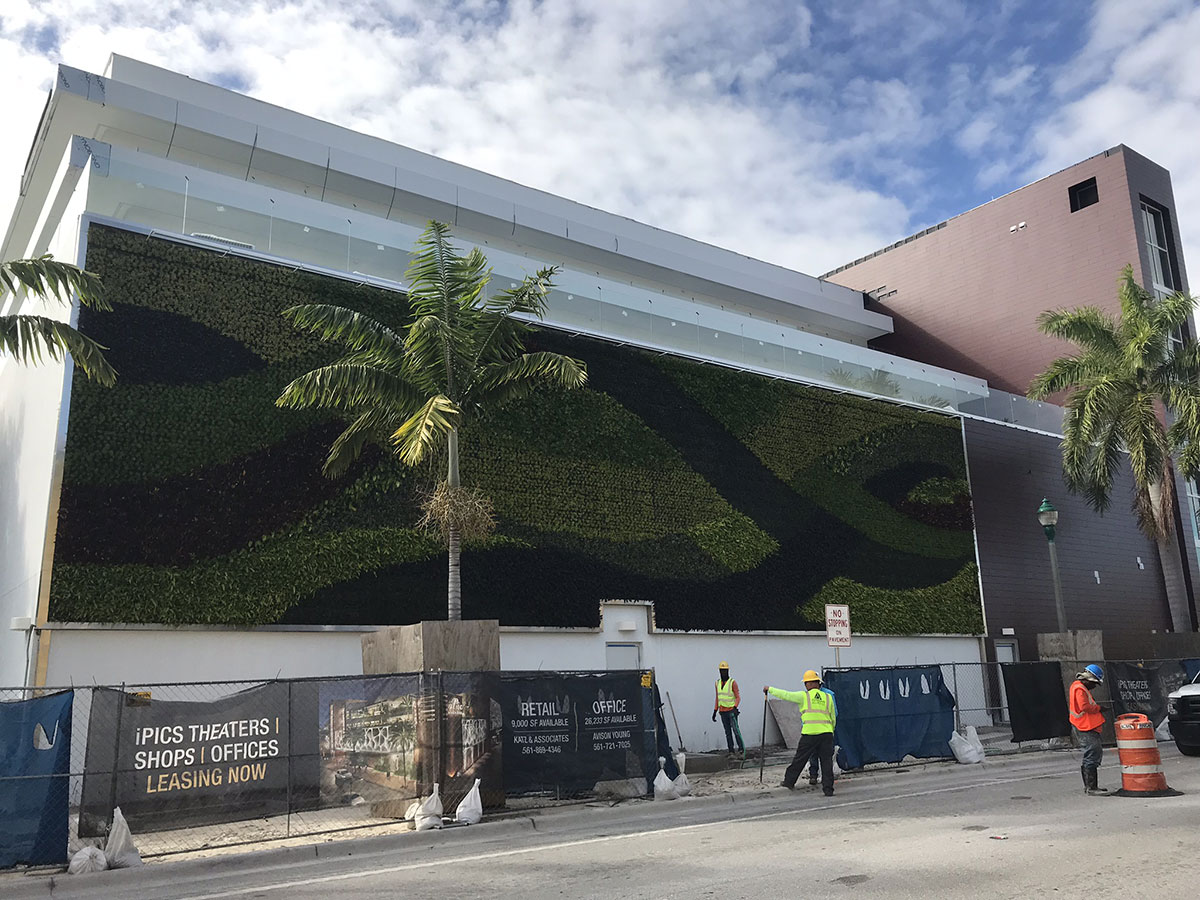
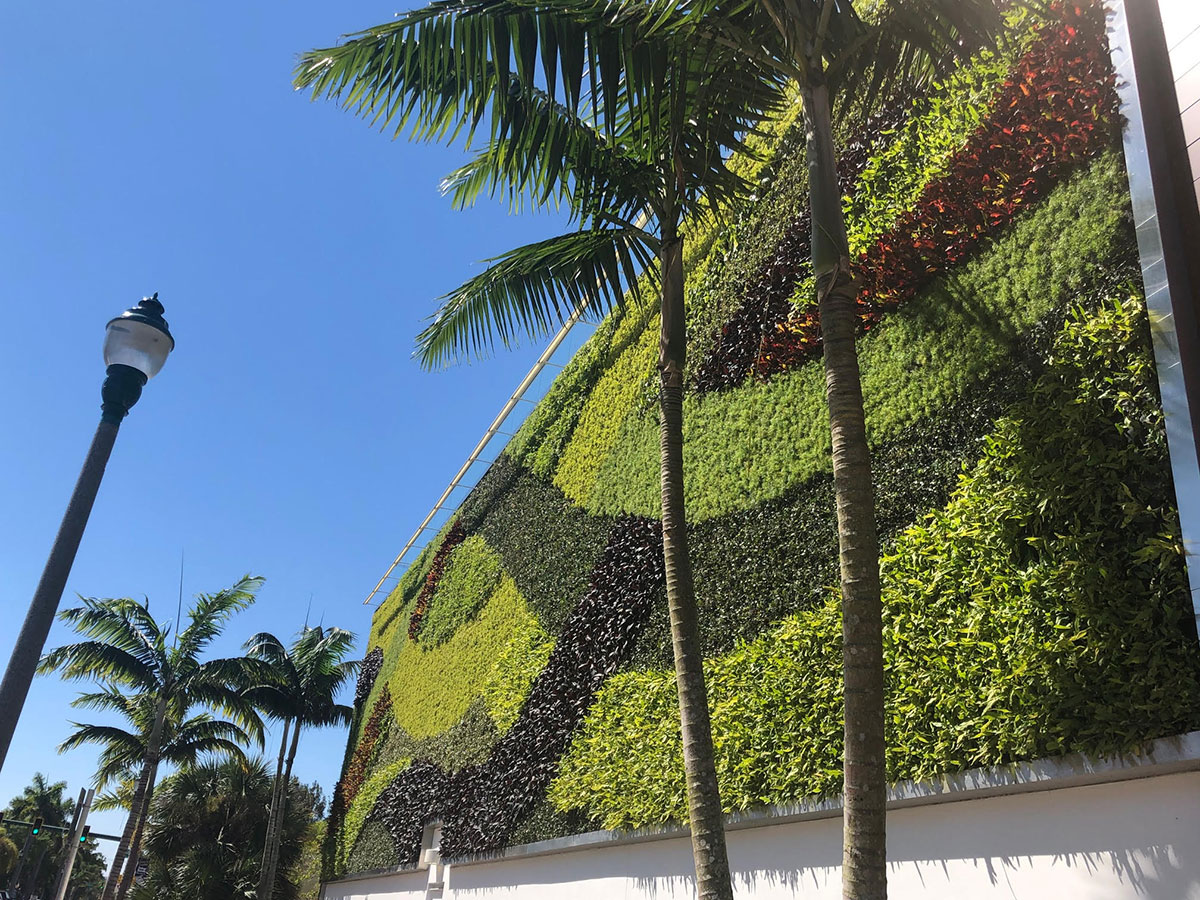
IPIC Delray Beach Greenwall

Mother Nature Knows Best
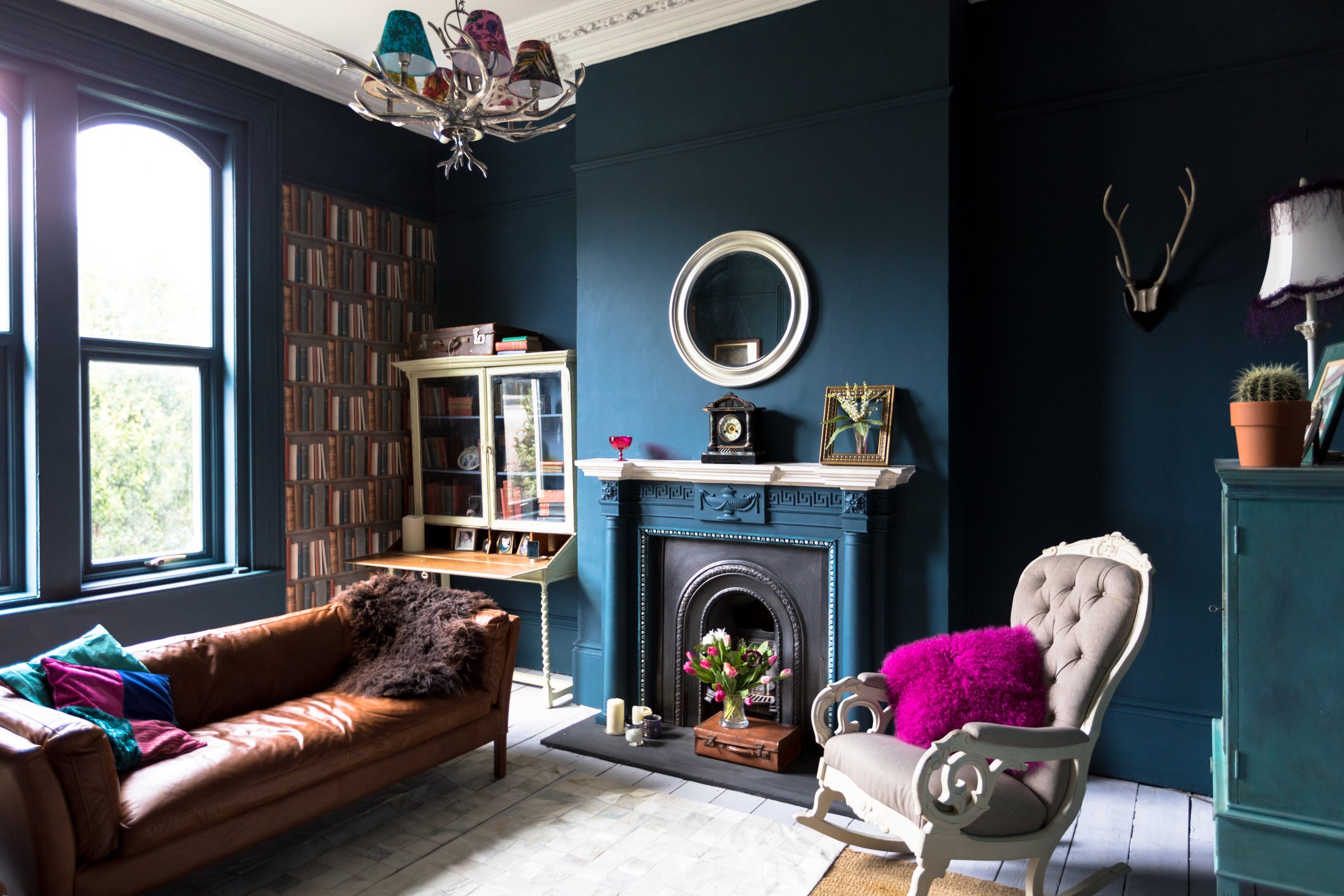
The colours you paint your walls can impact your mood, and here’s the science to prove it

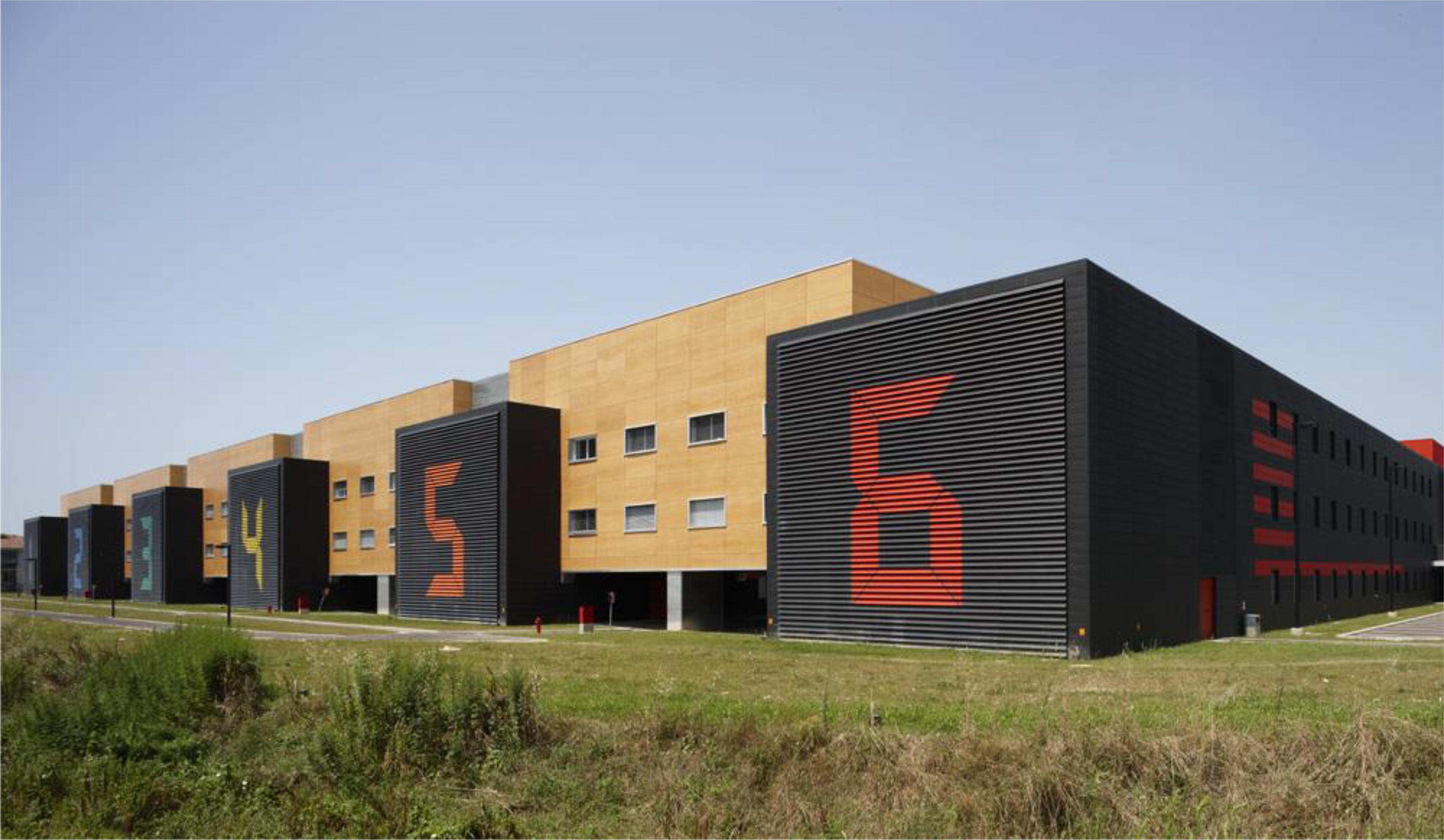
Interior Color and Psychological Functioning in a University Residence Hall
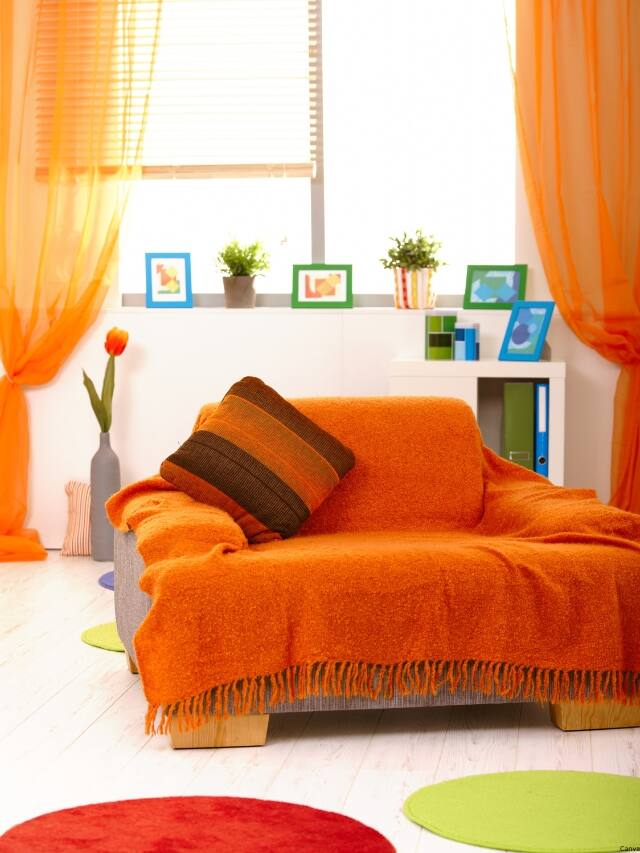
7 colour tricks to transform your mood and living room design

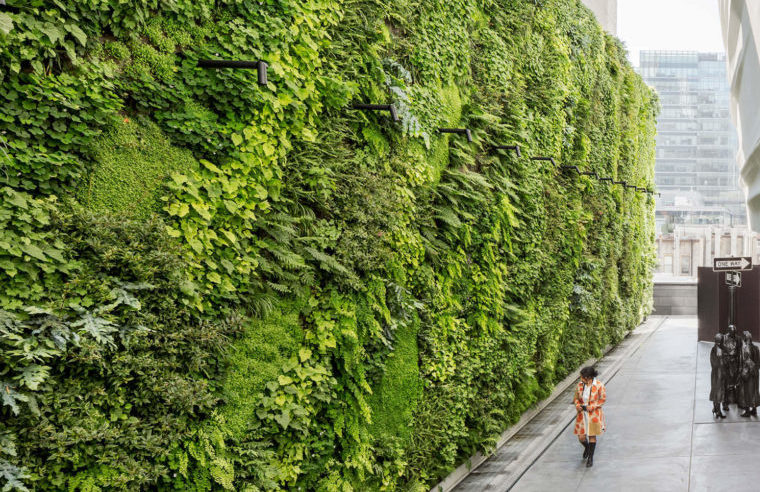
Turf wars: 13 reasons why you would install a green wall and 3 reasons why you might not

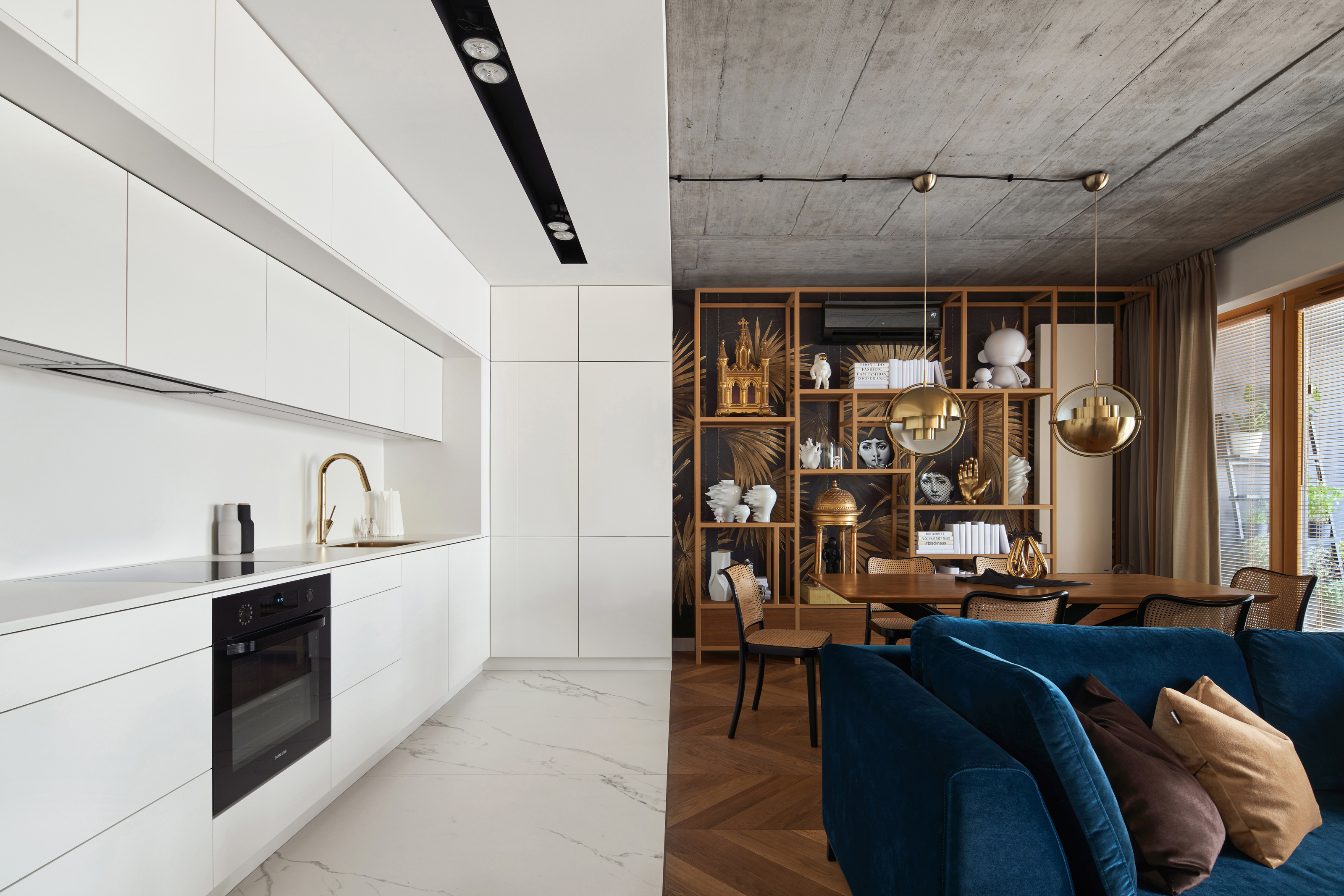
How do you zone a room with color? 10 genius ideas that will make open concept feel cozier
Welcome to the Great Indoors

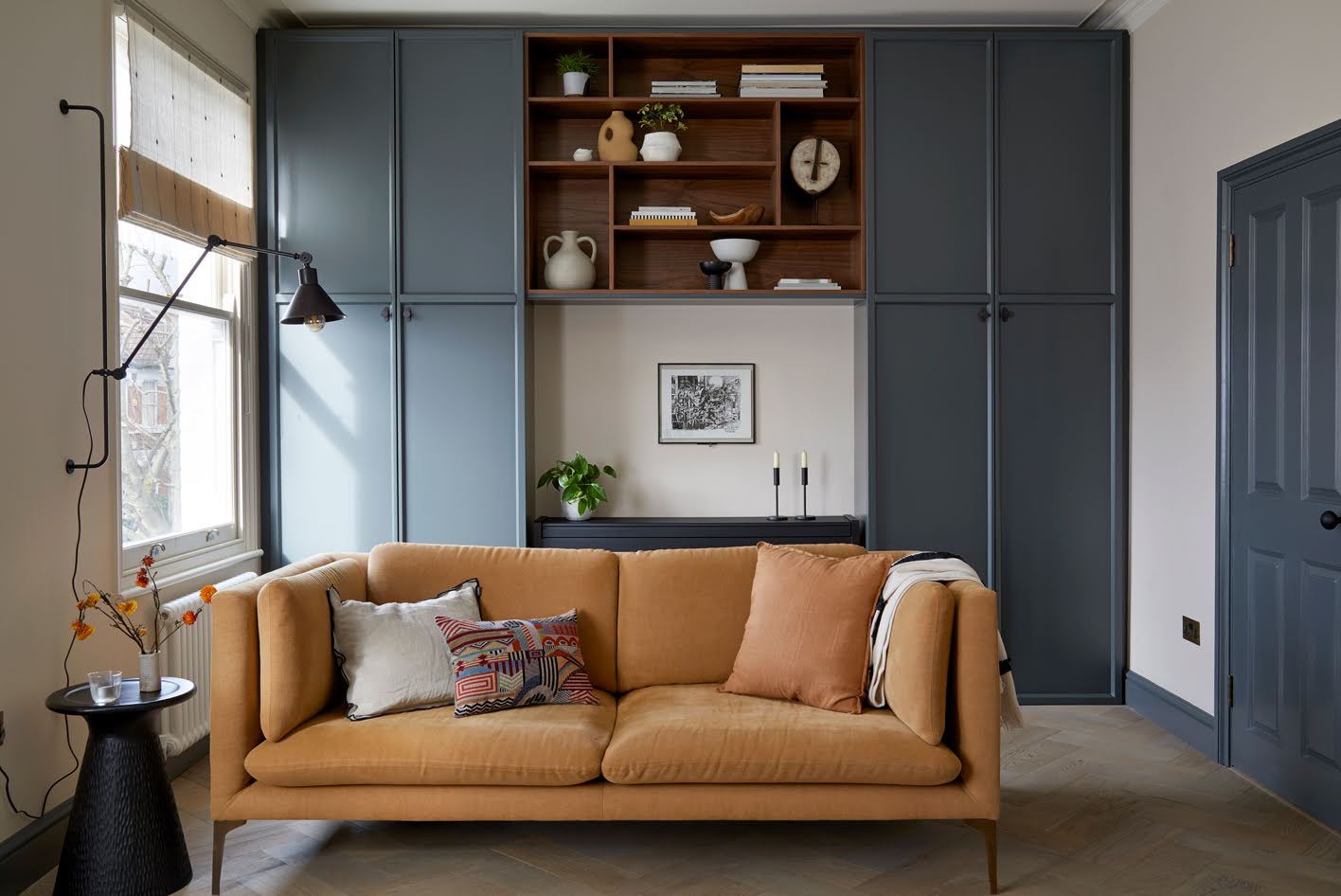
Living room accent wall ideas – 10 new ways designers recommend to style your blank spaces
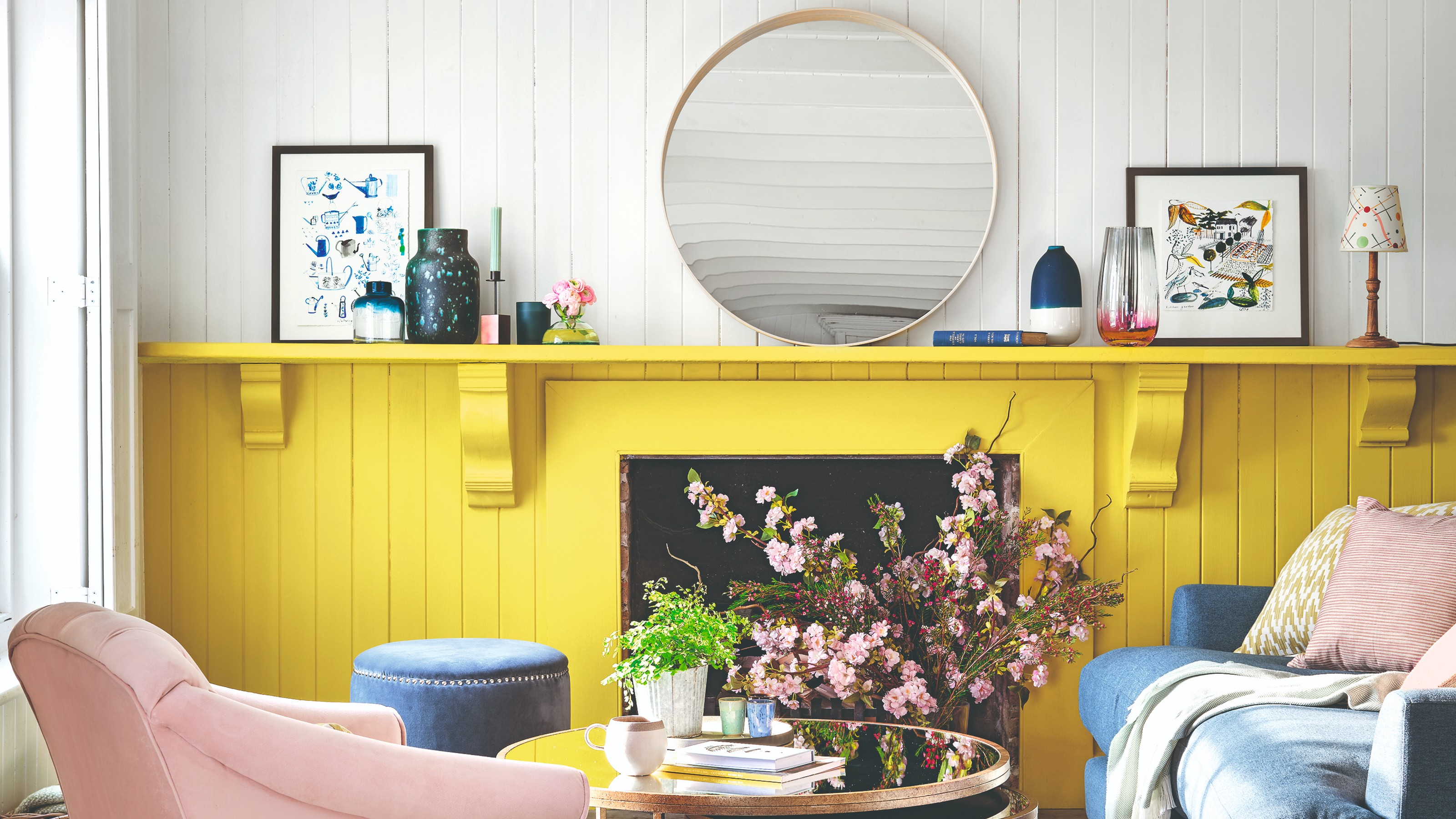
Living room feature wall ideas – 21 ways to create a standout focal point in your lounge
Making it Pop: 24 Residential Interiors that Embrace Color Blocking

Menara Etiqa
The Trick to Finding a Paint Color That Works With Everything You Already Have