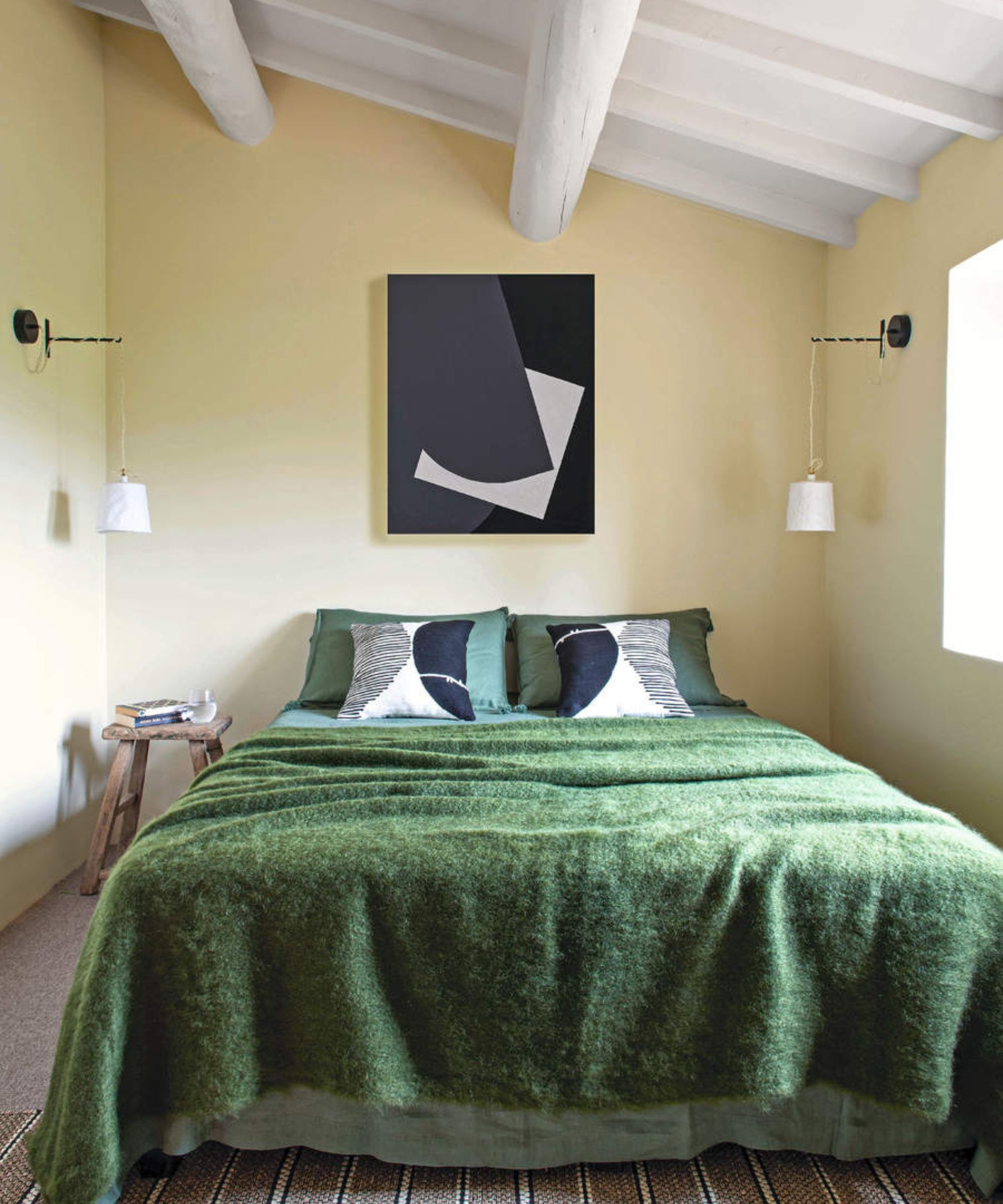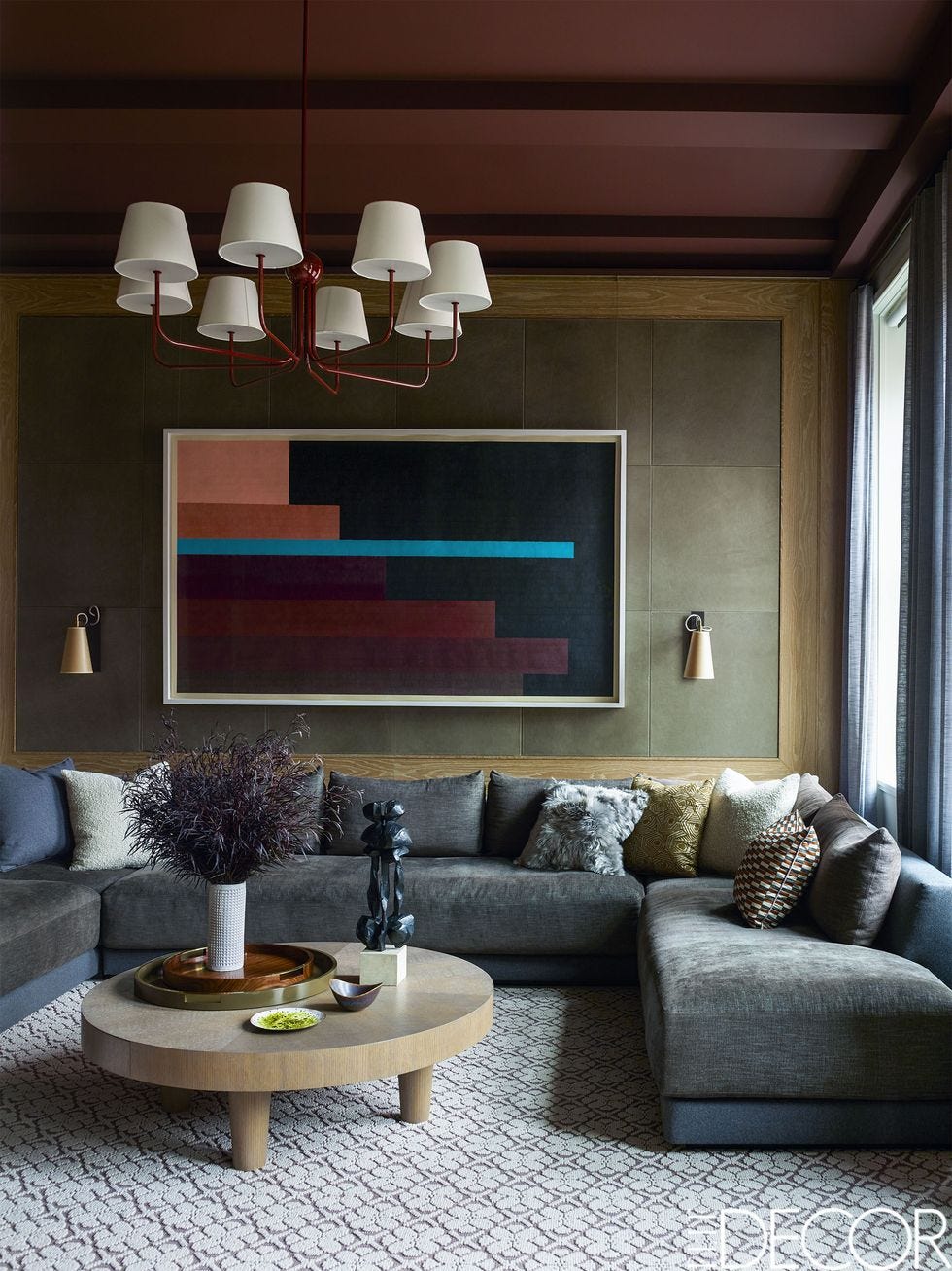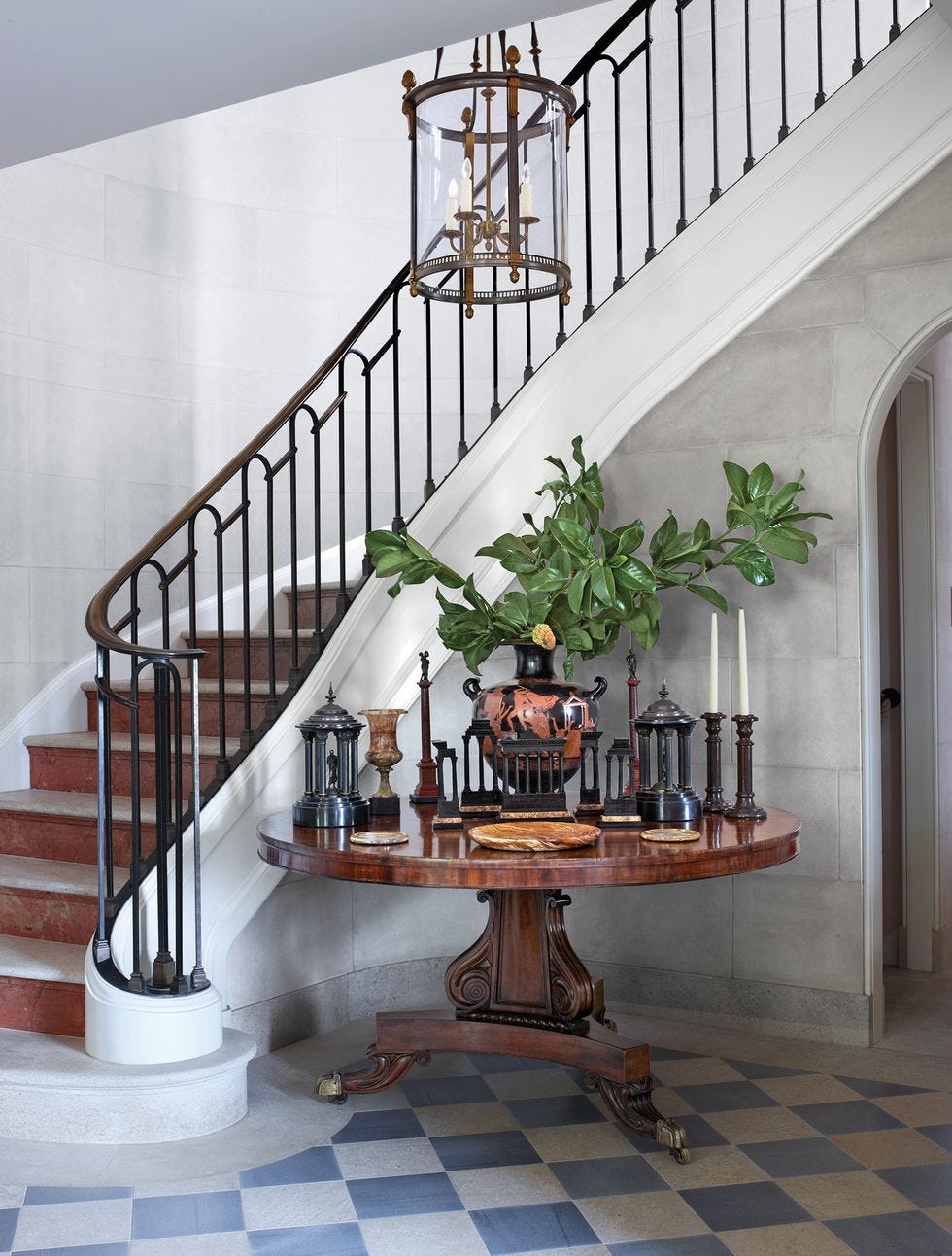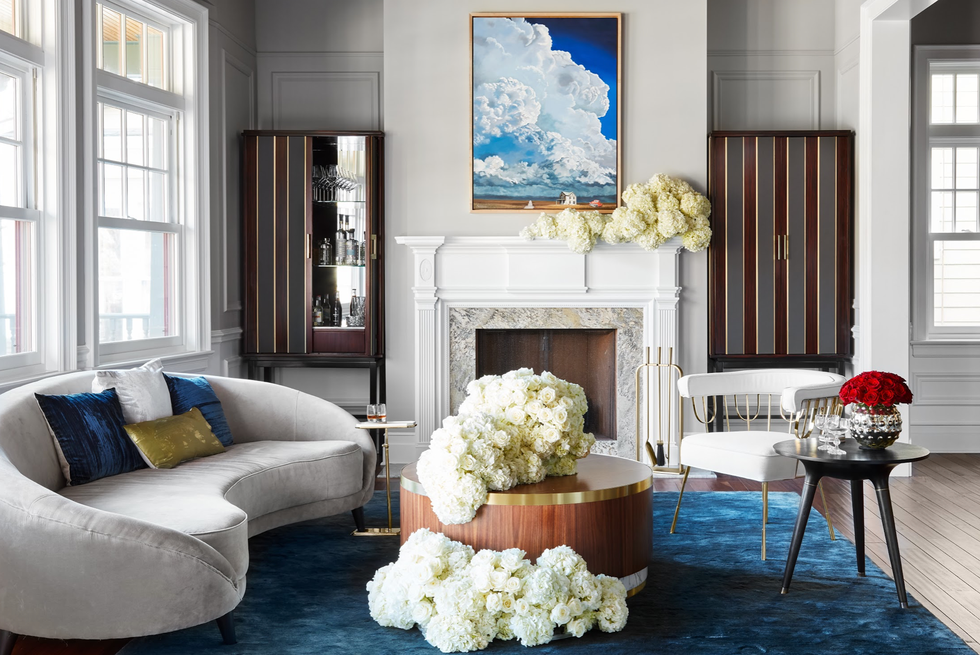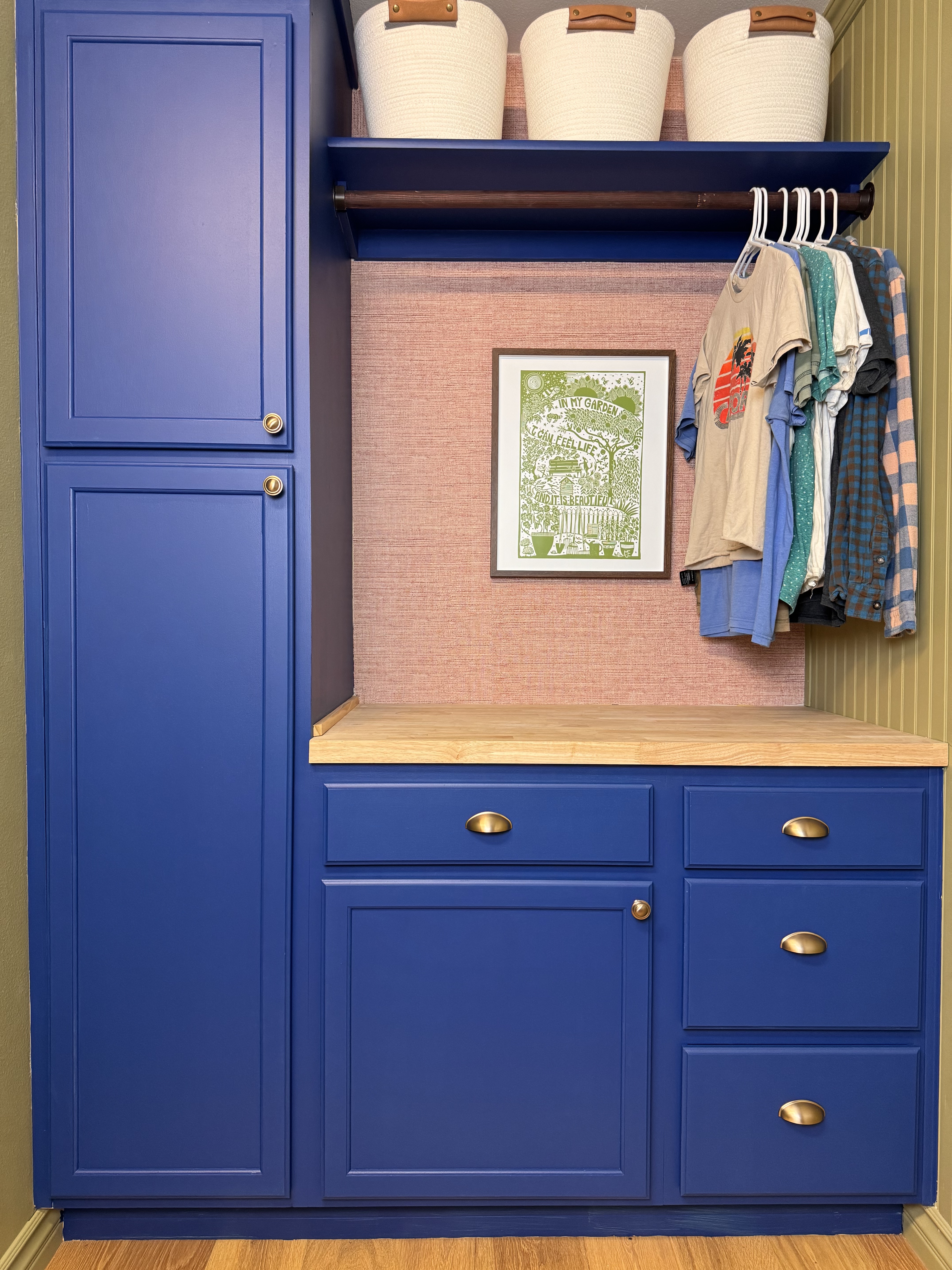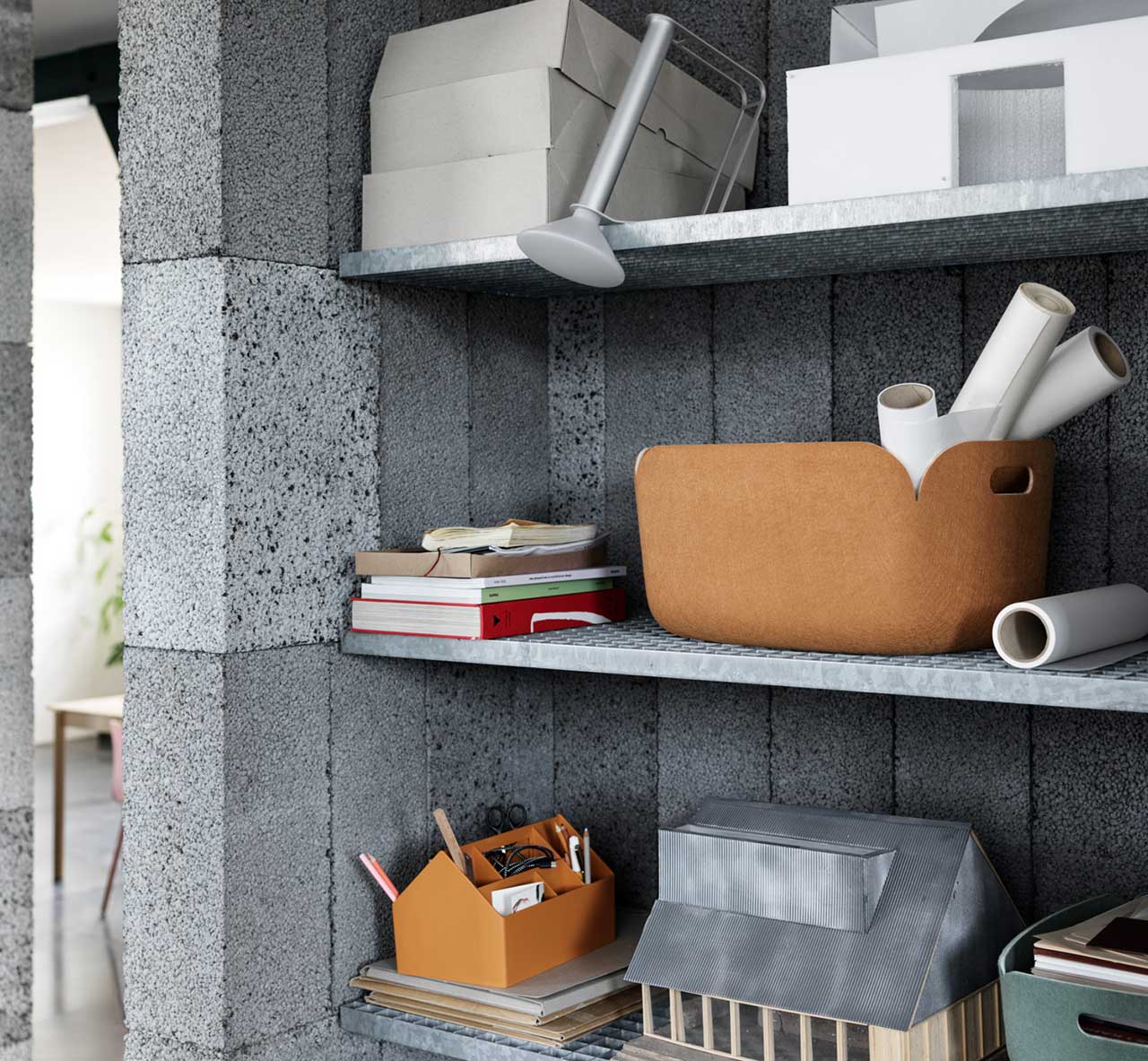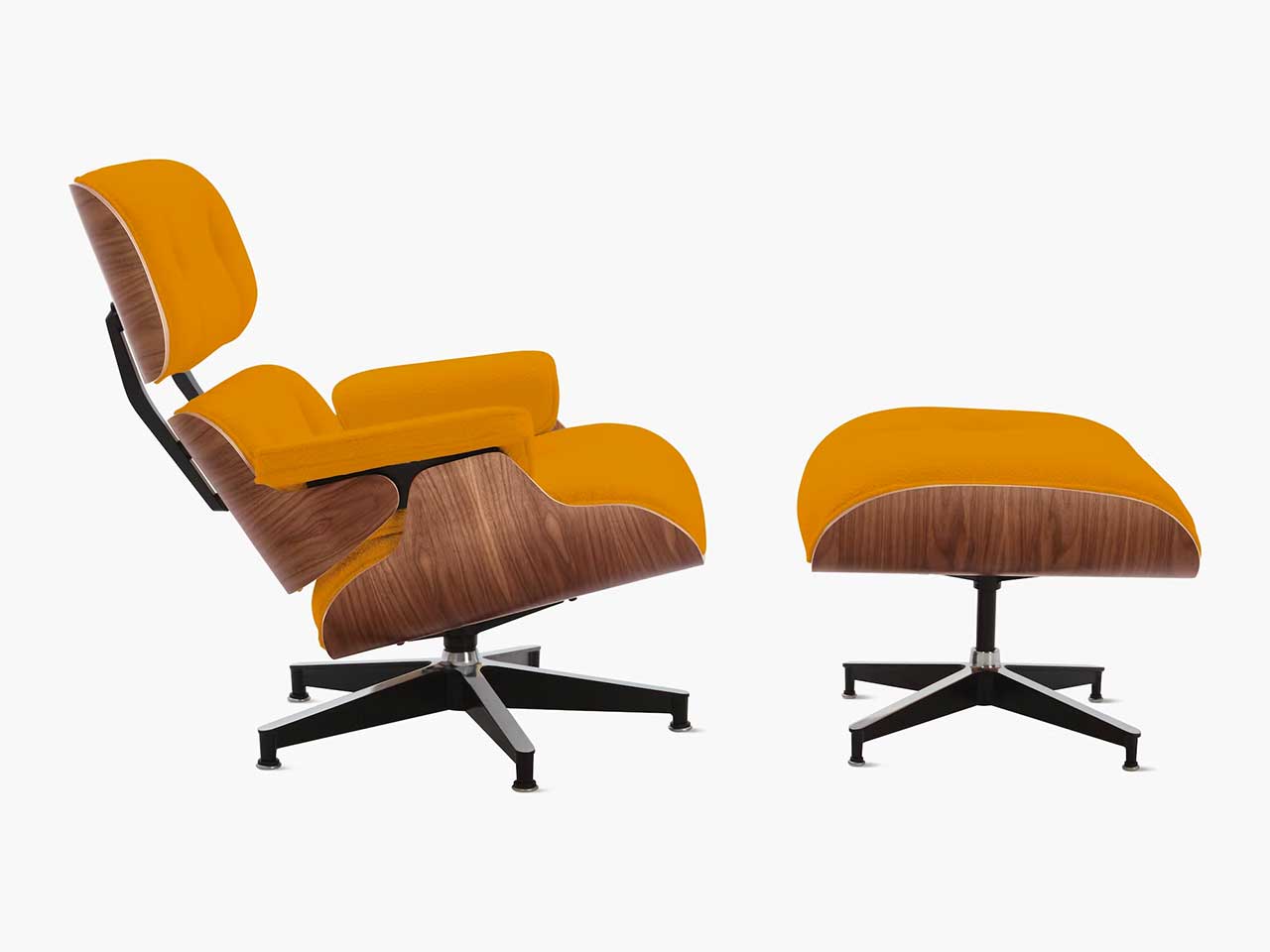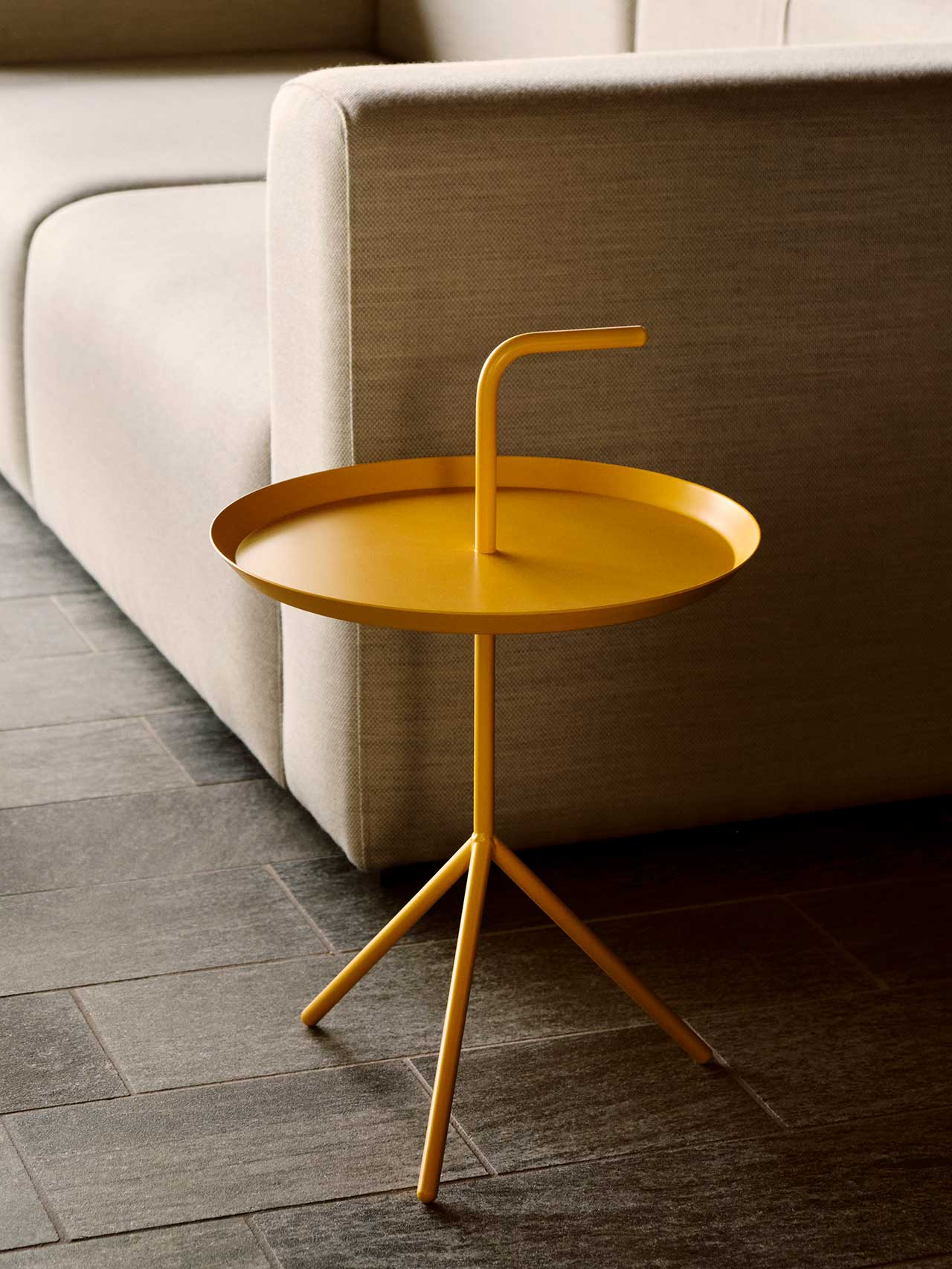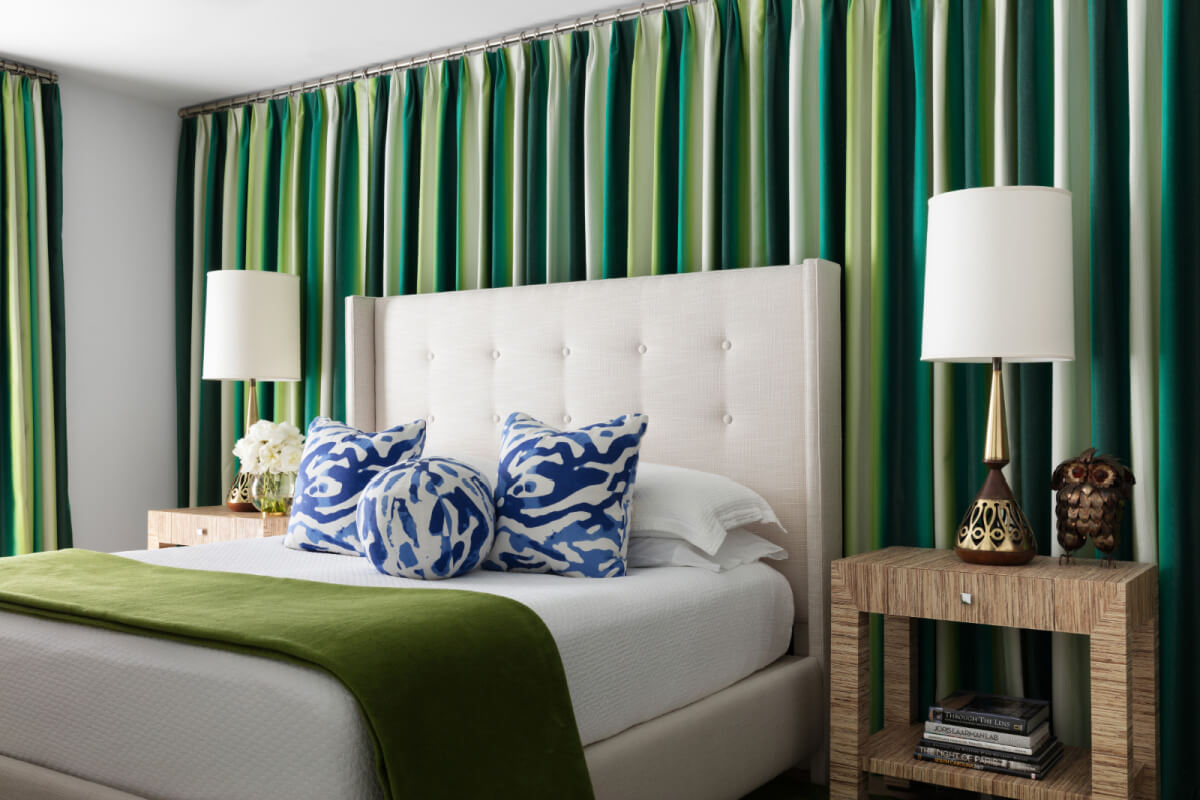
Going Green: Inside This Year’s Color Craze
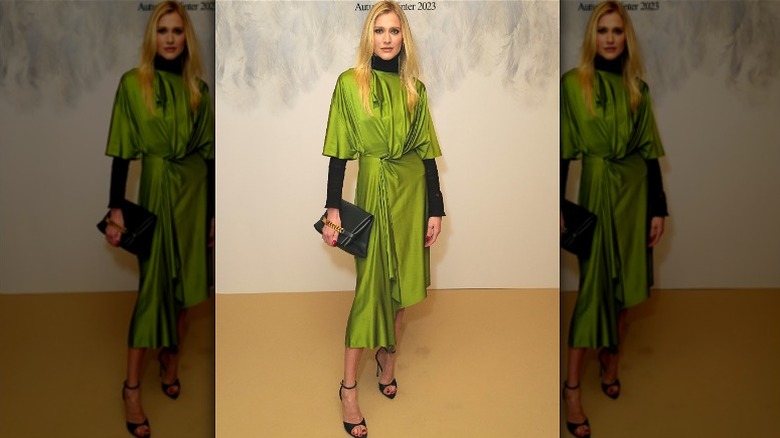
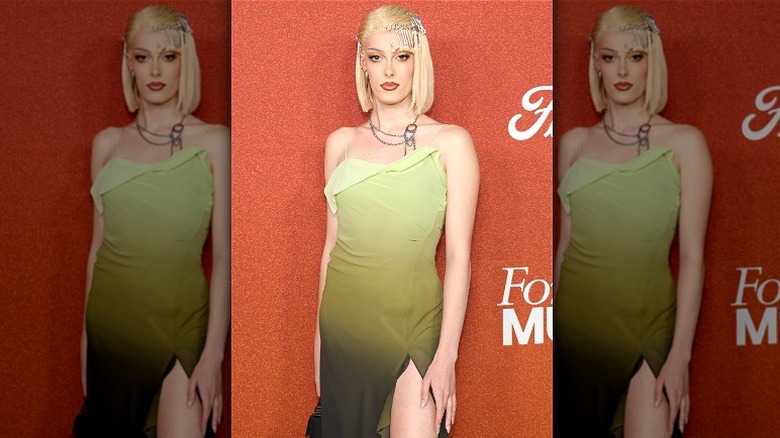
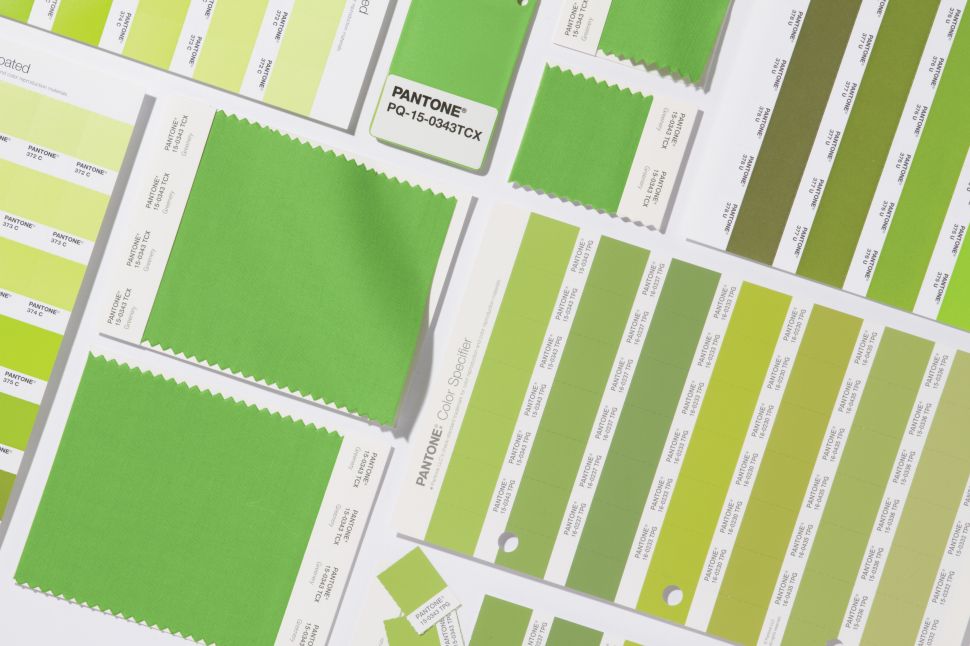
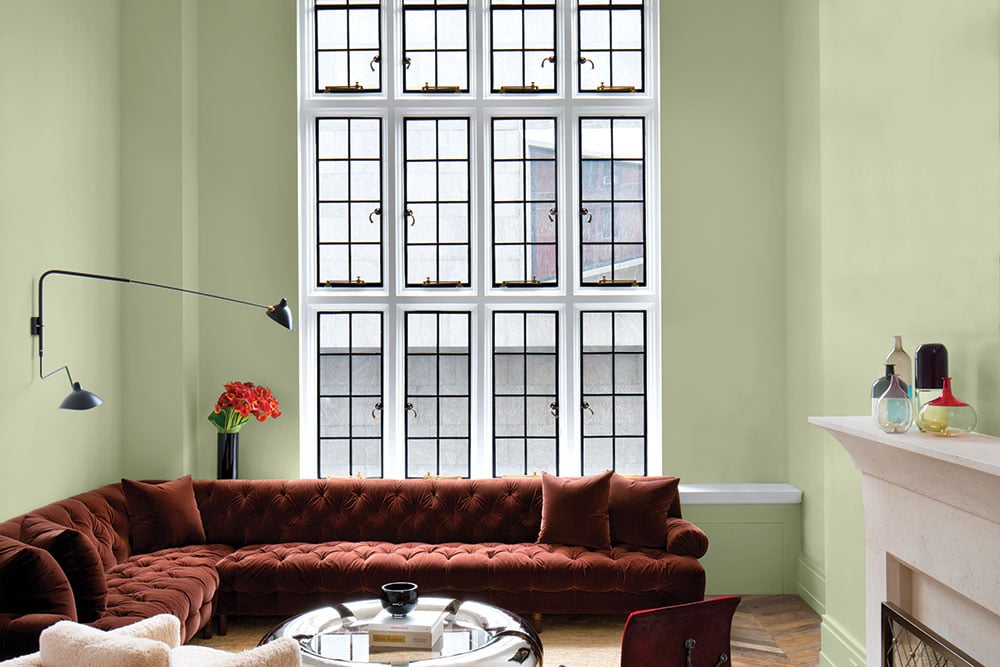
Green has emerged as a prominent color in interior design, moving beyond mere accents to become a central element in creating immersive and harmonious spaces. This trend reflects a collective desire for tranquility and connection to the natural world, positioning green as a versatile and psychologically beneficial hue.
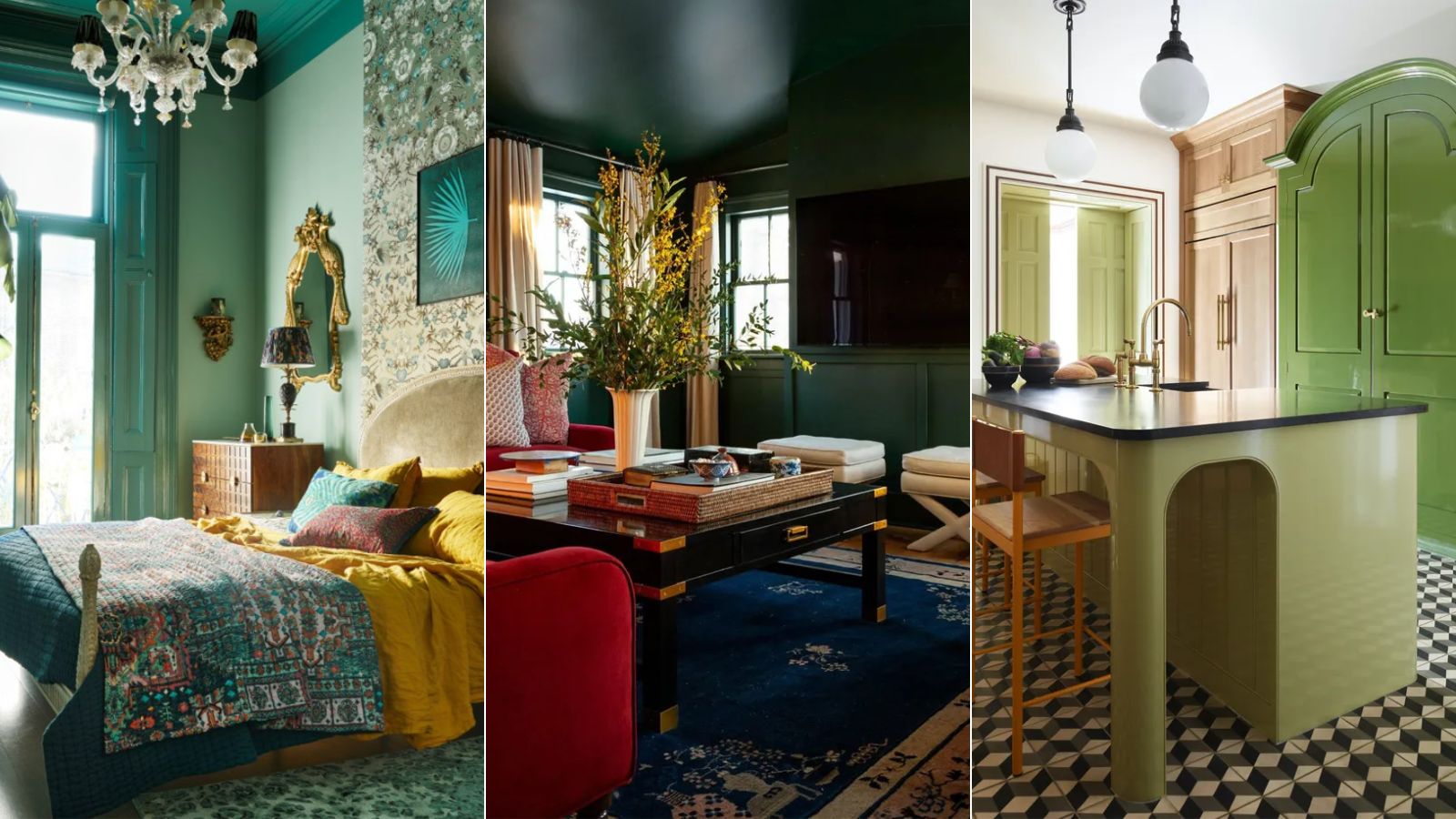
One significant reason for green's popularity is its intrinsic link to biophilic design, a movement that emphasizes integrating natural elements into built environments to enhance well-being. Green is inherently tied to nature, evoking feelings of calm and renewal. Designers leverage various shades of green to mimic outdoor environments indoors, aiming to reduce stress and promote balance in daily life. This approach brings the outdoors in, creating spaces that feel alive and peaceful. Beth Haley of Beth Haley Design and Jessica Davis of JL Design both highlight green's timeless appeal and its ability to ground a space, suggesting it never truly goes out of style due to its natural relevance.
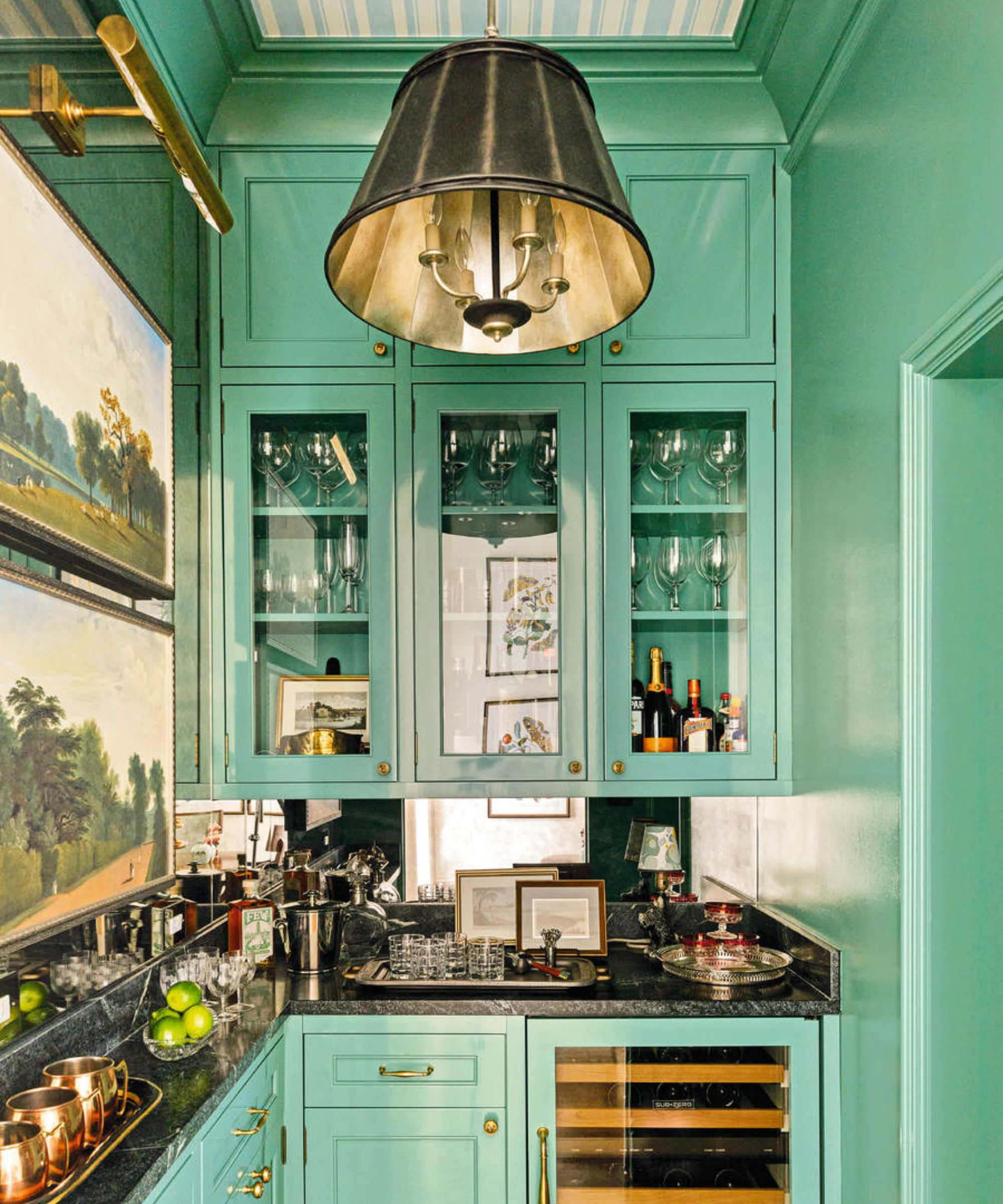
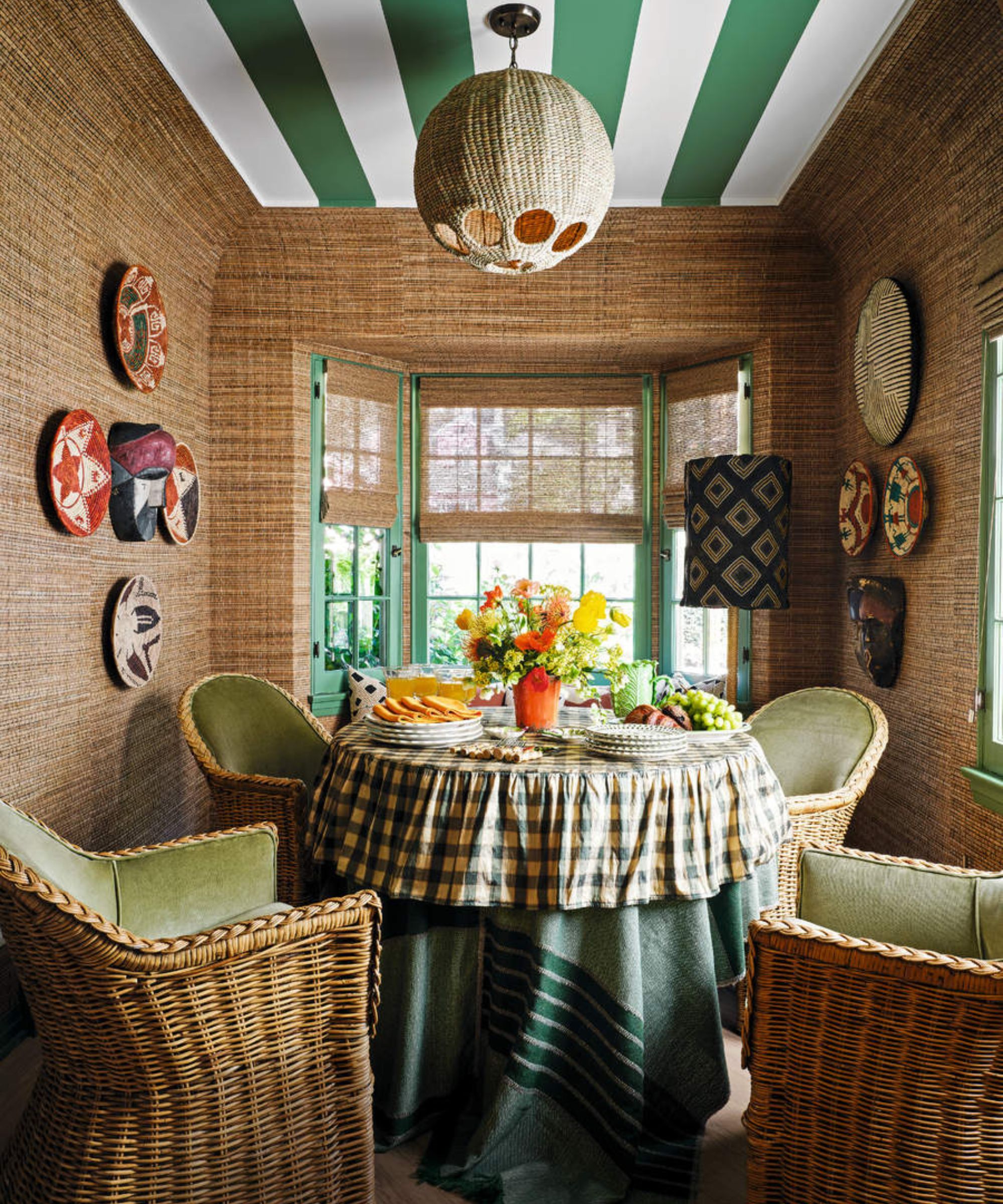
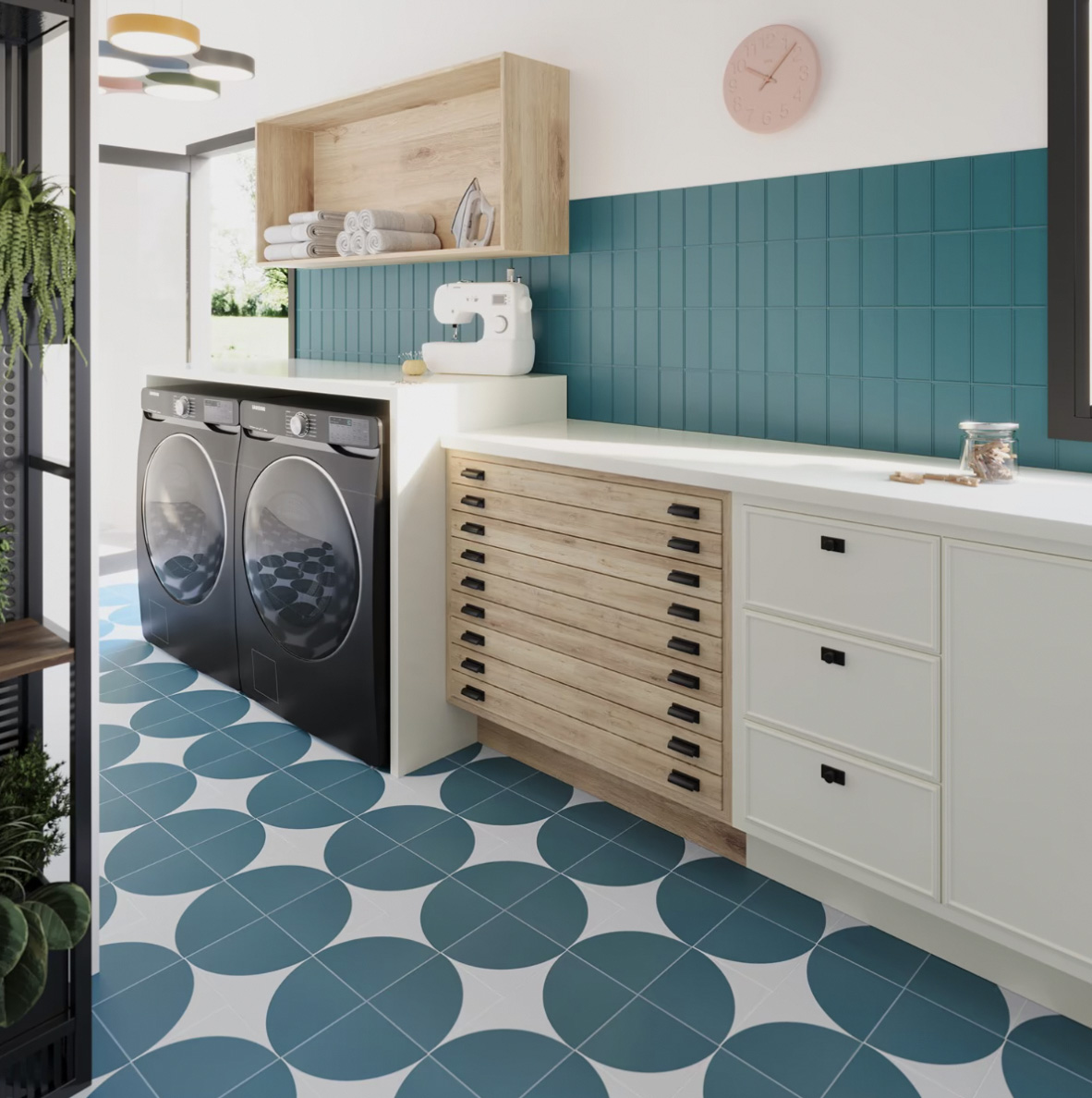
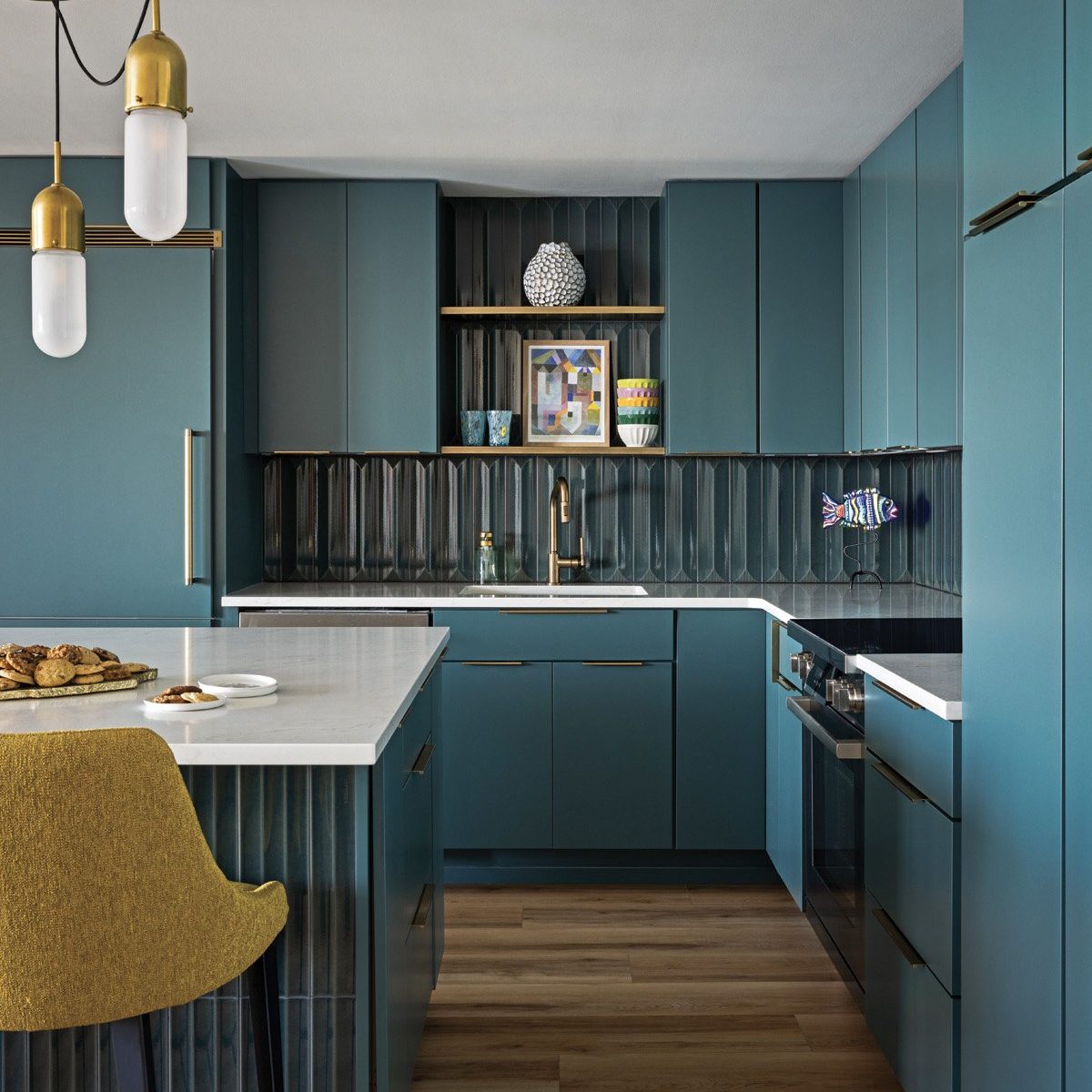
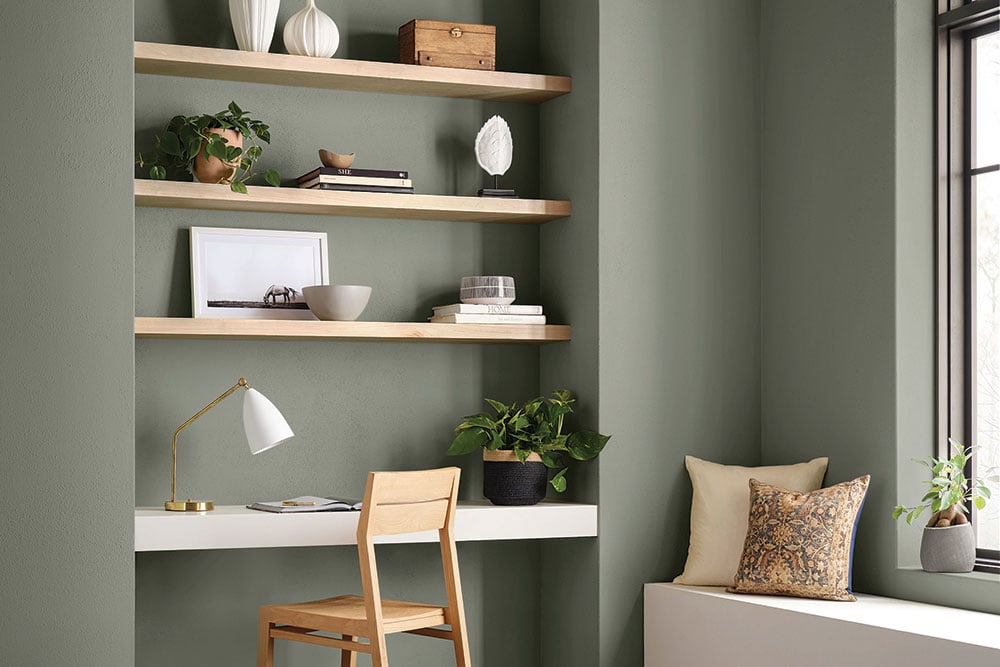
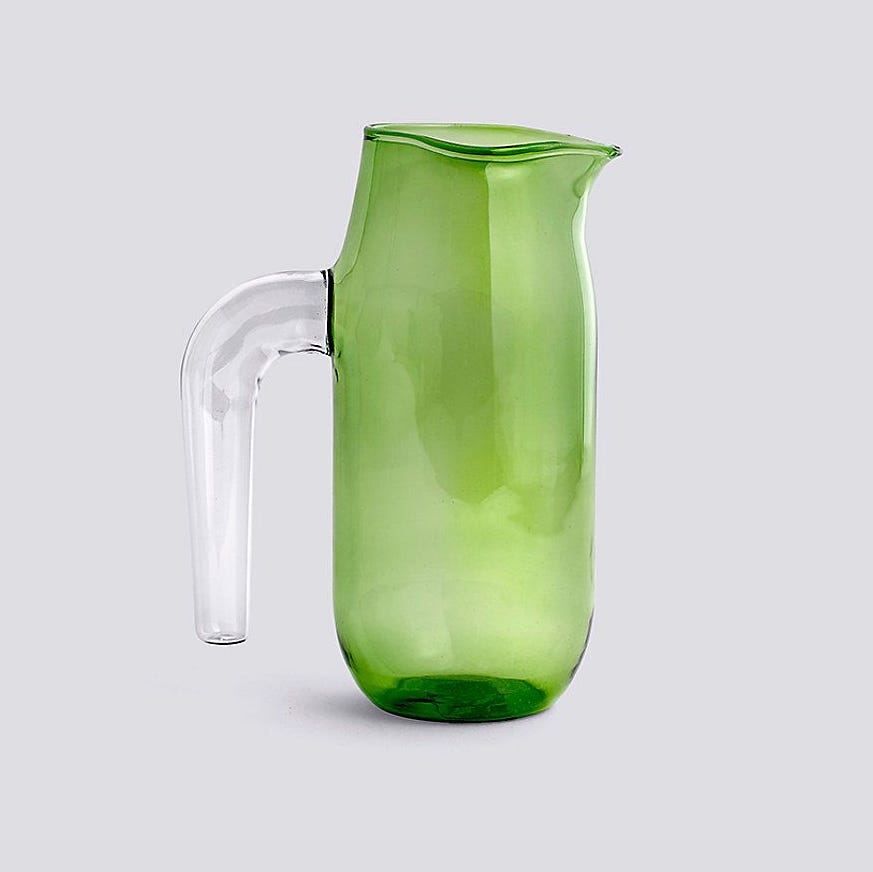
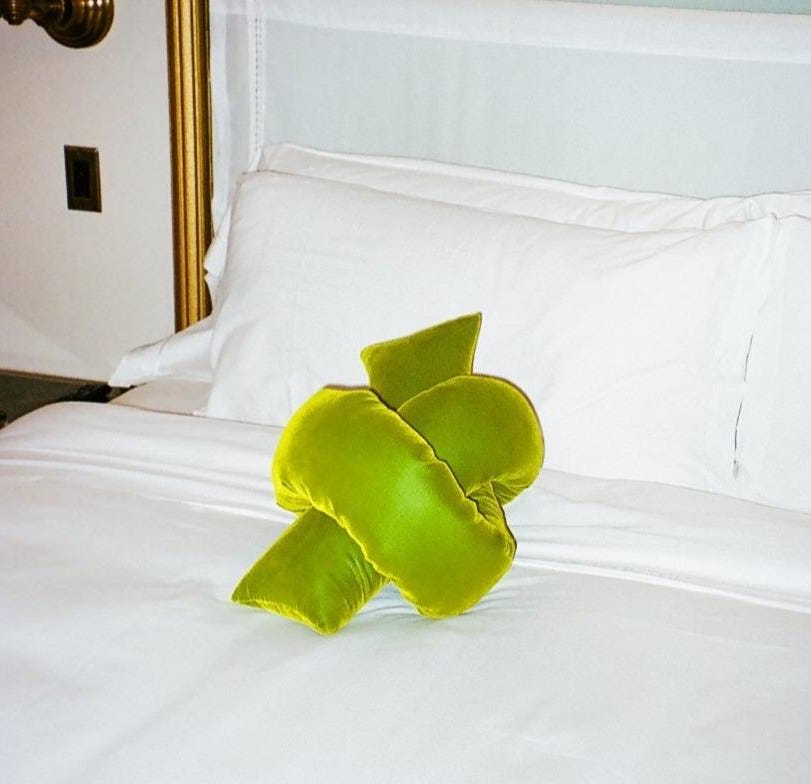
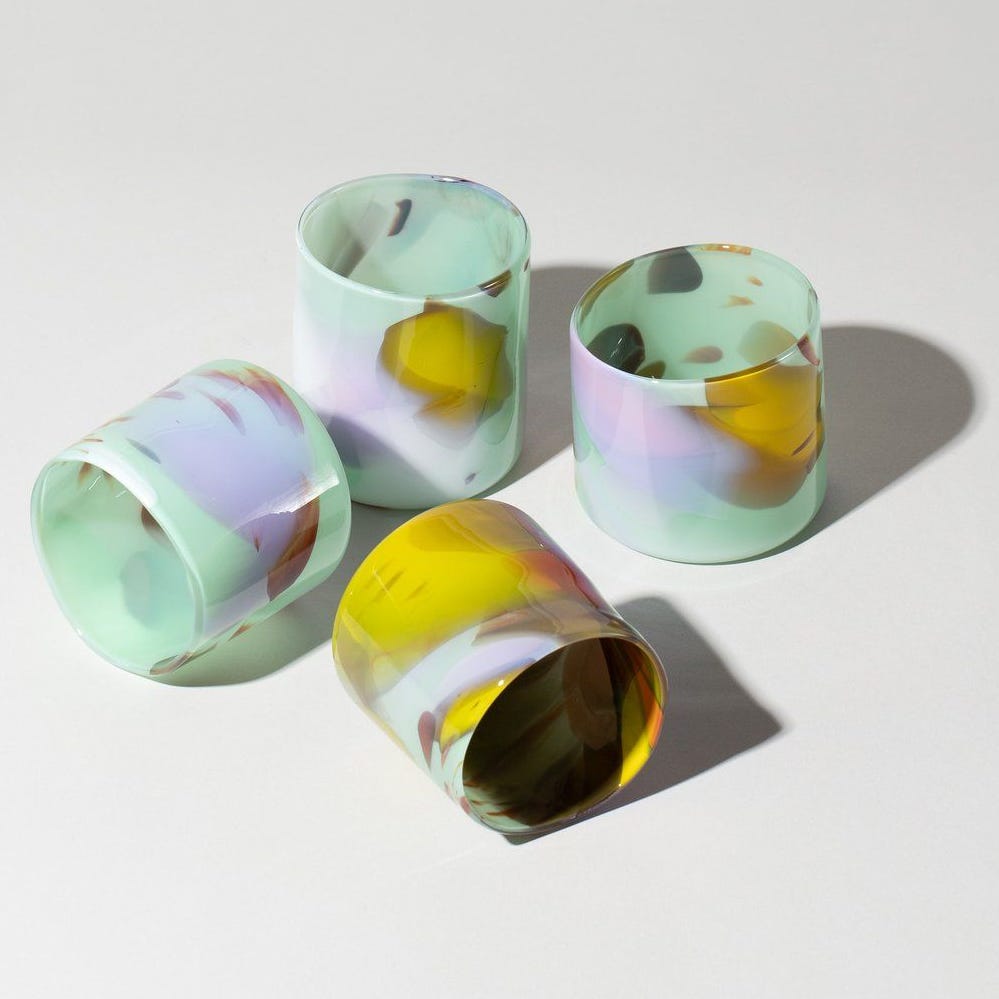
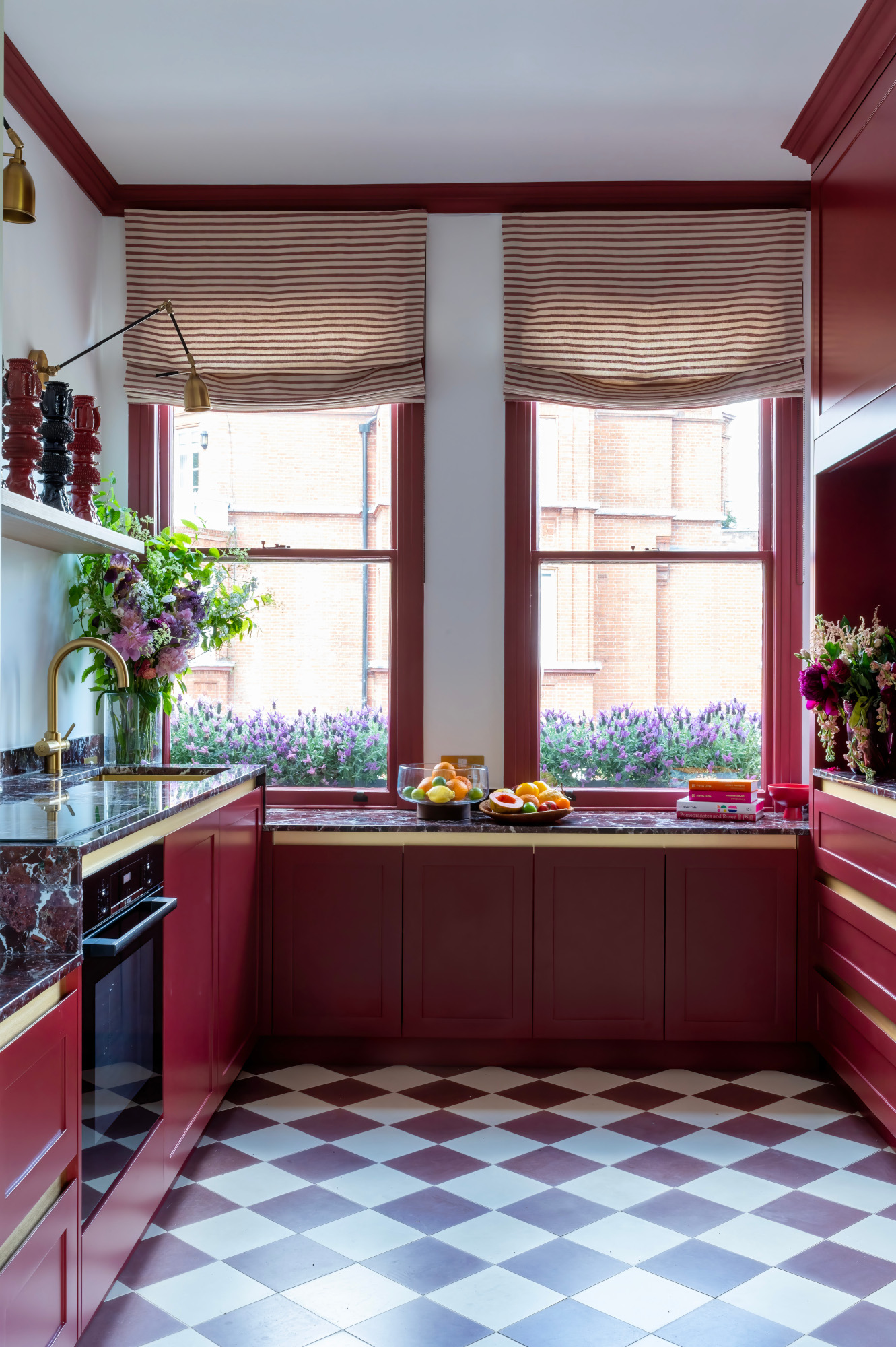
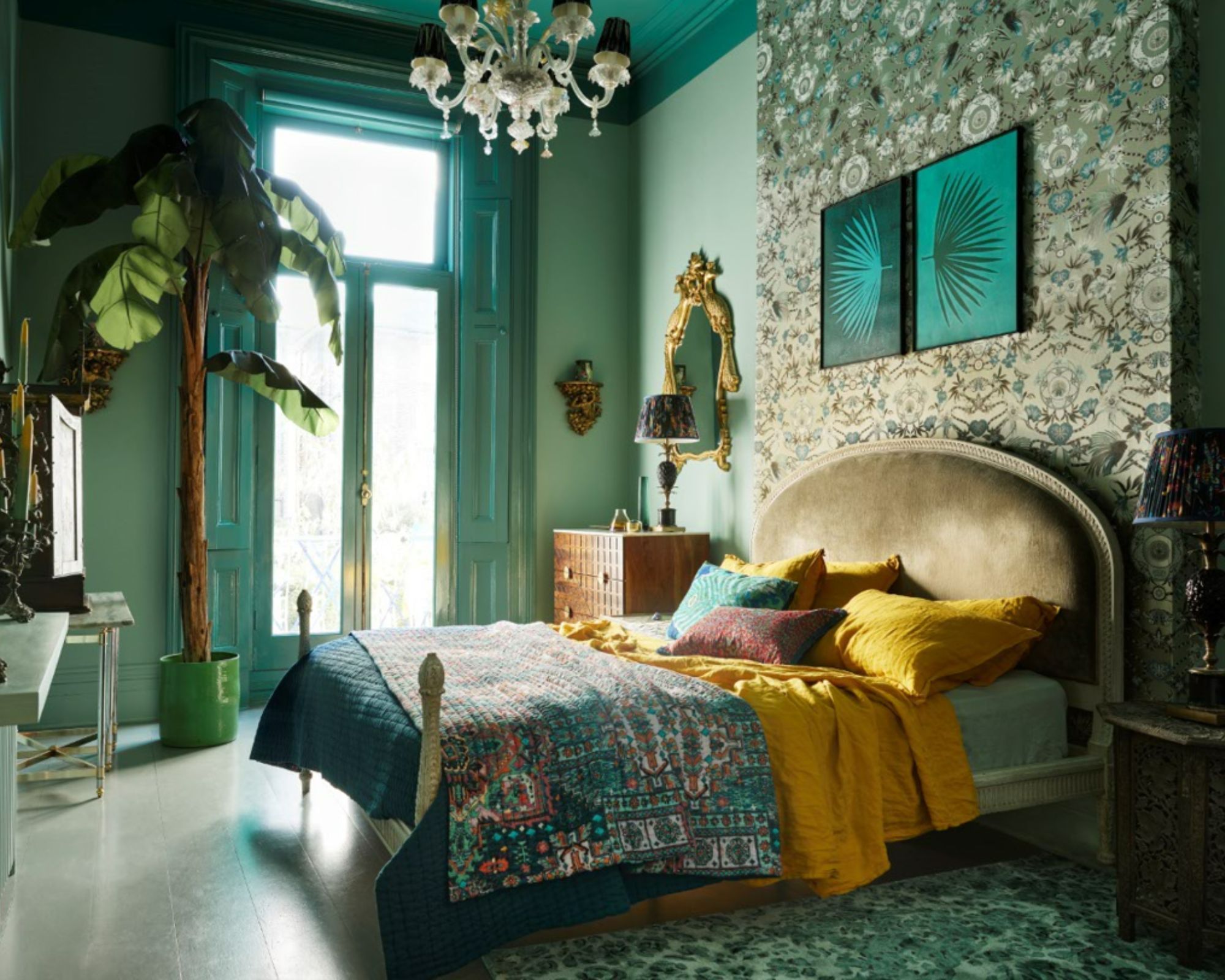
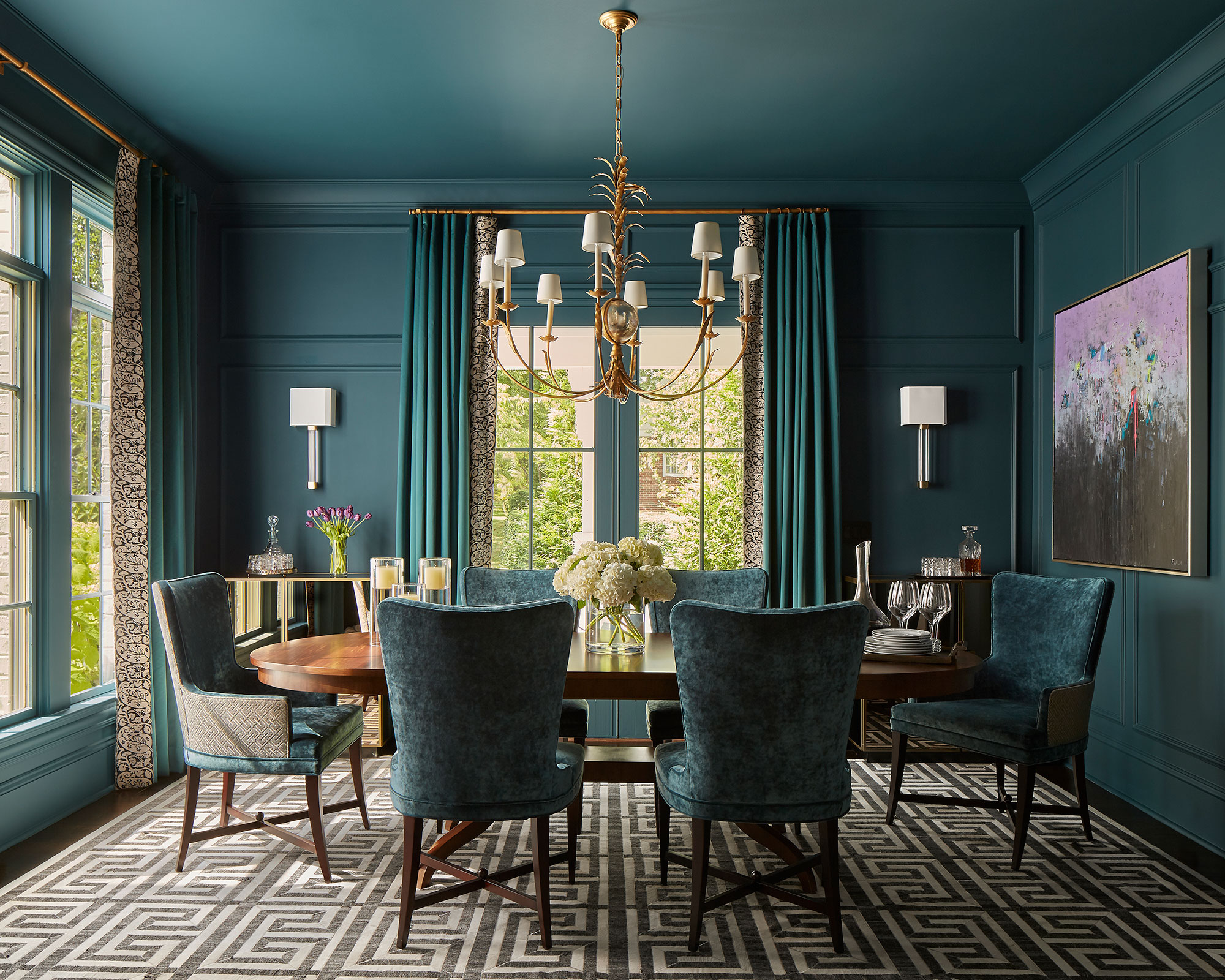

The versatility of green is another key factor in its widespread adoption. It seamlessly integrates into diverse aesthetic styles, from understated eucalyptus tones suitable for spa-like settings to deep emeralds that define luxurious and moody interiors. Green finds application across various rooms, including kitchens, bedrooms, and bathrooms, and can even be extended to ceilings and cabinetry. This broad spectrum allows designers to layer different shades of green, adding depth and complexity to a room. Perry Walter of Walter Studio Inc. notes that vibrant greens can inject energy, stimulating conversation and pairing effectively with warm woods or contrasting accents, while muted tones offer a subtle elegance.
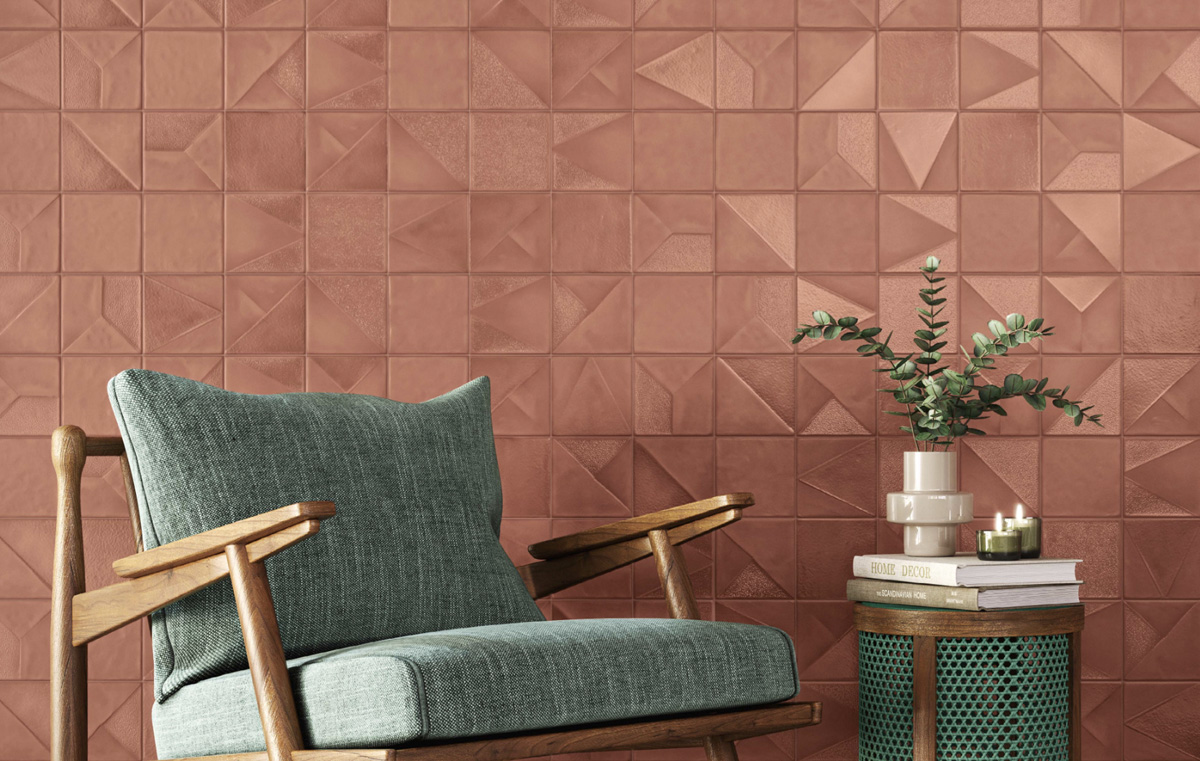
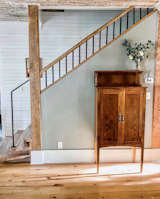
Green's ability to complement earth tones and neutrals further solidifies its position in contemporary design. In a design era that favors grounding color palettes such as clay, sand, terracotta, and ochre, green acts as a natural partner. Its harmony with natural materials like wood and stone enhances textural richness and organic appeal. Walter explains that green strikes a balance between a bold color and a neutral, making it approachable for clients who might otherwise hesitate with more intense hues. It offers a sense of being rooted, refreshing, and subtly unexpected.
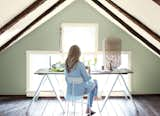
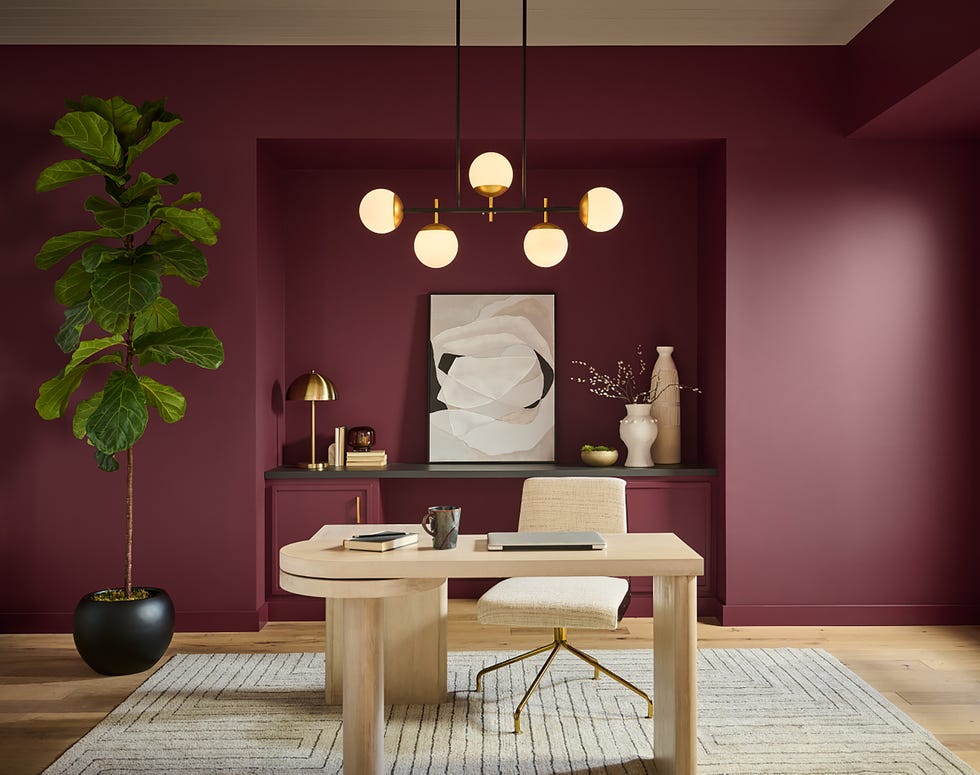
Beyond aesthetics, green is recognized for its powerful psychological impact. It is known to foster focus, calm, and connection, qualities particularly desirable in home environments. In home offices, green can enhance productivity without the starkness of traditional office colors, while in areas designated for rest, it promotes relaxation. This emotional adaptability makes green an ideal choice for multi-functional homes. Haley emphasizes that green provides the earthy, organic, and relaxed atmosphere many seek, acting as a visual anchor for stability and peace in an increasingly complex world. It supports a desire to slow down and reconnect, offering a soothing presence rather than demanding attention.
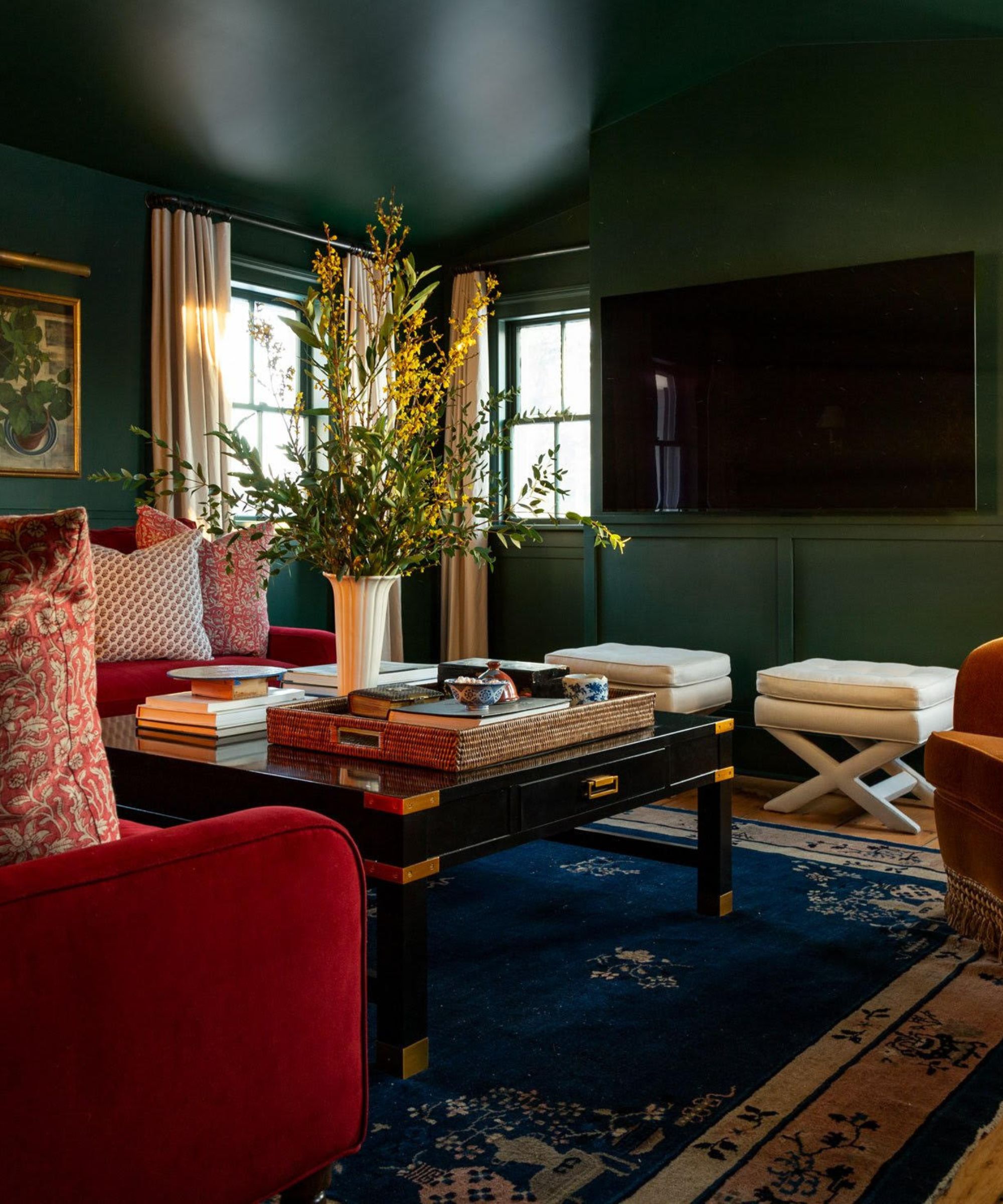
Finally, green signifies a return to timeless elegance. Deeper greens, such as moss, laurel, and pine, contribute to interiors that feel enduring, layered, and lived-in. This trend moves away from fleeting fads toward designs that age gracefully, drawing inspiration from heritage spaces, English conservatories, and vintage textiles. Despite its historical resonance, green maintains a fresh appeal when combined with modern shapes and finishes, proving its lasting relevance and ability to blend classic charm with contemporary flair.
#InteriorDesignTrends #GreenColorPalette #HomeDecor #BiophilicDesign #ColorVersatility #PsychologicalImpactOfColor #TimelessElegance #InteriorDesignTrends #GreenColorPalette #HomeDecor #BiophilicDesign #ColorVersatility #PsychologicalImpactOfColor #TimelessElegance
0 comment in total
 No comments yet
You may also like
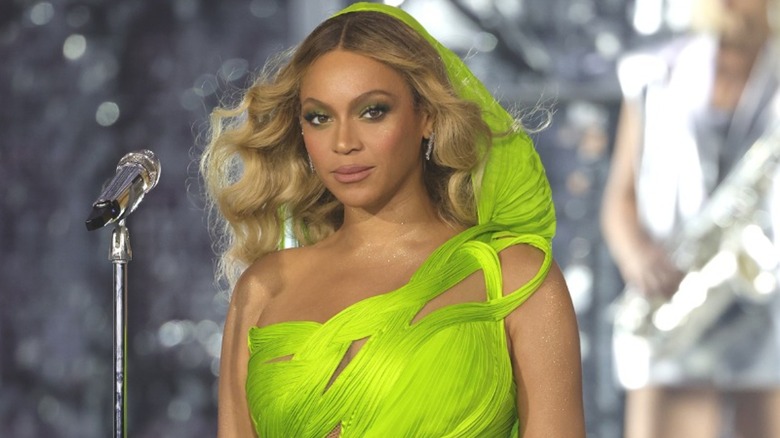
Vibrant Green Is The Color Trend That Comes Celeb Approved

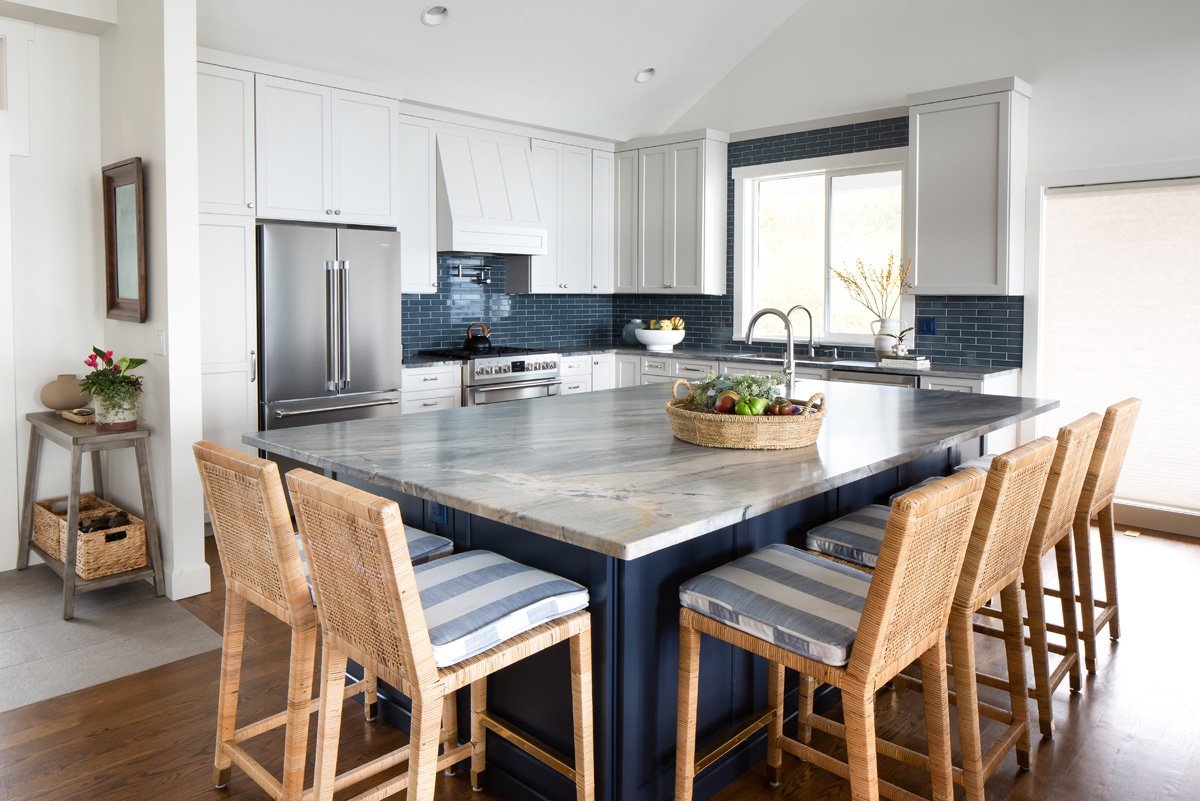
Color Explosion: 2025 Color Trends

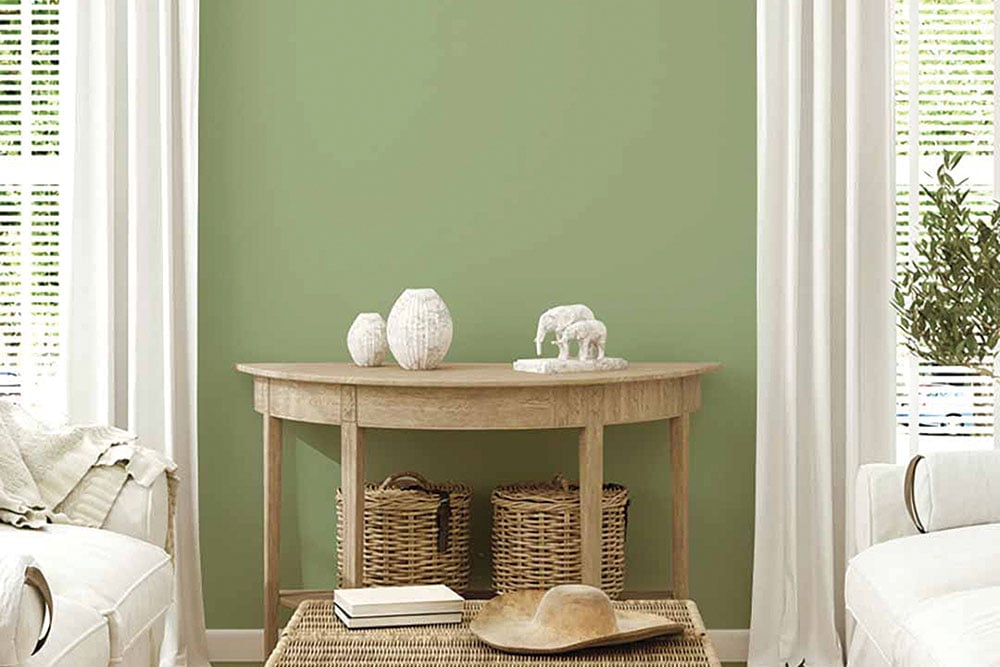
How To Incorporate The Latest Color Trends in Your Home

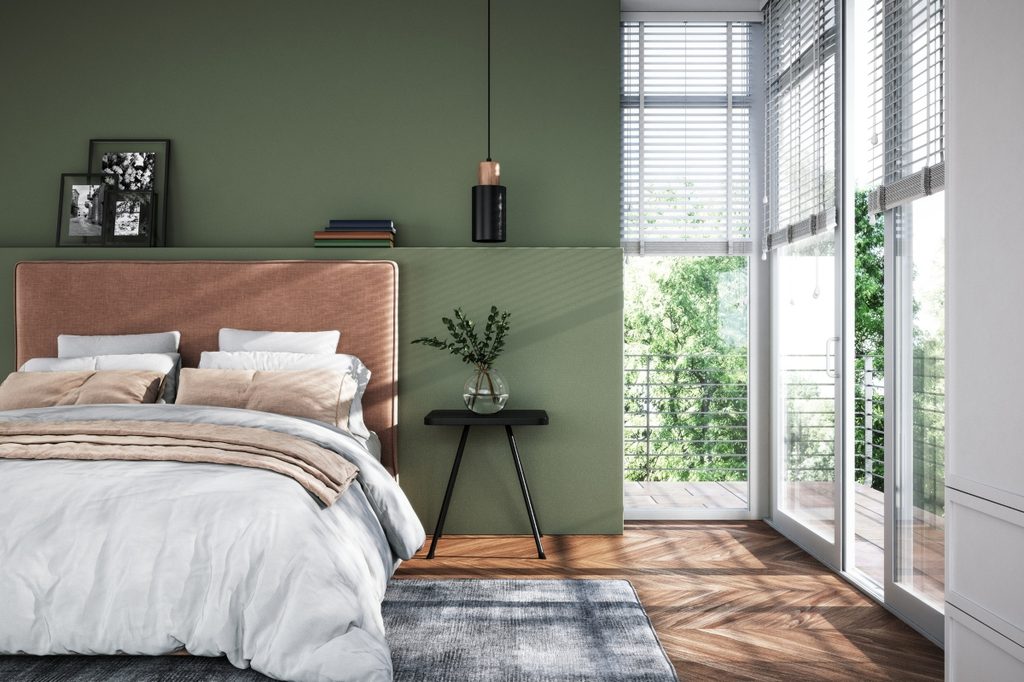
The best green paint colors for a soothing, sophisticated home

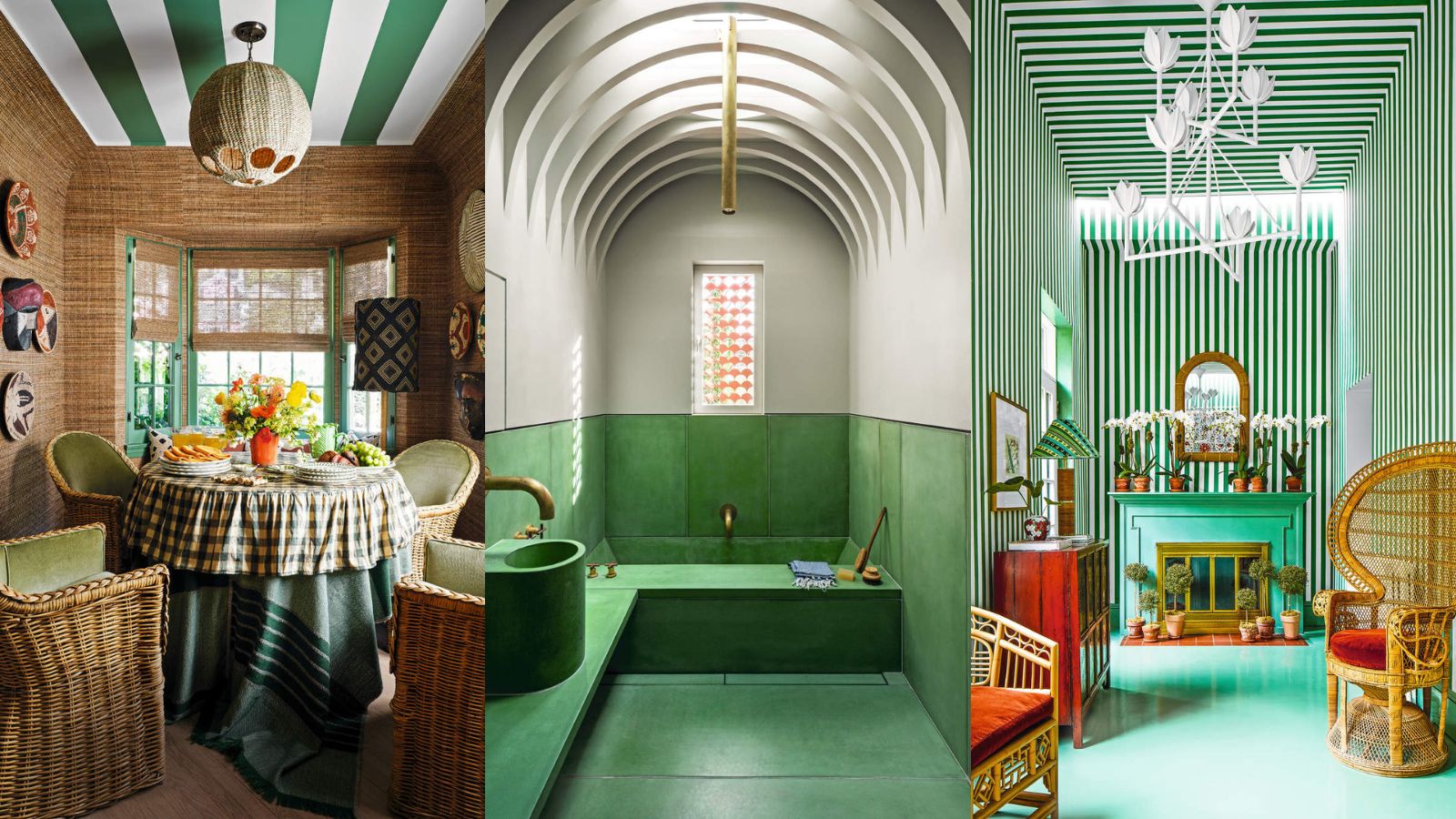
Green is the color of 2023 – these designer-approved ways to use it are bold and beautiful

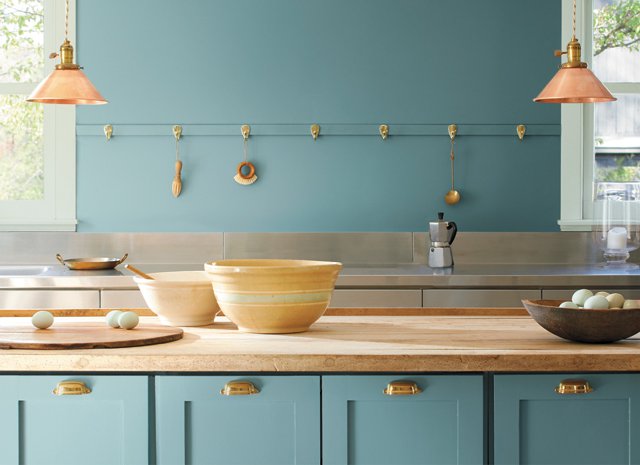
2021’s Palette of Possibilities
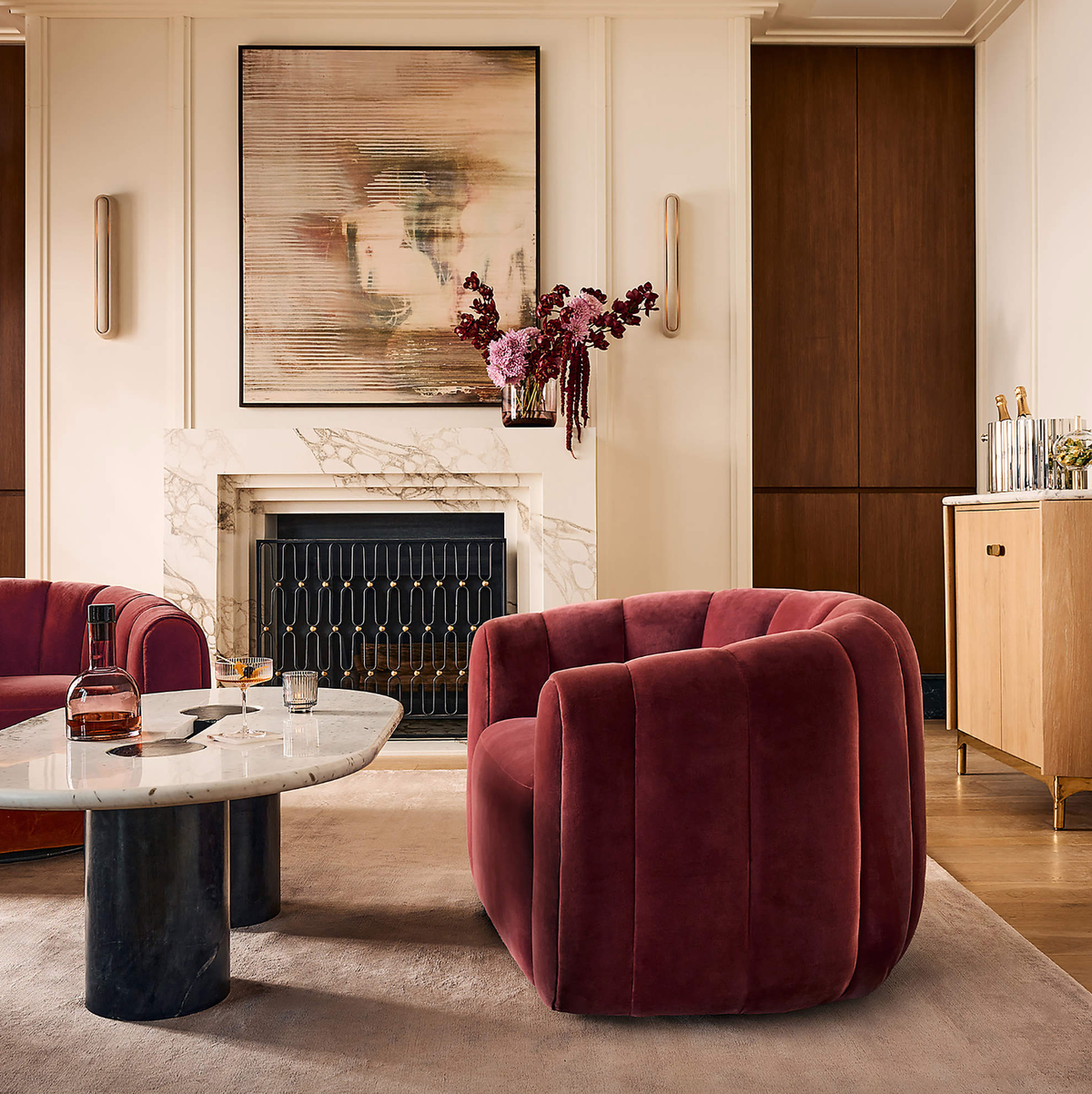
6 Gorgeous Home Color Trends That Aren't Just Neutrals

A Guide to Every Color of the Year for 2025 (So Far)

Give Your Home A Modern Refresh With 2019's Top Color Trends
Ever Wonder How a Color of the Year Is Selected? Experts Spill the Secrets

What is Color Forecasting? Experts Explain How to Map Trends |

Designers are Calling Burgundy This Year's Big Color Trend
Pantone’s Color of the Year is Green—a Vastly Underappreciated Color

A Guide to All the Pantone Colors of the Year and What They've Represented
Backdrop + Coming Soon Reveal Bold Color of the Year
What's replacing sage green in 2024? 5 on-trend variations of this nature-derived hue

Deeper, moody colours and precious jewel tones are in style this year
These Paint Colors Will Dominate Our Homes in 2022

Acid Green - The Color of the Year That No One Is Talking About
The 2025 Colors of the Year Are Here—and They All Have One Thing in Common