1/19
Building Change: World Green Infrastructure Congress 2024
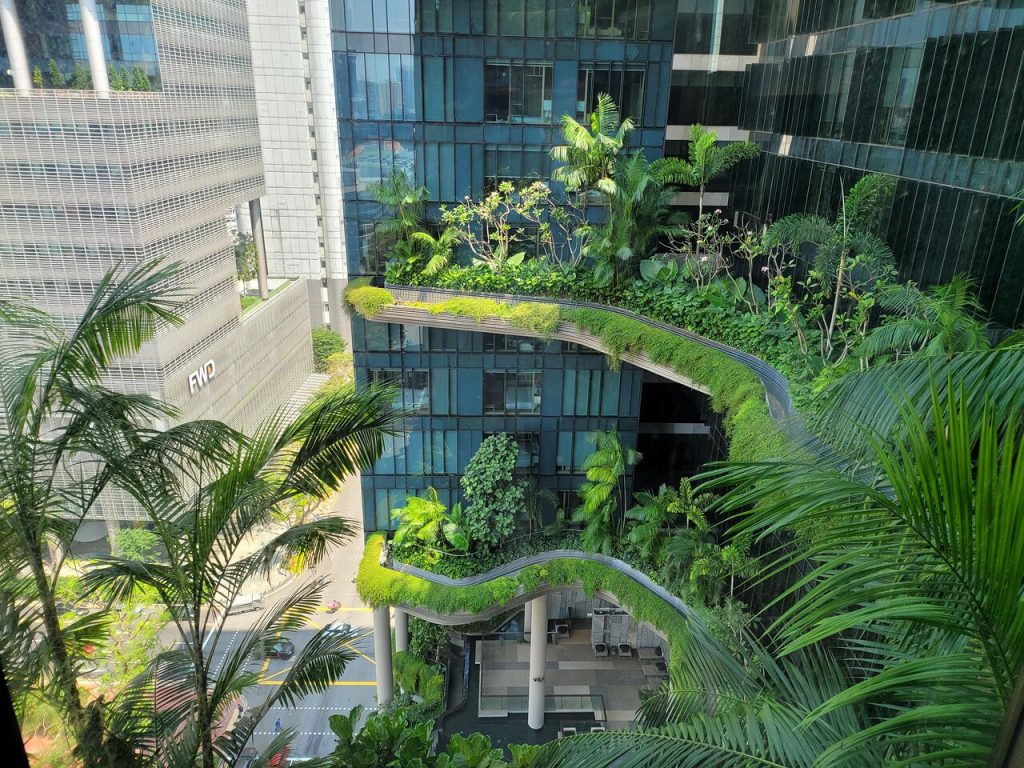
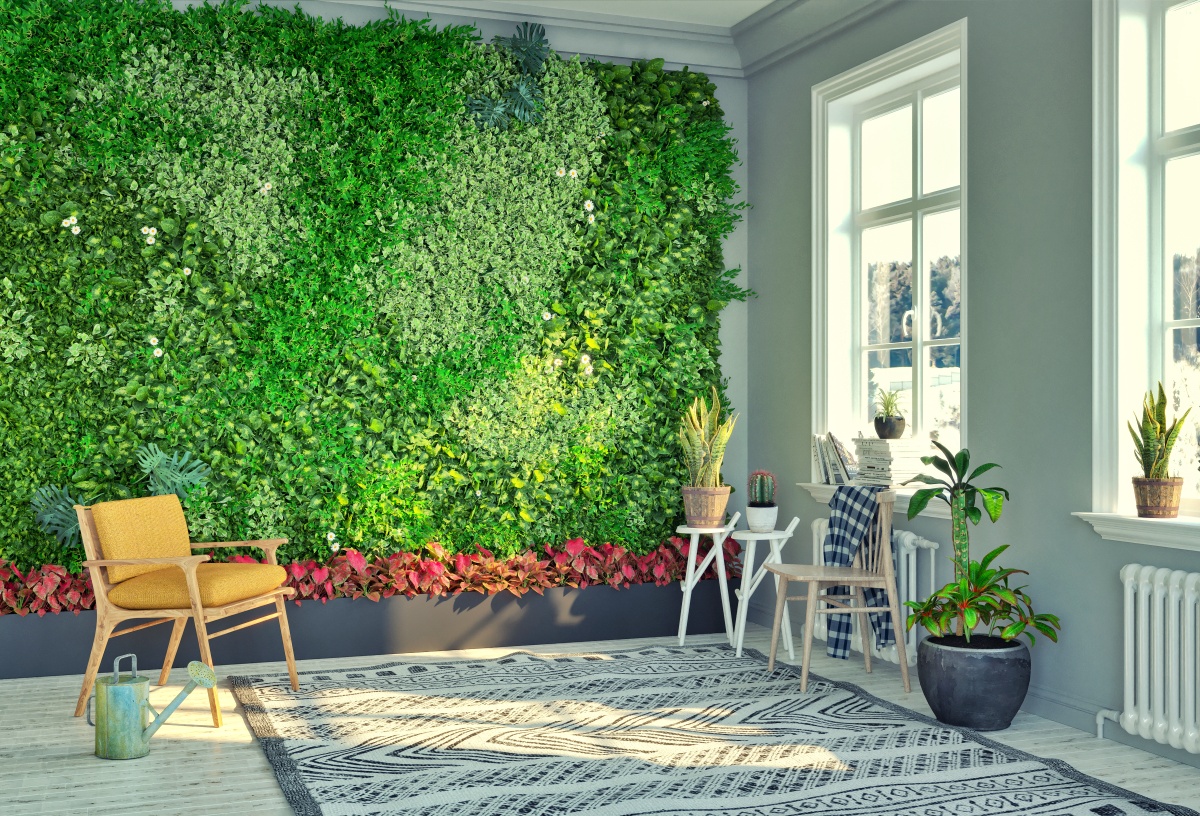
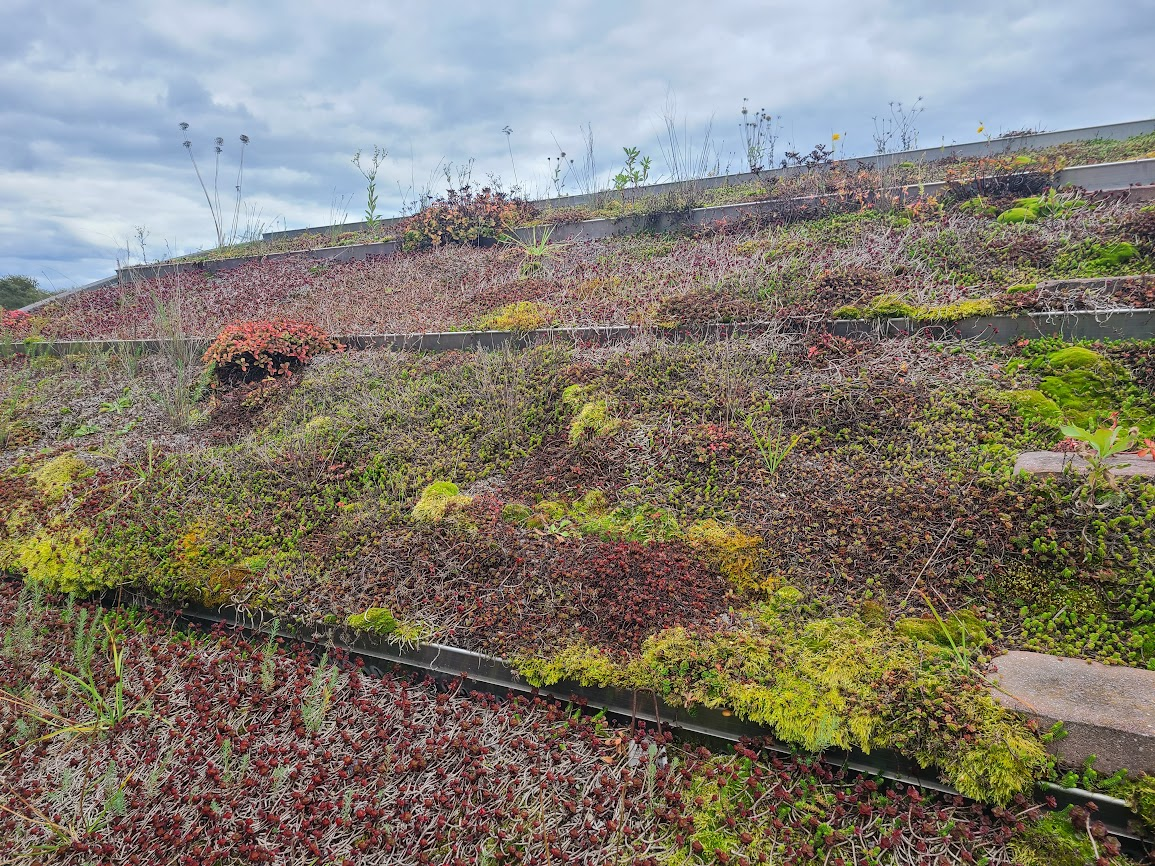
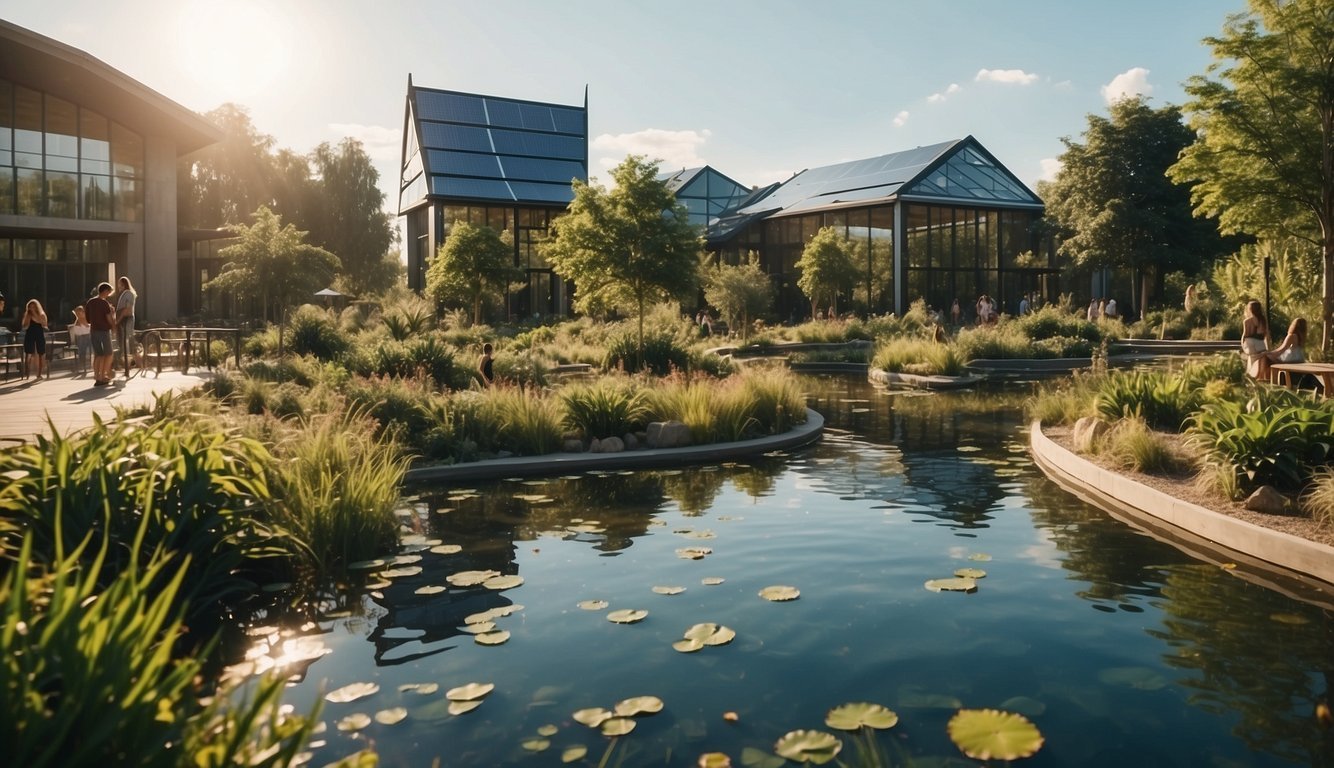
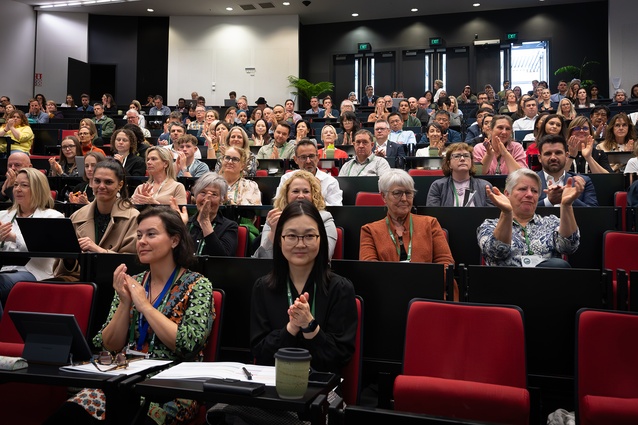
The 2024 World Green Infrastructure Congress (WGIC), held in Tāmaki Makaurau Auckland from September 3–4, served as a platform for advancing solutions in inclusive green infrastructure, sustainability, and urban resilience. Rebecca Mills, a leading sustainability strategist, compiled key takeaways from this global event, highlighting overarching themes and specific project insights. The congress focused on five primary themes: regeneration and biodiversity, technology and innovation, climate resilience, community engagement and equity, and health and wellbeing. Discussions on regeneration and biodiversity explored nature-based solutions like green roofs and vertical greenery to enhance urban biodiversity, promoting ecological health and resilience through integrated urban planning. Technological advancements were also a significant focus, with presentations on AI for urban forest monitoring, digital tools for mitigating urban heat islands, and innovative methods for sustainable water treatment. Climate resilience strategies included flood mitigation, sustainable urban design, and leveraging green infrastructure for climate adaptation. The importance of community engagement was underscored, emphasizing equitable access to green spaces and the socio-economic benefits of urban greening initiatives. Finally, the congress addressed the connection between green infrastructure and public health, demonstrating how nature-based solutions can improve mental and physical well-being for urban residents. The Awards Dinner at The Dome, Auckland Museum, featured hospitality from Ngāti Whātua Ōrākei, fostering relationships between indigenous communities and global green infrastructure leaders.
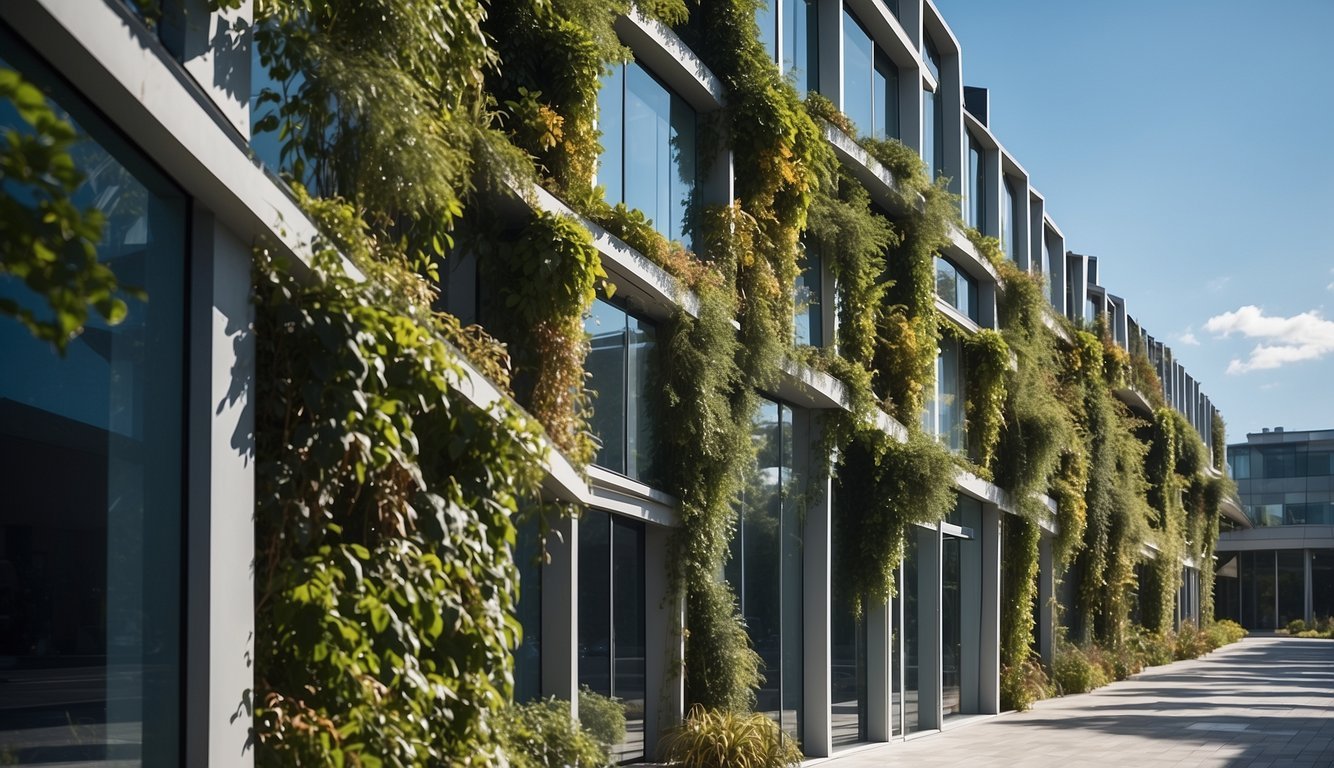
Several project spotlights and insights were shared, focusing on nature-inclusive cities. MVRDV, a Dutch architecture firm, presented their work on green infrastructure and nature-based solutions, emphasizing innovative green roofs, urban farms, climate adaptation strategies, and accessible public green spaces. Case studies included "Op het dak" in Rotterdam, a bistro pop-up on a rooftop garden, and "RoofScape" by MVRDV NEXT, which visualizes Rotterdam’s rooftop potential for various programs. "De Trap" in Rotterdam, an MVRDV installation, showcased how civic pride and public engagement can be fostered by activating derelict urban spaces with green infrastructure. "The Standard green wall" in Brisbane, designed by Woods Bagot and Fytogreen, was highlighted as Australia’s largest fire-compliant green wall, featuring diverse plant species and winning a World Green Infrastructure Award.
The congress also delved into nature-based solutions through performance design and monitoring. Dr. Margaret Stanley from the University of Auckland presented on optimizing greening efforts by designing urban environments that reflect unique local ecosystems. Her key messages advocated for planting indigenous species, prohibiting invasive species, promoting less manicured green spaces for increased biodiversity, supporting local wildlife, and co-designing with indigenous communities. Dr. Stanley stressed that context-specific, ecologically appropriate solutions prevent negative impacts like invasive species spread and ecological degradation, fostering healthier urban ecosystems. The i-Canopy project, led by Anouk De Brock, focuses on dedicated monitoring of vertical greening systems using advanced techniques like Leaf Area Index and AI to assess performance factors such as air quality and temperature regulation, optimizing maintenance and contributing to sustainable urban environments. Professor Piotr Wężyk’s project on Detecting Urban Tree Species in TLS LiDAR 3D Point Clouds Using AI Technologies demonstrated the use of LiDAR and AI to identify tree species in urban settings, providing scalable methods for monitoring urban tree populations. Yi-Jung Lin presented the Component-Level Embodied Carbon Database for Landscape Hard Works in Taiwan, which quantifies the embodied carbon of landscape materials, enabling design choices that significantly reduce carbon footprints. The Wild West End project in London exemplified successful nature-based solutions through partnerships, demonstrating how collaboration between public, private, and community stakeholders can transform urban areas with greening initiatives.
Ultimately, the congress emphasized that New Zealand cities, such as Auckland, Wellington, Hamilton, and Christchurch, can leverage these insights to become more inclusive urban environments. By integrating green infrastructure and nature-based solutions, these cities can enhance biodiversity, reduce carbon emissions, and create healthier, more livable spaces. The holistic approach, combining technology, community involvement, and ecological awareness, positions Aotearoa New Zealand cities to become global exemplars of sustainable urban living, capable of withstanding climate change impacts, enhancing public health, and providing vibrant spaces for future generations. The event was a collaborative effort by the World Green Infrastructure Network, the University of Auckland Creative Arts and Industries, and Design for Nature, with support from various sponsors.
#GreenInfrastructure #UrbanResilience #Sustainability #ClimateChange #NatureBasedSolutions #Biodiversity #UrbanPlanning #TechnologicalInnovation #CommunityEngagement #GreenInfrastructure #UrbanResilience #Sustainability #ClimateChange #NatureBasedSolutions #Biodiversity #UrbanPlanning #TechnologicalInnovation #CommunityEngagement
0 comment in total
 No comments yet
You may also like
Sustainable Buildings: Pioneering a Green Revolution in Urban Design

Application of bionic architecture in low-carbon design: a systematic review from nature inspiration to architectural practice
Ten Innovations in North America’s Green Roof and Wall Industry
Emerging Trends in Green Building and Sustainable Design
Top 10 Examples of Most Sustainable Architecture in 2025


Earth Day 2025: Biophilic Design, Modular Multifunctional Furniture And Other Sustainable Home Trends That Are Here to Stay
Emerging Trends in Green Building and Sustainable Design

Sustainable Concrete Panel Construction | Spotlight on Nexii and Vero Building Systems

Eight of the world's most remarkable homes
Home Builders Fighting Energy Efficiency

8 Remarkable Buildings That Use Trees as a Design Element

5 reasons why floating development is set to take the world by storm

Backcasting—a scenario approach in urban climate adaptation planning | npj Urban Sustainability

How to talk to architects, builders and general contractors about sustainability
Rammed Earth Fits Into Urban Architecture’s Sustainable Future
Seen at Interwoven May 2024

LABAU (Bioclimatic Architecture and Urban Agriculture Laboratory)
Saving the earth: making the case for rammed earth architecture
10 Must-Watch Documentaries on Renewable Architecture: Innovations & Insights

The Urban Jungle Needs More Trees