1/2
18 Best Medium-Sized Trees for Your Yard
This article highlights 18 medium-sized tree varieties suitable for landscaping in smaller yards or spaces where larger trees are impractical. Each tree is described with its key features, USDA growing zones, color varieties, sun exposure requirements, and soil needs. These trees generally mature at under 40 feet tall and offer various aesthetic and functional benefits, from providing shade to attracting pollinators and birds, or offering vibrant seasonal colors.
The Red Buckeye (Aesculus Pavia) is presented as a slow-growing tree reaching about 15 feet, known for its vivid red spring flowers that attract hummingbirds and butterflies. It requires afternoon shade in hot climates and consistent watering. Crabapple (Malus) trees are ideal for even the smallest yards, typically growing 12 to 20 feet tall, offering spring flowers and fruits that attract birds. Crepe Myrtle (Lagerstroemia) thrives in warm climates, providing stunning summer blooms and showy fall foliage, reaching 25 to 30 feet, with attractive bark when lower branches are removed. Dogwood (Cornus) trees are fast-growing, reaching 15 to 25 feet, blooming early in spring and tolerating partial shade, provided they have well-draining soil.
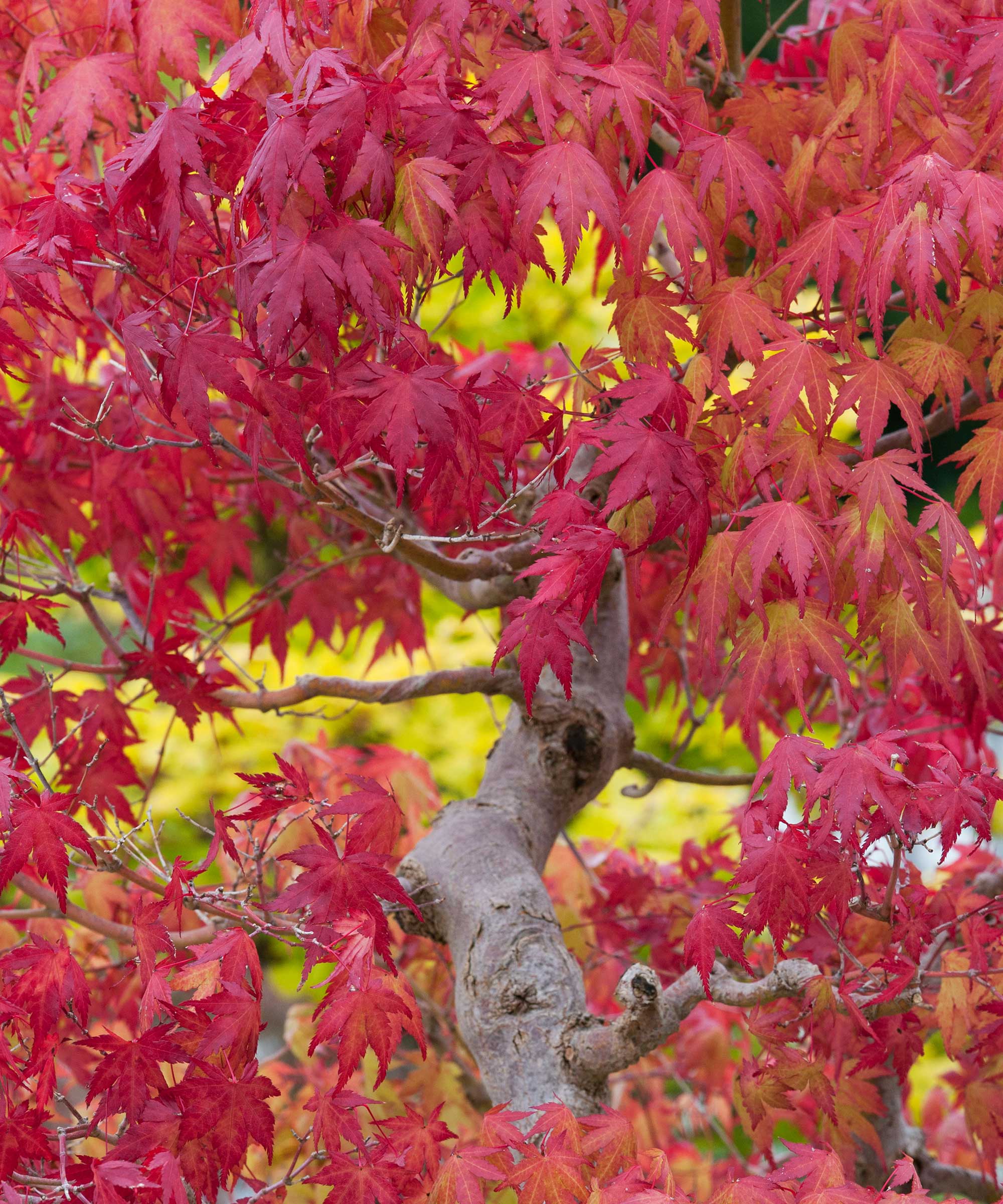
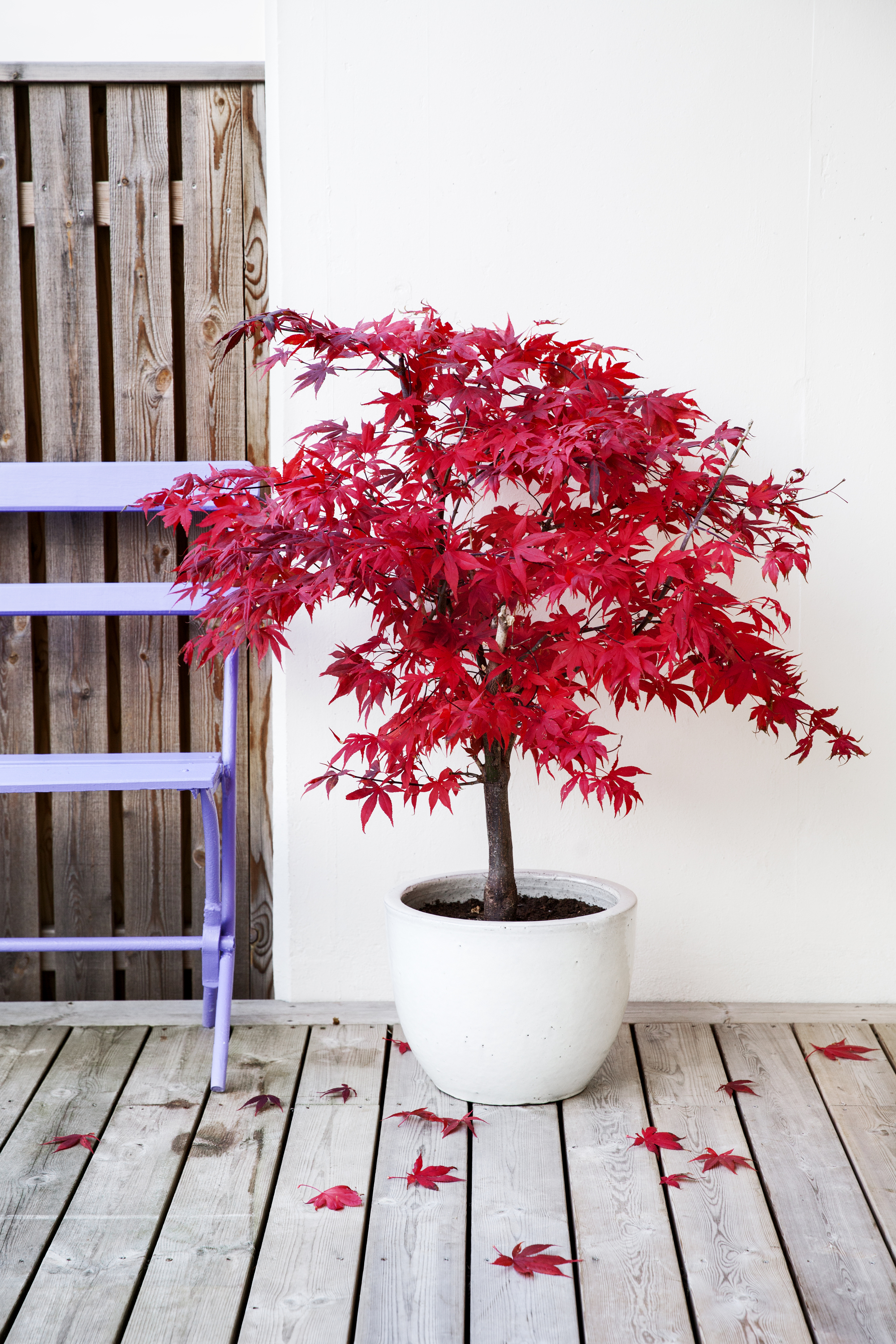
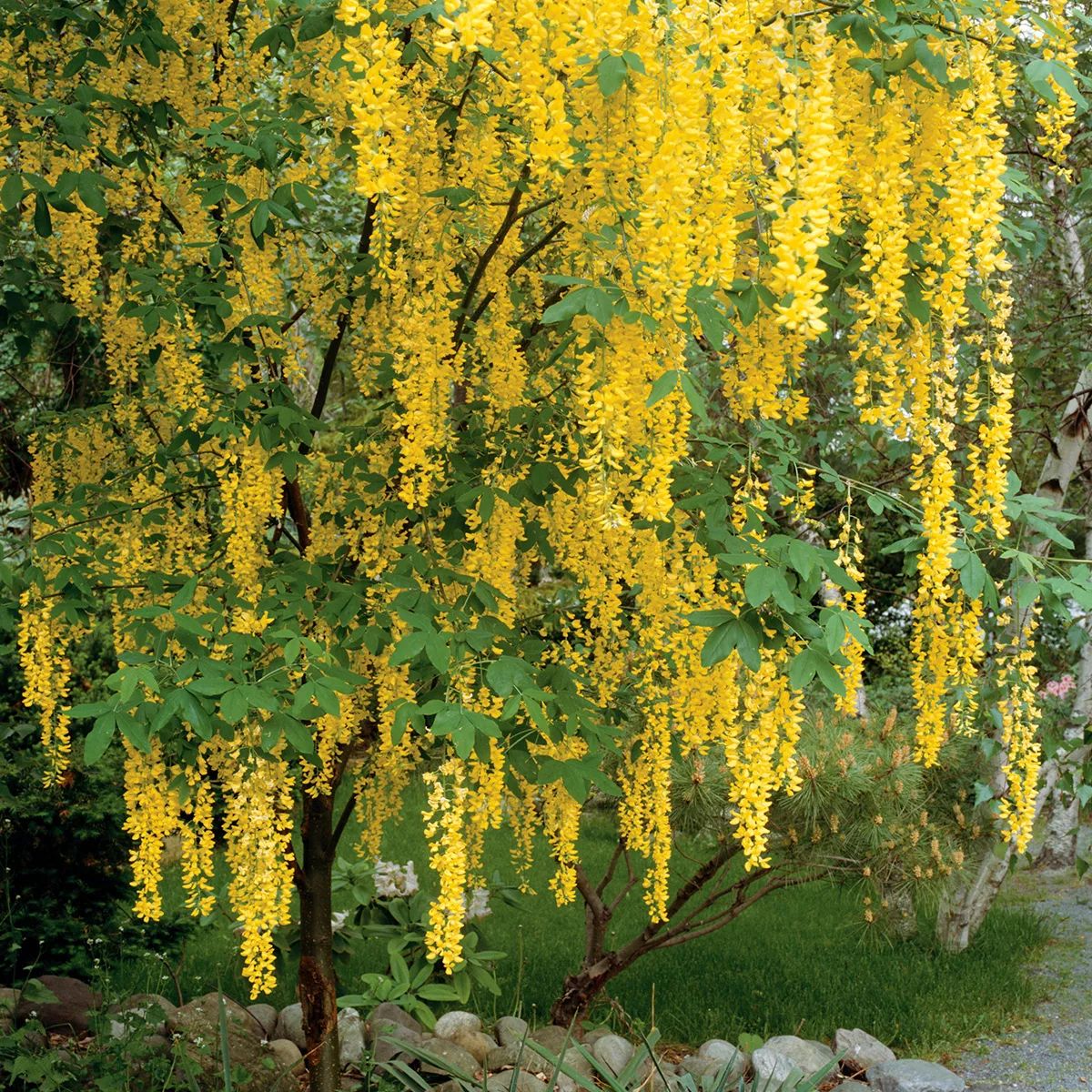
The Golden Chain Tree (Laburnum X Watereri), growing 15 to 25 feet, is noted for its distinctive green bark and long clusters of brilliant yellow flowers in late spring, though its seed pods are poisonous. Cockspur Hawthorn (Crataegus Crus-Galli) grows 15 to 25 feet, features white spring flowers, red fruits popular with birds, and red-orange fall foliage, but has thorns requiring caution. Japanese Maple (Acer Palmatum) varieties, averaging 15 to 25 feet, are cherished for their delicate, often deeply lobed leaves that display striking fall colors. Saucer Magnolia (Magnolia X Soulangeana), typically 20 to 25 feet, boasts large, fragrant purple-and-white flowers before its leaves emerge in spring.
Mimosa (Albizia Julibrissin), growing 20 to 40 feet, has a tropical appearance with fern-like leaves and fragrant, thread-like pink flowers, but can be invasive in some areas. Pawpaw (Asimina Triloba), a small to medium tree of 15 to 30 feet, produces tropical-looking fruits and requires cross-pollination. Eastern Redbud (Cercis Canadensis) reaches 20 to 30 feet, flowering with hot pink or white blooms in early spring before leafing out, and attracts early butterflies. Serviceberry (Amelanchier Arborea), part of the rose family, varies in height from 8 to 20 feet, with white spring flowers and edible, tart fruits that are a favorite of birds. Root suckers can be removed to maintain a tree-like form.
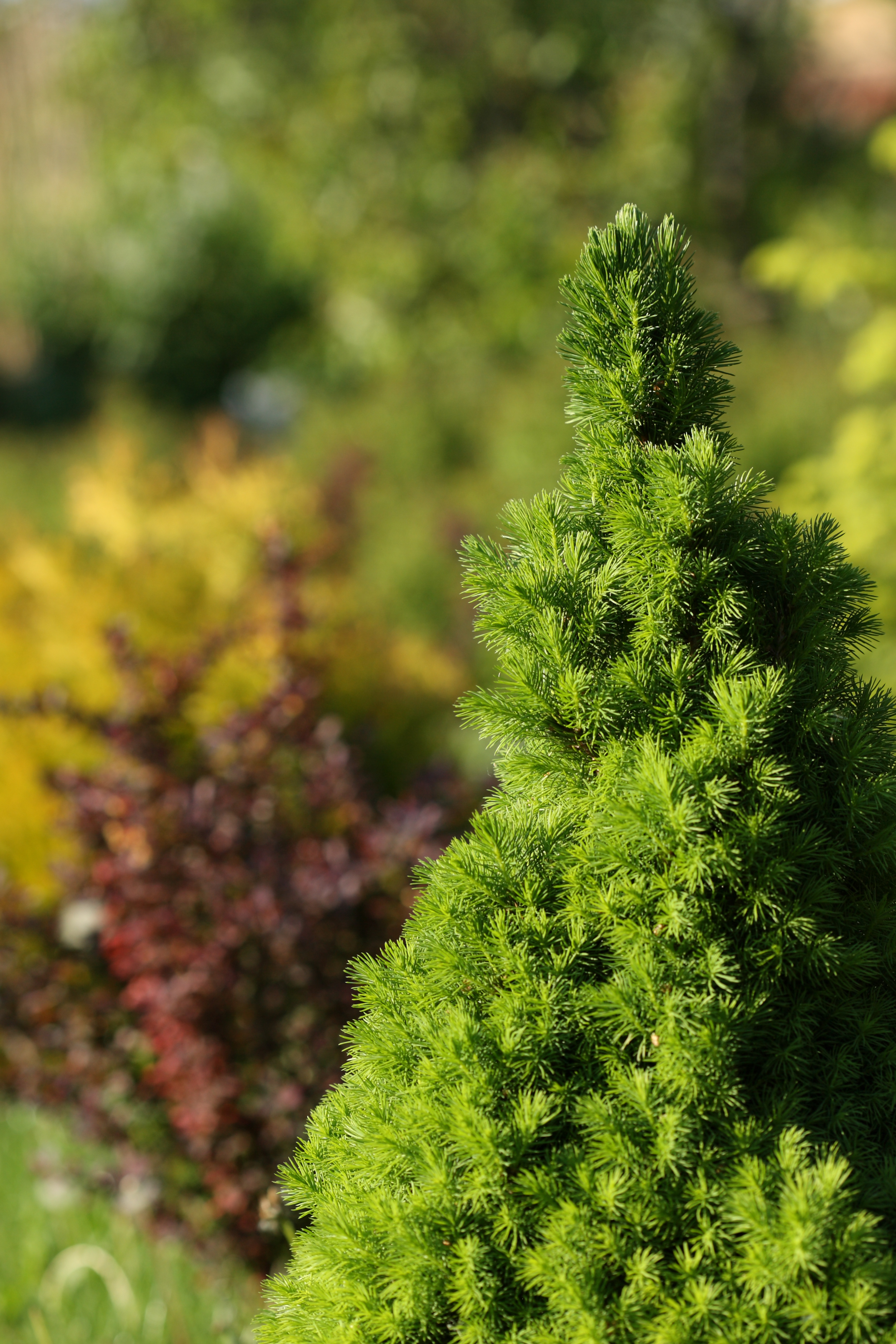
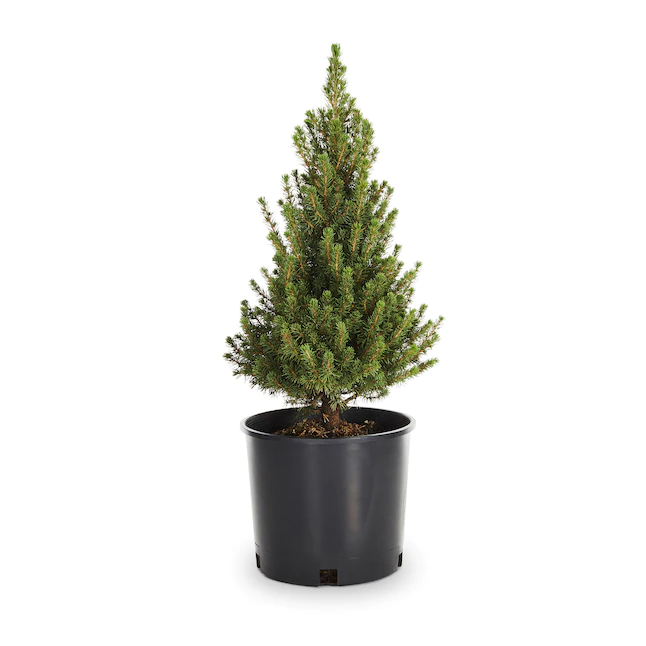
Dwarf Alberta Spruce (Picea Glauca 'Conica') is a slow-growing evergreen that matures to about 10 to 13 feet, maintaining a dense pyramidal shape without pruning, but is sensitive to pollutants. Japanese Stewartia (Stewartia Pseudocamellia) is an ornamental specimen tree that slowly grows over 30 feet, characterized by showy white midsummer flowers and mottled peeling bark. Chaste Tree (Vitex Agnus-Castus), more of a large shrub that can be trained as a tree, reaches 8 to 20 feet and features long clusters of blue-violet or white flowers that attract butterflies. Weeping Cherry (Prunus Pendula) comes in dwarf varieties of 8 to 10 feet and larger types up to 40 feet, known for its cascading branches covered in spring blossoms.
Witch Hazel (Hamamelis Virginiana) is a shrub-like tree averaging 10 to 20 feet, offering shaggy, citrus-scented blossoms in yellow, orange, and red, blooming in late winter or fall. Paper Birch (Betula Papyrifera), while potentially reaching 60 feet, has a narrow base spread and a canopy that allows dappled light, making it suitable for smaller yards. It features attractive white bark and golden fall color, requiring moist soil.
#MediumSizedTrees #LandscapeDesign #SmallYardTrees #FloweringTrees #ShadeTrees #OrnamentalTrees #GardenDesign #TreeCare #PollinatorFriendly #MediumSizedTrees #LandscapeDesign #SmallYardTrees #FloweringTrees #ShadeTrees #OrnamentalTrees #GardenDesign #TreeCare #PollinatorFriendly
0 comment in total
 No comments yet
You may also like
8 of the best low-maintenance trees to make a backyard look expensive

‘Go big or go home’: Plants that can live large in your garden
Best tall indoor plants – 10 statement plants, chosen by houseplant experts
19 Tall Low-Light Plants That Are So Easy to Grow Indoors

Transform Your Space With Any of These Gorgeous Tall Indoor Plants

What type of privacy trees can I grow in pots? 5 container gardening picks that can help screen your backyard

18 Best Plants To Add Privacy To Your Yard
18 Unique and Unusual Gardens To Consider

10 Tall Outdoor Plants for Landscaping
26 Best Evergreen Trees for Privacy and Year-Round Greenery
19 simple garden ideas for every style, size and budget
5 Tall Indoor Plants That Make Such an Impact in Your Home
20 Small Trees for Front Yards That Add Tons of Colorful Curb Appeal
11 best low-maintenance indoor plants

20 Best Indoor Trees and Tropical Plants to Grow in Your Living Room

37 Best Small Christmas Tree Ideas With Big Holiday Spirit
15 Hardy Shrubs to Spruce Up Your Yard
Best plants for a courtyard garden – 8 favorites to grow for maximum impact in a small space
8 of the best indoor plants with patterned leaves

13 "String of" Plants to Grow At Home