1/11
What type of privacy trees can I grow in pots? 5 container gardening picks that can help screen your backyard
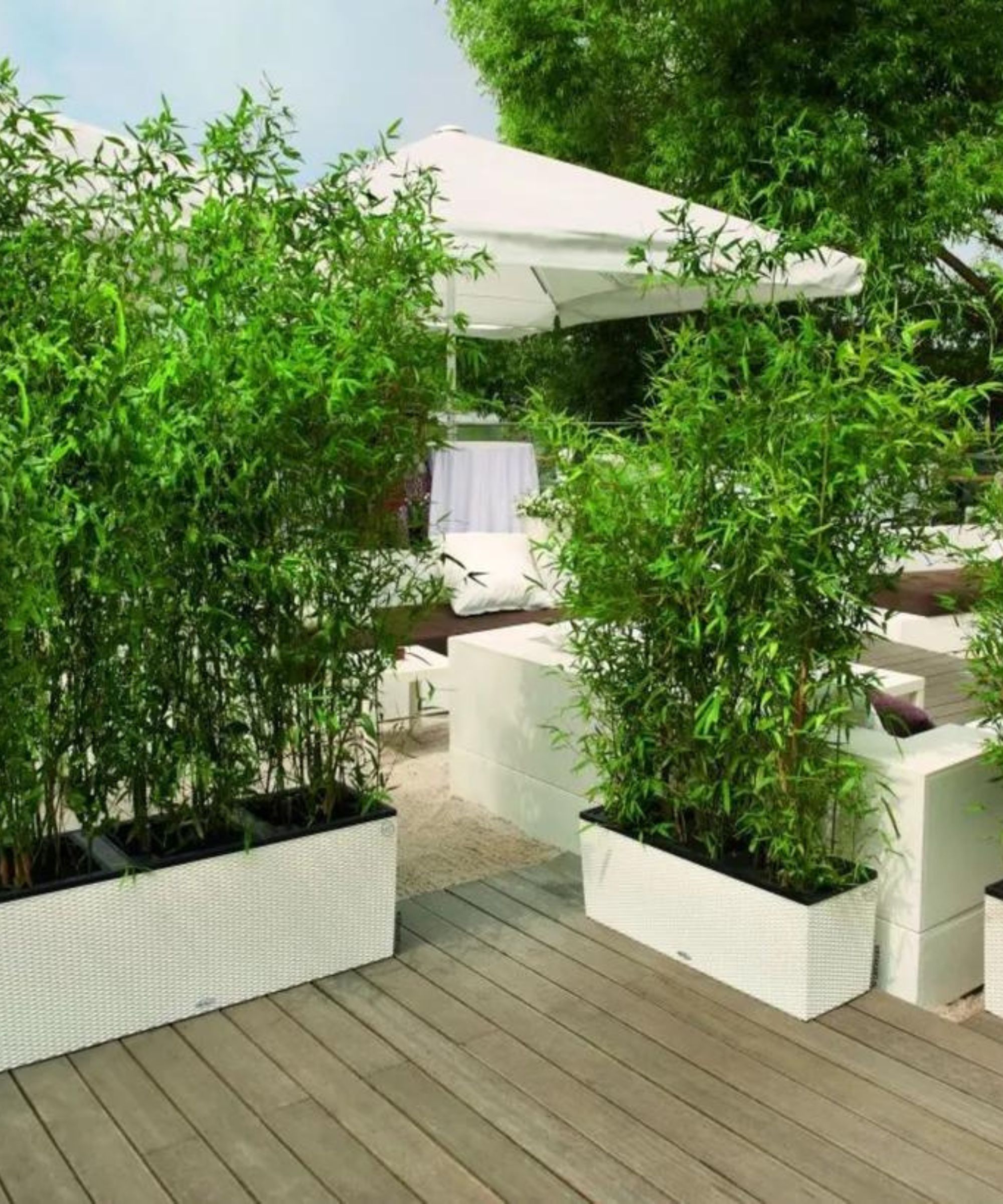
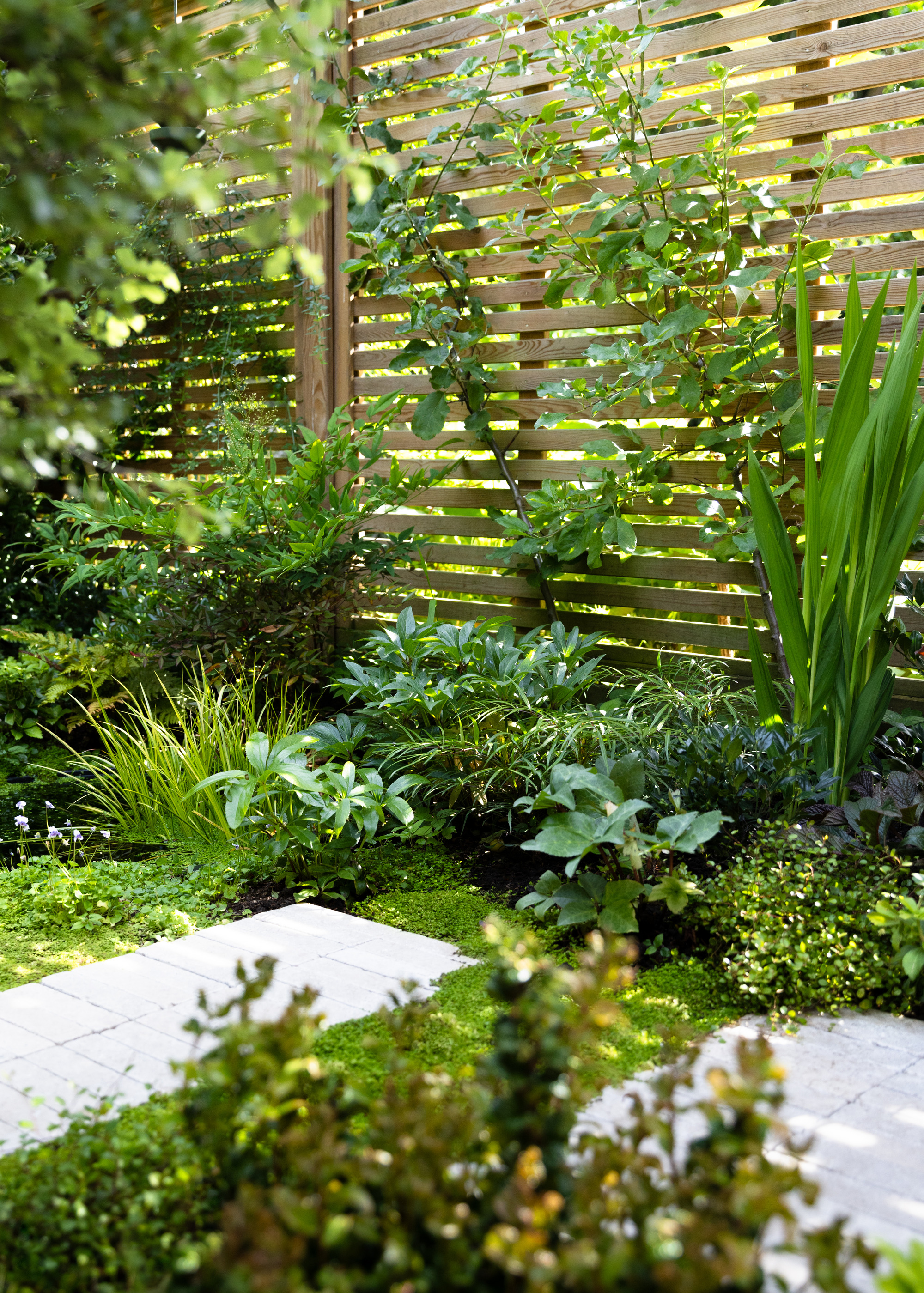
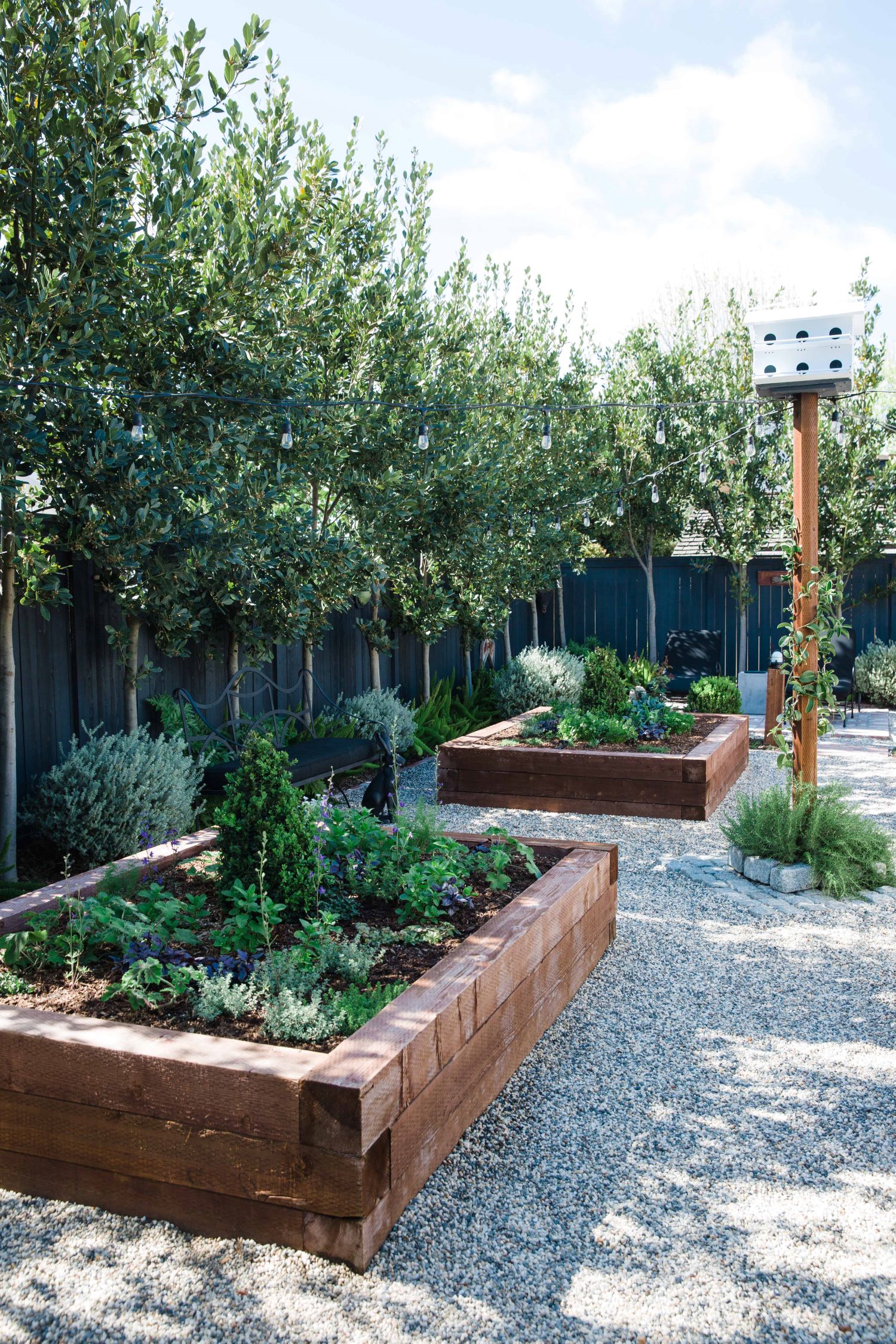
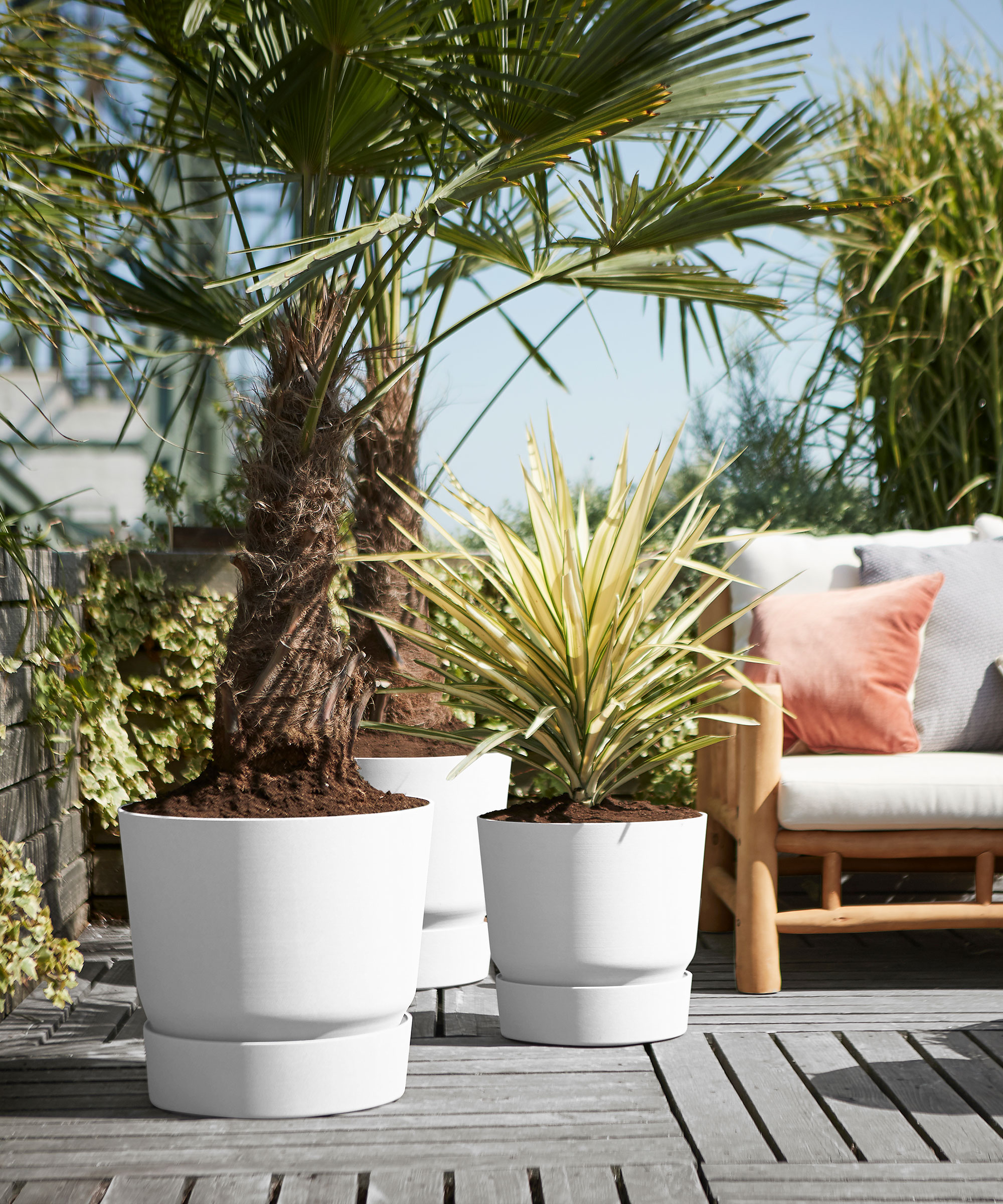
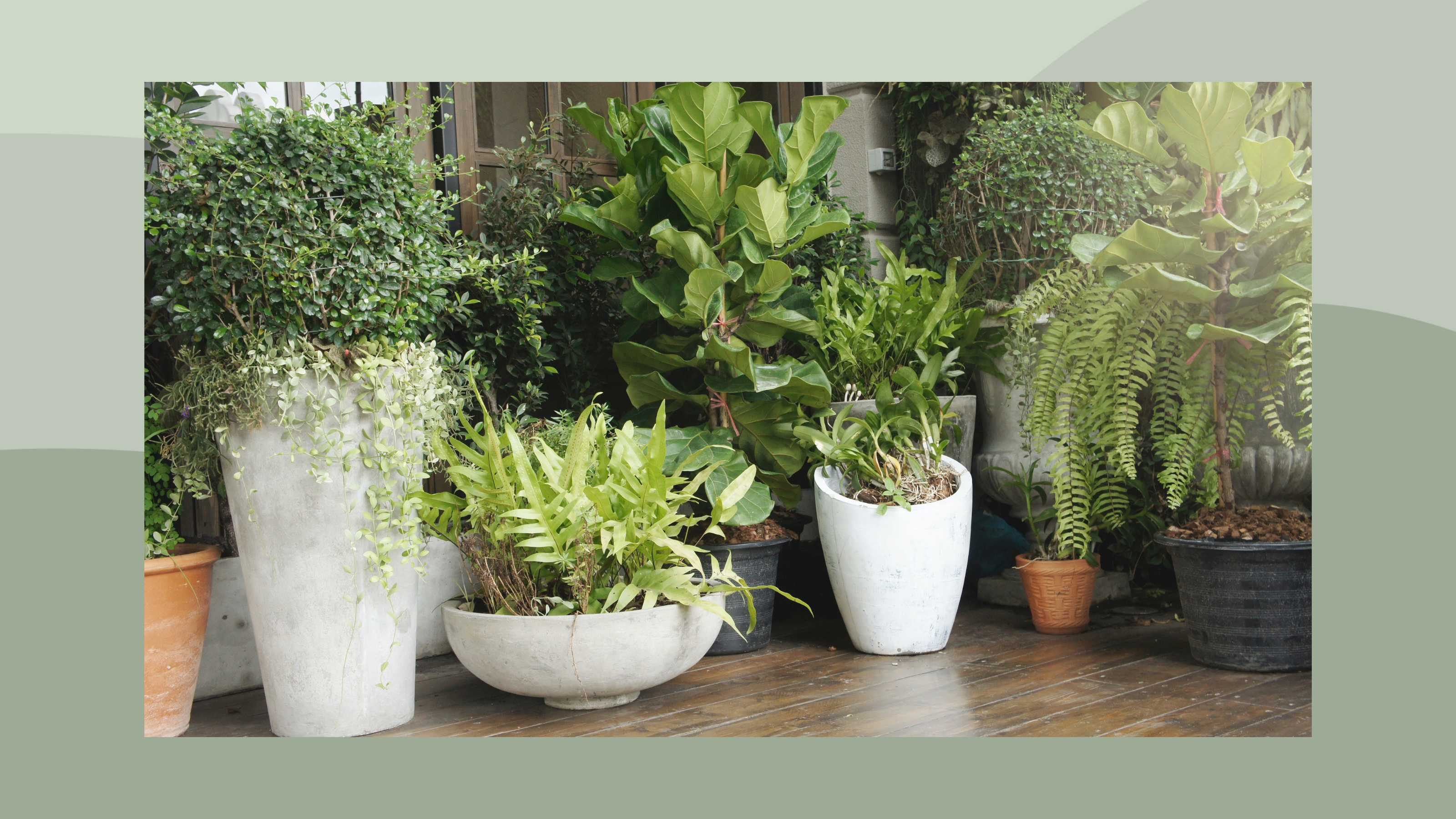
Achieving solitude in outdoor spaces can be a challenge, particularly when neighbors' homes overlook your backyard. While traditional solutions like fences or privacy screens exist, planting bushy trees in pots offers a more aesthetically pleasing and versatile approach to creating privacy. This method is suitable for various outdoor settings, from expansive lawns to compact urban courtyards, providing a stylish landscaping idea that transforms outdoor areas into private oases. Experts highlight several container-friendly tree species that are ideal for this purpose, offering practical advice on their cultivation and care.
The Dwarf Alberta Spruce is presented as an excellent choice for privacy, known for its compact, slow-growing nature and dense, pyramidal evergreen foliage. While it can reach 10-13 feet when planted in the ground, it remains smaller in pots, making it perfect for patios and balconies. Its symmetrical shape adds structure to any space, and it can grow up to 6 feet in containers, effectively screening backyards. For optimal growth, it requires a large, well-draining pot, high-quality potting mix, full sun to partial shade, and consistent moisture without waterlogging. Regular fertilization and light pruning help maintain its shape.
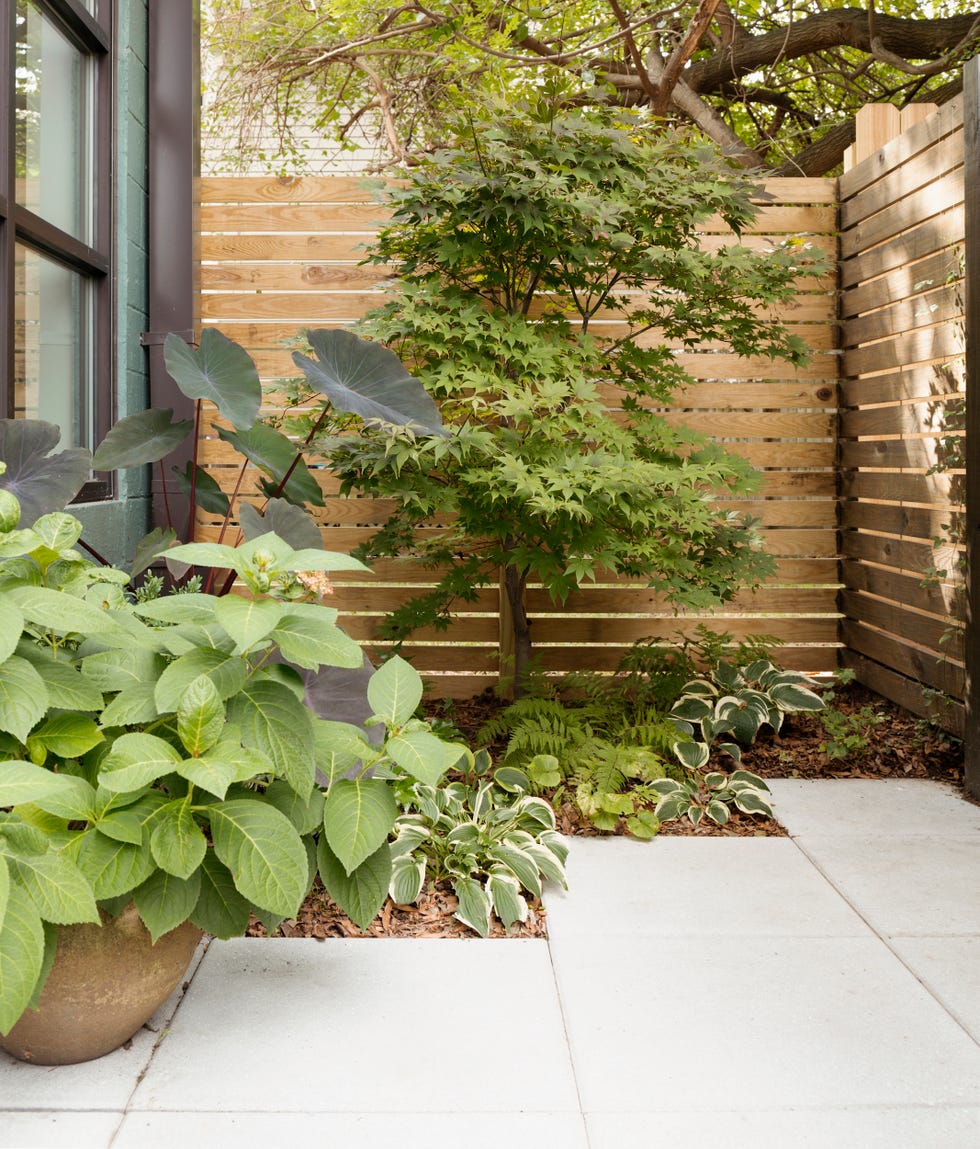
Japanese Maples, with their vibrant red ornamental leaves, are another recommended option for those seeking a smaller, decorative privacy tree. Growing them in pots allows for easy relocation, adapting to different aesthetic needs. They thrive in partial shade and moist soil, requiring consistent watering. Although they shed their leaves in winter, their intricate branch structure offers visual interest. Dwarf or slow-growing varieties are best for containers, planted in acidic potting mix and positioned in dappled shade to prevent leaf scorching.
Bay Laurel is highlighted as a traditional decorative tree that also serves as an effective living privacy screen. This evergreen features dense, glossy green, aromatic leaves that can be easily shaped through pruning. Its functional aspect, providing leaves for cooking, adds to its appeal. For container growing, a dwarf or compact variety should be chosen, planted in a large, well-draining pot with high-quality potting mix. It prefers full sun to partial shade, with watering that allows the soil to dry slightly between sessions. A balanced, slow-release fertilizer in spring and regular pruning are recommended.
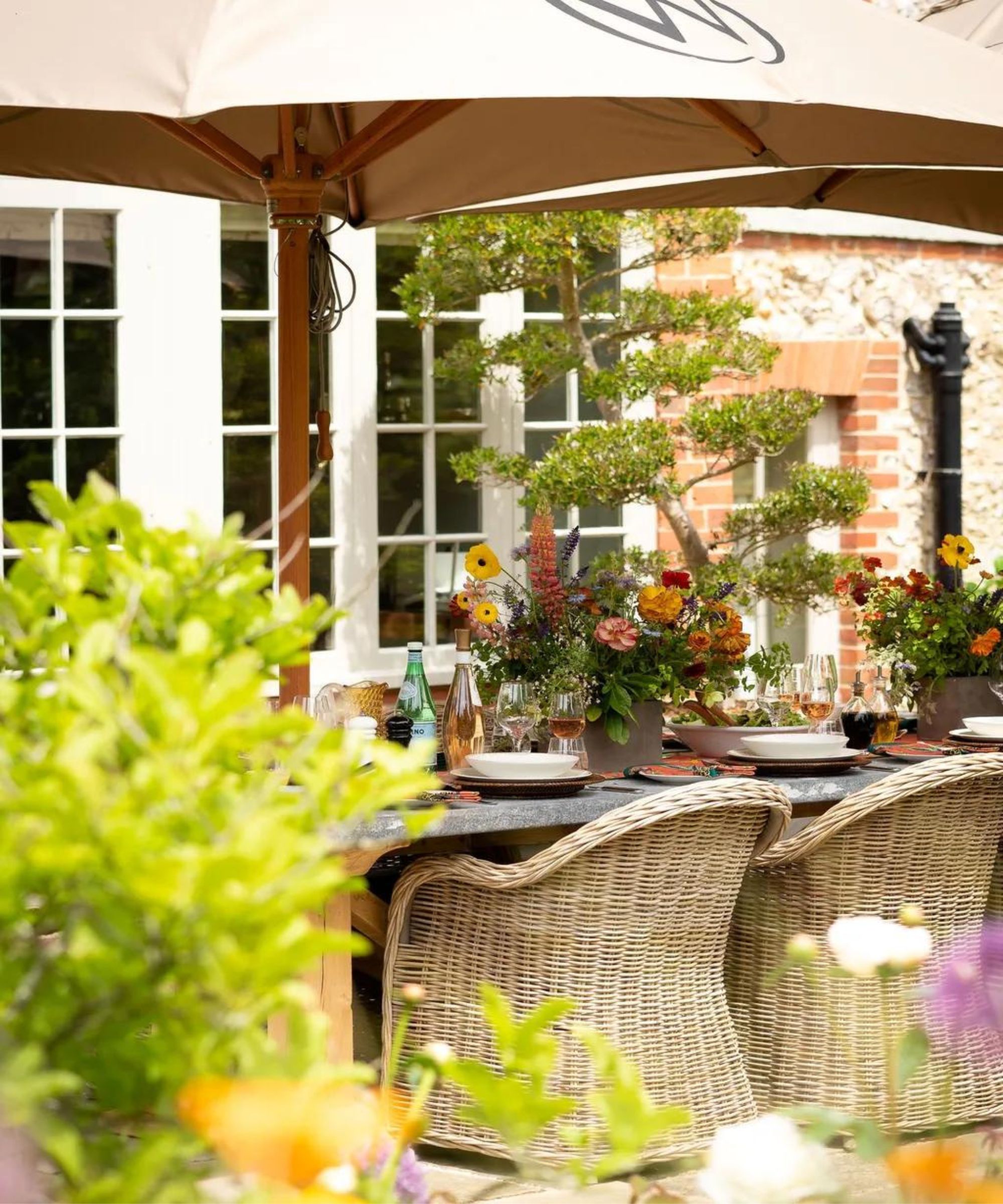
Olive Trees offer a Mediterranean aesthetic, with their silvery-green leaves providing both privacy and shade. While they flourish in warmer climates, selecting dwarf or patio-sized varieties for large, well-draining containers is crucial. They need sunny spots and regular watering, allowing the soil to dry out between applications. These trees are particularly suitable for placement in front of windows, as their delicate branches allow sufficient light to pass through while offering a degree of seclusion.
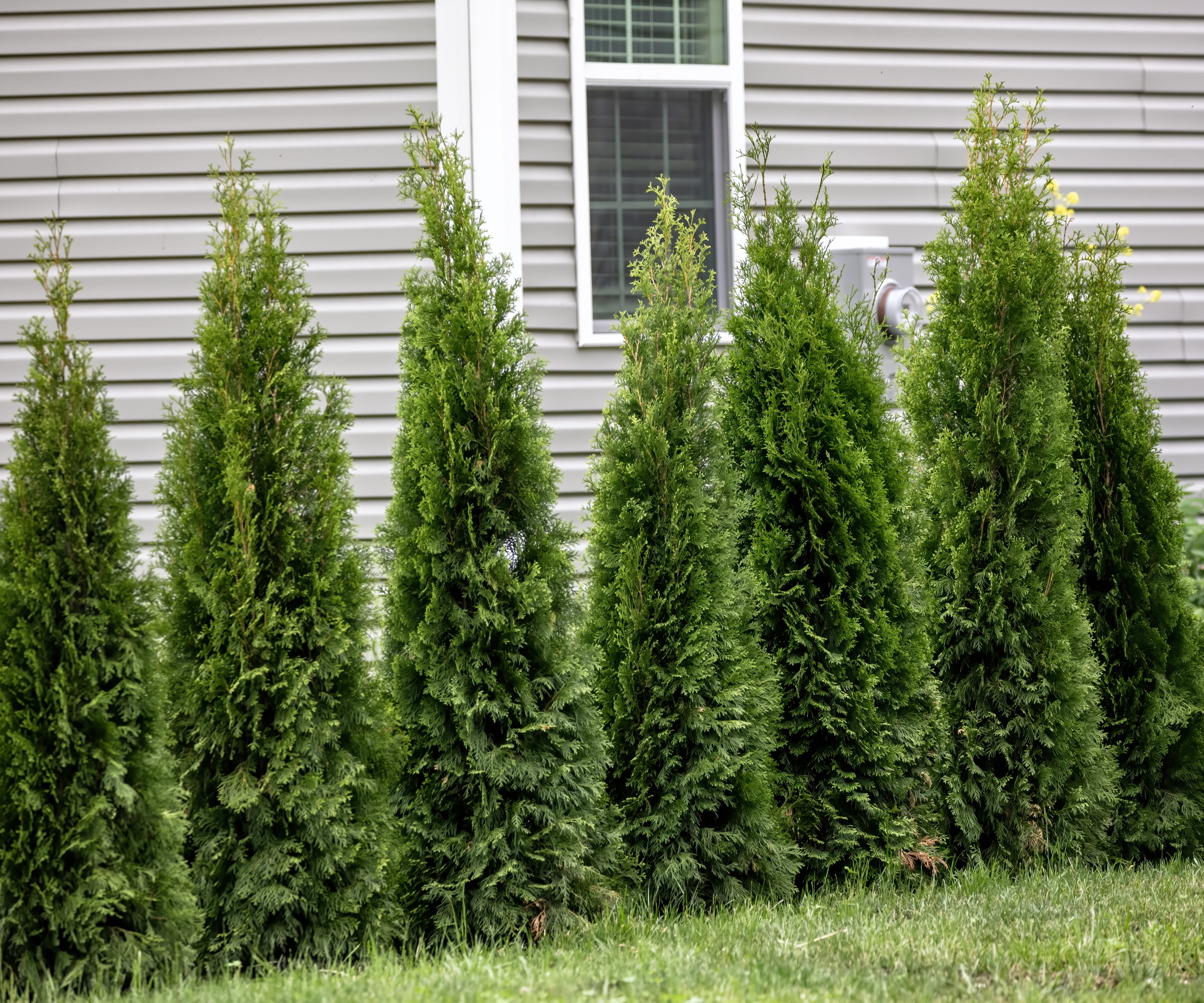
Finally, the Emerald Green Arborvitae, an evergreen conifer, is noted for its suitability across most hardiness zones. This conical-shaped tree can reach up to 15 feet in containers and is celebrated for its rapid growth, making it an ideal partner for privacy fences within a year or two. Young trees can grow one to two feet annually, with older trees adding six to twelve inches. When selecting a pot, it is essential to choose one large enough to accommodate the root system and ensure proper drainage. Regular repotting as the tree grows is also necessary.
#ContainerGardening #PrivacyTrees #OutdoorLiving #LandscapeDesign #DwarfAlbertaSpruce #JapaneseMaple #BayLaurel #OliveTree #EmeraldGreenArborvitae #ContainerGardening #PrivacyTrees #OutdoorLiving #LandscapeDesign #DwarfAlbertaSpruce #JapaneseMaple #BayLaurel #OliveTree #EmeraldGreenArborvitae
0 comment in total
 No comments yet
You may also like
5 best indoor screening plants to protect your privacy

The 5 best climbing plants to cover an ugly fence, add privacy, and beautify your garden
8 Best Window Planter Boxes

Add These Shade-Loving Plants To Your Containers For Covered Porches
The 5 best outdoor potted plants to grow on your balcony or tiny patio

10 Beautiful Privacy Shrubs You'll Want To Grow Right Next To Your Windows

16 Easy Ways to Block a Neighbor's View of Your Yard

Garden Screening Ideas That Will Create Boundaries and Zones

25 garden screening ideas for more privacy in your garden this year

21 Landscape Plants That Pros Recommend for Adding Privacy

Grow Your Favorite Blooms in These Top-Rated Window Boxes

Balcony privacy ideas – 9 effective ways to create a private outdoor space

18 Best Plants To Add Privacy To Your Yard
7 ways to add privacy to your home in clever, creative ways that bring quick results
Indoor garden ideas: 9 ways to create a plant-filled haven
Front yard privacy ideas – 10 stylish ways to screen your home from the street
Garden screening ideas: 13 ways to create privacy in your garden

10 Privacy Fence Ideas for Your Yard
Patio cover ideas – 15 ways to create shelter, shade and privacy in the garden
26 Best Evergreen Trees for Privacy and Year-Round Greenery