1/8
The 5 best climbing plants to cover an ugly fence, add privacy, and beautify your garden
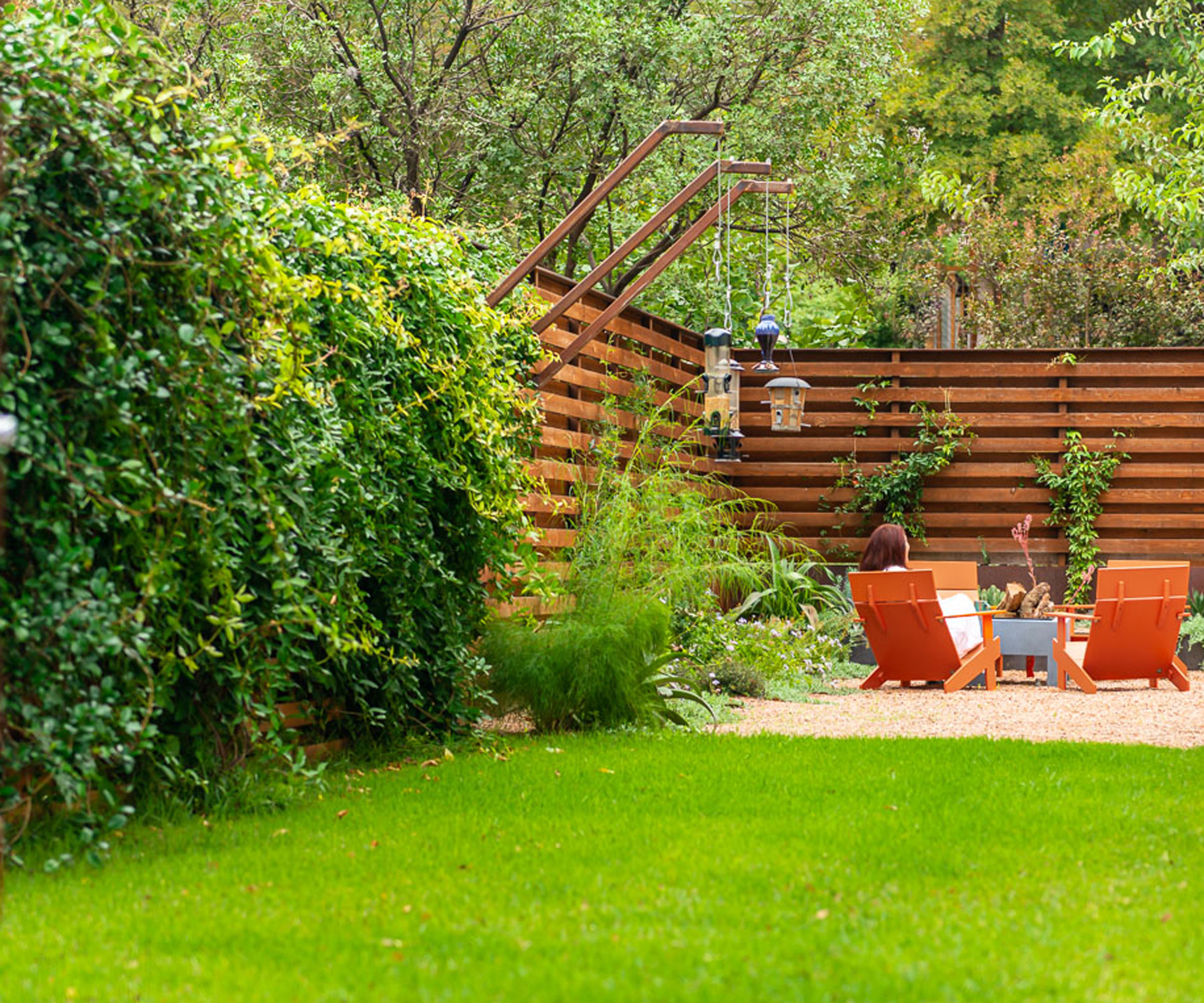
Gardening enthusiasts frequently seek effective solutions to enhance the aesthetic appeal of their outdoor spaces, particularly when dealing with unsightly fences. Climbing plants offer a versatile and visually engaging method to transform these mundane structures into vibrant displays, while also providing increased privacy. This guide outlines five highly recommended climbing plants chosen for their ability to cover fences, add beauty, and in some cases, provide fragrant elements to a garden. The selection considers various factors, including growth habits, light requirements, and the overall impact on the garden's ambiance.
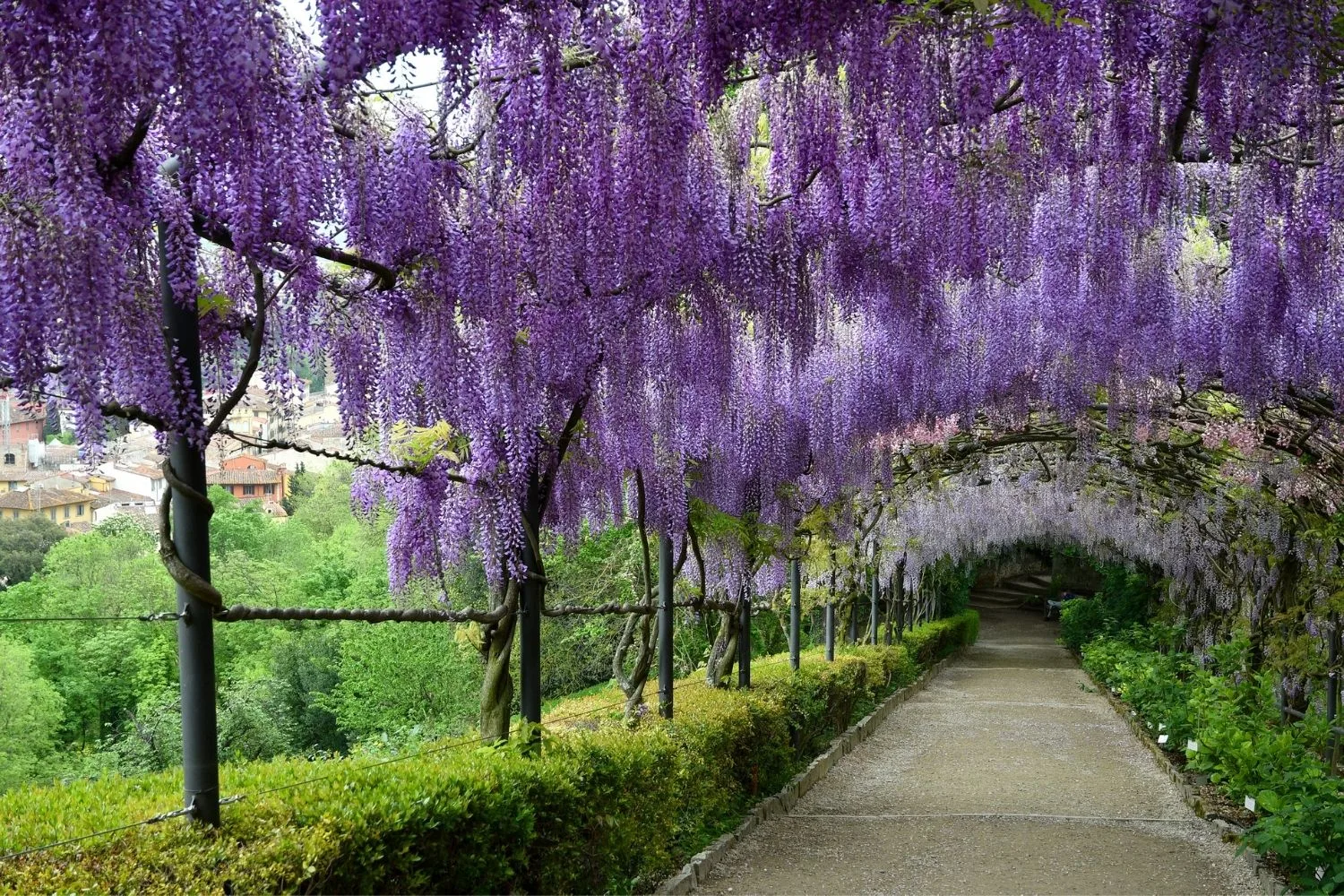
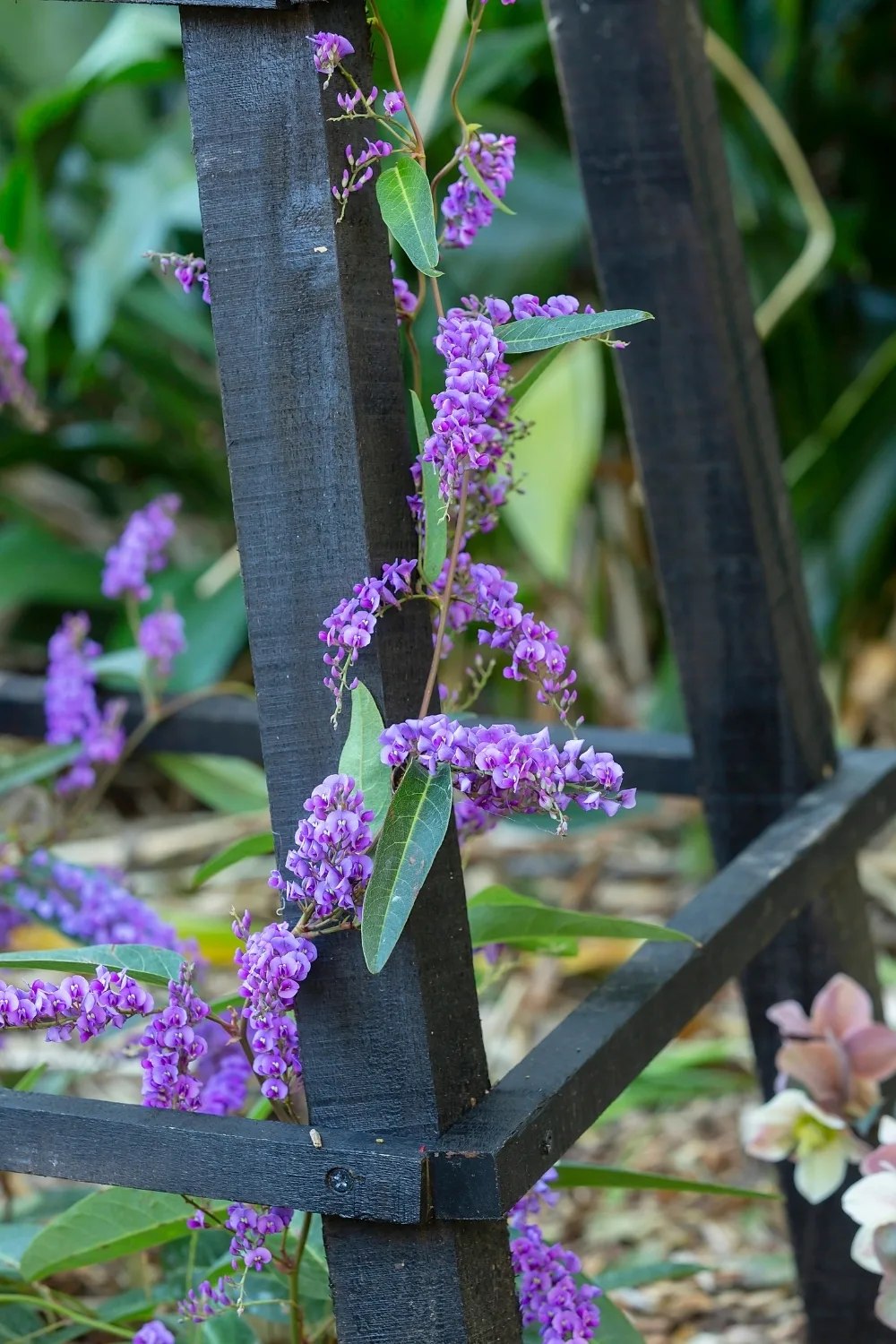
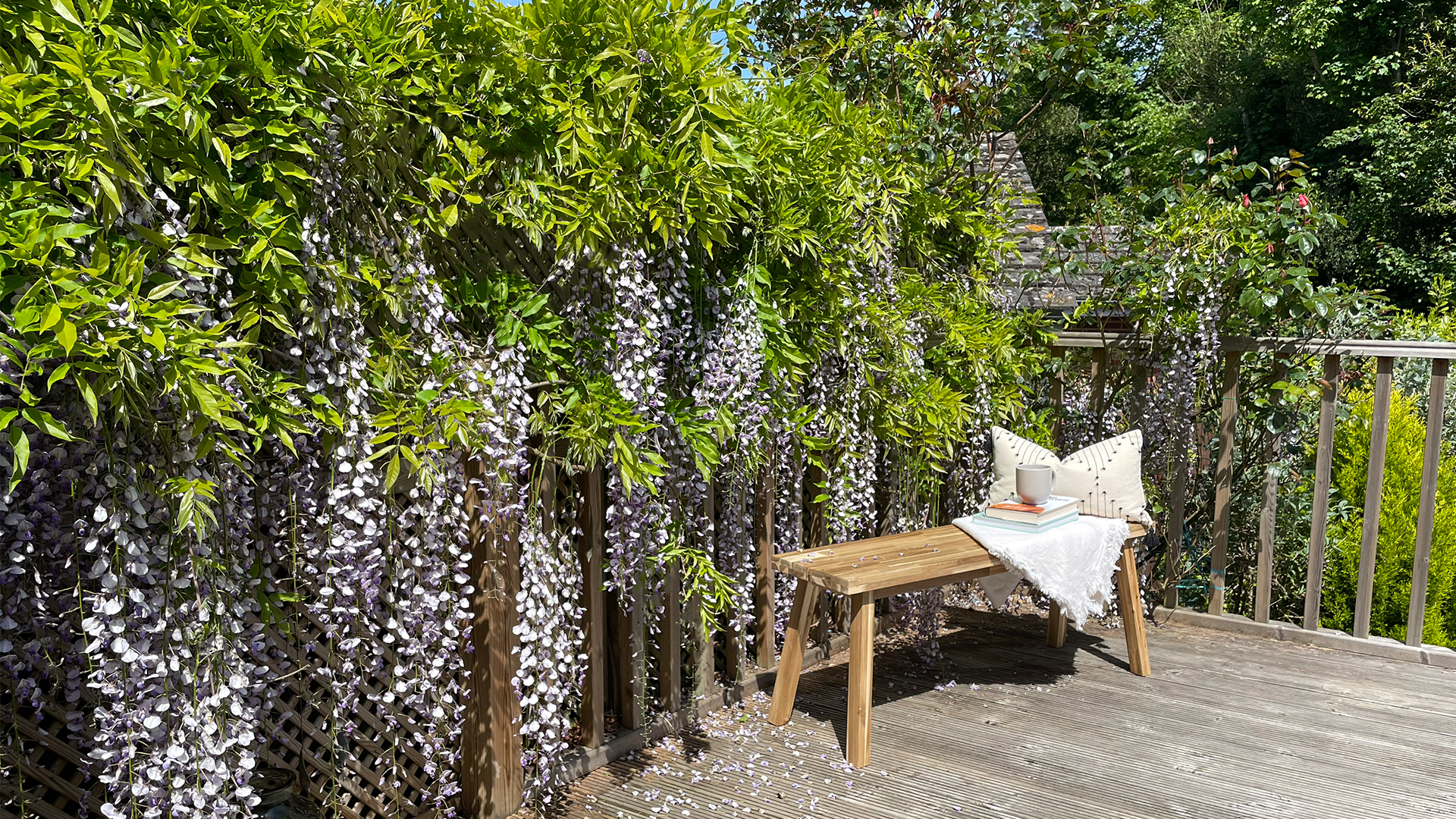
The first plant highlighted is Wisteria, renowned for its cascading, fragrant blooms in shades of lavender, blue, or white. It is considered one of the most stunning and instantly recognizable climbing plants. Two common types, Wisteria floribunda and Wisteria sinensis, are suitable for UK gardens, preferring moist, well-drained soil and a south or west-facing position. Next, the Climbing Hydrangea is presented as an excellent option, especially for gardens with partial shade or north and east-facing fences. This plant thrives in reasonably moist and fertile soil and is noted for its rapid growth, making it an ideal choice for quickly covering large areas. An anecdotal example illustrates its fast-growing nature, with one climbing hydrangea covering half a house in under a year when grown in a pot.
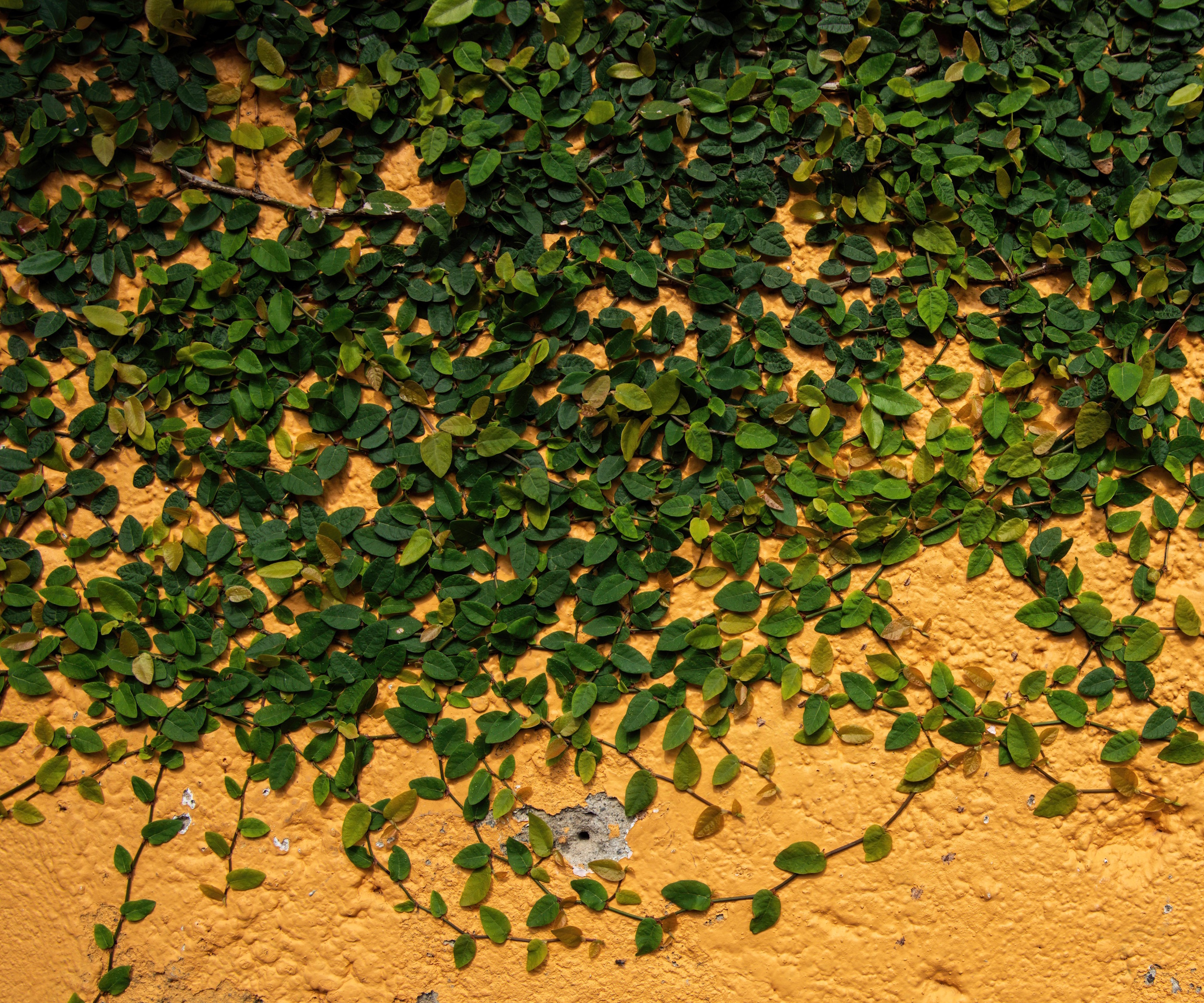
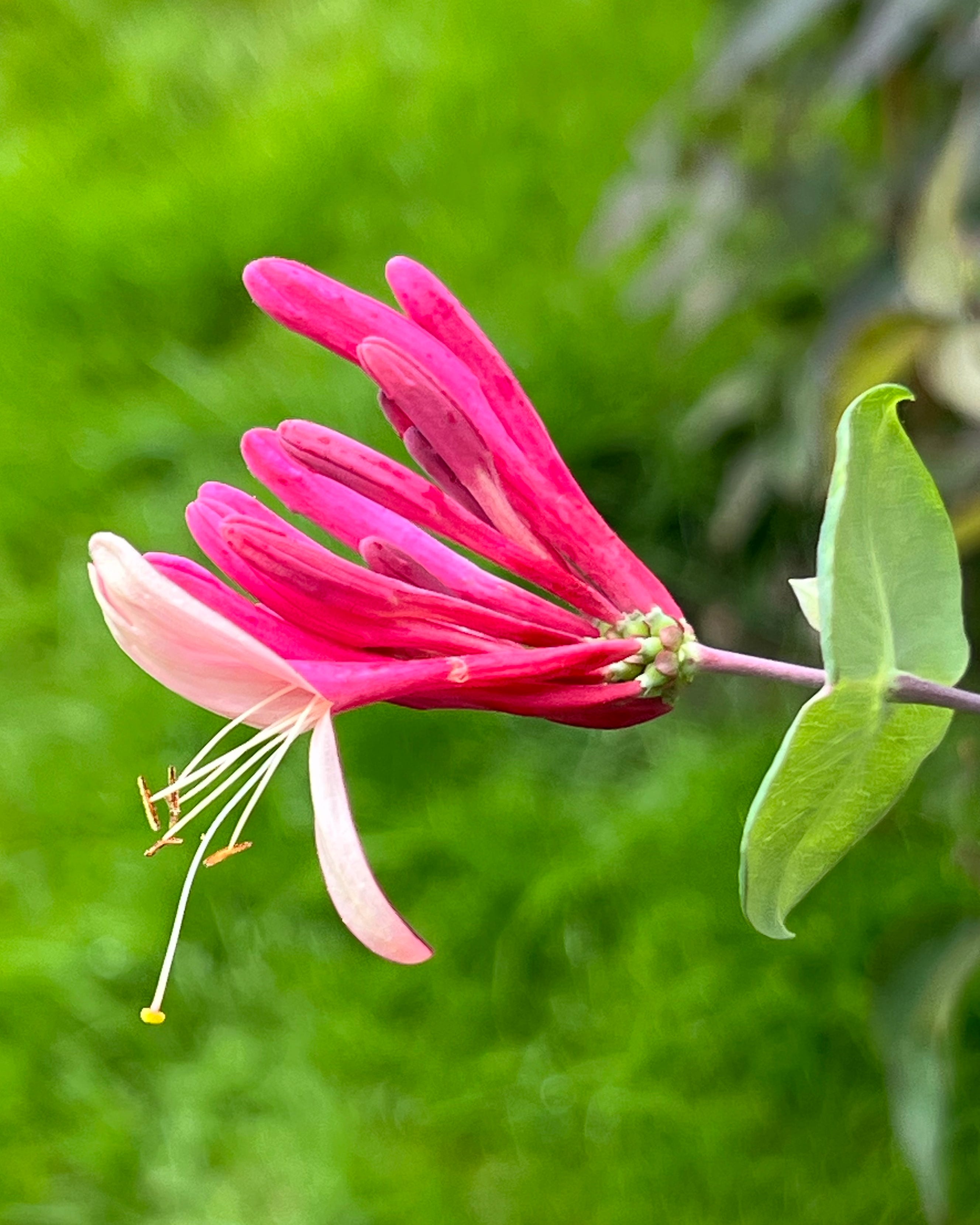
Honeysuckle (Lonicera) is another featured plant, celebrated for its sweet-scented flowers and vigorous growth. It is adaptable to various soil acidity levels and can be planted in full sun or partial shade. Regular pruning is recommended to maintain its appearance. Ivy, often overlooked, is recommended for its evergreen foliage and fast growth, providing an instant 'living wall' effect without a significant budget. It also offers ecological benefits, flowering later in the year and attracting pollinators and wildlife. Various sources for purchasing ivy plants are also mentioned.
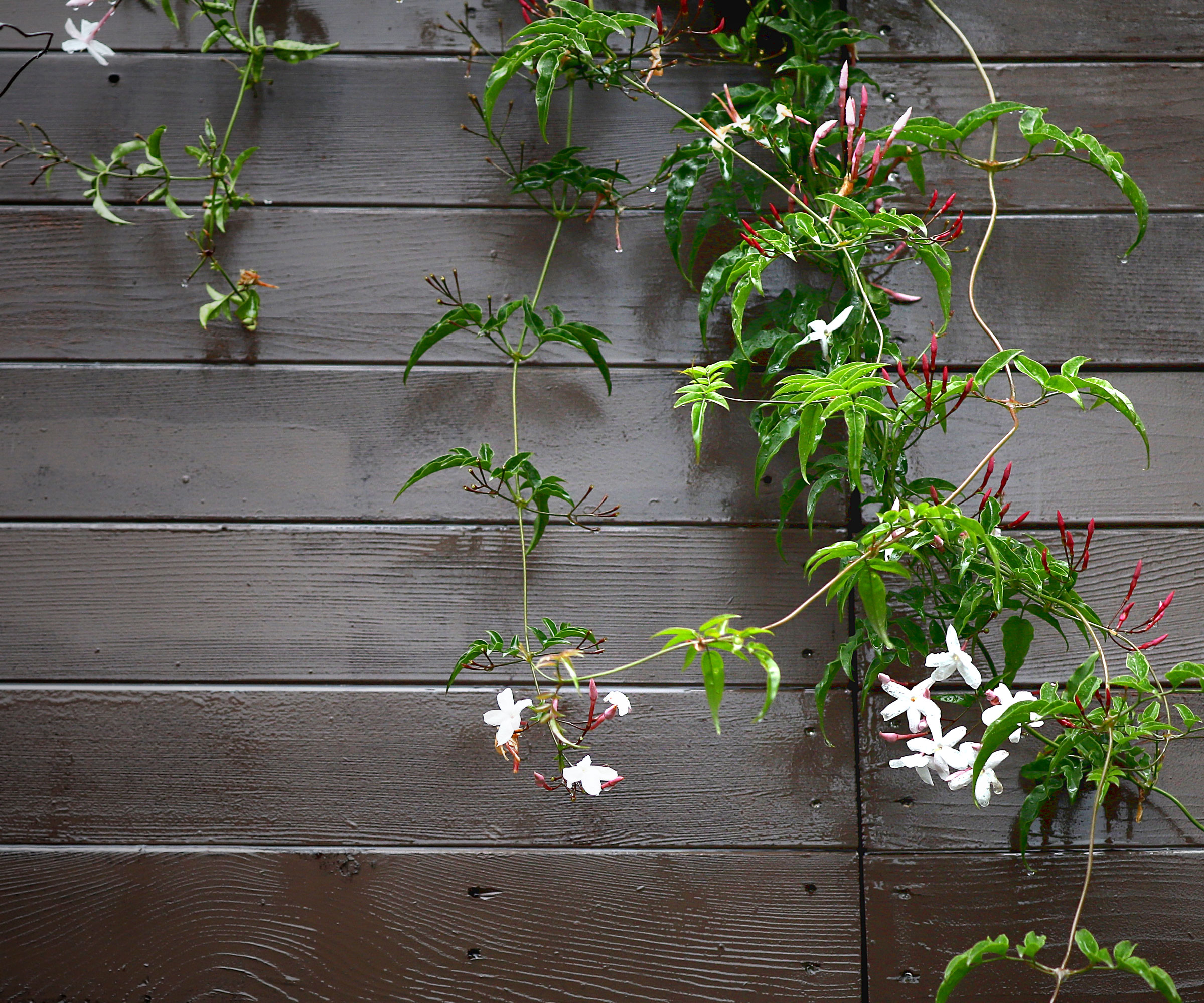
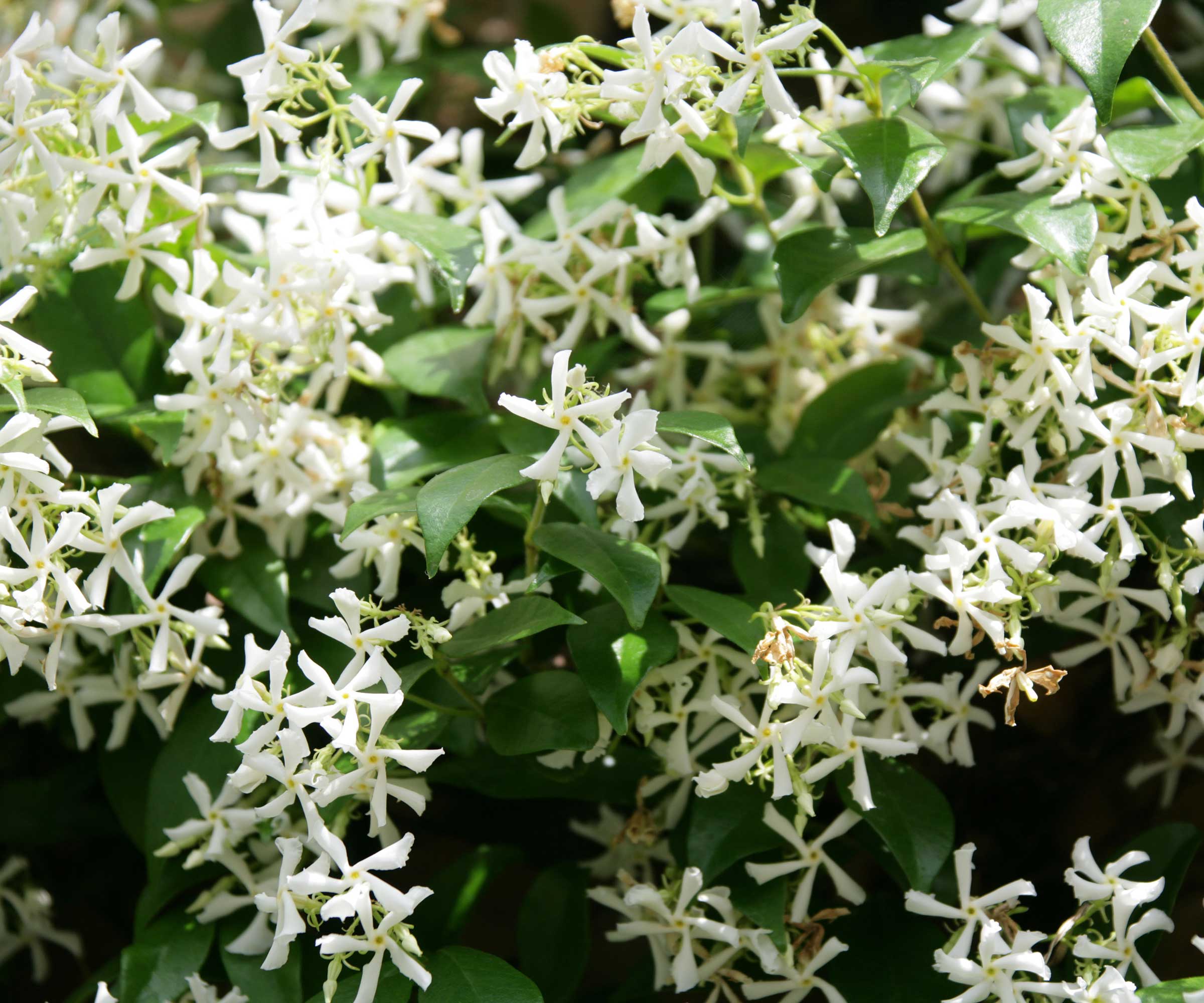
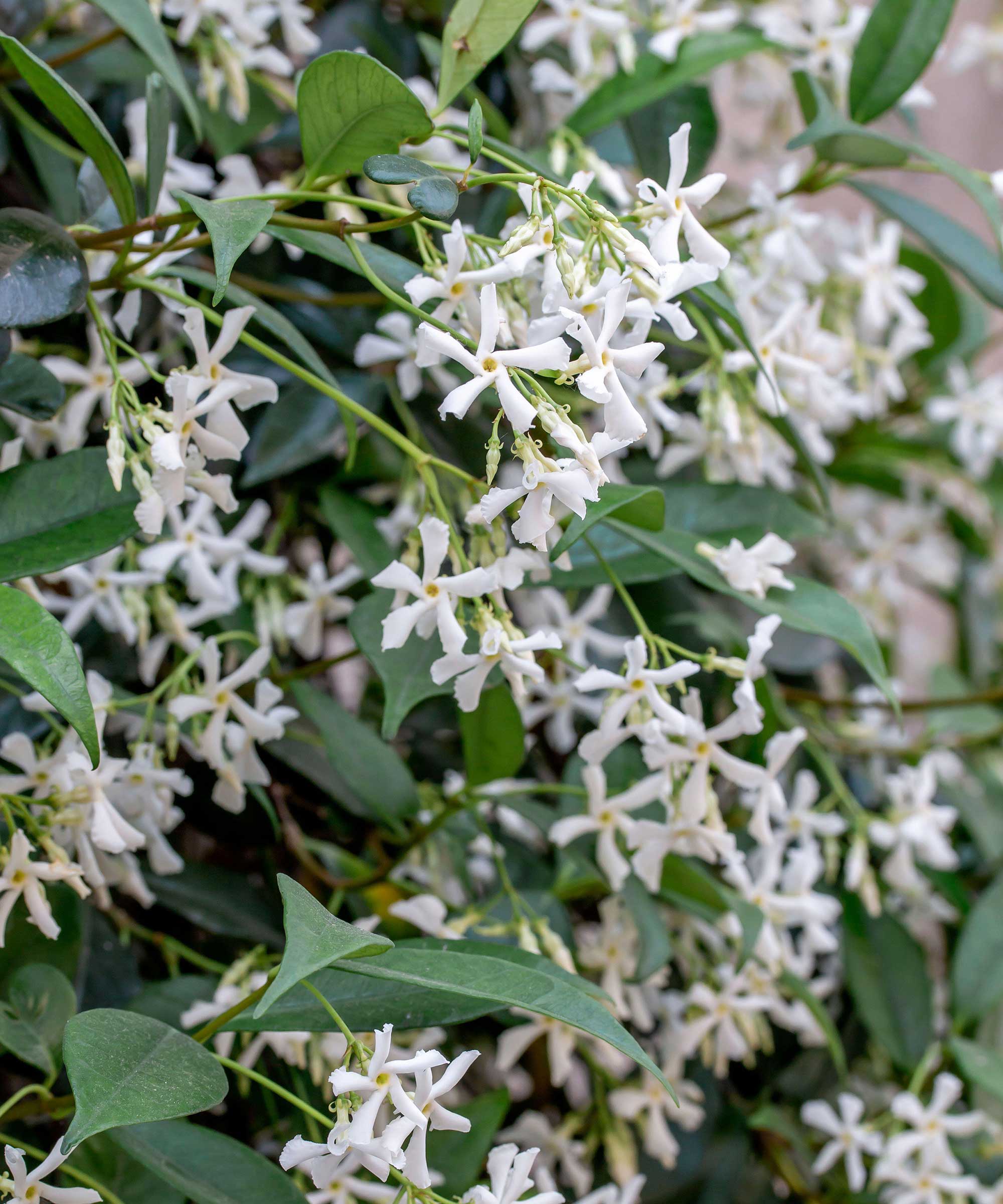
Finally, Star Jasmine (Trachelospermum) is discussed, prized for its versatile evergreen nature and fragrant, star-like white flowers that appear from mid to late summer. This hardy plant prefers free-draining soil of moderate to high fertility and full sun or dappled shade, provided it is sheltered from cold winds. It can reach considerable heights, ranging from 1 to 9 meters, depending on the variety.
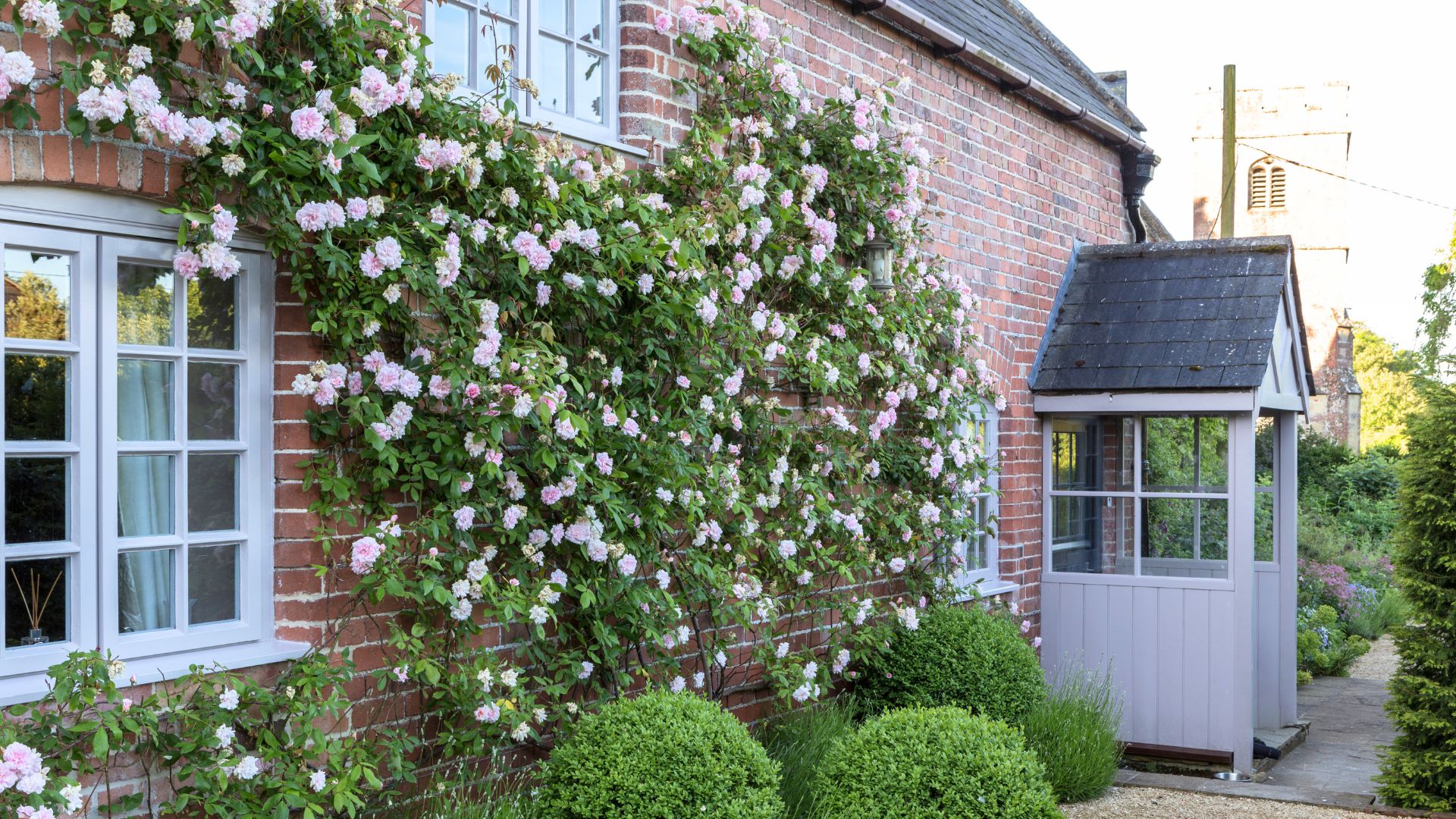
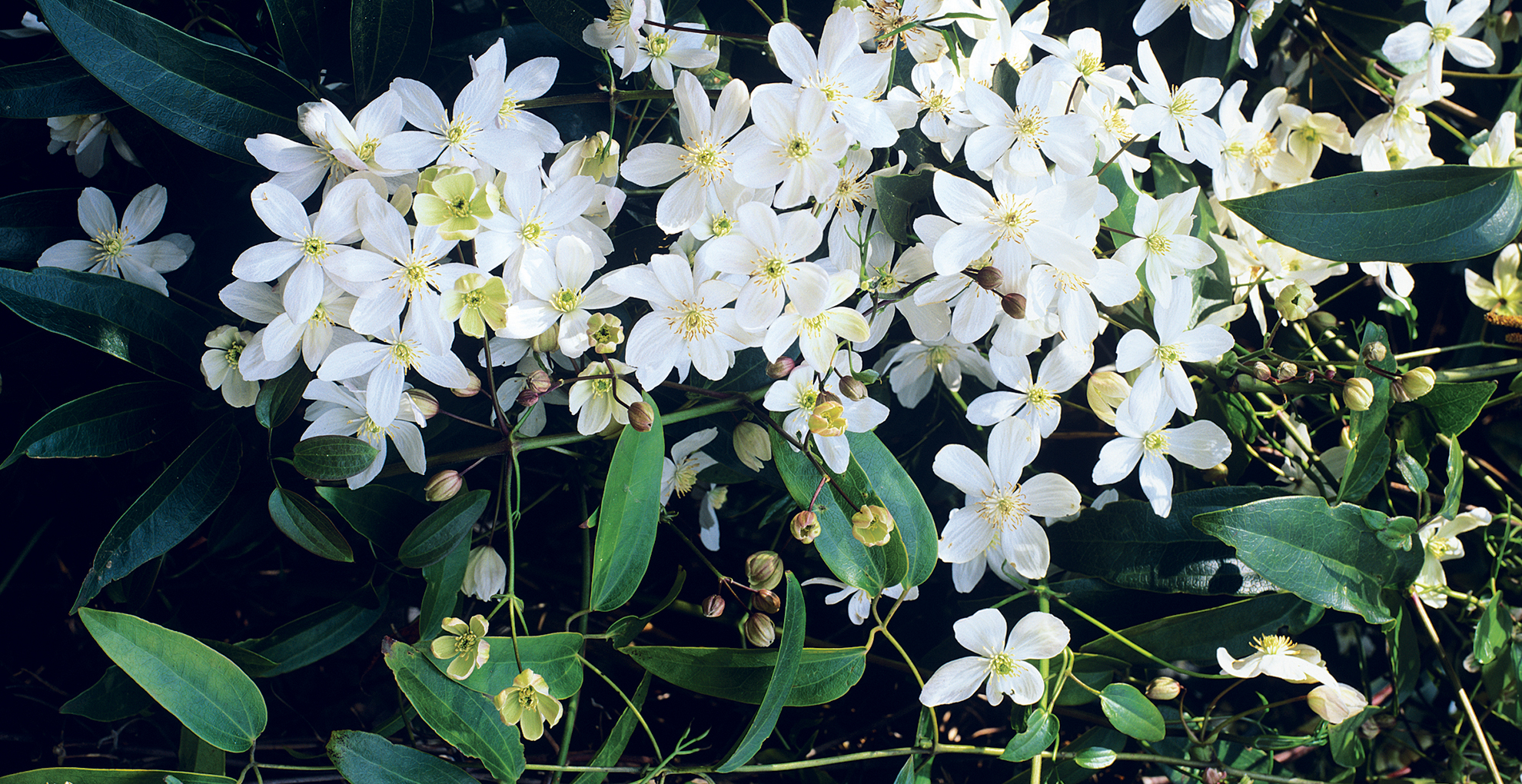
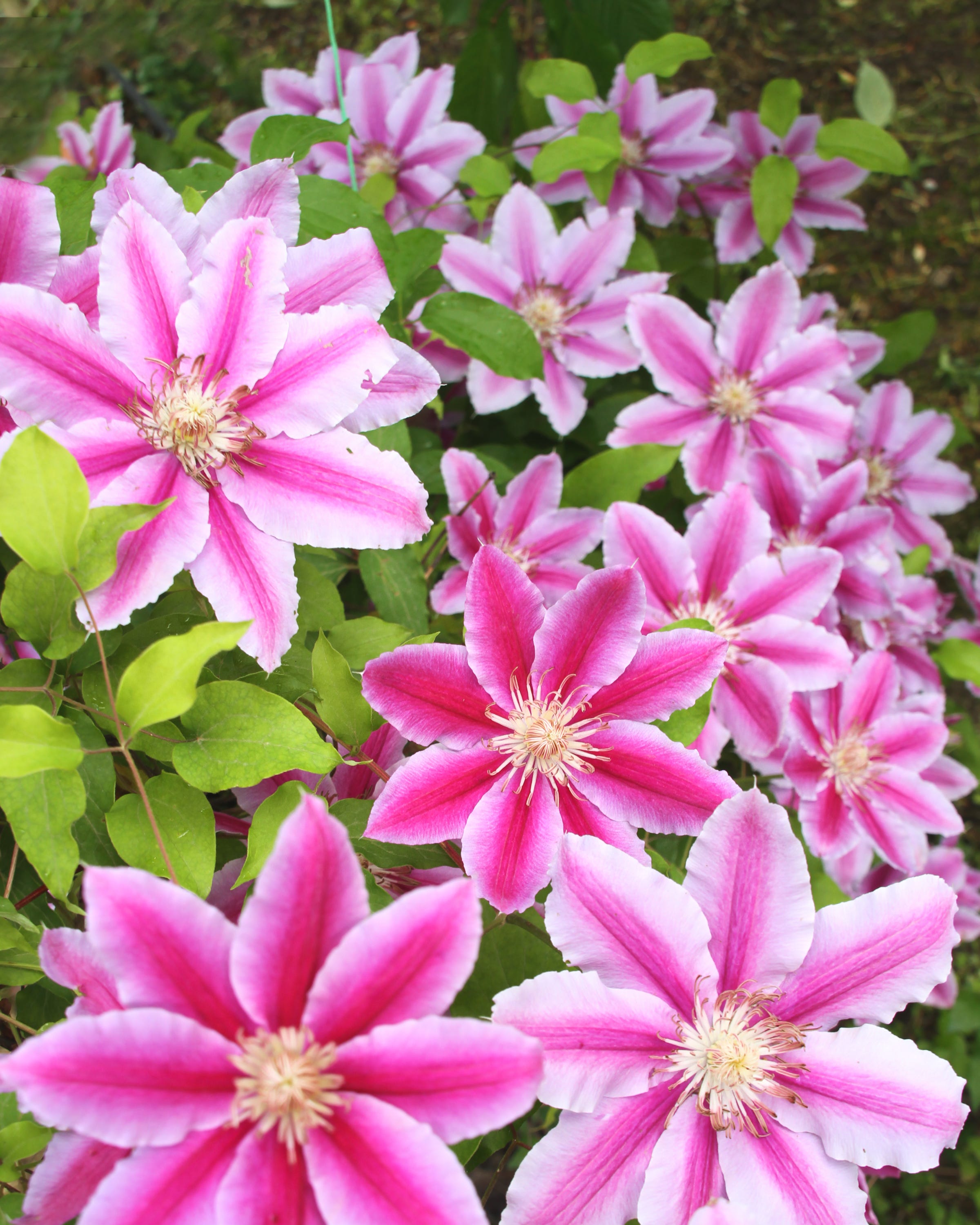
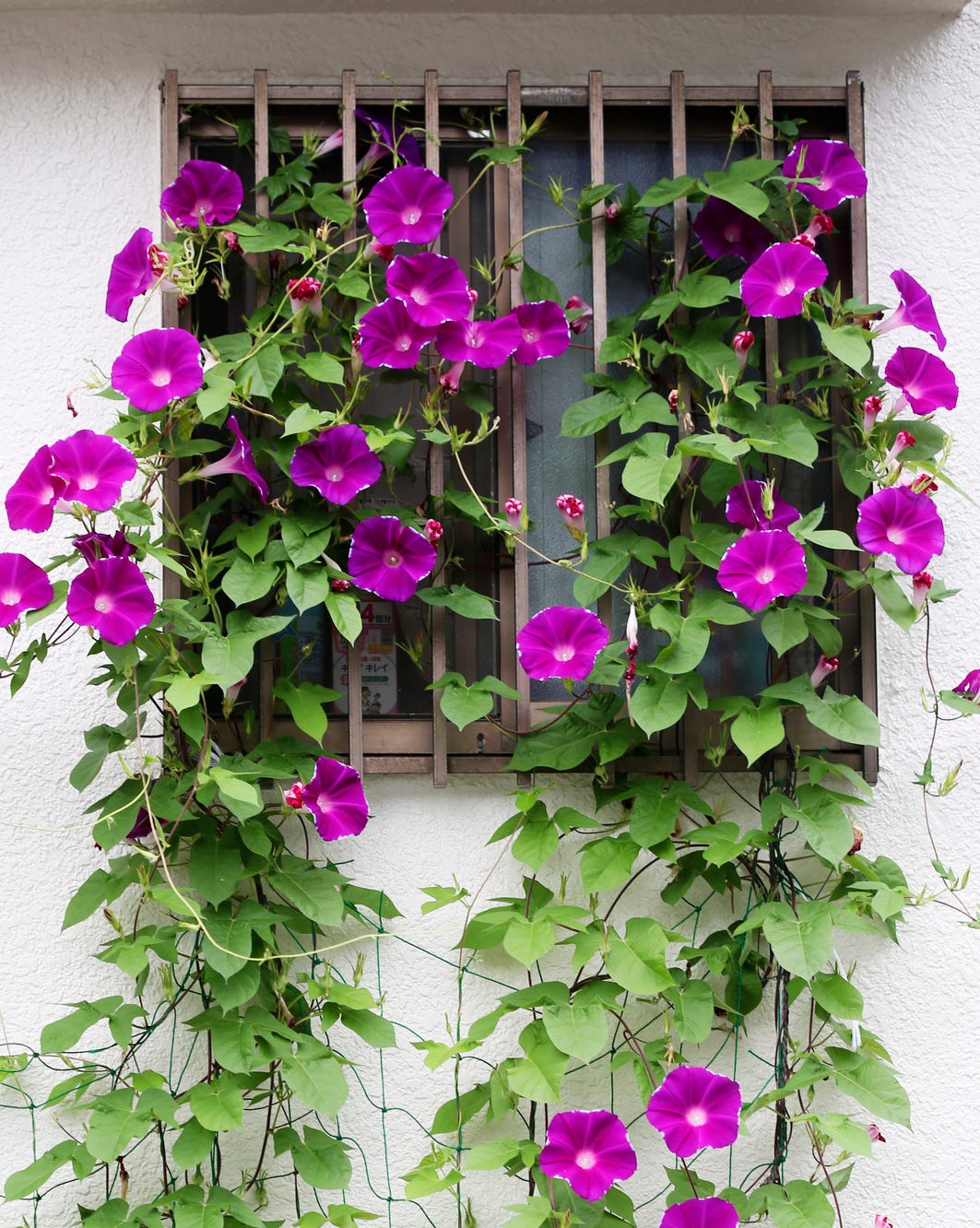
For those seeking the fastest-growing options, the article also addresses common questions. The Russian vine (Fallopia baldschuanica), also known as the mile-a-minute plant, is cited for its extremely vigorous growth and frothy pink-tinged white flowers, though a caution about its invasive potential is included. Climbing roses are also suggested, provided they receive proper care like pruning and deadheading. For quick coverage, Clematis, honeysuckle, and rambling roses are highlighted, with ivy noted for providing year-round greenery. The article concludes by encouraging readers to choose the best climbing plant that aligns with their garden's aesthetic and to enjoy the planting process.
#ClimbingPlants #GardenDesign #FenceCoverage #PlantSelection #Wisteria #Hydrangea #Honeysuckle #Ivy #StarJasmine #ClimbingPlants #GardenDesign #FenceCoverage #PlantSelection #Wisteria #Hydrangea #Honeysuckle #Ivy #StarJasmine
0 comment in total
 No comments yet
You may also like
Best plants to cover a fence – 10 ways to disguise a fence with beautiful flowers and foliage

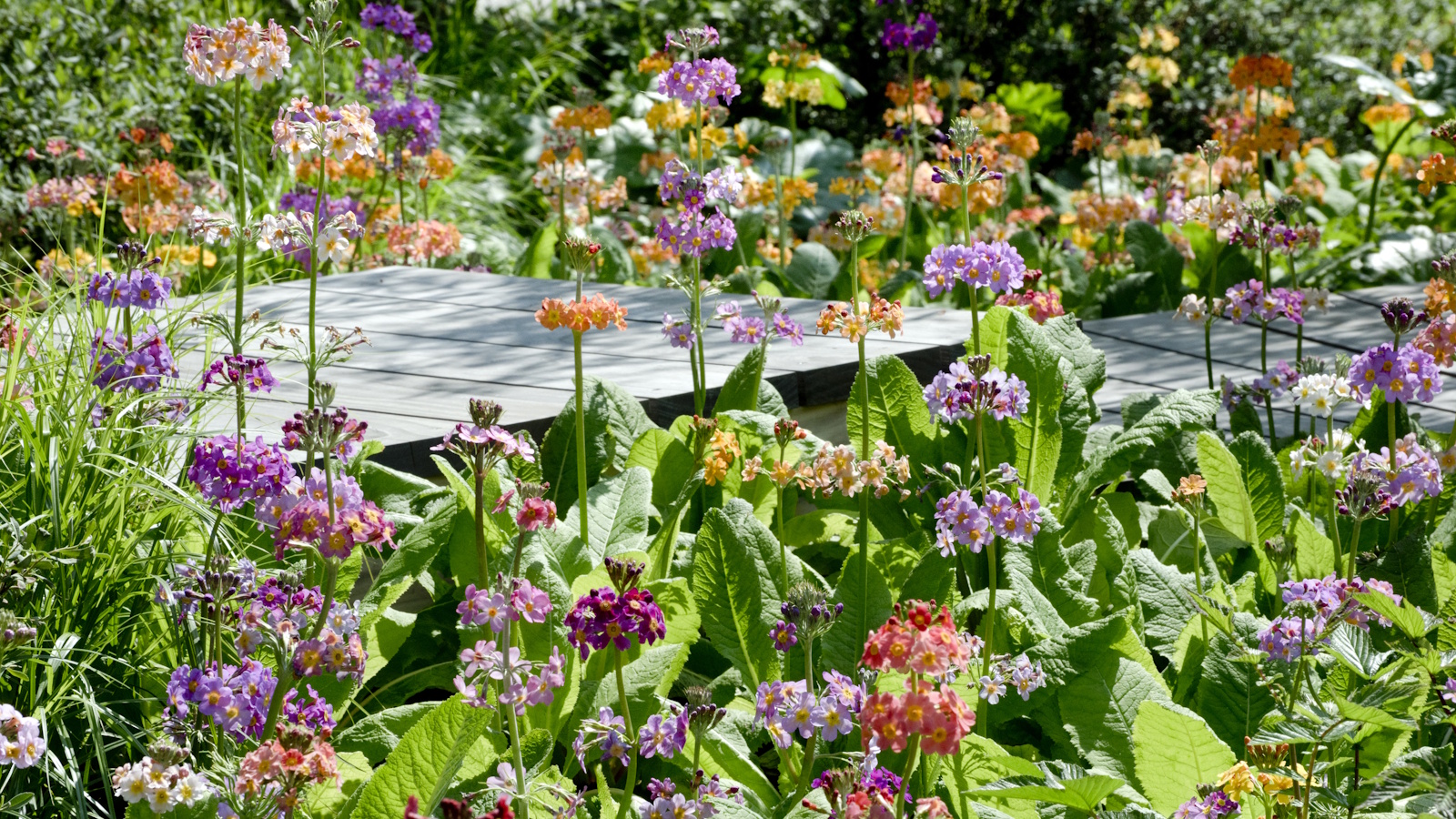
Best flowering ground cover plants – 5 expert-approved species to fill your borders with vibrant color
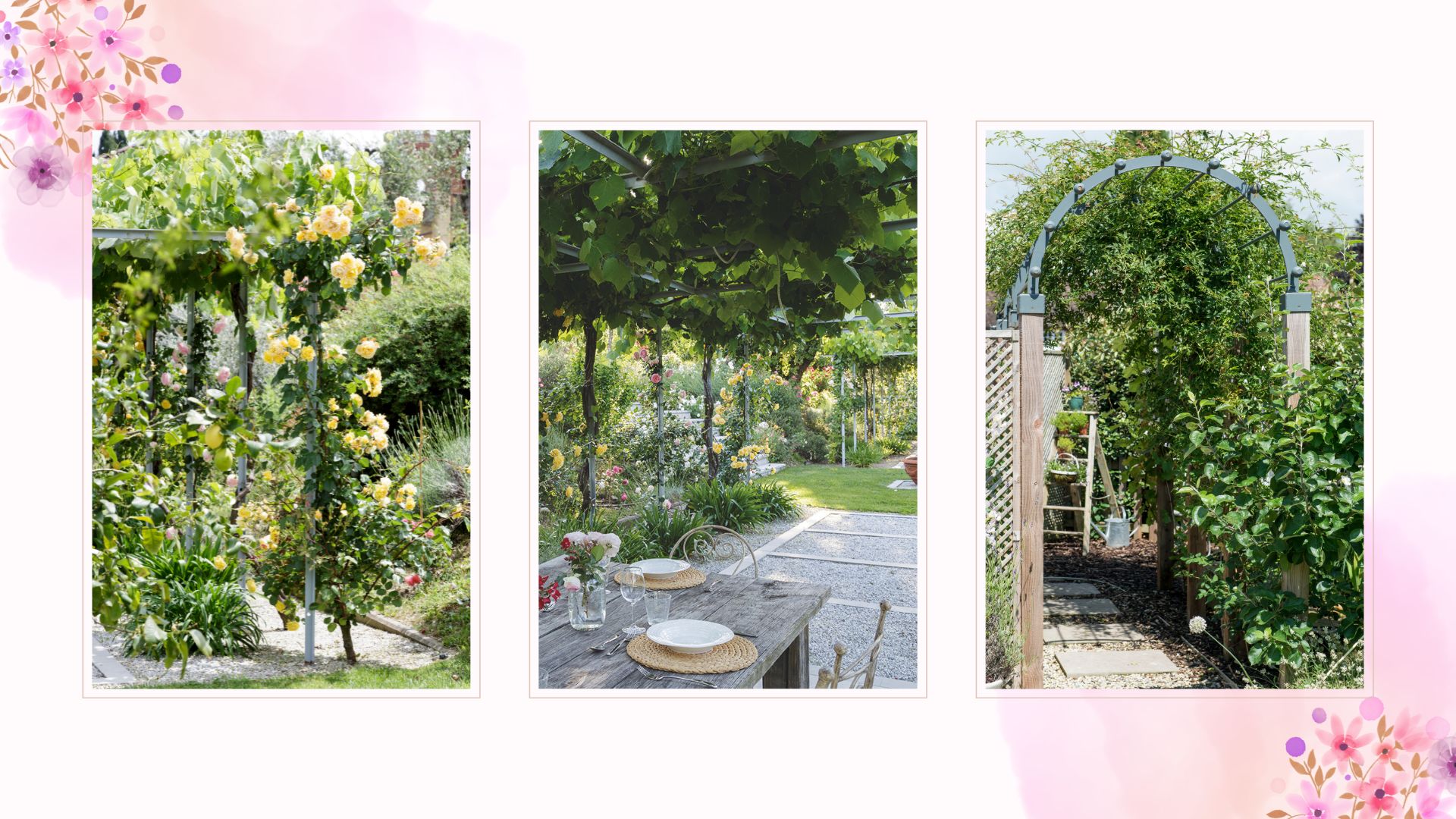
The best plants for a pergola: 5 thriving climbers chosen by professional gardeners

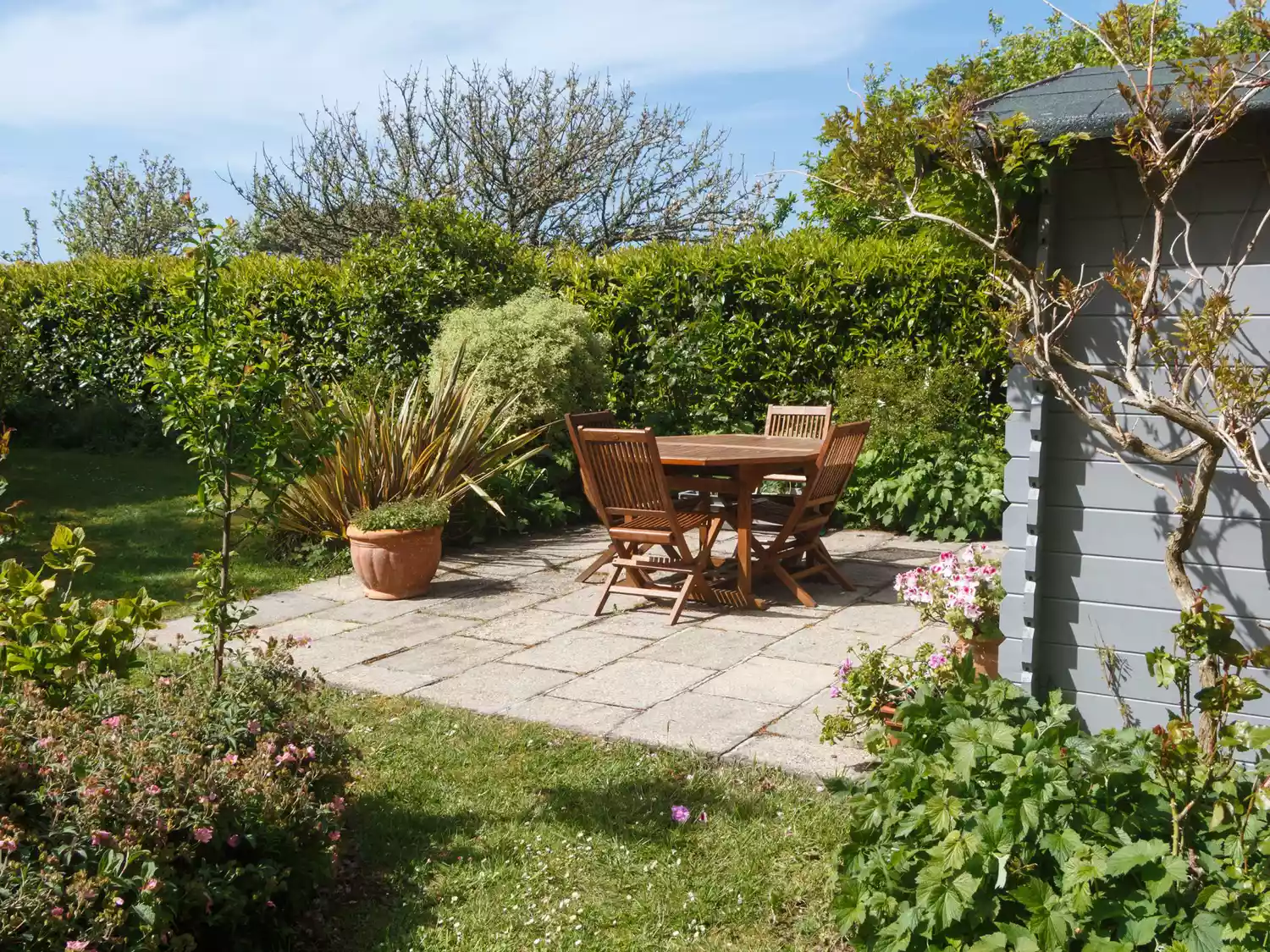
21 Landscape Plants That Pros Recommend for Adding Privacy

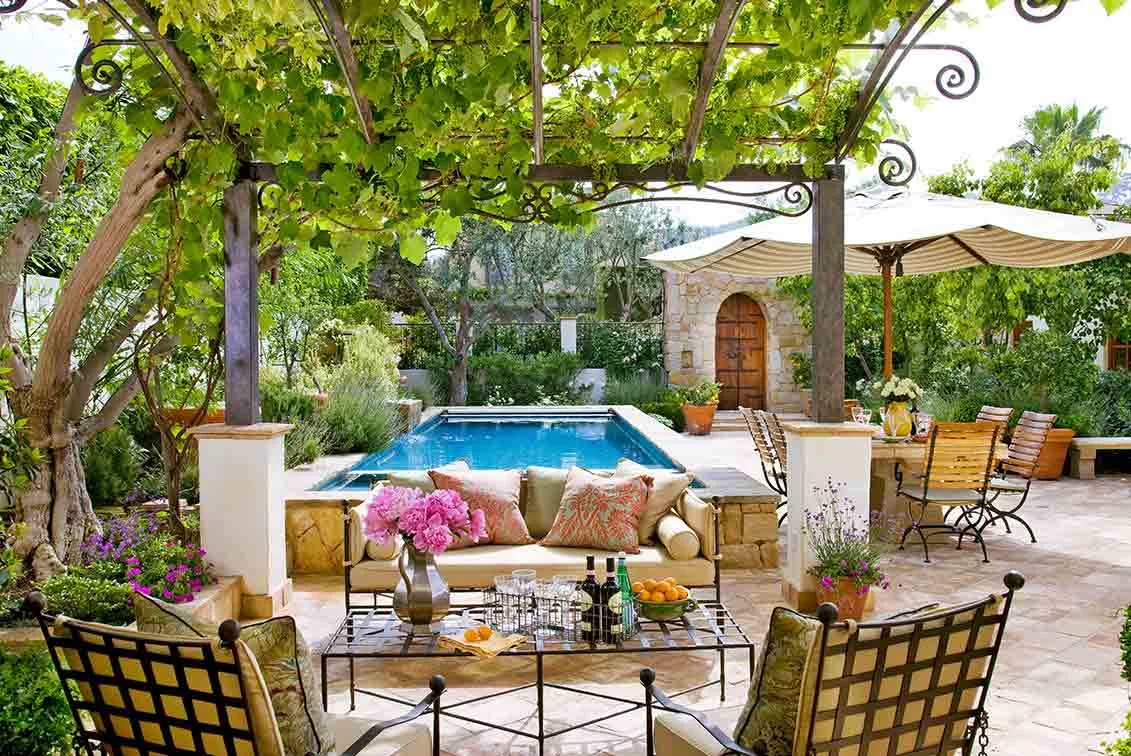
5 climbing plants perfect for your pergola

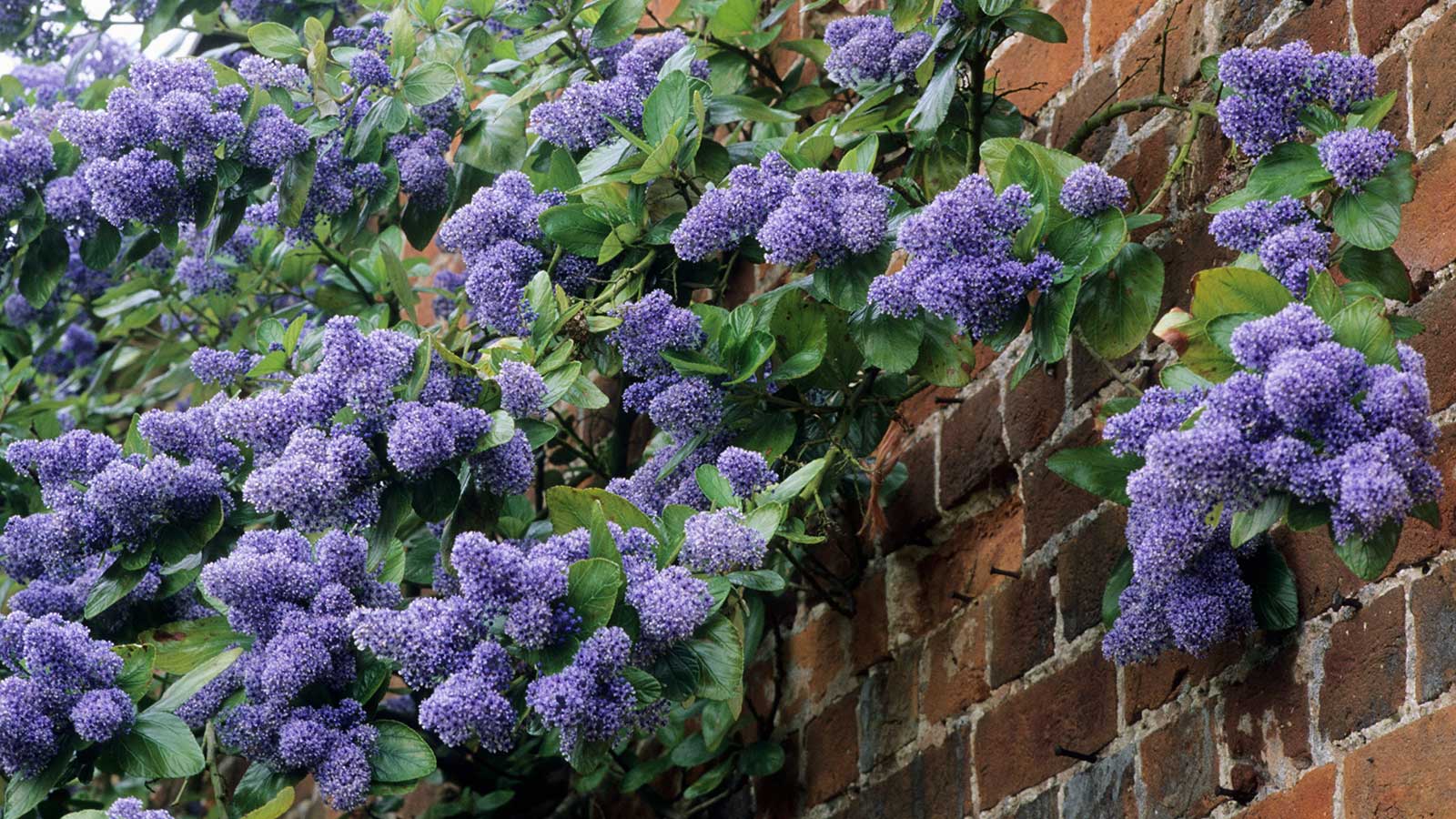
Plants to hide a garden wall – expert-approved options for a beautiful, botanical screen
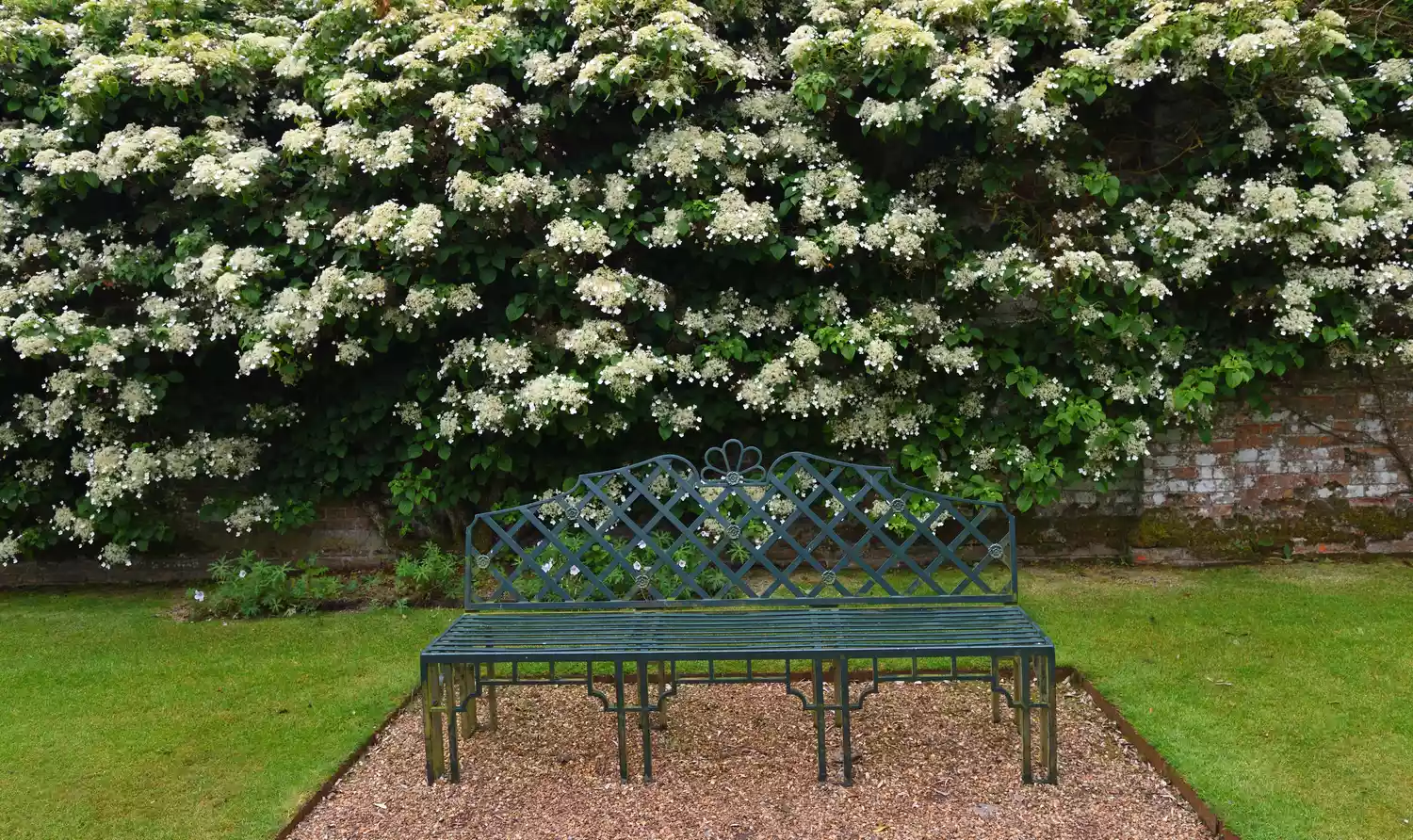
18 Best Plants To Add Privacy To Your Yard
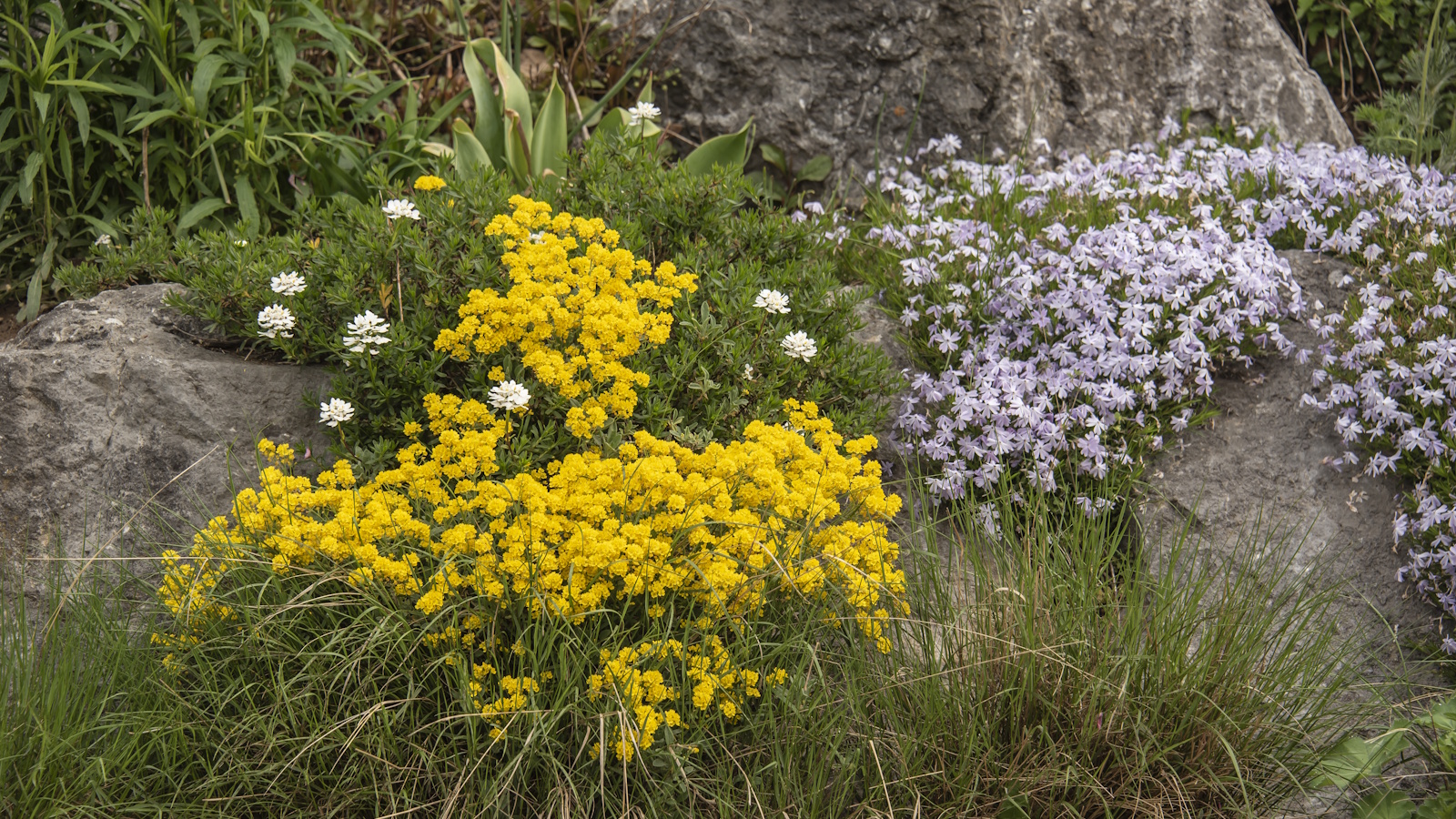
Best cascading plants: 5 joyful plants for pots and retaining walls
Easiest climbers to grow – 5 fool-proof vines to quickly and effectively cover bare walls this year
15 Garden Fence Ideas to Beautifully Define Your Outdoor Space

10 Decorative Fence Panels, Toppers and Trellises That Will Make Your Backyard Look a Millions Times More Beautiful

Grow Up! Flowering Vines to Adorn Walls, Trellises and Fences
10 Climbing Plants That Will Cover Fences In A Flash
20 Fences That Instantly Add Charm to Any Backyard
What type of privacy trees can I grow in pots? 5 container gardening picks that can help screen your backyard
Transform Your Space With Any of These Gorgeous Tall Indoor Plants

Fix Your Yard's Problems with These Ground Cover Flowers + Plants
10 Indoor Climbing Plants That Will Take Your Blooms to New Heights — And Make Your Home Look Lush

5 patio plants that thrive on neglect: easy-going flowers
20 Climbing Plants We Can't Get Enough of for Any Trellis, Pergola, or Fence