1/5
5 best indoor screening plants to protect your privacy
Indoor plants offer both aesthetic and functional benefits, such as enhancing indoor air quality, reducing humidity, and providing a natural touch to living spaces. Beyond these advantages, plants can also serve as effective privacy screens, a concept commonly applied in outdoor landscaping with hedges and climbing plants. This approach can be successfully adapted for indoor environments, helping to shield homes from prying eyes.
One excellent choice for indoor screening is the Blue Star Fern (Phlebodium aureum). Known for its lush, full shape and distinctive blue-green leaves, this fern is sturdier than many of its counterparts, making it suitable for creating a visual barrier. It thrives in warm, humid conditions away from direct sunlight, which can scorch its fronds. Consistent weekly watering is recommended, maintaining moist soil without waterlogging. To provide the necessary humidity, occasional misting or placing the plant on a pebble tray partially filled with water can be beneficial. The Blue Star Fern is also non-toxic, making it a safe option for households with pets.
The Swiss Cheese Plant (Monstera adansonii) is another striking option for indoor privacy. Its broad, glossy green leaves develop characteristic holes as they mature, adding a unique visual element. Native to South American jungles, this plant prefers indirect light to prevent leaf burn and requires regular watering when the top inch of soil feels dry. Like the Blue Star Fern, it appreciates a humid environment, which can be achieved through misting. Swiss Cheese Plants are fast-growing climbers, potentially reaching one to two feet annually, and benefit from a moss pole for support. While visually appealing, it is important to note that this plant is toxic to pets.
For those seeking a more unconventional screening solution, grouping several smaller plants together can create a contemporary and effective screen. The Snake Plant (Sansevieria trifasciata) is particularly well-suited for this purpose due to its upright, sword-like variegated leaves. These plants are low-maintenance, requiring watering only every two weeks, and are adaptable to various light conditions, from full sun to low light. Arranging them in identical pots or a single long container can create a cohesive and stylish barrier. However, like the Swiss Cheese Plant, Snake Plants are toxic to pets.
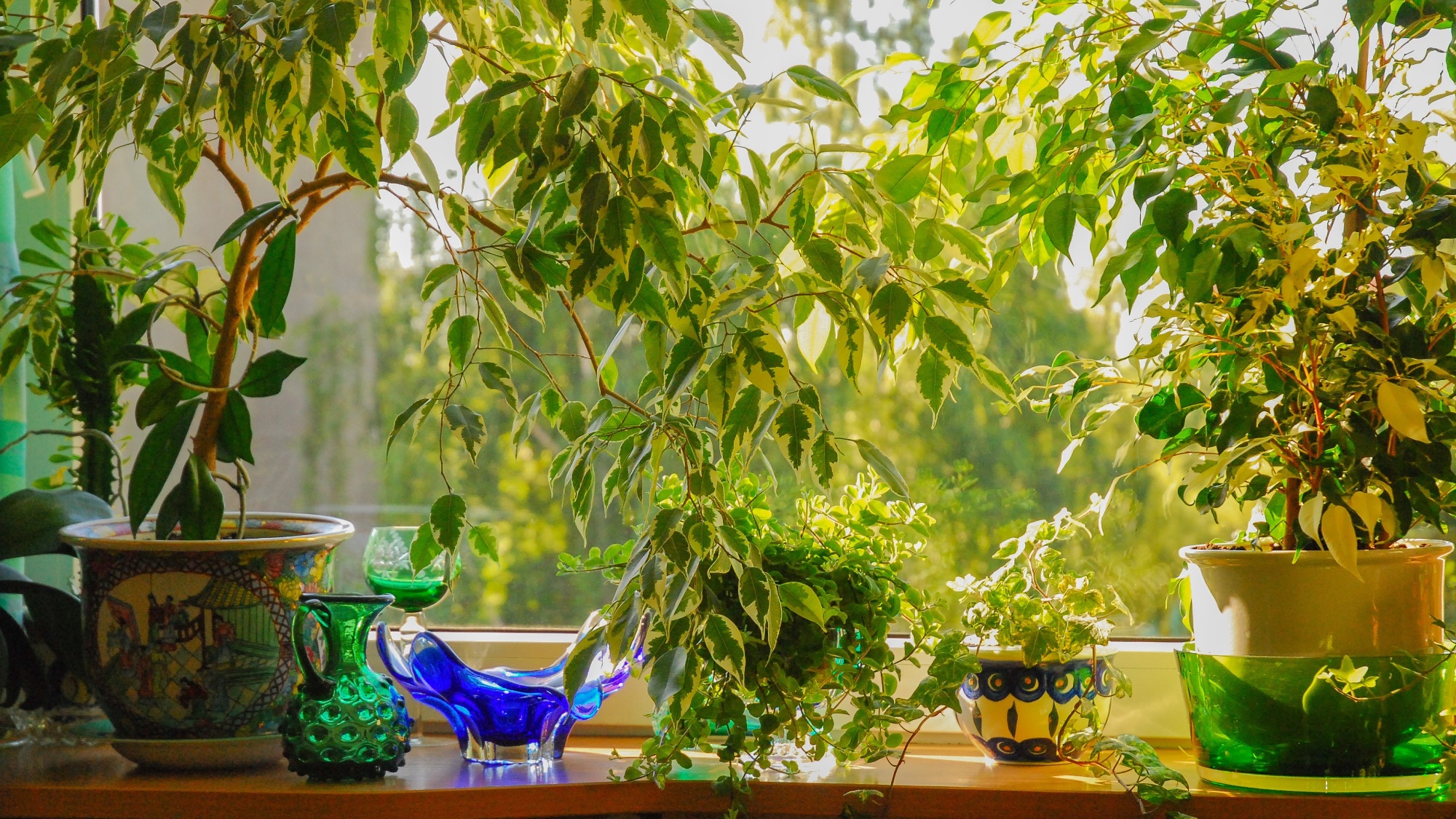
If significant height is desired, the Weeping Fig (Ficus benjamina) is an ideal candidate. Although it can grow to impressive heights outdoors, it remains more manageable as an indoor tree. Its glossy, oval leaves and arching branches thrive in bright, indirect sunlight and consistently moist soil, though overwatering should be avoided to prevent leaf drop and root rot. High humidity is also beneficial, achievable with occasional misting. Weeping Figs are sensitive to relocation, often dropping leaves as they adjust to new environments, and are best pruned during their dormant season in fall or winter. This plant is also toxic to pets.
Finally, the Rubber Plant (Ficus elastica) stands out as an ultimate indoor screening plant. Its thick, large leaves make a bold statement and provide an effective visual barrier when placed near a window. While it can grow up to 8 feet indoors, it prefers indirect sunlight and needs watering only when the soil becomes dry, with good drainage being crucial. Cleaning the leaves with a soft, damp cloth helps maintain their shine and removes dust. The Rubber Plant contains milky white latex, which can be poisonous if ingested and cause skin irritation, making it unsuitable for homes with pets. Ultimately, indoor screening plants offer a flexible and aesthetic solution for enhancing privacy, with the added benefit of being easily repositioned as needed.
#IndoorPlants #PrivacyScreens #HomeDecor #PlantCare #BlueStarFern #SwissCheesePlant #SnakePlant #WeepingFig #RubberPlant #IndoorPlants #PrivacyScreens #HomeDecor #PlantCare #BlueStarFern #SwissCheesePlant #SnakePlant #WeepingFig #RubberPlant
0 comment in total
 No comments yet
You may also like
25 garden screening ideas for more privacy in your garden this year

21 garden screening ideas for privacy and style – with design tips from garden experts
7 Backyard Privacy Screens That Aren’t Eyesores for You or Your Neighbors

6 Backyard Privacy Ideas That Look Expensive—But Aren’t

Garden screening ideas: 13 ways to create privacy in your garden

7 ways to add privacy to your home in clever, creative ways that bring quick results

16 Easy Ways to Block a Neighbor's View of Your Yard
These Wayfair Privacy Screens Will Turn Your Backyard Into An Outdoor Oasis — And Keep Nosy Neighbors Away

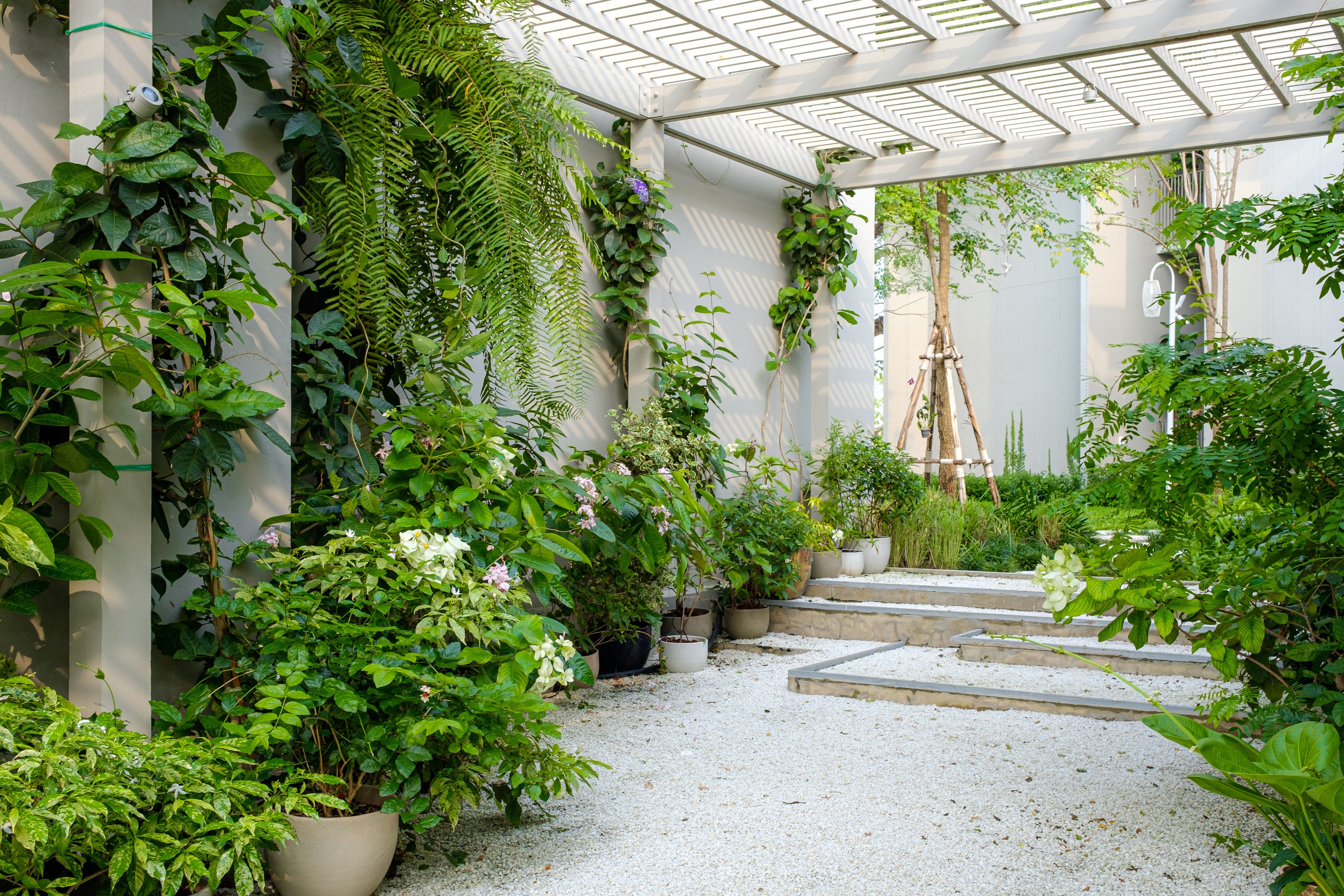
What type of privacy trees can I grow in pots? 5 container gardening picks that can help screen your backyard
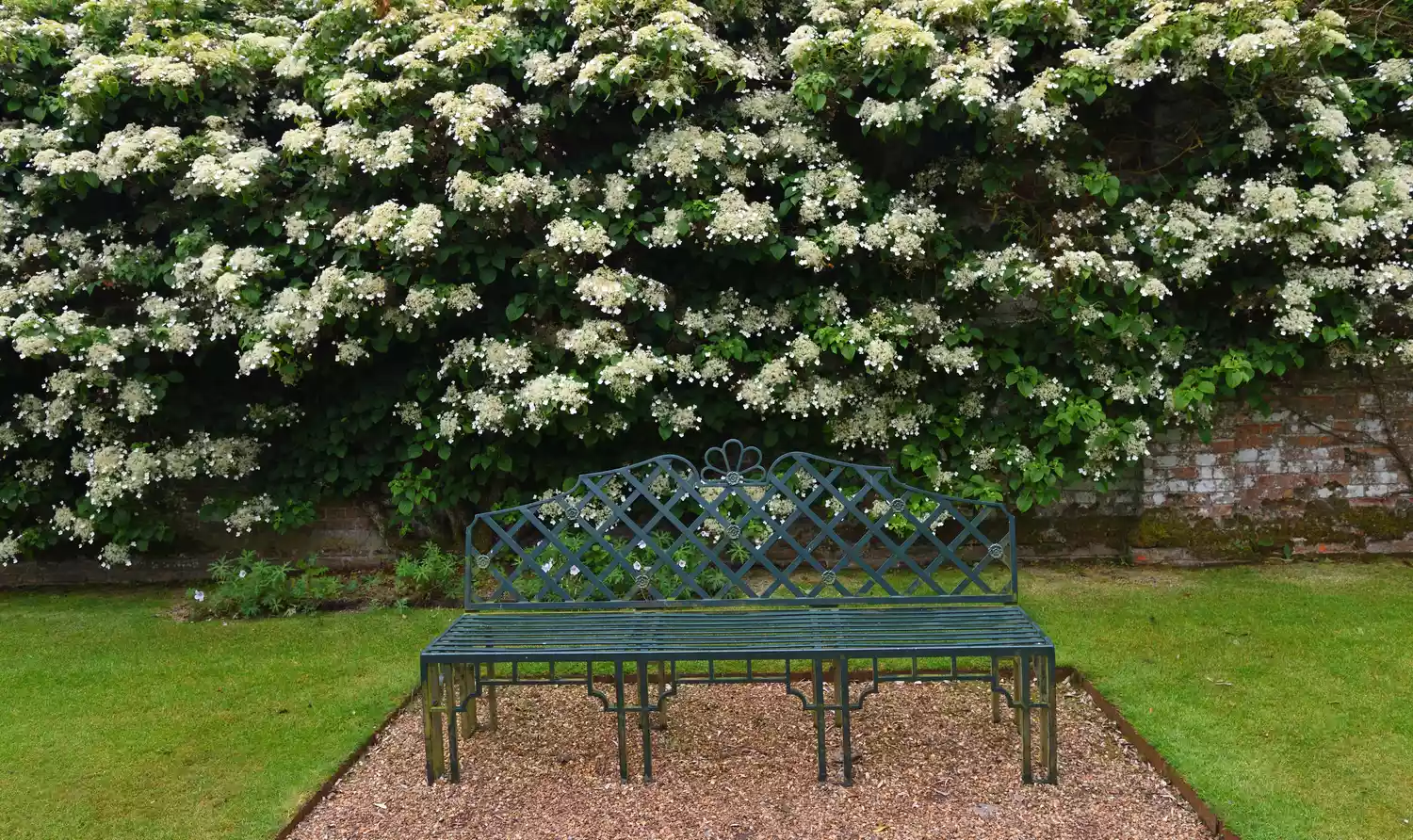
18 Best Plants To Add Privacy To Your Yard
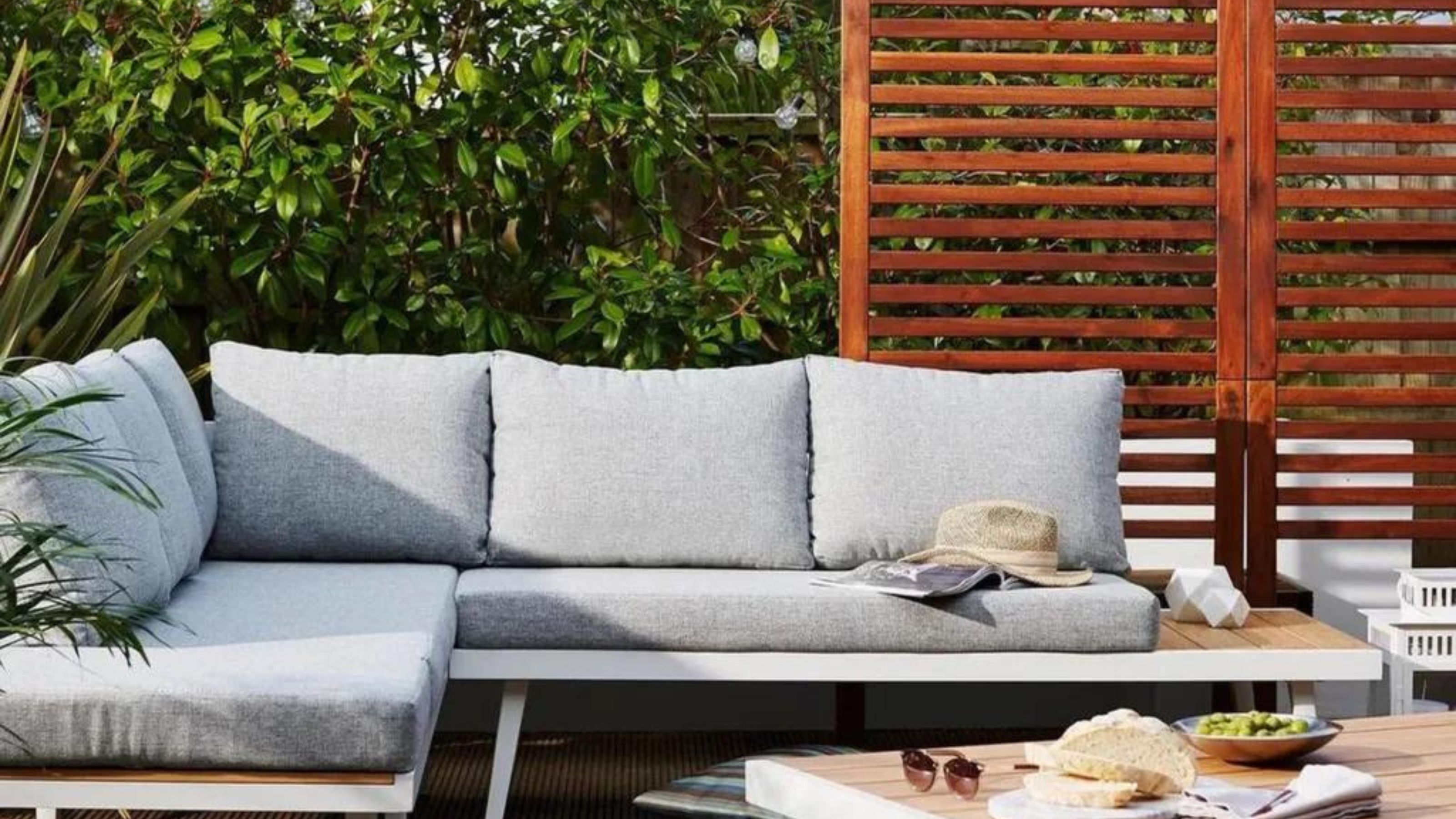
These 7 privacy screen ideas are pretty, practical, and perfect for creating a secluded outdoor space

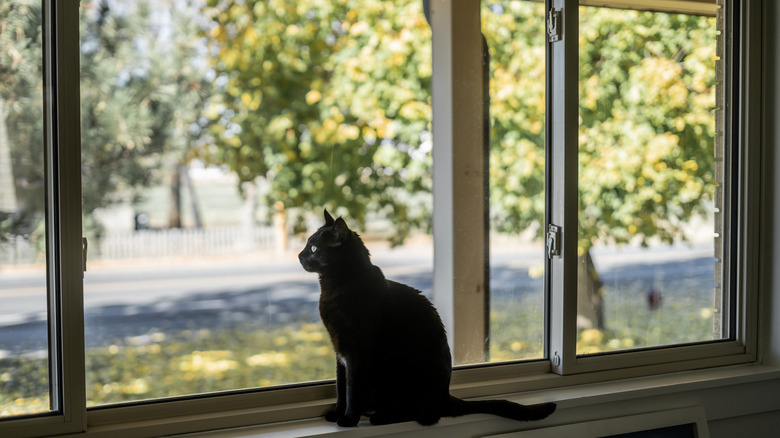
10 Beautiful Privacy Shrubs You'll Want To Grow Right Next To Your Windows

21 Landscape Plants That Pros Recommend for Adding Privacy

The Best Privacy Screens To Style in Your Outdoor Space |
10 Privacy Fence Ideas for Your Yard

Balcony privacy ideas – 9 effective ways to create a private outdoor space
8 best privacy screens for your backyard, office & beyond
Garden Screening Ideas That Will Create Boundaries and Zones

Front yard privacy ideas – 10 stylish ways to screen your home from the street
10 privacy fence options for your deck, patio or backyard