1/3
These Purple Blooming Trees Are the Prettiest Way to Add Curb Appeal to Your Front Yard
Flowering trees significantly enhance a home's curb appeal, and for those seeking a vibrant purple hue, there are numerous attractive and manageable options. This article highlights 15 top choices for purple blooming trees and shrubs, detailing their characteristics, growing conditions, and unique attributes.
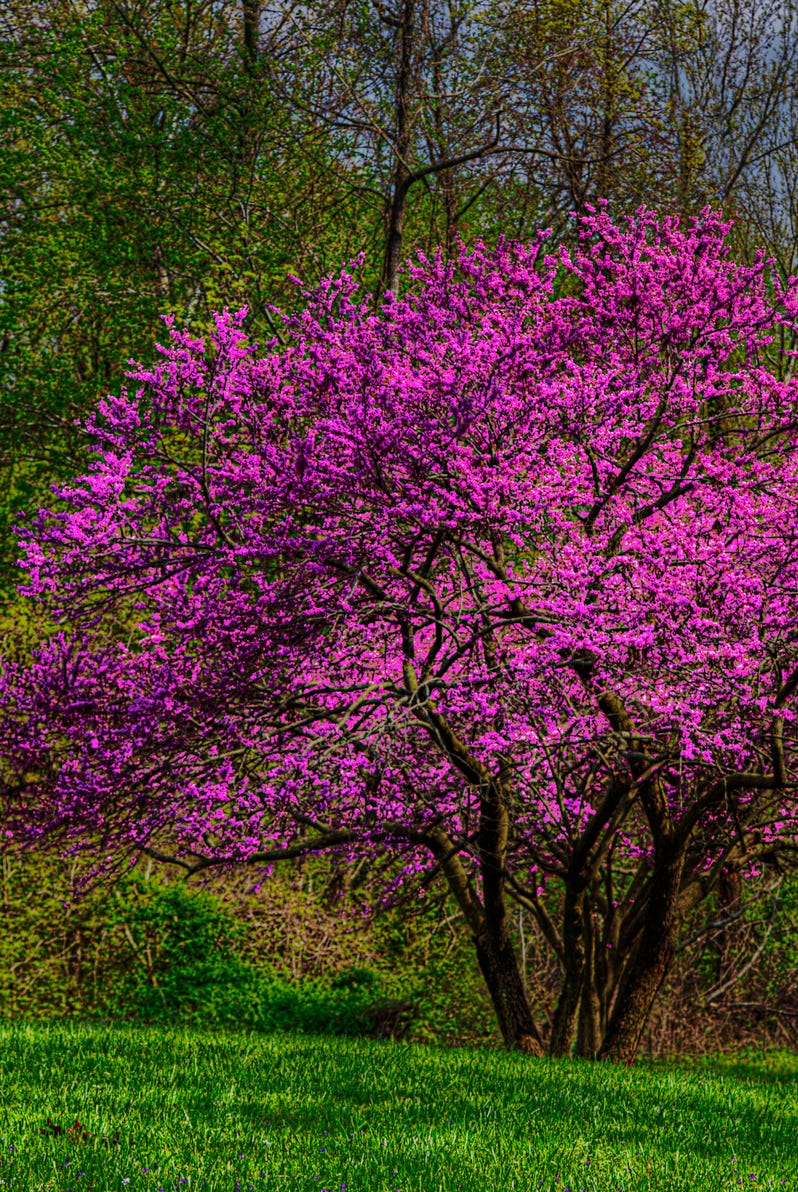
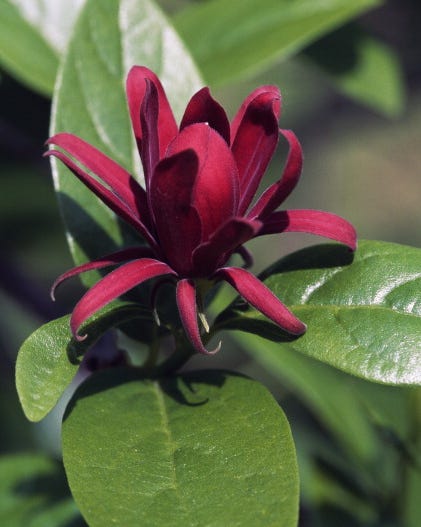
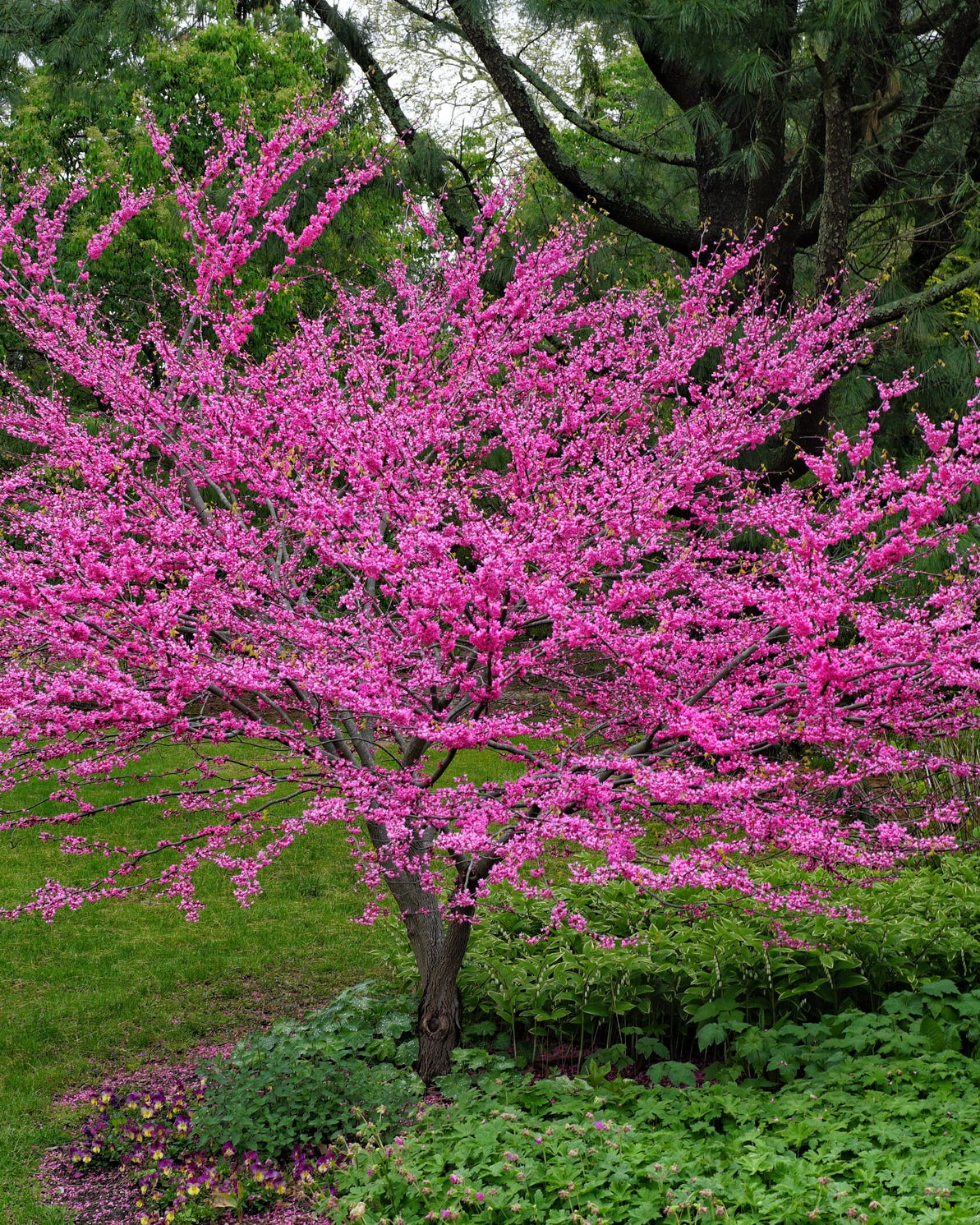
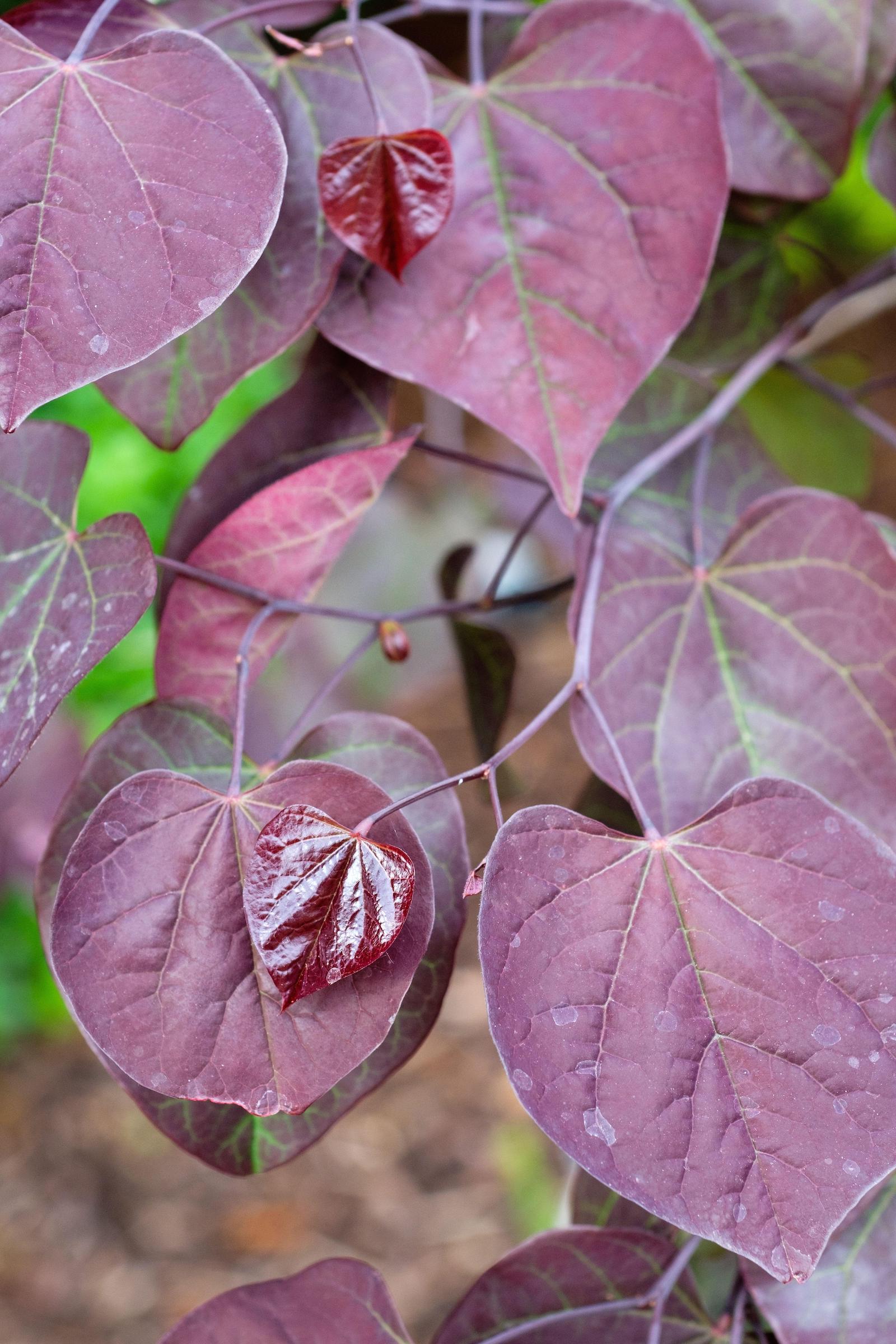
Redbud trees, native to North America, are celebrated for their pinkish-purple flowers. Varieties like the eastern redbud grow 20 to 30 feet tall, while the 'lavender twist' weeping variety remains under 10 feet, making it suitable for smaller front yards. These trees are hardy in USDA Zones 4 to 9 and bloom from early to mid-spring, attracting various wildlife. Magnolias, particularly the 'Royal Purple' variety, offer deep purple flowers and support beetles and other pollinators. This smaller magnolia stays under 20 feet, has a narrow growth habit, is deer-resistant, and thrives in USDA Zones 6 to 9, blooming mid- to late spring.
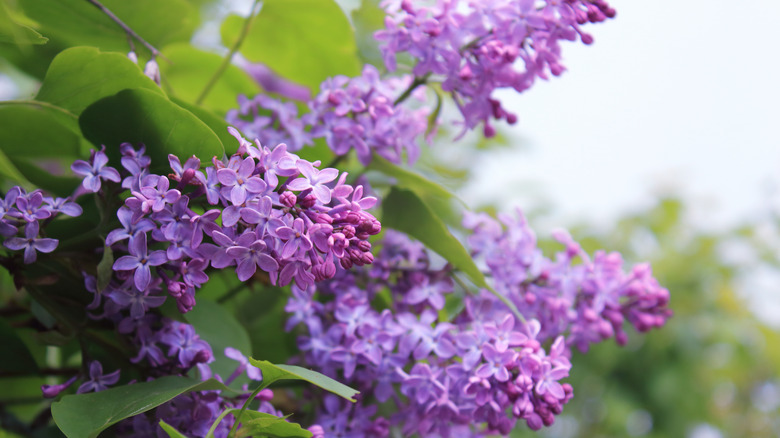
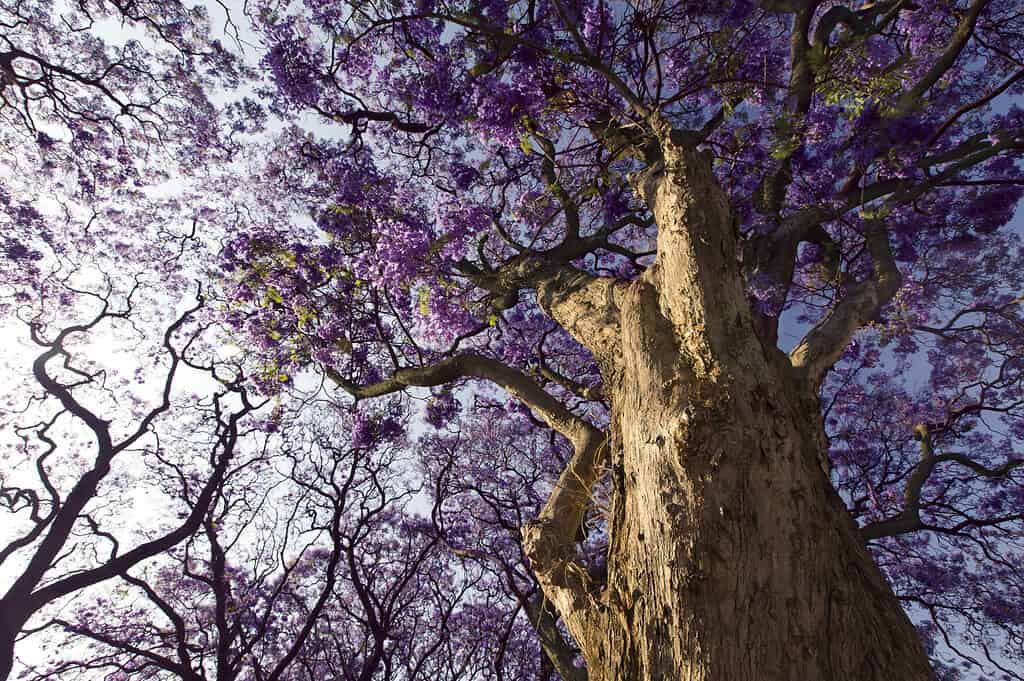
Lilacs, although technically shrubs, can be cultivated as mini trees, reaching up to 15 feet. Known for their fragrant spring blooms and cold hardiness, they require pruning immediately after flowering as they bloom on old wood. Lilacs are suitable for USDA Zones 3 to 7 and flower mid- to late spring. Jacaranda trees, if climate and space permit, are another excellent choice, producing fragrant purple flowers. These tropical trees prefer moist, slightly acidic soil but require careful placement due to their root systems potentially causing structural damage. They are best suited for USDA Zones 10 to 11 and bloom in spring and summer, growing 25 to 50 feet tall.
'Purple Prince' crabapples are charming trees with bronze leaves and fragrant, reddish-purple spring flowers. They yield edible fruit that can be used for jams or left for birds, growing 18 to 20 feet tall in USDA Zones 4 to 8. Chaste trees, or vitex, are easy to grow purple varieties that prefer sunny spots and well-draining soil but are not very cold hardy and can be invasive in some regions. They bloom from late spring to early fall and reach 8 to 20 feet in height in USDA Zones 7 to 8.
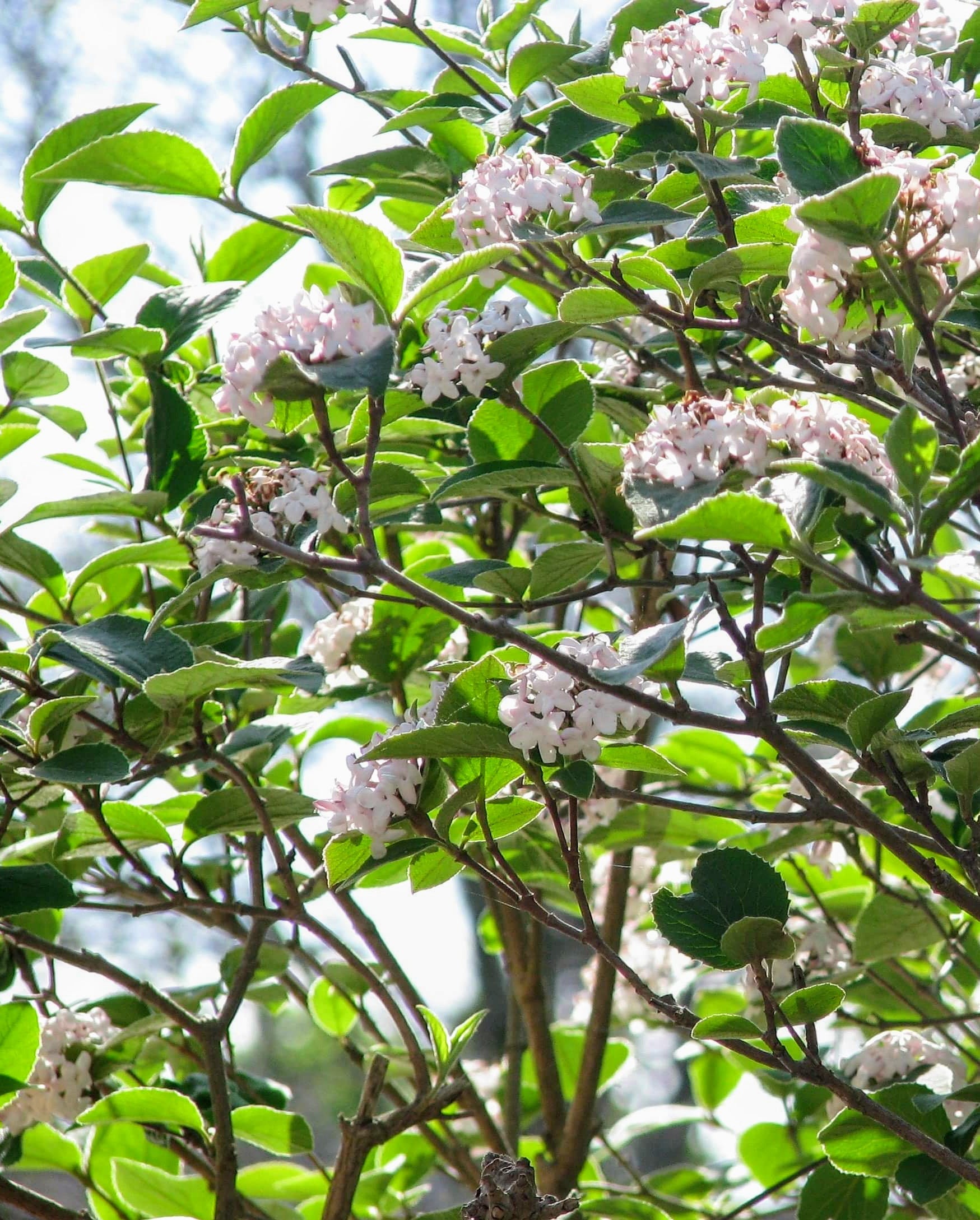
Texas mountain laurel, hardy in zones 7 to 11, is a drought-tolerant native with wisteria-like purple flowers that emit a grape-like fragrance, attracting pollinators. It grows up to 20 feet and blooms in early to mid-spring. Korean lilac trees are a compact alternative to common lilacs, growing 6 to 10 feet tall with a rounded habit and greater pest resistance, offering fragrant purple flowers in mid- to late spring in USDA Zones 3 to 8. 'Purple Lily' magnolia, another magnolia variety, produces deep purple blooms with pink interiors early in the season, before leaves emerge. This deer-resistant plant attracts hummingbirds and is suitable for USDA Zones 5 to 8, growing 6 to 12 feet.
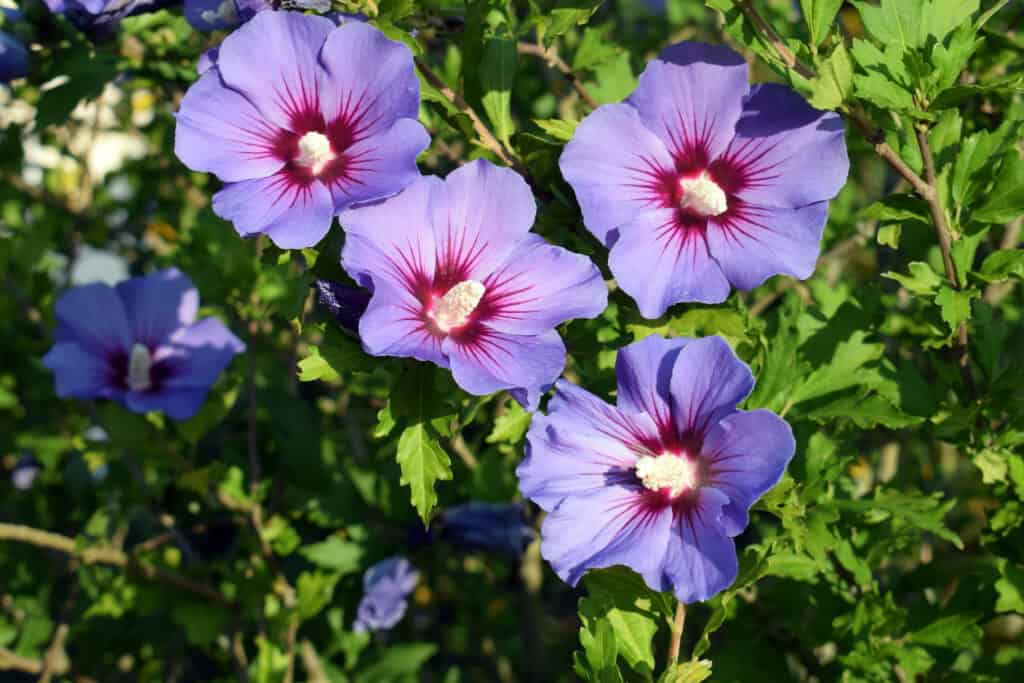
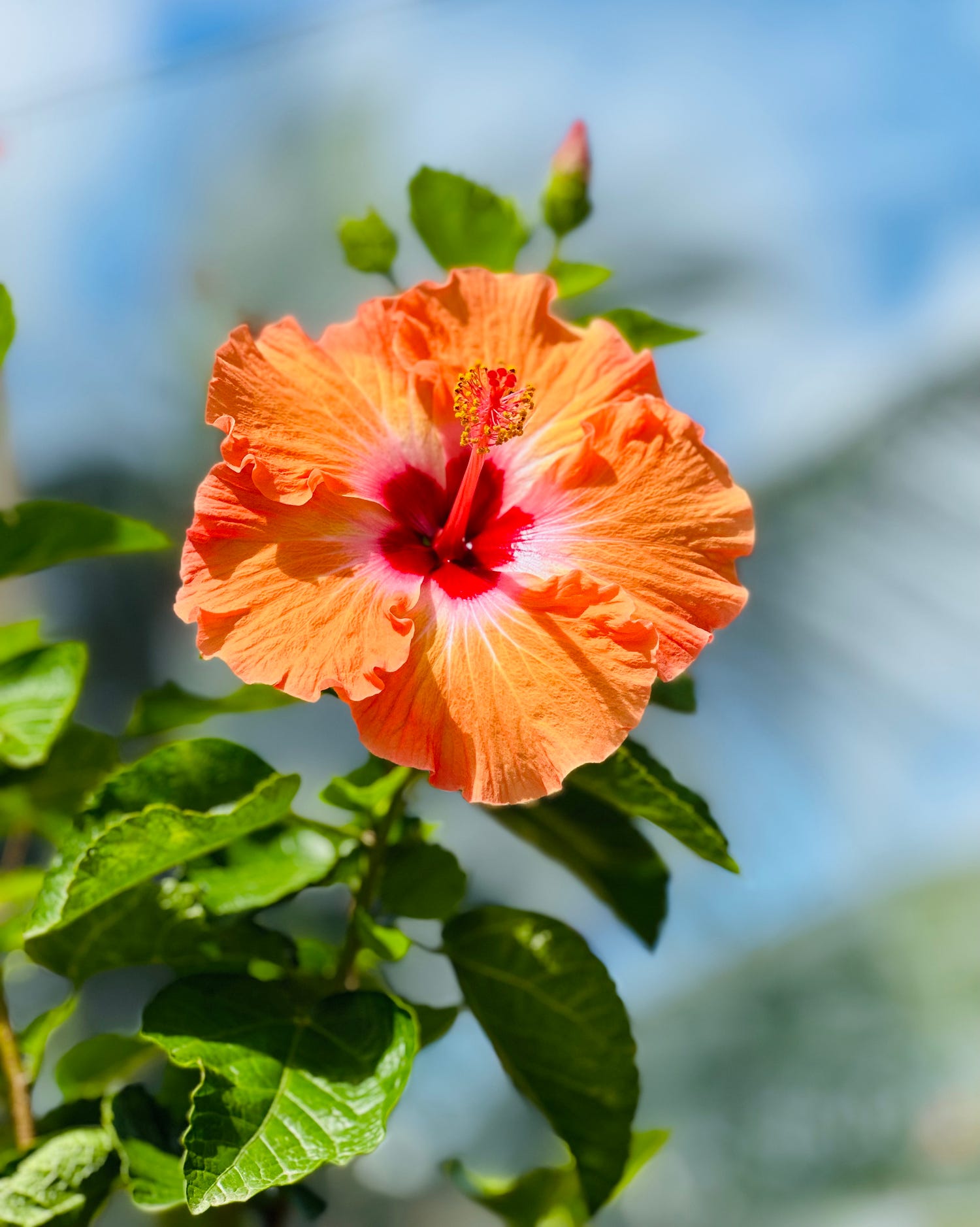
Desert willow, native to the American Southwest, is highly heat and drought-tolerant. Its airy appearance, slender leaves, and pinkish-purple flowers attract pollinators, blooming mid- to late spring in USDA Zones 6 to 9, reaching 12 to 18 feet. Rose of Sharon, a cold-hardy deciduous hibiscus, can be pruned into a tree-like form, offering purple flowers with single or double frilly petals from summer to fall. It grows 8 to 12 feet in USDA Zones 5 to 8.
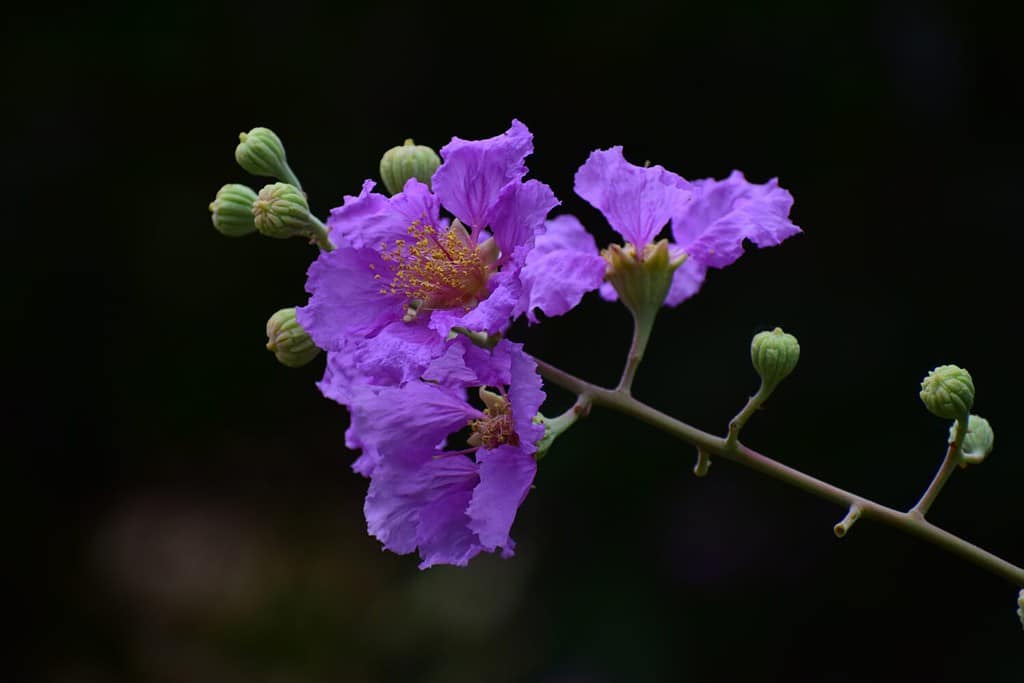
Crepe myrtle, popular in southern gardens, features a long bloom time with various purple shades, distinctive peeling bark, and high pollution tolerance. It grows 6 to 25 feet and blooms from summer to early fall in USDA Zones 6 to 9. 'Royalty' crabapple, an alternative to 'Purple Prince', displays deep burgundy flowers and dark green leaves, thriving in full sun to partial shade. It is self-fertile, produces edible fruit, and grows 25 to 30 feet in USDA Zones 4 to 8, blooming mid- to late spring.
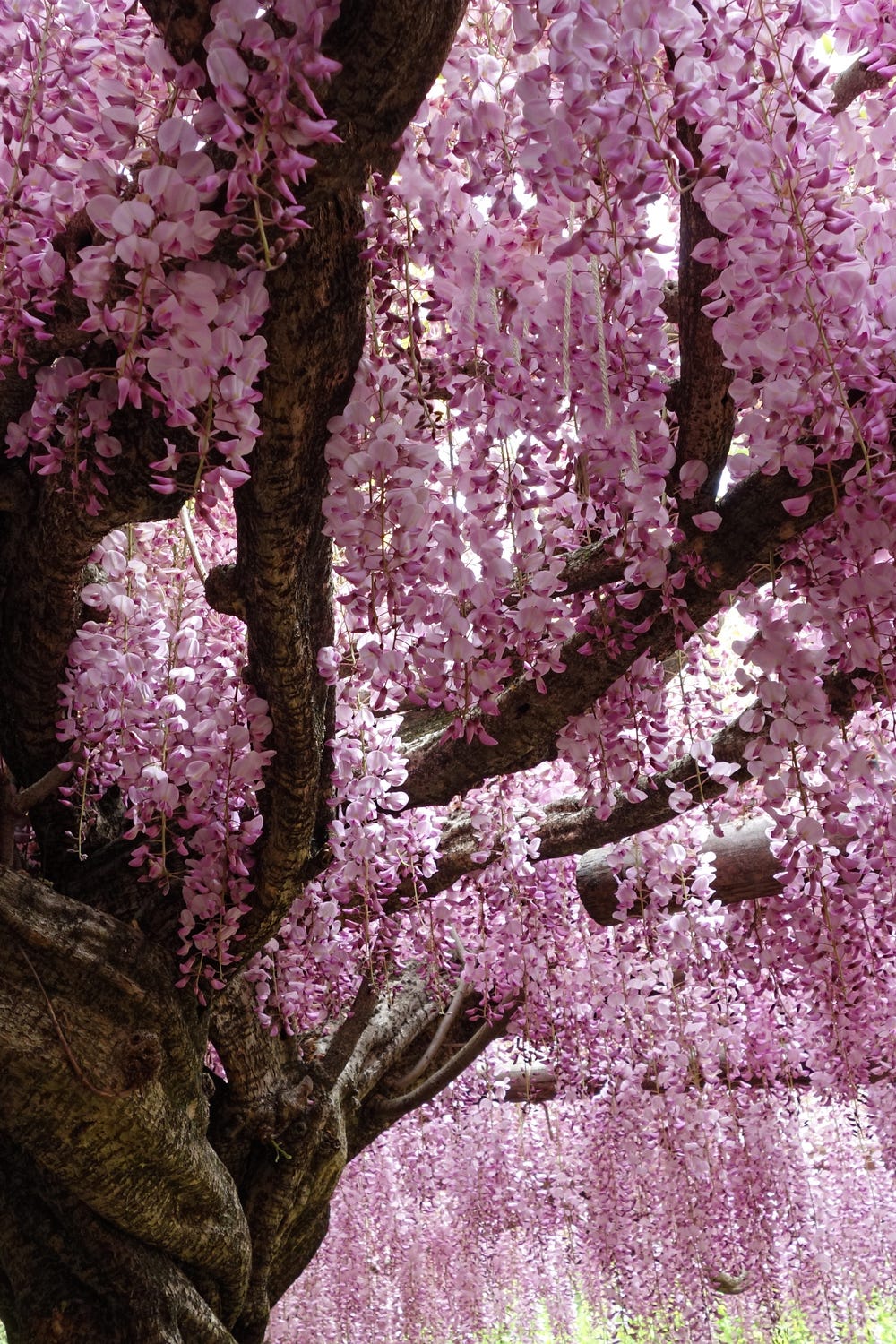
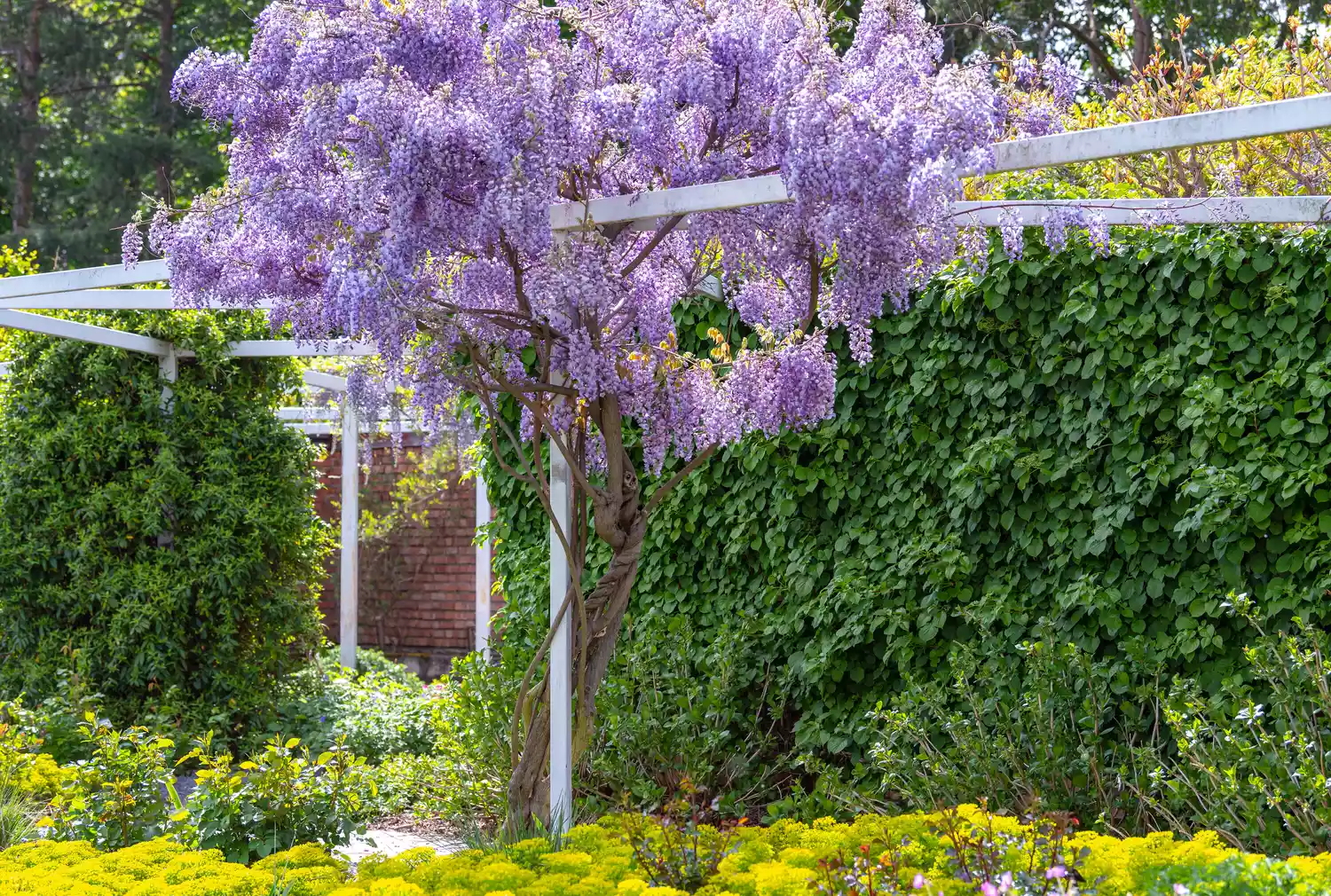
Purple robe locust, a colorful cultivar of the black locust, tolerates some shade and dry soil, producing large, fragrant wisteria-like purple flowers that attract bees in late spring. It reaches 30 to 40 feet and is suitable for USDA Zones 4 to 8. Lastly, wisteria, a vining plant, can be trained on an arbor or trellis to create a tree-like appearance. While Asian varieties can be invasive, American wisteria is a native, non-invasive alternative that benefits wildlife, growing 10 to 25 feet long and blooming mid- to late spring in USDA Zones 5 to 9.
#PurpleBloomingTrees #FloweringTrees #CurbAppeal #GardenLandscaping #RedbudTree #Magnolia #Lilac #Jacaranda #Crabapple #ChasteTree #TexasMountainLaurel #DesertWillow #RoseOfSharon #CrepeMyrtle #Wisteria #PurpleBloomingTrees #FloweringTrees #CurbAppeal #GardenLandscaping #RedbudTree #Magnolia #Lilac #Jacaranda #Crabapple #ChasteTree #TexasMountainLaurel #DesertWillow #RoseOfSharon #CrepeMyrtle #Wisteria
0 comment in total
 No comments yet
You may also like
We Found the BEST Pink Flowering Trees to Boost Your Curb Appeal

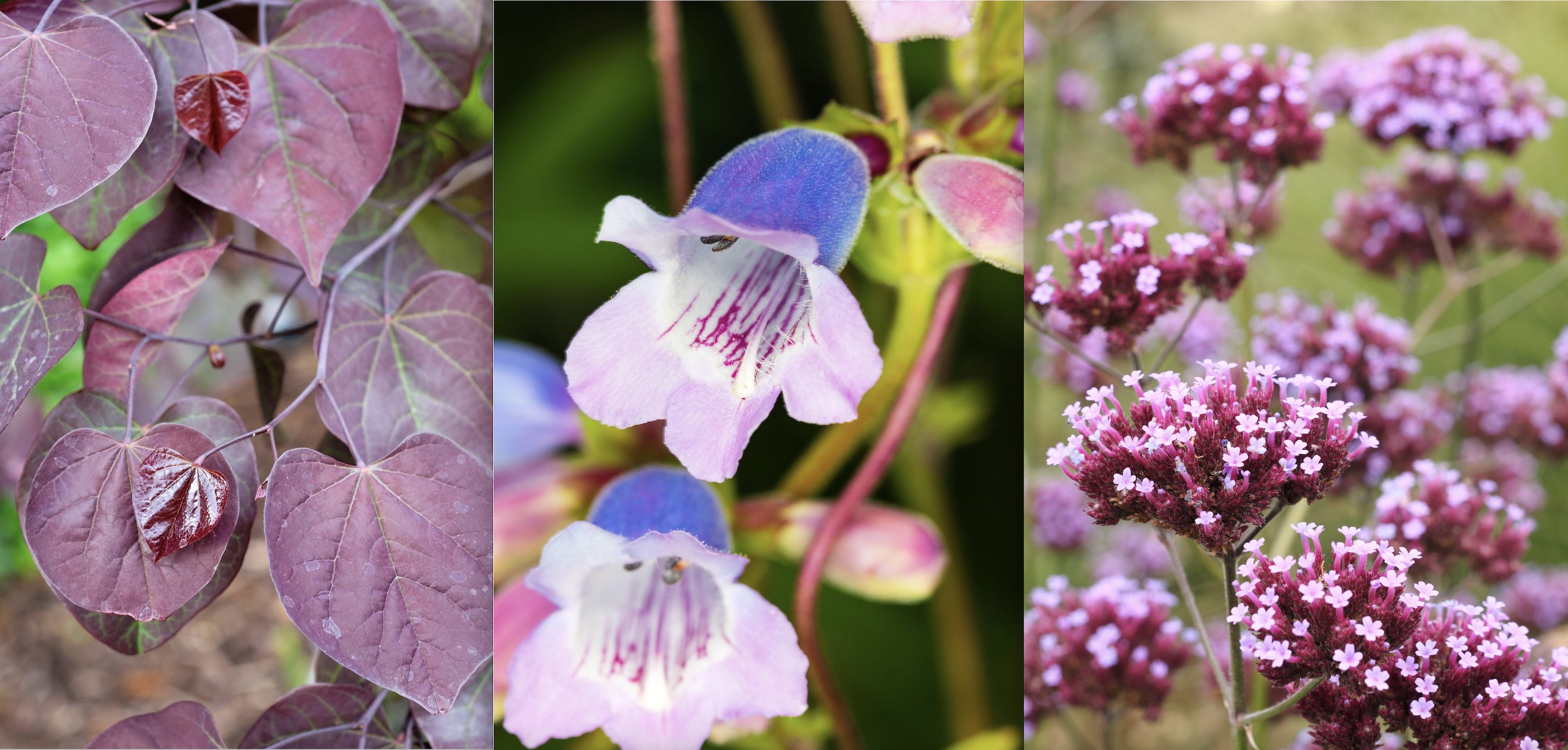
Purple plants – 5 best to choose for the perfect purple border
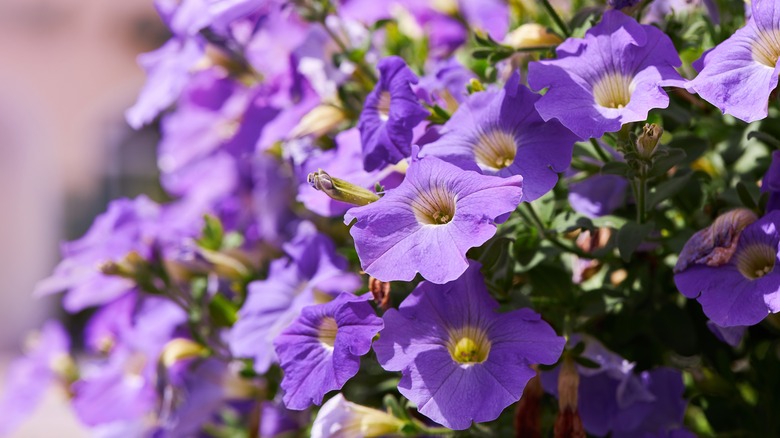
15 Annuals That Bloom With Bold Purple Flowers
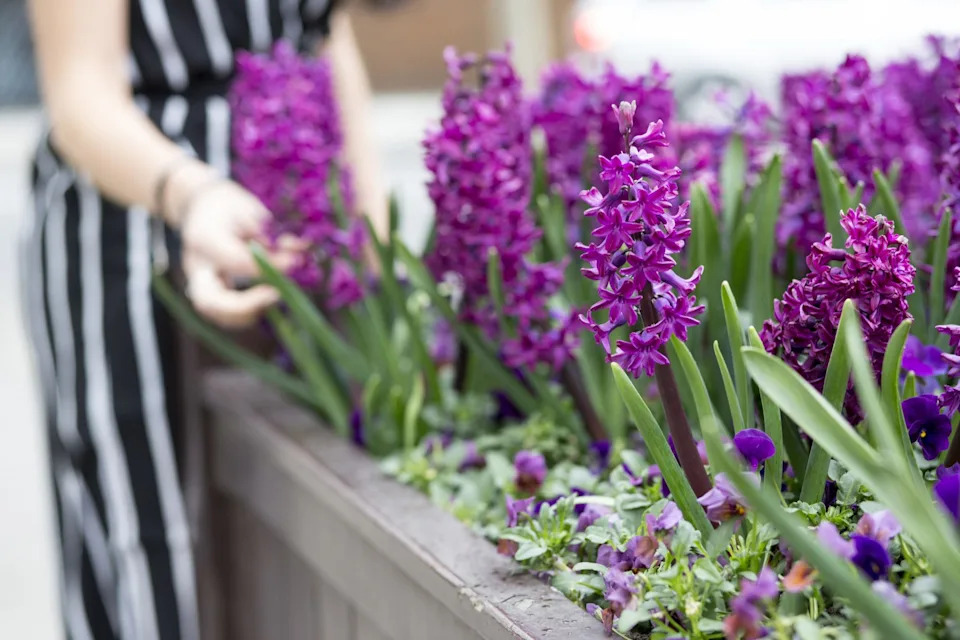
11 Pretty Purple Flowers to Plant in Your Garden
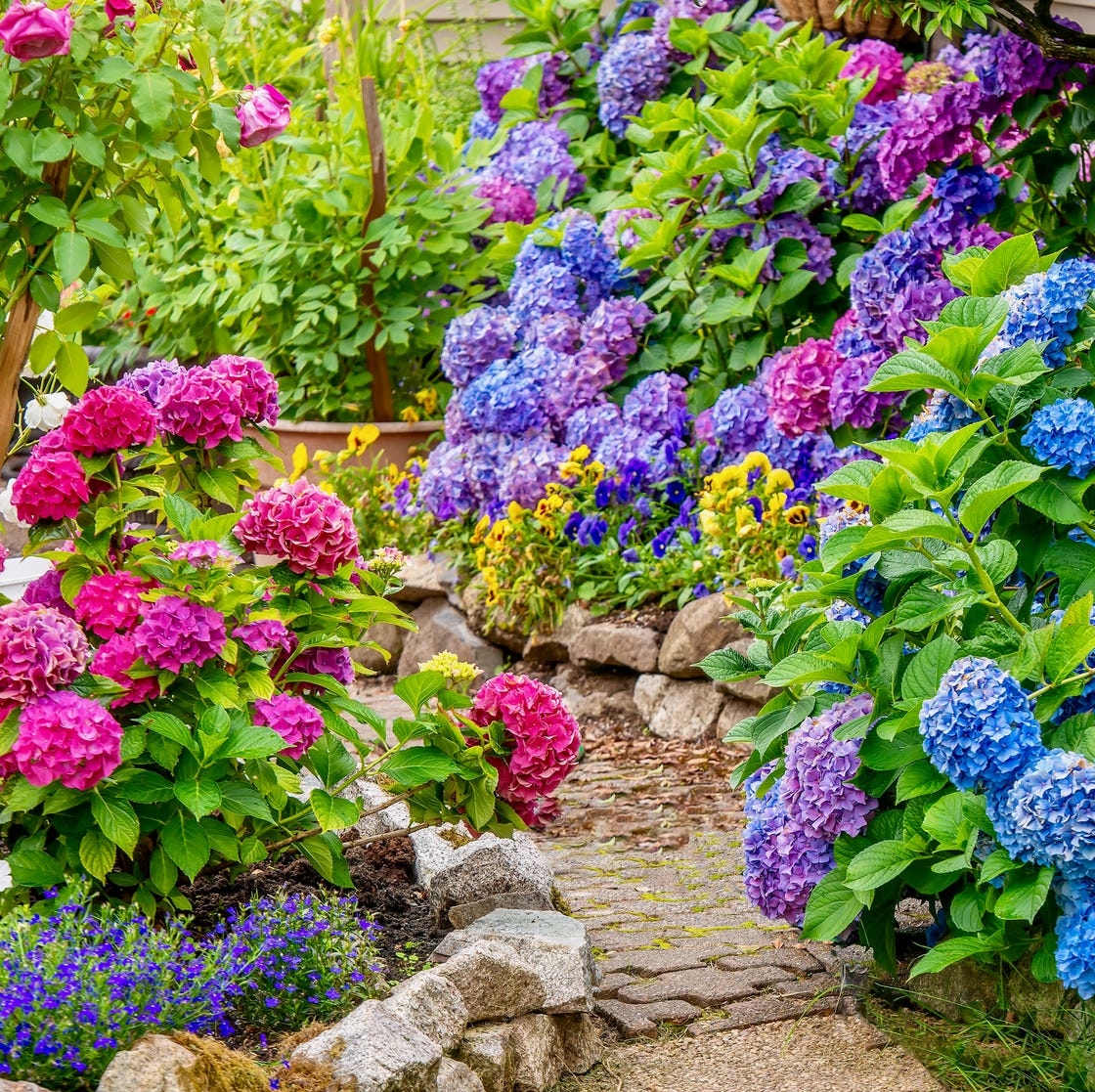
These Beautiful Flowering Shrubs Will Add Major Color to Your Garden

15 Best Purple Plants For Your Flower Garden
11 Pretty Purple Flowers to Plant in Your Garden
10 Beautiful Privacy Shrubs You'll Want To Grow Right Next To Your Windows

10 Pretty Purple Flowers That’ll Make Your Garden Pop

13 Purple Plants to Grow for Bold Color

The 11 Best Purple Flowering Trees in Florida
15 Colorful Plants to Brighten Up Your Landscape
20 Small Trees for Front Yards That Add Tons of Colorful Curb Appeal
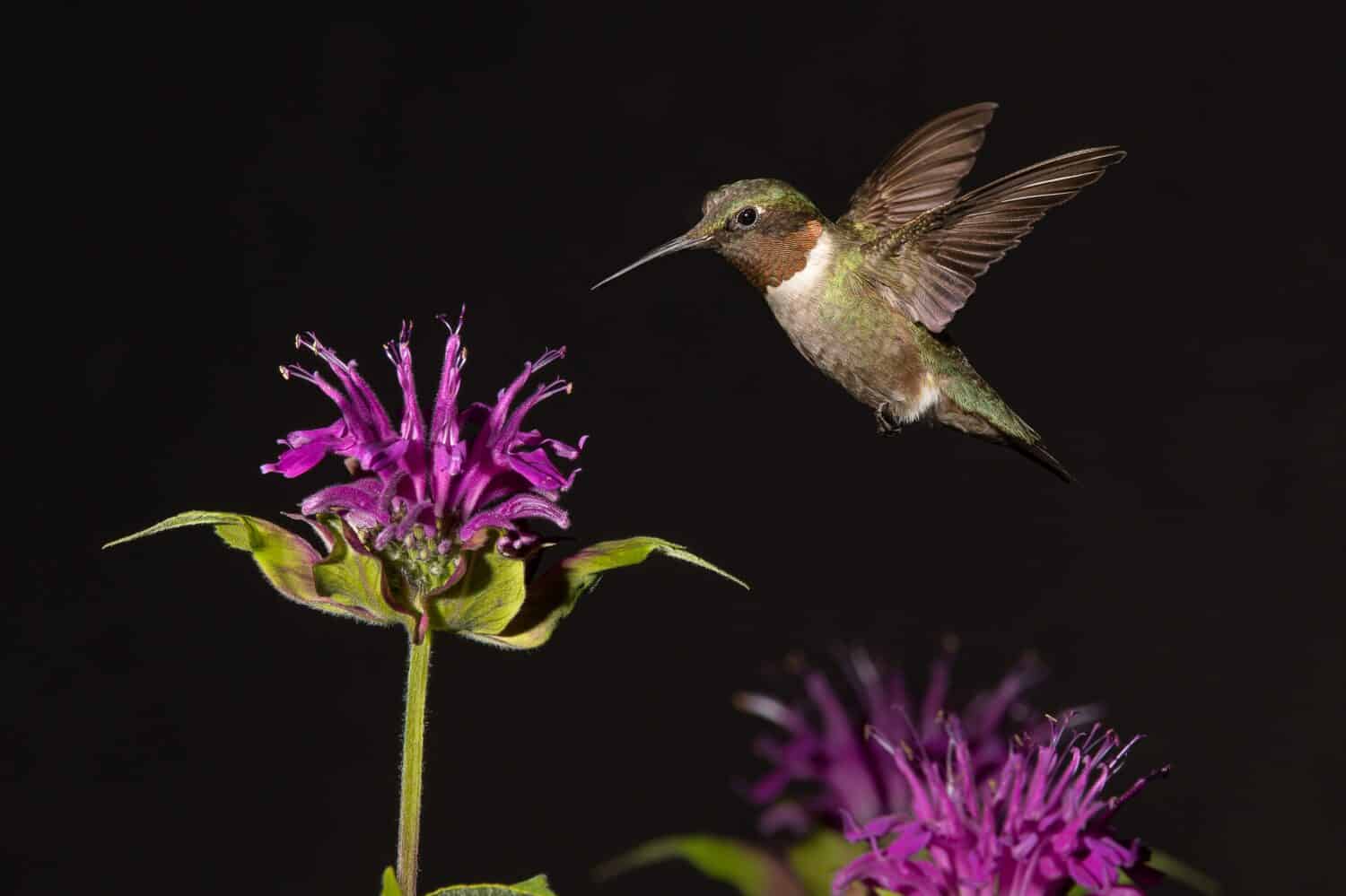
11 Beautiful Purple Flowers and Plants That Attract Hummingbirds
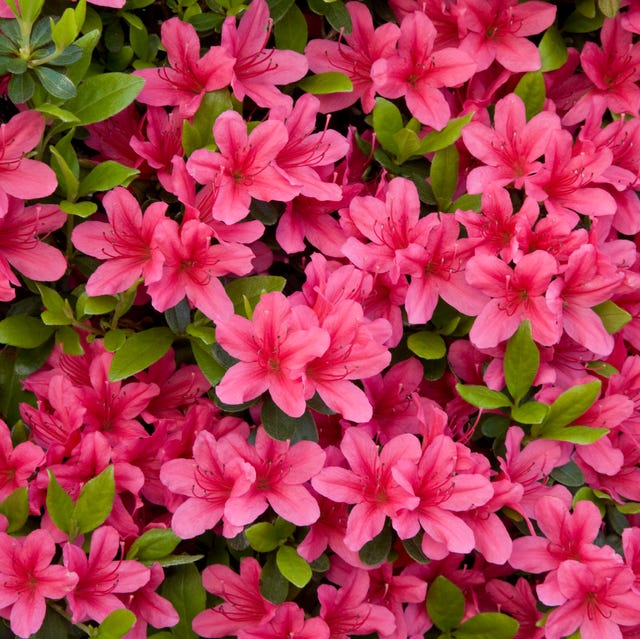
Plant These Flowering Shrubs Today If You Want a Vibrant Summer Yard
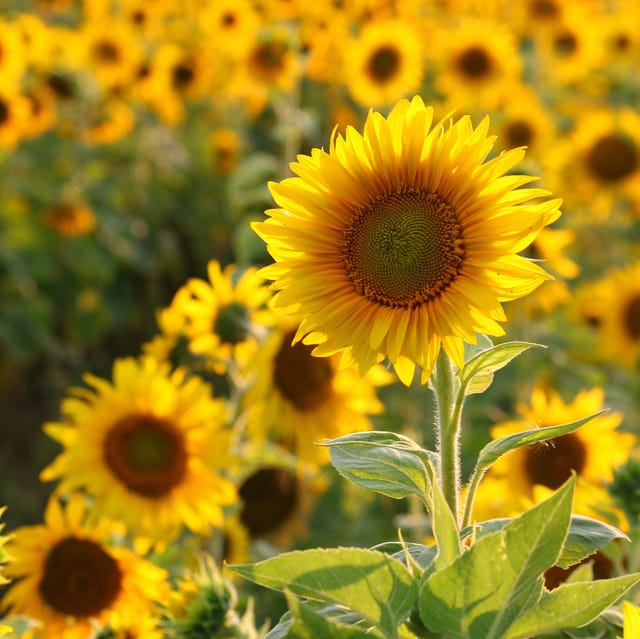
Hey, Gardeners! Plant These Summer Flowers for a Bright and Beautiful Yard

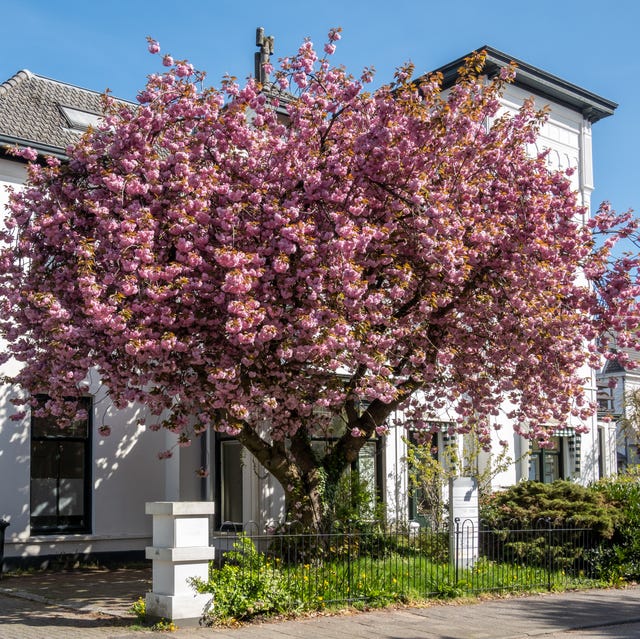
These Pink-Blooming Beauties Are the Ultimate Yard Upgrade
Grow Up! Flowering Vines to Adorn Walls, Trellises and Fences
16 Best Fast-Growing Purple Plants For A Beautiful Shade Garden In No Time
11 Pretty Purple Flowers to Plant in Your Garden